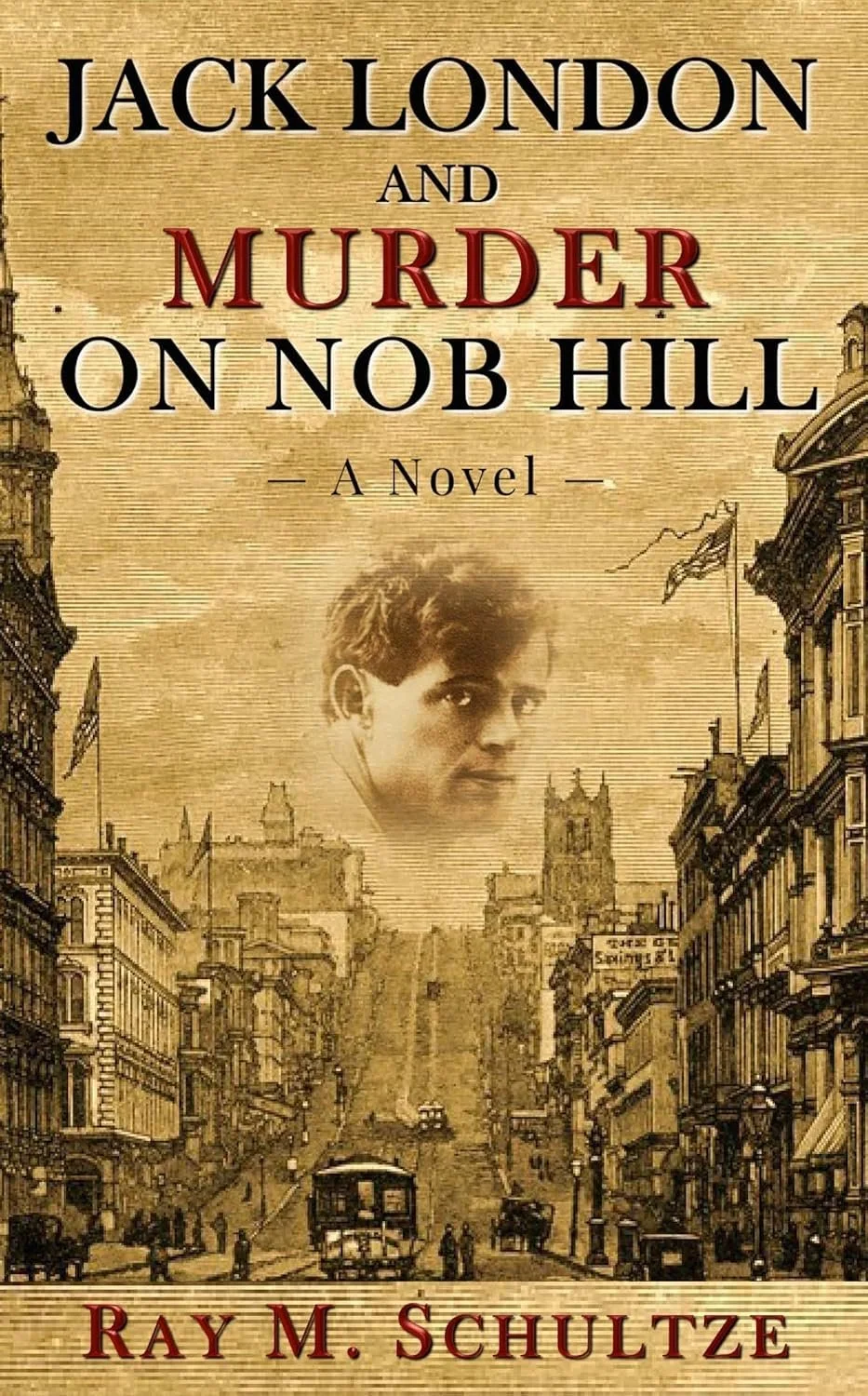
Spotlight: Jack London and Murder on Nob Hill by Ray M. Schultze
/
Publication date: December 2, 2025
Genre(s): Mystery, murder mystery, historical fiction, historical mystery, literary fiction, biographical fiction
The erasure of a murder becomes the central question in Jack London and Murder on Nob Hill by Ray M. Schultze, where Jack London’s report is dismissed and he must seek answers beyond official channels.
In 1898 San Francisco, Jack’s investigation leads into narrow districts where missing girls and quiet power arrangements define local dynamics. Chinatown’s internal spaces reveal subtle shifts pointing toward deeper networks of influence. A woman connected to these operations adds complexity to Jack’s efforts, challenging his assumptions about the event. As he observes how different elements intertwine, he encounters figures who safeguard their authority through silence. The broader landscape emerging from his search highlights a city shaped by unseen forces and unspoken agreements.
Excerpt
CHAPTER 1
San Francisco
Fall, 1898
Jack London was drunk.
Ingloriously, outrageously, irredeemably drunk.
It had been a long time since he had been so demolished. This was the day he committed himself to make up for lost time. It was a clear, moonlit evening, the city’s gaslights blazing, but his disorientation was so intense that for all he knew he could have been wrapped mummy-like in the fog.
At the age of twenty-two, he had been drunk innumerable times in innumerable places. One could fairly say he had earned an advanced degree in inebriation at the school of John Barleycorn. Truth be told, he had never cared for the taste of liquor, but that was hardly the point. He cradled the glass to grease the wheels of camaraderie or to establish his manly credentials among hard-drinking men. And if not that, to ameliorate the bouts of depression he was prone to or simply to escape the hardships of growing up poor and being forced to become a work beast from a very early age. This day, he was intent on doing a deep dive, swimming down into the current of forgetfulness, stealing a glimpse of oblivion, even while knowing that it was a transitory experience, that he must at some point rise back up and burst painfully onto the surface. With his head pounding and body wracked, he would once again have to face the reminders of failure: the stream of rejection letters, the dashed-off notes declaring his writing unfit for public consumption.
Had these editors embraced so much hackwork that they could no longer discern honest, robust writing? Did they really favor gross sentimentality over impassioned realism? Yes, he was of a raw age, but he knew he had experienced more of the world—and discovered more of its truth—than many men over a lifetime. He had slaved in the factories, processing jute, canning fish, shoveling coal. He had pirated oysters along the bay before switching sides to enforce the marine law. He had ridden the rails west to east, seen the fat Iowa farm country, marveled at Niagara Falls in the moonlight, endured the living hell of jail as a convicted vagrant and walked the slums of New York City. He had braved the Pacific on a seal hunter, stepping ashore in Japan. And he had met the ultimate physical and mental challenges prospecting for gold in the unforgiving wilderness of the Yukon.
Yet these smug literary gatekeepers kept themselves cloistered in their offices, stooping to consider the supplications of someone they surely regarded as a lesser mortal. Would they care to know how hard Jack had labored since returning from the goldfields in midsummer, how he had disciplined himself to sleep no more than five and a half hours a night and chained himself to the writing desk except for brief meals and the occasional odd job? How he had churned out short stories, essays, poems, even jokes, any kind of writing he could think of, desperate to make the handful of dollars that would allow him a decent living and help support the family? No, of course they wouldn’t care. He would have taken soulful satisfaction in reaching out, grabbing them by the lapels and shaking them until their brains rattled. Since that was not feasible, he had sought solace in the bottle.
Where the hell am I? That’s the existential question, isn’t it? There was nothing more existential than struggling to put one foot in front of the other, to keep from falling down and possibly being trampled by the carefree souls out for an evening of entertainment or being kicked or robbed by those malevolent ones looking for a sadistic thrill or profit. He took a tiny measure of relief in realizing he was staggering along the sidewalk and not in the street where a horse-and-carriage might thunder over him, pounding him into the cobblestones. So, where? Washington Street? Montgomery? Likely one or the other, since he had just tried to gain admission to the Bank Exchange Saloon, with its crystal chandeliers, marble embellishments and elegant oil paintings. It wasn’t really his sort of place—too refined, too welcoming to the lawyers and well-heeled capitalists that he disdained. But he fancied invading it just for amusement’s sake. Not surprisingly, the saloonkeeper ejected him. Just as well, he told himself, since the taste of the bar’s renowned Pisco Punch would have been lost on him.
He had begun his odyssey in late afternoon at his favorite watering-hole, Heinold’s First and Last Chance Saloon, which teetered on pilings on the Oakland waterfront, not far from his home.
“What’s up with you, Jack?” asked Johnny Heinold, who was used to seeing him huddling with a dictionary at a side table rather than elbow-bent at the bar. “You got writer’s block?”
Writer’s block? Jack had to laugh. The spigot of his creativity was gushing. The problem was, the magazines and newspapers weren’t thirsty for it. “No, just need something to warm the blood in my veins after writing about all those freezing nights in the Klondike.”
But after downing a few whiskeys, Jack ferried across the bay and took to the trough at a
Buy on Amazon Kindle | Paperback | Bookshop.org

About the Author
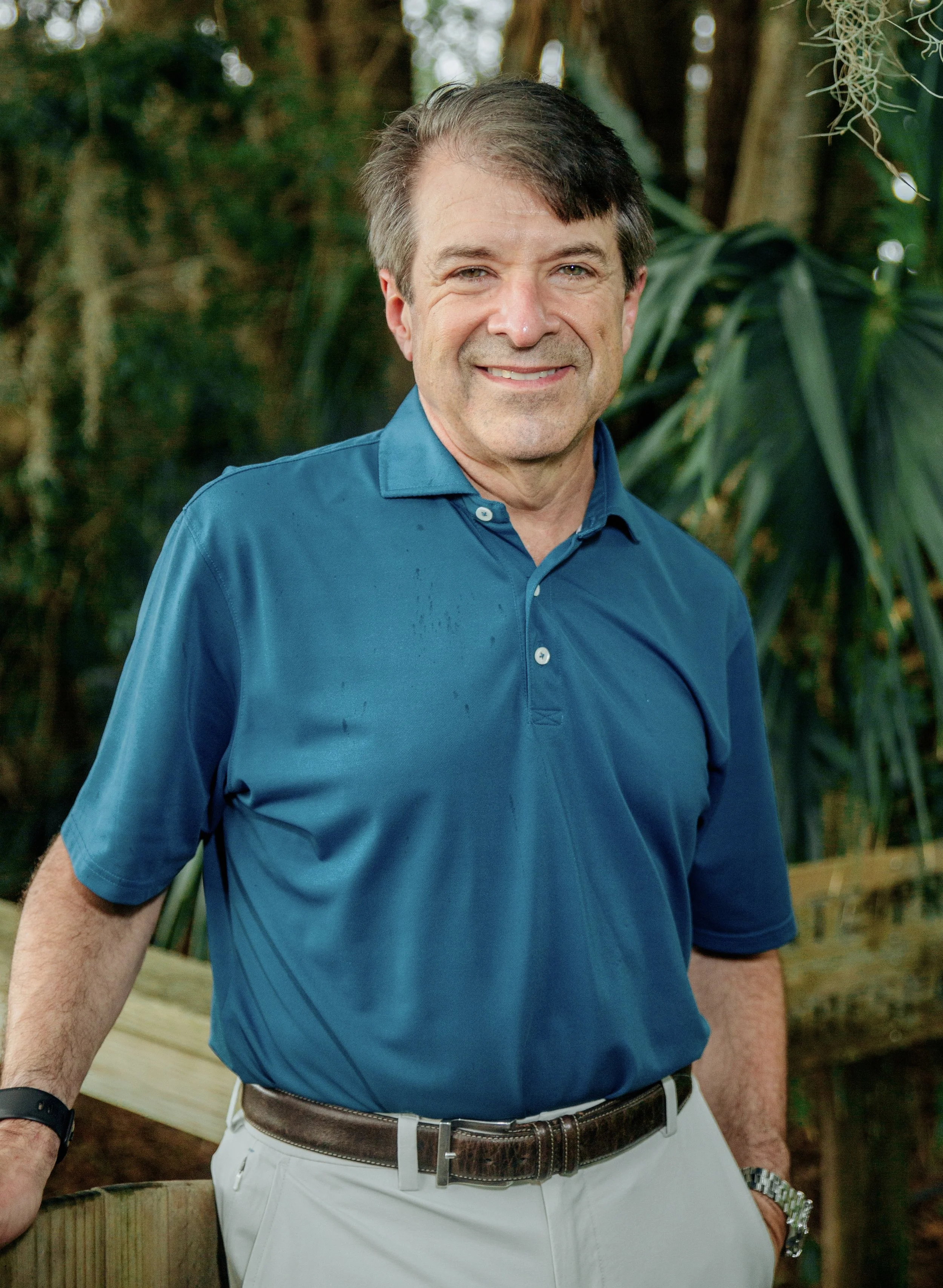
Ray M. Schultze is the author of six novels, five of them works of suspense—The Last Safe Place, Combustion, The Devil in Dreamland, Decatur’s Dig, and Beranek’s Stand. His most recent novel, Russian River, is historical fiction. His interest in writing began in childhood with a handmade, folded-paper “magazine” that his mother encouraged. After graduating from the University of California at Riverside, he pursued newspaper reporting as a practical way to support himself while writing fiction. Over a twenty-five-year career, he covered politics, the legal system, and education for newspapers in California, Florida, and Arizona. When he turned to fiction full-time, he drew inspiration from authors such as Alan Furst and Ken Follett. Ray now lives in Santa Rosa, California, with his wife, Judi. They enjoy tennis, hiking, exploring the region’s beaches and headlands, and international travel—experiences that often shape his novels’ settings. He is also an award-winning woodworking artist. Visit him at his website.