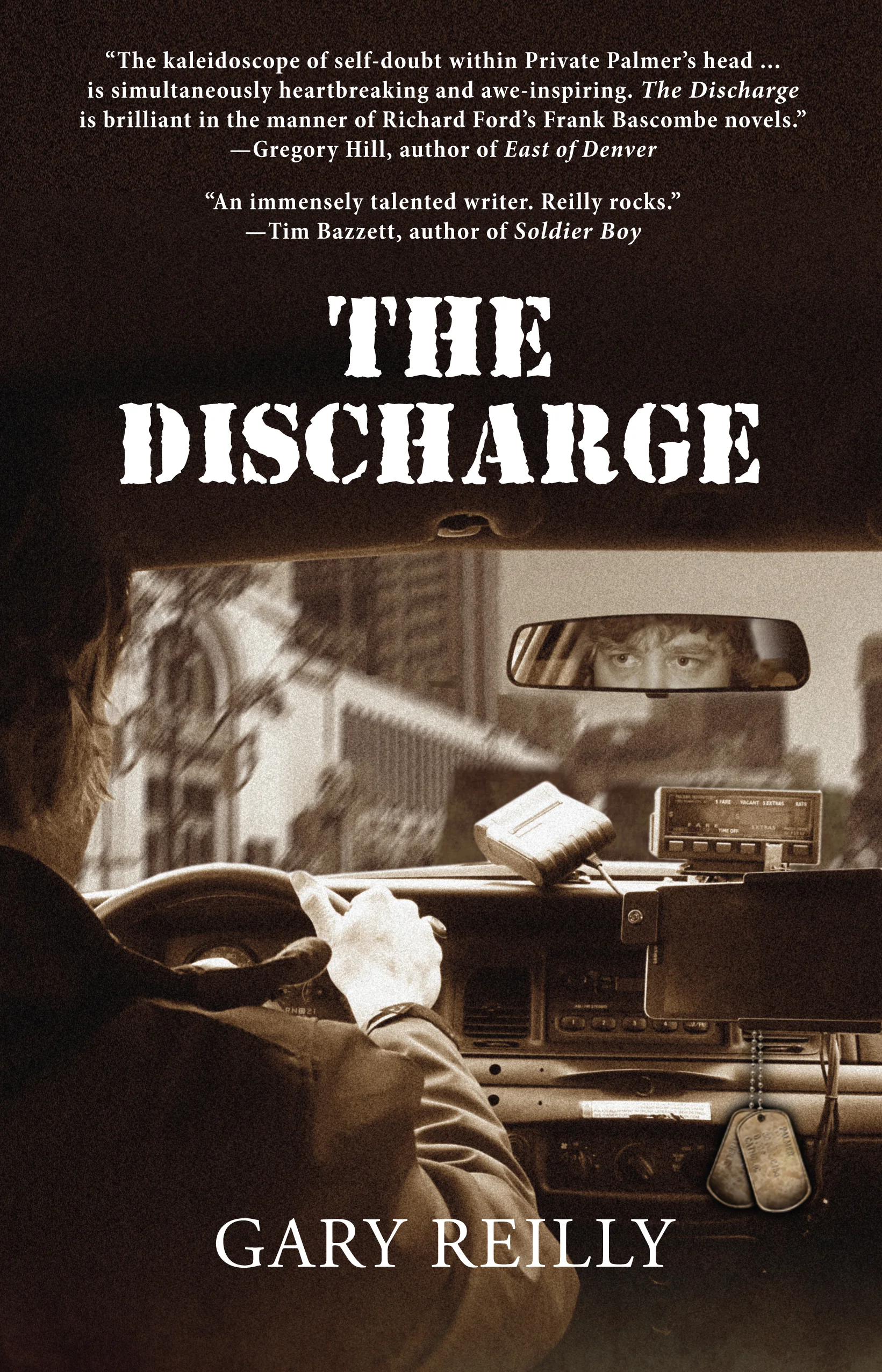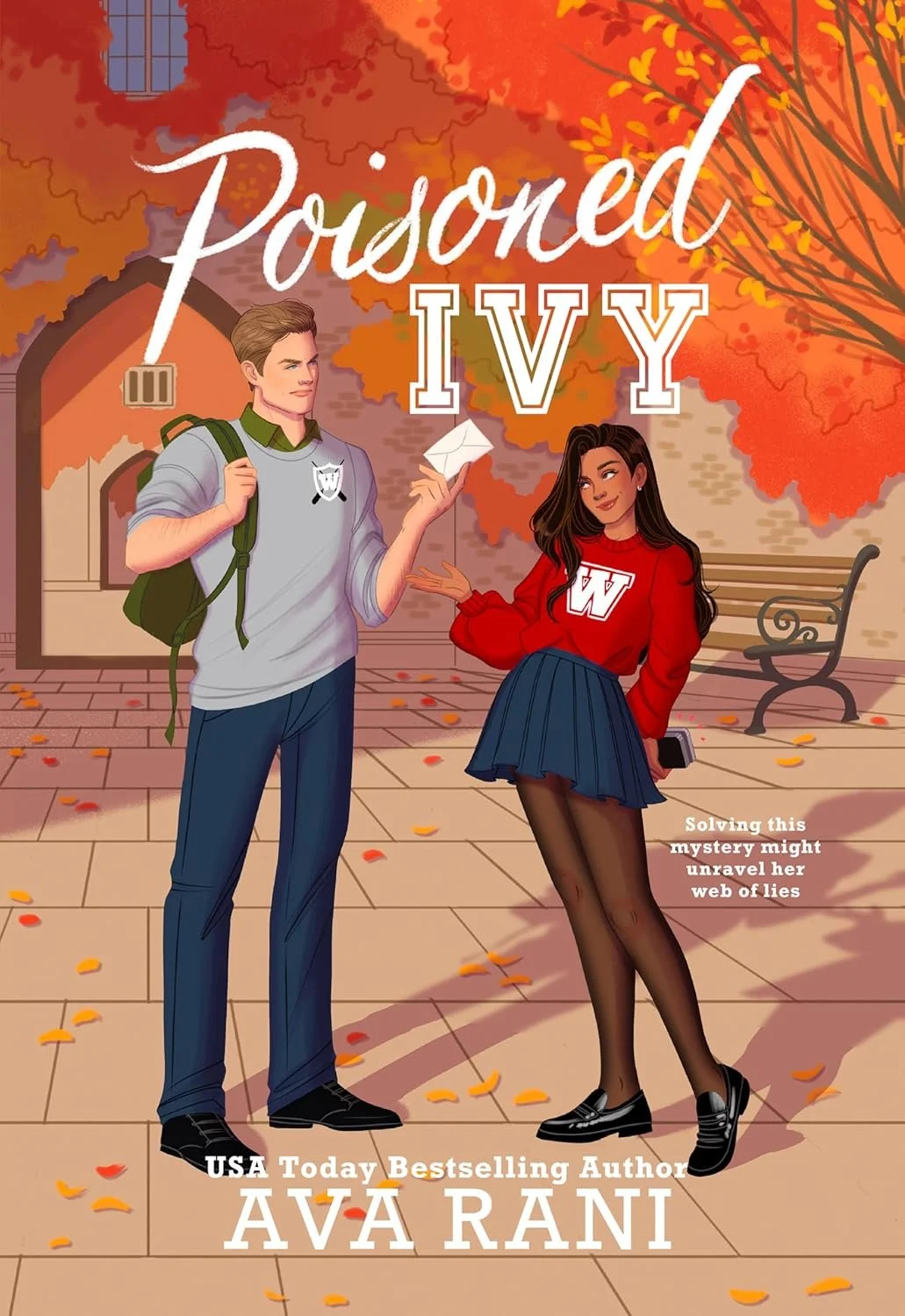
Read an excerpt from The Discharge by Gary Reilly

The Discharge is the third novel in Gary Reilly’s trilogy chronicling the life and times of Private Palmer as he returns from the U.S. Army to civilian life after a tour of duty in Vietnam. It is a largely autobiographical series based on his own two years of service, 1969-1971, which included a year in Southeast Asia.

In the first book, The Enlisted Men’s Club, Palmer is stationed as an MP trainee at the Presidio in San Francisco, awaiting deployment orders. Palmer is wracked with doubt and anxiety. A tortured relationship with a young lady off base and cheap beer at the EM club offer escape and temporary relief.

The Detachment is the second in the series. This novel covers Palmer’s twelve months in Vietnam as a Military Policeman. In the beginning, he endures through drink and drugs and prostitutes but comes to a turning point when he faces his challenges fully sober.

Now, in The Discharge, Palmer is back in the United States. But he’s adrift. Palmer tries to reconnect with a changed world. From San Francisco to Hollywood to Denver and, finally, behind the wheel of a taxi, Palmer seeks to find his place.

Excerpt

From Part 3: Winter

1

Now that he had a source of income, Palmer decided it was time he moved out of his basement apartment. He had lived there for a year after he had broken up with his last girlfriend, and it was the place where he had endured the worst of the bad dreams of his life. They were not the frightening dreams of childhood, of arms reaching out of the darkness to grab an ankle, they were dreams of anguish, contrasted with dreams of peculiar joy. He had rarely dreamed about Vietnam after he'd come home from the war, yet during the past six months he had begun having dreams where he found himself back on the army compound where he had served as a clerk/typist.

The architecture of the compound was a bit different, in the way that most familiar places are skewed in dreams, but was enough like his old duty station that he knew where he was and what was expected of him, that he would be required to spend another year in Vietnam. He stormed angrily around the compound in these dreams, exasperated that he had to do it all over again, that he had to re-experience that oppressive sense of dread that had enveloped him like a suffocating blanket during his tour twenty years ago. But oddly enough he never sought out a battalion clerk or an officer in these dreams, to explain that he had already served his year and that he was under no legal obligation to do it again. He simply accepted it as he had once accepted his real tour. He would awaken from these dreams drained from frustration, yet not especially relieved to be awake.

One night he dreamed that he was dead. The cemetery where his body was interred, the landscape itself, was made of stone. There were no lawns, no acres of empty space, only tombs rising no more than waist high and crowded together like a city which stretched into the dream distance. His tomb was right next to a large motionless body of water which extended in the opposite direction, describing a curved horizon. This tombscape was engraved with random, meandering, narrow paths, so that the living could walk among the graves. The low walls of these paths had embossed carvings of skulls, bones, and random intricate interlocking designs. He himself was dead, was a ghost floating above his tomb in a pleasant state of mind that was almost physical in its intensity, was unlike anything he had ever experienced in waking life. He drifted here and there among the tombstones, and was aware of one other ghostly presence but felt no fear or even any particular need to communicate with it. Living visitors were walking among the tombstones, families of the deceased. He felt no compulsion to draw close to them, to listen in on their conversations. He felt no particular need to do anything at all. Far across the body of water was the glow of what he thought must be a city. He neither knew nor cared, and when he awoke from this most peculiar of dreams, he kept his eyes closed and clung to its sweet ambiance as long as he could.

Whenever he dropped a passenger off in an unfamiliar neighborhood, Palmer took note of any For Rent signs he might see planted behind window glass. He would study the house or apartment building and try to imagine himself living there. He wanted some place where he could stay for a long time, a place from which he would not feel the need to flee for at least a year. He did not want to live in the suburbs, nor on Capitol Hill which had been taken over by punk rockers in the way that the heart of the city had been overrun by hippies when he had been a teenager. And he did not want to live so far away from the cab company that he would find it complicated to get there if his heap ever broke down and he had to take a bus. He did not know where he wanted to live, only that he had to get out of that awful basement apartment as soon as possible. He had the money now. This job seemed to be working.

It had not worked very well the first few shifts. He had made all the mistakes that Pemberton had warned him about, and had invented a few of his own. One day he failed to tighten the radiator cap after checking the water level, so that the water evaporated, the engine overheated and seized up, and the cab had to be towed back to the company at a cost of twenty-five dollars to Palmer, upon whom the mechanics placed the blame after discovering the loose radiator cap.

On another day he picked up a man at a bar, and then made the mistake of letting the man go into an apartment complex unescorted to "get the money." The man never came out.

On his first day of driving Palmer had earned a total of five dollars, even though he worked the maximum twelve hours. His very first fare from the airport was a cowboy who had left his truck over the weekend in the parking lot of a girls' school a few blocks from Stapleton, so that the fare was not fifteen dollars as Palmer had expected for his first trip ever out of the airport, but three dollars.

He quickly drove back to the airport and pulled up in the cab line, but not so quickly that he could outrace the sense of futility that had begun to overwhelm him. From the very outset of cab driving, from the get-go, things were not working out the way he had hoped. He was old enough to know that there was no justice in the universe, but it seemed that the odds ought to occasionally go his way through sheer caprice.

He came home that night with a fleeting sense of horror that this job was not only not going to work, it could not even be considered real. Where was that wad of long green which had made an obscene bulge in Pemberton's breast pocket? But then how many times in his life had he discovered that there was more to learning than watching someone else do it. Imitation. That word had subtle meanings that he had never appreciated until he tried doing things. Fake. Fraud. Authenticity was like a missing ingredient that he could never quite corner, capture, put to any use. If cab driving didn't work out, then he didn't know what he was going to do. But there was nothing to do except keep on trying, because the alternatives, of which there were many, were unthinkable. He had to make this work, and before winter came, he did.

On the day of the first snowfall of the season, Palmer was netting an average of sixty dollars a shift for twelve hours of driving, the same pay scale most teenagers got for flipping burgers, minus the supervision of a cranky manager, a foreman, a boss. He had enough money in the bank to begin looking in earnest for a new place to live, first and last month's rent, cleaning deposit, all the crap of paranoid landlords, although he did not realistically expect to live in a place where such things were a major concern to the live-in managers who collected rent for absentee owners. He in fact expected to live in the neighborhood of the punks and the college students going to school nights and working shit jobs in the daytime. He expected to end up on Capitol Hill.

Whenever he drove through that part of town and saw the young people in their tattered blue jeans and rock haircuts and drug jackets, he was reminded that he was forty-two years old and would not fit in, that to these young minds the Beatles were as obsolete as Tommy Dorsey had been to his own generation. Still, he contemplated the For Rent signs in the grimy windows of the buildings in that part of town as if he were looking for a room that resembled his youth.

The first snowfall was light, left only a dust of white powder on the streets, did not stick and was blown aside by the tires of passing cars. A niggling fear sprouted in Palmer's gut at this first sign of what might turn out to be an obstacle to his success. How many times in the past had he seen only cabs moving along the streets in heavy snowstorms? Up to now he had always arranged his life so that when the snow arrived and the parked cars at curbs began resembling the skyline of the Rockies he would never have to leave his apartment. Fifteen years earlier he had been fired from a job he didn't like. It primarily involved delivering carpets. Like giant redwoods those carpets were, rubber-backed and woven of artificial fibers, they made his legs bow when he and the driver trundled up sidewalks and entered the homes of pleased women who fretted as he let the monstrous weight drop on hardwood floors. It was like carrying a sofa bed on one shoulder. He did not go to work because he imagined himself slipping on an icy sidewalk, breaking a leg, a pelvis, manufacturing a hernia, all for a dollar above the minimum wage. His girlfriend had answered the phone when it rang that morning and said Palmer was too sick to come to work. His boss told her to tell Palmer not to bother coming back at all. Palmer was thirty-two years old, and the world was filled with pissed bosses.

One morning after dropping off a fare on Capitol Hill, Palmer drove past a For Rent sign planted discreetly on the large front porch of a three-story apartment building. The placard was black, the letters bright red, a sign you'd buy in a hardware store or a Woolworths. The sign caught his eye only because he became attuned to spotting obscure signs after he had begun what was turning into a rather desultory search.

The apartment was in a neighborhood which was old but not run-down. People in their late twenties and early thirties would live here, residents who held mid-level jobs—clerks, nurses, shipping-and-receiving. He backed the cab up quickly with the renegade attitude of freedom from rules that comes from driving a cab, and parked at the curb in front of the building.

Unlike the other buildings nearby with their flat tar-topped roofs, this one had a gabled roof plastered with green shingles, with one window looking out from what he assumed was an attic. The second floor had a pair of French doors that opened onto a massive stone balcony which hid the front door of the first floor in shadow. He got out and approached the sign, looked for the rent price which was sometimes scribbled in pencil on these cheap advertisements, but there was nothing to indicate how much it would cost him to live in this place which he felt drawn to. He knew the history of these places, knew that they had been the homes of wealthy families during the nineteenth century, the buildings gone to seed in a modern world, broken up into small apartments with jury-rigged bathrooms and kitchens the size of closets. He went up to the front door and looked at a row of doorbells molded in brass. He punched the bell adjacent to the word "Manager" inscribed in blue plastic tape.

He heard footsteps approaching on a carpeted hall floor, imagined a sprightly matron, or a man who had retired from the military and was supplementing his pension with this kind of work, but was surprised when a kid who could not have been more than twenty opened the door. Fringe of dark brown beard on his chin, dark bright eyes, he was wearing a T-shirt and cut-off jeans, tennis shoes, looked like a college student. Palmer was so surprised at encountering someone who was not old that he felt as if he were speaking to an equal and not someone twenty-two years younger than himself.

"I saw your for-rent sign," Palmer said. "Is the apartment still available?"

"I was just heading out for a class at the free university but I could show you the place real quick," the kid said. He had a rapid, chortling voice, and fingered his chin as he spoke. He led Palmer up a staircase that grew narrower as it rose higher. Up to the second floor and then up another staircase that was even tighter, and which took a right turn near the top. Three more steps and there was a door flush against a wall. Palmer tried to imagine how a sofa bed might be delivered to this apartment. The manager produced a chain of keys, opened the door, led him inside.

The layout of most apartments could be grasped in an instant, so whenever Palmer walked in he knew where everything was and whether or not he liked it. But when he entered this place he found himself in a small foyer with doorways leading off in different directions. The manager opened one door and said something about it being a storage room, although it was carpeted and had a window which let in strong light. The room looked as if it could serve as a nursery. They moved into the living room, which was high ceilinged and wide. This took them to the kitchen, and then into the bathroom with a tub, no shower, and Palmer began to get the sense that the place was sprawling. The small kitchen had six windows, had a door which led to the outside. The manager explained that the kitchen had been added on years ago. It was a kind of box.

Palmer went to a window and looked down. The room extended out over a dirt parking lot below. A steep fire-escape led from the door down to the scatter of parked cars owned by other tenants.

"Let me show you the bedroom," the manager said, and Palmer followed him back through the living room and into a long room facing the street, a narrow room with a low ceiling shaped like an A-frame. It was the attic he had seen from outside. There was a non-functioning fireplace in this space, was a small alcove off to the side with a desk in it, and another alcove where a shelf of books might be set up.

"How much is the rent?" Palmer asked only because he had to, because he was dazzled by this aerie, and knew from past experience that the price would be too high.

"Two-forty a month," the young man replied, the chortle disappearing now that they were discussing financial matters. "I know that sounds cheap, but the thing is, the owners want steady renters who are gonna stick around for a long time. They don't want someone who's just gonna throw a mattress on the floor and eat out of tin cans. If you're interested in renting the place, they'll want to know about your background and what kind of work you do and all that."

He didn't seem to be trying to discourage Palmer. Palmer sensed that the kid did not dislike him, that his being a tenant would be acceptable to this manager whose job it was to pass first judgment on the strangers who came to his door, an occupation similar to being a cab driver, but with its own unique intensities.

"I can bring you a deposit later today," Palmer said. "I can bring cash if you want."

"That would be good," the kid said, the chortle returning to his voice. "Cash up front always makes a good impression on the owner."

When Palmer got back into his cab he felt an excitement and a craving he had not known in years. He wanted that apartment, could not imagine anything as great as living in that crow's nest in the sky. He went to get the deposit money out of his bank, and as he drove, half-listening to the calls being offered on the radio, he considered just what he would write in the one-page resume about himself that the manager had suggested he produce as soon as possible.

"I left home at the age of eighteen," he said aloud to the voice of the dispatcher flowing ceaselessly out of the speaker, "and got a job delivering furniture. I was eventually drafted into the army. I served one year in Vietnam and returned home where I entered college on the GI Bill. I earned a Bachelor of Arts Degree in English. After that I held a variety of jobs . . ."

This first part was easy to voice impromptu because it had the quality of a short story in which there is only so much room to describe what happened but very little space for in-depth explanations, whys, wherefores, justifications, apologies, excuses. When he got as far as leaving the drunken Eden of academia and taking his place in the real world, the mental pen with which he wrote all first drafts faltered. Most of the jobs he had held had been meaningless shit, and a few were actually painful to remember. There seemed nothing he had done since college worth mentioning in a resume, and as he approached the bank he realized that the biographical information he was obliged to write for the owner of the apartment building might end up taking the shape—like the taxi cemetery behind the cab company—of a motley collection of rather badly dented truths.

Buy on Amazon | Barnes and Noble

About Gary Reilly
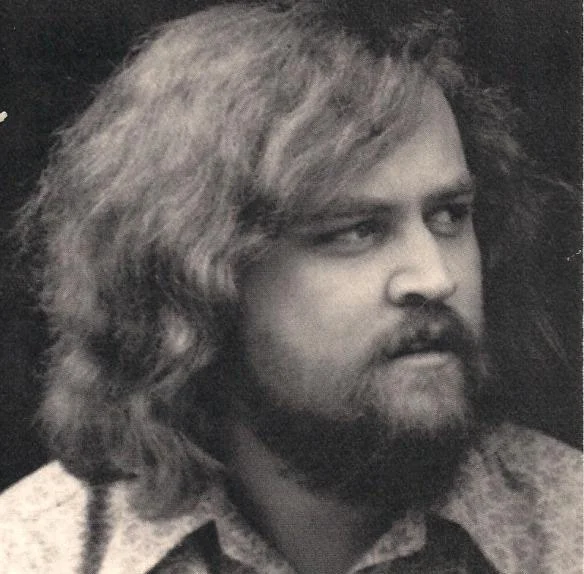
Gary Reilly was a natural and prolific writer. But he lacked the self-promotion gene. His efforts to publish his work were sporadic and perfunctory, at best. When he died in 2011, he left behind upwards of 25 unpublished novels, the Vietnam trilogy being among the first he had written.

Running Meter Press, founded by two of his close friends, has made a mission of bringing Gary’s work to print. So far, besides this trilogy, RMP has published eight of ten novels in his Asphalt Warrior series. These are the comic tales of a Denver cab driver named Murph, a bohemian philosopher and aficionado of “Gilligan’s Island” whose primary mantra is: “Never get involved in lives of my passengers.” But, of course, he does exactly that.

Three of the titles in The Asphalt Warrior series were finalists for the Colorado Book Award. Two years in a row, Gary’s novels were featured as the best fiction of the year on NPR’s Saturday Morning Edition with Scott Simon. And Gary’s second Vietnam novel, The Detachment, drew high praise from such fine writers as Ron Carlson, Stewart O’Nan, and John Mort. A book reviewer for Vietnam Veterans of America, David Willson, raved about it, too.

There is a fascinating overlap in the serious story of Private Palmer’s return to Denver and the quixotic meanderings of Murph. It is the taxicab. One picks up where the other leaves off. Readers familiar with The Asphalt Warrior series will find a satisfying transition in the final chapters of The Discharge.

And they will better know Gary Reilly the writer and Gary Reilly the man.

Connect: Facebook | Twitter | Instagram | Website

Read an excerpt from Protected by Love by Jennifer Ryan

It was more than another blind date . . .

It was DEA Agent Caden Cooke’s third chance to impress beautiful chef Mia Martin. He’d already stood her up twice, and was shocked she was even giving him another chance. For Caden, taking down the bad guys is important, but Mia’s made it clear there’s no excuse for his bad behavior. So he’s vowed to make it worth her while with an apology he’s cooked up just for her. 

From the moment they meet, it’s clear this isn’t just another fix up. The sparks flying between them are undeniable; the tension is electric. Then, suddenly, the best moments of their lives turn treacherous when a drug dealer set on revenge puts their lives in danger. And Mia and Caden quickly realize they will do anything to protect the other—and live for the love neither of them expected.

Excerpt

He really wanted to kiss her.

“You’re worried about work.”

He scanned the quiet street and the light traffic this time of night. He didn’t think Marco stupid enough to stay in the city. Too many cops out looking for him. He wondered if someone was watching his place, waiting for him to come home.

“Work is always on my mind, but right now, there’s only one thing I’m thinking about.” He closed the distance between them and slipped his free hand around her back, the ends of her hair brushing his hand, and pulled her close. He stared down into her surprised eyes and smiled. “You promised me a good-night kiss.”

Her hand came up and rested on his chest. “Yes, I did. I’m a woman of my word.”

“I’m counting on that.”

He leaned down. She rose up to meet him in the middle. Their lips touched, and fire shot through him with a swift need that burned and consumed every thought in his head but one: Hold on to her. He pulled her closer, changed the angle of the kiss, and took it deeper, sweeping his tongue across her soft lips and diving deep when she sighed and let him in.

Buy on Amazon | Barnes and Noble

About the Author

Jennifer Ryan is the New York Times & USA Today bestselling author of The Hunted series and the McBride series. She writes romantic suspense and contemporary small-town romances, featuring strong men and equally resilient women. Her stories are filled with love, friendship, and the happily-ever-after we all hope to find. Jennifer lives in the San Fransisco Bay Area with her husband, three children.

When she isn’t writing a book, she’s reading one. Her obsession with both is often revealed in the state of her home and in how late dinner is to the table. When she finally leaves those fictional worlds, you’ll find her in the garden, playing in the dirt and daydreaming about people who live only in her head, until she puts them on paper.

Connect:  WEBSITE | FACEBOOK | TWITTER | GOODREADS

Spotlight: Sweet Sixteen by Brenda Rothert

Sweet Sixteen is the newest release from Brenda Rothert and it can be read for FREE! You can read an episode each week on the INKLO app and even react to it in real time! Chat with your friends and follow the book to be notified of new chapters! 

All you have to do is download the INKLO app, find the book, and click "follow". 

Go to the INKLO site for more details: https://www.inklo.com/

In Roper, Missouri, football is everything. At least, to everyone but high school senior Gin Scott. Gin plans to escape her hometown as soon as she graduates, but her plans to stay under the radar until then are ruined when her secret crush, quarterback Chase Matthews, offers her a coveted spot as one of the Sweet Sixteen. It's an honor Roper girls dream of, but for independent Gin, it's more like a nightmare. By rejecting Chase's invitation, she is ostracized from her classmates, and eventually, most of her town. How sweet it is.

About the Author

Brenda Rothert is an Illinois native who was a print journalist for nine years. She made the jump from fact to fiction in 2013 and never looked back. From new adult to steamy contemporary romance, Brenda creates fresh characters in every story she tells. She’s a lover of Diet Coke, chocolate, lazy weekends and happily ever afters.

Connect: Website | Facebook | Twitter | Pinterest | Wattpad  

Spotlight: Chasing Love by Melissa West

Farming family land on sunny Crestler’s Key, the sweet, sexy Littleton brothers are notorious bachelors. But all that will change when the right woman comes along…
There aren’t many things Charlie Littleton values more than his lifelong friendship with his buddy Lucas, currently home from a tour in Iraq. But when he discovers that Lucas’s younger sister, Lila, is back to assist the town’s overburdened veterinarian, Charlie is torn. She’s no longer the skinny, awkward kid he remembers, but a gorgeous woman—one Lucas would never approve of him dating. When Lucas asks him to watch out for Lila when he’s called to duty again, Charlie can’t say no—but he can’t pretend it’s easy to ignore his feelings either.

As a teen, Lila crushed on Charlie—hard—and the man he’s grown up to be is even more wonderful than she dreamed. Relationships are a tricky business, though, and too much history is at stake to risk one now. But every moment they’re together is heated by their simmering attraction—and one day an impulsive kiss leads to much more. What’s tangled in a matter of loyalty soon becomes a question of the kind of love worth chasing…

Excerpt

“Nah-ah, boy, you better take that dog on out of here.”Charlie Littleton tightened his hold on Henry’s leash and shot

Patty a look. “You know he doesn’t bark.”The bakery owner placed a hand on her hip and cocked it for ef- fect. Like always, she wore an apron with the AJ&P Bakery yellow- and-blue logo on it, though you could scarcely see it through the flour and spices smeared across the apron.

“Right,” Patty said now. “A dog that don’t bark. Is that sort of like a man who don’t eat? Because as far as I’m concerned that’s a fic- tional being. Like the dog. But if you do find a man who will share his sandwich, you be sure to point him in my direction, okay? But seeing as how that man don’t exist, kind of like that nonbarking dog don’t exist, I don’t expect you to be introducing me to him anytime soon.” She winked at him and clucked her tongue. “Now, you take that cute bottom of yours out of here, leave the dog in your truck, then come back and I’ll make you a roast beef with extra au jus.”

Charlie peered around the bakery, the smells of fresh baked bread and toasted hot sandwiches hitting his nose. His stomach grumbled. Of course, the small bakery and sandwich shop was packed today, half the town there to witness Charlie getting put in his place. A part of him wanted to remind Patty that his family’s farm supplied most of her produce and could just as easily refuse to deliver, but he’d learned long ago to retreat slowly and carefully when dealing with the bakery owner.

“Fine, but I’m holding you to that extra au jus.”

Patty flashed him a grin. “It’ll be waiting for you, honey.” Then she waved her hand through the air in a sign that he better get mov- ing, and then she went to greet someone else. Someone without a dog.

Resigned, Charlie pushed out of the glass door and eyed his old Husky. “Sorry, boy. I’ll bring you some leftovers, though.” He un- locked his Silverado, cranked the truck, and rolled down the win- dows. It was a mild sixty out in Crestler’s Key, Kentucky, a perfect early spring day, but Henry meant more to him than most of the peo- ple in the town, and if he was going to be forced to stay in Charlie’s truck, then he’d do it with a nice breeze.

With a long glance down Main Street at the row of shops— Southern Dive, his family’s sports and outdoors shop at the very end—Charlie couldn’t help wondering if he was making the right de- cisions in his life.

He’d moved back to Crestler’s Key after living in the Florida Keys for five years. There, he’d operated a small scuba diving busi- ness, his life as much under water as above it. And he loved every moment of it. Then there were the women, too many to count, al- ways around, always eager to occupy a little bit of his time. He’d been content with that life, never asking for more and never wanting it. He was a typical twenty-something and enjoyed every bit of his young age.

Then he met Jade, and hell if he didn’t fall hook, line, and sinker. Still to this day, years later, he remembered with painful clarity her walking down the dock at the marina and stopping outside his houseboat, long sun-bleached blond hair and even longer legs. She was beautiful in that natural, God-made way—his kryptonite,  when

it came to women, so all it took was one look and he was gone.

It took mere days, maybe even hours, for her to rope him into her world. She had innocence behind that beauty that he couldn’t refuse, and weeks passed with them tangled in each other’s arms, a new kind of happiness swirling in Charlie’s chest. She would never fill the spot someone else had once filled, someone he was never allowed to care for, someone he told himself he could—would—forget, but Jade made him feel good. They meshed together perfectly, peanut butter and freaking jelly.

Until that fateful day when he woke to discover she’d taken every- thing he owned. His dog. His wallet, which she used to drain his checking account. His prized possessions. Even the coin collection his grandfather had left him. Every. Single. Thing. Hell, if he hadn’t been on the houseboat, he felt sure she’d have sailed off with it, too.

And while, yeah, the money thing sucked, and the coin collection sucked even more, what really dropped him into the depression bucket was losing his old dog, Rocky.

He’d rescued Rocky as a puppy from the pound, more mutt than anything, and with a broken left leg. Thousands of dollars in vet bills later, and that dog was his only friend down there. And his idiotic self had let some vixen walk in and steal him.

The thought brought on a fresh wave of guilt, and he contem- plated going to talk to Patty again, convince her that they could sit out on the back patio, but then he’d been through this argument with her before. Besides, this was Crestler’s Key, not Florida, and he knew everyone in town. No one would take his dog.

Still, just to be safe, he hit the locks on his truck twice, before heading back into AJ&P, determined to rehash this with Patty before he left if she hoped to continue to get discounted produce from the farm.

“There you are, cute bottom.”

Ah, crap.

Grimacing, Charlie pivoted to find his best friend, Lucas, already seated at one of the white-washed wooden tables, a giant smirk on his face. “Funny,” Charlie said. “You know, I was excited to see you and then you had to go and open that big mouth.” The men laughed, then hugged, because it’d been too damn long.

They took their seats and Lucas joked, “Thought you were going to cry there when she said you couldn’t bring Henry in here.”

Charlie peeked out the window at his truck before returning his gaze to his friend. “Well, she ought to remember who’s supplying all her produce.”

“So you’re going to hold her produce ransom until she lets you bring in your dog? Dude, you need a chick in your life. Stat.”

Charlie laughed, until he glanced around and noticed several of the women he’d dated off and on eating at the bakery, half of them glaring at him. “Yeah . . . think I’ll pass on that one. Thanks, though.” “What’s the deal with your insane overprotectiveness of Henry

anyway? He’s a giant dog. He can take care of himself.”

Yeah, well, Rocky had been a big dog, too, and that didn’t save him from that thieving witch of a woman. Charlie had searched for the dog for nearly a year, all to no avail. Jade was probably halfway across the world now, with his money and his coin collection and his dog. Damn woman. No, damn women. They were more trouble than they would ever be worth.

Lucas continued to stare at him with a questioning look, but all Charlie could say was the same excuse he always said. Because no one, not Lucas, not his brothers Zac or Brady, no one knew about Jade or what she’d done to him. The humiliation would be too much.

“Henry had a rough childhood. Gotta protect the boy now.” “Right . . .”

MaryAnn, one of AJ&P’s waitresses, came over then to get their order, and Lucas smiled a little too wide at his former high-school flame before clearing his throat and trying for mock-cool. Charlie suppressed a grin. MaryAnn, with her wavy blond hair and deep brown eyes, still looked exactly as she did in high school. And just like in high school, she was still 100 percent in love with Lucas. “Hey, there,” MaryAnn said, matching his smile. “I didn’t know you were home.”

Lucas shrugged. “Three-day leave before going back.”

“When is your tour over?” she asked, her eyes filling with a bit of hope that she probably wished wasn’t there. She and Lucas had mu- tually ended their relationship when she realized he intended to be a career soldier, and having lost her brother in Iraq, she said she couldn’t live that life. It was a mature decision, they had both said, but now ten years later, they both still looked like they regretted it. And come to think of it, Charlie couldn’t remember a single woman Lucas had dated seriously since ending things with MaryAnn.

With another careful glance at his old girlfriend, Lucas relaxed into his chair, the single thing between them now back front and center. “Three months, then I’ll have a few weeks off, before another one.”

MaryAnn nodded slowly, and then flipped her attention over to Charlie for the first time, like she couldn’t bear to look at Lucas an- other second. “Your regular?”

“Yeah, though Patty promised extra au jus if I left Henry in the truck.”

“What’s up with you and that dog?”

Lucas laughed. “Didn’t you know? He’s married to that dog. Pa- pers and all.”

“Again, funny.”

Both MaryAnn and Lucas laughed, until they made eye contact with each other and both went mum. She took their order and saun- tered off, her shoulders drooped a little, and Charlie couldn’t stand it anymore.

“Seriously?”

“What?” Lucas asked.

Charlie deadpanned. “What? Are you freaking kidding me? The whole town could feel that tension. Why not try?”

Lucas took a drink of his sweet tea, set it down, then did it  again, like he wasn’t ready to speak yet. Or maybe he didn’t know what to say. “She made her intentions clear years ago. Her mind’s not changing.”

“She’s older now. Y’all were teenagers then. Maybe she wants you to make the first move.”

“Says the dude who hasn’t been on a real date since . . .” Lucas cocked his head. “Come to think of it, I don’t think you’ve ever been on a real date.”

“Whatever. I date.”

“Sure you do,” Lucas said, relaxing now that the spotlight wasn’t on him. “You sound just like Lila, always deflecting.”

And just like that, just the mention of her name, and Charlie sat up taller, eager to hear anything that might have to do with Lucas’s little sister. “What’s up with Lila these days? Still in vet school?” He thought of Lucas’s only sister, two years younger and forever tag- ging along with the two boys when they were kids. She’d always been pretty in a sweet, natural way, her smile and laugh infectious. Charlie looked after her when Lucas left for basic, but then Charlie moved to the Keys and Lila moved away to college, and he hadn’t seen her since.

“Actually she finished school. Went to work in Charlotte for a while, but she moved back to town a week ago.” He took another drink of his tea, his look distant now, and Charlie got the distinct im- pression that Lucas was keeping something from him.

“Why’d she move back to town?” Charlie asked. He wondered what Lila looked like now, if she’d kept her black hair cropped short like she had when she was little. But then most women changed their hair all the time, so it could be long now—beautiful. She probably had men waiting in lines to get her attention, that bright smile of hers forever turning the eye of everyone she passed. It had certainly caught his eye.

Lucas shrugged. “Work stuff.”

MaryAnn returned then with their food, saving Lucas from ex- plaining, but something was definitely going on. Still, it wasn’t Char- lie’s business, and he was never one to pry.

“She ever marry?” All right, so maybe he was one to pry. “Nah, not her thing.”

Charlie perked up at the thought, his heart light—happy. Wow, Lila wasn’t married. He’d expected her to be—

But before he could finish the thought, Lucas pointed at him. “Don’t even think about it.”

Charlie threw up his hands. “Think about what?” “Lila. And you. You and Lila.”

A sarcastic laugh broke from his lips, despite the uneasiness in his chest. “You go insane again? This is me. She’s like a little sister     to me.”

Lucas settled in his chair again, but his face was still tense. “Right . . . just like the last time. My thoughts on this haven’t changed.” Cringing, Charlie thought of that fateful day in high school when he’d asked Lucas about his sister. It was a simple question—Is Lila around? Three words, nothing more. He and Lucas had always been best friends, but somewhere along the way, Charlie started noticing Lila more and more. Curious where she was, how she was doing. But needless to say, the conversation with his friend didn’t go well.

Lucas went ballistic, shouting all the reasons Charlie wasn’t to touch his sister, and their friendship meant enough to him that he didn’t.

“Relax, man. I’m not going after your sister.”

Besides, Lila was the furthest thing from Charlie’s type now. He wasn’t into doctors or the professional type. Lucas had nothing to worry about. Nothing. But still, he couldn’t deny that he was curious what adult Lila looked like and whether she would remember the time they’d almost . . .

No, surely not.

Even if he would never forget.

Buy on Amazon | Barnes and Noble

About the Author

Melissa West writes heartfelt Southern romance and teen sci-fi romance, all with lots of kissing. Because who doesn't like kissing? She lives outside of Atlanta, GA, with her husband and two daughters and spends most of her time writing, reading, or fueling her coffee addiction.

Connect: Website |Twitter | Facebook | Goodreads

Spotlight: All I Am: Drew's Story (A This Man Novella) by Jodi Ellen Malpas

From #1 New York Times bestselling author Jodi Ellen Malpas comes a new novella in the This Man series. You don't need to read the series to enjoy this story, but if you're already a Jesse Ward fan, just wait till you see the advice he gives Drew about falling in love.
 
I thought I had control.  I was so, so wrong...
 
I don't need a relationship.  I have Hux, a decadent club where I quench whatever raw desire I choose.  I take pleasure and I give it - no strings attached.  So when Raya Rivers comes in asking for someone cold, emotionless, and filthy... well, no man ever takes his wicked pleasure quite the way I do.

Only Raya is different. Vulnerable. And carrying some deep sorrow that gets past all my carefully constructed walls and inexplicably makes me care.  Now craving controls me.  Ice has given way to red-hot need.

But Raya has no idea about my other life - my real life.  That I'm daddy to an adorable little girl.  My two worlds are about to collide with the force of a supernova.  Once Raya knows the truth, will she be able to accept all I am?

Excerpt

‘What do you want, Raya?’

She steps toward me tentatively, as if she’s questioning what she’s doing. And when she reaches me, her chest pressed to mine, she gazes up at me. ‘I don’t know.’ Her eyes are wild and unsure. ‘But I know that every time we’re close, something powerful takes over. And you’re trying hard to fight it. You’re warm and cold. What are you scared of?’

‘You.’ My mouth is on her before I can think better of it, and I’ve lifted her from her feet before my tongue breaches the seam on her lips. We should talk, but this is the only thing I know what to say right now, and when her arms circle my shoulders, her mouth opening up, inviting me in, I know she’s okay with it. I know she gets it.

With one arm around her waist holding her to me and one secured on the nape of her neck, I walk to my office, my kiss deep, my blood racing, my heart bouncing off my ribcage. I set her on her feet and take the hem of her dress, pulling it up over her head, losing her lips for just a second in the process. She wrenches my shirt open, scattering buttons in the process, her hands immediately finding my skin beneath. My forward steps encourages her backwards, our kiss deepening as she unfastens my trousers and I push her knickers down her thighs.

We’re all over the place, desperation getting the better of us, a mess of tongues, hands and bodies. I pull some strength from nowhere, seize her hands and break our kiss, breathing heavily. Her unsure brown eyes soon prompts me to start ridding myself of the rest of my clothes, all under her watchful gaze. Until I’m naked.

‘This wasn’t supposed to happen,’ she whispers.

Buy on Amazon | Barnes and Noble

About the Author

Jodi Ellen Malpas was born and raised in the Midlands’ town of Northampton, England, where she lives with her two boys. Working for her father’s construction business full-time, she tried to ignore the lingering idea of writing until it became impossible. She wrote in secret for a long time before finally finding the courage to unleash her creative streak, and in October 2012 she released This Man. She took a chance on a story with some intense characters and sparked incredible reactions from women all over the world. Writing powerful love stories and creating addictive characters have become her passion, a passion she now shares with her devoted readers.
 
Connect: Website | Facebook | Twitter | BookBub

Giveaway

Enter to win 1 of 15 free ebook downloads of All I Am: Drew’s Story (A This Man Novella)! http://bit.ly/2nTm0x9

Spotlight: Split Second by Kelli J Miller

When does the American Dream turn into a trap?

What does it mean to succeed?

What really gives meaning to our lives?

Kelli Miller never had to worry about it – she had it all: a family, a career, a sprawling home, even an executive title.  She thought she’d escaped her Midwestern roots and was sailing towards a golden future.  Then, in a pivotal moment, confronted with the shadow of death, she found herself suddenly awake to the grim reality:  the dream had consumed her life, and left her lost and alone.

In Split Second, Kelli tells the story of how she set herself free, and recommitted herself to the most important pieces of her life:  family, community, and a new openness to experience.  It is the story of one woman’s journey to find out what really matters and where her happiness ultimately lay.

Excerpt

I grew restless. As I stared at the sterile waiting room walls, I remembered myself in a sterile business suit, sitting in a conference room, while a boss degraded me and I held back. I again saw myself frozen in a meeting with my colleagues, as the loudest, most obstinate co-worker barked out demands, holding back my thoughts because it was easier than prolonging the experience. I was again in a hospital desperate to get Dad better answers, but I held back my questions because Dad did not want to offend technicians and doctors. I held my words believing it was best. I held back to prevent difficult situations from snowballing into something worse. In my effort to make things easier for others, I was forsaking myself.

My restlessness grew. Finally, I pulled “the bitch card” and played it.

I had created and groomed the bitch card in my corporate life—something authority figures forced out of me for the sake of success. It’s the side of me that doesn’t cower to others in power. It’s the part of me that doesn’t conform to rules or social expectations for the sake of conforming. It’s the intellectual part of me that leverages facts in an unrelenting argument to get what I believe to be right. It’s a skill I’ve groomed over the years that proved my worthiness to corporate America leaders. A survival technique I’ve employed with coworkers after other tactics failed. I can argue with the best of them by questioning anything and poking holes in logic. I don’t like to use the bitch card, but if ever there was a good reason to use it, this was it.

I approached the women at the counter and kindly asked how they determine when a patient would be seen. After we exchanged smiles and when I had proven I was a level-headed daughter concerned about her father, I dug in, and the bitchiness came out. “He received a lung cancer diagnosis in August, and shortly after that, they found five tumors in his brain. He wasn’t doing well, but radiation turned things around quickly. I know you can see in your files that he was here at the end of October and we almost lost him then. He’s been doing well since that time. We had a wonderful Thanksgiving, and he is looking forward to Christmas. My three kids, his only grandchildren, are flying in from Seattle in eight days. It’s a shame they cannot be here now, but they’re all in school. He’s looking forward to it, and so are they. His blood sugar readings have been good—they were 285 last night and 195 this morning—his sugar is most likely not the cause; he is most likely dehydrated. Now, won’t you and the rest of the staff on duty tonight feel foolish if the only thing standing between him and the last good Christmas with his grandkids is merely a bag of saline solution? Won’t you feel foolish if you make him wait for so long that you make his situation worse than it has to be?”

I rattled through all this faster than that annoying voice at the end of a radio commercial reading the disclaimers. I was prepared to go further too and tell them about the “ball buster” lawyer we had on our side, but the saline solution comment seemed to be enough. I got what I wanted—someone immediately took Dad to an examination room.

He was suffering from dehydration with indications of pneumonia. The doctor, however, was uncaring and stuck in corporate rules and guidelines. Looking at the charts, he informed me what I already knew. As if to explain why I’d seen him sitting at a desk in the hallway for forty-five minutes instead of examining my father, he said, “Ms. Miller, your father is DNR, Do Not Resuscitate. If he fails, we will not revive him.”

I found the bitch card handy again and went toe-to-toe. “I was with my Dad at the kitchen table I’ve shared with him since I was a kid when he made the painful decision to sign the DNR papers in September. I sat with him in the doctor’s office when he signed the form. I cried with him in his truck after we left the doctor’s office. I understand my father is DNR. You will not let my father fail tonight. The man will survive because Christmas is only ten days away. His grandchildren will be here to enjoy that Christmas with him. You will play God tonight.”

Buy on Amazon | Barnes and Noble

About the Author

Kelli Miller is a business executive specializing in Information Technology.  Her career includes thirty years working for some of the largest, most successful companies in America.  Kelli recently returned to her roots, farming her family’s farm with her husband, while continuing her technology career with a local mid-size manufacturing firm. Kelli is the mother of three. She loves to travel, hike and spend time in the simplicity and raw beauty of nature. 

Connect: Website