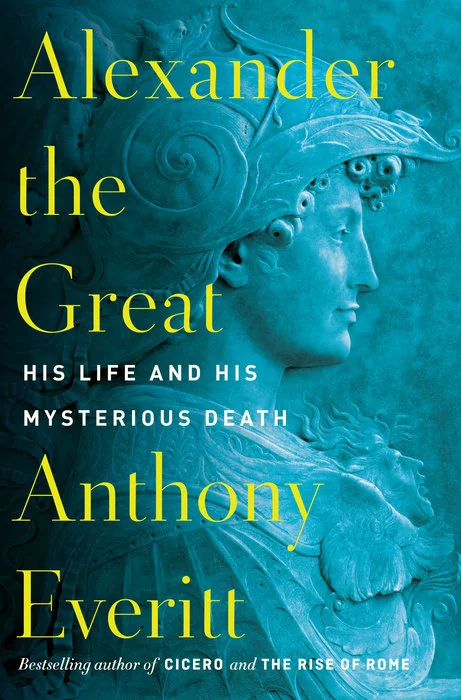
Spotlight: Alexander the Great: His Life and His Mysterious Death by Anthony Everitt

What can we learn from the stunning rise and mysterious death of the ancient world’s greatest conqueror? An acclaimed biographer reconstructs the life of Alexander the Great in this magisterial revisionist portrait.

More than two millennia have passed since Alexander the Great built an empire that stretched to every corner of the ancient world, from the backwater kingdom of Macedonia to the Hellenic world, Persia, and ultimately to India—all before his untimely death at age thirty-three. Alexander believed that his empire would stop only when he reached the Pacific Ocean. But stories of both real and legendary events from his life have kept him evergreen in our imaginations with a legacy that has meant something different to every era: in the Middle Ages he became an exemplar of knightly chivalry, he was a star of Renaissance paintings, and by the early twentieth century he’d even come to resemble an English gentleman. But who was he in his own time?

In Alexander the Great, Anthony Everitt judges Alexander’s life against the criteria of his own age and considers all his contradictions. We meet the Macedonian prince who was naturally inquisitive and fascinated by science and exploration, as well as the man who enjoyed the arts and used Homer’s great epic the Iliad as a bible. As his empire grew, Alexander exhibited respect for the traditions of his new subjects and careful judgment in administering rule over his vast territory. But his career also had a dark side. An inveterate conqueror who in his short life built the largest empire up to that point in history, Alexander glorified war and was known to commit acts of remarkable cruelty.

As debate continues about the meaning of his life, Alexander's death remains a mystery. Did he die of natural causes—felled by a fever—or did his marshals, angered by his tyrannical behavior, kill him? An explanation of his death can lie only in what we know of his life, and Everitt ventures to solve that puzzle, offering an ending to Alexander’s story that has eluded so many for so long.

Buy on Amazon | Audible | Barnes and Noble

About the Author

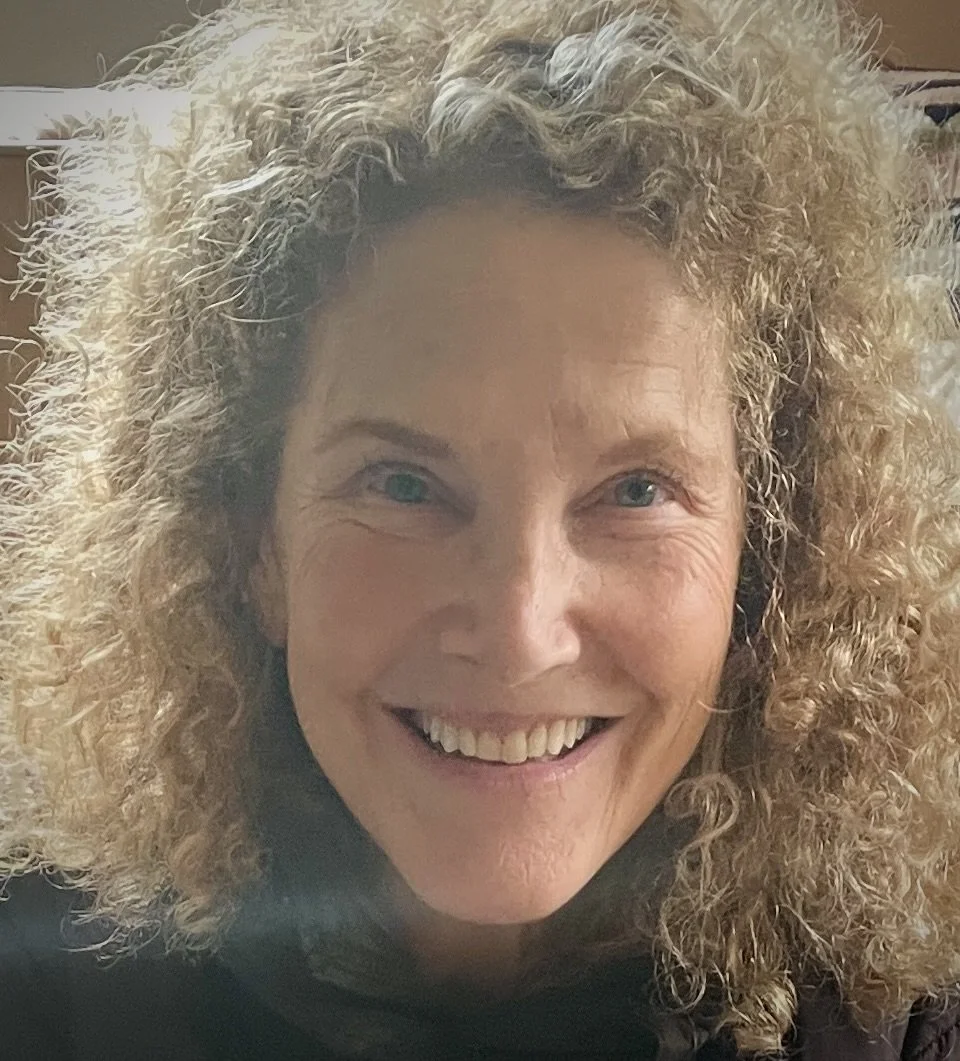
Anthony Everitt, a former visiting professor in the visual and performing arts at Nottingham Trent University, who has written extensively on European culture, is the author of Cicero, Augustus, Hadrian and the Triumph of Rome, The Rise of Rome, and The Rise of Athens. He has as well served as secretary general of the Arts Council of Great Britain. Everitt lives near Colchester, England’s first recorded town, founded by the Romans.

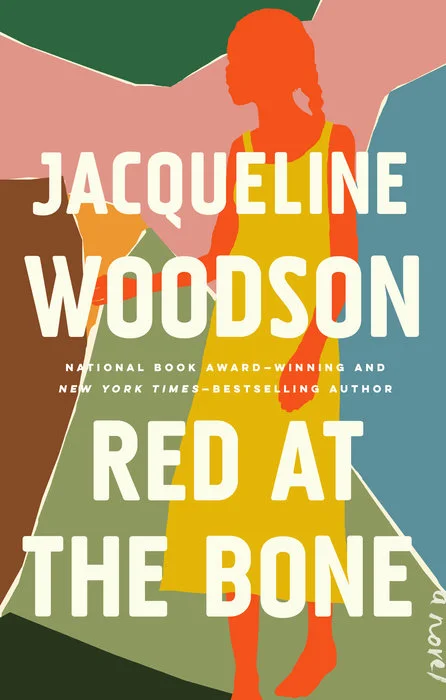
Spotlight: Red at the Bone by Jacqueline Woodson

Moving forward and backward in time, Jacqueline Woodson’s taut and powerful new novel uncovers the role that history and community have played in the experiences, decisions, and relationships of these families, and in the life of the new child.

As the book opens in 2001, it is the evening of sixteen-year-old Melody’s coming of age ceremony in her grandparents’ Brooklyn brownstone. Watched lovingly by her relatives and friends, making her entrance to the music of Prince, she wears a special custom-made dress. But the event is not without poignancy. Sixteen years earlier, that very dress was measured and sewn for a different wearer: Melody’s mother, for her own ceremony– a celebration that ultimately never took place.

Unfurling the history of Melody’s parents and grandparents to show how they all arrived at this moment, Woodson considers not just their ambitions and successes but also the costs, the tolls they’ve paid for striving to overcome expectations and escape the pull of history. As it explores sexual desire and identity, ambition, gentrification, education, class and status, and the life-altering facts of parenthood, Red at the Bone most strikingly looks at the ways in which young people must so often make long-lasting decisions about their lives–even before they have begun to figure out who they are and what they want to be.

Buy on Amazon | Audible | Barnes and Noble

About the Author

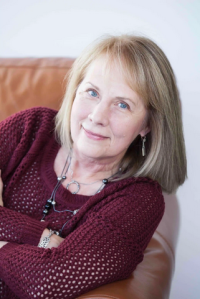
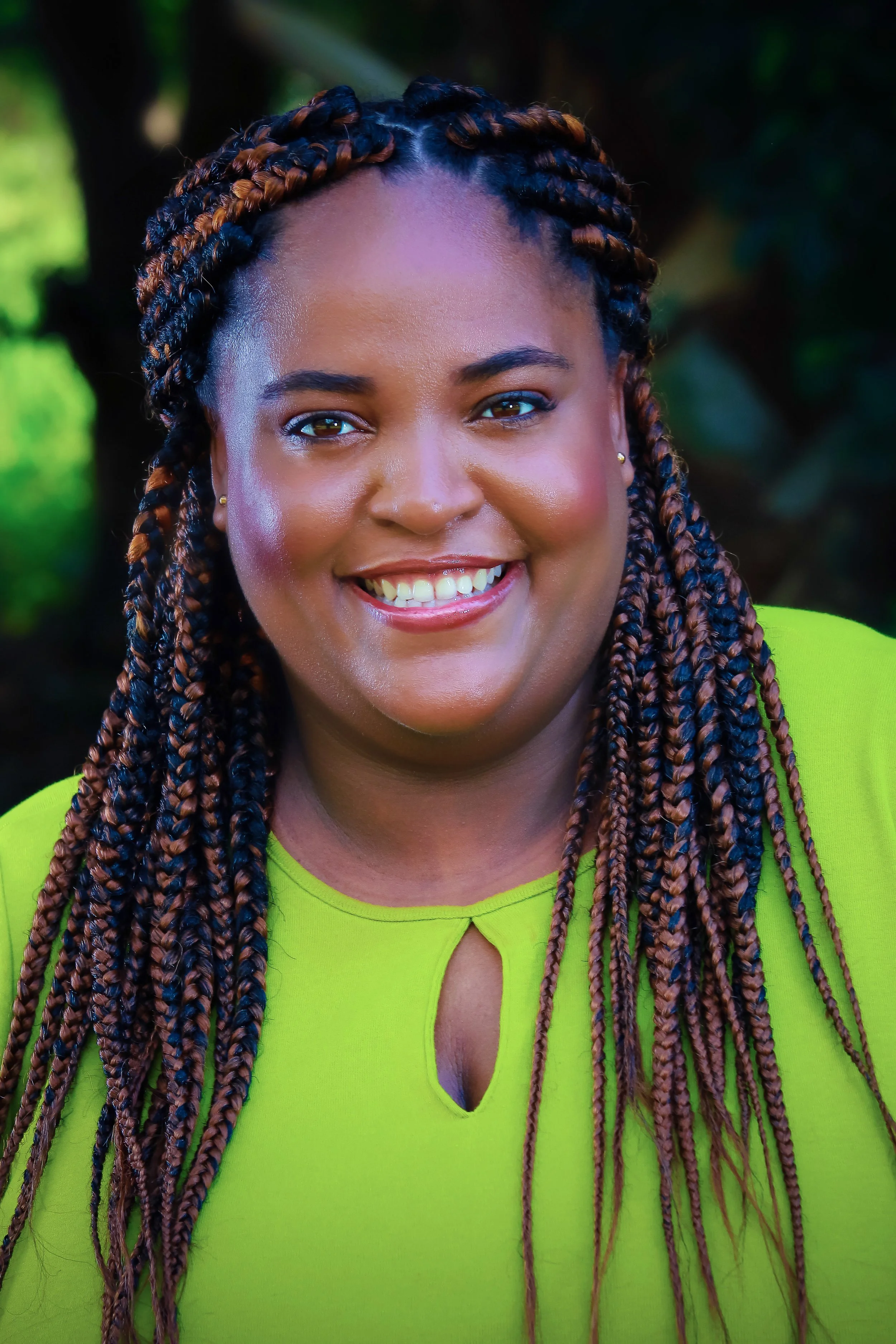
Photo Credit: © Tiffany A. Bloomfield

Jacqueline Woodson is the 2018-2019 National Ambassador for Young People’s Literature. She received the 2018 Astrid Lindgren Memorial Award and the 2018 Children’s Literature Legacy Award, and is the 2014 National Book Award Winner for her New York Times bestselling memoir Brown Girl Dreaming, which was also a recipient of the Coretta Scott King Award, a Newbery Honor, the NAACP Image Award and a Sibert Honor. In 2015, Woodson was named the Young People’s Poet Laureate by the Poetry Foundation. Her recent adult book, Another Brooklyn, was a National Book Award finalist, and her new adult book, Red at the Bone, is coming in September 2019. She is the author of more than two dozen award-winning books for young adults, middle graders and children; among her many accolades, she is a four-time Newbery Honor winner, a four-time National Book Award finalist, and a two-time Coretta Scott King Award winner. Her books include The Other Side, Each Kindness, Caldecott Honor book Coming On Home Soon; Newbery Honor winners Feathers, Show Way, and After Tupac and D Foster; and Miracle’s Boys, which received the LA Times Book Prize and the Coretta Scott King Award. Jacqueline is also the recipient of the Margaret A. Edwards Award for lifetime achievement for her contributions to young adult literature and the winner of the Jane Addams Children’s Book Award. She lives with her family in Brooklyn, New York.

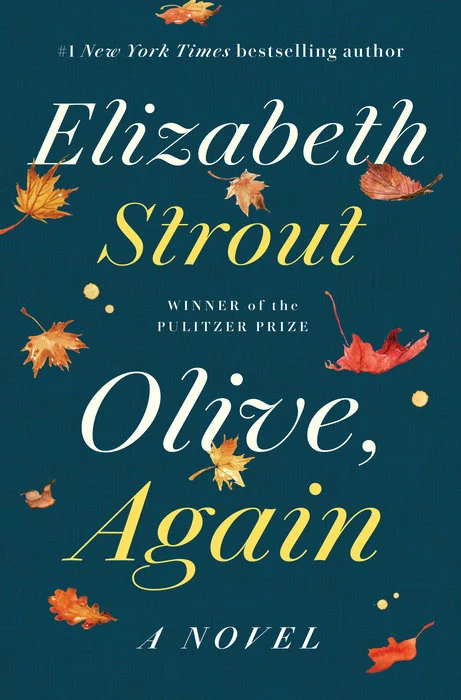
Spotlight: Olive, Again by Elizabeth Strout

#1 New York Times bestselling author and Pulitzer Prize winner Elizabeth Strout continues the life of her beloved Olive Kitteridge, a character who has captured the imaginations of millions of readers.

Prickly, wry, resistant to change yet ruthlessly honest and deeply empathetic, Olive Kitteridge is “a compelling life force” (San Francisco Chronicle). The New Yorker has said that Elizabeth Strout “animates the ordinary with an astonishing force,” and she has never done so more clearly than in these pages, where the iconic Olive struggles to understand not only herself and her own life but the lives of those around her in the town of Crosby, Maine. Whether with a teenager coming to terms with the loss of her father, a young woman about to give birth during a hilariously inopportune moment, a nurse who confesses a secret high school crush, or a lawyer who struggles with an inheritance she does not want to accept, the unforgettable Olive will continue to startle us, to move us, and to inspire moments of transcendent grace.

Buy on Amazon | Audible | Barnes and Noble

About the Author

Elizabeth Strout is the Pulitzer Prize–winning author of Olive Kitteridge; the #1 New York Times bestseller My Name Is Lucy Barton; The Burgess Boys, a New York Times bestseller; Abide with Me, a national bestseller and Book Sense pick; and Amy and Isabelle, which won the Los Angeles Times Art Seidenbaum Award for First Fiction and the Chicago Tribune Heartland Prize. She has also been a finalist for the PEN/Faulkner Award and the Orange Prize in England. Her short stories have been published in a number of magazines, including The New Yorker and O: The Oprah Magazine. Elizabeth Strout lives in New York City.

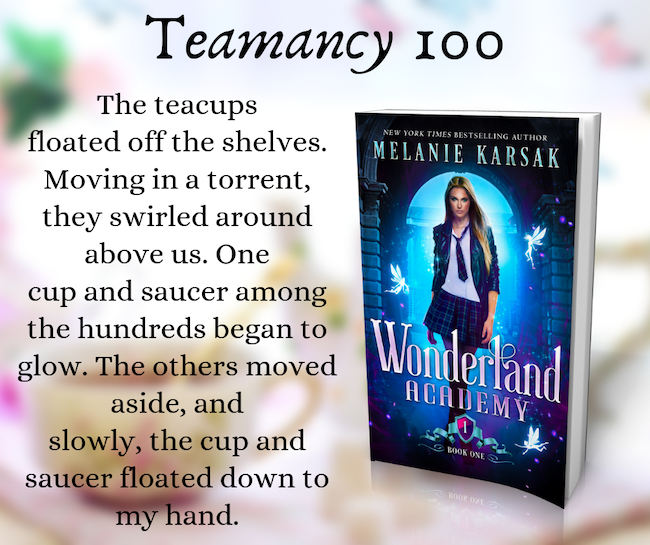
Spotlight: Wonderland Academy: Book One by Melanie Karsak

Wonderland Academy: Book One
Melanie Karsak
Publication date: August 27th 2019
Genres: Fairy Tales, Fantasy, Retelling, Young Adult

Welcome to Wonderland Academy. Don’t lose your head.

Getting into Wonderland Academy is easy:

You must be a little mad.

You must follow the white rabbit.

You must find the key to enter Wonderland.

You must not be named Alice or risk being beheaded by order of the Queen of Hearts.

We might have an issue with that last one.

My name may be Alice, but Wonderland Academy is everything my real life isn’t. Who wouldn’t want to learn how to ride a jabberwocky, train with a vorpal sword, cast spells using a teacup, or shapeshift into a fairy? As long as no one figures out my real name, I should be fine.

The only problem? Aden, the Queen of Hearts’ son, is quickly becoming my best friend. And then there’s Corbin. Brooding, surly, tattooed, and definitely not my type, I can’t stop thinking about him. But Corbin has secrets of his own, and Wonderland and secrets don’t mix.

How I’m going to pass my classes and protect my secret like my life depends on it is beyond me. But I better find a way. Because in Wonderland, no Alice is safe.

Wonderland Academy re-imagines the fantastical world of Lewis Carroll’s Alice in Wonderland for a fresh, new adventure. Combining whimsy, magic, and a splash of steampunk, New York Times best-selling author Melanie Karsak invites you into this beautifully re-envisioned fairy tale adventure.

* * *

Wonderland Academy is a college-level academy novel. It contains a slow-burn (not rh) romance. The novel is clean aside from mild language. This is Book 1 in a planned trilogy. Book 1 ends on a cliffhanger (Frodo didn’t reach Mount Doom in a day, after all).

Trigger Warning: This novel also includes references to a school shooting.

Goodreads / Amazon

EXCERPT:

Setting my bag in a chair by the window, I pulled on my coat. It was pouring. Drops rolled down the windowpane, distorting the view of the sidewalk below. As I pulled my jacket on, however, I noticed someone on the sidewalk below. He was looking up at the window. I couldn’t make him out clearly, but from what I could see, he was wearing some kind of period costume and a top hat. He had long, pale blond hair that almost looked white.

“You all think I’m a lunatic? There’s some guy standing outside in the rain in a Victorian get-up and top hat.”

“What?” Mom asked. “What are you talking about?”

“I don’t know. Just some rando guy standing in the rain,” I said then turned, zipped up my coat, and grabbed the bag.

Nurse Gilman stepped to the window and looked outside. “It’s really coming down,” she said, eyeing the sky. She then strained her neck to the left and right. “Your mystery man must have gone back inside.”

“He was right there,” I said.

A sick feeling rocked my stomach. No, no, no. He was there. Dammit, he really was there. I edged toward the window and looked outside. I was right. The man was standing right there, looking up at the window.

He waved at me.

“Where?” Nurse Gilman asked, looking up and down the sidewalk.

“There,” I said, motioning hesitantly.

“I must have missed him,” Nurse Gilman said with a shrug.

I stared at the man.

He waved again.

Dammit. Dammit. Dammit.

“Yeah,” I said. “Maybe they’re doing a show in the children’s wing or something,” I muttered then turned from the window.

I didn’t want Nurse Gilman to see my face.

Mom, however, caught my eye. Her eyebrows scrunched together as she gave me a hard look.

I dropped her gaze.

I absolutely, positively, did not want to have that conversation on the way home.

“I’m ready,” I told Mom.

“Good. Let’s get you the hell out of here.”

“Be well,” Nurse Gilman said. She motioned to the nurses’ station. The door to the waiting room unlocked with a click. Nurse Gilman motioned to us that we were free to go.

Mom and I headed down the dim hallway of the fifth-floor psych ward. The narrow hall felt like it was a million miles long. It wasn’t until we were safely inside the elevator that I finally exhaled.

“Your phone,” Mom said, handing it to me.

I had a few missing calls, messages from old friends, but there wasn’t anyone I wanted to talk to anyway. I stared at the screensaver, which had a picture of Nicholas and me. The photo had been taken just before homecoming, before everything went to shit. We’d gone for a hike that day. The autumn leaves in the background were bright orange and burnt red. We were both bundled up, our cheeks red, faces pressed together. We’d spent the entire hike planning a future that would never come to pass.

I turned off my phone and stuck it in my pocket.

Mom punched the elevator button for the ground floor.

I kept my eyes on the lights above the door, praying Mom wouldn’t ask anything.

It wasn’t until we’d passed the second floor that Mom whispered, “Lacey, are you seeing—”

“I’m fine. Really. I’m fine.”

She didn’t answer, which told me she knew well-enough I was not fine.

They’d been popping up in my periphery more frequently for the last two weeks. People who were there then not there. Flickers of light. Shadows that whispered. Otherworldy shapes. Their presence wasn’t anything new to me. While I was more prone to see them during times of stress, they’d been there all my life. I knew that if I really looked, I’d see them. It was better to ignore them.

A mermaid had taught me that.

Mom and I headed to the front of the hospital. I couldn’t wait to get away from the terrible hospital smell. A weird mix of the scents of bleach, chrysanthemums, green beans, and Band-Aids perfumed the place. It was enough to make a person gag.

Raining or not, I was relieved when the hospital doors opened. I inhaled the sweet scent of the rain-soaked air. Mom’s rusted-out Mustang sat waiting just outside.

“Okay. Let‘s run for it,” Mom called, and we sprinted to the car.

Holding my plastic bag above my head, I ran, flinging open the door of the vehicle. But just before I climbed inside, I cast a glance down the sidewalk.

The man was still standing there. He pulled something from his pocket and tapped on it. He waved to me, a broad smile on his face.

“Lacey, you’re letting the rain in,” Mom yelled.

I slipped into the car, slamming the door behind me.

Mom revved the engine then drove off, her nineties rock springing to life. I leaned forward and clicked off the music. The last thing I needed was the dulcet tones of Nirvana shouting at me post suicide watch.

Sighing, I leaned back into the seat and closed my eyes.

Why was I seeing them again?

The white-haired man had been pointing at a pocket watch. A pocket watch.

What in the hell did that mean?

I hadn’t meant to kill myself.

Not this time.

It figured. On the morning I’d been discharged from the psych ward, I was beginning to lose my mind.


Author Bio:

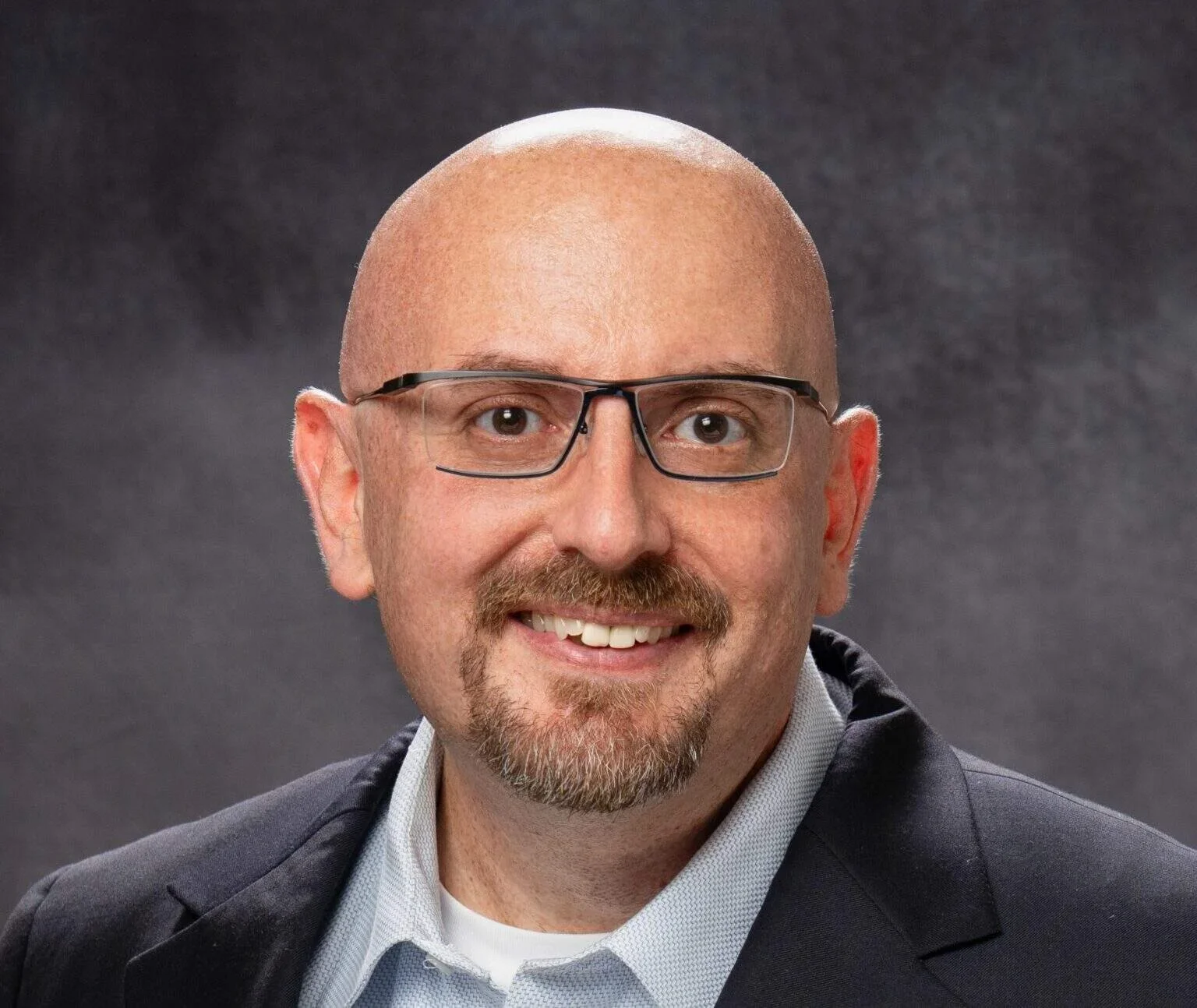
New York Times and USA Today bestselling author Melanie Karsak is the author of The Airship Racing Chronicles, The Harvesting Series, The Celtic Blood Series, Steampunk Red Riding Hood, and Steampunk Fairy Tales. The author currently lives in Florida with her husband and two children. She is an Instructor of English at Southern New Hampshire University.
Website / Goodreads / Facebook / Twitter / Pinterest / Instagram / Bookbub / Newsletter


GIVEAWAY!
a Rafflecopter giveaway

XBTBanner1

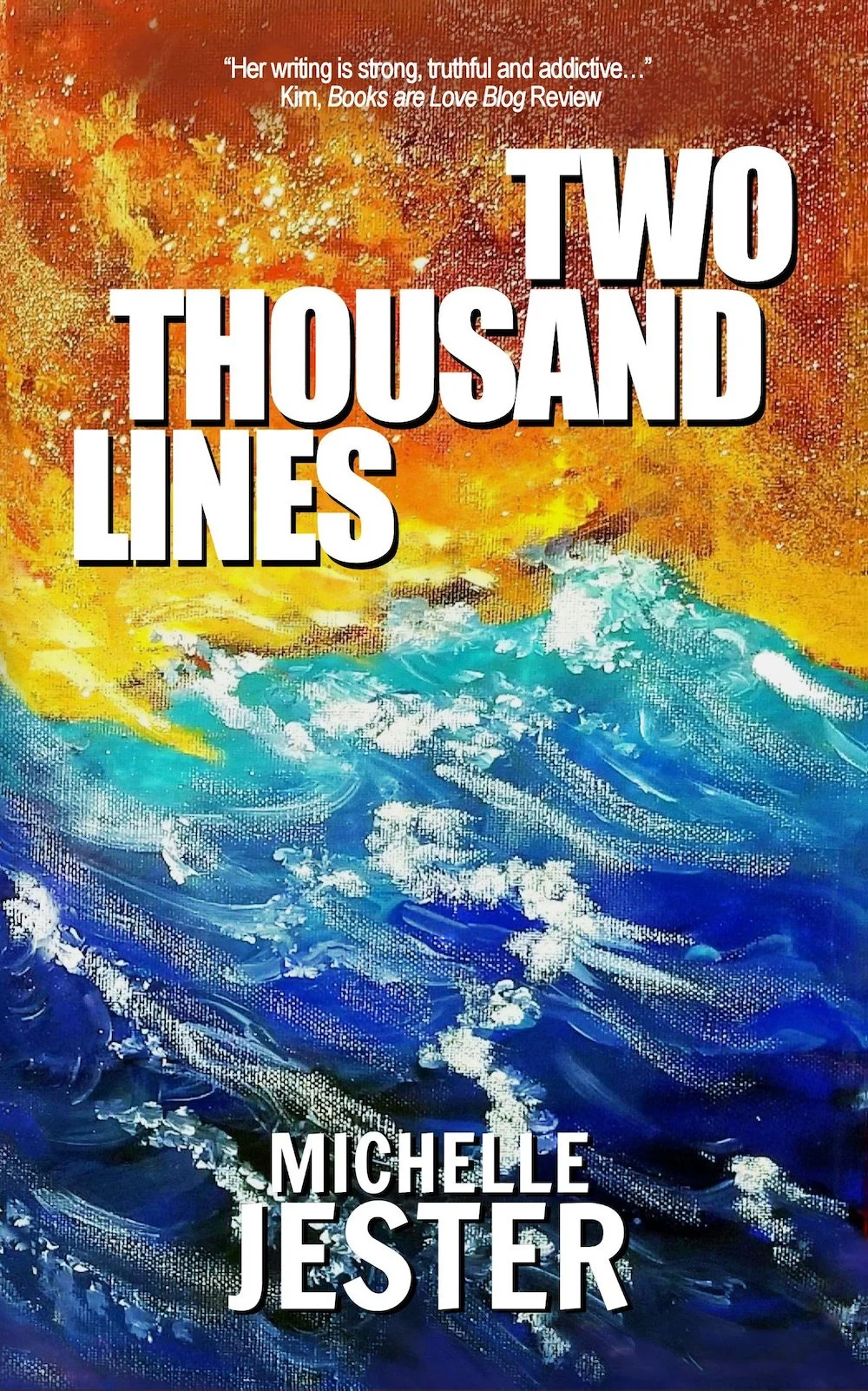
Cover Reveal: Two Thousand Lines by Michelle Jester

Publication date: November 21st 2019
Genres: Contemporary, New Adult, Young Adult

Synopsis:

From the author of The Funeral Flower and Love, Cutter comes a harrowing journey of self-discovery and perseverance.

Olivia’s life is held together by a dark secret she holds from her past; unraveling it may just be what it takes for her to truly survive.

Goodreads: https://www.goodreads.com/book/show/47937764-two-thousand-lines

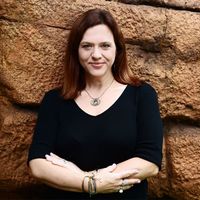
About Michelle Jester

Michelle Jester lives in Greenwell Springs, Louisiana with her husband, high school sweetheart and retired Master Sergeant. Together they have a son and daughter. She is a hopeless romantic and has been writing poems and stories for as long as she can remember.
One of her prize possessions is a bracelet with only a yellow, Rubber Duckie charm on it; which she wears every day to remind her to enjoy the fun and happy things of life!

Connect:

http://www.michellejester.net/

https://twitter.com/michelle_jester

https://www.facebook.com/authormichellejester

https://www.instagram.com/michellejester/

https://www.goodreads.com/author/show/16819808.Michelle_Jester

Spotlight: Girls Like Us by Cristina Alger

From the New York Times bestselling author of The Banker’s Wife, worlds collide when an FBI agent investigates a string of grisly murders on Long Island that raises the impossible question: What happens when the primary suspect is your father?

FBI Agent Nell Flynn hasn’t been home in ten years. Nell and her father, Homicide Detective Martin Flynn, have never had much of a relationship. And Suffolk County will always be awash in memories of her mother, Marisol, who was brutally murdered when Nell was just seven.

When Martin Flynn dies in a motorcycle accident, Nell returns to the house she grew up in so that she can spread her father’s ashes and close his estate. At the behest of her father’s partner, Detective Lee Davis, Nell becomes involved in an investigation into the murders of two young women in Suffolk County. The further Nell digs, the more likely it seems to her that her father should be the prime suspect–and that his friends on the police force are covering his tracks. Plagued by doubts about her mother’s murder–and her own role in exonerating her father in that case–Nell can’t help but ask questions about who killed Ria Ruiz and Adriana Marques and why. But she may not like the answers she finds–not just about those she loves, but about herself.

Excerpt

1.

On the last Tuesday in September, we scatter my father's ashes off the coast of Long Island.

Four of us board Glenn Dorsey's fishing boat with a cooler of Guinness and an urn. We head east, toward Orient Point, where Dad and Dorsey spent their Saturdays fishing for albacore and sea bass. When we reach a quiet spot in Orient Shoal, we drop anchor. Dorsey says a few words about Dad's loyalty: to his country, his community, his friends, his family. He asks me if I want to say anything. I shake my head no. I can tell the guys think I'm about to cry. The truth is, I don't have anything to say. I hadn't seen my father in years. I'm not sad. I'm just numb.

After Dorsey finishes his speech, we bow our heads for a minute of respectful silence. Ron Anastas, a homicide detective with the Suffolk County Police Department, fights back tears. Vince DaSilva, Dad's first partner, crosses himself, muttering something about the Holy Spirit under his breath. All three men go to Mass every Sunday at St. Agnes in Yaphank. At least, they used to. We did, too. Except for a small handful of weddings, I haven't stepped inside a church since I left the island ten years ago. I'm grateful to be outside today. The air inside St. Agnes was always stagnant and suffocating, even after the summer heat subsided. I can still hear the whir of the ancient fan in the back. I can feel the edge of the scrunched-up dollar bill pressed against my sweaty palm, bound for the collection plate. The thought of it makes me squirm.

It's a calm day. They say a storm is coming, but for now, the sky is cloudless. Dorsey holds the silence longer than necessary. He clasps his hands in front of him and his lips move as if in prayer. The guys start to get antsy. Vince clears his throat. Ron shifts from one foot to the other. It's time to get on with it. Dorsey glances up, hands me the urn. I open it. The men look on as my father's ashes blow away on the wind.

The burial is, I believe, what my father would have wanted. Short and sweet. No standing on ceremony. He is out on the water, the only place he ever seemed at peace. Dad always fidgeted like a schoolboy during Mass. We sat in the back so we could duck out before Communion. Dad claimed to hate the taste of the stale wafers and bad wine. Even then, I knew he was lying. He just didn't want to confess.

After it's over, Dorsey hands us each a Guinness and we toast. To the too-short life of Martin Daniel Flynn. Dad had just turned fifty-two when his motorcycle skidded off the Montauk Highway. It was two in the morning. I imagine he'd been drinking heavily, though no one dared say as much. No sense in pointing fingers now. According to Dorsey, Dad's tires were worn, the road was wet, the fog clouded his visibility. End of story.

With these guys, what Dorsey says goes. Of the four, Dorsey went up the ranks the fastest. He got his gold shield first, then quickly pulled Dad and Ron Anastas out of plain, clothes and put them into homicide. When he became chief of detectives, Dorsey made sure that Vince DaSilva got elevated to inspector of the Third. The Third Precinct of Suffolk County covers some of the island's rougher parts: Bay Shore, Brentwood, Brightwaters, Islip. It's where the four men spent their early years together as patrolmen. It's also where my father met my mother, Marisol Reyes Flynn. Dad always called the Third a war zone. For him especially, it was.

Dorsey and Dad went way back. Our families have been in Suffolk County for three generations. Before that, we hailed from Schull, a small village on Ireland's rugged southwest coast. They used to joke that we were all probably related somewhere down the line. The men certainly looked it. Both were tall and dark-haired, with green eyes and sharp, inquisitive faces. My father wore his hair in a military crop his whole life. Dorsey, over the years, has had a mustache, sideburns, a shag. But when Dorsey's hair is short, as it is now, you might mistake him for my father from a distance.

We put out some lines and the guys tell stories about their early days in the Third Precinct. As plainclothes officers, they would show up to work wearing Vans and Led Zeppelin T-shirts. Glory days stuff. They didn't shave. If they had too much to drink the night before, they didn't shower. Just rolled out of bed and cruised around in unmarked beater cars, looking for trouble. They never had to look far. In the Third, gangs were-and are still-prevalent. Violent crime is high; drugs are everywhere. For all the wealth in Suffolk County, nearly half of the Third Precinct lives at or just above the poverty line. Dad used to say that there was no better training ground for a cop than the Third Precinct, which was why, when you looked at top brass of the Suffolk County PD, so many of them came up from out of there.

Dorsey remarks that Dad was the toughest cop in the Third, and the best teacher a young patrolman could ask for. The guys nod in ascent. Maybe that's true. Dad had an unshakable, almost evangelical sense of right and wrong. But there were contradictions. He loathed drugs but felt comfortable pickling his liver in scotch. He routinely busted gamblers but hosted a monthly poker game that drew district attorneys and a few well-known judges from around the island. The criminals he most despised were abusers of women and children, but I once saw him strike my mother so hard across the face that a red outline of his hand was imprinted on her skin. Dad had his own code. I learned early not to second-guess it. At least, not out loud.

Dad's was a rough sort of justice. He taught lessons you wouldn't soon forget. Dorsey's favorite story about Dad was the time he made Anastas lie down on a gurney under a sheet at the medical examiner's office. There was a rookie fresh out of the academy named Rossi. His dad was a judge and Rossi thought that made him a big shot. He liked to wear designer clothes to work-Armani and Hugo Boss-and that rubbed Dad the wrong way. Dad took Rossi down to the ME's and had him pull back the sheet. Anastas sat up screaming and Rossi pissed himself, all over his six-hundred-dollar pants. After that, he shopped at JCPenney like everybody else.

Dorsey's told that story a hundred times, but he tells it again, and we all laugh like we've never heard it before. It feels good to remember my father as funny because he was, he really could be. He'd be quiet all night and then pipe up with one perfect, cutting remark. Dorsey and I exchange smiles. I nod, grateful. This is the way I want to remember Dad today. Not for his temper. Not for his sadness. And not for the alcohol, which had finally taken him out on a quiet stretch of wet highway in the early hours of the morning.

Eventually, the sun dips low on the horizon. The sky turns an electric plum-toned blue. Dorsey decides it is time to head home. We're carrying well more than our quota of sea bass, but with three cops on board-especially these three cops, who, like my father, were all born and raised and will probably die inside county lines-no one's going to say squat about fishing limits. These men, Dorsey especially, are the closest thing Hampton Bays has to hometown heroes.

The guys are good and sauced. They talk loudly and repeat themselves; they hug me hard in the parking lot, not once but twice, three times. Anastas invites me home for dinner. I beg off, saying I'm tired, I need some time alone to decompress. He seems relieved. Ron has a wife, Shelley, and three kids. He doesn't need a dour-faced twenty-eight-year-old hanging around his house. DaSilva is in the middle of a divorce. My guess is he'll head to a bar once we're done here.

After another round of jokes, Anastas and DaSilva stumble off in separate directions. They both drive away in minivans, cars built for booster seats and lacrosse sticks and car pools. Dorsey points to the silver Harley-Davidson Sportster that I rode over here. It was Dad's favorite. He bought it cheap years ago; restored it himself over time. Dad had four motorcycles, or he did, before the accident. Now, I guess, there are three. His babies, he called them. Each one meticulously restored and cared for, swallowing up his off-duty hours like hungry fledgling birds.

"Nice ride." Dorsey drops his arm around my shoulders and gives me a paternal squeeze. Dorsey married his high school sweetheart. He lost her in a car crash just a few years later. He never remarried or had kids. Dad made him my godfather, a job he took seriously. All four of my grandparents have passed. Both my parents were, like me, only children. It occurs to me now that Dorsey is the closest thing I've got left to family. I feel a pang of sadness. I wish we'd kept in better touch.
"Yeah," I say, tilting my head against his arm. "It's a good-looking bike. I miss riding."

"You don't have one in DC?"

"I'm not there enough to take care of it."

"You move around with every new case, huh."

"I'm a great packer. Been living out of a suitcase since the academy."

"Your dad was like that. I think that's why he liked camping so much."

"He taught me well." I take a step toward the bike.

"You sure you're okay to operate heavy machinery? I can give you a lift home if not."

I wave him off. "Don't worry about me."

"It's dark out. The road might be wet."

"I'm okay. Really." I know what he's thinking. He's drunk, and I've had enough to put me over the limit. I have a wooden leg, though, and unlike my father, I know when it's time to stop. I never drink the way Dad used to, well past the point of sloppiness. At least, not in public. Like a lot of agents, I save my drinking for the privacy of home.

"You know I always wanted to ride this bike." I smile, trying to lighten the mood. "Dad used to make me work on it on the weekends, but I was too afraid to ask to try it out." We both laugh.

"Marty loved those bikes of his."

"He sure did. If there was a fire, I'm pretty sure he would've saved them first and come back for me afterward."

"Don't say that." Dorsey shakes his head, a reprimand. "Your dad loved you more than you know."

"Do you know what happened to his bike? The one he was riding, I mean." It's something I've wanted to ask but haven't quite found the right moment. It seems like a relatively shallow thing to consider, having just lost my father and all. But it's one of the many small loose ends I know I need to tie up before I leave Suffolk County for good.

Dorsey frowns, thinking. "It went to impound. I guess it's still there. I can check."

"Not the crime lab?"

"Nah. Pretty clear it was an accident. I signed the release form for it. I didn't think about getting it to you. It's basically junk metal now." He winces, realizing how that sounds. "Sorry. I just meant-"

"I know what you meant. It's okay. Should I pick it up from impound, then?"

"I can have them take it to the scrap yard for you if you want. Save you the time."

"No, it's fine. I'd like to do it myself."

"It's pretty badly mangled. I don't know if you want to see something like that."

"I'm a big girl, Glenn. I've seen what happens in a fatal crash."

"I know you have. It's just different when it's family." Dorsey looks away. His eyes are glassy with tears.

I nod, considering. "You're right. I'll call impound tomorrow. Cole Haines still running it?"

"Yep. He'll take care of it. I'll check in on you in the morning." He watches me straddle the bike. "Listen, did you get in touch with Howie Kidd?"

"Dad's lawyer? Yeah. He's dropping by tomorrow to go through some estate stuff. Glad you reminded me. I'd forgotten about it."

"You want me there? I can sit with you. Help you go through paperwork."

"No, no. Thanks. I'm sure it's all straightforward."

"Okay. Well, you call if you need anything. That stuff can get overwhelming."

"Thanks, Glenn. For everything." He gives me a two-finger salute and starts to walk away. I rev the engine and he turns back, giving me one final, sad smile.

"Hey, hon?"

"Yeah?"

"I love you."

"I love you, too," I say, my voice husky. It's been a long time since I said those words to anyone.

I pull out of the lot before Dorsey does. It feels good to get moving after so many hours on the boat. The cold air puts life back into me. I putter down the Sunrise Highway, across the Ponquogue Bridge, to the house at the end of Dune Road.

It's my house now, though it's hard for me to see it that way. It won't be for long. I need to sell it. I can't afford to keep it. Even if I could, it doesn't make sense for me to hold on to it. I haven't taken a vacation in six years. I have no use for an old house on the South Fork of Long Island, in a county that holds as many bad memories as good ones.

My grandfather Darragh Flynn, who I called Pop, built this place back in the 1950s, when you could still buy a sliver of land with a bay view on a policeman's salary. Views like this cost a half-million dollars now, maybe more. The house has about as much charm and space as an RV. I know that anyone who buys it is likely only interested in the land beneath. It is a squat, weather-beaten box with faded gray shingles and cheap sliding doors. Still, it's not without a certain charm. It has a wraparound deck with views of Shinnecock Bay to the north and acres of rolling dune grass on either side. I hate thinking about someone bulldozing this patch of marshland just to throw up a McMansion with a pool and a tennis court. I know my father would hate that, too.

Excerpted from Girls Like Us by Cristina Alger. Copyright © 2019 by Cristina Alger. All rights reserved. No part of this excerpt may be reproduced or reprinted without permission in writing from the publisher.

Buy on Amazon | Audible | Barnes and Noble

About the Author

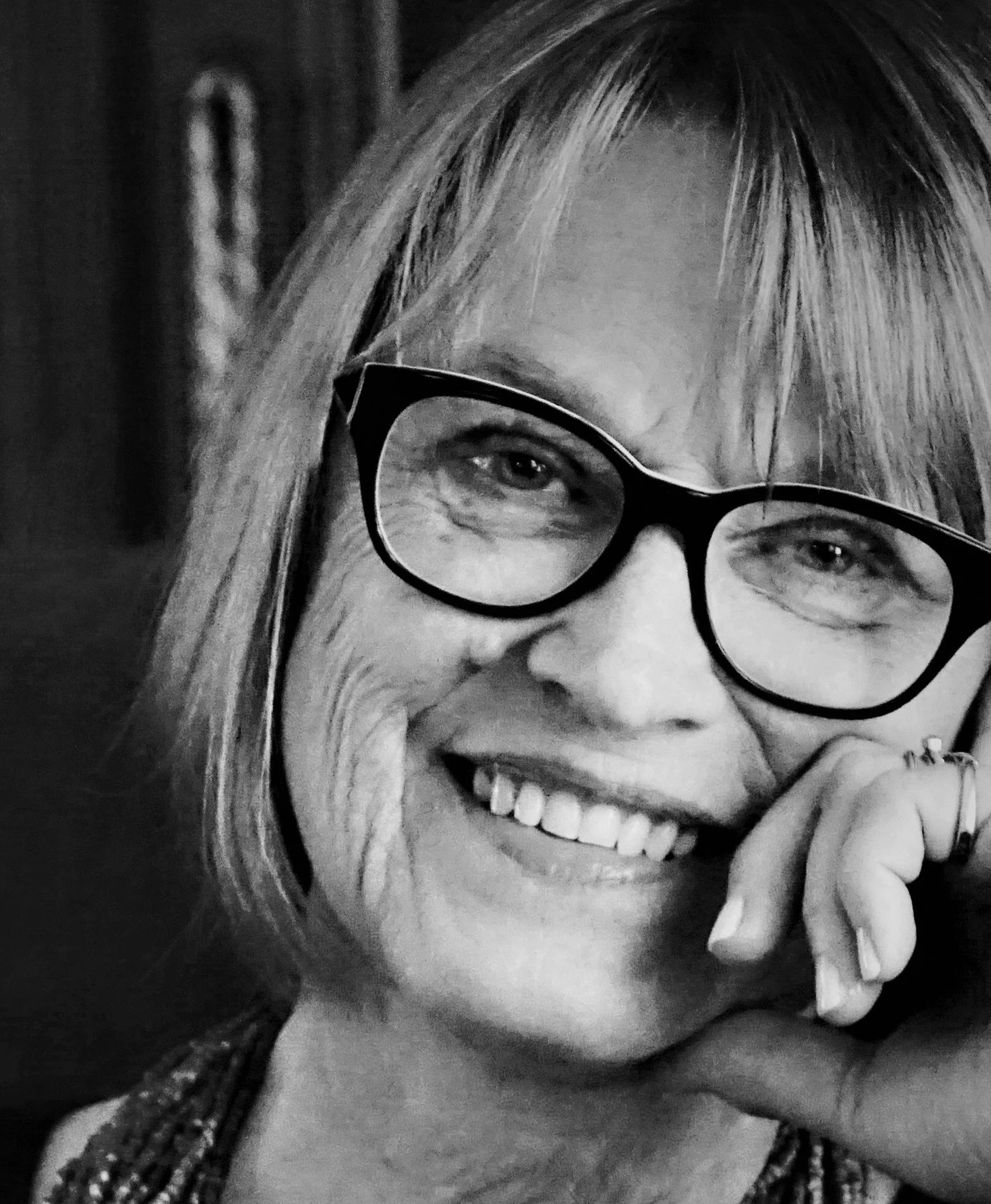
Cristina Alger is the author of The Darlings and This Was Not the Plan. A graduate of Harvard College and NYU Law School, she worked as a financial analyst and a corporate attorney before becoming a writer. She lives in New York with her husband and children.