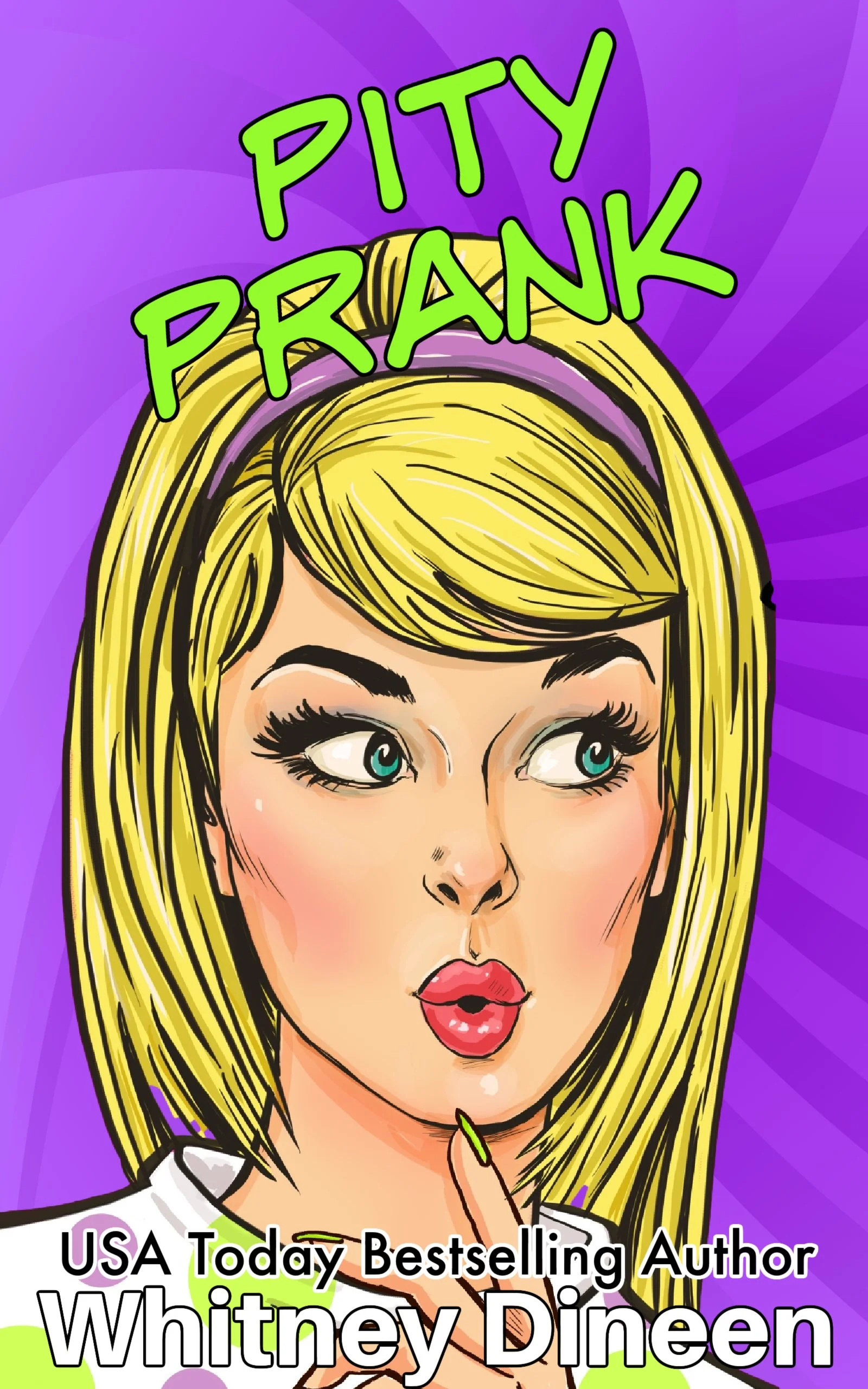
Spotlight: Text and Confused by Whitney Dineen & Melanie Summers

Release Date: December 27

It's hate at first text. Or is it...?
 
I'm Toni Capella and I'm a bad-man-o-holic. (Hi, Toni!). If a guy lives on the eastern seaboard, is covered in tattoos, muscles, and motor oil, I've probably already dated and dumped him. But it's a new year and for the first time in my twenty-nine years I'm determined to attract Mr. Right. I'm doing this by changing my type and my look.
 
So when super-hot contractor Cooper Flint walks into my office, I immediately put him on my 'no way' list. He embodies every bad boy trait there is. Besides, my eye is on another new co-worker, Somner Livingston. Handsome, well-heeled, and professional, Somner is nothing like my usual type, which I assume makes him perfect for me.
 
Determined to take things slowly for once, I insist Somner and I keep our budding relationship separate from work. I even suggest we do our initial courting via text while we get to know each other better. Things are going beautifully and just when I'm starting to think he's 'the one,' I find out there's been a horrible mix-up. My boss accidentally gave me Cooper's number, not Somner's, and I'm falling for Mr. Wrong, again.
 
Unfortunately, after I break it off with Cooper, I discover that Somner isn't the good guy he portrays himself to be. When Cooper rescues me from a compromising situation, I belatedly realize I might be been missing out on the man of my dreams.
 
Have I lost my chance at true happiness or is there someway I can convince Cooper I'm the woman he needs?

*** All books in the series read as standalones.

Buy on Amazon Kindle | Paperback

Meet Whitney Dineen:

Whitney Dineen is a rock star in her own head. While delusional about her singing abilities, there’s been a plethora of validation that she’s a fairly decent author (AMAZING!!!). After winning many writing awards and selling nearly a kabillion books (math may not be her forte, either), she’s decided to let the voices in her head say whatever they want (sorry, Mom). She also won a fourth-place ribbon in a fifth-grade swim meet in backstroke. So, there’s that.

Whitney loves to play with her kids (a.k.a. dazzle them with her amazing flossing abilities), bake stuff, eat stuff, and write books for people who “get” her. She thinks french fries are the perfect food and Mrs. Roper is her spirit animal.

Connect with Whitney Dineen:

https://whitneydineen.com/

Meet Melanie Summers:

I got SUPER lucky and my first novel, Break in Two, a steamy contemporary romance cracked the Top 10 Paid on Amazon in both the UK and Canada, and the top 50 Paid in the USA. My Full Hearts Series was then picked up by both Piatkus Entice (a division of Hachette UK) and HarperCollins Canada. 

My first three books have been translated into Czech and Slovak by EuroMedia. Since 2013, I've written and published sixteen novels and three novellas (and counting). I've sold over a quarter of a million books around the globe, and received two Bronze Medals at the Readers’ Favorite Award in the Chick Lit Category for The Royal Treatment (2018) and Whisked Away (2019), and one Silver Medal at the Readers' Favorite Awards in the Women's Fiction Category for The After Wife (2019).

Not bad for a newbie, eh?

I'm from Edmonton, Canada, where I live with my taller half, our three 'spirited' children (such a nice word to describe the chaos, no?). We also share our home with the cuddliest no-eyed dog ever, Lucy, and a furry Cuban dictator named Nelson. When I'm not writing, I love reading (obviously), snuggling up on the couch with the gang for movie night (which would not be complete without lots of popcorn and milkshakes), and long walks in the woods near my house.

I also spend a lot more time thinking about doing yoga than actually doing it, which is why any authorized photos of me are taken ‘from above’.

Oh, and I also love shutting down restaurants with my girlfriends. Well, not literally shutting them down, like calling the health inspector or something. More like just staying until they turn the lights off.

Connect with Melanie Summers:

https://www.melaniesummersbooks.com 

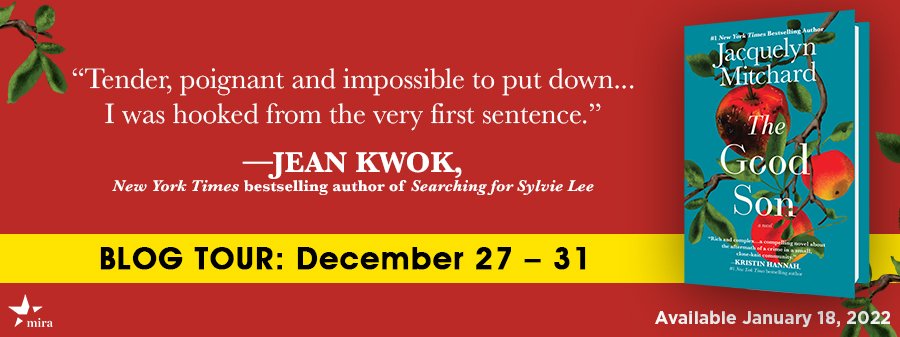
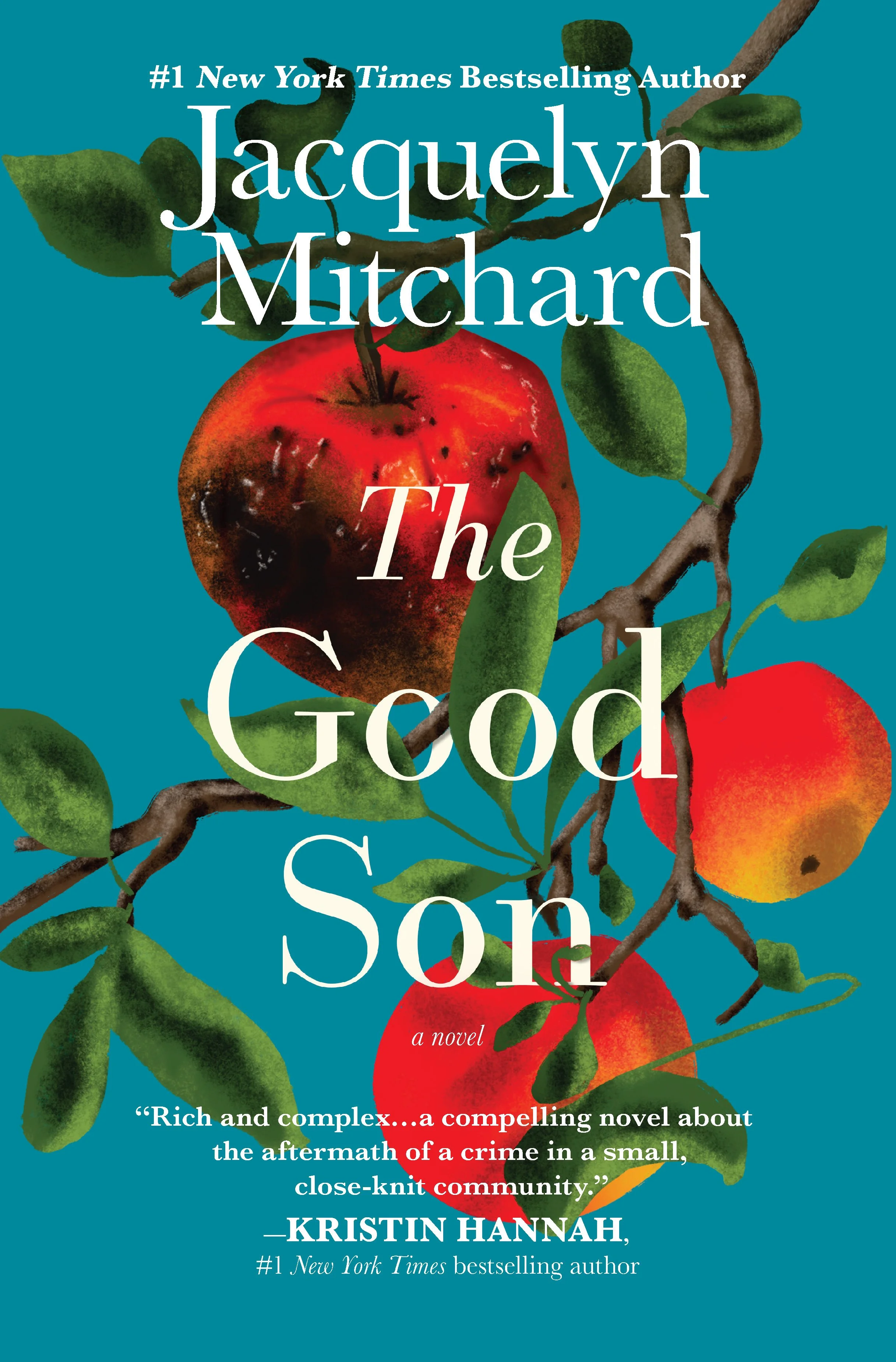
Spotlight: The Good Son by Jacquelyn Mitchard

Publication Date: January 18, 2022

Publisher: MIRA Books

From one of America’s most beloved storytellers, #1 New York Times and #1 USA Today bestselling author Jacquelyn Mitchard, comes the gripping novel of a mother who must help her son after he is convicted of a devastating crime. Perfect for book clubs and fans of Mary Beth Keane and Jodi Picoult—this novel asks the question, how well does any mother know her child?

For Thea, understanding how her sweet son Stefan could be responsible for a heinous crime is unfathomable. Stefan was only 17 when he went to prison for the negligent homicide of girlfriend, college freshman Belinda McCormack—a crime he was too strung out on drugs even to remember. Released at 21, he is seen as a symbol of white privilege and differential justice by his local community, and Belinda’s mother, Jill McCormack, who also happens to be Thea’s neighbor, organizes protests against dating violence in her daughter's memory.

Stefan is sincere in his desire to start over and make amends, and Thea is committed to helping him.  But each of their attempts seems to hit a roadblock, both emotionally and psychologically, from the ever-present pressure of local protestors, the media, and even their own family.

But when the attacks on them turn more sinister, Thea suspects that there is more to the backlash than community outrage. She will risk her life to find out what forces are at work to destroy her son and her family…and discover what those who are threatening them are trying to hide.

This is a story in which everything known to be true is turned inside out and love is the only constant that remains.

Excerpt

1

I was picking my son up at the prison gates when I spotted the mother of the girl he had murdered.

Two independent clauses, ten words each, joined by an adverb, made up entirely of words that would once have been unimaginable to think, much less say.

She pulled in—not next to me, but four spaces over—in the half circle of fifteen-minute spots directly in front of the main building. It was not where Stefan would walk out. That would be over at the gatehouse. She got out of her car, and for a moment I thought she would come toward me. I wanted to talk to her, to offer something, to reach out and hold her, for we had not even been able to attend Belinda’s funeral. But what would I say? What would she? This was an unwonted crease in an already unaccustomed day. I slid deep into my down coat, and wished I could lock the car doors, although I feared that the sound would crack the predawn darkness like a rifle shot. All that Jill McCormack did, however, was shove her hands into the pockets of her jacket and lean against the back bumper of her car. She wore the heavy maroon leather varsity jacket that her daughter Belinda, captain of the high school cheer team in senior year, had given to her, to Stefan, and to me, with our names embroidered in gold on the back, just like hers.

I hadn’t seen Jill McCormack up close for years, though she lived literally around the corner. Once, I used to stop there to sit on her porch, but now I avoided even driving past the place.

Jill seemed smaller, diminished, the tumult of ash-blond hair I remembered cropped short and seemingly mostly white, though I knew she was young when Belinda was born, and now couldn’t be much past forty. Yet, even just to stand in the watery, slow-rising light in front of a prison, she was tossed together fashionably, in gold-colored jeans and boots, with a black turtleneck, a look I would have had to plan for days. She looked right at my car, but gave no sign that she recognized it, though she’d been in it dozens of times years ago. Once she had even changed her clothes in my car. I remember how I stood outside it holding a blanket up over the windows as she peeled off a soaking-wet, floor-length, jonquil-yellow crystal-beaded evening gown that must, at that point, have weighed about thirty pounds, then slipped into a clean football warm-up kit. After she changed, we linked arms with my husband and we all went to a ball.

But I would not think of that now.

I had spent years assiduously not thinking of any of that.

A friendship, like a crime, is not one thing, or even two people. It’s two people and their shared environs and their histories, their common memories, their words, their weaknesses and fears, their virtues and vanities, and sometimes their shame.

Jill was not my closest friend. Some craven times, I blessed myself with that—at least I was spared that. There had always been Julie, since fifth grade my heart, my sharer. But Jill was my good friend. We had been soccer moms together, and walking buddies, although Jill’s swift, balanced walk was my jog. I once kept Belinda at my house while Jill went to the bedside of her beloved father who’d suffered a stroke, just as she kept Stefan at her house with Belinda when they were seven and both had chicken pox, which somehow neither I nor my husband, Jep, ever caught. And on the hot night of that fundraising ball for the zoo, so long ago, she had saved Stefan’s life.

Since Jill was a widow when we first met, recently arrived in the Midwest from her native North Carolina, I was always talking her into coming to events with Jep and me, introducing her to single guys who immediately turned out to be hopeless. That hot evening, along with the babysitter, the two kids raced toward the new pool, wildly decorated with flashing green lights, vines and temporary waterfalls for a “night jungle swim.” Suddenly, the sitter screamed. When Jill was growing up, she had been state champion in the 200-meter backstroke before her devout parents implored her to switch to the more modest sport of golf, and Belinda, at five, was already a proficient swimmer. My Stefan, on the other hand, sank to the bottom like a rock and never came up. Jill didn’t stop to ask questions. Kicking off her gold sandals, in she went, an elegant flat race dive that barely creased the surface; seconds later she hauled up a gasping Stefan. Stefan owed his life to her as surely as Belinda owed her death to Stefan.

In seconds, life reverses.

Jill and I once talked every week. It even seemed we once might have been machatunim, as they say in Yiddish, parents joined by the marriage of their son and daughter. Now, the circumstances under which we might ever exchange a single word seemed as distant as the bony hood of moon above us in the melting darkness.

What did she want here now? Would she leave once Stefan came through the gates? In fact, she left before that. She got back into her car, and, looking straight ahead, drove off.

I watched until her car was out of sight.

Just after dawn, a guard walked Stefan to the edge of the enclosure. I looked up at the razor wire. Then, opening the window slightly, I heard the guard say, “Do good, kid. I hope I never see you again.” Stefan stepped out, and then put his palm up to a sky that had just begun to spit snow. He was twenty, and he had served two years, nine months and three days of a five-year sentence, one year of which the judge had suspended, noting Stefan’s unblemished record. Still, it seemed like a week; it seemed like my entire life; it seemed like a length of time too paltry for the monstrous thing he had done. I could not help but reckon it this way: For each of the sixty or seventy years Belinda would have had left to live, Stefan spent only a week behind bars, not even a season. No matter how much he despaired, he could always see the end. Was I grateful? Was I ashamed? I was both. Yet relief rippled through me like the sweet breeze that stirs the curtains on a summer night.

I got out and walked over to my son. I reached up and put my hand on his head. I said, “My kid.”

Stefan placed his huge warm palm on the top of my head. “My mom,” he said. It was an old ritual, a thing I would not have dared to do in the prison visiting room. My eyes stung with curated tears. Then I glanced around me, furtively. Was I still permitted such tender old deeds? This new universe was not showing its hand. “I can stand here as long as I want,” he said, shivering in wonderment. Then he said, “Where’s Dad?”

“He told you about it. He had to see that kid in Louisville one more time,” I told him reluctantly. “The running back with the very protective grandmother. He couldn’t get out of it. But he cut it short and he’ll be home when we get back, if he beats the weather out of Kentucky this morning, that is.” Jep was in only his second season as football coach at the University of Wisconsin–Whitewater, a Division II team with significant chops and national esteem. We didn’t really think he would get the job, given our troubles, but the athletic director had watched Jep’s career and believed deeply in his integrity. Now he was never at rest: His postseason recruiting trips webbed the country. Yet it was also true that while Stefan’s father longed equally for his son to be free, if Jep had been able to summon the words to tell the people who mattered that he wanted to skip this trip altogether, he would have. But he couldn’t quite bring himself to say it’s a big day, our son’s getting out of prison.

Now, it seemed important to hurry Stefan to the car, to get out of there before this new universe recanted. We had a long drive back from Black Creek, where the ironically named Belle Colline Correctional Facility squatted not far from the campus of the University of Wisconsin–Black Creek. Stefan’s terrible journey had taken him from college to prison, a distance of just two miles as the crow flies. I felt like the guard: I never wanted to see the place again. I had no time to think about Jill or anything else except the weather. We’d hoped that the early-daylight release would keep protestors away from the prison gates, and that seemed to have worked: Prisoners usually didn’t walk out until just before midday. There was not a single reporter here, which surprised me as Jill was tireless in keeping her daughter Belinda’s death a national story, a symbol for young women in abusive relationships. Many of the half dozen or so stalwarts who still picketed in front of our house nearly every day were local college and high-school girls, passionate about Jill’s work. As Stefan’s release grew near, their numbers rose, even as the outdoor temperatures fell. A few news organizations put in appearances again lately as well. I knew they would be on alert today and was hoping we could beat some of the attention by getting back home early. In the meantime, a snowstorm was in the forecast: I never minded driving in snow, but the air smelled of water running over iron ore—a smell that always portended worse weather.

Excerpted from The Good Son by Jacquelyn Mitchard. Copyright © 2022 by Jacquelyn Mitchard. Published by arrangement with Harlequin Books S.A.

Buy on Amazon Kindle | Audible | Hardcover | Bookshop.org

About the Author

#1 New York Times bestselling author Jacquelyn Mitchard has written nine previous novels for adults; six young adult novels; four children’s books; a memoir, Mother Less Child; and a collection of essays, The Rest of Us: Dispatches from the Mother Ship. Her first novel, The Deep End of the Ocean, was the inaugural selection of the Oprah Winfrey Book Club, and later adapted for a feature film. Mitchard is a frequent lecturer and a professor of fiction and creative nonfiction at Vermont College of Fine Arts in Montpelier. She lives on Cape Cod with her husband and their nine children.

Connect:

Author Website

Facebook: Jacquelyn Mitchard

Twitter: @JackieMitchard

Instagram: @jacquelynmitchard

Goodreads

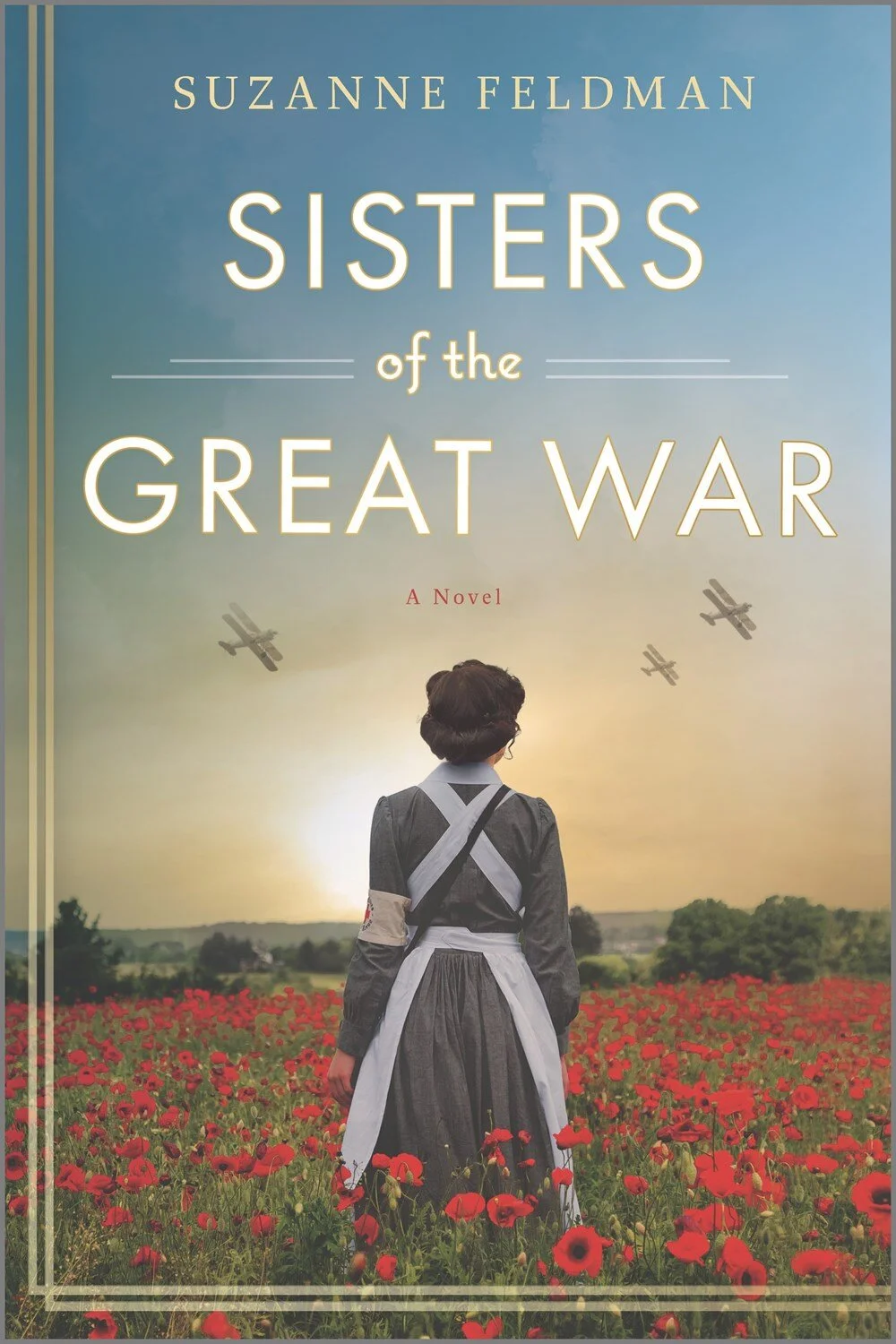
Spotlight: Sisters of the Great War by Suzanne Feldman

Sisters of the Great 9780778311225_8d1cc.jpg

Publication Date: October 26, 2021

Publisher: MIRA Books

Two sisters. The Great War looming. A chance to shape their future.

Sisters Ruth and Elise Duncan could never have anticipated volunteering for the war effort. But in 1914, the two women decide to make the harrowing journey from Baltimore to Ypres, Belgium in order to escape the suffocating restrictions placed on them by their father and carve a path for their own future.

Smart and practical Ruth is training as a nurse but dreams of becoming a doctor. In a time when women are restricted to assisting men in the field, she knows it will take great determination to prove herself, and sets out to find the one person who always believed in her: a handsome army doctor from England. For quiet Elise, joining the all female Ambulance Corps means a chance to explore her identity, and come to terms with the growing attraction she feels towards women. Especially the charming young ambulance driver who has captured her heart.

In the twilight of the Old World and the dawn of the new, both young women come of age in the face bombs, bullets and the deadly futility of trench warfare. Together they must challenge the rules society has placed on them in order to save lives: both the soldiers and the people they love.’

Excerpt

1

Baltimore, Maryland

August 1914

Ruth Duncan fanned herself with the newspaper in the summer heat as Grandpa Gerald put up a British flag outside the house. If he’d had a uniform—of any kind—he would have worn it. People on the sidewalk paused and pointed, but Grandpa, still a proper English gent even after almost twenty years in the U.S., smoothed his white beard and straightened his waistcoat, ignoring the onlookers.

“That’s done,” he said.

Ruth’s own interest in the war was limited to what she read in the paper from across the dining table. Grandpa would snap the paper open before he ate breakfast. She could see the headlines and the back side of the last page, but not much more. Grandpa would grunt his appreciation of whatever was in-side, snort at what displeased him, and sometimes laugh. On the 12th of August, the headline in the Baltimore Sun read; France And Great Britain Declare War On Austria-Hungary, and Grandpa wasn’t laughing.

Cook brought in the morning mail and put it on the table next to Grandpa. She was a round, grey-haired woman who left a puff of flour behind her wherever she went.

“Letter from England, sir,” Cook said, leaving the envelope and a dusting of flour on the dark mahogany. She smiled at Ruth and left for the kitchen.

Grandpa tore the letter open.

Ruth waited while he read. It was from Richard and Diane Doweling, his friends in London who still wrote to him after all these years. They’d sent their son, John, to Harvard in Massachusetts for his medical degree. Ruth had never met John Doweling, but she was jealous of him, his opportunities, his apparent successes. The Dowelings sent letters whenever John won some award or other. No doubt this was more of the same. Ruth drummed her fingers on the table and eyed the dining room clock. In ten minutes, she would need to catch the trolley that would take her up to the Loyola College of Nursing, where she would be taught more of the things she had already learned from her father. The nuns at Loyola were dedicated nurses, and they knew what they were doing. Some were out-standing teachers, but others were simply mired in the medicine of the last century. Ruth was frustrated and bored, but Father paid her tuition, and what Father wanted, Father got. 

Ruth tugged at her school uniform—a white apron over a long white dress, which would never see a spot of blood. “What do they say, Grandpa?”

He was frowning. “John is enlisting. They’ve rushed his graduation at Harvard so he can go home and join the Royal Army Medical Corps.”

“How can they rush graduation?” Ruth asked. “That seems silly. What if he misses a class in, say, diseases of the liver?”

Grandpa folded the letter and looked up. “I don’t think he’ll be treating diseases of the liver on the battlefield. Anyway, he’s coming to Baltimore before he ships out.”

“Here?” said Ruth in surprise. “But why?”

“For one thing,” said Grandpa, “I haven’t seen him since he was three years old. For another, you two have a common interest.”

“You mean medicine?” Ruth asked. “Oh, Grandpa. What could I possibly talk about with him? I’m not even a nurse yet, and he’s—he’s a doctor.” She spread her hands. “Should we discuss how to wrap a bandage?”

“As long as you discuss something.” He pushed the letter across the table to her and got up. “You’ll be showing him around town.”

“Me?” said Ruth. “Why me?”

“Because your sister—” Grandpa nodded at Elise, just clumping down the stairs in her nightgown and bathrobe “—has dirty fingernails.” He started up the stairs. “Good morning, my dear,” he said. “Do you know what time it is?” “Uh huh,” Elise mumbled as she slumped into her seat at the table.

As Grandpa continued up the stairs Ruth called after him. “But when is he coming?”

“His train arrives Saturday at noon,” Grandpa shouted back. “Find something nice to wear. You too, Elise.”

Elise rubbed her eyes. “What’s going on?”

Ruth pushed the letter at her and got up to go. “Read it,” she said. “You’ll see.”

Ruth made her way down Thirty-Third Street with her heavy bookbag slung over one shoulder, heading for the trolley stop, four blocks away, on Charles. Summer classes were almost over, and as usual, the August air in Baltimore was impenetrably hot and almost unbreathable. It irritated Ruth to think that she would arrive at Loyola sweaty under her arms, her hair frizzed around her nurse’s cap from the humidity. The nuns liked neatness, modest decorum. Not perspiring young women who wished they were somewhere else.

Elise, Ruth thought, as she waited for a break in the noisy traffic on Charles Street, could’ve driven her in the motor-car, but no, she’d slept late. Her younger sister could do pretty much anything, it seemed, except behave like a girl. Elise, who had been able to take apart Grandpa’s pocket watch and put it back together when she was six years old, was a use-ful mystery to both Father and Grandpa. She could fix the car—cheaper than the expensive mechanics. , For some rea-son, Elise wasn’t obliged to submit to the same expectations as Ruth—she could keep her nails short and dirty. Ruth wondered, as she had since she was a girl, if it was her younger sister’s looks. She was a mirror image of their mother, who had died in childbirth with Elise. Did that make her special in Father’s eyes?

An iceman drove a sweating horse past her. The horse raised its tail, grunted, and dropped a pile of manure, rank in the heat, right in front of her, as though to auger the rest of her day. The iceman twisted in the cart to tip his hat. “Sorry Sister!”

Ruth let her breath out through her teeth. Maybe the truth of the matter was that she was the ‘sorry sister.’ It was at this exact corner that her dreams of becoming a doctor, to follow in her father’s footsteps, had been shot down. When she was ten, and the governess said she’d done well on her writing and math, she was allowed to start going along on Father’s house calls and help in his office downstairs. Father had let her do simple things at first; mix plaster while he positioned a broken ankle, give medicine to children with the grippe, but she watched everything he did and listened carefully. By the time she was twelve, she could give him a diagnosis, and she remembered her first one vividly, identifying a man’s abdominal pain as appendicitis.

“You did a good job,” Father had said to her, as he’d reined old Bess around this very corner. “You’ll make an excellent nurse one day.”

Ruth remembered laughing because she’d thought he was joking. Her father’s praise was like gold. “A nurse?” she’d said. “One day I’ll be a doctor, just like you!”

“Yes, a nurse,” he’d said firmly, without a hint of a smile. It was the tone he used for patients who wouldn’t take their medicine.

“But I want to be a doctor.”

“I’m sorry,” he said. He hadn’t sounded sorry at all. “Girls don’t become doctors. They become nurses and wives. Tomorrow, if there’s time, we’ll visit a nursing college. When you’re eighteen, that’s where you’ll go.”

“But—”

He’d shaken his head sharply, cutting her off. “It isn’t done, and I don’t want to hear another word about it.”

A decade later, Ruth could still feel the shock in her heart. It had never occurred to her that she couldn’t be a doctor because she was a girl. And now, John Doweling was coming to town to cement her future as a doctor’s wife. That was what everyone had in mind. She knew it. Maybe John didn’t know yet, but he was the only one.

Ruth frowned and lifted her skirts with one hand, balancing the bookbag with the other, and stepped around the manure as the trolley came clanging up Charles.

Excerpted from Sisters of the Great War by Suzanne Feldman, Copyright © 2021 by Suzanne Feldman. Published by arrangement with Harlequin Books S.A.

Buy on Amazon Kindle | Audible | Paperback | Bookshop.org

About the Author

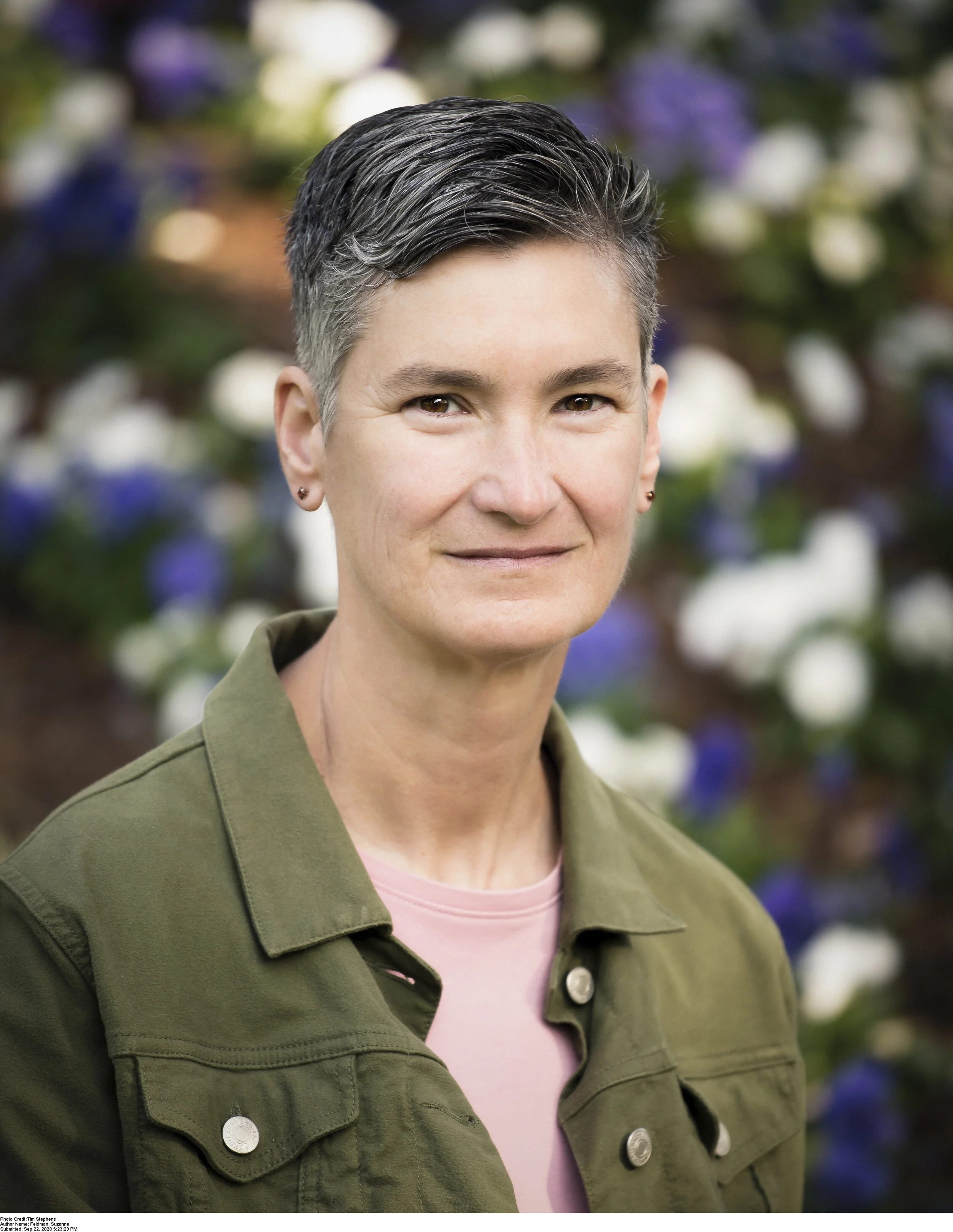
Suzanne Feldman cred. Tim Stephens.jpg

Suzanne Feldman, a recipient of the Missouri Review Editors' Prize and a finalist for the Bakeless Prize in fiction, holds an MA in fiction from Johns Hopkins University and a BFA in art from the Maryland Institute College of Art. Her short fiction has appeared in Narrative, The Missouri Review, Gargoyle, and other literary journals. She lives in Frederick, Maryland.

Connect:

Author Website

Twitter: @suzanne21702

Facebook: @SuzanneFeldman

Instagram: @suzannefeldmanauthor

Goodreads

Spotlight: Gingerbread & Jingle Bells by Caro Carson

GingerbreadandJingleBellsBlitzBanner.png
Gingerbread.jpg

Publication date: October 12th 2021

Genres: Adult, Contemporary, Holiday, Romance

Synopsis:

You never get a second chance at a first kiss…

Eve Richards has made every sacrifice to become a rising corporate executive in the big city–until this December. Her grandmother needs help running the family bakery, so Eve is finally taking her unused vacation to return to her small hometown to count cookies instead of corporate cash.

Eve isn’t the only person returning to town. Her childhood sidekick, the recipient of her very determined (but fairly disastrous) first-ever attempt at a kiss, has returned as well. Daniel Shepherd, the once-shy boy from England, is now the town’s swoon-worthy new veterinarian. Grandma’s obvious matchmaking attempts are as mortifying as the memory of the awkward kiss that ended their friendship so many years ago, but the more time Eve spends with Daniel, the harder it is to resist the temptation to take a second chance at that first kiss.

But Daniel has come back to Masterson to put down roots; Eve will be gone after the holiday rush at the bakery. Nothing good could possibly come from letting herself fall for the man who was once her best friend.

A kiss before Christmas could be the key. Will it be the sweet ending to their childhood story…or will Eve risk everything for the chance to turn her first love into a forever love?

A heartwarming wintery romance from a USA Today Bestselling Author and RITA Award winner, set in a wonderfully unique 1980s setting. Perfect for fans of sweet and sincere happily-ever-afters.

Excerpt

Eve clutched the apron to her chest, wishing she could rewind the conversation—and this time, keep her mouth shut. “Listen, the gingerbread giant is on the house. One-hundred percent discount. I don’t even work here. It was my goof. Please, don’t tell anybody about this. My grandmother always does everything right when it comes to the bakery.”

“I insist on paying for it. It’s even more festive now that you’ve fixed the damage.” He reached out to take the apron from her, admonishing her lightly in that posh British accent. “Besides, you cannot seriously think I would ever harm your grandmother’s reputation. She is kindness itself. She never charged me for a single cookie she gave me as a child.”

As a child? Eve searched his handsome face, its masculine angles appealing but unfamiliar. His smile lit his eyes, which were as warm and brown as rich gingerbread. Posh, British gingerbread...

“Oh, my goodness. I know you. You’re—”

“Jingle Bell!” the man shouted, as the brown dog came sprinting back into the kitchen.

Eve squealed in terror as she dove to save the freshly frosted giant, but with a stern sit and stay, the man stopped the dog in its tracks as if he were some kind of magician.

“My apologies,” he said. “She was a stray until quite recently. I’ve been working with her, but her instinct to steal food still overcomes her at times.”

“Daniel Shephard.” She pressed her hand over her hard-beating heart. “It’s me, Evie Richards. From fifth grade. I didn’t recognize you, now that you’re all...” She nodded toward his sharp black slacks, his narrow tie. Toward the broad chest that filled out a burgundy dress shirt. Up, way up, to those eyes. Hadn’t she been the taller one? “...all grown up, and—and tall. Do you recognize me?”

“Yes, of course.”

She dropped her hand. She liked to think she was a polished, worldly woman of business, but apparently, she didn’t look much different from a girl in cable-knit tights. She forced a chuckle. “I haven’t changed, huh?”

“We are standing in your family’s bakery. That’s quite the clue.”

“Right.” Her cheeks were warm. “This is such a coincidence, because I was thinking about you today with the snow flurries, and now here you are.”

Daniel crossed his arms over his chest and returned her gaze with an indulgent sort of smile, like he knew she was a little flustered as she tried to reconcile the boy she’d known with the man in her bakery.

He apparently was having no trouble seeing little Evie Richards in her. He didn’t look flustered in the least. Then again, he hadn’t been putting his foot in his mouth about discounts and patch jobs or yelping in terror at a dog.

She turned her back to him and picked up a wide box of cellophane wrap, taking two seconds to compose herself. Then she turned around like the brisk, efficient woman she was, ready to secure the giant cookie to its support board for the short trip to the veterinary clinic. “So, you’re back in town and going to the party. Who do you know at the vet’s office?”

Are you somebody’s date? Maybe he had a wife. She dropped her gaze to his hand.

He ruffled his dog’s ears affectionately.

Stop petting your dog. I want to see your ring finger.

“I am the vet, actually. Dr. Shephard, at your service.”

Buy on Amazon

About the Author

Caro.jpeg

Despite a no-nonsense background as a West Point graduate and U.S. Army officer, Caro Carson has always treasured the happily-ever-after of a good romance novel. After her military service, she worked in the healthcare industry with a Fortune 100 company, talking science with doctors who were rarely handsome bachelor Texans like the doctors in her books. Now a USA Today bestselling author and RITA™award winner, Caro is delighted to be living her own happily-ever-after with her husband (who actually is a handsome Texan) and their two children. They live in the great state of Florida, a location which has saved the coaster-loving theme park fanatics a fortune on plane tickets.

Connect:

https://instagram.com/carocarsonauthor

https://www.facebook.com/caro.carson/

https://www.carocarson.com/

https://www.youtube.com/channel/UCr7sDPZxTfUegBVJPia0s5A

https://www.bookbub.com/authors/caro-carson

https://www.amazon.com/Caro-Carson/e/B00GSGRZ62

https://twitter.com/TheCaroCarson

https://www.goodreads.com/author/show/6984425.Caro_Carson

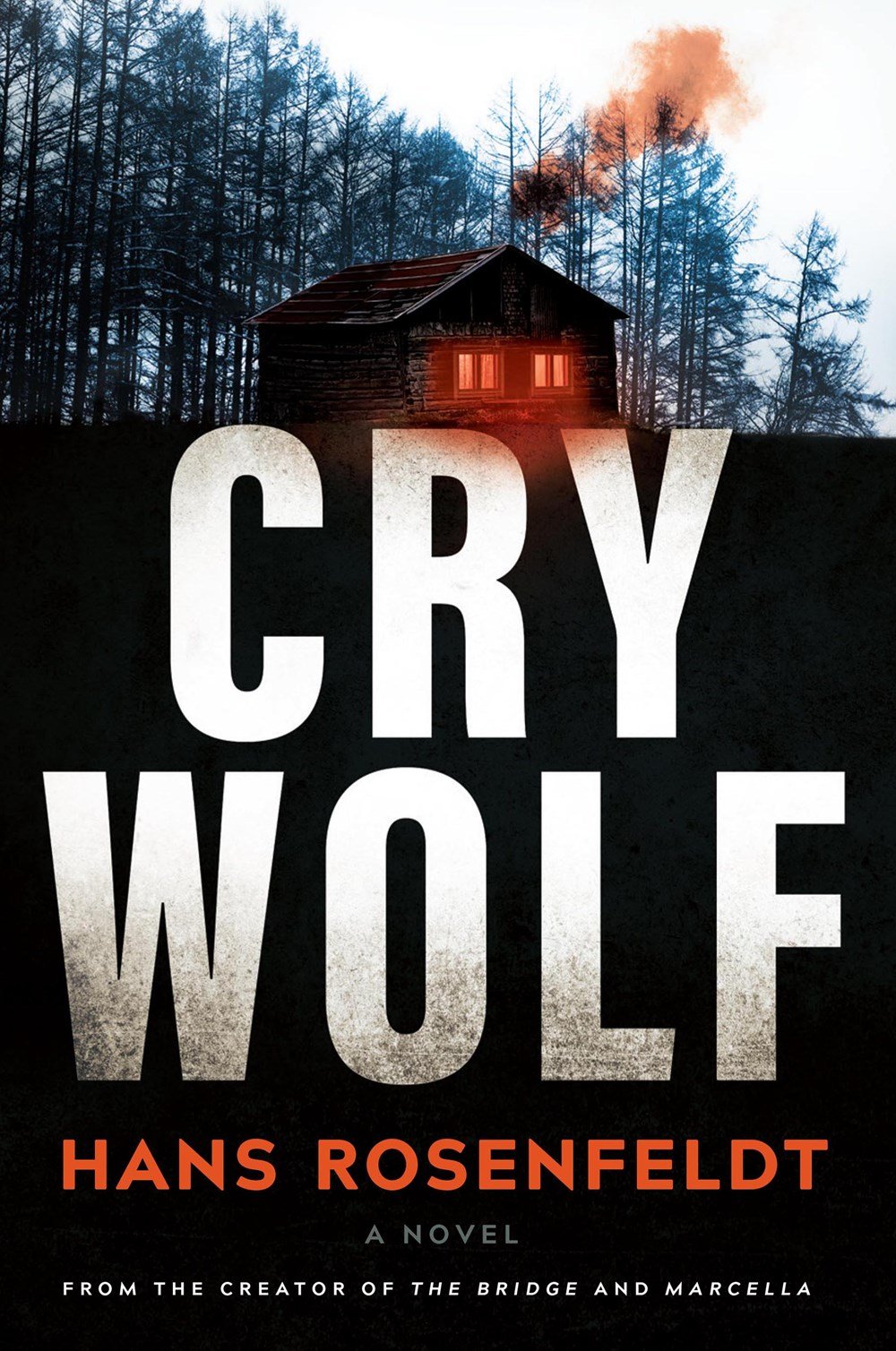
Spotlight: Cry Wolf by Hans Rosenfeldt

Publication Date: December 28, 2021

Publisher: Hanover Square Press

The first standalone Swedish crime novel by Hans Rosenfeldt, creator of the TV series The Bridge as well as Netflix’s Emmy-winning Marcella.

A dead wolf. A drug deal gone wrong. A female assassin of rarely seen skill. Hannah Wester, a policewoman in the remote northern town of Haparanda, finds herself on the precipice of chaos.

When human remains are found in the stomach of a dead wolf, Hannah knows that this summer won’t be like any other. The remains are linked to a bloody drug deal across the border in Finland. But how did the victim end up in the woods outside of Haparanda? And where have the drugs and money gone?

Hannah and her colleagues leave no stone unturned. But time is scarce and they aren’t the only ones looking. When the secretive and deadly Katja shows up, unexpected and brutal events start to pile up. In just a few days, life in Haparanda is turned upside down. Not least for Hannah, who is finally forced to confront her own past.

Excerpt

Everything had gone according to plan.

First their arrival.

Be the first in place, park the jeep and black Mercedes be-side each other on a rutted clearing in the middle of the forest, used by lumber trucks and harvesters for loading and U-turns, then position the coolers to face the narrow forest road they’d just come down. The ruts beneath them, the nocturnal birdsong around them, the only thing besides absolute silence until the sound of engines announced the arrival of the Finns.

A Volvo XC90, also black, drove up. Vadim watched as Artjom and Michail took their weapons and left the Mercedes, while he and Ljuba climbed out of their jeep. He liked Ljuba, thought she liked him, too. They’d gone out for a beer together a few times, and when they asked her who she wanted to drive with, she’d chosen him. For a moment he considered telling her to wait in the car, take cover, say he had a premonition this might go wrong. But if he did that, what would they do afterwards?

Run away together? Live happily ever after?

That would be impossible once she knew what had happened. She’d never betray Valerij; she didn’t like him that much, he was sure of it. So he said nothing.

The Volvo stopped a few meters in front of them, the engine switched off, the doors opened and four men stepped out. All of them armed. Looked around suspiciously as they fanned out.

Everything was still.

The calm before the storm.

The Finnish leader, a large man with a buzz cut and a tribal tattoo wrapped around one eye, nodded to the smallest of the four Finns, who holstered his gun, walked behind the Volvo and opened the trunk. Vadim also backed up a few steps to un-lock his jeep’s trunk.

So far everything was going according to their plan.

Time for his plan.

A bullet from a rifle with a silencer on it entered just beneath the eye of the large Finn closest to the car. The sudden explosion of bone, blood, and brain matter as the projectile made its way through the back of his head made the others react instinctively.

Everyone started shooting at the same time.

Everyone except Vadim, who threw himself behind the shelter of the jeep.

The man with the tattoo on his face roared loudly, hugged his trigger, and immediately took down Michail with four or five shots to the chest. Artyom answered with gunfire. The tattooed man was hit by two bullets, staggered back, but re-gained his balance and turned his weapon on Artyom, who threw himself behind the cover of the Mercedes, but it was too late. Several bullets hit his legs from the hip down. Shrieking in pain, he landed on dry gravel. The tattooed man continued bleeding, roaring, and shooting as he moved toward the Volvo, determined to make it out of here alive. But a second later he fell to his knees gurgling, let go of his weapon and pressed his hands to what was left of his neck.

Somewhere more shots were fired, more screams could be heard.

Artjom slid up into a sitting position, while trying to stop the blood that gushed from his thigh in the same rhythm as his racing heartbeat. Then another series of shots, and he went still, his gaze turning from desperation to emptiness, his lips forming some soundless word before his head slumped onto his chest.

The third Finn had thrown himself into the cover of a shallow ditch with a good view beneath the parked cars. A round of concentrated fire from his semi-automatic had hit Artjom in the back. Vadim realized that he, too, must be visible and flung himself around the jeep to hide behind one of its large wheels. When he got to the side of the car, he saw the smallest of the four Finns lying dead on the ground.

Ljuba wasn’t visible.

Another round of shots sounded from the ditch at the forest edge and bullets hit the metal on the back of the wheel, puncturing the tire. One went through the rubber and hit him in the side, just above his butt. The pain was a white-hot flash through his body. He closed his eyes, swallowed a scream, leaned his forehead against his knees and made himself as small as he could. As he slowly let the air in his lungs out again, he realized the gunfire had ceased.

It was silent. Completely silent.

No movement, no voices, no roar of pain or betrayal, no bird-song, nothing. As if the very place itself were holding its breath.

He peeked out carefully from behind the jeep.

Still silent. And still.

Slowly, slowly he raised his head for a better view. The sun hung below the trees, but still above the horizon; the scene in front of him was bathed in that particular soft, warm light of the midnight sun.

He rose cautiously to his feet. A bullet was still lodged in his muscle and tissue, but it didn’t seem to have damaged any vital organs. He pressed his hand to the wound. Blood, but no more than he could stop with a compress.

“Ljuba?”

Ljuba was leaning against the rear bumper of the Finn’s car, breathing shallowly, the front of her gray T-shirt beneath her jacket soaked in blood, the gun still in her right hand. Vadim assessed the damage. The blood was running out at a steady rate, so it hadn’t nicked an artery. No air bubbles, so her lungs were probably intact. She might very well survive.

“Who shot us?” she asked, out of breath, grabbing Vadim’s jacket with a bloody hand. “Who the fuck started shooting?”

“He’s with us.”

“What? What do you mean with us? Who is he?”

“Come on.”

He gently took the gun away from her, pushed it into his pocket before standing up, leaned forward and helped her to her feet. She grimaced from the pain of exertion but managed to stand. With his arm around her waist and her arm around his shoulders, they walked out into the open area between the cars. When they reached the rise where the tattooed Finn had fallen, Vadim stopped, gently removed Ljuba’s arm, released his supportive grip from around her waist, and backed away with two large steps.

“I’m sorry…”

Ljuba’s gaze was uncomprehending at first, but she soon realized what was happening, why he’d brought her here. Seconds later a bullet pierced her temple and she was thrown to the ground.

Vadim pressed his hand to the wound on his lower back and stretched, let out a deep sigh.

In the end, everything had gone according to plan.

Excerpted from Cry Wolf by Hans Rosenfeldt, Copyright © 2022 by Hans Rosenfeldt. Published by arrangement with Harlequin Books S.A.

Buy on Amazon Kindle | Audible | Paperback | Bookshop.org

About the Author

Hans Rosenfeldt is a Swedish screenwriter, radio presenter, novelist and actor. He created the Scandinavian series The Bridge, which is broadcast in more than 170 countries, as well as the ITV/Netflix series Marcella

Connect:

Instagram: @hansrosenfeldtofficial

Facebook: @hjorthrosenfeldt

Goodreads

Spotlight: Toasted by Tracy Broemmer

Instead of getting married, Grant Gerritsen nurses his broken heart by sharing one night of flirty, fun adventure with supposed-to-be bridesmaid Zoey Voss. Will romance spark between the two, or are their escapades just a New Year’s Eve fling? Readers who love Emily Griffin and Lexi Ryan, will enjoy Toasted by Tracy Broemmer, a one night fling, runaway groom, contemporary romance.

Instead of getting married at St. Andrew’s Church, runaway groom Grant Gerritsen is throwing back shots at the Whistling Dragon to forget his bride-to-be. He’s nursing his angry, broken heart alone in the New Year’s Eve crowd…

Until supposed-to-be bridesmaid Zoey Voss shows up at the Whistling Dragon desperate for a phone to call a cab to get back to her hotel.

When Grant saves his ex-fianceé’s childhood friend from an unkempt stranger at the bar, a night of flirty, fun adventure begins. Will Grant and Zoey kindle a friendship of their own or are their escapades just a New Year’s Eve fling?

Excerpt

Copyright 2021 Tracy Broemmer

“You sure you wanna do this?” He bumped her arm with his. She had slipped his coat back over her shoulders, and now she held the coat tightly around her middle.
“I want to do this.”
“Do we have a story?” he asked as they hurried up the two steps and the sidewalk to the front door. Through the windows, Grant saw rooms crowded with people of all ages and sizes. The current song was something by Elvis. A Christmas tree lit up the corner of the front room. Several people held Solo cups.
“Think there’s a keg?” she asked quietly.
“Maybe.” He leaned close to the window to see better. “Doesn’t look like an all-college crowd, though.”
“College kids don’t have the corner on kegs.” She shrugged.
“Do we have a story?” he asked again.
“Let’s wing it.” She tugged at his arm and pulled him to the door. Seconds after Grant rang the bell, the door swung open. Zoey peeked up at him as a young kid leaned around the door with a sloppy grin. He didn’t particularly look of age, but he did look smashed.
“Hey! C’min.” The kid backed up and threw a hand out in welcome. “Zip’s in the kitchen, man. Grab a drink.”
“Great.” Grant ushered Zoey inside and then closed the door. Small groups of people everywhere yelled to be heard over the deafening music. Grant reached for Zoey’s hand, pleased when she linked her fingers in his and followed him. The kitchen was obviously in the back of the house, so Grant led her that way. The wooden door swung closed behind them. More people gathered around the island counter, but the music was a bit quieter in here.
“Hey.” A tall bald guy nodded at them. Since he was surrounded by people—four girls and two guys—Grant decided he might be Zip.
“How ya doin’, Zip?” he asked with a knowing smile.
“Where’ve you been, man? Haven’t seen you in ages.” Zip stepped forward and offered Grant his hand.
“No kidding.” Grant shook his hand. “Been around. Same old same old.”
“Ain’t that the truth.” Zip nodded enthusiastically. “Grab a drink. Catch up. I think Doug’s out back. Bet you haven’t seen him in years.”
“I haven’t!” Grant suppressed a laugh when Zoey squeezed his hand. “Remember Zoey?” He pulled her in close to him.
“Hey, yes!” Zip left the group he had been talking to and approached them with open arms. He swallowed Zoey up in a big hug and then gave Grant a bro hug, complete with a slap on the back. “Fancy digs, guys.”
He stepped back to eye Grant’s vest and Zoey’s dress.
“Well.” Grant aimed a sheepish grin at Zoey. “We eloped tonight.”
“Say what?”
Zoey looked at him with wild eyes, as if she seconded what Zip had said.

Buy on Amazon

About Tracy Broemmer 

An only child, Tracy Broemmer grew up with a wild imagination. An avid reader from a young age, she spent a lot of time with her nose buried in books and a lot of time making up her own stories. She penned her first book in grade school and hasn’t stopped writing since then. When she’s not writing, you might find her with a book in hand, or maybe a glass of wine, or maybe a book in one hand and a glass of wine in the other. Tracy enjoys spending time with her family, traveling with her husband of twenty-eight years, music, NFL, and MLB. Tracy is the author of the Lorelei Bluffs women’s fiction series, the Williams Legacy, and several stand-alone women’s fiction novels. She has recently dabbled in contemporary romance, as well. Tracy’s books have been called gripping, emotional, and timely, and readers describe her characters as real and relatable.
Follow: Facebook | Reader Group | Instagram | Goodreads | Bookbub | Amazon | Website | TikTok