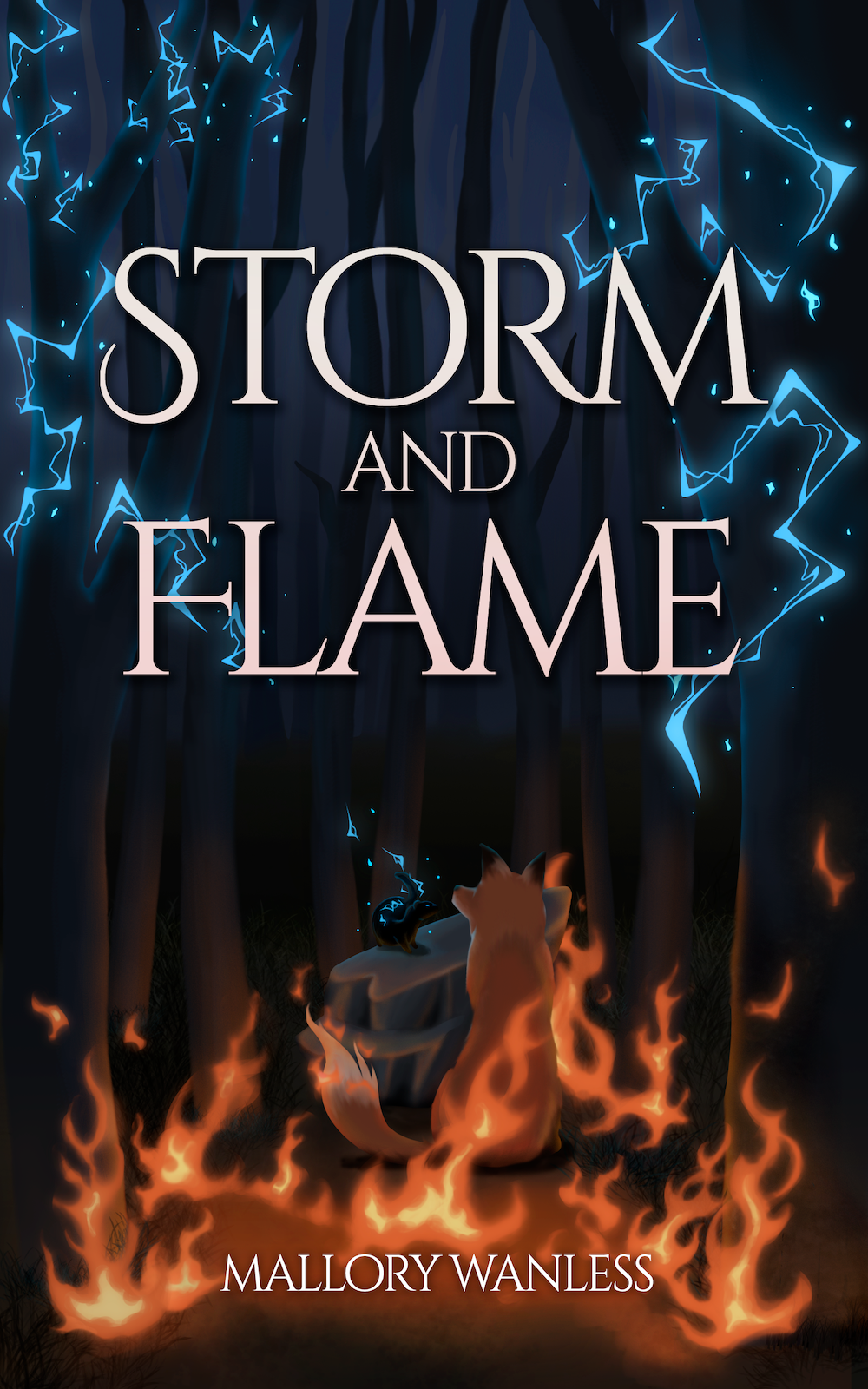
Spotlight: Storm and Flame by Mallory Wanless

(Enchanted, #1)
Publication date: September 22nd 2022
Genres: Fantasy, Young Adult

Elena has always been a disappointment. Her magic is practically non-existent and now, on her sixteenth birthday, she is expelled from magic school by the strict headmistress–also known as her mother. Cast out into the world of the magically inept with only her familiar for company, Elena feels lost and alone until she meets a strange boy in the woods.

Quinn is a thief, a hunter, and a hothead. His unexpected friendship with Elena awakens a fiery side in him–quite literally–and uncovers new and surprising magical abilities. Except men aren’t supposed to be capable of magic.

With Quinn’s help, Elena carves a safe new life as a barmaid, but when she is attacked, her powers awaken with shocking ferocity. Elena’s explosion of magic creates a power surge that attracts the attention of magical investigators, sent to uncover and contain the source of the power surge.

But the awakening of their powers kickstarts an ancient prophecy. Will they be able to escape those that hunt them? Can they fulfill the prophecy, destroy the turmio and save magic from being destroyed once and for all?

Excerpt

Meet Elena

“Come on. Just work, dammit,” Elena muttered to herself, trying for the millionth time to cast her spell. 

Agon had stretched his lithe, weasel-like body across a long, skinny patch of sunlight on the floor of the testing room. He’d spent the morning basking in the warmth of the sun-drenched stone and flicking his fluffy blue-black tail back and forth. As her closest, and arguably only, friend, Agon knew nothing he could say would make her feel better. She was in a mood, and the best thing he could do was to leave her be. 

Sparks flared and quickly sputtered out from Elena’s fingertips. 

“Dammit. Why can’t I get this stupid spell right?” It was a rhetorical question, but Elena was so frustrated by her own ineptitude that she would have traded everything she owned to successfully complete a spell on the first try. 

Elena was easily the worst enchantress in her class, probably the whole school. The other students mocked her mercilessly. It didn’t help that her mother, Madame LaBelle, was the most famous enchantress in the whole country, possibly the world, and the headmistress of their school. She could turn a seed into a centuries-old tree with the flick of her wrist. Elena could grow a seed into a sapling with twenty minutes of chanting, flicking, waving, and praying. Maybe. On a good day. 

Madame LaBelle was notorious for her skills with magic as much as her beauty. Unfortunately for Elena, she inherited her looks from her father. At least, she assumed that’s where she got her flat hair and dull brown eyes. She’d never actually met him. In Waverly, as far as enchantresses were concerned, men served one purpose: impregnating women. The men were used and released of all parental rights, whether they liked it or not. Most men didn’t even know the woman they had lain with was an enchantress, much less that they had fathered a child as a result. The women opted to disguise themselves — bar wenches, visitors lost in the big city, damsels in need of aid on the side of the road, etc. — just to get what they needed and be gone before the man even knew her name. 

It was crass and cowardly, but Elena had been raised to believe it was for the best. Men weren’t capable of raising children, especially magical ones, and an enchantress always gave birth to another enchantress. Never in the history of the world, had an enchantress given birth to a non-magical child. Or a boy, for that matter. Enchantress beget enchantress. End of story. 

Elena dreamed of love and happy endings when she was younger. All the girls did, but their time at Harbor Ridge taught them that magic was their top priority, followed closely by their loyalty to the school and Madame LaBelle. Elena always felt that it was a tad hypocritical how often her mother preached about loyalty to their family — the school and their classmates — when she never paid any attention to her own flesh and blood. What sort of mother neglects her own child to favor those who are more adept at magic? Not a good one, Elena mused glumly. 

Agon had been with her since before she was born, like all familiars. They were born together and stayed attached for an “unusually long time,” according to her mother. Typically, familiars disconnected from the baby’s umbilical cord within a few days before settling into their permanent animal form. Agon and Elena stayed connected for two weeks, all the while Agon remained a blob encased in the placenta. Her mother had many specialists, including a Therionology Enchantress, or an animal enchantress, come and inspect Agon and try to coax him into taking any form at all. Nothing worked. Baby Elena just spent her days cuddling “this disgusting blob of goo” and sleeping. Madame LaBelle often liked to remind Elena of how unusual that was, and how that should have been a sign that her daughter was going to be different, and not in a good way. 

Agon did eventually develop into an animal; however, he didn’t change into anything anyone had ever seen before. When she was young, Elena overheard one of the scholars reminiscing with another about how they’d managed to identify Agon as a Raju. Madame LaBelle had tasked all of the scholars in the Therionology department to scour all the history books and tomes to identify him. Agon was the only known Raju in ages, and Madame LaBelle hated it. Rajus were blue-furred, weasel-like creatures that had lightning abilities. Another frustrating hiccup, as far as Madame LaBelle was concerned. Familiars weren’t supposed to have magic of their own; they were just meant to be guides to help the enchantress learn to control her powers.

Buy on Amazon | Bookshop.org

About the Author

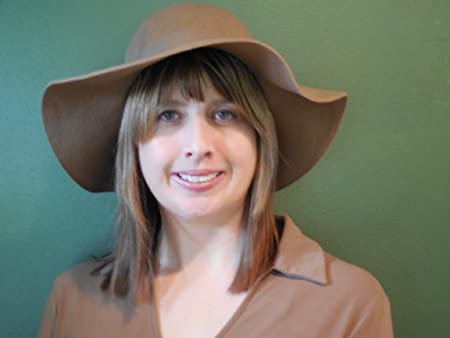
Mallory lives in Texas with her husband and their two young boys. She spends her days homeschooling and full-time parenting. Her nights, and any free time she manages to carve out during the day, are devoted to reading and writing.

Connect:

https://www.mallorywanless.com/

https://www.tiktok.com/@mwanlessauthor

https://twitter.com/mwanless_author

https://www.facebook.com/mwanless.author

https://www.instagram.com/mwanless.author/

https://www.goodreads.com/author/show/22308366.Mallory_Wanless

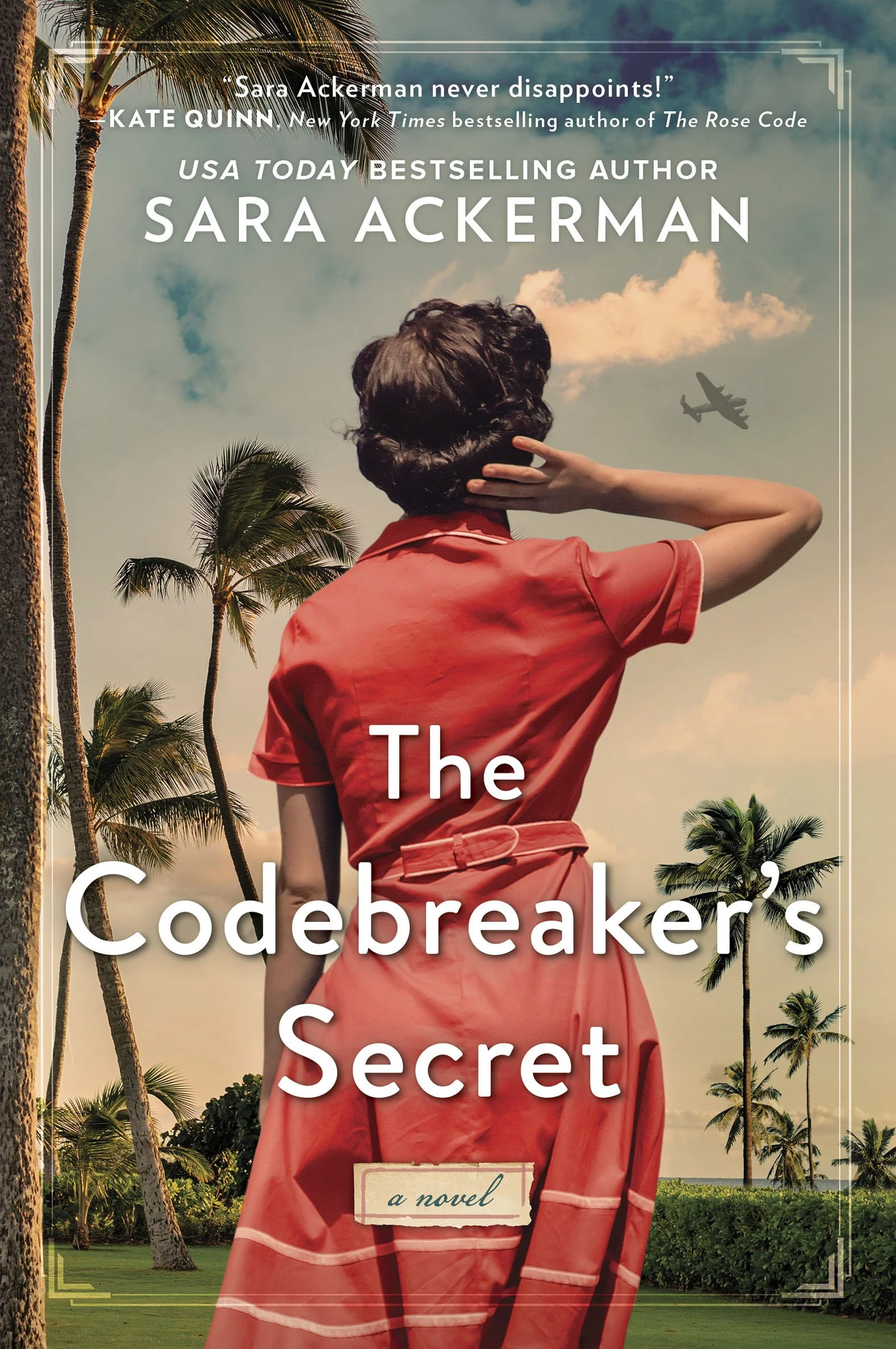
Spotlight: The Codebreaker's Secret by Sara Ackerman

Publication Date: August 2, 2022

Publisher: MIRA Books

Dual-timeline historical fiction for fans of Chanel Cleeton and Beatriz Williams, THE CODEBREAKER'S SECRET is a story of codebreaking, secrets, murder, romance and longing.

1943 HONOLULU

Cryptanalysist Isabel Cooper manuevers herself into a job at Station Hypo after the attack on Pearl Harbor, determined to make a difference in the war effort and defeat the Japanese Army by breaking their coded transmissions. When the only other female codebreaker at the station goes missing, Isabel suspects it has something to do with Operation Vengeance, which took out a major enemy target, but she can't prove it. And with the pilot she thought she was falling for reassigned to a different front, Isabel walks away from it all.

1965 MAUNA KEA BEACH HOTEL

Rookie journalist Lucy Medeiras has her foot in the door for her dream job when she lands the assignment to cover the grand opening of Rockefeller’s new hotel–the most expensive ever built. The week of celebrations is attended by celebrities and politicians, but Lucy gets off on the wrong foot with a cranky experienced reporter from New York named Matteo Russi. When a high-profile guest goes missing, and the ensuing search uncovers a decades-old skeleton in the lava fields, the story gets interesting, and Lucy teams up with Matteo to look into it. Something in Matteo's memory leads them on a hunt that involves a senatorial candidate, old codes from WWII, and Matteo's old flame, a woman named Isabel.

Excerpt

2

THE CODEBREAKER

Washington, DC, September 1942

There was perhaps no more tedious work in the world. Sitting at a desk all day staring at numbers or letters and looking for patterns. Taking notes and making charts. Thinking until your brain ached. For days and weeks and years on end. The extreme concentration drove some to the bottle, others to madness, and yet others to a quiet greatness that less than ten people in the world might ever know about. You might work for a year on cracking a particular code, only to have nothing to show for it but a tic in your eye and a boil on the back of your thigh. Failure was a given. Accept that and you’d won half the battle.

Isabel sat at her desk staring at a page full of rows and columns of five-letter groups that made no sense whatsoever on this side of the world. But on the other side, in Tokyo where the messages originated, she knew that Japanese officials were discussing war plans. War plans that were on this paper. As her eyes scanned the page, she felt the familiar scratching at the subconscious that meant she was close to seeing some kind of pattern. A prick of excitement traveled up her spine.

Suddenly, a hand waved up and down in front of her face, rudely pulling her out of her thoughts. “Isabel, you gotta put a lid on that noise. No one else can do their jobs,” said Lieutenant Rawlings, her new boss.

She forced a smile. “Sorry, sir, most of the time I’m not aware that I’m doing it. I’m—”

“That may be the case but try harder. I don’t want to lose you.”

Isabel had a tendency to hum during her moments of deepest focus, which had gotten her in trouble with her supervisors over the past year and a half while at Main Navy. In fact, she’d been transferred on more than one occasion due to the distracting nature of it. She’d worked hard to stop it, but when she went into that otherworldly state of mind, where everything slid away and the images moved around in her head of their own accord, the humming kicked back in. It would be like asking her not to breathe.

Lately, the whole team had reached a level of frustration that had turned the air in the room sour. Though they’d had success with the old Red machine, this complex supercipher seemed impossible to break. Faith was draining fast.

With her dress plastered to her back, and sucking on the second salt tablet of the day, Isabel put her head down, scribbling notes on her giant piece of paper. September in Washington burned hotter than a brick oven. Thoughts of her brother, Walt, kept interfering with her ability to stay on task. He would have turned twenty-five years old today. Would have been flying around somewhere in the Pacific about now, shooting down enemy planes, and hooting and hollering when he landed his plane full of bullet holes on the flattop. Walt loved nothing more than the thrill of the chase. Every time she thought of him, a lump formed in her throat and she had to fight back the tears. No one had ever, or ever would, love her more than Walt had.

More than anything, Isabel wanted to get to Hawai‘i and see the spot where his plane plunged into the ocean. To learn more about his final days and hear the story straight from the mouths of his buddies. As if that would somehow make her feel better. She rubbed her eyes. For now, she was stuck here in this hellhole of a building, either sweltering or shivering, depending on what time of year it was.

At 1130, her friend Nora waltzed in from a break, looking as though she’d swallowed the cat. Nora had a way of knowing things before everyone else, and Isabel was lucky enough to be stationed at the desk next to hers.

“Spill the beans, lady,” Isabel said quietly.

Nora glanced around the room, dramatically. “Later.”

Most of the team was still out to lunch, save for a couple of girls across the room, and Rawlings behind the glass in his office.

“No one’s even here, tell me now.”

Nora came over and sat on Isabel’s desk, legs crossed. She picked up a manila folder and began fanning herself, then leaned in. “I’ve heard from a very good source that the brass are tossing around names for the lucky—or unlucky, depending on how you look at it—crypto being sent to Pearl.”

Station Hypo at Pearl Harbor was one of the two main codebreaking units in the Pacific. Nora knew how badly Isabel wanted to be there.

Isabel perked up. “Whose names are being tossed?”

“That, I don’t know.”

“Should I remind Rawlings to remind Feinstein that I’m interested?”

“Absolutely not.”

“It couldn’t hurt, could it?” Isabel said.

“Sorry, love, but those men would just as soon send a polar bear to Hawai‘i as a woman,” Nora said.

“You seem to forget that one of the best codebreakers around is female. And the only reason most of our bosses know anything is because she taught them,” Isabel said, speaking softly. This was the kind of talk that could get you moved to the basement. And Isabel did not do well in basements.

“Neither of us is Agnes Driscoll, so just get it out of your head. And even Agnes is not in Hawai‘i,” Nora whispered.

“There has to be a way.”

“Maybe if you dug up a cache of Japanese codebooks. Or said yes to Captain Smythe,” Nora said with a wink.

Nora and Isabel were a study in opposites. Her short red bob had been curled under and sprayed into place, her lips painted fire-engine red. She had a new man on her arm every weekend and walked around in a cloud of French lilac perfume that permeated their entire floor.

“I have no interest in Captain Smythe,” Isabel said.

Hal Smythe was as dull as they came. At least as far as Isabel was concerned. Intelligent and handsome, but sorely lacking any charisma and the ability to make her laugh—one of her main prerequisites in a man. She had no time to waste on uninteresting men. Or men in general, for that matter. There were codes to be cracked and enemies to be defeated.

“Well, then, you’d better pull off something big,” Nora said.


3

THE CELLAR

Indiana, March 1925

Five-year-old Isabel Cooper had just discovered a fuzzy caterpillar in her backyard, and was bent over inspecting its black-and-yellow pattern when a wall of black blotted the sun from the sky. Always a perceptive child, she looked to the source of the darkness. Clouds had bunched and gathered on the far horizon, the color of gunmetal and cinder and ash. Wind swirled her hair in circles. Isabel ran inside as fast as her scrawny legs would carry her.

“Walter, come look! Something weird is happening to the sky,” she yelled, letting the screen door bang behind her.

Walter had just returned home from school, and was standing in the kitchen with two fistfuls of popcorn and more in his mouth. Mom had gone to the grocery store, and Pa worked late every day at the plant, so it was just the two of them home.

Walter wiped his hands on his worn overalls and followed his sister outside. From a young age, Isabel discovered that Walt, three years older, would do just about anything his younger sister asked. By all accounts he was not your average older brother. He never teased, included her on his ramblings in the woods and never shied to put an arm around her when she needed it. Outside, the wind had picked up considerably, bending the old red oak sideways.

Walt stumbled past her and wiped his mouth with the back of his hand, gaping. “Jiminy Christmas!”

Daytime had become night.

“What?” Isabel asked.

“Some kind of bad storm a-brewing. Where’s Lady?” Walt asked, looking around.

Their dog, Lady, had been lounging under the tree when Isabel ran inside, but was now nowhere to be seen. “I don’t know.”

“We better get into the shelter. I don’t like the looks of this.”

“I need Lady.”

The air had been as still as a morning lake, but suddenly a distant boom shook the sky. Moisture collected on their skin, dampening Isabel’s shirt.

“Lady!” they cried.

But Lady didn’t appear.

Walt held up his arm. “See this? My hair is standing up darn near straight. We gotta get under.”

Isabel looked at her arms, which felt tingly and strange. Instead of following her brother to the storm cellar, she ran to the other side of the house.

“Lady!” she yelled again, with a kind of wild desperation that tore at the inside of her throat.

A moment later, Walt scooped her up and tucked her under his arm. “Sorry, but we can’t wait anymore. She’ll have to fend for herself.”

Isabel kicked and punched at the air as they moved toward the cellar. “Put me down!”

Walt ignored her and kept running. His skin was sticky, his breath ragged. They had only used the cellar a couple times for storms, but on occasion Isabel helped her mother change out food supplies. The place gave her the creeps.

“What about Mom? We have to wait for her,” she said.

“Mom will know where to find us.”

In the distance, an eerie whistle rose from the earth. Seconds later, the wind picked up again, this time blowing the tree in the other direction. From the clouds, an ink black thing stuck out below. Walt yanked open the door, threw Isabel inside and fumbled around in the dark for a moment before finding the light. Roots crawled through cracks in the brick walls. They went down the steep stairs, Isabel’s face wet with tears and snot.

“Come, sit with me,” Walt said, pulling her against him on the old bench Pa had built.

Warmth flowed out of him like honey, and she instantly felt better. But then she thought about Lady and her mother, who were out there somewhere. Her whole body started shaking. Soon, a rumble sent vibrations through the wall and into Isabel’s teeth. Too scared to cry, she dug her fingers into Walt’s arm and hung on for dear life. Suddenly, a frantic scratching came from above.

Isabel jumped up, but Walt stopped her. “You stay down here.”

Walt climbed to the top and opened the door. The wind took it and slammed it down hard. A loud barking ensued, and Walt fought with the door again, finally managing to get it open and bring Lady inside. The air possessed a ferocity Isabel had never seen before.

Lady immediately ran down the steps and started licking Isabel’s arms and legs, and spinning in circles at her feet. Isabel hugged the big dog with all her might, burying her face in Lady’s long golden fur. When Walt came back down, the three of them huddled together as a roar louder than a barreling freight train filled their ears. Soon, Lady began panting.

Walt squeezed Isabel’s hand. “It’s okay, we’re safe down here.”

He had to yell to be heard. And then the light went out. Darkness filled every crack and crevice. The earth groaned. The door above rattled so fiercely that she was sure it would fly off at any moment. All Isabel could think about was her mother out there somewhere in this tempest. Soon, her lungs were having a hard time taking air in.

“I can’t breathe,” she finally said.

“It’s just nerves. They act up in times like these.”

“How do you know?”

“Because I had it happen before.”

She took his word for it, because it was hard to talk above the noise of the storm, and because Walt always knew what he was talking about. Then, directly overhead, they heard a sky-splitting crack and a thundering boom. The cellar door sounded ready to cave. Isabel and Walt and Lady moved to the crawl space under the steps. The three of them barely fit, even with Lady in her lap. Lady kissed the tears from Isabel’s face.

Finally, the noise began to recede. When there was no longer any storm sounds, Walt went up the steps with Isabel close behind. He pushed but nothing happened. Pushed again. Still nothing.

“Something must have fallen on it,” he said.

“I have to pee.”

“You’re going to have to wait.”

“I can’t wait.”

Walt banged away on the door with no luck. “Then I guess you have to go in your pants. Sorry, sis.”

Isabel began to grow sure that this was where they would live out the rest of their short lives. That no one had survived the apocalypse outside and they would be left to rot with the earthworms, roots growing through their bodies until they’d been reduced to dirt. Her whole body trembled as Walt spoke consoling words and rubbed her back.

“They’ll find us soon, don’t you fret.”

Lady licked her hand, but Isabel was beyond words, shivering and gulping for air. Every now and then Walt went up to try to push the doors again, but each time, nothing happened. She vowed to herself that she would never, ever be trapped underground again. She’d take her chances with a twister over being entombed any day.

It was more than an hour before someone came to get them. An hour of dark thoughts and silence. In the distance they heard voices, and eventually a pounding on the cellar door. “Are you three in there? It’s Pa,” said a voice.

“Pa!” they both cried.

“We got a big tree down on the door up here. Hang tight, I’ll get you out soon.”

When the doors finally opened, a blinding light shone in. Pa reached his hand in and pulled them out, wrapping them in the biggest hug they’d ever had. Never mind that the old truck was upside down and one side of the house missing.

“Where’s your mother?” Pa said.

“She went to the store,” Walt said.

Pa’s face dropped clear to the ground. “Which store did she say she was goin’ to?”

“She didn’t say, but she left just as soon as I got home from school,” Walt said.

Only half listening, Isabel spun around in disbelief at the chaos of branches and splintered wood and car parts and things that didn’t belong in the yard. Sink. Baby carriage. Bookshelf. It appeared as though the edge of the tornado had gone right over their place, leaving half the house intact, and obliterating the rest.

“Son, stay here with your sister. And stay out of the house until I get back. It might be unstable,” Pa said, running off to his car.

“Mom will be okay, won’t she? The store is safe, isn’t it?” Isabel asked.

“Sure she will. Pa will be back with her soon,” Walt said.

They wandered around the yard, dazed. This far out on the country road, the nearest neighbor, old Mr. Owens, was a mile away. Drained, Isabel sat down and pulled Lady in for a hug. Pa didn’t return for a long time, and when he did, they could tell right away that something was wrong. His eyes were rimmed in red, like he had been crying. And Pa never cried.

“Kids, your mom isn’t coming back.”

That was the first time Isabel Cooper lost the most important person in her life.

Excerpted from The Codebreaker’s Secret by Sara Ackerman. Copyright © 2022 by Sara Ackerman. Published by arrangement with Harlequin Books S.A.

 Buy on Amazon | Bookshop.org

About the Author

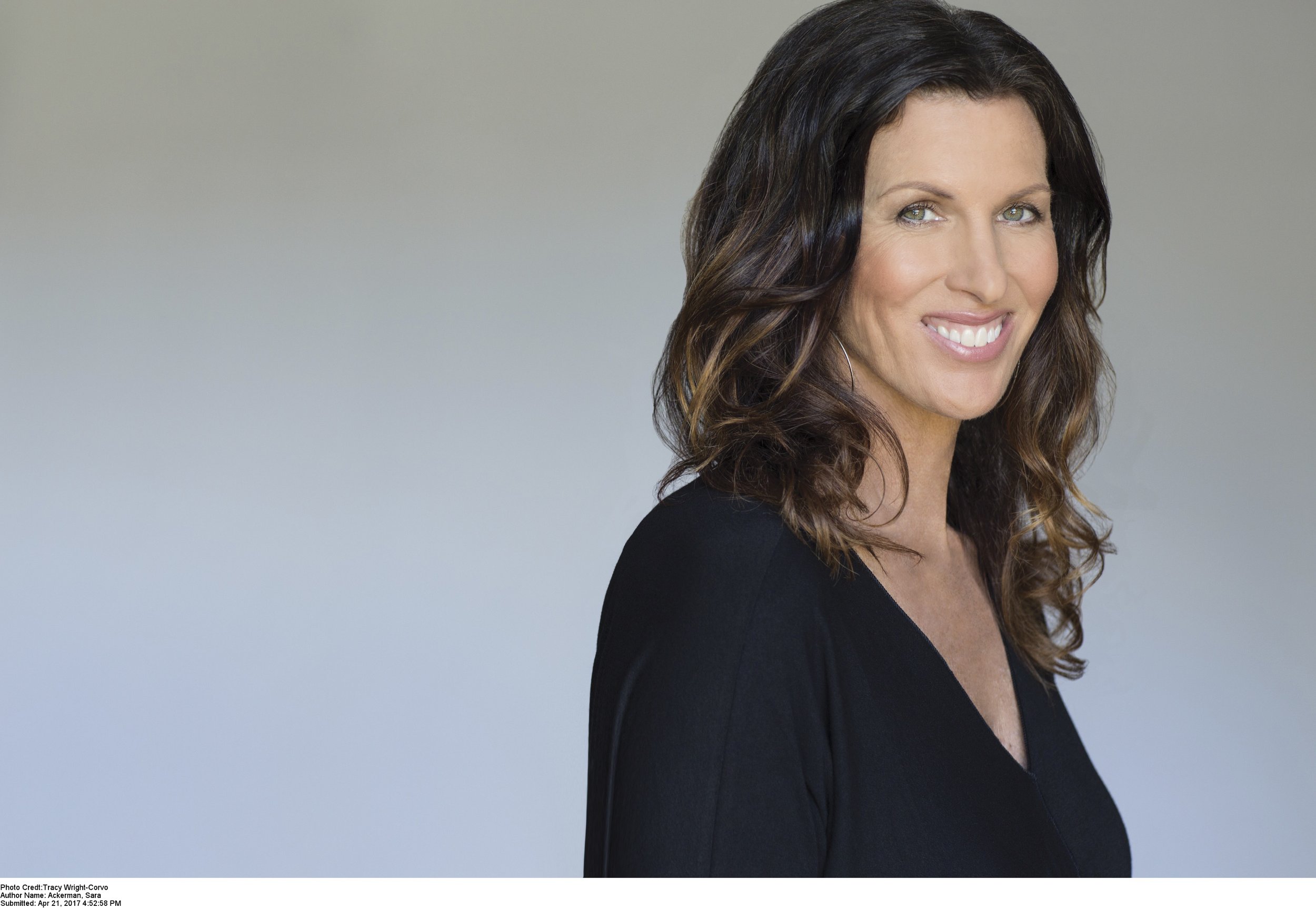
Sara Ackerman is a USA TODAY bestselling author who writes books about love and life, and all of their messy and beautiful imperfections. She believes that the light is just as important as the dark, and that the world is in need of uplifting stories. Born and raised in Hawaii, she studied journalism and later earned graduate degrees in psychology and Chinese medicine. She blames Hawaii for her addiction to writing, and sees no end to its untapped stories. Find out more about Sara and her books at www.ackermanbooks.com and follow her on Instagram @saraackermanbooks and on FB @ackermanbooks.

Connect:

Author Website: https://www.ackermanbooks.com/ 

Facebook: @ackermanbooks

Twitter: @AckermanBooks

Instagram: @saraackermanbooks


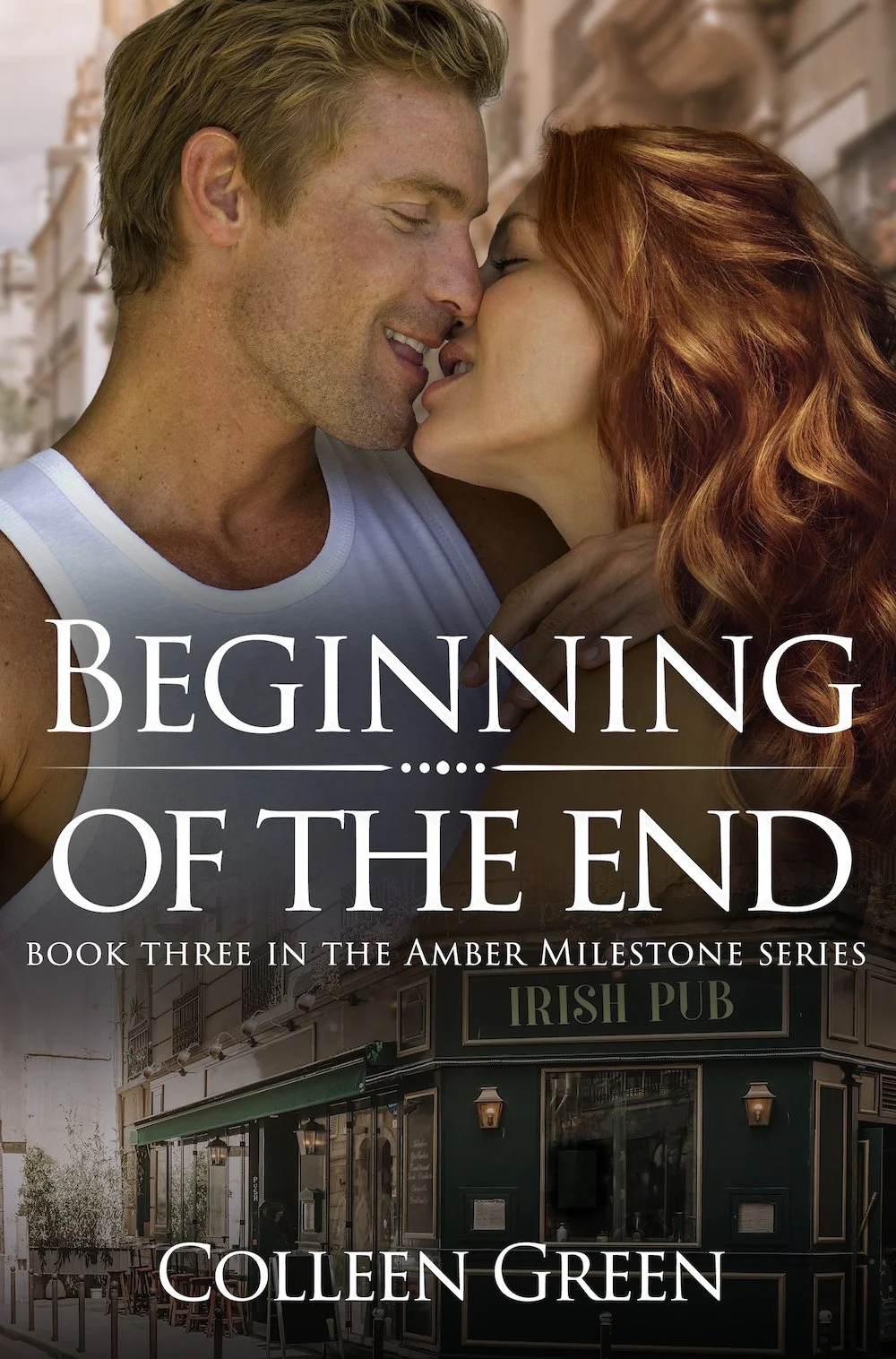
Spotlight: Beginning of the End by Colleen Green

(Amber Milestone, #3)
Publication date: August 10th 2022
Genres: Adult, Romance, Suspense

Amber Milestone’s life in New York City has been plagued by the Mafia for as long as she’s lived there. Her roommate, Fiona, and friend, Henry have had their lives ruined by drugs and mobsters, and the trio agree to share what they know with the police in the hopes of taking down the Bugiardini family once and for all. However, informing on the Mafia is not without risk, and Amber will have to be careful if she wants to make it out of the investigation alive.

Excerpt

The thought of speaking about my mob-related experiences over the past months caused an emotion I couldn’t name even if I tried. I couldn’t digest what I was feeling. It was such a mixture that it left me with an ache in the pit of my stomach grinding against the swarm of nerves, making it quiver uncontrollably. It was anxiousness and anger toward the men who did horrible deeds under the guise of so-called business. It was hatred toward them, their actions, and the pain they inflicted on others. It was sadness for the irreparable damage they had caused, like Fiona’s disappointment in her gambling-addicted father. Somehow, I was about to take all those feelings and turn them into coherent information with names, dates, places, and suspicions for my father to take to his NYPD contacts.

As we got off the train at our stop, it wasn’t just the cold fall breeze cutting through me. Memories of every injustice played back in my mind and filled my veins with ice. To help take down the mob with information, I needed to be calm under pressure. I couldn’t worry about the bullet that might get lodged in my brain because of the words I was about to speak or the bullets that may go into my dear friends’ heads. I couldn’t let fear win. Instead, truth and justice would prevail no matter what, no matter the cost. It was the only way to stop these so-called businessmen.

Fiona and I walked side by side without talking to each other. We knew what each other would say to my father per our discussion last night. We knew the information was valuable to the police and how dangerous it was to divulge it to the authorities. There was nothing left to say to each other until we were done speaking to my father.

My cell vibrated in my pocket. I pulled it out and saw “Henry” on the screen. I flipped it open. “Hey. What’s going on?”

“Change of plans. Now we’re meeting in the restaurant Tea Time in the Continuance Center on the third floor. The building is in the Columbus Circle area. I told your father that you and Fiona are coming to talk to him. He seemed excited to see you. After what he put your family through, he’s lucky you’re talking to him at all!”

“He is. But I’m not doing it for his sake. I’m doing it to do my part in taking down the mob.”

“Yes, of course. I’ll see you soon.”

I hung up by flipping the phone before putting it back into my pocket.

“What was that about?” Fiona asked.

“New meeting place. We’re still headed in the right direction, so at least we don’t have to backtrack.”

“That’s good. Where?”

“Tea Time in the Continuance Center.” 

“I’ve heard they have delicious pastries.” Fiona’s eyes lit up, but the gleam faded quickly.

“I know. It would have been an exciting thing to do if it weren’t for all the ugly things we’re about to talk about.” I frowned. “I’ve always wanted to go to have tea and crumpets or whatever, but not like this.”

At nearly four o’clock, Columbus Circle was already crowded, almost like rush hour on a Monday. In Manhattan, though, it always seemed like rush hour. New Yorkers say the busiest time is from four in the afternoon to about seven in the evening. 

Tourists with maps, people in business suits, workers in black-and-white uniforms who must have been servers or bartenders at restaurants, and casually dressed New Yorkers walked around Columbus Circle, heading to different buildings. Traffic was congested, with horns beeping. The statue of Christopher Columbus stood high in the air on a pedestal. We had seen it in the distance when we were walking.

Henry was ahead of us, standing beside the twenty-story Continuance Center. I had heard it had business offices, restaurants, and shops inside. His drawn face, puffy eyes, and the crease above his forehead were most likely due to his inner struggle of living with what he thought his brother, Charles, could be doing with the mob. As we approached Henry, he mustered a faint grin. 

I hugged him more tightly than I ever had before. 

Buy on Amazon

About the Author

Author Colleen Green lives in Ohio. She loves to write, read, and cook. Creating a world that readers can immerse themselves into is her passion. Last Words is her debut novel. The romance suspense book is set in the breathtaking vineyards of Napa Valley, California. Romance suspense, YA paranormal romance, and urban fantasy genres are among her favorites to read and write. She is currently working on the second book in the Amber Milestone series and a series of short YA urban fantasy stories.

Connect:

https://www.facebook.com/authorcolleengreen
https://colleengreenkarenkasey.com/

Spotlight: The Seaside Strategy by Elana Johnson

Genre: Contemporary Romance 

Release Date: August 16th 

Lauren Keller understands strategies. She adores them and never enters a marketing meeting without Strategy A, B, and C tucked away in the back of her mind. She's one of the top executives at her firm...until it all comes crashing down with the news that her boss has been stealing money from their clients for almost a decade.

After narrowly escaping indictments herself, Lauren finds herself, at age 43, standing in the parking lot of her office building, a box with a stapler, a sad plant, and a couple of photos as her only companions.

She needs a new strategy, and she decides she can map everything out from the beaches of Hilton Head.

It's not an exit strategy.

It's a seaside strategy.

Relax more. Worry less. Find out what she really wants in her life.

While trying to do that, all with the ocean breeze and her friends for support, Lauren meets Blake Williams. The man is movie-star gorgeous, witty, and looking for someone to help him run his successful financial planning business on the island.

But Lauren doesn't want to work for him, especially not in strategic investments. She's had enough of the high-profile, corporate life. Can she strategically insert herself into Blake's life without compromising her seaside strategy and finally get what she really wants...love and a lasting relationship?

Buy on Amazon

About the Author

A USA Today Bestselling and Amazon Kindle All-Star Author, Elana writes clean and wholesome contemporary romance. She is well-known for her young adult dystopian romance series Possession, Surrender, Abandon, and Regret, published by Simon Pulse (Simon & Schuster). She writes clean beach romance in the Hawthorne Harbor Second Chance Romance series, the Getaway Bay Romance series, the Getaway Bay Resort Romance series,the Forbidden Lake Romance series, the Stranded in Paradise Romance series, the Hope Eternal Ranch Romance series, the Sweet Water Falls Farm Romance series, and the Carter's Cove Romance series.

Elana also writes inspirational western romances under the USA Today bestselling pen name of Liz Isaacson. Learn more at Liz's website.

Elana is the force behind Indie Inspiration, and you can find her books for writers, Writing and Releasing Rapidly and Writing Killer Cover Copy among others, and join her group and page on Facebook.

She runs a personal blog on publishing and is a founding author of the QueryTracker blog, a co-founder of The League of Extraordinary Writers, and a co-organizer of WriteOnCon. She is a member of ALLi and NINC and a popular speaker for libraries, teens, and writer's conferences across the United States. To contact Elana to speak at your event, please see her contact page.

Connect with the Author:  Website | Facebook | Instagram | Goodreads | TikTok | Bookbub | Gmail

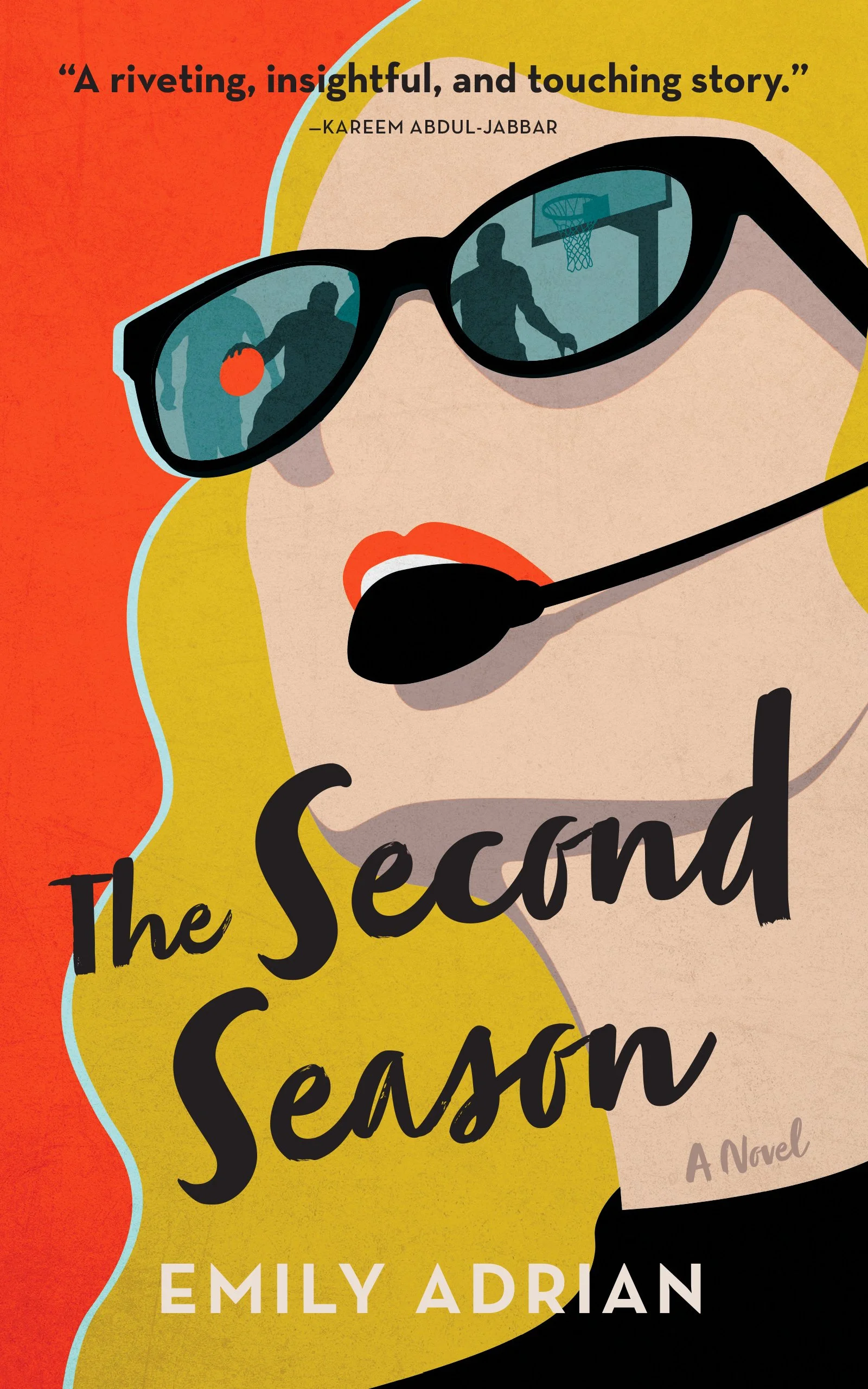
Spotlight: The Second Season by Emily Adrian

Ruth Devon starred for Georgetown Basketball back in college—until she injured her knee, married her coach, and found a new career calling games on the radio. Twenty years later, Ruth and her now-ex-husband, Lester, are two of the most famous faces in sports media. When Lester decides to retire from the announcers’ booth, Ruth goes after his job. If she gets it, she will be the first woman to call NBA games on national television.

For now, Ruth is reporting from the sideline of the NBA finals, immersed in the high-pressure spectacle of the post-season. But in a deserted locker room at halftime, Ruth makes a discovery that shatters her vision of her future. Instantly, she is torn between the two things she has always wanted most: the game and motherhood.

With warmth and incisive observation, Adrian brings to life the obsessions, emotions, and drama of fandom. The Second Season asks why, how, and whom we watch, while offering a rich and complicated account of motherhood, marriage, and ambition. Adrian’s character study of Ruth Devon illuminates a beautiful basketball mind—and the struggle of a woman who claims authority in a male-dominated world.

Excerpt

Chapter One

Ruth’s daughter fell, as children do, in slow motion. 

The baby had climbed up on her father’s weight bench and was pumping her legs back and forth as if to propel a swing at the playground. Ruth was supervising. She was also searching the garage for a particular set of eight-pound free weights, intent on working out during Ariana’s morning nap. Ruth threw a glance over her shoulder just as the baby leaned forward to admire her pink sneakers in action. Perched closer to the edge of the bench than Ruth had realized, the baby wobbled. Ruth lunged, expecting Ariana to regain her balance and underestimating her daughter’s commitment to the sippy cup clenched in her hands. Ari toppled. Her head hit the concrete first; the rest of her somersaulted with a sickening series of thuds. 

It was the ensuing silence, the absence of cries, that took Ruth’s breath away.

In the days, weeks, and years that followed, she replayed the incident in her mind until she lost the memory to the murky currents of guilt and anxiety and fear. For how long was Ariana quiet? Was she crying by the time Ruth scooped her into her arms, or did she release her first scream as Ruth, with a new mother’s panic, lurched into the kitchen and dialed 911? The baby’s blood, Ruth could have sworn, was a more vibrant red than her own had ever been—and there was so much of it! She couldn’t tell if the origin was Ariana’s mouth, nose, or a gash near the goose egg swelling fast on her forehead. Did the blood really mat the baby’s eyelashes, coat her teeth, and soak through Ruth’s shirt to the beige panels of the nursing bra she was still wearing, months after weaning? Did Ruth press an ice pack to the bump? Did she call Lester and ask him to meet her at the hospital—or did she stand in place, hold her child, and sob? 

The minutes before the fall are what Ruth remembers clearly. She can still conjure the desperation with which she worked to uncover the free weights from the tidal wave of sporting equipment that had swallowed the garage in the late nineties. They were hoarding the evidence of their preparenthood pastimes: golf clubs, tennis rackets, baseball mitts, ice skates, and balls for six or seven different sports, any one of which could reduce her and Lester to hot-cheeked rivals. She hadn’t laid a finger on any of it in sixteen months, and now that Ariana was sleeping through the night Ruth was eager to get back into shape. She still believed in her shape. That her adolescent frame was waiting, unscathed, beneath a shedable layer of maternal flab. All she needed was forty-five minutes, preferably an hour, long enough to get her heart pounding on the treadmill. To curl the weights toward her chest, reacquaint her body with the sensation of resistance. 

Ariana’s head had hit a crack in the cement, which tore open the flesh near her fuzzy hairline. She needed three stitches. She needed a hit of nitrous oxide to endure the suturing and another to tolerate the invasions of the pediatric dentist, who admitted there was nothing to do but wait for her adult teeth to fill in the gaps. Ruth wept when she realized her daughter’s top incisors were missing and again, later, when she could not find them among the blood on the garage floor. If the baby’s teeth were not in her mouth, Ruth wanted to secret them in a drawer as her own mother had done.

At home, they set Ariana up with a tape of Dumbo. Too young to say elephant, she was old enough to wave her arm in front of her face like a trunk. She fell asleep on the couch still holding a half-drunk bottle of milk to her lips, the nipple resting against her traumatized gums.

Ruth’s fingertips hovered over the bandage. She said to Lester, “That’s going to scar.” 

Lester shrugged. “So she won’t be a model.” It was a safe bet that, against all odds, they lost.

The phone rang in the kitchen. The phone was attached to the wall by the kind of corkscrew cord teenage girls used to twirl between their fingers. Lester got up to answer it. His casual “Hey, man” could have been addressed to anyone. 

In the doorway, Ruth’s husband turned and locked eyes with her. In her memory his face blanches, as if he comprehends the call’s full significance—the life about to unfurl from it. Hers. 

“Just a sec. Let me talk to her.” He cupped a hand over the receiver. His contrived neutrality made Ruth’s hair follicles tense. “It’s Benny Hoss. One of the announcers dropped out. Family emergency.” 

Hoss was the athletic director at Georgetown. 

“I can tell him we’re in the middle of one ourselves,” Lester said.

“In the middle of what?” 

“A family emergency.” 

Ruth’s hand was buried in Ariana’s curls. On the screen, Dumbo’s mother was in shackles, locked inside the truck for mad elephants. Thank God Ariana was already asleep; the film was darker than either Ruth or Lester had remembered.

“Don’t tell him that,” Ruth said. 

By most measures, the game was not important: Georgetown versus Oklahoma, the first round of an early-season tournament that would be largely forgotten by Selection Sunday. But it was Georgetown, Ruth’s alma mater. The game would be broadcast on a cable channel. If Ruth wanted the job she had ninety minutes to get herself to DC and to the new MCI Center. A goal that I-66 could easily grant or deny. 

Lester had been Ruth’s coach in college. Now, as they stared impassively at each other, she willed him to become her coach again. Tell me I can do this, she thought. Tell me I have to. That I won’t choke. But Lester remained her husband. A father worried about his daughter—or else worried about putting the baby to bed by himself. Where were the extra-absorbent diapers for sleepy time? Where was the beloved board book about hippos throwing a house party? What should he do if she cried out in the night? 

For the first quarter of Ariana’s first year, Ruth had never slept more than two hours at a time. The baby’s cries woke her constantly, and before her brain could assign a source to the sound it conjured another kind of chaos. The infant stirred, and Ruth heard Nikes squeaking against a waxed floor; she wailed, and Ruth heard the buzzer as the ball left her hands. 

“Tell him I’ll do it,” she said, scrambling from the couch, letting Ariana flop to her side on the cushions. 

As a player, Ruth’s career had ended in college. It was her senior season, a tough-luck landing that exploded her knee and left her writhing on the floor. (Even now, if an urge to laugh threatens an interview, she need only think of that pop, the sobering sound of her ligament rupturing.) The formation of the WNBA was still a few years off. Had Ruth known it was coming, she might have let them operate. The thing was, no surgeon could promise a full reconstruction would restore her talent. The other thing was, at least half her heart was already devoted to Lester and to the brown-eyed, bow-legged babies they would cook up together. 

Throughout the Big East, Ruth had been known as “that bitch from the District.” On the court she gave herself over to a delicious, guiltless aggression. She scratched and she clawed. She tripped and she hip-checked. When the refs weren’t looking she grabbed freely at jerseys and, once, at a rival’s preposterous pigtails. If a shorter girl dared defend her in the post, Ruth did nothing to prevent a sharp elbow from colliding with flimsy cartilage. Was the violence incongruous with her desire to be a stay-at-home mom? Ruth didn’t think so; Dumbo’s mother beat the shit out of those circus-going bullies teasing her baby for his oversized ears. Basketball and motherhood had something in common: each required your animal self. 

Young enough to believe she had made a choice, Ruth graduated and married Lester. The scandal of their marriage was mitigated by Lester receiving a well-timed offer: that same summer, he left Georgetown to become the assistant coach of the men’s team at American University. Eight minutes by car, yet worlds removed from Ruth and her reputation. Few of her husband’s new colleagues sustained any interest in the girls’ half of the NCAA. Ruth got pregnant and gave birth—precipitous labor, cinematic, she could take it—and sank into ruinous, mammalian love. She did her best to confine her basketball addiction to her alma mater’s radio station, whose producers let her call women’s games from the nosebleeds. Her audience was notional. Ruth liked to imagine former teammates swaying with colicky infants, listening for the score. For those games she did both play-by-play and color; she told you when a girl got a shot up, as well as the girl’s major, hometown, skill set, and career aspirations.

Television had not been Ruth’s goal. The red light of the camera held no appeal. Though the consensus was that she signed up for a certain amount of scrutiny, Ruth never anticipated the mob of men analyzing her hair, legs, glasses, voice, the shadows beneath her eyes, the way she stood, the way she gripped the microphone. What she wanted was to be there. On the floor, close enough to see the sweat beading, to feel the reverberations of the rim. Georgetown’s team that year included sophomore Jeremy Baines, a kid whose ability to dunk after a single dribble from half-court left announcers braying in shock. He would be drafted in June, maybe first overall. Ruth needed to be there. She was twenty-five—already someone’s wife and someone’s mom—and desperate for permission to care about the game as much as she did. 

She owned a single wine-colored blazer that she pulled over a vaguely catholic blouse. (Lester said, “Don’t wear that,” and Ruth vowed never to take it off.) These choices would come back to haunt her ten years later, in a video uploaded to YouTube by a Ruth Devon fan account, the audio and picture slightly out of sync. Ruth’s middle-school-age daughter would watch the opener muttering no-no-no beneath her breath and, from that day forward, forbid her mother from appearing on camera in any outfit she had not personally approved. For now, Ariana remained a toddler passed out on the couch. Ruth remained green enough to assume men would take a woman announcer more seriously if she looked plain, unattractive. She should have asked a man.

Or a woman.

Smooth sailing on 66. Ruth’s palms slipped against the steering wheel. How could she call a game when she’d never watched the team practice, never interviewed its coaches? Georgetown’s record last year was twenty-four and six—or it was twenty-six and four. Baines was a preseason all-American, but who were the less-heralded freshmen? Ruth had once known, since forgotten. And now she was paying to park in a lot near the stadium, having received no other instructions. She was filming the opener on the sideline, spooked in the glare of the red light. Her co-announcer elbowed her; she was looking in the wrong direction. Finally, Ruth was pulled to the analyst’s chair. Pep band. Tip-off. Engrossed in the action between the lines, Ruth resumed knowing everything. She would never remember what she said, only that her commentary filled the gaps in the play-by-play. She could have been watching at home, chattering to Lester through a mouthful of popcorn. It was that effortless. 

Late in the first half, Jeremy Baines came down hard on his ankle, his foot sideways underneath. For the second time that day, Ruth drew a sharp blast of air into her lungs. Jeremy recovered; he came back after halftime, and GU trimmed a nine-point deficit to one. With twenty seconds on the clock Baines was alone with the ball at the top of the key, waiting to be reborn. It was November; the madness was scheduled for March. But when Jeremy Baines hit a fadeaway at the buzzer, fifteen thousand people in Washington, DC forgot the month, the year, and their mothers’ maiden names.

“My goodness,” was all Ruth needed to say.

Jeremy Baines prostrated himself on the court like he’d won a national championship. His teammates piled on top of him. The Oklahoma players stood with hands on hips; and was their point guard crying? Something Ruth still misses about college basketball is how volatile, how prone to tears they all are. 

At home, well past midnight, she pulled the minivan into the garage and heard something plastic crunch beneath her tires. Instantly she remembered Ariana’s sippy cup flying from her hands, the startled O of her lips as she fell forward, frightened but certain her mother would catch her. Ruth would throw herself between the concrete floor and her daughter’s soft, new body. She would absorb the contact, cushion the blow, knock her own teeth out if she had to.

What choice did she have?

From The Second Season by Emily Adrian. Used with the permission of the publisher, Blackstone Publishing. Copyright © 2021 by Emily Adrian.

Buy on Amazon | Bookshop.org

About the Author

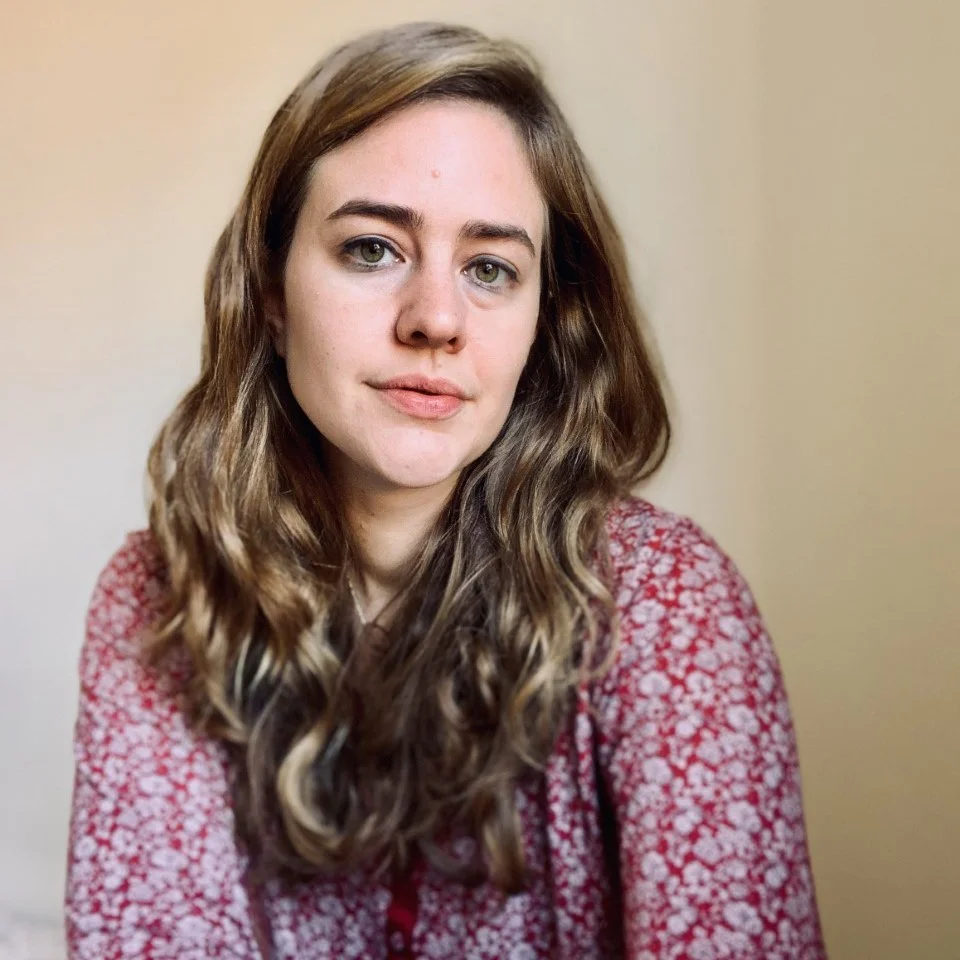
Emily Adrian is the author of two critically acclaimed young adult novels, Like It Never Happened and The Foreseeable Future, and two adult novels, Everything Here Is under Control and The Second Season. She lives in New Haven, Connecticut, with her husband, her son, and their dog, Hank.

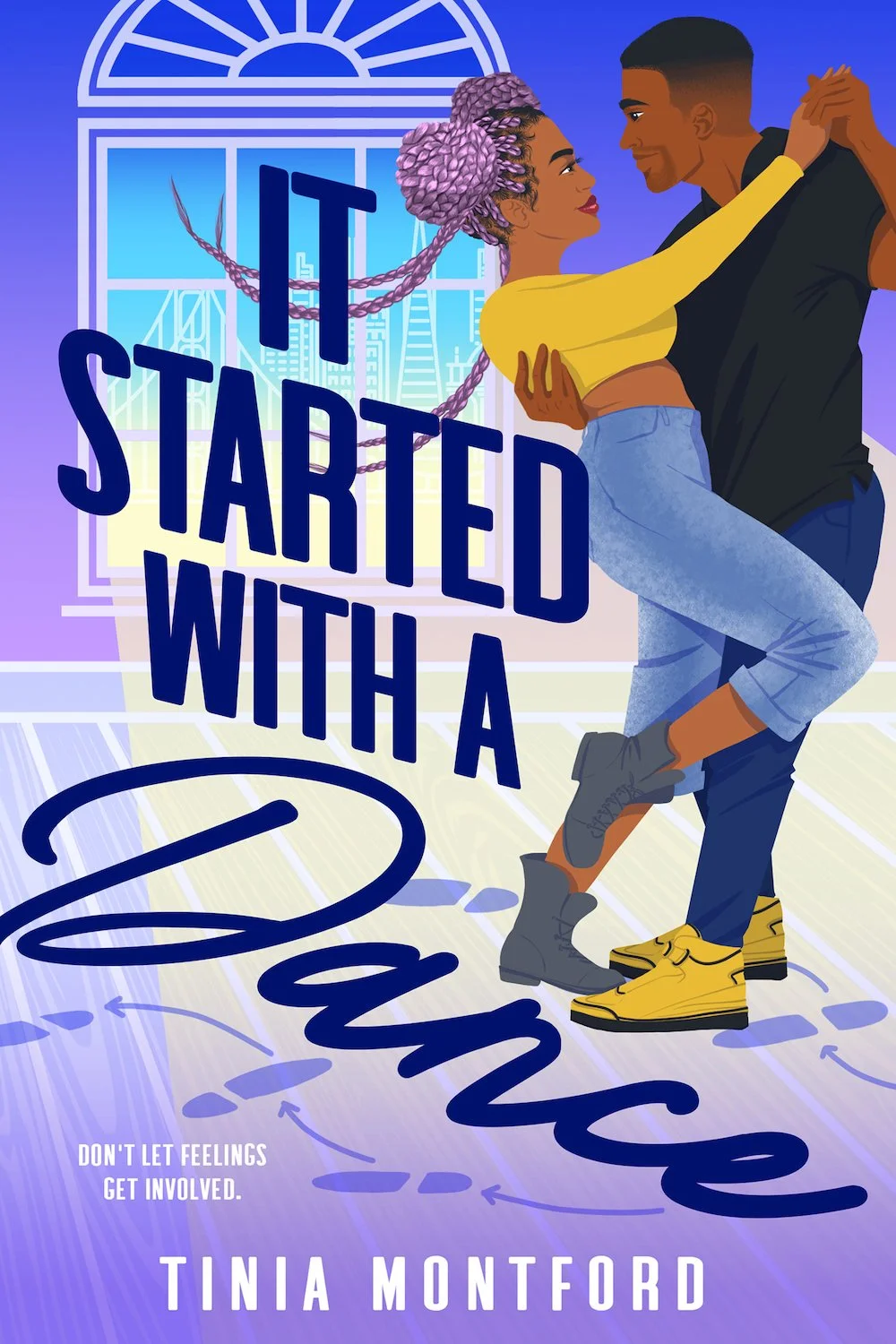
Spotlight: It Started with a Dance by Tinia Montford

(Pacific Grove University, #2)
Publication date: July 28th 2022
Genres: Adult, Contemporary, New Adult, Romance

WILL THEY PULL OFF THE PERFECT PERFORMANCE?  

It’s double time for Cami Clinton…  

Dance is in Cami’s blood, but a bombshell diagnosis puts her on the sidelines. Now returning for her senior year of college, she’s determined to prove she is the dancer she once was. Each year, at the end of the semester, the campus hosts a dance festival. Cami knows this is her shot at redemption, but while at a party, things go horribly wrong and Cami suddenly has a new boyfriend: Marsh Lincoln.  

Marsh Lincoln has two left feet… 

He doesn’t dance. A nasty accident haunts Marsh and he’s just ready to graduate. Until he’s told he’s missing credits. The only class left to fill his missing credits? Ballroom dancing. To make matters worse, his girlfriend breaks-up with him in front of everyone at a party, leaving him with a new girlfriend he’s never met before…  

It takes two to tango… 

Acting like the perfect couple isn’t easy when you’ve just met. When the lines between what’s real and pretend blurs, they have to ask themselves: Can you catch feelings for something that’s all pretend?

Excerpt

Girl, don’t do it; it’s not worth it. Don’t do it... Don’t do it, Cami. Last time was supposed to be it! Don’t... 

Paper crinkled under Cami as she shifted on the exam table, facing the cabinet on the wall. It held a box of gloves, a thermometer, an otoscope, and the little disposable thingies that went with it. She exhaled shakily and squeezed her eyes shut. I swear I’m just thinking about stealing the doctor’s glove; I’m not gonna do it. Last time was it… They are good for cleaning. It would be awful if Devin had to bail me out of jail for stealing gloves in a doctor’s office. I’ll get expelled from school and be forced onto the mean streets of the Tenderloin. I’ll have to fight cats for chicken bones and steal cough syrup to stay high. 

Cami’s karma was shot to hell based on her last six months of existence. She didn’t want the big man upstairs to send a bolt of lightning down to obliterate her. 

She would be good…

Pushing herself up, she strained to hear any footsteps in the hall. The doctor wouldn’t notice a few missing gloves, would she? 

Her phone dinged twice with a text message. It was her best friend, Deja. Saved by the bell.

Where are you?? I thought we were getting lunch? Winter and I are in the restaurant.

Cami slapped her forehead. How could she forget? It was their annual back-to-school tradition. Lunch in Japantown and mochi ice cream afterward. A staple in their friendship since freshmen year and even more important since last semester.

I had to meet with my adviser. :( Let’s meet for dinner?

Deja’s reply was instant. 

Fine. Take a sneak pic of your adviser. Clark is foine.

Cami hung her head. Why did I lie? Deja and Winter, her best friends, knew about her hospital stint. They visited her every day until they had to go home for summer break, right before she finally received her diagnosis. Cami still couldn’t utter the words chronic disease... 

She told herself she would confess to them, but when the moment came, she found herself saying viral infection instead. Each time after that, the lie flowed easier and it became harder and harder for her to backpedal. She told herself lying was for a good reason. Cami was tired of being the one people needed to look after. She was reinventing herself after this setback, presenting herself as independent and poised. Even if it was a façade. 

Anxiety churned in her stomach, and she hoped her doctor would come back with the results she wanted. A glance at her phone let her know the time.

12:04 PM.

How long had she been sitting here? Twenty or thirty minutes? It was the first day of the semester, and Cami wasn’t letting it slip through her fingers. It was late August and freezing in San Francisco because of the coastal fog and wind. She tugged at the pink chunky sweater she’d paired with a skirt and combat boots. She pulled her knotless braids over her shoulder, biting her lip with a glance at the door before she pushed herself off the exam table.

“I’m just gonna take one. I’ve been through a lot,” she muttered, justifying the petty theft.

Cami plucked a glove from the box and held her breath as if alarms would sound. Once the coast was clear, she took another. Then another. Her hands were full as someone knocked at the door. She squealed, dropping some contraband as she darted across the room and shoved the gloves into her book bag, and plopped her butt back on the exam table, winded from that simple yet covert act. 

“Y-yes?” 

She tried placing a neutral expression on her face, hoping it didn’t reveal how fast her heart was beating, or her fear that a minor sprint consumed most of her energy.

The door opened, and her doctor’s head appeared. “Camille?”

“Dr. Aguilar.”

The last time Cami was in a hospital, besides her own illness, she found out her father had died. Of course, she didn’t remember this. She had been a toddler; her mother and brother recounted the story solemnly to her years later. It was a good enough excuse to avoid hospitals ever since. 

Dr. Aguilar almost changed her mind about hospitals. The older woman’s aura of calmness and matronly appearance never failed to put her at ease. Bracelets adorning both arms and rings on all fingers. Plump. Graying hair. She smiled and her eyes went to the blue glove lying on the floor.

“The gloves fell out of the box...” That was a lame excuse.

Buy on Amazon

About the Author

Tinia (TUH-NIA) Montford is a Pisces who’s a sap for romance, especially when there’s (tons of) kissing. Loves eighties sitcoms and will consume anything with chocolate. She graduated from the University of San Francisco with a degree in English and Graphic Design.

She is a world traveler having climbed a volcano in Nicaragua, scaled Angkor Wat in the blistering sun, and roamed the Acropolis of Athens. Oh, she also dabbles in short stories occasionally.
If you can’t catch her writing, you can bet she’s overindulging on poke bowls, listening to the same four songs, or chilling with her adorbs doggie. She is currently pursuing her MFA in Fiction.

Connect:

http://tiniamontford.com/

https://www.pinterest.ca/tiniawritesbooks/_created/

https://www.facebook.com/tiniawritesbooks/

https://www.instagram.com/tiniawritesbooks/

https://www.goodreads.com/author/show/21958554.Tinia_Montford