Spotlight: Heart Keeper by Annie Dyer

Release Date: August 4

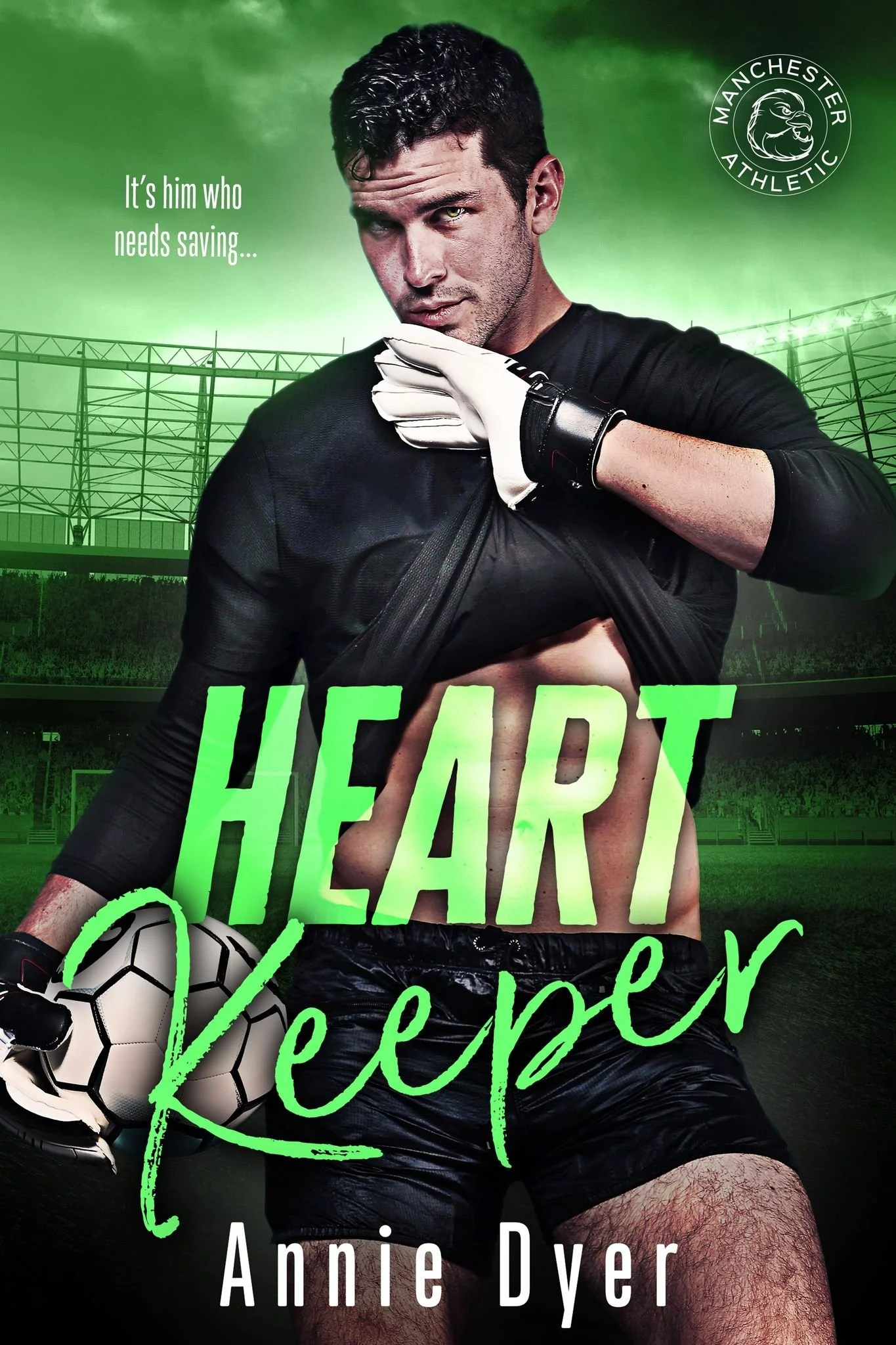
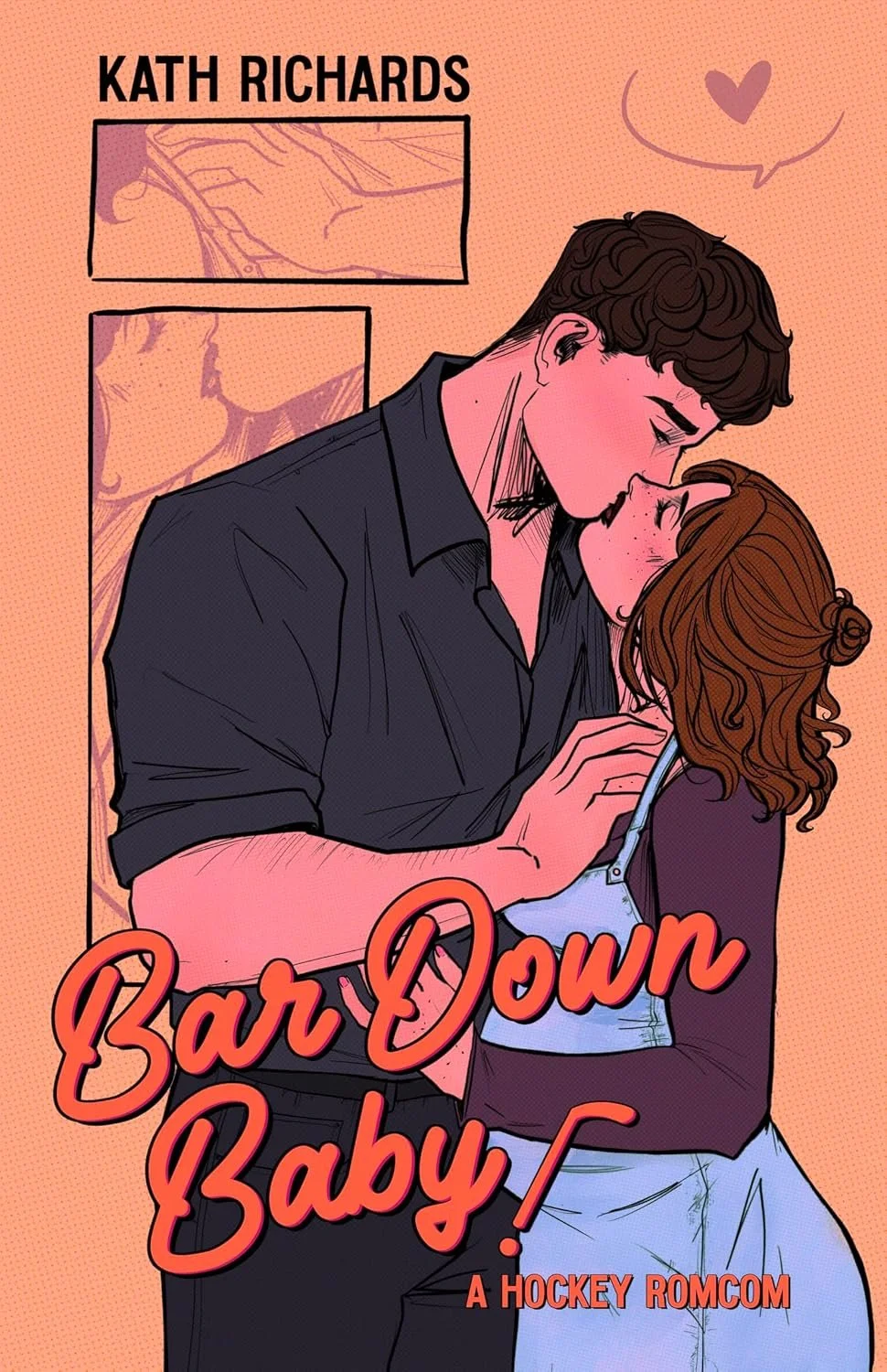
It’s him who needs saving…Single dad.  Goalkeeper.  Widower.  Nate Morris is Manchester Athletic’s starting keeper and resident good guy.  He trains, works out and looks after his daughters.  My job isn’t to stare unless it’s in a professional capacity, and I’ve sworn off footballers.  As one of the team’s physios, my hands on job, is very hands off.

Until the flirting starts.  

And then Nate isn’t saving goals – he’s scoring them.  In my net.

We weren’t meant to be serious.  This wasn’t meant to be anything more than a few steamy nights.  Only one of those goals leads to a title for me in nine months’ time.

Nate Morris isn’t your typical footballer.  He doesn’t just want his heart to be saved – he wants to keep mine.

Heart Keeper is a single dad, surprise pregnancy workplace romance that will have you swooning right into the back of your net!

Buy on Amazon

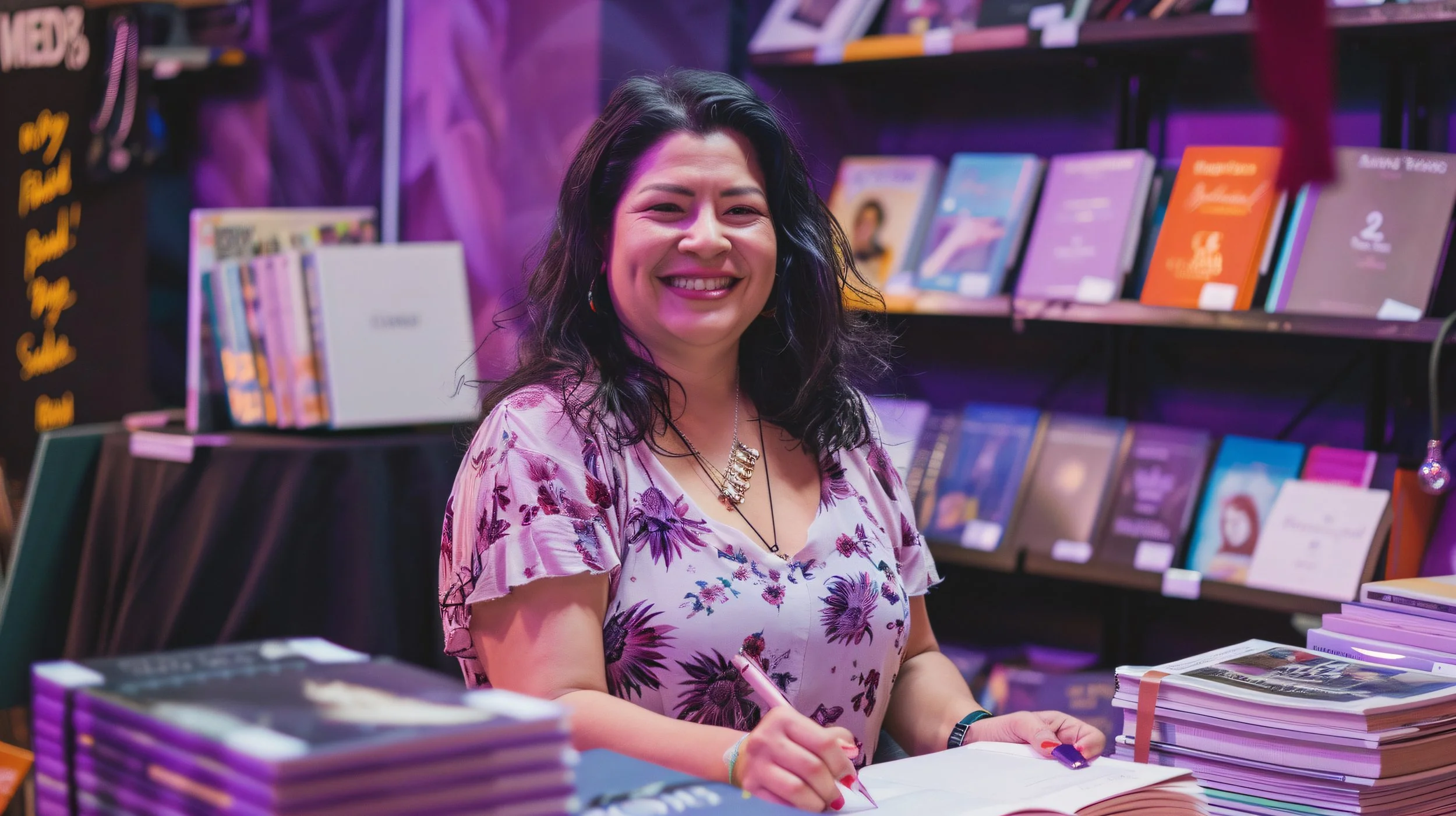
Meet Annie Dyer

Annie lives in the north of England, not too far from the amazing city of Manchester. She is owned by several cats and many hens, narrowly avoiding being a mad cat woman by enslaving a very understanding husband. She’s an avid reader of many genres and if she’s not writing a book, she’s usually reading one!

Connect with Annie Dyer: https://writeranniedyer.com 

Spotlight: Child of Etherclaw by Matty Roberts

Publication date: August 2nd 2022
Genres: Dystopian, Science Fiction, Young Adult

The bonds of family go well beyond blood.
But can those bonds hold when the blood itself carries a devastating secret?

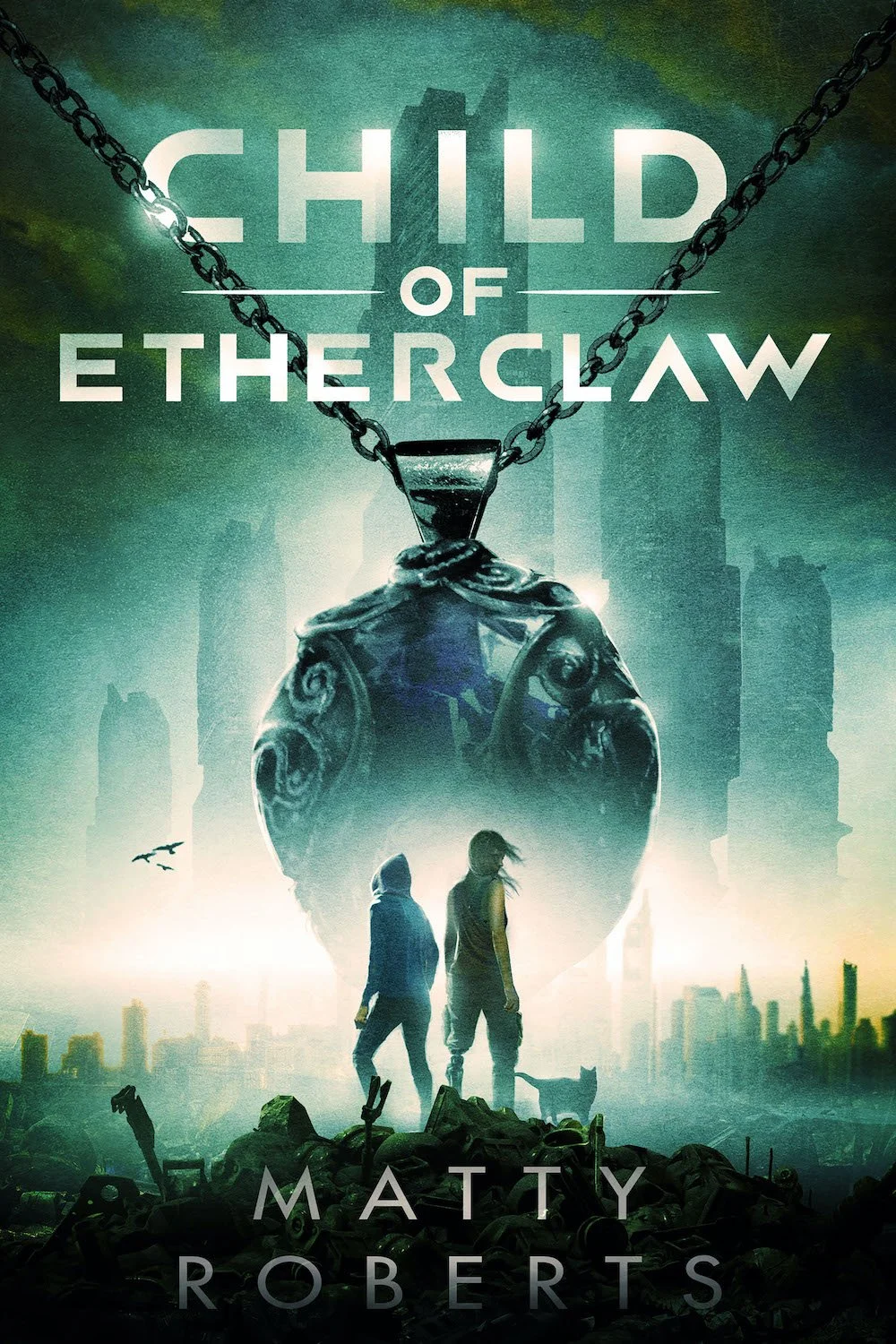
Fenlee’s opal necklace had always radiated a certain warmth since her mother’s death. But now, at sixteen, her world begins to unravel as the stone sparks to life, revealing itself to be an otherworldly artifact of untold power.

Between her mechatronics studies at the academy and scavenging expeditions beneath the sprawling city of New Cascadia, Fenlee and her adopted brother, Elliot, try to decipher the mysteries of her necklace and its link to events in Fenlee’s past.

But they’re not alone in their search.

Strange undercity dwellers offer cryptic warnings, drones track their movements, and deadly corporate agents lurk in the shadows. When tragedy rips Fenlee’s family apart, she must learn to use the artifact’s power to save those who are deeply precious to her. But nothing can prepare her for the dark truths that she will uncover on that journey…

“Lee,” Elliot mumbled. “I’m not who you think I am.”

Excerpt

The tunnels became drier as they continued on. Aer a few minutes, they arrived at a T intersection with a larger tunnel branching off to the right. 

“Which way?” Alex asked. “Any ideas, Fenlee?”“I might have some ideas,” Casper said soly.“You might,” Alex replied. “And I might, as well, but without navigation support, Fenlee is the resident expert here.”Fenlee shined the lamp down both passages. “Well, if I were searching for loot, I’d take the le tunnel because it’s smaller and appears to be infrequently used. It’d be less likely to be picked over. But we’re trying to get to the underside of that tower, which is major infrastructure, so I’d be more inclined to take the larger tunnel to the right.” She pointed to some conduit running down the walls. It was so old and filthy it blended in and was easy to miss. “And if you look closely, you’ll notice these pipes also curve to the right from the tunnel we came from.” She shrugged. “I mean, I could be wrong, but it seems like the obvious choice.” 

“Makes sense to me,” Alex said. 

Everyone headed to the right except Casper. “Yeah, that makes sense and all, but I think we should check out the le for a minute to make sure it’s not like, I dunno, a connecting passage or something?” He turned and walked down the le tunnel. 

A green-haired blur leapt in front of him. 

“Stop!” Nico shouted and threw his lanky arms wide, blocking Casper’s path. 

“What is wrong with this kid, Fenlee?” Casper said. 

“Nothing’s wrong with him,” Fenlee said. “He’s got great intuition. Maybe ask him what’s up instead of me?” 

But they didn’t have to ask—Fenlee and Casper saw it at the same time. Mounted about ten inches above the ground on both sides of the tunnel were two small cubes with tiny holes on the front. They were a dull metal, artificially aged to blend into the walls. In the dark, only the most observant could have spotted them. 

“Whoa. Okay. And that would be a laser trip line.” Fenlee winced. “Good catch, Nico. That could’ve been pretty bad.” She closed her eyes. A small warmth in her chest grew as she reached out to the device. It was similar to many optical and proximity modules she’d constructed in the past. And it was active. I wonder if I can gently disable it without throwing the trigger— 

Casper broke her concentration. “Yeah, good eye, kid,” he said. “Luckily, we can just step over it.” 

“No, wait!” Alex yelled. She tried to grab Casper’s arm, but it was too late. By the time she reached him, he was mid-step across the invisible line. 

“What?” Casper pulled out of her grasp. “I’m being careful. This is no big deal!” 

“No, Cas, you’re not.” She pointed above his head. “They’re all over the ceiling.” 

A series of little cubes formed a line directly above Casper’s head. Alex ripped open a pouch of nutrient drink mix and tossed the contents toward him. The fine powder revealed a latticework of thin red beams. And Casper was standing in the middle of them. 

“Well, that was helpful, Cas,” Fenlee said.Casper was frozen in place, visibly shaking. “Uh, sorry?” So what do we do?” Fenlee threw her hands up. “Well, it’s a good bet SecForce knows we’re 

here, so why don’t you tell me what we should do?”Nico pulled on Fenlee’s hand. “Shh!”Everyone stopped talking. A calm settled over the passageway. At first, there  was nothing but silence. Dust motes dried in the stillness of the lamplight as they stood together, listening. They collectively held their breath as a low hum came from the larger tunnel behind them. 

“Really!” Casper whispered, his voice shaky and frantic. “What do we really do now? I’m serious!” 

The sound of the drone came from the larger tunnel they had intended to take, so that wasn’t an option. The smaller tunnel they were in was clearly set up to detect intruders, and they also had no idea what was down there. The only option that made any sense was to take their chances and go back the way they came. 

“We have to be smart about this,” Fenlee said. “I think our best bet is to—” “Run?” Nico asked.“Run!” Casper and Alex said at once. The two of them took off down the  small tunnel. Nico shrugged and followed behind. 

Buy on Amazon | Bookshop.org

About the Author

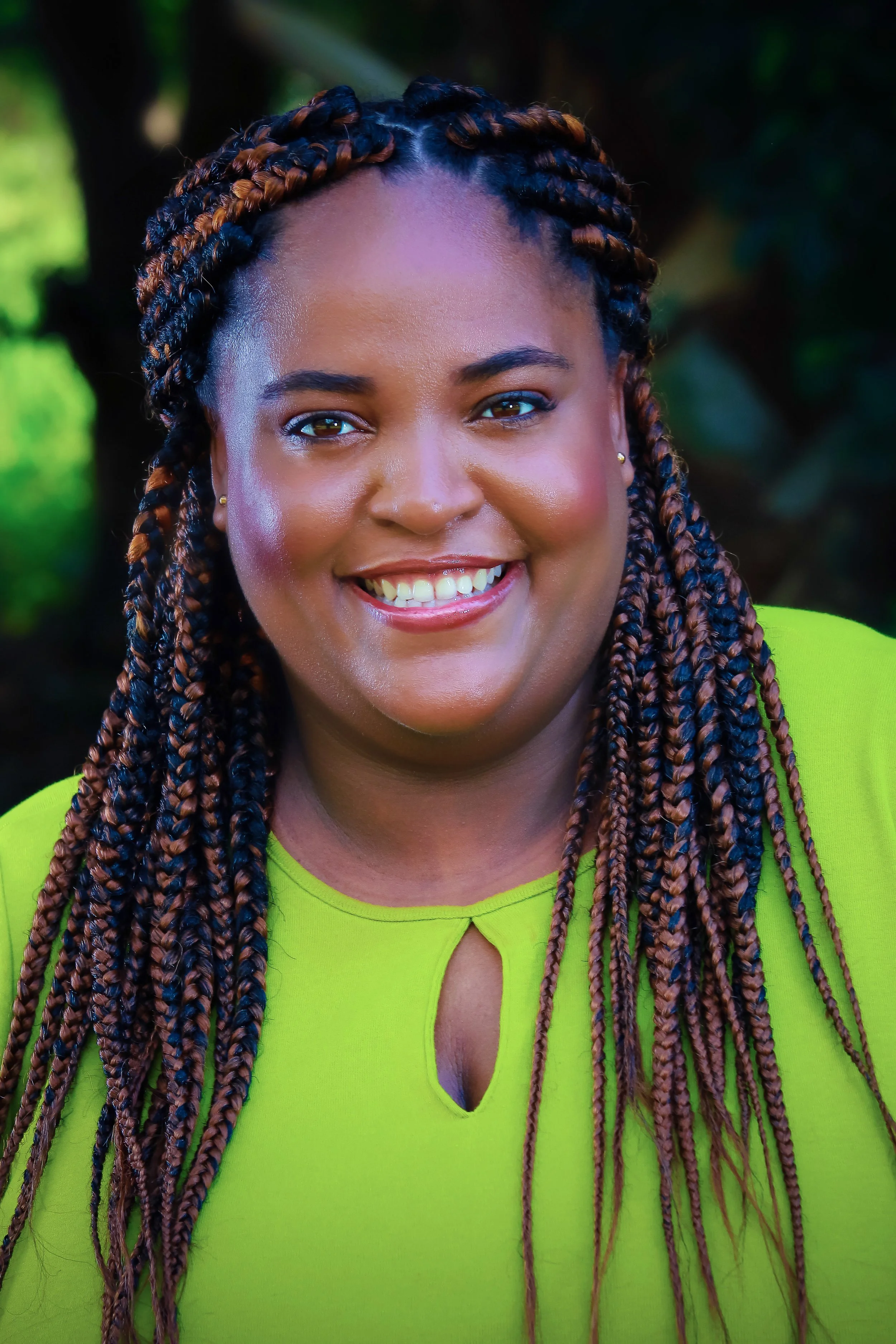
Matty Roberts began their career in journalism where they earned an Emmy and had the privilege of working on several other award-winning projects. They hold an MS from Johns Hopkins University and are now an engineer in renewable energy in Denver, Colorado where they live with their wonderful partner, two extraordinary kids, and the best doggie ever.

In addition to writing, engineering, and parenting, Matty is a vegan enby nerd who is in love with this world and will forever be doing all they can to make it a better place. And they may be known to occasionally play in a punk band here or there.

For more information about Matty and their upcoming books, visit www.mattyroberts.io.

Connect:

https://www.mattyroberts.io/

https://twitter.com/MattyBRoberts

https://www.goodreads.com/author/show/22321160.Matty_Roberts

Spotlight: Naomi's Gift by Martha Hall Kelly

After her mother’s passing, Aldona finds a tin filled with old letters from a prisoner at Ravensbrück, a women’s concentration camp in northern Germany. Amid the descriptions of daily deprivations and humiliations at the camp, she uncovers the heart-wrenching story of a small circle of women who risked their lives to hide a baby girl from the guards. Aldona is rocked to the core by this record of courage and sisterhood during one of the grimmest chapters of human history.

Martha Hall Kelly’s Naomi’s Gift is part of A Point in Time, a transporting collection of stories about the pivotal moments, past and present, that change lives. Read or listen to each immersive story in a single sitting.

Excerpt

Dear Baby,

So, here is the story I promised you: When we first arrived at this place, four months or so ago, everyone knew that the prisoners from the men’s camp had been working on something outside the gates near the lake, for we heard the constant rap of the hammers, and there was much speculation among the women of the block as to what was being built. It was a cold June, and as Ruth, Naomi, and I went back and forth from the lake to the house, carrying peat, our hands froze. But we got a close look at the men working there around the old painter’s shed. How interested we were in this project! Once the guard supervising us stopped to talk with her friend, the three of us stood and observed from afar.

“What do you think?” I asked Naomi, one eye out for the guard.

She watched the men on the roof hunched over their work hammering metal around the chimney, her soup cup swinging by a string from her jacket buttonhole. “They’re not even trying to keep it a secret. They’ve turned that old shed into a place to use their gas. Just making it bigger now.”

A chill went through me. She didn’t have to say what for. Ruth’s friend in the linen shop, the block where they issued uniforms, said the clothes came back from those transports wearing the sweet scent of gas.

Naomi turned and considered the brick house everyone knew was a crematorium, since the chimney there smoked day and night. “See how convenient it is to the ovens.”

Ruth walked away. “Don’t look at that,” she called over her shoulder, as my mother often did back home when we’d seen something upsetting, like a sick horse fallen in the street.

“No, we must look,” Naomi said to me, pulling me close. “And do everything we can not to be sent there. For I have a secret of my own.”

She took my hand and pressed it to her belly. Through her uniform shift I felt a small rise.

“Pregnant?” How strange that word sounded, spoken there.

She nodded. “On Dragobete Eve. I missed my period mid-April.”

“But none of us have periods here.” 

“I’m going to have a baby, sister.”

“Codrin knew before me?”

“He’s the father, Zina. And you’re the second to know.”

“How did he act when you told him?”

“You cannot believe a man could be so happy.” She was lost in the idea of him for a moment, and then the pounding brought her back. “So, I’ll need your help. You know how I’ve longed for a child. I will not allow these terrible people to ruin that. They’ve taken enough from us already.”

“But what happens when the baby shows more? I can’t live without you—”

“It will be winter soon. They will issue uniform jackets. And let’s face it, we all look pregnant.”

I looked down at my own distended belly, swollen from lack of food. “True enough.”

“See?” Naomi asked. “We can hide it. Will you help?”

So many thoughts came at once. A baby! How thrilling to be an aunt. And how happy Mama and Papa will be. But the pounding of the nails drove the truth home. Though there are rumors every day that we are about to be liberated, it may still be a while, and we’ll need all our skills to keep a baby secret here.

I took Naomi’s hand. “Of course. I will do anything. When are you due?”

“From my calculations, October 29.” She smiled.

“Rosh Hashanah.” Something deep in me ached. “Even if we’re still here come October and can’t celebrate at synagogue with family, we will have this to celebrate.”

Naomi nodded and we hurried back to our task. I helped her carry the basket, not even feeling the cold. Warmed by just the idea of you.

Dragoste,

Aunt Zina 

Buy on Amazon | Audible

Author Biography

Martha Hall Kelly is the bestselling author of Lilac Girls, Lost Roses, and Sunflower Sisters. Her writing has been praised as “fresh,” “compelling,” and “groundbreaking,” and her books have been instant New York Times bestsellers. Visit her website at www.marthahallkelly.com

Spotlight: Ash Wednesday by Paula McLain

On Ash Wednesday in 1908, Swiss German immigrant Fritz Hirter arrives at his children’s school, where he is the lone custodian. But soon after lessons start, a fast-moving fire breaks out—its cause is unknown, but its effects are horrifying. Although Fritz is soon cleared of any responsibility for the catastrophe, the community continues to suspect him, supremely testing Fritz and his family.

Paula McLain’s Ash Wednesday is part of A Point in Time, a transporting collection of stories about the pivotal moments, past and present, that change lives. Read or listen to each immersive story in a single sitting.

Excerpt

As soon as steam begins to rise from the boilers and Fritz feels confident that all is running well, he carts the spent fuel to the ash heap on the north side of the building, where he covers his mouth and nose with a handkerchief, pinching his eyes shut before he dumps the wagon. Even with these precautions, the soot billows out in a cloud before settling wherever it likes, into his shoes and the cuffs of his coveralls, coating his graying hair and eyelashes. The handkerchief helps, but he still takes in too much dust. Some days he coughs up phlegm that appears almost black against his handkerchief, making him wonder if his lungs might give out before his body.

He’s forty-six, older than he ever saw his own father, back in Switzerland. There’s a familiar thorn, sharp as a blade, whenever Fritz remembers his home country, though he tries very hard to resist. Thinking of his father only calls up his mother. The way she stewed apples from their orchard in the winter months, stirring the iron pot with a worn wooden paddle, adding nutmeg at the end for Fritz, not minding that the spice was expensive and hard to come by. Her skin always smelled of apple peels to him, tangy and sweet. His mother was like the house they lived in, warm and simple and good. She was everything that made him happy as a child. Fritz wanted only to be near her until the day, when he was five or six years old, that his father had whirled around, as if noticing Fritz at his mother’s skirts for the first time, and cuffed him on the ear.

“Should we find you a dirndl to wear like your sisters, and not Kniebundhosen?” he needled, his face large and pink in front of Fritz’s as he dropped to one knee. A stranger, suddenly, in his father’s body.

“Leave him be, Hans,” his mother said, putting her arms around Fritz, while his father muttered something to himself and walked away. Were his sisters watching? Fritz can’t remember anymore, but he supposes they must have been, staring at him as he cried. After his father left, his mother held him close against her neck, though her murmured reassurances and kisses on his stinging ear couldn’t fully reach him, as much as he wanted them to. The simple comforts of childhood dissolving in a saucer of humiliation.

From then on, Fritz worked determinedly to show his father and himself that he wasn’t soft and fearful but brave, even if that meant pretending, from time to time, to be bolder than he felt, and leaving behind the things he loved. His mother’s tears were terrible when he moved away at fifteen to work in a factory in Lindau, where he learned how to operate steam boilers like the ones he’s responsible for now. As practical as the end result was, nothing about abandoning his home had been easy for Fritz. A small, seemingly unkillable part of him wanted to turn around and hold his mother that day, taking in her apple-peel smell one last time, but he knew if he didn’t keep walking, he would never truly grow up and meet life’s demands.

Two years later, with thick calluses on his hands and a back already strong from loading coal and carting ash, Fritz began courting a sturdy, round-cheeked German girl in Dingelsdorf and soon found himself boasting about going to America in a few months, hoping to impress her. He was walking her home after a public dance in the village hall on a night so crisp Fritz’s breath hung white in the air. The comment had been a lark, something a boy says to a girl he wants to kiss, but Eva had stopped in her tracks and looked at him as if seeing someone else there in Fritz’s shoes. Someone daring enough to launch across an ocean with nothing in his pockets.

“I’d love to go to America,” she said without blinking. “I’d go tomorrow if I had the fare.”

Fritz had known Eva only a few weeks and in that time had focused on how pretty she was. But now he saw her spirit flicker. “Maybe we’ll go together,” he said, surprising himself for a second time. Eva’s courage seemed to be calling up his own. The longer he looked into her face with its square jaw and bright gray eyes, the more he wondered if he had been searching for someone like Eva without being aware of it. A spark to set his own slow fire going. 

Buy on Amazon | Audible

About the Author
Paula McLain is the author of New York Times bestsellers The Paris Wife, Circling the Sun, Love and Ruin, and When the Stars Go Dark. She has received the Cleveland Arts Prize, the Academy of American Poets Prize, and the Goodreads Choice Award for Historical Fiction. Find her at www.paulamclain.com.

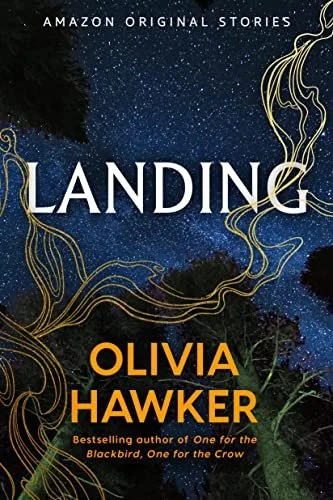
Spotlight: Landing by Olivia Hawker

Alan is able to imagine every way critical equipment might break during the launch and landing of Apollo 11. But his experience in preventing cosmic disasters does nothing to prepare him for the pressures of a hasty marriage to a woman he barely knows—or the strain of keeping up appearances amid the shifting social attitudes of the late ’60s. When a crisis at home forces Alan back to earth, he’s faced with a choice he doesn’t know how to make: whether to let go or move forward.

Olivia Hawker’s Landing is part of A Point in Time, a transporting collection of stories about the pivotal moments, past and present, that change lives. Read or listen to each immersive story in a single sitting.

Excerpt

Alan wasn’t sure what exactly love was, how to quantify and measure it, but he knew how he’d felt on that day when he’d first met Carol. He’d been standing in the crowd on Playalinda Beach, with his school buddies gathered around him, all of them waiting in breathless anticipation for Saturn V to billow out its red skirt of fire and rise majestically into the sky. They were jostling and laughing, making crude jokes, and Alan had slipped a little farther down the beach as he’d sensed ignition coming, this moment he’d been dreaming of for months now. He wanted to be alone with his wonder, his sense of accomplishment—as much as a guy could be alone in a pack of excited gawkers.

A girl with dark hair had come skipping backward across the sand, holding up her camera, trying to keep her friends in the frame while they posed with Cape Canaveral behind them. Look out, one of them had called, and a second later Carol had collided with Alan.

He’d said, Pardon me, my mistake, even though it had been hers, but she hadn’t left it at that. She forgot all about taking that picture and asked him if he wanted a beer because she had one in her bag, though it was probably warm by now. And then his friends were flocking around, urging him toward the beautiful, slender girl with the camera, and one of them said, He’s an engineer at NASA, you know. He helped build the rocket.

“Well,” Carol had said, giving Alan a more considering look. Then she’d cracked open a beer can herself and pushed it decisively into his hand while his friends hooted and pounded him on his back.

“What do you do over at NASA?” she’d asked.

“Small-equipment engineering.” The beer had gone warm, but Alan gulped it down just so he wouldn’t have to meet her eye. She was watching him with an expectant grin, and he didn’t know what was expected of him.

“What does that mean, exactly?”

“I break things,” Alan had said, chuckling. “I’m supposed to think of all the ways a thing might break, and then make that thing unbreakable.”

“Oh, yeah?” Carol had stepped very close to him before he’d realized what she was doing, before he could slide away. She tucked her hand in the crook of his elbow, and he was afraid to drink any more of the beer in case the movement might dislodge her and deprive him of her touch. “What about hearts?” she’d said. “Can you make hearts unbreakable?”

A moment later there’d been a burst of red light on the cape, twenty tons of fuel per second burning in a cloud of heat, and Saturn V had begun its flight into an endless new frontier.

And now here they were, holding hands as if it were a thing they’d always done, a thing they’d be doing for the rest of their lives, motoring toward the country club, and staring, both of them, out over the perfect blue of the water to the cape and the far horizon beyond. It was easier to keep their eyes on the world out there than on the small, uncertain reality they’d just made between them. 

Buy on Amazon | Audible

About the Author
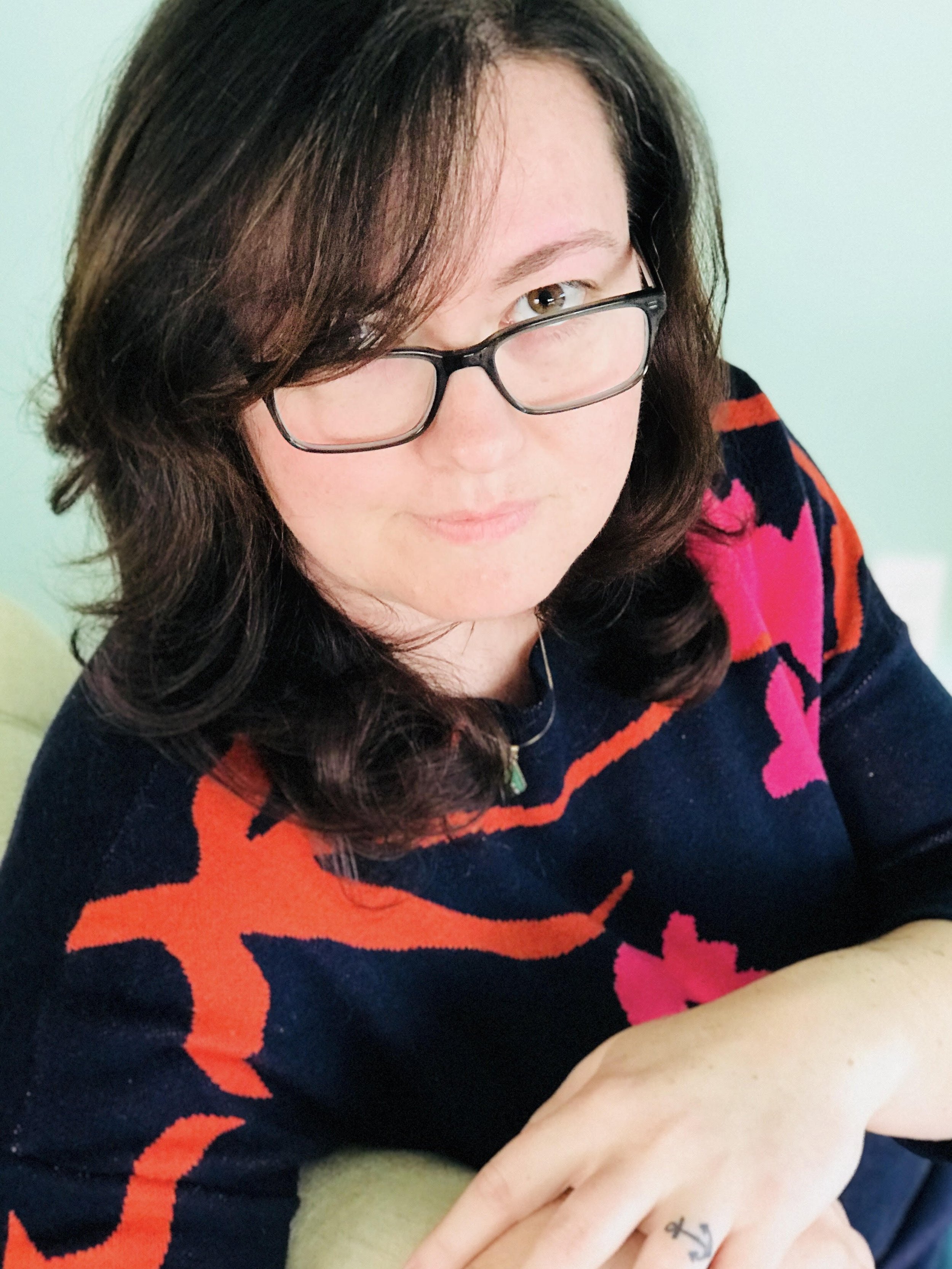
Olivia Hawker is the Washington Post bestselling author of The Fire and the Ore, The Rise of Light, The Ragged Edge of Night, and One for the Blackbird, One for the Crow, which was a finalist for the Washington State Book Award and the WILLA Literary Award for Historical Fiction. For more information, visit www.hawkerbooks.com.

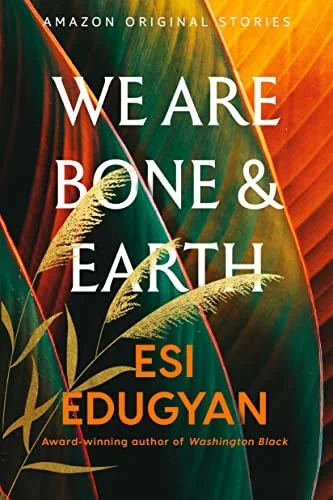
Spotlight: We Are Bone and Earth by Esi Edugyan

At a fort in Cabo Vermelho in 1779, Sisi, a West African girl with a gift for languages, works as a translator for her English enslavers. She was separated from her younger brother after they were kidnapped from their village by the ahosi, fierce female warriors who serve a neighboring king—and her guilt over her failure to protect him has never left her. When unexpected news reaches the fort, Sisi must find her voice, for her brother’s sake and for her own.

Esi Edugyan’s We Are Bone and Earth is part of A Point in Time, a transporting collection of stories about the pivotal moments, past and present, that change lives. Read or listen to each immersive story in a single sitting.

Excerpt

CABO VERMELHO, 1779

In the early hours, the rooms still cold from the night wind off the water, a new caravan arrives at the fort. And though I hold no hope, though I tell myself it is a foolish labor, I know I will again search among the taken for my brother. Five years have passed since I last looked into Yao’s eyes, five years since I have been made to accept his loss. And yet I cannot reconcile with it. I cannot believe I am never again to see him on these shores, the two of us cutting a path through the black trees back to the interior, going home.

Pawns. That is what the young ones brought here are called—free children given to the cheegwa as collateral. Their fathers leave them here, at the fort, in exchange for debts they cannot pay or for loans to buy slaves in the interior, and terrified, lonely, defenseless, they are given their six weeks of food, shelter, water in this foul stone house. They cross the narrow yard with their vessels and drink from the briny well. They sleep on their straw pallets; in the bleached mornings they huddle in the corners praying to the gods, clutching their meager belongings. Their dolls. Their carved wooden keepsakes. Listening all the while to the groans of the captives in the pens beyond. And the cheegwa with their raw pink skin, they do not molest them, they lay no hand upon them. These children walk among them untouchable and blessed.

Until the last day of that sixth week, when their fathers are given until midnight to claim them. And if the men do not arrive, or if they fail to pay or bring their promised quota of slaves? Then the small ones are dragged crying into the pens, or taken below into the darkness and shackled and beaten with cane rods until their legs burn with blood, and then they too are shipped across the waters, to the terrible unknown islands.

Six weeks they are bone and earth, medofu. And then they are neither.

And how do I account for myself? I who have been here five years now, housebound, spared such a fate because I speak many tongues. Days before my arrival the Welshman translator passed in a howl of dysentery and fever, and days later my gift for languages was discovered, and I was forced to replace him. I am looked at with envy by the pawns who come and who go.

They imagine I am lucky.

But I remember still how it was once, your tiny rough hand in mine, the trees as dark as iron in the resting place. I remember the smell of our mother’s skin, like earth turned in the dry season. The flash of iron in sunlight. And our father walking among the yellow lizards by the river, the shadows of leaves breaking across his face. All that, all of what was once our world.

I shall speak of all that has since happened, medofu, so that you will know, it will be as if no years have parted us.

I shall tell you what we were. 

Buy on Amazon | Audible

About the Author
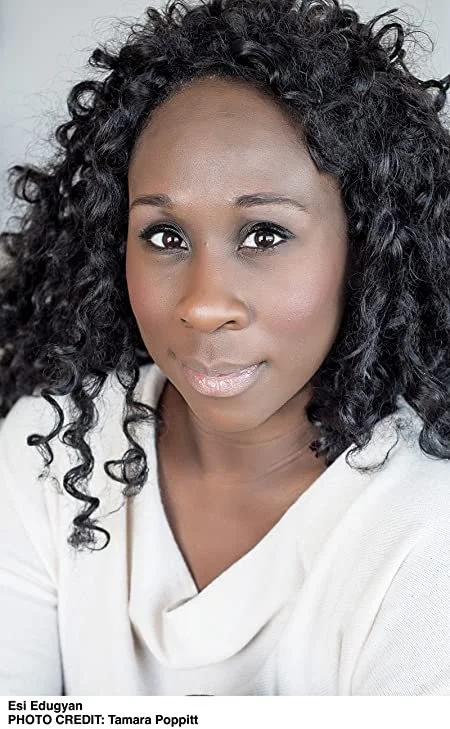
Esi Edugyan is the author of the novels The Second Life of Samuel Tyne, Half-Blood Blues, and Washington Black and the nonfiction work Out of the Sun. She is the recipient of the Scotiabank Giller Prize (2011 and 2018), the Anisfield-Wolf Book Award (2012), and the Hurston/Wright Legacy Award (2013).