Growing Up in a Culture That Doesn’t Let You Fail by Tyson Roberts
/
I used to think failure was the worst thing that could happen to me.
I built my identity around being disciplined, capable and impressive. In the Navy, performance mattered. Competence mattered. Strength mattered. For a long time, I tied my worth to how well I performed.
Then it collapsed.
One mistake put my integrity and future on the line. Not privately. Publicly. I was discharged. The uniform was gone. The structure was gone. The version of myself I had carefully constructed disappeared overnight.
I remember the tightness in my chest. Replaying conversations. Imagining doors closing.
That was the moment I realised something most people won’t say out loud:
‘If I fail publicly, this will define me.’
‘If I get this wrong, I lose credibility.’
‘If they see this side of me, I shrink.’
And if I’m honest, part of me wasn’t just ashamed. I hated how it made me look.
That was the real battle. Not the mistake. The ego.
What I felt wasn’t just regret. It was exposure.
The Real Pressure
We’re told mistakes build character. But we’re trained in systems that quietly say: get it wrong where people can see it, and it will cost you.
One visible misstep, one bad decision, and it follows you indefinitely. It’s no longer just an event. It becomes an identity.
Today, young adults are growing up in a world where mistakes aren’t private. There’s a screenshot. It’s searchable. It feels permanent.
School trains you to get it right.
Work trains you to look competent.
Culture trains you to look flawless.
We learn early: don’t look foolish.
And somewhere along the way, performance stops being something we do. It becomes who we are.
So instead of building something real, we start managing perception. We talk about what we’re going to do. We curate the image. We protect potential.
Potential feels safe. Action gets judged.
That’s where ego quietly takes control.
Not loud arrogance.
Not swagger.
Just the constant need to protect how we’re seen.
When Identity Is Performance
Here’s the truth I had to confront.
Failure didn’t scare me because of the consequences. It scared me because my identity was built on being impressive.
If your worth depends on performance, every mistake feels existential.
If your identity is secure, failure becomes refining.
Most people aren’t stuck because they failed.
They’re stuck because their ego refuses to look small.
So they over-announce.
Over-explain.
Under-build.
Announcing feels productive. It brings applause without accountability. Once your ego feels rewarded, discipline fades.
I had to learn to do the opposite.
What Actually Helped
If you’re trying to build something — a career, a reputation, a life — here’s what I learned the hard way:
• Work in silence longer.
• Stop announcing projects before they’re built.
• Let results introduce you.
• Own mistakes quickly, before defending them.
• Ask yourself: Would I still pursue this if no one applauded it?
That question changes everything.
Because if the answer is no, ego may be driving.
And ego is fragile.
A Different Foundation
For me, the shift wasn’t just psychological. It was deeper than that.
If my worth rises and falls with performance, I’ll spend my life defending myself.
But if my worth is anchored deeper than applause — not earned, not curated — failure loses its power to define me.
That doesn’t erase consequences. It removes condemnation.
And when you’re no longer trying to protect your image at all costs, you’re finally free to grow.
What I Wish Someone Told Me Earlier
You are not your worst moment.
You are not the mistake that’s keeping you up at night.
You are not the thing people might have seen.
Failure doesn’t have to define you.
But ego will try to.
You can protect your image. Or you can build your future.
One keeps you safe.
The other makes you resilient.
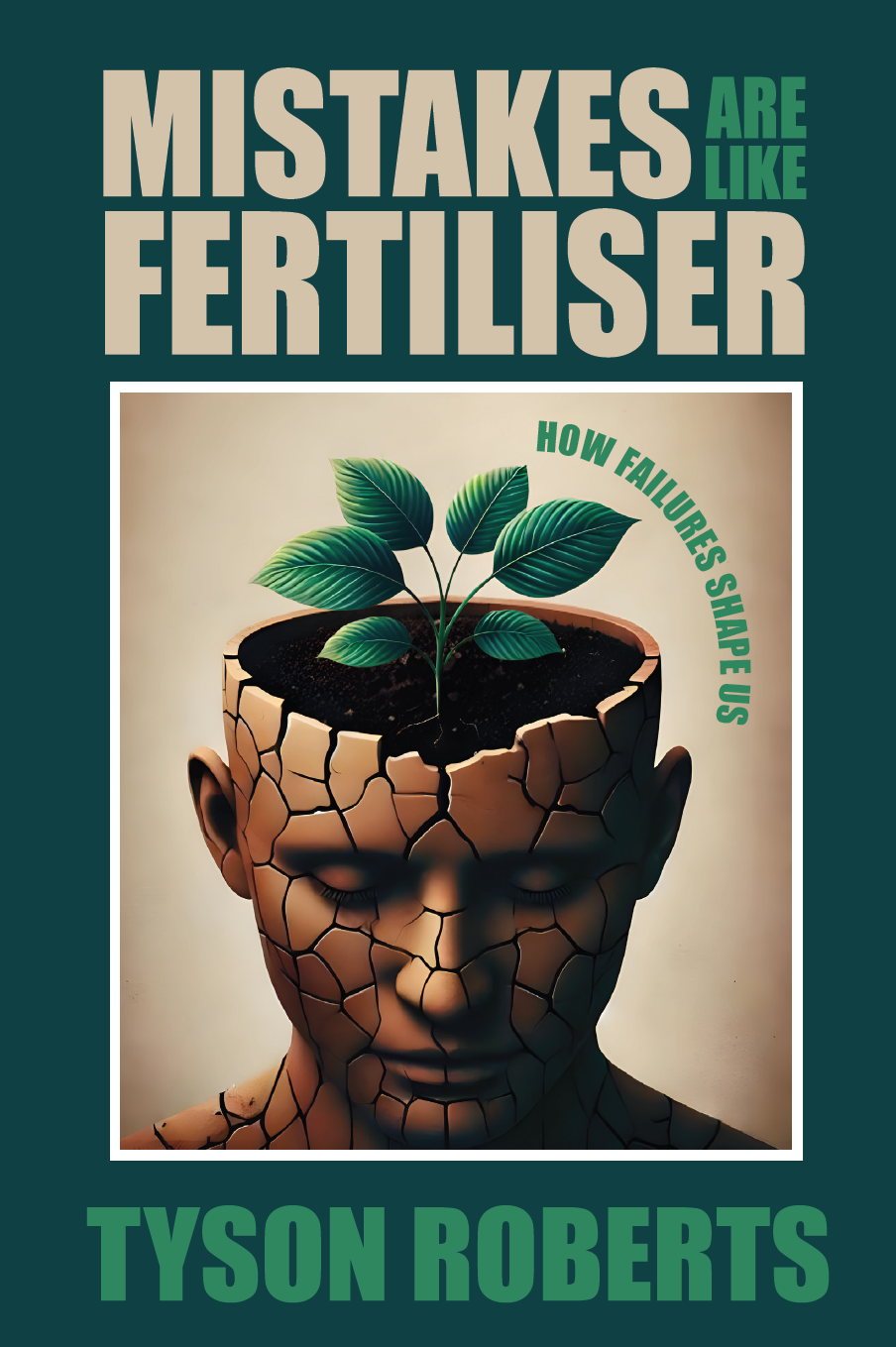
I explore these ideas more deeply in my book, Mistakes Are Like Fertiliser, where I argue that knowledge doesn’t prevent repeated failure. Reflection does.
Failure didn’t shrink my future. Ego almost did.
Choose growth. Build anyway.
Your story isn’t finished yet.
***
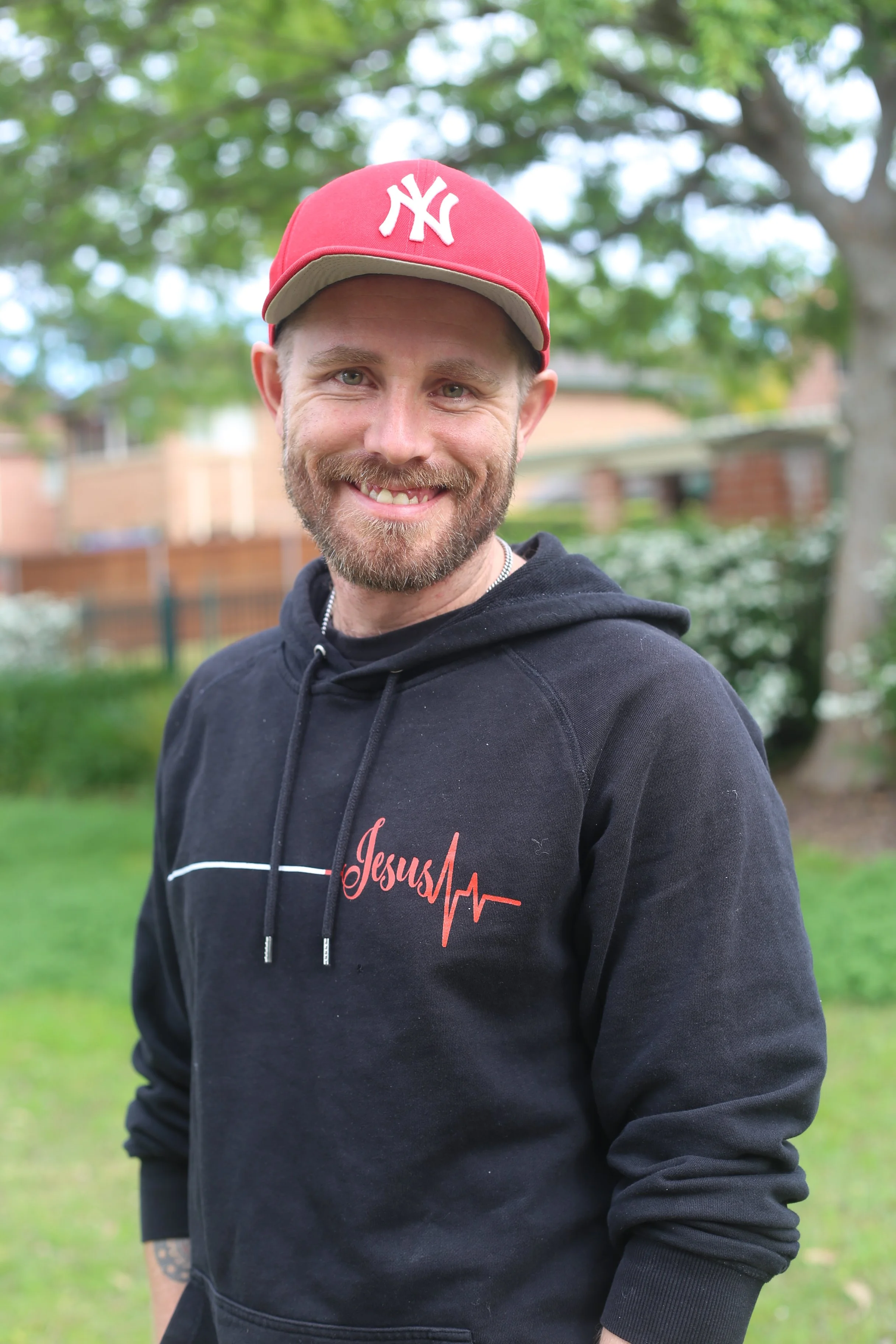
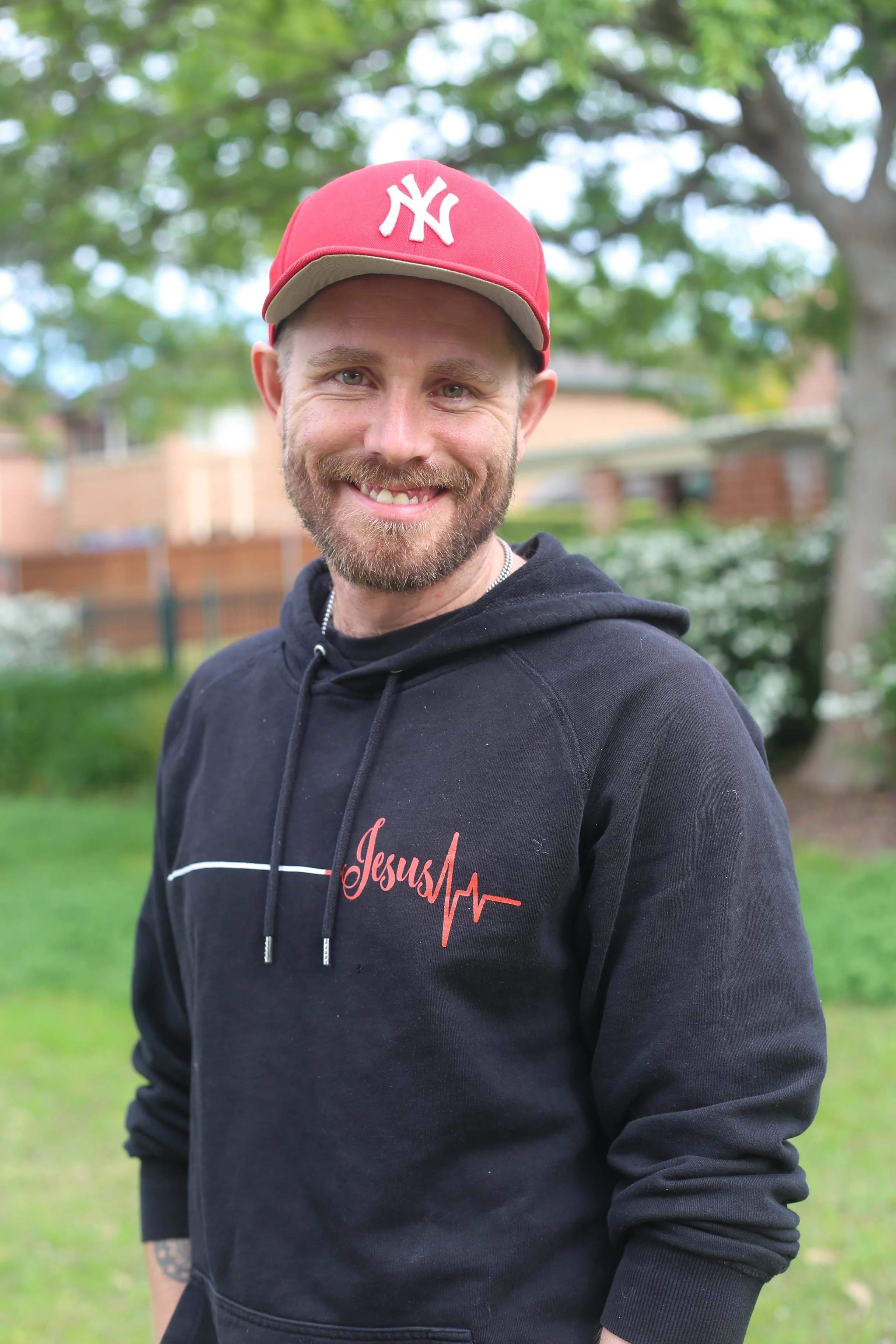
Tyson Roberts is the author of Mistakes Are Like Fertiliser. Available on Amazon and Bookshop.org.