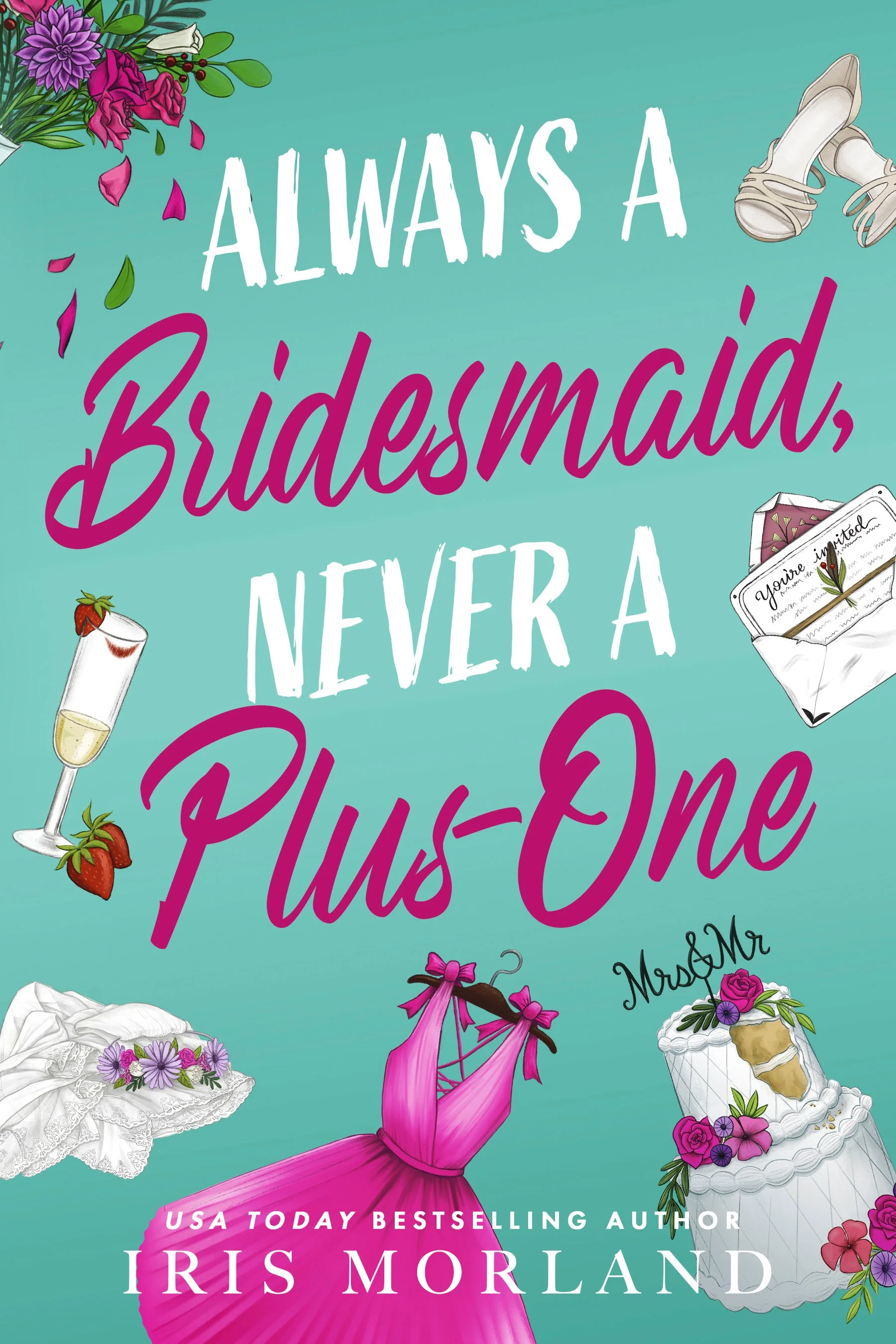
Spotlight: Always a Bridesmaid Never a Plus One by Iris Morland

Release Date: October 11

This wedding season, she’ll meet her match.

As a bridesmaid-for-hire, Anna Dyer lives and breathes weddings.

She’s not only the wedding planner, but she’s also the bride’s BFF, her confidante, and sometimes even her therapist.

Yet all of Anna’s experience is useless when she’s forced to work with the dreamy grump Rowan Caldwell.

Sure, Rowan might be a scrumptious hunk of manliness. But this handsome grump loathes weddings.

Even worse? Rowan concocts a crazy scheme for them to be each other’s plus-ones for wedding season. He says it’ll make things more convenient. (How romantic!)

Anna isn’t worried, though. She can play Rowan’s fake girlfriend without catching feelings.

But love? It has other plans…

Buy on Amazon

About the Author

A coffee addict and cat lover, Iris Morland writes sparkling, swoon-worthy romances, including the Flower Shop Sisters and the Love Everlasting series.

If she's not reading or writing, she enjoys binging on Netflix shows and cooking something delicious.

Connect with Iris Morland:

Website: https://irismorland.com

Facebook: https://www.facebook.com/irismorlandbooks

Twitter: https://twitter.com/irismorland

BookBub: https://www.bookbub.com/profile/iris-morland

Instagram: https://www.instagram.com/iris_morland/

Goodreads: https://www.goodreads.com/author/show/15613826.Iris_Morland

Amazon Author Page: https://www.amazon.com/Iris-Morland/e/B01KGHMZQS

Newsletter: https://irismorland.ck.page/70487e1d8c

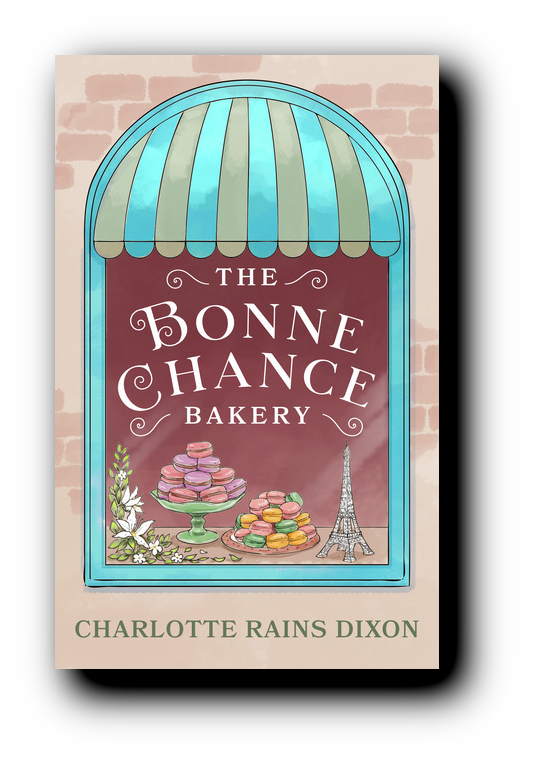
Spotlight: The Bonne Chance Bakery by Charlotte Rains Dixon

Pages: 333

Genre: Romantic Women’s Fiction

All Madeleine Miller wants is for her new Portland business, the Bonne Chance Bakery, to be a success. But things get off to a troubled start when her husband Will runs off with an employee and starts his own rival bakery, leaving her hobbled financially—and romantically. Luckily, she has the help of the bakery's endearingly gruff accountant, Jack, and his precocious daughter Daisie. Portland foodies love the bakery's French macarons, but alas, their passion doesn't add up to financial success.

And then one day, world-famous entrepreneur slash actor Richard Bishop appears at the bakery and becomes smitten with Mad's macarons—and her. His offer to franchise the bakery concept feels like selling out, and Madeleine isn't interested. But when she learns of the shady dealings her ex-husband used to fund the bakery, she's forced to accept Richard’s money. She also succumbs to the lure of his romantic interest. Soon she's catapulted into a world of luxury and excitement in Los Angeles as she supervises the opening of a second Bonne Chance in Hollywood.

But in her efforts to save the bakery, will she lose herself? Set in Portland, Los Angeles, and Paris, the novel illuminates the crazy path romance can take us on—and the circuitous route that will lead the way home. With its themes of identity, self-determination and following your dreams, The Bonne Chance Bakery is a feel-good novel with a serious message at its core.

Excerpt

I watched Richard Bishop alight from his long black limo and thought three things nearly simultaneously: first, that I'd forgotten to remove my apron, which was dotted with specks of pink macaron batter, bits of pale blue butter cream, and a huge dab of yellow ganache. Second, that it was amazing how quickly and efficiently crowds parted for someone famous. Third, that Richard Bishop was the most freakishly attractive human being I'd ever laid eyes on. 

He was handsome in a the-Gods-bestowed-every-blessing-known-to-man-and-heaven kind of way. In a superhuman way. Apparently, also in a movie star way, though I'd never actually seen a movie star in person. But I was awed by his appearance, nearly knocked over by the sight of him. Especially because he seemed to me like my fictional idol Ford Dooley come to life, walking into the Bonne Chance. 

Jack and I stood in the doorway from the back hall to the showroom, watching as Richard made his way through the crowd outside, smiling, nodding, shaking hands, and pointing at people. His assistant held the bakery door open for him, while customers who had been in line gawked and craned their necks to watch him enter, then rushed to get a glimpse from the doorway behind him. Those who couldn't see from the door peered in through the glass door and storefront windows. 

And now Richard Bishop stood just inside the front door, grinning like a dog who knows he's about to go for a walk. He had the same eagerness as a dog, too, and a sense of being present unlike anybody I'd ever met. He wore a black turtleneck and trousers that fell in a perfectly cut line from waist to ankle. With his dark hair and dark clothes, he stood out among the pale blue and pink decor of the showroom and the muted jewel tones of the macarons, like a raven amid a flock of hummingbirds. He looked like he carried his own permanent illumination source, as if the sun shot beams of light upon him wherever he wandered. The man radiated charisma, and he wielded it effortlessly, smiling at each person in the crowd peering in the door one at a time and finally beaming his sunny grin at me.

I was not only awed by him, I was speechless, too. Because what do you say to a legend when he appears in your tiny little shop on a rainy September afternoon?  Especially after you refused to close said shop for his benefit?

If you're me, you say, "So you came anyway," and then wince because it sounded so snotty.

But Richard just grinned—that blinding smile—and walked toward me with his hand extended. "Madeleine Miller? I'm Richard Bishop. Pleased to make your acquaintance."  His voice was deep and low, his hand warm and soft, and then, unexpectedly he said, "Can I hug you? I'm a hugger."

Do you say no to a hug from a movie star slash business mogul? Do you say no to a hug from Richard Bishop slash Ford Dooley? Even when it strikes you as the tiniest bit creepy? Um, no. And so, I let him enfold me in his arms.  His turtleneck pressing against my cheek was as soft as cat's fur, and smelled vaguely of cinnamon, like the apple pie macaron I'd been trying to perfect. I tore myself from him before he pulled away from me, grimaced briefly at the crumbs my hug had deposited on him, then smiled in what I hoped was a bright, perky manner. 

Buy on Amazon

About the Author

The great-granddaughter of pioneers who walked across the Oregon Trail, Charlotte Rains Dixon considers herself a westerner through and through. Many of her stories are set in her home state of Oregon, where her characters reside in fictional versions of her favorite wine area and coast towns, as well as Portland, where she lives. She is the author of the novel Emma Jean’s Bad Behavior and the forthcoming The Bonne Chance Bakery.

When not writing fiction, Charlotte teaches writing in the south of France, England, and around the Pacific Northwest. She also coaches writers privately. She is Director Emeritus and a current mentor at the Writer's Loft, a certificate-in-writing program at Middle Tennessee State University. She earned her MFA in creative writing from Spalding University and is the author of a dozen non-fiction books. Her fiction and articles have appeared in numerous publications.

Charlotte lives with her husband in Portland, Oregon, in a multi-generational home that is by turns boisterous and exuberant but seldom quiet. She believes no breakfast is complete without a crossword puzzle to work and no Happy Hour can actually be happy without popcorn.(Wine goes without saying.) Despite frequent stays in France, she regularly fractures the language. She is, however, fluent in Carney. Charlotte writes stories about places you long to live filled with people you’d love to know.

Learn more about Charlotte at her website, charlotterainsdixonauthor.com and be sure to sign up for her author newsletter at charlotterainsd.substack.com.

You can also connect with her on Twitter at www.Twitter.com/Wordstrumpet.

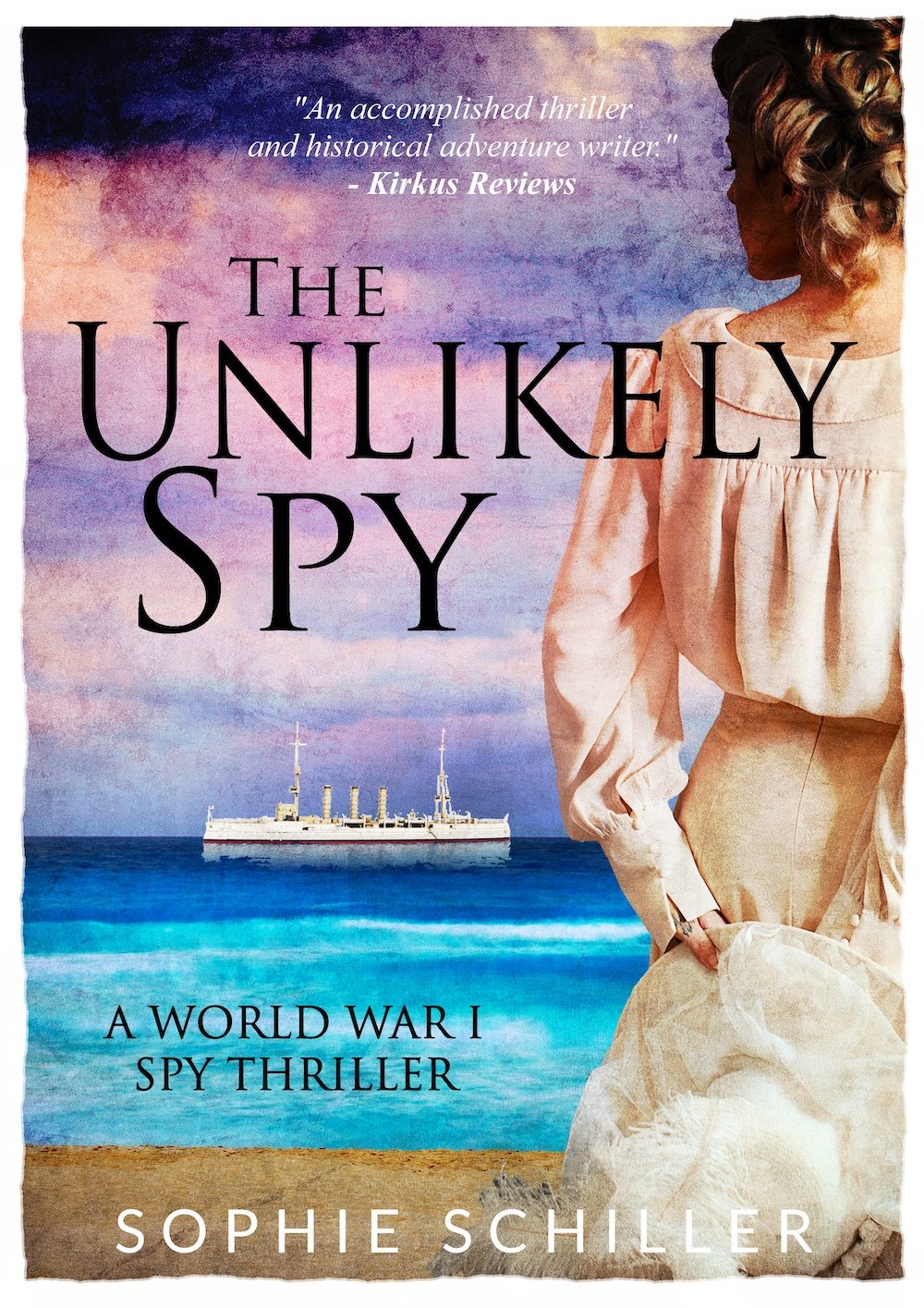
Spotlight: The Unlikely Spy by Sophie Schiller

Publication date: August 21st 2022
Genres: Adult, Historical, Romance, Thriller

Casablanca meets Notorious in a Hitchcock-style thriller of espionage, romance, adventure, and intrigue.

1917. Emma Christensen is a young widow who returns to the Danish West Indies to reclaim the life and the villa she left behind. When she discovers her husband has disinherited her in favor of his young heir—an illegitimate son—she turns to the one thing she knows, gambling, and soon finds herself deeply in debt.

Emma is approached by Cornelius Smith, a representative of an American shipping line, who offers an alternative: infiltrate the suspicious Hamburg-American Line and spy on its nefarious leader, Julius Luckner, to gain valuable business intelligence for his firm.

It doesn’t take long for Emma to realize that both Smith and Luckner are not as they seem. Close to the Allies but even closer to the enemy, Emma bravely engages in missions that could blow her cover at any moment. But with the Panama Canal at stake, how far will she go to help the Allies?

A gripping and suspenseful World War I spy thriller from an accomplished thriller and historical adventure writer.

Excerpt

When dinner was served, Emma found herself seated on one side next to Captain Larsen’s wife, Inge, and on the other side, by an American gentleman, a tall, distinguished fellow who tried to engage her in conversation. Though she was enjoying herself, she was in no mood for idle chatter, especially not with an American. But it was almost impossible to avoid his intrusive questions.

“Tell me, Mrs. Christensen, what brings you to the islands?” he asked.

She turned to meet his eyes. There was something charming about him in a lumberjack sort of way. He was near middle-age, but still ruggedly handsome, with chiseled features and inquisitive grey eyes. His deep voice and broad shoulders gave him the appearance of a cowboy or sheriff, like Tom Mix.

“I live here,” she said with mild annoyance. “And you?”

“I’m here on business. I’m doing research work in tropical botany for a Swiss company, Hoffmann-Laroche. I’m a botanist.”

“A botanist?”

“Yes.”

“Funny, you don’t look like a botanist.”

“Did you know you have some of the most beautiful flora in the world here? I found a baobab tree on St. Croix that’s hundreds of years old with a circumference of over fifty feet. Some people call it the guinea almond tree because its seeds have a distinct nutty flavor. Its pods are filled with a dry powder that tastes like tamarind. They make a juice out of it. The flowers open at night and are fertilized by bats.”

“How perfectly charming,” she said, and turned toward Mrs. Larsen, hoping to keep the obnoxious American out of her sight. But he persisted.

“Tell me, Mrs. Christensen, have you ever really explored your islands?”

She stared at him. She was sure she had seen his face somewhere, but couldn’t place it. But while he was fetching to a degree, she was in no mood for idle chatter. She had too many problems to think about, too many worries. She had no time for baobab trees and their ridiculous courtship with bats.

“Why would I want to do that?” she said with mounting impatience.

“Because it’s beautiful, and it’s out there just waiting to be explored. And maybe a woman like you shouldn’t spend too much time indoors missing out on life.”

“That sounds very—”

“Presumptuous. I’ve been called that on many occasions. I apologize if I offended you. That was not my intention.”

“Have I seen you before?”

“I watched you once as you crossed the square in front of the Grand Hotel and later buying a newspaper. You seemed to have a lot on your mind. I’m not trying to pry, though.”

“How do you know all that?”

“I’m very observant.”

“I thought your observations were limited to baobab trees and bats.”

“Among other things,” he said, cheekily.

“What did you say your name was?” she asked, hoping to be seated next to someone else at the next dinner party.

“It’s Smith. Cornelius Smith,” he said, extending his hand. But by then she had picked herself up and moved out to the balcony where the men held court, smoking cigars.

She found a quiet seat where she sat sipping a glass of champagne proffered by a passing waiter. Some men talking about a card game to be held the following evening at the Italian Consul’s residence on Bluebeard’s Hill. She moved her seat closer. They were playing for high stakes, they said, which wetted her appetite. Somehow, she had to get an invitation to the game. She needed the chance to earn some real money. Gambling was her only chance of survival. Mr. Smith and the baobab trees could wait.

Buy on Amazon

About the Author

Sophie Schiller is an author of historical fiction and spy thrillers. She loves stories that carry the reader back in time to exotic and far-flung locations. Kirkus Reviews has called her "an accomplished thriller and historical adventure writer." Publishers Weekly called her novel, ISLAND ON FIRE, "a memorable romantic thriller", her novel RACE TO TIBET, “a thrilling yarn,” and her TRANSFER DAY, “a page-turner with emotional resonance.” Kirkus Reviews called her latest novel, THE LOST DIARY OF ALEXANDER HAMILTON, "an engaging coming-of-age story of heartbreak, bravery, honor, and triumph." Her latest novel is THE UNLIKELY SPY, a historical spy thriller set during WWI. She graduated from American University, Washington, DC and lives in Brooklyn, NY.

Connect:

https://www.facebook.com/SchillerSophie

https://twitter.com/SophieSchiller

https://sophieschiller.blogspot.com/

https://www.goodreads.com/author/show/6432284.Sophie_Schiller

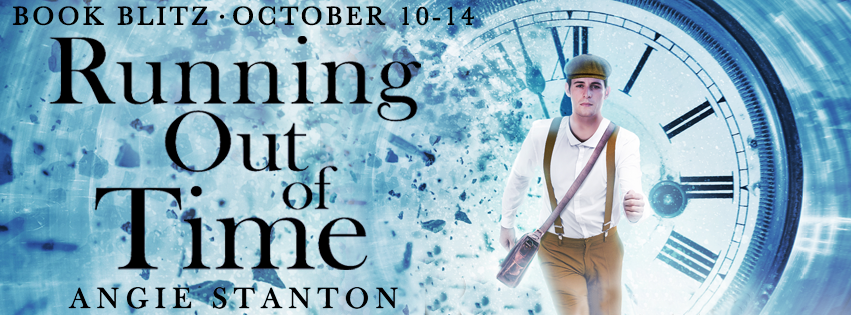
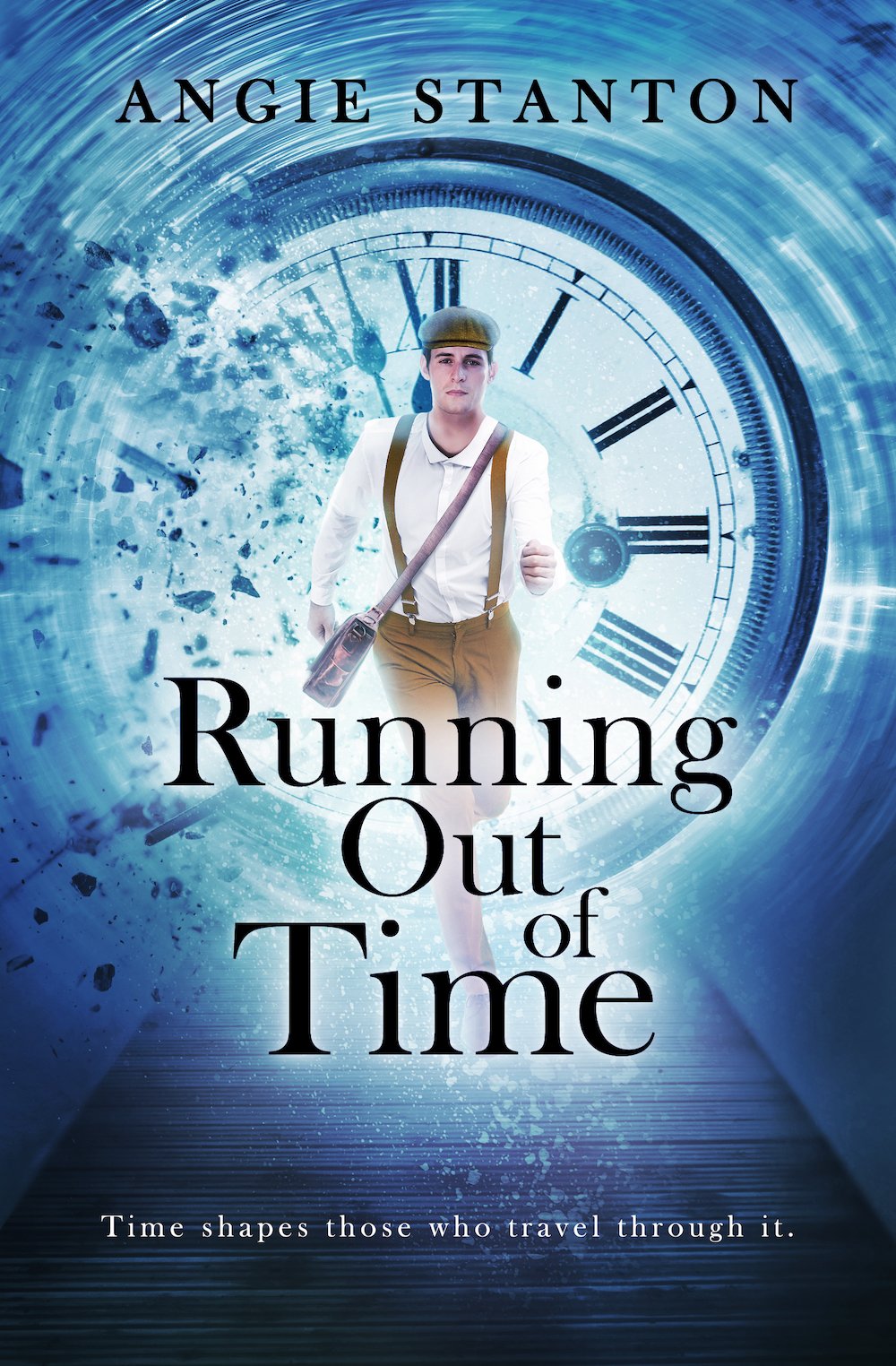
Spotlight: Running Out of Time by Angie Stanton

(Carillon Time Travel Series, #2)
Publication date: October 10th 2022
Genres: Adult, Romance, Time-Travel

Time shapes those who travel through it.

Running Out of Time is a love story—spanning across decades—of a young man lost in time who risks everything to save a modern-day girl who is trapped in the past. The wrinkle is that he only travels forward and she back, and their sole means of communication is a buried time capsule.

Excerpt

I glance at the infuriating girl out in the middle of the lake, and am incredulous to see her standing up in the boat trying to paddle with one oar. What in God’s name is she doing? I mutter a curse. She will be the death of me yet.

I lower my head and row with all my strength hoping to reach her before she topples into the lake. Then the sky opens up and rain pours down in cold, heavy sheets and the air temperature plummets. Within a minute I’m drenched to the bone. 

Finally, I’ve caught up to her and glide my boat up towards hers. She’s entirely soaked, her hair flattened to her scalp, and she’s huddled up, her arms wrapped around herself, her legs bunched close, shivering. She could have died out here. 

I am so angry, I yell. “Have you gone daft!”

And she has the audacity to grin. 

“Clearly, you have.” I clench my jaw ready to wring her neck but first secure her boat to mine.  Then I return my attention to the foolish young woman whose cheeks are chafed and red from the cold. “You think you can climb into my boat?”

“Of course. I’m not helpless,” she yells over the downpour.

I raise an arched brow. Rainwater runs down my face and into my mouth. I spew it out. “I believe you’ve just proven otherwise.”

With one hand I grip the sides of the two rowboats and extend my other. “Take my hand.”

Her expression is a combination of relief and something else. Perhaps it’s determination as this girl is no shrinking violet. She reaches out. I grasp her hand firmly. Despite the rain, wind and rocking of the boats, I notice the delicate hold of her long fingers as she stumbles across the boats in a most unladylike fashion. 

I guide her to the bench seat across from me. She’s shivering and pale, and gripping her arms for warmth.

“Are you alright?” 

“Never better,” she manages, her teeth chattering.

I strain against the oars, pulling stroke after stroke, my muscles aching from the long trek. The girl, whose name I still have not learned, hasn’t stopped watching me. It’s as if she’s studying a lab specimen. She appears tiny and defenseless in her pretty little dress and shoes that are likely now ruined. With my hands gripping the oars, rain runs freely down my face and into my eyes and mouth.

 Suddenly, she smiles, and her face lights up despite the rain and the leaden gray of the sky.

“What is so funny?” I snap between pulls.

“I knew you’d have to talk with me eventually, but I never imagined this is how it happens.”

Buy on Amazon

About the Author

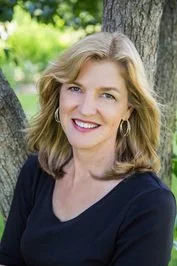
Angie Stanton is the award winning, best selling author of Don't Call Me Greta, If Ever, Waking in Time, Rock and a Hard Place, Snapshot, Royally Lost, Dream Chaser, Under the Spotlight, Snowed Over, and Love ‘em or Leave ‘em.

A few of her awards include:
If Ever
★ National Readers' Choice Award Winner
★ HOLT Medallion Award Winner
★ Write Touch Readers' Award Winner
Waking in Time:
★ Midwest Book Award Winner
★ National Readers' Choice Award Finalist
Angie has a Journalism degree from the University of Wisconsin. Her books have been translated in German, French, Spanish, and Bulgarian.

A life-long daydreamer, she’s put her talent to use writing contemporary fiction about life, love, and the adventures that follow. In her spare time, Angie loves to sneaks off to enjoy the best live entertainment on earth, Broadway. She is currently working on her next book and is a contributing writer to BroadwayWorld.com.

For more information on Angie and her books, please visit: www.angiestanton.com
Facebook.com/AngieStantonAuthor
Twitter: @angie_stanton
Instagram angiestanton_author

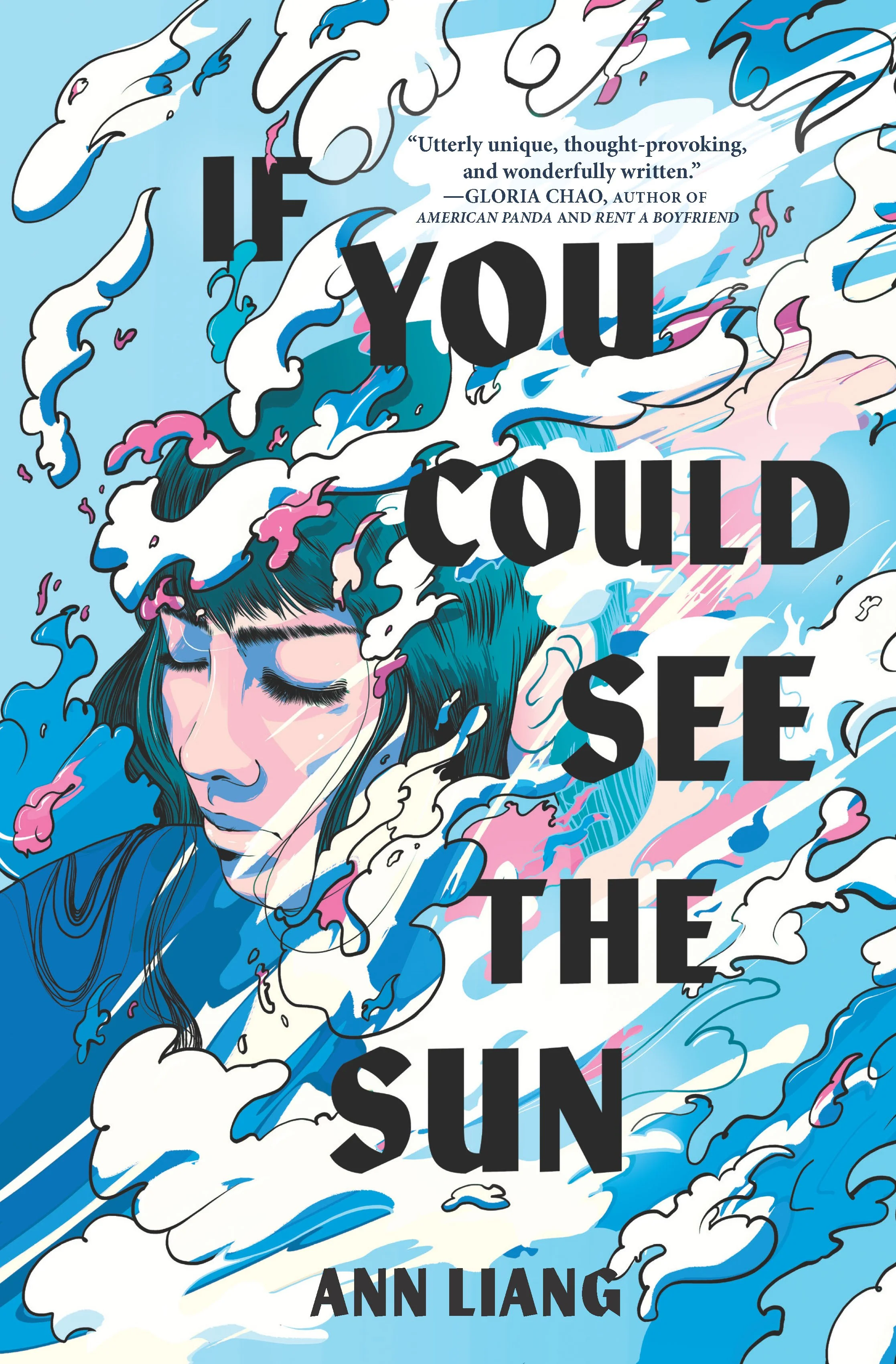
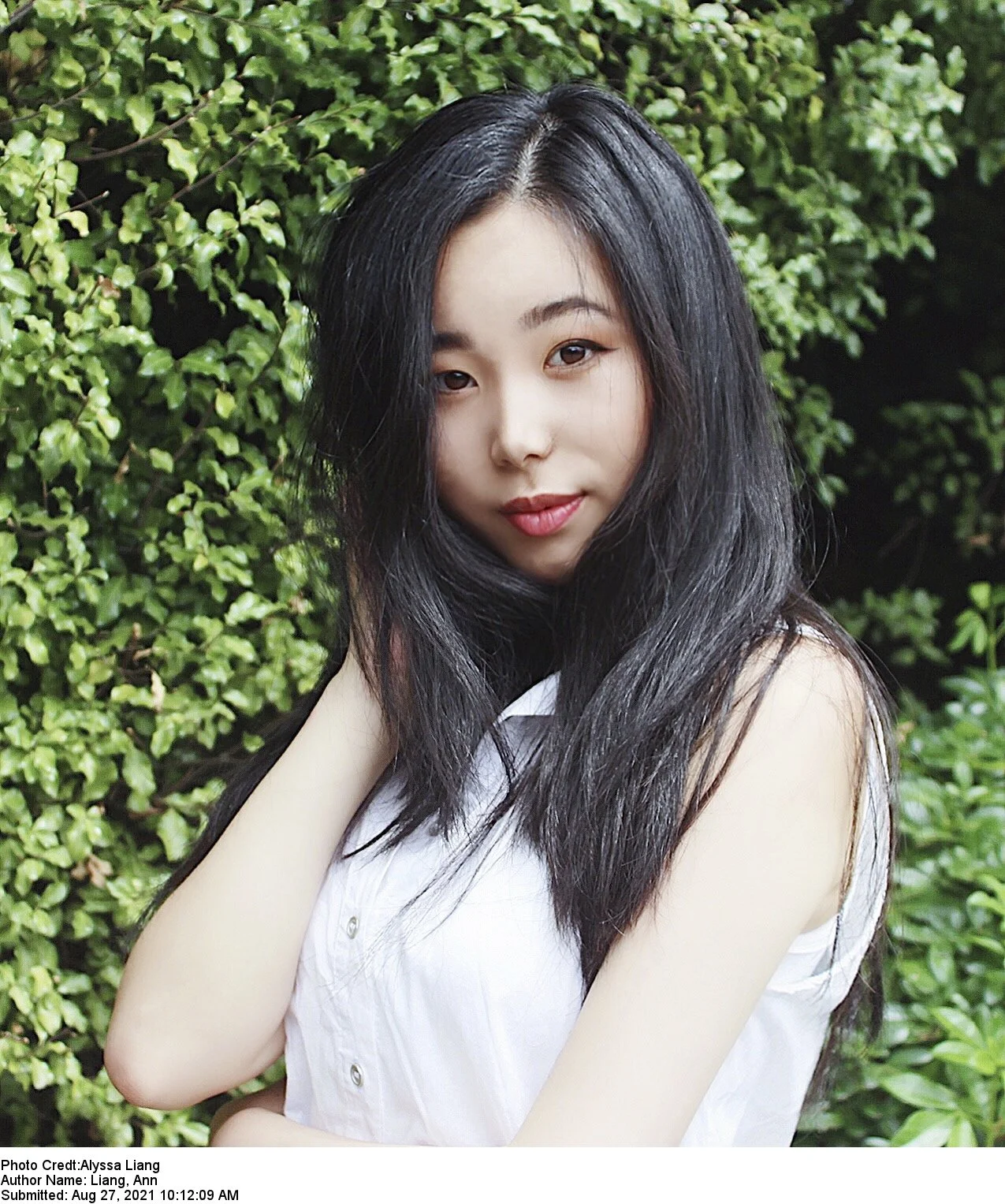
Spotlight: If You Could See the Sun by Ann Liang

Young Adult Fiction / Fantasy / Contemporary 

352 pages

In a YA debut that’s Gossip Girl with a speculative twist, a Chinese American girl monetizes her strange new invisibility powers by discovering and selling her wealthy classmates’ most scandalous secrets.

Alice Sun has always felt invisible at her elite Beijing international boarding school, where she’s the only scholarship student among China’s most rich and influential teens. But then she starts uncontrollably turning invisible—actually invisible.

When her parents drop the news that they can no longer afford her tuition, even with the scholarship, Alice hatches a plan to monetize her strange new power—she’ll discover the scandalous secrets her classmates want to know, for a price.

But as the tasks escalate from petty scandals to actual crimes, Alice must decide if it’s worth losing her conscience—or even her life.

Excerpt

1

My parents only ever invite me out to eat for one of three reasons. One, someone’s dead (which, given the ninety-something members in our family WeChat group alone, happens more often than you’d think). Two, it’s someone’s birthday. Or three, they have a life-changing announcement to make.

Sometimes it’s a combination of all the above, like when my great-grandaunt passed away on the morning of my twelfth birthday, and my parents decided to inform me over a bowl of fried sauce noodles that they’d be sending me off to Airington International Boarding School.

But it’s August now, the sweltering summer heat palpable even in the air-conditioned confines of the restaurant, and no one in my immediate family has a birthday this month. Which, of course, leaves only two other possibilities…

The anxious knot in my stomach tightens. It’s all I can do not to run right back out through the glass double doors. Call me weak or whatever, but I’m in no state to handle bad news of any kind.

Especially not today.

“Alice, what you look so nervous for ya?” Mama asks as an unsmiling, qipao-clad waitress leads us over to our table in the back corner.

We squeeze past a crowded table of elderly people sharing a giant pink-tinted cream cake shaped like a peach, and what appears to be a company lunch, with men sweating in their stuffy collared shirts and women dabbing white powder onto their cheeks. A few of them twist around and stare when they notice my uniform. I can’t tell if it’s because they recognize the tiger crest emblazoned on my blazer pocket, or because of how grossly pretentious the design looks compared to the local schools’ tracksuits.

“I’m not nervous,” I say, taking the seat between her and Baba. “My face just always looks like this.” This isn’t exactly a lie. My aunt once joked that if I were ever found at a crime scene, I’d be the first one arrested based solely on my expression and body language. Never seen anyone as jumpy as you, she’d said. Must’ve been a mouse in your past life.

I resented the comparison then, but I can’t help feeling like a mouse now—one that’s about to walk straight into a trap.

Mama moves to pass me the laminated menu. As she does, light spills onto her bony hands from the nearby window, throwing the ropey white scar running down her palm into sharp relief. A pang of all-too-familiar guilt flares up inside me like an open flame.

“Haizi,” Mama calls me. “What do you want to eat?”

“Oh. Uh, anything’s fine,” I reply, quickly averting my gaze.

Baba breaks apart his disposable wooden chopsticks with a loud snap. “Kids these days don’t know how lucky they are,” he says, rubbing the chopsticks together to remove any splinters before helping me do the same. “All grow up in honey jar. You know what I eat at your age? Sweet potato. Every day, sweet potato.”

As he launches into a more detailed description of daily life in the rural villages of Henan, Mama waves the waitress over and lists off what sounds like enough dishes to feed the entire restaurant.

“Ma,” I protest, dragging the word out in Mandarin. “We don’t need—”

“Yes, you do,” she says firmly. “You always starve whenever school starts. Very bad for your body.”

Despite myself, I suppress the urge to roll my eyes. Less than ten minutes ago, she’d been commenting on how my cheeks had grown rounder over the summer holidays; only by her logic is it possible to be too chubby and dangerously undernourished at the same time.

When Mama finally finishes ordering, she and Baba exchange a look, then turn to me with expressions so solemn I blurt out the first thing that comes to mind: “Is—is my grandpa okay?”

Mama’s thin brows furrow, accentuating the stern features of her face. “Of course. Why you ask?”

“N-nothing. Never mind.” I allow myself a small sigh of relief, but my muscles remain tensed, as if bracing for a blow. “Look, whatever the bad news is, can we just—can we get it over with quickly? The awards ceremony is in an hour and if I’m going to have a mental breakdown, I need at least twenty minutes to recover before I get on stage.”

Baba blinks. “Awards ceremony? What ceremony?”

-

My concern temporarily gives way to exasperation. “The awards ceremony for the highest achievers in each year level.”

He continues to stare at me blankly.

“Come on, Ba. I’ve mentioned it at least fifty times this summer.”

I’m only exaggerating a little. Sad as it sounds, those fleeting moments of glory under the bright auditorium spotlight are all I’ve been looking forward to the past couple of months.

Even if I have to share them with Henry Li.

As always, the name fills my mouth with something sharp and bitter like poison. God, I hate him. I hate him and his flawless, porcelain skin and immaculate uniform and his composure, as untouchable and unfailing as his ever-growing list of achievements. I hate the way people look at him and see him, even if he’s completely silent, head down and working at his desk.

I’ve hated him ever since he sauntered into school four years ago, brand-new and practically glowing. By the end of his first day, he’d beat me in our history unit test by a whole two-point-five marks, and everyone knew his name.

Just thinking about it now makes my fingers itch.

Baba frowns. Looks to Mama for confirmation. “Are we meant to go to this—this ceremony thing?”

“It’s students only,” I remind him, even though it wasn’t always this way. The school decided to make it a more private event after my classmate’s very famous mother, Krystal Lam, showed up to the ceremony and accidentally brought the paparazzi in with her. There were photos of our auditorium floating around all over Weibo for days afterward.

“Anyway, that’s not the point. The point is that they’re handing out awards and—”

“Yes, yes, all you talk about is award,” Mama interrupts, impatient. “Where your priorities, hmm? Does that school of yours not teach you right values? It should go family first, then health, then saving for retirement, then—are you even listening?”

I’m spared from having to lie when our food arrives.

In the fancier Peking duck restaurants like Quanjude, the kind of restaurants my classmates go to frequently without someone having to die first, the chefs always wheel out the roast duck on a tray and carve it up beside your table. It’s almost an elaborate performance; the crispy, glazed skin coming apart with every flash of the blade to reveal the tender white meat and sizzling oil underneath.

But here the waitress simply presents us with a whole duck chopped into large chunks, the head still attached and everything.

Mama must catch the look on my face because she sighs and turns the duck head away from me, muttering something about my Western sensibilities.

More dishes come, one by one: fresh cucumbers drizzled with vinegar and mixed with chopped garlic, thin-layered scallion pancakes baked to a perfect crisp, soft tofu swimming in a golden-brown sauce and sticky rice cakes dusted with a fine coat of sugar. I can already see Mama measuring out the food with her shrewd brown eyes, most likely calculating how many extra meals she and Baba can make from the leftovers.

I force myself to wait until both Mama and Baba have taken few bites of their food to venture, “Um. I’m pretty sure you guys were going to tell me something important…?”

In response, Baba takes a long swig from his still-steaming cup of jasmine tea and swishes the liquid around in his mouth as if he’s got all the time in the world. Mama sometimes jokes that I take after Baba in every way—from his square jaw, straight brows and tan skin to his stubborn perfectionist streak. But I clearly haven’t inherited any of his patience.

“Baba,” I prompt, trying my best to keep my tone respectful.

He holds up a hand and drains the rest of his tea before at last opening his mouth to speak. “Ah. Yes. Well, your Mama and I were thinking… How you feel about going to different school?”

“Wait. What?” My voice comes out too loud and too shrill, cutting through the restaurant chatter and cracking at the end like some prepubescent boy’s. The company workers from the table nearby stop midtoast to shoot me disapproving looks. “What?” I repeat in a whisper this time, my cheeks heating.

“Maybe you go to local school like your cousins,” Mama says, placing a piece of perfectly wrapped Peking duck down on my plate with a smile. It’s a smile that makes alarm bells go off in my head. The kind of smile dentists give you right before yanking your teeth out. “Or we let you go back to America. You know my friend, Auntie Shen? The one with the nice son—the doctor?”

I nod slowly, as if two-thirds of her friends’ children aren’t either working or aspiring doctors.

-

“She says there’s very nice public school in Maine near her house. Maybe if you help work for her restaurant, she let you stay—”

“I don’t get it,” I interrupt, unable to help myself. There’s a sick feeling in the pit of my stomach, like that time I ran too hard in the school Sports Carnival just to beat Henry and nearly threw up all over the courtyard. “I just… What’s wrong with Airington?”

Baba looks a little taken aback by my response. “I thought you hated Airington,” he says, switching to Mandarin.

“I never said I hated—”

“You once printed out a picture of the school logo and spent an entire afternoon stabbing it with your pen.”

“So, I wasn’t the biggest fan in the beginning,” I say, setting my chopsticks down on the plastic tablecloth. My fingers tremble slightly. “But that was five years ago. People know who I am now. I have a reputation—a good one. And the teachers like me, like really like me, and most of my classmates think I’m smart and—and they actually care what I have to say…” But with every word that tumbles out of my mouth, my parents’ expressions grow grimmer, and the sick feeling sharpens into ice-cold dread. Still, I plow on, desperate. “And I have my scholarship, remember? The only one in the entire school. Wouldn’t it be a waste if I just left—”

“You have half scholarship,” Mama corrects.

“Well, that’s the most they’re willing to offer…” Then it hits me. It’s so obvious I’m stunned by own ignorance; why else would my parents all of a sudden suggest taking me out of the school they spent years working tirelessly to get me into?

“Is this… Is this about the school fees?” I ask, keeping my voice low so no one around us can overhear.

-

Mama says nothing at first, just fiddles with the loose button on her dull flower-patterned blouse. It’s another cheap supermarket purchase; her new favorite place to find clothes after Yaxiu Market was converted into a lifeless mall for overpriced knockoff brands.

“That’s not for you to worry,” she finally replies.

Which means yes.

I slump back in my seat, trying hard to collect my thoughts. It’s not as if I didn’t know that we’re struggling, that we’ve been struggling for some time now, ever since Baba’s old printing company shut down and Mama’s late shifts at Xiehe Hospital were cut short. But Mama and Baba have always been good at hiding the extent of it, waving away any of my concerns with a simple “just focus on your studies” or “silly child, does it look like we’d let you starve?”

I look across the table at them now, really look at them, and what I see is the scattering of white hairs near Baba’s temples, the tired creases starting to show under Mama’s eyes, the long days of labor taking their toll while I stay sheltered in my little Airington bubble. Shame roils in my gut. How much easier would their lives be if they didn’t have to pay that extra 165,000 RMB every year?

“What, um, were the choices again?” I hear myself say. “Local Beijing school or public school in Maine?”

Evident relief washes over Mama’s face. She dips another piece of Peking duck in a platter of thick black sauce, wraps it tight in a sheet of paper-thin pancake with two slices of cucumber—no onions, just the way I like it—and lays it down on my plate. “Yes, yes. Either is good.”

I gnaw on my lower lip. Actually, neither option is good. 

-

Going to any local school in China means I’ll have to take the gaokao, which is meant to be one of the hardest college entrance exams as it is without my primary school–level Chinese skills getting in the way. And as for Maine—all I know is that it’s the least diverse state in America, my understanding of the SATs is pretty much limited to the high school dramas I’ve watched on Netflix, and the chances of a public school there letting me continue my IB coursework are very low.

“We don’t have to decide right now,” Mama adds quickly. “Your Baba and I already pay for your first semester at Airington. You can ask teachers, your friends, think about it a bit, and then we discuss again. Okay?”

“Yeah,” I say, even though I feel anything but okay. “Sounds great.”

Baba taps his knuckles on the table, making both of us start. “Aiya, too much talking during eating time.” He jabs his chopsticks at the plates between us. “The dishes already going cold.”

As I pick up my own chopsticks again, the elderly people at the table beside us start singing the Chinese version of “Happy Birthday,” loud and off-key. “Zhuni shengri kuaile… Zhuni shengri kuaile…” The old nainai sitting in the middle nods and claps her hands together to the beat, smiling a wide, toothless grin.

At least someone’s leaving this restaurant in higher spirits than when they came in.

Sweat beads and trickles from my brow almost the instant I step outside. The kids back in California always complained about the heat, but the summers in Beijing are stifling, merciless, with the dappled shade of wutong trees planted up and down the streets often serving as the sole source of relief.

Right now it’s so hot I can barely breathe. Or maybe that’s just the panic kicking in.

“Haizi, we’re going,” Mama calls to me. Little plastic take-out bags swing from her elbow, stuffed full with everything—and I mean everything—left over from today’s lunch. She’s even packed the duck bones.

I wave at her. Exhale. Manage to nod and smile as Mama lingers to offer me her usual parting words of advice: Don’t sleep later than eleven or you die, don’t drink cold water or you die, watch out for child molesters on your way to school, eat ginger, lot of ginger, remember check air quality index every day…

Then she and Baba are off to the nearest subway station, her petite figure and Baba’s tall, angular frame quickly swallowed up by the crowds, and I’m left standing all alone.

A terrible pressure starts to build at the back of my throat.

No. I can’t cry. Not here, not now. Not when I still have an awards ceremony to attend—maybe the last awards ceremony I’ll ever go to.

I force myself to move, to focus on my surroundings, anything to pull my thoughts from the black hole of worry swirling inside my head.

An array of skyscrapers rises up in the distance, all glass and steel and unabashed luxury, their tapered tips scraping the watery-blue sky. If I squint, I can even make out the famous silhouette of the CCTV headquarters. Everyone calls it The Giant Underpants because of its shape, though Mina Huang— whose dad is apparently the one who designed it—has been trying and failing for the past five years to make people stop.

My phone buzzes in my skirt pocket, and I know without looking that it’s not a text (it never is) but an alarm: only twenty minutes left until assembly begins. I make myself walk faster, past the winding alleys clogged with rickshaws and vendors and little yellow bikes, the clusters of convenience stores and noodle shops and calligraphed Chinese characters blinking across neon signs all blurring by.

The traffic and crowds thicken as I get closer toward the Third Ring Road. There are all kinds of people everywhere: balding uncles cooling themselves with straw fans, cigarettes dangling out of mouths, shirts yanked halfway up to expose their sunburned bellies, the perfect picture of I-don’t-give-a-shit; old aunties strutting down the sidewalks with purpose, dragging their floral shopping trolleys behind them as they head for the open markets; a group of local school students sharing large cups of bubble tea and roasted sweet potatoes outside a mini snack stall, stacks of homework booklets spread out on a stool between them, gridded pages fluttering in the breeze.

As I stride past, I hear one of the students ask in a dramatic whisper, their words swollen with a thick Beijing accent, “Dude, did you see that?”

“See what?” a girl replies.

I keep walking, face forward, doing my best to act like I can’t hear what they’re saying. Then again, they probably assume I don’t understand Chinese anyway; I’ve been told time and time again by locals that I have a foreigner’s air, or qizhi, whatever the hell that’s supposed to mean.

“She goes to that school. That’s where that Hong Kong singer—what’s her name again? Krystal Lam?—sends her daughter, and the CEO of SYS as well… Wait, let me just Baidu it to check…”

“Wokao!” the girl swears a few seconds later. I can practically feel her gaping at the back of my head. My face burns. “330,000 RMB for just one year? What are they teaching, how to seduce royalty?” Then she pauses. “But isn’t it an international school? I thought those were only for white people.”

“What do you know?” the first student scoffs. “Most international students just have foreign passports. It’s easy if you’re rich enough to be born overseas.”

This isn’t true at all: I was born right here in Beijing and didn’t move to California with my parents until I was seven. And as for being rich… No. Whatever. It’s not like I’m going to turn back and correct him. Besides, I’ve had to recount my entire life story to strangers enough times to know that sometimes it’s easier to just let them assume what they want.

Without waiting for the traffic lights to turn—no one here really follows them anyway—I cross the road, glad to put some distance between me and the rest of their conversation. Then I make a quick to-do list in my head.

It’s what works best whenever I’m overwhelmed or frustrated. Short-term goals. Small hurdles. Things within my control. Like:

One, make it through entire awards ceremony without pushing Henry Li off the stage.

Two, turn in Chinese essay early (last chance to get in Wei Laoshi’s good graces).

Three, read history course syllabus before lunch.

Four, research Maine and closest public schools in Beijing and figure out which place offers highest probability of future success—if any—without breaking down and/or hitting something.

See? All completely doable.

Excerpted from If You Could See the Sun by Ann Liang, Copyright © 2022 by Ann Liang. Published by Inkyard Press.

Buy on Amazon | Audible | Bookshop.org

About the Author
Ann Liang is an undergraduate at the University of Melbourne. Born in Beijing, she grew up travelling back and forth between China and Australia, but somehow ended up with an American accent. When she isn’t stressing out over her college assignments or writing, she can be found making over-ambitious to-do lists, binge-watching dramas, and having profound conversations with her pet labradoodle about who’s a good dog. This is her debut novel.

Connect:

Author website: https://www.annliang.com/

Instagram: https://www.instagram.com/annliangwrites/

Twitter: https://twitter.com/annliangy

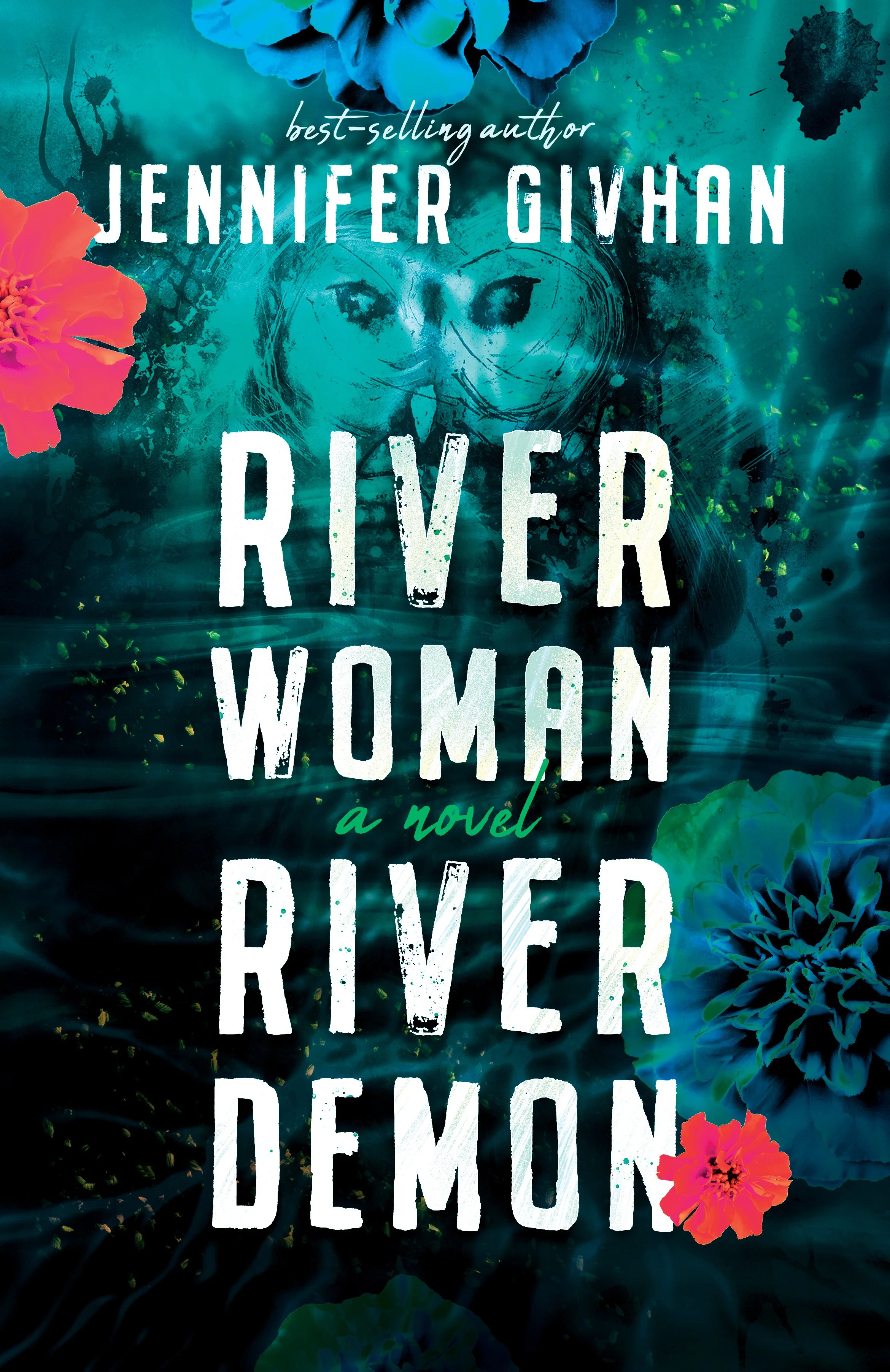
Spotlight: River Woman, River Demon by Jennifer Givhan

Award-winning Mexican-American and Indigenous author Jennifer Givhan brings us an exquisitely written, spell-binding psychological thriller—weaving together folk magick with personal and cultural empowerment—that is perfect for fans of Mexican Gothic.

When Eva’s husband is arrested for the murder of a friend, she must confront her murky past and embrace her magick to find out what really happened that night on the river.

Eva Santos Moon is a burgeoning Chicana artist who practices the ancient, spiritual ways of brujería and curanderisma, but she’s at one of her lowest points—suffering from disorienting blackouts, creative stagnation, and a feeling of disconnect from her magickal roots. When her husband, a beloved university professor and the glue that holds their family together, is taken into custody for the shocking murder of their friend, Eva doesn’t know whom to trust—least of all, herself. She soon falls under suspicion as a potential suspect, and her past rises to the surface, dredging up the truth about an eerily similar death from her childhood.

Struggling with fragmented memories and self-doubt, an increasingly terrified Eva fears that she might have been involved in both murders. But why doesn’t she remember? Only the dead women know for sure, and they’re coming for her with a haunting vengeance. As she fights to keep her family out of danger, Eva realizes she must use her magick as a bruja to protect herself and her loved ones, while confronting her own dark history.

River Woman, River Demon is a mysterious incantation of reckoning with the past and claiming one’s unique power and voice.

Excerpt

Chapter 1

October 18

It isn’t the first time I hear a woman howling from the water.

The river that flows alongside my property keeps me close to Karma, even as it reminds me of my apple-cheeked friend who drowned when we were fifteen-year-olds in the girldom-womanlost space where Karma got caught, where she ghosts the borderlands between almost-woman and never. In my Mexica culture, a woman forever yowls beside a ditch bank. Or a girl. Depending on which story you believe. She’s supposed to be a mother, but in some versions, she never grows beyond round-breasted girlhood. She bears the body for mothering but drowns before she’s given the chance. 

The water laps over the sides of the tub, jarring me back. I flip the faucet off with my toes and recline deeper, staring out the window at the waxing moon. A sliver of candlelight against the glass sends a shadowing across my center. Where it aches. I hold my breath and lower my head into the bathwater, eyes wide, suds filming across my eyeballs as I attempt, again, to view the world the way she saw it, in the end. Each time I plunge myself beneath the surface, Karma appears. Girl I loved most in the world. Girl they say I drowned. 

Nothing comes we haven’t conjured or called, one way or another. 

I blink the spume away, staring at the bloated moon above, its face as round as last I saw Karma’s. The alcohol sopping my memory doesn’t help. Vodka tonight. It sloshes at the edges so I can’t remember when I went from my hot shop—where I must have spent hours, the furnace running, unable to create anything worthwhile, just imperfect glass for the junk pile—to the tub. Nor can I recall why I chose the bathwater over the warmth of my bed and Jericho’s body, or why the water beckons, perpetually calls me under. 

When I shut my eyes again, the moon disappears. How long did Karma hold her breath—I wonder every time as I hold my own—before she too vanished from this world. 

From River Woman, River Demon by Jennifer Givhan. Used with permission of the publisher, Blackstone Publishing. Copyright ©2022 by Jennifer Givhan.

Buy on Amazon | Audible | Bookshop.org

About the Author
Jennifer Givhan, a National Endowment for the Arts and PEN/Rosenthal Emerging Voices fellow, is a Chicana and Indigenous novelist, poet, and transformational coach. She is the author of Jubilee, which received an honorable mention for the 2021 Rudolfo Anaya Best Latino-Focused Fiction Book Award, and Trinity Sight, winner of the 2020 Southwest Book Award. She has also published five full-length poetry collections and her honors include the Frost Place Latinx Scholarship and the Joy Harjo Poetry Prize.