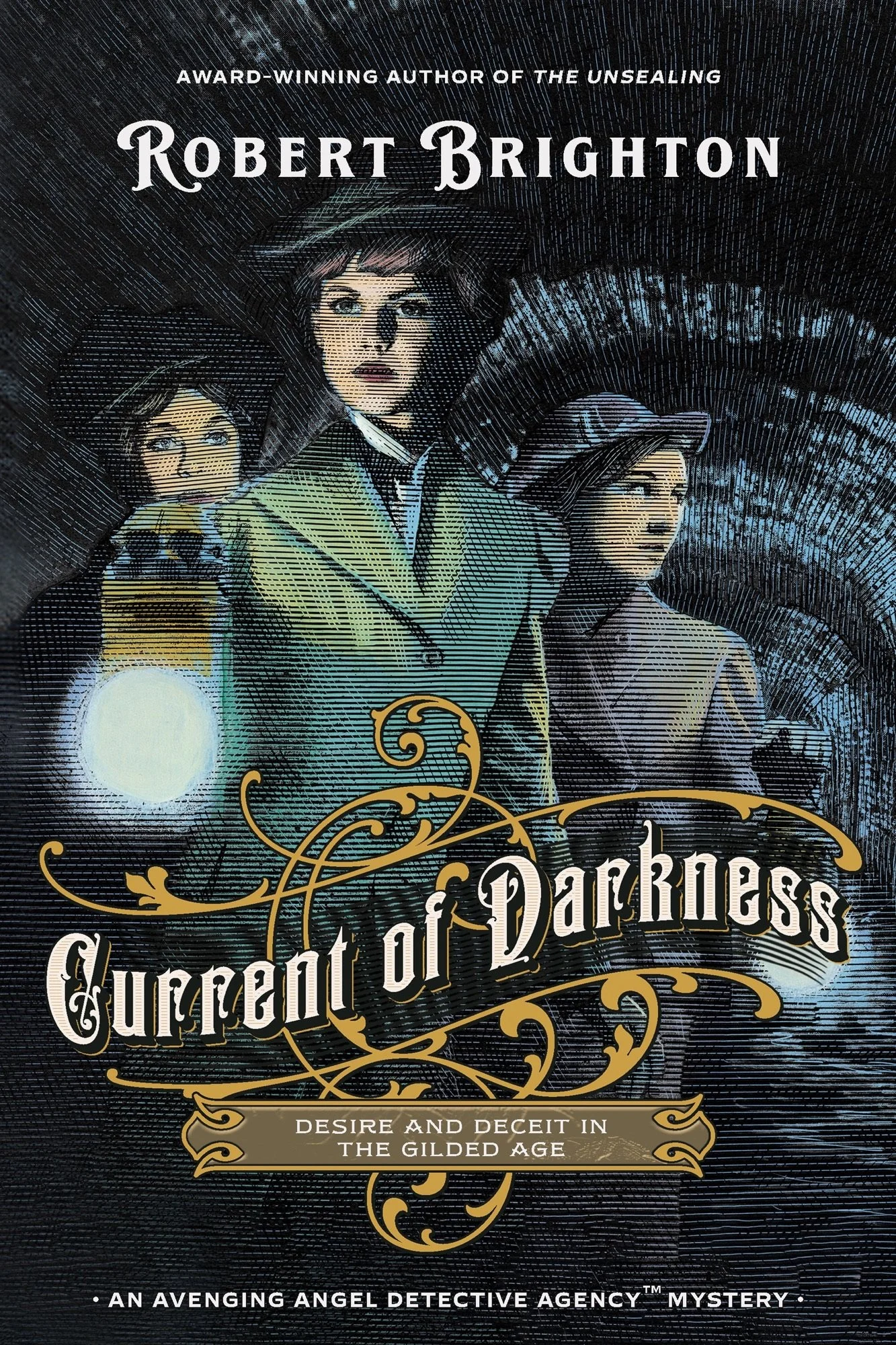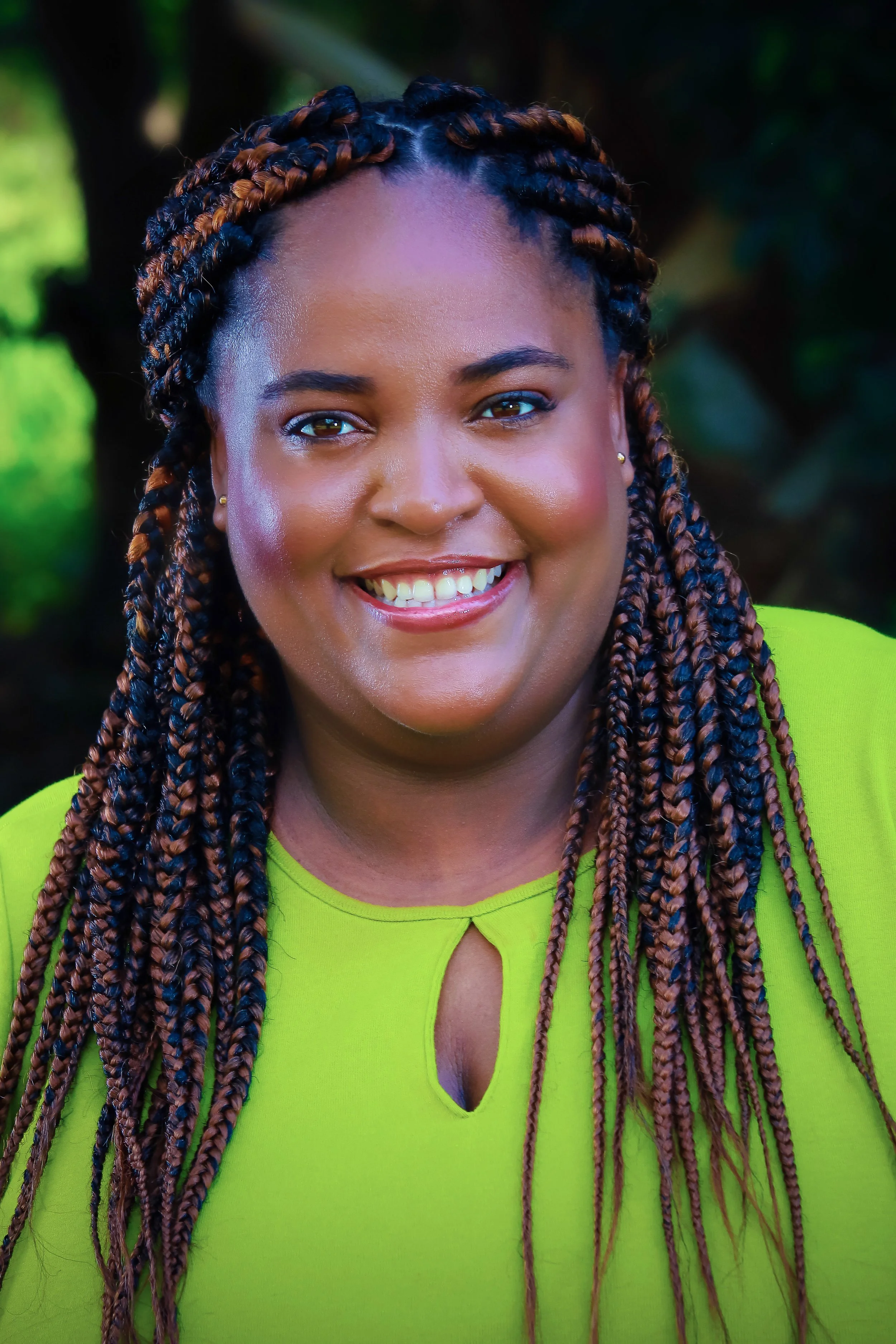
Spotlight: Current of Darkness by Robert Brighton

Publication date: March 19th 2024
Genres: Adult, Historical, Mystery

Synopsis:

A swirling tale of industrial espionage, love, and betrayal, Current of Darkness follows aspiring sleuth Sarah Payne behind the sleek, honeymoon façade of Gilded Age Niagara Falls and into a shadowy demimonde of ruthless union bosses, saboteurs, and tycoons-including the powerful, handsome, and mysterious Charles Kendall, whose intentions toward Sarah are unclear.

Meanwhile, sultry widow Alicia Miller is set on taking charge of her murdered husband’s company-only to find herself pitted against the new majority owner, who has his own ideas about women in the world of men. But cunning and captivating Alicia has ideas, too-and will stop at nothing to come out on top.

Both women will have to find the courage and resourcefulness-and set aside their own simmering feud-to survive in this “winning story of action, sabotage, cutthroat business dealings, and women daring to be something new at the dawn of the American century” (BookLife Reviews).

A captivating, page-turning, and immersive tale of industrial espionage, love, and betrayal – set against the backdrop of the glittering Gilded Age. Current of Darkness will draw readers in, and hold them under, until its final, explosive pages.

Read the Avenging Angel Detective Agency Mysteries in any order.

Excerpt

ALICIA MAKES AN OMELET

Excerpted from Current of Darkness: Desire & Deceit in the Gilded Age

A Novel by Robert Brighton
© 2024 Copper Nickel, LLC. All Rights Reserved.

When Alicia got back to the front door of Miller Envelope Company, damned if the thing wasn’t unlocked. She jerked the door open and saw none other than her Majority Owner, Howie Gaines, crossing the lobby, his foot almost to the first tread of the staircase.

“Howie!” she called, and he turned.

“Mrs. Miller,” he said. “I hope you weren’t waiting. I usually get here early.”

“We’ll talk about that in a minute,” she said. “But you need to come with me first.”

He returned to the front door. “What’s wrong?” he said.

“Follow me,” she said, crooking a finger. Together they walked along the Division Street side of the building and back to the loading dock area. The cigarette smoker was sitting on the loading dock again, smoking another cigarette. When he spied Gaines, he stubbed out his smoke and jumped down. “Mr. Gaines,” he said. “Good morning.”

“Shevlin,” Gaines said. “Good morning to you.”

“Go get those other two men who were with you just now,” Allie said to Shevlin, waving the back of her hand in his direction. He eyed her and then glanced at Gaines, who nodded. Shevlin hopped up on the loading dock, still trailing smoke, and went into the depths of the factory, and reemerged with the lanky man and the other one in tow.

“What is this all about?” Gaines asked Alicia.

“Teaching a lesson,” she said as the two men shuffled onto the dock with Shevlin. Allie looked up at them. “Who are these men?” she said to Howie, who stood by looking puzzled.

“Utz, on the left, and Kiesler. They’re two of our best delivery men.”

“Mr. Shevlin, Mr. Utz, Mr. Kiesler,” Alicia said. “We weren’t properly introduced earlier. I’m Alicia Hall Miller. Miller as in Miller Envelope. You must know it—it’s your employer.”

The three men could almost be heard to swallow audibly. The lanky man, Kiesler, who seemed to occupy a leadership role, cleared his throat. “We’re sorry, ma’am, about . . . earlier. Didn’t know who you were.”

“I see,” Alicia said. “You’re sorry, then.”

“Yes, ma’am,” Kiesler said.

“And you two? Are you sorry, as well?”

Utz and Shevlin nodded, somewhat sheepishly, mumbling assent.

“Well, good. Thank you for that,” she said. “Now, guess what else you are? In addition to ‘sorry’?”

The men looked back at her blankly.

“You’re fired,” she said. “All three of you. Right now. Go collect whatever shit you have in your lockers and get out.” She looked at her watch. “You have precisely two minutes to leave my property. If you don’t, you’ll wish you had. The chief of police owes me at least one favor.”

Gaines touched her arm. “Mrs. Miller,” he said under his breath, “a word?”

“What do you want?” she said, jerking her arm away. “These men were insufferably rude to me just a few minutes ago.”

“You can’t hire and fire people,” Howie said quietly, his face quite crimson. “You’re a minority owner. You don’t have the authority to—”

“I won’t make a habit of it, Gaines,” she said, “but I just did fire them, and fired they will remain. Now do not challenge me on this, or we’re going to have a very bad first day together.”

The three men were looking at Gaines and Alicia’s little sidebar conference. Gaines turned back to them. “You heard her,” he said. “You’re dismissed.”

The men muttered a few choice words and disappeared into the building to collect their belongings. Allie and Gaines trudged back to the front entrance.

“Those are—were—three of our best workers, you know,” he said to her as they mounted the staircase inside. “Do you know how difficult it is to replace good laborers?”

“You can’t make an omelet without breaking a few eggs,” she said. “And do you know how difficult it is to replace customers? I don’t want anyone who represents our company to treat anyone in the way I was treated. It’s simply not acceptable. They merely picked on the wrong person today, but my guess is that they’re rude to everyone. And they’re the ones driving around delivering our product? Gaines, we need pleasant, polite people meeting our customers, not surly bastards like those three. And they’re lazy. Smokers are all lazy. Every last goddamn one of them.”

“Fine, fine,” Howie said, as they stood on the upper landing, outside their office. “I don’t disagree with you, but—”

“Then don’t,” Alicia said. “Don’t say, ‘I don’t disagree with you,’ and then begin disagreeing with me. I absolutely loathethat sort of thing. It reminds me of visitors who drop by and, after a few minutes, consult their watches and say, ‘Well, I’d better let you get back to your more pressing matters,’ or some such horseshit. They’re the ones with pressing matters, and they want to blame me for it. If I have pressing matters, I say so.”

Howie seemed perplexed.

“Do you understand, Gaines? It’s a simile. I’m drawing a comparison, so that you can understand what your new business partner hates.” One corner of her mouth rippled up.

“Yes, yes, I understand.”

“Then you know what I would like to do? When you introduce me to the company today—the whole staff—I am going to emphasize that every person who works here is going to treat everyone as though he were a customer. Or she. Or they’ll be hitting the bricks, just like Shevlin and company.”

“People aren’t going to like that,” he said, working the lock of their office door and putting his hand on the doorknob.

“Isn’t that their hard luck. Oh, and by the way”—she put her hand over his on the knob—“these offices open at 7:30, sharp. Not 7:45, not between 7:35 and 7:30. We can’t expect anyone else to be punctual and attentive to their jobs if we’re not. People look at us and decide what they can get away with. We have excellent streetcars here in Buffalo, and broad sidewalks, and so there’s no cause to be late. None. Understand?”

Howie smirked at her. “You will understand, Mrs. Miller, I don’t plan to be lectured by a minority owner—”

“It’s Alicia,” she said. “Or just Miller. Like any other business partner. Not Mrs. Miller. I’m not calling you Mr. Gaines, you can depend on that.”

“As you wish, Miller,” he said. “Now may I please go into my office?”

“It’s our office, and yes, you may.” 

Buy on Amazon Hardcover | Paperback | Bookshop.org
About the Author

Award-winning author Robert Brighton is an authority on the Gilded Age, and a great believer that the Victorian era was anything but stuffy. In his Avenging Angel Detective Agency Mysteries, Brighton exposes the turbulence of the era - its passions, dreams, and disasters - against a backdrop of careful research on the places, sights, sounds, and smells of the time. 

When he is not walking the streets in the footsteps of the Avenging Angels, sniffing out unsolved mysteries, Brighton is an adventurer. He has traveled in more than 50 countries around the world, personally throwing himself into every situation his characters will face - from underground ruins to opium dens - and (so far) living to tell about it. 

A graduate of the Sorbonne, Paris, Brighton is an avid student of early 20th Century history and literature, an ardent and relentless investigator, and an admirer of Emily Dickinson and Jim Morrison. He lives in Virginia with his wife and their two cats. 

Connect:

https://robertbrightonauthor.com/

https://www.instagram.com/avengingangeldetectiveagency/

https://www.pinterest.ca/robertbrightonauthor/

https://www.goodreads.com/author/show/7975296.Robert_Brighton

Spotlight: What If It Hurts by Shirl Rickman

Genre: Contemporary Romance 

Life is Anything But Predictable

Maddie Jennings knows about life changes and how quickly things can change. Suddenly single and uncertain of where she fit in the world, she starts her journey to discovering herself. Thousands of miles from the sleepy Texas town where she grew up, Maddie has a second chance of life and love. 

Ryder Evans is kind, patient, and easy going. Living life simply and without complications, he hasn’t made romance a priority. Until he meets the one woman who has him wish for more. 

As new love blossoms, Maddie finds herself torn between the life she left behind and the new one she’s building. Promises from an old flame threaten to burn her new dreams and the man who has captured her heart. 

There’s something easy about going back to the life you knew when the new is full of the unknown. Following your heart is a risk and will leave you wondering...

WHAT IF IT HURTS? 

Exclusive Excerpt:

​“I promise I came here to ask you out again. Officially.” 

“Okay,” she says, a bit nervously. 

I bring my hand up to cup her face. “There’s something about you. I want to find out exactly what that is.” I tell her. She leans her head into my palm and closes her eyes. “Will you go to dinner with me, Maddie?” Her eyes open, but she doesn’t say anything. I can see in her eyes that she is warring with something. “I know you just got here, and we’ve only just met, but…” 

“Yes,” she interrupts me. “Yes, I will go to dinner with you.” 

Taking a quick step back, I run my hand through my hair then I step back toward Maddie and pull her mouth to mine again. She comes willingly and she responds like I’m giving her exactly what she wants. 

Stepping back, I whisper, “I better go.” 

“You better go,” she says, like she is even less convinced of that decision than I am. 

“I better go,” I repeat and swiftly turn away and walk off the porch. She follows me to the edge, and I can finally see her. The moonlight glows just brightly enough for me to see kiss swollen lips. She is in a shirt with a cardigan and tiny shorts. God, she is sexy. 

“We’ll talk tomorrow and work out dinner,” I tell her. 

She nods, “Tomorrow.” 

“I want to kiss you again” I say, aloud. “But I won’t because if I do, I won’t be able to stop. So instead, I’m going to say goodnight, walk home and see you tomorrow.” I take a step backward. She remains motionless. 

“Goodnight, Maddie.” “Goodnight, Ryder, see you tomorrow.” 

I leave her standing on that porch for the second night in a row and it seems like each time, I’ve left a small part of me I didn’t know existed with her.

Buy on Amazon Kindle | Paperback

About the Author: 

Shirl Rickman is a writer, a dreamer, and an optimist. A small town Texas girl currently residing in the San Francisco Bay Area with her beautifully blended family and their three crazy dogs. When she's not dreaming up new love stories, Shirl can be found reading and drinking way too much coffee. She loves kindness, laughing and meeting her readers.

Connect with the Author: Facebook - Instagram - Website

Spotlight: You're Mine by Melody Anne

Genre: Small Town Romance 

Callan is a man always in control. Sasha is a woman with no plan. Will the two of them destroy each other, or will they go up in flames?

Callan is the next brother in the game of boxes to open his so-called gift. He’s being sent to the small town of Seaville. What does this mean? He has no idea. He thinks for a few minutes that there’s no way he’s going to play this game, but in the end, of course he does. Off he goes, making the journey from Seattle to the California Coast.

Sasha is happy all of the time. She’s a free spirit and lives each day as if it’s her last. She has no plans for the future other than hanging with her two best friends and protecting the town she loves so much.

When Callan waltzes into town saying he’s going to build a garish resort, she plans on stopping him. Neither of them has any idea that fate is playing a game with the two of them, along with her meddling aunt, and his diseased grandfather. They’re thrown together and the outcome is hilarity and a lot of change.

You will fall in love with Callan and Sasha, and the entire town of Seaville where you’ll hear stories of fishermen with cut off fingers, meddling old women in search of rich husbands, and the mayor’s wife looking for younger men. This is one adventure and one place you’ll wish was real so you could vacation right there.

Buy on Amazon Kindle | Paperback

About the Author

Melody Anne is a NYT best selling author of the popular series: Billionaire Bachelors, Surrender, Baby for the Billionaire, Unexpected Hero’s, Billionaire Aviators, Becoming Elena and some solo titles. As an aspiring author, she wrote for years, then officially published in 2011, finding her true calling, and a love of writing. Holding a Bachelor’s Degree in business, she loves to write about strong, powerful, businessmen and the corporate world.

Connect with the Author: Facebook - Instagram - Website

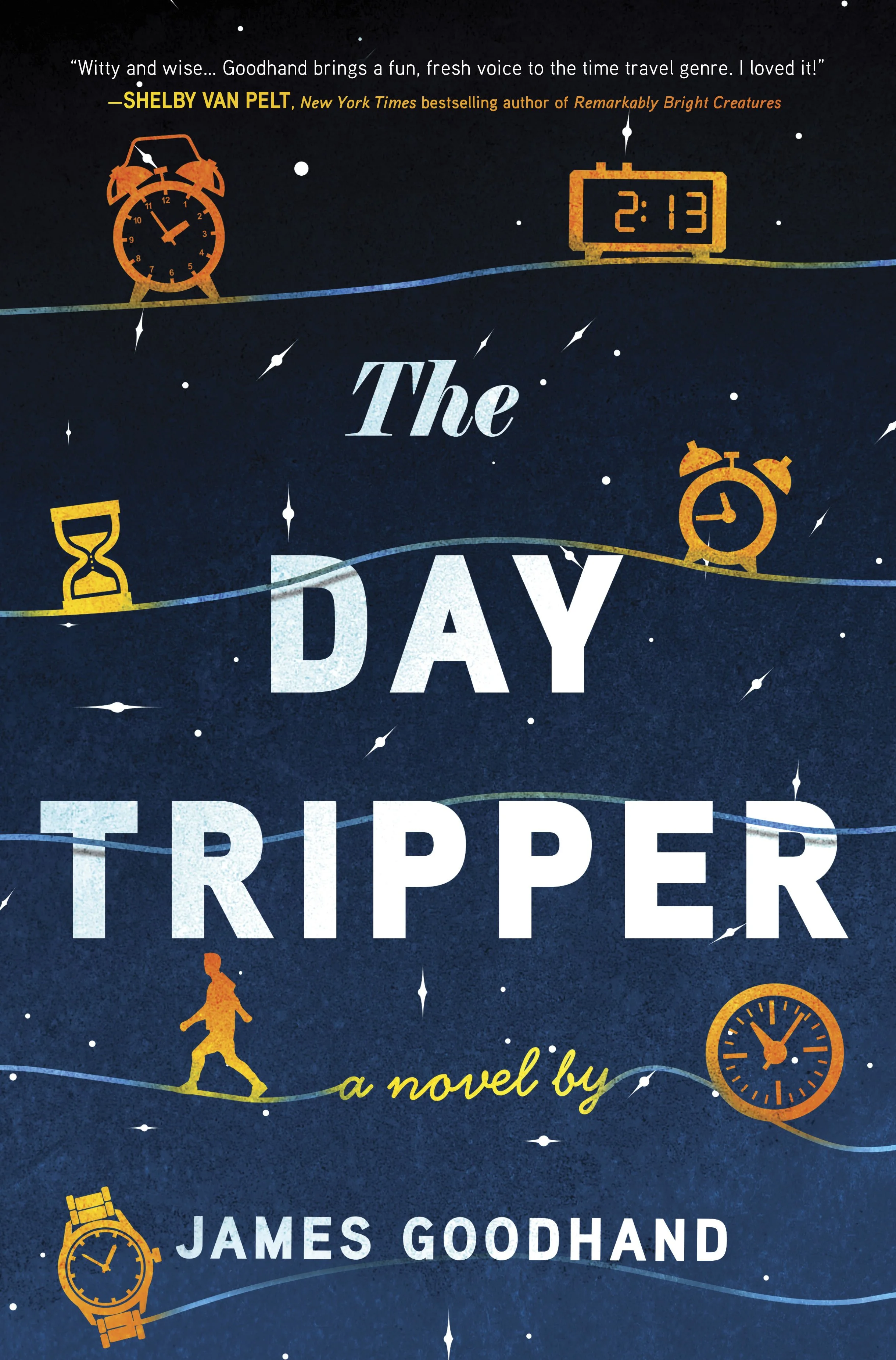
Spotlight: The Day Tripper by James Goodhand

What if you lived your days out of order?

It’s 1995, and twenty-year-old Alex Dean has it all: a spot at Cambridge University next year, the love of an amazing woman named Holly and all the time in the world ahead of him. That is until a brutal encounter with a ghost from his past sees him beaten, battered and almost drowning in the Thames.

He wakes the next day to find he’s in a messy, derelict room he’s never seen before, in grimy clothes he doesn’t recognize, with no idea of how he got there. A glimpse in the mirror tells him he’s older—much older—and has been living a hard life, his features ravaged by time and poor decisions. He snatches a newspaper and finds it’s 2010—fifteen years since the fight.

After finally drifting off to sleep, Alex wakes the following morning to find it’s now 2019, another nine years later. But the next day, it’s 1999. Never knowing which day is coming, he begins to piece together what happens in his life after that fateful night by the river.

Why does his life look nothing like he thought it would? What about Cambridge, and Holly? In this page-turning adventure, Alex must navigate his way through the years to learn that small actions have untold impact, even in a life lived out of order. And that might be all he needs to save the people he loves and, equally importantly, himself.

Excerpt

SEPTEMBER 6, 1995 | AGE 20

It’s three-deep at the bar, and I get my order in seconds before they ring for time. I double up: a JD and Coke each and two beers to take with us. The lights are up and the music’s gone quiet as I weave the tray through the punters. Standing in the doorway out to the terrace, I am disorientated. There must be fifty tables outside between here and the river and it’s still packed out, darker and smokier than ever. I search the crowd but can’t see Holly.

I negotiate my way down to the water’s edge. She’s maybe ten tables away, oblivious, a ciggie poised skyward in her fingers like she’s posing for Vettriano. I smirk, enjoy my good fortune again.

“Excuse me, good gentlemen,” I say to a group of four in my path, voice cocky with booze and lust. They shuffle over, not breaking from their conversation. The resulting gap between their circle and the edge of the path isn’t wide enough—a careless elbow would send the tray of drinks into the river, possibly me with them.

“If you don’t mind, guys?” I lay a palm on the forearm of the bloke with his back to me. Their circle opens out and he turns side-on, ushering me past. “Nice one,” I say, glancing at him as I pass.

I look back at the ground. There’s a delay in my brain processing who it is I’m walking past. There’s a moment in which it seems that we’ll just carry on, pretend like we don’t know each other.

The air thickens. Time slows. I stop, a step past him. Look again. Razor-sharp short back and sides, hooded eyes, lopsided mouth. Preppy. It’s a face I catch myself imagining sometimes, never for long. A waking nightmare. Not that my imagination does it justice. Not even close, I now realize.

His recognition of me unfolds in slow motion. Perhaps like me, alcohol has dulled his synapses, delayed the inevitable shift of mode.

Blake Benfield. There have been times in the past when just hearing that name in my head has stopped me dead, left me incapable.

How long since we last ran into each other? I was sixteen—best part of four years, then. Feels so recent. Our paths crossing has always been inevitable; we grew up barely a mile apart. He spat at me that last time, called me faggot cunt. The many times before that I’d just legged it, hidden from his fury and his hatred. But you get too old to do that.

This crowded place seems so quiet now. Like there’s cotton wool stuffed in my ears. The two bottles tip over on my trembling tray, foam splattering to the ground. One rolls over the edge and shatters on the concrete. People turn.

How long have we stood here, him glaring at me, me unable to hold his stare? Saying nothing. A few seconds? Feels longer.

There’s the smell of burned-out house in my nose. The sound of his whisper in my ears that I try to drown out.

Don’t think about it. Do not think about that day. 

Why do I shake? I’m a fucking grown man. Why am I shaking?

He takes a half step closer to me.

I once told him I was sorry. It was years ago—when I was still a kid. I was sorry. Does he remember?

I spin around. Where’s Holly? She must be watching this.

There’s no more delay. There is, of course, nothing for me and this bloke to say to each other. We have ventured into each other’s space, and that brings with it a remembering. And, as we always have, we must deal with that in our own way.

His knuckles graze my chin. I stumble backward and the tray falls to the ground. His swing is off, though; there is no pain. Not even surprise. We definitely have an audience now.

My response is pure instinct: palms raised, lean away. Easy now.

I don’t want to fight this man. I want to go back thirty seconds, walk a different route, have this night back for myself.

Blake closes the gap, my weakness an invitation. His second punch crashes into my ear like a swinging girder. My brain slaps side to side in my skull. Vision sways. My head boils, a cool trickle from my eardrum.

Where is Holly? Panic grips. I can’t just stand here and take this.

My eyes flit to our audience. He swings again, this time with his left. But I see it coming, dodge. He stumbles.

I drive my weight, shoulder first, into his ribs. He goes over, sprawled among the spilled drinks and shattered glass.

On all fours, he stares up at me. I’m perfectly positioned. I could kick him square in the face. End this right now. Why don’t I do it? Why can’t I bring myself to do it? I’d rather turn my back and cry than kick his head in.

He glares up at me. Why do I pity him? Why am I so uncomfortable towering over him like this? It’s like the positions we’ve always held have been reversed. The power is mine.

I let him find his feet.

He’s up and level with me again. He glares like a bloodthirsty dog, wipes his nose on the sleeve of his polo shirt. If we were alone, maybe I’d run. But with people watching, with Holly watching, that’s no option.

My punch lands perfectly. His jaws scissor against each other. For a second his head floats, eyes rolling.

I realize my error too late. I should’ve followed up when I had the chance. One punch is only enough in the movies, everyone knows that. His hands are on the collar of my shirt, cloth tearing as he holds firm. His forehead slams into the bridge of my nose like a sledgehammer. My face is suddenly and totally numb. I drop to the ground. A ruby-red stain spreads fast through the jewels of broken glass around me.

He shouts above me. Every filthy word I’ve long come to expect. Something soft disperses against my head. Spit.

The neck of the Stella bottle I dropped lies on the ground. Inches away. Blood gurgles in my mouth as I take a deep breath. I launch like a sprinter. Leading with the dagger of green glass, I’m aiming straight at his face and closing fast.

Blake backs into a table, stumbles, hands slow to cover his face. His eyes widen, abject fear. But this is no time to be derailed.

I see it too late. No time to react. One of Blake’s friends windmilling a table ashtray. The side of my skull cracks like thunder.

The ground feels like a cushion, drawing me in and bouncing me back. My vision finds enough order in time to see the sole of boot accelerating toward me, like a cartoon piano from the sky.

There is no pain. Just a sense of floating in space.

Time passes. More blows land.

The surface of the Thames billows like a black satin sheet as it rises toward me. There’s no fear. Is that Holly I can hear calling my name? It’s so distant, so hard to tell.

The river gathers me in like it’s here to take care of me.

Cool water spears my lungs like sharpened icicles. I sink forever.

A low hum builds in my ears. Lights fades to nothing.

And I sleep.

NOVEMBER 30, 2010 | AGE 35

My head throbs. It doesn’t matter if I open or close my eyes, the pain worsens either way. My mouth is like dust. Joints and muscles lie seized.

Last night is a blank. I hate that. I look above me. Focusing is excruciating. The ceiling is browny cream, textured in spikes like a Christmas cake. An unshaded bulb swings in the draft, the filament shivering. It’s really cold in here.

Where the fucking hell am I?

Excerpted from THE DAY TRIPPER by James Goodhand. Copyright © 2024 by James Goodhand. Published by MIRA Books, an imprint of HarperCollins.

Buy on Amazon Kindle | Audible | Hardcover | Bookshop.org

About the Author

James Goodhand has written two YA novels. His YA debut, Last Lesson, was called "a powerfully charged study in empathy," by the Financial Times. THE DAY TRIPPER is his adult debut. He lives in England with his wife and young son. 

GoodReads: https://www.goodreads.com/author/show/19321245.James_Goodhand 

Twitter: https://twitter.com/goodhand_james?lang=en 

Instagram: https://www.instagram.com/james.goodhand/ 

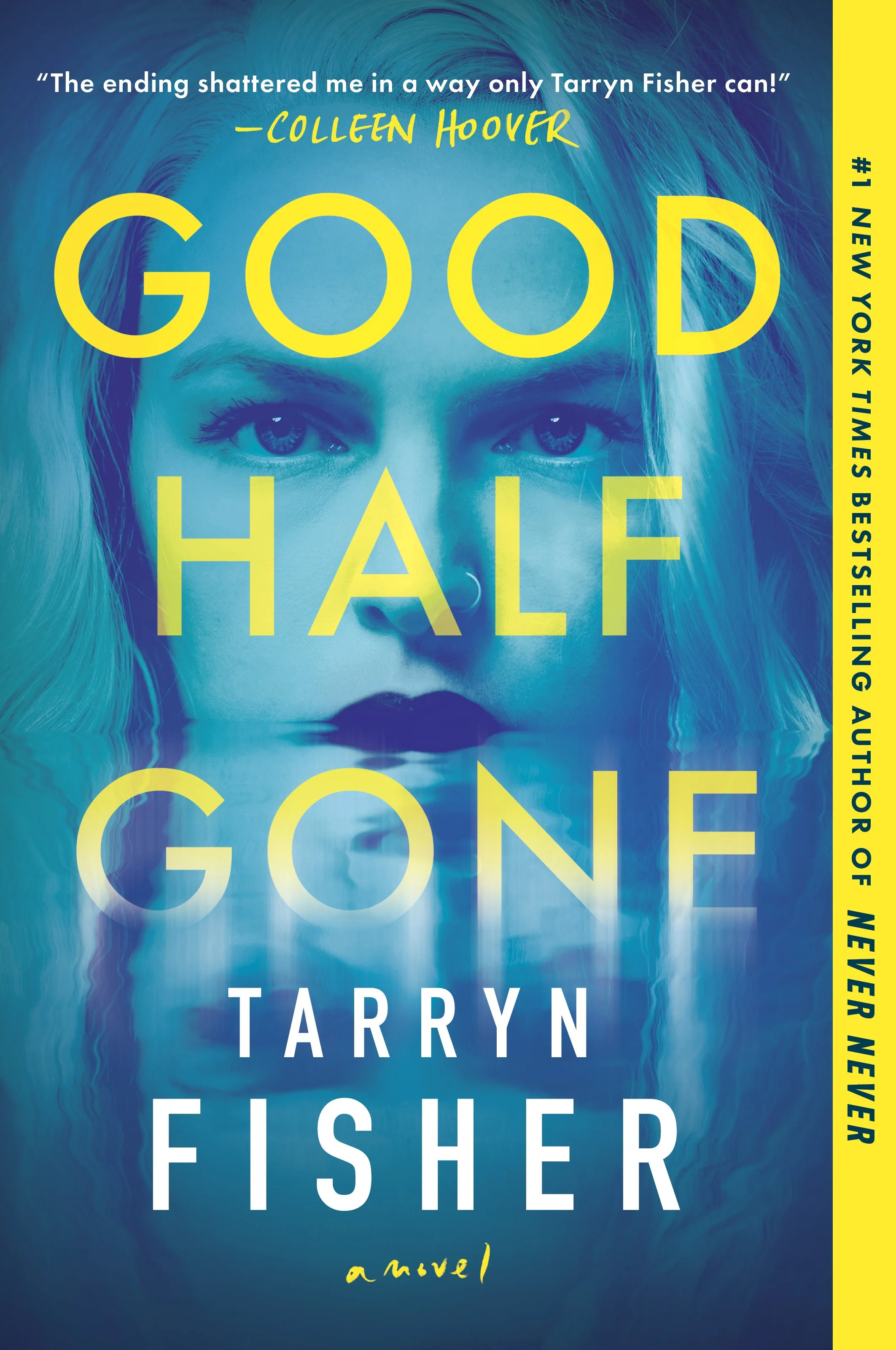
Spotlight: Good Half Gone by Tarryn Fisher

Publication Date: March 19, 2024

Publisher: Graydon House

Iris Walsh saw her twin sister Piper get kidnapped—so why does no one believe her?

Iris narrowly escaped her pretty, popular twin sister’s fate as a teen—kidnapped and trafficked and long gone before the cops agreed to investigate. Months later, Piper’s newborn son Callum was dropped on their estranged mother’s doorstep in the dead of night, with a note in Piper’s handwriting signed simply, Twin.

As an adult, Iris wants one thing—proof. Because she knows exactly who took Piper all those years ago, and she has a pretty good idea of who Callum’s father is. She just has to get close enough to prove it. And if the police won’t help, she’ll just have to do it her own way--by interning at the isolated Shoal Island Hospital for the criminally insane, where her target is kept under lock and key. Iris soon realizes that something sinister is bubbling beneath the surface of the Shoal, and that the patients aren’t the only ones being observed…

Excerpt

911, WHAT IS your emergency?” 

“Hello? Help me, please! They took my sister! Please hurry, I don’t know where they are. I can’t find them.” *rustling noise* *yells something* “Oh my god—oh my god. Piper!” 

“Ma’am, I need you to calm down so that I can understand you.” 

“Okay…” *crying* 

“Who took your sister?” 

“I don’t know! I don’t know them. Two guys. Dupont knows them, I—” 

“Miss, what is the address? Where are you?” 

“The theater on Pike, the Five Dollar…” *crying* “They took my phone, I’m calling from inside the theater.” 

“Wait right where you are, someone is going to be there to help shortly. Can you tell me what your name is?” 

*crying* 

“What is your name? Hello…?” 

*crying, indecipherable noises* 

“Can you tell me your name?” 

“Iris…” 

“What is your sister’s name, Iris? And how old is she?”

“Piper. She’s fifteen.” 

“Is she your older sister or younger sister… Iris, can you hear me?” 

“We’re twins. They just put her in a car and drove away. Please hurry.” 

“Can you tell me what kind of vehicle they were driving?” 

“I don’t know…” 

“—a van, or a sedan—?” 

“It was blue and long. I can’t remember.” 

“Did it have four doors or two… Iris?” 

“Four.” 

“And how many men were there?” 

“Three.” 

“I’m going to stay on the line with you until the officers get there.”

He leans forward, rouses the mouse, and turns off the audio on his computer. Click click clack. I was referred to Dr. Stanford a year ago when my long-term therapist retired. I had the option of finding a new therapist on my own or being assigned someone in the practice. Of course I considered breaking up with therapy all together, but after eight years it felt unnatural not to go. But I was a drinker of therapy sauce: a true believer in the art of feelings. I imagined people felt that way about church. At the end of the day, I told myself that a weird therapist was better than no therapist. 

I disliked Allen Stanford on sight. Grubby. He is the grownup version of the kindergarten booger eater. A mouth breather with a slow, stiff smile. I was hoping he’d grow on me. 

Dr. Stanford clears his throat. 

“That’s hard to listen to for me, so I can only imagine how you must feel.” 

Every year, on the anniversary of Piper’s kidnapping, I listen to the recording of the 911 call I made from the lobby of the Five Dollar. When I close my eyes, I can still see the blue diamond carpet and the blinking neon popcorn sign. 

“Do you want to take a break?”

“A break from what?” 

“It must be hard for you to hear that even now…” 

That is true, reliving the worst day of my life never gets easier. The smell of popcorn is attached to the memory, and I feel nauseated. A cold chill sweeps over me. Swallowing the lump in my throat, I nod once. 

“What happened after you hung up the phone?” 

“I waited…what else could I do? I was afraid they were outside waiting to take me too. My brain hadn’t fully caught up to what was happening. I felt like I was dreaming.” 

My voice is weighed down with shame; in the moments after my twin was taken, I was thinking of my own safety, worried that her kidnappers would come back. Why hadn’t I chased the car down the street, or at least paid attention to the license plate so I could give it to the cops? Hindsight was a sore throat. 

“I wanted to call Gran.” I shake my head. “I thought I was crazy because I’d dialed her number hundreds of times and I just… I forgot. I had to wait for the cops.” 

My lungs feel like they’re compressing. I force a deep breath. 

“I guess it took five minutes for the cops to get there, but if you asked me that day, I would have said it took an hour.” 

When I close my eyes, I can still see the city block in detail— smell the fry oil drifting across the street from the McDonald’s. 

“The cops parked their cruiser on the street in front of the theater,” I continue. “I was afraid of them. My mother was an addict—she hated cops. To certain people, cops only show up to take things away, you know?” 

He nods like he knows, and maybe he does, maybe he had a mom like mine, but for the last twenty years, he’s been going to Disney World—according to the photos on his desk—and that somehow disqualifies him in my mind as a person who’s had things taken away from him. 

I take another sip of water, the memories rushing back. I close my eyes, wanting to remember, but not wanting to feel— a fine line. 

I was shaking when I stumbled out of the theater and ran toward the cop car, drunk with shock, the syrupy soda pooling in my belly. My toe hit a crack in the asphalt and I rolled my ankle, scraping it along the side of the curb. I made it to them, staggering and crying, scared out of my mind—and that’s when things had gone from bad to worse. 

“Tell me about your exchange with the police,” he prompts. “What, if anything, did they do to help you in that moment?” 

The antiquated anger begins festering now, my hands fisting into rocks. “Nothing. They arrived already not believing me. The first thing they asked was if I had taken any drugs. Then they wanted to know if Piper did drugs.” 

The one with the watery eyes—I remember him having a lot of hair. It poked out the top of his shirt, tufted out of his ears. The guy whose glasses I could see my face in—he had no hair. But what they had both worn that day was the same bored, cynical expression. I sigh. “To them, teenagers who looked like me did drugs. They saw a tweaker, not a panicked, traumatized, teenage girl.”

“What was your response?” 

“I denied it—said no way. For the last six months, my sister had been hanging with a church crowd. She spent weekends going to youth group and Bible study. If anyone was going to do drugs at that point, it would have been me.” 

He writes something down on his notepad. Later I’ll try to imagine what it was, but for now I am focused. 

“They thought I was lying—I don’t even know about what, just lying. The manager of the theater came outside to see what was going on, and he brought one of his employees out to confirm to the police that I had indeed come in with a girl who looked just like me, and three men. I asked if I could call my gran, who had custody of us.” 

“Did they let you?” 

“Not at first. They ignored me and just kept asking questions. The bald one asked if I lived with her, but before I could answer his question, the other one was asking me which way the car went. It was like being shot at from two different directions.” I lean forward in my seat to stretch my back. I’m so emotionally spiked, both of my legs are bouncing. I can’t make eye contact with him; I’m trapped in my own story—helpless and fifteen. 

“The men who took my sister—they took my phone. The cops wanted to know how I called 911. I told them the manager let me use the phone inside the theater. They were stuck on the phone thing. They wanted to know why the men would take my phone. I screamed, ‘I have no idea. Why would they take my sister?’”

“They weren’t hearing you,” he interjects. 

I stare at him. I want to say No shit, Sherlock, but I don’t. Shrinks are here to edit your emotions with adjectives in order to create a TV Guide synopsis of your issues. Today on an episode of Iris in Therapy, we discover she has never felt heard! 

“I was hysterical by the time they put me in the cruiser to take me to the station. Being in the back of that car after just seeing Piper get kidnapped—it was like I could feel her panic. Her need to get away. They drove me to the station…” I pause to remember the order of how things happened. 

“They let me call my grandmother, and then they put me in a room alone to wait. It was horrible—all the waiting. Every minute of that day felt like ten hours.” 

“Trauma often feels that way.” 

“It certainly does,” I say. “Have you ever been in a situation that makes you feel that way—like every minute is an hour?” I lean forward, wanting a real answer. Seconds tick by as he considers me from behind his desk. Therapists don’t like to answer questions. I find it hypocritical. I try to ask as many as I can just to make it fair.

Excerpt from Good Half Gone by Tarryn Fisher. Copyright © 2024 by Tarryn Fisher. Published by Graydon House.

Buy on Amazon Kindle | Audible | Hardcover | Paperback | Bookshop.org

About the Author

Tarryn Fisher is the New York Times and USA TODAY bestselling author of nine novels. Born a sun hater, she currently makes her home in Seattle, Washington, with her children, husband, and psychotic husky. She loves connecting with her readers on Instagram.

Spotlight: The Lock Box by Parker Adams

When an army-vet-turned-safecracker is forcibly recruited to be part of a dangerous heist, she’ll need all her skills to get out alive in this fast-paced thriller perfect for fans of Jeffery Deaver and P. J. Tracy.

Nearly a decade after getting chased out of the Army for fighting back against abuse, Monna Locke’s skill and discretion have made her the go-to safecracker for Los Angeles clients who need vaults opened and no questions asked. When a lawyer hires her to retrieve a box from his client’s mansion, it seems like an easy payday–until she opens the safe and is immediately attacked by heavily-armed men.

Locke barely escapes and returns to her isolated cabin only to find the client waiting in her home, threatening what she holds most dear: her son, Evan. After being knocked unconscious, she wakes up across the country, trapped in her own personal nightmare: she and Evan will be held captive until she helps a seedy crew pull off a seemingly impossible heist.

Forced to practice breaking into the most impenetrable safe ever designed, Locke bides her time and eyes her escape routes. She knows there’s no way to finish the job she’s been forced into, but it’s either crack the lock, or lose everything.

Excerpt

Seeing the guns changed everything. 

The mansion, so open and airy, seemed to shrink around Lock’s shoulders. The balcony might as well have been a balance beam. Although a million thoughts collided in her head, including whether the gunmen had already seen her through the glass, her overriding concern was that she was cornered. To have any chance of escaping—to have any options at all—she needed to get back downstairs. 

Her rubber soles gripped the stone floor tightly as she took off in a dead sprint. 

After three steps, though, she heard the front door’s familiar beep-and-swish. At the noise, Lock dropped to the floor. 

It had been a long time since she’d practiced a combat fall. Her drill sergeants from Basic would not have been pleased at the result. The hard stuff in her bag—the crowbar, the other tools—hit first. Not only did they make a hefty clunk, her ribs and stomach came crashing down on top of them. 

Lock bit her lip to stifle a groan from the impact. 

A tiny sound leaked out. 

Had the gunmen heard? 

As seconds ticked by and no one sprayed bullets in her direction, it seemed maybe they hadn’t.

The arch at the end of the balcony loomed a couple feet away. Close enough, Lock could reach out, curl her fingers around the corner of the wall, and pull herself to it. But while part of her wanted to do just that, a voice inside warned to check the door first. 

Lock hauled herself up onto her elbows and combat crawled to the base of the railing. Below, the four gunmen had fanned into a semicircle. Communicating with hand signals, they were advancing steadily into the house, the nearest ones passing under the balcony and out of view. 

Her head whipped back toward the stairs. Although they seemed tantalizingly close, she knew she couldn’t make it. 

She needed someplace to hide. Fast. 

Her eyes slid to the double doors she’d bypassed earlier. Like all the others in the house, they were wood-framed, with a frosted glass panel in the middle. In her mind, Lock imagined a sprawling king-sized bed and huge, walk-in closet inside. But the truth was, she had no idea what lay behind the darkened glass, whether that room would provide any kind of shelter at all. 

Worse, it stood alone at the top of the stairs. 

The first place the gunmen would check. 

And a complete dead-end. 

Lock gathered her feet beneath her, then spun back toward the office. With the gunmen below, she didn’t run, exactly—she couldn’t risk her boots clonking against the balcony. Instead, she rose up on the balls of her feet and used long, slow strides to cover as much ground as possible. 

Avoiding the office, she made for the rooms she’d seen farther down the balcony. Now that she focused on them, she counted three doors, two singles on the left and a double set at the very end on the right. 

She stopped at the first single door. Although no one should have been inside, she caught herself checking the glass inset anyway.

Dark and still.

As Lock reached for the handle, she cocked an ear back over her shoulder. Not a peep from below. These guys were dead quiet—more noise came from her chest, where her heart was pounding, than from downstairs. 

Lock put steady pressure on the handle bar until it started to turn. The clock in her head screamed that she’d already taken too long, that the gunmen would be sneaking up behind her any second. Out of nowhere, though, one of The Mule’s sayings from high school echoed in her ears: go quickly, but don’t hurry. 

Once she felt the latch release from the frame, she eased the door inward. Slowly, smoothly—she couldn’t afford any creaks or groans. After slipping through the opening, she eased it back closed. 

The interior handle included a simple twist-lock, and she considered turning it to slow down the gunmen. 

But a locked door in an otherwise-empty house would be a dead giveaway. Emphasis on the dead. These guys would simply shoot out the glass, unlock the door, and finish her off if one of their bullets hadn’t done the job already.

Imagining a burst of hot metal spraying toward her, Lock retreated a step. Thankfully, the room was dark—no skylight here—and she didn’t cast a shadow on the door’s glass inset. When she turned into the heart of the room, she found it filled with fancy, white furniture: a four-poster bed, a desk, and a dresser. 

The bed seemed to be her best hope, but a quick flip of the skirt showed its frame was solid all the way to the floor. 

No hiding underneath.

Buy on Amazon | Hardcover | Bookshop.org

About the Author

Parker Adams is the pen name for bestselling thriller writer Joseph Reid. The son of a Navy helicopter pilot, Reid chased great white sharks as a marine biologist before becoming a patent lawyer who litigates multi-million-dollar cases for high-tech companies. A graduate of Duke University and the University of Notre Dame, he lives in San Diego with his wife and children.