Q&A with Dania Voss, On the Ropes

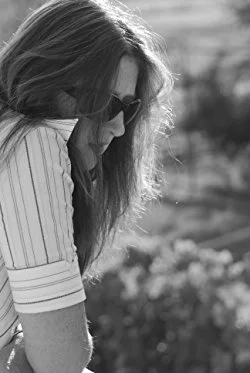
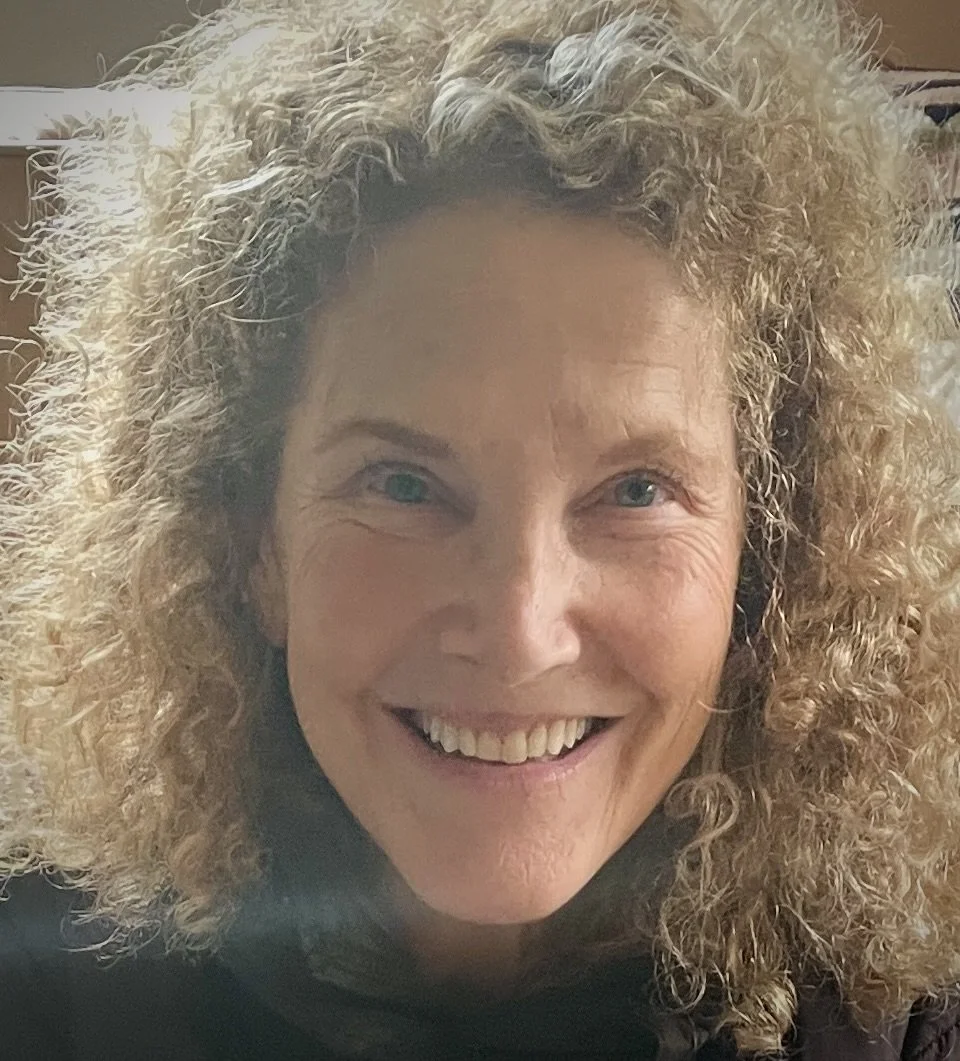
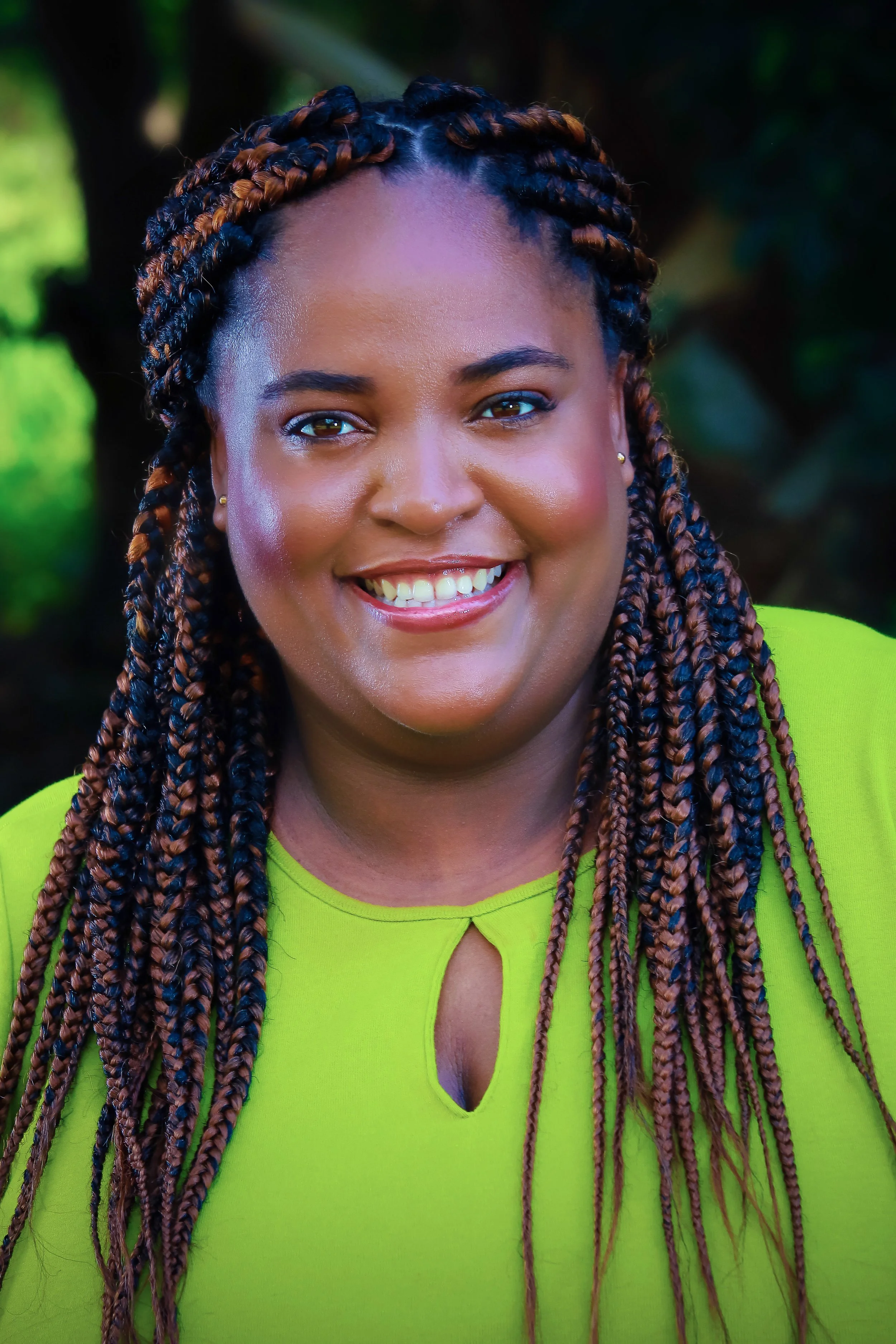
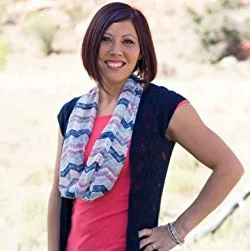
Dania.jpg

What’s your favorite drink and why?
Diet Dr. Pepper is my all-time favorite. It always has been, I just love the taste.

What’s on your bucket list?
So many things, but the first on my list for the longest time has been a trip to Egypt. I’d also like to cruise the Greek Islands and visit Spain and Morocco.
 
If you had to eat the same meal every day, what would it be?
Maybe it’s an Italian thing or a Chicago thing…but I never tire of stuffed pizza – not to be confused with deep dish or pan pizza.

In your spare time—if you have any!—what’s the thing you do that makes you feel the most you?
Easy to answer but not that easy to find time for. Bubble baths and trips to the spa. Mud wraps are my favorite spa treatment. Followed by a full body scrub and massage.

Are you an extrovert or introvert?
Most definitely an introvert. I’m shy around people I don’t know well. I tend to be quite extroverty in my writing though.

If money were no object, what’s the first thing you’d buy just for yourself?
I’d love a villa in Tuscany. My country of origin sometimes calls to me.

What’s the best thing you’ve ever done?
I’m quite proud of earning my BS in Computer Science (with honors) as an adult attending night school while working a full time job. A 3-week dream honeymoon in Italy and Greece is another amazing thing I’ve done.

Tell us about your debut release On the Ropes.
I was beyond thrilled when Evernight Publishing accepted my manuscript 11 days after submission!  On the Ropes is about star pitcher Luke Stryker of the Chicago Cobras. He’s given himself the weekend of his best friend’s wedding to win back the love of his life, Abbey, who he hasn’t seen in 10 years after a traumatic break-up. Abbey is not receptive the idea of reconciling but Luke’s not taking no for an answer.

What’s next on your writing list?
Heath and Leah’s story are coming next. You’ll meet them in On the Ropes. Heath’s an injured Marine veteran, hurt in Afghanistan and Leah is his neighbor who’s loved him all of her life. He’s hesitant but she’s determined.

What is your go-to form of procrastination?
Right now it’s the internet. I have a love/hate relationship with it at the moment. Necessary, but it can be such a huge distraction to precious research and writing time.

How can readers get in touch with you?
I love to hear from readers. 

Keep up with me at: www.DaniaVoss.com

Visit my blog at: www.DaniaVoss.com/blog

Sign up for my newsletter and download a free gift: bit.ly.com/DaniaNews

Social Media Sites
Twitter: @dania_voss
Pinterest: @daniavoss
Facebook: tinyurl.com/DaniaFB
Instagram: @daniavoss
Interview with Erica Kiefer, Through the Glass

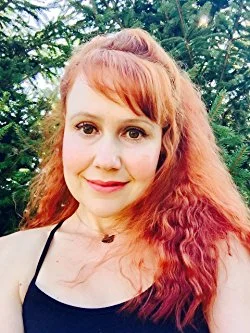
Erica.jpg

What is your favorite part about being a writer?
The finished product! Lol It’s always such a relief to write that final page. But really, I love interacting with readers and hearing the parts of my story that they connect with and why. It's so interesting to see what resonates with people. Usually there's something deeper for that reader in their own life that needs exploring. 

You have four kids! Any tricks on balancing kids and writing time?

Man, it's hard sometimes!! I have to accept help, absolutely. I kid-swap every week, which gives all of us moms a break to do errands, maybe take a nap, or for me, get uninterrupted writing time for 2-3 hours. Plus, the kids enjoy playing together so I don't feel guilty that they get to work on their social skills in a new environment. I also utilize nap-time like nobody's business, or sometimes hire my teenage babysitters to play with my kids after school while I hide in my room with my laptop.

Did you always want to be a writer?

I was nine when I started a journal and thoroughly enjoyed any writing assignment from my teachers, whether poetry or short stories--which my classmates complained were NEVER short! Even back then, I didn't know how to reduce the growing plotlines in my head to a couple of pages. Not possible! 

But my elementary dream of becoming an author kind of fell to the wayside as I continued into high school. I always liked writing but wasn't serious anymore about getting published. In college, I wanted to work with people in more of a counseling/therapy setting. But then I lost my job at a residential treatment center for youth when the economy tanked in 2008. I suddenly had ample free time and the story of Lingering Echoes come to mind! It's been a fun, unexpected ride since then, and I’ve been able to utilize my counseling background to touch on emotional subjects. 

Who is your favorite character out of all your books?

Most people would say that's like picking your favorite kid and they can't do it... but I can! I do love all my characters for different reasons, but Aaron Jackson from Lingering Echoes still has a big part of my heart! He’s athletic and cocky but with enough playful charisma to charm you, and his happiness is contagious. He’s protective and always wants to help. Aaron plays a main role in Vanishing Act, too, which is a good one to read after Lingering Echoes.

What is your favorite childhood book and why, and did it make you to want to be a writer?

I was the biggest bookworm in elementary school. I loved a whole variety from Little House on the Prairie, Anne of Green Gables, to Nancy Drew, and even a spooky one called Wait Till Helen Comes. I'm not sure any one book inspired me. I think it was more feedback from my teachers about my writing. I LOVED school and was unashamedly teacher's pet. Lol! But that mix of morally strong characters with an element of mystery can definitely be found in all of my books, so maybe there’s something to the idea of inspiring early minds.

Q&A with Adrienne Clarke, author of Losing Adam

Adrienne.jpg

How did this book come to you?

Everyone who knows me understands that I’m obsessed with fairy tales. I’ve always been drawn to fairy tale themes in art, literature, dance, music, anything really. But when I started to write my first novel, Losing Adam, it was about mental illness, not fairy tales. However, as the story unfolded I realized I was drawing on one my favourite fairy tales, The Snow Queen, albeit in a realistic contemporary way. I was also inspired by Sarah McLachlan’s ‘Wintersong.’ The lyrics are all about loss, and I began thinking about the different ways to lose someone. That’s when I began thinking about schizophrenia and what would it be like to have the person you love most become a stranger.

Favorite all time reads?

So many, but I’m going to choose one classic and one contemporary. Wuthering Heights had a huge impact on me when I read it as a teenager. For me, it remains one of the most passionate romances ever, not romantic in the clichéd, optimistic happy ending way, but intense, dangerous, and utterly unforgettable. In my opinion there’s never been more romantic line than, “Whatever souls are made of his and mine are the same.”

One of my favourite contemporary books is Never Let Me Go by Kazuo Ishiguro. I love this book for many reasons, but most of all for its devastating prose and buried anguish. So many books bang you over the head, telling you over and over again how sad, mad, happy the characters are, but Ishiguro never does that – he doesn’t have to – you feel it in every word. There is nothing sentimental about this book, and yet I can still recall the passages that literally made me sob. Haunting and restrained, Ishiguro’s writing is the kind I admire most.

Favorite life quote or motto?

It’s not what the world holds for you it’s what you bring to it. - Anne of Green Gables

What authors or people have inspired you?

A lot of writers have inspired me in different ways, but the three that come immediately to mind are the Bronte sisters, whose collective power of imagination is incredible to me, Alice Munro for her beautiful prose that somehow transforms the ordinary into something extraordinary, and Stephen King for his passion for story in all its forms. Although my writing is nothing like Stephen King’s, I’m continually amazed by his dialogue that never has a false note. Reading Stephen King is like taking a master class on how to write good dialogue.

What has been the biggest surprise about the publishing process?

I’m continually surprised by how supportive and enthusiastic people have been about my writing dream. Writing can be a lonely business and it’s been a lovely surprise to connect with other people who seem to want to know about me and my work.

Tell us what you enjoy doing when not writing?

Read! There’s never enough time to read all the books on my list, probably because I’m constantly adding to it.

Favorite movies?

I love movies and have several favourites, but the three that come to mind are Pan’s Labyrinth for the darkly romantic fairy tale world it creates, Slumdog Millionaire, because I adore the lead character who possesses a genuine idealism that’s so rare in film these days, and Dangerous Liaisons (the John Malkovich version) because of the fascinating battle between true love and cynicism, and because it includes one of the most romantic lines ever: “The only happiness I have ever known has been with you.”

What advice would you have to aspiring writers?

Perseverance. Writers say this all the time, but it really can’t be said enough. Except for the lucky few there is just so much rejection in publishing. You need to believe in your work and keep putting yourself out there. This doesn’t mean rejecting criticism; I think you need to listen to criticism very carefully and use it to make your work better.

Have you ever suffered from a "writer's block"? What did you do to get past the "block"?

In my experience writing lulls only last as long as you let them. The best way to get past writer’s block is to keep writing. You might accumulate some really terrible pages, but eventually you’ll get through to something good.

If there is something you want readers to walk away with after reading your book what would that be?

I believe in the power of story to bring people together and I hope readers experience a feeling of connection to Adam and Jenny. I would like them to have the feeling of being transported to another time and place, and wanting never to leave. I think the best books make you sad to leave the characters you’ve grown attached to, and leave you wanting more.

Which fictional character do you most Identify with?

Keturah from Martine Leavitt’s book Lady Keturah and Lord Death. On the surface, Keturah and I have little in common, she’s a peasant girl living in the middle ages, and I’m a middle-class woman with two children, however, I powerfully relate to her need to tell stories, particularly stories about true love. Keturah is fascinated with true love and I guess I am too; it’s the theme I always come back to. I think I feel compelled to write young adult novels because I still very close to the girl I used to be – someone who doesn’t expect miracles but hopes for them anyway.  I loved Keturah’s character so much I named by daughter after her, Juliet Keturah Clarke.

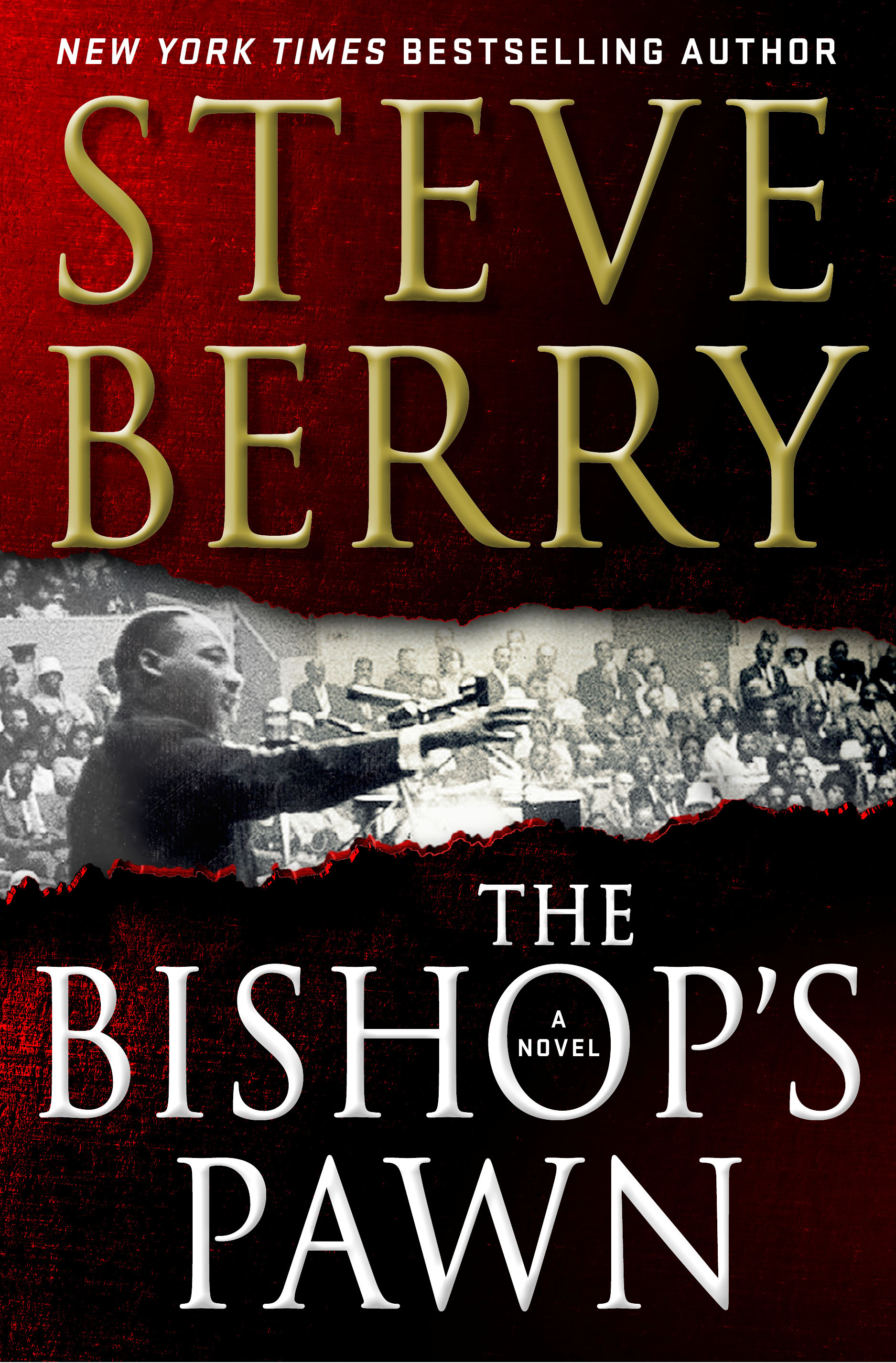
Q&A with Steve Berry, The Bishop's Pawn

Steve-Berry-Standing-credit-Rana-Faure-200x300.jpg

What inspired you to write The Bishop's Pawn? Why the King assassination?

The Bishop's Pawn is an idea I’ve had for about 10 years.  I decided to wait until this year to write the book, knowing that, with the 50th anniversary of his death, the subject would be on everyone’s mind.  Dr. Kings murder is one of the great mysteries of the 20th century, one that I felt needed to be explored.  It has never been adequately investigated, leaving many unanswered questions, the most important being why was King killed?  This novel suggests a surprising answer to that question.  I also wanted to remind people of the civil rights movement and make sure they remembered that people lost their lives in that movement.  There was violence, beatings, hosings. Awful things. But, along the way, those who participated in King’s non-violent movement changed this country. The book is a novel. and it’s most important goal is to entertain.  But, if along the way folks learn a little something, then that’s an added bonus.

With the 50th anniversary, The Bishop’s Pawn provides conspiracy theorists with something to chat about. It  shifts the narrative of everything we've come to think about King's death.  Do you believe The Mountaintop Speech, is an acceptance of mortality or a moment of his spiritual introspection?

Sadly, this is something that will forever remain unknown.  The speech dealt with mortality and, if you listen to it all, it sounds like a man who knows he's about to die.  The whole speech is geared towards mortality.  But what he felt will always be a mystery.  What we do know is that he gave the speech off the cuff with no prepared notes.  When you view the video o the speech, once he’s done, you can see an exhausted King fall into the arms of Ralph Abernathy, completely spent.  He was not feeling well that night.

Ambitious and well researched, the attention to the historical details was amazing. Where did you get your information from? 

Like my other novels, I used 300-400 sources. What I found writing this book, even though there was an abundance of information, I had to wade through most of it to find reasonable and objective sources to deal with the many unanswered questions.  Much of those questions were not dealt with at the time because of a botched investigation.  The FBI discounted any conspiracy immediately and focused all forth their efforts on James Earl Ray.  

As I read, my mind was in overdrive with what ifs. What and who were fiction is this novel?

The book is about 90% to reality, the other 10% is there for entertainment since, after all, that’s the main purpose of a novel. Benjamin Foster, for example, is fiction, but he does represent a composite of many people who were around King.  What he does, and how he interacts around King, is real.  I tried to be as accurate as possible and keep to reality.  But while readers are enjoying Cotton Malone, they'll also be learning about some extraordinary events that happened 50 years ago.

Unlike other Cotton Malone novels, this one was different. Do you feel that first person narrative made the story more impactful from a story that needed to be heard versus an ordinary fiction thriller novel? 

I thought it was a more intimate and offered a closer connection to the character.  It also gave me a chance to get closer to the character.  I hope the readers enjoy it.  If they do, I might try it again one day.

The Bishop's Pawn took one of the most significant events in history and makes you really thinking differently. From a different perspective in narrative, knowing the potential outcome of Dr. King's conversation with the character Foster, do you think that would alter the perspective of the assasination? 

That's hard to say.  The conclusion that I draw in the novel is shocking, to say the least.  My hope is it will get readers thinking. 

Since Cotton Malone is a little bit of a rebel, would he have supported Hoover following the reterite of hate at the time or would he have gone rogue and stopped the assassination?

He would've completely gone rogue.  He and Hoover would not have gotten along at all. He would've done all that he could to stop things.

Are you currently working on anything you can share? 

Absolutely.  Cotton is headed back overseas in my next novel, to Malta, and deal with the Knights of Malta.  They are the oldest warrior monks organization, 900 years old, and they are still there.  It will be a great treasure hunt and mystery called The Malta Exchange, which will be released in Spring 2019.  I'm currently writing a new adventure for Cotton that will take him to Poland in 2020.

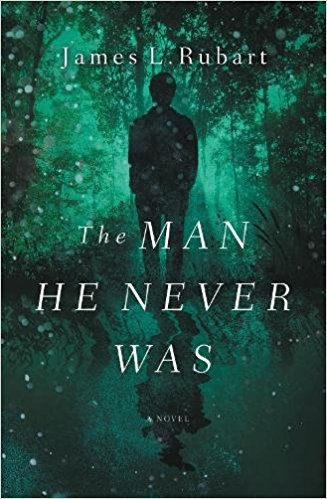
Q&A with James Rubart, The Man He Never Was: A Modern Jekyll and Hyde Story

Let’s talk about your new book, The Man He Never Was. How were you first exposed to the story of Dr. Jekyll and Mr. Hyde? What inspired you to create a modern take on it?

When I got the idea, I hadn’t seen the movies or read the novella! (I did read the novella after I got the story idea.)

I was working out, listening to a sermon by Tim Keller. During the talk, he mentioned that Robert Louis Stevenson got his inspiration for Dr. Jekyll and Mr. Hyde from Romans chapter 7. I had no idea, but it instantly made sense to me. Romans 7 is about the civil war inside us. That’s what Stevenson’s novella is about. Bing! In that moment, The Man He Never Was came to life.

How would you describe your stories?

It’s always been tough to describe my genre, but let’s take a shot…

Contemporary stories set in the real world, where fantastical things happen. Or, psychological soul-searching thrillers with a supernatural bent based on a Christian world view.

Or simply, supernatural suspense.

What do you hope readers will take away after reading this book?

I hope they experience more freedom than they ever have before. I hope the ideas in the novel soak down deep in them and they realize they are loved far beyond imagination. I hope all their worries fall away as they realize who they truly are in Christ.

Who are some writers that you enjoy, and what do you like about their work?

C.S. Lewis has always been—and likely always will be—my favorite author. I like Ted Dekker and Stephen Lawhead a great deal as well. All three take me away to other worlds, but wrestle with life issues that are right here, right now.

I want my novels to wildly entertain readers, but also make them freer when they finish my stories than when they started. These three authors do that for me.

Q&A with T.J Green, Galatine’s Curse

TJ.jpg

When did you first start writing?

I’ve always been scribbling away. English was my favourite subject at school, so I loved the essays where we had to make up stories. At home, I used to start writing little shorts, but never finish anything! During my twenties I stopped writing - distracted by other things, and then 10 years ago, I decided to do my English Degree, enrolling on lots of creative writing papers, and that kick-started my writing again. However, my first book was a slow process. It took 5 years! Fortunately I now write a lot quicker...

Tell us about your book(s) and the genres you write in.

I love magic and mystery, faery tales, myths and legends, and the things we can’t explain. I decided to write a “Once upon a time” story, and that turned into the short story which started off Tom’s Inheritance, my first book. I love King Arthur, and the magic and myth that filled his stories, so Tom’s Inheritance was a revisiting of the King Arthur legend. King Arthur is the Once and Future King who is destined to return, and he was laid to rest on Avalon, the mystical isle that straddles worlds. But what if he woke there, and the Lady of the Lake needed his help?

That idea set the tone for Tom’s Inheritance, the first book in the series Tom’s Arthurian Legacy. Tom is summoned to the Other to wake King Arthur and this sets off a chain of adventures. I weave the old stories and characters into new tales. The next two stories continue their adventures in the Other, with old friends and new enemies, and some of the great characters from the Arthurian legends. All the characters grow and change, and their own stories develop.

In my latest book, Galatine’s Curse, Tom is stronger and more independent, and the stakes are higher. He owns Galatine, the sword that used to belong to Gawain, but it has a dark history no-one knew about, and someone wants it back.

Who’s your favourite character (or least favourite) and why?

I haven’t got a least favourite! I love them all. Nimue is always a favourite - a powerful witch who’s headstrong and volatile - she’s very cool. But one of my new favourites is Bloodmoon. He’s a fey with a mysterious background. Lots of fun and he loves breaking the rules. I loved writing about him, he took the story in new directions!

How much time do you spend writing?

Not as much as I would like. I like to write at least 4 days a week (around work), but sometimes that doesn’t happen, or I try and write for an hour a night if I can’t spare big chunks of time. It’s surprising how much you can achieve if you just get your head down. Unfortunately marketing sucks up my time!

Where is your favourite place to write?

Either in the garden, on the covered deck if the weather’s good, or in my study - a haven of books and solitude.

What’s the weirdest thing you’ve had to research?

At the moment I’m planning my new series about witches - urban fantasy I guess - so I Google odd stuff about magic, as well as download lots of magic books!

Who’s your favourite author and/or favourite books.

My favourite author is Lawrence Durrell, who doesn’t write magic or mystery, but he’s a fantastic writer! He wrote the Alexandria Quartet amongst many others, and that’s my favourite. I have a slight Lawrence addiction.

What are you working on now?

I have a rough idea for book 4 of my Tom series (YA), and am planning to start that later this year, but I’m also working on my witch urban fantasy (adult). It will probably be a trilogy, but it currently has no title. That’s something I’ll be working on over the next couple of months, and the first book should be finished by June.

When you’re not writing, what do you get up to?

I love reading - obviously - anything from mysteries, detective series, fantasy, and adventures. I also love gardening, yoga, watching films, and catching up with friends. And wine.

Any fun facts about yourself that you’d like to share?

Many millions of years ago I used to be in a band called Ned’s Atomic Dustbin, and I also used to be in a theatre group in Birmingham. One summer we toured to small venues performing a French farce, and even entered the Ludlow Arts Festival. That was fun! For the last few years me and a few friends have entered the 48 hour film festival in NZ, also madness. Write, shoot, edit a film in 48 hours!

Where can readers go to find out more about you and your writing?

Website | Facebook | Twitter | Pinterest | Instagram | Goodreads