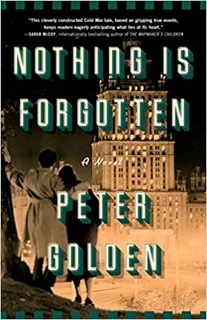
Behind the Scenes in Nothing is Forgotten by Peter Golden

51mlv166FL._SX320_BO1204203200_.jpeg

I didn’t know how I was going to step foot in Germany, let alone tour the Dachau concentration camp. Yet summer was coming, when I traveled for research, and I was writing Nothing Is Forgotten, and both Munich and the camp, 25 kilometers outside the city, were central to my novel. Munich was where the headquarters of Radio Liberty was located, and the station, broadcasting into the Soviet Union, made the city a battleground between the CIA and KGB, and it would play a pivotal role in the life of one of my main characters. And the Dachau camp was crucial to the story, a nexus where the present and past would collide.

Most important, for me, I saw historical novels as where imagination meets reality, each igniting the other and providing a necessary spark for the writer. So I had to go to Germany, but how could I visit a country that had murdered members of my extended family? I came up with a plan to do my research in a day, driving in from Belgium then hightailing it for Switzerland. However, that didn’t give me enough time, so I was stumped—until I interviewed James Critchlow, a former employee of Radio Liberty who worked in Munich in the 1960s.

Back then, Mr. Critchlow said, the concentration camp was being transformed into a memorial, and the town officials of Dachau were unhappy about it. One of them complained to James that in the future, because of the memorial, whenever anyone heard “Dachau,” they would think of the camp and not the lovely old town in Bavaria.

I laughed, a bizarre reaction that unnerved me. Then I said, “You mean, if they put up a brewery where the crematorium used to be, everyone would think of Dachau as a beer?”

“Something like that,” Mr. Critchlow replied.

When I got off the phone, I knew that I could go to Germany. Two decades after the camps were liberated, a German official remained unaware that words like Dachau and Nazi, and the names of Hitler, Himmler et al would remain synonyms for unspeakable evil.

When I got off the phone, I knew that I had to go to Germany—not simply to see the birthplace of the Holocaust. But to contemplate the extraordinary talent humans possess for self-delusion.

If you are interested in a brief photo essay of my tour, hit Ctrl+click to follow the link: Peter Golden@Dachau

About Peter Golden

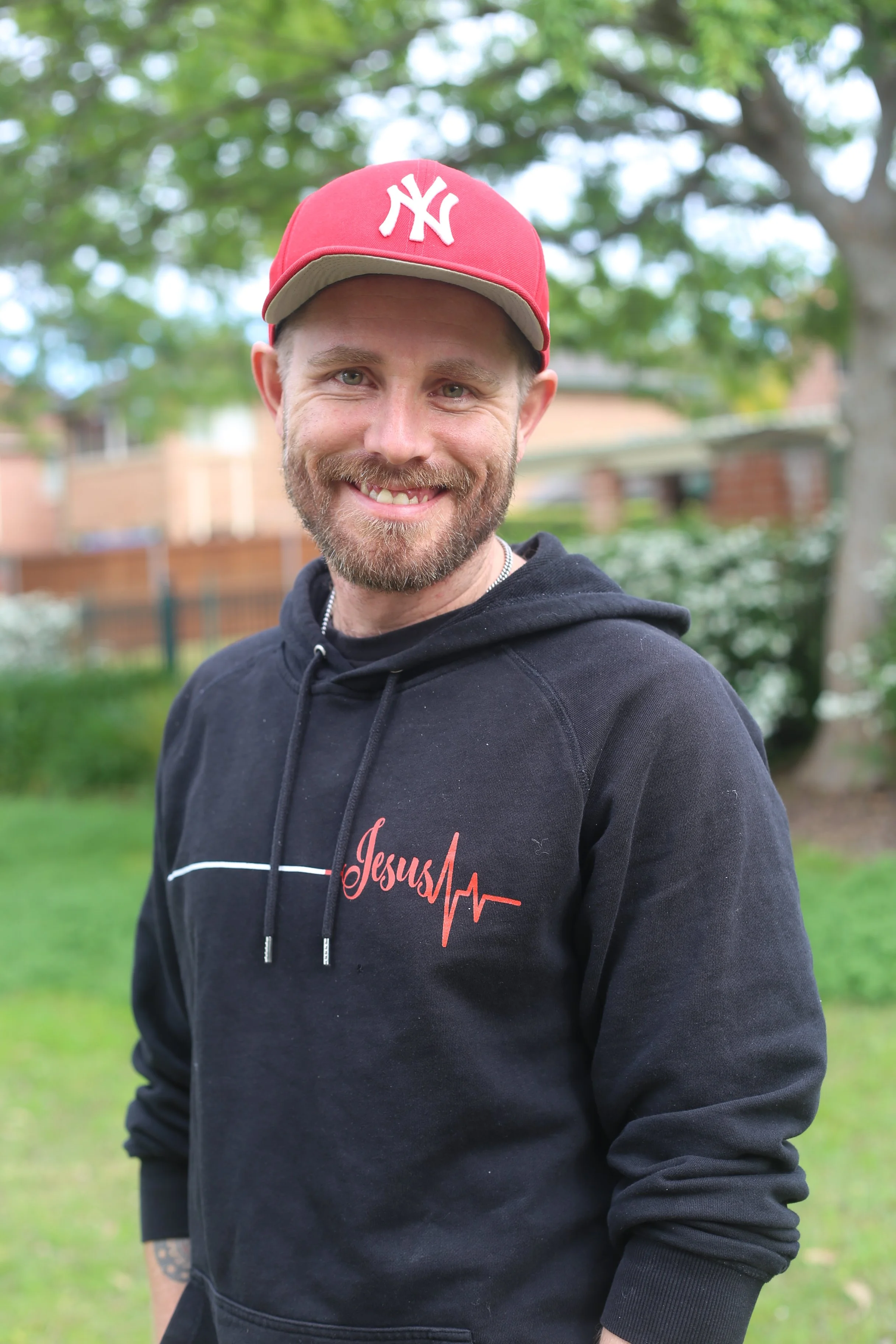
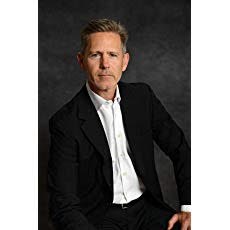
Peter Golden is an award-winning journalist, novelist, biographer, and historian. He lives outside Albany, New York, with his wife and son. He is the acclaimed author of the novels Comeback Love, Wherever There Is Light, and Nothing Is Forgotten.

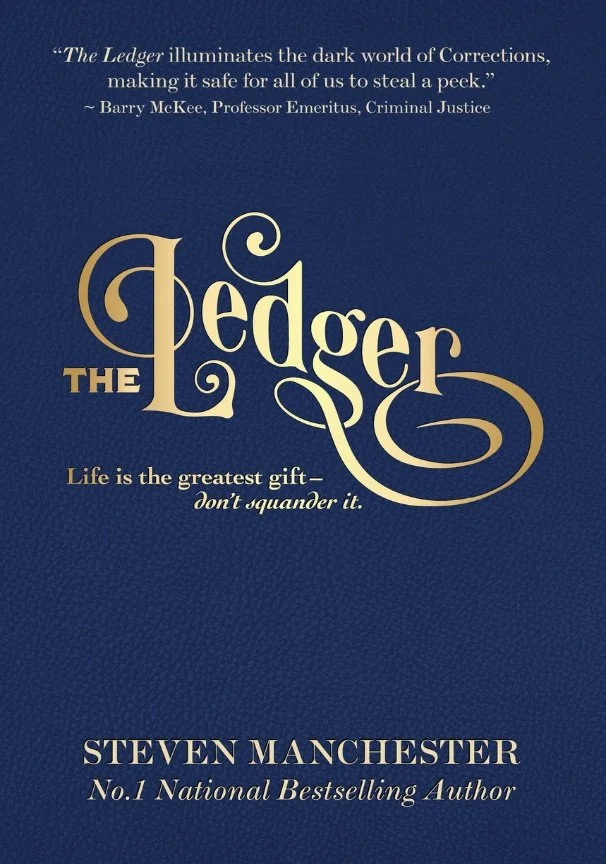
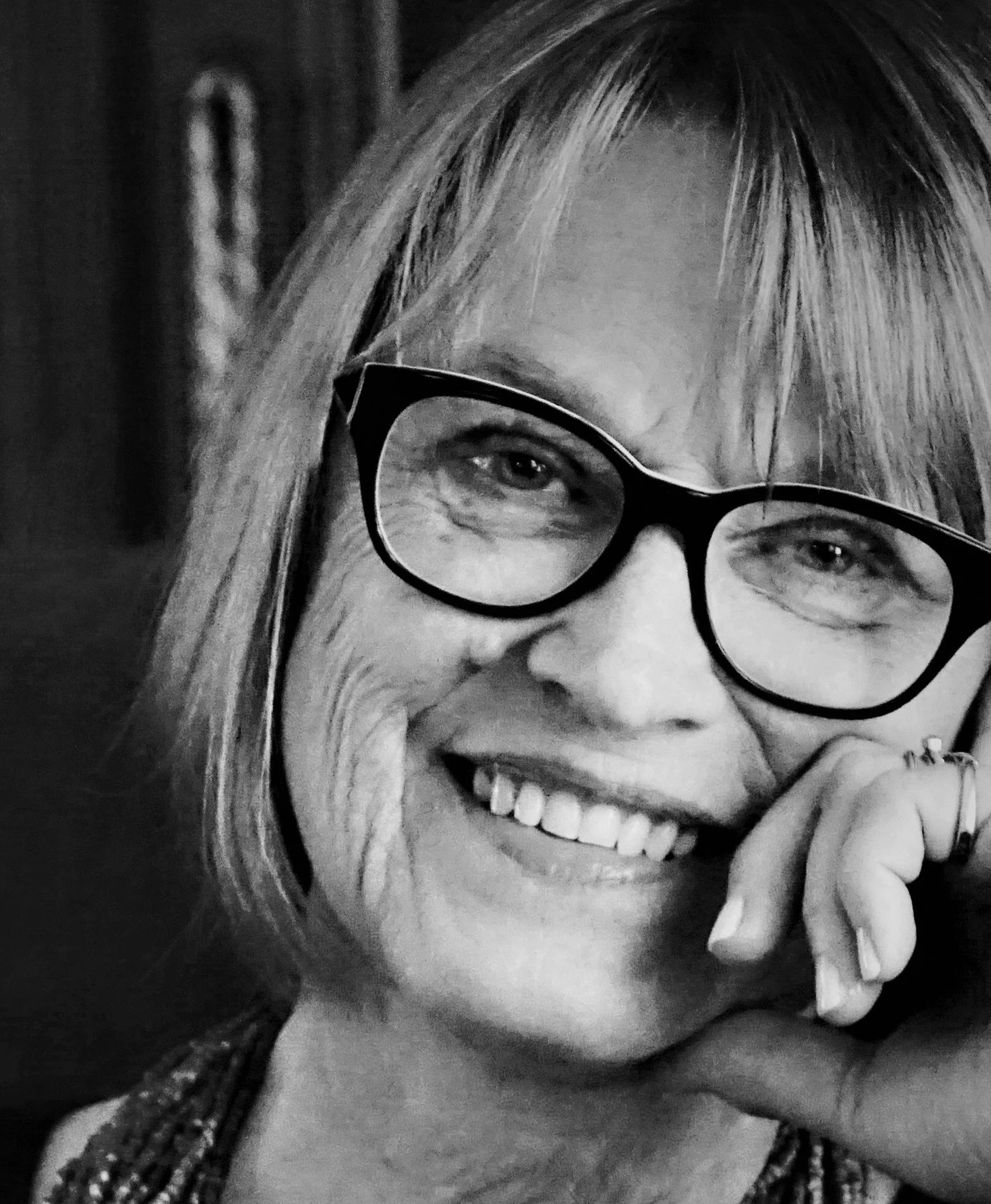
Q&A with Williams L. Myers Jr, A Killer's Alilbi

unnamed.jpg

Where do you get inspiration for your plots? How much of your real life is in them?

The plots come to me on their own, from where I know not. Hardly any of the murders are based on my own real life; what I draw most from my real life are the trial scenes. As a trial attorney, I know what it is like to try cases—the emotional ups and downs, the stress and sleepless nights—and I try to bring the readers into that experience; not just a front-row seat, but a seat “at the table."

Are characters based on people you know in real life?

Characteristics of the characters are often drawn from real people. For example, how a particular attorney behaves in court. How a character dresses, talks, or smokes a cigarette. The confidence, or self-doubt in people I know.

How did you choose the book’s setting?

First and foremost, I am a Philadelphian. Of course, I would base my novels here. I love my city. I also know it. Not just the names and locations of the restaurants, hotels, museums. But the feel of Philadelphia. I try to imbue my novels with the sense of what it is like to live and practice law here.

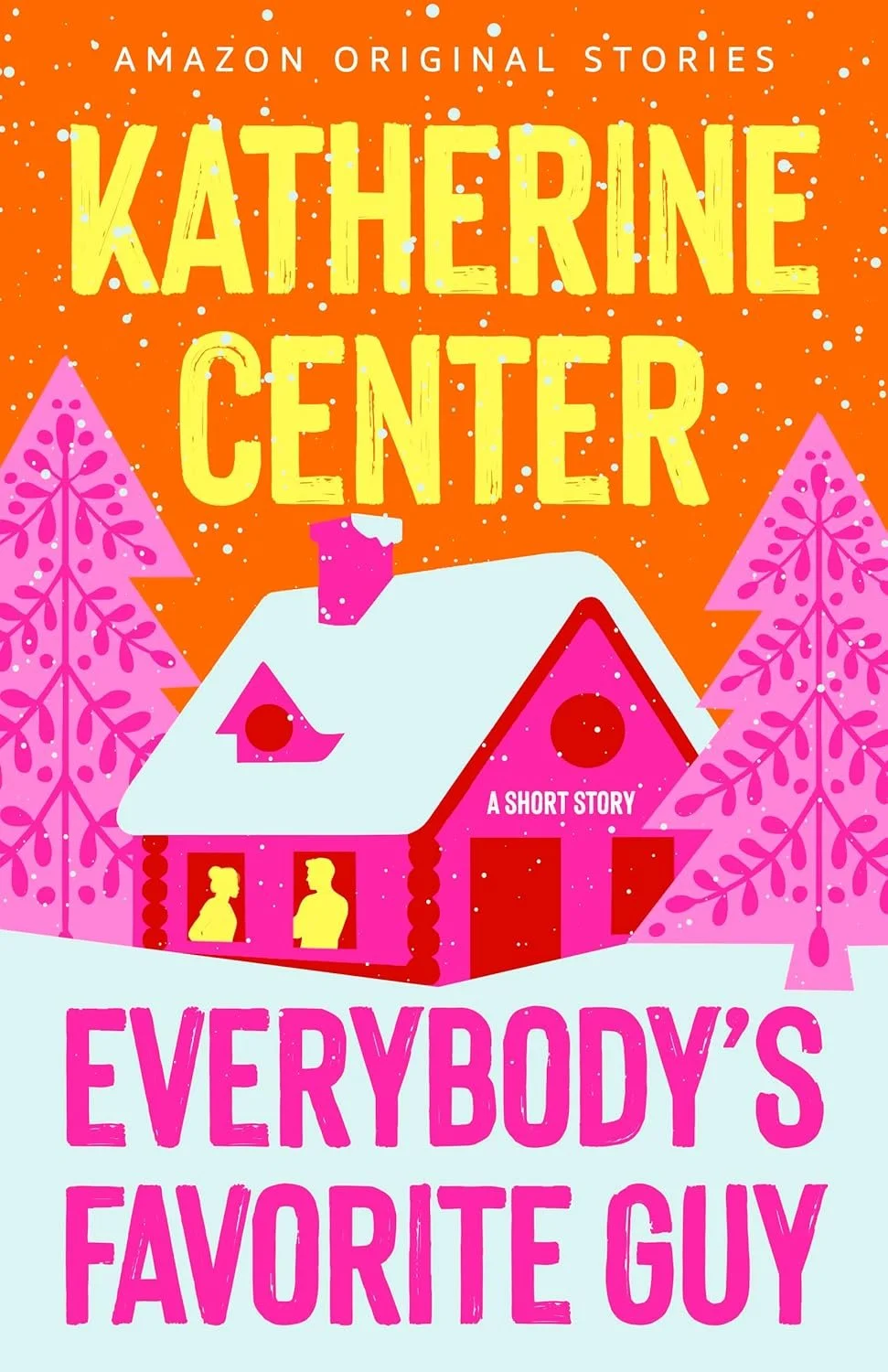
SYNOPSIS:

For attorney Mick McFarland, the evidence is damning. And so are the family secrets in this twisty legal thriller from the Amazon Charts bestselling author of A Criminal Defense.

When crime lord Jimmy Nunzio is caught, knife in hand, over the body of his daughter’s lover and his own archenemy, he turns to Mick McFarland to take up his defense. Usually the courtroom puppeteer, McFarland quickly finds himself at the end of Nunzio’s strings. Struggling to find grounds for a not-guilty verdict on behalf of a well-known killer, Mick is hamstrung by Nunzio’s refusal to tell him what really happened.

On the other side of the law, Mick’s wife, Piper, is working to free Darlene Dowd, a young woman sentenced to life in prison for her abusive father’s violent death. But the jury that convicted Darlene heard only part of the truth, and Piper will do anything to reveal the rest and prove Darlene’s innocence.

As Mick finds himself in the middle of a mob war, Piper delves deeper into Darlene’s past. Both will discover dark secrets that link these fathers and daughters—some that protect, some that destroy, and some that can’t stay hidden forever. No matter the risk.

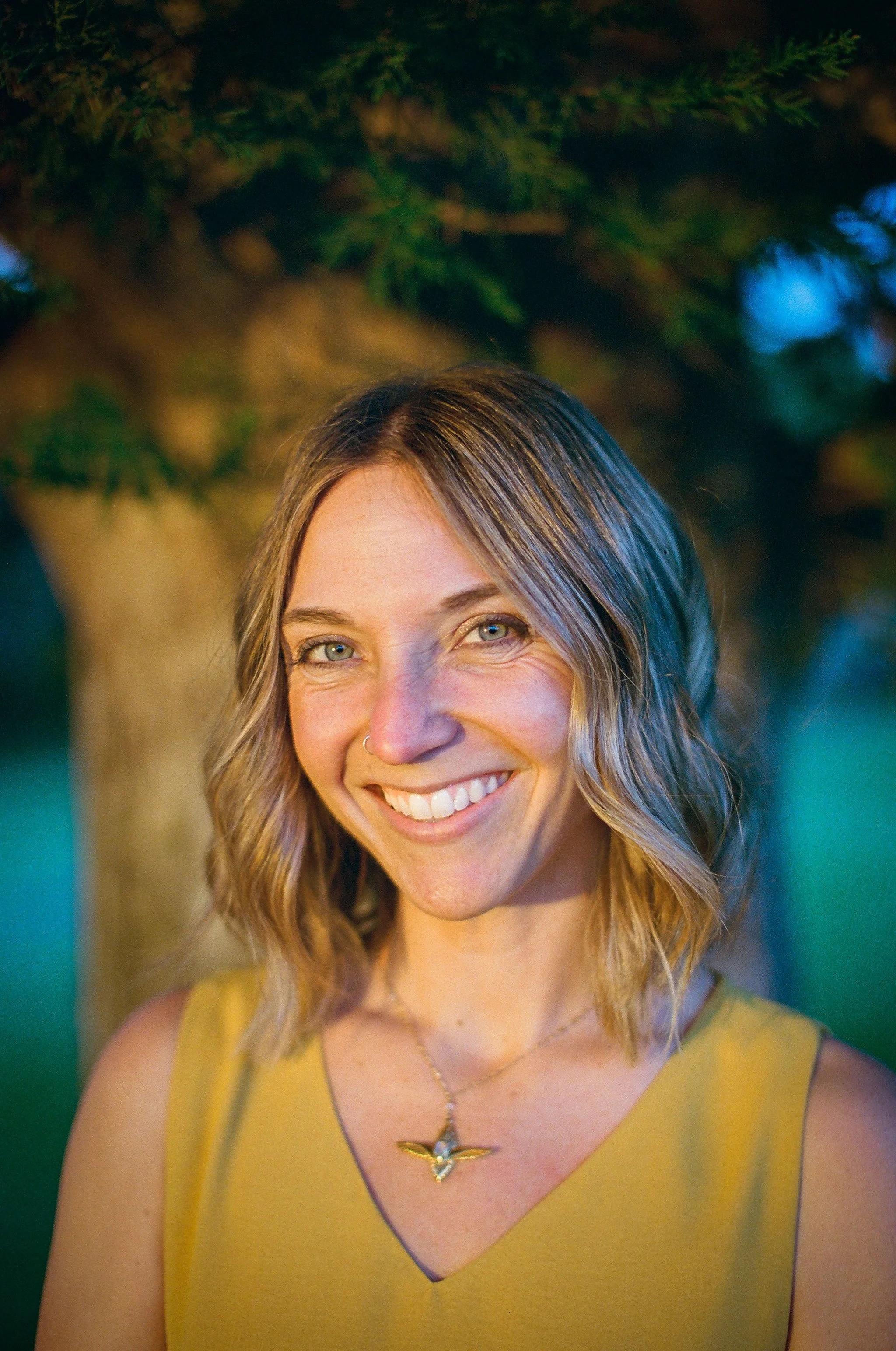
Q&A with K.B. Hoyle, The Six

KBHoyle_AuthorPhoto.JPG

Was a possible audiobook recording something you were conscious of while writing?

Honestly, no! While I always play my books out like scenes in a movie in my head while I’m writing, I never think about the audiobook side of things. I’m SUPER visual, so it’s actually difficult for me to sit down and just LISTEN to anything without also looking at something at the same time (even music). When I was a kid, I loved those audio cassette bags you could check out from the library that came with the book and the audio recording because I could follow along while listening.

How did you select your narrator?

We (my agent, Ben, and I) had a lot of people audition for The Six, actually, so I had options. And Ben was really good about not giving me his opinion until I had a chance to listen to the audition recordings and sift through my own thoughts first. What it really came down to for me was choosing someone who sounded like she understood my voice as the author, my main character’s voice and emotions, someone who had good range (because The Six is the first book in a six-book fantasy series spanning many years and a wide variety of characters, not to mention character development and growth), someone who was pleasing to listen to, and someone who fit the story itself. For example, we had one narrator audition out of somewhere in the UK, and although I’m a bit of an Anglophile, and I adored her accent, the story is a distinctly American story set in Michigan, so it just makes sense to have an American narrator. And it just turns out that Dollcie (my narrator) lives IN the region the story actually takes place! I believe she’s really meant to tell these stories for me.

Were there any real life inspirations behind your writing?

The Gateway Chronicles (of which The Six is book 1) is based at a real-life camp in Upper Michigan I attended from the time I was a wee baby until I graduated high school. I even went back once in college, and again early in my marriage, and would be attending still if I didn’t live so far away now. Of course, for the story, I changed all the names of everything, and I didn’t import any characters from my real life wholesale into the story, but what I did do was take the essence of my experiences growing up there and transform them into a fantastical story that at once pays homage to my childhood and teen years and at the same time builds something entirely different. I think many of us wished to escape to another world when we were young — wished to discover another world through a magical veil where people expected heroic things of us. I used a very familiar thing — summer camp — as a launching point for greater adventure, and it is both true and untrue in the way all great stories (hopefully) are.

How do you manage to avoid burn-out? What do you do to maintain your enthusiasm for writing?

I don’t avoid burn-out, but I never lose my enthusiasm for writing and storytelling. Physically, I hit burn-out all the time — more often than I should. I’m 35, I have four sons, I’ve written twelve-ish novels in the last ten years, and I work as a full-time writer, which means I’m always, always writing. I drink coffee more often than I sleep, and weekends are laughably absent from my existence, but the thing is: I love writing. I love it with every fiber of my being. I probably love it too much. So when it comes to finding balance in my life, I often find I have to force myself to put the writing aside for a bit to focus on other, healthier facets of existence.

What do you say to those who view listening to audiobooks as “cheating” or as inferior to “real reading”?

I think audiobooks are so, so important. As a former teacher, I’ve obviously seen the struggle many students go through with reading disabilities, and I’m honestly not sure where they would be without audiobooks. Although I’m not personally one who listens to audiobooks very much (my mind wanders if I don’t have eyes on the page), I so appreciate how they have opened up the written word for others — especially those with disabilities. Speaking of my time as a teacher, once upon a time, the oral tradition reigned supreme! In class, I always read aloud to my students — giving them the option to follow along, or just listen, whatever worked best for them. It is in no way “cheating,” it’s actually getting back to the core of a grand human tradition.

What gets you out of a writing slump? What about a reading slump?

I have never really experienced a writing slump, but I do frequently experience reading slumps. I am exceptionally picky about what I read, so I tend to not pick up new novels if I’m afraid they are going to disappoint me (and my free time is so limited I don’t want to waste my time on something bad). I may go months at a time where I’m only writing and not reading. Often what gets me out is someone making me feel convicted about the fact that I’m a writer of fiction who is not reading any fiction, and then I need to buy myself a new book (because once I invest some money into it, I feel like I have to read it). But then I’m an obsessive reader once I start, so I won’t do anything other than read until the book is done, lol. I need to learn better balance in my life.

What bits of advice would you give to aspiring authors?

Learn your craft, learn your craft, learn your craft. Don’t just assume that because you know how to put words on the page, you can tell a story. Figure out why your favorite authors are successful — why you admire them — and study how they tell their stories. Read books about writing. Read books about storytelling. Learn how the two are different things and learn to do both well. Your first book (especially the first couple drafts of your first book) is GREAT… for practice. Keep at it and don’t stop. Be teachable. So many aspiring writers are not teachable and waste time thinking they already know what they’re doing when they could be using that time to get better. I’m ten years in to my writing career and still learning new things. Humility and teachability will take you a lot farther in this industry than arrogance and stubbornness.

What’s next for you?

Dollicie and I will next be releasing book 2 of The Gateway Chronicles (The Oracle) on audio, so I’m super excited about that! And my agent and I are working on a couple of new manuscripts. I’m also in the process of re-releasing my YA Dystopian series in paperback and Kindle, so I have PLENTY to keep me busy over the next several months.

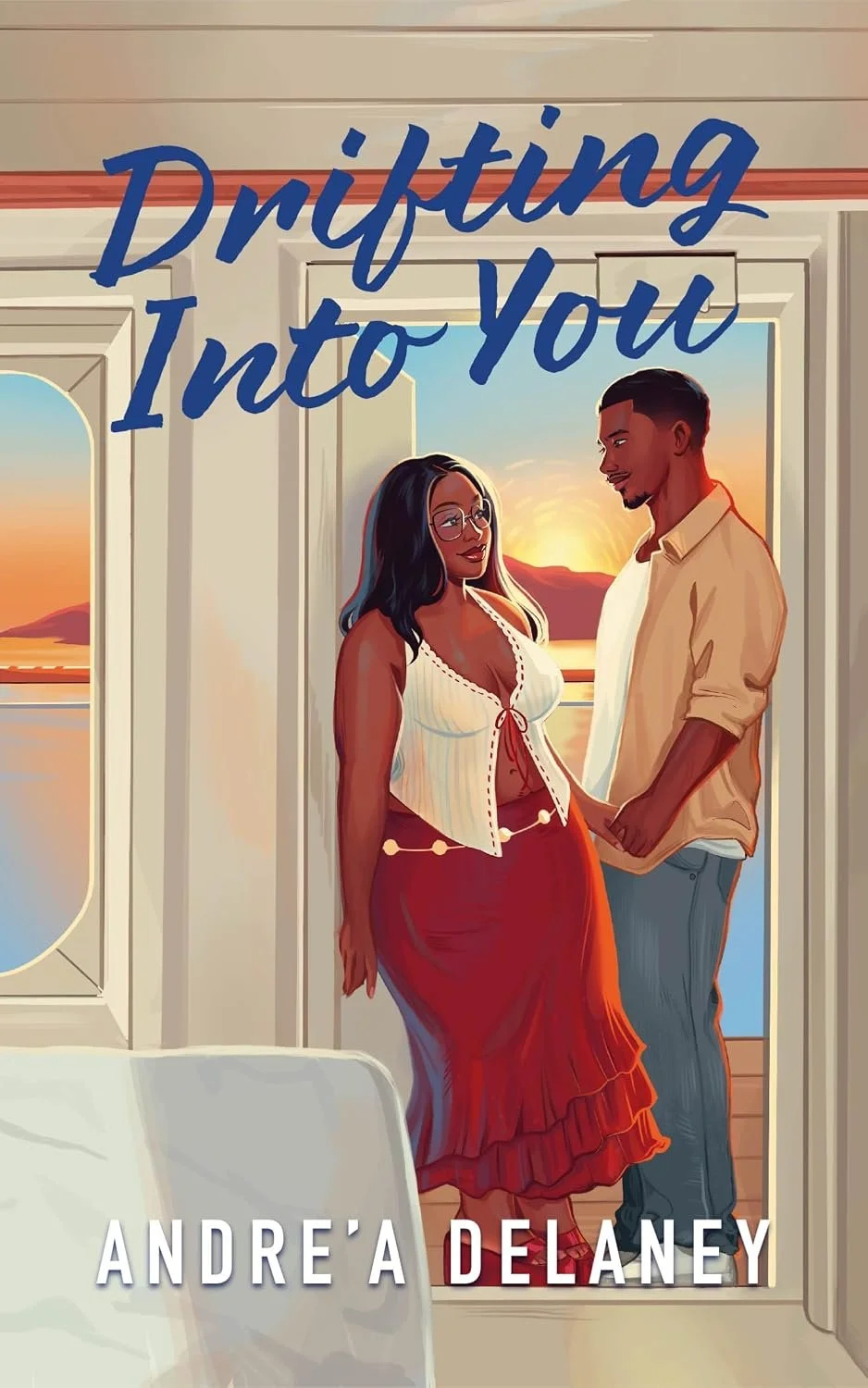
Q&A with Sullie Mason, Not For Me

When did you know you wanted to be an audiobook narrator?

It came to me while driving my 35 minute commute to work. I always have an Audiobook or Podcast on in my car, and I was like, “I can do this, let's just try and see what happens.” People have always commented on my voice, my least favorite, “ are you sick?”, so I thought I would like to use it.   

Did you find it difficult to “break into” audiobook narration? What skill/tool helped you the most when getting started?

What helped me get started was my mantra, “ If I try and fail, then I will know. But if I don’t try then I will regret never knowing.”

A lot of narrators seem to have a background in theatre. Is that something you think is essential to a successful narration career?

I don’t think it is really that necessary. I have minimal theatre experience. Mostly I have fun reading and imagining what a person would sound like. I use my theatre past to get a bit of what the character wants and feels but I listen to other narrators and pick up on what they are doing and I listen to criticism.

How do you manage to avoid burn-out? What do you do to maintain your enthusiasm for narrating?

Taking a break and knowing your limits. Some narrators are machines (not trying to hide my jealousy) and can knock out chapter after chapter all day. Not me. When I notice that I’m starting to make a lot of mistakes or reading characters like I’m reading my narration then I’m out. Also my toddler rules my day. It’s an unhealthy relationship.

Are you an audiobook listener? What about the audiobook format appeals to you?

I LOVE audiobooks! They can take you anywhere. Driving into work, making dinner, grocery shopping, nah says I! I’m time traveling with a hunky highlander, battling fairies that prey on humans after the wall between our worlds fell or solving a murder while trying to survive the web the killer weaved to trap me.

What are your favorite and least favorite parts of narrating an audiobook?

I love reading the book and acting out all the characters. I HATE editing. It doesn’t suit my soul.

What about this title compelled you to audition as narrator?

It is a fun upbeat book. It is set in Chicago and most of my family lives 3 hours away from the windy city. I thought it would be fun to play up a midwestern accent a bit.

Who are your “accent inspirations”?

My mother did many accents with us growing up. Me and my Brothers can do at least 4 well and we do it often when we play around with each other. Movies, tv shows, other narrators and actual people are who I mimic. Especially if you have a distinct accent, it is really hard for me NOT to mimic you. Awkward in job interviews on occasion...

How did you decide how each character should sound in this title?

My favorite could be the door man. I impersonated my grandpa. It’s who I would want to greet me when I came and went. He also would keep a tight ship.

What types of things are harmful to your voice?

Laughing so hard that no sound comes out. Every time I went home to visit my family or out with my friends I had to email Kat and tell her I might be a bit delayed until my voice came back.

If you could narrate one book from your youth what would it be and why?

It’s actually a children’s book, “How to Raise Dragons.” I got it for my little brother and latter in life I read it outloud to him again as a joke, ended up getting into it and when I was finished with it, I looked around and saw not just one brother, but my other one too and the neighbor boy leaning against the doorway. Hilarious because these are grown boys that are over 6 feet tall.

Q&A with Jess Montgomery, author of The Widows

A1I4wxsNIYL._US230_.jpg

How did you find the idea for THE WIDOWS?

As I was planning a trip to visit our younger daughter for her birthday weekend at Ohio University, in Athens County, Ohio, I ran across a tourism website for Vinton County (just southwest of Athens County), which featured Maude Collins, Ohio’s true first female sheriff in 1925 after her husband was killed in the line of duty while writing a speeding ticket. Inspired by Maude’s story, my imagination sparked Lily Ross. In her case, her husband’s tragic death is not so clear cut. Lily’s sheriff husband Daniel is murdered in the line of duty.


THE WIDOWS is centered on Lily Ross’s quest to find out who murdered her husband, but is told from the point of view of two narrators. Can you tell us more about that?

At first, I wrote only from Lily’s point of view. But she has a specific view of her husband, Daniel, and is missing (at first) vital information that helps her eventually discover not only his murderer but also a more complete view of who he is.

So, I experimented with writing from the murderer’s point of view—which I quickly abandoned, though it gave me insight into the murderer’s motive, so the effort wasn’t wasted. Then I tried writing from Daniel’s point of view—a life-flashing-before-his-eyes approach. That felt forced, but again, the effort wasn’t wasted as I grew to understand Daniel—his motives, personality, faults, point of view.

From those experimental bits of writing (probably 150 pages in all!), another character emerged—Marvena Whitcomb, Daniel’s childhood friend. She is a foil to, yet also an unlikely ally for, Lily. Marvena is a widow whose common law husband died in a mining accident, and a unionizer.

THE WIDOWS is told from the points of view of these two women, who together solve the mystery of who killed Daniel.


THE WIDOWS is set in 1920s Appalachia. What did you like about this setting, in terms of both place and time, and what were some of the positives as well as challenges in creating this backdrop?

The inspiration for THE WIDOWS required the time period and setting. Though it is still relatively rare for women to work as sheriffs or as officers in a sheriff’s department, it was startlingly unusual in the 1920s. My guess is that it was also expedient and practical in the real-life situation—Maude had experience as her husband’s jail matron and knew how the system worked, and was already living in the sheriff’s house. In a bigger county, with multiple full-time deputy officers, one of the deputies would have most likely filled in for the sheriff. The remoteness and small population, and the small office, with only a sheriff, a jail matron, and as-needed part-time deputies, contributed to Maude (and Lily) being asked to serve as sheriff.

I do think it is interesting to note, though, that in real life, Maude ran as sheriff in her own right in 1926—and won in a landslide!

My family of origin is from Appalachia, albeit a different part of the region, going back as many generations as can be accounted for. So, I delighted in tapping into those roots to weave in threads of my heritage and the rich Appalachian culture—dialect, foods, crafts, attitudes, music.

I also very much liked writing about a setting that “1920s” usually doesn’t bring to mind. So often, we think of glitz, glam, sparkly cities, and flapper girls as the first images that come to mind about the 1920s. All of that is great—but what about rural life in the 1920s? I was fascinated to explore that.

However, that made research a challenge—particularly about day-to-day life in rural areas of the 1920s. The details would very much depend on which part of the country a person was living in at the time.

The positive aspect is that the region of Appalachia in which THE WIDOWS is set has a rich history that pulls in so many issues that challenged (and in some cases, still challenges) the larger culture--women’s rights, workers’ rights in conflict with management, coal mining, unionization, and moonshining—to name just a few. I’m delighted that I have a wealth of material to draw on for future titles in the Kinship Mystery Series!


One of the minor characters—Marvena’s young daughter Frankie—loves to sing, and you include a few scenes in which her singing is featured. Can you tell us more about that?

I grew up hearing, learning and singing Appalachian ballads, which often center around all sorts of drama—love won and lost, tragedies, and yes, murder. So including a ballad is part of my homage to that aspect of my inspiration for THE WIDOWS.

I also grew up with many old-time gospel songs. My favorite—mournful as it is—is “Precious Memories.” Such songs often give voice to grief in difficult times when it would otherwise be hard to express those emotions. It was realistic to include a few such songs, and also showed emotions of the community at large as the drama unfolded.


The Kinship Tree is an unusual spot in THE WIDOWS—a conjoined tree of three species, alongside the Kinship River. Why did you include this spot in the novel?

Conjoined trees are rare—especially of three species. I wanted to include such a tree, both for the symbolism of fates and lives intertwined, and because such a rare tree adds a note of mystery to the entire setting and world of THE WIDOWS.


Anything else you’d like to add?

Thank you for having me! I hope readers will enjoy THE WIDOWS—the journey that Lily and Marvena take together to both solving the mystery of Daniel’s death and coming to terms with their relationship and community. I also hope book groups will enjoy THE WIDOWS. I’m grateful that my publisher, Minotaur Books, developed a set of readers’ group/book club questions, which I’ve linked to on my website, www.jessmontgomeryauthor.com
Q&A with Erin McDermott

"When did you first begin writing?"

  I began writing in 3rd grade while watching my brother's Little League games. I would just sit in a corner and write. The books I wrote were inspired by "Little House on the Prairie," by Laura Ingalls Wilder. I would sit and write about my life in the houses I lived in, just as she wrote about her life in her diaries.

"When did you decide to first publish a book?"

  I always loved writing, but the idea of publishing a book seemed like an impossible dream. I never thought I'd finish a book, never mind actually publish something. It wasn't until I was working a job that I really didn't enjoy that I decided to set to my dreams and complete a book. Then my first book was born, Captive Rebel.

What inspired you to write Captive Rebel?

   Actually, I had a dream. It was a vivid dream and I needed to get it down on paper. In one night I wrote 10,000 words. Then, I didn't look at that story again. Not until after my job in New York City when I finally decided to begin pursuing my dreams.

What advice would you give to those who are trying to write a book?

   I once read somewhere that writing is like building a sand castle. The first draft is you filling a sandbox with, well, sand! It's messy, it's unstructured, but it's something to work with. Knowing the first draft is going to be sloppy is the only way to finish the book. Once you finish a book your goal seems more realistic and the edits will come on easy. The edits are you building the sand castle in that scenario, by the way.