Q&A with Patrice Williams-Marks, The Abduction of Nelly Don

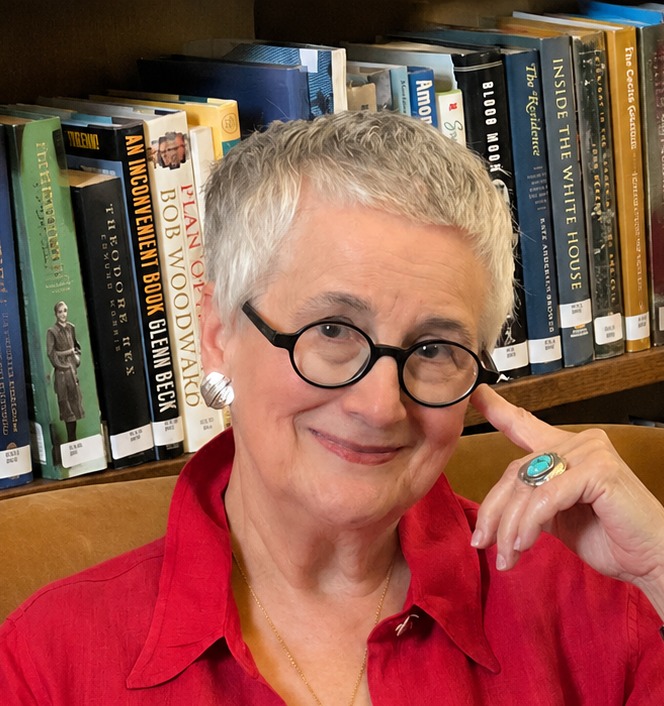
HEADSHOT.jpg

Can you tell me what it was like to turn your book into an audiobook.

This was my first produced audiobook and I was pretty green. I decided to do a revenue share with the producer/narrator and pitched the book on ACX. Prior to that I had struggled with the type of voice to use. Should I use a woman narrator or male? I ultimately decided to find a male with a kind, expressive voice as the story was in past-tense and Nelly was not the main point of view. Clay (my narrator) was the first one to respond and he was exactly what I was looking for. He had the voice, was a professional and knew what the project needed. I was very fortunate.

Do you believe certain types of writing translate better into audiobook format?

No, not really. I write both fiction and non-fiction. Even a school textbook would be great in audio form. I narrated my own nonfiction book on crowdfunding and it sells consistently as well.

When you were writing your book, did it automatically come to your mind that this would be an audiobook?

No. This was my first novel. I had written a short story prior to that and have a background in screenwriting. That was not on my mind while writing.

How did you select your narrator?

Clay found the project on ACX and contacted me. He was the first one to do so. I listened to his sample and fell in love with his voice. He is a very spiritual person and that was quite evident from his sample. It was hard to believe that the very first person would be the one, but I knew it right away and closed the project to other submissions a day later.

How closely did you work with your narrator before and during the recording process? Did you give them any pronunciation tips or special insight into the characters?

Clay would send me one chapter at a time. If I thought something needed to be re-recorded, I would let him know at which time mark and give further details. He would also have advice and suggestions that were incorporated. I did not have to give pronunciation tips as he had it covered. I also did not give any further insight into the characters as he read the book beforehand. The Abduction of Nelly Don is a fictionalized account but based on a true story. At the end of the book I introduce the real cast of characters and give an update on what happened to them after the event. I believe that was enough to give Clay the character backgrounds he needed.

Were there any real life inspirations behind your writing?

Yes, this is based on a true story and real events. Nell Donnelly was kidnapped just before the Lindbergh baby. It was just as sensational; yet not as known. For those who sign up to my newsletter list, I provide original redacted FBI files and newspaper articles on the kidnapping. (Go to patricewilliamsmarks.com and click on red button)

Are you an audiobook listener? What do you like about it?

Yes, I purchase audiobooks, but mostly nonfiction how-to books. Because I’m a Sensitivity Reader, I read tons of fiction books as part of my job. I listen to nonfiction books to grow and learn new skills or enhance the ones I already possess.

Is there a particular part of this story that you feel is more resonating in the audiobook performance than in the book format?

The beginning where young Brook is kidnapped. It comes more alive with the audiobook which includes submachine gun sound effects. Makes it more real.

If this title were being made into a TV series or movie, who would you cast to play the primary roles?

This is a tough one. People always ask this question when they read your screenplay, but not your novel. Natalie Portman maybe, or Evangeline Lilly?

How did you celebrate after finishing this novel?

A screenwriter friend of mine was also writing a novel so we meet weekly to read over each other’s chapters and to critique and comment. When we were both done we just went out to dinner. I also celebrated by posting my accomplishment to my social media channels.

In your opinion, what are the pros and cons of writing a stand-alone novel vs. writing a series?

This is a standalone novel so it is much harder to promote. If it were part of a series, I could hook readers and take them on a longer ride/adventure. Series are also more lucrative. But there is something said about writing a standalone because it is a part of you, or you feel so compelled to share it with the world, that you don’t care about the marketing downside.

What bits of advice would you give to aspiring authors?

Don’t fall for the, “only write what you know.” That is very limiting. Write what inspires you. If you have no clue about the subject, do your research. If you have no clue about the people, hire a sensitivity reader. It’s that simple.

Do you have any tips for authors going through the process of turning their books into audiobooks?

Decide the type of voice you want for your project before you post. Consider not going exclusive with your audiobook so that you can post on other platforms and reach a larger/different audience. Don’t expect to get rich from the sales as Amazon takes nearly 80% when all is said and done. If you have written a nonfiction book, narrate it yourself, then hire someone to edit it for you. Readers want to hear the voice of the person who wrote the how-to book.

What’s next for you?

I’m currently in production on another audiobook for my thriller, Counter Punch.
Behind the Scenes: Writing the Cookbook by Eric Silverstein

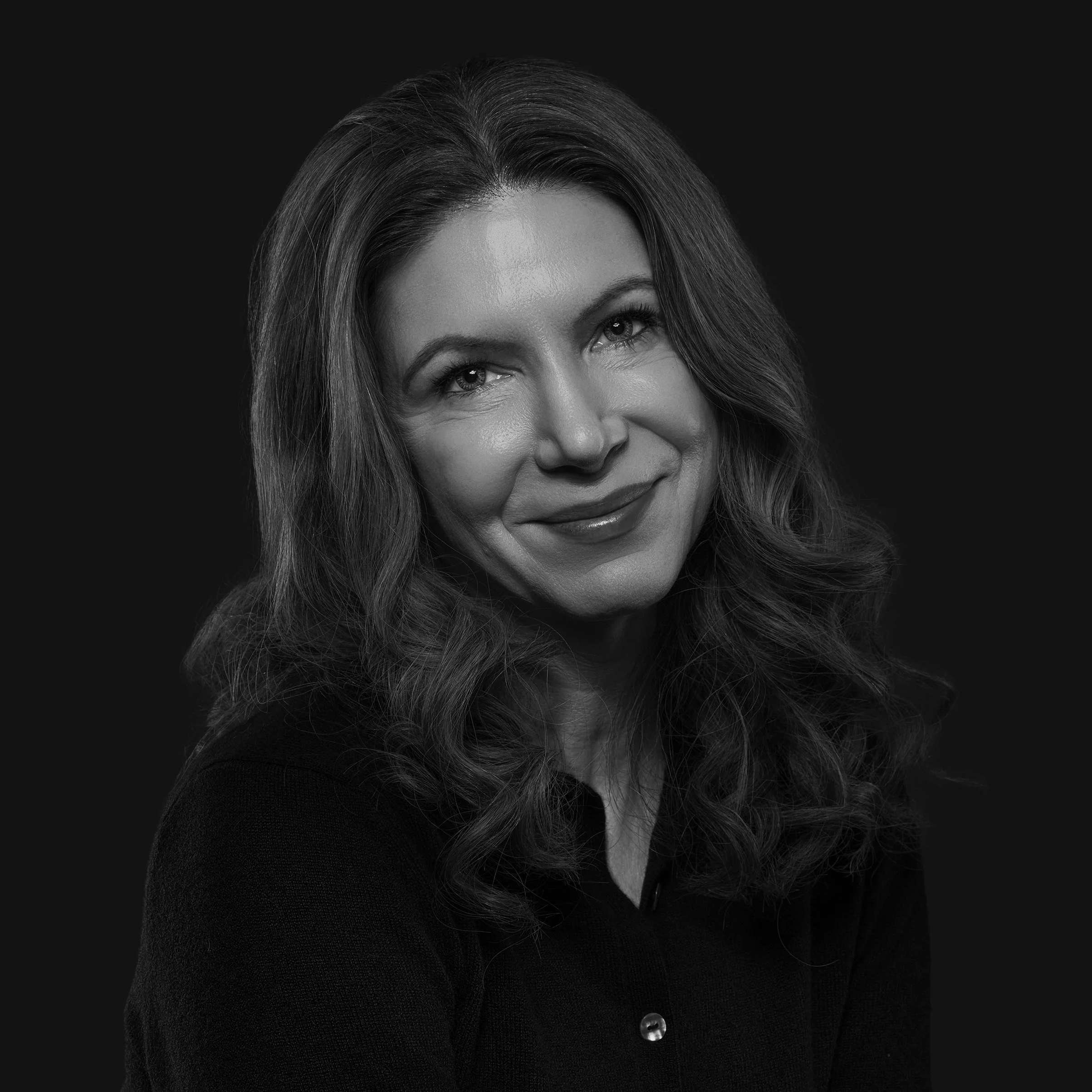
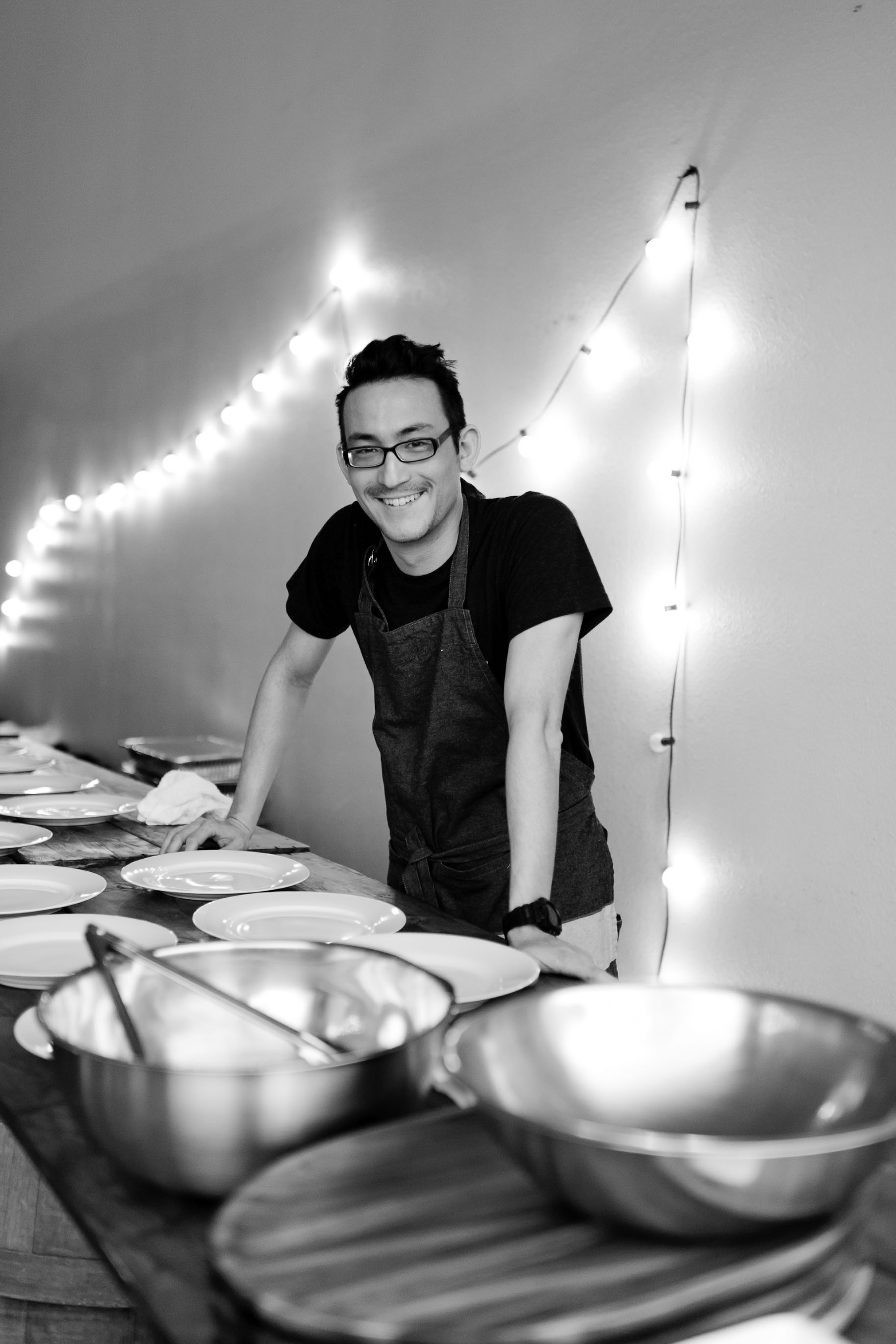
Author photo.jpg

One thing people (hopefully) won’t realize in reading the book is that I did not have a lot of time to write it!  I think we finalized the deal with Sterling Publishing in late November, and the due date to have a draft of the manuscript submitted was sometime in early March.  That left me a little over three months to write all of the memoir portion of the book and then of course, the 100 recipes.  On top of that, I had to schedule photo shoots with my photographer, Carli Rene of Inked Fingers.

 The process required me to stick to a schedule.  Every day I was writing a recipe or two, and then on the weekends I would try and test 4-5 in my home kitchen if I wasn’t at one of the restaurants or on a catering event.  During the week, in addition to writing the recipes, I was working with Carli on a shot list.  We had seven total photo sessions in Austin, and then I sent Carli to Tokyo, Japan to capture my early food and cultural influences as a child.  Photos were such an important part of the book.  For me, the photos needed to tell our story and capture the depth of our journey from food truck to a multi-faceted hospitality company.  We also had to gather over one hundred releases from employees and customers who were featured in the book.  I remember Carli had to pass these out to our guests on a Friday night since we wanted to capture the magic of a busy service.

 In retrospect, I’m impressed we got it done.  There was a lot of back and forth coordination between Carli and I.  Additionally, this was my first book and I was learning a lot of the procedural elements to writing a book on the fly.  I had to get used to including a lot of abbreviations within the manuscript.  For instance, <HN> signaled a headnote.  Not only was I in constant communication with Carli scheduling photography, but I was also in communication with Jennifer Williams at Sterling, my editor.  She was coaching me on how to write the book, what order I had to list my ingredients for the recipes, and the subtle details I was missing within the recipes.

 I’m proud of the final product.  I think the hard work and effort shines through each page of the cookbook.  The learning curve was steep but the journey was worth it.  I’m happy with where we arrived.

About the Book

Eric Silverstein’s background in Asian food culture and, later, his immersion in Southern and Southwestern cuisine, inspires the cooking at his hip restaurant, The Peached Tortilla, in Austin, Texas. Locals and visitors to Austin are conveniently introduced to his restaurant concept through the airport location, one of four locations in The Peached Tortilla brand. It’s restaurants like The Peached Tortilla that have made Austin into a dining destination. Eric's new cookbook, The Peached Tortilla: Modern Asian Comfort Food from Tokyo to Texas (Sterling Publishing, May 7, 2019), is filled with 100 flavor-packed recipes, including many of the restaurant’s most beloved dishes, like the Banh Mi Taco, Japajam Burger, and Bacon Jam Fries, which gained a cult-like following when Silverstein first served them out of his famed Austin-based food truck. Other crowd-pleasing favorites range from crispy Umami Fried Chicken and Korean Short Rib Pappardelle with Smoked Crème Fraiche to Asian Pear Miso Salad and Roasted Cauliflower with Nori Brown Butter. Part cookbook, part memoir, Eric (who practiced law before throwing in his briefcase for an apron) weaves his fascinating (and sometimes agonizing) life story throughout each chapter. Silverstein, named one of Plate Magazine’s “30 Up and Coming Chefs in America” and a “Rising Star” by FSR Magazine, has been featured in People, The New York Times, Kiplinger’s, and Food and Wine, as well as on Live! with Kelly and Michael, Food Network and The Cooking Channel. Featuring full-color photos, detailed how-to’s, extensive noodle and Asian food glossaries, and Eric’s own eclectic touches and cooking advice on almost every page, The Peached Tortilla is Asian fusion at its best, delivering soulsatisfying comfort food with a kick!

About the Author

Founder & owner of The Peached Tortilla, Eric Silverstein, did not take the traditional route into the hospitality world. The former litigator always had a passion for food and aspired to become an entrepreneur, so he decided to combine the two by opening a food truck. His first truck opened in Austin in September 2010, and The Peached Tortilla empire has since expanded into a fleet of food trucks, three brick-and-mortar restaurants, and a full-service catering business and event space, Peached Social House. He opened a new fast casual outpost of The Peached Tortilla in the AustinBergstrom International Airport in the spring of 2018, and his most recent project, Bar Peached, opened January 2019. Silverstein was born in Tokyo, Japan, where he lived for 10 years before moving to Atlanta, GA. Then in 2010, at the age of 27, he ventured to Austin for the sunny weather and friendly people. It was his upbringing in both the Peach State and his “atypical” approach to food that inspired Silverstein to name his business “The Peached Tortilla.” His style of cooking is heavily influenced by Japanese, Chinese and Malaysian cuisine from his time growing up in Japan, with hints of flavors from his time spent in the South. Silverstein is a founding partner of the ‘Trailer Food Tuesday’ series that takes place each summer at Austin’s Long Center and a brand ambassador for TouchBistro. When Silverstein isn’t working, he spends his time eating out at restaurants around Austin, hanging out with his wife, Kristine, and their young son, Niko, and watching his favorite sports teams.

Q&A with Chuck Redman, A Cottonwood Stand

Chuck Redman.jpg

How did you select your narrator?

I listened to auditions of about a dozen narrators, all talented, but as soon as I heard Mike’s I knew that his voice and character were the voice that I’ve been hearing in my head ever since I started writing my first rough draft. Even the inflections and timing were perfect, better than I had even imagined! It made me smile, big time.

How closely did you work with your narrator before and during the recording process? Did you give them any pronunciation tips or special insight into the characters?

Mike is such an amazing actor and narrator, with such sharp instincts and intuitiveness, that he needed no real “direction” from me. There were only a few Nebraska-related words or names that we needed to talk about. I hereby declare that Mike is now an honorary Nebraskan!

Were there any real life inspirations behind your writing?

My home town in Nebraska and my current town in California both played big roles in shaping the idea for the story (the special magic of small towns and big trees). And some of our memorable friends from my youth in Nebraska may have helped shape a character or two.

What's your favorite:

Song: Stranger in Paradise

Book: A Tale of Two Cities

Television show: All in the Family

Movie: (that’s a tough one) Doctor Zhivago

Band: My son and daughter are in bands: Cave Babies, SOAR, and Coherence. Check them out!

What bits of advice would you give to aspiring authors?

Ah, that’s easy: read good literature, as much as you can get your hands on! Browse the library for forgotten classics.

What’s next for you?

The next story is set in California, not Nebraska. It’s about a retired couple confronted with the loneliness of too much togetherness. They begin to realize that, sometimes, two’s not company, it’s a crowd. She wants to make new friends, but he has grander ideas. So he goes overboard with a certain guilty promise and an obsession to keep that promise. I just have to figure out whether he sinks or swims (so to speak).

Please list a couple books that have been published by other authors that are similar to yours in style and substance (for instance, “if you liked that book, you’ll like my book.”).

Huckleberry Finn, Little Big Man, Forrest Gump (I know this list seems pretentious, but these are the books that definitely inspired me.)

What are some of the criticisms that your book might receive?

It is not an easy read (or listen), because of the narrator’s dialect, and also because details of the plot are not always directly spelled out. The reader or listener has to do some inferring and analyzing along the way. And of course, not everyone appreciates satire

Anything additional you want to share?

I worry that technology is robbing us of our human nature, our humanity. Some aspects of science and technology are beneficial and beautiful (I’m kind of partial to modern plumbing). But I’m not so sure that cars and television haven’t done way more harm than good. Don’t get me started on those sinister gadgets you put on your kitchen counter and you call them by name and ask them who invented mouthwash or to tell you a joke about St. Patrick’s Day. I wouldn’t want my kids to end up having a best friend that you plug in, instead of one you can play hide and seek with in the park. Sorry to end on a preachy note, but this sort of goes back to the reason I wrote the book in the first place: Trees and nature, GOOD. Big screens and pollution, BAD.

Audiobooks, by and large, are a good thing, though. They represent the positive uses of technology. Blogs, too! Thanks a million for giving me the chance to be interviewed on your blog.

Q&A with Amanda Marin, North to Nara

Amanda.jpg

What gave you the idea for this book?

North to Nara was inspired by a lot of different things. Believe it or not, one of those inspirations was my dog! A while back, she was having a tough time recovering after a surgery (thankfully she’s all right now). Taking care of her got me interested in writing about a character with the ability to siphon away someone else’s pain—it’s what I wished I could do for her! This evolved into the concept of Suffering in the book. On the more serious side, Nathaniel Hawthorne’s The Scarlet Letter was also a major influence. It’s one of my favorite books, but I always wanted Hester and Dimmesdale to have some sort of happily ever after. North to Nara isn’t exactly a retelling of the story, but it is a reimagining of it, focused on my own versions of Hester and Dimmesdale. (Hopefully Hawthorne wouldn’t mind!)

Who is your favorite character in North to Nara?

Hands down, it’s Micah Ward, Neve’s love interest. He’s compassionate, kind, and thoughtful—all qualities the world needs more of (and that I aspire to better embody myself!). He was challenging to write about—but also really fun and interesting. Even though she’s more or less the villain in the story, I also really liked writing Isla Pryce. She’s a very complex character, and I loved working on her backstory.

What was the hardest part about writing North to Nara?

I think trying to find a unique angle on dystopian fiction was the biggest challenge. It’s such a popular genre and so many takes on more traditional dystopian elements have been done repeatedly. It’s hard to stand out. I knew early on that I wanted to reverse as many expectations as possible. For one thing, I truly consider this a romance first—it’s a love story that happens to take place in a dystopian setting, not the other way around. I also wanted the appearance of a utopia, which is more frightening, I think, than an obviously bleak setting.

What’s your next project?

I’m finishing up the sequel for North to Nara. It’s called Sky to Sea, and it should be out in January 2020. It’s a very personal story to me—I put a lot of emotion into it, along with healthy doses of romance, suspense, and adventure. The first few pages of Sky to Sea appear at the end of North to Nara—I’m keeping quiet beyond that so as not to spoil either book!

Has writing always been your “dream job”?

Pretty much! I’ve been writing since I was little—I’ve always loved stories and books. When I was around 13 years old, my English teacher was extremely supportive and encouraged me to keep going with my interest—so I did. Today, I’m a marketing content writer by day, and—now that North to Nara is published—a novelist by night. I feel very lucky to get to do something with my life that I love so much.

What is the best piece of writing advice you’ve received?

Never give up. It’s simple but important advice. In high school, I asked my creative writing teacher if he ever thought I’d manage to get something published. He told me, “You will as long as you don’t give up.” I really took that to heart—it kept me going through many rejections and moments of self-doubt. Keep writing. Keep querying. Keep putting yourself out there. No matter what! (Yes, I’m talking to you, person-reading-this-who-really-needs-to-hear-encouragement!)

Why I Wrote The Burn Zone by Renee Linnell

Photo Credit: In Her Image Photography

Photo Credit: In Her Image Photography

I wrote The Burn Zone as a catharsis; I had to get the story out of me. Dr. Maya Angelou once said, “There is no greater agony than bearing an untold story inside you.” I believe she is right. The story was consuming me. It was tearing me apart from within. I was filled with anger and hatred and confusion and I had to let it go. So I wrote. And wrote and wrote and wrote. I vomited all of it onto paper. Over and over and over again. The same scenarios, the same pain, the same periods of my life. I wrote hate letters that I never sent. I screamed into pillows. I wrote letters to God. Over 700 pages I wrote. And it helped. The heaviness began to lift. The anger began to abate. The fits of rage dissipated. The overwhelming sadness turned to hope.

As this happened I began to speak bits of my story to loved ones. I began to share what I went through, what I signed up for. People were shocked, amazed, and . . . impressed. I began to realize my story had worth. I began to realize it was a story of strength; a story of the fight of the human spirit; a story of uncovering my True Self from deep within the shattered pile of a whole lifetime’s worth of rubble. As I spoke my story I began to get a consistent similar response, “You have to write a book.” It was then that I realized I had been writing a book; it was then that I made the decision to publish what I had written.

But, it wasn’t easy. Reading through my journals was painful. Reliving those stories, those states of mind, was sickening. However, I kept doing it. Because as I did it I realized I had inscribed a map. It was a description of what so many of us (I may even venture to say all of us) do as we create a life to please others. And it was a map, a stepping stone path, out, back to authenticity. I realized I had to print and share my story; even if it helped only one other person.  

I suppose my background as a seeker and as a Buddhist monk influenced my writing in that I felt safe being raw. Vulnerable. “In my defenselessness my safety lies,” says The Course in Miracles. I took it to heart. And it has been liberating. Publishing my whole story is so freeing because I get to just be me. And it turns out I’m really good at being me. I sucked at being the versions of me I thought I was supposed to be to please my parents, my teachers, my friends, the rest of the world; but it’s actually not much effort at all to just be me. I had a great writing teacher in high school who taught us all the rules of grammar, but then encouraged us to break them. So, you will notice I break a lot of writing rules, but I write the way I would tell a story. Thought by thought, sentence by sentence. Again, authenticity. This is the way I would tell you a story if we were face to face in my living room; why should I write it any other way?

It is my sincere desire that readers would feel liberated after reading my book. I love to imagine the little child within them smiling, finally feeling like s/he gets to call the shots. I love the idea of my readers making the commitment to love and nurture themselves; to treat themselves to the little joys in life that they love. I would love for my readers to finally let go of shame; to start claiming and even celebrating their stories. Especially the “skeletons in the closet.” I imagine shackles around the soul being removed; the shackles of shame, the shackles of not-forgiving, the shackles of wishing this or that never happened. I love imagining the spirits of my readers dancing around in the joy and wonder of their Earth Walk. Changing their mental paradigms to believing their life has been a wild adventure instead of lugging around the baggage of regret. I love imagining the flames within their hearts, the light within, igniting. And I would love for my readers to pull up to the surface, and feel safe in the exposing of, the parts of them that make them different. I would love for them to put my book down knowing their difference is their destiny and feeling ready to show and tell the world about their story, their fight of the human spirit, all that they have gone through, all that they have learned. I would love for them to discover the exhilarating freedom that comes with forgiving all of it, embracing their battle scars, and using those scars to go out in the world and fulfill their true Divine Purpose.

About the Author:

Renee Linnell is the author of The Burn Zone: A Memoir, now available on Audible. She is a serial entrepreneur who has founded and cofounded five companies and has an Executive Masters in Business Administration from New York University. Currently she is working on starting a publishing company to give people from diverse walks of life an opportunity to tell their stories. She divides her time between Colorado and Southern California. For more information, please visit https://reneelinnell.com and follow Renee on Facebook, Twitter and Instagram.

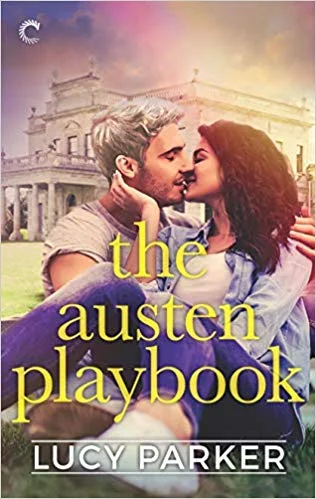
Q&A with Lucy Parker, The Austen Playbook

A1TdEPYHQbL._US230_.jpg

Your latest book THE AUSTEN PLAYBOOK is out this month! Tell us a bit about the inspiration behind THE AUSTEN PLAYBOOK.

I knew that I wanted to feature a stage adaptation of a Jane Austen book, but couldn’t decide which book, and in the end decided to opt for all the Austen books, with a contemporary gaming twist. And I’m a big fan of classic detective fiction, so since the action in the book is primarily taking place at a country estate, I couldn’t resist making it a murder mystery play and going for a modern-day house party vibe.

Once I decided that Freddy, a secondary character in an earlier book, was going to be the heroine, it was without question that the sunniest, most optimistic person in the series was going to be paired with the man who is possibly its biggest grump. She’s this exuberant beam of happiness, and he’s this cool-tempered, work-focused “walking ice cube”, as Freddy puts it. I have such a weakness for the Slytherin/Hufflepuff pairing, that clash in temperament, and watching as the cynical character falls hard for this bright, chirpy light, and has no idea what’s happened to their life.

What three words best describe Freddy?

Optimistic, loyal, and affectionate.

What three words best describe Griff?

Needs more hugs.

What’s your writing routine?

I have some mobility issues associated with chronic illness, so it’s uncomfortable for me to write at a desk. I do most of my writing, whenever I can, on my bed, lying down with my laptop propped up on my knees. I can’t write in complete silence, so I tend to have reruns of a show I’ve seen hundreds of times playing in the background. And I try not to snack too much, because I’ll just keep eating without realising, but if I get writer’s block, it’s instinctive that I’ll go and get something to eat! When you’ve written yourself into a corner, apparently the only answer is carbs.

What do you do when you get stuck?

Eat. All the carbs and sugar. J Then I’ll talk it out. Usually, a long-suffering member of my family is the recipient of my long-winded complaints about where I’ve gone wrong in a book they haven’t read yet, and they always do an amazing job of prompting me with the right questions so that, generally, I can find a way forward. My incredible writer friends online have also frequently stepped up to help me in a similar way.

What distracts you the most when you're trying to write?

Honestly, my own anxieties. The more I start second-guessing what I’m writing, and worrying about other people actually reading it, the more blocked I’ll feel and the more stilted the writing becomes. I really have to try to get into the zone where I’m just writing for me, and enjoying what I’m doing, and I’m in my own little bubble.

What is the best writing advice you have ever received?

Not received personally (sadly!), but definitely the quote by Nora Roberts: “I can fix a bad page. I can’t fix a blank page.”

Do you use a bookmark or dogear pages?

If they’re my own books — I dogear. I’m sorry. But I think of it as book wrinkles; they’re lines of experience. They show somebody loved that book, and are visual evidence of its past history of reads. I’m sticking to that story.

What are you currently reading?

I’m currently deep into writing, so not reading as much as I normally do, but I recently read Olivia Dade’s Teach Me (out in May) and it’s wonderful. I highly recommend it.

Who are three romance authors you fangirl over?

Nalini Singh, Tessa Dare, and Laura Florand.

How would you describe your ideal romantic hero?

My ideal romantic book hero is a grump and/or stuffed shirt who’s never fallen in love before and doesn’t know how to handle all the feelings when it happens. Preferably with a sarcastic, cynical sense of humour.

In real life, however, I would probably find that man very fatiguing, and in an actual human, I like kind, gentle, supportive and affectionate, with a wry sense of humour.

About the Book:

In which experienced West End actress Freddy Carlton takes on an Austen-inspired play, a scandal at a country estate, an enthusiastic search for a passion outside of acting…and the (some people might say icy*) heart of London’s most feared theater critic.

*if those people were being nice

Freddy Carlton knows she should be focusing on her lines for The Austen Playbook, a live-action TV event where viewers choose the outcome of each scene, but her concentration’s been blown. The palatial estate housing the endeavor is now run by the rude (brilliant) critic who’s consistently slammed her performances of late. James “Griff” Ford-Griffin has a penchant for sarcasm, a majestic nose and all the sensitivity of a sledgehammer.

She can’t take her eyes off him.

Griff can hardly focus with a contagious joy fairy flitting about near him, especially when Freddy looks at him like that. His only concern right now should be on shutting down his younger brother’s well-intentioned (disastrous) schemes—or at the very least on the production (not this one) that might save his family home from the banks.

Instead all he can think of is soft skin and vibrant curls.

As he’s reluctantly dragged into her quest to rediscover her passion for the stage and Freddy is drawn into his research on a legendary theater star, the adage about appearances being deceiving proves abundantly true. It’s the unlikely start of something enormous…but a single revelation about the past could derail it all.

“There’s more drama offstage than on, the writing is outstanding, and the bit of mystery blends well into the romance. Theater fans will devour this lovely contemporary romance.”-Publisher’s Weekly, starred review, on The Austen Playbook

“The London Celebrities series-some of the wittiest, smartest dialogue to come down the romance pike in years.”-Kirkus ReviewS of London Celebrities series