Q&A with Allison Brennan, The Third to Die

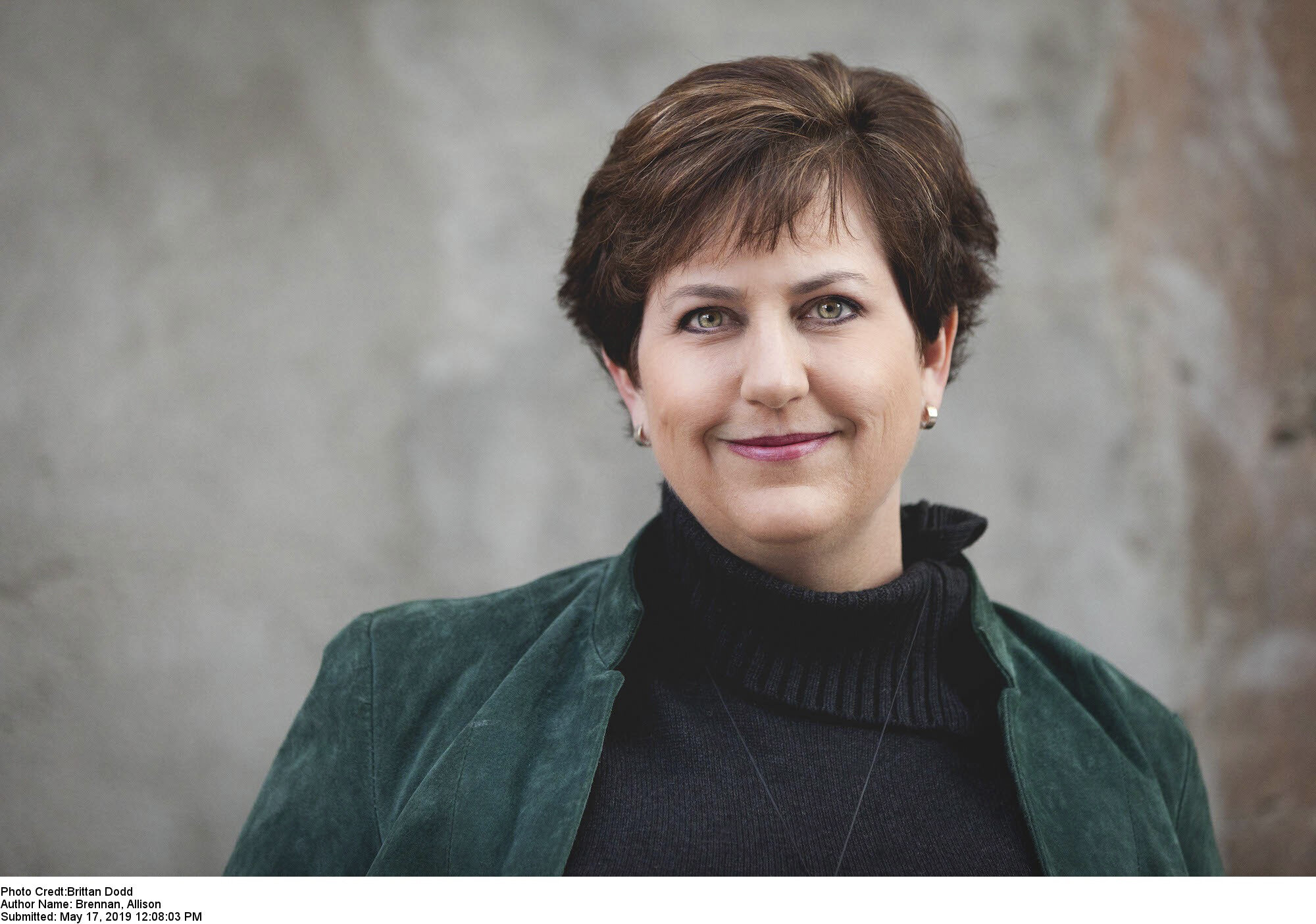
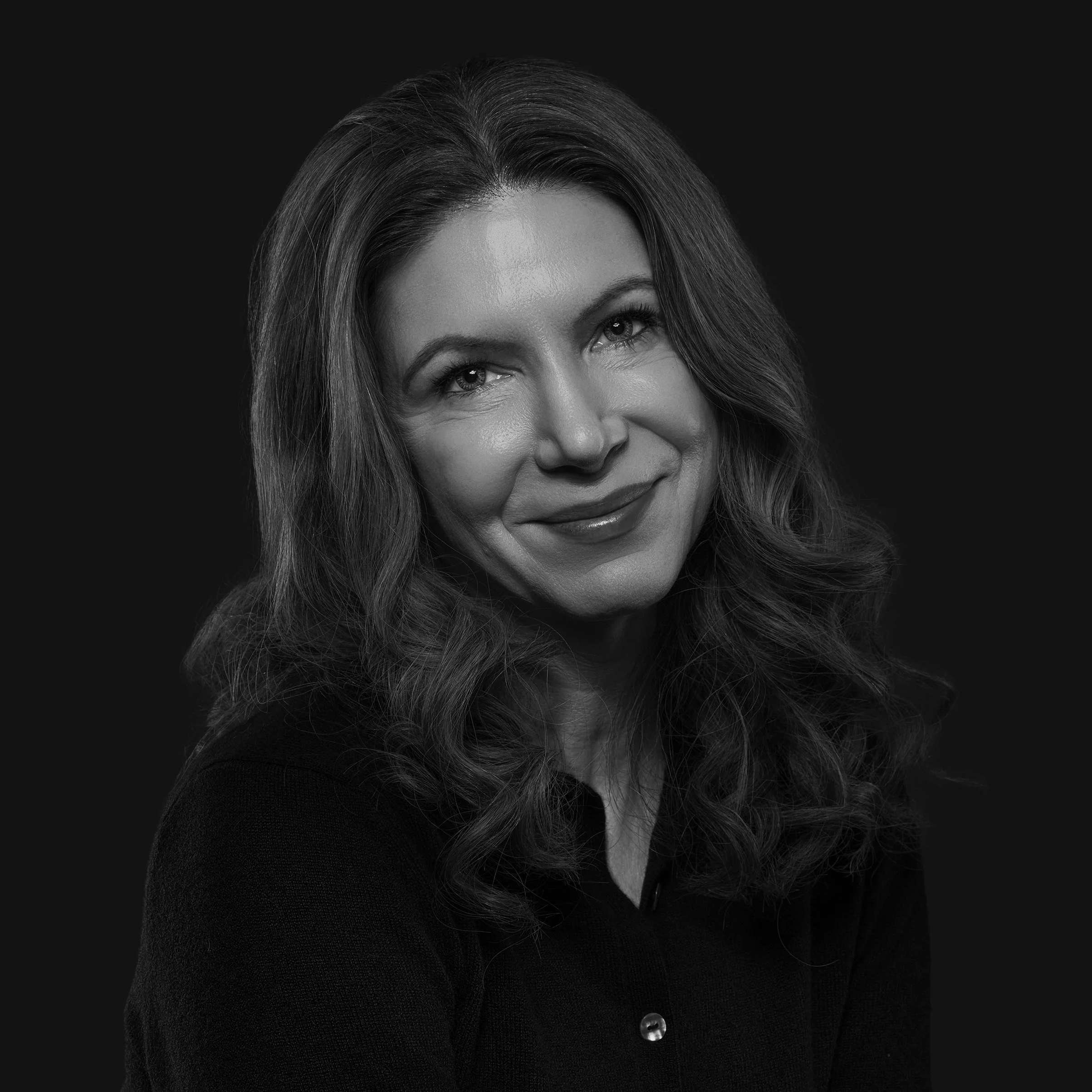
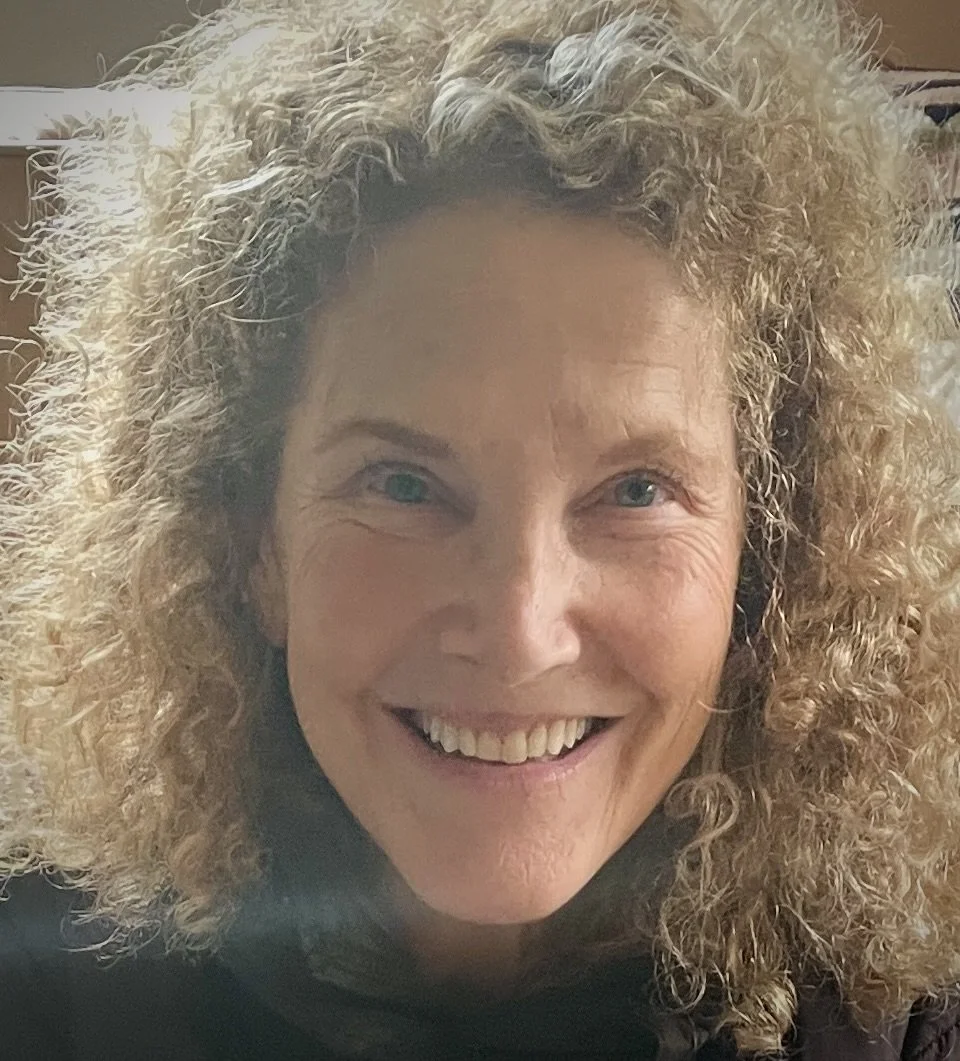
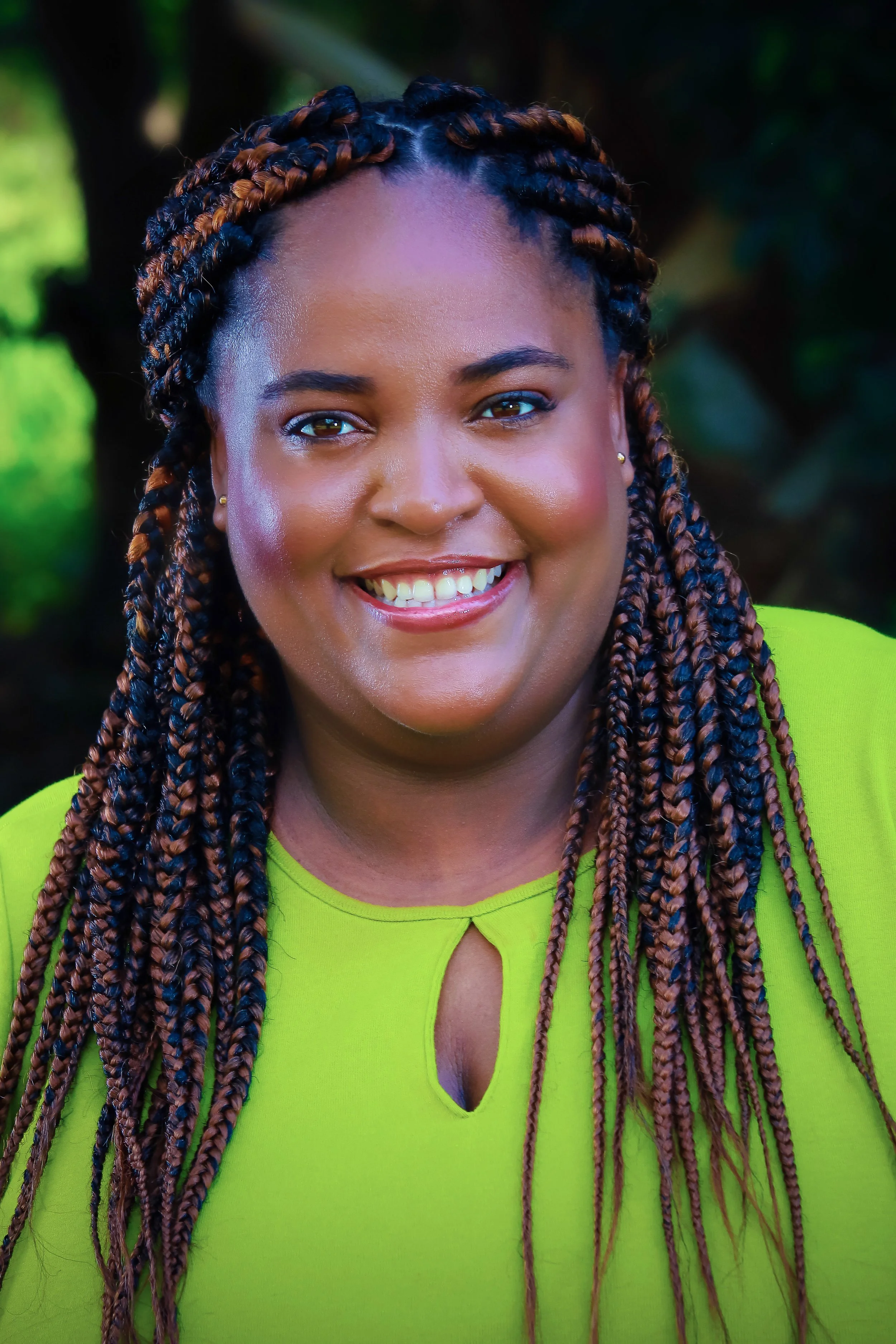
Allison Brennan - photo credit Brittan Dodd.jpg

Tell us a little about your new release, The Third to Die. What character in the book really spoke to you?

THE THIRD TO DIE is the first book in a new series, which is always exciting. I think what I like the most about THE THIRD TO DIE -- and the series concept of a mobile FBI task force tackling complex cases in rural and remote areas -- is that I can explore some areas that aren’t often written about. With the vast numbers of crime fiction set in New York City, Los Angeles, and the like, I wanted to do something different. (This isn’t to say other authors haven’t -- J.A. Jance has a small-town Arizona series and of course Craig Johnson’s Longmire series in Wyoming are two I enjoy.) I like moving the setting from book to book and keeping the core characters -- it’s one reason I had Maxine Revere investigate cold cases in places other than where she lived. Because of the nature of the task force, they will be outsiders wherever they go, and need to learn to work together and trust each other. 

In THE THIRD TO DIE, a serial killer hits a small community outside Spokane, Washington. The Triple Killer surfaces on March 3rd to take three victims before he disappears for three years. But this time, the FBI is on the case early, and they have the best chance of finding him. If they don’t, a cop will end up dead. The best thing about this story is being able to create an ensemble cast of characters. I love shows like BONES and SVU where you have a lead character or two, but the writers spend a lot of time developing everyone else, so you feel like you’re part of a team. That’s what I’m trying to create with the MRT series.

Matt Costa heads the group, and what I love most about Matt is his ability to be a leader. He’s a workaholic, but he trusts his team to do their job. He’ll listen to everyone, but when he makes a decision he stands by it. Detective Kara Quinn thinks, “He’s an alpha male trying very hard, and failing, to be a beta.”

Dr. Catherine Jones surprised me. I pictured her (somewhat) as a female version of Will Graham from THE RED DRAGON (the book, not the movies!), torn apart by what she’s seen, but unable to leave the job behind even if it destroys her family. Knowing she’s a secondary character in this book, I was surprised that her few scenes had such an impact. 

But it was Detective Kara Quinn who really spoke to me. Kara was never supposed to practically take over the book. When I first conceived of the opening, where Kara finds the body, I thought Kara would simply be a witness and that she might investigate on her own and possible even end up a victim herself. But getting into her head, learning about her childhood, watching how she interacts with Matt as well as his team … she intrigued me so much that I hoped she survived (it was iffy there for awhile!) because I wanted to keep writing about her.

You write about some interesting and complex characters in your books. From Investigative reporter Maxine Revere to the Rogan/Kincaid families. What is your favorite type of character to write about?

This is a hard question! I like exploring a wide variety of characters, both heroes and villains. I love complex and conflicted characters, like Detective Kara Quinn, who has many strengths and a few weaknesses. I love writing villains and trying to figure out why they do what they do. To me, every great hero has a fatal flaw and every evil villain has a redeeming quality. 

How long did it take you to get your rough draft finished on your latest release?

Generally, a rough draft -- which is usually pretty clean because I edit as I go -- takes me 10-12 weeks to write. Because I wrote THE THIRD TO DIE “on spec” -- meaning, it wasn’t contracted by a publisher -- I had to write between other projects that had deadlines. I wrote three complete books while also writing this book, so it took me a little over a year to finish the rough draft. But it wasn’t really “rough” -- because I had to step away for weeks at a time, in order to get back into the story, I re-read and edited what I’d written, then wrote the next few chapters. 

For readers who haven't tried your books yet, how do you think your editor or loyal readers would describe your books?

My editor usually tells me that my characters are compelling and I know how to increase the tension through to the climax. My long-time readers usually tell me that they feel like they know my characters and that they can’t put the book down because they have to find out what happens. Most readers say my books are suspenseful. I also hear that my books are “intricately plotted” which makes me chuckle because I don’t plot.

When writing, how do you keep track of timelines, ideas, inspiration and such? By notes on the computer, a notebook perhaps?

I’ve tried every method of note-keeping, but little works for me. When I’m writing, I write notes directly into the manuscript either using the comment function or just typing in the text *** NOTE *** so I can easily search the asterisks. During revisions I have a notepad next to me with the key points my editor commented on, so I can keep those in mind while fixing problem scenes. For ideas I have a computer file called IDEAS (original, I know!) that I add to from time to time, but I rarely have used any of the thoughts I’ve jotted here.
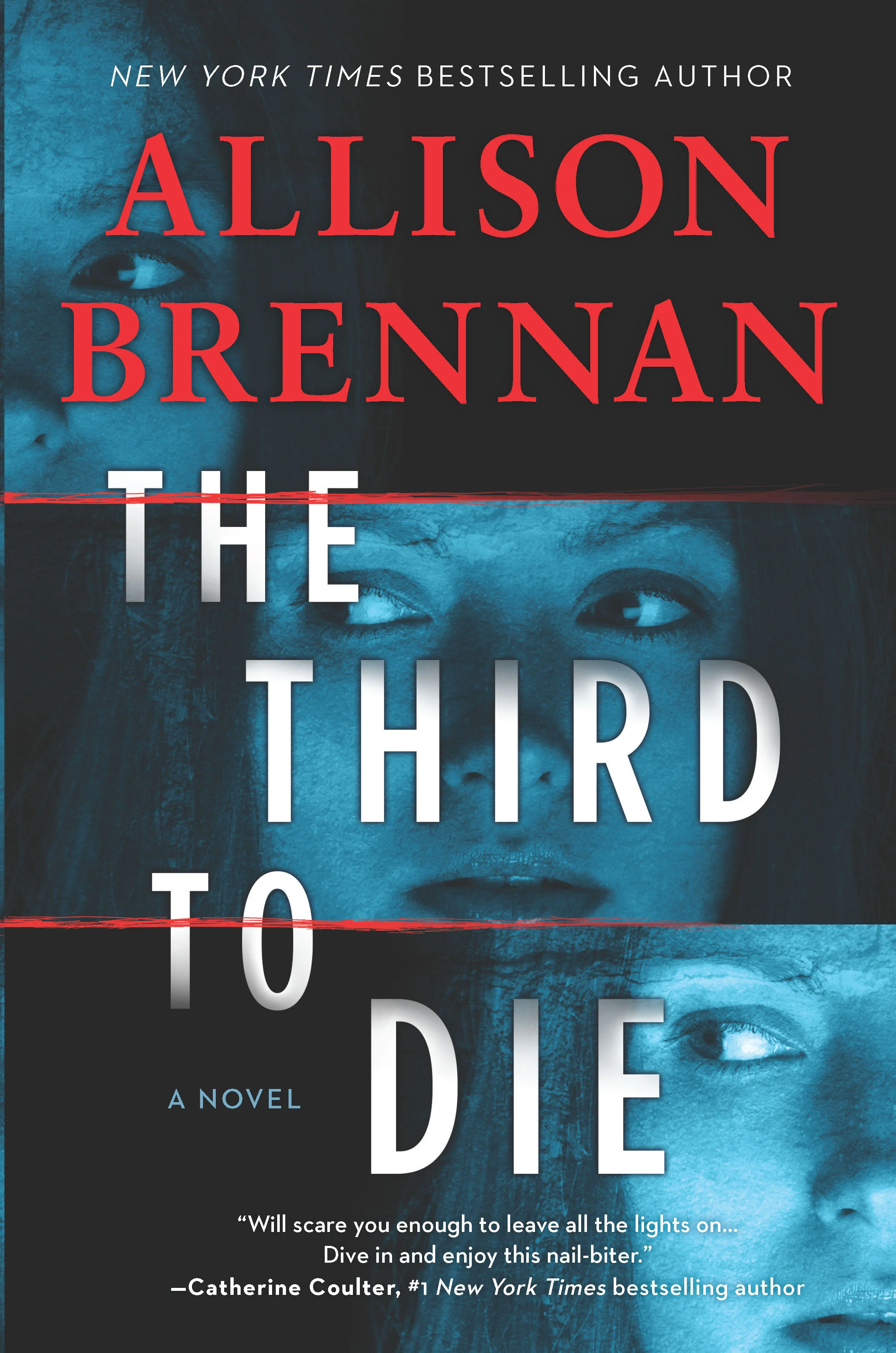
The Third to Die is the first in a new series from you, called the Mobile Response Team. What made you decide to branch out into another series set in the world of the FBI?

A: I had this idea more than a decade ago. When I participated in the FBI Citizens Academy in 2008, I learned about the Evidence Response Team and how they work within the FBI -- basically, they are agents from different squads in one jurisdiction who come together because they have specialized training in order to process and investigate specific types of crimes. One example locally was the Yosemite murders that terrified northern California in 1999, investigated by the Sacramento FBI with crime scenes investigated by the Sacramento ERT.  But ERT agents also have their own cases, they’re only pulled together in extraordinary circumstances. So I mentioned an idea to the public information officer about having an ERT unit that worked around the country (rather than in one limited jurisdiction) and he said he didn’t see how it would practically work. I shelved it, but it nagged at me from time to time. Fast forward ten years and the PIO had since retired. He and I were chatting about another book of mine (I call him regularly for research!) and I talked to him again about my idea, but I had tweaked it. I had the concept of a Mobile Response Team to focus on rural and underserved communities, based on reading about some FBI offices that had huge territories and more limited resources (because of size, location, etc.) He thought about it, and said, yeah, he could buy into it, especially since the FBI is working hard on improving its image. So while it’s not an actual FBI task force, it was plausible. So I ran with it.

I love writing crime thrillers. I’m very comfortable writing in the FBI world, maybe because of all the research I’ve done and maybe because I’m interested in the cases they investigate. Because the MRT team moves around, I can explore a multitude of crimes that interest me. With an ensemble cast of characters, I can focus on different characters in each book, hopefully to make them more real to my readers. Matt and Kara will likely lead each book, but like Catherine was a pivotal character in this book, and Michael Harris will be a pivotal character in the second book, I hope to also go deeper into Ryder, Jim, and the rest of the team.

I really enjoy the complex story lines and cases you have in your Lucy Kincaid and Max Revere Books. How much research goes into your stories and is there a particular 'right from the news headlines' that catches your interest for a possible storyline?

I love research! I read widely and have more than 50 research books on my shelf -- forensics, true crime, military, criminal profiling, psychology, police procedures, and more. I have contacts in many professions who I can ask questions. Before I start writing, I have to make sure the set-up works. After that, I research as I write. I participate in “generic” research whenever I have the opportunity--talking to people in interesting professions or going on “field trips” (such as to the morgue to view an autopsy or a ride along with the sheriff’s department)--just to keep my general knowledge about law enforcement up-to-date. 

Because I read widely, and keep up-to-date on crime related news, many ‘right from the headlines’ stories catch my eye, but I rarely write about them. It’s usually a couple stories that I see together that give me an idea. Such as reading about a storm that unearths bones might interest me, but then I’ll read an article about a missing person or a mortgage fraud scheme and twist all the articles into one idea that’s completely different from the original stories. I’ve read a lot about human trafficking, and my second MRT book touches on that based very loosely on an article I read about how coyotes go back and forth across the border and the cost to their victims (financial, emotional, physical) coupled with another article I read about an abandoned camp that may or may not have been used for criminal activity, on top of a conversation I had with my brother-in-law, a wildlife biologist, about birds.

What do readers have to look forward to in the future from you?

After THE THIRD TO DIE, the next Lucy Kincaid book will be out on March 31, where Maxine Revere gets to join Lucy in San Antonio -- but with a twist. In CUT AND RUN, Lucy is investigating the cold case and Max is investigating the recent murder. I’m almost done writing the Lucy book that follows -- COLD AS ICE (10.27.20) as well as finishing the revisions of the second MRT book (currently untitled) coming out in the spring of 2021. I also have an idea for a trilogy about a female private investigator that I’m super excited about, and I’ll be starting the first draft of the third MRT book this spring. Oh -- and there will be two Lucy Kincaid novellas coming this summer!

Do you have a set schedule for writing or do you work writing into your existing schedule?

Before my first book came out in 2006, I worked full-time and I only had nights to write. I wrote every night when the kids went to bed, from 9 to midnight. Now I write full time, and I treat it as a full-time job -- I start after the kids go to school (about 8 am) and generally wrap up before dinner (about 6 pm). Not all those hours are spent writing -- I’ll research, read, spend time on social media -- and sometimes I’ll write at night, especially if I have to take a day off for errands or I have an imminent deadline or if I’m super excited about the scene I’m writing. Because my time is flexible, I can go watch my daughter’s softball games or take a day to research on-site (like a ride-along.) I also write on the weekends, but only if we don’t have family things planned (or a softball tournament!)

What advice do you have for someone working on their first book?

A: Create good habits. Write regularly--create a schedule that fits into your life and stick to it, whether it’s an hour every morning before the kids get up, two hours at night when you used to watch television, or every Sunday afternoon. You need to make sacrifices to find the time to write, but if it’s important, you’ll do it. (For example, when I was working full-time out of the house AND had three young kids, I gave up television for three years and wrote every night from 9 to midnight.) Also, learn how to discern constructive criticism--some advice is good, some isn’t. Sometimes it’s hard to know what to take and what to leave, but it’s important. Generally, advice that is constructive will help you see your flaws while also motivating you to keep writing; advice that is destructive will make you feel like a failure. Don’t listen to the destructive advice.

Q&A with Eric Smith, Don't Read the Comments

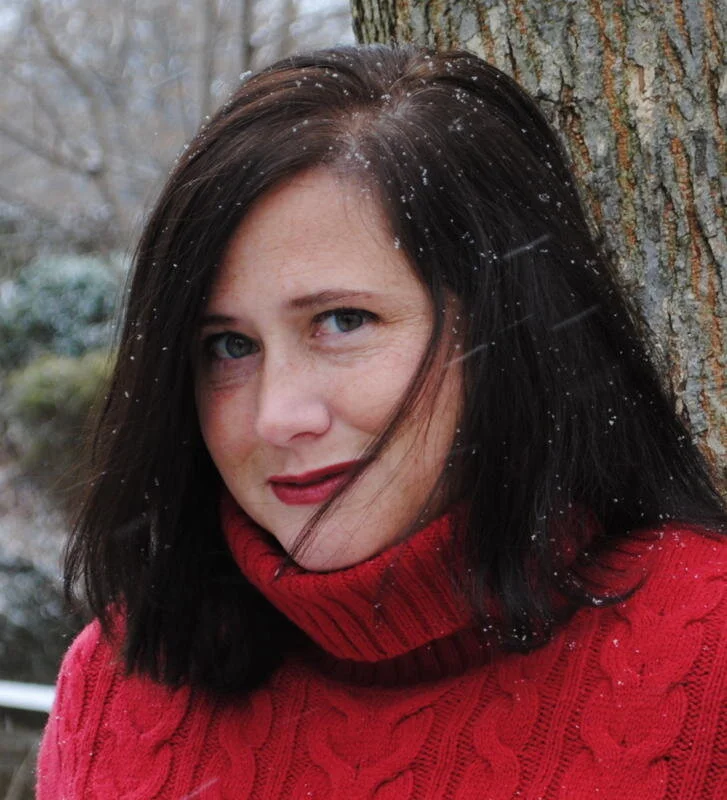
ERIC_SMITH_AUTHOR_PIC.JPG

What kind of research did you have to do for Don't Read the Comments?

There were some small bits of research that went into certain parts of Don’t Read the Comments. Like when I was talking about Hoboken and sections of Jersey City, as I’d been living in Virginia for a while and well, it’d been a minute since I visited towns near my home. 

The big pieces of research came into play when I had to go into the streaming world and the landscape of the video game. Reclaim the Sun… well, a game like that doesn’t quite exist yet, though we’re almost there. And streaming an MMORPG / virtual reality combo game would present some significant challenges. 

So I had to fiddle around the mechanics of how that would work, introduced a co-streamer, and took some liberties with how that would work. But in order to break some rules, you have to know them, so I watched a number of streamers, talked to my friends who actually stream, as well as friends (and family!) who are avid Let’s Play viewers.

I’m also lucky enough to know a number of people in the video game industry and streaming world. I shared the novel with them, to make sure the world felt real.

I also spent some time digging around in classic MMORPG games, but I can’t say much else there without ruining something about the book. :-) But I did my homework regarding that particular storyline. 

So yeah! A mix of reading and watching, as well as talking to people in the actual industry, helped in a big way while writing and editing Don’t Read the Comments.

Was it easier to write Divya or Aaron's POV? Was one more challenging than the other?

Aaron’s was by far the easiest for me. There’s a lot of me in his character. I scrounged for discarded computers in my neighborhood’s trash growing up, built my own monster PC. I had daydreams of writing games, which eventually morphed into books… though I still think about one day writing an RPG. Someday! He’s a well meaning goof, eager to learn, just trying to figure it all out.

Divya’s was definitely the hardest. She’s resilient. Determined. She fights. Her character was the furthest from me, and I spent so much time trying to get her right. A lot of what you find in Divya, you can find in some of my closest friends, who are all just as bold and courageous as she is through the story. 

That didn’t make her any easier to write, but it made me want to spend time with her character more. 

There’s some writing advice for you right there. If you want characters your reader will fall in love with, pull inspiration from the people you love. 

Is Reclaim the Sun based on an existing video game? As in, where can I find a game like that I can play?

Hah! Oh, how I wish. Reclaim the Sun is definitely a mashup of several games. The exploration pulls from games like No Man’s Sky, the guilds and channels and teams come from World of Warcraft, and the economics are inspired partly from games like Eve Online. As for the VR, that’s mostly inspired from the games I’ve played on my own Oculus. 

It throws together a lot of what I love about those kind of games, just without a real storyline. If I had to make Reclaim the Sun, it might be a little more like Mass Effect

So if you want to play a game that feels like Reclaim… maybe just out No Man’s Sky and those other games I mentioned. And if you want space exploration with a good story, Mass Effect is about to become your best friend. Play the trilogy. You’ll thank me later. 

Did Divya or Aaron change considerably from draft one to the finished book?

So the original draft of Don’t Read the Comments was maybe… 30,000 words shorter? SHORTER. It was a smaller book. So out of all the characters, I think Aaron changed the most. His motivations, his friends, just the world around him and the pressures he was feeling from his family. A lot of that was pulled into the revised version of the novel. 

And that’s what a good editor will do. They won’t just polish your book. They’ll help pull the rest of the story out of you.

I’d always wanted Divya to be tough, so she didn’t change that much. But their relationship and the way the two of them connected changed a lot. Showing more warmth between the characters. There are some moments in the book that weren’t in the original, and I can’t even fathom the novel without them now.

Who is your favorite side character? Ryan is currently occupying a soft spot in my heart.

Hah! That makes me so happy. Ryan’s heavily based on a very dear friend of mine, so I’m glad you love him as much as I do. He’s probably my favorite as well. He’s quick to point out Aaron’s occasionally problematic behavior, in a way that’s gentle, because he wants his friend to be better. We should all be so lucky to have friends like that. Who aren’t afraid to call you out.

What inspired you to write Don't Read the Comments?

A mix of things, really. Me and my wife had moved away from Philadelphia for a while, and suddenly all of my friends became virtual. It was taking a while to find my people and a community. At the same time, a big wave of harassment against women, people of color, and the LGBTQ+ community was rising in the video game space, particularly against people creating and writing about games. I had friends who’d become targets.

I couldn’t shake the feeling of… what would it be like, to have a space that felt safe for me, where all my people were, taken away by others who just felt as though I didn’t deserve to be there, because I was different from them?

I’d experienced my share of racism and harassment in digital (and physical) spaces growing up, and wanted to tell a story about fighting back, and being an ally. 

Would you ever consider streaming yourself playing video games?

Alas, probably not. 

I do love video games. So much. I play a ton of them. But, I’m… (whispers) actually kind of bad at them? I know! I play all my favorite games on easy and just love getting through the story. I get destroyed playing online competitive games like Halo or Starcraft, but do it anyway for laughs. I think all of my losses are just for me, sorry friends.

Right now I’m playing Borderlands 3 and absolutely loving it, the humor and the wild weapons and story… but whew, I keep dying a lot. Not sure anyone wants to see that. 

What’s next for you in terms of upcoming projects? 

There are a few fun things on the horizon! I co-wrote a YA novel with romance author Summer Heacock called Origin Story, which should be out in 2021. I also co-edited an anthology called Battle of the Bands with my dear friend and YA author Lauren Gibaldi, that will also be out in 2021. It will be… a busy time. 

You can also catch an essay by me in Kelly Jensen’s upcoming YA non-fiction collection, Body Talk, later this year. I talk about my time in a Broadway musical. No really. I was in one as a kid. 

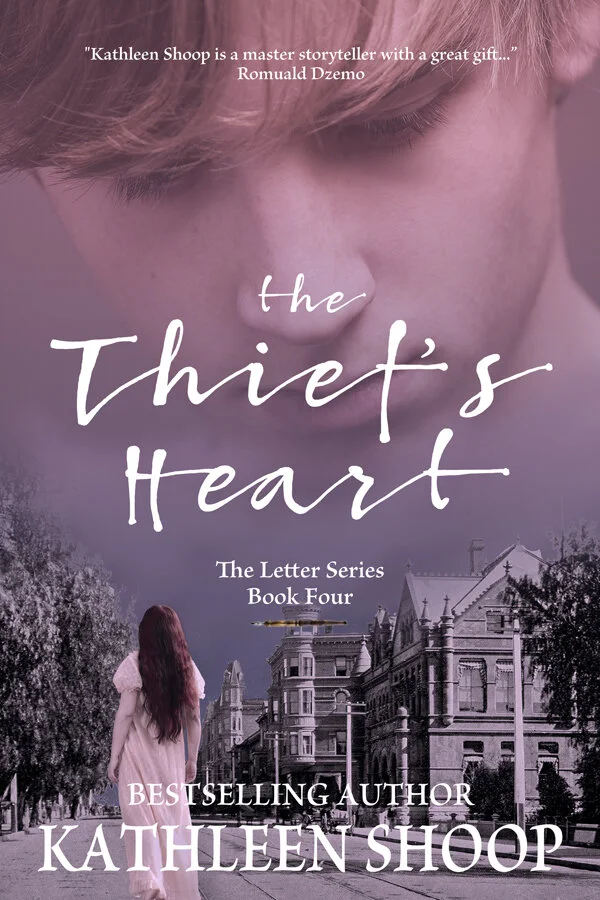
Q&A Kathleen Shoop, The Thief's Heart

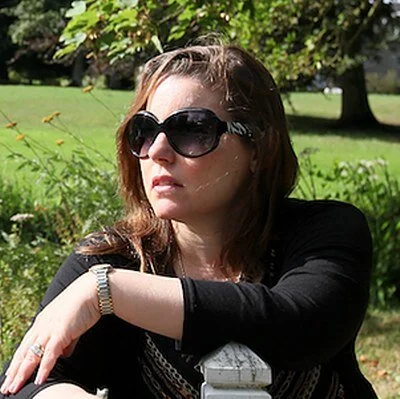
kathie_shoop.jpg

Can you tell us more about the inspiration behind The Letter series? What about compelled you to create an entire series based on the Arthur family?

The Letter Series was inspired by some of my family letters written in the 19th and early 20th centuries. A set of love letters written by my great-great grandmother to her fiance (my great-great grandfather) was the correspondence that started it all. After the first book in the series, The Last Letter, sold thousands and thousands of copies, readers began to ask to see more about the family. And so the rest of the series was born. While the books are inspired by my real family and there are some factual elements to the stories, each narrative is unique and fictionalized. 

Did you have to do a lot of research for The Thief’s Heart, or did you rely on research you’d already done for other books in the series? 

I did have to do quite a bit of research for The Thief’s Heart. Though the book is set at the same time as The Kitchen Mistress is, both books are from different characters’ points of view. The Thief’s Heart is about how Tommy is navigating the difficult changes the Arthur family is confronted with. The novel goes deeply into what causes his problems and how he attempts to overcome them. Though much of the set up and background for TKM and TTH is the same, the experiences the main characters have (even the way they interpret the very same events!) are wholly unique. 

How do you find the right balance between writing fiction that is fun and lighthearted, and fiction that has complex, heavier themes? 

I think whether a book hits just the right balance often depends on the individual reader. When I wrote The Last Letter I viewed the ending as being the definitive finish to a complicated story. I felt the ending was satisfying even if not happy in the way some fictional endings are happy. And many readers agree with my characterization. Others don’t. That really surprised me to get that kind of feedback at the time. So, with every book since that first one, I’ve tried to be even more mindful of balance between a complicated book that creates major problems for characters and making sure there are more light moments as the characters develop, they tackle difficulties, and the plot unfolds. 

You’ve garnered substantial recognition and praise for your books. What advice would you give to current and aspiring authors (especially indie authors) who want to be successful? 

Most advice I give encourages writers to create literature they want to read themselves and to hold the writing up as the most important component of selling. Trends are too hard to navigate if you aren’t really passionate about whatever trend you’re trying to “capture.” Now there are exceptions to that. Some writers are prolific, their interests match with what’s “hot,” and they easily adapt their writings to fit the market. Some authors are brilliant at that and they are rewarded and I would encourage them to maintain that path. But for writers like me, writers who write slower and aren’t as streamlined with their writing process, I would advise they learn to trust. I trust that my work will land with the readers who love it. I do my best to promote and market, hiring experts who know more than me  so that my work gets to those readers. But then I center my energy on the writing process, knowing that in the end, the craft is the most important part of the selling. 

What projects are you working on now?

I’m finishing up a novella, The River Jewel, that acts as a prequel to The Letter Series, will help drive readers to The Thief’s Heart as a sales tool. The River Jewel shows readers how Pearl (a “side” character in The Road Home, The Kitchen Mistress, and more of a main character in The Thief’s Heart) ended up being orphaned. I hope to write Pearl’s own novel soon, but this is a really fun way to give readers an extra Letter Series book to read and to focus on characters other than the Arthurs. I’m also writing the third book in the Donora Story Collection that is about Stan Musial’s childhood. So much more to come!! My newsletter and Facebook page always have new content and updates on my projects in progress and as they are completed.

Q&A with Zoe Kalo, Chameleon

Zoe Kalo_400x399.jpg

What was your inspiration for Chameleon?

Like Paloma, I was partly educated in a convent school run by Catholic nuns. The convent was also an orphanage for girls, and actually some of the girls—Ramona and Sylvy—were based on real people. Adelita and Rubia were pure creations of my imagination. I did attempt to do a séance in one of the classrooms once, an act that made me end up in Madre Superiora’s office…but I didn’t get kicked out…nor experienced a ghost. ☺ 

Some of the scenes in the book depict the nuns in a very negative way. Can you comment on that?

Some of the nuns are nice, others…not so nice. That’s just the way it was. Except for Madre Superiora, all of the nuns in my book are based on real nuns. Madre Estela, Madre Julia, Madre Margarita were all real. Yes, Madre Julia with her giant wooden spoon, real. It may seem hard to believe, and certainly it would be tough to believe nuns can behave like that nowadays. But remember the story takes place in 1970s Puerto Rico. Catholic nuns were very strict back then, their disciplining methods cruel, but this was considered normal. 

How long did it take you to complete the book?

On and off, about two years. But the story and characters simmered in my mind for years before then.

Did you have to do a lot of research?

I did a tremendous amount of research on psychopaths and psychopathy, and a fair amount on natural drugs found in tropical forests, though I ended up using only a tiny fraction of the material. I also consulted a police officer for the parts about police procedural and interrogation. 

You like to use mimic writing, don’t you?

Yes, I do! I used it in Daughter of the Sun when the protagonist was drugged, and also in this book in the climax with Paloma. The writing becomes erratic and stream of consciousness because it reflects and mimics the altered mind of the character. No commas, no punctuation, one run-on sentence after another. I love using this literary technique but sometimes it can be confusing for the reader, so trying to find a balance can be very challenging. 

Did you listen to any particular kind of music while working on the book?

I sure did! I can get quite obsessed about that, listening to the same compositions again and again. This was my music list for Chameleon… all of them haunting, mysterious and dark!

Beethoven’s Figlio Perduto: https://www.youtube.com/watch?v=Wuo6PUeyHmA (Performed by Sarah Brightman)

Mozart’s Requiem in D Minor: https://www.youtube.com/watch?v=qiMcXzfm9Mg 

Agnes Obel’s Riverside: https://www.youtube.com/watch?v=vjncyiuwwXQ 

Revenge Series soundtrack: https://www.youtube.com/watch?v=DOgHd_iM5ok 

Interview with the Vampire soundtrack: https://www.youtube.com/watch?v=N6aPxaCpP78 

Q&A with Rebecca Raisin, The Little Bookshop on the Seine

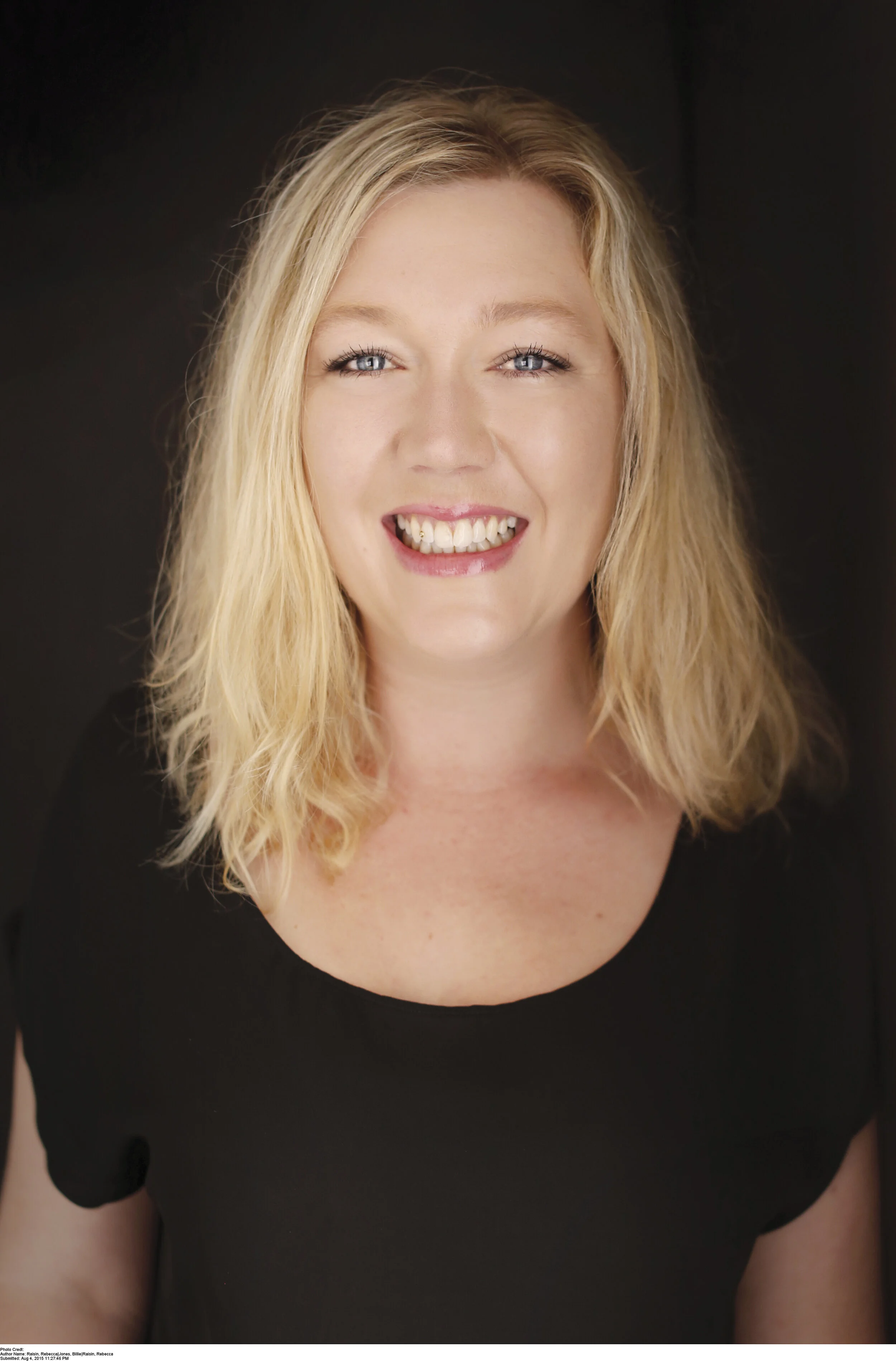
Rebecca Raisin_AuthorPhoto.jpg

Have you ever been to Paris?  If so, what are some of your favorite Parisian things?

I’ve been lucky enough to go Paris four times and do a bit of exploring for the books. It’s my favourite city in the world and if I could up and move I’d do it! I love the bookshops of Paris, particularly the secondhand shops that are dusty and musty and disorderly. You never know what you’ll find and that makes it magical. If you’re in Paris find the Abbey Bookshop, it’s full to bursting with English books and it’s a treasure trove if you have time to hunt! I also love French food - who doesn’t?! My favourite place to eat is the Christian Constant bistros. He has one for every budget and they’re all glorious. If you splurge once, I highly recommend it’s there. 

The Ritz is also a must-see, from Bar Hemingway to Salon Proust, it’s an experience like no other walking in the footsteps of those literary greats. Buly 1803 is the most beautiful perfume shop in all the world, it’s like stepping back in time. My favourite is the rose oil… ooh la la. And holding a special place in my heart is Point Zero Paris, the exact centre of the city and a place where magic happens - you’ll have to read the book to find out more...

What authors were/are a huge influence on you as you began writing?  Or Now?

I have always loved Maeve Binchy and Joanne Harris and the style in which they write. I love Maeve’s ability to write everyday relatable characters, and I love Joanne’s sense of whimsy. I love writing foodie books set in exotic locations and I think I probably fell in love with France through Joanne’s books, they managed to transport me fully and I must’ve reread them a hundred times by now. 

What's some of your favorite novels? What are you currently reading and what's on your TBR (to be read) list?

I loved Me Before You. I cried ugly, ugly tears at that. I must be a sucker for punishment because my all time favourite is The Fault in Our Stars. And also Rohinton Mistry’s A Fine Balance. Three books that you need to read in the privacy of your own home with some cucumber slices to apply after for puffy eyes! I’m currently reading the Seven Sisters series by Lucinda Riley, so a nice change of pace from sobbing my heart out. I love how different each sister is and how you still find common ground with them. 

What inspired you to write your The Little Bookshop on the Siene?

My love of Paris and its bookshops! And truthfully, I wangled the family there so I could do some ‘research’ which included eating my body weight in macarons and walking until I couldn’t feel my feet anymore and feeling that I was a little bit French on the inside if only the locals could see that! 

What theme or message do you hope readers will take away from your book?

I hope you do something reckless, something that scares you, jump out of that comfort zone and do that thing you’ve always dreamed of! What’s stopping you - fear, money, work, life? You can make it happen if only you take the plunge! Open yourself to new experiences and people and don't take the taxi, walk until your feet are numb and find those lost laneways and hidden alleys and see what you find! 

What drew you into this particular genre?

I love love, but Little Bookshop is also about another kind of love, the love of a place, or a feeling...writing this genre leaves it open to interpretation and anything goes as long you tie it all up at the end in a satisfying way! 

If you could sit down with any character in your book, what would you ask them and why?

I’d sit down with bookworm Sarah and ask her what she really thought of Luiz… I am still conflicted about that thread and what I could have done but didn’t!

What social media site has been the most helpful in developing your readership?

They’ve all been good in different ways but I’d say Facebook is my favourite. I have a great group of people who follow me there and really interact. It’s a nice place to stop and chat and they’re all really lovely. Instagram is good too. I love how creative book bloggers are with their photos, they’re very inspiring to me. 
What advice would you give to aspiring or just starting authors out there?

I’ve said this before and it’s really this simple. Write every day. I think it was Stephen King who said writing is like a muscle, the more you use it, the stronger it gets and it’s true! Carve out a time and stick to it. 

What does the future hold in store for you? Any new books/projects on the horizon?

I’m currently editing Aria’s Travelling Bookshop, which is about a Van Lifer who sells her wares as she explores France! (Are you detecting a pattern here!?) It’s the follow up to Rosie’s Travelling Tea Shop, which was released last March. Both books are about a different way of living, about having less but gaining more as you go. I’ve loved writing Rosie and Aria!.

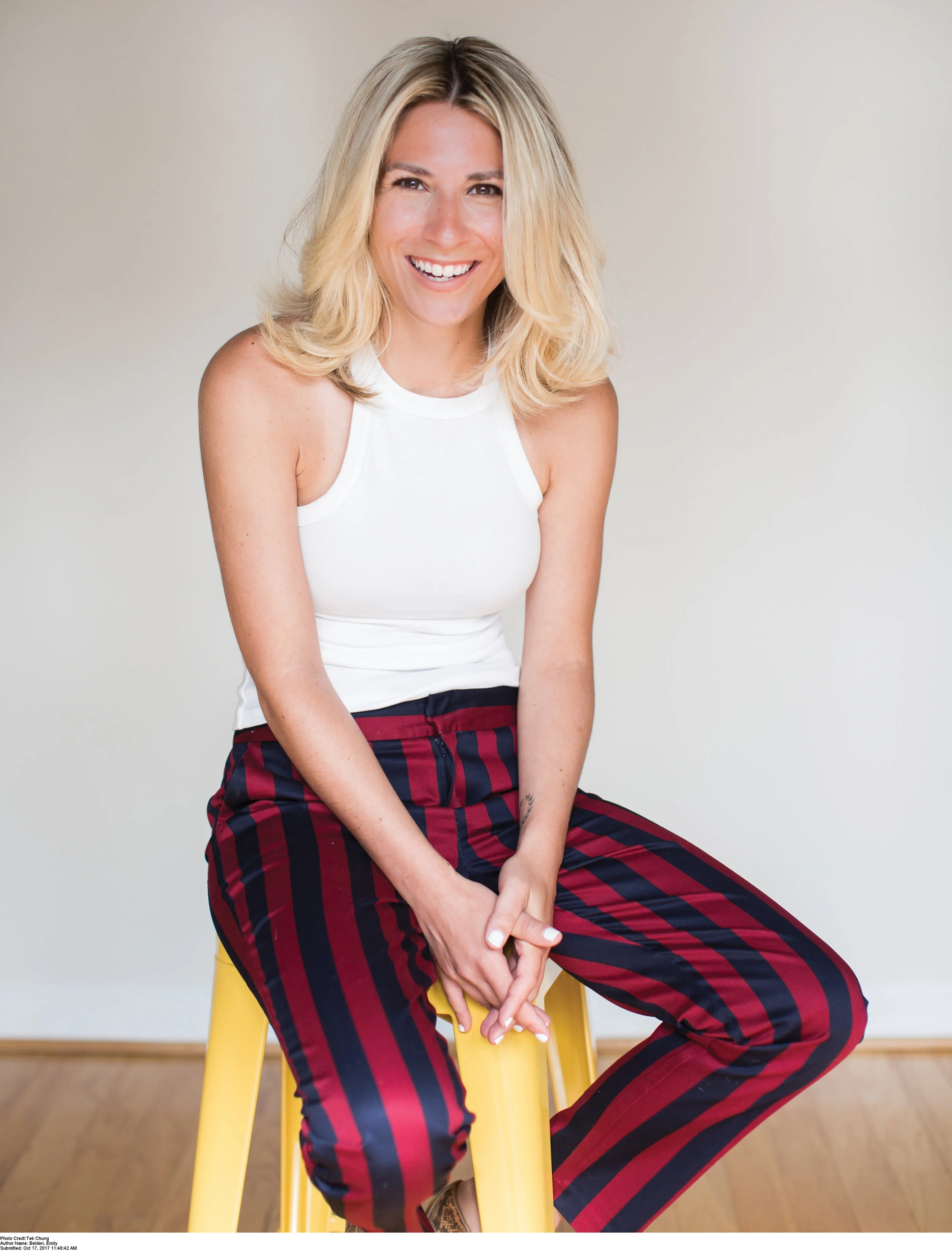
Q&A with Emily Belden, Husband Material

Autho photo_Emily Belden_final.jpg

When you begin writing a love story, do you know how you want it to end? Or do you decide as you develop the plot?

I generally have an idea of how I want things to wrap up, but what I always struggle with is that final sentence. How do you know you’re REALLY there? I often ready my theoretical last sentence out loud, followed by saying “The End”, and if it feels like it has a certain “ring” to it, then I can shut the laptop. If not, then I know it’s not my stopping point. Wrapping up that final thought with a bow on it is super important. It’s what I want when I read a book, at least.

 How was it to write about grief, pain and love for the same character?

It was new. That’s really the best word to explain it. HOT MESS has so many autobiographical elements to it (i.e., restaurant industry know-how, dating an addict, etc.) but HUSBAND MATERIAL was all unchartered territory for me. I realized right away that in order to write about the grief of losing a spouse/partner, I had to curate a focus group of real-life women like Charlotte and really learn from them to bring the level of authenticity and nuance needed to successfully write the book.

What type of love stories do you like? Or were there ones you looked to as you began writing Husband Material?

I like really unexpected love stories. In today’s literary landscape, there’s certainly a formula that is pretty common. So it’s the books that break or stray from that formula that really do it for me. I like stories where it’s not innately clear who the protagonist is going to end up with. Even with HOT MESS there’s a moment where (I hope) the reader is like “OMG WHAT IS HAPPENING” insofar as Allie’s love story goes. Same with Charlotte in HUSBAND MATERIAL.

Do you prefer to write by planning ahead (ie outlining, etc) or just go with the flow as inspiration hits?

I prefer to go with the flow. My general writing pattern is banging out 1-2 chapters at a time and then ending my work with a bulleted list of what I think needs to happen next. That way, when I open up my laptop and start to write the next 1-2 chapters, I’m not totally lost or forgetful of where I left off. It helps me figure out what would make sense in the flow of the pages.

When did you know you wanted to become an author? What are you currently reading and what's on your TBR list?

It’s been my only god-given talent since I was a little kid. It started with really creative letters to Santa or the Tooth Fairy. I won a contest to be a kid reporter for the Chicago Tribune when I was 12 years old and after that, my fate was sealed. I knew I wanted to write at the highest level I could! I am currently reading a book called Lulu’s Cafe by an author who is also repped by my agents, Browne & Miller. I really love it and can picture it as an adorable Hallmark Movie. 

What inspired you to write this book?

I heard a news story on the TV when I was doing dishes at my (former) home in San Diego. It was about a developer who wanted to buy the land a mausoleum was on so they could tear it down and build luxury condos overlooking the ocean. I thought, how crazy if your loved one’s ashes just got mailed back to you one day and the resting place you thought was final, wasn’t. It wasn’t easy, but turned that general premise into a light-side-of-heavy rom-com.

What theme or message do you hope readers will take away from your book?

Over all, that second chances at love take all different forms. You never know the circumstances someone has found themselves in, so be kind. For Charlotte, I intentionally wrote the first few chapters as if she was divorced--talking about her “first marriage”. Then you find out “Oh, sh*t, she’s a widow,” and all the sudden your emotional connection with her changes. I also find it interesting writing about death. We don’t talk about it in society, especially not in contemporary women’s fiction. A tragic, unexpected death is the crux of this book. Let’s dig in!

What drew you into this particular genre?

I saw there was room to carve out a spot for someone like me who writes unexpected, voicey, edgy, authentic women’s fiction and so I went full steam ahead with the help of a great agent to make it happen.

If you could sit down with any character in your book, what would you ask them and why?

I would sit down with Charlotte. I’ve met the “real life” versions of her when doing my focus groups for research, it would be my honor to meet her. I’d ask her if she wanted to team up and develop a dating app framed around people’s dogs. 

What social media site has been the most helpful in developing your readership?

Instagram. I feel like I’ve become friends with people I’ve never met in real life. They cheer me on and I’m humbled by it. I also find other authors on Facebook in certain literary groups. This has been fun and has helped me grow my TBR list with books I otherwise wouldn’t have heard of.

What advice would you give to aspiring or just starting authors out there?

Be patient. Be patient with the process - success as an author is fluid and can mean many different things. Nothing happens overnight. It’s a process. And be patient with yourself. If you aren’t vibing your writing, don’t put pressure on yourself to tap keys just because you said you were going to do 1,000 words tonight. There are times two weeks go by and I haven’t opened my Word doc once. But then when I am vibing it, I can cruise for 10K words and absolutely rock it. There’s an ebb and flow, for sure.

What does the future hold in store for you? Any new books/projects on the horizon?

A: I am working on a third novel at my own pace right now. I’m very excited about it and just exploring where the plot takes me. I would love to work on a film/TV/podcast adaption of any of my existing works as a next step, too. I also got married nine months ago and am enjoying life with my soulmate, Matt.