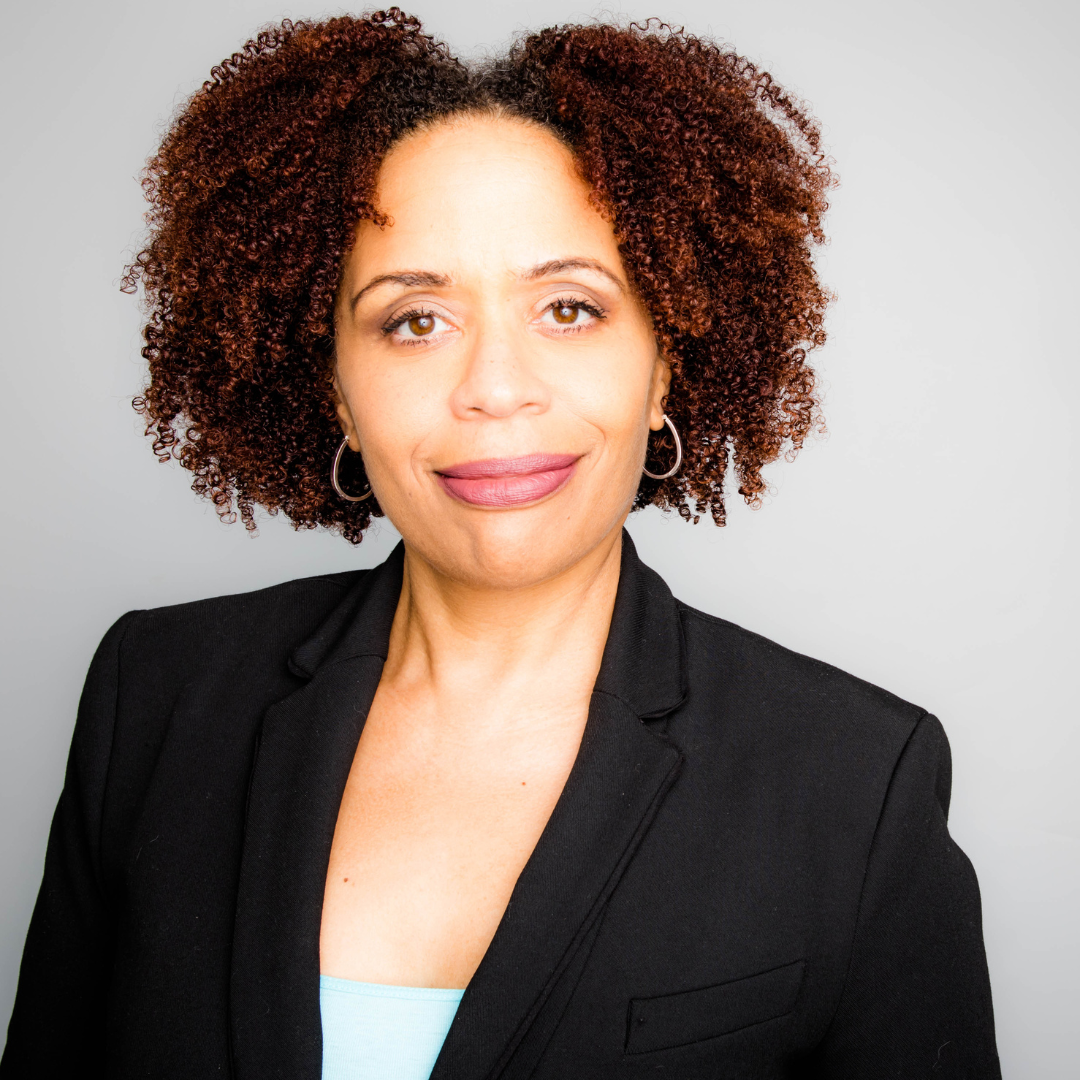
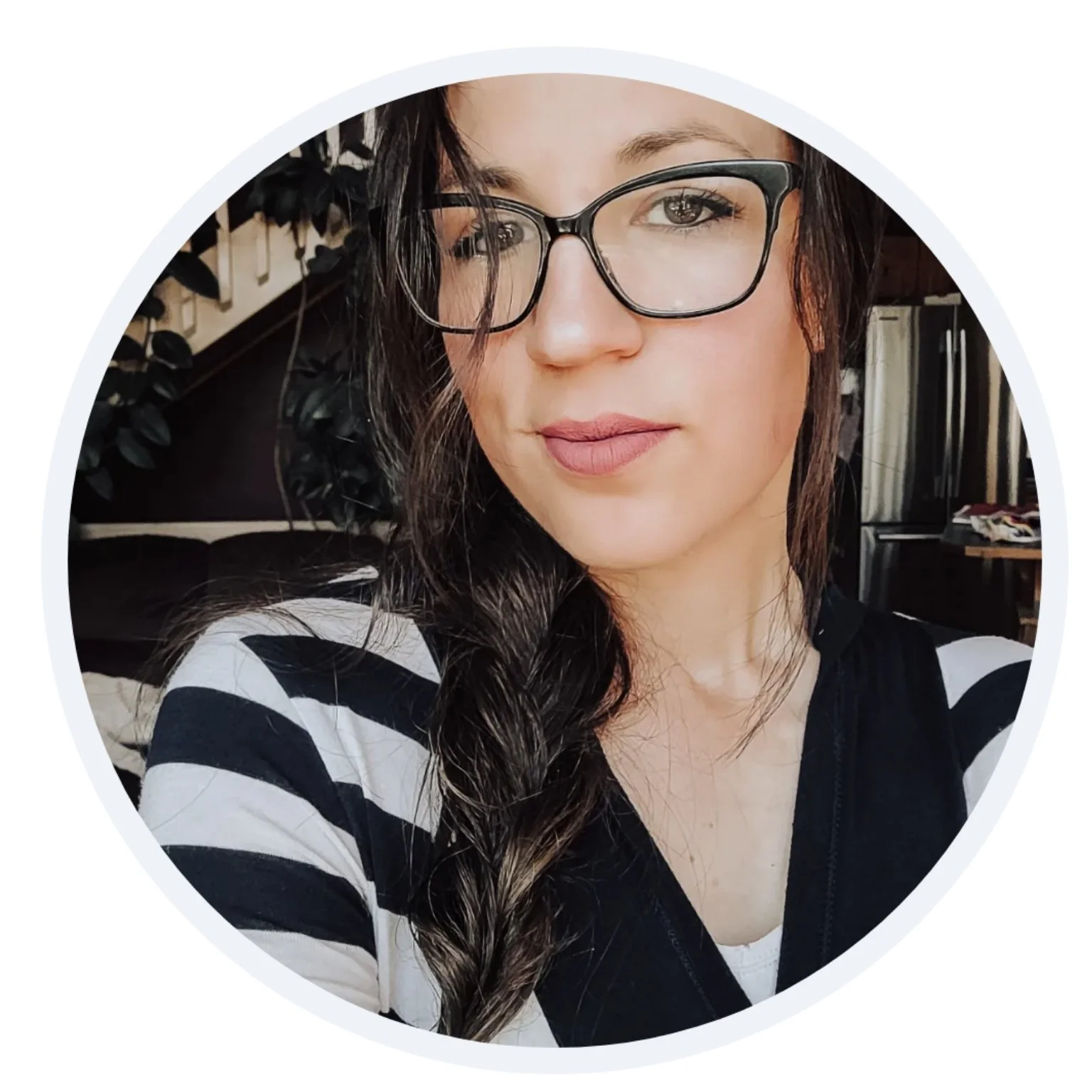
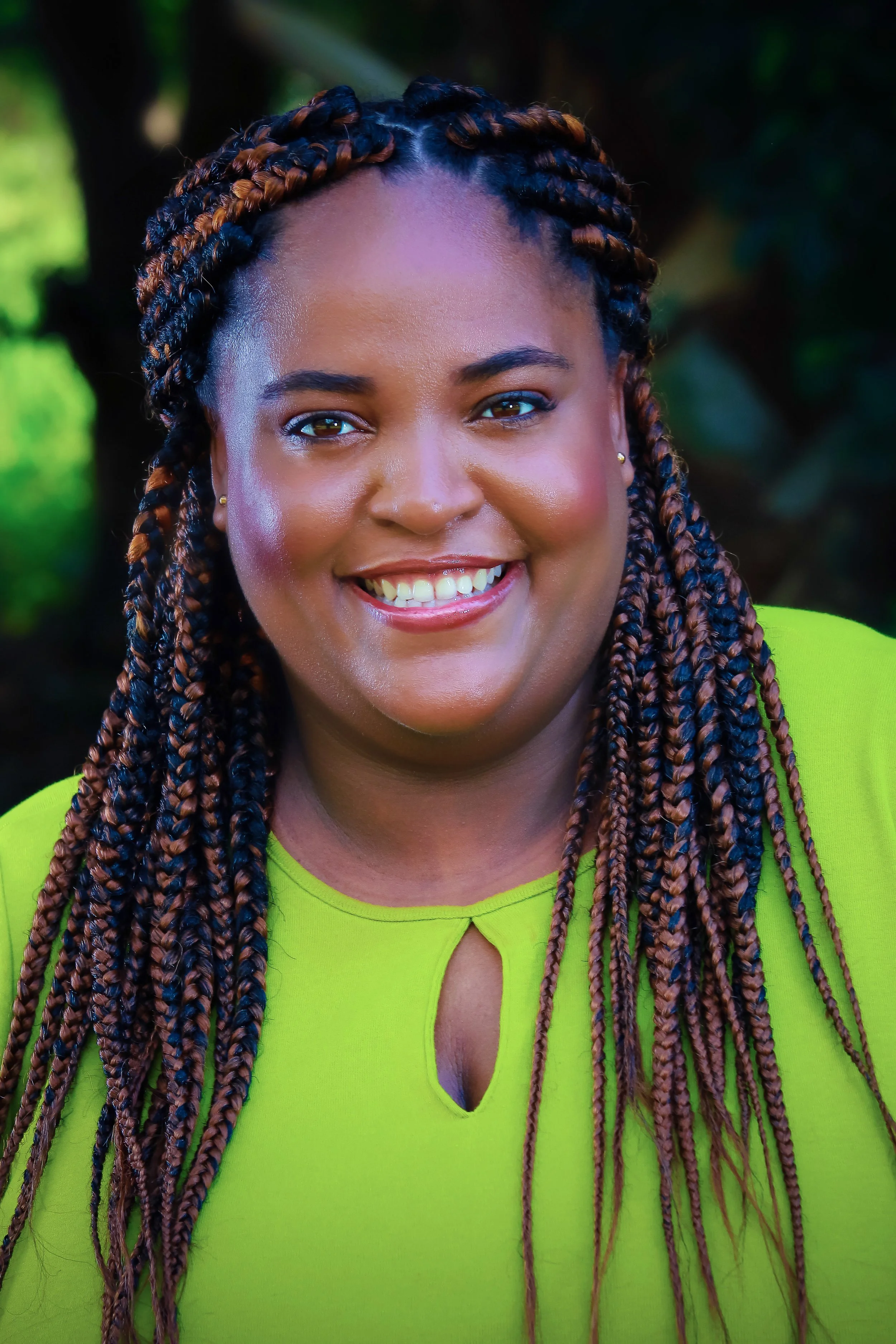
Q&A with Dr. Tracey Marks, What Am I So Anxious?

Why did you write the book?

I started writing the book in 2021 after we all endured the events of 2020. I recognized the need for a comprehensive resource to understand how anxiety takes hold and the many options to manage it.

Are there any life experiences that shaped how you wrote this book?

I was treated for attention deficit hyperactivity disorder as a child, and I think I still have some remnants of it as an adult. I struggle to keep my attention when reading if there are too many details for which I can’t see the relevance. The result is needing to reread passages to fill in the blanks I missed when my attention wandered. 

Because of this problem, I write the way I like to read. Instead of teasing details to keep you interested, I like to lead with the point and fill in the details afterward. I use this approach when I script my educational videos, and I think this style is what my viewers have positively reported as content that is easy to understand. 

There are a lot of books on anxiety; how is this one different?

This book goes beyond talking about panic, fear, and your anxiety brain circuits. All those contributions to anxiety are important. But what about the person with everyday anxiety? Is anxiety always a disorder? In this book, I talk about the many conditions in which anxiety appears, and I dedicate a chapter to anxious personalities and temperaments.

Who is the book for?

The book is for the person who wants to know in precise terms what their distress is about, why they have it, and what they can do about it.

What is your favorite chapter?

It’s hard to limit it to one, but if I must, I’d say it is the chapter on anxiety disorders. I enjoyed explaining them, and this chapter gave me the greatest opportunity to tell stories that add life to the disorders.

What is your least favorite chapter?

It’s actually the first chapter (great way to start, right?). I’ve always struggled with writing introductions and conclusions. As such, I wanted to jump right into storytelling and explanations, but I needed to set the groundwork by talking about the biology of anxiety. I didn’t want it to read like a textbook, so it took some time for me to take complex information that could be a stand-alone book and distill it down to pertinent foundational concepts. Setting up this information pays off later when I discuss other topics that build on these early concepts.

What surprised you the most about writing the book?

I was surprised to see just how much anxiety I have. I don’t think of myself as an anxious person, but I have a lot of issues! I write about my personal experiences in the book. I think other people who have experienced occasional distress may similarly recognize anxiety in themselves that they didn’t know was anxiety.

What was your favorite part of writing the book?

I really enjoyed writing the narratives to illustrate some of the concepts. Many of the stories are my own experiences or those of family members. Some of the narratives are fictional accounts based on my experience treating patients.

What’s in your book that makes someone better from reading it?

Understanding yourself unlocks the power within you to enhance your life experience through incremental improvements.

What are the core ideas of the book?

Anxiety is multifaceted, and you can experience it on a gradient of intense to diffuse. Similarly, there are many tools you can use to manage your anxiety. Instead of looking for one magical solution, the best approach is to layer different tools that address different aspects of anxiety. The book shows you what tools work best for various situations.

What will readers learn from the book?

You will gain a deep understanding of the origin and significance of your anxiety and be equipped with solutions and coping skills to manage it. More specifically, you will learn:

How to identify normal anxiety versus an anxiety disorder

When to seek help for a disorder

What kinds of professional help are available (e.g., medication, therapy, and complementary approaches)

What is psychotherapy, and how they work for anxiety and trauma 

How to use 25 different self-help tools and which ones work best for a given situation

What is unique about this book?

It gives you an abundance of tools to use to manage anxiety and shows you how and when to use them. It also dives deep to discuss the impact of personalities and temperaments on your anxiety. There are a few topics not typically discussed in books on anxiety, such as recognizing existential anxiety and the science behind aromatherapy and how to use it.

What are your two most useful tips for students and/or parents as they head back to school, given the new "normal" of covid and school shooting fears?

Our minds and bodies thrive on routine and consistency. One of the best things you and your child can do to cope with our current uncertainty is establish and stick to a routine. Your routine should include a regular bedtime, wind down time before bed, and at least one meal around the same time (breakfast, lunch, or dinner).  The second thing you can do is set aside time to debrief at the end of the day and discuss any worries or concerns your child has. Affective labeling is a powerful tool that helps diffuse anxiety by assigning words to feelings. Use the daily debriefing as a time to help them identify how they feel with words. Science shows that this exercise reduces brain (amygdala) activation and deescalates intense emotions. 

Her book is available at Amazon | Bookshop.org
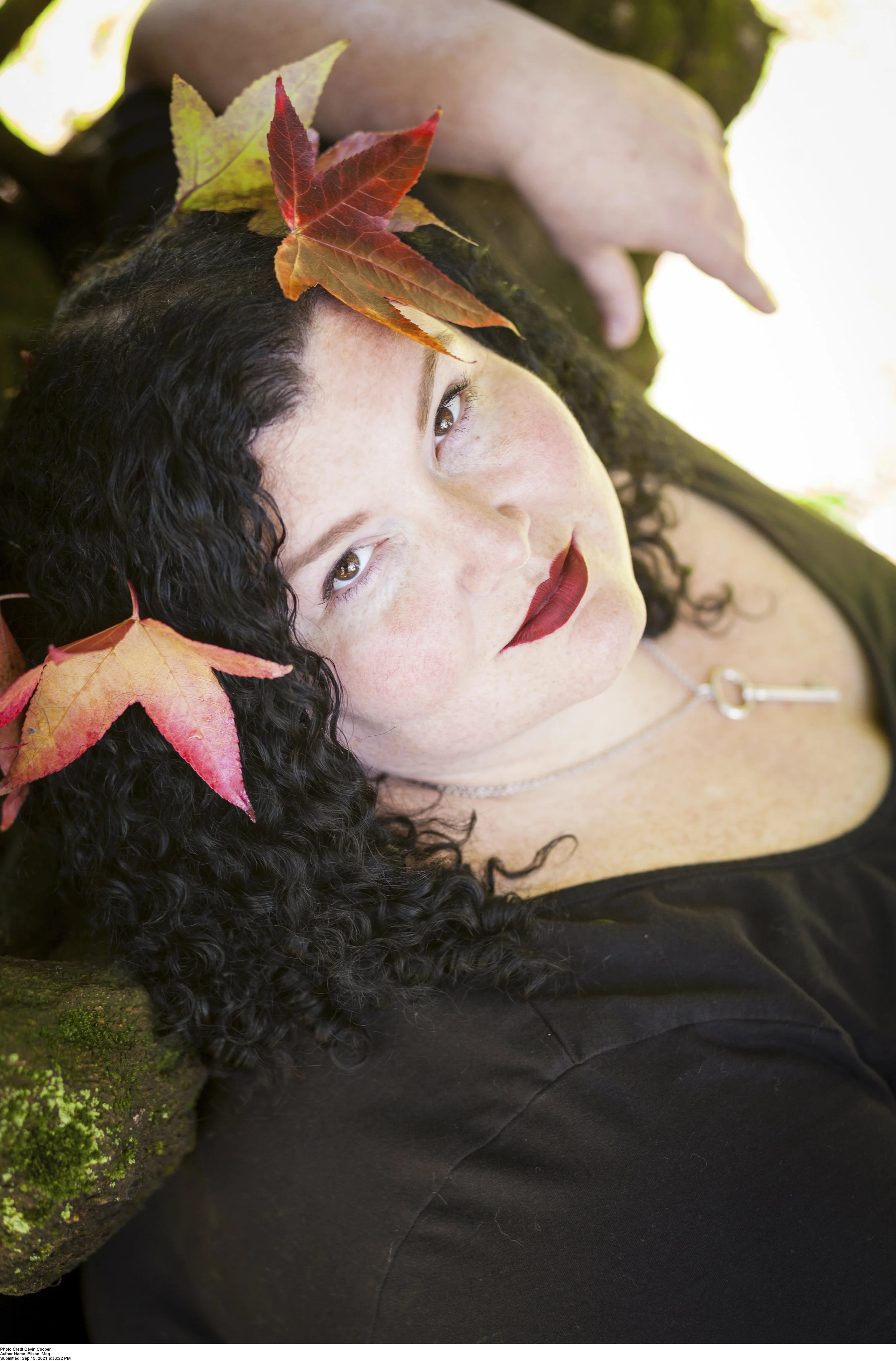
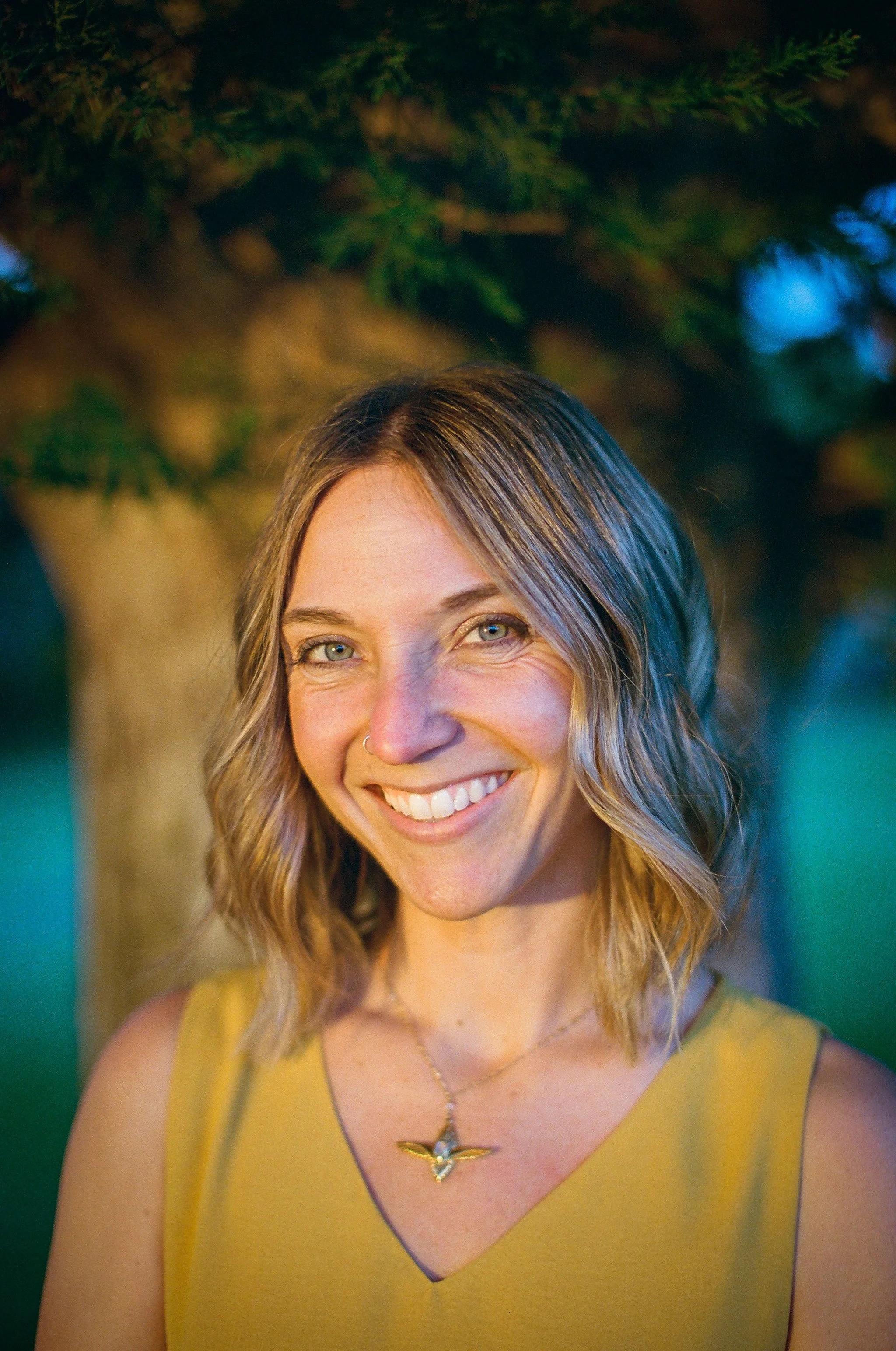
Q&A with Meg Elison, Number One Fan

Where did you get the inspiration for Number One Fan?

        Number One Fan is written from my years of experience in convention culture, as well as a hellish century (at least) of watching the way women get blamed for everything that happens to them. I wanted to write about what it's like as a creator to struggle to maintain ownership of your work, your success, and yourself, even as the world tries to convince you that nothing belongs to you. It's a complex reckoning with identity, artistry, and the way fandom and marketing and media can eat you alive if you're not careful.  

What is your writing process?

      I'm an early morning writer. I like to give my best brain and my freshest approach to the work that matters most. After that, the day can do anything it wants to me and I've already completed the thing I wanted to do. I don't answer emails or texts or any of that stuff until after I've given the best part of myself to my work. I don't edit as I go: I vomit a whole draft out and then let it sit for a while before going back into it. I have a very good writing group that sees my second drafts and gives me valuable feedback and support. I'm proud of my work and I stand behind it, which makes me want to keep working. 

Do you write using pen and paper or on a computer?

     When I was younger, I was a pen-to-paper writer. I liked the process of re-typing, and it gave me a quick window into my most common errors and a first-pass edit right there. However, it slows me down considerably; I type over a hundred words a minute and that's still too slow for how I think. Manually writing with a pen is much slower and I don't think it benefits me to slow down. At this point, I bash things out on my laptop to get the work done, and then edit the same way. I still write letters and my journal by hand. That's the best use of it, and it keeps my handwriting from degenerating entirely. 

Who is your favorite character in the novel and why?

     Eli's personal assistant, Joe, is one of the best characters I have ever created. He's supportive, kind, and a god of details. He's exactly the sort of person every writer wishes they could have in their corner. Most writers can't afford an assistant, even part-time like Eli has in Joe. But the dream is to find someone like that someday, and to be able to pay them what they deserve. He's a well-dressed queer cornerman, and low-key the hero of the story. 

If you were a character in your story, which would you like to be?

     I'd like to be as successful as Eli, but I'd also like to not wake up chained in a basement! I'd like to be as helpful as Joe, but I never want to be the power behind the throne when there's glory to be guzzled. I think I'm going to choose Eli's stalwart friend: Nella Atwiler. She's got no time for nonsense and she works hard to get to an enviable spot as a writer in books and film. She's secretly very cool and extremely talented until she explodes on the scene and it's not a secret anymore. That's a power move. 

How and why did you choose the names for your main characters?

     I cannot get enough of queer women who use a masculine nickname or diminuitive, so Elizabeth to Eli is an iteration on that concept. Joe has a classic Armenian last name (Papasian), because I was working in an office while I was writing it staffed by half a dozen handsome Armenian geniuses and I enjoyed the prosody of their names so much. I chose the villain's name (Leonard Lobovich) because it's a combination of geekiness (Leonard, not Leo; big nerd energy) and something predatory (lobo for wolf, vitch for witch/bitch). My smart detective, Carla Silvestri, is named after a film composer I really admire (Alan Silvestri). He composed the scores for Back to the Future, Who Framed Roger Rabbit, and a thousand other movies that you loved. I have a hard time writing cops, and this helped me stay connected to her: she's composing, she's conducting. She's hearing the tension and the beat. 

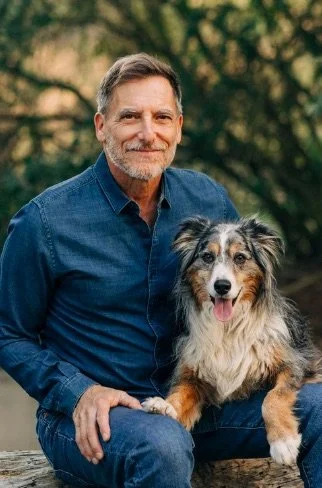
Why Did I Write This Book? by Jeffrey Gramps

Living this past year because of the pandemic caused by Covid19 in isolation except for being with family, gave me special time to watch and interact with the grandkids. What a trip!

All 6 kids have completely different personalities. The one thing they have in common is the sense of curiosity and how excited they get when they do accomplish something new. Watching them grow year to year and how they interact with each other is the basis for this book.

What goes through a toddler’s mind that parents are so desperate to understand? When does a toddler understand the difference between “me” and “us”? This book explores how a family finds out together.

As a baby boomer trying to understand how the world has evolved since I was 3 years old, is also part of this story. My parents did not have cell phones or the Internet or cable TV. My parents’ definition of discipline is quite different than parents of today. Has today’s world made for a better place for children to grow up? I will let you answer that question as you weigh how you were treated growing up compared to how we treat our kids today.

So, I wrote this book to read to these grandkids. Their reaction has been invaluable. As you watch them understand Jordan’s discovery of right versus wrong, you can see the older kids have gone through the same dilemma. And the younger kids don’t quite yet understand the concept of sharing. This whole experience, for me, has been priceless.

About I Don't Want to Turn 3:

It is a simple story which teaches kids social skills, getting along with others and the advantages and disadvantages of growing up and growing older. It is written from a child’s point of view with an awareness that kids can be selfish, but also capable of learning and understanding. Children will find “I Don’t Want to Turn 3” completely relatable and parents will be able to recognize the world from their child’s frame of reference. It is also a starting point where grandparents can become involved in helping their grandchildren understand the difference between right and wrong. The book has valuable messages, like taking responsibility for your own actions, which is a lesson affecting readers of all ages.

You can purchase his book on Amazon or Bookshop.org

Gramps Jeffrey’s children’s book, “I Don’t Want to Turn 3”, explores what goes through a toddler’s mind that parents are so desperate to understand. It is based on the true experiences he has had with his 6 grandchildren that were born 2 each to his 3 Millennial daughters.

Gramps and his lovely wife Cathy live in Scottsdale, Arizona where 2 of his grandchildren live. 2 more live in Austin, Texas and 2 in Orlando, Florida.

You can connect with Jeffrey Gramps on his website: https://grampsjeffrey.com/

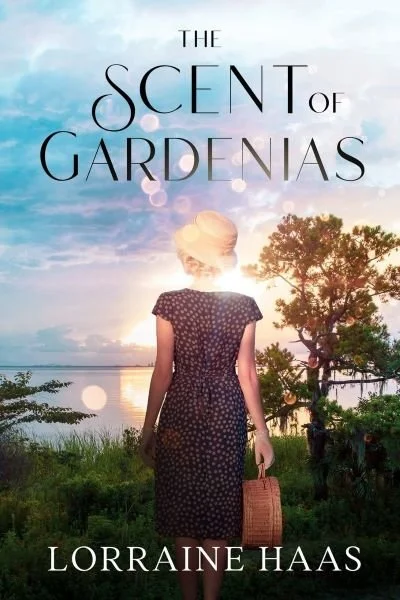
Behind Writing The Scent of Gardenias by Lorraine Haas

Why do we read? Often it’s to escape the everyday grind of the familiar in our lives. Sometimes it’s to envision ourselves stepping into the shoes of another—cheering them on or conversely, shaking our heads when we see them barreling toward heartbreak or tragedy. Writers are often the same in that we like to step into the shoes of imaginary characters. But the fact is that authors will tell you time and again how a character chose a different direction, or a brand new character appeared out of nowhere. It may seem strange for this to occur. After all, it is the author putting pen to paper. But it does happen and its often those new characters that add or change the direction of a story. 

Writing The Scent of Gardenias was one such story. While the main characters were firmly fixed in this author’s mind, new characters sprang up who added so much more depth to the story. Other characters that aren’t human but play a huge part in any story are the setting, and the feelings that setting evokes. The same can be true of the time period. Historical events or people pull you into an era that you may have only heard of but never visited. Even small details can pull us into our own memory bank of things forgotten that parents or siblings used to do.

 Stories are mean to evoke emotion and it is why it is critical to invoke all the senses that pull you deeper into the story and allow you to “see yourself” standing alongside the main character or others in the story. You can feel the damp air on your skin, smell the fragrance of gardenias, perfuming the air, wipe the dust that’s collected on your shoes or the prick of a rose thorn on your finger. Often we’re unaware of the journey that the author has taken us on to evoke such feelings. We’re no longer sitting in an uncomfortable plastic chair in the airport, we’ve been whisked away to waves lapping against a white beach while a cool breeze tickles our skin. Or maybe we’re no longer at home but traipsing through a dense, overgrown forest, the moonlight peeking through branches with every snap we hear letting us know the killer is still on our trail. Reading is a pleasure and writing stories is its own enjoyment of discovery. 

The Scent of Gardenias was a story very close to my heart as I had heard the story many times, but it was only until I began to write the story that I realized how little I truly knew. People’s lives—especially our parents—are often things we think we know, yet rarely do. From the bones of what my mother went through, a strong woman emerged, and the story took off. Various factors affect each of us, whether that be the family we’re born into, the choices we make in life, or things outside of our control-whether those be natural disasters, or man-made tragedies. In each of our stories, we can learn from those who have traveled before us. And when we close the last page, maybe it helps us to overcome our own circumstances and live a life that inspires others. 

The Scent of Gardenias is available at your favorite retailer. 

Buy on Amazon | Bookshop.org

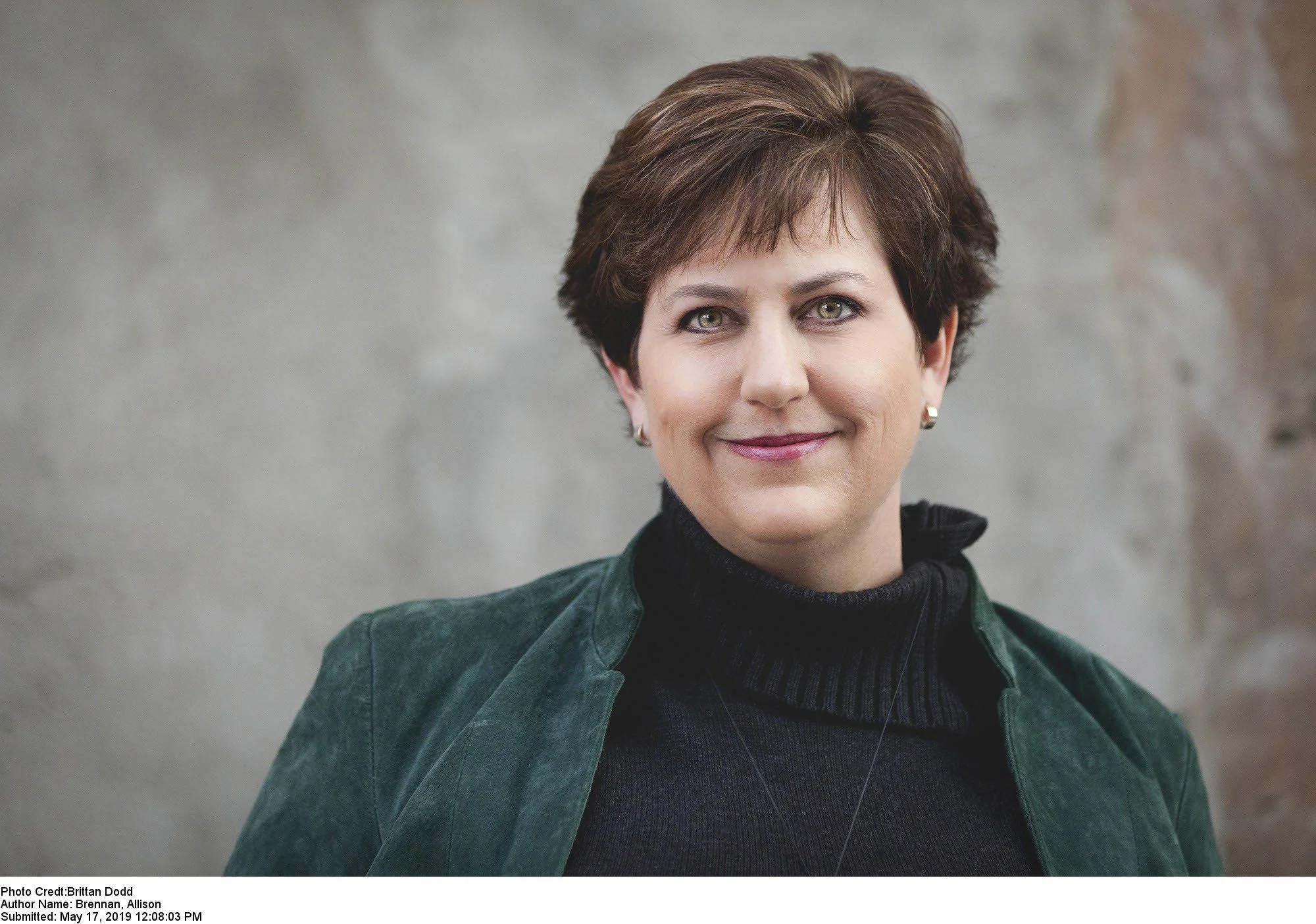
Q&A with Allison Brennan, The Wrong Victim
What type of research do you do when thinking of and writing your novel? The Wrong Victim uses both the FBI and local police department, do you speak with individuals who actually work in these fields?

I love research. It started long before I published my first book — I read true crime, watched true crime documentaries, read about current events. Once I was published, I found experts willing to talk to me! In 2008, I participated in the FBI Citizens Academy, and to this day the Public Information Officer (now retired) is happy to answer my questions. I’ve toured Quantico, visited the morgue (twice!) and viewed an autopsy, been on several ride-alongs with local police and sheriff, and have several people across all areas of law enforcement to ask questions. In fact, my oldest daughter is now a police officer, and she’s working on getting me a ride along in a specific precinct where I plan to set a future book. She also connected me with a K-9 officer when I was writing a short story about a retired K-9.

For THE WRONG VICTIM, I reached out to a writer friend of mine who is a retired ATF agent — he was instrumental in helping me with the explosives. 

I write fiction and take a lot of liberties with the information I learn. However, I want to be as realistic as possible. To me, as long as what I’m writing is plausible, then I’ll go with it. I write to entertain first and foremost, and sometimes too many forensic details or investigative facts can slow down a story. I’m always seeking to find the right balance.

How do you decide where to base your story? This book is based in the San Juan islands and I know Matt Costa’s special team travels.

The premise of the Quinn & Costa mobile response team series is that they are a well-trained group of FBI agents who travel to small, rural, and underserved communities — places where local police may not have the resources to handle a complex investigation such as a serial killer or, in the case of THE WRONG VICTIM, an explosion. So I look for places where setting fits the story. For this book, I had the idea first — a charter boat explodes, who was the intended victim? So that told me I needed a remote, water-based community and looked on a map. The San Juan Islands immediately drew me in, and after reading about the area, I quickly made the decision. I had planned to visit before I wrote the book, but alas, 2020 was not a year for travel, and so I relied on interviews and the internet for information.

Do you travel or visit the places you write about first?

If I can, but unfortunately, sometimes that isn’t possible. That’s when research and interviews come in handy!

One of my earlier books, I thought I had researched very well — even talking to people who lived in the region (Seattle) and looking extensively on maps. But I made a mistake about how to get from Point A to Point B and a reader pointed it out. Now I take much more care in making sure I get these details right if I’m writing about a place I don’t know well. 

I had wanted to visit the San Juan Islands before writing THE WRONG VICTIM — not just for the book, but because I’d always wanted to go there. Unfortunately, 2020 happened and that wasn’t possible. The book I recently finished writing, the currently untitled fourth Quinn & Costa book, takes place in the bayou in Louisiana. I’ve been to Louisiana many times, and my best friend lives there. While I created a fictional town, I drew upon my personal knowledge and the help of my bestie!

How did you come up with your idea for a loaned LA officer who cannot return due to her undercover work?

When I was writing the first Quinn & Costa book, Kara Quinn — the Los Angeles detective on leave — wasn’t going to be a series character. She was going to be a catalyst of sorts for Matt Costa, the team leader. So creating her character, I thought it would be fun to have her as an undercover detective, someone has a unique skill set that would be valuable in Matt’s current investigation.

Well, by the time I finished writing the book, I knew Kara had to return. I just loved her character and felt she had the most growth to do in the series, plus would provide a different perspective to the crimes because of her background. I didn’t know even after I finished writing the book how or why she was going to be on loan to the FBI, I had to sit on that for a few days until I worked out something that made sense to me. 

How do you decide which books become a series versus a stand alone story?

This is a great question!

For me, all stories — stand alone or series — start with character. Without compelling, interesting, and complex characters, the story falls flat.

In a series, the characters must be interesting enough that readers will want to revisit them and see them in different situations. This is why police procedurals and amateur sleuths truly lend themselves to series books. You like the world, the characters, how they grow over time and want to revisit them over and over and see what’s going on in that world. The same way, I think, television viewers like favorite shows. The plots are interesting and often twisty, but readers (or viewers) really return to find out what happens to the people we’ve grown to love and hate and worry about. 

So when I have an idea that is predominately character based — a team of FBI agents, for example — I focus on making those people as real and authentic as possible with an eye toward how they are going to grow and develop over multiple stories. I still want to have a strong plot — so I put them in situations or solving cases that are dangerous or interesting. By the end of the book, I want my characters to learn something about the team or themselves, to grow in some way, however small it might be. I want the series books to stand alone — so new readers can find the books in the middle of the series — while also giving regular readers a character growth arc from book to book.

For a stand alone, while characters are ALWAYS going to be important, they are there for one story only. They need to have a complete character arc from beginning to end so that the reader is fully satisfied at the story conclusion. Plot is important in both types of stories, but in a stand alone the situation/plot provides a stronger framework and backbone than in a series. There is often a universal theme that resonates, that is in some ways bigger than the story itself. Stand alones, at least for me, are about ordinary people in extraordinary circumstances — so readers wouldn’t expect those characters to return in a different story.

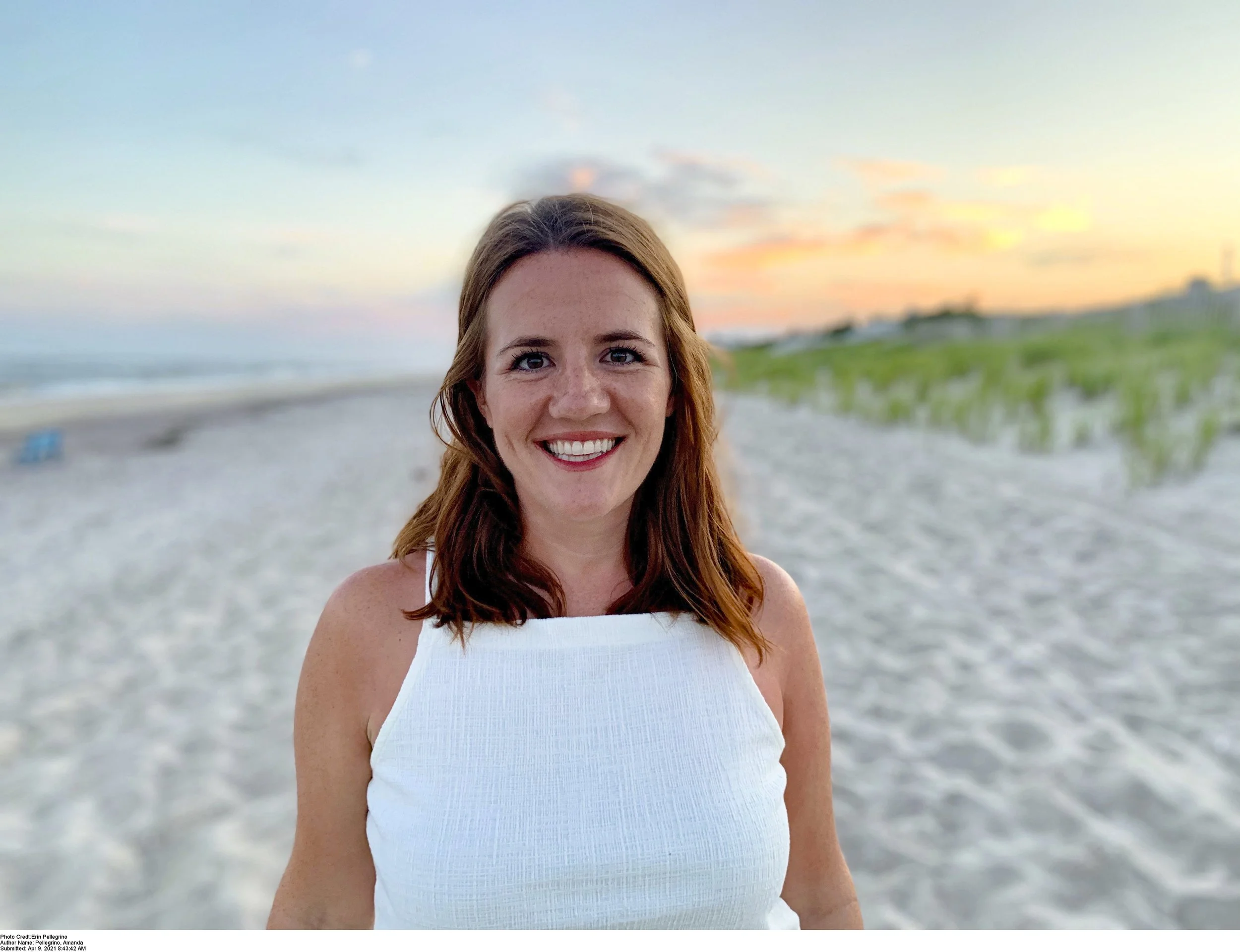
Q&A with Amanda Pellegrino, Smile and Look Pretty

What was the overall influence that led to you writing your debut novel with Smile and Look Pretty? 

Though I wrote most of Smile and Look Pretty before the #MeToo movement really took off, that absolutely became part of my inspiration. I was encouraged by these prominent women coming out against their abusers, some of whom had been infamous in the industry for their bad behavior for decades. I was compelled by the concept of a secret hiding in plain sight, something that everyone knew about but no one acknowledged. Since I was an assistant at the time, I wanted to explore what would happen if a movement like this had been started by a group of people so low on the career ladder they’re still subterranean. What would happen if people with no clout and no influence and no voice started speaking up? 

Did you use any of your own personal experience to build your characters and plot around?

I think most women have stories they would contribute to the website in Smile and Look Pretty--about working with toxic people or in toxic environments. Because these four characters work in different aspects of media and entertainment, industries where the line between personal and professional is often blurred through the creative process, where people making minimum wage are direct reports to people making millions, there’s really no story too ridiculous to be true. There are articles about assistants getting everything from a computer to a potato thrown at their heads at work. Because of that, I didn’t really need to plunge into my personal well of stories to write relatable and distinct characters.

What was the first book you ever read?

I had all the Madeleine books (by Ludwig Bemelmans) read to me when I was little, if that counts? The first book I read myself was probably something by Roald Dahl or one of the Magic Treehouse series. 

What are your top five favorite books and/or authors of all time? 

This is constantly changing so I’m not sure I can pick my favorite authors and books of all time, but I can say my favorites right now. My favorite authors right now are: Jessica Knoll, Colson Whitehead, Michelle McNamara, Andrea Bartz, and Rumaan Alam. My favorite books right now are: Luckiest Girl Alive (Jessica Knoll), Gone Girl (Gillian Flynn), On Writing (Stephen King), Such a Fun Age (Kiley Reid) and When No One Is Watching (Alyssa Cole). 

Do you have a guilty entertainment (book, film, television, music) pleasure? 

I’m devouring anything Anna Delvey right now. I had read the original Cut and Vanity Fair articles and finished My Friend Anna (Rachel DeLoache Williams) in one sitting when it first came out. I’m loving the resurgence of interest in this insane story. Generally, I try to avoid feeling guilt over things that bring me pleasure, but this one makes me feel a little guilty because I’m sure all this new attention is making Anna some money.