You Have to Live, Why Not Win? by Dave Ketchen

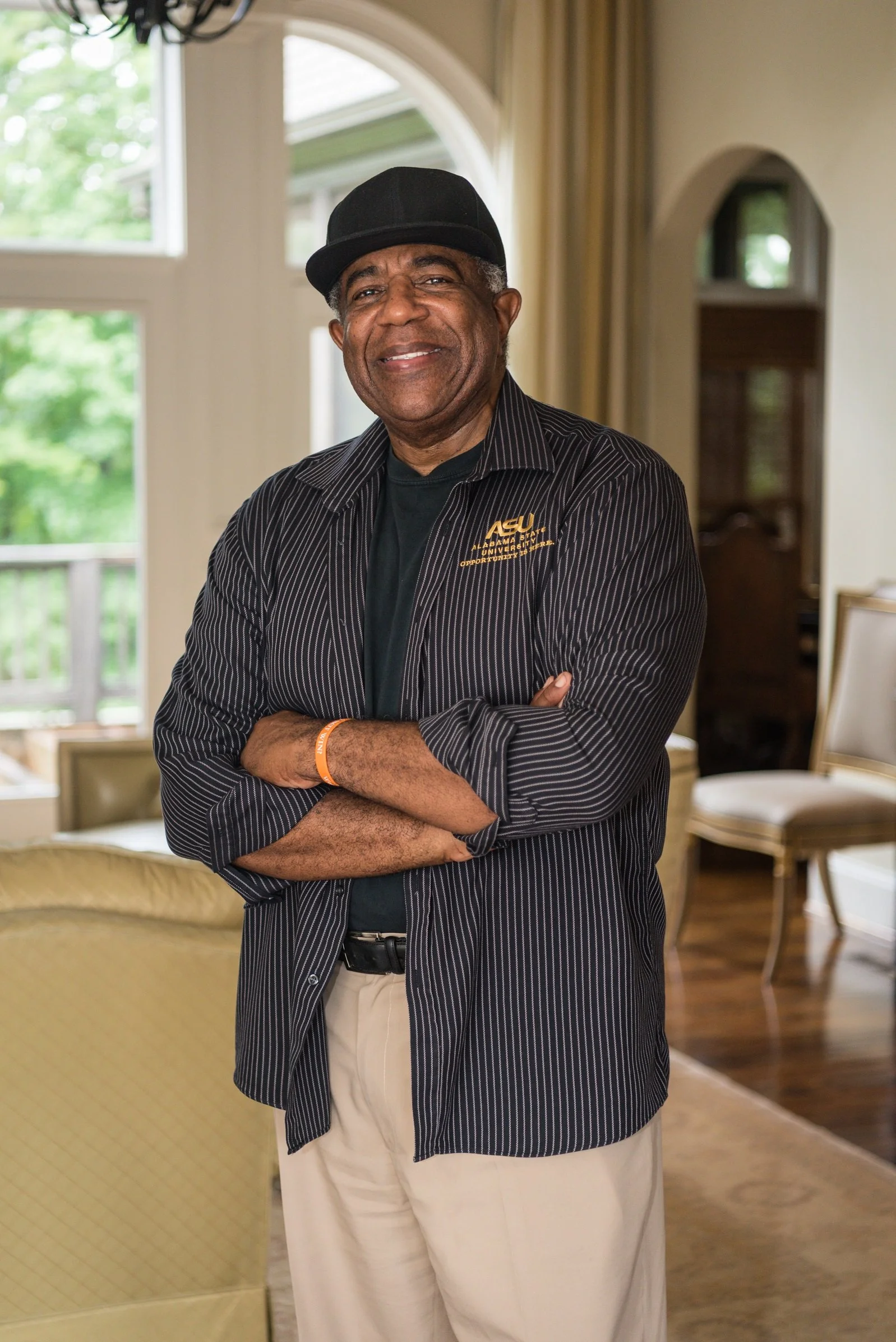
Larry Thornton grew up poor and Black in Alabama in the 1960s. Like so many children of color during the Jim Crow era, his future looked bleak.  

But today, Larry owns seven McDonald’s restaurants, serves on multiple corporate boards of directors, and is a renowned artist whose work is owned by luminaries such as Oprah Winfrey and Condoleezza Rice.  

By what magic did Larry’s transformation into an accomplished entrepreneur and respected business leader occur? In truth, there is nothing mysterious about Larry’s success. It was earned through hard work and building relationships with other people. It’s a simple formula, but so powerful. Larry has made it his mission to help others realize the value of his motto “work hard, relate hard.” 

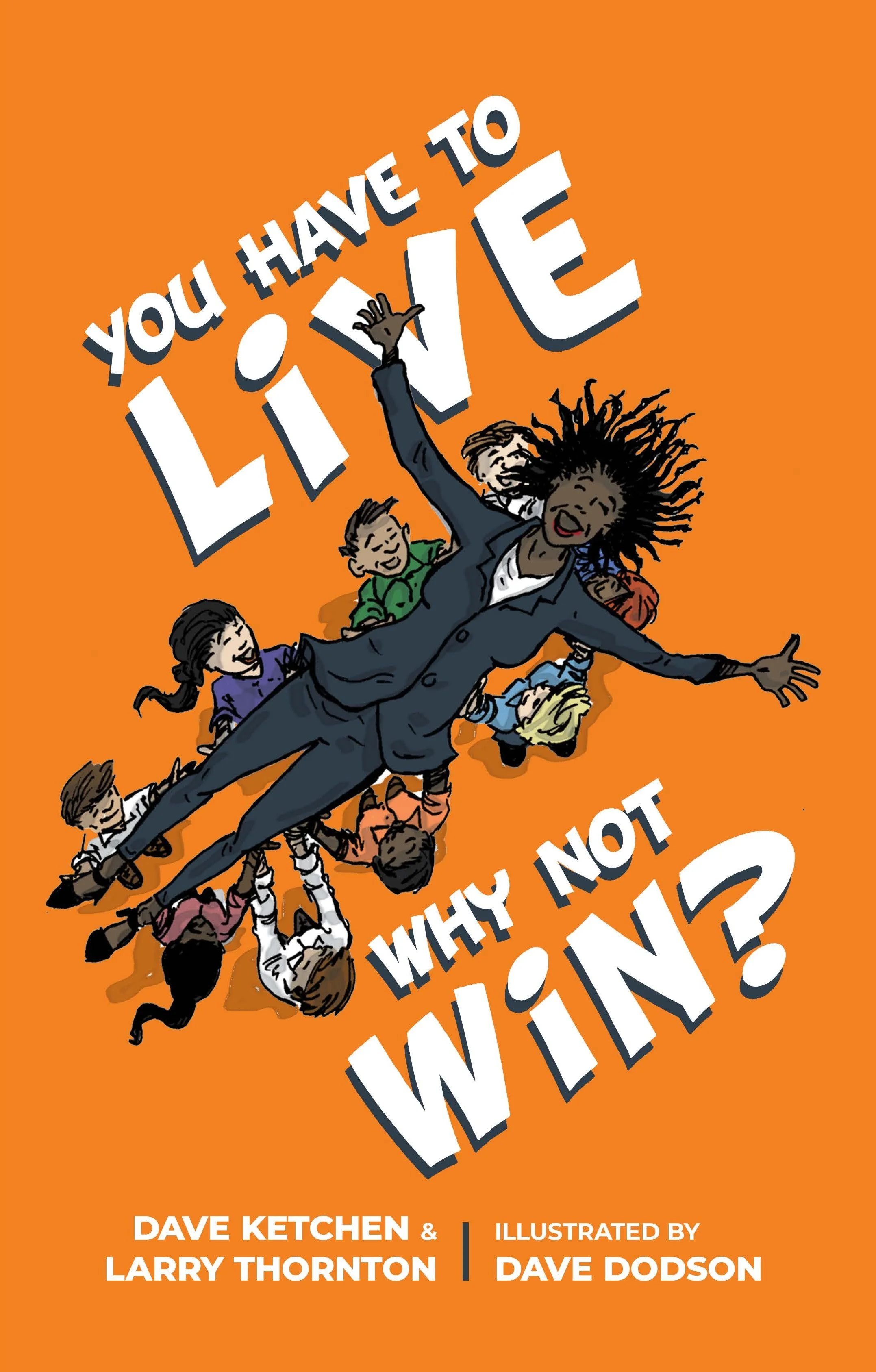
In 2019, Larry wrote an autobiography titled Why Not Win? that captured his hard-earned life lessons for winning in life. Soon a charitable foundation dubbed the Why Not Win Institute was born in order to share these lessons with audiences. With the book as a resource, Larry began speaking at universities and corporations about his journey. But something was missing.  

Encouraged by his mentor Claude Nielsen, the chief executive officer of Coca-Cola United, Larry was determined to reach school-age children with his positive messaging. He realized, however, that his book might not be the best medium to do so. Like a Quintin Tarantino movie, the book jumps from time period to time period in a non-linear pattern. Younger minds might struggle to follow the narrative.  

I persuaded Larry that a graphic novel could effectively fill this gap. I’d written three graphic novels for educational purposes and knew that a visually stimulating presentation could grab and hold youngsters’ interests. We enlisted an accomplished artist, Dave Dodson, to illustrate the book. 

You Have to Live, Why Not Win? tracks Larry’s life from childhood to the present. The book is built around three pervasive themes in Larry’s life. Each theme starts with the letter P in order to help young people remember them.  

First, people are the biggest key to winning in life. Your success depends on others and their success depends on you. As a result, the energy you invest in relationships pays tremendous dividends. Larry had many people who helped him along the way, including a farmer who made sure young Larry’s family had bread on their table, a McDonald’s franchisee who vouched for Larry with the corporation, and Claude Nielsen who taught Larry how to interpret financial reports.  

No person had a bigger impact on Larry, however, than Miss Gladys Nichols, a white senior English teacher known as “Old Battle Axe” due to her demanding personality. One Saturday after he completed some yard work for Miss Nichols, she invited Larry through the front door of her home to enjoy lunch at her table. For a white person to take this step in 1960s Alabama was highly unusual.  

Although Larry struggled in school, a recent B+ he earned on a book report led Miss Nichols to advise Larry to go to college. Larry was shocked — his name and college had never been mentioned in the same sentence before. But a seed had been planted in his mind that was destined to grow. 

Second, perception shapes how people think and act. Larry was part of a small group of Black children who integrated the Montgomery city schools. These students were subjected to abuse by their white classmates who perceived the Black students to be inferior and not worthy of their school. Larry began to see himself as inferior and a downward spiral of perception began. But after that lunch with Miss Nichols, Larry started to view himself as valuable. His perception of himself was changing for the better. A few years later, Larry earned a college degree and followed Miss Nichols’ footsteps by becoming a high school teacher.  

Third, perseverance is required to endure life’s inevitable obstacles and challenges. Larry likes to say, “If you can’t take anything, you can’t have anything.” Always taking the easy path and crumbling under adversity is not a recipe for winning. But if you can absorb life’s blows with a resolute smile, you’re on your way to winning in life.  
Larry’s early experience with McDonald’s illustrates the importance of persistence. When Larry finished the training required to become a franchisee, just one roadblock stood between him and his dream of opening a store in Birmingham. A franchisee named Max owned dozens of McDonald’s in the area and he was determined that Larry would not compete with him. Max’s lobbying with corporate executives slowed Larry down, but eventually his first store was ready.  

On opening day, Max and his partner brazenly walked behind the counter — Larry’s counter — and proclaimed that they’d own the store within six months. Larry endured this humiliation with grace but he was more focused on success than ever. In an ironic twist, as Larry’s success grew and Max approached retirement, Larry purchased five of Max’s stores.  

Larry’s life has been sometimes agonizing, sometimes delightful, but it has never been boring. By building relationships with people, managing perceptions, and persevering in the face of adversity, Larry has won in life. Through this book, we hope to inspire young people to leverage the three Ps to win in life too.  

You Have to Live, Why Not Win? is available here and all proceeds fund the Why Not Win Institute

*    *    * 

Dave Ketchen serves on the board of directors for the Why Not Win Institute. His professional position is the Harbert Eminent Scholar of Management within the Harbert College of Business at Auburn University. Learn more at whynotwin.org

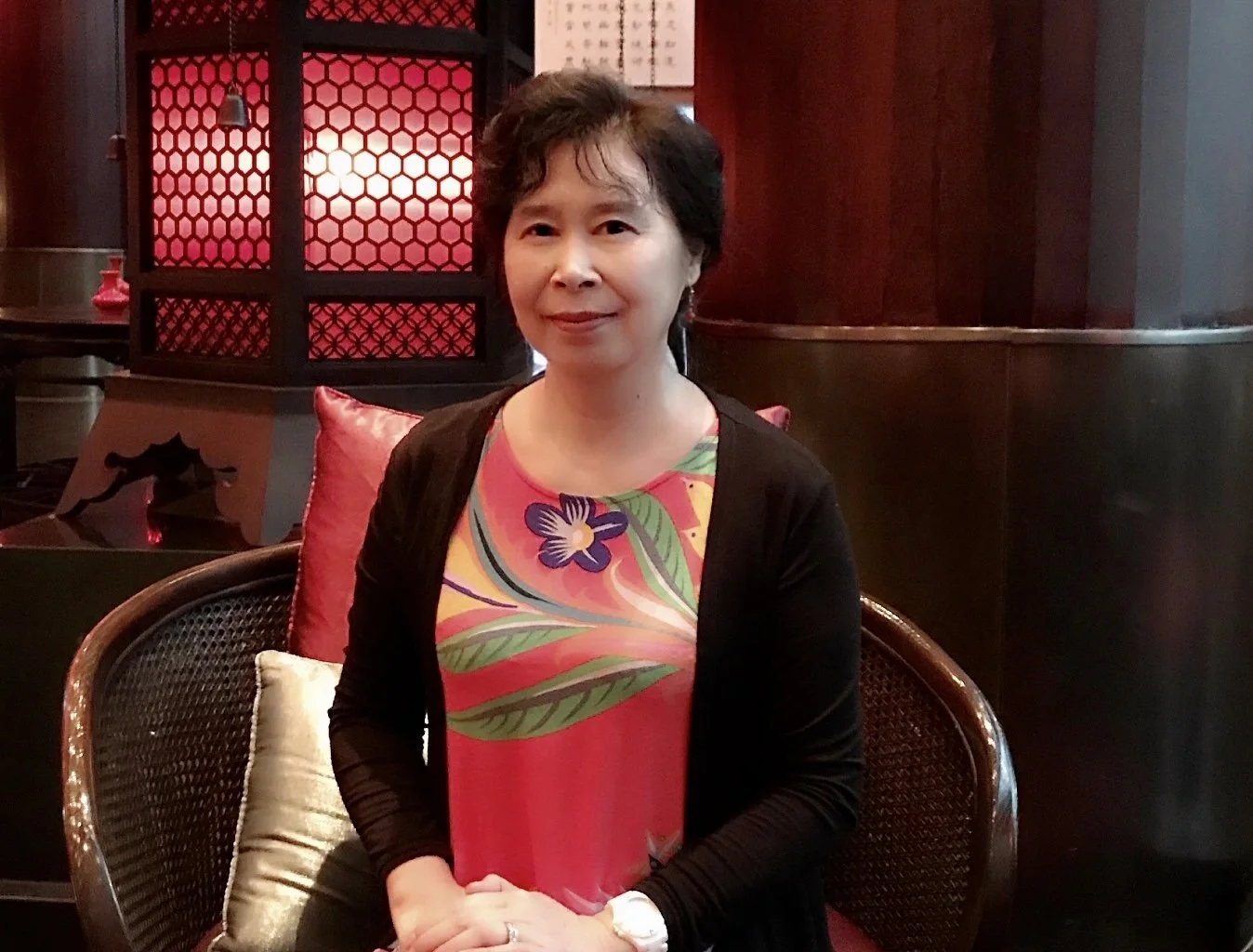
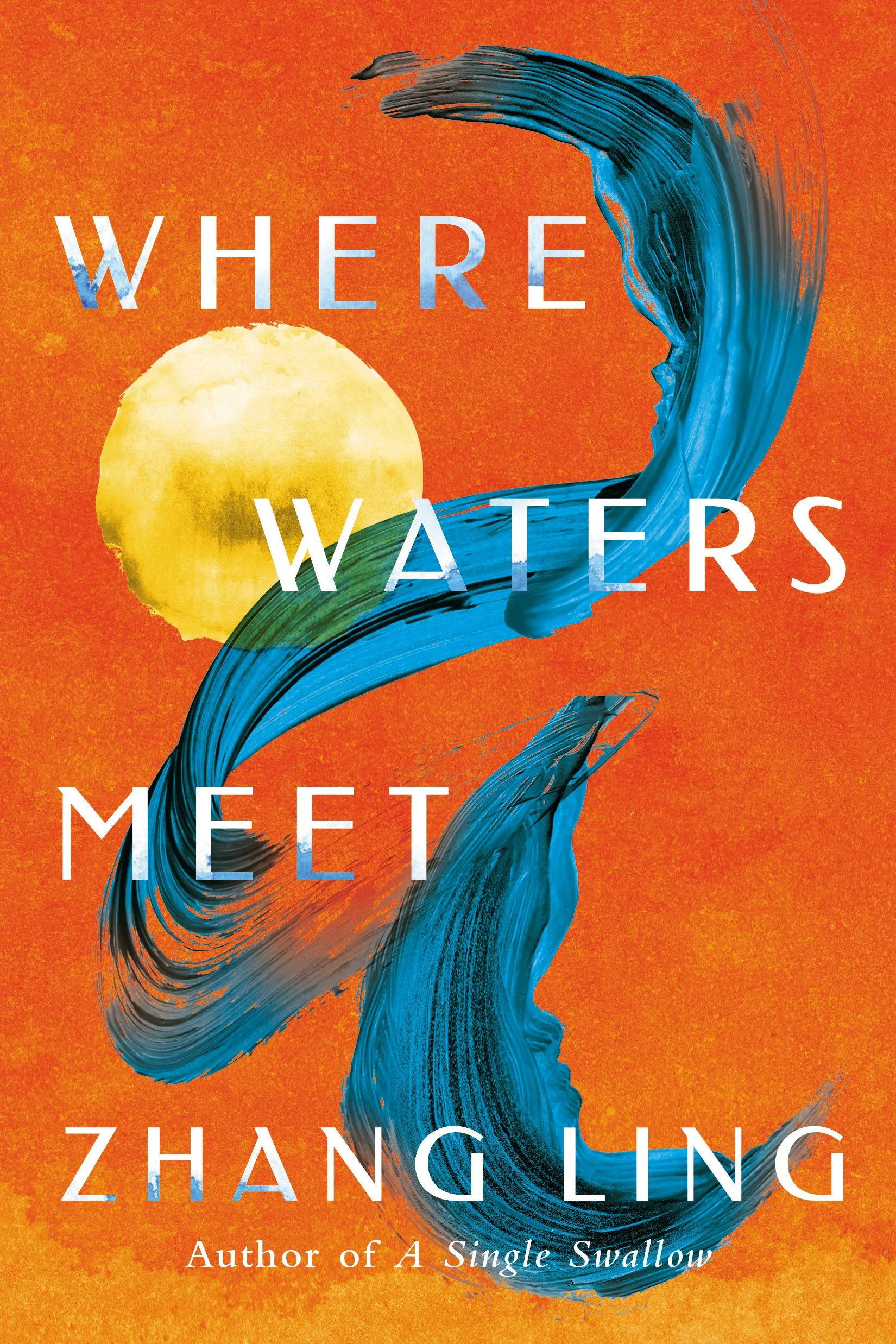
Q&A with Zhang Ling, Where Waters Meets

How did you find the experience of writing a novel not in your native language? Were there any unexpected challenges or surprises? 

The biggest challenge is to find exact words, phrases, and expressions to state culturally non-English concepts. In addition, the decision on where to elaborate and where to be cursory can be tricky, too. Some historical events are well known to Chinese readers, and thus no lengthy background introduction is needed. Yet an elaborate description might be necessary for English readers. I have to fight hard against the temptation to insert footnotes. Eventually I’ve decided to stay away from footnotes and weave background information into the narrative, despite the risk of potentially running into a cumbersome sentence. 

However, there are pleasant surprises as well. A different language brings in a new sense of rhythm, contextual associations, and musicality, which rejuvenate me as a writer. When I am experimenting for the first time with a language which I’ve always used for practical purpose, strangely I feel restricted and liberated at the same time. 

How does language shape our perception of ourselves and the world around us? 

A language is not just a collection of words and a set of grammatical, phonetical and syntaxial rules, it also carries with it rich cultural, historical, and social implications particular to the group of people who use it. When we switch from one language to another, we become aware of, to various degrees, these implications as an inherent part of the language we choose. Writing in two languages gives us an extra eye to perceive ourselves as well as the world around us. This third eye helps us to discover not only the differences, but also the overlapping areas, between the two languages. 

When we start to explore these areas, we oftentimes find unexpected pathways to the depths of human minds. One’s first language gives one a sense of belonging and rootedness which unfortunately gets lost in a second language. In a second language, one feels a little drifty and uncertain. However, this sense of uncertainty and rootlessness might unexpectedly lead to a rekindled motivation for adventure and risk-taking. 

As well as being an author, you’ve also worked as a clinical audiologist with refugees who have experienced trauma from war and displacement. How has this influenced your writing? 

I had worked for 17 years as a clinical audiologist before I became a fulltime writer. Looking back, I am very grateful that my profession not only supported me financially but also opened up a door for me to perceive the depth and diversity of human experiences. At different points of my audiologist career, I had seen veterans from WWI, WWII, the Korean War, the Vietnam War and the more recent wars in Afghan and the Middle East. I also had the opportunity to treat refuges from war-torn and disaster-stricken countries. I saw with my own eyes how these people struggle to come to terms with the impacts of their traumatic experiences, which have in various ways affected their relationship with the world as well as themselves. Their survival stories have become a great inspiration for me, motivating me to explore the theme of war, trauma, and healing. 

What are the most interesting lessons you’ve learned from your work speaking to veterans and refugees?

I’ve learned not to jump to any hasty conclusions about what I see on the surface. People who have experienced trauma may not perceive the world quite the same way. Oftentimes, the changes caused by traumatic experiences are compounded by the fact that people have to relate their needs and views in a foreign language. It’s quite easy for us to perceive the loss of one’s home, family members and properties as a form of trauma, but we don’t automatically associate losing one’s native tongue with trauma. It’s hard to imagine the feeling of one’s brain constantly searching for his tongue, which is exactly what’s happening when one can no longer communicate his physical and emotional needs in a language he is born with. I have learned to be sensitive to social aphasia which is a more subtle form of trauma. 

Your novella Aftershock was adapted into a film in 2010 and was a huge success in China. How did it feel to see your story through the lens of film?

When Aftershock was first published, I was a relatively unknown author. Much to my surprise, several top-rated Chinese directors simultaneously expressed their interest in a movie deal. Having your work presented in a different art form is exciting, and the excitement is redoubled when you discover some of the movie-goers are turned into your readers through watching the movie. It was at the Toronto International Film Festival that I watched the movie for the first time. It’s surreal to see people filling every seat in a huge theatre, laughing and shedding tears as the story unfolded. For a while I couldn’t believe such a huge production (China’s first IMAX movie) was actually based (although loosely) on my work. However, even then I was clear-headed enough to know that whatever success the movie had achieved would not sustain me for long as a fiction writer, and the movie audience’s reactions, positive or negative, should not cloud my artistic judgement. There are things I’d like to stick to in order to reach my ultimate goal as a unique author. 

BTW, Aftershock is currently being translated into English. Hopefully we’ll see the English edition soon.

Where Waters Meet focuses on the relationship between a mother and a daughter. Why do you think this dynamic is so compelling, and what drew you to write about this topic?

I grew up surrounded by strong women in my extended family. My maternal grandmother gave birth to 11 children (in addition to a few miscarriages) through wars and incessant social turmoil. The fact that ten of them survived to adulthood is nothing short of a miracle as infant mortality rate was very high in those days. With unbelievable courage, tenacity, and a great deal of common sense, she kept this huge family afloat against all sorts of social unrest and economic hardship. My mother and her siblings (boys and girls alike) all received good education relative to their time. Ever since the beginning of my memory, my mother has been telling me the remarkable survival stories of the women in her family, which have become a great source of inspiration for my writing. Although Rain in Where Waters Meet and Swallow in A Single Swallow are fictional characters, they are a true reflection of these women in spirit. 

About the Book

A daughter discovers the dramatic history that shaped her mother's secret life in an emotional and immersive novel by Zhang Ling, the bestselling author of A Single Swallow.

There was rarely a time when Phoenix Yuan-Whyller's mother, Rain, didn't live with her. Even when Phoenix got married, Rain, who followed her from China to Toronto, came to share Phoenix's life. Now at the age of eighty-three, Rain's unexpected death ushers in a heartrending separation.

Struggling with the loss, Phoenix comes across her mother's suitcase--a memory box Rain had brought from home. Inside, Phoenix finds two old photographs and a decorative bottle holding a crystallized powder. Her auntie Mei tells her these missing pieces of her mother's early life can only be explained when they meet, and so, clutching her mother's ashes, Phoenix boards a plane for China. What at first seems like a daughter's quest to uncover a mother's secrets becomes a startling journey of self-discovery.

Told across decades and continents, Zhang Ling's exquisite novel is a tale of extraordinary courage and survival. It illuminates the resilience of humanity, the brutalities of life, the secrets we keep and those we share, and the driving forces it takes to survive.

You can get your copy on Amazon, Audible or Bookshop.org.

Q&A with Talya Blaine, Entirely

What was your favorite scene or theme in Entirely to write?

My favorite scene to write was the one in which Quinn and Jonathan are standing in her kitchen in the early hours of the morning, after Becca's wedding reception. They listen to Becca's voicemail and then they go to bed. Funny, sexy, intimate--and before the realization of a secret that threatens to pull them apart. Writing that scene was a pleasure.

What was the hardest part of the story to write?

Without spoilers, it was when Jonathan makes his "discovery." I felt terrible for him because I knew he would feel so utterly betrayed--it was hard to write the scenes where he's trying to process what happened.

Entirely completes the first trilogy of the Transformation series. What's next? 

Plans are underway for the release next year of some shorter, lighter, funnier stories, more like sexy rom-coms. And with the chemistry between Quinn and Jonathan, as well as all the twists and turns I imagine their life--and the other characters' lives--taking, expect to see more of them soon.

What's at the top of your TBR (to be read) pile right now? 

The pile is high and always growing but since I've been writing a lot lately, I haven't had as much time to read. Also, when I'm writing fiction, the stories and characters really inhabit my life (or I, theirs), and it's hard for me to get into other stories and worlds. That said, I'm excited because next up are: 

  • The Golden Spoon by Jessa Maxwell, a locked-room whodunit on the set of a British reality TV baking show. (Big grin)

  • Winter's List by Jordyn Kross, a ménage tale about a law-school graduate who meets two sexy strangers on a flight to the Caribbean. 

  • War's Peace by Raisa Greywood, the first Club Apocalypse novelI've been wanting to check out more of these last two authors' work since reading their short stories at the end of 2022 in a Holiday Shorts anthology.

  • Last but not least, Big Swiss by Jen Beagin. Transcriptionist for a sex therapist falls for one of his clients and the two accidentally meet IRL? I'm in. 😀

Where can readers find you online?

Visit my blog, and to be notified of new posts, book releases, and special offers, add your email to my list. And/or let's connect on BingeBooksBookBub or Goodreads

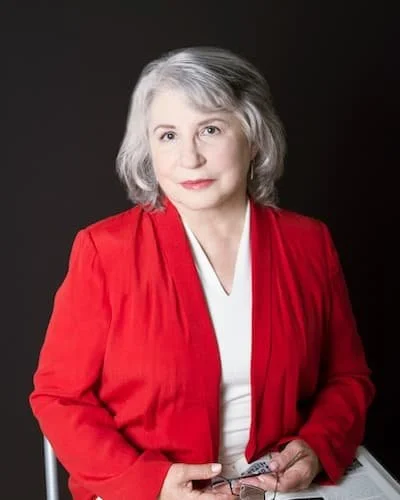
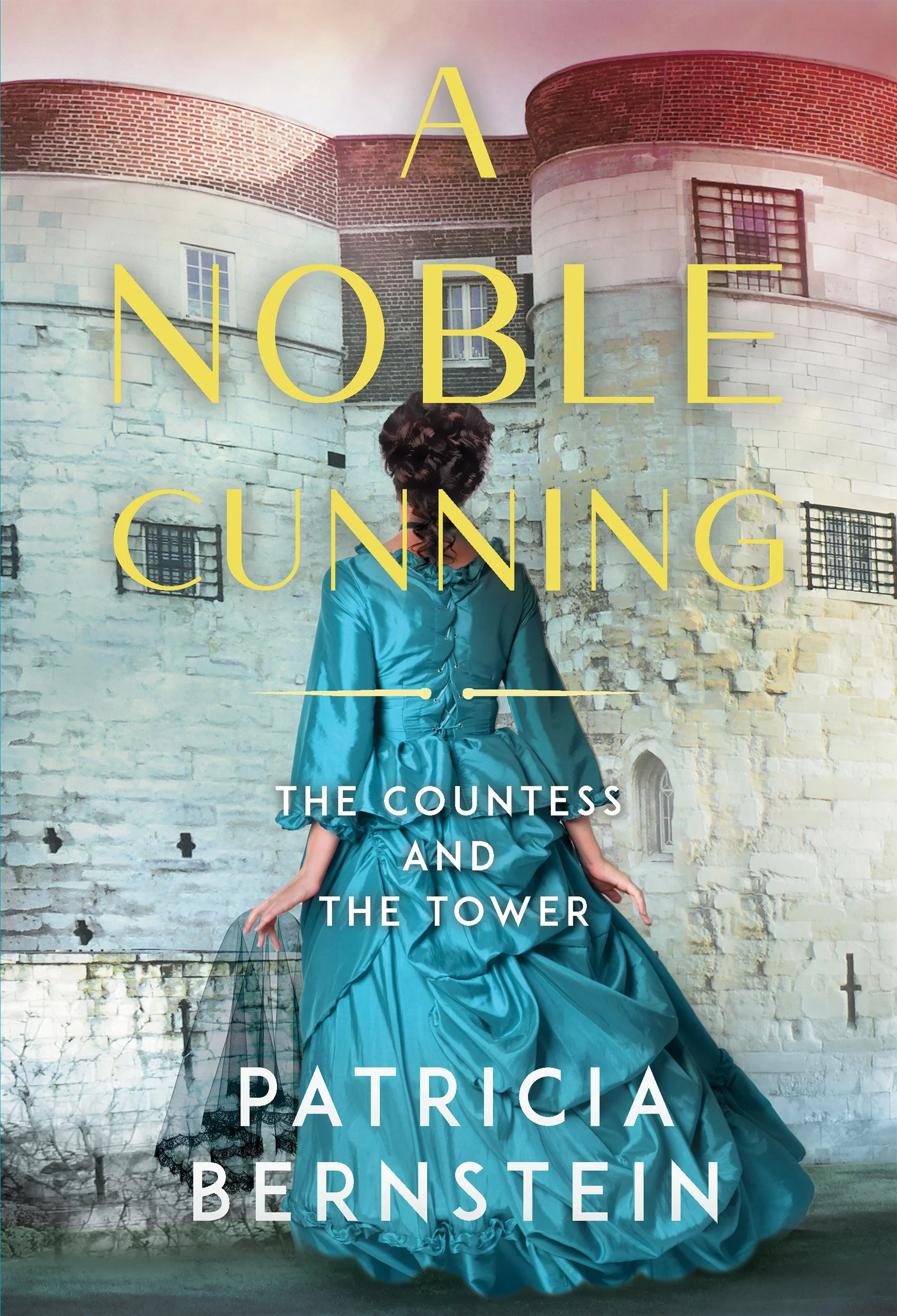
Q&A with Patricia Bernstein, A Noble Cunning: The Countess and the Tower

Tell us about your most recent literary pilgrimage, Patricia.

In September of 2022, I visited Beatrix Potter (Hill Top) and John Ruskin’s homes in the Lake District, Cumbria, England. On this same trip to England and Scotland, my husband and I visited several sites connected with my novel A Noble Cunning, including the Tower of London, and the land in Scotland that once was my heroine’s estate. We also visited sites associated with my next novel, which is set in 12th century England.

I’ve gone on historical, art, and film pilgrimages of my own design, too. These include chasing down the locations for scenes in The Maltese Falcon and Vertigo in San Francisco, and searching for the settings for the film Don’t Look Now in Venice. 

Name two of your favorite underappreciated novels.

The Winds of War and War and Remembrance by Herman Wouk follow a number of characters through events leading up to and through World War II. I thought these novels were a magnificent achievement by Wouk. When they came out, the books were a big hit and were recreated in a popular television series, although I think they have been largely forgotten today. More than anything else I’ve read, these books changed my life by giving me more intimate insights into the Holocaust and some of the major battles of World War II.

What was your favorite book growing up and why do you think it appealed to you?

Perhaps girls have loved Little Women for over 150 years because it’s such a lively, in-depth portrait of a family with four daughters, each with a very distinct and appealing character. Although there is romance, Jo and Amy both have ambitions beyond finding the ideal husband and running a household. 

How do you balance making demands on the reader with taking care of the reader?

I don’t believe in dumbing down language, even given the fabled short attention span of the modern reader. All the great 19th century novels, including books like Little Women and Anne of Green Gables that were intended for children, use lots of big words. On the other hand, I’m going to do my best to avoid overblown, pompous prose that is dense for its own sake. I hope my story will be interesting enough, and the characters appealing enough, to encourage the reader to stretch a little.

What are the ethics of writing about historical figures?

If we are writing historical fiction, we aren’t likely to get sued for misrepresenting a real person. There is no restraint but ourselves and the sensibilities of our readers as to how stringently we hew to the historical record. But I don’t think most of us spend much time investigating the past in order to present a totally false or radically distorted picture of what is known about real people. If we want our literary imaginings to be entirely unleashed from history, then let us become writers of fantasy or science fiction.

Do you try to be original or to deliver readers what they want?

I’m always trying to find the heart of what I want to say, and to write something that I would like to read myself.

How long do you spend researching before beginning a book?

Research is just pure joy! I like to really go deep and, since I also have a job and other obligations, I often spend several years researching and then writing. I do initial research to get some understanding of the period and the real-life characters, and then do more detailed research as I get to each section of the story.

Name one of your biggest challenges as a writer.

Writing short is a challenge for me. My first draft current novel manuscript was 853 pages. That’s as long as War and Peace! I had to whittle and slash to get it down to 500 pages and even more to get it to where it is now. The version of A Noble Cunning that went to press is the last third of the story I originally wrote. 

My novel is based on a true story about a woman who led a very dramatic life. Perhaps the first two thirds will become prequels to the current novel at some point. In the long run, it may be better to write long and have to cut, than to stretch a few pages to a greater length. It’s hard though, when you have to throw some of what you think are your best bits into the trash can.

This has been fun, Michelle! I invite you and your following to come visit me at: https://www.patriciabernstein.com

Grab your copy of a Noble Cunning at Amazon | Bookshop.org

Giveaway

Make sure you enter to win a signed copy or ebook of the book here. Please note that only US residents will be eligible for a signed copy and readers in Canada will receive an ebook copy.

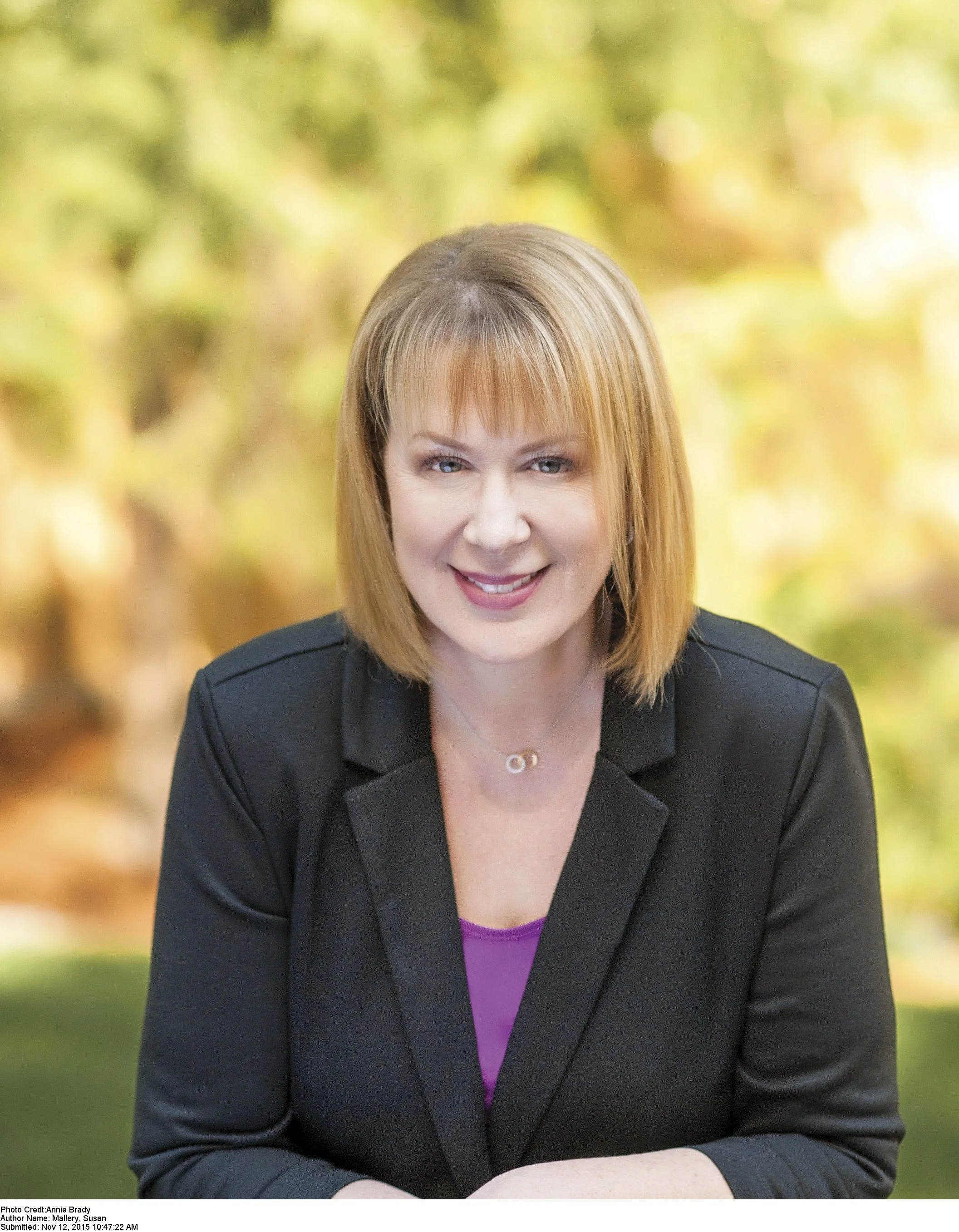
Q&A with Susan Mallery, The Sister Effect

What inspired you to write about sisters? And do you have a sister story to share?

I think I’m inspired to write about sisters precisely because I don’t have any of my own. I’m an only child. My parents were onlies, too, so I didn’t even have any cousins growing up. But I did have a good friend who came from a big family, and I absolutely adored going over to her house. It was so delightfully loud! So beautifully chaotic! (Maybe part of the reason I loved it so much was that I could leave and go home whenever I wanted. My friend envied the quiet and the privacy at my house.)

I wrote The Sister Effect because I wanted to explore the idea of two sisters who experience the same event—going side by side through childhood—but who perceive it differently. And their different perceptions create a ripple effect through the years that sends their lives in different directions. When Finley and Sloane were young, their mother and grandfather got into a custody battle for them. The court decided in Mom’s favor after Finley told the judge she didn’t want to lose her mom, so grandpa turned his backs on the girls. Can you imagine how traumatic that would be? They loved him, and they thought he loved them, too, but he reacted out of his own pain rather than out of thinking of what was best for them. Finley became terrified to trust her heart to anyone again. Sloane turned into the wild child of the family, larger than life on the outside to disguise her pain.

As The Sister Effect starts, the sisters are in their thirties and estranged. But they both deeply love Sloane’s young daughter, and their love for that little girl will open their hearts to one another so they can become true sisters once again. This book is painful and funny and uplifting, with so many juicy topics for bookclubs to dig into. I hope you’ll love The Sister Effect as much as I loved writing it.

Although I don’t have a sister story of my own to share, I did invite some of my favorite writers to share a True Story of Sisterhood. You can read them at https://sistereffect.susanmallery.com. There, you’ll find heartwarming stories of sisterhood from Maisey Yates, Carolyn Brown, Kristy Woodson Harvey, Mariah Stewart, Christine Rimmer, Alexis Morgan, Debbie Mason, Robyn Carr, Lori Foster, Brenda Novak, and Christina Dodd—plus some wonderful stories shared by my readers. It’s a true celebration of sisterhood, both biological and sisters of the heart!

What is the biggest challenge you face when you start writing a new book?

Because I’ve written so many books, my biggest challenge is to find fresh stories to tell and fresh ways to tell them. I try to make each book a little better than the one before. In The Sister Effect, I deal with a topic that I’ve never written about—I’ll let you read the book to find out what that is—and it was an exciting challenge because it was so new to me. I’m also incredibly nervous about this book, which is a good sign. I have found over the years that the books that make me the most nervous are the ones that readers love the best, because my nerves are a sign that I stretched myself as a storyteller.

If you were not an author, what other profession would you choose to be a part of and why? 

I have a powerful imagination, but it’s really hard for me to imagine being anything other than a writer. I was published just months after I graduated college, and I’ve never had another job. However, I graduated in accounting, so I suppose I would probably be an unfulfilled accountant. 

Does this book include any favorite recipes as some of your other books do?

Just one—but it’s a total wow! When I was writing The Sister Effect, I imagined a decadent breakfast that Sloane might serve at her restaurant, Life’s a Yolk. I called it Cinnamon Custard Yum-Yum and described it in the book as a cross between French toast and bread pudding. But it only existed in my imagination. . . until, in a case of life imitating art, I created a recipe to go with my imaginary recipe title. It. Is. Fabulous. Yum Yum Yum Yum YUM! The recipe is included with the book club discussion guide at the end of the book. Enjoy!

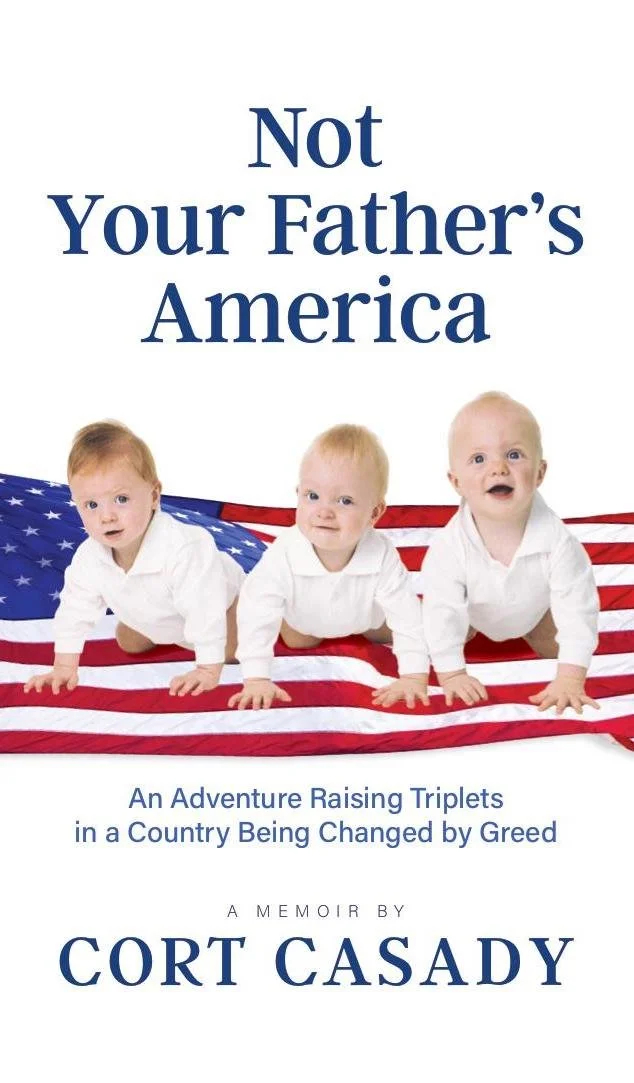
Q&A with Cort Casady, Not Your Father's America

What made you decide to write a book about your experience as a father?

After I became a father, I initially thought about writing an open letter to our sons. I wanted to give them a sense of what we went through to have them and raise them as well as some perspective on the America they were being born into, beyond the obvious “before there was Google.”

What I finally decided to write, as I explain in the preface, is a book that combines two passions, serves two masters and weaves together two decidedly different narratives.

One is a narrative about what it's like to be hit by the “baby bus” and have three kids at once. The other is a series of reflections along the way, as the boys go from being infants to toddlers to adolescents and young adults. About the America my father grew up in, the America I came up in, and the America our sons are inheriting.

How has your experience in the entertainment industry helped you — or hindered you — when it comes to writing books?

My experience as a working writer, first as a freelance magazine writer, then as a staff writer in television, prepared me to be an author. I first learned that I could write in college. When I finished writing my thesis, by myself over the Christmas holiday break in my senior year, I realized I could write and, more importantly, finish what I was writing.  That, and a good outline, enabled me to complete the first book I wrote, for singer John Davidson.

The book is very personal: How did you decide what details you would include and what topics were off-limits?

Fortunately, there weren't a lot of details I couldn't include in the book. Barbara read each draft, so I felt confident there wasn't anything inappropriate in the book. In writing about our sons' experiences with a bad coach in high school, I decided not to go into too much detail. It was such a disturbing time; it could almost be a book on its own, a book I have no desire to write, by the way.

What do your family members think about you writing the book?

Barbara read virtually every draft of the book as I was writing it. She corroborated memories, corrected facts, and typos, and encouraged me frequently throughout the process. Our sons encouraged me throughout the process of writing and getting the book published as well. Having shared notes and journal entries with them before I started writing in earnest, they had a pretty good idea of what Dad was going to write.  All three have fully supported the project and believe it’s a story worth chronicling. They’ve been very complimentary.

What do you hope readers gain from this book?

I hope readers will take away what we learned raising triplets: Don't panic; take it one day at a time; stay committed; and don't give up. I also hope they’ll be reminded that we have a lot of work to do as a country to live up to the promise of America, a promise I fervently hope our children will experience. I also hope readers will take seriously what we all must do to meet the climate crisis. The clock is ticking.

What projects are you working on that people can look forward to?

I’m developing a feature-length documentary film. 100% Possible: The Battle for the World’s Energy Future is about a series of science-based plans to power America and more than 100 other countries with electricity generated solely by wind, water, and the sun. Developed by a group of scientists led by Stanford University climate professor Mark Jacobson, the plans will be presented to the general public for the first time in this groundbreaking film. A positive, solutions-driven documentary, the film will document how clean, renewable energy will slow global warming, deliver environmental justice, and create millions of jobs worldwide. 

You can grab a copy of the book on Amazon or Bookshop.org

About the Author

Born in McAllen, Texas, Cort Casady grew up in El Cajon, California, near San Diego. After graduating from Harvard with an honors degree in government, Casady moved to Los Angeles to pursue his career in the entertainment business. He and his wife, Barbara raised their triplet sons in Manhattan Beach, California. They now live on the Palos Verdes Peninsula south of L.A.

Cort Casady has won two Emmy Awards and three NAACP Image Awards for his work as a television and documentary writer-producer. He won his first Emmy for “New York at Night Starring Clint Holmes,” and his second for the “American Film Institute (AFI) Life Achievement Award: A Tribute to Mel Brooks” (2014).  His numerous credits include creating the original story and characters for the television mini-series, “Kenny Rogers as The Gambler,” helping to format and launch the long-running reality competition series, “Star Search” with Ed McMahon, and co-creating television’s first weekly environmental series “Earthbeat”, which aired as “Network Earth” on TBS for five years.