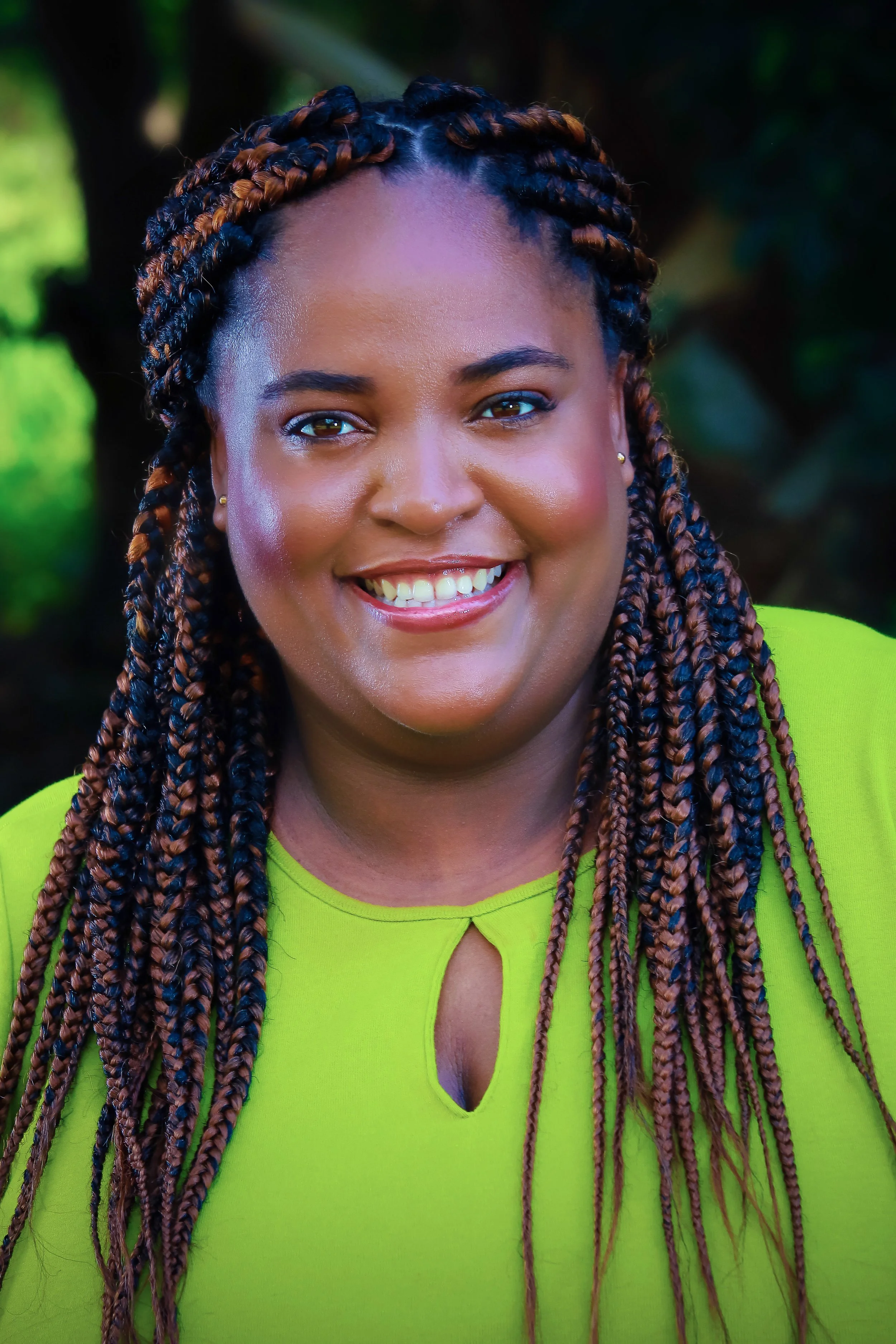
Spotlight: Shipley’s Secrets by Jen Simmons

Shipley’s Secrets
Jen Simmons
Publication date: December 10th 2019
Genres: Contemporary, Romance, Young Adult

Growing up in foster care, Malcolm has never known his birth family. The first twelve years of his life is riddled with trauma and abuse. His only dream in life is to make it to eighteen years old so he can join the military and change his fate. When Malcolm’s placed in the care of a new foster home, he meets Adler and Sal. Three boys having grown up with no family, no connections and no hope of a steady life, they find something in each other they never thought they’d have. Family. After a horrific trauma occurs in this new foster home, Malcolm, Adler and Sal are thrust into uncertainty and an indefinite separation from each other. That is, until an unlikely savior steps in.

Trauma brought three boys into the lives of the Keating’s. The love they carry as brothers will guide them into the life they’re meant to have. Their shared dream of joining the military just a short time away. Loyalty to each other and their newly built family is the glue that binds all those dreams together. But with loyalty and the need to protect each other, comes secrets.

Clara has had her own fair share of trauma. After a life altering event, Clara vows to move on with her life and be happy despite all that is stacked against her. When she meets the mysterious Malcolm, her curiosity about him leads her to an unlikely turn of events. And a life she never expected. Which way will her heart sway? Will the path it takes tear apart a brother’s bond?

Will all the secrets kept between these lives break the loyalty of this family?

Goodreads / Amazon / Barnes & Noble

EXCERPT:

Clara

Standing up straight and looking into the mirror, I see Sal standing behind me, wet from a shower. His chest is bare with the exception of a thin silver chain, a cross attached and dangling from his neck. The only thing he has on are gray track pants, hanging low on his waist, showing the perfect shape of his toned hips and slender build. The definition of muscle from his chest to his stomach as it makes its way down his body has my mouth watering. God, he’s perfect. He has a towel in his hand, the motion of drying his short hair halted at the sight of me in his bedroom. His dark eyes burn into mine. I can feel his stare all the way to my toes. Those familiar goose bumps are back and covering every inch of my skin. Without breaking eye contact, I explain my intrusion into his personal space, “I…I um, the door was open.” He looks over at the door then back at me. Heat rises up my neck and I feel it coloring my cheeks. I turn to face him, my face red with embarrassment. The tension is heavy that I came in without being asked and found him half naked. “You said you wanted to talk to me? Before I left.”

He doesn’t say a word, just walks towards me and puts the towel onto the chair next to his bed. As he passes me, he lays a hand on my waist. Sal pulls me closer to him as he turns. His arms wrap around my waist and I’m surprised at the intimate way he hugs me. Sal holds me tight, like he’s missed me. It’s strange but feels so good. His hand moves up my back and rests on the back of my head. I sink deeper into his arms. My hands come up to rest on his chest, my cheek pressing against him just below his neck. He holds me as if I’m cherished, as if I belong here in his embrace. Inhaling deep, I’m lost in the sweet scent of sandalwood, sawdust and fresh cut grass. He pulls away from me a little, just enough so that our bodies still touch. His forehead comes down to rest against mine. My eyes are closed, and I can feel his breath against my lips. I don’t move, I don’t breathe. Sal removes the band holding my braid at the base of my spine, releasing my unruly hair. I exhale the breath I’m holding as his hands separate my braid section by section. He slightly pulls on my hair as he climbs his fingers up toward my scalp. The curls surround me, the smell of lavender from my conditioner overtaking his scent. He rubs my scalp, keeping his forehead against mine. It’s the best feeling. The tenderness of my head from the heavy braid easing a little from his attention. His hands move around to my neck, his thumbs caressing my jaw. His voice is like gravel when he finally speaks. “You. Are. So. Beautiful.” Each word he says as a statement, with so much passion behind each word. “When I’m around you and I can’t hold you like this, I can’t breathe.” He lays a kiss on my forehead, then each of my cheeks. “I want to take you somewhere. Will you go somewhere with me, tomorrow?” His hand now rests on my cheek. The look in his eyes makes me feel needed. Wanted. I can’t believe that so quickly I would feel this safe and secure with Sal. Just knowing that no matter what he asks of me, I won’t deny him.


Author Bio:

Jen was born in San Diego, California and was raised in Lubbock, Texas. Jen's life took her into a career of nursing. In 2008, she earned her Registered Nursing degree and began caring for patients in a fast-paced Intensive Care unit. Her dreams led her to obtain an undergraduate degree in Nursing followed by a Master's degree in Nursing Leadership and Organizational Management. Jen has always loved reading and books. The idea suddenly came to her one day to sit down and start writing Shipley's Secrets. The process at first, was a release from the busy day to day life of a Registered Nurse in healthcare management.

Jen's inspiration to finish and self-publish came in the form of encouragement and love from her husband Jason. Jen gets her inspiration from authors like Pepper Winters, Jamie McGuire, and Colleen Hoover. Jen hopes that the inspiration from writing Shipley's Secrets will inspire her to keep writing in the young adult and contemporary romance realm.

Jen likes to read, write and watch movies in her free time. Any chance to drink champagne and eat pasta, she jumps on. Jen lives in Northern Colorado with her husband Jason, daughter Alyssa and their dog Lady Simmons.

Website / Facebook / Twitter / Instagram


GIVEAWAY!
a Rafflecopter giveaway
XBTBanner1

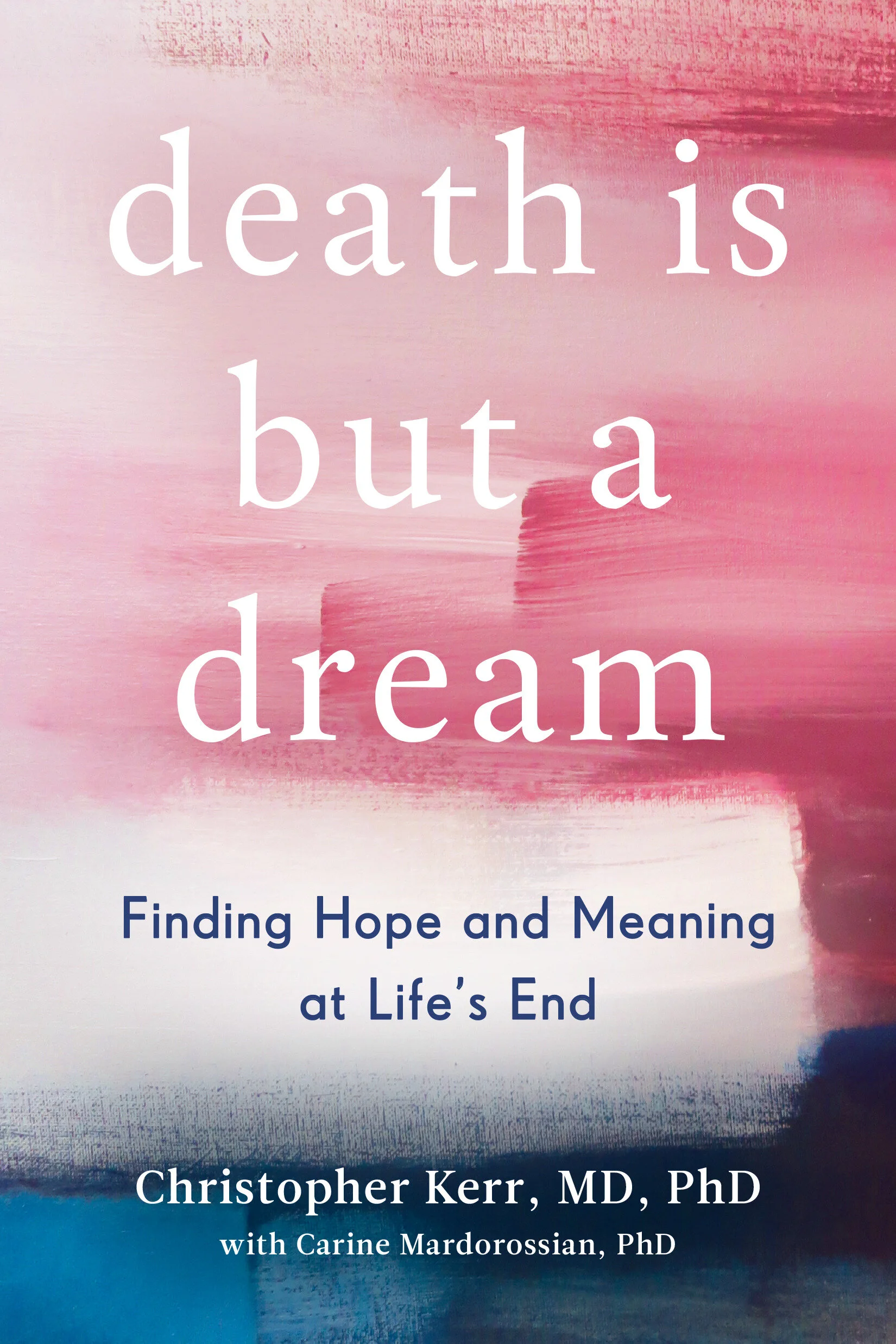
Spotlight: Death Is But a Dream: Finding Hope and Meaning at Life's End by Christopher Kerr, MD, PhD

The first book to validate the meaningful dreams and visions that bring comfort as death nears.

Christopher Kerr is a hospice doctor. All of his patients die. Yet he has cared for thousands of patients who, in the face of death, speak of love and grace. Beyond the physical realities of dying are unseen processes that are remarkably life-affirming. These include dreams that are unlike any regular dream. Described as "more real than real," these end-of-life experiences resurrect past relationships, meaningful events and themes of love and forgiveness; they restore life's meaning and mark the transition from distress to comfort and acceptance. 

Drawing on interviews with over 1,400 patients and more than a decade of quantified data, Dr. Kerr reveals that pre-death dreams and visions are extraordinary occurrences that humanize the dying process. He shares how his patients' stories point to death as not solely about the end of life, but as the final chapter of humanity's transcendence. Kerr's book also illuminates the benefits of these phenomena for the bereaved, who find solace in seeing their loved ones pass with a sense of calm closure.

Beautifully written, with astonishing real-life characters and stories, this book is at its heart a celebration of our power to reclaim the dying process as a deeply meaningful one. Death Is But a Dream is an important contribution to our understanding of medicine's and humanity's greatest mystery.

Excerpt

Excerpted from DEATH IS BUT A DREAM by Christopher Kerr, MD, PhD and Carine Mardorossian, PhD. Published on February 11, 2020 by Avery, and imprint of Penguin Publishing Group, a division of Penguin Random House, LLC. Copyright © 2020 by William Hudson, LLC

Tom was only forty when he arrived at Hospice Buffalo with end-stage AIDS. Unlike most of my patients, he was not surrounded by loved ones. Not a soul came to visit, ever. He was rather stoic, so I wondered if the absence of visitors was his choice rather than an indicator of his loneliness. Maybe that was his way of refusing to give death an audience.

I was puzzled but, wanting to respect his privacy, did not inquire. Tom’s emaciated body showed traces of once-chiseled muscles. He had kept fit and was still quite young, which gave me hope. In light of his age and physical conditioning, I thought that his body would be more likely to respond positively to life-prolonging treatment. Not long after he was admitted, I went to the nurse’s station and decreed, “I think we can buy Tom some time. IV antibiotics and fluids should do it.”

The charge nurse, Nancy, had been at Hospice Buffalo for much longer than I had. She knew her job, and everyone looked up to her. She was also not one to mince words. Still, her response took me by surprise: “Too late. He’s dying.”

I said, “Oh really?”

She replied, “Yep. He’s been dreaming about his dead mother.” I chuckled awkwardly—equal parts disbelief and defensiveness. “I don’t remember that class from medical school,” I said.

Nancy did not miss a beat. “Son, you must have missed a lot of classes.”

I was a thirty-year-old cardiology fellow finishing my specialty training while working weekends at Hospice Buffalo to pay the bills. Nancy was an exceptional veteran nurse who had limited patience for young, idealistic doctors. She did what she always did when someone was out of their depth—she rolled her eyes.

I went about my business, mentally running through all the ways modern medicine could give Tom another few weeks or even months. He was riddled with infection, so we administered antibiotics. Because he was also severely dehydrated, I asked for a saline drip. I did all I could do as a doctor to prolong his life, but within forty-eight hours, Tom was dead.

Nancy had been right in her estimation of where he was on the downward slope. But how could she have known? Was it just pessimism, the numbing effect of having watched so many people die? Was she truly using a patient’s dream as a predictor of life-span? Nancy had worked in hospice for more than two decades. She was tuned in to aspects of dying I knew nothing about: its subjective dimensions. How patients experienced illness, particularly dying, had mostly been ignored throughout my training as a doctor.

Like many physicians, I’d never considered that there might be more to death than an enemy to be fought. I knew about blind intervention—doing everything possible to keep people conscious and breathing—but had little regard for the way any given individual might wish to die, or for the unavoidable truth that ultimately death is inevitable. Because it had not been part of my medical education, I failed to see how the subjective experience of dying could be relevant to my role as a doctor.

It was ultimately the remarkable incidence of pre-death dreams and visions among my dying patients that made me realize how significant a phenomenon this was, both at a clinical and a human level. As a hospice doctor, I have been at the bedsides of thousands of patients who, in the face of death, speak of love, meaning, and grace. They reveal that there is often hope beyond cure as they transition from a focus on treatment to notions of personal meaning. As illness advances, grace and grit collide and bring new insight to those dying and their loved ones, insight that is often paradoxically life-affirming. This experience includes pre-death dreams and visions that are manifestations of this time of integration and coming into oneself. These are powerful and stirring experiences that occur in the last days or hours of life and that constitute moments of genuine insight and vivid re-centering for patients. They often mark a clear transition from distress to acceptance, a sense of tranquility and wholeness for the dying. Patients consistently describe them as “more real than real,” and they are each as unique as the individual having them.

These end-of-life experiences are centered on personal histories, self-understanding, concrete relationships, and singular events. They are made of images and vignettes that emanate from each person’s life experiences rather than from abstract preoccupations with the great beyond. They are about a walk in the woods relived alongside a loving parent, car rides or fishing trips taken with close family members, or seemingly insignificant details such as the texture or color of a loved one’s dress, the feel of a horse’s velvety muzzle, or the rustling sound of a cottonwood’s shimmering leaves in the backyard of a childhood home. Long-lost loved ones come back to reassure; past wounds are healed; loose ends are tied; lifelong conflicts are revisited; forgiveness is achieved.

Doctors owe it to their patients to incorporate this awareness into our practice. End-of-life experiences ought to be recognized as evidence of the life-affirming and inspiring resilience of the human spirit that drives them. They are proof of humanity’s built-in, natural, and profoundly spiritual capacity for self-sustenance and self-healing, grace and hope. They help restore meaning at end of life and assist in reclaiming dying as a process in which patients have a say. They also benefit those left behind, the bereaved, who get relief from seeing their loved ones die with a sense of peace and closure.

This subjective experience of dying is also a powerful reminder that beauty and love in human existence often manifest themselves when we least expect it. The patients who summon up comforting processes at life’s end are beset by symptoms of a failing body over which they have limited control. They are at their most frail and vulnerable, existing within suffering states of aching bones and hunger for air. Catheters, IVs, and pills may now be part of their every day, sometimes literally functioning as extensions of their bodies under the daily medical management that is their new and irreversible lot. They may experience various degrees of cognitive, psychological, and spiritual dissonance. Yet even as the inexorable march of time is taking its toll on their bodies and minds, many also have pre-death dreams and visions in the context of which they display remarkable awareness and mental sharpness.

Herein truly lies the paradox of dying: patients are often emotionally and spiritually alive, even enlightened, despite a precipitous physical deterioration. The physical and psychological toll of dying may be undeniable, but it is also what makes the emotional and spiritual changes brought about by end-of-life experiences border on the miraculous. Doing justice to end-of-life experiences means accounting for this paradox, one in which death and dying transcend physical decline and sadness to include spiritual awakening, beauty, and grace. Or, as the title character in the acclaimed Tuesdays with Morrie puts it, “Aging is not just decay, you know. It’s growth. It’s more than the negative that you’re going to die.” This is also true of the dying process, which often functions as a summing up, culmination, and capstone, an opportunity to recognize and celebrate our humanity in all its complexity and dignity rather than just as an ending.

Buy on Amazon | Barnes and Noble

About the Author

Christopher Kerr, MD, PhD, is the author of Death Is But a Dream: Finding Hope and Meaning at Life’s End. He is the CEO and chief medical officer at Hospice Buffalo. Born and raised in Toronto, Kerr earned his MD as well as a PhD in neurobiology and completed his residency in internal medicine at the University of Rochester. His research has received international attention and has been featured in The New York Times, Atlantic Monthly, and the BBC. He lives on a horse farm in the small town of East Aurora, New York. For more information, please visit https://www.drchristopherkerr.com/ 

Spotlight: The Kade & Lacey Collection: The Maxwell Series by S.B. Alexander

Fall in love with Kade & Lacey all over again in this jammed packed box set that includes a never before published Valentine’s bonus scene and over 800 pages in the bestselling Maxwell Series about coming of age, bullying, dating, family, falling in love, marriage, drama, and an eternal love worth waiting for.

Starting over is always easier said than done.

Lacey Robinson had the perfect life, the perfect family, and the perfect future, until one terrifying night when everything was ripped from her.

Now she’s trying to sew back the pieces, but it's hard when she’s haunted by nightmares and faced with a bully who does everything to shatter her future.

Then she met him.

Kade Maxwell makes her mouth water and her belly tingle. Through his own pain, he shows her that she’s stronger than she thinks. But she’s not so sure when his enemy is determined to use her to get to him.

With too many obstacles, too many triggers, and too many demons in her way, she’s on the verge of losing everything good she has left, including the one boy who just might be the key to mending her broken heart.

Valentine’s Surprise – Bonus Scene

Love is in the air.

Kade is full of surprises, but so are the triplets, Kelton, Kross, and Kody. Catch up on the Maxwell family in this short scene packed with funny moments and sweet romance. 

Included in this box set is Dare to Kiss, Dare to Dream, Dare to Breathe, and Dare to Embrace along with a special bonus scene. The collection contains strong language and mature content and is intended for audiences seventeen years and older.

Standalone Books in the Maxwell Series:

Dare to Love –Featuring Kelton Maxwell and is a second chance romance. Dare to Dance – Featuring Kross Maxwell and is a second chance romance. Dare to Live – Featuring Kody Maxwell and is a contemporary romance.

Excerpt

DARE TO KISS

"What are you doing out here all by yourself?" The guy stopped at the back edge of the car and turned his head left then right in quick succession.

The parking lot lights hit his face at just the right angle to illuminate his copper eyes with lashes so long that I shivered. Butterfly kisses. I imagined the light touch of those lashes skimming over my face or anywhere on my body.  I didn't want to take my eyes off of him, but just that thought made my gaze wander slowly down his entire muscular body. His blue—or was it black?—T-shirt stretched tight over his broad chest, emphasizing the word Zeal. I didn't know if it was just a word he liked, or if it was the band my father had signed. I continued my obvious assessment, holding the gun as steady as my trembling hand would allow while my eyes landed on his faded, worn jeans that hung low on his hips, tattered at the knees. 

"None of your business. What do you want?" I asked.

He took one step closer, and I whipped my hand around, aiming the gun at him.

He backed away, raising his hands to shoulder height, and as he did, his T-shirt lifted, exposing a small area just above his belt that made me suck in air. 

"I'm not going to hurt you. I was just looking for my brother. He said he would be down here practicing." His voice was calm, and his relaxed shoulders told me he wasn't frightened at all.

I slanted my head to one side and a bead of sweat slid down my temple. 

"I'm serious. Put the gun away. I'm not going to hurt you. I go to school here," he said in a husky tone.

"Prove it." My voice was calm and steady, which shocked me. I wasn't convinced this dude was a high school student. He looked older. 

He laughed, a deep, throaty sound that caressed my skin as though his tongue were licking every inch of my body. "And how do you suggest I do that?" He still had his hands in the air, revealing his taut skin above the waist of his jeans, causing tingles to spark inside me. 

The bright lights of the ball field suddenly went off, the area around us darkening. He used those seconds to make his move.

Buy on Amazon

About the Author

I'm Susan Alexander, and you'll find my books under S.B. Alexander. A little about me. I've been writing since 2012 and started with writing all about vampires. After the second vampire book, I began to branch out in New Adult Romance. I love to read mostly all genres, and I'm always game to try something new. So I tested my hand at writing romantic suspense and just loved it. So you'll find I write in several different sub-genres of romance.

In between writing, I spend time with my soul mate of 20 years who got a bad deal in life. Three years ago he was diagnosed with ALS. It's a horrible disease, but we both have been making the best of life, laughing, smiling, and doing what we can together.

But writing is a great outlet for me to take my mind to another place. Plus, I have a great network of family, friends, fans, and so much more. I truly have an angel on my shoulder. My mantra is make the best of life because it's too darn short.

Twitter http://www.twitter.com/sbalex_author

Facebook  http://www.facebook.com/sbalexander.authorpage

Web  http://sbalexander.com

Instagram  https://www.instagram.com/sbalexanderauthor/

Goodreads  https://www.goodreads.com/author/show/6871111.S_B_Alexander?from_search=true

Amazon https://www.amazon.com/S-B-Alexander/e/B00AW0KZPI?ref=sr_ntt_srch_lnk_1&qid=1561553211&sr=8-1

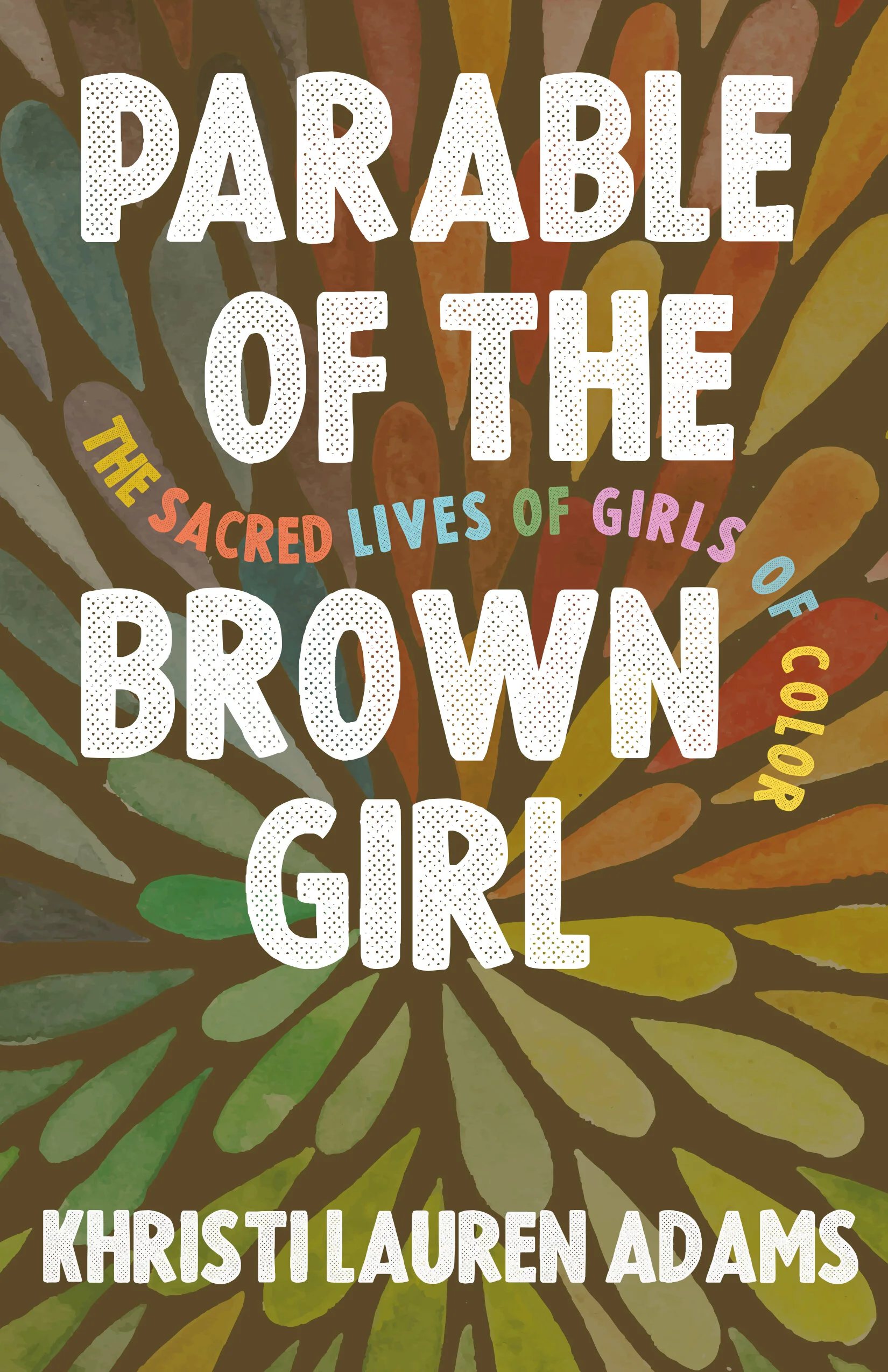
Spotlight: Parable of the Brown Girl: The Sacred Lives of Girls of Color by Khristi Lauren Adams

The stories of girls of color are often overlooked, unseen, and ignored rather than valued and heard. In Parable of the Brown Girl (adult nonfiction), readers are introduced to the resilience, struggle, and hope held within these stories. Instead of relegating these young women of color to the margins, Adams brings their stories front and center where they belong.

By sharing encounters she's had with girls of color that revealed profound cultural, historical and spiritual truths, Adams magnifies the struggles, dreams, wisdom, and dignity of these voices. Thought-provoking and inspirational, Parable of the Brown Girl is a powerful example of how God uses the narratives we most often ignore to teach us the most important lessons in life. It's time to pay attention.

Excerpt

 Chapter 1

Why would God make me a warrior when I’m really just weak?

—Deborah, age nine

For a nine-year-old girl, Deborah had a very sharp and opinionated mind. She was curious and perceptive, yet also quite innocent. About a week prior to Deborah’s ninth birthday, her mother brought her to see me for counseling. She wanted Deborah to have someone to share her inquisitive thoughts with outside of her family and friends. In the time we’d been seeing one another, Deborah and I talked about many things. She often described school as her “happy place.” One could feel the warmth of her big, bright smile when she talked about her friends and her classes. At school she felt safe, contrary to what she described as feeling trapped at home. She lived in a small, one-bedroom apartment with her mother and her mother’s boyfriend, who was recently released from jail after two years. Before he returned, Deborah slept in a room with her mother, which she loved because of how close she felt to her mother physically and emotionally.

Now she slept in the living room on their big, dusty, brown couch, which she described as old and worn. The middle dipped low when she lay on the couch and she often awoke with her back aching, but her mother thought Deborah was being dramatic when she complained about it. However, Deborah’s grievances indicated she felt distance between her and her mother and no longer had a sense of security and safety at home. Deborah’s mother was usually tired from working most of the day to support herself, her daughter, and her boyfriend. It had been six months since her mother’s boyfriend had moved in, and Deborah didn’t feel comfortable with him in her home. When she told her mother this, her words fell on deaf ears, just like all her other complaints did. Her mother thought Deborah was jealous but also believed Deborah would adjust to the situation eventually.

Deborah had a black-and white-marbled composition notebook she used as her journal. She didn’t structure her thoughts in a particular way, filling the notebook mostly with pencil-drawn pictures and poems. Knowing these were her private thoughts, I told Deborah she did not have to read them to me. Sometimes, she would bring the journal and have it idly on the desk. Other times, she wanted to read her thoughts from the past week. One day as she read, I glanced into the notebook and saw a picture she’d drawn, but I couldn’t quite make out who or what it was.

“What’s that?” I asked.

Embarrassed, she tried to hide it, but I promised I wouldn’t judge anything she drew or wrote. When she showed me the picture more closely, I was horrified. It was a picture of a girl with a gun to her head and the words “What’s the point? No one cares.” Something inside of me knew Deborah was the little girl. I asked her about the picture and she said it was an old drawing. Upon seeing the concerned look on my face, she tried to reassure me she’d just been having a bad day when she’d drawn it.

We sat in silence for a moment while I tried to gather words. Deborah seemed more concerned with my reaction than the actual drawing, and I sensed she didn’t want me to worry. When I finally found the words, I tried my hardest to impress to her that her life was important and that although things were difficult, people loved and cared for her. I also told her she had a life with purpose just like everyone else and God hadn’t made a mistake when creating her. She paused to think about my words and then desperately asked one of the most profound questions I’d ever heard.

“Why did God make me a warrior when I’m really just weak?”

I’d explained to Deborah that we would journey through life’s questions during our time together. I’d warned I wouldn’t always have the answers, but we would do our best to find them. This was a time I had no answer. As our session for that particular day ended, I promised we would revisit her question the next time, which would be the following week. As the intervening days passed, I grappled with her question, unable to get it out of my head. I was also ashamed to admit I had been in that exact theological crisis more times than I could count. Why did God make me a warrior, when I, just like Deborah, was simply a weak human being? Numerous challenging moments in my life have led me to question my abilities. When I would outwardly struggle, people would quote, “He will not let you be tempted beyond your ability” (1 Corinthians 10:13). However, my abilities felt like failures. It was—and still is—hard to admit to feeling this weakness, even though I had been in leadership positions before where I had to portray strength. I realized a nine-year-old could articulate one of life’s important questions in a way that I never could.

Nevertheless, I knew I’d have to tell Deborah something more than typical, “You’re not weak—don’t say that. You’re brave and strong.” Why did we respond with this comforting platitude even though it was not the truth for most of us? Adults especially give these types of fabrications when communicating with children, believing to protect them from painful realities. Was it better to tell a child uncomfortable truths at a young age or to lie so they can maintain unchallenged happiness? In this case, I did not want to lie. I had to tell Deborah the truth, which meant I needed to figure out an appropriate response to her question.

A week later, I went to our next session with the intention to pick up where we left off. I waited for her nervously and quietly. Deborah walked into the sparsely decorated room and sat across from me at our usual table. I couldn’t tell if she looked tired because of a long day at school or because of her sleepless nights on her couch at home. I told her I had been thinking about her question all week and I finally had an answer. As I looked into the face of that troubled yet innocent nine-year-old little girl, I said, “Just because you are weak, doesn’t make you less than a warrior. Warriors can be weak.” She might not have grasped the totality of that statement, but nevertheless, she looked relieved to know she could still be considered a warrior. Her weakness did not negate her strength.

If our truest selves are not always strong, why do we place such emphasis and privilege on constantly embodying strength? This quandary is a theological and human in nature, and one many black women and girls especially have to face throughout their lives.

We are human; therefore, we are strong and weak. Many of us, particularly black women and girls, have not been taught how to graciously give ourselves space to live with weakness. Weakness makes us acknowledge our inabilities and surrender to forces outside of ourselves for help. All of this contradicts our understandings of success and strength. We have difficulty seeing power in weakness.

Deborah’s struggles as a young black girl wrestling with a perceived mantle of strength reminded me of similar struggles I’d had my entire life. While I marveled at Deborah’s courage to ask her question, I later realized I’d had to garner my own courage to respond, to admit warriors can be weak and that I can be weak. I, a strong, independent, black woman, can also be vulnerable and fragile.

Black women have not had permission to be both. We need to be seen for all of who we are. I am proud of the strength in my DNA as a black woman and warrior, yet I am also grateful for the grace that gives me space to be weak when I need to be.

Deborah made me confront my own weaknesses. I still don’t know why God created us to have both weakness and strength. However, as 1 Corinthians suggests, God uses the weak things of the world to shine a light of truth on the strong. God chose to become incarnate in the weakness of Christ in order to present a powerful gospel of truth to the world. Weakness was the chosen one. Therefore, do not discount weakness. God resides with us in both our strength and our weakness; neither limits God.

Buy on Amazon | Barnes and Noble

About the Author

Khristi Adams is the Firestone Endowment Chaplain, instructor of religious studies and philosophy, and co-director of Diversity at the Hill School in Pottstown, PA. Previously, she worked as Interim Protestant Chaplain at Georgetown University Law Center & Georgetown University, Associate Campus Pastor for Preaching & Spiritual Programming at Azusa Pacific University, and former Director of Youth Ministries at First Baptist Church of Lincoln Gardens in Somerset, NJ. Khristi is also the Founder & Director of “The Becoming Conference” that began summer 2017, which is an annual conference designed to empower, educate & inspire girls ages of 13-18. Khristi is a graduate of Temple University with a degree in Advertising and a graduate of Princeton Theological Seminary where she obtained a Master of Divinity. Khristi is also currently an Associate Pastor at First Baptist Church of Lincoln Gardens. Her ministry and youth advocacy have been featured on CNN and her work has appeared in Huffington Post, Off the Page, and the Junia Project. When not in residence at The Hill School, she lives in East Brunswick, New Jersey.

Connect:

Website:

khristilaurenadams.com

Facebook link:

https://www.facebook.com/ParableOfTheBrownGirl/?view_public_for=114770629891635

Twitter link:

https://twitter.com/KhristiLauren

LinkedIn link:

https://www.linkedin.com/in/khristiadams/

YouTube link:

https://www.youtube.com/channel/UCbtUqrQQA4pkW3WX72_MtTg

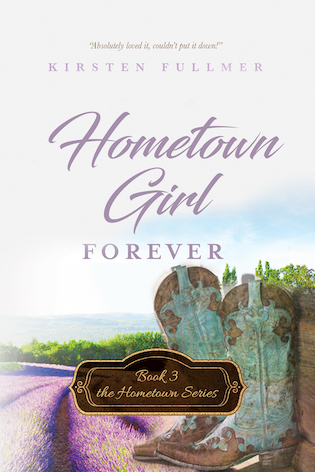
Spotlight: Hometown Girl Forever by Kirsten Fullmer

Hometown Girl Forever
Kirsten Fullmer
(Hometown #3)
Publication date: August 11th 2016
Genres: Adult, Contemporary, Romance

Lizzy is making changes. Her recent move to Smithville and her job at the spa, as well as her boho-chic alpaca farm, are perfect. However, her overbearing socialite mother will not stop interfering with her plans. The woman may have run her life back in Boston, but Lizzie is determined that those days are in the past!

Elliot, a successful big-city architect, is visiting Smithville to check on his latest Spa design. The last thing he expects to find is a gorgeous gypsy-style spa manager and her demanding mother. Elliot is instantly drawn to Lizzie, but doesn’t understand her mixed signals. Unused to small town life, he is completely out of his element and in for one surprise after another.

Lizzy can’t help but be attracted by Elliot’s charms, but he’s exactly the type of man her mother would choose for her. Once Again, Smithville folk interfere with plans at every turn, forcing Lizzy and Elliot to face their personal dilemmas, and each other, head on.

Goodreads / Amazon

EXCERPT:

Elliot followed Tara into the spa, steadying his coffee cup, carefully stepping around a short, thin man who was shoveling the flowerbed as if the devil himself were prodding him. The man’s eyes bulged and his glassed hung on the tip of his nose.

“That’s Bobby,” Tara said as they stepped into what would become the spa lobby, “and over there are Gloria and Marge.”

Unsure which of the gaggle of women she was referring to, he nodded and gripped his coffee cup tighter. The women all nodded as he passed. The room was just as cluttered as it had been the night before, but now, instead of boxes, the room was filled with piles of items pulled from the boxes, as well as women of all sizes, ages, and types. Flattening against the wall so the redhead could pass, he scanned the room. “Who is in charge here?” he croaked, afraid to ask.

Tara scanned the noisy room. “There she is, come on…” she said, dragging Elliot forward by the elbow.

Elliot shuffled through the piles of supplies as Tara called out to friends. Being a good-sized man, he had to twist and turn to fit through the narrow spaces Tara easily passed. Forced to hold his half-full coffee cup over his head, Elliot muttered apologies for stepping on feet and bumping into women. Finally they reached the other side of the large room.

Gaping behind him at the sea of supplies and bodies he’d traversed, Elliot was caught off guard when he turned to see the gypsy woman he’d met the day before standing in front of him with a clipboard.

Her eyes were bright, and her riot of black curls were held back from her face with a headband. She wore a cream-colored tunic unlike anything Elliot had ever seen. It was rumpled, loose, and long to her hips, and the top of the bodice was comprised of multiple layers of lace. Over the frock she wore a loose-weave grey jacket that hung open, with the sleeves rolled up to her elbows. Soft netting hung out the bottom of the frock at her hips, and around her neck she wore what he could only categorize as a necklace, but was actually a long chain with charms and feathers and scraps of lace shimmering all around it.

He stared at her in shock, not only because of her clothing, but because it was her. The strange bohemian woman had danced in and out of his scattered dreams all night. His eyes roamed over her all the way to the floor, taking in her grey leggings and laced boots, unable to miss her very shapely legs, before traveling back up to her face. This gypsy woman was going to run his spa?

Her perturbed expression clearly asked if he was finished gaping.

Feeling quite the clod, he hurried to extend his hand, forgetting momentarily that he held a coffee cup.

Lizzie jumped back, raising the clipboard in order to miss the torrent of black liquid as coffee sloshed over the rim of the cup.

Elliot jerked the cup back and staggered sideways into a pile of boxes, splashing coffee across his slacks and shoes.

“Let me help you,” Lizzie said, tossing her clipboard on a stack of boxes and grabbing a towel from a nearby pile of linens. Bending, she brushed at the coffee on his shins and shoes.

Embarrassed and numb with what he could only describe as uncharacteristically cloddish behavior, Elliot stood like a statue, his coffee cup held at arm’s length, still dripping onto the hardwood floor.

Author Bio:

Kirsten is a dreamer with an eye for art and design. She worked in the engineering field, taught college, and consulted free lance. Due to health problems, she retired in 2012 to travel with her husband. They live and work full time in a 40' travel trailer with their little dog Bingo. Besides writing romance novels, she enjoys selling art on Etsy and spoiling their three grandchildren.

As a writer, Kirsten's goal is to create strong female characters who face challenging, painful, and sometimes comical situations. She believes that the best way to deal with struggle, is through friendship and women helping women. She knows good stories are based on interesting and relatable characters.

Website / Goodreads / Facebook / Twitter / Instagram


GIVEAWAY!
a Rafflecopter giveaway

XBTBanner1

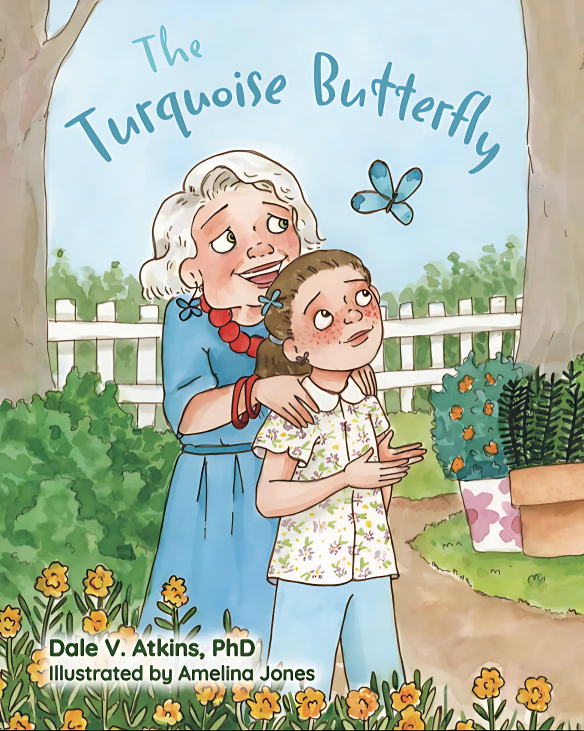
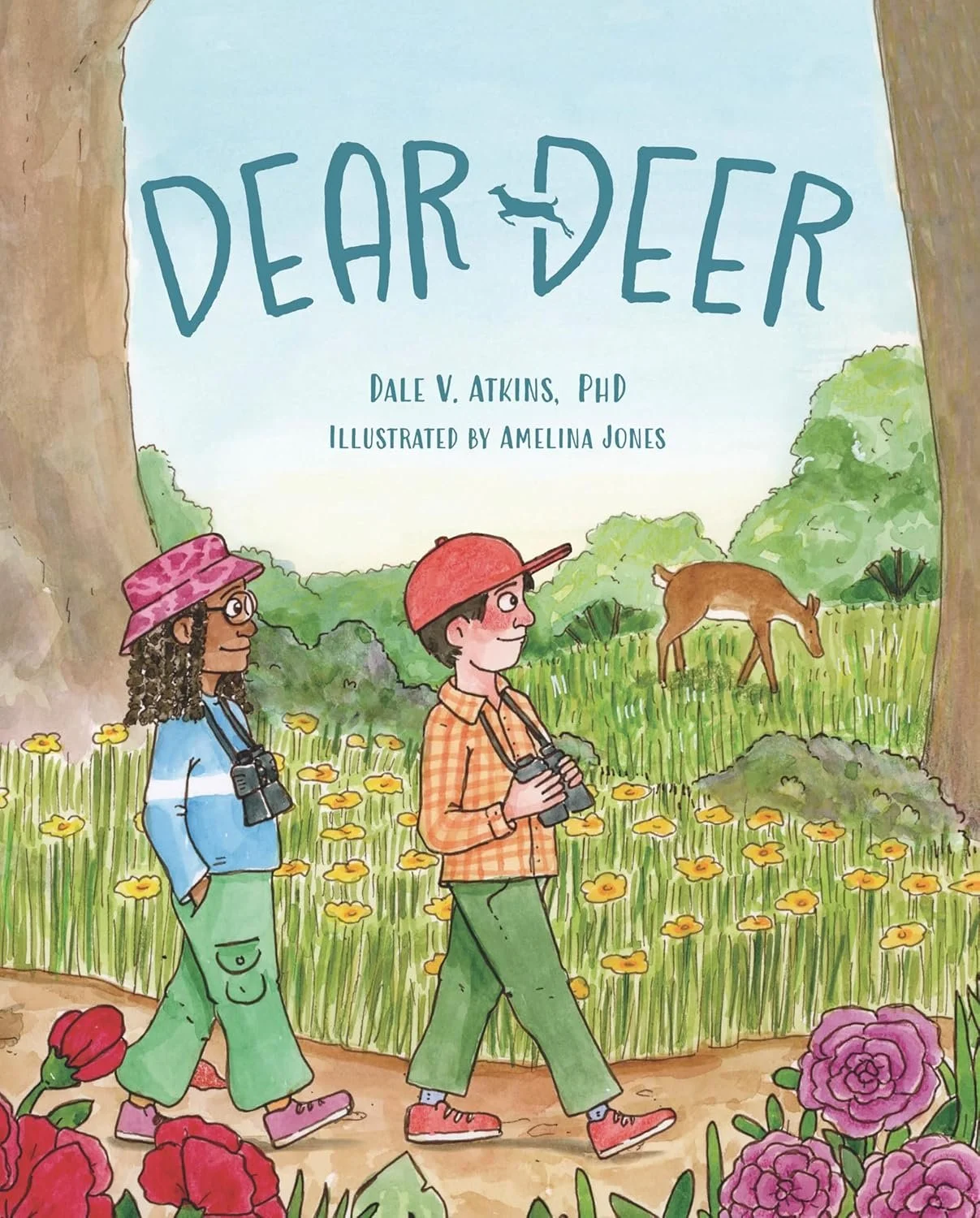
Spotlight: Forgotten Pieces by Tori Fox

Forgotten Pieces
Tori Fox
(White Creek #3)
Publication date: February 27th, 2020
Genres: Adult, Contemporary, Romance

Eight years ago, I fell for Ryder Thompson.

He knew me in a way no one else did.
He held my heart in his hands.

Until he brought it crashing to the floor.

I picked up the pieces, vowing to never let him in again.

And I never thought I would see him again.

Then one day, he reappeared in my life.

I promised myself I would ignore him.

I lied.

————————————————————

Tacoma Calloway made me a better man.
To this day I swear upon it, no matter how broken I am.

We weren’t meant to be together when we first met.

We were two lost souls finding solace in the other.

But eight years later, I still want her.

I forbid myself from loving her then.

And I am unable to love her now.

If only my heart would listen.

It won’t.

Add to Goodreads / Pre-order

Previous books in the series:


Author Bio:

Tori Fox loves books. So much so she decided to write one. It didn't go well. But after genre changes, many rewrites, and lots of editing she finally finished. And now that she is done, she doesn't plan on stopping anytime soon. Besides writing you can find her curled up on the couch with her dog reading a book or lost in a makeup store purchasing more makeup than is necessary for a human. She is also a fan of hockey and whiskey, especially together. Tori lives with her fiancé in the foothills of the Rocky Mountains.

Website / Goodreads / Facebook / Twitter / Instagram


XBTBanner1