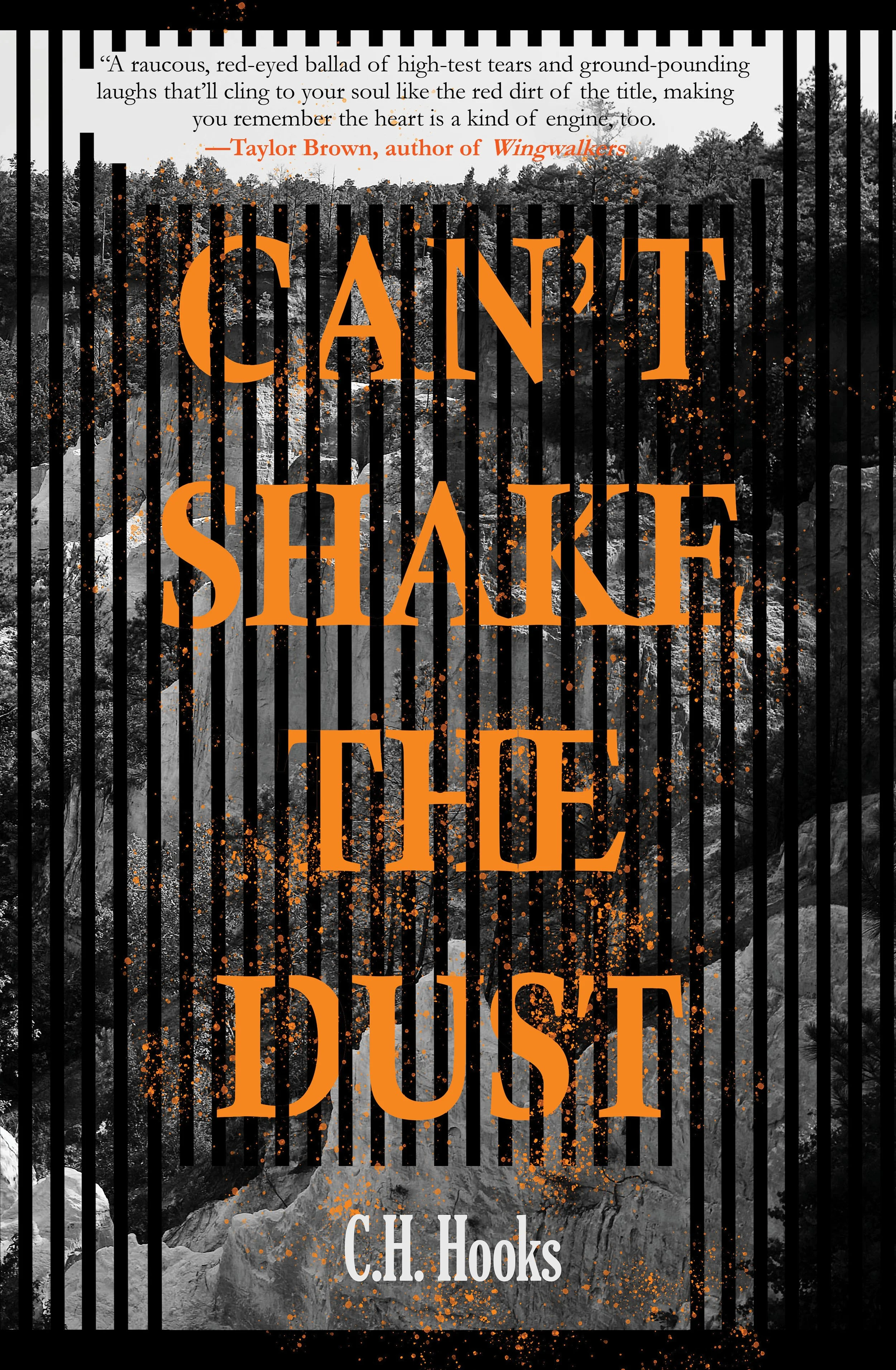
Spotlight: Can't Shake the Dust by C. H. Hooks

Buckle Up for a High-Octane Ride through the South's Shadowed Heart

In Can' t Shake the Dust, "Little" Bill Lemon, III, stands at the crossroads of a troubled legacy. From the notorious "Monkey Palace," his grandfather's bar, to the enigmatic history of his father, Wild, to his mother's questionable dog-breeding business, Little takes to the dirt track every Saturday night, racing to outpace the looming shadows of his family's past. 

Behind the wheel of a ramshackle DIY car, in a place where scarcity reigns— be it money, jobs, food, or even soap to cleanse the stubborn Georgia red dirt— Little teeters on the edge of self-destruction and redemption. As he navigates life on the fringe of Southern backroads, the weight of his ancestry threatens to pull him under. 

While checkered flags may elude him on the track, Little possesses the heart of a true champion. Readers will find themselves on their feet in the stands, rallying for him as he plunges headfirst into a turbulent voyage of self-discovery and survival.

Can't Shake the Dust is an exhilarating tale of resilience, tenacity, and the indomitable spirit of those who dare to race against all odds.

Excerpt

1. LITTLE

They say my daddy could’ve been the best racer there ever was, but that didn’t change the fact that I couldn’t breathe. 

Dirt. 

My nose was caked, and I could taste it in my teeth when I sucked through my lips, searching for a little bit of air to keep me running even when my car’s engine had found the shit-canned end of its own life—again. Might as well have left our house out on the track. 

My roll cage rattled like a can. Every time another one of those assholes lapped me I could feel the whole world rattle, like somehow Jesus was out there playing soccer with me and the car as the ball. My car was the Lemon Party II because Daddy wrecked the first one. More like, daddy got wrecked in. Didn’t really do it his ownself. Somebody put him into the wall, but he still wouldn’t tell me who it was. I had enough to deal with driving against those folks’ kids. 

Another car passed, and it felt like I might get sucked out through the window if I wasn’t strapped down so tight. Folks called me Little, just cause I was the youngest out of me and Daddy and Big Bill, my grandpaw. And I guess I was little once. But I’d stretched and leaned out, about as tall as Daddy now, but somehow the name stuck. My daddy got called “Wild” and that still makes sense. 

When the whole flock of cars passed they blew more dirt into the Lemon Party—II. My sleeves got a shower, a loose dust of gray clay and red dirt. The birds would try to bury me. Dang noisy birds flying around, circling and pecking just like those assholes did at school. When the draft tried to pull me out, I thought I might fly into orbit, find some far star even while my own childhood tried to twinkle the fuck out. Believe me, I could blink past the cloud of dust and find some dark sky out past the lights. Someplace I’d rather have been. Then I’d see the whole slew of them coming back around, lap twenty-something by then, and I’d do just like daddy told me, what he wished he’d have done, and I’d tuck my legs in to the seat real tight, push them over to the console. I’d do that, hope I didn’t get t-boned, and dream about a place more permanent, a place that wouldn’t roll away, and listen to all fourteen years of my life breeze by until they passed again.    

Instead, there was more dirt. My foot had slipped off the clutch mid-shift. The car stalled. It wouldn’t restart. The only time it had turned over, I’d given it too much gas and it sounded like somebody was playing ping-pong under the hood. 

Come the end of the race, I could barely hear. Dirt was stuck deep in my ears and I knew I’d find mounds like anthills on my pillow the next morning. I’d spit when I brushed my teeth and it would come out this grayish-red. The collars of my school-uniform shirts were always stained. They’d have these streaks that would smudge over time, till the whole thing was a different color than the original white. They expected clean and pure at the St. Francis Catholic School. They dragged me along on scholarship when I was for sure the only Methodist. You’d think my shirt would stay white since I wasn’t supposed to believe in original sin. Theirs really should’ve come off the rack stained. Was pretty sure I kept everybody in my class passing, writing near all of their papers so they could keep on winning while I struggled to get my own work done. 

Now I was in another race I couldn’t finish. 

I could read the signs through the dust. Don’t know how many times I read the Lucas Oil ad over on the wall next to me. I somehow always ended up parked in the same spot. Usually around lap two out of twenty-five. I knew I couldn’t, that it wasn’t possible, but I swear I could hear those other kids laughing over the spattering of mud when they passed.  

The officials didn’t stop the race to move my car. The dirt and mud covered the pair of large lemons and one smaller lemon hanging from the same stem. My mama, Nanny, painted the lemons on the door about a million years ago. She told daddy the white paint would look like a flash when it flew around the track. Mama didn’t come to the races to see that wasn’t for real.

The other cars crossed the finish and I watched Daddy limp over to the tall fence. He propped himself against the chain links and I barely pulled my scrawny ass out before the tow truck driver was hitching up to the bumper.  

“Good race, boy,” Daddy said. He was trying to smile. Trying to believe his own words till they got gobbled up by somebody’s busted muffler.  

The tow truck revved and dragged my car through the dirt. We’d made the roll cage out of patch welds and reclaimed steel. Now the car didn’t have a wheel touching the ground. It dragged behind chains drawing pictures in the dirt with its bumper. I’d been doing the same thing in the outfield at t-ball only a couple years before. Flies swarmed the lights high at the top of poles and the pale glow was just bright enough to make me have to squint over at daddy. Made it a little bit easier to hold back tears. 

“Made it longer than last time.” Daddy scratched his right leg like he did when he was trying. 

I looked back over at my car. The tow truck took the turn out of the track too tight. It kept pulling even when the Lemon Party II was stuck around the corner and the rear bumper popped off. 

“We’ll get it all fixed up,” Daddy said. 

“I could be the best that ever lived.” Don’t know why I mumbled those words or chose that second to do it. They say you are what you eat, and I’d been fed that goddamn line so many times from daddy. He watched the car disappear around the corner, too. I missed its tail in a blink. The bumper was still rocking, real slow, in the dirt.  

“What I always said.” Daddy scratched his leg again.

I walked across the track, pant legs of my racing suit puddling over the tops and backs of my Pumas, and aimed loosely at the gate between the track and stands. The suit was Daddy’s from when he was my age. He limped along beside me.  

2. WILD

Nobody cared about me trying. Folks said if there’s two cars on a road, there’s racing. I was racing an eight-week clock on a season that hadn’t even started yet—before the flag even dropped.

My own boy, Little, hadn’t won a race yet. Not even close. He’d chase the other cars around the track with the engine rattling a thrown rod, humping along like a heart ready to beat out. We chased bad money with good till there was nothing left to give but Nanny’s house. Nothing would change that but a new engine. We didn’t have the money for that, but my Daddy did. Driving to his bar for another round of begging, the clock was ticking off colors toward a sunset, peeling and dropping them like the label off a dip can.  

I drove out past the concrete bunker-looking strip malls with rows of “For Lease” signs, but for the big-box spots and the Mexican restaurants. I passed ProCreations, where Nanny worked. That was the big pet store with all the animals in it all stroked up on love. They sold the dogs and cats and such in pairs all hot and bothered and foaming looking for a good time. I felt about the same. She used to bring home about a dog-a-month, but they’d always run off when food got scarce. Then she started just bringing home that blush wine instead. 

It was over there on the left when I drove out to see Senior. So were the folks with their signs. The ones Daddy’d already milked for all their worth. 

These goons were always out there on the sidewalk of the last strip center on the way out of town. The tall one, long and thin, walked hunched under a plywood board sign roped around his neck. Old goon had scribbled on the wood:

Your sin will find you out

I slowed down a little and squinted. Probably needed to slowdown anyhow. Another ticket and they’d be trying to take my license again. But I slowed down too because next to the words he had him a photo of a man taped on his sign. It was a picture of guess who—my daddy, Senior, from a newspaper or maybe his high school yearbook. All on the picture it said:

Theif, Theaf, and Theef 

“Wonder what he done?” 

I kept on driving. 

Everybody owed daddy something, but they didn’t have to like it. He liked to think I owed him, too. A man couldn’t owe somebody who’d never done a lick of good for them.

Seeing that man straddled by his sign, his own doing, gave me a real empty feeling in my belly. I was hungry and had been for a while, ever since Nanny stopped coming around so much and the lawn-doing dried up. Every time I tried to go in ProCreations and see my fiancé, they got on the loud speaker talking about “Nanny Pet-Pet,” and everybody hid. 

I was probably squirming from the talk I was about to have with Senior too. 

Didn’t even own enough wood to make me a sign for all my gripes. 

The late sun sat on the edge of falling off, right in my eyes, blurred my windshield like there was something I wasn’t supposed to see on the other side. The windshield was like a mosquito graveyard, and there were a couple of cracks in the glass from my slapping at them. I yanked on the sun visor and the goddamn thing fell off in my hand. A metal clip fell between my legs and I adjusted, pushed my weight back and forth on my thighs until I couldn’t feel it anymore. I threw the visor onto the bench seat and held my hand up to clear the view. My wrist was on the wheel and a hand between my eyes and the sun. The smoke from my cigarette had me squinting a little more, but I smoked it to the butt before I pushed the nub out the cracked window. 

The wide-open parking lots tightened up into rows of tall pines that hugged the sides of the roads and the sun dropped behind their tops. Here and there, lines of tire marks were rutted through the thin strips of grass and traced patterns back to the trees. Their bark was scarred with burn marks and bald spots. Ribbons and rough wooden crosses leaned on the trunks. I could’ve slid my wrist just a little to the right and joined them. I wondered if somebody would’ve stuck a stuffed animal over there for me. 

I pulled up behind a big cage balanced on the back of a flatbed trailer. It hung over both sides and stuck out into the lane of traffic coming from the other way, if there ever was traffic. I swear, no less than six dogs lay on the slat wood floor of that trailer looking bored as shit. The bottom of the cage pressed up through the soft of their bellies and made them jiggle. They huffed in the heat, panted and rumbled along the two-lane road, seemingly happy as could be. When they bounced over a big pothole and the dogs lifted their chins for a second, letting the world know they were still living. 

The truck turned a little and angled off onto a dirt road. The dogs turned their heads only to be greeted by the dust kicked up by the truck’s tires directly in front of them. They cruised down the path, heads bobbing and bellies swaying, into the cloud of some forgotten shithole nook of South Georgia. 

I passed the county line marker. Senior’s bar and the land around it was taped off and measured by stakes with little pink flags, making sure the letter of the law was followed and that he could be left the hell alone. Pink neon ran through the building like veins and the whole place throbbed like some late night horror show experiment had come to life. The light glowed off the gold paint that covered the building and I wanted to see it melted down. The sign across the top of Senior’s concrete block and plywood compound was hand painted and said, “The Monkey Palace—King Kong of Honky Tonks.”

Copyright 2024

Reprinted with permission from Regal House Publishing

Buy on Amazon Kindle | Paperback | Bookshop.org
About the Author

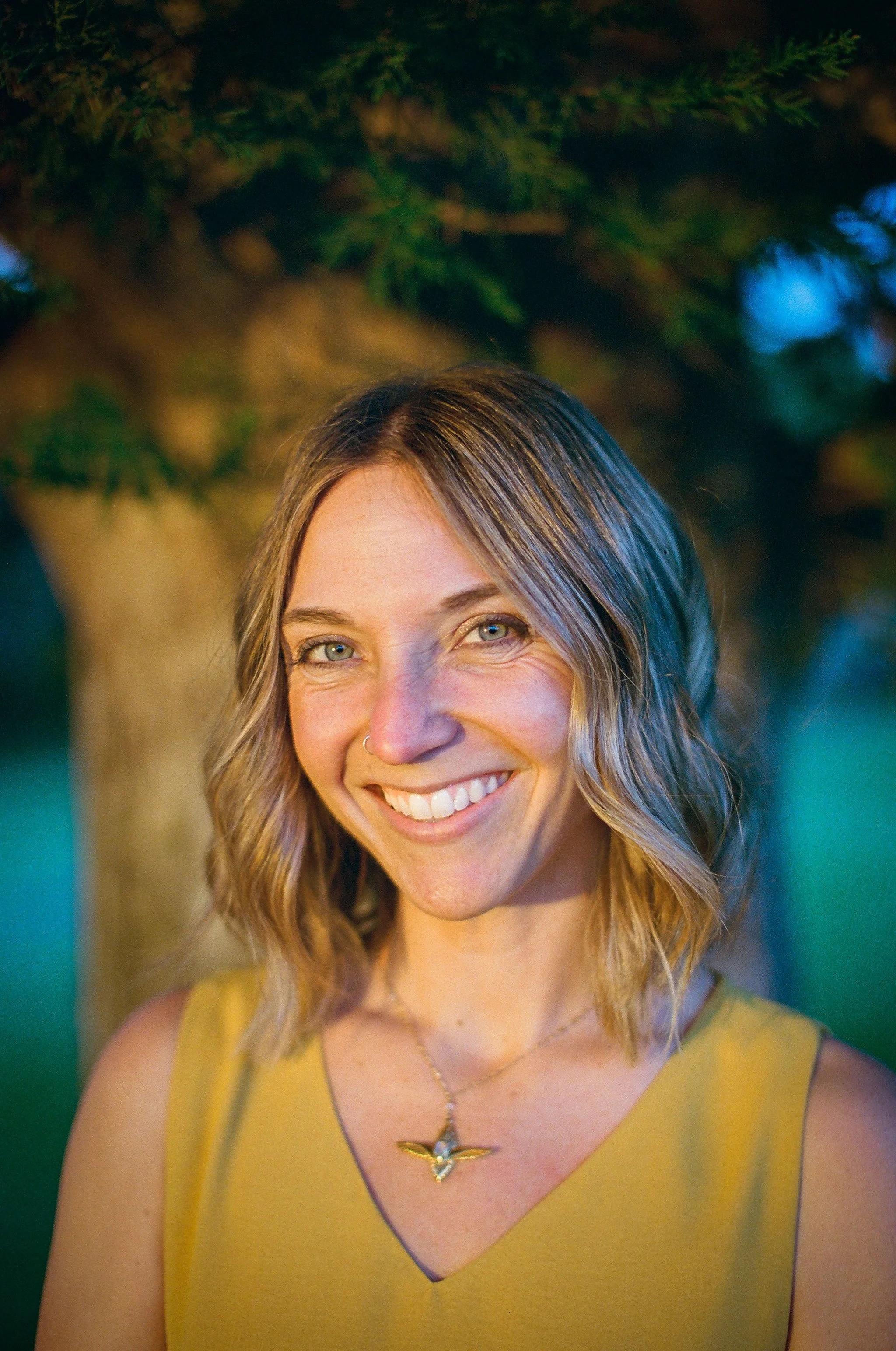
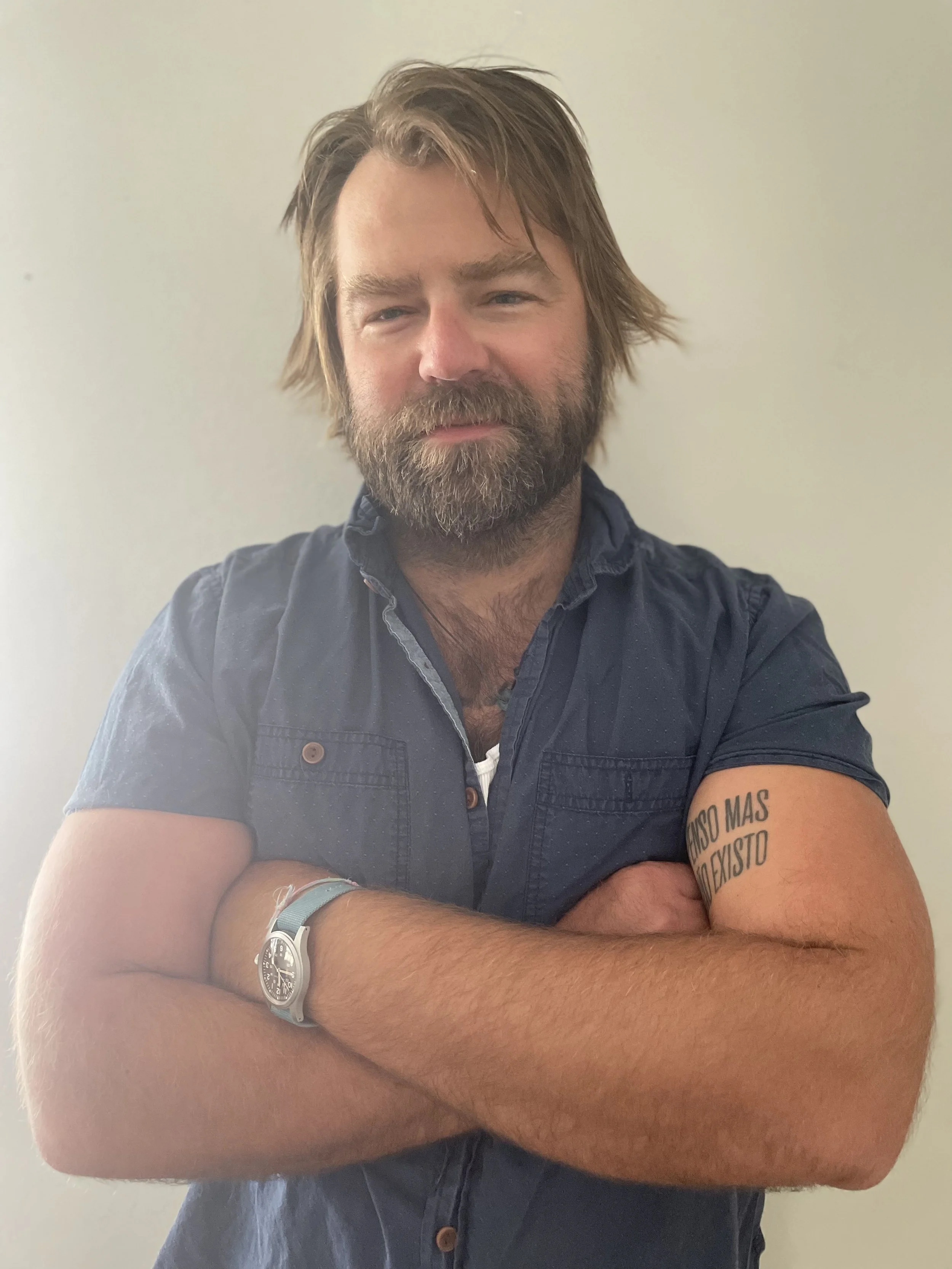
C.H. Hooks is the author of Can’t Shake the Dust (October, 2024; Regal House Publishing) and Alligator Zoo-Park Magic (2019). His work has appeared in publications including: The Los Angeles ReviewAmerican Short Fiction, Four Way Review, The Tampa Review, The Bitter Southerner, and Burrow Press. He has been a Tennessee Williams Scholar and Contributor at Sewanee Writers' Conference, and attended DISQUIET: Dzanc Books International Literary Program. He teaches at Flagler College, and lives and sails in St. Augustine. You can visit him online at chhooks.com.

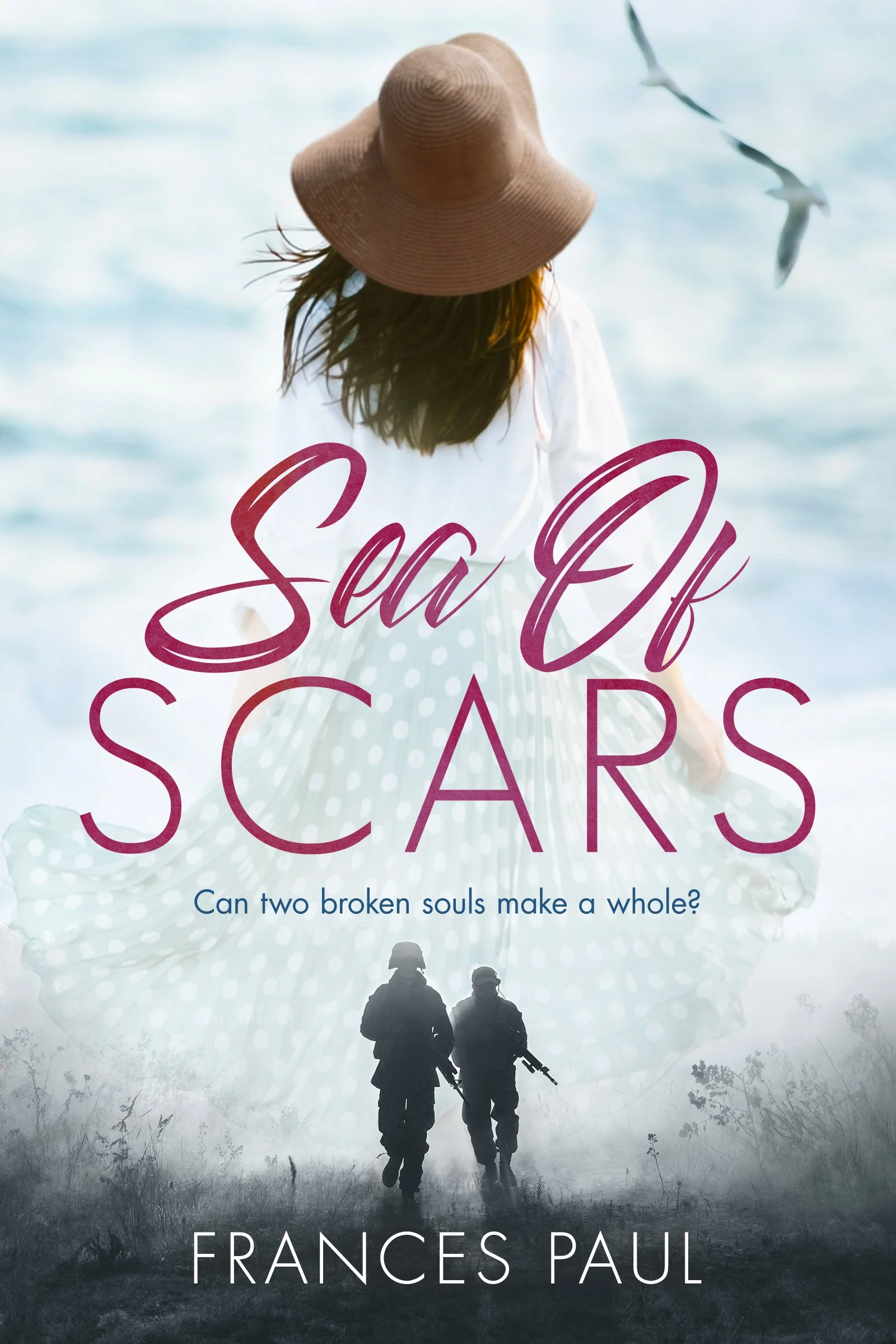
Spotlight: Sea of Scars by Frances Paul

Publication date: October 1st 2024
Genres: Adult, Romance

Synopsis:

I lost everything. My job. My family. My life... my sanity.

These harrowing words capture the essence of Frances Paul's poignant novel, Sea of Scars. As the story unfolds, readers are introduced to a protagonist who finds himself at the very edge of despair, facing the overwhelming burden of loss. Yet, this tale is not just about the depths of misery but also about the faint glimmer of hope that persists even in the darkest of times.

A Story of Tragedy and Redemption

At the heart of Sea of Scars is Zachary Reid, a man who has seen his life unravel before his eyes. Stripped of his family, his career, and his sense of self, Zachary spirals into a pit of regret and guilt. His dishonorable discharge from the Marines only deepens his wounds, and his attempts to prove his worth lead to further alienation from those he holds dear. In his stubborn refusal to seek help, Zachary digs himself into an abyss that seems impossible to escape.

A Glimmer of Redemption

Just when all hope seems lost, Zachary encounters Courtney Peterson, a woman whose own life has been marred by pain and suffering. Courtney’s scars, both physical and emotional, mirror Zachary’s own, and together, they form an unlikely connection. The bond between them becomes a lifeline—a chance for both to find healing and redemption. But as their relationship deepens, Zachary must confront a difficult truth: is their connection a source of salvation, or are they merely pulling each other deeper into their shared darkness?

Themes of Strength, Vulnerability, and Second Chances

Frances Paul weaves a powerful narrative that explores the complexities of strength and vulnerability. Through Zachary's journey, the novel reveals that true strength lies not in denying our weaknesses but in embracing them and seeking the help we need. Courtney’s character serves as a symbol of hope and resilience, demonstrating that even the most broken souls can find the strength to heal.

Why Sea of Scars Should Be on Your Reading List

The relaunch of Sea of Scars is not just an opportunity for a new audience to discover this moving story; it’s a chance for past readers to reconnect with its profound themes. The novel speaks to anyone who has grappled with loss, pain, and the search for redemption. It’s a story for those who believe in the possibility of second chances, no matter how far one has fallen.

Alongside the relaunch of the print and digital editions, Sea of Scars is now available as an audiobook, beautifully narrated by the gifted James Scott. His portrayal breathes life into the characters, infusing them with a raw emotional intensity that deepens the experience, making the journey through Sea of Scars even more captivating.

Frances Paul’s Sea of Scars is a powerful exploration of the human spirit’s resilience. It is a story that will resonate with anyone who has faced their own battles with despair and emerged stronger on the other side.

Excerpt

CHAPTER ONE

Death is not the greatest loss in life. The greatest loss is what dies inside us while we live.
~ Norman Cousins

Silence filled the room, lingering for several minutes— longer than in their previous sessions. Dr. Bailey Clark glanced at the wall clock across from her seat. This was their fifth session, and nothing had changed since their first. His reluctance to open up wasn’t surprising, given her experience with severe cases like his. These therapy sessions weren’t his choice; they were court- ordered. Though she could report him as uncooperative, that wouldn’t heal his illness or solve any problems. His panic attacks and extreme anxiety could escalate into something more dangerous, and it was her responsibility to prevent that if possible.

“Zachary, this is our fifth session, and we haven’t made any headway. At some point, you’ll need to trust me. I am not here to simply report your progress to the court. I am truly alarmed and worried about you,” Dr. Clark expressed as cautiously as she could to avoid him walking out, as he did on his last visit.

She closed her notepad, removed the glasses that sat at the bridge of her pointy nose, and set them aside, hoping the gesture would create some level of comfort and trust between them.

“We can start small, as I suggested on your last visit. Let’s talk about Alison. How did you meet her?” Her voice was now measured, almost a whisper.

Her gestures loosened her client’s tense demeanor. He sighed and took his focus off the blank wall he’d been gawking at for the past fifteen minutes.

In an uncanny way, the soft gray wall brought him a sense of solace. “College, right before I enlisted.” He eyed his hands, now clasped together. “We dated for a year before we eloped. She was pregnant with our first kid. I was deployed to Western Asia on a peaceful mission before Amelia was born.”

“That’s interesting,” Dr. Clark said. “What was the motivation behind your enlistment?”

“My grandfather was a SEAL, a Lieutenant Commander in the US Navy. So was my great- grandfather. My father was a Marine, Brigadier General. Both served our great nation well. It was tough growing up in a family with such high expectations. From the day I was born, I was groomed to serve my country. I guess that was all the motivation I needed. Their life’s mission was accomplished when I enlisted after my eighteenth birthday.”

“Are you in contact with them?”

“That would be hard to do since they both passed away before I was deployed on my first mission.”

“Sorry to hear that. Your mother, any siblings?”

Zachary shook his head, recalling his lonely childhood being an awkward little boy who spent most of his days trapped in a treehouse playing with his military soldier toy kit. Having a fear of rejection by both sexes, making friends wasn’t his forte. He was safer trapped in his own world of seclusion. His father wasn’t an easy man to love or please, and Zachary lived in fear of disappointing him, hence his decision to enlist, hoping to please the old man. His father suffered from alcoholism and constantly ridiculed him no matter how hard he worked to appease him. When he was home, he indulged in activities that initiated violence against both Zachary and his mother. It was a story that was too painful for him to relive or communicate.

Observing his hesitation to discuss his childhood, Dr. Clark smartly took another approach. “Tell me about your first mission. Your time in Western Asia.”

Zachary slouched onto the couch and continued to eye his hands. “It only lasted a year. It was exactly as the name conveyed, peaceful. We spent days and nights patrolling small villages and protecting them from their own, the local rebels. We had an agreement with these insurgents to stay away from innocent civilians. A few of us were left behind to ensure that they kept their end of the deal. I remember thinking how tedious the mission was. I was prepared for combat, a more active operation. That dangerous duty I had dreamed of partaking in since I was a little boy playing with my military playset. So, I thought…” His expression turned somber once more.

“I don’t want to push you too hard…”

“I’d like to get this over with. You want to know about my last mission?”

“If you are up for it.” Dr. Clark picked up her notepad and clicked the back of her pen.

“It was exactly what I asked for. I served two tours before I got my other-than-honorable discharge. It was a difficult time for my family. After my first tour, I could barely sleep at night without visualizing the men I killed in combat. The vicious, ungodly, gory crimes I witnessed. The cries of women that’d lost their husbands and sons.

I suffered from severe PTSD, yet nobody cared. They only cared about defending the borders, destroying the rebels, sending you out to kill, kill, and kill. I knew I couldn’t complain because it was exactly what I wanted. I soon realized otherwise. This couldn’t possibly be the life my father and grandfather expected me to live. My mind was sick after my first kill. It was a man you could probably say deserved it. He was a member of a group that terrorized the villagers. Killed men, children, and raped their women, though killing him didn’t bring me solace but rather triggered my first stage of depression. On my second tour, I saw my colleagues being blown into pieces. Do you know what the burning of human flesh smells like? Their screams, the squeals, like wounded animals, the horror in their voices. Why was I so lucky to be alive? Is it even luck to live with such disturbing images in my mind daily?” He hunched forward and grimaced, looking utterly disheartened.

“One night, my dear friend and colleague Sgt. Pierce and I were patrolling the borders a few miles from our base. After an hour on duty, we heard gunshots coming from the base. We abandoned the post and rushed to investigate.” Zachary paused, swallowing a lump of grief. He heaved a sigh, then rubbed the back of his neck in a frantic motion. He gazed at his trembling hands and continued without meeting Dr. Clark’s eyes. “The base was ablaze, and we could hear the screams of our men as bombs detonated from all sides. I saw one of our corporals running in hysterical circles, his body engulfed in flames. I rushed to help him, but by the time I reached his side, a bullet had already pierced his head. I had to drop for cover. That was the moment I got separated from Pierce. The chaos was overwhelming, and I couldn’t see what was happening. I took down a couple of enemies as I searched for the rest of my comrades…but what I saw…” His voice trembled.

The anguish in Zachary’s voice was something Dr. Clark hadn’t encountered before. Though she’d counseled many returnees and veterans in the past, there was something uniquely haunting about his pain. It stirred a deep resolve within her to go beyond her usual efforts and truly help him through his suffering.

“What I saw will live with me for the rest of my miserable life. Scorching bodies of my colleagues, heads blown off, some decapitated. No one survived the ambush. I was obviously outnumbered, couldn’t do anything except hide like a coward. The rogues dismantled our properties and celebrated their accomplishment. They piled up the corpses of my men, bodies on bodies. Some relieved themselves on the corpses while others spat on them. A while later, a man yelled a few words in their local dialect, and the rest cheered while firing shots in the air. They dragged my friend Sgt. Pierce on the ground while he pleaded for his life.

There was nothing I could do other than whimper in the dark like the weakling I was. He was executed seconds later, beheaded while he pled.”

Zachary paused and exhaled sharply. “The executioner just tossed his head on top of the pile of bodies they had collected.”

Dr. Clark cleared her throat as she absorbed Zachary’s horrifying experience. “Do you want to take a break? We can continue in your next session. I don’t want to overwhelm you.” In truth, she needed a break from the gory details herself.

“Do you not understand what I’m saying to you, Dr. Clark? Overwhelming is when your command sergeant tells you the day after witnessing something so barbaric to get back on the field and do your job like nothing happened. It’s just another day. No time to mourn the fallen or receive proper counseling. I was sick, weak, not physically but mentally and spiritually after that ordeal. I snuck out to bars and drank every single night, even while on duty. My judgment was impaired. I didn’t know the difference between an ally and a foe. I blamed every person that crossed my path. I once strangled a man to near death because all I saw were the faces of the animals that killed my comrades. After getting into fights with my team members and the locals on a regular basis and ignoring all the warnings that were issued out to me, I was sent home. Tossed to the side like garbage. I was unmanageable, and for justifiable reasons. That’s it. They throw you back into the world, damaged or not. I couldn’t sleep, eat, or make love to my wife. My kids became strangers. My anger escalated, and yelling became a norm in my home. Everyone tiptoed around me, even my own kids. They are the enemies now. When I get my episodes, which are regularly, Alison becomes the target, and she’s been the target for the past six months. She does it well. Conceals the pain, bruises, and makes all kinds of excuses for my shameful behavior. Until recently. She couldn’t take it anymore. Now she’s seeking a divorce and, no doubt, sole custody of the kids. She is taking the one good thing I have left in this cruel world. I’m drowning, and there’s no coming back from this. So, I don’t care what you tell the courts. I’m not your charity case, so quit trying to fix something that is beyond repair. I see what you are doing, and it’s senseless.”

“You are not my charity case, and I apologize if I gave you that impression. You cannot give up and run from your problems. I get it, you might never recover from that experience, but you could try. At least for the sake of your kids.” Dr. Clark rose to her feet and treaded toward her desk. She drew a card from the Rolodex and turned back to him.

Zachary wore a permanent frown, lost in his obscure thoughts. His posture suggested defeat, and his demeanor advocated violence. He had potential to cause more havoc, and not only to his wife and kids, but to the public. There had been many cases in the news about lone gunmen, conspiracy theorists, militias, and people with depression and mental illness who caused so much grief in the world. She didn’t want to wake up one day to see the face of her patient on the news. The blood of innocent souls would be on her hands. This was a curse she couldn’t live with. She refused to give the court a reason to lock him away when there was hope. A lot of work, nonetheless she was confident.

Am I overreaching? She often questioned her sanity when faced with such complex cases.

“Zachary, how would you feel about participating in a group treatment program with other servicemen with similar issues as yours? Before you say no, hear me out. The program provides a safe environment for patients to become more socially associated with others, and it offers the opportunity to build trust. Before any change can occur, we must restore your lack of faith. It wouldn’t take your pain away, I know that. As humans, we have moments when we lose all hope and are unable to believe in second chances. Relationships turn sour, people die, and we lose courage. Life is about breaking barriers and pushing through uncertainties. My words might seem trivial now, but we must begin somewhere, believing you’ll overcome this. From similar cases, I’ve learned that one-on-one treatment isn’t as effective as people often think. In group programs, you’ll interact with others who truly understand what you’re going through because they’ve lived it. I’d be lying if I said I knew exactly how you feel—despite all my degrees, I lack that personal experience. If you choose to participate, I’ll continue working with you throughout the program.”

Zachary was quiet, contemplating her proposal. The doctor was right; he was lost, living in extreme paranoia and unable to love and protect his family. He witnessed violence way before he enlisted. He felt destitute and deserted, and that needed to change. Alison was the best thing that had ever happened to him, and now she detested his very existence. While he might not be able to win her back, he could at least try. He stood and nodded at Dr. Clark.

Relieved, she passed the group counselor’s contact information to him. “You won’t regret this, Zachary.”

“Let’s hope not.”

Buy on Amazon Kindle | Audible | Paperback | Bookshop.org

About the Author

Born and raised in Accra, Ghana and now living in Cincinnati, Ohio. A banker, wife and mother of two amazing kids. She finds writing to be a great passion of hers and a path she was born to follow. She began by writing short stories at a young age. Now, she has four published books and working on a few more projects. She’s a crazy tea lover, loves to travel, eat, and enjoys learning about different cultures. Authors she is inspired by are Sidney Sheldon, Nora Roberts and Jeffrey Archer. Hope you enjoy her books as greatly as she enjoyed producing them.

Connect:

https://francespaul.com/

https://www.facebook.com/Francespaulbooks/

https://www.instagram.com/francespaulbooks

https://www.tiktok.com/@francespaulauthor

https://www.goodreads.com/author/show/1391872.Frances_Paul

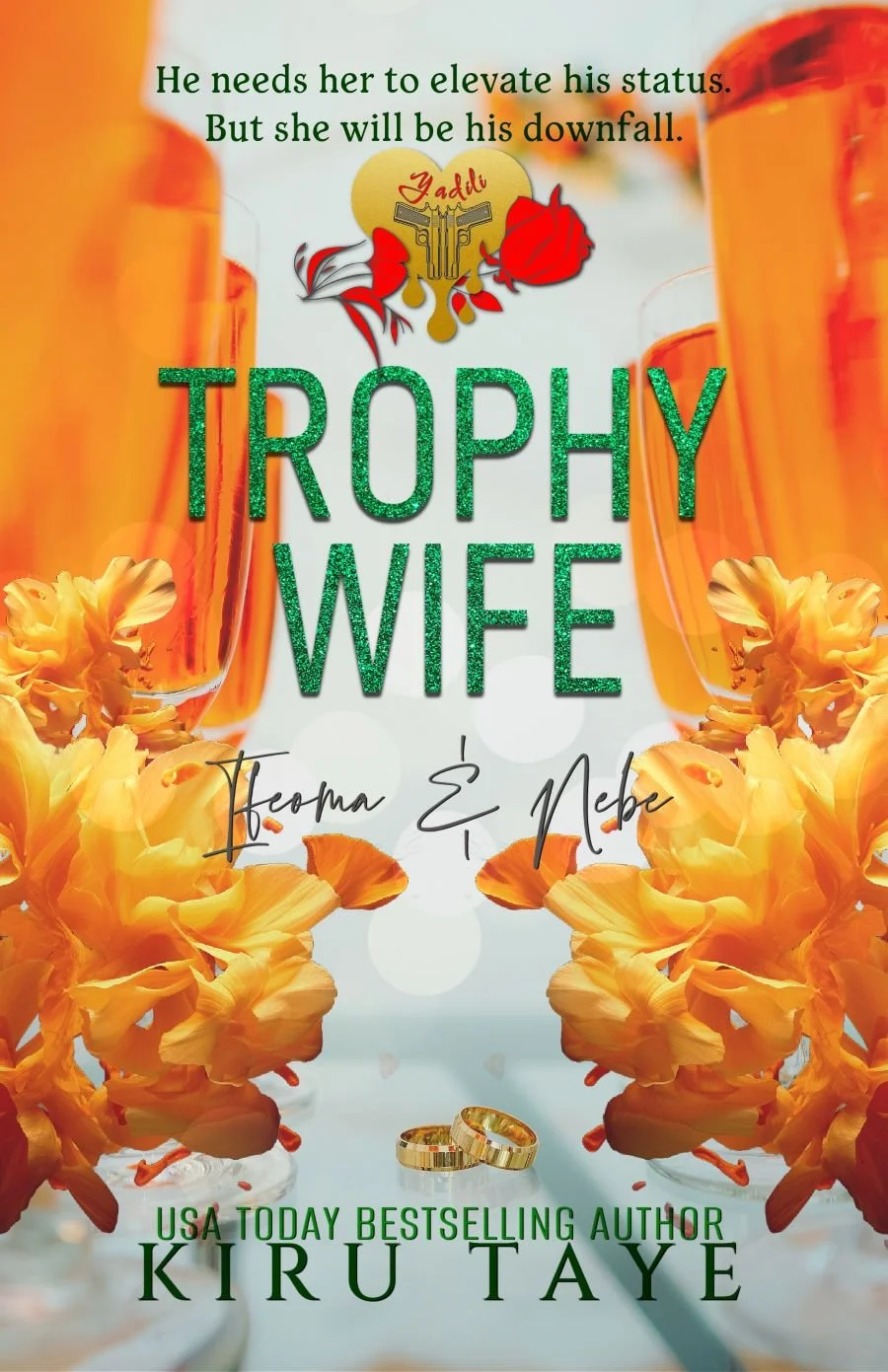
Spotlight: Trophy Wife by Kiru Taye

(Yadili, #6)
Publication date: September 30th 2024
Genres: Adult, Contemporary, Romance

He needs her to elevate his status.
But she will be his downfall.

Finally, Ifeoma is ready to fully embrace the freedom of singlehood. Her ex-husband has moved on and remarried, and her son has flown the nest. With the intention of self-discovery, she embarks on a worldwide adventure, determined to fulfil three items on her wish-list: to experience pure joy, to find laughter in every corner, and to revel in her own sensuality.

Then she meets Nero, a mysterious Black Italian whose charm captivates her instantly. And for twenty-four hours he fulfils every item on her wish-list. But he wants more, more than she’s willing to give. So, she ends it and goes home.

Months later, Nero turns up in Nigeria, more detached and ruthless than the man she remembers, intent on destroying her family business and legacy. And only one thing will quench his bloody feud—Ifeoma as his trophy wife.

Still Ifeoma is a titled woman who isn’t easy to control, if she can keep Nero out of her bed—the one place his passion burns hotter than a forge at dawn, consuming her restraint.

Trophy Wife is book 6 in the Yadili series. In this enemies-to-lovers romance, the air crackles with tension and the chemistry between the characters is scorching hot, creating a story that will leave you breathless. Themes include unrequited love, touch her and die, forced proximity, and the intoxicating darkness of a mafia romance. A full-length novel. No cliffhanger.

Excerpt

Nero sat immobilised as he watched Ifeoma approach him. Today she was in a V-neck knee-length multi-print wraparound dress with ties around the side. She’d worn it with a grey blazer which now hung over the chair she’d been sitting on.

Walking away from a woman had never been difficult for him. And it shouldn’t be with Ifeoma. Yet a heavy weight had crushed his chest when he’d told her he was no longer interested in marrying her.

She leaned her hips against the table beside him and caught his wrist in her soft hand.

His flesh burned at the contact, sparks shooting down his arm. It annoyed him.

This unwavering attraction he held for her had to be because it had been months since he fucked any woman. Months since he fucked her. She was the last woman he’d touched intimately. 

She’d run away after their night together, blocked him from contacting her. Yet here he was burning from her simple touch.

“Don’t.” The one word was filled with the emotions she roused. A growl rumbled from his chest as he pulled his hand away from her.

Buy on Amazon

About the Author

Kiru is the award winning author of His Treasure. She writes sensual and passionate multicultural romance stories set mostly in Africa. When she's not writing you can find her either immersed in a good book or catching up with friends and family. She currently lives in the South of England with her husband and three children.

Subscribe to her newsletter for book news and giveaways: http://www.kirutaye.com

Connect:
https://x.com/KiruTaye
https://www.kirutaye.com/
https://www.facebook.com/AuthorKiruTaye/
https://www.youtube.com/user/kirutaye
https://www.instagram.com/kirutaye/
https://www.goodreads.com/author/show/5242699.Kiru_Taye

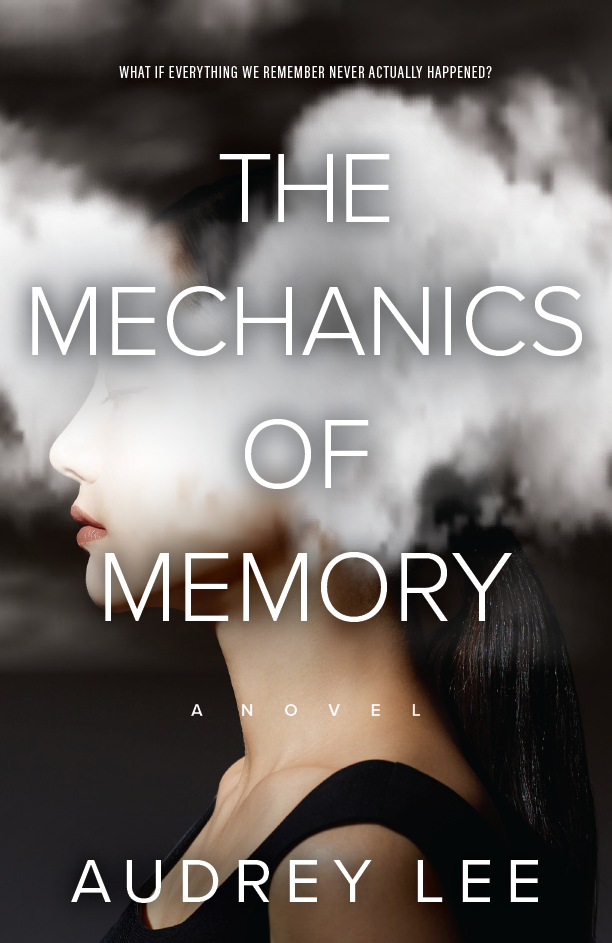
Spotlight: The Mechanics of Memory by Audrey Lee

Never Forget.

Memory is Copeland-Stark’s business. Yet after months of reconsolidation treatments at their sleek new flagship facility, Hope Nakano still has no idea what happened to her lost year, or the life she was just beginning to build with her one great love. Each procedure surfaces fragmented clues which erode Hope’s trust in her own memories, especially the ones of Luke. As inconsistencies mount, her search for answers reveals a much larger secret Copeland-Stark is determined to protect.

But everyone has secrets, including Hope.

Excerpt

1 | don’t look back

HOPE

The Wilder Sanctuary

Rancho Mirage, California

“And how are the nightmares?”

“Fine.” Hope shifted, pushing stringy hair from her face with her palms. “I haven’t had any this week.”

“None at all?” 

Hope shook her head slowly, face impassive. 

“That’s important progress.” Dr. Stark looked impressed with his own abilities, as if he’d performed a special magic trick to protect Hope from herself. Perhaps in a way he had. 

Dr. Stark jotted notes on his tablet with a pointy gray stylus. “Are you sleeping any better?”  

“A little. An hour or two at a time.” It was a lie. She hadn’t slept at all. 

Hope focused on the San Jacinto Mountains outside the picture window, framed by the endless blue of the summer sky. Desert sky. It was hard to think about darkness right now, with so much light around her. “Does that mean I’m getting better?”

“As we’ve discussed, it’s important you get concentrated stretches of sleep.” Dr. Stark flipped his tablet to expose the keyboard, typing with a renewed purpose. “It will help you make progress in the Labyrinth.”

The word Labyrinth filled Hope with a viscous dread. She knew she’d visited it dozens of times since arriving at Wilder, though never remembered what had happened there. “I told you I’m never going back.”

“You did,” Dr. Stark said. “But as I said, it’s important to try and push through. It helps you confront what you’re avoiding.”

“I’m not avoiding anything,” Hope said. Another lie.  

“I’m increasing your temazepam to thirty milligrams,” Dr. Stark said. “And tomorrow evening I’d like you to spend some time in ViCTR using the Erleben device. Say, forty-five minutes?” 

Hope glanced at the ceiling. She wanted a cigarette in the worst way. 

“Great,” he said. “Check in with the pharmacy after our session.”

Stark was doing the casual Friday thing that day, though Hope remained uncertain if it was, in fact, Friday. He resembled a prep school student, with his shiny polo shirt and immaculately pressed chinos. The polo looked brand new, still creased in the sleeves and too white, almost blinding. Hope couldn’t picture Dr. Stark performing the tasks of mere mortals: changing the toilet paper, taking out the garbage, shopping for polo shirts. Maybe his wife did all that. Maybe she bought five polo shirts in different colors from Neiman Marcus, hanging them in an orderly row, next to his dry-cleaned Italian suits in clear plastic bags. 

“Is there anything else you want to tell me?” Dr. Stark asked, still typing, fingers thin and bare. 

“Are you married?” 

“Divorced,” he said. “More thoughts about last year, perhaps?”

“Nothing else,” Hope said. She glanced outside again. “Have there been any messages for me?”

“I’m sorry.” Stark shook his head. “But I promise to let you know if there ever are.” 

An artificial chime reverberated through the room’s speakers, and Dr. Stark smiled. “We’ll pick up again next week.”

Hope wiped her hands on her pants and rose, heading for the shiny glass door. 

“Hope,” Dr. Stark said.

She paused, hand on the doorknob.

“Be well.”

“Be well, Dr. Stark.” 

Buy on Amazon Kindle | Audible | Hardcover | Paperback | Bookshop.org

About the Author

Audrey Lee started writing fiction at the young age of eleven, when she and her best friend co-authored a masterpiece about gallivanting around London with the members of Depeche Mode, Wham!, and Duran Duran. Unfortunately, these spiral notebooks have yet to find a publisher evolved enough to understand the genius buried within. As a result, The Mechanics of Memory is her first work of published fiction.

Before she started writing fiction, Audrey received her master’s degree in education from UC Berkeley (Go Bears!) and spent over two decades in public education. When she isn’t writing books she consults with school districts about creating environments for students that are more equitable, culturally responsive, and socially just.

Audrey lives in the San Francisco Bay Area with her husband, son, and Maltipoo, Luna. When not working, Audrey is compulsively organizing something, bullet journaling, cheering for her son at a dance competition, max betting on a slot machine, or watching the Golden State Warriors with a dirty martini in hand.

Connect:

Website: https://audreyleeauthor.com

Facebook: @audreyleeauthor 

Twitter: @audreyleeauthor 

Instagram: @audreyleeauthor 

TikTok: @audreyleeauthor 

Spotlight: The Fabled Earth by Kimberly Brock

Steeped in centuries of Southern mythology from the Georgia coast and culminating in the historic burning of Dungeness mansion, The Fabled Earth is a story of three women connected in different ways to the ghosts and secrets of the past that they must confront or reconcile with in order to forge their own paths. The gentle magic of Alice Hoffman meets the rich details of Kate Morton, all wrapped in southern folklore and charm.

Buy on Amazon Kindle | Audible | Hardcover

About the Author

Kimberly Brock is the award-winning author of The Lost Book of Eleanor Dare and The River Witch. She is the founder of Tinderbox Writers Workshop and has served as a guest lecturer for many regional and national writing workshops including at the Pat Conroy Literary Center. Visit her online at kimberlybrockbooks.com

Instagram: @kimberlydbrock

Facebook: @kimberlybrockauthor

Twitter: @kimberlydbrock

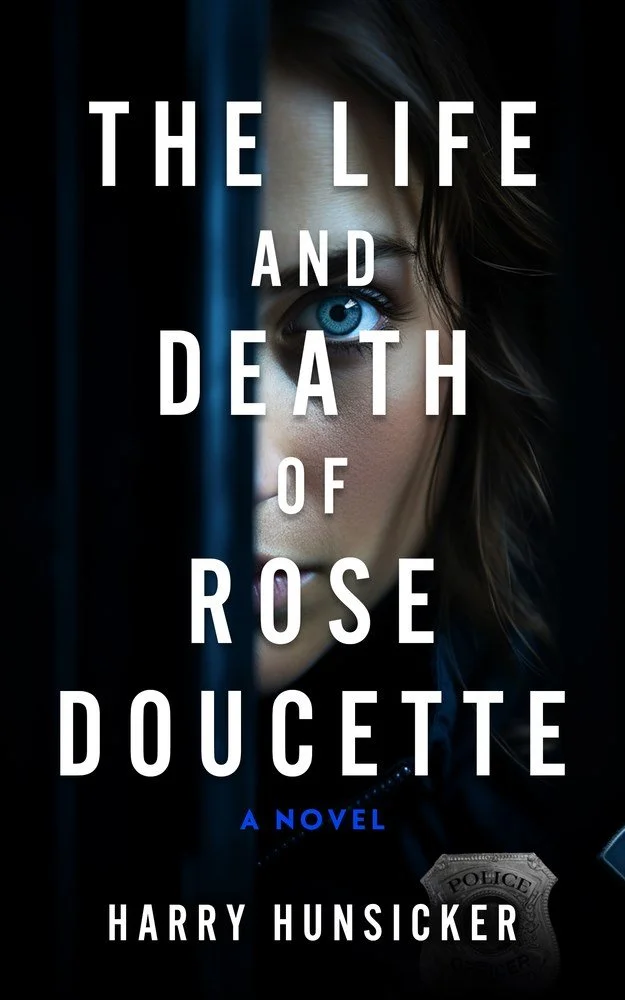
Spotlight: The Life and Death of Rose Doucette by Harry Hunsicker

Dallas PI Dylan Fisher thought he was done with his ex-wife—but now he’s solving her murder

Dallas private investigator Dylan Fisher hasn’t seen his ex-wife, Rose, in three years—which is why he’s surprised when she asks him to meet her at a hotel. Rose Doucette is a homicide detective, and she wants Dylan’s help with a murder investigation that she’s been asked to step back from but can’t seem to let go.

They review the details of the case and part ways—but as Rose is leaving the parking lot, Dylan sees a suspicious car begin to follow her. Feeling uneasy, he tails the car and tries to warn Rose, but he’s too late—the driver of the car shoots her, killing her instantly, before speeding away.

The police are determined to pin the murder on Dylan, so he’s left with no choice but to find the killer himself. Teaming up with Rose’s widower, a defense attorney named Tito, the pair dive into Rose’s past to figure out who could’ve wanted to kill the woman they both loved—and what they were trying to hide.

Excerpt

We hadn’t seen each other in three years. 

A long time, but not long enough to forgive. 

She’d reached out to me with the request to meet and suggested the location, a bar in a hotel where rooms started at seven hundred a night. Not a place either of us would have ever considered staying. 

An odd choice, but my ex-wife was an odd woman. Or maybe I was the odd one, and I just didn’t realize it. Introspection was never my strong suit. 

The bar smelled of vanilla-scented candles and leather. It was dimly lit, decorated with oil paintings of fox-hunting aristocrats and Rubenesque women lounging about naked. An English gentleman’s club transported to the plains of North Texas. 

A waiter led me to her table in the corner. 

She smiled as I approached. “Hello, Dylan.” 

“Rose.” 

Silence ensued, which I’d say was awkward but maybe, like the oddness, I was wrong about that too. I remained standing, trying not to stare too long into those eyes of hers. They were the color of mahogany and had always been a weakness of mine. 

After a moment, she pointed to an empty chair. “Would you like to join me? It’s been a while, hasn’t it?”

“A little over a thousand days, but who’s counting,” I said, sitting down and sliding the chair so that my back was to the wall. 

Old habits for both of us. Rose was in a similar position against the wall perpendicular to mine. 

The waiter took our order. Club soda for me, a martini for her. 

When he left, I said, “Since when do you drink martinis?” 

Back when we were together, she’d preferred merlot, and then only a glass or two a week. Her stepfather had been an alcoholic prone to violence, and that tended to stay with a person. 

“I’d like to hire you,” she said, ignoring my question. Her eyes fixed on mine as if she was trying to gauge my reaction. 

“So much for the small talk, huh?” 

I had left the police department and gone private around the time we split. My workload was typical for a cop turned PI— missing persons, asset retrieval, insurance cases. 

Rose, however, had stayed on the force, and I couldn’t imagine her ever leaving. 

“And what’s with meeting here?” I asked. “You working vice these days?” 

Despite being a luxury hotel, the lodging of choice for presidents and pop stars, the bar had a reputation as a good place to hook up with a high-end call girl. When I’d been on the force—a patrol officer in those days—a county commissioner had died from a heart attack while in the missionary position with one in a room upstairs.

Last I heard, Rose was still a homicide detective with the Dallas police department, and a very good one at that. She taught classes at Quantico, consulted with other departments on cases they couldn’t solve, and had a clearance rate in the nineties. Vice would be a big step down, and Sergeant Rose Doucette never went backwards for anything or anyone. 

“Still on the murder beat.” She paused. “So how have you been? You look good.” 

“I’m upright. Beats the alternative.” I debated what to say next. 

“You look . . . good too.” 

That last part sounded stiff, and I hoped she didn’t notice. 

The truth was she looked anything but good. Her skin, normally olive, was sallow; dark circles cupped her eyes. She’d always skewed petite, five-four or so, one ten-ish. Now the navy blazer she wore draped her shoulders like an oversized blanket, her cheeks hollow and sunken. 

She was forty-two, a year younger than me, but she seemed used up, like there wasn’t much gas left in the tank. 

“I look like roadkill,” she said with a chuckle. “But thanks for saying otherwise.” 

The waiter brought our drinks. While he fussed with cocktail napkins and a bowl of salted nuts, I watched Rose scan the room, eyes darting from one corner to the next, clearly uneasy. It was a little before lunch. Other than a pair of men at the bar wearing Dockers and golf shirts—business traveler chic—we were the only customers present. 

The waiter departed. 

“To old friends.” She raised her glass, took a drink. 

I tilted my club soda in her direction. “Interesting choice of words. Old friends.” 

“Does that mean there’s no chance you’d ever think of me as a friend?” she asked. “You still hate me?”

I didn’t reply because I wasn’t sure. The line between hate and something else was as thin as a strand of hair. 

The two guys at the bar left. The room felt lonely and cold. 

“Thanks for meeting with me,” she said. “Guess I’m the last person on earth you want to see. For what it’s worth, you’re still the most standup guy I know.” 

I wondered if I’d made a mistake coming here. “Tell me why you need a PI.” 

Occasionally, an old colleague from the force would reach out for assistance with a matter that required someone with the skills of a police officer, but who wasn’t burdened by the regulations associated with a badge. 

I was usually happy to oblige, especially if it meant helping someone who was getting a raw deal from the system. I liked to think of myself as a GPS for justice, a way to get that particular concept back on the right road when it got lost. 

“I’m in a bind, Dylan. I need help.” She took another drink. “From someone I trust.” 

I looked at her more closely. 

In addition to the fatigue, there was something else wrong that I couldn’t identify, an air about her that clouded the table like cigarette smoke. The way she held her arms, the angle of her head. The tendons along her jaw line tight against her skin. 

With a start, I recognized what it was, an emotion I’d never seen from her before.

Fear. 

Rose Doucette, a twenty-year veteran of the Dallas police department, was afraid.

Buy on Amazon Kindle | Paperback | Bookshop.org

About the Author

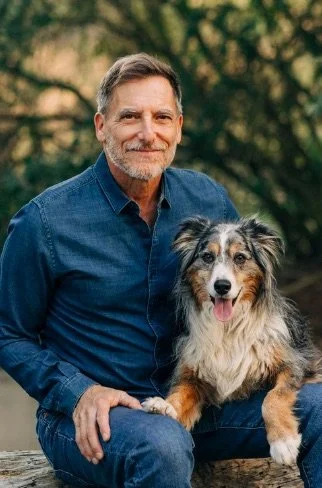
Harry Hunsicker is the best-selling author of The Life and Death of Rose Doucette, along with numerous crime novels and short stories. His novels include Shadow Boys, The Devil’s Country, The Contractors, and the Shamus Award-nominated Still River, among others. Hunsicker is a fourth-generation native of Dallas, Texas, where he currently resides with his wife, Alison.