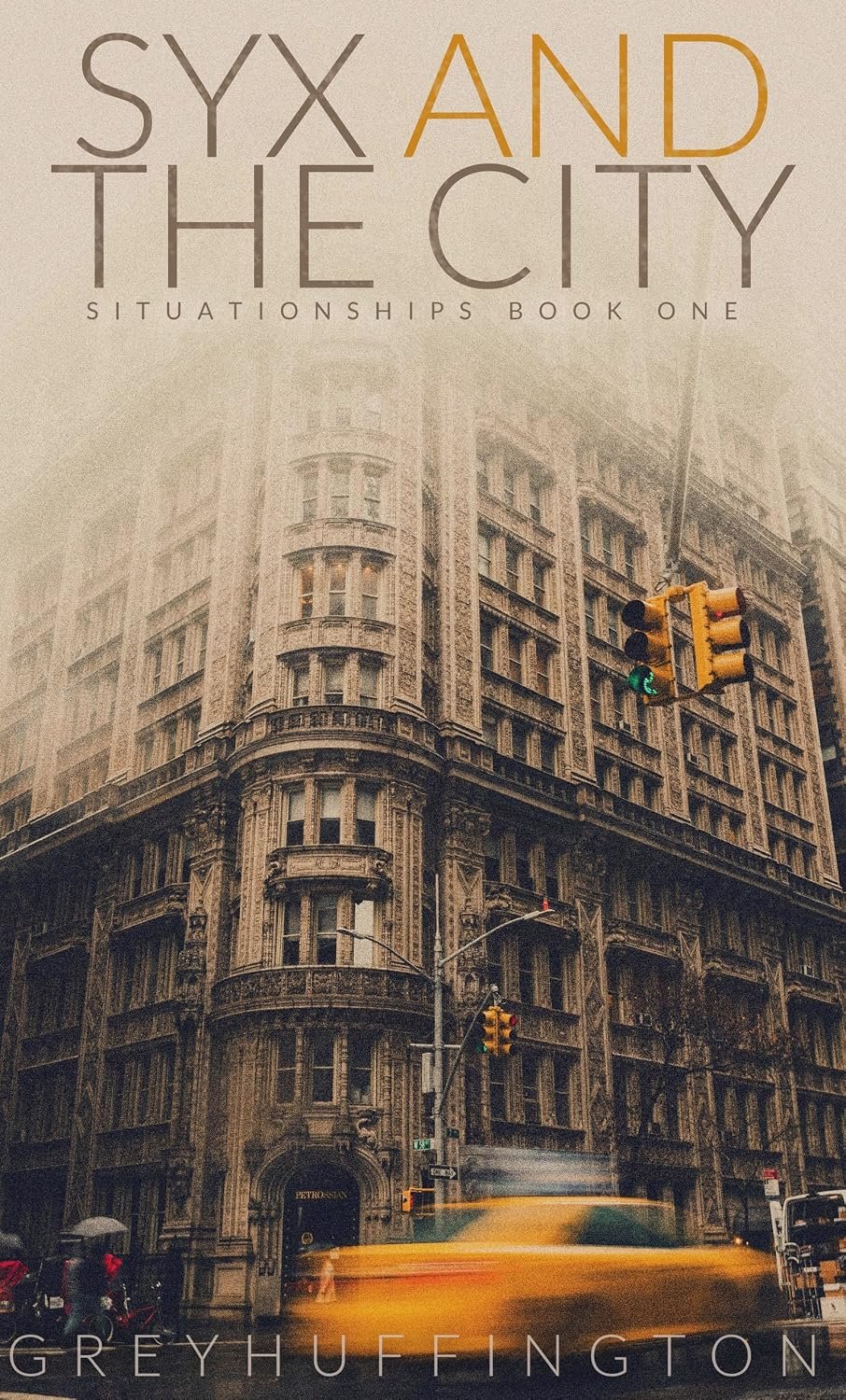
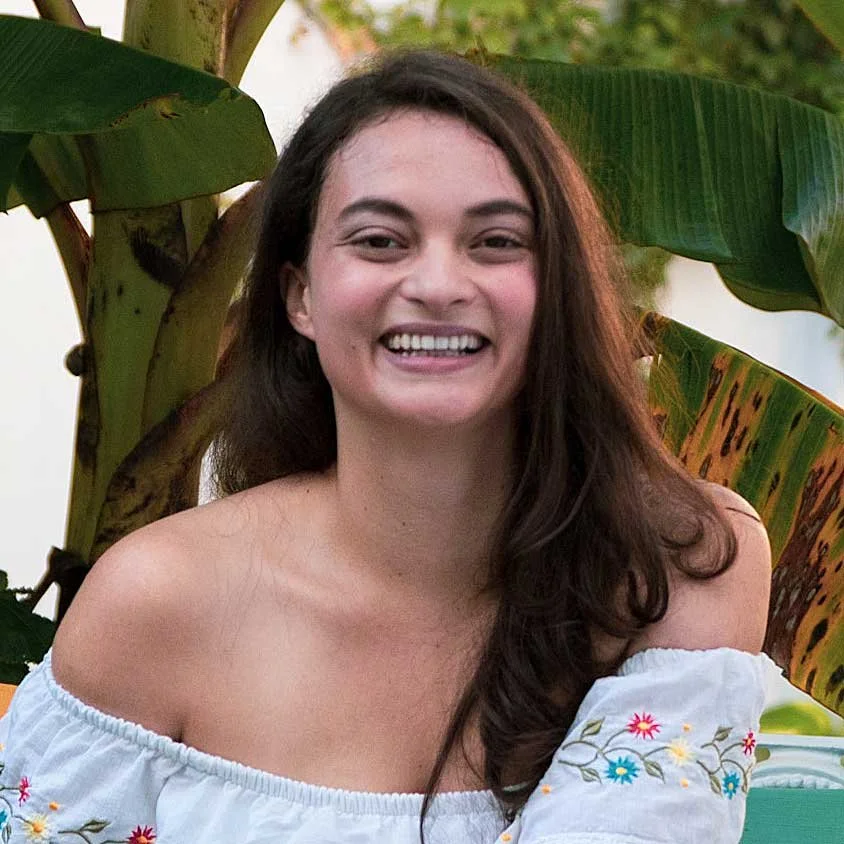
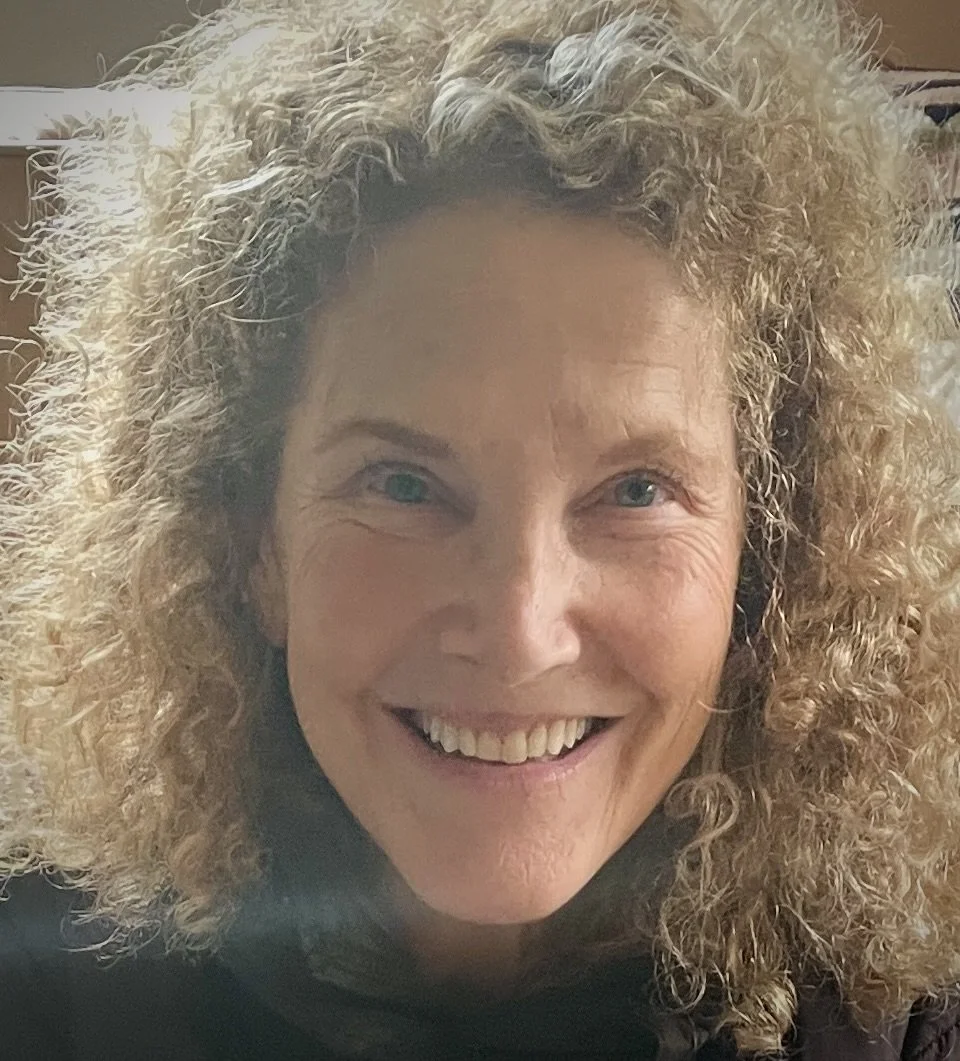
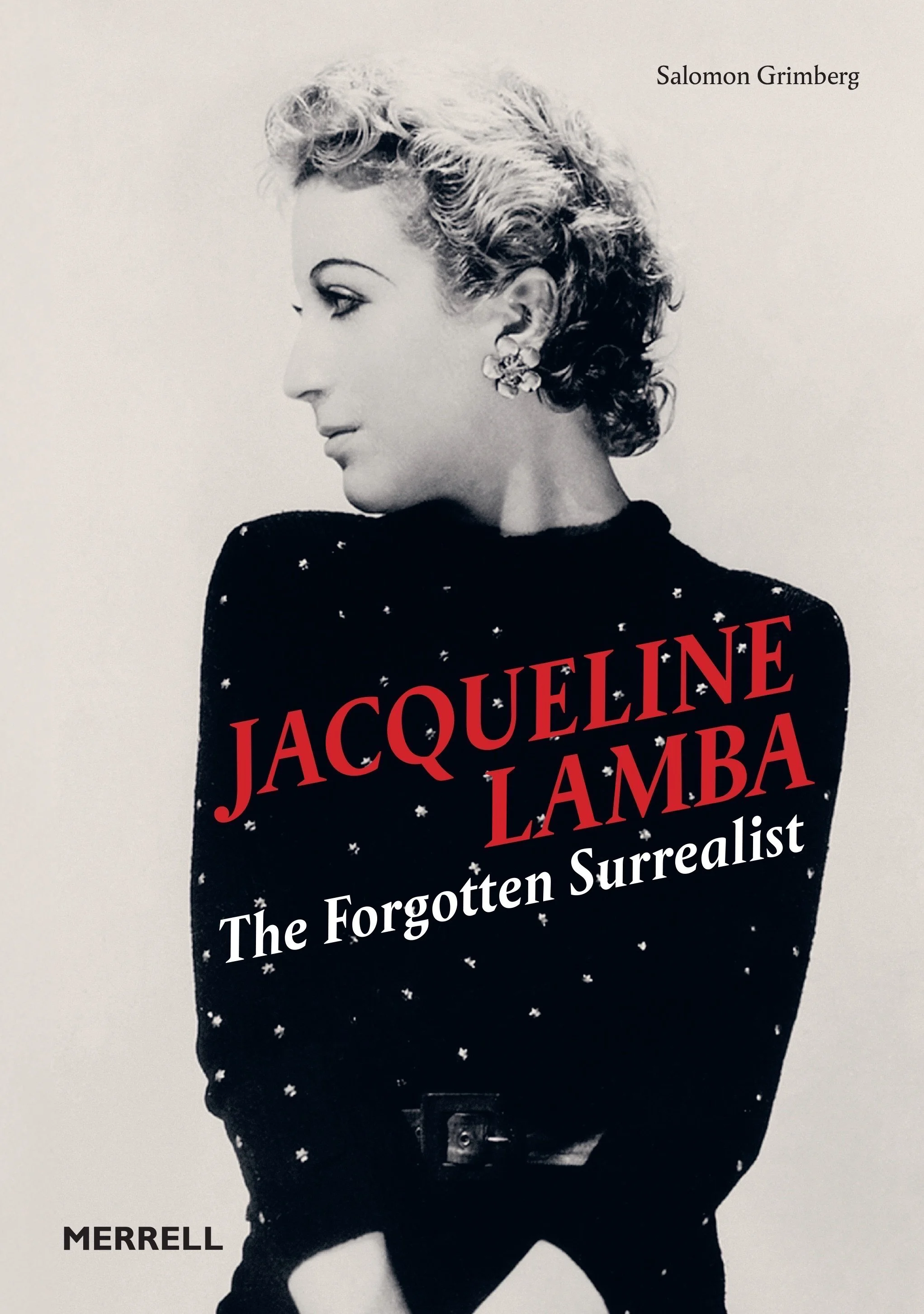
Spotlight: Jacqueline Lamba: The Forgotten Surrealist by Salomon Grimberg

About the Book

This new biography repositions Jacqueline Lamba as one of the pioneers and finest exponents of Surrealist painting. 

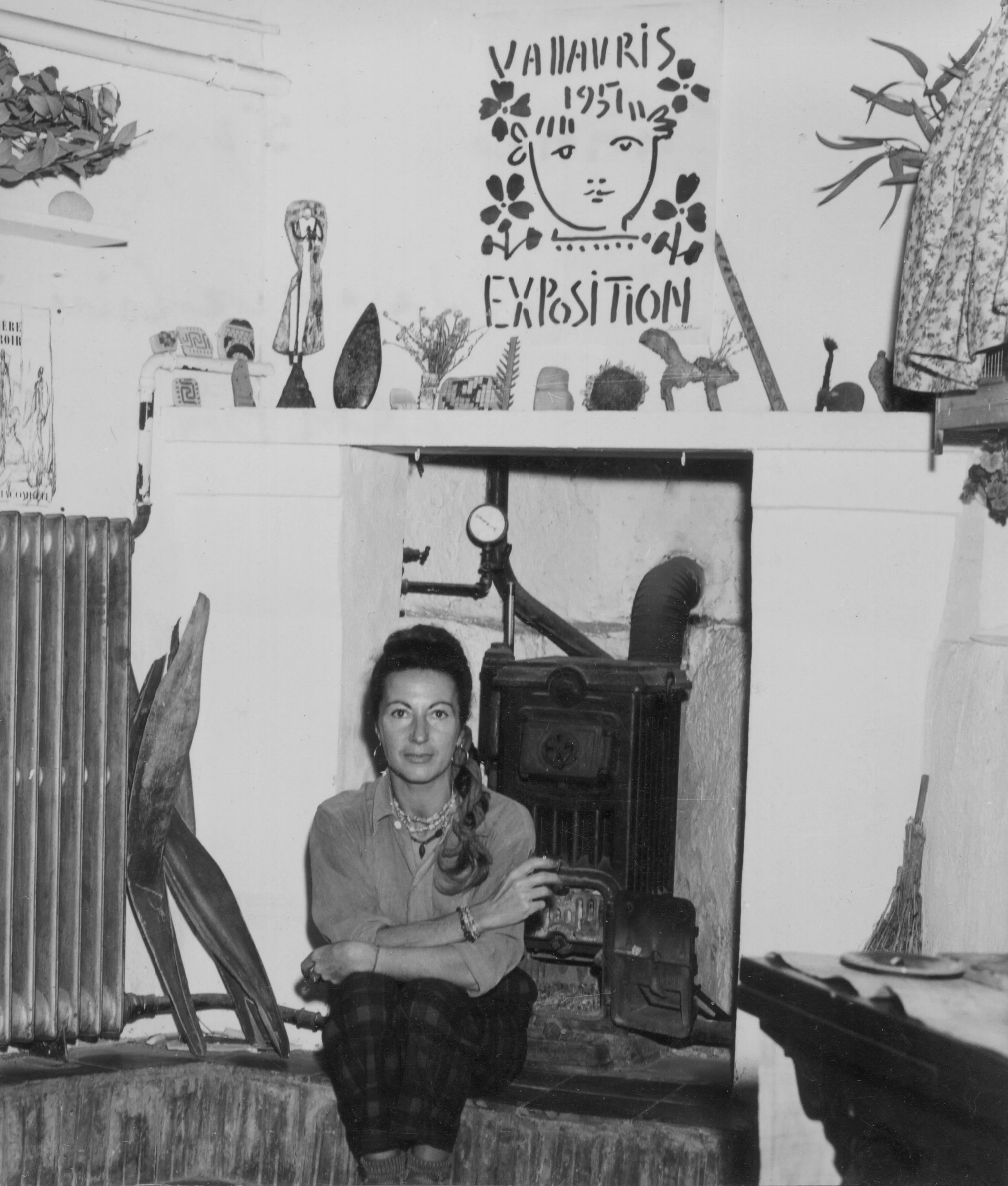
Jacqueline Lamba (1910-93) defied categorization. She is remembered only as the wife of André Breton, French poet, founder of Surrealism, but she was not just his spouse, she was a painter in her own right. A long overdue revaluation of her life and contribution to Surrealism has brought her out of the shadow into her rightful place. 

After divorcing Breton, she was married for 14 years to American sculptor David Hare. Lamba's extraordinary life brought her into contact with many leading artists of the period: Leonora Carrington, Alberto Giacometti, Roberto Matta, Dora Maar, Yves Tanguy, Pablo Picasso, and Diego Rivera. And as Salomon Grimberg here reveals for the first time in previously unpublished letters, she had an affair with Frida Kahlo. 

Thanks to exclusive interviews with people who knew her throughout her life, Grimberg uncovers Lamba's complex personality: often impossible to deal with, she had a habit of destroying those of her paintings with which she was not completely satisfied. But enough works survive to make an impressive oeuvre, and Grimberg interprets her painting with an authority that makes this biography essential reading for anyone interested, not just in feminism and Surrealism, but in the whole history of art in the twentieth century.  

  • Written by an art expert previously the author of celebrated works on Frida Kahlo.

  • Repositions Jacqueline Lamba as a leading light of 20th-century art rather than a footnote to it. 

  • Plate section features numerous high-quality images of Lamba's finest extant works as well as photographs of Lamba with Breton, Dora Maar, Picasso, and others. 

  • Salomon Grimberg lives in Texas.

Buy on Amazon | Bookshop.org

About the Author

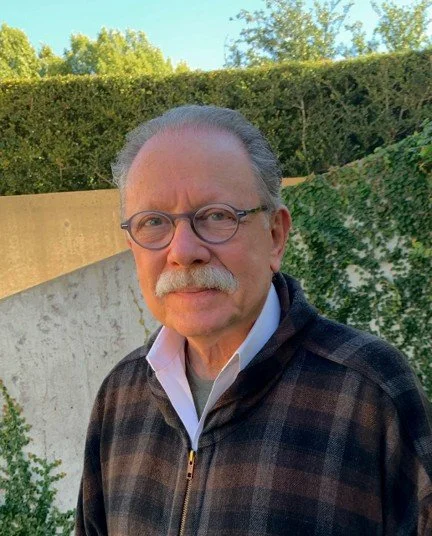
Salomon Grimberg is an art historian, psychiatrist and biographer. He is widely recognized as one of the world’s foremost authorities on Frida Kahlo and the Surrealist movement, with a distinguished body of scholarship that brings both rigorous research and deep psychological insight into the lives of modern art’s most complex figures. Jacqueline Lamba: The Forgotten Surrealist represents the culmination of years of archival research, exclusive interviews and critical engagement with Lamba’s work.

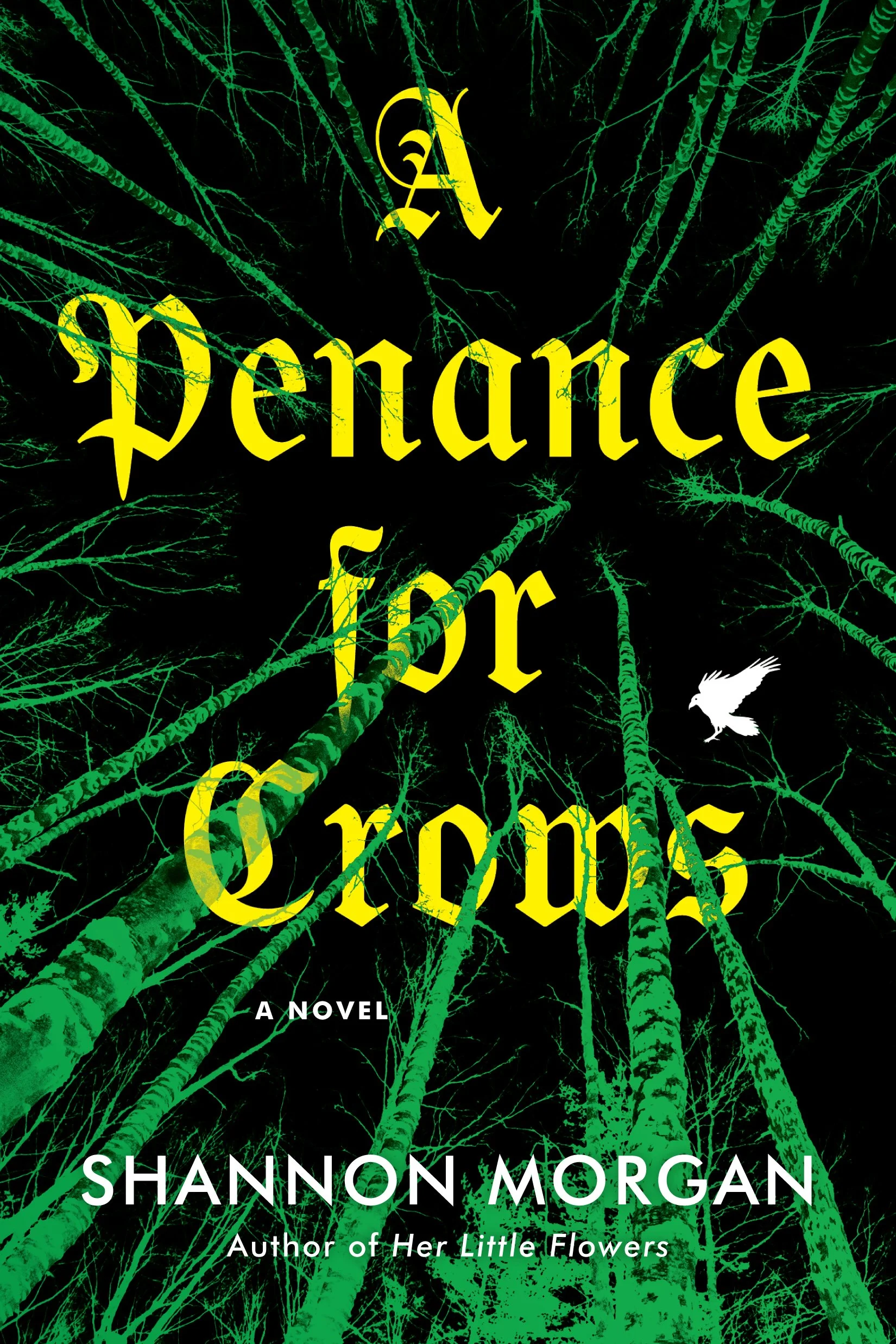
Spotlight: A Penance for Crows by Shannon Morgan

An unnerving, hypnotic, modern gothic thriller set on a remote Irish island, where an artist is caught between deadly secrets, ancient superstition, and echoing madness…

Off the southern tip of the Beara Peninsula lies Beanna Dubh, an island of savage beauty, its jagged cliffs lashed by Atlantic winds and infested by thousands of crows. Untouched by 21st-century advances, the islanders live under the strict rule of the church, while clinging to old superstitions of the crows as harbingers of disaster. To this desolate, unforgiving place Grizela Urquhart fled, seeking sanctuary from brutal bullying in her native Glasgow.

40 years on, Grizela still remains an outsider—the eccentric painter viewed with distrust and barely tolerated. The feelings are mutual, for she has discovered there are as many secrets on Beanna Dubh as there are crows.

Excerpt

Like tatters of black cloth, the crows whipped and tossed on the cruel wind, shrieking defiance at the storm amassing over the Atlantic.

As stubborn as the crows, Grizela Urquhart forged onwards, the chill in her aging bones making her long for the merry fire banked in her cottage, awaiting her return. Clutching the bag containing her easel and paints to her chest, she trudged doggedly south, along the cliff path towards the southern tip of Beanna Dubh, determined to reach the Silver Wood before nightfall.

Grizela loved the beautiful savagery of this remote, wind-swept island on the southernmost tip of the Beara Peninsula of Ireland. She loved the coves that fringed the island, dashed eternally by briny violence whatever the weather. She loved the treacherous heart of the island where heather hid peat bogs in the valley between sheer mountains. But mostly she loved the crows, their darkness in legend and nature, their curiosity, their intelligence, and their proud independence in the face of adversity.

She rarely saw the islanders on this end of Beanna Dubh; most of the three-hundred strong population lived in the more sheltered north, in the village of Abbandine. This suited Grizela. She liked the islanders well enough, most of them anyway, but she was selective with the company she kept.

In the near distance, she could make out the Widows—five standing stones teetering on the cliff edge of a narrow inlet, now dimmed to little more than tall shadows in the gloom of the winter afternoon.

Grizela squinted at the crows when their screeches stilled. They gave up their battle with the wind and plummeted over the cliff edge.

Hurrying past the Widows, she looked down at the inlet below, stung by the spray as the waves hit the cliffs with youthful vigour, an omen of the lashing the island was in for that night. The crescent of pebble-dashed shingle seemed unnaturally still beside the thrashing waves. The crows had settled there, not moving but for the wind ruffling their feathers.

Not sure what had attracted the birds’ attention, Grizela paused, her frizzled, grey hair whipping about her face, a fine sleet grating her skin. A hoarse whispering rose above the churn of air and water. Faint, but there, like the murmur of the sea gods protesting the vehemence of the storm.

The crows were all staring at a large dark shape on the narrow beach. They made no move towards it. They just stared. Unmoving. Silent.

Grizela thought it was a seal that had pulled itself out for a respite from the ocean’s snarl and thrash. Seals were a common sight on Beanna Dubh, and assuming this seal’s respite might be permanent to garner the crows’ undivided attention, she half turned to continue on her journey.

The crows croaked in unison. Just once. She stopped. Already cold, an icy finger scraped down her spine when she peered at the cove again, to find the crows had changed position. Now facing the Widows, they stared at Grizela with corvine intensity.

“You’re freaking me out,” she muttered, when the sleek heads swivelled back to stare at the dead seal. It lay oddly, sort of flattened, not a blubbery heap. A flipper flapped above it.

Grizela stepped cautiously off the path to the edge of the cliff and searched for the movement that might have been a trick of the miserly light or an errant wave. It came again in the next sea-drenched gust; the seal moved in a most unseal-like manner, rather like the snap and slap of material caught in the wind.

The problem with curiosity was it led with a decided lack of caution. Still, Grizela followed her curiosity. She quickly found the roughly hewn steps leading to the cove and was instantly soaked by the spray.

The crows hopped a little to either side, opening a small corridor for Grizela to walk through, watching her with their own insatiable curiosity.

“Oh, sweet Jesus,” Grizela whispered. Her words set the crows off, their croaking echoing off the sheer cliffs of the tight inlet.

Buy on Amazon Kindle | Audible | Paperback | Bookshop.org

About the Author

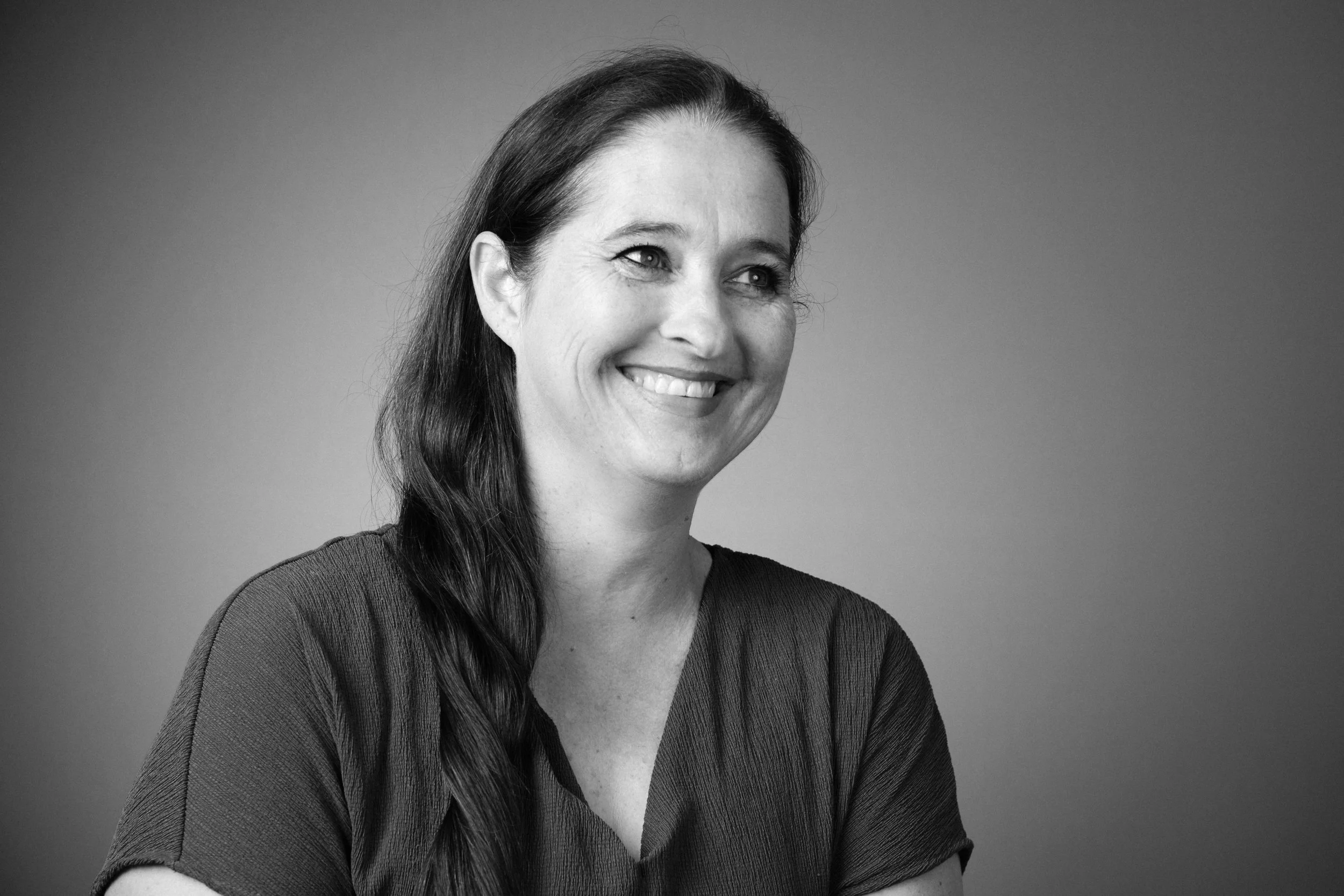
Shannon Morgan is the author of atmospheric modern gothic novels, including In the Lonely Hours and the Goodreads Choice Award-finalist Her Little Flowers. She has had a nomadic past, involving, but not limited to, nearly being shot in Kashmir, playing a marathon ten-hour game of backgammon on the side of a road in Turkey, getting horribly sea-sick off the coast of Madagascar and milking a camel in the Sahara Desert. She now lives with her husband and sons in Wiltshire, England, and can be found online at shannonmorganauthor.com or on Twitter as @morgan_shan.

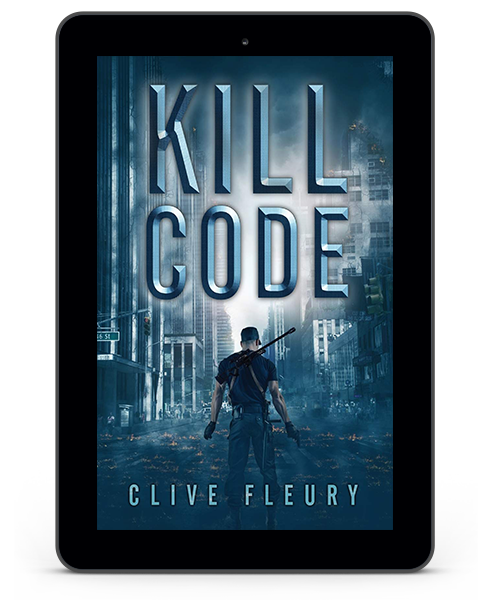
Spotlight: Kill Code by Clive Fleury

Genre: Dystopian Science Fiction

WHEN THE OCEANS RISE...THE TRUTH DROWNS

It's the year 2031. Our future. Their present. A world decimated by climate catastrophe, where the sun's heat is deadly and the ocean rises higher every day. A world ruled by the rich, powerful, and corrupt. A world where a good man can’t survive for long. 

Hogan Duran was a good man once. He was a cop, forced to resign in disgrace when he couldn't save his partner from a bullet. Now Hogan lives on the fraying edges of society, serving cruel masters and scavenging trash dumps just to survive. 

But after four years of living in poverty, Hogan finally gets a chance to get back on his feet. He's invited to join the National Security Council, the powerful paramilitary organization responsible for protecting the rich and powerful from the more unsavory elements of society. All he needs to do is pass their deadly entrance exam, and he'll be rewarded with wealth and opportunity beyond his wildest dreams. 

But this ex-cop's path to redemption won't be easy. The NSC are hiding something, and as Hogan descends deeper and deeper into their world, he starts to uncover the terrible truth of how the powerful in this new world maintain their power...and just how far they will go to protect their secrets. 

In a world gone wrong, can one man actually make a difference, or will he die trying? 

Kill Code is the first novel in an exciting new dystopian science fiction series from the mind of award-winning author, screenwriter, and director Clive Fleury. Fans of The Hunger Games by Suzanne Collins, The 5th Wave by Rick Yancey, and Divergent by Veronica Roth will be captivated by Kill Code. You'll also love this book if you enjoy:

* Dystopian novels and stories

* Stories about futuristic societies

* Stories about disgraced cops

* Stories about unlikely heroes

* Stories about conspiracies

* Stories about injustice

Excerpt

The Station: a seething mass of humanity. Some came with hope in their hearts, ready to embark on the journey of a lifetime. For others, it was the only place they had left to go. They had reached rock bottom. Day or night, the scene was always the same: Transporters arrived and departed constantly, full of people desperate to get away from here, from there, from everywhere. Others wandered around the Station aimlessly. These were the homeless, the addicts, the criminals, the thieves and deadbeats. They spent their time begging or looking for something to steal.

And there was always tension in the air. A fight could break out at any moment as these tired and hungry people reached their wits’ ends and lashed out at the world.

Max and I had been waiting there two hours, which was at least one hour and fifty-nine minutes too long but neither of us minded. I kept reaching into my pocket to pull out the letter and stare at it.

“You’ll wear it out, buddy,” said a smiling Max after I had brought the note out a tenth time. “Just accept it. Next stop: Easy Street.”

I pushed the letter back into my pocket. I still couldn’t believe it. I’d been accepted. That was the good news. The bad news was I knew that this letter only confirmed that I had been chosen for NSC training. It was incredibly difficult to get this far, but even so, only a very few would make it to through to the next stage—to become officers. Frankly, I had grave doubts I could make it that far.

Max tapped me on my shoulder and pointed to a transporter that had just pulled in to Dock 10. It had the word Seattle printed above its windshield. It was Max’s ride. “Okay, Hogan, looks like it’s my time to go.”

I moved behind Max’s wheelchair and pushed it through the seething crowd towards the vehicle. It was, like all public transporters nowadays, driverless. So since there was no one to help, it was up to me to put Max’s ticket into the scanner and to lower him into in his allotted seat. After that, I folded his wheelchair and carried the chair to the luggage rack at the front.

As I finished storing the chair, I spotted an attractive woman in her mid-thirties walk up to Max. I watched as she checked the seat number on her ticket. “That is twenty-two N isn’t it?” I heard the woman say to Max as she pointed to the vacant seat next to him.

Max smiled. “It sure is. And you have the luck to be sitting next to Max Creeling.” He held out his hand. “Great to meet you.”

The woman smiled and sat next to him as I returned.

“Okay, Max, time to go. See if you can get someone to help you with the chair at the other end.”

“I think I can organize that,” the woman said. “I’m Lisa.” She pushed out her hand and I shook it.

“Pleased to meet you, Lisa. Thank you for your kind offer. Now, Max, don’t forget when you get to Seattle to keep out of trouble.”

“Will do.”

I high-fived Max. “Bye. And behave yourself.”

“Always.”

I turned quickly and headed for the transporter’s exit door. Almost as soon as I had stepped down from the vehicle, the door slid shut, the last passenger just managing to squeeze on. As the transporter drove off, Max peered out of the window and winked at me before turning to speak animatedly with Lisa. It looked like he had struck it lucky.

I missed him already.

My transporter would be in next. Dock 20. I started to walk towards the number 20 sign, scanning the crowd for those who were waiting for the NSC Transit transporter like me.

A tall, handsome man in his early twenties stepped in front of me, momentarily blocking my way. I glanced across at him. I knew the type. Dangerous and arrogant but the sort of asshole that women love. In fact, two young beautiful girls were with him: long legs, flowing blonde hair, angelic faces. They were obviously twins.

A commotion came from behind, and a middle-aged, scruffy, worn-down man pushed through the crowd, a rusty shotgun in hand. “Hey, you!” he screamed at the guy with the girls. “Those are my daughters, you son of a bitch.”

The handsome man turned, taking in the man and his gun.

“Really,” he replied. “Then I guess I owe you for raising such lovely pleasure units.”

“They aren’t pleasure units, they’re my girls, and they’re only seventeen.”

“Oh, God…I didn’t know,” the handsome man said, looking shocked. “They swore they were fifteen.” He grabbed one of the teenagers and starting to kiss her passionately.

“You bastard,” the older man said, and raised the shotgun, ready to fire. The handsome man pushed away the girl he was kissing, spun around, and yanked the weapon from the father’s hands in one motion. In an instant, the father was looking down the barrel of his own gun.

“The only reason I don’t shoot you right now is ’cause I’m afraid this rusty piece of shit might blow up in my face.” The younger man cracked the gun open and dumped the shells onto the floor. Then he pulled a gleaming handgun from his trousers and leveled it directly at the father’s head. “This, on the other hand, is in perfect working order. Care to test it?”

The father lunged forward, but I grabbed him, pulling him back. “That’s enough.”

The handsome man stared at me. “Well, thank you,” he said, stuffing his pistol back into his pants. “You should thank him too, Dad,” he said to the girls’ father, “you could have got yourself hurt.” He turned away to look at the girls. “Ladies—it’s been a pleasure. I’m sure you won’t forget your time with Jake Teerman.”

“Bye, Jake,” one of them shouted as she consoled her teary-eyed sister.

The man, Jake, quickly headed towards the transporter that had just pulled up at Dock 20.

“I guess some girls like that kind of thing,” a voice behind me said.

I turned. The woman who’d just spoken was strikingly attractive, with long dark hair, piercing blue eyes, and a button nose. She was dressed in form-fitting jeans and a blue blouse that hugged her shapely body. She carried an antique leather holdall.

She held out her hand. “Ruby Mason.”

“Hogan Duran. Pleased to meet you” I said, shaking her hand and pointing at the NSC Transporter. “You getting on board?”

Ruby smiled proudly. “Yep. And you?”

I nodded and glanced at Jake Teerman, who was climbing up the transporter’s stairs.

“He’s going as well. I thought the NSC was more selective.”

“I guess not,” Ruby said.

***

About a hundred of us were cramped on board. Most were in their late teens and early twenties, mainly young men but with a sprinkling of women. I knew I was an old man by their standards. It was a pretty big handicap, and since Max’s shooting, my confidence had never really returned. Was I up to this? The transporter had been pretty quiet from the start, with only a few talking to one another. That was the sensible thing to do. We didn’t know exactly what our training would involve, and to give too much away about yourself at this stage was not a smart strategy.

Ruby and I hadn’t spoken much, either. I’d told her about me being an ex-cop. She’d told me that she was a waitress who had just been fired from her job. The news of NSC acceptance had been the lifeline she’d needed. To keep the conversation going but avoiding any more personal talk, I pointed at the transporter driver. “Haven’t seen one of those for years.”

“Me neither,” Ruby said.

It was a surprise to both of us. Nowadays, cars and trucks were almost all driverless. When they were first introduced, people had willingly given up their vehicles and relied on driverless taxis to get around. Before long, all trucks had been made driverless, too, and as demand for ‘driven’ cars fell, the industry collapsed: factories closed and workers were made redundant, joining the thousands of professional drivers in the ranks of the unemployed.

The NSC was one of the few employers who kept their drivers on, not trusting the security of driverless vehicles. Onboard computers could be hacked, they reasoned. It was difficult to accomplish, of course, but it was a risk the organization wasn’t prepared to take.

The view from the vehicle was a revelation to me, too, even though as a cop, I had traveled all over the city. In the four years since resigning from the force, the landscape had changed dramatically. I could see the wealthy zones with their well-lit stores, malls, and schools. These were surrounded by rows of affluent suburban homes, some of which had glistening swimming pools in their back yards. Cars shunted along the wide, clean boulevards, and children played happily in the lush green parks. The zones were protected by high steel-mesh fences hung with huge searchlights. Gun-toting guards, walking with vicious-looking dogs on leashes, manned checkpoints along the border.

In contrast, most of the city’s other zones looked like they’d been bombed out. There were no green spaces: the schools were huge, gray, factory-like buildings; the few stores were tiny, temporary structures; and hardly any cars traveled the crumbling roads that often looked impassable anyway. Homes were, for the most part, a mixture of temporary-looking Nissan huts or constructions built out of old wood and corrugated metal sheets.

As the transporter sped on and darkness fell, the signs of decay and dereliction increased. Tents replaced houses and roads became fewer and fewer. When the vehicle finally left what remained of the town and descended from the freeway down onto the open road, the lights inside were dimmed. People slumped back in their chairs, trying to get as comfortable as possible to sleep.

“Night,” said Ruby, shutting her eyes.

“Night,” I said, and did the same.

***

I awoke hours later, my legs aching, my back in pain. I really was getting old.

I stared out and saw that the sun had just started to peek over the horizon. Soon it would be high in the sky, streaming through the transporter’s tinted windows. If I was to die and somehow found myself in purgatory, it would probably look like this: dirty brown wasteland stretching out as far as the eye could see. On the horizon was a mountain range. But these boasted no romantic, snow-covered summits glistening in the sun: just steep, hostile, rocky escarpments layered with brown dust.

Ruby opened her eyes. “Hi,” she said, stretching and pulling herself up.

“Morning.”

Ruby turned to look out the window. She shivered. “Is this Hell?” she asked.

“Sure looks like it.”

“Three more hours,” Ruby said, yawning.

“Yeah, maybe,” I said, peering at the small clock positioned high over the driver’s head. I reached into my pocket for my old flip phone, and then remembered we’d had to leave all electronic gear with the driver. The NSC expressly forbade anyone to carry anything that could be used to reveal where we were going. I doubted if the clock really showed the correct time. It would be too easy to work out where you were from the time traveled.

Ruby gave a start. “Oh my God.” She was staring out the window. I followed her gaze. In the distance, a band of bikers were riding through the wasteland, heading towards the transporter. I recognized them. “Krails,” I said. “I’ve never seen them up close.”

Others on the transporter had seen the Krails, too. They watched fascinated as the gang approached. As they came closer, I could make out the lined, tough faces of the riders. Although all were dressed in the same tight black leathers, some wore black bandanas or had long scarves covering their necks and faces. Many had grown their hair out, letting it fall down to their waist, while others had it shaved off completely. It was hard to tell the women from the men. All looked equally tough, with lined faces browned in the sun.

More than anything else, Krails were proud of their bikes. Despite the dust, each machine had been meticulously cleaned so their chrome and steel handle bars shone. Some riders had bows slung over their shoulders, quivers of arrows hanging from their belts. Others carried long hunting knives stuck into ornate belts, and handguns stuffed into leather holsters. The man on the lead bike looked huge and terrifying. He was bald, and his face was crisscrossed with long scars.

Ruby made a face. “Disgusting. How can anyone live like that?”

“Maybe they ask the same thing about us,” I said as the transporter accelerated away.

Staring back, I saw the big bald man, the Krail leader, raise his hand and indicate the rocky outcrops on the horizon. Pulling his bike around, he started to ride in the direction he’d indicated. The others followed in V-formation.

Buy on Amazon | Audible | Bookshop.org

About the Author

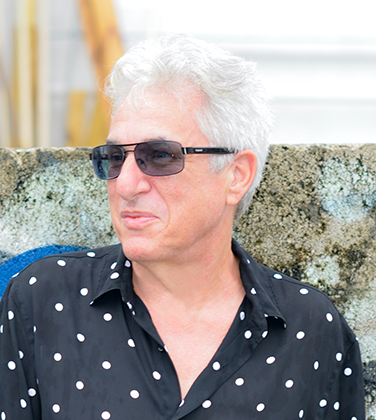
Clive Fleury is an award-winning writer of books and screenplays and has worked all over the world as a Film/TV director, writer and producer. He has written six books, most recently 'All Or None', the second novel in the Detective Ryan Murder Mystery series. 

'All Or None' sees Detective Ryan back in the thick of things. His latest investigation into a mysterious death couldn’t come at a worse time. He discovers his mother is hiding a troubling secret and is further sidetracked by a new romance. Fans of who dunnit's, crime thrillers, and cop and detective stories will love this novel.  

Clive's other books include 'Off Season' - book one in the Detective Ryan Murder Mystery series; 'Kill Code' - a dystopian science fiction novel set in a world facing climate change;  ‘Scary Lizzy’  - a novel about an eight year old girl, who befriends an African child ghost –  and the teen action adventure book; ‘The Boy Next Door ‘ -  a story of what happens when a teenage girl has a crush on her next door neighbor, who isn’t all he seems.  He also co-wrote ‘Art Pengriffin and The Curse of The Four’ - a young adult fantasy adventure about a teenage boy who discovers his father was Merlin the Magician.

Website * Facebook * X * Instagram * Bookbub * Amazon * Goodreads

Spotlight: Wrath of the White Wolf by Karina Espinosa

Series: The Damned Return

Volume: Two

Genre: Urban Fantasy

Publication Date: July 24th, 2026

I escaped Queens with my freedom but not my enemies.

They accused me of kidnappings and poisonings I didn’t commit. Turning an entire city against me. So I did the only thing I could, I ran. Back to Colombia. Back to the only place that’s ever felt like home.

But peace doesn’t last long. A new alpha from Medellín steps onto my territory, testing what’s left of my control. And before I can finish dealing with him, Queens reminds me exactly why I ran in the first place. Because they don’t let their enemies go. They finish them.

What comes for me isn’t a warning. It’s a message. And it costs more than I’m willing to lose.

So I stop running. I go back to New York with one goal: revenge.

But Queens isn’t just waiting for me. The God of Death is. The man I thought I could trust when everything fell apart. The one person who should have stood at my side and didn’t. Now Elias is the only thing standing between me and the war I came to start… and I don’t know if I want to destroy him or make him understand exactly what his betrayal cost me.

And somehow, there’s someone willing to follow me straight into the chaos. No questions. No hesitation. Angel walks into the destruction with me like it’s the easiest choice he’s ever made.

Queens thought the bastard of the alpha had run. They’re about to learn the truth. I’m not running. I’m coming back. And this time? I’m bringing wrath.

Buy on Amazon

About the Author

Karina Espinosa is the Urban Fantasy Author of the Mackenzie Grey novels and The Last Valkyrie series. An avid reader throughout her life, the world of Urban Fantasy easily became an obsession that turned into a passion for writing strong leading characters with authentic story arcs. When she isn't writing badass heroines, you can find this self-proclaimed nomad in her South Florida home binge watching the latest series on Netflix or traveling far and wide for the latest inspiration for her books. Follow her on social media!

Connect:

Web: https://www.karinaespinosa.com/

Amazon: http://amzn.to/2rQFsj2

Goodreads: https://www.goodreads.com/author/show/7784354.Karina_Espinosa

Facebook: https://www.facebook.com/AuthorKarinaEspinosa/

Twitter: https://twitter.com/TweetsByKarina

Reader Group: https://www.facebook.com/groups/karinaespinosa/

Instagram: https://www.instagram.com/instabykarina/

Bookbub: https://www.bookbub.com/authors/karina-espinosa

Newsletter: https://karinasbooks.wixforms.com/f/7468009426566251957

Substack: https://officehoursfortheundead.substack.com/

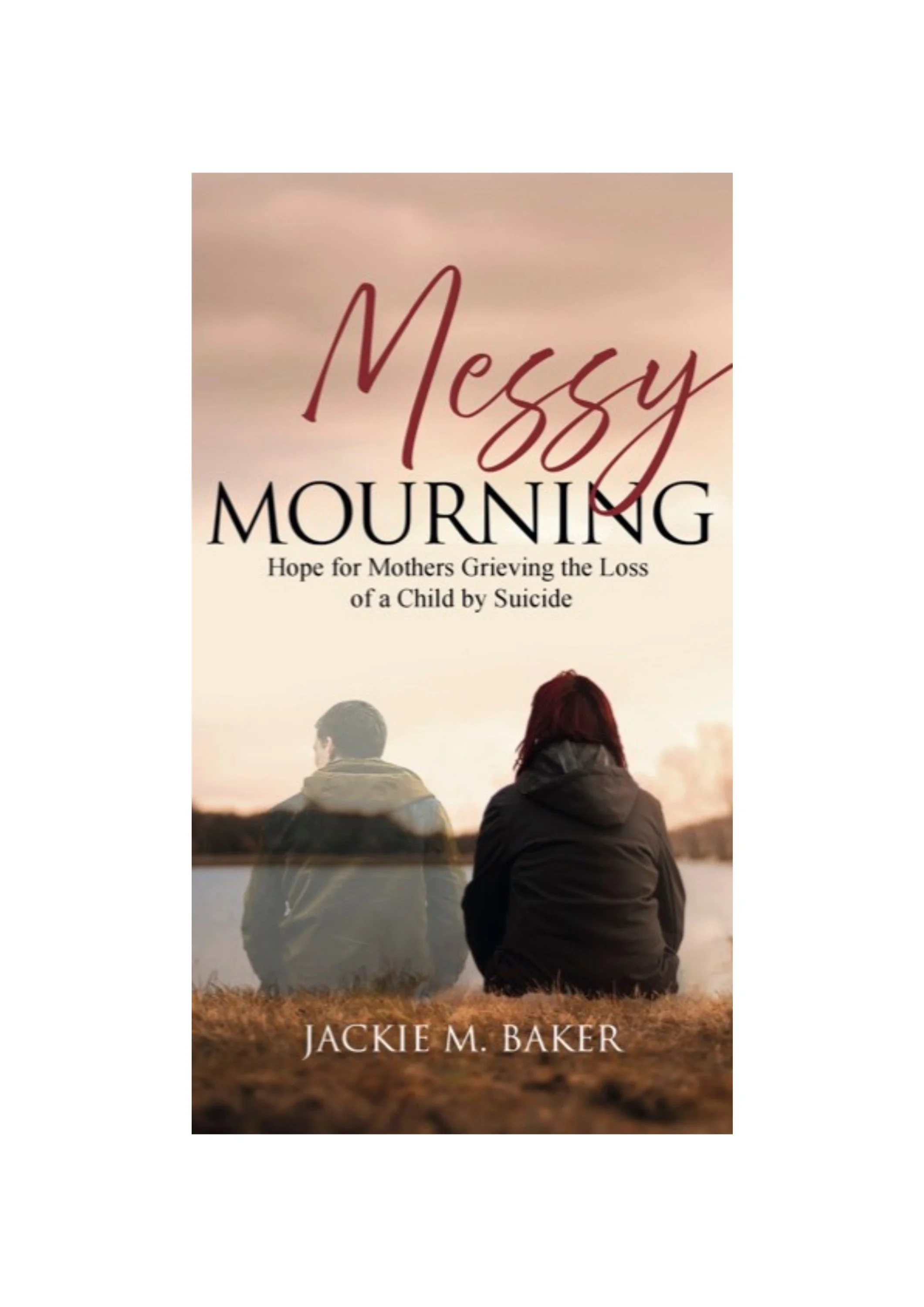
Spotlight: Messy Mourning: Hope for Mothers Grieving the Loss of a Child by Suicide by Jackie M. Baker

Messy Mourning: Hope for Mothers Grieving the Loss of a Child by Suicide is a heartfelt, faith forward companion for mothers navigating the unimaginable pain of losing a child to suicide.

Drawing from personal experience and grounded in Scripture, Jackie M. Baker offers compassionate understanding, practical support, and gentle encouragement for the long road of grief. This book makes room for sorrow without rushing healing, offers language for honest questions, and reminds grieving mothers that they are not alone. 

Through personal reflection, biblical wisdom, and practical guidance, Messy Mourning helps readers find light in the darkness and take one small step at a time toward hope.

Excerpt

When Someone Notices You in Your Grief 

This excerpt comes from a moment shortly before Sebastian’s death, when Jackie was sitting alone in a church lobby in Bend, Oregon, feeling invisible in her fear and grief—until another grieving mother noticed her. 

I sat near the espresso maker in a church lobby near Bend, Oregon. I tried not to listen to the hissing and gurgling noises as it produced steam, similar to a locomotive working hard to climb a hill. After preparing each coffee, the unusually perky barista repeatedly banged a portafilter in the sink. Streams of people walked in front of me, behind me, and next to me; they were laughing, sharing jokes, hugging, and discussing lunch plans that involved their family and friends. No one seemed to notice me sitting alone on this tall stool, waiting for someone to initiate a conversation. 

Our son, Sebastian, had recommended this church. He had attended it a few times during his stay at a nearby inpatient rehabilitation center, and he really liked it. Our family had been driving the three-and-a-half-hour journey from Vancouver, Washington, to Bend, Oregon at least twice a month to support Sebastian in his recovery. 

However, Sebastian was not improving as we had hoped. His struggle with mental health issues was taking a toll on him, and consequently, on our family.  

Sebastian, who had turned twenty-three in April, had recently been readmitted to a psychiatric unit for two weeks because of worsening suicidal thoughts. He had attempted suicide six months earlier. Sebastian had started on a new medication, Lithium, intended to stabilize and manage the unrelenting voices in his head, but its effectiveness still appeared uncertain. Visiting hours at the hospital began around noon; therefore, my husband, Steve, and I decided to visit the church Sebastian had recommended before seeing him. 

As I sat in the church service, I couldn’t help feel a wave of mixed emotions. The familiar songs of worship comforted me, and I found myself raising my hands, tears streaming down my face. I was part of the congregation, yet I felt significantly alone in my grief, surrounded by people who seemed to have no understanding of the pain I was going through. 

After the service, the pastor invited individuals seeking prayer to proceed to the “wall of prayer” on the left side of the sanctuary. Steve said, “I’m going to the wall for prayer. I need all the prayer I can get.” 

I could not go with him. Prayer was still a struggle for me. I was angry and confused about why God would allow my son to suffer like this, and I was not ready to have some unknown person lay hands on me and pray over me. “I’ll meet you in the lobby,” I said. 

I left the aisle feeling more alone, caught in the crowd streaming out of the sanctuary, like some salmon fighting upstream, until I eventually ended up near the coffee maker. 

As I waited for Steve to finish his prayers, I grew increasingly anxious and felt an urgent need to leave the church. Cheerful people continued to pass me by, get coffee, and laugh as if they had no cares in the world. Couldn’t they see my pain? Glancing around for Steve and the nearest exit, I decided I would wait outside and text him where to find me. 

“Hello, I saw you sitting here. Is this your first time at our church?” 

Surprised, I looked up from my phone and saw a woman about my age smiling at me and extending her hand in greeting. I took it with my sweaty palm and smiled nervously back. 

“Yes, my husband and I are visiting. Our son has come here a few times, and he recommended it.” 

“Does your son live in Bend?” she asked, with genuine concern. 

Without warning, I blurted everything out in one breath. “For the last four months my son has been at a rehabilitation program for teens and adults struggling with addictions, but now he’s at the hospital on the psych unit for suicidal thoughts. He’s a mess, but he’s my mess. We’re here to support him and help him where we can.” 

She smiled again and told me her name was Meg. “My husband is the senior pastor here.” It then dawned on me who Meg was. This was no accidental meeting. God had sent her to me in my distress. 

“You lost your son,” I blurted out, embarrassed by my bluntness. “I’m sorry.” 

“It’s been a little over a year,” she said, her voice steady. “His name was Ben. We loved him, and I miss him every day. He had his struggles too, but I’m comforted by knowing he’s home now. I don’t have to worry about him anymore.” 

Her words, filled with quiet strength and acceptance, brought reassurance and hope to my heart. My son was still alive; her son was dead, and yet she still reached out to me in my distress. Despite her suffering, she approached me and found me among all those people. 

She saw the stranger and welcomed me. I was humbled. 

We continued to talk, sharing stories about our sons and our husbands. We found common ground in our shared experiences, and our conversation contained tears and laughter. Despite the weight of our grief, we discovered moments of lightness in our shared messiness. Then she asked if she could pray for me, and I readily accepted. 

After our amen, Steve finally arrived, and I introduced him to my new friend. We hugged, said our goodbyes, and I left the church with a renewed sense of hope and connection, believing we would soon be back again. 

But that sense of hope and connection soon vanished because two weeks later, Sebastian died after falling off Smith Rock. 

I’ve never been back to Bend. 

Within days after Sebastian’s death, I remembered Meg’s kind words in that church lobby. Our meeting was no accident. In the same way Ben was home, Sebastian was now home in heaven. I, too, did not have to worry about him anymore. Her words of encouragement were such a comfort to me during the aftermath of Sebastian’s suicide. They gave me a glimmer of hope as I struggled to get through each day. 

Excerpted from Messy Mourning: Hope for Mothers Grieving the Loss of a Child by Suicide by Jackie M Baker. Used with permission. 

Buy on Amazon | Bookshop.org

About the Author

Jackie M. Baker is the author of Messy Mourning: Hope for Mothers Grieving the Loss of a Child by Suicide, a faith-forward companion offering hope, practical support, and steady companionship to mothers grieving the loss of a child to suicide.

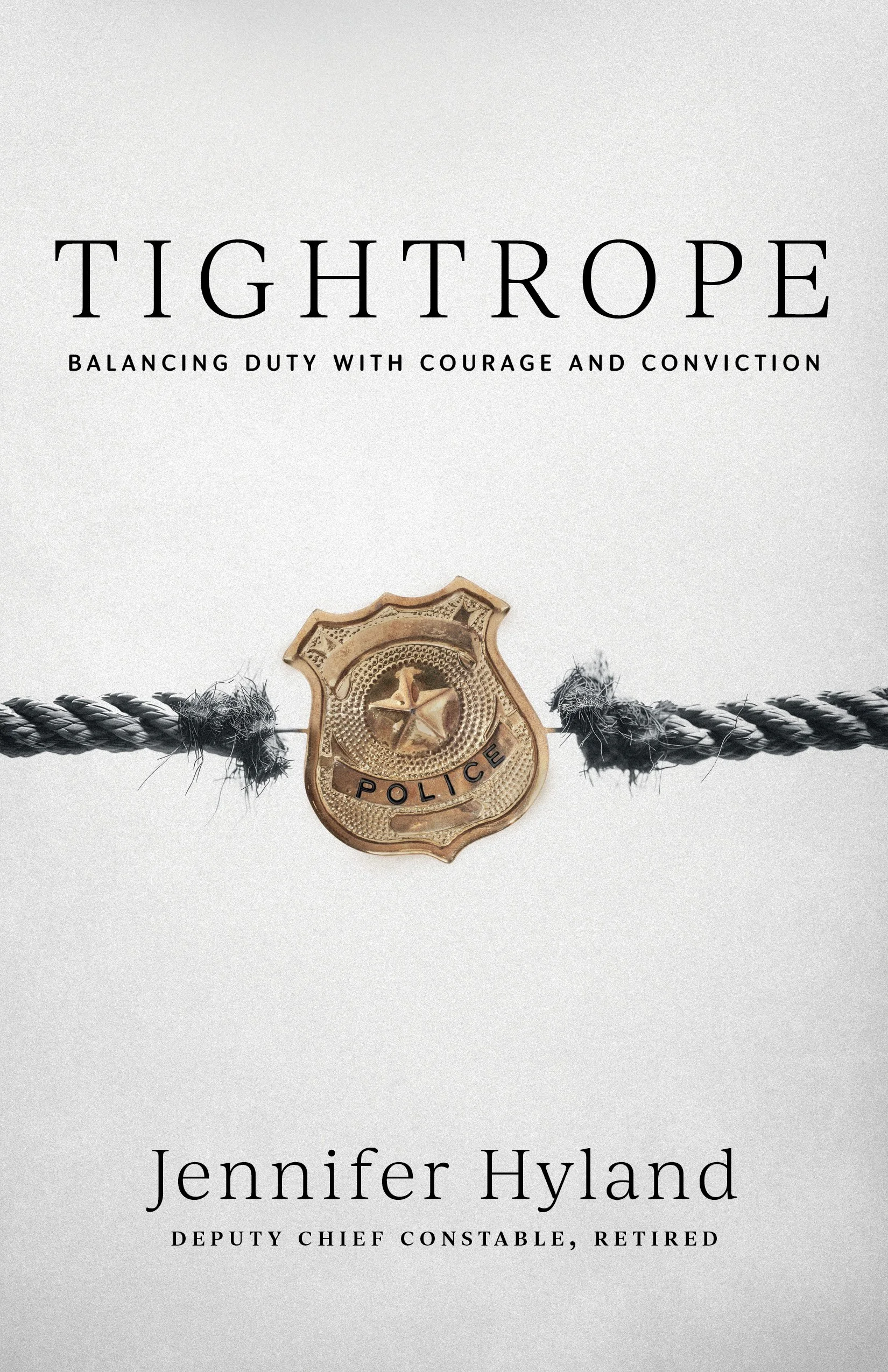
Spotlight: Tightrope: Balancing Duty with Courage and Conviction by Jennifer Hyland

Jennifer Hyland dedicated twenty-six years to Canadian law enforcement, working major investigations, making high-stakes decisions, and rising to one of the highest ranks in policing. From the outside, her career reflected leadership, achievement, and success. Behind the scenes, the demands and emotional weight of the profession were quietly taking their toll.

In this memoir, Hyland offers an insider account of modern policing, exploring the emotional weight officers carry long after the workday is over. As the demands of the job continue to grow, she confronts PTSD, a diagnosis of multiple sclerosis, and the realization that the profession she had dedicated her life to was asking more than it gave.

Through candid reflection, she explores the pressure to remain strong, the expectations placed on those in leadership, and the personal cost of staying silent. Along the way, she examines the impact the job can have on identity, health, relationships, and the difficult reality that no two people experience trauma or healing in the same way.

Offering a deeply personal perspective, Jennifer Hyland explores resilience, leadership, and the human side of public service.

Buy on Amazon | Audible | Bookshop.org
About the Author

Jennifer Hyland is a retired Deputy Chief Constable with over twenty-six years of service in Canadian policing, where she rose to one of the highest leadership ranks in the profession. Her career spanned complex investigations, frontline operations, and senior command roles, giving her a rare, inside perspective on both the realities of the work and the systems behind it.

Based in Maple Ridge, British Columbia, Jennifer now speaks to organizations and audiences across industries on leadership, resilience, and navigating high-pressure environments. She is especially focused on supporting leaders who are committed to maintaining their values within complex and demanding systems.

Tightrope: Balancing Duty with Courage and Conviction is her first book.

Find out more at jennhyland.com.