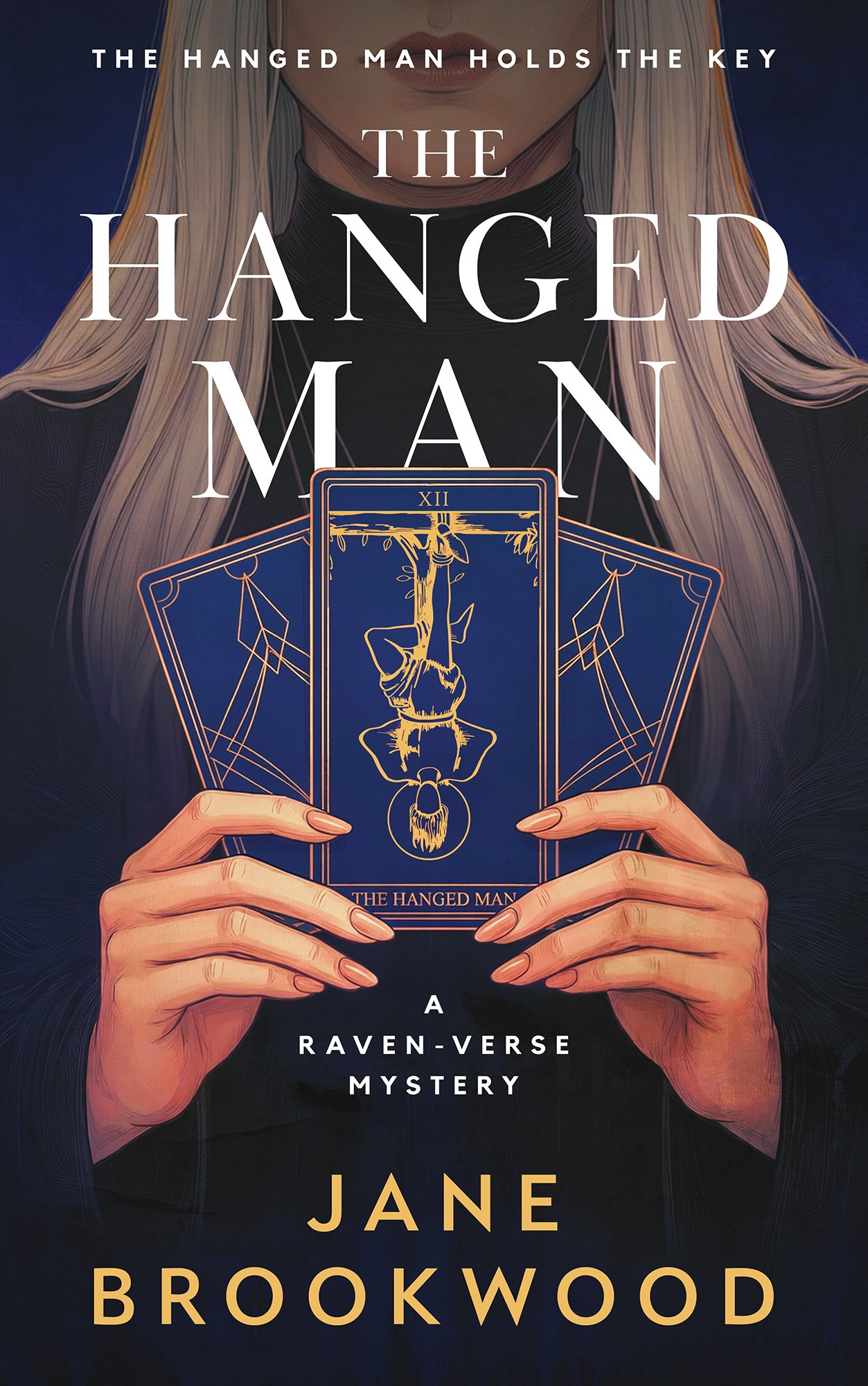
Spotlight: The Hanged Man by Jane Brookwood

In small-town Pineridge Hollow, Fiona Miller runs a metaphysical gift shop where she reads tarot, sells crystals, mixes tea, and generally minds her own business alongside her cat and familiar Rosie. But when she pulls The Hanged Man tarot card moments before learning her long-lost friend’s son has turned up dead, she vows to uncover the truth. Accident? Suicide? Murder? The town has already decided, but Fiona's tarot deck isn't so sure. She follows the cards into buried grudges, old money, and secrets the town spent decades hiding. On top of everything, The Hanged Man keeps making himself known. Can you make sense of The Hanged Man’s meaning?

Buy on Amazon | Bookshop.org

About the Author

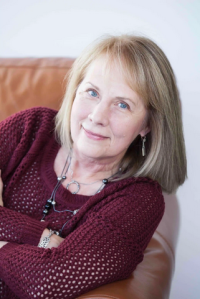
Jane Brookwood writes cozy mysteries steeped in tarot symbolism, intuition, and the quiet magic that lingers in small towns. Though she lives just outside the fictional Pineridge Hollow, she knows its back roads and hidden corners by heart. Its shop windows, whispered rumors, and moonlit secrets inspire much of her work — and often feel as real to her as any place on a map. Jane has always been drawn to the moment when an ordinary day tilts into something strange, meaningful, or unexpected. She writes to capture that shift — the sense that something powerful is moving just beneath the surface, waiting for the right person to notice. When she’s not writing, she’s reading tarot, wandering through forests, visiting cafés that remind her of The Velvet Fig, or sharing quiet evenings with her cat, Rosie, who insists on chiming in whenever a mystery gets tense. Jane lives in British Columbia, where Pineridge Hollow grows a little more vivid with every sunrise. Learn more at: https://ravenversebooks.com/

Explore the Ravenverse:

Facebook: @ravenversebooks

Instagram: @theravenverse.world 

TikTok: @ravenversebooks

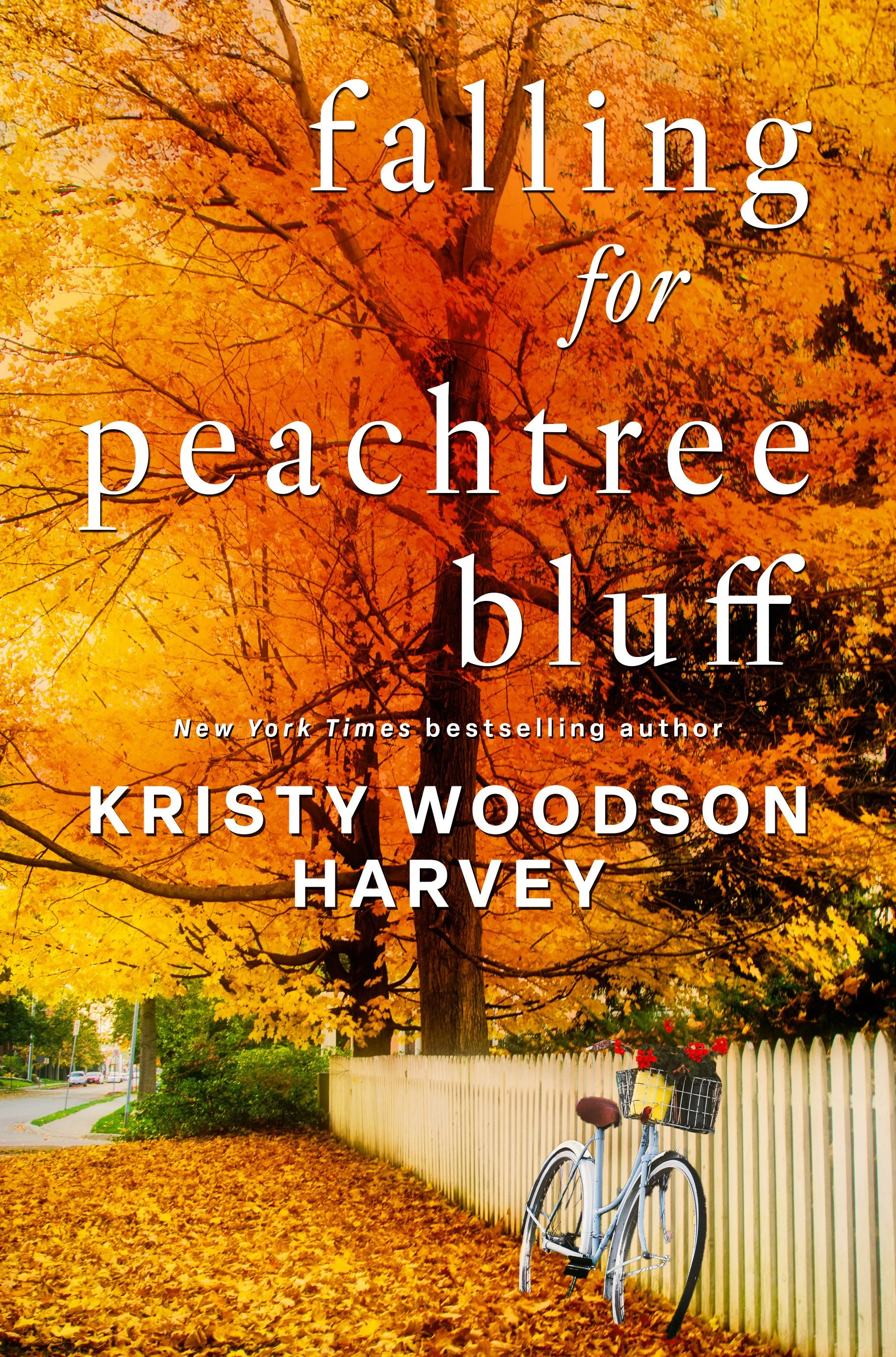
Spotlight: Falling for Peachtree Bluff by Kristy Woodson Harvey

Welcome to Peachtree Bluff: a sweet, cozy small town where family is everything. The “go-to for elevated beach reads,” (People), Kristy Woodson Harvey, returns just in time for pumpkin spice season.

The air is crisper, the water is calmer, but, when it comes to the Murphy family, nothing is ever quite as simple as it seems.

Youngest sister Emerson is busy planning her dream wedding to Kyle. But her difficulty expanding her family is overshadowing her joy. Pregnant middle sister Sloane and her husband Adam’s dream house has turned into a nightmare. Everything is over time, over budget, and Sloane is over it. Eldest sister Caroline, as always, is there to swoop in and get her sisters’ lives under control. Until her focus is more than a little shifted by Emerson’s hunky costar who manages to sweep her right off her feet—just as her not-quite-ex-husband decides it’s high time he begged Caroline for a second chance.

Matriarch Ansley and her new husband Jack have finally hit their stride. But when a scandal that would affect every single Peachtree Bluff citizen comes to light—and it seems like Jack just might be at the center of it—Ansley questions whether he is actually the man she thought he was.

Through it all, these women must rely on their powerful family bonds, and the quirky characters and small-town charm of the place that, no matter what, always calls them home.

Buy on Amazon Kindle | Audible | Hardback | Bookshop.org

About the Author

Kristy Woodson Harvey is the New York TimesUSA TODAY, and Publishers Weekly bestselling author of fourteen novels, including Summer State of Mind, Beach House Rules, and the Peachtree Bluff series. Many of her novels are in stages of option or development for film and television. She has been featured on Good Morning America, in Southern LivingCosmopolitan, People, and many others. Kristy is the winner of the Lucy Bramlette Patterson Award for Excellence in Creative Writing and a finalist for the Southern Book Prize, and her writing has appeared in numerous publications, including ParadeTraditional HomeUSA TODAYCountry Living, and many more. Kristy is the cocreator and cohost of the hit weekly web show and podcast Friends & Fiction with fellow New York Times bestselling authors Mary Kay Andrews, Kristin Harmel, and Patti Callahan Henry. She is also the cofounder of the award-winning interiors site Design Chic, with her mom, Beth Woodson. She lives on the North Carolina coast with her husband, son, and dog, Salt, where she is (always!) working on her next novel.

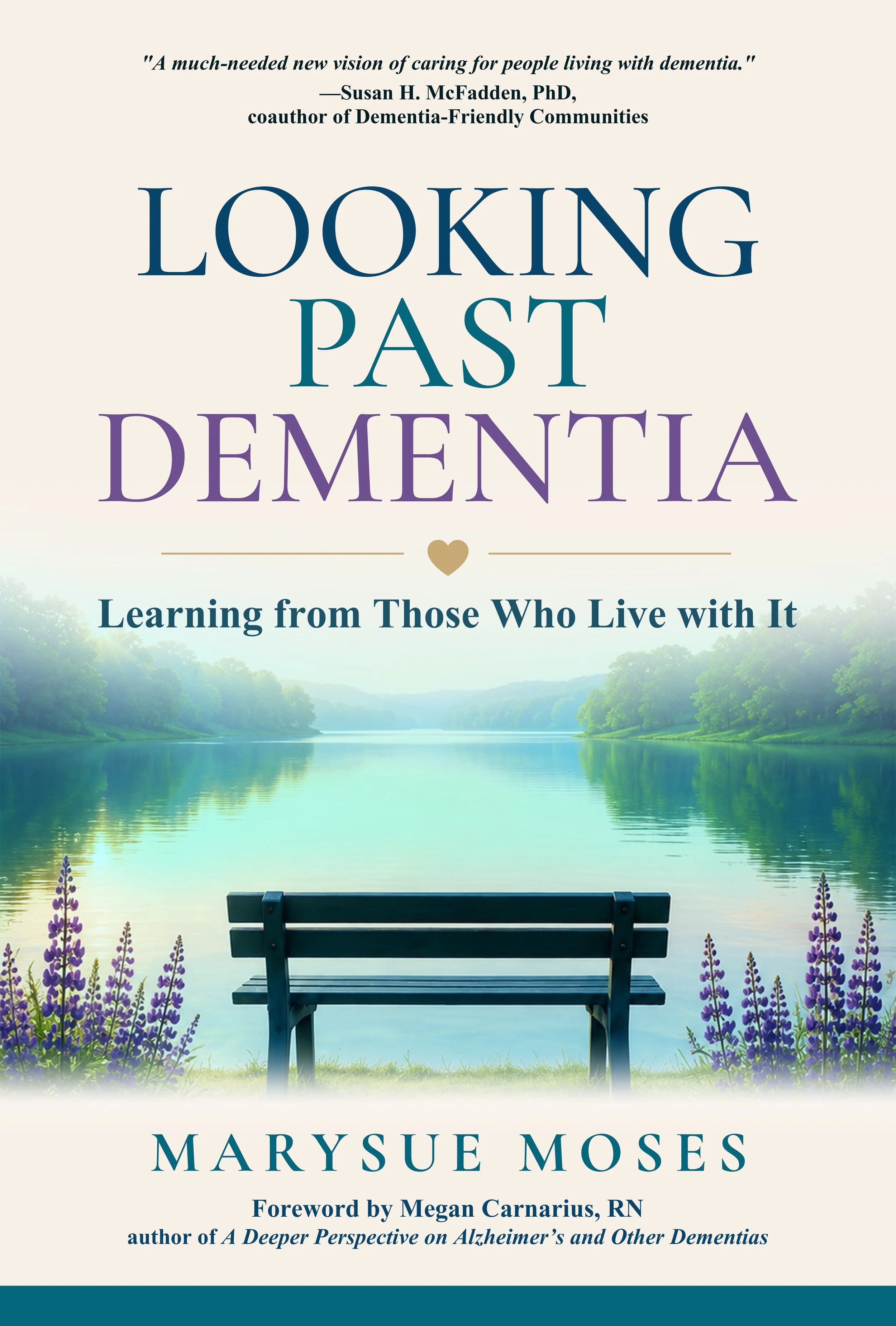
Spotlight: Looking Past Dementia by Marysue Moses

In Looking Past Dementia, dementia educator Marysue Moses shares the powerful insights she has gained from more than twenty years working alongside individuals living with Alzheimer’s disease and other forms of dementia. Through deeply human stories, she challenges readers to look beyond symptoms and diagnoses to recognize the strengths, emotions and humanity that remain.

Excerpt

Living with an Uncooperative Brain

How are our brains beguiled

—William Shakespeare, Sonnets, No. 59

Evelyn

“I feel like I have to meet the train, but I don’t know what the schedule is.” Out of the blue, Evelyn confides this to me one day as we pass in the hallway. She reminds me of a hothouse flower whose bloom will be destroyed if the temperature, soundscape and humidity aren’t calibrated to perfection. On the other side of her fragility, Evelyn is a trooper, a good sport with a healthy sense of humor. Still, her sunny moods can flip over into nerves, morph into anxiety, and escalate to full-fledged agitation.

Evelyn loves the color purple. Today, she sports purple pants, a long-sleeved purple velveteen top, and her trademark grey felt hat. 

Her tone is resigned yet frustrated when she refers to the train she feels she must meet. Though she is well past the point of being aware of her Alzheimer’s diagnosis, Evelyn is full of insight into what living with dementia is like. When she mentions having to meet the train, her intended meaning hovers like a cloud halfway between the literal and the symbolic. Part of her understands that she has no train to catch; it's something other than a train she’s missing. The other half believes she needs to be somewhere she is not. If only she could recall what place that is, how to get there, and where in the world she put the car keys.

Moreover, now that she thinks about it, she can’t for the life of her remember where she parked…

Another day, after breakfast, Evelyn is having a tough morning. I’ve seldom seen her struggle this much to put a sentence together. Unable to decipher her garbled speech, I’m on the verge of taking her to see the nurse when the word bathroom emerges from a sudden outpouring of nonsensical syllables. I offer to show her to the nearest restroom down the hall. Evelyn nods and trudges along, chewing her bottom lip and concentrating on maneuvering her walker. Her face contorts like a student trying to pick the correct answer on an exam. 

I hold the restroom door open and follow her in. Though she can manage on her own in here, I stick around in case she needs extra help today. I lock the door and move into a corner of the small bathroom. Evelyn stops short a few feet away from the toilet, her gaze riveted on the bathroom floor. 

Without looking my way, she proclaims, with surprising energy, “This floor! It looks just like my brain.” 

Her speech is clear as a bell. I inspect the floor to see what she might mean. It’s covered with two-inch square, grayish-green tiles, and is dustier than one would prefer, but apart from that there’s nothing of note. Every part of the floor looks like every other part. Boring. No direction, nothing of interest. Dull, dull, dull.

Later that day, I returned to the bathroom. I couldn’t get Evelyn’s comment out of my head. I took a photo of the floor and showed it to my husband, Phil, that evening. His response was, “Huh. It’s like a crossword puzzle without any clues.”

What a valuable glimpse into the current backdrop of her mind, Evelyn had offered that morning. Her remark taught me that we must work to transform what I suspect many people living with dementia experience far too often: a landscape filled with emptiness, suffused with boredom; a stage setting full of dead ends and roadblocks; an overwhelming sense of dread, of being lost in a puzzle with no clue as to how to find the way out. Doubtless, dementia mattered to Evelyn that morning in a dark, dusty, distressing way. 

I realized I needed to stretch my understanding, to consider what reality feels like for these individuals. It’s easy but unfair to blame them for being difficult and making our jobs challenging to the point of discomfort. Isn’t their chore of dealing with an uncooperative brain tougher than ours? 

I learned from Evelyn and many others that there is a gift in accepting the challenges that people living with dementia may present. A door swings open, inviting us to explore, empathize, and understand that each individual is doing their absolute best given the changes occurring in their brain. We begin to imagine what might be beneficial for them. When our chosen strategy proves effective, we incorporate that tool into our ever-evolving toolbox. Of course, not every tactic works for everyone all the time. That’s why we need a substantial toolkit to handle the various situations and emotions that may arise. We expand it and increase our confidence with each person we are privileged to know, care for, and learn from.

The more I understood what dementia felt like for Evelyn, the easier it became to build trust with her, empathize with her concerns, and ensure our interactions were positive and helpful.

Buy on Amazon | Bookshop.org

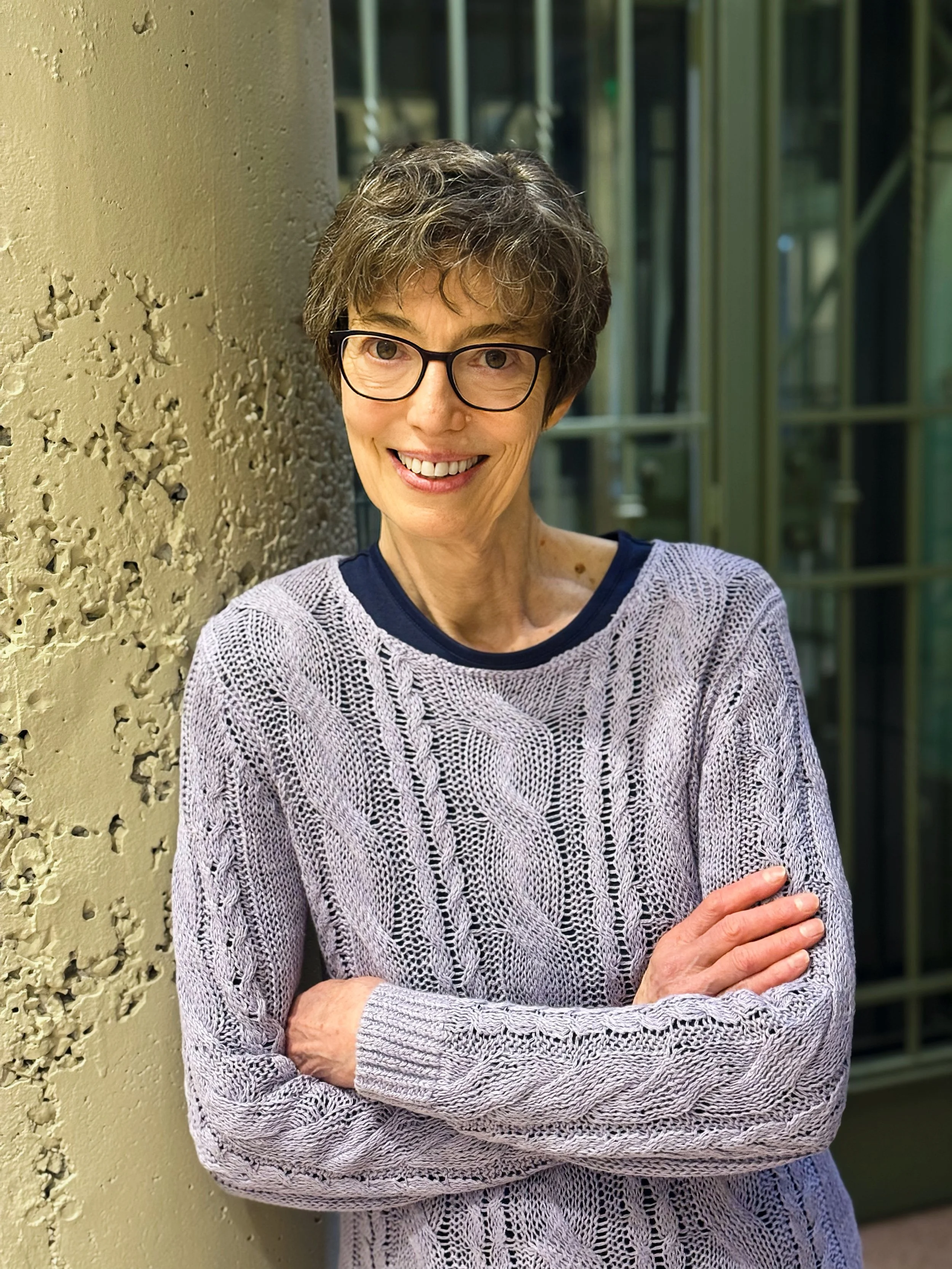
About the Author

Marysue Moses is a dementia educator, consultant and former memory care coordinator who teaches practical, creative approaches to dementia care. Drawing on both professional experience and her family's journey with dementia, she helps caregivers foster meaningful connection and engagement.

You can follow the author at: https://lookpastdementia.com

https://www.facebook.com/profile.php?id=61590647100255

Spotlight: My Best Four Years by Megan Linski

Publication date: September 11th 2026

Genres: Contemporary, New Adult, Young Adult

USA TODAY BESTSELLING AUTHOR Megan Linski paints a hallmark to grief in this story of a heartbreaking best friend break up that’s emotionally unforgettable.

Aria and Lucky are two best friends who managed to survive high school, though not everyone did. They live in a small town that’s determined to destroy everyone’s dreams, but when they’re together, the two girls soar. The adults in their lives swear there’s no way out of their tiny hometown, but Aria and Lucky promise each other they’re going to run away together, believing the music they make is going to change the world.

Until one of them leaves, and the other stays. Aria finds herself looking back on her past, struggling to find where she belongs in a place that wishes to stomp out her light. Lucky’s rise and fall is brighter than a supernova, dazzling and destroying whatever it touches.

Then the unthinkable happens, and their friendship is left in the remnants of what comes after.

Lucky promised Aria forever. But forever turns out to be far shorter than either of them thought it could be.

An honest, endearing novel, My Best Four Years is a devastating portrayal of the power of unconditional friendship, and the loss that is felt when those we love are left behind.

Excerpt

“Are you ready for this?” Lucky asked. The rhinestones on her guitar glimmered as she slipped the strap over her shoulder. We were behind a curtain that led to the small stage of a local bar, where a dozen patrons clattered about. We’d been selected as the headlining act for a band that played regularly on Friday nights, and we were so nervous. 

Lucky’s face was pale white. I was sure mine looked the same. Our first live show. I couldn’t believe this was happening. 

“It’s our time,” I said confidently. “Let’s get out there.”

The curtain was pulled aside, and we strode on stage in unison as the announcer introduced us. I took my stance at the keyboard, took a deep breath, and began to sing.

We started off strong, and got an enthusiastic response from the crowd during the first song. The next song was a little shaky, but the longer we played, the more confident we became, until we’d nearly gone through every song we’d created. The crowd was really getting into the music.

As I played the keyboard, somebody caught my eye from the corner of the bar. The most handsome man I’d ever seen was leaning on the counter. He might’ve been a few years older than I was. I was absolutely captivated by his appearance, so much so that I nearly missed a note on the melody.

When I met his blue eyes, he gave me a smile. I bashfully looked down when we finished the song, and we went to take a bow as we wrapped up the show. The applause in the room was so loud, I could hardly hear myself think. The curtain was drawn, and I felt shaky on my feet as I realized we’d actually done it. We’d pulled off our first performance!

“That was amazing!” Lucky cheered. “I loved every minute! The lights, the stage! It made me feel so alive!” 

“It was incredible,” I gushed. “I’m so proud of us, Lucky!”

I gave her a squealing hug. We cheerfully hopped off stage, then headed to the bar to get a drink. People clapped us on the back and congratulated us as we walked through the bar, thanking us for the performance. 

While we were sipping on virgin cocktails, Lucky’s phone rang. She picked it up, a huge smile spread across her face. “Hello, Carla! Yeah, we just got done! It was amazing. I wish you were here to see it…”

Her words trailed off. The smile slid off Lucky’s face. After a few moments, she nodded, and hung up the phone with a vacant gaze.

“It’s Carla,” she said. “She’s in the parking lot waiting to pick me up. She says we have to talk.”

Buy on Amazon | Audible | Bookshop.org

About the Author

Megan Linski is a USA TODAY Bestselling Author who lives in Michigan. She is the author of more than sixty fantasy and paranormal novels which feature themes of friendship, community, and healthy romantic relationships. She has over fifteen years of experience writing books alongside working as a journalist and editor. She graduated from the University of Iowa, where she studied Creative Writing.

Her passions include ice skating and horseback riding. In her free time she enjoys dancing in the snow and drinking fancy coffee while at her natural habitat, the mall. 

Megan advocates for the rights of the disabled, and is an activist for mental health awareness.

Megan co-writes the Hidden Legends Universe with Alicia Rades. She also writes under the pen name of Natalie Erin for the Creatures of the Lands series, co-authored by Krisen Lison.

Connect:

https://www.meganlinski.com/

https://www.facebook.com/meganlinski

https://www.tiktok.com/@meganlinski

https://www.instagram.com/meganlinski/

https://www.goodreads.com/author/show/6869349.Megan_Linski

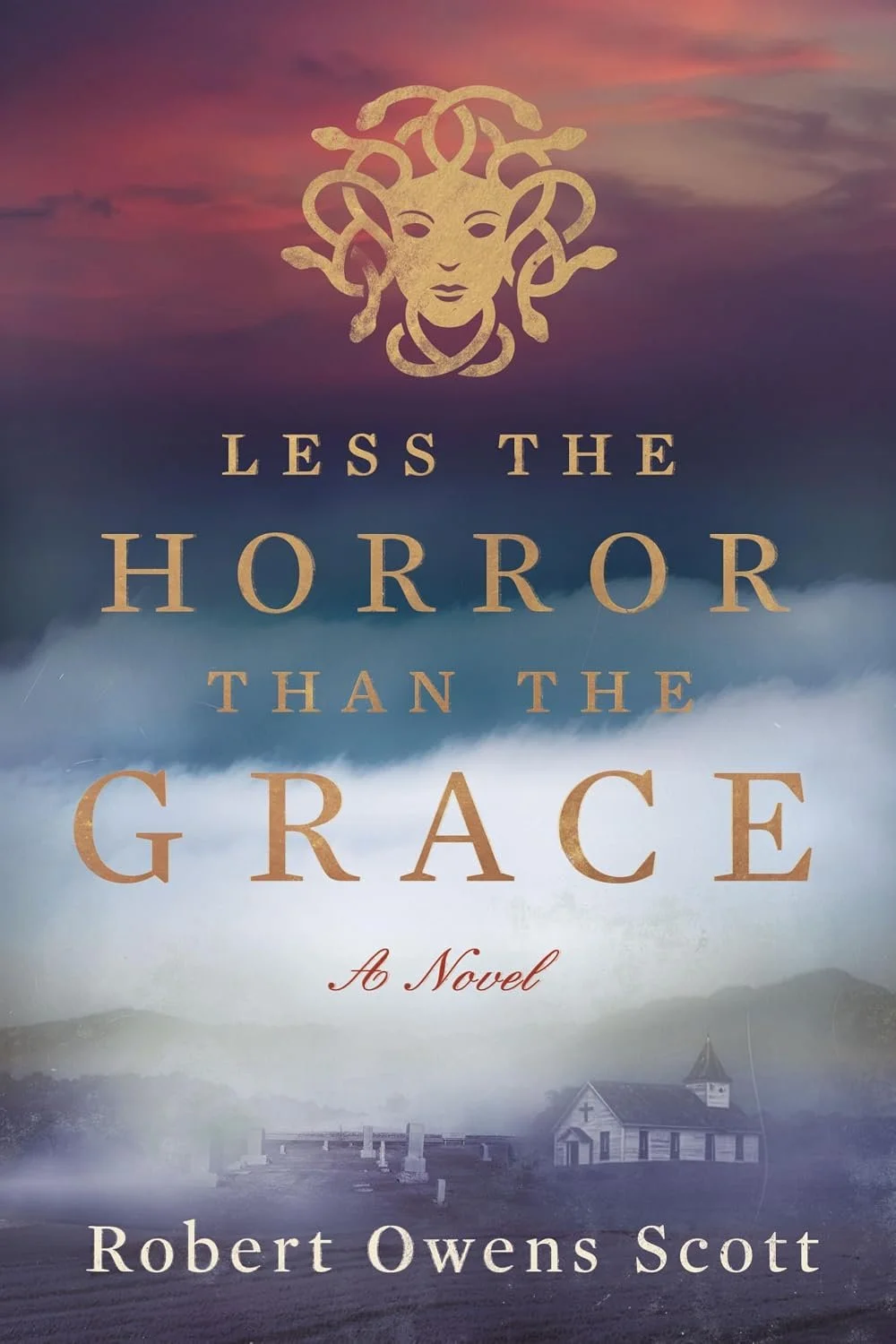
Spotlight: Less the Horror than the Grace by Robert Owens Scott

Genre: Women's Historical Fiction, Folk Horror, Old Gods Alive Today

A modern retelling of the Medusa myth set in a snake-handling church in Tennessee in the summer of 1920 as they vote to ratify women's suffrage for the entire United States.

It's the summer of 1920 and the hollers of Tennessee are dripping with humidity and tension, the electricity in the air broken only by storms and, if you're lucky, a travelling revival. The most famous features a lady preacher-who bestows the power on her listeners to become greater than themselves, and to handle the most venomous snakes without fear, investing them with a spiritual power they've never known.

Miles away in Nashville, the state legislature is about to vote on Women's Suffrage. If it passes in Tennessee, it will become law of the land. If it fails, the measure is all but dead. It's clear the measure will pass or fail on the slimmest margin of votes and both sides are upping the ante by playing dirty.

Elsewhere in Nashville, Theo Hood graduates from seminary. The son of his denomination's founder, he secretly plots his own course to bring religion into the future by embracing science and the new psychology of Dr. Freud, framing theology which gives new importance to listening to women.

Because of his unconventional views, Theo is sent as a "participant observer" to the mountain hamlet of Parthenon because strange reports have been filtering in. His long journey through the woods and into the mountains is wound with confusion and strange sightings, on top of which, Theo arrives just in time to attend the funeral of the pastor he was supposed to observe-who was killed by a snake bite. The popular female revivalist becomes the new pastor.

Welcomed into the home of the mayor, who's also the local state legislator, Theo can't help but notice a strange pall over the town. He finds an unexpected kinship with Minerva, the pastor, who seems to have unusual powers. As Theo becomes immersed in the life of the citizens-falling in love with one of them-he is confused by what seems to be supernatural goings-on. And listening, actually listening, to the women shocks him more than anything.

During the final push of the country's most famous suffragettes-including the leader, Bernadette Shaw, who can see death in the future of many-Theo fights to find out what's really going on, is allowed into the fellowship of women and nearly dies for it, before finding an unexpected ally as the legislators ready to vote for women's suffrage face what Theo knows to be a supernatural battle.

Excerpt

THUNDER

Chapter One

Glory

They say the great revival that swept Tennessee in the election year of 1920 started small, at a coal camp meeting in 1910, when a spirit-filled preacher of the fair sex handled snakes as a sign of divine power. The forces she wielded that night were ancient and unconditional. They were enlivened, terrified, and enthralled. What occurred had neither rational explanation nor practical means of control. 

It simply was.

The miners needed an outlet, God knows. Strike talk ran rampant, though they couldn’t speak their grievances in the open. But they could sure as shit mutter curses against the owners, and they did, constantly. On Monday, that guy from Nashville – the one who looked more like a weasel than any man they ever saw – went on about how the bosses were honorable men who cared for them and their families more than any union ever would. He also let them know that those fine fellows wouldn’t hesitate to boot them all out on their ungrateful asses and watch those beloveds starve if they so much as thought about unionizing come January.

Winter felt a long way off on that sweltering July night. Clouds sealed the sky like wax on a canning jar. Thunder rumbled low, nagging, and unrelenting. Normally you’d hope for the rain to bust loose and bring a little blessed relief. That night, though, the heavy air held so much water you might drown and your body would wash down the mine shaft, where you’d slide on your butt to the pits of hell. The lightning flashes in the sky came from over the ridge, but everywhere the air felt full of electricity, crackling and dangerous.

Nobody heard tell of any revival meeting. The bosses harshly forbade public gatherings. Three men on a match would constitute a violation and be fired before they got a decent lungful. When the singing started, though, the men and boys young as eight who’d worked all day hacking coal from the earth headed over, curious, in ones and twos and threes. When the miners failed to show up at their shacks for dinner, the wives and sisters and kids too young to start their lives in the mines came looking. 

Somebody started clapping along with the song. Women and children joined in. Pretty soon the tattoo spread throughout the crowd, which numbered thirty or forty, all told. You couldn’t see who led the singing, whether it was a man or a woman. The husky voice carried far and soared high and low. 

A song that was familiar had to be a hymn. The grownups knew they’d heard it at church back when they’d bounced on their mothers’ knees. They couldn’t place it, exactly, but they sang along all the same. Words like “praise,” “glory,” and “hallelujah” rode on the simple tune, and by the chorus all the gathered souls sang as one. 

The mine bosses sauntered out of their rough wood office, their faces stormier than the night. A goddamned public gathering right when we outlawed such goin’s on. Would they put up with such disobedience? They’d report this outrage to the owners in due time. Right then, though, they may as well try to stop the river during a flood. Instead of objecting, they joined in. 

The religious among those present – and who lived in the Tennessee mountains in those days save good Christians? – could see what was happening plain as day: the Spirit was moving in their midst.

The song ended. Darkness descended. Silence fell along with it. Nobody spoke or even coughed. The children sat as hushed as the elders. After some amount of time – from a minute to an hour, depending on who told the story later – a voice sounded from the front. Rich and deep like a tenor, yet instantly recognizable as womanly. 

“Glory,” it said. And again, “Glory.”

Then silence. Heavy. Pregnant. Even the cicadas and katydids liked to hold their breath. 

“Holy,” said the voice. “Holy. Holy.”

Folks here and there repeated the words back to her, but nothing quelled the feeling of hushed awe. 

Buy on Amazon | Bookshop.org

About the Author

Robert Owens Scott was an Emmy-winning writer and editor and graduate of Union Seminary. He lived in the Blue Ridge Mountains of Western North Carolina. 

Sharon Linnéa is the author of the bestselling Eden thrillers with Chaplain (COL) Barbara Sherer from St. Martin’s, as well as an award-winning biographer.  Sharon his currently writing the Bartender’s Guide to Murder mystery series, which begins with Death in Tranquility

http://www.SharonLinnea.com    http://BartendersGuidetoMurder.com

Spotlight: The Lost Perfumes of Paris by Christine Wells

Set against the backdrop of mid-century Parisian glamour and the timeless art of perfumery, a captivating tale of resilience, love, and the intoxicating pursuit of passion.

Élodie Limeaux's beloved mother, Aurore, was the most legendary perfumer in France before World War II, renowned for the exquisite fragrances she created for the family company, the House of Limeaux. Now in her twenties, Élodie longs to join the family business. Her father, however, has refused to let her follow in her late mother's footsteps and Élodie has had to fight to become a mere lab assistant at Limeaux.

But Élodie plans to enter the Essence of Paris contest run by the French Perfume Institute, hoping that a win will secure investment from Swiss banker Monsieur Caspari, who is looking to launch a new scent for women and possibly to buy the House of Limeaux.
Impressed with Élodie's drive and talent, Caspari agrees to back her, provided that she collaborates with his son, Marcelo. Élodie is forced to agree, although Marcelo strikes her as a wealthy dilettante, albeit an extremely charming one.

When they join forces, though, Élodie is surprised to discover Marcelo's passion for perfume is genuine, his obsession as deep as hers. With Marcelo by her side, Élodie battles family betrayals and corporate sabotage, searching for that elusive essence of Paris that will launch her career...and possibly the love of a lifetime.

Buy on Amazon Kindle | Audible | Paperback | Bookshop.org

About the Author

Christine Wells writes historical fiction featuring strong, fascinating women. From early childhood, she drank in her father’s tales about the real kings and queens behind popular nursery rhymes, and she has been a keen student of history ever since. She began her first novel while working as a corporate lawyer and has gone on to write about periods ranging from Georgian England to post World War II France. Christine is passionate about helping other writers learn the craft and business of writing fiction and enjoys mentoring and teaching workshops. She loves dogs, running, the beach, and fossicking for antiques, and lives with her family in Brisbane, Australia.

Visit Christine online at christine-wells.com, on Instagram @christinewells_, and on Facebook at ChristineWellsAuthor.