Do We Live in a “Brave New World” of Books? by Monique Roy

Ever wonder what a writer like Leo Tolstoy would make of the modern appetite for dystopian stories. As society changes, so do our book choices. This “Brave New World” of books is noisy and dark, and none of us can lie that we are morbidly fascinated with dystopian novels. We can see the strong upward trend of dystopian fiction from more than 50 years ago. From “Divergent” to the “Hunger Games” and to the dystopian obsession long ago, “1984” by George Orwell, and even before that, we were gripped by the passages of “Brave New World.” Perhaps all these books make us thankful for our lives today. Things could be worse.

We live in a “Brave New World” of books. Aldous Huxley’s “Brave New World,” published in 1932, deals with the conflicts between the interests of the individual and society. In this most enduring work, Huxley imagined a fictional future in which free will and individuality have been sacrificed in deference to complete social stability. A “Brave New World” created a dystopian world in which a totalitarian government controlled society by the use of science and technology. Huxley’s novel seems to prophesize the major struggles and themes that have dominated life in the second half of the twentieth century and continue to dominate in the twenty-first. Hitler came to power in Germany a year after the publication of a “Brave New World.”

In recent years, dystopian novels have turned darker. Gritty content that would have been unfathomable even a decade ago now transports readers to greater depths of chaotic societies. Character’s reactions to unraveling plots have become stronger and more reactive. While classic books such as “Little Women” stressed the importance of facing poverty with integrity, today’s characters are self-sacrificing and angry in worlds aflame with romantic love, power, violence and societies divided. Will these books have true staying power in 10, 20 and even 30 years? Do they explore the greatest depths of society? How do we bring light to such darkness? Dystopian novels of today may seem bleak, but some do send a ray of hope across their pages. While these books are entertaining, let’s not forget the classics.

According to The Telegraph (September 2013), a new study shows that 62 percent of us pretend to have read classic novels in order to appear more intelligent? Are you one of these people? 

We all wonder what the future may hold and we can for sure catch a glimpse in the dystopian books that are crowding book shelves and movie screens. Modern dystopian novels have done a great thing for kids. They are capturing the hearts and minds of young readers. These stories are turning kids into voracious readers. All a great thing, but classic literature still brings wonderful things to the table that modern novels do not. Classic novels hold true a certain style of writing and language that has disappeared with modern books. Classic books bring about diversity and a more challenging reading environment, which helps young adults become more diverse and well-rounded. Let’s send a message to teen readers that it’s great that they are reading and diving into the wonders of a dystopian world, but the world of classic novels are not that dreadful. They are called classics for a reason. They have withstood the test of time. 


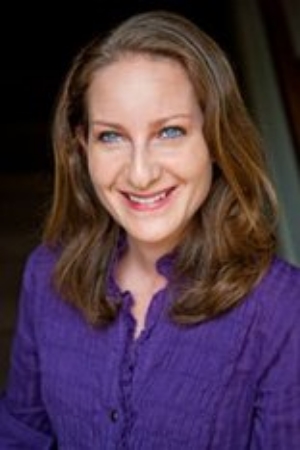
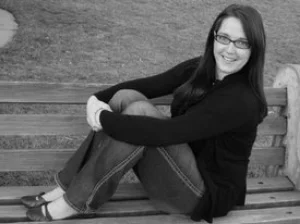
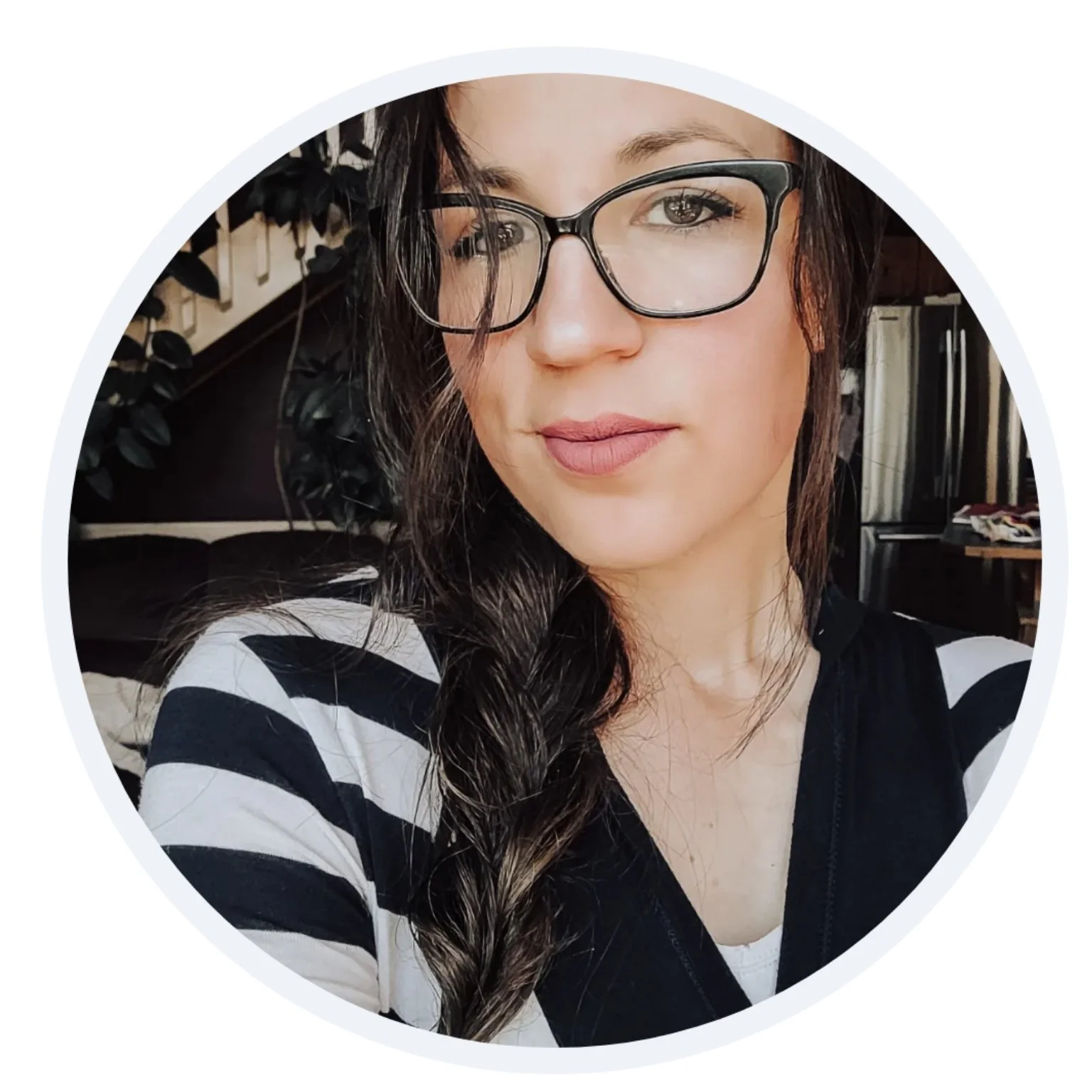
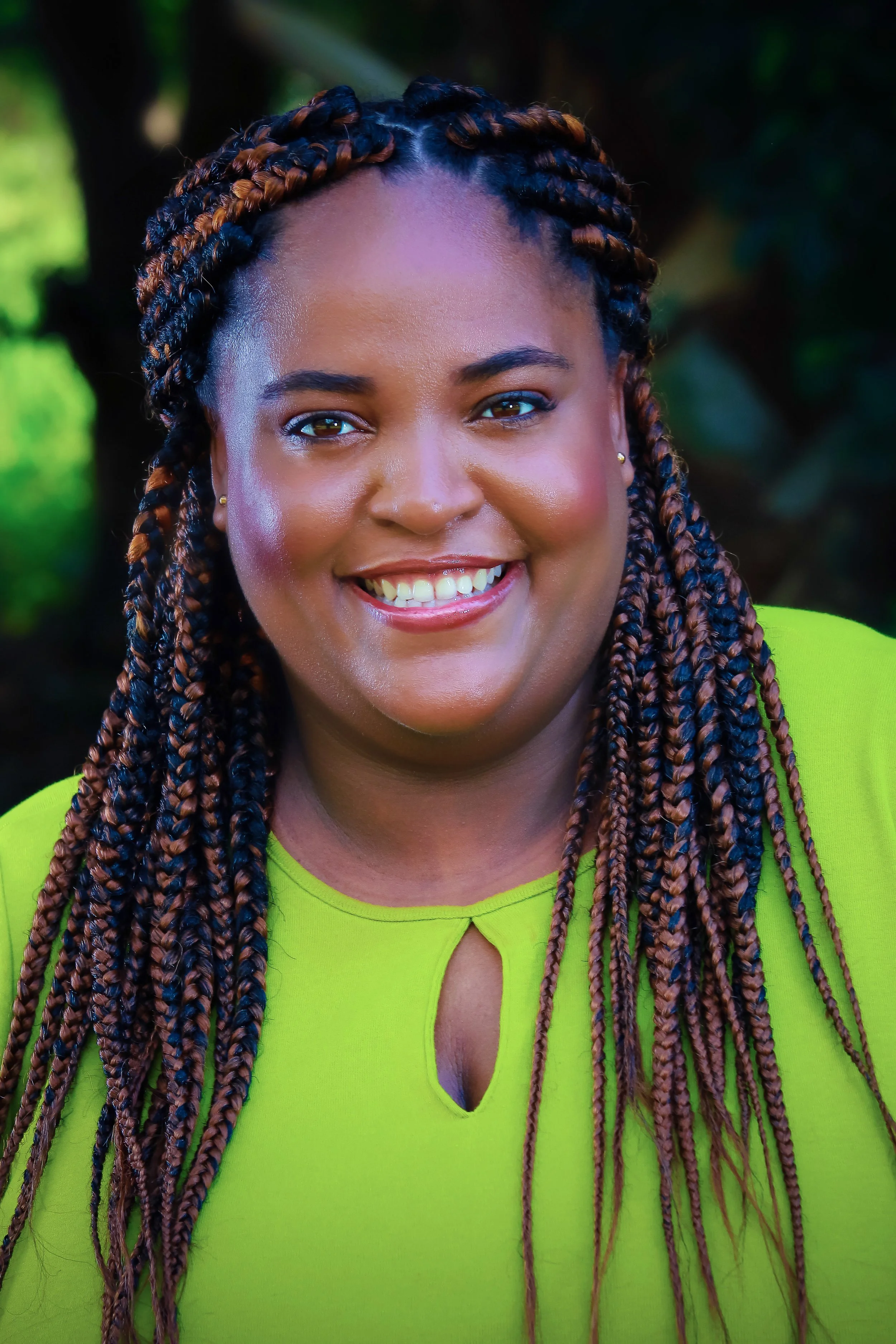
Monique loves writing that twitches her smiling muscles or transports her to another time or place. Her passion for writing began as a young girl while penning stories in a journal. Now she looks forward to deepening her passion by creating many unique stories that do nothing less than intrigue her readers.

Monique was born in Cape Town, South Africa, and her grandparents were European Jews who fled their home as Hitler rose to power. It's their story that inspired her to write Across Great Divides, her debut, historical fiction novel.

Monique holds a degree in journalism from Southern Methodist University in Dallas and is also the author of a children's book Once Upon a Time in Venice. In her free time, she loves to travel, play tennis, pursue her passion for writing, and read historical fiction. In 2008, she was chosen by the American Jewish Committee's ACCESS program to travel to Berlin, Germany, on the 70th anniversary of Kristallnacht, to explore German and Israeli relations along with 20 other Jewish professionals from across the U.S.
Website | Facebook | Twitter


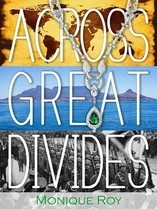
Across Great Divides is a timeless story of the upheavals of war, the power of family, and the resiliency of human spirit. When Hitler came to power in 1933, one Jewish family refused to be destroyed and defied the Nazis only to come up against another struggle—confronting apartheid in South Africa.

Sixteen-year-old Eva and her twin sister, Inge, witness their lives in Berlin change before their eyes. Their best friend, Trudy, betrays them when she becomes a member of the Hitler Youth. A valuable family heirloom, a beautiful emerald and diamond pendant necklace, is confiscated by the Nazis as they continue to harass Jewish families and businesses. The family is conflicted whether they should leave home. But after the devastation of Kristallnacht in 1938, they finally flee Germany with the help of the underground resistance after hiding many diamonds. They seek refuge in Antwerp, but war follows them as Belgium is occupied by the Germans. 

After they escape Europe - hiking over the Pyrenees Mountains while eluding German patrols and Spanish informers - they spend agonizing days on a ship bound for Rio de Janeiro that is targeted by a German U-boat. As Rio’s diamond business is corrupt, they decide to go to South Africa, another diamond market. In Cape Town, Eva encounters an impoverished colored woman, Zoe, who is in need of work. The family hires Zoe as their maid and shields her and her daughter, Zola, from the dangers they face in the slums of District Six and from the horrors of apartheid, which are all too reminiscent of Nazi Germany.

But, when Max gets into trouble with the South African police over his participation in an anti-apartheid march, will he be subject to imprisonment? 

In a thrilling conclusion, the family comes to terms with the evils of society, both in their memories and current situation in South Africa. 
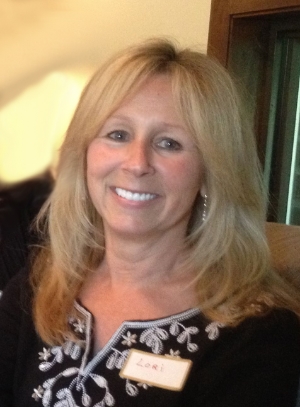
Q & A with New York Times Bestselling Author Lori Foster

With almost twenty years to date as a beloved writer, author Lori Foster has developed quite a name for herself. Having acclaimed recognition, including being a New York Times Bestselling Author, she has penned over 70 novellas and novels that has fans glued to her every page. 
 
Her latest, Dash of Peril, the fourth book in her Love Undercover series, has been well received with great praise from fans marking this their favorite to date. I'm pleased to have her stop by and chat with us about the writing process and her latest book. 

Tell us a little bit about your new release, Dash of Peril.

Readers met these characters in other books in the series, and little by little, they were drawn to each other. I don’t deliberately plan romances for my characters, so at first I wasn’t sure if they’d end up together or not - but I’m very pleased that they did!

Dash is brother to a police detective who works for Lieutenant Margaret Peterson, and it’s safe to say Margaret has never met anyone like him. 

How did you come up with the title?

My editor and I had been using hero names in the titles for a while. (That ended with this series, though.) I’m *terrible* with coming up with titles, so I left it up to my editor - who just so happens to be a Margo herself. Yes, I stole her name as Margaret’s nickname... and then she and I both had to blush our way through the sex scenes. 

When you come up with an idea for a novel, do you imagine it as a series or standalone? Do you think in terms of chapters? How do you envision the book?

I start a book with the opening scene and the knowledge that whatever happens, the story will end a “happily ever after” romance. That’s it. Usually everything else is up in the air. Occasionally, as one story is revealed so is another. For instance, I know going into the first book in this series that the hero had a partner who would get his own book. I didn’t at that time know the hero had a brother named Dash who would insist on telling his own story.

As far as chapters - mine are usually around 25 manuscript pages each and this helps me to pace myself. It’s a method and pattern that I’ve fallen into and it works for me.

What was the defining moment when you knew you wanted to be a romance writer?

It feels like it was a gazillion years ago. I’d never done much reading, but then I was stuck in bed sick and my sis brought me over a paper bag full of romances. I flipped through the first one until I found a sex scene, then got so engrossed in the story I had to go back to the beginning to see how they’d gotten to that point. 

In record time I went through that bag of books and became a romance novel addict. Very shortly after that I decided I wanted to write as well, so I could ensure the story always went exactly the way I wanted it to.

It took me over 10 written books across 5 years before I finally sold my first book.

Amongst all the competition in the romance genre, why do you think your books are so popular?

Wow. Well, I never think in terms of competition. Every writer brings her own unique style to a story, and every accomplishment, whether it’s my own or another author’s, is a door that’s opened for all. Once you see it done, you know it can be done, and that’s a terrific thing for every author.

If I have to try to pinpoint what readers specifically like about my books, I’d say many of them can relate. I hear over and over again how the characters feel like real people - a compliment that thrills me! So even though there might be some unfamiliar plot situations - human trafficking, kidnapping, etc... - the readers can put themselves in the place of the hero or heroine and find common ground through attitudes, emotions, priorities and more. 

Do you have any say in what goes on the cover of your books? Do they model the men on the cover after your descriptions or do they base them on real models?

My publisher has been very generous in allowing me to contribute my thoughts to the final cover. I’m not at all involved in hiring the models, but I do give descriptions of how my characters look and any background/backdrop info needed. 

I get to see the cover concept - which is basically stock art that gives an idea of how the cover will be staged. Often there’s text accompanying the concept saying things like, “The hero will not be a suit. He will be in jeans and a T-shirt. The backdrop will not be glass shelves but instead a brick wall.” Things like that, so that I can better visualize what they have planned.

Then the publisher hires models, does a cover shoot, and sends me the preliminary shot selected with tentative placement of text, such as my name, the title, any quotes, etc...

On occasion I’ve asked for changes, but usually the covers are just amazing and I’m happy.

For an upcoming cover, I loved, loved, loved everything - except that the model didn’t have chest hair. (I seriously beg for chest hair, because I have never written a guy without it.) The publisher was able to accommodate me and I’m over-the-moon thrilled with the final cover.

What type of advice would you give to a struggling writer?

Finish books. Plural. Write and then write some more. Sure, you want to submit the finished product in hopes of a sale, but don’t wait around to see what happens. As soon as possible, start and finish another book. Then another. The biggest hurdle I’ve seen for new authors is discovering their own voices. There’s this tendency to rely heavily on a critique group of partners - which I’ve always considered a very bad idea.
There’s also a tendency to want a short cut. I can’t tell you how many unpublished authors I’ve heard from who say they’re having a hard time selling and want to know how to make it happen. Hello! I’m the wrong person to ask since it took me 10 books and 5 years to sell. I certainly don’t know any secret shortcuts!

But I can tell you that the end result is worth the time and trouble it took me to get there. 

Are there any special places that you like to frequent to clear your head and write?

I can write anywhere - and have - when necessary. But I prefer to write at one of my two desks, either at home or at our lake house. Either works. My desk at home faces the back of our property and our large pond so I can see the fish jump and the deer come up for a drink, the geese and heron, and the occasional fox or coyote. 

My desk at the lake house faces the lake so I can see the same things I see at home, along with the boats that go by. I’m very drawn to nature and write best when I’m not cooped up in a hotel room. 

How long does each book typically take you to write?

That entirely depends on what’s going on in my life. Like most people, I have very few weeks without some sort of chaos. I’ve learned to adjust to that. But if there’s any serious illness in the family (immediate or extended family) or if I have a lot of travel obligations thrown in, that sucks up some of my energy. There are times where writing obligations overlap - like now. I’m trying to work on the next book, but I have THIS book out now, so there’s promo to do for it, like interviews and blogs and radio, etc... So I juggle.

Recently I wrote a short story over a weekend, but sometimes it can take me a month.

A single title usually takes me three months, give or take. Honestly, some stories and characters make it very easy, and others... not so much.

Do you have any special rituals or habits when preparing to write?

I have my playlist (currently 121 songs) that I crank up. And I burn scented candles (floral usually, with my favorites being hyacinth and lilac) when I’m working on a book. Also, I snack. A lot. And it’s starting to show. I think I need to learn how to write on the treadmill!

What are your other passions outside of writing?

Nature! I could spend every hour on the boat enjoying the sunshine and the scent of the water. We loving going to state parks like Hocking Hills or The Natural Bridge, hiking the trails and going through the caves, or just enjoying the trees. 

I also love movies. I can sit in the theater every day if there are movies I want to see. I prefer horror and action flicks, and I can sometimes tolerate comedies. I’m not too keen on dramas or romances. :-)

If you could run away with any one of your male characters, who would it be and why?

There’s a character none of you have met yet. Armie Jacobson. Just wait - I promise you’ll love him, too! He’s in Cannon’s story as a secondary character (No Limits, out August 26th) and from the moment he appeared, he won me over. He’ll eventually get his own book.

Of characters who’ve already been in print, probably Dare from When You Dare. I love his cover so much, but I also love how he loves. His pets, his friends, his mate - once Dare cares, he doesn’t hold back. He’s also big and macho and very capable. 

And he has a lake in his back yard. 

What is your all-time favorite romance novel?

Wow, that’s a toughie! There have been so many that I’ve loved, that there’s no way I can choose just one, but maybe one from several categories? 
For historical romance, I’d say Honor’s Splendor by Julie Garwood. 
For a contemporary read,  probably Perfect Partners by Jayne Ann Krentz. 
Paranormal would have to be A Hunger Like No Other by Kresley Cole. 
YA would be Dare You To
Category would be Mackenzie’s Mountain by Linda Howard.

If you had to do it all over again, would you change anything in your latest book?

Oh jeez, I never even think about that. If I found a typo I’d fix it…haha! But otherwise, I’ve already moved on. Since I turned in that book I’ve written 3 others (2 short stories and 1 single title) and I’m working on another single title. No time for regrets or looking back! At this point all I can do is hope readers enjoy it.

Any future plans for Dash and Margo?

Oooh, now see, there have been plans, but you’ll see what happens in the next book and I don’t want to ruin the surprise. Let’s just say that Cannon’s book, No Limits, involves Dash and Margo a few times and you see how they’re getting on and how their lives have changed - always for the better. I never rob my characters of their HEA (Happy Ever After) once I’ve given it to them. 

But beyond them showing up as secondary characters and giving us glimpses of their married life, I don’t plan to expound on them. They’re happy. That’s good enough for me!

If you would like to find out more about Lori and her work, you can check her out at: http://lorifoster.com/


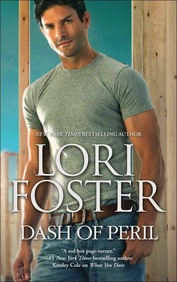
A no-nonsense female cop reluctantly teams up with the one man who makes her lose control in a deliciously sensual new novel from New York Times bestselling author Lori Foster

To bring down a sleazy abduction ring, Lieutenant Margaret "Margo" Peterson has set herself up as bait. But recruiting Dashiel Riske as her unofficial partner is a whole other kind of danger. Dash is six feet four inches of laid-back masculine charm, a man who loves life—and women—to the limit. Until Margo is threatened, and he reveals a dark side that may just match her own….

Beneath Margo's tough facade is a slow-burning sexiness that drives Dash crazy. The only way to finish this case is to work together side by side…skin to skin. And as their mission takes a lethal turn, he'll have to prove he's all the man she needs—in all the ways that matter….

Villains ‘R Us by Naima Simone

Of course we all know the hero and heroine make or break a story. If these two are not likable, captivating or sexy in some way, it's a big *YAWN*. I started reading a story this weekend and from page one the heroine started tap dancing on my next to last nerve...by page three she was doing the Quick Step on my last one. And then I didn't get a physical description of the hero until half way through the book! By then I really didn't give a rat's a--I mean posterior. Needless to say I almost put the book down...almost. What saved it from the give-it-to-some-poor-sucker-at-the-used-book-store-pile was the villain. He was deliciously warped, evil and morally bankrupt. *sigh* My kind of villain.

As much work goes into creating memorable heroes and heroines, the same amount of labor is afforded to molding the perfect antagonist. After all, this person must be just as charismatic, conflicted and interesting. So I started thinking about the different types of villains. Though their purpose may be the same--keep the hero and heroine from obtaining their HEA--they come with different personalities, moral codes and motivations.

1. The most common is the Evil-No-Redeemable-Qualities Villain. The first example that comes to mind is Parrish Sawyer in Linda Howard's Son of the Morning. What a corrupt son-of-a-sea-biscuit. Not to be confused with psychotic, because he wasn't. Completely lucid, intelligent and ruthless. His hunger for power and world domination eradicated all human qualities like mercy, love or empathy. He killed without compunction or conscious. By the time he received his comeuppance in the end, I kind of thought mass electrocution and pissing on himself just wasn't enough punishment! 

2. Now one of my favorite villains--The Psycho. Nothing like a good nut! From the stalker that misinterpreted a wink as an undying vow of devotion to the killer who makes dresses out of flesh, they have their own reasons for murder and mayhem. Part of the fun is discovering what makes them tick. What is the meaning behind their ritual of murder? Unlike the evil villain, we can sometimes feel sympathy for the psycho. Depending on the reasons he or she is crazier than a s***house rat--child abuse, personality disorder, cheating spouse--we can almost not hate him or her. Sympathy. Yes. Redeemable qualities. Not so much. Example? Rebecca De Mornay in The Hand that Rocks the Cradle.

3. Next up, the Villain You Love to Hate and find yourself wishing they got away with their dastardly deeds. This one is the most ambiguous. Okay, we know this person is crooked. Up to no good. Seedy. Charismatic. Robin-Hoodish. Hot. The hot-factor is almost always a must in this category. Think Denzil Washington inTraining Day. Or Adam Black in Karen Marie Moning's Highlander series. Vin Diesel's Riddick in Pitch Black. They are awful but still have redeeming qualities that make you sad to see 'em go down. Get punished. Not win. They have moments of humor or generosity that counterbalance their moral weaknesses. And, yeah, they're hot.

5. And then there's the antagonist you just like. They are the Anti-Hero. The very characteristics that make them good villains also make them awesome heroes and heroines. Again, Adam Black. Sue Sylvester in Glee. They're funny, ruthless, vulnerable, scheming, heart-warming, confident and insecure. They're complex and redeemable. And too much fun to read or watch!

Who are your favorite villains and why? Do you have another type that I haven't covered? Better yet...who is the hottest villain out there in either book or movie?


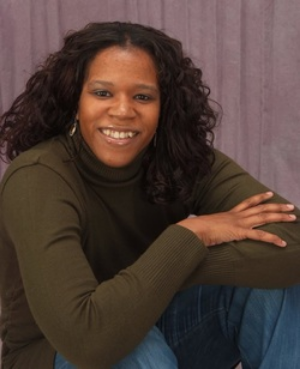
Naima Simone’s love of romance was first stirred by Johanna Lindsey and Linda Howard many years ago. Though her first attempt at writing a romance novel at age 11 never saw the light of day, her love of romance and writing has endured. Now, she spends her time creating stories of unique men and women who experience the dizzying heights of passion and the tender heat of love.

She is wife to Superman—or his non-Kryptonian, less bullet proof equivalent—and mother to the most awesome kids ever. They all live in perfect, domestically-challenged bliss in the southern United States.


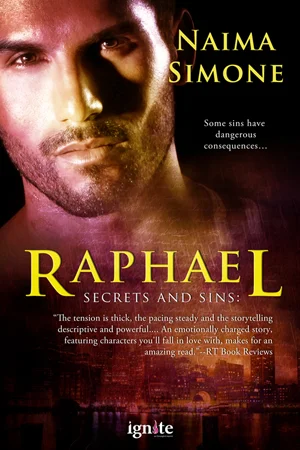
When Greer Addison finds her future husband in bed with another woman, she runs…right into the arms of dark and dangerous Raphael Marcel. Angry and hurt, she throws caution to the wind and spends a hot night with the sexy security specialist. But when her fiancé is found dead, Greer becomes the main suspect of a crime she can’t remember.

Raphael is stunned and suspicious when Greer shows up on his doorstep claiming she’s carrying his baby. Worse, she’s the target of a stalker bent on making her pay for a murder she doesn’t recall. As Raphael begins to trust Greer, they must race against the clock to uncover a killer. Because Greer’s memory is returning...

My Favorite Upstairs and Downstairs Romances by Tamara Morgan

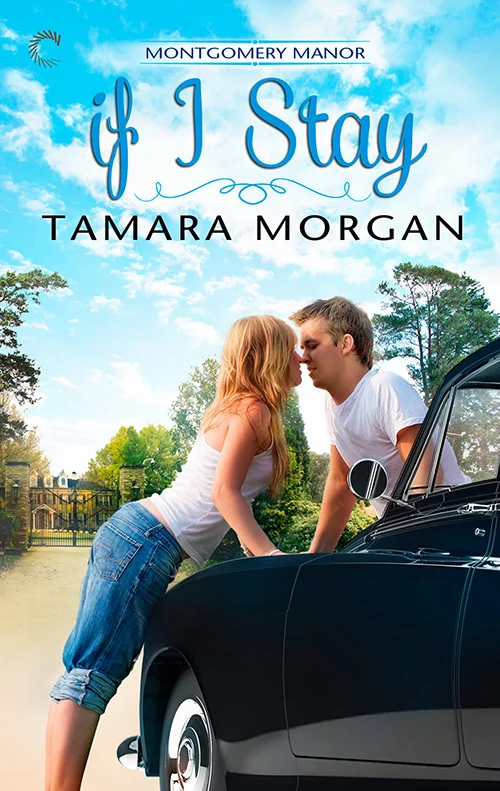
I like to think my Montgomery Manor series is unique (it’s a not-so-secret fact that all authors like to pretend we’re breaking new ground with every release), but the idea behind IF I STAY has been around for quite some time. As a culture, we’ve long been obsessed with social status and relationships that cross class lines—I figure that’s why billionaires are such a hot-ticket item right now…who doesn’t want a chance a better, wealthier life?

More than money, though, I’m fascinated by the idea of people who live and work in close proximity. It’s one thing when the classes are separated by neighborhood or city or even the kind of car they drive. It’s another when the only thing keeping the staff members away from the wealthy family they serve is a few sets of stairs. 

That’s why I love any romance that puts the upstairs cast in close proximity with the downstairs servants. Here are just a few of my favorites.

·      Downton Abbey: Obviously, no upstairs/downstairs list would be complete without mentioning the BBC series that has us all talking. My obsession with this show is what got my own series kick-started (though to be fair, I love the clothes on that show almost more than I do the storyline).

·      Sabrina: Both the original Audrey Hepburn movie and the Julia Ormond remake are fantastic. Bonus points since these movies also feature a chauffeur!

·      Longbourne: This re-telling of Pride & Prejudice from the downstairs servants’ point of view is a deeply compelling read. I loved how differently we saw Elizabeth Bennet through the eyes of the woman who had to hand-wash all her clothes.

·      Titanic: When this movie first came out, I watched it at least ten times in the theater (yes, I cried every time). Leonardo DiCaprio might not have been a servant, but there’s nothing to force proximity between the classes quite like a cruise ship.

Am I missing any big ones? I’m always on the lookout for a good servant/employer romance, so feel free to offer your suggestions!


Tamara Morgan is a contemporary romance author of humorous, heartfelt stories with flawed heroes and heroines designed to get your hackles up and make your heart melt. Her long-lived affinity for romance novels survived a B.A. degree in English Literature, after which time she discovered it was much more fun to create stories than analyze the life out of them.

Whether building Victorian dollhouses, consuming mass quantities of coffee and wine, or crying over cheesy 1950s musicals, Tamara commits to her flaws like every good heroine should. She lives in the Inland Northwest with her husband, daughter, and variety of household pets and only occasionally complains about the weather.


Ryan Lucas would rather be anywhere but Ransom Creek, Connecticut. After losing his high-adrenaline career as a Hollywood stunt driver, he's had to tuck his tail between his legs and take up employment as a chauffeur for the Montgomerys, a wealthy hotelier family.

Amy Sanders has returned home to Ransom Creek to take over her mother's former position as nanny to the Montgomerys—bringing her close to dashing Jake Montgomery once again. She grew up with a major crush on Jake, and it's not easy to leave those feelings behind, even though her friendship with the hard-edged family chauffeur, Ryan, has a sizzling undercurrent of undeniable attraction.

Amy's determined to prove to Ryan that life at Montgomery Manor isn't all bad, but each time they draw closer Jake swoops in. Amy is torn between two men—and two worlds. And Ryan is rapidly coming to learn that if he wants to make Amy his, he'll have to prove to her that life downstairs can be everything they both want.

On Malot, the Birth of Anka, and Paper Houses By Carola Perla

When I was eight years old, I came across a children’s book from 1922 titled “Nobody’s Girl”.  The author was French writer Hector Malot and the story followed the arduous foot journey of impoverished young Perrine across the Pyrennes.  She sets out from Spain in a photographer’s caravan with her mother.  Tragically, however, her mother dies on their way to Paris, where they had hoped to find long-lost family.  Suddenly left alone in the world, Perrine’s plight becomes one of incredible strength and self-reliance as she endures hunger, homelessness, and the predatory dangers of society in her search for acceptance and a new home.

Had I only read this book as an adult, I would certainly have been touched (and if anyone is so inclined, the book is available in ebook format for free on the Project Gutenberg website).  As a girl of eight, I was definitively in love.  Tales of girls traveling alone and fending for themselves fascinated me to no end at that age, and Perrine was the best of them, indomitable and lion-hearted.

Mind you, stories of girls as the hero were not nearly as common when I was young as they are today.  I did not have bold and fearless female characters like Katniss Everdeen to look up to.  Although to be honest, she might not have been my cup of tea anyway - I never connected to “Lord of the Flies”-style distopian violence.  What I did connect with were the plights of the wanderer, the separation from home, the loneliness, the elemental simplicity of it all. 

Perhaps it’s because I had spent my earliest years in rainforests and on desert-area poultry farms, where nature seeped under your skin and into your bones.  Or perhaps because as a schoolgirl I moved to Munich, a city which felt forever strange and foreign, where I was the perpetual interloper and each friendship only cursory.  Either way, throughout my childhood, I dreamed of running away from it all like a vagabond.

In fact, I planned these hypothetical flights in detail.  I deliberated how to survive without money.  How to live in a house constructed out of newspaper.  How to subsist on roadside berries and cherry trees.  Perrine had plaited espadrilles from river reeds, so I too spent hours roaming our semi-rural neighborhood, looking for bits of straw and twigs that might serve a practical purpose.  

For those of who have read “Gibbin House”, you will note that Anka engages in similar plans as a little girl in Romania.  The fantasy of flight has all the romance that real exile and displacement rarely affords.  In the end, just as Anka does, I did not run away but stayed firmly planted in the comfort of my parent’s watchful eye, warm bed, and uncontested access to cola and pretzel mix.  

I did not know then that I would soon be uprooted again, to a new country across the Atlantic, to a world in which I would not understand what anyone was saying, and where my colorful past in rainforests and arid plains would seem evermore distant and fading, even sometimes illusory, as though it was a fairytale I had only imagined.  

And eventhough I began with the coming years building a wonderful new life for myself, which has since gifted me opportunities beyond my wildest expectations, the little girl lingered in some recess of my psyche for a long time.  I was still her, a Perrine figure, a wayward child, a solitary wanderer trying to belong somewhere by erecting castles out of paper and sticks.  

It is precicely this feeling of homelessness and being lost which helped me discover my beloved protagonist Anka.  By injecting her with all my childhood fear, stubborness, intrepidness, and aspired-to strength of will, I gave life to my ultimate itinerate heroine.  And in exchange, in the process of this purge, she turned me into a grown woman who no longer identifies with Perrine, but would happily invite her into my kitchen to cook her a warm meal.


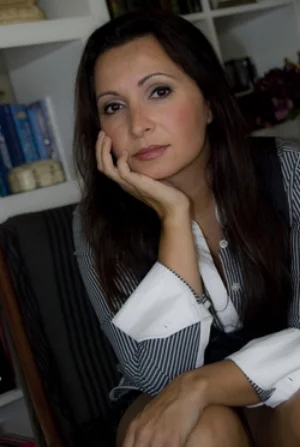
Carola Perla was born in 1977 in Timisoara, Romania, to parents of Peruvian and German-Romanian heritage. She spent her early childhood in Lima and Munich, before moving with her family to the United States. 

She holds degrees in German Literature and Art History from Florida State University. Since 2001 she has been a resident of Miami Beach, where she co-founded an international public relations firm and worked as a freelance journalist. Her recent projects include the launch of the Atelier 1022 Art Gallery in Wynwood. Gibbin House is her first novel.


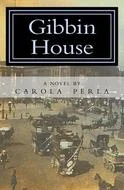
During the Second World War, a Hampstead villa named Gibbin House was a refuge for artists and intellectuals fleeing the continent. But nearly five years later, this former beacon of hope has become a prison for the four men who remain exiled there. The mysterious arrival from Vienna of Anka Pietraru - a young woman unable to voice the unbearable secret of a mother's sacrifice - will test the men's perceptions of love and loss. And as Anka unearths old grievances within Gibbin House, its residents will be forced to decide if they have the strength to begin living again or if it is simply too late.

Trying to Mesh My Fantasy With Reality by Nancy Christie

So in my fantasy life, this is how my day would be…

I would enjoy a freshly brewed cup of coffee while watching the morning news and reading the current issue of The New York Times. Next, is yoga, followed by my morning two-mile run. Then I would spend a few hours in my office, first checking my in-box (which holdsonly the past 24-hours’ worth of emails) before working on my book projects.

Twelve noon? Ah, time for a delicious leisurely lunch followed by more exercise (biking, hiking or whatever my heart desires—I have plenty of time!) then back to my office to handle client projects. When the clock chimes five, I shut down for the day, pleased to have met all my deadlines.

Have I mentioned this is a fantasy?

In reality, I get up somewhere between 5 and 5:30 AM, chug down a cup of coffee while trying to catch up the news and read the three-day-old newspaper. (It was delivered on time—I just couldn’t get to it the same day it arrived!) If I’m lucky, I might squeeze in a few sun salutations before heading out to what I still refer to as a “run” even though 90 percent of it is done at a walking pace.

Then I head into my office, turn on the computer and am immediately confronted with an inbox that now registers more than 1,000 emails. I delete the obvious spam, red flag the “I have to answer these sometime in the next 48 hours” ones, and consign the rest to the “when I get around to them” folder, which is rapidly resembling the Bermuda Triangle. (They get in but are never seen again.)

Once that’s done (or at least as done as it can be since the emails just keep on a-comin’!), I am faced with the eternal and forever-unresolved question: what to do first

Do I 

  • work on client projects (which pay the bills)?
  • handle the edits and marketing projects for my short fiction collection Traveling Left of Center (all of which have to be done within a certain timeframe to meet the publication schedule)?
  • write some new fiction (which feeds my soul but doesn’t bring in anything approaching cash)?


(Did I mention that I have also assumed additional family responsibilities that, while I am more than happy to do so, still take up a certain amount of time? And that I am adding a room onto my home, which necessitates meeting with contractors, reviewing bids and choosing everything from fixtures to furnishings?)

For the most part, I try to cover all three, some days more successfully than others. But my point is that my schedule, like just about everyone else’s I know, is stretched to the breaking point. And for creative people, the additional challenge is that so much of what we do doesn’t translate to dollars-and-cents but still needs to be done. 

  • If you’re an author, you spend a lot of time on marketing tasks that are required as part of the platform-building process. This takes time and in some cases money, for which you don’t receive any direct financial compensation.
  • If you write for magazines or companies, you spend a lot of time marketing as well: seeking new clients, connecting with editors, educating yourself about changes to the industries you specialize in as well as learning how to do a wider variety of writing projects. Again, no payment for your time but an absolute requirement if you want a steady income.

While I don’t claim to have a perfect solution to the time-crunch problem, I am willing to share some tips that work for me. 

  • Prioritize. As tempting as it may be to make everything a priority, the fact is there are levels of importance. For me, client and magazine assignments are, for obvious cash-flow reasons, at the top of the list, followed by ongoing marketing calls to make sure the work keeps coming in.

This year, given the increased personal responsibilities I have, plus the fact that Traveling Left of Center is coming out in August, I had to rethink how to spend what time I have. My decision? Concentrate on book marketing activities but put on hold any work on my novels and book for writers. 

As for my blogs—and whatever made me think I could do four blogs in the first place?—I have increased the number of interviews and guest posts so I can still provide quality content to my followers without having to write everything!

  • Organize. I am a diehard Outlook Calendar user. Everything is on Outlook: family appointments, client deadlines, my social media schedules to make sure I tweet/Facebook/Google+/LinkedIn my latest blog posts or any relevant announcements.

I also use the Calendar to track my “work writing” marketing To-Dos. It impresses the heck out of editors, clients and prospects when I call and say, “When we talked on December 12, you suggested I call back mid-February so here I am! What can I do for you?”

The latest addition to my Calendar is a recurring entry that lists blogs I’d like to comment on. Do I get to all of them? No. But at least I get to some of them, and since I also note down when I post a comment, I am more likely to “make the rounds,” so to speak.

  • Categorize. The temptation is to look at your schedule at a pie and then label the entire thing “work.” The trouble is you are facing a burnout of epic proportions if you do that. You need to balance things the best you can, and make sure that at least several times a week you do something that feeds your soul and takes care of your body. For me, that translates to the aforementioned walk (when I also do my creative brainstorming—I got the idea for this post on such a walk!) and short story writing.

You have to figure out what is that important to you and then make room for it. Even 30 minutes a few times a week is better than no minutes at all! The point is to make sure that you are living your life, not just workingthrough it.

Does it work perfectly? Of course not! Sometimes, despite your best efforts, events transpire that tear holes right through your schedule. But if you have a plan, you can always adjust it to fit the new normal that has developed.

I hope these suggestions help you deal with the never-ending, omnipresent challenge of time versus life! If you have some that work for you or ideas for how I can improve on mine, feel free to comment! 


If you would like to know more information on Nancy, you can reach her through her:
Website: www.nancychristie.com
Blogs: Finding Fran [http://www.nancychristie.com/findingfran]
The Writer’s Place [http://nancychristie.blogspot.com/]
One on One [http://www.nancychristie.com/oneonone/]

Social media links:
Facebook: http://www.facebook.com/nancychristie.writer
Google+: http://gplus.to/nancychristie
LinkedIn: http://www.linkedin.com/in/nancychristie/
Twitter: http://www.twitter.com/NChristie_OH  @NChristie_OH