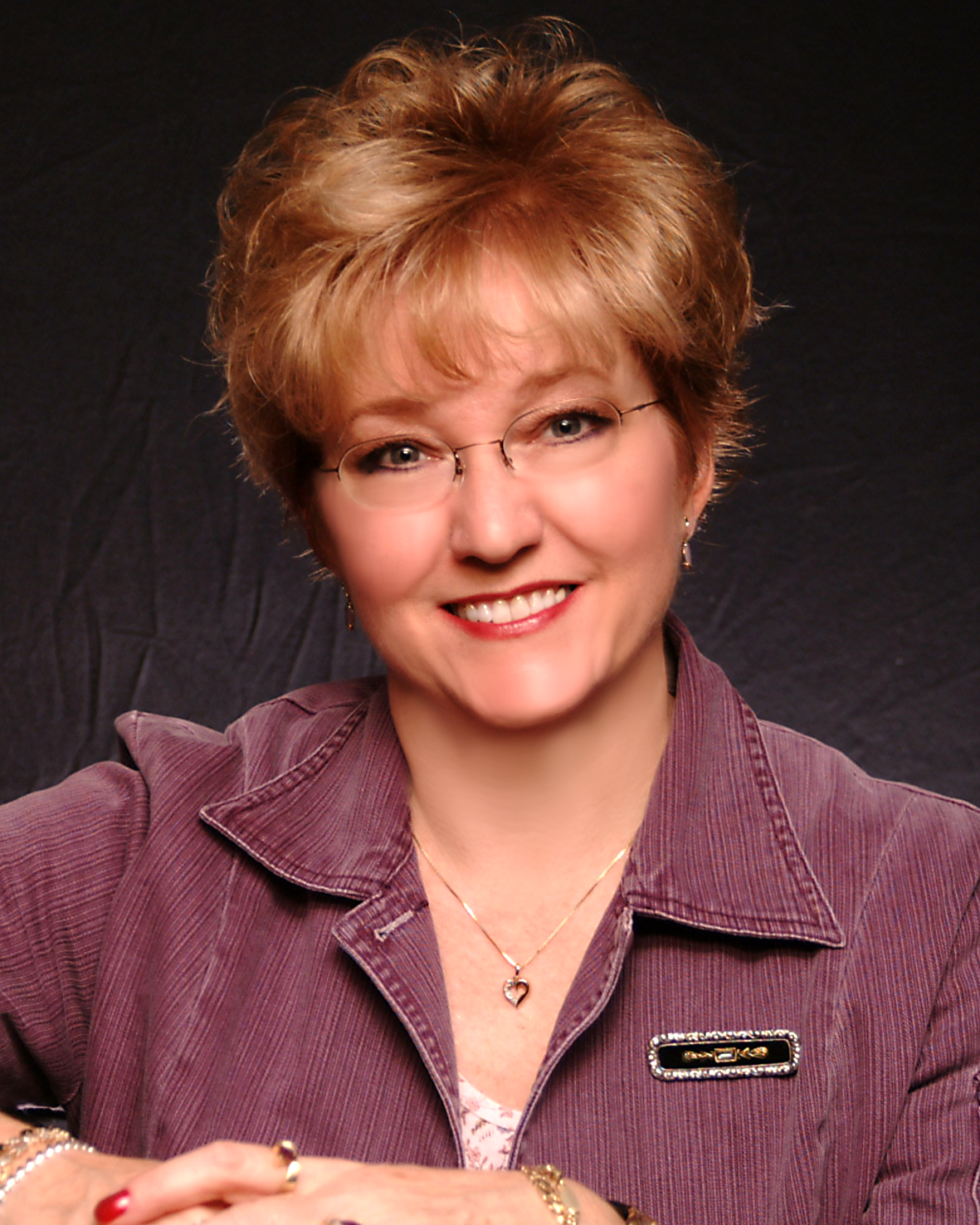
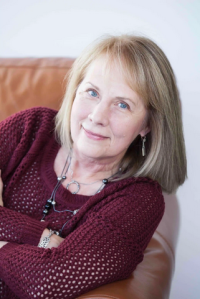
Q&A with Cheryl St. John, Want Ad Wedding

How did you first get started writing romance?

The first story I ever wrote was called The Pink Dress. I stapled the pages into a book and drew a cover. I don’t remember how old I was. Maybe eleven. Many years later, I wrote a short story, submitted it, and received a rejection from Redbook Magazine. I was fourteen and I still have the story and the rejection slip. I still remember the feeling of rejection and disappointment when I received it. My first complete novel was titled The Rebel. I’m actually too embarrassed to tell you what it was about. I was sixteen.

I wrote in notebooks for years while my children were growing up, and I started a couple of books that way. I never got serious until my youngest daughter went to first grade. I was lost without her, but instead of having another baby, going to school or getting a real job, like many women with empty nest syndrome, I decided that was the time to write the book I’d always wanted to write.

All The Tender Tomorrows. Great title, eh? Ambitious undertaking. Great characters. No plot. Passive, passive, passive writing. A totally unsellable time period. I typed it on an old manual Smith-Corona, with an “A” that struck half a line below all the other letters, and the manuscript underwent at least three or four complete rewrites.

I didn’t know it was passively written. I didn’t know it was a time period no one would buy. I thought it had a great plot—I was involved. lol I sent it to many, many publishers—most major publishers, in fact. What they should have said in their rejection letters was: “This doesn’t fit our present needs, and if it ever does, we’ll shoot ourselves.” But they didn’t.

However, I did not receive constructive rejections; I got vague form rejections. But I did learn to persevere. I wrote the whole thing from beginning to end and rewrote it as many times and as many ways as I knew how. And if one of those publishers had told me how to change it to make it better, I’d have done that, too.

Soft Summer Magic came next, a contemporary. Spoiled rich girl gets her comeuppance when her father’s Midwest bank goes broke and she has to work as a nanny for the guy who maintained her pool—and she learns he is the owner of the company. A slim bit of conflict. A lot of romance and some scenes I still remember…not terrible. Would it sell today? Perhaps rewritten. Will I? No.

Brotherly Love a.k.a. A Kindred Oath followed that. It was another contemporary. A young man’s dying brother makes him promise to take care of his widow after he’s gone. Some conflict. Some plot. Fair characters. Not redeemable. But I sent it out, too. Both of those were rejected by all the contemporary publishers.

Through All The Tears. This was an attempt at the inspirational market. (I also tried to sell articles and devotionals and all other kinds of projects in between these stories.) Dumb story. Dumb plot. Didn’t finish it. But it had some really well-written pages in it, so I was developing something. A voice perhaps.

The Birthright was a story I loved from its very conception. I fell in love with my research on this endeavor. The first draft had page after page after page of all the fascinating details I’d learned. I included nearly my whole notebook full of notes into the story.

Mind you, this was still before I ever found a writers’ organization. I was reading the outdated how-to books from the library and thinking I could do this. I worked on this story for a few years. After several rewrites—and buying a second-hand IBM Selectric typewriter, I had a good thing going. I really thought I was uptown with that electric beast. Baby, I had arrived. This book would be a best seller.

I mean this typewriter even had those nifty little eraser papers you held against the paper and re-typed over—no more globs of White Out all over the striker keys, or White Out plastered so thick on the page that it chipped off all over my desk. I did great—unless I took the page out of the carriage. It was not impossible to get it back just exactly the way I took it out so I could fix it, but there’s only so much time in a year, you know?

I submitted that manuscript to all the publishers. And they all rejected it. By that time I was the query letter queen. I knew just what to say to get editors to ask for my entire manuscript. Everyone asked to see it–no one wanted to buy it.

Around this time I found Romance Writers of America and a local chapter. And I started learning. All along I’d thought I was so prolific. I’d never had writer’s block. I just sat down at the keyboard and wrote and wrote and wrote. Words flew off my fingers onto the pages. 

Well, then I learned about passive writing and studied Dwight Swain’s Techniques of the Selling Writer, and found out about motivation/reaction and feeling/action/speech and CONFLICT! And I learned why I’d blissfully written so easily for so long. Ignorance was bliss. I was writing crap. Fixing it was a monumental task. 

At this point, since I’d learned so much and was now such an improved writer, I decided to start something new.

This Business of Love. (I’m still going to use this title someday.) Another contemporary attempt. I had joined a critique group by this time. Boy, was it hard learning how much work my writing really needed.

The historical characters wouldn’t leave me alone, so I went back to The Birthright. I rewrote it. And then I got very, very, very brave—and had it critiqued by the late Diane Wicker-Davis, an Avon author and member of our chapter at that time. A few weeks later, I got the critique; Diane went over her thoughts with me. In red ink she’d Xed out page after page and written “nothing happening” in the margins. I couldn’t look at it or go back to any writing for two solid months. But in my heart, I realized she knew what she was talking about. I was never going to have a better opportunity, so I rewrote it again, using her edits and suggestions. And I submitted it again--and had it rejected by an agent who actually gave me two pages of suggestions. I rewrote it again. And she rejected it again. I stuck it on a shelf.

My next project was Rain Shadow. By that time I was taking care of my first grandchild while my daughter worked, still raising two children at home, and working 40 plus hours a week at a “job” job. When I look back, I can’t imagine how I managed it all, but I did.I wrote every available minute. When I was writing Rain Shadow, I was working some pretty crazy hours, but whenever I wasn’t at work, I was in front of my computer. My children took turns fixing supper, and they learned to leave me alone while I was working. My husband, who’d never turned on the washer in his life, learned to do laundry. I wasn’t always happy with the results, but hey, he did it. For nearly a year, I barely attended any family gatherings. My husband took the kids and left me home, undisturbed, to work.

The first editor I sent the manuscript to was one I’d met at a conference—I spent the entire morning before the appointment in the bathroom being sick. She asked to see the complete manuscript. For months, I waited on pins and needles. Then she rejected it. Being me, I had the manuscript out to other people and places, too, and soon an agent called to tell me she loved the story and she was sure she could sell it. Harlequin bought it four months later.

Then I learned about line edits and copy edits and cover art sheets, and after the dust settled, I went to the pile and thought, “Hmmm….” I pulled out The Birthright, which I had retitled Heaven Can Wait in one of the many rewrites, and mailed it to my editor, with a letter asking what I could do to get her to buy it. A few weeks later, she called with the answer. “Cut a hundred pages.” I did. She cut more. I finally saw that book in print, and both of those stories are still available as digital books.

I’ve come a long way since stapling pages and drawing my own covers, but I still enjoy the process of creating stories.

If you could travel to a top literary destination that you’ve never been to, where would you go?

Japan (Shogun)
Australia (Australia)
Pandora (Avatar)

And I’d love to be on set anywhere while a movie was being made. Behind the scenes is my thing.

Out of all the books you’ve read, which one would you turn into a book to film adaptation, (if it has not been done before)?
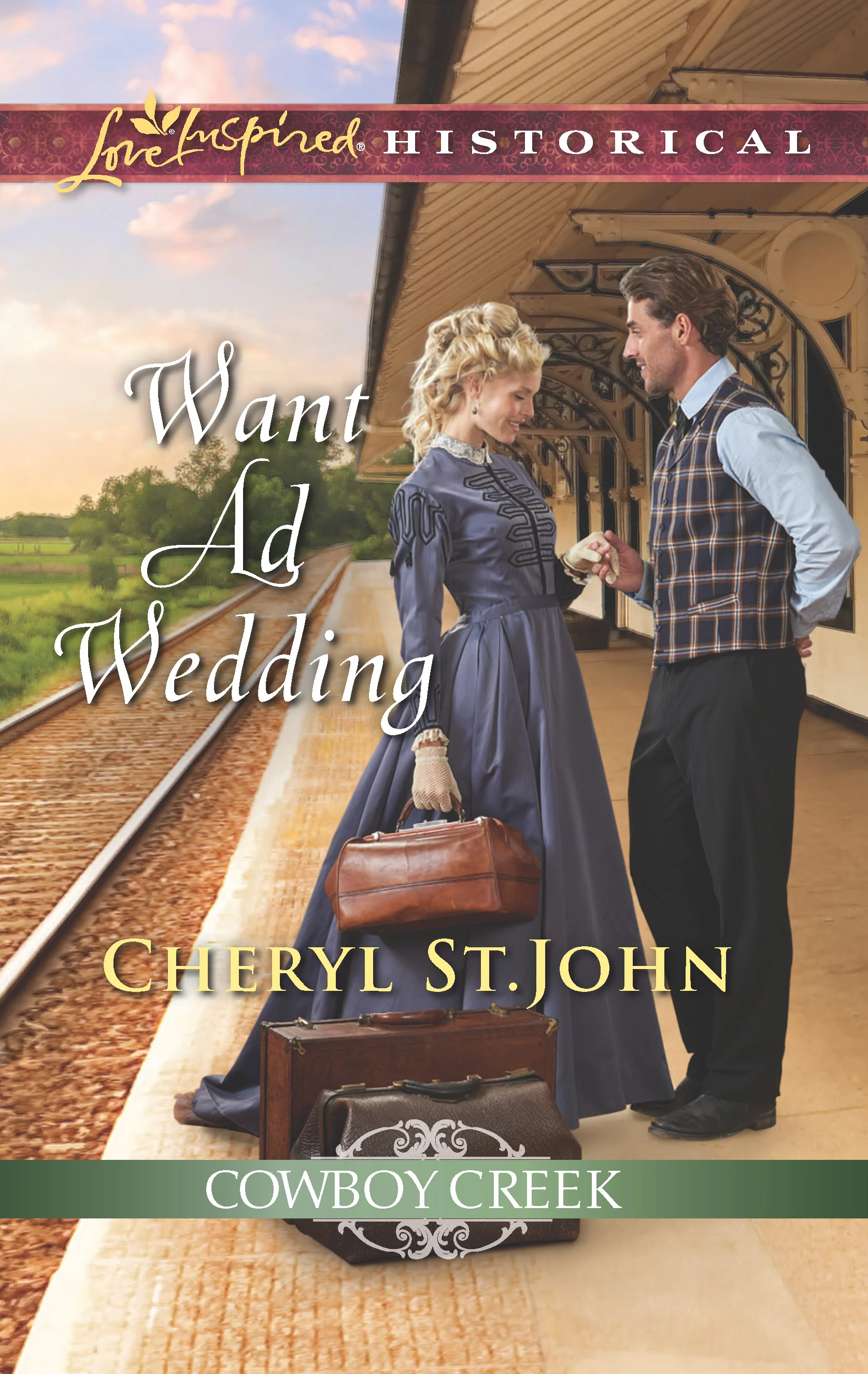
Purchase on Amazon and Barnes and Noble

Purchase on Amazon and Barnes and Noble

With this super power I would first turn all of my own books into movies. As for a book I’ve not written, I would choose Twice Loved by LaVyrle Spencer.

List five adjectives to describe yourself.

optimistic
(discouraged) perfectionist
creative
tenacious
last-minute

What’s your favorite place for inspiration?

I may be old school in this respect, because I know a lot of authors write in coffee shops or on their decks in summer, but I’ve conditioned myself over many years to sit at my desk with a cup of coffee and create stories.

I brainstorm the stories differently, however. I gather a fresh binder, colored fine-point felt-tip pens, the character grids I use for plotting conflict, name books (and the cup of coffee) and spread out on the sofa, where I write down everything I know about the story, make a list of adjectives describing each character, decide the inciting incident that launches the story, change names until I find the ones that fit perfectly. Sometimes this takes a whole day, and from there I prepare the binder and go to my desk and write the synopsis.

It’s not a place that inspires me, but rather catching the excitement of the story in my head.

What is your favorite quote by a writer who inspires you?

“One of the few things I know about writing is this: spend it all, shoot it, play it, lose it all, right away, every time. Do not hoard what seems good for a later place in the book, or for another book; give it, give it all, give it now. The impulse to save something good for a better place later is the signal to spend it now. Something more will arise for later, something better. These things fill from behind, from beneath, like well water.” - Annie Dillard

Where do you look for writing inspiration?

I love movies. Old movies, new movies, funny movies, romantic movies, suspenseful movies—okay you get the picture.  Movies inspire me. I love the dialogue and the expressions.  I study movies to learn how to make stories emotional and engaging by learning what engages my emotions. Every so often I hear someone say they don’t watch movies—or can’t stay awake through one, and I just can’t imagine it. I love movies nearly as much as I love books. And of course, romantic movies are among my favorites. I rewatch the ones I love.

What’s your favorite reading/book meme of all time? 

Children are made readers on the laps of their parents

While you were writing, did you ever feel as if you were one of the characters?

I do what I call “method writing,” where I I place myself in the character’s situation and become them. When I imagine their past history, the events that shaped their lives, it helps me know how they feel and react to situations. Sometimes when a scene isn’t working quite right, I correct myself and become the character, and most of the time, I’m either trying to make them behave out of character or I’m in the wrong viewpoint.

What advice would you give your 18 year-old self?

Use a lot of sunscreen.
Write a lot.
Learn a lot. Challenge your thinking.
Enjoy every moment of being young. Be proactive.
Write more. Try harder. Live your dream.
Be kind to yourself.

What are you working on next?

I just finished Mistletoe Reunion, a novella in the October 2016 anthology Cowboy Creek Christmas. Sherri Shackleford and I sweep readers back to 1868 Kansas and revisit the town and the characters from our trilogy with Karen Kirst. This was a fun project because Sherri and I got to write in our characters from Want Ad Wedding and Special Delivery Baby and bring new residents to town as well. Our stories happen simultaneously between late October and Christmas, so we coordinated all the details and enjoyed creating more stories set in Cowboy Creek.

About the Author

Cheryl is the author of thirty-five Harlequin and Silhouette books. Her first book, Rain Shadow was nominated for RWA's RITA® Award for Best First Book, by RT Book Reviews for Best Western Historical, and by Affaire de Coeur readers as Best American Historical Romance.

Connect with Cheryl St. John: Website | Facebook | Twitter | Blog | Pinterest | Goodreads

Where Hello Means Goodbye: Around the World with Kathleen Bittner Roth

The down side of living in Budapest is that the Hungarian language is considered the second most difficult language in the world. I do not have an ear for languages, which makes my situation even worse. Suffice it to say that I speak “Shopping Hungarian,” which means I can get by fairly well in the grocery store, and I’m good at sign language (I’m also good at picking out those who speak English to assist me). And yes, in Hungarian, hello means goodbye.

That said, from here on out, everything about the wonderful city of Budapest is up, up, up. I’ve lived here by choice for nearly six years, and I have yet to get my fill of all the things to do and see here. First of all, I’m crazy about the many thermal baths in town. The one you see in the photo here, Szechenyi Baths, is located in City Park about two blocks from where I live. Walking through the doors is like entering a palace. There are baths inside and out, and the architecture alone is more than worth the visit.

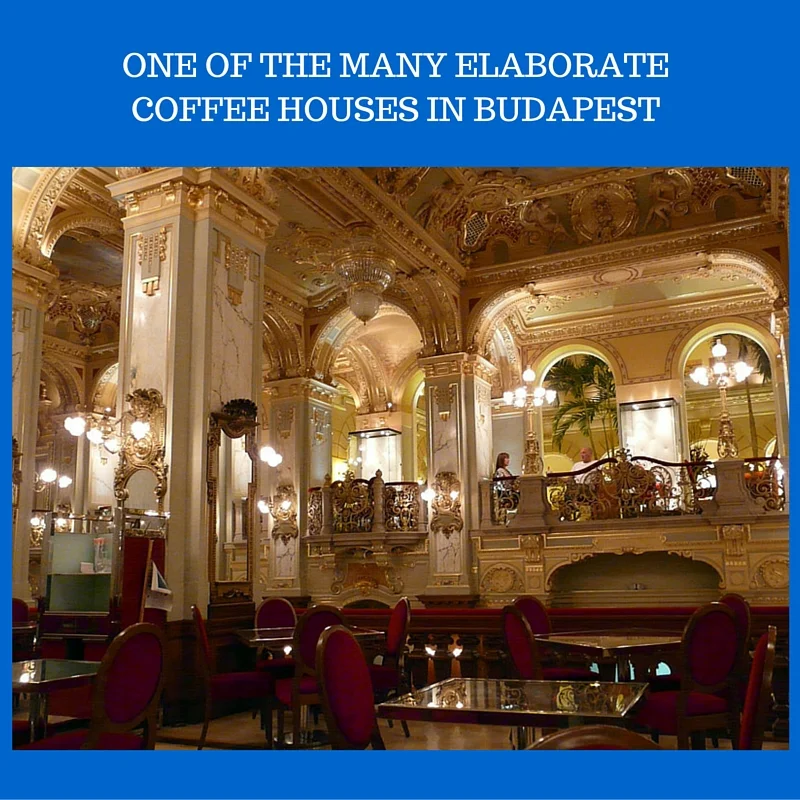
The fine architecture of the city never fails to astound me. I belong to a large group of expat women, and we all continually marvel at the stunning architecture that was mostly constructed in the 1800’s when Hungary was in its prime. The coffee houses where we meet are great examples of this dazzling display of design. We all speak English, so our gatherings are warm and filled with the sounds of good conversation. Often, our chats turn to the beauty of the city. No wonder so many films are made here—you can find so many different kinds of building designs and odd little  streets that make perfect street scenes for other countries.

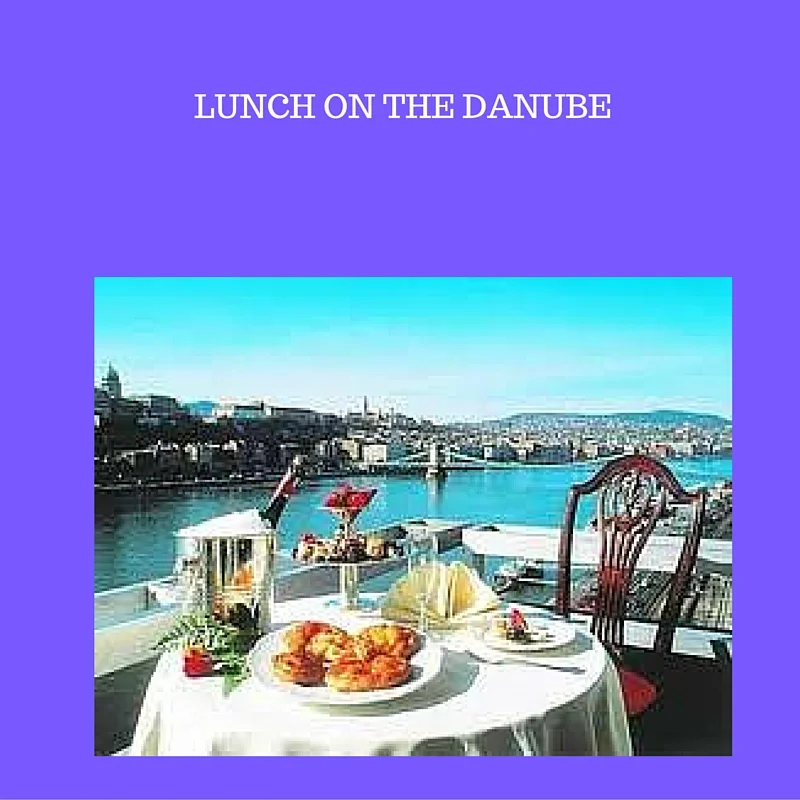
The transportation system in Budapest is one of the best in the world, offering easy access to not only all parts of the city, but the frequent trains take us to wonderful locations like the twenty-two wine districts throughout Hungary or nearby Lake Balaton, the longest lake in Europe. I can go for my morning walk and instead of turning left two blocks and wander around in City Park with its lake, thermal baths, castle and restaurants, I can choose to take a right and walk fifty meters to a trolley that will connect me to transportation all over the city. Yesterday, I took the trolley and then a tram to a restaurant along the Danube. I enjoyed a leisurely lunch with a friend while overlooking the river on a beautiful spring day. In fifteen minutes I returned home writing my next chapter.

Hungarians love, love, love their dogs, and they lovingly take them everywhere. There are more dogs per capita in Budapest than in any other country in the world, yet I have never seen a stray. I happen to have a favorite Hungarian breed—the Puli. They make me laugh when I see them running in the park because they really do look like someone is waving a mop about.

Outdoor restaurants, sidewalk cafes, and pastry shops abound. If you have a sweet tooth and want to lose weight, this may not be the city for you. Meeting for coffee in one of these lovely places is part of life here. During summers we seek the outdoor cafes; winters, we haunt the more elaborate or cozy places. There’s even a Russian Tea House I like to frequent in the winter.

And then there is the intriguing history of Hungary itself, from the Turkish invasion of centuries ago to WWII, followed by the communist era. The story of Hungary and her people is complex and fascinating, such as the tale of their beloved Empress “Sisi.”

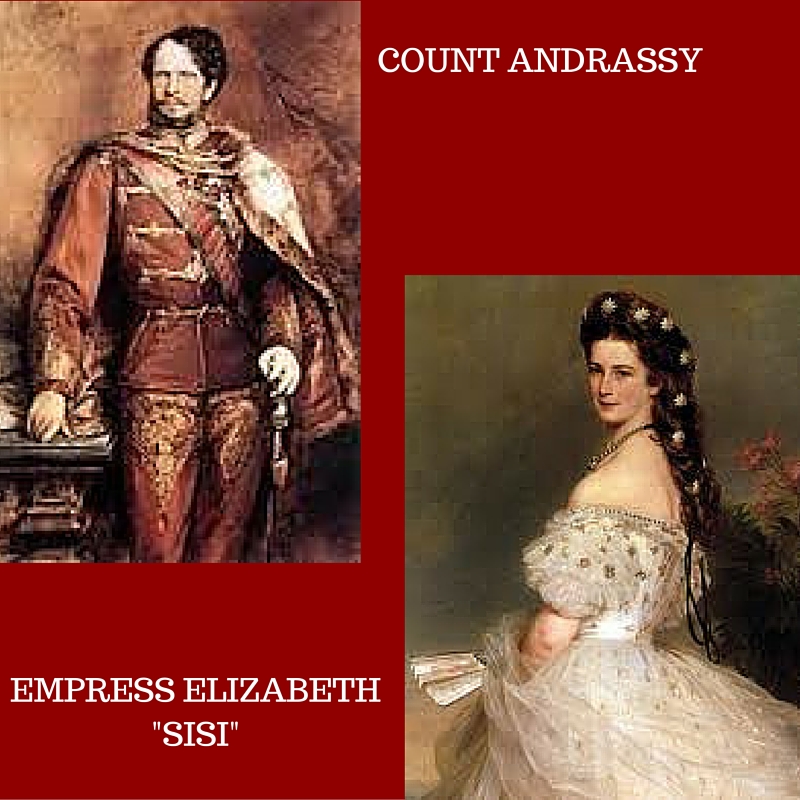
Empress “Sisi” Elizabeth and her husband Emperor Franz Joseph ruled the Austro-Hungarian Empire in the 1800’s. The twenty-four-year-old emperor was supposed to marry her sister, but when Sisi, then fifteen-years-old, accompanied her sister and mother to court to meet the emperor, Franz Joseph took one look at beautiful, vivacious, and carefree Sisi, and announced that if he couldn’t have Sisi for a wife, he would never marry. Unfortunately, his incredibly controlling and formidable mother drove a wedge between the two, tearing Sisi’s heart out when the mother-in-law took Sisi’s children away to be raised in the royal manner and, single-handedly knocking the zest for life out of Sisi.

Sisi had a summer palace constructed thirty miles outside of Budapest and came to adore the Hungarian people, the land, and the freedom from her mother-in-law’s control. In time, she fell in love with handsome Count Andrassy, then prime minister of Hungary. Some say her youngest child belonged to him. In any case, be very careful to never say anything negative about Empress Elizabeth to a Hungarian. She is revered here. The statues all over the city are proof of their love for her.

If you visit Europe, you would be doing yourself a wonderful favor by touring fabulous Budapest. You won’t be disappointed. 

About the Author

Kathleen Bittner Roth creates passionate stories featuring characters faced with difficult choices, and who are forced to draw on their strength of spirit to overcome adversity and find unending love.

Her own fairy tale wedding in a Scottish castle led her to her current residence in Budapest, Hungary, considered one of Europe’s most romantic cities. However, she still keeps one boot firmly in Texas and the other in her home state of Minnesota.

A member of Romance Writers of America, she was a 2012 Golden Heart finalist.

Connect with Kathleen: Website | Twitter | Facebook | Goodreads | Pinterest | Newsletter

About the Book

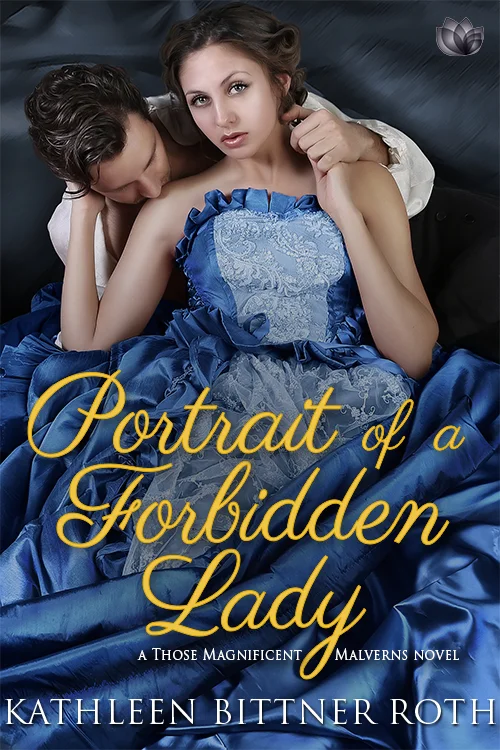
England, 1859

Lady Georgiana Cressington is living a nightmare. Coerced by her father into returning to her childhood home, the young window becomes a pawn in another of his heartless games. Her return to Summerfield Hall reunites her with the man she once loved before their hearts were shattered by a devastating betrayal.

Sir Robert Garreck, an artist knighted by the queen, lives in a mansion near the family estate Georgiana’s father won in a crooked card game. Rob sets out to regain Summerfield Hall to keep Georgiana’s son from inheriting Rob’s rightful home. However, when he and Georgiana are thrown together, he craves the forbidden lady he never stopped loving. Facing danger and a long-hidden truth, Georgiana and Rob try to claim the powerful love they once had.

Excerpt

By the time Rob reached the stables, sweat rolled off him like a hot summer rain. Mumbling another litany of curses, he relieved himself of boots and clothing and dove into the deep pool carved out of the riverbank. The icy water felt torturously rejuvenating. There he remained, floating on his back and watching the color of the sky deepen. One by one, the stars gave a twinkle and then burst to life, diamonds on black velvet. He didn’t want to think. Christ, he didn’t want to think of her.

Swathed in darkness now, with a chill that had set his bones to aching and his teeth to chattering, he exited the water. A shake of his head sent his hair flying about his shoulders like a wet dog. Using his shirt for a towel, he headed for the house—and to his best brandy.

Dressed in clean clothing and bare of foot, Rob warmed his toes before a blazing fire in the cavernous living space.

Ever so slowly, he sipped his drink while he stared at the unfinished portrait he’d begun some years ago. Only half of the woman’s hauntingly beautiful face had been completed.

Most of it remained a vague sketch. He’d dry-brushed a subtle haze over the entire canvas, giving it a mysterious appearance that mirrored the foggy image in his mind.

For the life of him, he couldn’t conjure up what Georgiana’s features might be like since sixteen years had passed. Had he captured anything of how she might appear as a woman? After all these years was his forbidden lady even real or only an illusion? He no longer knew.

And he didn’t want to know.

Creating a New World for Fiction by Lori Soard

Lori Soard.jpeg

Years ago, I got into reading some science fiction romances. As a reader, I loved how the authors would create these unique, futuristic worlds. As a writer, I was fascinated with how they did so and I devoured books on creating worlds and read articles about the techniques used. 

I am one of those people who tend to absorb information whether I need it or not and then tuck it away or sometimes forget it. That info was all tucked into the back of brain. So, when I started to get the idea for a unique little town where Cupid runs rampant, I immediately pulled up some of the info on building a world.

Daydream Your World

I spent hours daydreaming about this little town I started to call Cupid’s Crossing. What would the town feel like? When I’d drive through a small town in southern Indiana, where I live, I would study the courthouse and the homes and the buildings and try to imagine if any of those elements were similar in the town I was creating in my mind.

I imagined walking down the street in Cupid’s Crossing. What was it like? Did I know people as I passed them? Did they wave and say hello? Did I feel safe there? Where was my favorite restaurant? What was my favorite dish there?

I started to jot down notes about Cupid’s Crossing. A diner came to life called First Date Café where they served mini tartlets in a wide variety of flavors. Elements from my everyday life started to morph and change and appear in Cupid’s Crossing.

Purchase on Amazon | Barnes and Noble

Purchase on Amazon | Barnes and Noble

Map Out Your World

I knew I needed more than notes, though. I needed to be able to visualize this town, especially once I started writing. I needed to know where exactly that diner was located. What buildings were around it? Where would I park if I drove there? What business was next door? Where might my character’s house be?

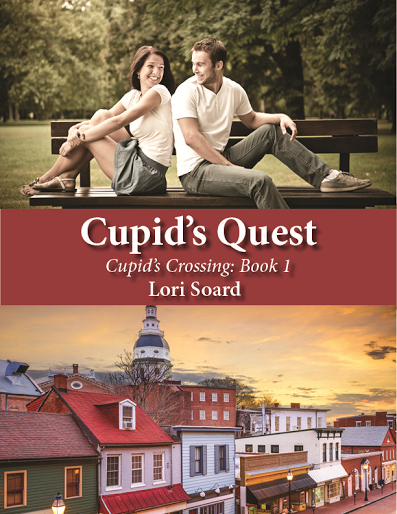
I actually used a software and created an actual map of my town, which you can view on my website or in the first book in the Cupid’s Crossing series, Cupid’s Quest. I printed this map out and kept it next to me. I did change it as I began to write my story, because some things didn’t work the way they were. But, most of it stayed the same.

Give Your World Unique Elements

The next step was to give Cupid’s Crossing those unique elements that all small, Indiana towns have. I created a statue in the park that had a legend surrounding it, a parade that happens every year at the same time, and a fountain on a tree-lined street where true love meets in the moonlight. 

Adding unique elements can make your world seem more realistic. Think about your own town and what is unique about it. I live in tiny little Henryville, Indiana, which is only known as being the birthplace of Colonel Sanders and the place where an EF4 tornado hit in 2012. Yet, there are unique things about this town. We have an annual parade, like most towns. We have a flagpole that memorializes what we went through in 2012 and how the world embraced our town and helped us. We have a beautiful state park as well. 

Every town has something unique. So, a fictional town should have unique elements as well. The better you know your town, the easier it is to figure out what those things might be.

Move Characters Into the Buildings

My next step was to begin thinking about the people filling those buildings. Who was the waitress at the diner who would wait on me? Was there a town veterinarian? Where did the old folks live and who took care of them? For me, this was the point where my first book in the Cupid’s Crossing series started to take shape. The woman who runs the nursing home spoke to my heart. I used to go visit seniors with my church when I lived in Greenfield, Indiana. I always loved it. I’ve always had a special fondness for the older generation, even the cranky ones.

For you, the story might start to take shape at a different point. You might have a character in mind and create the town/world around that character. Whichever way it happens, it is almost magical the way it all comes together. At this point, Cupid’s Crossing seems so real to me that I can easily imagine spending an afternoon there. What world can you imagine?

Lori Soard is the author of the Cupid’s Crossing series and multiple other books. She also writes articles on business topics and designs websites. She loves to hear from her readers. 

Connect with Lori: Website | Facebook | Twitter | Goodreads

Q&A with Liz Lazarus, Free of Malice

Can you share with readers a little bit about your latest book? 

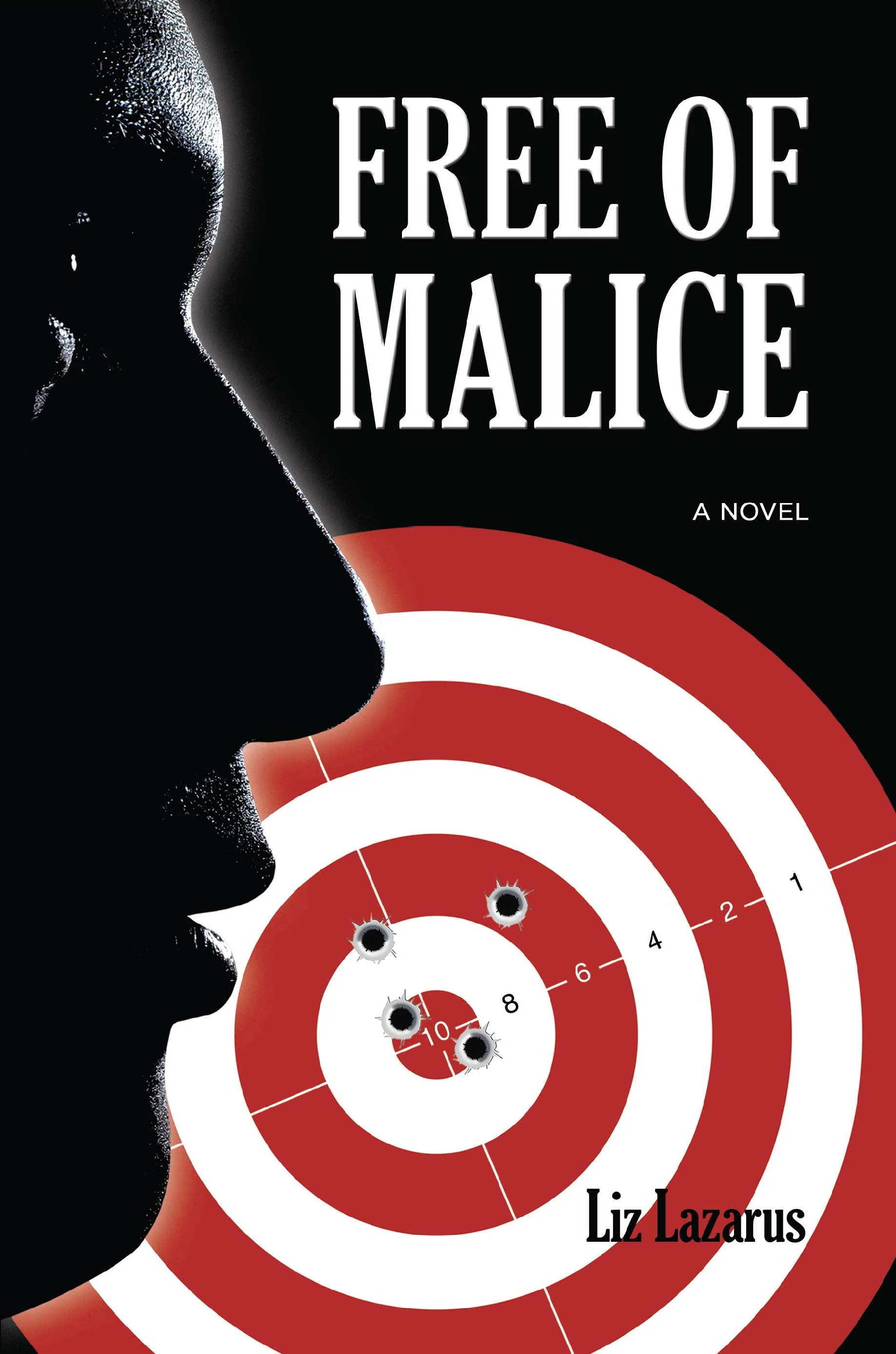
FREE OF MALICE is a psychological thriller – fiction, but loosely based on a real-life experience. Set in Atlanta, the main character Laura Holland, a rising journalist, endures a night of terror when she is attacked in her home. Although she fights off the would-be rapist, his parting words are a threat to return. Laura undergoes therapy to recover from the trauma, learning about a relatively new technique called EMDR (Eye Movement Desensitization and Reprocessing) used for PTSD patients. But just when the reader feels a sense of where this book is headed—the story of a woman healing—the plot veers in a new direction. Though Laura did not own a gun at the time, she wishes she could have shot her attacker as he fled. When she learns that her actions might not have been deemed self-defense, her journalistic instincts are kindled. Laura decides to write a hypothetical legal case, which plays out the events of that night had she shot and killed her assailant. She enlists the help of a young, black attorney, Thomas Bennett. Though Thomas proves to be clever in the rules of the criminal justice system, his striking resemblance to her attacker does not go unnoticed. As the two work together to develop the case, Laura’s discomfort escalates, particularly when Thomas seems to know more about that night than he should. Could he possibly be her assailant or is Laura being hyper-vigilant? Reality and fiction soon merge as her real life drama begins to mirror the fiction she’s trying to create.

When and why did you begin writing?

Like the main character, I was attacked by a stranger in my home in the middle of the night. In order to heal, I started to write about how I was feeling and what had changed in my life. At the time, I didn’t know about EMDR therapy to heal from trauma, so used writing as a catharsis. Also like the main character, all I had for self-defense was a can of Mace. After the attack, I said to my brother-in-law, if I had owned a gun, I would have shot the guy as he left. My brother-in-law countered that I was fortunate I didn’t—as shooting a fleeing criminal might not have been a clear case of self-defense. That idea sparked my interest in learning about the criminal justice system and inspired me to write the hypothetical case portrayed in the book. The ending, which I won’t spoil, was prompted by a question from my mother. Once you’ve finished the book, write to me at liz@lizlazarus.com and I’ll tell you more about that.

Do you work to an outline or plot sketch, or do you prefer to let a general idea guide your writing?

FREE OF MALICE takes place over 6 months, from June to December. As strange as it may sound, I didn’t write the book in order. Like most authors, I outlined the story so I had the sequence of events laid out. Then, because I’m a fairly visual person, I used a huge wall calendar to outline the six months in which the book took place, listing all the events that occurred which helped me arrange the story and also allowed me to circle back to clues I had dropped in earlier chapters. And though I don’t have a law degree and am not a trained therapist, I had the great fortune to consult with a criminal defense lawyer (Alison Frutoz) and a certified EMDR therapist (Karen McCarty) to be sure those portions of the book were accurate.  Spoiler alert – don’t read the calendar too closely on my blog—might give away some clues!

Purchase on Amazon | Barnes and Noble

How do you market your books?

We are doing traditional media outreach and also social media with FB, Twitter and Instagram. I’ve found that sharing some Advance Copies with Goodreads members has been a wonderful experience – nearly everyone has been really receptive to being an early reviewer and I’m making some great friends along the way. One really fun activity we’ve started is reaching out to the Atlanta locations in the book and asking if they want to join in the promotion. So far, we are planning activities with Red Martini bar, Davio’s, Eddie’s Attic, Sandy Springs Gun Club and Range, Fat Matts and have more to come.

What advice would you give to aspiring authors?

I postponed writing this book for many years to pursue other opportunities—I moved to Paris, got my MBA from Northwestern and got my pilot’s license. But this book kept nagging me to write it so I finally relented. I would tell other authors, if you have the calling, listen to it.

Also, at some point along the way, I said I’ll never …

  • Cut 30,000 words from my book
  • Change the tense from third to first person
  • Add a new character
  • Change the title (it was SWEET SAM, seriously, isn’t FREE OF MALICE so much better?!)
  • Let my mother read it
  • Let my fiancé read it

But I did.

If nothing else, this book has taught me to be patient and flexible . . . and it’s a better creation because of the “never-s” that I unshackled. My advice to aspiring authors is to be open and accepting of input that will make your work of art even better.

Tell us more about one of your main characters. What makes him or her unique?

Thomas Bennett, the criminal defense attorney character who consults with my protagonist, Laura Holland, is an interesting guy. Do we love him or hate him? Do we trust him or suspect him? And why is he doing pro-bono work for a journalist – what’s in it for him? At one point, Laura says, “he sounded sincere, but there was this little nagging voice inside of me—aren’t most psychopaths also charmers?” My editor, Jan Risher, may have said it best, “This book is not a traditional whodunit. The author pulled off a tough balance of having me both suspect yet somehow root for the lead male character.”

My best friend from college, Thomas Barnette (not a psychopath, by the way), was my inspiration for the lawyer character. Among other things, he is a musician and, as an added bonus, his song, Let Me Breathe from the CD which I co-produced is the theme song for my book.

You can listen to the song on my website: http://www.freeofmalice.com/music-let-me-breathe.htm


If your book was made into a movie, who would you cast? 

For Laura, the lead female, I have always thought about Jennifer Garner or Jessica Alba. For Chris, the husband, Ben Affleck or Josh Duhamel. (Alas, when I wrote the book, Jennifer & Ben were still together—it would have been so neat to have them be the lead couple.) For Barbara, the therapist, Linda Evans or Barbra Streisand. And, for Thomas, well either the real Thomas Barnette or an aspiring African American actor (say that fast 5 times!). What’s your vote?

If there was one thing you could do to change the world, what would it be?

Ensure no person was ever homeless or hungry. If I win the lottery or this book makes me millions (pause, dream a bit, back to reality), I’d focus on only that. Today, I volunteer for a charity called Second Helpings—we pick up and transport food that would otherwise be thrown away from grocery stores (expiring that day) to local food shelters. It’s my small part towards the larger goal.

Tell us something unique about you.

I can land an airplane but can’t drive a stick shift!

About the Author

Liz Lazarus is an engineer, career business woman, private pilot, and consultant - nothing that necessarily says author. But this book literally kept nagging her to write it, so she finally relented. Loosely based on personal experience and a series of ‘what if’ questions, FREE OF MALICE traces the after effects of a foiled attack; a woman healing, and grappling with the legal system to acknowledge her right to self-defense. Liz is a native Georgian, born in Valdosta and now living in Atlanta with her fiancé, Richard, and their very spoiled orange tabby named Buckwheat.

Connect with Liz: Website | Blog | Facebook | Twitter | Goodreads | Pinterest

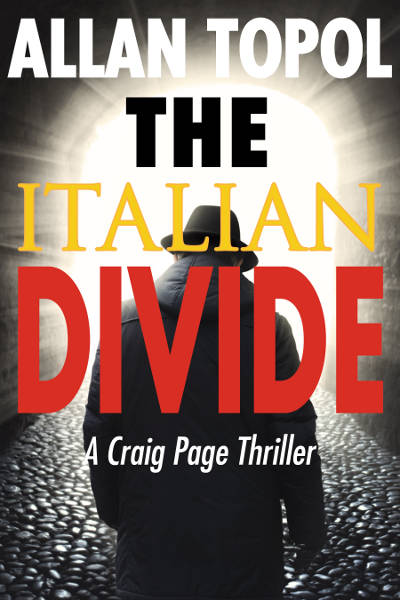
Q&A with Allan Topol, The Italian Divide

How and why did you first start working on The Italian Divide

Several years ago, my wife and I took a trip to Italy—purely vacation. I had no intention of writing a novel about Italy. However, I became enamored with this exotic country and intrigued by its politics, its regional differences, and the economic problems that it faced.  I decided then to write a novel using Italy as the backdrop.  As a result, I did extensive research in the US, both on the internet and in the library. Then I made several more trips to Italy to develop the factual background and make sure all of the site descriptions were accurate.

What was your inspiration for this story in particular? For Craig’s story and character in general?

Craig Page is my fantasy character. Living in Washington, I have gotten to know a number of people working in US intelligence agencies as well as the intelligence agencies of foreign governments. While I have worked as a lawyer and written novels, I have fantasized about being a top secret agent myself. In developing Craig Page, I had an opportunity to bring those fantasies into play and to create a character who doesn’t tolerate bureaucrats; doesn’t suffer fools; and is willing to take risks to accomplish his objectives. Craig is also someone who has a sense of fairness and justice. The Italian banker murdered at the beginning of the book was Craig’s friend and the financial benefactor for Craig’s racing. Craig is determined to find out who was responsible for this banker’s death.

Much of The Italian Divide’s plot involves international banking. What gave you the idea to combine an international spy novel with this specific topic, which many readers might not know too much about?

I happened to read in a newspaper article about Chinese investors taking over some Italian banks which were vulnerable financially. I thought this was an intriguing fact and could be worked into a novel because the Chinese are in fact attempting to gain a foothold in various parts of the world, including Western Europe. I recognized there were some risks utilizing international banking because readers might not know much about this subject. However, I thought it would be good to inform readers while keeping the banking discussion quite short and clear so that it did not confuse readers, but merely inform them.

Purchase on Amazon | Barnes and Noble

Purchase on Amazon | Barnes and Noble

Similarly, I wanted to inform and educate my readers about the political situation in Italy and specifically about the differences and conflicts between the north and the south in Italy. Those differences and conflicts are real. The country was not unified until 1861 and the differences persist.  Again, I wanted to educate and inform my readers while not taking away from the story. After all, The Italian Divide is meant to be a fast moving, entertaining suspense story, and I have been careful to avoid letting it get bogged down in factual details.

I have also been careful to make certain that The Italian Divide, while it is the fifth novel involving Craig Page and Elizabeth Crowder, is also very much a stand-alone book. The reader will not have to have read any earlier book in order to fully understand this one.

The novel takes place in a bunch of locations all over the world – Italy, China, and the USA. How many of these places have you actually visited?

I have visited all of the places in the novel. I have eaten in all of the restaurants and drank all of the wines. My objective in the book is to describe those places with sufficient detail so that the reader will feel as if he or she is there, and at the same time not have too much description that slows down the flow of the novel.

The book reads very cinematically. Do you write like that on purpose, or is that just the way it comes out?

People have always told me that my books read very cinematically, including producers and agents in Hollywood with whom I am working to try to get some of the books developed into movies or television series. I don’t write that way on purpose. It’s just my style of writing.

Are there any other genres of writing you’ve wanted to try, or are you a thriller mystery writer through and through?

While I am a thriller writer, I view myself as writing in a special niche of that genre. Specifically, I am writing a geo-political thriller which weaves in history and current affairs. As a result, my books are not the standard thriller mystery books. They all have this strong international component.  

When did you know you wanted to be a writer? How did you get into it?

I’ve always wanted to be a writer from the time I was in high school and college. I didn’t take any writing courses, but I did have a writing tutor in college. I was fortunate when I wrote my first novel to find an editor at William Morrow who liked the book and was interested in publishing it.   

What are you currently reading?

Books on history and current events involving particularly Russia, which I am planning to use for a future novel. 

Can you tell us anything about your next project?

After the commercial success of The Washington Lawyer, I decided to write a sequel to that book. However, I wanted it to be sufficiently different, so I took Kelly Cameron, a young FBI agent, who had only a cameo role in The Washington Lawyer, and made her into the protagonist of my next novel.

What’s one thing you want readers to take away from The Italian Divide?

I would like them to take away an understanding of the history, current political situation, and economic risks that confront this wonderful and exotic country of Italy.

About the Author

Allan Topol The Italian Divide is Topol’s 12th novel of international intrigue; Spy Dance and Enemy My Enemy, were national best sellers. His novels have been translated into Japanese, Portuguese and Hebrew. One was optioned and three are in development for movies. More recently, his books had focused on his Craig Page series, including The Argentine Triangle, The Russian Endgame, Spanish Revenge and China Gambit.
 
In addition to his fiction writing, Allan Topol co-authored a two-volume legal treatise titled Superfund Law and Procedure. A graduate of Yale Law School, he is a partner in a major Washington law firm, and an avid wine collector, he has traveled extensively, researching dramatic locations for his novels. He wrote a weekly column for Military.com and has published articles in numerous periodicals including the New York Times, Washington Post, and Yale Law Journal. He also has blogged for Huffington Post. For more information, visit www.allantopol.com.


Q&A with Anne Mather, A Forbidden Temptation

What’s your favorite love story? Fiction or non-fiction.

I have dozens of favourite love stories, but GREEN DARKNESS and KATHERINE by Anya Seton are high on my list.

Is anything in A Forbidden Temptation based on real life experiences or purely all imagination?

No, A FORBIDDEN TEMPTATION is not based on any real life experiences, but I can say that the Northumbrian Coast is one of the most beautiful coastlines in the UK and incidentally, I do believe in ghosts.

You get a brilliant phrase/idea/thought at an inappropriate time (while driving, drifting off to sleep/in the shower). What do you do?

I always make a note of any ideas I have, and in consequence I have a notebook full of them!

What’s your favorite line from any movie?

I love the film, DIRTY DANCING, and there are many lines from that script I could nominate, not least the most famous 'nobody puts Baby in the corner.'

If you were to create a slogan for your life, what would it be?

The only slogan for life I believe is Charles Darwin's 'IT IS NOT THE STRONGEST OF THE SPECIES THAT SURVIVES, NOR THE MOST INTELLIGENT, BUT THE ONE MOST RESPONSIVE TO CHANGE'.

If you could live anywhere on this planet, and take everything that you love with you, where would you choose to live? Tell us about your choice.

I love where I live now, and although I enjoy travelling and seeing different places, I wouldn't choose to live anywhere else.

What was your favorite scene to write in A Forbidden Temptation? Why?

I think one of my favourite scenes was when Sean was confronted by Lisa's ghost.  I really wanted Sean to meet his match.

What did you find most useful in learning to write?  What was least useful or most destructive?

I don't remember having to learn to write.  I started scribbling in exercise books as soon as I could write and my stories grew as I did.  There's nothing destructive about writing.  It's the best job in the world.

What are five words that describe your writing process? 
Time, time, discipline, discipline, satisfaction.

What are you working on now? What is your next project?
I'm in the process of writing my next book for Harlequin Presents.  I'm also working on an ebook, SILENT ECHO,  that is coming out with Kindle later this year.