How I Survived the Guilt of Losing a Baby by Alexis Marie Chute

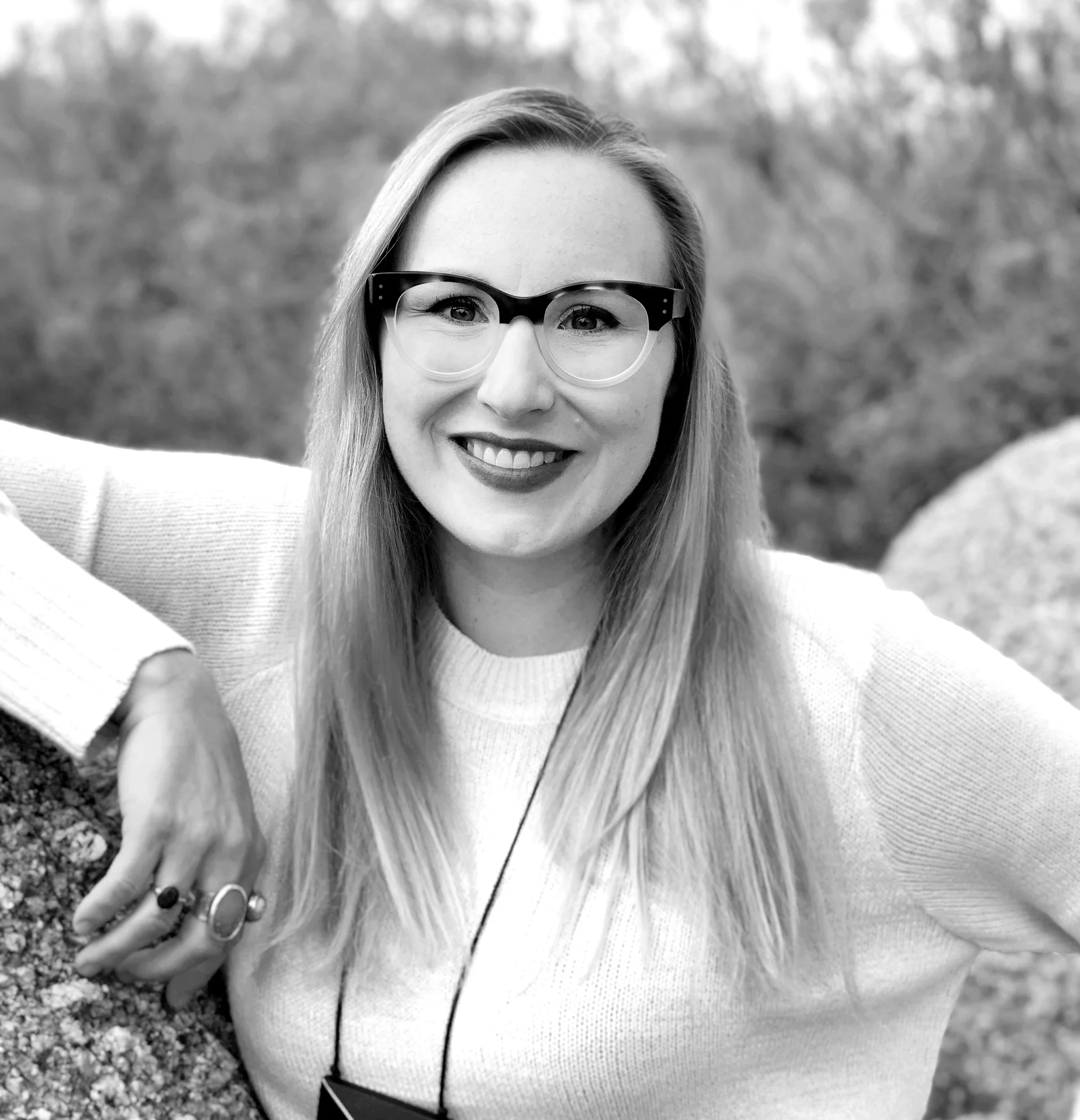
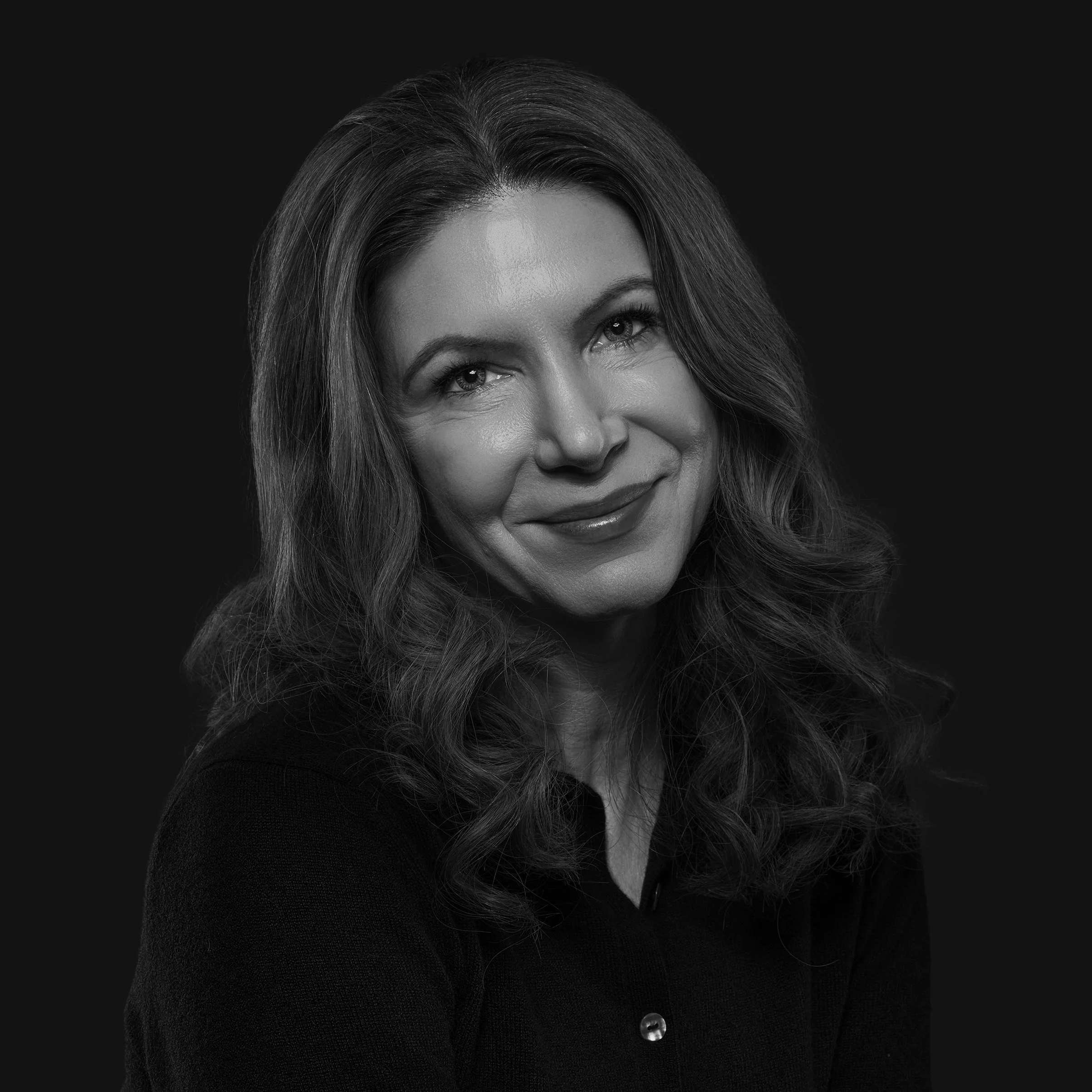
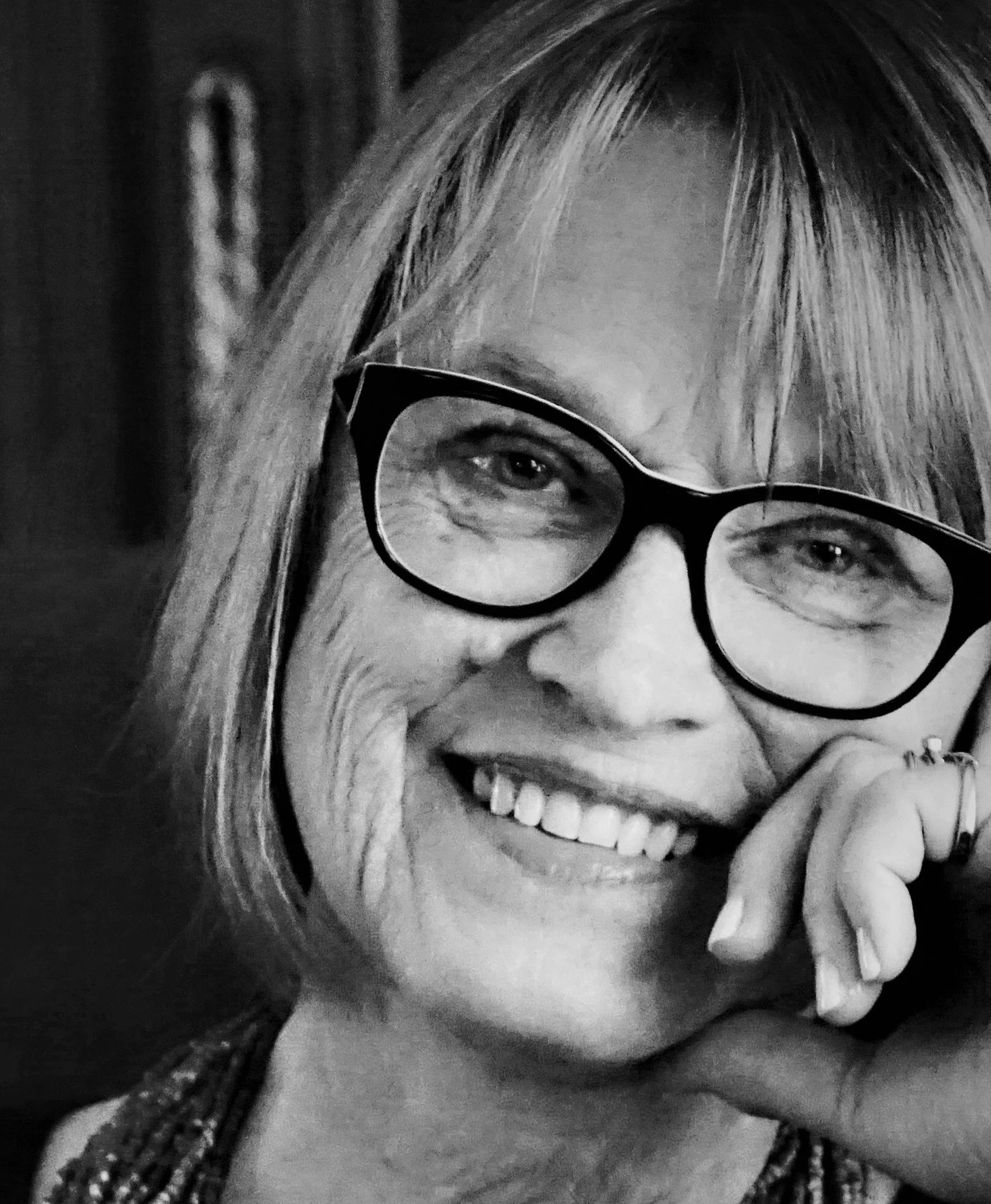
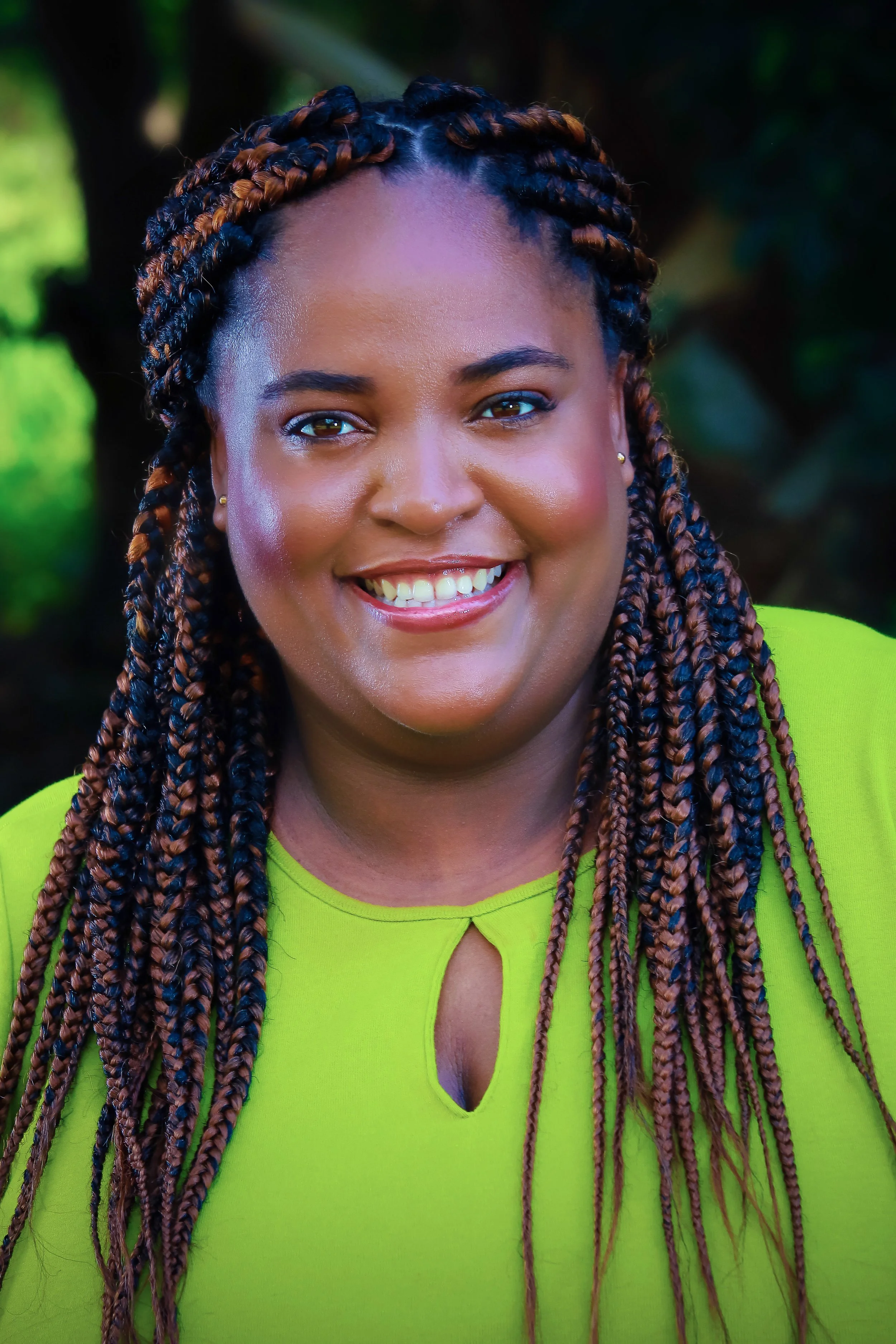
Alexis Marie Chute - high res bw2.jpg

When I gave birth to my first child, my sense of pride was all encompassing. I couldn’t stop smiling. I could hardly believe that I had made such a beautiful daughter. Every curve of her face was perfect and her seven-and-a-half-pound-frame fit just right in my arms. When my husband texted our family and friends, he wrote, “Alexis did amazing! Both mom and baby are doing great!” Our early visitors were also complementary. “Well done, Mom!” they told me. I felt like Super Woman. Strong. Invincible. The hero!

With all the wonderful affirmations mothers receive for delivering healthy children, it’s no wonder, unfortunately, that bereaved moms experience such inward-focused anguish.

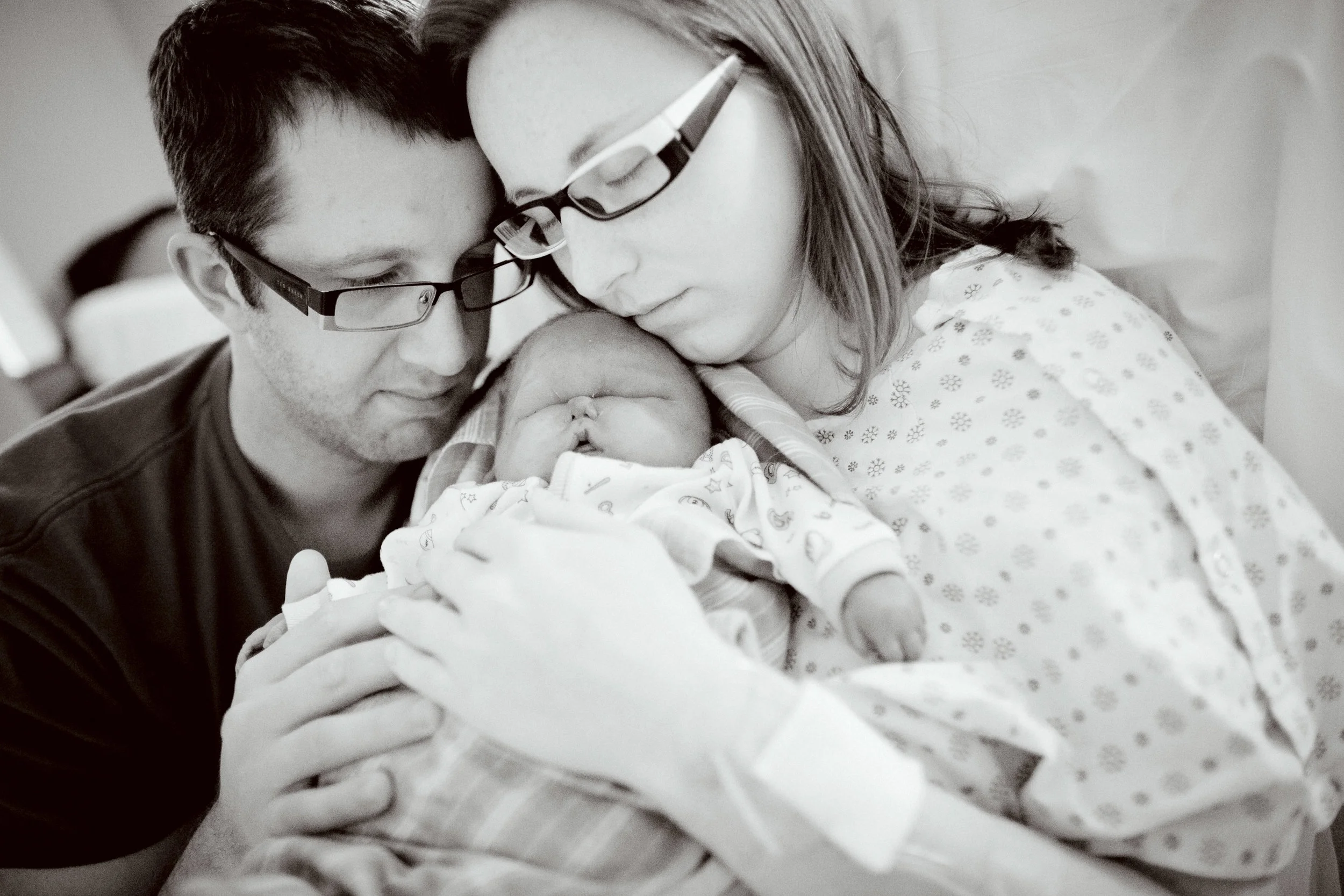
My second experience giving birth was a stark contrast to my first. My husband and I learned – at 25 weeks gestation – that our unborn child would not live beyond the womb. The complications from our son’s cardiac tumor eventually triggered labor. The delivery room was silent that day my stomach tightened with contractions as my baby, Zachary, was born at 30 weeks. He never cried as he emerged into the cool air, and only moved briefly in my arms. I knew Zachary had passed. I kissed and rocked my baby boy; I told him I loved him and held him to my heart. The commentary following Zachary’s death was supportive, but also what you’d expect from our grief-avoidant culture.

In those moments – and in the years that followed – I felt intense shame and guilt. I could not make sense of what happened. Inwardly, I beat myself up with the ‘why’ questions: Why did my body fail me? What did I do wrong? What could I have done differently?

After talking about my loss with my girlfriends, I learned that I was not alone. Many of them had experienced miscarriage, stillbirth, or early infant loss. In our own ways, we all carried the weight of our tragedies on our shoulders, even when, medically, we were not at fault.
AAZC-1122-Edit.jpg

It is human nature to crave reason. One of my family members suggested Zachary may have passed because I got pregnant with him shortly after giving birth to my daughter. One girlfriend shared with me that her father guessed her demanding work schedule caused her baby to be stillborn at 38 weeks. When Nancy Kerrigan, two-time figure skating Olympic medalist and current contestant on Dancing With The Stars, recently opened-up about her six miscarriages, I wondered: Had anyone in her life blamed her training regime for her losses? While the words of others can deeply wound, often the most scarring blame-game happens within.

As women, it is ingrained in our societal-predisposition that we are innately knowledgeable and proficient babymakers; our bodies know what to do. Therefore, when Zachary died, I felt like a complete failure. I wondered for so long: “What is wrong with me?” That question unstitched many pieces of my identity and I found myself lost as a mother, woman, and artist. At that time, I believed things happened for a reason. When my family’s nine-months of genetic testing concluded with one simple word – random – I continued to wrestle with self-doubt.

I began to lose faith in my marriage and in God. However, the more intimate loss was the faith and love I could no longer find for myself. When I got pregnant again, I struggled to picture giving birth to a child that lived. I felt like my body was a tomb, not a protective sanctuary for a baby. The fear of another silent delivery room haunted me for months.

When I worried my anxiety would hurt my next child, I tentatively tiptoed into artmaking, among other intentional healing efforts, such as therapy and meditation. After losing Zachary, I had avoided art, terrified of what grief and anguish may subconsciously appear on the canvas. That season of life I call my “Year of Distraction” in which I busied myself with everything but self-care.

Family pictures for Hannah to take to preschool Jan2016.jpg

In returning to artistic activities – painting, making wood sculpture, dancing around my living room, writing in my journal – I tapped into the right-side of my brain. In contrast to our left-logic-brain, the right thinks abstractly, solves problems creatively, experiments, invents, plays, and more easily goes with the flow. By being in that headspace, I made peace with the answerless ‘why’ questions.

Through storytelling, vulnerability, and creativity, I surrendered to the unapologetic yet beautiful mystery of life. There I found personal hope and freedom, not to mention my wayward identity.

Expressing myself through art gave me a healthy outlet for my pain, rather than storing it inside in a pressure cooker of guilt. It gave me power over how I was feeling in that moment. I did forgive myself for being unable to save Zachary, whether or not I actually needed forgiving. Slowly I began to realize that I could be my own hero, caring for and showing myself kindness and acceptance. Losing a baby was the hardest thing I have ever endured, but when I think back to my delivery room experiences – all four of them now – I appreciate the gift of each and every one.

An Unexpected Hero by Gail Z. Martin

Gail Z. Martin_267x400.jpg

Jonmarc Vahanian is the son of a blacksmith and a weaver whose world is no larger than his fishing village, until raiders destroy his home and kill the people he loves. One of the raiders curses Jonmarc with his dying breath, and as Jonmarc does his best to move forward, meeting tragedy at every turn, he starts to believe that the curse is real.

Jonmarc’s story charts an adventure that takes him across kingdoms, first as part of a traveling caravan of wonders, and then as a mercenary and smuggler. Along the way, he gains the fighting skills that will make him the best warrior of his generation, ultimately placing him in the path of destiny to be the making of kings and queens. And it all begins with a tremendously unlucky day.

Soldier. Fight slave. Smuggler. Warrior. Brigand Lord. You may have encountered Jonmarc Vahanian in the Chronicles of the Necromancer but you don’t really know him until you walk in his footsteps.
Q&A with Paullina Simons, The Tiger Catcher

PaullinaSimons_2.jpeg

Your last epic love story began with The Bronze Horseman, which you published in 2001. Why have you waited so long to go back to this type of story?

I will admit that after The Bronze Horseman I wondered whether or not I would ever write another book. I honestly thought there was nothing left in me to write about. Then I began the second book in the saga.

 And then I had another idea, and another...

 In 2014, I had an idea for a story about lost love and one man’s desperate search and an adventure to make things right, to get a second chance, to try again.

The story got bigger and bigger. I didn’t realize at first it was going to be this huge. But after about a year of writing and thinking about it, I knew. It just kept growing.

Without giving anything away it’s fair to say that The Tiger Catcher has some mystical elements. You’ve been writing for twenty-five years, why enter this realm now?

I can’t say it was an intentional move. The fact is that, for me, this story came from the same place that all my others have come. I simply had an idea. In this case, the idea was about a man who loved a woman so much he bridged time and space to find her.

The book also delves deeply into historical London, how did you do your research for that? How did you select the time periods in which to base your story?

I lived and worked in London from 1984 to 1990, so I always felt a real connection to the city. And, of course, literature makes it hard not to have a sense of the history of London. There’s Shakespeare, Dickens, the romantic poets. As a child, the worlds of David Copperfield, Oliver Twist, and Sherlock Holmes were as real to me as my own. For me, the history of London feels like the history of Western civilization AND of my life. 

As for research, living there helped. And I have been back many times since I left.

I’ll admit I was a bit jealous of my daughter’s favorite writer, Cassandra Claire, who is an American but lived in London for many months while she was working on her 19th century supernatural stories set in England. I wish I could do that. Maybe when the kids are all out of the house.

The time periods were an organic process that evolved from the story, itself. Where were Julian and Josephine in the narrative of their love affair? What stage was the progress of their souls? Where did they begin, where were they going, where did they need to be? And so each part of their story informed the next part, and the next. It was almost as if they, themselves, chose the settings for their adventures.

You’ve published at least five books in your Bronze Horseman saga (not including a memoir and a cookbook), yet you published those novels over fifteen years. The End of Forever books will all be publishing in a single year. How did that come about? Why such a different publishing approach?

The Bronze Horseman saga grew over a number of years. For me, it started back in 1996, with an image of a soldier and a young woman walking through night-time war-torn Leningrad. They were desperately in love, and they were starving. I saw them, and that image carried me for years, past writing and publishing Eleven Hoursmy third book; and past a trip to Russia, and the writing of my non-fiction memoir Six Days in LeningradFinally, in 1999, I wrote The Bronze Horseman. I thought I was done, but the story wasn’t done with me. I kept coming back to it over the years, new stories kept popping up, I kept writing, and writing. Over twenty years, a million and a half words came from that original wordless image of a soldier and his beloved.   

The End of Forever trilogy was different from any books I’d previously written because the entire story arc came to me all at once in one two-hour sitting. It wasn’t an acorn, it was an entire oak. I didn’t realize how big an oak it was until I finished the first book and saw that I had barely scratched the surface of the story, maybe planted the roots and tilled the soil. In total, I spent five years planning, writing, and then polishing these books.

But, the fact that we had all three books finished — and we didn’t have to wait a year or three for me to conclude the story — allowed my publishers to come up with this creative publishing approach. They wanted to tap into the way we as a culture consume our entertainment. We binge on it. We want it all, and we want it now. It wasn’t always the case, but it is the case today.

The Tiger Catcher is billed as the first book in a trilogy. What can readers expect from books 2 and 3, A Beggar’s Kingdom and Inexpressible Island?

The Tiger Catcher is the first step in an odyssey. The book tells the story of Julian and falling in love, and it’s the story of how we deal with loss and how far we’ll go to save the ones we love. All I can say about the next two books is that there is a lot more story to tell.

Usually your readers have to wait at least two years for a new book from you, and now they will be getting three books in a single year. Have you thought about what’s next?

Yes and no. On the one hand, it’s hard to imagine starting something new since I have been in Julian’s world for five straight years. On the other hand, I started feeling the itch for my next book a year ago, and I have another three that I’m dying to get to.

You published your first novel, Tully, twenty-five years ago. Now, twelve novels later, the End of Forever books are a departure for you in terms of storytelling and publishing. Did you make a conscious decision to shake things up in your work and career?

I would like to say yes, that it was a considered choice, but the reality is that when an idea comes, it comes. And this was the story that came; it just happened to stay longer than most of the others. And the publishing evolved from the nature of the story itself, not the other way around. I can’t say that it won’t happen like this again, but I’ve given up making plans. Much of writing stories for me is a welcome surprise.

Can readers hope for more books in the Bronze Horseman saga? Or other stories with any of your other characters?

On the one hand, I keep saying no to more books in The Bronze Horseman saga, but on the other, I’m five books into the trilogy, that was originally intended to be a single book. I actually have an idea for another Bronze Horseman story, something I’m still toying with and thinking about.

 I often think about the characters in my books and where they’ve ended up. Thus, I also have an idea for a story with Spencer O’Malley from Red Leaves and The Girl in Times Square. We’ll see.

Q&A with Victoria Helen Stone, False Step

Victoria-Helen-Stone.jpg

The main character in this novel, Veronica Bradley, has an exterior life that’s completely different from her interior life; the way others see her is not at all how she sees herself. What drew you to a character who embodies such a contrast?

I’ve always been interested in secret lives. I’m sure the roots of that started with my small-town Midwestern origins. There are all these tidy little communities where everyone knows each other and yet… life keeps happening. Divorces and affairs and quiet dreams that no one else knows about. I’ve had the same experience as a suburban mom. When my kids were young, I used to sit at the park and wonder what the other parents were thinking about. Because surely it couldn’t just be soccer.

Your novels typically feature complex female protagonists (Veronica is no exception), and you’ve been praised for telling the kind of stories about women that don’t exist elsewhere. Is this something you consciously set out to do, and if so, why?

I absolutely set out to tell stories about complicated women, because these are the women I know and love in my own life. It’s funny to me that we can treasure our sisters and our friendships with truly flawed women and want the best for them, but so often when we’re reading we want the female protagonists to be above reproach. We want them to be perfect so we can know they are worthy of happiness. But we complicated women are lovable, too. When I started writing, I desperately wanted to see women I know on the page, so I make an effort to write my own protagonists in that vein.

Central to this novel is the joy and heartbreak of motherhood. The book would be a very different one without the presence of Sydney, Veronica’s daughter. How do you think being a mother affects Veronica’s perceptions and her decisions in False Step?

Veronica feels she has an obligation to preserve her marriage for the sake of her daughter. She’s past the point of feeling she owes her husband anything, but she can’t bring herself to dismantle the life she’s build for Sydney. But of course, there are trade-offs.

This Book Is About The Transformative Potential of Running Like A Girl by Mina Samuels

Mina Samuels cropped.jpg

Have you ever been taunted that you “run like a girl”?

Well, Run Like A Girl 365 Days A Year is reclaiming that insult and transforming it into high praise. Because running like a girl is empowering. Running like a girl is an everyday experience. Running like a girl happens on the road and off. Running like a girl invites us to engage with the world. Running like a girl means challenging our bodies and minds to be stronger and happier, and accessing our ageless girl-spirit, where the clean-slate optimism of “let’s go” meets the seasoned wisdom of “I can.”

In this book, running is just a proxy for any active physical engagement you fancy, however you choose to move your body and get your heart pounding. And running is a metaphor for so much more than sports. Athletics are just one aspect of how we engage with the world as strong women. We have our work, our communities, our families, and our friends; how we are in each of those bits of the world matters. Wherever we meet the world with lightness of spirit, curiosity, strength and a desire for excellence, we are running like girls. That’s what this book is about.

My particular interest is the transformative impact of sports in women’s lives. How our physical strength fortifies our psychological and emotional strength; how we find balance; how sports nourishes our life’s purpose; and how being active feeds our ability to change how we exist in the world. Our sports are a mirror and microscope. They are where we can test our strength and determination and try out new ways of being. Sports is where we practice taking care of ourselves, making our health and vitality a priority.  

When I talk about sports, it gets personal. I have been remade by my sports (running found me in my late 20s). I have felt the way my strength has supported me on a daily basis and through big changes (moving to a different country, going from being a lawyer to becoming a writer; then, in my 40s, a playwright). At the same time, I struggle with finding the right balance between the supportive potential of my sports and the oversaturation point past which I’m worn out and get injured.

This is a book about making the tiny, often difficult, moves toward transformation; a process that doesn’t end (and that’s a good thing!). There will be growing pains (and muscle pains). And while change may happen quickly, more often it happens over time, even imperceptibly; until one day we are surprised by our own strength and courage and determination. We are in this together; you, me and all the women who answer this book’s call to be present for hard work and sweat, and for joy and indulgence.

MINA SAMUELS is a writer, playwright and performer, and in a previous incarnation, a litigation lawyer and human rights advocate. Her books include, Run Like A Girl 365 Days: A Practical, Personal, Inspirational Guide for Women Athletes (Skyhorse Press; June 2019), Run Like a Girl:  How Strong Women Make Happy Lives (for which she appeared on The Today Show); a novel, The Queen of Cups; and The Think Big Manifesto, co-authored with Michael Port.  She created and performed two award-winning solo shows, and her ensemble play, Because I Am Your Queen, had its first production at University of Illinois’ Krannert Center for the Performing Arts in March 2019. She also posts a weekly translation of one of Jean de La Fontaine’s 17thcentury French fables with contemporary commentary. When she’s not writing, she might be out on the roads or trails, running, mountain biking, cross-country skiing, doing aerial yoga, or any number of other activities that make her heart beat faster. For more about Mina, or to get in touch, visit her website at: www.minasamuels.com.

Q&A with Angela Lam, The Divorce Planner

Angela.jpg

What inspired you to write The Divorce Planner?

Shortly after my year-long divorce was finalized, I wistfully wondered if the process would have gone more smoothly if I had hired someone to navigate it for me much like brides hire a wedding planner to plan their special day. My boyfriend and his mother said there was no such thing as a divorce planner. I looked up the profession and discovered they were right. But I couldn’t stop thinking about the possibility of such a career and wondered who would be brave enough (and crazy enough) to help divorcing couples through the process. That’s when Darcy Madison came to me. Once she started telling me her story, I began to write.

Who inspired Darcy? Who inspired Victor?

Darcy is a little bit of me (the woman in a man’s body), a little bit of my husband (I never want to get married again), and a little bit like my favorite female friend (who has the same name as Darcy’s best friend), and, of course, the rest is herself.

Victor is every male Peter Pan I’ve ever met with a dash of the classic Alpha romantic hero and a whole lot of himself.

What inspired the mother-daughter dynamics between Darcy and Joyce?

Obviously, Darcy and Joyce’s relationship mirror my own relationship with my daughter following my divorce. (Shhh…don’t tell her that).

Why include the 2017 Northern California wildfires in the book?

I sold the manuscript to The Wild Rose Press in December 2017. My editor, Leanne Morgena, thought the wildfire was relevant to the setting. I rewrote extensively to include the fire and its aftermath in the book.

Is rewriting difficult?

I was in labor for 72 hours with my daughter and giving birth was much easier than rewriting anything, including The Divorce Planner. Luckily, Leanne is patient and understanding with an open heart and open mind. In spite of her talent, the rewrite took over one year for me to complete. I’m hoping to reduce that amount of time with the next book I’ve sold, Friends First. But I’m a slower learner, so we’ll see…

Any advice for aspiring authors?

I think the famous authors have said enough. I have nothing more to add. I’ve tried to quit writing but writing is the only reason why I am still alive.

What literary pilgrimages have you gone on?

During a work conference, I trekked three miles by foot to visit the Not My Brother’s Bar in Denver, Colorado, where Jack Kerouac and Neal Cassady drank. The register still shows the amount of Kerouac’s bar tab. Fabulous!

What is the first book that made you cry?

Emily Climbs by L.M. Montgomery. I identified with Emily Bryd Starr’s quest to become a professional author.

Does a big ego help or hurt authors?

It definitely helps. Most of the local authors I’ve befriended since I started writing professionally in 1985 focus exclusively on writing, because their confidence was contagious. If you dream big, believe big, and live big, you will definitely experience big results. I, on the other hand, am trying desperately to build my self-confidence so I can eventually retire and focus exclusively on writing and painting.

You paint?

My first love is drawing. You can read more about my journey as a visual artist in my memoir, Red Eggs and Good Luck.