Q&A with Liza Jonathan, Wrecking Christmas

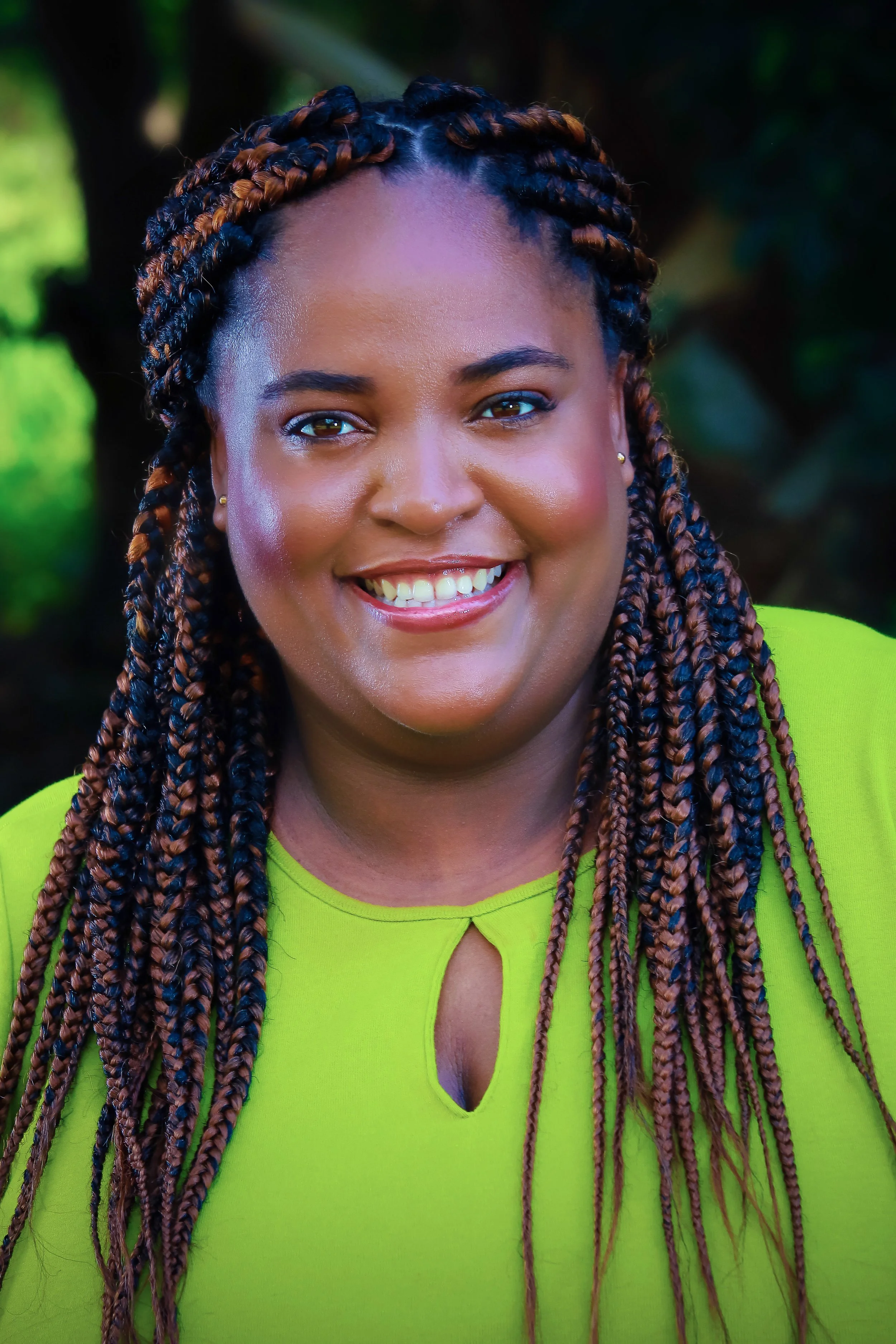
DSC_9679-Edit-2 copy.jpg

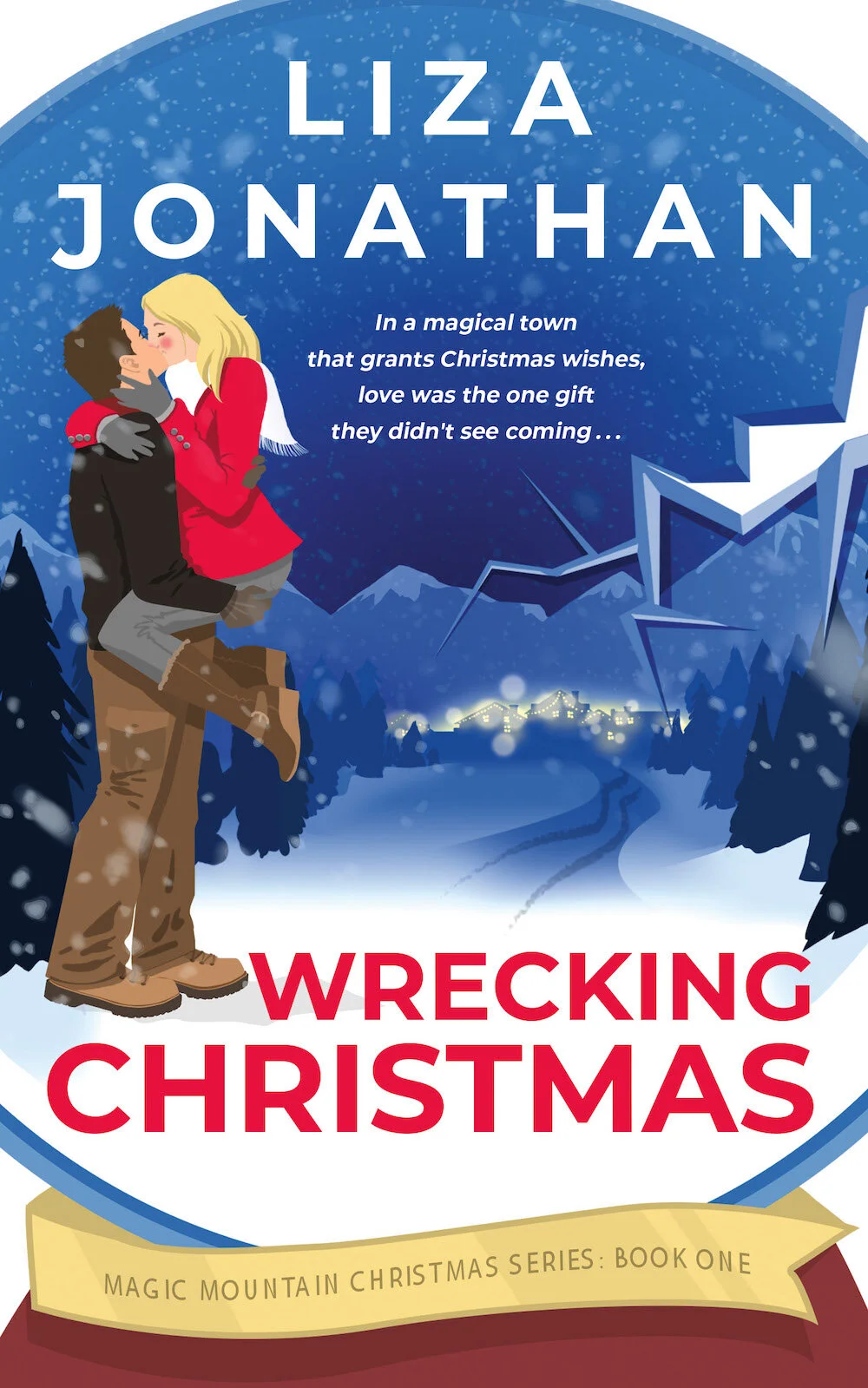
What inspired you to write a holiday romance like Wrecking Christmas?

“It all started when I was going through my RSS feed one day, and I came across a piece on the Smart Bitches, Trashy Books Blog called The Painful Fantasy of Holiday Romances. Written by Amanda, one of the bloggers there, it was a very heartfelt missive about how people with difficult family lives read holiday romances differently. For them, stories where no one has any real problems and everything can be worked out by winning the cookie bake off can be hard to take. ‘Some of us,’ she said, ‘will never have a good Christmas.’

I found I couldn’t leave the ideas she brought up alone. What would happen, I wondered, if I wrote a book for someone like her? So that was how I came up with Hunter Holliday and Kathryn Winslow. They are two people with very tragic pasts, for whom Christmas has been ruined, permanently. They have deep regrets and things they can’t forgive themselves for. And they both get thrown together, completely by chance, in a magical mountain town that grants all their Christmas wishes. Yet, even here, in this perfect place, their baggage has hitched a ride with them. And against this improbable, Hallmark- movie-on-steroids backdrop, they have to work through all their problems and come out whole on the other side, together.

This book is steamy—not sweet—with a hard won happily ever after. I hope it inspires others the way it inspired me.”

Tell us about the real locations you used in this book.

“I was very fortunate to get permission from the Greenbrier Resort to use them as a setting in this book. The Greenbrier, if you’re not familiar with it, is one of the finest resorts in the nation, built in the 1700s in grand Georgian style in the cradle of the Greenbrier Valley. It has hundreds of rooms and is truly breathtaking. For Kathryn, it serves as a kind of El Dorado or Graceland. If she can just get her family there, they just might have the perfect Christmas after all, she thinks. But nothing goes according to plan.

I’ve also placed this Christmas series in Lewisburg, West Virginia, which is a small town neighboring The Greenbrier which is every bit as vibrant as I describe it. There’s people who have been there for generations, and wealthy retirees who have moved there and bought rolling hilltop estates so they can be nearby to the resort. The Holliday family farm is exactly like dozens of farms in the area, situated on the prettiest rolling landscape you’ve ever seen. It’s  the kind of jewel people don’t realize they can find in West Virginia, and I wanted to tell that story, too.”
Any other tidbits we should know?

“I make mention in the book that Hunter Holliday is a winner of the Golden Horseshoe when he was in school.  People who grew up in the state will laugh with recognition at that. Every kid in eighth grade has to take West Virginia history, and the Golden Horseshoe test I part of that. l. I studied and studied for weeks, but I didn’t crack the code at the state level, though. So, I’ll never be a “knight” of the “golden horseshoe.” Alas. That ship has sailed.”

So we’re going to see more Christmas stories coming out of Lewisburg?

“Absolutely! I have the sequel to it already written and in development. It’s the story of Hopper Vance, who works at Holliday Hot Rods with Hunter, and Cookie, who’s Kathryn’s receptionist at her practice. Turns out, Hopper and Cookie are long lost loves separated by tragedy. And this will be a magically fueled second chance romance you won’t soon forget. It’s all about the persistence of the heart, and the journey to forgiveness. I can’t wait to introduce readers to it next year! After that, I’ve got another one sketched out from the Holliday garage. But after that, who knows? I’m sure readers will inform me what they want to see next. And I’m all ears.”
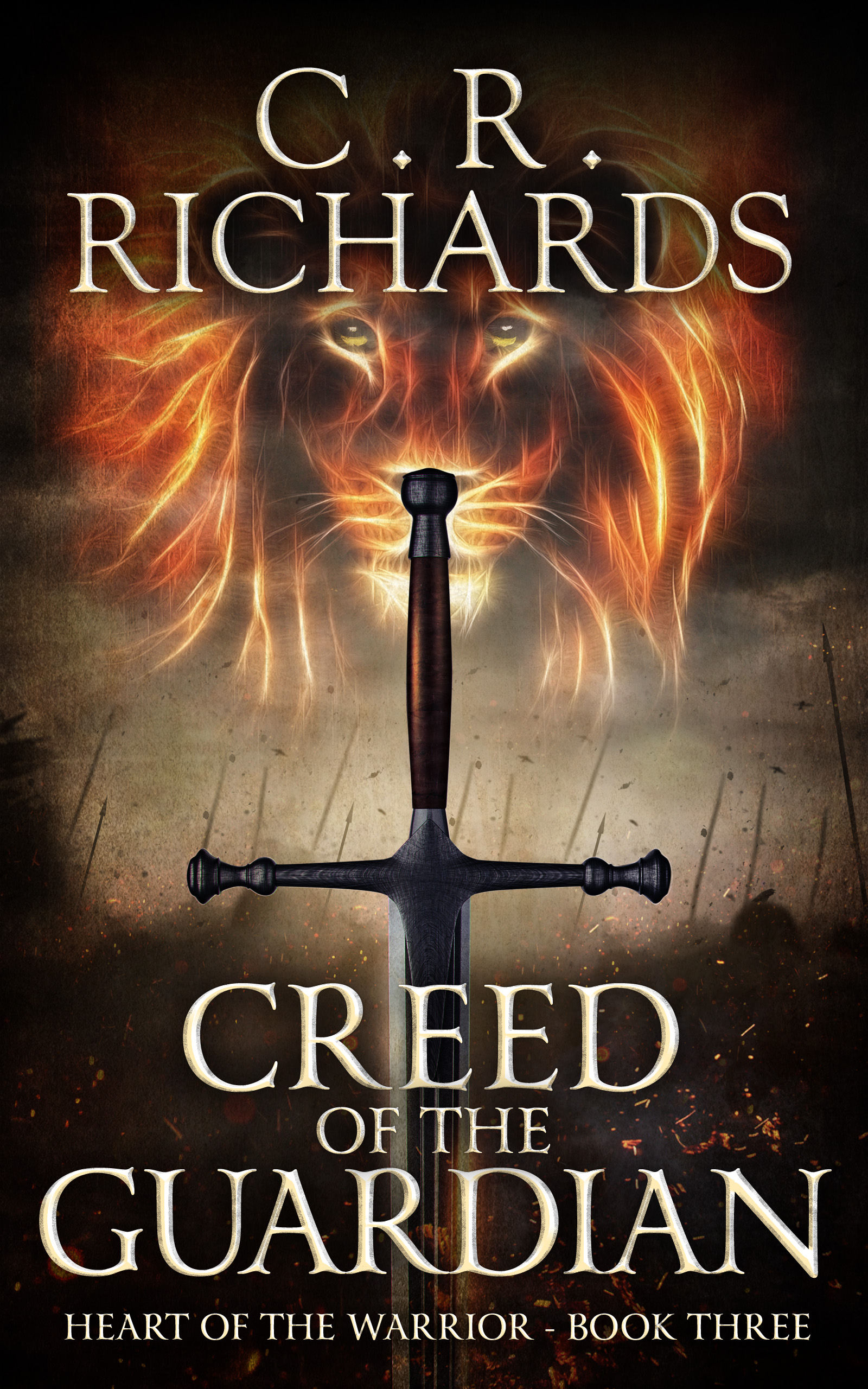
The Joys and Challenges of Writing a Long Series by C.R. Richards

Author Headshot.jpeg

I can’t think of anything better than a good book series. It has likable characters, an intriguing plot, and plenty of adventure. Throw in some good-humored banter between characters and I’m hooked. These are the books I’ll buy in bulk.

We, Readers, love book series (the longer, the better), but what about Authors? Is it easier to write a series of books than it is standalone novels? Do Authors enjoy writing about the same characters over and over again? Having written three books in my Dark Fantasy series, I can tell you the answer varies depending upon which phase of editing I’m in. Ultimately, it is love for the series that keeps me writing.

The Joys 

My characters become more “real” to me than living beings walking about in my hometown. I’ve spent so much time with them, they’ve become dear friends. The world in which they live is a familiar place to escape and renew my energy. 

In staying with the same fantasy world, I enjoy some delightful benefits:

  • I have the opportunity with each new book to delve a little deeper into the fascinating aspects of the world I’ve built

  • My readers are already familiar with the world and my characters, so I spend less time on development. I still love to have a bit of fun expanding my main character’s circle of friends and enemies

  • The Best for Last: Fans of the series enjoy the characters and ask for more stories about them

The Challenges

Every Author will tell you what a thrill it is to meet someone as excited about your work as you are. I enjoy attending conventions and meeting readers. Our chats usually move to scenes in my books. I hate to pull back the curtain, but it will be easy to stump me with questions. I don’t remember fifty percent of a book’s detail once I let it go off into the world. My creative brain has moved on to the next project. 

  • The more books in the series, the more information I have to remember. Readers pay attention to what they read. Mistakes made in specific details of a storyline may slip by the Author and Editor. An attentive reader, however, will catch it. I keep a list of characters, incidents, and cultural details to jog my memory

  • The urge to be perfect. We grow in our craft as we write. I try to improve my skill level with each new manuscript. It’s my goal to produce a better book than the last one. Unfortunately, the temptation to alter past novels is great. I resist all my perfectionist tendencies with a force of ferocious will. If I go back and update earlier books, then I will be delayed moving forward which brings me to the last bullet

  • Binge Readers. I’ll admit it. I’m also a “series” binge reader. Give me a new series that I can sink my teeth into, and I’ll read every book until I reach the last “The End.” It can be frustrating when the story isn’t complete. I want to know what happens, but the Author hasn’t completed the next volume in the series. Waiting. I hate it. BUT – quality books take time to write. In my case, I usually put out a novel every 1.5 years. I don’t want to disappoint my readers, but art takes time. I won’t release a book until it is at the highest level of quality I can achieve

Every artistic endeavor has its joys and challenges, but the creator endures because their art is always worth it. Love keeps me writing the Heart of the Warrior series. I intend to keep going until the last “The End” of the last book.

Bio:

C.R. Richards’ literary career began when she interned as a part-time columnist for a small entertainment newspaper. She wore several hats: food critic, entertainment reviewer and cranky editor. A co-author of horror and urban fantasy novels, her first solo fiction project - The Mutant Casebook Series - was published by Whiskey Creek Press in 2013. Phantom Harvest (Book One in the series) is the winner of the 2014 EPIC eBook Awards for Fantasy Fiction. Cynthia is an active member of the Horror Writers Association, EPIC and Rocky Mountain Fiction Writers. For more information about her books, visit her website: www.crrichards.com

Books and Short Fiction by C.R. Richards: Phantom Harvest (2013), Lost Man's Parish (2014), Pariah (2014), The Lords of Valdeon (2015) and The Obsidian Gates (2017)

Online Presence: 

Official Website: http://crrichards.com/

Facebook: https://www.facebook.com/authorcrrichards

Twitter: http://twitter.com/CR_Richards

Goodreads: https://www.goodreads.com/author/show/6916667.C_R_Richards

 LinkedIn: https://www.linkedin.com/in/cynthia-richards-7a270b4/ 

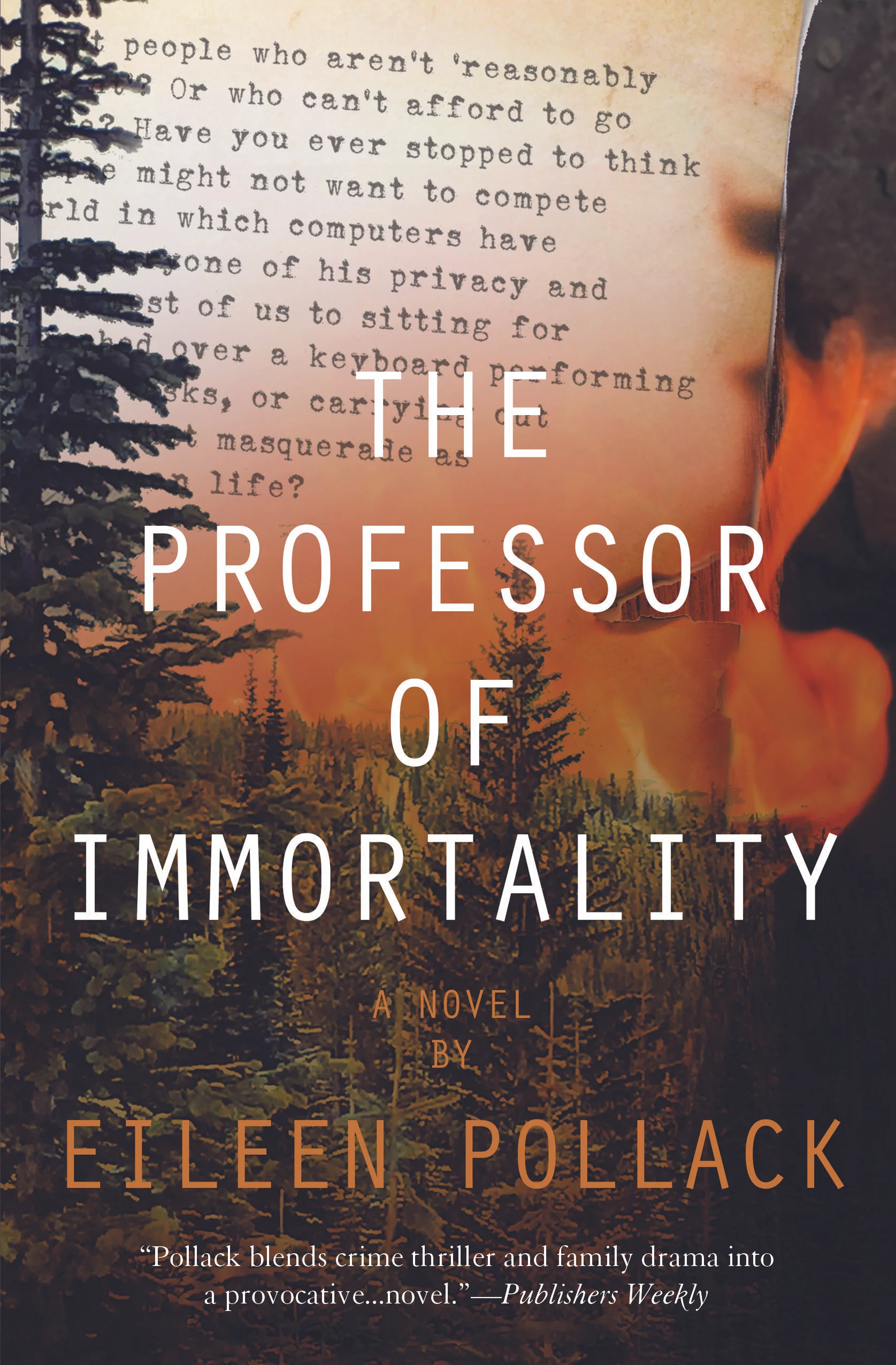
Q&A with Eileen Pollack, author of “The Professor of Immortality”

Eileenheadshot_web.jpg

What inspired you to write this book and how long did it take to write?

Not long after I arrived in Ann Arbor in 1994, the Unabomber’s manifesto was published in The New York Times. Ted Kaczynski’s brother recognized the language and ideas and, after much turmoil, turned him in to the FBI. That’s when we learned that Ted had been a graduate student in math at the University of Michigan, where I had just started teaching creative writing. One of his professors said that Ted had been his brightest student and earned the only A+ the professor had ever given. I’d had many bright but angry white male students, and I immediately began to wonder what I would have done if I had read the manifesto and recognized the language and ideas as belonging to a former student. Also, it turned out that a graduate of the MFA program in which I taught had been one of the Unabomber’s victims; that added to my interest and reassured me that I wouldn’t be tempted to sentimentalize anything about Kaczynski, even as I was trying to understand what turned him into a serial murderer. After that, the book took nearly eight years to research and write.

Did your background as a professor at the University of Michigan play a part in the inspiration for the book?

Yes, very much so. As I mentioned above, I’d always been drawn to students like Kaczynski, if only to try to help them express the truth of their lives in their assignments for my class. Reading so much of their writing over the years had given me insights into their anger and pain. I’m also interested in many of the topics Kaczynski warns about in his manifesto, especially the effects of technology on the environment and the quality of human life. I thought if I made my main character a professor who studies such questions, I could use her classes to help explore those topics in a natural way. I love my students, and I wanted to get their voices into the discussion. But I wanted the main viewpoint to come from an older woman because we so rarely hear from women when we’re thinking about technology and the future.

This novel very closely resembles the true story of the Unabomber, who was a student at the university where you taught for many years. Your character the Technobomber is not only angry at the ways in which technology is destroying the environment and ruining the quality of human existence, he also is deeply lonely and enraged by his inability to find a girlfriend. Today we might call such a young man an incel. Please talk about what you find fascinating about the Technobomber and the connections between his political anger and his sexual frustration. 

The more I read about Ted Kaczynski’s early years, the more I empathized with him. He was very, very bright and felt isolated from his peers in childhood. He was bullied. He was ostracized at Harvard for being working class and was the subject of some bizarre and sadistic experiments by a crazy psychology professor. By the time he got to Michigan, he was desperate for a woman to love, a woman who would love and hold him. But he had no idea how to connect to women, or even to other men. At one point, he was going to lie that he was transgender and convince the doctors to turn him into a woman because then he would be able to put his own arms around himself and be held by a woman. After that, he just snapped. The ideology came later, as a justification for his murderous rage at a society he felt had left him unequipped to be loved. I think that might be true for other young men who turn hateful, who channel their rage at women and minorities, who look for a larger cause, a larger “family” to belong to, even if that family is a group of white supremacists (or, for that matter, leftwing terrorists).

Your protagonist, Maxine Sayers, not only has lost her husband but also is suffering from the disappearance of her son, who, some months prior to the opening of the novel, suddenly quit his job and vanished without a word. What is the connection between Maxine’s professional life and her personal losses? Why have you given her such burdens to bear?

Most writer subjects their protagonists to a maximum of stress and conflict, not because we’re torturers but because that’s what reveals a character’s deepest passions and beliefs and fears. Maxine has always been terrified of dying. That’s why she studies immortality—the effects that extended human lifetimes might have on our culture, our way of living. But the more losses she experiences, the lonelier she becomes and the less she wants to keep on living—even for the next day, let alone for eternity. At some point, her loneliness echoes the loneliness of the student who became the Technobomber. By the end of the novel, Maxine says society ought to put more resources into studying loneliness than how to invent the next gadget.

Your protagonist directs something called the Institute for Future Studies, whose members try to predict the effects of technology on human life. Why did you choose such an unusual profession for your main character? What about the future interests you?

Everything about the future interests me! My undergraduate degree was in theoretical physics. My senior thesis was on whether we would ever contact life on other planets. I want to live forever and find out how everything turns out! When Ray Kurzweil predicted immortality was just around the corner—but out of reach for me, given that I might die a decade or two or three before we reach what Kurzweil calls “The Singularity—I could stand the frustration. (Now, I’m more accepting of the idea. I might not live forever, but I will live a lot longer than if I had been born even a hundred years ago, let alone a thousand years ago.)

Maxine’s specialty is the study of human immortality. Do you really think that human beings will someday be immortal? 

Maybe not immortal. But we will live hundreds and hundreds of years, though not necessarily in our biological birth-bodies.

Do you agree with any of the points the Unabomber raised in his manifesto? Do you think that the dangers of global warming, which threatens the fate of millions of human beings and entire species of animals, might ever warrant the sort of radical action your character the Technobomber advocates? 

My heroes are people like Greta Thunberg—and my son, who works passionately for a better society—rather than terrorists like Ted Kaczysnki. If you read the manifesto, you can’t really disagree that the dangers he is warning us about are real and will result in millions of human deaths and extinctions of other species. But I don’t think the answer is destroying everything we’ve built and returning to a subsistence agrarian life. Or terrorizing the population to make that happen. 

Q&A with Jordan Zucker, One Dish, Four Seasons

jordan in the kitchen-1227.png

Where did you grow up /live now?

I grew up in New York. Went to college in Philly. Moved to LA and have been rocking a bicoastal lifestyle (80/20 LA/NY) ever since.

When did you first realize you wanted to be a writer?

Or what first inspired you to write? Definitely not in college – I was a math major because I’d rather do a weekly problem set than weekly paper back then! I think it became a byproduct of creating my own content as an actor.

Where/When do you best like to write?

I’m not a morning person. My brain and personality don’t kick in until midday. I usually write at my desk in my office but can usually get into a zone anywhere if I push myself.

Do you have any interesting writing habits or superstitions?

An old family drinking superstition was that the last drop of the wine bottle couldn’t go to a woman or she’d be an old maid (likely rooted from the old maid card game and also likely created by a man). This has grown tiresome with multiple bartenders around the world and also my bare left ring finger so I’ve been known to abandon its absurdity in recent days.

What do you think makes a good story?

Something that is either relatable or completely novel. Something that is memorable to the audience.

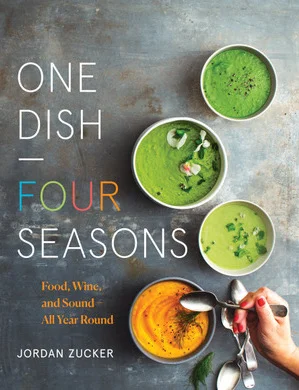
What inspired your book?

I subscribed to the old adage of “write what you know.”

What was one of the most surprising things you learned in creating your book?

How many moving parts there are to the process. I thought I could write it and print it. But the team required to make that happen is extensive.

OD4S_cover_FINAL4 (1).jpeg

What do you like to do when you are not writing?

Sports wise I ski and scuba dive. I used to be an equestrian but haven’t seen a stable in years. I go to Jazzfest every year in New Orleans. I’m going to Burning Man for the first time this year. Food. Wine. Music. Sports. I’m a social being and collect friends all over the map so I’m usually cultivating some connection or relationship along the way.

Who are some of your favorite authors?

We can start with my namesake – it’s a literary character – Jordan Baker from F. Scott Fitzgerald’s The Great Gatsby.

Do you have a bucket list?

What are some of the things on it? World ski tour (still need Alps and Andes). World Chef’s Table tour (we travel to one new restaurant for my birthday every year). Monkey tour of the world (Silverback gorillas, chimps, mandrills, orangutans). Raise a family. Sing the national anthem at a sporting event. Watch a game with Obama. Go skydiving. Learn French. Host a cooking show. Etc.

What is the one book no writer should be without?

Siddhartha by Hermann Hesse

From the Stage to the Page - Becoming a Writer of Historical Fiction by Deborah Swift

I have had several careers in my life, moving from one thing to the next as circumstances changed. In my fifties, I had a change of focus in my work life and made another switch - from teaching set and costume design to writing a novel. It is never too late to embark on something new!

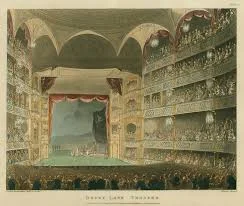
Earlier in my life I worked as a designer for theatre and TV but the work is very long hours – I can vividly remember ‘all-nighters’ where we painted the stage floor-cloth overnight, fueled by coffee and chocolate biscuits. Costume fittings were usually after rehearsals in the evenings. So once I had children, it didn’t fit with family life too well, and I was looking for an alternative with a better work/life balance. I had a transitional period where I did freelance design work and taught history of the theatre and history of design to university students. In a way in the theatre I was always working with words – dissecting a play, really getting to know it, is a good way to get under the skin of its story. And you learn a lot about how drama is driven by character and conflict, and how to condense that into action.

I have always written poems and stories for my own pleasure and eventually I took the plunge and went to study for an MA in Creative Writing. These courses sometimes get a bad press, but I was lucky; the course was brilliant, and I met some other exceptional writers. On the course I learnt the bare bones of structuring a novel, and was lucky enough to have extensive critiques of my first novel by my fellow students. I filled a few waste-paper bins whilst I was there!

17th Century Theatre.jpg

My first novel was only historical because I needed a background that suited my story, but I have always read a lot of historical fiction, and now I can see that some uncanny instinct must have led me to set my novel in the past. I like to learn something whilst I’m being entertained, and I find other eras fascinating. For me, I think the process of re-imagining history began with having to re-imagine settings for plays. So I had to do research in a similar way as I do now, to find out what people wore, and what their environment might be like. I’m used to looking at artworks and analyzing them for visual information, and studying texts. Plays are very condensed stories, which need to move quickly and be told in a couple of hours, which is good training for writing a novel. And working in the theatre you pick up an ear for dialogue that will move the action forward.

This year will see my millionth word in print after completing eleven novels, all of them historical fiction. Once I started I just became hooked and couldn’t stop! My first novel was set in the seventeenth century, an era I keep returning to because it is a time of pivotal change in English history, a time riven by war, plague, religious turmoil and political upheaval. Entertaining Mr Pepys is the third book fictionalizing one of the real-life women portrayed in Pepys’ Diary, and covers the year of 1666 when the Great Fire of London erased the old city to make way for the one we know today. It returns to my love of the theatre, and tells the story of one of the first actresses on the English stage. Returning from the page to the stage was a thrill for me, and the book was a joy to write.

‘Entertaining Mr Pepys’ is published by Accent Press in ebook, paperback & audio.

You can buy the book here

www.deborahswift.com  

Twitter @swiftstory

Follow Deborah on Bookbub for her bargain books.

Losing the History and Sticking With Romance by Anna Belfrage

unnamed.jpg

I’m going to come right out and admit it: the reason I write is because it allows me to indulge the huge romantic streak within, the one that has me sighing happily whenever true love overcomes whatever obstacles crosses its path. This doesn’t mean that I necessarily write 100% pure romances – you see, I get distracted by the historical setting, by the political scene of whatever time I am writing about. It is called context, and it is massively fun and elucidating to research and write. It is also essential when writing historical fiction as people read historical fiction to be transported back in time. Ergo, if you’re writing a love story set in the 14th century then you need not only to get the love and kisses right, you also need to do so without dressing Mr Hero in anachronistic clothes or allowing Ms Heroine to walk about with her hair uncovered and a revealing décolletage—unless Ms Heroine is a lady of the night, of course, in which case I’d suggest you dress her in yellow. 

I love history. I love well-written historical fiction. I cringe at historical novels that have people peeling potatoes in 11th century Ireland or lounging on a sofa in the 13th. That beautifully written historical romance, with the beautifully depicted protagonists, loses some of its glow if the context is incorrect. I suppose that may just be me, but incorrect historical facts yank me out of the story so fast I end up gasping like a landed trout. Not a pleasant experience…

So far, I have mostly stuck with combining my romantic streak with my passion for history. Yes, I’ve added a titillating angle in my first series, The Graham Saga, by making one of the protagonists a most reluctant time traveler. Well, she is until she meets Matthew Graham, the man destined to be her other half no matter that they were born three centuries apart.  

However: while writing books set in the 17th century, books set in the 14th century, polishing a Work in Progress set in the 13th century, I have all the time been working on a different project. One where romance and suspense takes over from romance and history. All told, I’ve invested twelve years in this particular story, so obviously I must feel it is very good—or important (to me).

It all began with lions. Yes, yes, I can hear you going “Qué?” 

It did. It began with these vague images of a young girl with the most amazing set of blonde curls running barefoot somewhere very hot. Red dust rose in her wake, the shapeless linen garment billowed around her as she ran and ran, accompanied by three half-grown lionesses. Very strange. Even stranger was that when I saw that same girl as an adult, that head of curls was tamed in a short edgy haircut, her toned legs encased in black jeans. Plus she was in London and to judge from her attire and the laptop she was carrying, she was a busy something in a financial environment. 

Obviously, I had something of a dilemma on my hands. How was I to marry those images of the running child in old-fashioned clothes with this high-flying professional? How to create a plausible context in which lions ran with the girl without snacking on her?
“Plausible context?” Helle Madsen looks at me over her laptop and grins. “Good luck with that one.”
I actually think I have found a good backstory. Helle can’t express an opinion. You see, she doesn’t remember. Nope, she has no memories of her first and very distant life in which her only friends were those three lions—until the day Jason made his first appearance in her life.
“Ah, yes.” Jason smiles, those copper-coloured eyes of his lighting up. “She was for once silent and neat—not as much as a smudge on her garments, not a single wayward curl escaping her heavy braid—standing some feet behind her father. Such a pretty little girl. Such a lonely little girl.”
“I was?” Helle asked, sounding intrigued. “And how would you know?”
Jason just smiles and winks at me. You see, Jason does remember—all of it. And I can tell you that while he is more than happy at having found his Helle again after spending fifty lives or so looking for her, he sincerely hopes his presence won’t nudge all her dormant memories to live. After all, there’s a reason he’s been tumbling through time desperately searching for her and hoping to make amends…

Things are further spiced up by my third reincarnated character, gorgeous but dangerous Sam Woolf. Jason would tell you everything that happened in that first life was Woolf’s fault. So would Helle—if she remembered. So would Woolf. Thing is, he doesn’t care: he set out to destroy them last time round and hopes to finalise that particular task this time round.

So, peeps, how does that sound? Whatever your opinion, I think we can all agree on the fact that this does not qualify as historical fiction, and this in itself leaves me somewhat out of breath. I like staying in my comfort zone. I enjoy the structure recreating a historical setting gives to my stories. Building a framework in a contemporary setting is vastly different from when you’re writing a historical, but one thing does not change: no matter what time you’re writing about, it is the characters who carry the story. Will Jason and Helle be able to carry their story all the way through? Well, IMO they most certainly do. I hope my readers will think so as well! 

About Anna

Had Anna Belfrage been allowed to choose, she’d have become a professional time-traveller. As such a profession does not exist, she became a financial professional with two absorbing interests, namely history and writing. 

Anna has authored the award-winning series The King’s Greatest Enemy, a series set in the 1320s featuring Adam de Guirande, his wife Kit, and their adventures and misfortunes in connection with Roger Mortimer’s rise to power.

When Anna is not stuck in the 14th century, she's probably visiting in the 17th century, specifically with Alex(andra) and Matthew Graham, the protagonists of the acclaimed The Graham Saga. This is the story of two people who should never have met – not when she was born three centuries after him.

At present, Anna is working on the third instalment of the series featuring Jason and Helle – a mixture of time-slip, suspense and burning passion. A lot of burning passion…

Anna’s books have won multiple awards among which feature numerous Historical Novel Society’s Editor’ Choice, various medals with Readers’ Favorite and an IPPY Award. She has also contributed to several short-story collections.

Find out more about Anna on her website, Amazon, on FB or follow her on Twitter. Or pop by her blog and submerge yourself in historical posts about everything from golden camels to abducted nuns.