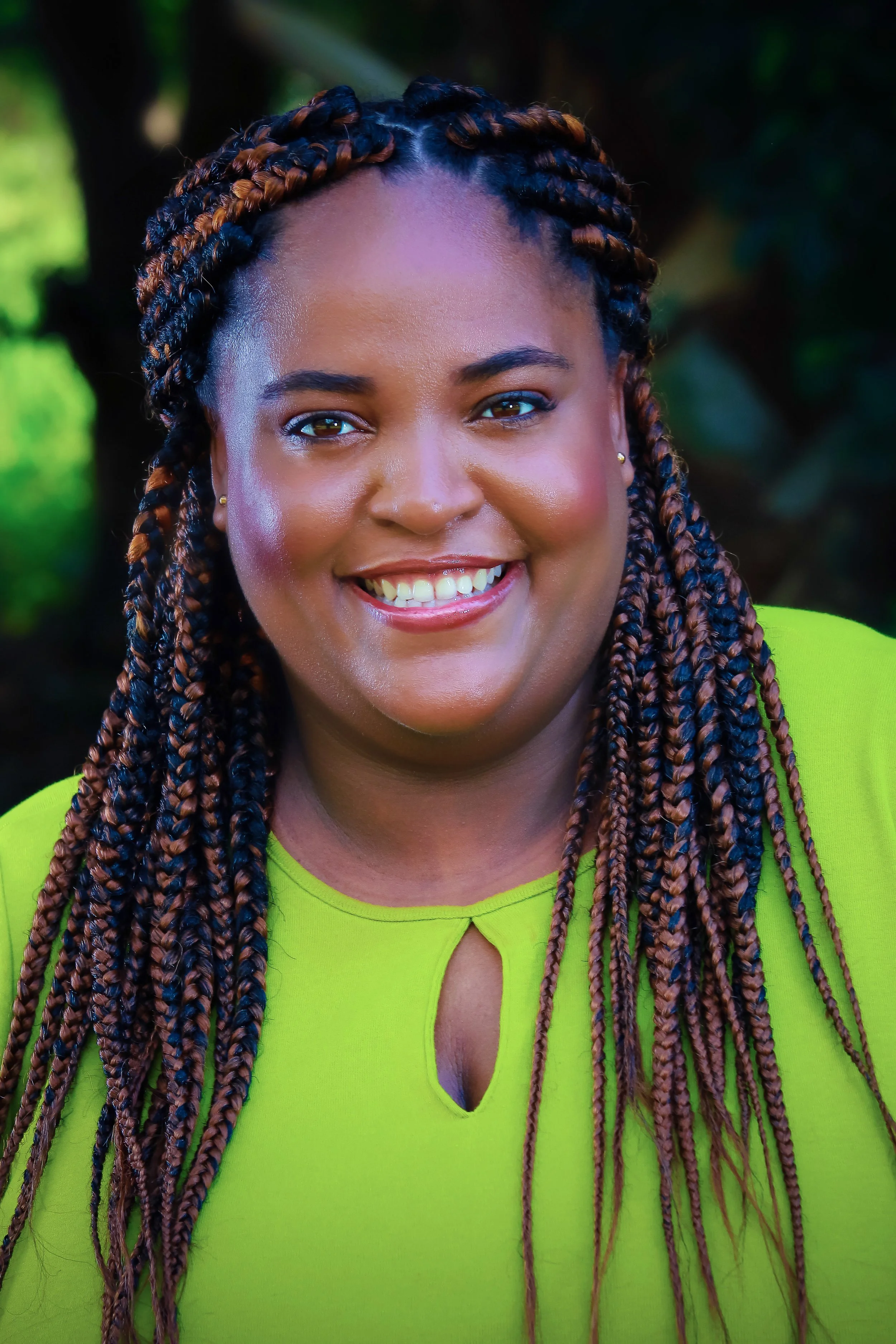
Sara’s Music List for Woodhouse Hall

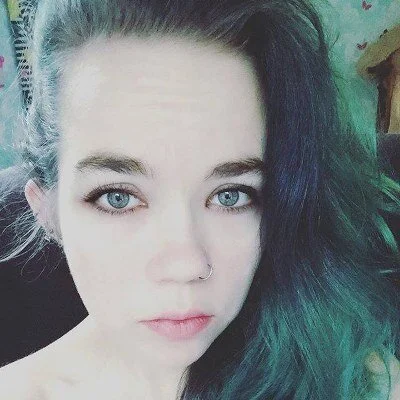
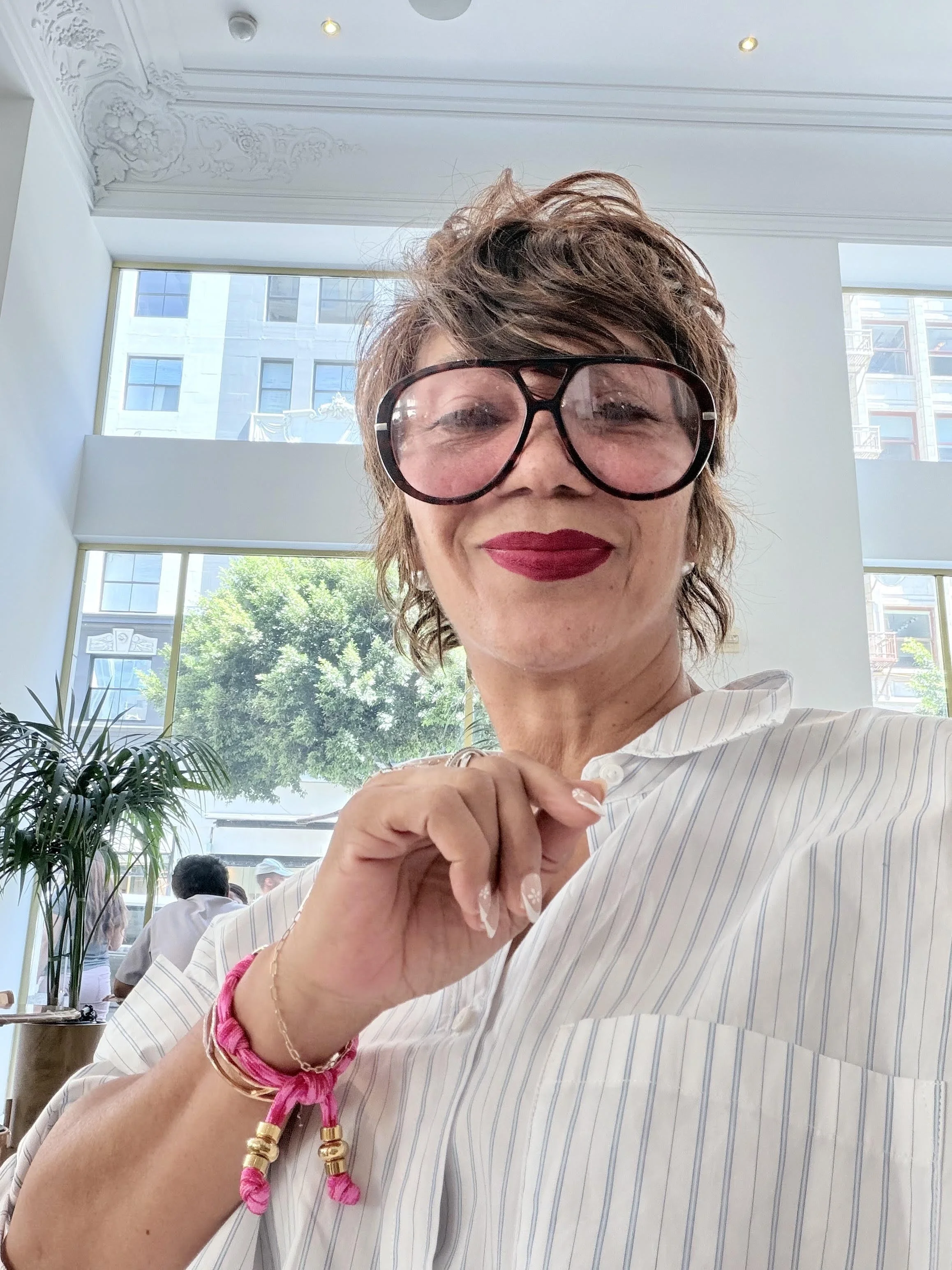
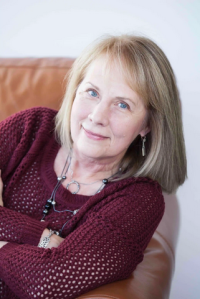
Sara.jpg

When I write books in the 21st Century Austen series, I like to listen to mostly women. I do add in men but mostly for songs that will be a bit faster paced. I have a Pandora station that rotates my favorite musicians, but I also keep my favorite songs on a small iPod shuffle to listen to when I need to work through scenes. I listen to the music while I run through the scenes in my head, trying to see multiple ways it could work out basic on different sets of details. Here’s the main list of songs that helped me write Woodhouse Hall.

Lenka

  • The Show

  • Everything At Once

A Fine Frenzy

  • What I Wouldn’t Do

  • Electric Twist

  • Blow Away

  • Whisper

Jem

  • They

Regina Spektor

  • Fidelity 

Ingrid Michaelson

  • Far Away

  • Giving Up

  • Keep Breathing

  • Everybody

  • The Chain

  • Breakable

Kate Nash

  • Pumpkin Soup

  • Foundations

  • Merry Happy

Jimmy Eat World

  • Bleed American

  • A Praise Chorus

  • Sweetness

  • Just Tonight

  • Pain

  • Work

Ariana Grande

  • Problem

  • Break Free

  • The Way

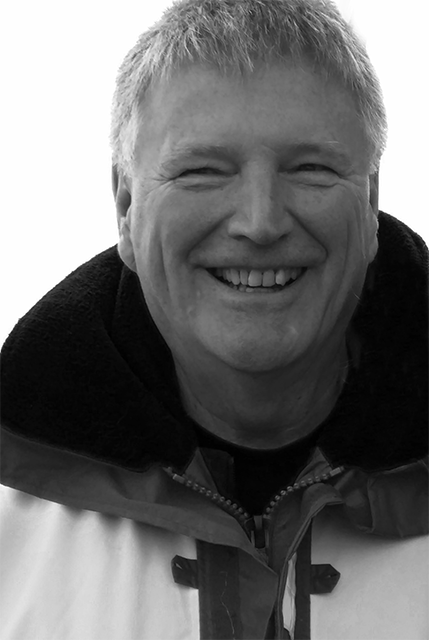
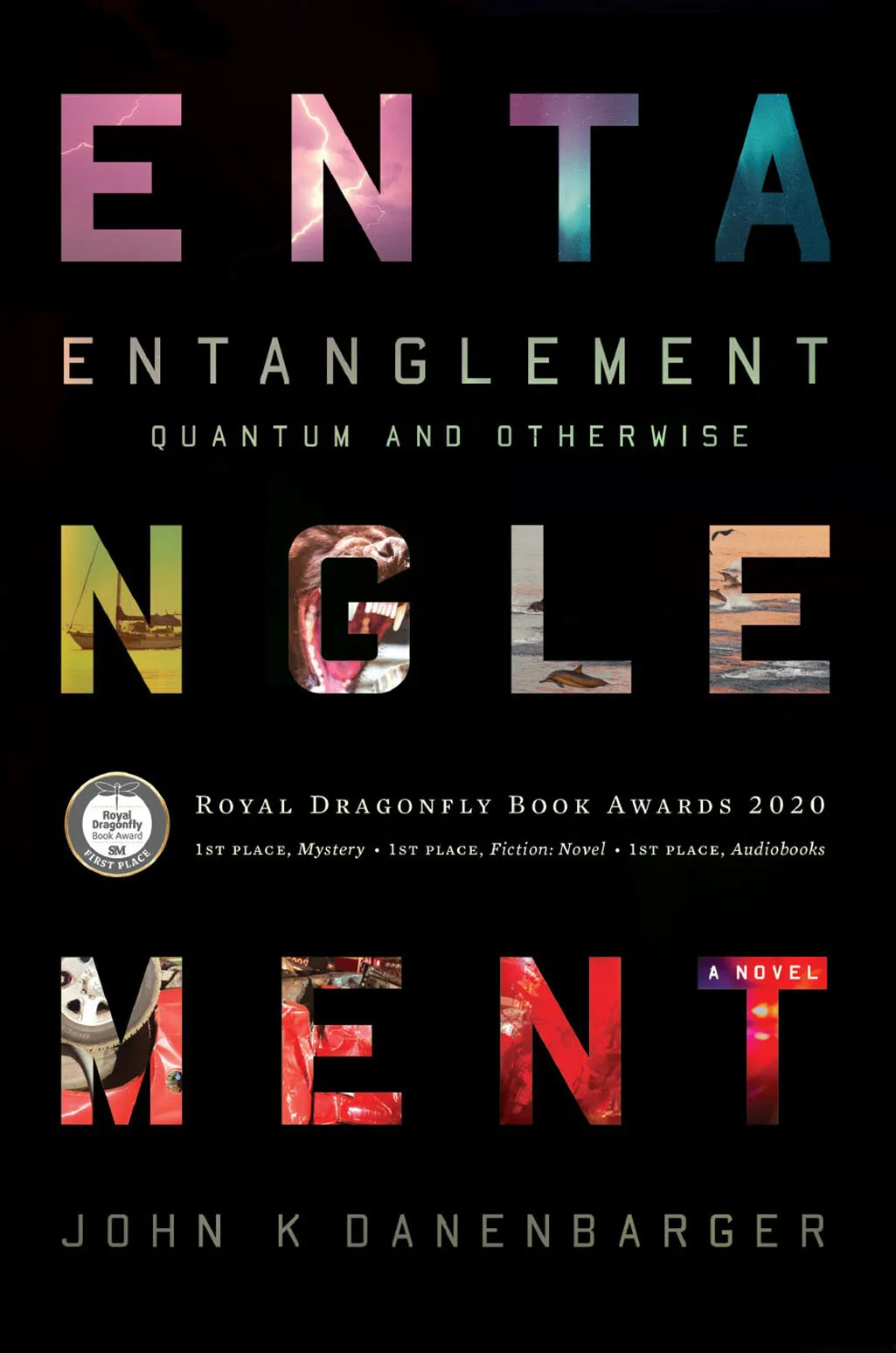
Q&A with John Danenbarger, author of Entanglement: Quantum + Otherwise

Q: The generational aspect of Entanglement: Quantum + Otherwise is one of its most fascinating elements. Can you talk about what inspired you to approach this story from the different generations of this family? 

A: It was definitely an inspirational moment that created this thread of the story. At home, I had created a wall of family portrait pictures which reached back to the beginnings of photography to my great-great grandparents as young boys. I think my family must have been quite egotistical since they wanted to be photographed back when photography was not so easy. One day as I stood in front of the wall, I felt a rush of sadness as I realized that what I knew about each of these people was as thin as the paper on which each picture was printed. And simultaneously, I realized that I, too, would soon only be one of these pictures, if ever I were so lucky. 

Q: Most quantum entanglement stories are science fiction of some kind. How do you think that the idea of quantum entanglement adds to the complexity of this very literary novel? 

A: Obviously, quantum physics is somewhat mysterious as of yet. We humans look at this part of our existence the way a new-born or small child looks at the world – as something important and something to learn about. And, if we, as adults, continue to be curious, as we should, quantum physics is that exciting and mysterious world. So why not add it to the story as a fringe benefit, just over the edge of our sense of reality? 

Buy on Amazon | Audible | Audiobooks | Barnes and Noble

Q: The book is literary fiction, but there is an underlying element of crime thriller running throughout. Can you discuss these genre elements of your writing? 

A: As a very wise person told me straight out, every good story is a crime thriller, more or less. Or maybe she said, a mystery. If the story does not have an underlying mystery, it is not an interesting story. And, since this story is definitely about death and its consequences, my including a murder or two was a natural. The only difference with this story and defining it as just a murder mystery novel is that the formulae rules of the murder mystery genre in this book are broken. 

Q: What are you reading right now? 

A: That is a somewhat ambiguous question for me since I am always reading two or three books, the audio versions on the treadmill. Just finished this week Guns, Germs, and Steel: The Fates of Human Societies by Jared Diamond, Einstein by Walter Isaacson, and Utopia for Realists by Rutger Bregman. Just begun Blowout by Rachel Maddow and am debating what in my wish-list to choose in addition. Wishing in this sense means I wish I had more time to squeeze them in all at once. My mood is for some literary fiction, so the short list at the moment is Pachinko by Min Jin Lee, Drive Your Plow Over the Bones of the Dead by Olga Tokarczuk, Quichotte by Salman Rushdie, The Nickel Boys by Colson Whitehead, or Little Fires Everywhere by Celeste Ng. But then I may suddenly discover and decide on a non-wish-lister like The Cockroach by Ian McEwan or The Topeka School by Ben Lerner. 

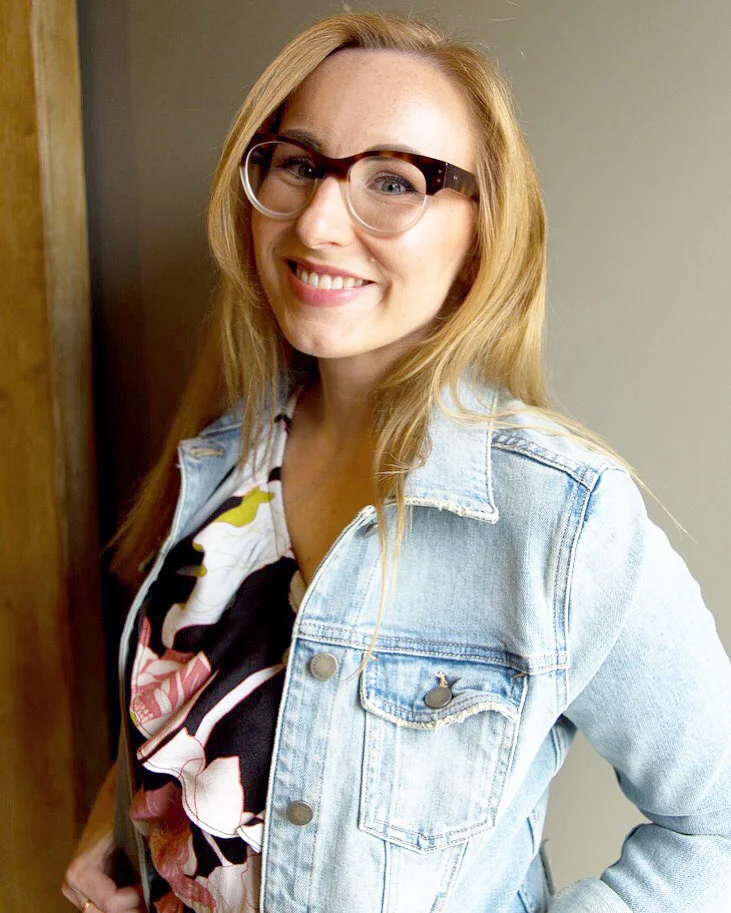
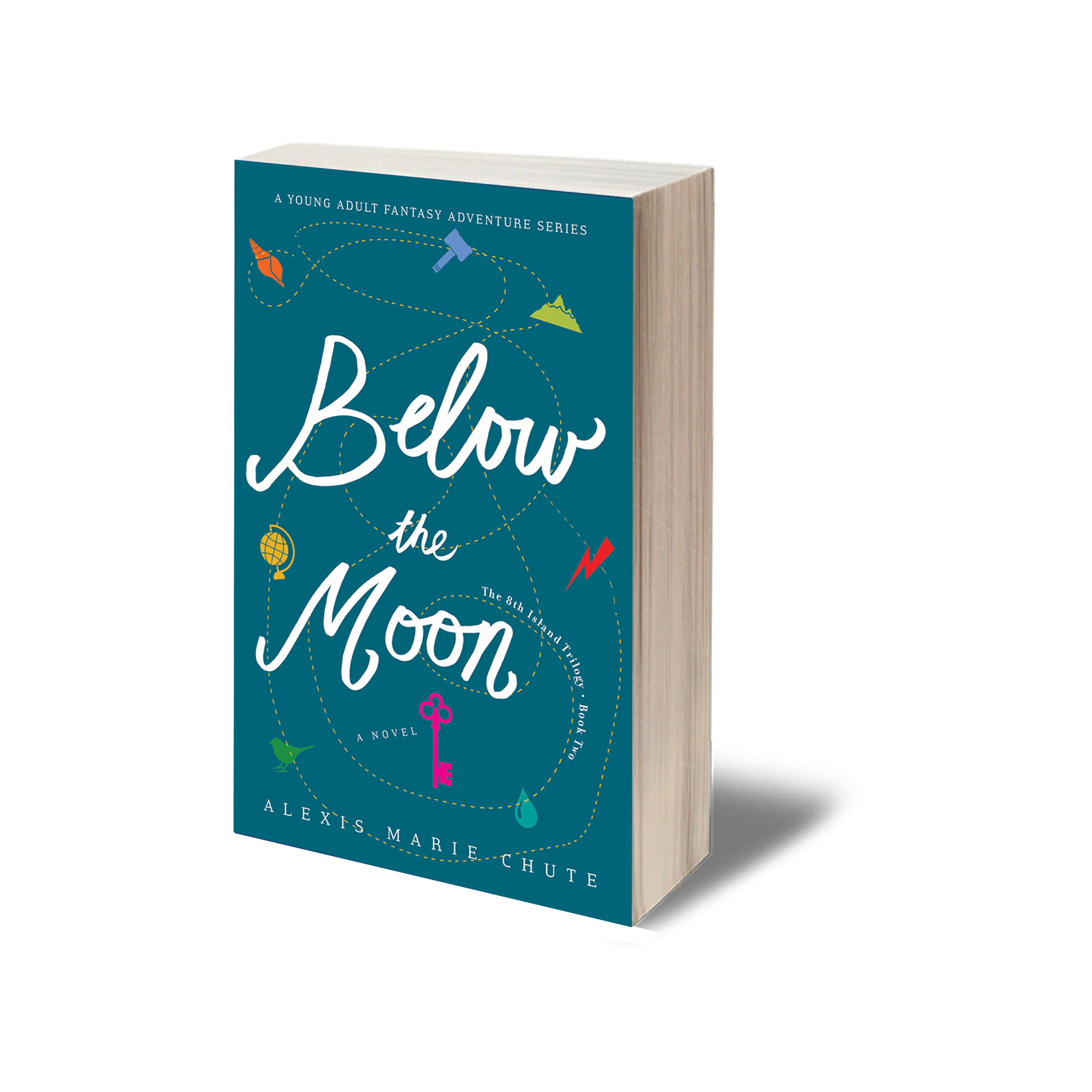
Q&A with Alexis Marie Chute, Below the Moon

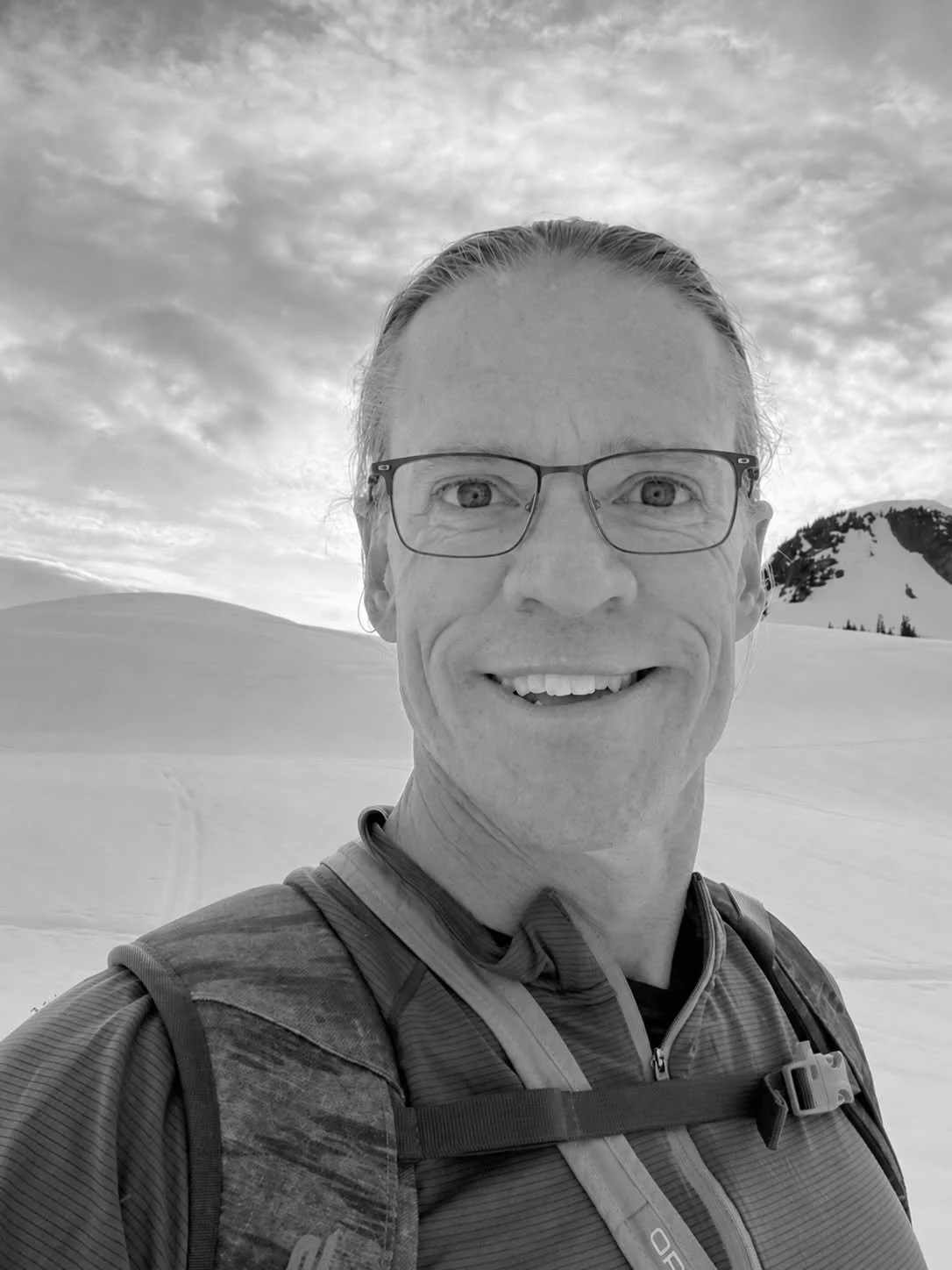
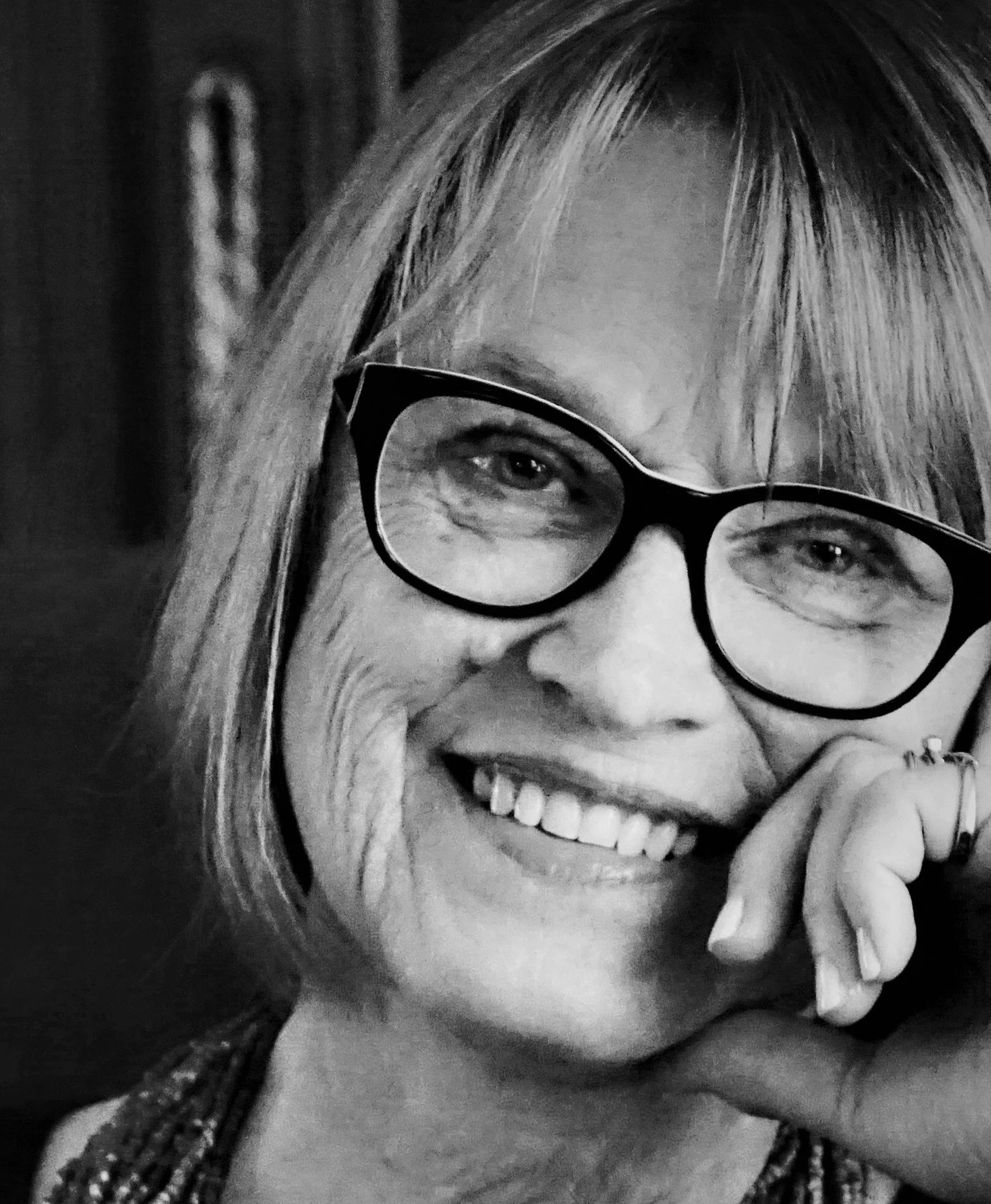
Alexis Marie Chute 2018 (1).jpg

.When did you first realize you wanted to be a writer? Or what first inspired you to write?

I have been writing since as far back as I can remember—and even before I could hold a pen. As a child, I was very creative and cerebral. I was always coming up with stories and adventures. Fortunately, I didn’t lose that trait as I grew up. I find writing inspiration everywhere, at all times. My brain is a sponge for my environment and stimuli. Sometimes this is overwhelming, but most often I use this hyper-awareness to my advantage.

Where/When do you best like to write?

I like to write surrounded by candles and incense. I cannot have distractions or a busy desk. My music choice is typically classical, like Vivaldi or Mozart, and nothing with words as I find I begin typing what I am listening to. I like to write at my vintage style black wood desk by the window in my room. My actual work-desk in the office is too distracting for me. I don’t have a “best time” to write except when I am crunching a deadline. I love deadlines as external motivators.

What do you think makes a good story?

A good story has characters that are simultaneously loveable and deplorable. The plot is unexpected and varied. There is a lot at stake, and the risks and rewards are always in flux. I can always tell a story is good when it keeps me up at night, lingers long after the last page, and I wish I had thought it up!

What inspired your story?

My 8th Island Trilogy was inspired by the belief that we will go to extreme lengths to save those we love. The three unlikely characters learn that their past selves do not define their present bravery. They rally against unsurmountable odds and learn that they possess strength they never imagined. In many ways, the trilogy is a fictionalized look at the resiliency of the human spirit. That is a topic I am obsessed with and optimistic about!

Is there a message/theme in your novel that you want readers to grasp?

The resiliency of the human spirit is what percolates up in most of my work. It’s the dogged determinedness that I see in so many people, no matter the hardships they face. They inspire me, and because of them, I want my work to inspire others.

What was your greatest challenge in writing this book?

My greatest challenge in writing any book is getting my bum in the chair, overcoming that procrastination. Once I’ve gotten over the initial hump, and am in the flow, I’m good to go in that department. Then the next struggle is when to stop editing. I am a relentless, picky, and perfectionist kind of editor. There comes a point, however, when I need to hold back and declare a book, “FINISHED!!”

.What is the one book no writer should be without?

A dictionary and thesaurus. Though I use these tools online now, I am constantly referring to them while writing my books.

How Do You Find Time to Write as a Parent by Chelsea Falin

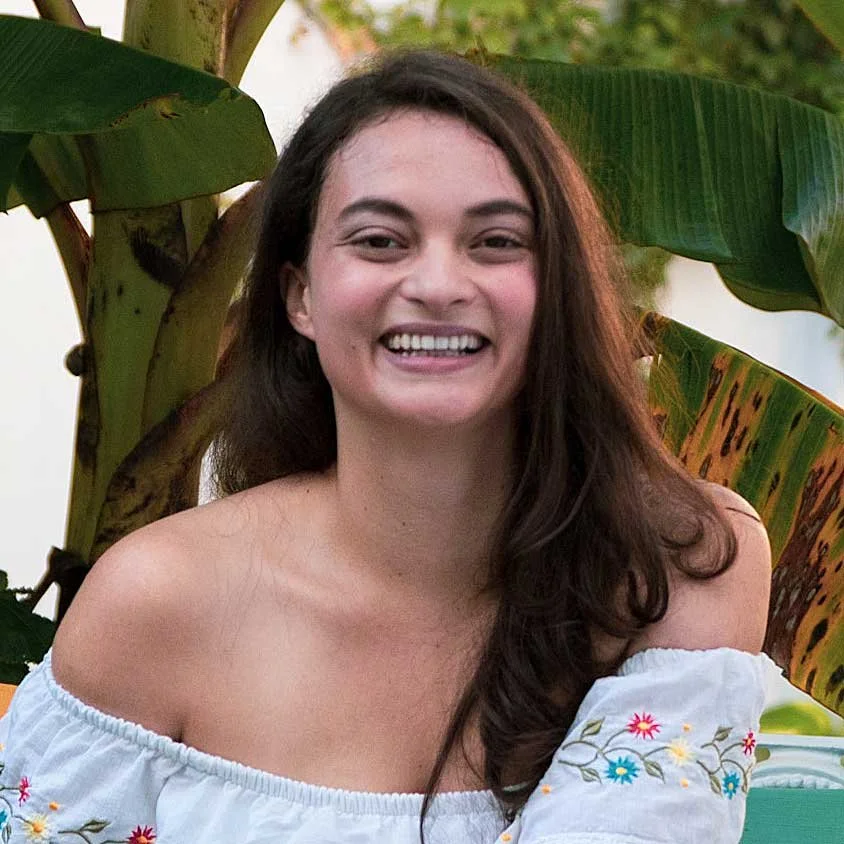
Chelsea Falin_400x400.jpg

Writing as a parent is hard, especially since my youngest is an incredibly rambunctious almost-two-year-old. He literally tries to climb walls. I think I’ve really perfected it, however, since I’ve been working from home since my daughter (now 10) was as young as my son is. I work as a freelance content marketing specialist to pay the bills – hoping that one day my books will do that instead!

One thing I’ve found useful is “teaching” the kids what I do. My son likes to pretend to write, and that will keep him entertained for twenty minutes or so. I’ll let him get a little screen time (no shame for me, it’s all learning stuff!), and if he gets really antsy, we take a break to go outside for a while.

Since my daughter is ten, she’s also a huge help. She often watches her little brother for me, or at least keeps him entertained for half an hour here or there while I’m in the same room. It helps that he LOVES his “tissy” more than any other person in the world, so he behaves a lot better when she plays with him!

Mostly, I feel like it’s a lot of trial and error. Sometimes the day goes well and get a lot of writing done during the day while my daughter is in school and my son just plays. I work through naptime, and sometimes I have to wake up early or stay up late to get my quota met. I aim for between 2,000 and 10,000 words a day – although I did write 20,000 one day in an insane writing frenzy! That’s definitely not the usual, but I wish it was!

Writing What You Know by Bernadette Walsh

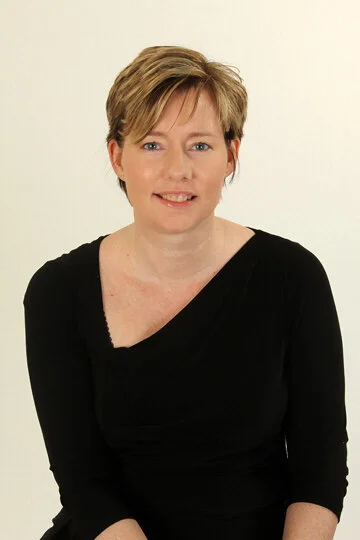
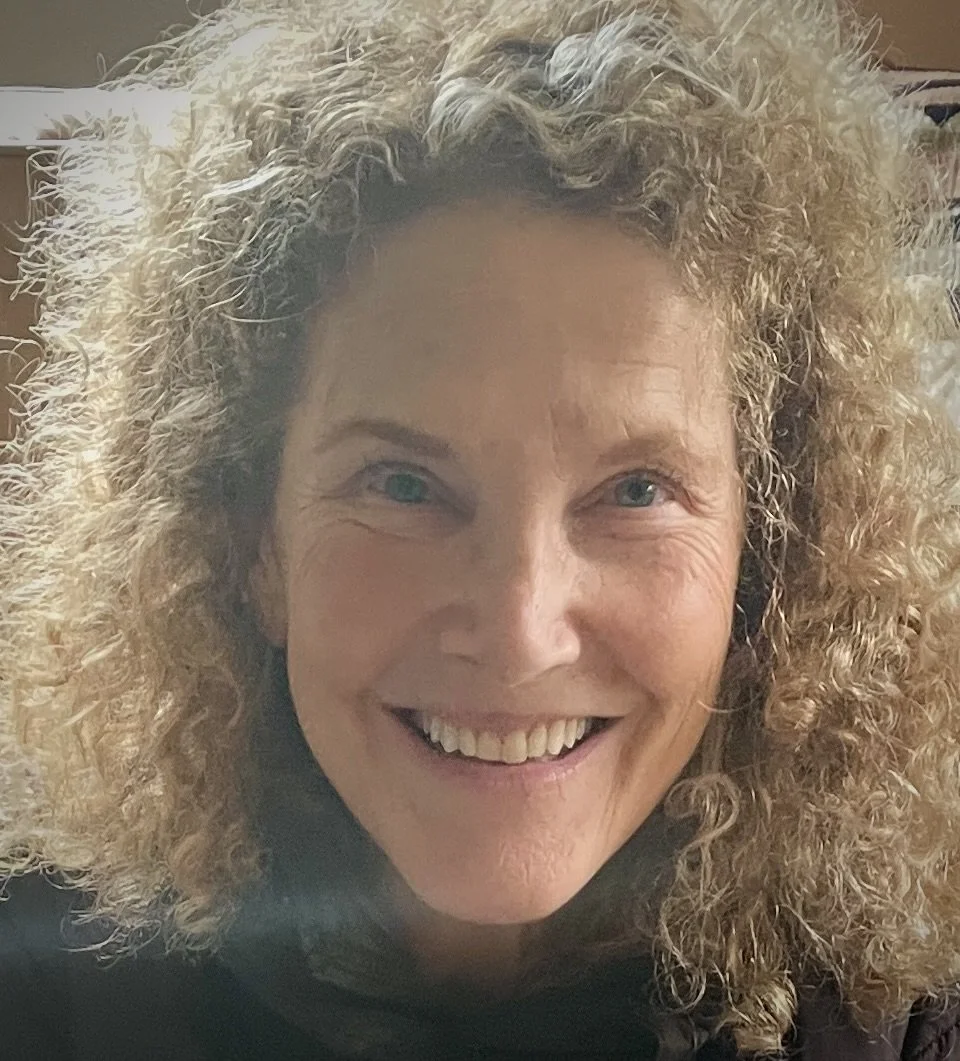
Bernadette Walsh.jpg

Like many of my books, JOHNNY BE GOOD is set on the North Shore of Long Island where I currently live. And like my other books, it also examines the delicate balance of mother-daughter relationships in a middle-class Irish-American family. As you may have guessed from my name, I’m writing what I know.

One of the benefits of  “writing what you know” is that you don’t need to do a lot of research and you don’t have to conjure a scene based on second hand resources. An intimate knowledge of a locale and a social strata allows the writer to delve deep and provides the reader not only a window into a particular setting but a window into the writer’s actual experience of a setting. When I write about the pebbled beaches of the North Shore I infuse those descriptions with recollections from my own life: my daughter's first sandcastle, a stolen beer after the homecoming dance, a clandestine kiss beneath a striped umbrella.

But there’s a downside to basing the setting of your angst filled novel with scenes from your own life. The Centerport church I visit on Sunday is no longer only a place where I find solace, it is also where my character Ellen from my second novel, THE GIRLS ON ROSE HILL, sang at her mother’s funeral. And the beach where my husband and I stroll together on lazy afternoons is not only where we reconnect after a hectic week but now is also where my teenaged character Maura in COLD SPRING was seduced by a much older man. 

Because as writers we spend so much time creating and nurturing our characters, they are in many ways real to us, and to an extent we feel what they feel. Thus there is a danger that my character’s experiences of the settings of my own rather undramatic life may in some ways taint those settings for me. For now I’m willing to pay the price of my fictional and real worlds colliding if it allows me to connect more with my characters and create a richer more nuanced book for my readers.

Bernadette Walsh has been writing contemporary and paranormal romance for over ten years. She has published seven novels to date. While Bernadette has hopped around genres, all of her books to date have a common theme: strong women handling what life throws at them the best way they can. www.bernadettewalsh.com

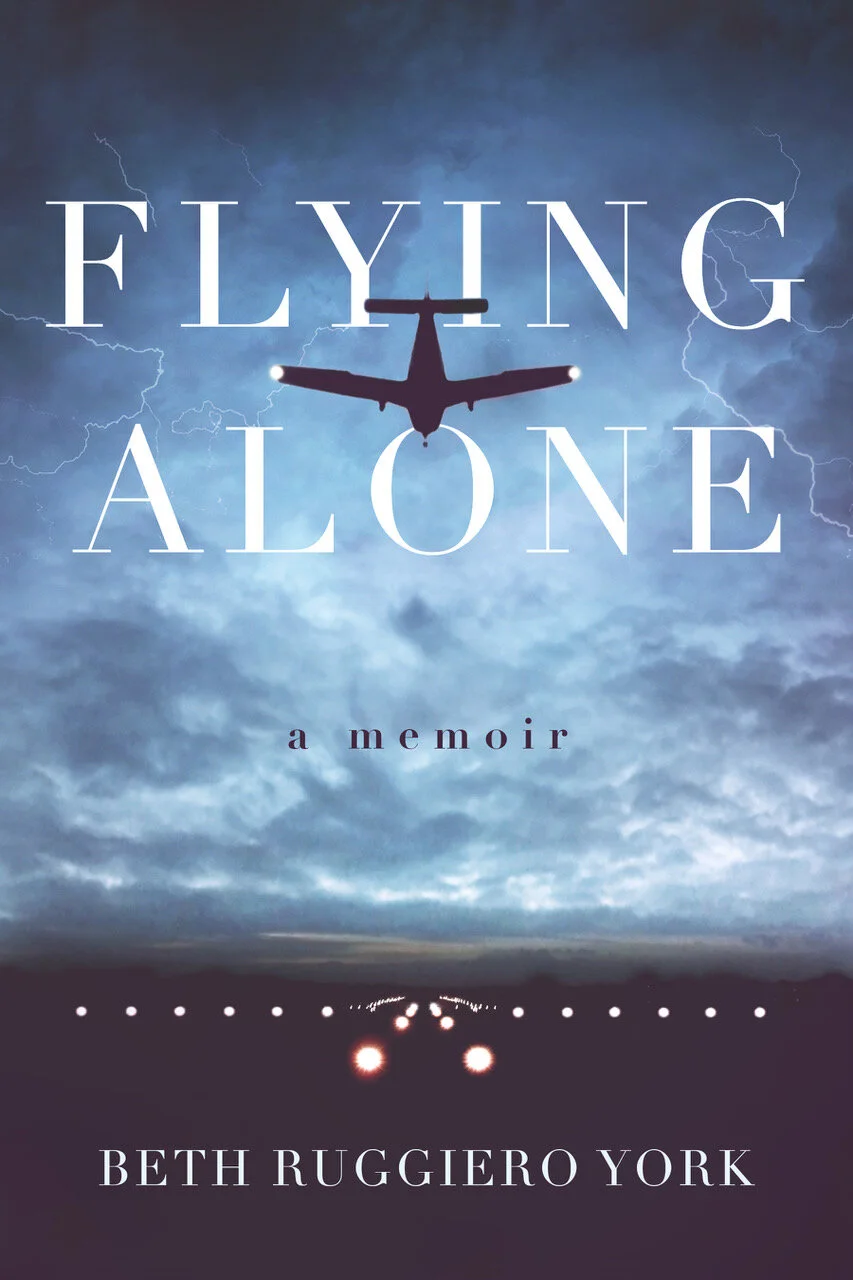
The Catharsis of Memoir Writing by Beth Ruggiero York, author of Flying Alone: A Memoir

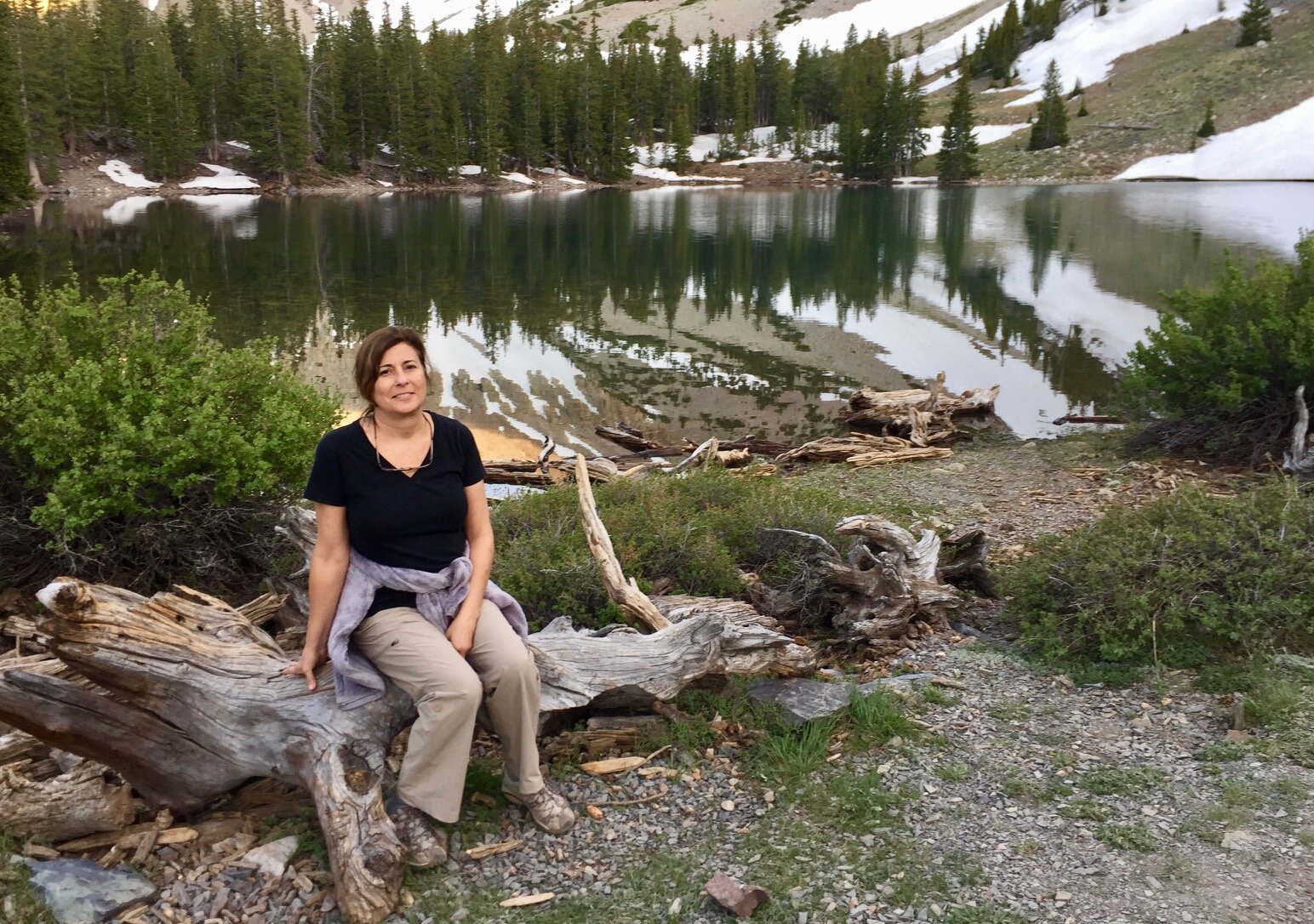
image1.jpeg

It takes courage to write a memoir. Sort of like going to confession if you are Catholic. If you want absolution, you must admit to all the stupid things you’ve done. Similarly, if you want to sell your story, you must bare your moments of weakness to readers. The difference is that, in a memoir, you also get to tell about your triumphs and how you won in the end. Your life events need to span the full gamut of what life has thrown at you and resonate in the readers’ hearts and minds, and this means going deep into your soul to create the story, your story

For me, Flying Alone was not going to be a memoir, even though all the events and characters are real. It was going to be a novel. Actually, it was to be a memoir masquerading as a novel, complete with names changed to protect the innocent and not so innocent. This way, I could fully reveal the events without having to own up to them. Those years in the 1980s when I was climbing and clawing my way up the aviation ladder were filled with risk, dangerous situations and some bad decisions. When I lost my FAA medical certificate in 1990 with the diagnosis of multiple sclerosis, my aviation career ended and I knew I had to write about it. Even though I wasn’t ready to expose some of it, I still pushed those thoughts aside and wrote… and wrote. The memories were fresh, and I could record them in the greatest detail. After completing the writing, I put it in a box and set it aside knowing that someday there would be a time to revisit it. Well, the time passed until about two years ago, when I finally knew I was ready. 

I read it all the way through for the first time in so very long, reliving the experiences with all the edge-of-my-seat terror and suspense as when it actually happened. 

Even though it was intended to be a novel, written in the third-person to shield myself from what readers might think of my escapades, there was no doubt only halfway through rereading it that it was, in fact, a memoir of a very turbulent time in my life. This posed the greatest difficulty in the editing process—telling it as my personal story in the first person, i.e., baring myself to readers and owning the truth. I had to make peace with all that had happened back then and, ultimately, I shared everything and could forgive myself for old mistakes and regrets. 

At times, the distance of thirty years made it seem unreal, but that separation also helped me to look at those years with the objective compassion that comes with maturity. I remember and love the people who played important roles during that time, from Rod, my employer, mentor and flight examiner, to Melanie, my student, friend and cheerleader, and Peter, my dear friend and fellow risk taker who paid the highest price.

Flying Alone is the result of the cathartic process called memoir writing. But not only is this process cleansing and peace-making, it serves another important purpose—that is, recording history. Whether my history is important or not is not the point. Rather, the point is it is the history of a time and a small slice of life at that time. 
In sharing my story, my hopes are for a variety of reactions from a variety of people. For other women, I hope they can see how it is possible to emerge from life situations and decisions that make you feel as desperate as an airplane in an uncontrollable spin. My relationship with Steve was just that, and even though recovery was never a guarantee, persistence allowed it to happen. 

I equally hope that young women aspiring to careers in aviation and other male-dominated professions will understand that it can be done successfully. Certainly, the circumstances are much more forgiving today than they were in the 1980s, but there still remain obstacles. I hope the ultimate message received is never to give up even when it just doesn’t seem worth the effort anymore. Don’t plant the seeds for later regrets.

Of course, I also want to share it with pilots of all types so they can see my side of the world of civil aviation and perhaps derive amusement, stir their own memories or, in the case of student pilots, learn what not to do. An early reviewer of my book summed it up in this way: “… [Beth’s] book will warm the hearts of grizzled pilots like me or anyone seeking insight into the challenges and rewards of flying.

As I look back, despite the fact that quite a bit of courage is needed to write a memoir, the memoir is in fact a reward earned for simply living life. Taking the time to look back on years past and contemplate the events that have shaped and changed you as well as others is an act of accepting yourself, but writing about these events to share with others is the reward.

About the Author: 

Beth Ruggiero York is the author of Flying Alone: A Memoir. She is a former airline pilot for Trans World Airlines. She entered the world of civil aviation in 1984 shortly after graduating from college and, for the next five years, climbed the ladder to her ultimate goal of flying for a major airline. Beth originally wrote Flying Alone in the early 1990s, shortly after her career as a pilot ended and the memories were fresh. She is now a Chinese translator and a professional photography instructor for Arizona Highways PhotoScapes. She has published a popular instructional book on night photography, Fun in the Dark: A Guide to Successful Night Photography, which has worldwide sales, and she has co-written a book entitled, Everglades National Park: A Photographic Destination. Beth and her husband live in Fountain Hills, AZ. For more information, please visit https://bethruggieroyork.com/ and follow Beth on Facebook, LinkedIn and Instagram.