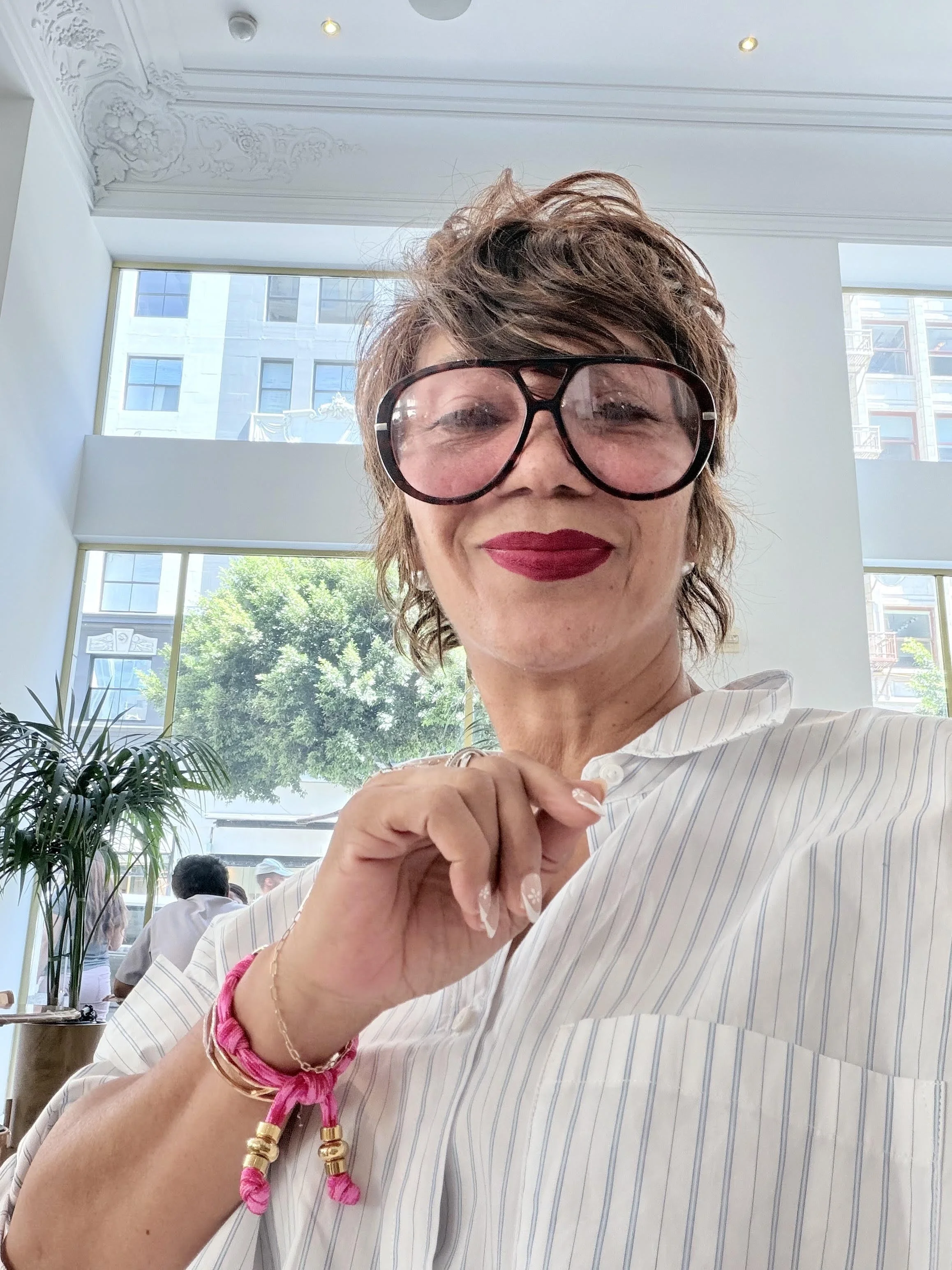
Regency Merrymaking by Vanessa Kelly

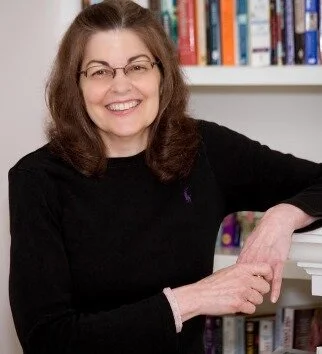
03_Vanessa Kelly (2).jpg

My new book, THE HIGHLANDER’S CHRISTMAS BRIDE, is full of adventure, interfering families, holiday parties—and romance, of course. My hero and heroine are involved in many exciting events before they reach their well-earned Happily Ever After. 

Given as these exciting events take place over the holiday season, there are quite a few parties in THE HIGHLANDER’S CHRISTMAS BRIDE. And even though the Scots in 1819 didn’t celebrate Christmas with nearly as much vigor as the English, my characters do insist on some holiday celebrations. The favorite, of course, is Hogmanay, the Scottish New Year. If anyone knows how to ring in the New Year, it’s the Scots. 

So, parties abound in my book, with dancing, feasting, and drinking. I thought it might be fun to look at the beverages that partygoers consumed during the Regency Era, especially for the holidays or other grand events. 

One of the highlights of many a Christmas party was the arrival of the Wassail Bowl. Wassail usually featured a base of mulled apple cider, sugar, cinnamon, ginger, and nutmeg. Sometimes, and rather bizarrely to modern palates, Wassail was topped with toasted bread. Apples and oranges could be added to the mix, and the recipe was often finished off with brandy or sherry. As you can tell, there wasn’t really a standard list of ingredients. Some families had quite ancient recipes that were jealously guarded from one generation to the next. No sharing that family secret! 

In Scotland, no Hogmanay party would be complete without whisky—or, “a cup o’ kindness” as Robbie Burns called it in his famous song, Auld Lang Syne. The government maintained tight controls on the production of this classic Highland drink, but more than one holiday party was sure to serve homebrewed—which was often of higher quality than the commercially produced brands. 

What else might one drink during a festive Regency party? For a crowd, we might see mulled wine, sometimes referred to as Negus. In preparing Negus, one first makes sugar syrup with cloves, cinnamon, nutmeg, and orange and lemon peels; that concoction is strained and added to hot lemon juice and several bottles of red wine. 

Another popular beverage, especially for the ladies, was ratafia. Here’s a recipe taken from Robert's Guide for Butlers & Other Household Staff, published in 1828: 

Into one quart of brandy pour half a pint of cherry juice, as much currant juice, as much of raspberry juice, add a few cloves, and some white pepper in grains, two grains of green coriander, and a stick or two of cinnamon, then pound the stones of cherries, and put them in wood and all. Add about twenty-five or thirty kernels of apricots. Stop your demijohn close and let it infuse for one month in the shade, shaking it five or six times in that time at the end of which strain it through a flannel bag, then through a filtering paper, and then bottle it and cork close for use; you can make any quantity you chose, only by adding or increasing more brandy or other ingredients.

Yikes. I’ll stick with the Negus! 

Of course, hostesses for parties and balls would also serve wine and champagne, along with port, Madeira wine, sherry, and—again, especially in Scotland—whiskey. 

With that line-up of party drinks, the holidays could be very merry, indeed!

Giveaway: A signed, print copy of THE HIGHLANDER WHO PROTECTED ME (Clan Kendrick 1), along with some book swag. Just tell me what you prefer to drink at a party? 

In bestselling author Vanessa Kelly’s irresistible Clan Kendrick series, Christmas in the Highlands means family, celebration—and for one brother, the beginning of a passionate adventure . . .

Being thrown over by the man she expected to marry was humiliating enough. Now that Donella Haddon, grandniece of the Earl of Riddick, has also proven a failure as a nun, she has no choice but to return to her family’s estate. The brawny Highlander sent to escort her is brash, handsome, and the only thing standing between Donella and a gang of would-be kidnappers. But the scandal in her past can’t be so easily outrun . . .

Wealthy widower Logan Kendrick was expecting to meet a plain, pious spinster—not a gorgeous, sharp-tongued lass who can hold her own in any ambush. Though she’s known as the Flower of Clan Graham, Donella is no shrinking violet. In fact, she might be the perfect woman to bring happiness back to his lonely little son’s life, just in time for Christmas.  But first he must protect her from ugly gossip and a mysterious threat—and convince her that their wild, unexpected desire is heaven sent.

Grab Your Copy:

Amazon: https://amzn.to/2nWjLya

Nook: http://bit.ly/2n2PwFT

Apple: https://apple.co/2nWta92

Kobo: http://bit.ly/2nWlmnE

Book Depository: http://bit.ly/2mpebnD

Audiobook: http://bit.ly/2oFlng0

Bio: Vanessa Kelly is the award winning, USA Today bestselling author of The Improper Princesses and The Renegade Royals Series. Named by Booklist as one of the "New Stars of Historical Romance," her books have been translated into nine languages. Vanessa specialized in the study of 18th century British fiction in graduate school, and is known for developing vibrant Regency settings, appealing characters, and witty storylines that captivate readers. 

Website: www.vanessakellyauthor.com

Facebook readers group: https://www.facebook.com/groups/ClanKendrick/

Twitter: @VanessaKellyAut
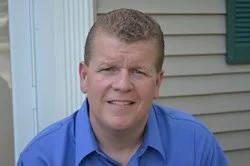
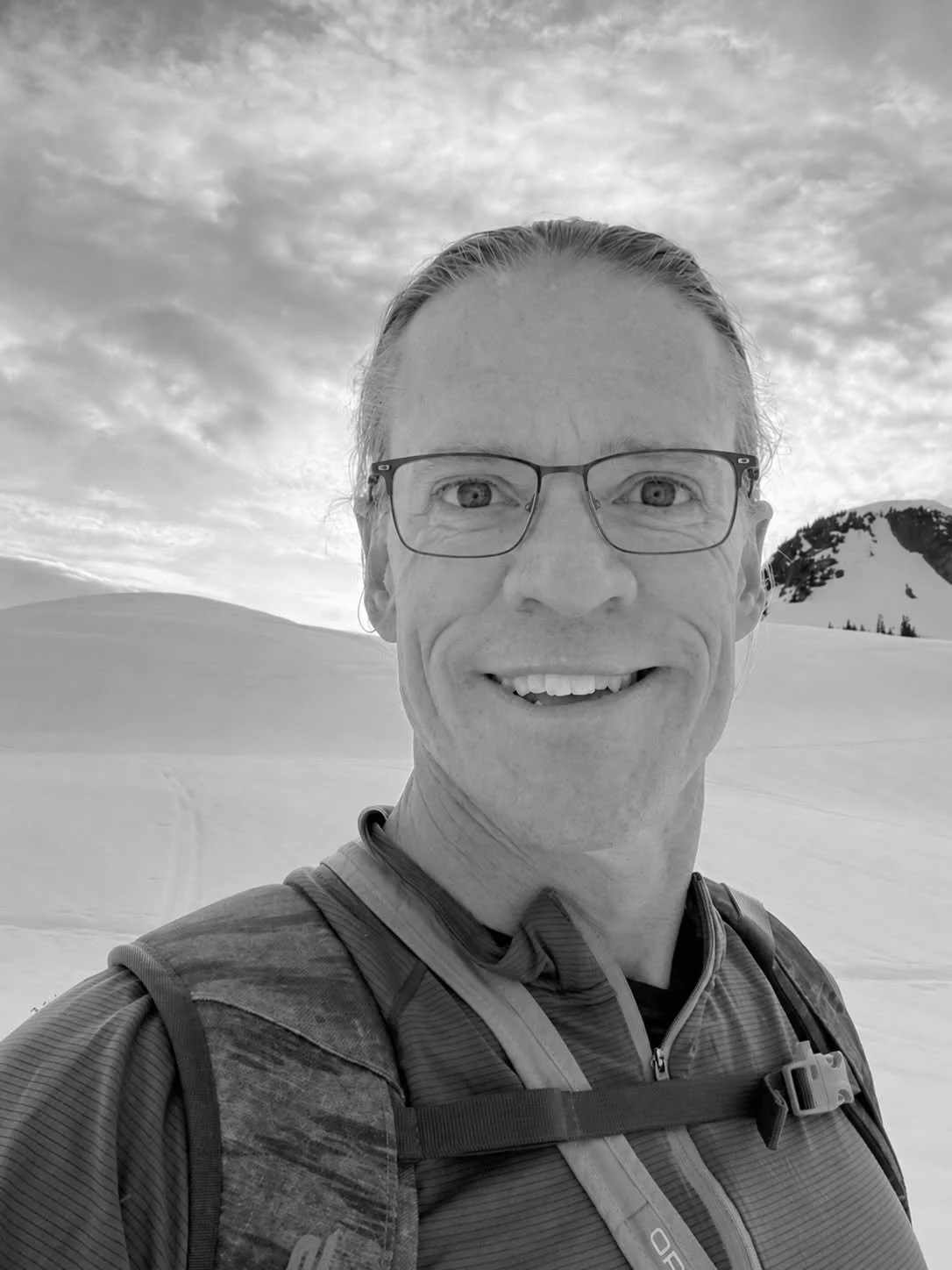
Why I Felt It Was Time to Write This Book by Steven Manchester

_bread-bags-&-bullies_-surviving-the-'80s-by-steven-manchester-author-.jpg

When I was young, my grandfather was an amazing storyteller. Although he never put pen to paper, I was awed by the power of words—to make people laugh or even cry. I knew then that I wanted to be a storyteller, too.
I’d just returned home from Operation Desert Storm (with PTSD), and was working as a prison investigator in Massachusetts. Needless to say, there was great negativity in my life at that time. I decided to return to college to finish my degree in Criminal Justice. During one of the classes, the professor talked about police work but nothing else. I finally raised my hand and asked, “The criminal justice system is vast. What about the courts, probation, parole – corrections?” He smiled and told me to see him after class. I thought I’d done it! In his office, he explained, “There’s no written material out there on corrections or prisons, except from the slanted perspective of inmates.” He smiled again and dropped the bomb. “If you’re so smart,” he said, “why don’t you write it?” Nine months later, I dropped the first draft of 6-5; A Different Shade of Blue on his desk. From then on, I was hooked. I was a writer.

Today, 25 years later, I have written 17 books, with 7 of them being national bestsellers. The vast majority of the time, the ideas for my books come from real-life. I write “feel good tear- jerkers that celebrate the strength of the human spirit”; my books are normally about relationships and the challenges that we all must overcome. And the underlying theme for each is that “none of us is ever alone.”

This book, however, is even more personal than my others.

On September 5, 1945, my father, William Manchester, entered this crazy world with the same promise we each get—life is what you make it. He grew into a good man, the salt-of-the-earth, always willing to help anyone in need. Dedicated to his family, he exercised a backbone forged from steel—usually working two jobs—to feed and clothe his five children. He was funny. He was kind. He was my greatest hero.

On September 5, 2018, my father, William Manchester, left this crazy world with all that he’d earned—the eternal love and undying respect of a grateful family.

Bread Bags & Bullies is both a well-deserved thank you note to my father. Without my dad, I could have never been me. Within each comical passage and every heartfelt scene, Bread Bags & Bullies is a tribute to my greatest hero—my dad—who remains present in every fiber of my being.

This hysterical coming-of-age novel is also a love letter to the 80s—an absolute nostalgia fest—filled with the music, movies and TV shows, fashion, food and toys enjoyed during the best decade ever!

About Steven Manchester:

Steven Manchester is the author of the #1 bestsellers Twelve Months, The Rockin' Chair, Pressed Pennies and Gooseberry Island; the national bestsellers, Ashes, The Changing Season and Three Shoeboxes; and the multi-award winning novels, Goodnight Brian and The Thursday Night Club. His work has appeared on NBC's Today Show, CBS's The Early Show, CNN's American Morning and BET's Nightly News. Three of Steven's short stories were selected “101 Best” for Chicken Soup for the Soul series. He is a multi-produced playwright, as well as the winner of the 2017 Los Angeles Book Festival and the 2018 New York Book Festival. When not spending time with his beautiful wife, Paula, or their four children, this Massachusetts author is promoting his works or writing.

Find Steven Manchester Online:

StevenManchester.com | Goodreads | BookBub | Twitter | Facebook

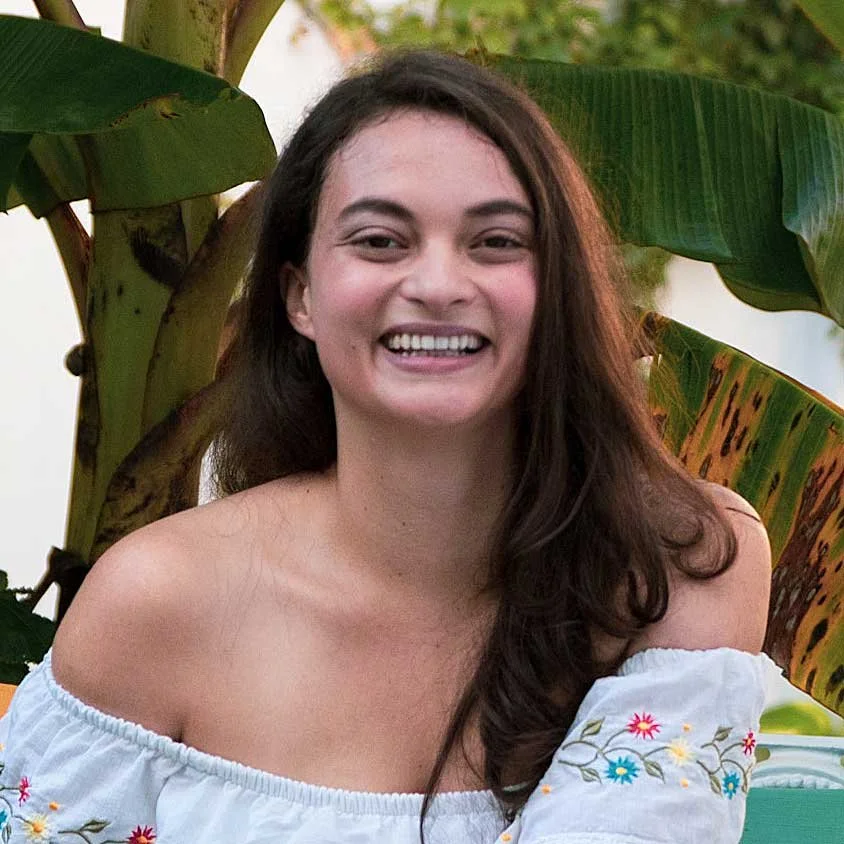
Confessions of a Chubby Girl by Katie Cross

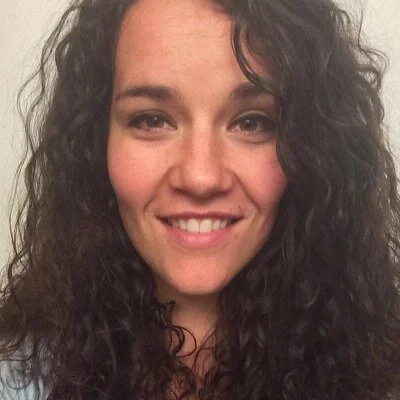
Katie Cross_400x400.jpg

A monster lives inside every girl.

Sometimes it’s a big one that drowns out all the others.

Sometimes it’s not.

Sometimes it’s a crowd. Sometimes it’s just one. My biggest monster was a creative beast that craved chocolate and felt good if I drowned her in starch and, on occasion, an overabundance of exercise that cancelled out ALL those calories.

Then she spawned a piece of art I never anticipated.

The Chubby Girl Monster

By twelve years old, I was blatantly imperfect, flawed, and terribly insecure about it—like a lot of humans. So I did what any hormonal, emotional wreck-of-a-tween would do.

I turned to the loving, constant arms of food.

Brownies were a favorite, though I wouldn’t turn down Ben and Jerry’s or mozzarella sticks or any other battered goodness that I could just pop in the oven or microwave. Fistfuls of animal crackers? Perfect snack with a quart of sugary-sweet guava juice from concentrate. Mom cut up carrots and apple slices, but I dipped them in gobs of peanut butter.

Nutrition therapy at it’s finest.

Growing Up Chubby

Being a kid is hard enough, but being an overweight kid is even harder. Combine frizzy hair, an odd obsession with books, and an absent father, and I was a walking monster mine. By third grade, I knew I was a “big girl” because the other kids told me.

That’s when my whispering monster started.

I didn’t really notice the monster at first. I mean, I did. When you’re in fifth grade canvassing a room to see if you’re the biggest kid in there, you know something is different about you. But I didn’t really understand how much power the monster had until the cutting verbosity of seventh grade teenagers shredded holes in the curtain of my denial.

You need to be smaller, the monster would say. Look at how big you are.

I won’t get into details, but suffice it to say that kids and monsters are mean.

Learning to Wog.

Fortunately, I had many friends that loved me in spite of my mongster, one of them being the lean, red-haired, spit-fire Breanna. She invited me to jog with her one day when I was in 8th  grade. Because I wanted her to like me and I wanted to be cool and svelte like her, I agreed.

The monster, for once, was quiet.

“Jogging” is an generous term for what I did. (see shuffle and walk.) But it didn’t matter. It was one of the first times that exercise felt good. Breanna didn’t make me feel like the fat kid, and helped me learn how to breathe through side cramps. Silencing the monster felt amazing.

“The world is much more clear after you run,” she pointed out one day. I remember blinking rapidly because she was right. Even my vision had came into sharper focus through the lens of exercise.

After profusely apologizing for being slow, I decided I could do more of this “running” and asked if we could go again the next day.

And the next.

It became our thing together. We’d run in the country by her grandpa’s house. We’d run along the canal. Through the neighborhood. At the cabin. Anywhere. My wog slowly turned into a trot, and then a jog, and eventually I could almost keep up with her on the sprints at the very end.

But never, ever did I beat her.

My monster reminded me all the time.

Fairytales? Pah.

I’d love to tell you I slimmed down to a lean size 6, started a spinning class, and ate only sprouts and carrot sticks sans peanut butter, but it didn’t happen. Sometimes, my love of exercise cancelled out my greater love of food, but not enough to make me like myself. Or be actually healthy. In fact, I kind of went crazy on both in middle school.

In ninth grade I satisfied the monster and joined a gym. I’d work out for an 60-90 minutes after school. My favorite? Walking 4.0 mph on the treadmill until it maxed out at 100 minutes while reading cheesy romance novels.

Hey, I was exercising, so the monster was quiet. Then I could dream of being a damsel-in-distress. Remember, I was kind of bookish weird?

I went from a size 18 in seventh grade to a size 12-14 sometime in ninth. For the most part, I hung out around there. It was a far cry from the emotionally fragile seventh grader that had been made fun of so much, but my insecure monster still thrived, never satisfied. She chanted to me late at night.

Must get smaller. Must get smaller.

Not even exercise could silence the monster now.

Hobby, Shmobby

After getting my RN at twenty and working as a pediatric nurse, my obsession with nutrition and exercise became my favorite hobby.

I dove into half marathons, marathons, centuries (100+ mile bike rides), snow shoeing, lots of hiking, and trail running with gusto. Did my weight drop? Nope. I leaned out, could hike like a boss, but the scale never seemed to go anywhere. I counted calories, drank water, avoided pop, and worked my butt off.

Not literally, of course.

Ever run 20 miles and watched the scale maintain? #frustratingas@#$*(!%*(

Must get smaller, sang the monster. You’re still a size 14. Must do more. Must get smaller.

Figuring It Out

Thanks to other issues in my life, I started seeing a professional therapist and learned that food had *gasp* become the way I didn’t cope with my emotions. Truly, I’d never, ever, ever comprehended that food was an emotional escape. It seems to obvious to me now.

*face palm*

Happy ending?

Not quite. Because no matter what, the monster reminded me that I still wasn’t smaller. Despite an active lifestyle, the pants size didn’t waver. My health was good, and I felt okay with how I looked. A veritable 3-4 on my self-diagnosed “Hotness Scale”.

Then I met the love of my life at 24 and suddenly my perception of health, self, and food took on a whole new meaning. The mega attractive, sarcastic, intelligent guy I was dating didn’t care that I was still imperfect, insecure, needed therapy, size 14, and loved California Pizza Kitchen to a fault.

He also didn’t know about that niggling monster who insisted you aren’t small enough for him.

Loving the Chubby Inside Me

Meeting my husband and realizing that he didn’t care about me being smaller threw everything I perceived about myself into question. I started realizing that I’m good enough just because I’m me, not because I measure up to some defined quality of beauty established by a magazine.

I’d love to tell you that I banished the ugly monster who controlled me like a puppet, who reminds me that my weight hovers dangerously close to Husband, that a wife should be smaller. I’m still not model size perfect and never plan to be. I still love CPK, and I still battle food cravings and the need to turn to food for comfort on a daily basis.

And I still have a monster inside me.

Write It Out

That monster is why I started writing Bon Bons to Yoga Pants. I knew I couldn’t be the only person to have a chubby girl monster, because there are skinny girl monsters, and straight hair monsters, and knobby knee monsters.

There are monsters for everything.

Lexie Greene is born from that insecure, flawed little girl I told you about at the beginning of the post. Like me, Lexie struggles with weight, she doesn’t want to diet, and when things get tough, she turns to Little Debbie. Lexie and I are not the same person; I love exercise and she tolerates it. She has a sister and I don’t. But we are the same insecure little girl with similar monsters.

We’re all fighting monsters. But that doesn’t mean we fight them alone.

We are perfect just the way we are.

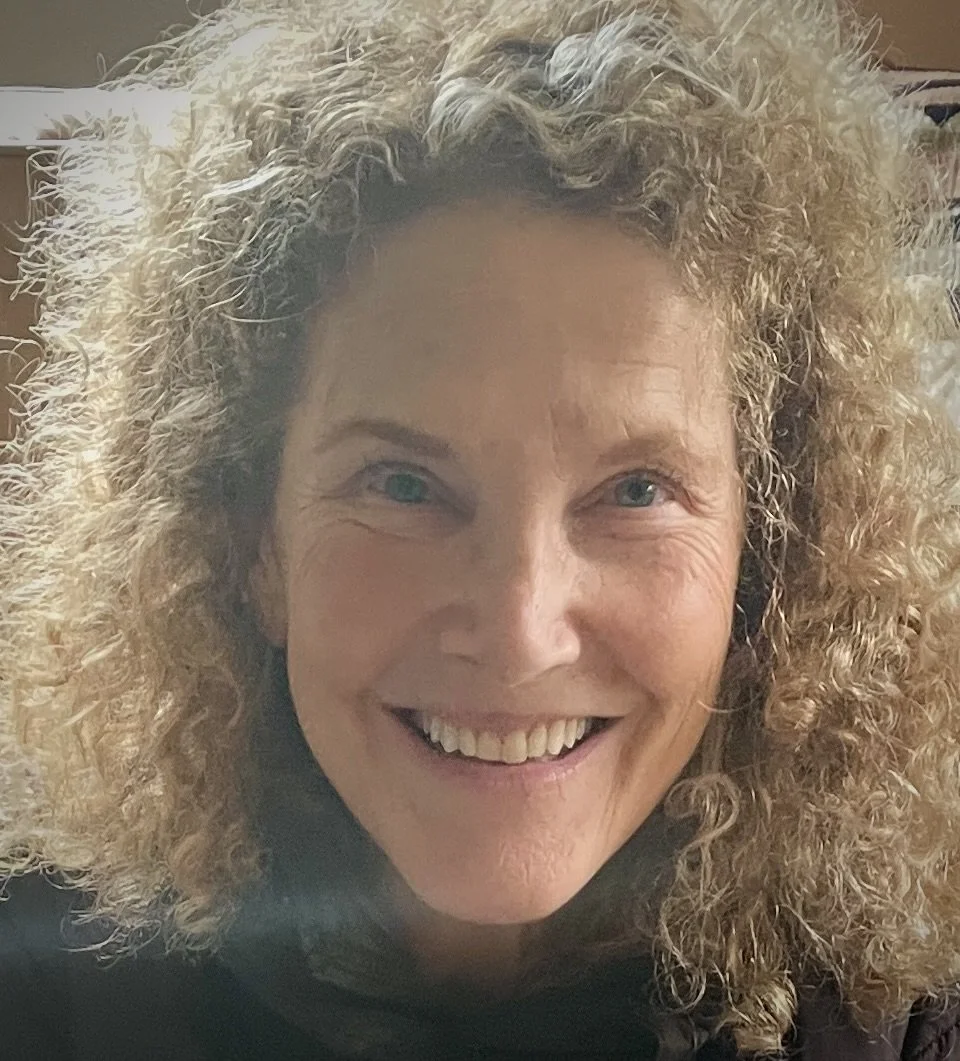
Q&A with Alison Ragsdale, The Art of Remembering

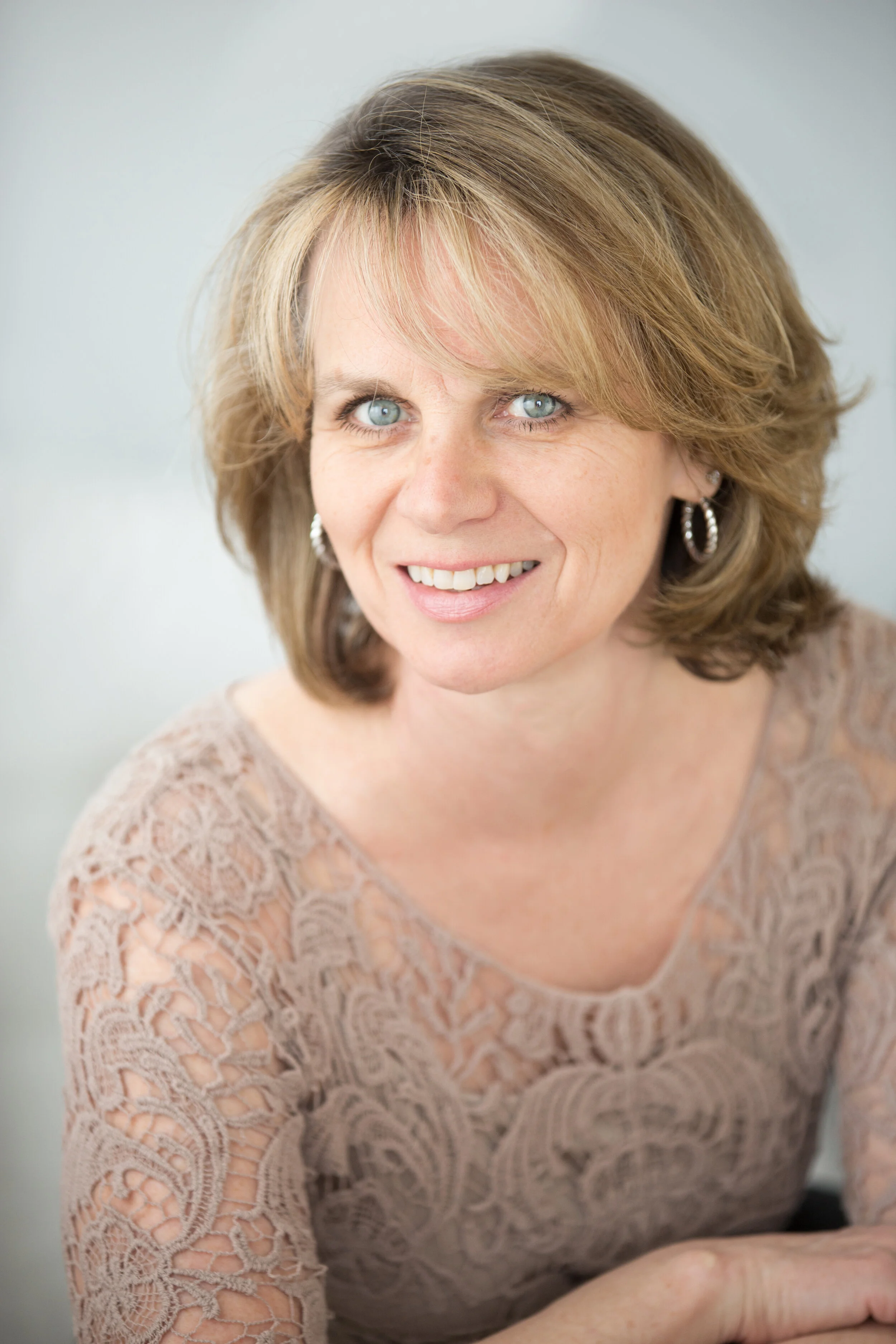
C81A5035.jpg

How did you select your narrator?

I worked with ACX to find the perfect narrator for this book. Initially, I searched through the available narrators/producers who met the criteria I had: primarily a female and a native Scot, who was versatile with accents. Then I uploaded an audition script and waited to see who would submit an audition reel. I also sent direct messages to a couple of narrators whom I felt would be a good fit. Soon the audition reels began to come in and I listened to each one, closing my eyes and letting the voices soak in. When I heard Heather McRae’s reel, the hairs literally stood up on my arms and I knew she was the voice who could bring this cast of characters to life. When I contacted her, she agreed to take on the project and, the rest is history.

How closely did you work with your narrator before and during the recording process? 

I worked very closely with Heather, listening to each chapter as she uploaded them, making edits as we went along, and no doubt driving her crazy with my attention to detail. However, she dealt with all my concerns and edits, quickly and gracefully, so the book began to emerge exactly as I’d imagined it.  

Did you give them any pronunciation tips or special insight into the characters? 

Yes. The book includes characters from various regions of Scotland, England, and from Sweden, both male and female, so it was important to clearly differentiate between them as they were read. The book is also choc-full of ballet terms that required some clarification, here and there, on pronunciation. I also gave Heather information on the characters’ motivations and emotional temperatures, in certain scenes, to help her interpret particularly intense sections of dialogue. She brought wonderful drama, where it was needed, that made me well-up when listening to it back.

Were there any real life inspirations behind your writing? 

Yes, there were. I am a native Scot, a former professional dancer, and a brain tumor survivor, so to a large extent, I mined many of my personal experiences for this book. However, I always make a point of clarifying that it’s not MY story, and that those are the only things I have in common with Ailsa. It is still, however, a very personal book to me, in many ways.

How do you manage to avoid burn-out? What do you do to maintain your enthusiasm for writing?

As far as avoiding burnout, I rely on mother nature. I take long walks every day, with my sweet dog Maddie, soaking in my surroundings without any technology invading my mind-space. It’s meditative, and lets me recharge my sense of calm and connectedness to the earth. I also do yoga, and spend time with my husband and sisters, who help keep me sane.

Maintaining my enthusiasm for writing hasn’t been a problem, so far. I am an avid reader and the more great books I read, the more motivated I am to keep learning, and producing books I’m proud of. In terms of my process, I give myself licence to take breaks from writing, even as long as a few weeks, in some cases. That way I’m removing some of the pressure to produce when I may not be feeling inspired, or the story just won’t come. 

How did you celebrate after finishing this novel? 

It had been 3.5 years in the making, so felt like a major accomplishment. My husband cooked me a lovely dinner and we cracked open a special bottle of Tuscan red wine we’d been saving. It was the perfect way to celebrate, and mark reaching the finish line.

What bits of advice would you give to aspiring authors?

The best advice I can give would be to start writing. Don’t put it off because you feel as if you might not be good enough, or that others will judge your work. I was crippled by fear in the beginning – fear of failing, fear of letting myself down, fear of sharing my work etc etc. The best thing I ever did was join a writing group. I found a circle of wonderful people who all wrote from the heart, in a diverse range of genres. It was a safe place to share, and discuss each-others’ work, and we all grew as writers as a result. It was the first place I shared anything I’d written, outside of with my family, and it helped me get over what was holding me back. 

What’s next for you?

I’m now working on the third draft of book number six, titled DIGNITY AND GRACE, which is a very poignant tale about family, loss and redemption. When that is ready to go back to my editor, I’ve already got book number seven planned out, so I’m excited to start writing that one. The wheels keep on turning.

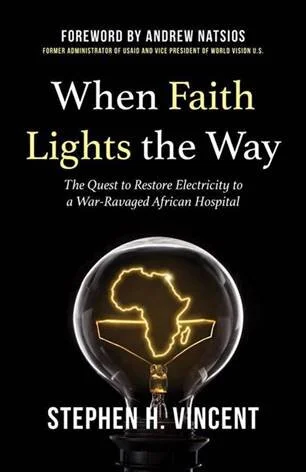
Q&A with Steve Vincent, When Faith Lights the Way

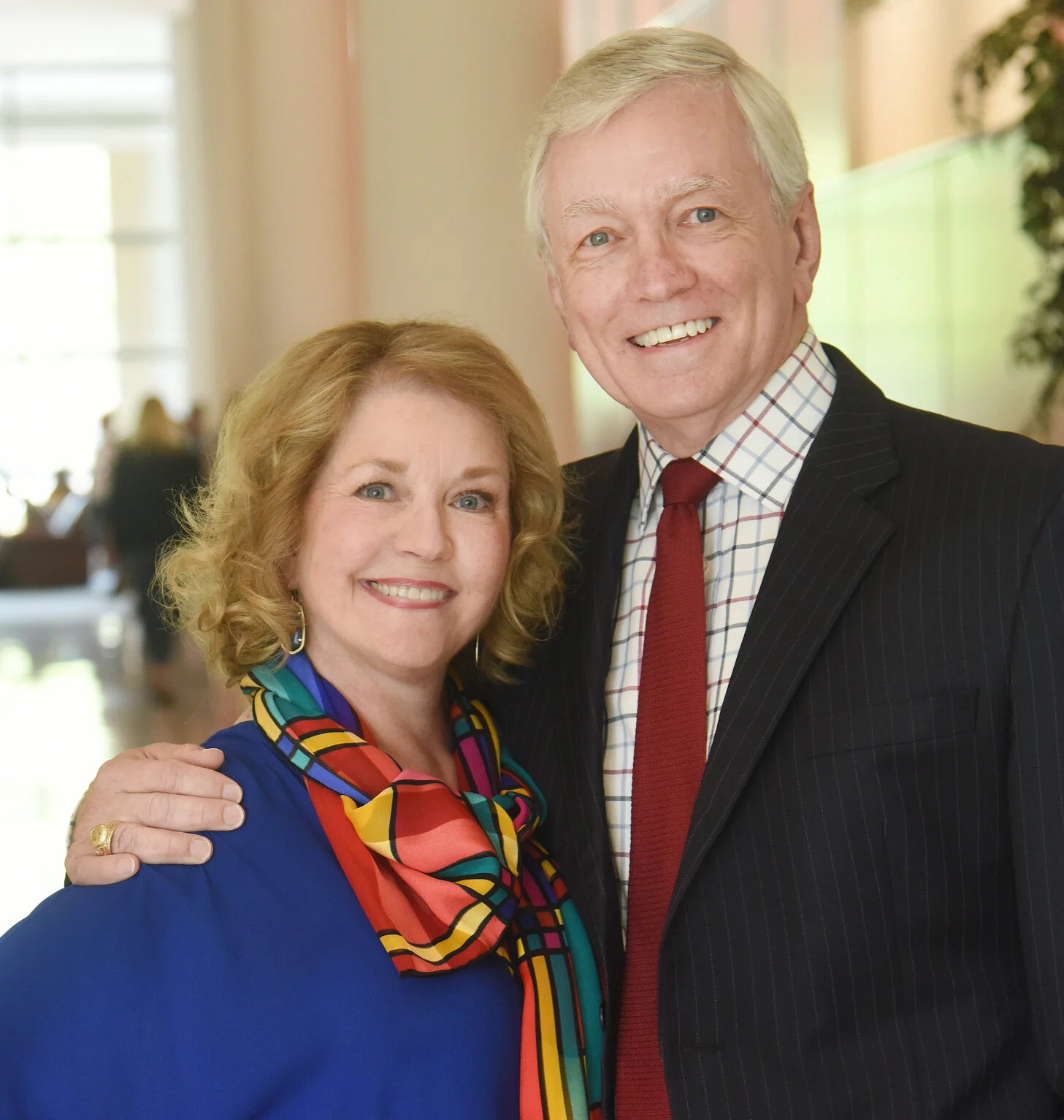
Sophisticated Linda and Steve Croped.jpg

Where did you grow up /live now?

My family could easily have been the model for the Cleavers on the Leave it to Beaver television show, except it was just Dad, Mom, and me. The year after I was born in 1951, my parents purchased a house in the Oak Cliff area of Dallas—not in the upscale part of Oak Cliff, but in the more spartan Dallas Park area. The small homes there were constructed during World War II to provide housing for workers at the North American factory, which built B-24 bombers like the ones my dad flew. My mother was a full-time mom until I reached junior high, when she took a job in circuit-board assembly. A year later she became the Court Clerk for the City of Cockrell Hill, Texas.

My early life was filled with school, scouting, football, baseball, and lots of boy stuff. Scouting was big part of my childhood and my character development. I acquired many arrow points and achieved Eagle Scout level, the God and Country award, and the Order of the Arrow award, granted to scouts who best lived the Scout Oath and Laws.

My football career really isn’t worth mentioning except in the ways it shaped my character. I started playing in the fifth grade as a running back, and it wasn’t until the eighth grade that it occurred to me I was probably too small to be playing. But I wasn’t going to let my size stop me. Given a chance, I knew I could be a good player. I got that chance one day in practice. When it was my turn to run the ball, I gave it all I had. Coach yelled, “That’s what I want!” I did it over and over again. The result was that I got to start in that week’s game, and it was the only game we didn’t lose that year. All I needed was a chance. I did earn two high school varsity letters in football, but my lack of size for a football player always hindered me in athletics. My football career instilled an attitude of “never give up despite the odds” and a strong belief in myself.

Church or religion was not a big part of my family’s life in my early childhood. We sporadically visited churches but did not attend regularly until our Cub Scout Pack parents invited us to Irwindell United Methodist Church in Dallas. Irwindell UMC was a small, warm church family that became our church home. I played on the church softball team and sang in the youth choir. Irwindell UMC parents looked after all the kids, not just their own, and at times they disciplined all of us, too.

My personal growth and choices in life probably have more to do with the influence of Irwindell UMC than I realize. I learned the traditional Southern values of love of God and country and the importance of glorifying God.

My parents were both handy, and I learned to be, too. We did all the upkeep of our modest eight-hundred—eventually expanded to eleven-hundred—square-foot house. There was always a project that kept me pretty busy at home. My dad and I, with help from the neighbors, put on a new roof after a hailstorm. We painted our house inside and out several times. Our house didn’t have a concrete driveway, so my family poured one. We installed “swamp coolers” to cool the house, but later changed them out for wall-mounted air conditioners. I learned quite a lot from working with my dad and mom all those years.

With my extracurricular activities and home projects, we didn’t have the time or money to be world travelers. But we did like to explore the scenic treasures and historical landmarks closer to home. Travel in our family consisted of loading up the car and driving to exciting places around Texas, like the beach in Galveston, Garner State Park in Uvalde, the Battleship Texas in Houston, and the Alamo. Once we ventured out of state to Broken Arrow, Oklahoma.

When I turned sixteen, I got a part-time job with the City of Cockrell Hill, where my mother worked. Cockrell Hill is a small town, only one square mile, surrounded by Dallas. That summer was filled with new, exciting adventures. David Thompson, a friend, and fellow Cub Scout, got a job there, too, so it was a lot of fun. Our work crew was three full-time and three summer employees who were black, Hispanic and white. I read water meters, learned to drive and operate a tractor with a front-end loader and a backhoe, operated a jackhammer, picked up garbage, and drove the six-gear, manual-transmission dump truck. I spread asphalt and tar for road repair jobs.

The city employees were so resourceful and innovative, and they could reason out solutions that were not taught in school. They worked hard in all kinds of weather situations. They were humble and proud of the job they did. They were always there for each other—a band of brothers. My experience working and bonding with those guys would influence my attitude toward people. We are all children of God. No one is superior or inferior. Education level, money, color, or sex don’t matter. Heart matters.

During my senior year in high school, a friend and fellow Scout, Delman Alsabrook, was injured in a car accident when he was thrown from a car. He was in a coma for weeks. David Thompson and I wanted to help his family any way that we could. We came up with the idea to coordinate a team of friends to be on hand to take care of any chore the family needed to be done. Within the first week, we had over three hundred volunteers.

Perhaps that was the moment when service to others became a part of the person I was growing into. These kinds of actions and decisions are defining moments, or “fork in the river” moments. I had no way to know that the decision to serve and uplift Delman’s family in such a meaningful way would be repeated a few times in my lifetime, and at an even greater scale.

The first time I moved from the house where I was born was when I went to school at Texas A&M University. After four years of dorm living, I graduated and went to work for Allis Chalmers. I was only with them about nine months but moved to Houston, Pittsburg, and finally Gadsden, Alabama. My dream job suddenly was available with Priester Supply in Arlington, Texas and I jumped at the opportunity. I lived in Arlington for forty-three years, retiring there.

Buy on Amazon

Buy on Amazon

Currently, my wife and I live in Bryan, Texas, which is almost touching the campus of Texas A&M University. This is an ideal place for us to be just the right distance from our two daughters and two grandchildren who live in Houston.

When did you first realize you wanted to be a writer? Or what first inspired you to write?

Writing When Faith Lights the Way was possibly more difficult for me than electrifying an African Hospital that was devastated by war. I was educated as an engineer, and my career was in engineering sales. I grazed the edge of writing the times when writing sales proposals and presentations.

I was inspired to write by the people who would come up to me after hearing the presentation on electrifying this hospital that was on a piece of land equal to 781 football fields. “What a great and inspiring story! You should write a book!” was said over and over by people after hearing the story.

To me, so many miraculous things helped us do our work. We were just ordinary people who followed that voice inside. The voice inside convinced me that telling the story might someone else to start on their quest.

What do you think makes a good story?

I love stories about people that gave their all and defied the odds. Stories about the brave people in World War II that saved us, explorers that stretched our world when others were afraid, or never say quit inventors that make our world a better place.

Is there a message/theme in your book that you want readers to grasp?

Within each of us, there is a quest. A quiet voice that encourages us to stretch our limits. All of us are ordinary people, but some follow this voice and great things result.

When Faith Lights the Way is the story of average people, facing impossible obstacles, who kept focused on their calling. Its purpose is to encourage and inspire you to follow your passion and purpose.

If your book was turned into a movie, who would you like to play the main characters?

My choice to play me in the movie When Faith Lights the Way is Robert Taylor who played Sheriff Walt Longmire in the Netflix series Longmire. Even though he was born in Australia, he completely transforms into a resourceful, roughhewn but educated, introspective man from the Western United States.

Steve Vincent was a successful businessman whose first career spanned thirty-four years in the electric utility industry. In his second career, his efforts have been redirected to provide state of the art electric systems to improve the health and education to the neediest people in the world. Steve’s extensive experience in logistics while working with U.S. electric power systems has made this unique contribution to mankind possible. Steve has a Bachelor of Science degree in Engineering from Texas A&M University.

Connect:

http://powerfromtheson.com/

https://www.facebook.com/Power-From-The-SON-230919783730495/

https://www.linkedin.com/company/power-from-the-son/about/

Q & A with Cecilia Aragon Writers in the Secret Garden: Fanfiction, Youth and New Forms of Mentoring

Buy on Amazon

Buy on Amazon

Where did you grow up/live now?

I was a shy, nerdy girl who was too smart — and, as the daughter of immigrants from Chile and the Philippines, a complete oddity in the Indiana town where I grew up. So I left early and headed for college in California. Then I spent 20 years in the California Bay Area, and today I live in Seattle, where I’m a professor at the University of Washington.

When did you first realize you wanted to be a writer? Or what first inspired you to write?

I wrote and illustrated my first picture book when I was four years old, with the immortal title Wasting Kleenex. By the time I was ten I was writing lots of stories, including a lengthy fanfiction based on Tolkien’s Lord of the Rings. I wrote an original novel when I was nineteen that I have sworn no one will ever see. But I didn’t seriously start working on writing as a career until ten years ago. Since then I’ve written over a million words. Maybe about 1/3 of that is fanfiction, 1/3 original fiction, and 1/3 nonfiction.

What do you think makes a good book?

Something that immediately makes me curious about what happens next, or how something happened. When I read the first chapter of a book and it gives me chills of delight, I know I’m in for a wonderful experience.

What inspired your book?

Katie Davis and I met by chance over lunch at an event at the University of Washington. She’s a professor at UW's Information School who specializes in digital youth, child development, and education; her interests dovetailed well with my expertise in human-centered data science and the study of very large text data sets. Over lunch, we happened to discuss recent news stories in which “experts” claimed that young people couldn’t write – and agreed that we didn’t believe it. My teenage children and Katie’s young sister all defied this stereotype, writing lengthy stories, sophisticated essays, and actively participating in fan communities. This contradiction struck us as fertile ground for research, and so our collaboration began.

How does a new story idea come to you? Is it an event that sparks the plot or a character speaking to you?

I have so many ideas; the problem is finding time to write them all out. When I’m walking, or riding the bus, or reading an interesting news article, I’ll often come up with a new story or research idea. I usually get several of them every day. My files contain so many story ideas that I won’t have enough years in my life to write them all. 

With fanfiction, what often sparks an idea is a plot hole in canon, or a missing explanation as to why the characters behave the way they do, or simply a desire to put two interesting characters together and see what happens. The most fun part about writing fanfiction is I can get a story idea, post the first chapter online, and get immediate feedback on whether I should continue or not.

I have tons of first chapters of original fiction languishing in my file cabinets or on my hard drive that I’ve never shown to anyone, and so I have no idea whether they might appeal to readers. But with fanfiction, I can post a chapter and if it gets an enthusiastic response with dozens of reviews in the first day or two, I know it’s worth continuing.

That kind of instant and voluminous feedback is characteristic of distributed mentoring online, and is extremely valuable for a writer. As a matter of fact, many published authors who’ve written both fanfiction and original fiction have commented on the sheer abundance of fanfiction feedback, and how much they love it.

Is there a message/theme in your book that you want readers to grasp?

We should trust young people more. They are teaching each other how to write on their own. Maybe we should support them and provide them guidance with learning rather than creating artificial structures and standardized tests.

Also, fanfiction doesn’t deserve its bad rap! We talk in Writers in the Secret Garden about the important role fanfiction can play in society.

What was one of the most surprising things you learned when writing?

First, the breadth and depth of the fanfiction community. We had no idea that millions of young people were writing and reading fanfiction, and what’s more, that they were finding their identities and teaching each other how to write.

It also surprised us to find a new type of mentoring among young people in online communities, what we ended up calling distributed mentoring. Rather than traditional one-on-one mentoring, young people are mentoring each other in small pieces that all together make up much more than the sum of the whole. We describe distributed mentoring, how it arises, and why it works in detail in the book.

What was your greatest challenge in writing this book?

I have a demanding full-time job, a family, and take care of special-needs family members. My husband is sick and unable to work, so my job provides our only income. My father has Alzheimer’s, and I’m his primary caregiver. It’s always difficult to carve out enough time to write.

What’s the best writing advice you have ever received?

Believe in yourself.

What are you working on now?

My memoir: Flying Free: How I Used Math to Overcome Fear and Achieve my Wildest Dreams, about my journey from fearful, bullied child to champion pilot and beyond. It’ll be out from Blackstone Publishing in fall 2020.

You can read more at http://CeciliaAragonAuthor.com/ and sign up for my newsletter about my writing life, or follow me on
Twitter https://twitter.com/CeciliaRAragon,
Instagram https://www.instagram.com/CeciliaRAragon/,
Goodreads https://www.goodreads.com/author/show/18981003.Cecilia_Aragon,
or Bookbub https://www.bookbub.com/authors/cecilia-aragon

to stay in touch.

Also, our research group at UW maintains a tumblr blog about our fanfiction research:
https://ffanalytics.tumblr.com/post/181788901675/hi-im-ruby-and-im-part-of-a-group-of