Q&A Kathleen Shoop, The Thief's Heart

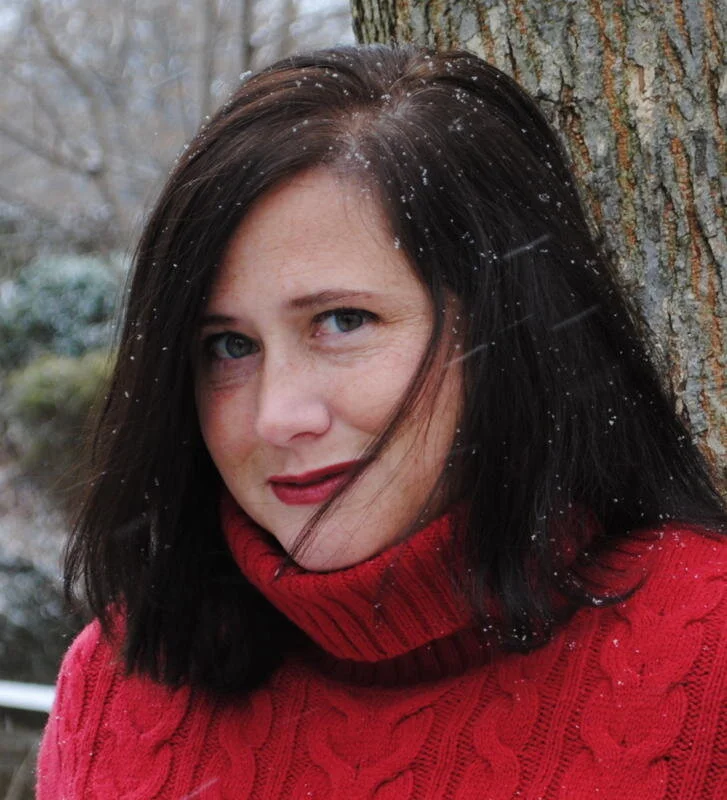
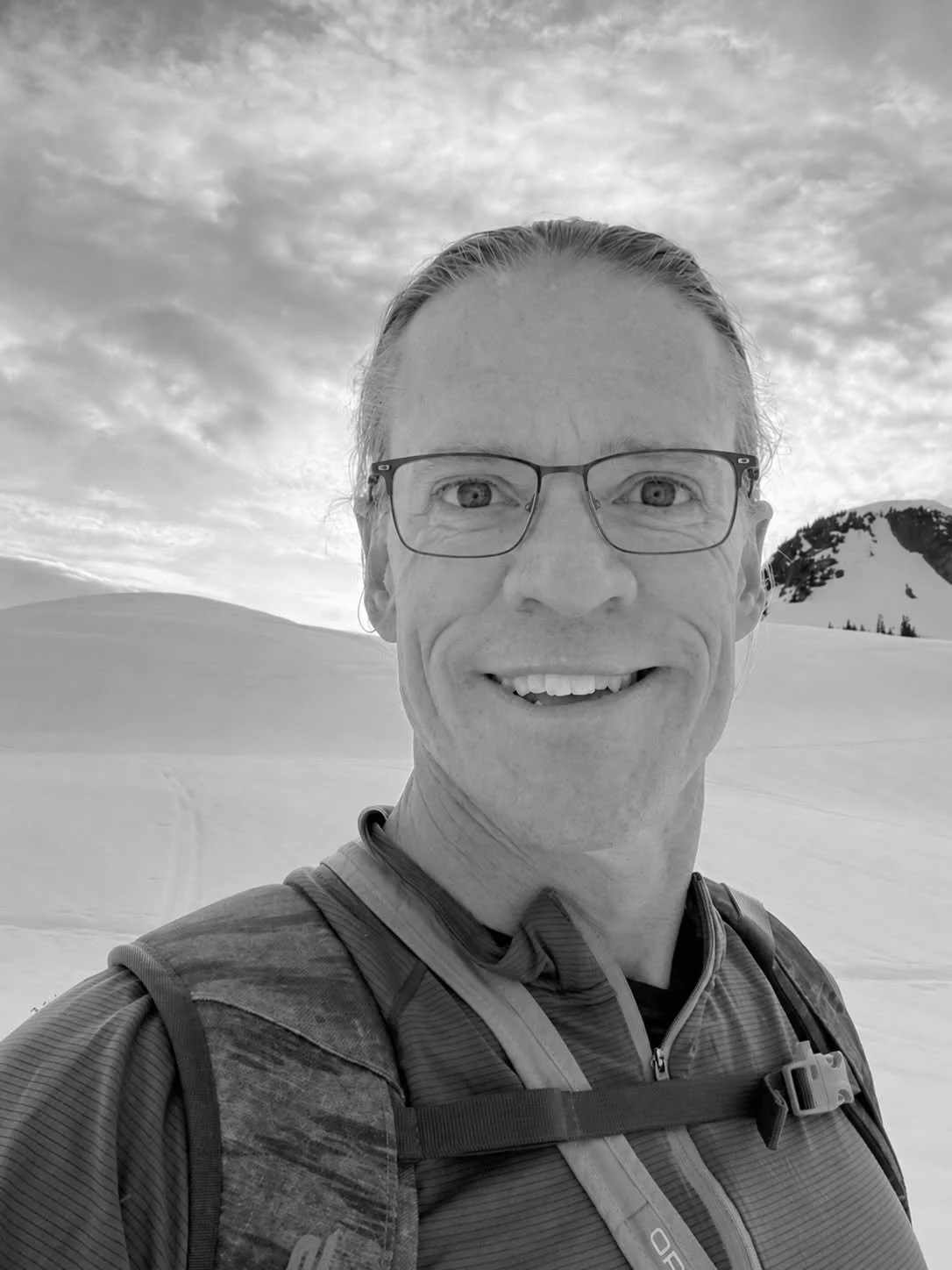
kathie_shoop.jpg

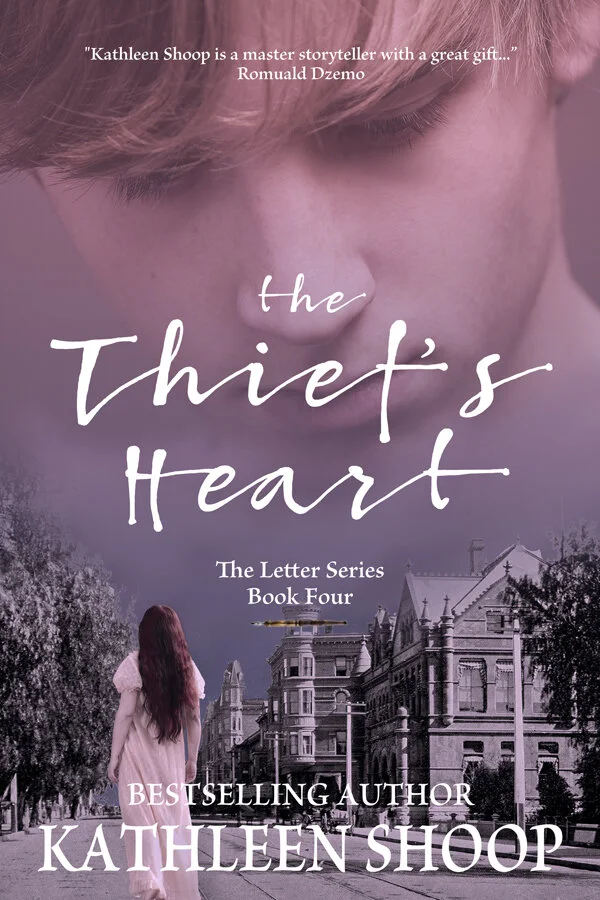
Can you tell us more about the inspiration behind The Letter series? What about compelled you to create an entire series based on the Arthur family?

The Letter Series was inspired by some of my family letters written in the 19th and early 20th centuries. A set of love letters written by my great-great grandmother to her fiance (my great-great grandfather) was the correspondence that started it all. After the first book in the series, The Last Letter, sold thousands and thousands of copies, readers began to ask to see more about the family. And so the rest of the series was born. While the books are inspired by my real family and there are some factual elements to the stories, each narrative is unique and fictionalized. 

Did you have to do a lot of research for The Thief’s Heart, or did you rely on research you’d already done for other books in the series? 

I did have to do quite a bit of research for The Thief’s Heart. Though the book is set at the same time as The Kitchen Mistress is, both books are from different characters’ points of view. The Thief’s Heart is about how Tommy is navigating the difficult changes the Arthur family is confronted with. The novel goes deeply into what causes his problems and how he attempts to overcome them. Though much of the set up and background for TKM and TTH is the same, the experiences the main characters have (even the way they interpret the very same events!) are wholly unique. 

How do you find the right balance between writing fiction that is fun and lighthearted, and fiction that has complex, heavier themes? 

I think whether a book hits just the right balance often depends on the individual reader. When I wrote The Last Letter I viewed the ending as being the definitive finish to a complicated story. I felt the ending was satisfying even if not happy in the way some fictional endings are happy. And many readers agree with my characterization. Others don’t. That really surprised me to get that kind of feedback at the time. So, with every book since that first one, I’ve tried to be even more mindful of balance between a complicated book that creates major problems for characters and making sure there are more light moments as the characters develop, they tackle difficulties, and the plot unfolds. 
You’ve garnered substantial recognition and praise for your books. What advice would you give to current and aspiring authors (especially indie authors) who want to be successful? 

Most advice I give encourages writers to create literature they want to read themselves and to hold the writing up as the most important component of selling. Trends are too hard to navigate if you aren’t really passionate about whatever trend you’re trying to “capture.” Now there are exceptions to that. Some writers are prolific, their interests match with what’s “hot,” and they easily adapt their writings to fit the market. Some authors are brilliant at that and they are rewarded and I would encourage them to maintain that path. But for writers like me, writers who write slower and aren’t as streamlined with their writing process, I would advise they learn to trust. I trust that my work will land with the readers who love it. I do my best to promote and market, hiring experts who know more than me  so that my work gets to those readers. But then I center my energy on the writing process, knowing that in the end, the craft is the most important part of the selling. 

What projects are you working on now?

I’m finishing up a novella, The River Jewel, that acts as a prequel to The Letter Series, will help drive readers to The Thief’s Heart as a sales tool. The River Jewel shows readers how Pearl (a “side” character in The Road Home, The Kitchen Mistress, and more of a main character in The Thief’s Heart) ended up being orphaned. I hope to write Pearl’s own novel soon, but this is a really fun way to give readers an extra Letter Series book to read and to focus on characters other than the Arthurs. I’m also writing the third book in the Donora Story Collection that is about Stan Musial’s childhood. So much more to come!! My newsletter and Facebook page always have new content and updates on my projects in progress and as they are completed.
Q&A with Zoe Kalo, Chameleon

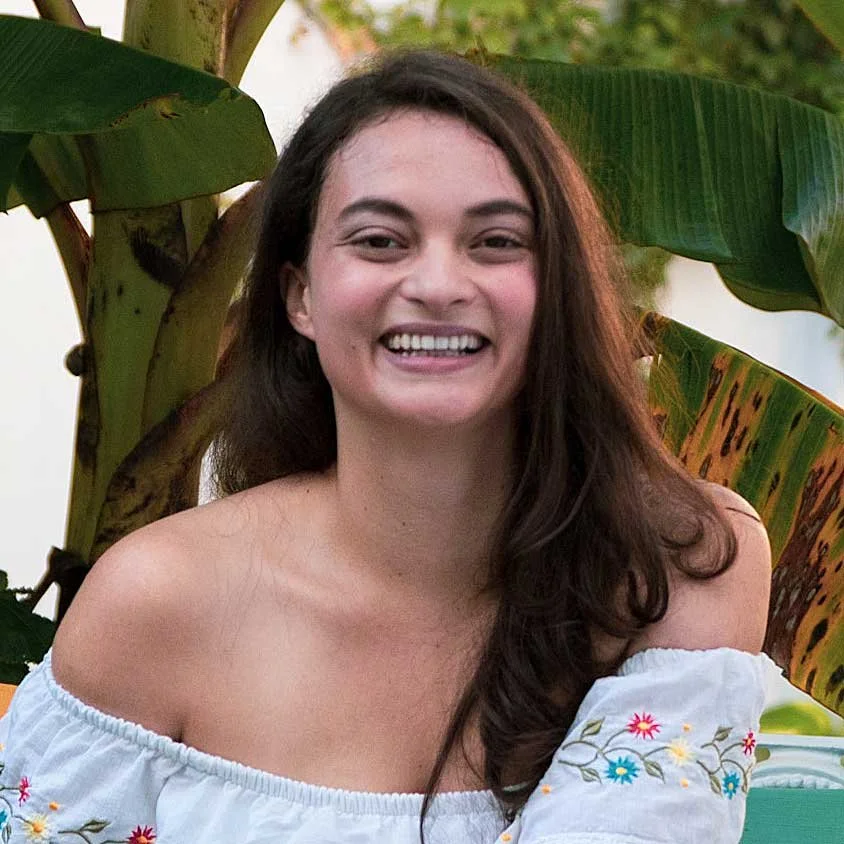
Zoe Kalo_400x399.jpg

What was your inspiration for Chameleon?

Like Paloma, I was partly educated in a convent school run by Catholic nuns. The convent was also an orphanage for girls, and actually some of the girls—Ramona and Sylvy—were based on real people. Adelita and Rubia were pure creations of my imagination. I did attempt to do a séance in one of the classrooms once, an act that made me end up in Madre Superiora’s office…but I didn’t get kicked out…nor experienced a ghost. ☺ 

Some of the scenes in the book depict the nuns in a very negative way. Can you comment on that?

Some of the nuns are nice, others…not so nice. That’s just the way it was. Except for Madre Superiora, all of the nuns in my book are based on real nuns. Madre Estela, Madre Julia, Madre Margarita were all real. Yes, Madre Julia with her giant wooden spoon, real. It may seem hard to believe, and certainly it would be tough to believe nuns can behave like that nowadays. But remember the story takes place in 1970s Puerto Rico. Catholic nuns were very strict back then, their disciplining methods cruel, but this was considered normal. 

How long did it take you to complete the book?

On and off, about two years. But the story and characters simmered in my mind for years before then.

Did you have to do a lot of research?

I did a tremendous amount of research on psychopaths and psychopathy, and a fair amount on natural drugs found in tropical forests, though I ended up using only a tiny fraction of the material. I also consulted a police officer for the parts about police procedural and interrogation. 

You like to use mimic writing, don’t you?

Yes, I do! I used it in Daughter of the Sun when the protagonist was drugged, and also in this book in the climax with Paloma. The writing becomes erratic and stream of consciousness because it reflects and mimics the altered mind of the character. No commas, no punctuation, one run-on sentence after another. I love using this literary technique but sometimes it can be confusing for the reader, so trying to find a balance can be very challenging. 

Did you listen to any particular kind of music while working on the book?

I sure did! I can get quite obsessed about that, listening to the same compositions again and again. This was my music list for Chameleon… all of them haunting, mysterious and dark!

Beethoven’s Figlio Perduto: https://www.youtube.com/watch?v=Wuo6PUeyHmA (Performed by Sarah Brightman)

Mozart’s Requiem in D Minor: https://www.youtube.com/watch?v=qiMcXzfm9Mg 

Agnes Obel’s Riverside: https://www.youtube.com/watch?v=vjncyiuwwXQ 

Revenge Series soundtrack: https://www.youtube.com/watch?v=DOgHd_iM5ok 

Interview with the Vampire soundtrack: https://www.youtube.com/watch?v=N6aPxaCpP78 

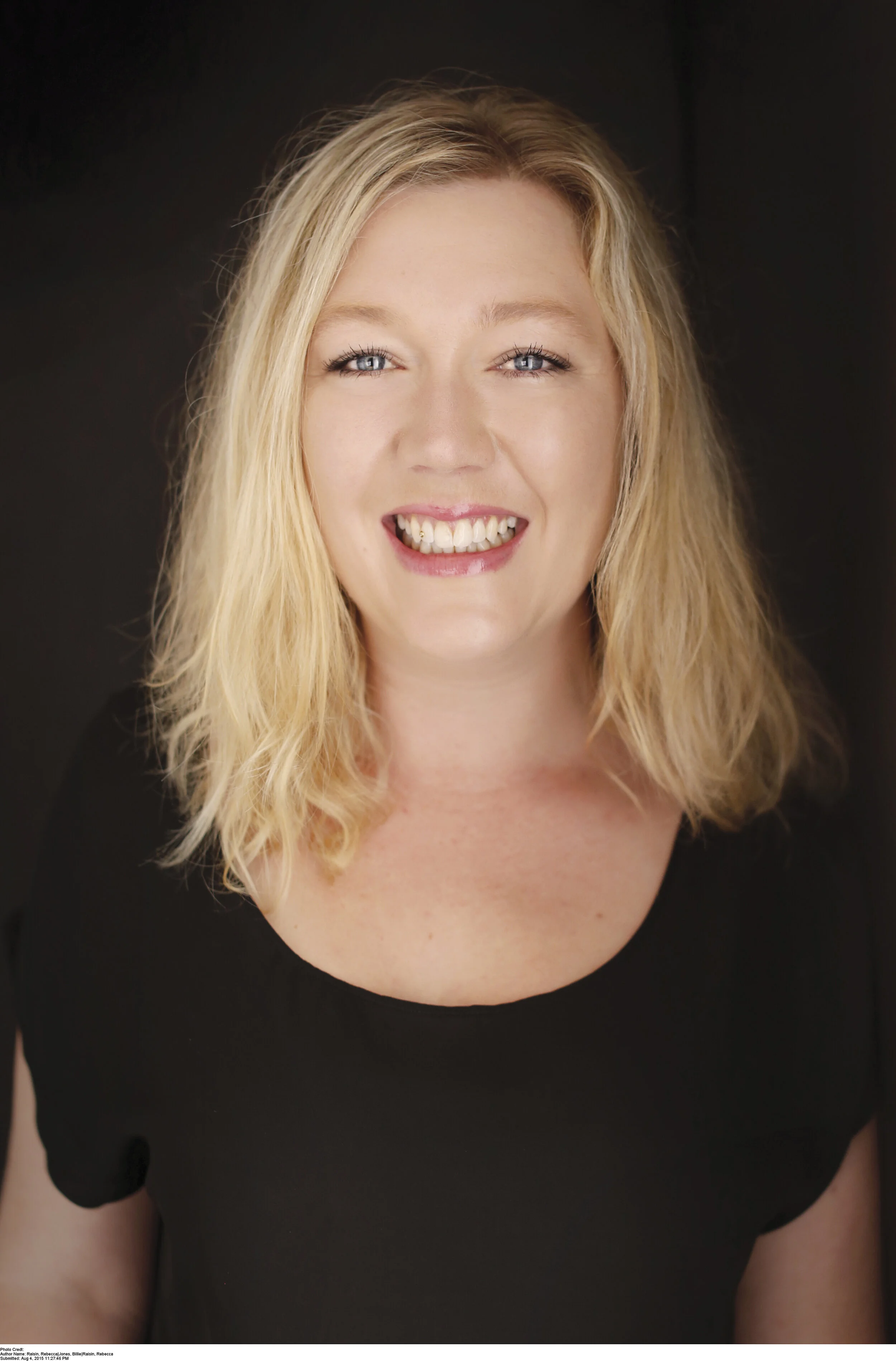
Q&A with Rebecca Raisin, The Little Bookshop on the Seine

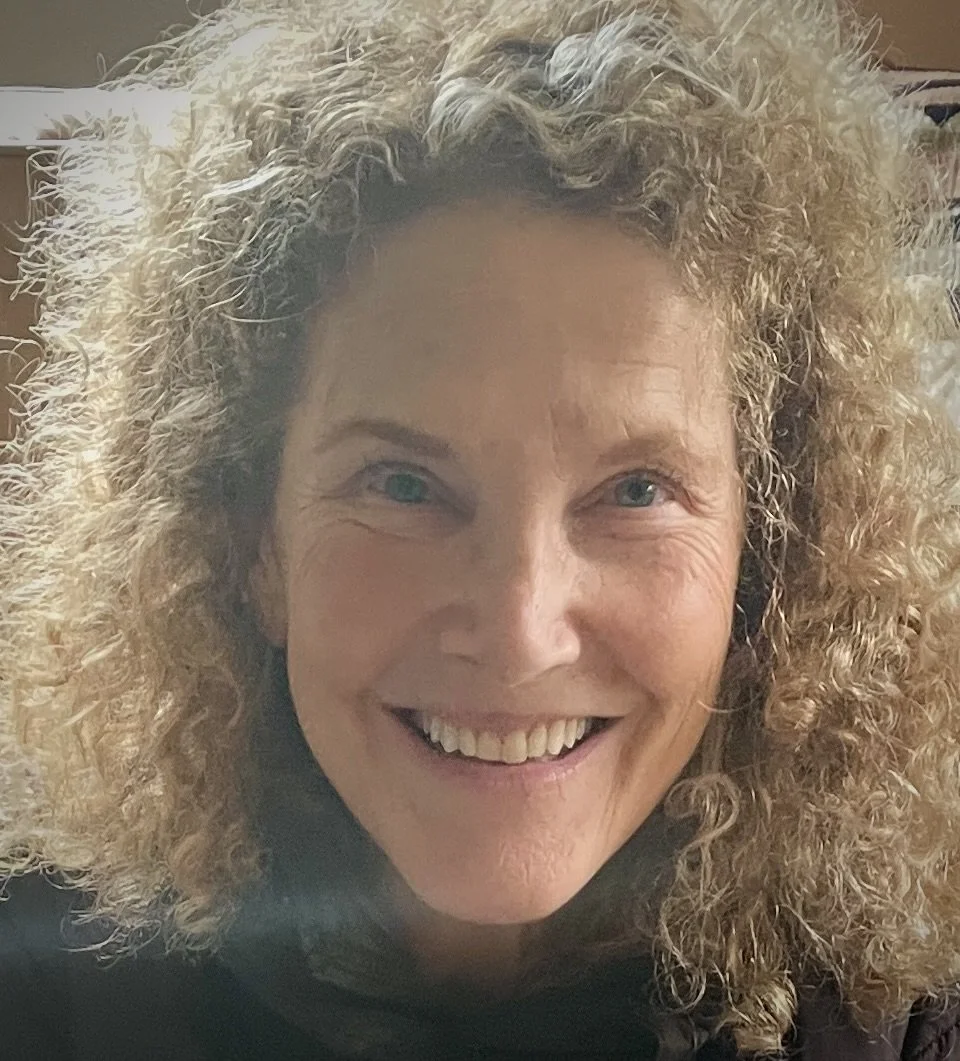
Rebecca Raisin_AuthorPhoto.jpg

Have you ever been to Paris?  If so, what are some of your favorite Parisian things?

I’ve been lucky enough to go Paris four times and do a bit of exploring for the books. It’s my favourite city in the world and if I could up and move I’d do it! I love the bookshops of Paris, particularly the secondhand shops that are dusty and musty and disorderly. You never know what you’ll find and that makes it magical. If you’re in Paris find the Abbey Bookshop, it’s full to bursting with English books and it’s a treasure trove if you have time to hunt! I also love French food - who doesn’t?! My favourite place to eat is the Christian Constant bistros. He has one for every budget and they’re all glorious. If you splurge once, I highly recommend it’s there. 

The Ritz is also a must-see, from Bar Hemingway to Salon Proust, it’s an experience like no other walking in the footsteps of those literary greats. Buly 1803 is the most beautiful perfume shop in all the world, it’s like stepping back in time. My favourite is the rose oil… ooh la la. And holding a special place in my heart is Point Zero Paris, the exact centre of the city and a place where magic happens - you’ll have to read the book to find out more...

What authors were/are a huge influence on you as you began writing?  Or Now?

I have always loved Maeve Binchy and Joanne Harris and the style in which they write. I love Maeve’s ability to write everyday relatable characters, and I love Joanne’s sense of whimsy. I love writing foodie books set in exotic locations and I think I probably fell in love with France through Joanne’s books, they managed to transport me fully and I must’ve reread them a hundred times by now. 

What's some of your favorite novels? What are you currently reading and what's on your TBR (to be read) list?

I loved Me Before You. I cried ugly, ugly tears at that. I must be a sucker for punishment because my all time favourite is The Fault in Our Stars. And also Rohinton Mistry’s A Fine Balance. Three books that you need to read in the privacy of your own home with some cucumber slices to apply after for puffy eyes! I’m currently reading the Seven Sisters series by Lucinda Riley, so a nice change of pace from sobbing my heart out. I love how different each sister is and how you still find common ground with them. 

What inspired you to write your The Little Bookshop on the Siene?

My love of Paris and its bookshops! And truthfully, I wangled the family there so I could do some ‘research’ which included eating my body weight in macarons and walking until I couldn’t feel my feet anymore and feeling that I was a little bit French on the inside if only the locals could see that! 

What theme or message do you hope readers will take away from your book?

I hope you do something reckless, something that scares you, jump out of that comfort zone and do that thing you’ve always dreamed of! What’s stopping you - fear, money, work, life? You can make it happen if only you take the plunge! Open yourself to new experiences and people and don't take the taxi, walk until your feet are numb and find those lost laneways and hidden alleys and see what you find! 

What drew you into this particular genre?

I love love, but Little Bookshop is also about another kind of love, the love of a place, or a feeling...writing this genre leaves it open to interpretation and anything goes as long you tie it all up at the end in a satisfying way! 

If you could sit down with any character in your book, what would you ask them and why?

I’d sit down with bookworm Sarah and ask her what she really thought of Luiz… I am still conflicted about that thread and what I could have done but didn’t!

What social media site has been the most helpful in developing your readership?

They’ve all been good in different ways but I’d say Facebook is my favourite. I have a great group of people who follow me there and really interact. It’s a nice place to stop and chat and they’re all really lovely. Instagram is good too. I love how creative book bloggers are with their photos, they’re very inspiring to me. 

What advice would you give to aspiring or just starting authors out there?

I’ve said this before and it’s really this simple. Write every day. I think it was Stephen King who said writing is like a muscle, the more you use it, the stronger it gets and it’s true! Carve out a time and stick to it. 

What does the future hold in store for you? Any new books/projects on the horizon?

I’m currently editing Aria’s Travelling Bookshop, which is about a Van Lifer who sells her wares as she explores France! (Are you detecting a pattern here!?) It’s the follow up to Rosie’s Travelling Tea Shop, which was released last March. Both books are about a different way of living, about having less but gaining more as you go. I’ve loved writing Rosie and Aria!.

Q&A with Emily Belden, Husband Material

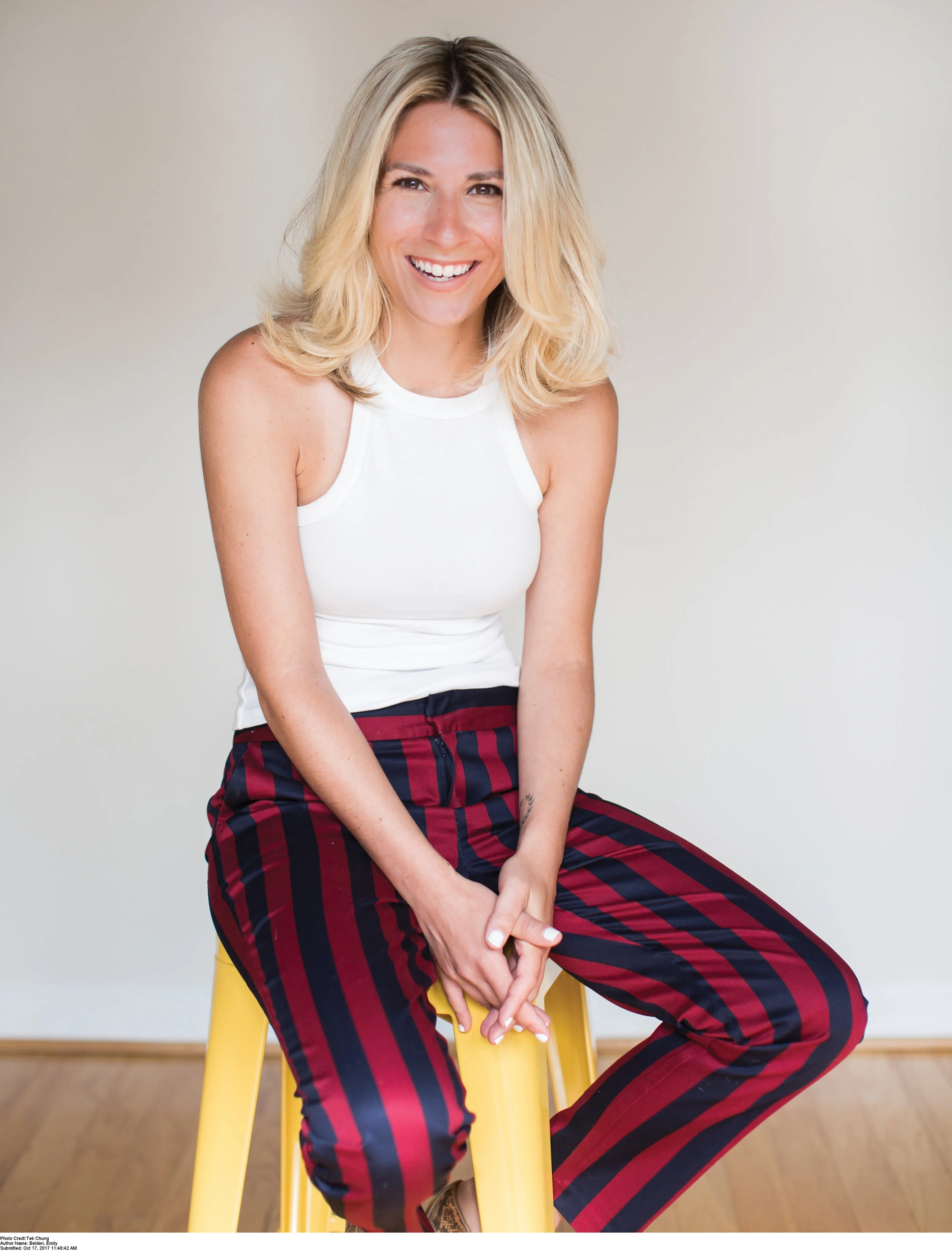
Autho photo_Emily Belden_final.jpg

When you begin writing a love story, do you know how you want it to end? Or do you decide as you develop the plot?

I generally have an idea of how I want things to wrap up, but what I always struggle with is that final sentence. How do you know you’re REALLY there? I often ready my theoretical last sentence out loud, followed by saying “The End”, and if it feels like it has a certain “ring” to it, then I can shut the laptop. If not, then I know it’s not my stopping point. Wrapping up that final thought with a bow on it is super important. It’s what I want when I read a book, at least.

 How was it to write about grief, pain and love for the same character?

It was new. That’s really the best word to explain it. HOT MESS has so many autobiographical elements to it (i.e., restaurant industry know-how, dating an addict, etc.) but HUSBAND MATERIAL was all unchartered territory for me. I realized right away that in order to write about the grief of losing a spouse/partner, I had to curate a focus group of real-life women like Charlotte and really learn from them to bring the level of authenticity and nuance needed to successfully write the book.

What type of love stories do you like? Or were there ones you looked to as you began writing Husband Material?

I like really unexpected love stories. In today’s literary landscape, there’s certainly a formula that is pretty common. So it’s the books that break or stray from that formula that really do it for me. I like stories where it’s not innately clear who the protagonist is going to end up with. Even with HOT MESS there’s a moment where (I hope) the reader is like “OMG WHAT IS HAPPENING” insofar as Allie’s love story goes. Same with Charlotte in HUSBAND MATERIAL.

Do you prefer to write by planning ahead (ie outlining, etc) or just go with the flow as inspiration hits?

I prefer to go with the flow. My general writing pattern is banging out 1-2 chapters at a time and then ending my work with a bulleted list of what I think needs to happen next. That way, when I open up my laptop and start to write the next 1-2 chapters, I’m not totally lost or forgetful of where I left off. It helps me figure out what would make sense in the flow of the pages.

When did you know you wanted to become an author? What are you currently reading and what's on your TBR list?

It’s been my only god-given talent since I was a little kid. It started with really creative letters to Santa or the Tooth Fairy. I won a contest to be a kid reporter for the Chicago Tribune when I was 12 years old and after that, my fate was sealed. I knew I wanted to write at the highest level I could! I am currently reading a book called Lulu’s Cafe by an author who is also repped by my agents, Browne & Miller. I really love it and can picture it as an adorable Hallmark Movie. 

What inspired you to write this book?

I heard a news story on the TV when I was doing dishes at my (former) home in San Diego. It was about a developer who wanted to buy the land a mausoleum was on so they could tear it down and build luxury condos overlooking the ocean. I thought, how crazy if your loved one’s ashes just got mailed back to you one day and the resting place you thought was final, wasn’t. It wasn’t easy, but turned that general premise into a light-side-of-heavy rom-com.

What theme or message do you hope readers will take away from your book?

Over all, that second chances at love take all different forms. You never know the circumstances someone has found themselves in, so be kind. For Charlotte, I intentionally wrote the first few chapters as if she was divorced--talking about her “first marriage”. Then you find out “Oh, sh*t, she’s a widow,” and all the sudden your emotional connection with her changes. I also find it interesting writing about death. We don’t talk about it in society, especially not in contemporary women’s fiction. A tragic, unexpected death is the crux of this book. Let’s dig in!
What drew you into this particular genre?

I saw there was room to carve out a spot for someone like me who writes unexpected, voicey, edgy, authentic women’s fiction and so I went full steam ahead with the help of a great agent to make it happen.

If you could sit down with any character in your book, what would you ask them and why?

I would sit down with Charlotte. I’ve met the “real life” versions of her when doing my focus groups for research, it would be my honor to meet her. I’d ask her if she wanted to team up and develop a dating app framed around people’s dogs. 

What social media site has been the most helpful in developing your readership?

Instagram. I feel like I’ve become friends with people I’ve never met in real life. They cheer me on and I’m humbled by it. I also find other authors on Facebook in certain literary groups. This has been fun and has helped me grow my TBR list with books I otherwise wouldn’t have heard of.

What advice would you give to aspiring or just starting authors out there?

Be patient. Be patient with the process - success as an author is fluid and can mean many different things. Nothing happens overnight. It’s a process. And be patient with yourself. If you aren’t vibing your writing, don’t put pressure on yourself to tap keys just because you said you were going to do 1,000 words tonight. There are times two weeks go by and I haven’t opened my Word doc once. But then when I am vibing it, I can cruise for 10K words and absolutely rock it. There’s an ebb and flow, for sure.

What does the future hold in store for you? Any new books/projects on the horizon?

A: I am working on a third novel at my own pace right now. I’m very excited about it and just exploring where the plot takes me. I would love to work on a film/TV/podcast adaption of any of my existing works as a next step, too. I also got married nine months ago and am enjoying life with my soulmate, Matt.

Q&A with J.T. Ellison, Good Girls Lie

JT Ellison Author Photo credit Krista Lee Photography - vertical.jpg

Do you plan your books in advance or let them develop as you write?

Both. Sometimes the story just unfolds, and sometimes I have to relentlessly work on themes and turning points and characters’ points of view. Every book is different, every book has its own unique challenges. I’m always thinking about what’s next, and sometimes even what’s after that. But when it comes to actually sitting down to write, I like to let the story unfold a bit, let it stretch its wings, before I try to lash it to the mast and conform it to my vision.

What does the act of writing mean to you?

It’s a sacred contract with me and a mythical “someone” who might read the words at some point in the future and find them entertaining or moving. It’s sheer magic on my end, creating, and sheer magic on the readers’ end, when they get to experience what was in my head as I was writing. It’s the most incredible mystical experience out there.

Have you ever had a character take over a story, and if so, who was it and why?

All the time. Oh my gosh, all the time. Honestly, if the character doesn’t run away with things, I know there’s a problem. Ivy, n LIE TO ME, is a particular favorite. She’s just so nasty…

Which one of Good Girls Lie’s characters was the hardest to write and why?

Ash, for sure. She was so elusive and aloof with me. The Britishisms, the secrets, the lies, she was always just out of reach. Of course, that was because I’d written her in third person. When I switched her to first, she wouldn’t shut up.

Which character in any of your books (Good Girls Lie or otherwise) is dearest to you and why?

Oh that’s an impossible question. Taylor. Sam. Sutton. Vivian. Ash. Aubrey. Ivy. Juliet. Lauren. Becca. Gavin. Baldwin. Xander. They are all me, on some level, whether it’s a fear or a triumph, a flaw or a heroic action. A moment of love or a moment of animosity. It’s like asking me to choose among my children, which one is my favorite. (I don’t have kids, by the way, but I couldn’t pick my favorite of my kittens, either.)

What did you want to be as a child? Was it an author?

I desperately wanted to be Colorado’s first female firefighter. When that job was taken, I cast about. Doctor. Lawyer. Fighter Pilot. Spy. International business maven. Olympic swimmer. Poet. In the end, being a writer was my only choice. That way, I get to experience all the lives I could have led.

What does a day in the life of J.T. Ellison look like?

It’s rather blissful. It starts rather lazily, with the cats cuddled into my arms and the newspaper on my iPad, then progresses to kicking the lazy beasts out, pouring a cup of tea and handling email. I am not a morning person, so I tend to do business in the morning and writing in the afternoon, when I’m sharper. I’ve always wanted to be the writer who gets up at 5 am to write whilst the birds chirp and the house sleeps, watching the sun rise and running five miles before the rest of the world is awake, but alas, it was not meant to be. You need to go to a concert that starts at ten p.m., I’m your girl.

What do you use to inspire you when you get Writer’s Block?

It depends. If it’s a genuine block, a I’ve lost faith in myself and my work block, I will step away from the manuscript entirely, read, walk, golf, yoga, go out for margaritas with my husband, anything to remove me from the situation. But 90 percent of the time, it’s just a story issue, so I work it out with some of my creative partners. Lots of texting and phone calls and what ifs, until it shakes itself free.

What book would you take with you to a desert island?

Hmmm… my knee jerk is the Harry Potter series – I know, I know, that’s seven books, but I’m sure there’s an omnibus edition somewhere. The fight for good and evil never ceases to amaze and comfort me. Knowing love conquers evil is a big deal in this world. And Hermione kicks ass. If I’m forced into a single title, Plato’s Republic. I’ve been obsessed with the allegory of the cave my entire adult life.

Do you have stories on the back burner that are just waiting to be written?

So. Many. Stories. I will never get to them all. At last count, there are 49 in my “Story Idea” folder, with several more floating around in my head.

What has been the hardest thing about publishing? What has been the most fun?

The hardest is staying in the game, juggling the necessary mix of creativity and business, finding new paths to reach readers and leveling up the writing so it’s possible to grow my career. It was much easier to write, to focus, before our constant connections to the internet consumed us. The most fun is that email from a reader, when something I’ve written strikes a chord with them and they write to tell me they love a story, or a character, or an ending. It doesn’t get better than that.

What advice would you give budding authors about publishing?

Stay as much in a vacuum as you can while writing. You don’t need a platform, you need an excellent, groundbreaking book. And read everything. Everything you can get your hands on. You learn writing through osmosis as much as writing the books themselves. Find your writing habit and hold it sacred. If you respect your work, your people will, too.

What was the last thing you read?

I just finished Holly Black’s THE QUEEN OF NOTHING, the finale of her Folk of the Air trilogy, and just finished listening to BAG OF BONES by Stephen King. Both were exceptional.

Tell us about what you’re working on now.

I’m writing a novel about a destination wedding that goes very, very wrong. It has loose ties to Rebecca, and it titled HER DARK LIES.

Q&A with Wendy Heard, The Kill Club

Wendy Heard Author Photo_Credit Courtest MIRA Books (1).jpg

Do you plan your books in advance or let them develop as you write?

I plan them for a long time before I start writing them, and I’m constantly revising my outline, but the plot and characters do develop quite a bit along the way.  

What does the act of writing mean to you?

It means everything to me! I have been writing for a really long time, since childhood. Words and story have always been the way I’ve made sense of things. I’m constantly making up narratives for people and events around me. 

Have you ever had a character take over a story, and if so, who was it and why?

Jazz held THE KILL CLUB hostage for months because I couldn’t get her to talk to me! She just kept crossing her arms across her chest and glaring at me. She did NOT want a book written about her, and I really needed her inner monologue for that first person POV! Eventually I started mentally arguing with her, and then in fighting with her and hearing her side, I started to get ALL of her IM. It was an interesting experience, trying to engage with a character in different ways until they cracked open. 

Which one of The Kill Club characters was the hardest to write and why?

Sofia. Her story is so much like so many others I’ve known. It’s quietly and invisibly tragic, her pain at the loss of her child so sharp.

Which character in any of your books (The Kill Club or otherwise) is dearest to you and why?

Jazz! By far, Jazz is my favorite character. In my mind, she’s kind of the spirit of Los Angeles. She’s been through so much, and her sense of humor and lack of entitlement gets her through it all. She just continuously makes the best of every hand she’s dealt, moves forward, and doesn’t engage in self-pity. 

Do you have stories on the back burner that are just waiting to be written?

Let me get out my banjo. YES. I have so many. I have a YA that’s waiting to be written after I finish this current work in progress, which I’ve stopped and started a bunch of times, really honing the concept to get it just where I want it. But I’m constantly coming up with book ideas and having to tell them “not right now, darlings!”

What has been the hardest thing about publishing? What has been the most fun?

Publishing is not for the faint of heart. For me, the beast is always self-doubt, and in a business that is full of rejection, that can really eat at you. It’s so easy to get out of balance and give our creative projects the power to define us. It’s important for anyone selling their art to remember to nurture a healthy life away from it, because art is a fickle master. It will come and go over your lifetime, and it won’t always be kind. You have to accept the rules of the game, but you don’t have to let the game play you. 

What advice would you give budding authors about publishing?

You’ll hear this a thousand times, and you won’t believe it, but: the most important thing is writing a good book, and more than that, the right book. If you let the market and external forces tell you what to create, you’ll resent and blame them when it doesn’t go well. That said, keep an eye on the market, find a way to love something you think can sell, and then put your personal spin on it. No one can tell your story but you. Prerequisite skills for publishing: The ability to revise without having a tantrum; an interest in book marketing and publicity; professional written communication; the ability to hold your freakout moments and vent them far away from a public or professional setting; an addiction to caffeine. And for God’s sake, if you’ve been working on something for years and it hasn’t sold and you’ve revised it forty times, write a new book. 

What was the last thing you read?

All Your Twisted Secrets by Diana Urban. It’s a 2020 book and has a fascinating timeline craft thing that you’re going to love. 

Your top five authors?

This is not fair because I have at least seven thousand favorite authors! How about this--here are some crime fiction authors doing some innovative things in the genre. Kellye Garrett, who’s doing sharp-witted, LA-based mysteries and winning a ton of awards. John Vercher, who talks about social issues while keeping it gritty and plotty. Rachel Howzell Hall, an LA native who does these rad investigative mysteries. Tori Eldridge has a recent and very feminist take on the action thriller with her recent The Ninja Daughter, which I highly recommend. Gabino Iglesias’ award-winning Coyote Songs is this incredible genre mashup, part folklore, part horror, all commentary, and I can’t recommend it enough. One more one more. Carmen Machado’s recent In the Dream House. It’s memoir told in all different genres, it’s chilling, engrossing, dense, and fascinating. Did you read Her Body and Other Parties? Just wow. 

Book you've bought just for the cover?

Wilder Girls. Because holy crap.  

What did you want to be as a child? Was it an author?

I was torn between the visual arts and writing, and I always vacillated between them. I have a degree in art, and I wrote a book, then did my painting degree, then wrote some nonfiction, then got my art teaching credential. I was trying things on for size. I do wish I still had time for painting. I never intended to abandon it completely in favor of writing books, but there are only so many hours in the day. I hope to come back to it in a future existence in which I have some spare time. In the meantime, I try to write about artists and art as a means of hanging onto it. 

What does a day in the life of Wendy Heard look like?

Sex, drugs, and rock and roll. Just kidding. I wake up at five, do publishing stuff, go to work at my day job, get my kid, come home, arm-wrestle her into doing homework, go to the gym, etc. On the weekends I wake up at five (yes I’m serious), write for a few hours, maybe record or edit an episode of the Unlikeable Female Characters Podcast, and then, you know, parenting and life stuff. Whenever my daughter is on a playdate or doing something away from me, I’m writing. 

What do you use to inspire you when you get Writer’s Block?

I dive into the DMs and torture some writing friends, make them brainstorm with me until I feel better and I have a plan. Or I just step away for awhile. I actually have come to trust writer’s block. If I can’t move forward, I need to stop and consider. There’s something wrong, and my brain is trying to get me to stop and gather up the threads. We’re so obsessed with productivity and daily word count, but I actually find I finish books faster when I don’t force myself to write things I know are wrong and waste weeks undoing things. 

What book would you take with you to a desert island?

I have a massive volume that contains all the Sherlock Holmes stories in one. I’d take one of those collection type of books. See, it’s technically ONE book.  

Best TV or Movie adaptation of a book?

The Neverending Story.

Tell us about what you’re working on now.

I’m doing a final round of revisions on my 2021 YA thriller, She’s Too Pretty to Burn. It’s loosely based off Dorian Gray and is about a teen photographer who takes a life-altering picture of her introverted girlfriend, sending them into a spiral of fame and danger in an underground San Diego art scene. It has a character who’s basically a fine art Banksy and lots of art crimes.