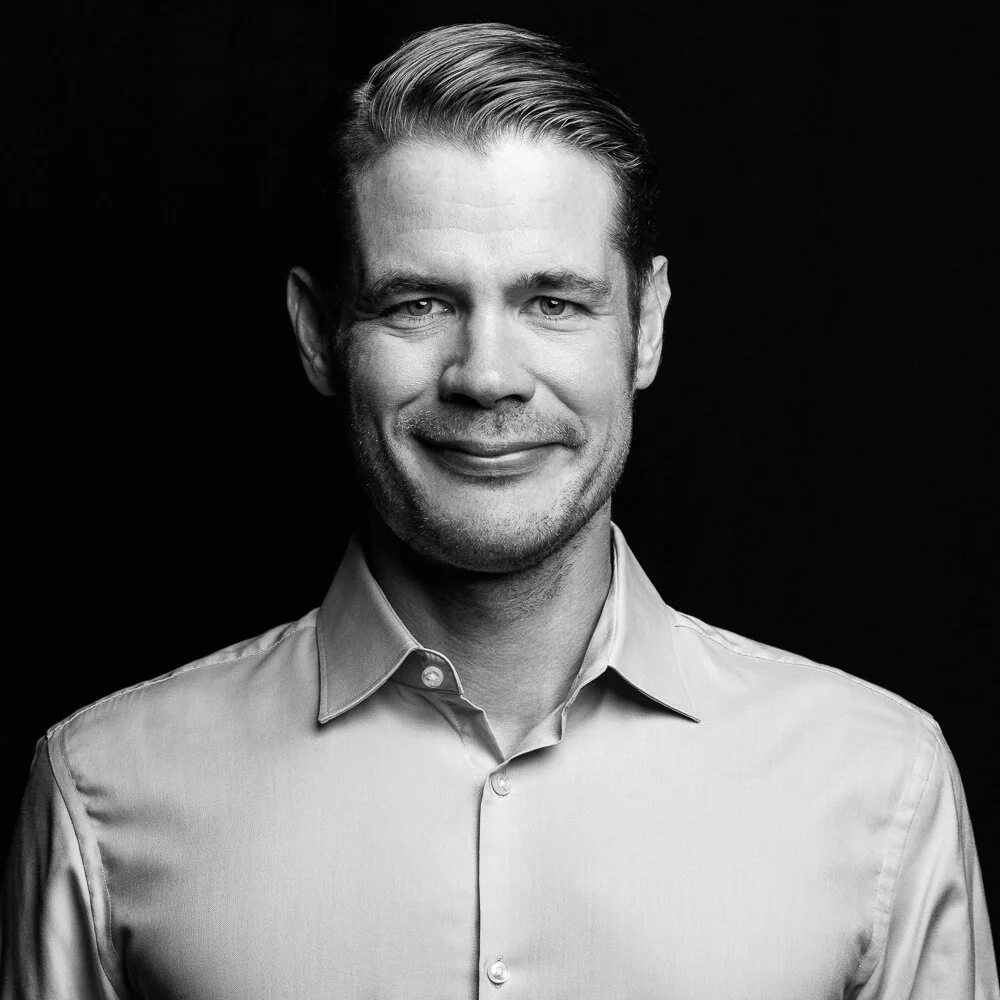
Q&A with Felix Holzapfel, Catch-42: A Novel About Our Future

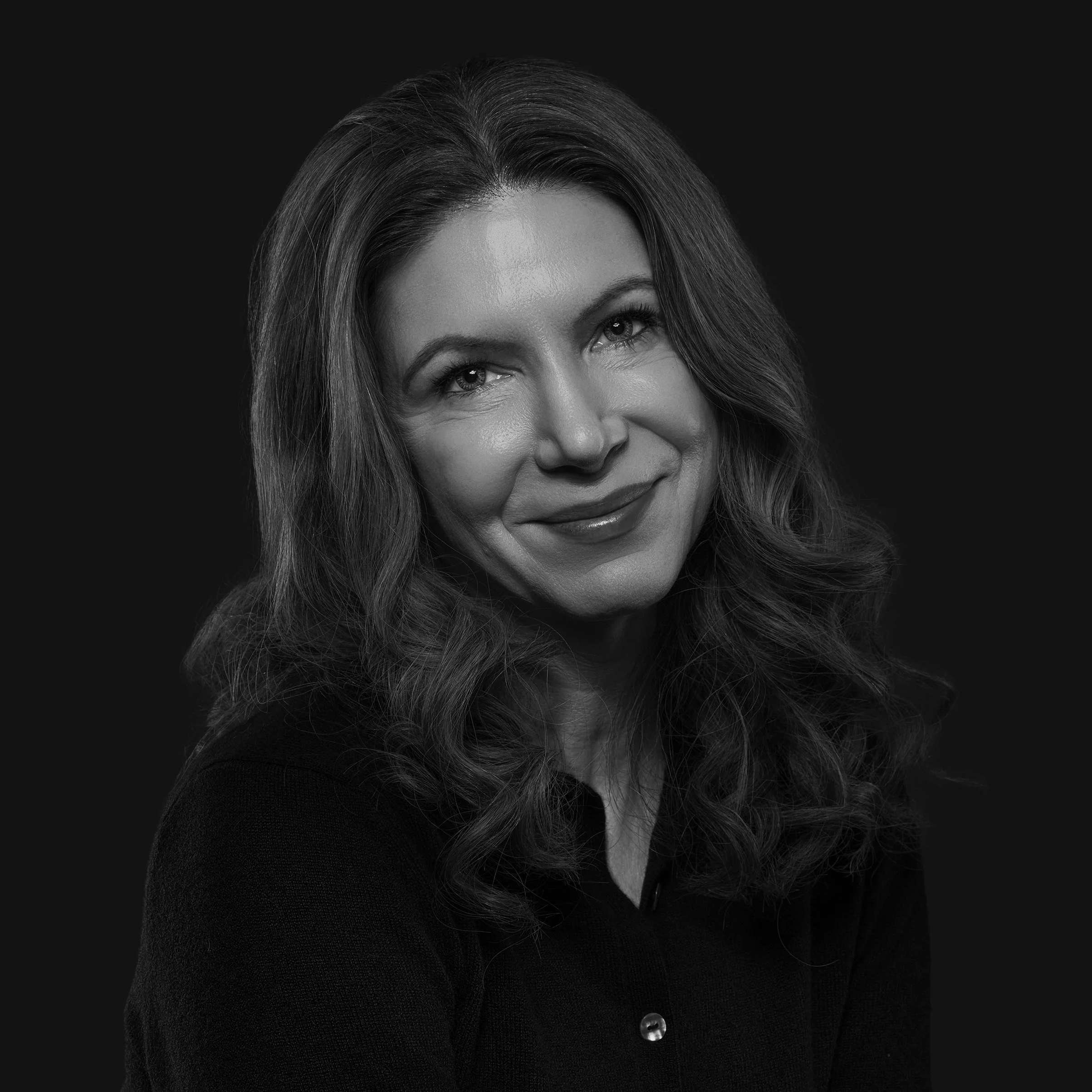
FelixWeb_Square (1).jpg

When did you first realize you wanted to be a writer? Or what first inspired you to write?

I'm the youngest of four, so I needed to talk a lot to get heard at all. I guess that's one of the reasons I’ve been a good storyteller ever since I was a little kid. When I finished first grade, my teacher commented on my report card that I fascinated my classmates with my stories. I’ve also loved reading since I was little, but I was never a good writer. One day, my friend Jana read one of my business plans and told me, "Felix, your stories and your ability to express yourself are amazing, but your writing is horrible! Have you ever thought about shortening your sentences? You know, turning one sentences into two, three, or even four or more?" This straightforward advice, which none of my teachers ever gave me, improved my writing significantly.

Where and when do you best like to write?

In the last two decades, I trained myself strictly so I could work everywhere, no matter the time or surroundings. The same applies to my writing. But if I have a choice, I prefer quiet spots. I love sitting outside while writing, best-case having some sunshine, warm weather, and the ocean close by.

What do you think makes a good story?

I enjoy stories that combine an intoxicating plot with elements that teach me something or make me think. I also love stories that turn complex and demanding topics and knowledge into something I want to learn more about. And if people have something to tell, memoirs can make good stories, too.

What inspired your story?

Three main elements inspired me:

First, my having worked for two decades in the IT and digital marketing industry.

While explaining the latest trends to an elite audience, I thought that parts of IT are knowledge everyone should have—especially in our day, when technology is omnipresent and about to change some of humanity’s fundamentals.

Second, after selling our company, I took a one-year sabbatical to travel the world with my wife and our two children. I visited creative hotspots and benefitted from fascinating conversations with industry experts, entrepreneurs, and other inspiring people. Many of these inspirations found their way into the book.

Third, we returned home in February 2020, just before Covid-19 changed the world. This extraordinary stroke of fate influenced what I had been thinking about and added new ideas to my initial concept for this book.

Is there a message/theme in your novel that you want readers to grasp?

Yes! Don’t ever think you’re not capable of influencing the bigger picture. If everybody felt that way, a few would paint the bigger picture for all of us—a picture that’s not likely to match our expectations. If we each contribute our little piece, the bigger picture of our future will become more significant, more colorful, and more beautiful than we can imagine. Contributing is up to all of us.

With this book, I want to encourage as many people as possible to think—from radically new perspectives—how humanity, technology, the economy, and our society might develop in the future. Even better, I want people to think about how they would like our world to change and how each of us can become an active part in the decision-making process that has already begun.

What was your greatest challenge in writing this book?

I thought my greatest challenge would be writing the book in English instead of my first language, German, but thanks to the support of my wonderful editors Howard and Darby, language turned out to be a minor concern.
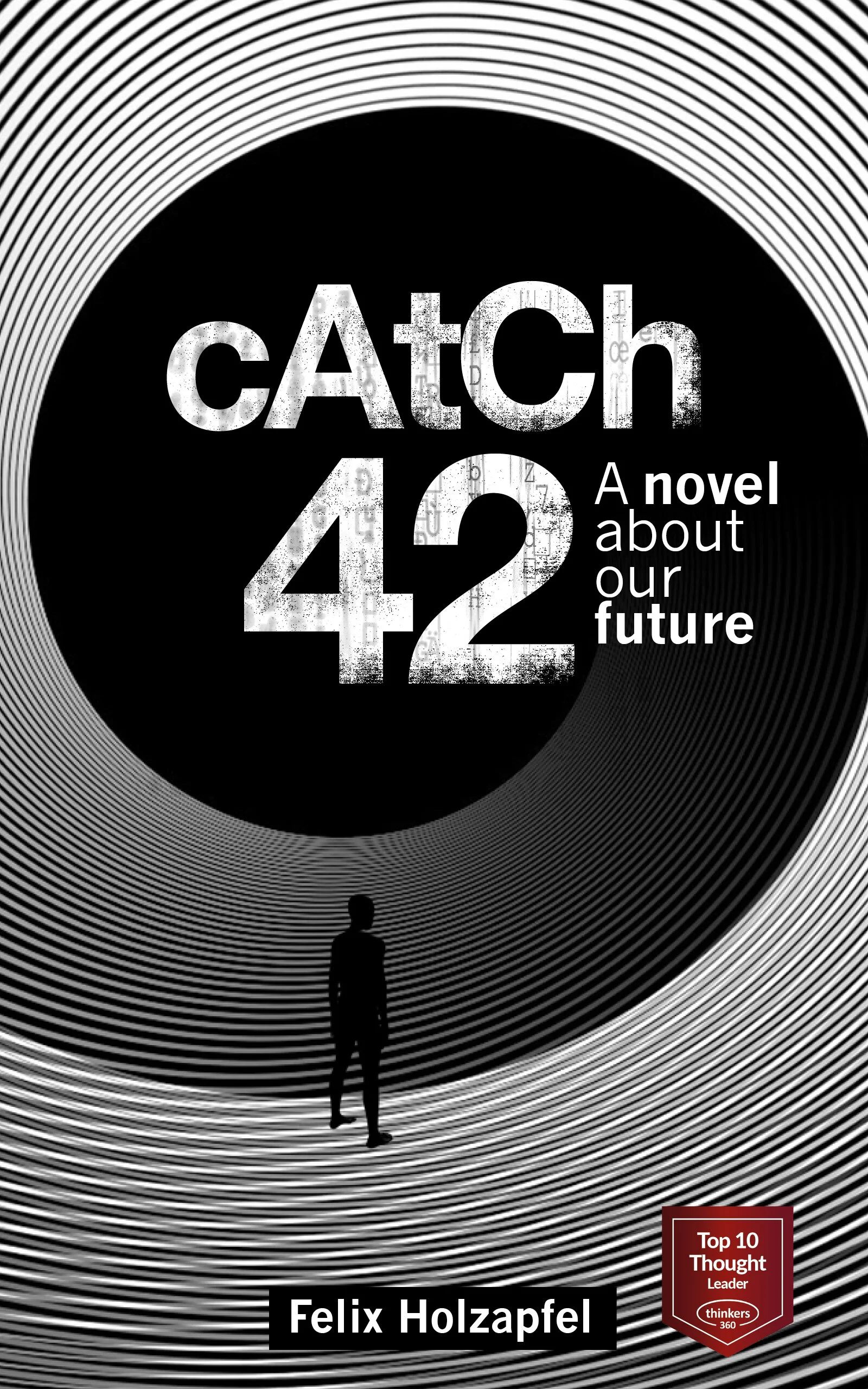
Buy on Amazon

Buy on Amazon

The greatest challenge was creating a complex plot with all its layers and linking different storylines and demanding topics across different worlds and times. I'm pretty good at being able to stay focused for a very long time. But writing this book brought me from time to time to my limits. Sometimes my wife or the kids would enter the room and ask me a simple question, or something would distract me for a couple of seconds, and an entire construct in my mind would collapse, forcing me to start all over again. But over time, I got better. And—I'm still married to my wife, and the kids have forgiven me for not giving them the attention they deserved while I was in the zone writing the manuscript.

Your book's main objective is to motivate people to think about future challenges in technology, society, and humanity, and—best-case—to actively participate in decision-making happening right now. How can each of us contribute?

This is an excellent question. Our world is moving faster than ever. Thus, that people can't see the forest for the trees is no surprise. In Catch-42, I try to take people by the hand, step back, and look at the big picture.

If Catch-42 somehow makes readers think, then they can become active participants in decision-making by following three simple steps that I list at the book’s conclusion. The bottom line for readers is: learn more about the book’s topics that catch your interest, talk with others to gain new perspectives and create a grassroots movement, and don’t let others paint the bigger picture for you. Everyone needs to become an active part of the decision-making-process!

In addition, I included examples of fundamental questions that we should all think about from time to time and try to find consensus—even though we may thoroughly disagree on the answers.

What qualifies you to write Catch-42—a book that covers not only a wide range of technologies but also questions fundamentals involving today's way of life, our society, and our core values?

One of the key points I make in Catch-42 is that to understand the full impact of converging technologies, connecting the dots among different disciplines may be more important than ever. To be an expert in every aspect is almost impossible because of the variety of topics. Nevertheless, I tried to gain as much knowledge as possible and melt different worlds into one fascinating story.

In my over two decades working in the IT and marketing industries for some of the world's leading brands, I acquired extensive knowledge in a variety of areas in a short time. The experience trained me to ask the right questions while I gained invaluable insights from clients across a wide range of categories—some tech-heavy, others related to social behaviors, desires, or people's everyday needs. We created solutions for different target audiences across all imaginable social demographics.

In addition, I benefitted from my family background in writing Catch-42. I grew up in an environment where talking politics was valued. My grandmother co-founded a publishing house that publishes the annual book of all politicians who are part of the German government. When I was a teenager, I visited her daily. During lunch, we discussed past and current political developments. These conversations were just one of the influences that shaped my interest in global politics that I’ve had to this day.

These factors may not make me the perfect candidate to have written this futuristic call-to-action book, but I'm confident that at the least Catch-42 will enable readers to look at life fundamentals from different perspectives. I know that I went above and beyond to pack as much passion, knowledge, and creativity in the book as I could.

What's the best writing advice you ever received?

I'm almost ashamed to admit it because it's so basic and the 101 of writing. But sometimes, the easiest things can be the most challenging: "Show, don’t tell."

Connect with Felix:

www.catch-42.com
www.linkedin.com/in/felixholzapfel
www.twitter.com/felix_holzapfel
www.facebook.com/felixholzapfel
www.instagram.com/felixholzapfel23
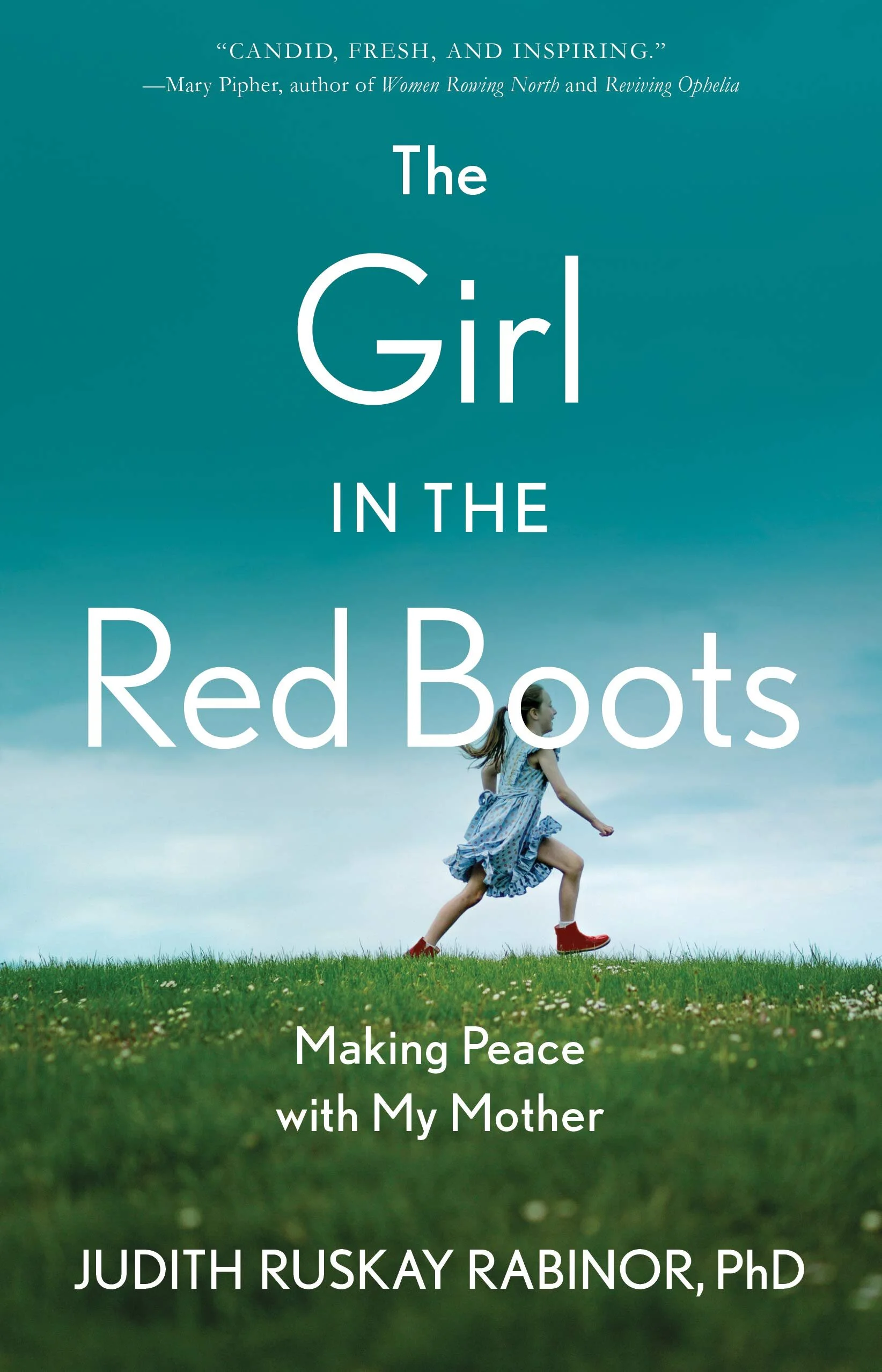
The Girl in the Red Boots: Making Peace with My Mother by Judith Ruskay Rabinor, PhD

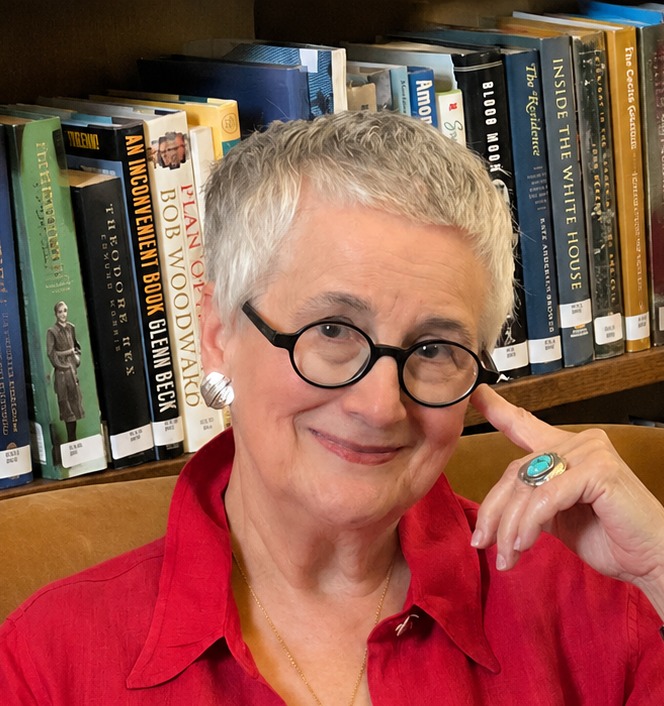
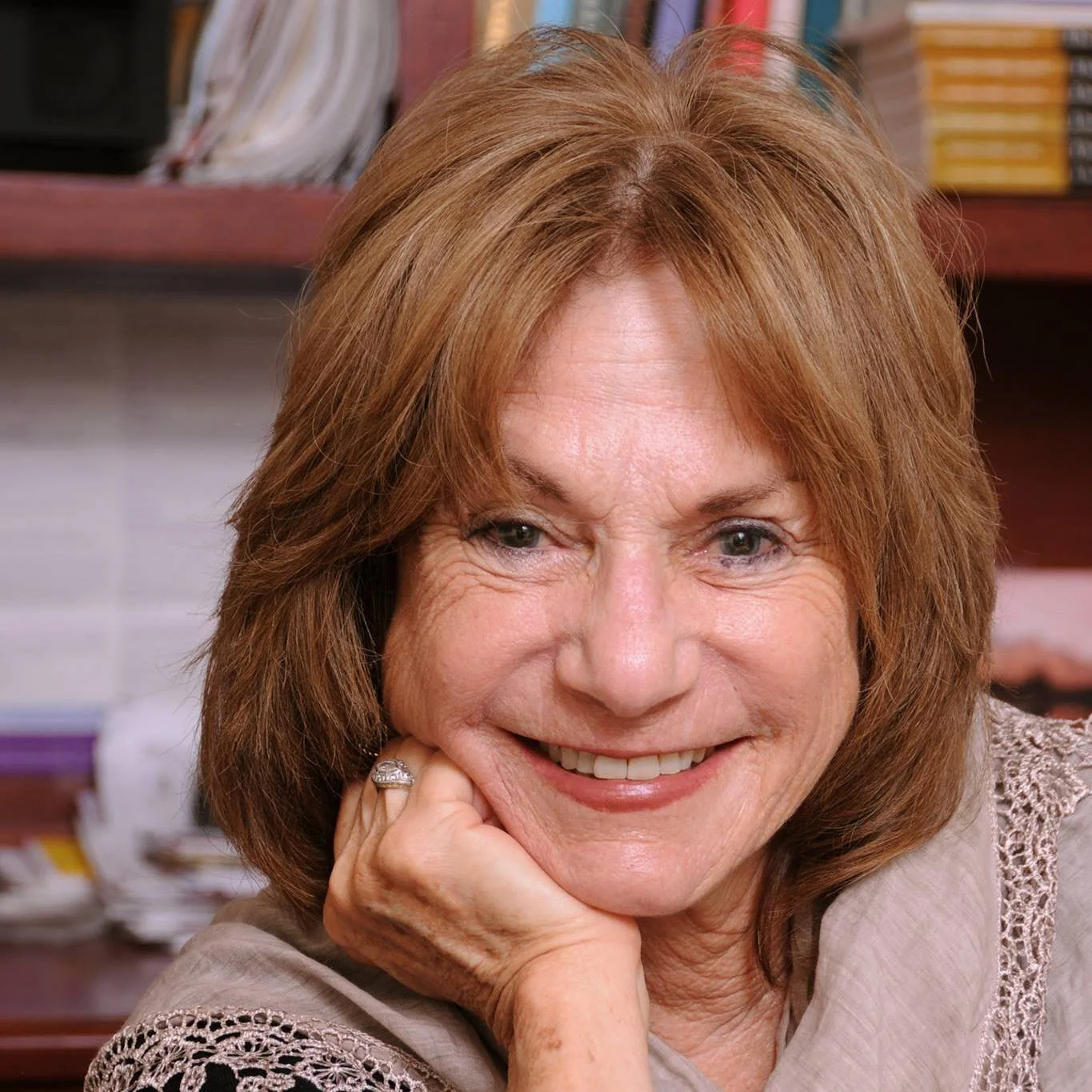
Judith Rabinor Headshot.jpg

This book was born in 1983, when my 68-year-old divorced mother-in-law announced her remarriage. Ironically, her second wedding coincided with my divorce-- from none other than her son!  I’d always assumed her life as a divorced woman was lonely and difficult, but she opened up and dissuaded me of that belief. Her message was clear: single life could be fun! I joined a writing group and began writing about her (working title) Between Marriages: The Diary of a Mid-Life Woman.  A month into the group, I switched gears and began writing about my mother. Two of the key stories in The Girl in the Red Boots were written then.  

Between 1983 and The Girl in the Red Boots, I published two books and dozens of articles.  In the background, I continued writing about my complicated relationship with my mother. Flash forward to 2013. Following my mother’s death, I decided to assemble my writing. Nervous about revealing my personal issues, I enrolled in both a fiction and non-fiction class. In writing two versions of the same story, it became clear that memoir was my stronger voice. 

Writing this book became my ritual of mourning. My mother’s last years were difficult. She spent a decade battling Parkinson’s disease and dementia; it was a slow, sad, debilitating ending.  I was the loyal and devoted daughter who was also despairing and resentful as I plunged into what is now a familiar journey: accompanying our parents to the gates.  I grieved for my mother as she deteriorated, I grieved for myself, too, as I tenaciously stood by her. Giving myself time to write helped me sift through her life and our relationship. 

The subtitle of my book is Making Peace with My Mother. In writing this book I learned  it wasn’t my mother I needed to make peace with so much as with my ambivalent feelings towards her. I’d always loved her but I’d struggled with my angry and resentful feelings. I puzzled over why I was unable to let go of my grievances. Now that I’ve written the book, I understand why: it’s difficult to let go of a traumatic experience without processing it. 

For much of my life I’d helped patients understand that one doesn’t have to be victimized by cataclysmic abuse to be scarred by trauma. Unwittingly, I’d minimized the impact of events in my own life I would later understand as traumatic. Writing has always helped me release and process my feelings—and helped me face my blind spots. Ultimately it’s been a lifelong resource. 

The main message of this book is that it is possible to heal a wounded relationship. The centerpiece tells the story of how I healed my relationship with my mother, and The Girl in the Red Boots is filled with stories of how I helped my patients, young girls and women with eating disorders, heal as well. Working with patients offered me the opportunity to reflect on my relationship with my mother.  A breakthrough moment occurred when I asked myself why I was able to be compassionate to my patients’ mothers but lacked compassion for mine. Asking this question shifted something important in me. Sometimes simply asking a new question is enough to create change.  

Part memoir, part self-help, here are five takeaways:

  1. It’s never too late to change your story and change your life. Even if your parent is dead you have the opportunity to revisit your story and rewrite your life.

  2. Love is always imperfect. All of us are flawed, limited and have blind spots. Speaking about creating compelling characters in her compelling memoir, Wild Game, Adrienne Brodeur quoted Vivian Gornick’s advice, “You have to show the loneliness of the monster and the cunning of the victim.” While writing my memoir, I kept those words taped to a bulletin board above my desk. Ambivalence is part of all relationships.

  3. No one is as bad as the worst thing s/he has ever done.  For many years I held onto “Bad Mommy” stories, They reinforced my dissatisfaction with my mother. I carried a limited single story. Broadening my perspective helped me heal.

  4. We are all imperfect narrators. Your story is simply a story. Now is a good time to examine any stories you tell yourself repeatedly. Do your stories reinforce your grudges?  Are you telling a story as a victim or a survivor? Change your story, change your life.  

  5. Stories are our best teachers. Every story you hear has the possibility of changing you. The necessary ingredients are a curious mind and an open heart.

ABOUT THE AUTHOR

Judith Ruskay Rabinor, PhD, is a clinician, author, writing coach, speaker, and workshop leader. In addition to her New York City private psychotherapy practice, she offers remote consultations for writers, clinicians and families. She has published dozens of articles for both the public and professionals and has authored three books, The Girl in the Red Boots: Making Peace with My Mother (She Writes Press, 2021),  A Starving Madness: Tales of Hunger, Hope and Healing in Psychotherapy (Gurze Books, 2002) and Befriending Your Ex After Divorce: Making Life Better for You, Your Kids and Yes, Your Ex (New Harbinger Publications, 2012). A sought-after speaker and workshop leader, Judy speaks at national and international mental health conferences and runs workshops at spas, colleges and universities and retreat centers. Please visit: https://judithruskayrabinorphd.com

Facebook: https://www.facebook.com/girlinredboots

Twitter: https://twitter.com/DrJudyRabinor 

LinkedIn: https://www.linkedin.com/in/drjudyrabinor/

Instagram: https://www.instagram.com/drjudyrabinor/ 

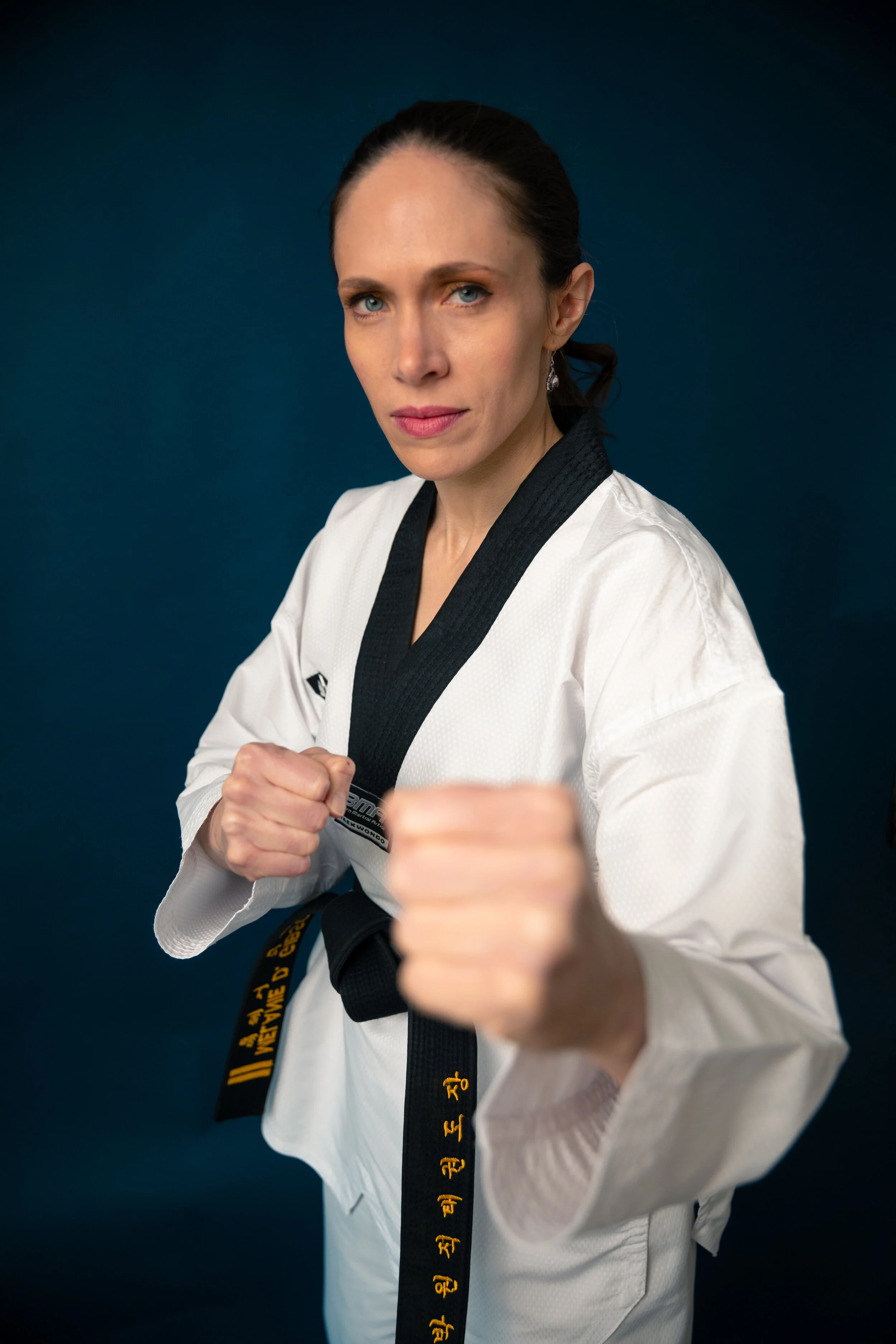
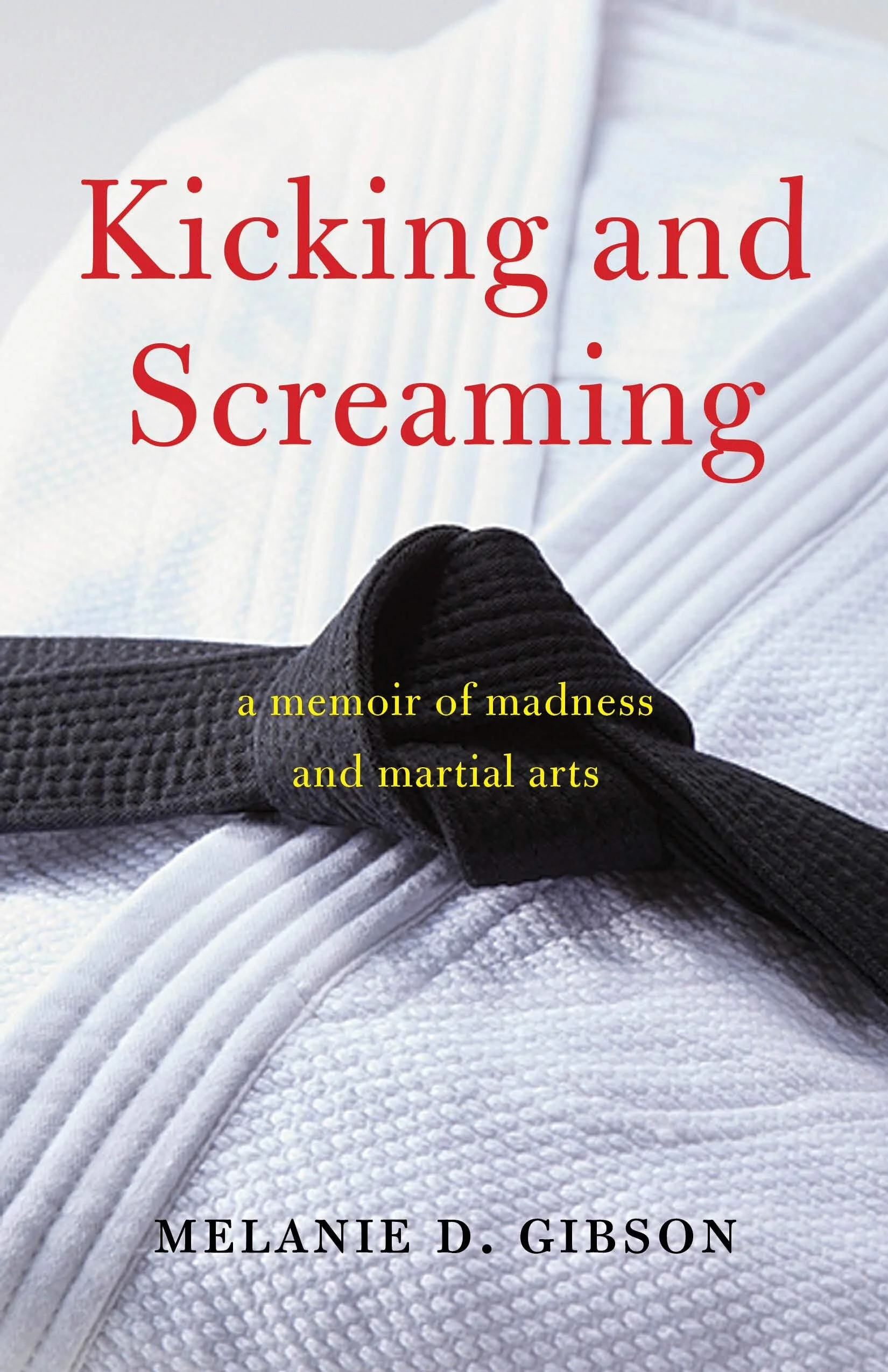
Books That Significantly Influenced My Life/Writing by Melanie D. Gibson

The best way to learn how to write is to read fervently and write diligently. Here are my top ten books that helped me learn about the joy of reading and the craft of writing:

  1. The World According to Garp by John Irving. This was recommended to me by a high school friend. He told me a sign of a good book is that you care about the characters so much you’re worrying about them while you’re doing other things. Ever since, I’ve used that as a barometer for novels I’m reading.

  2. The Namesake by Jhumpa Lahiri. Lahiri has a delicate, detailed way of writing that makes the most mundane activities of normal people seem riveting and heart-wrenching.

  3. Intern by Dr. Sandeep Jauhar. When I was a hospital librarian, we purchased this memoir, and I fell in love with the memoir genre.

  4. Smashed: Story of a Drunken Girlhood by Koren Zailckas. I read this memoir many years ago, and the way the author pulls you into the depths of her experience has stayed with me.

  5. The Boy Kings of Texas by Domingo Martinez. I heard a reading of a chapter from the book (“The Mimis”) on NPR. Of course I liked that Martinez is a fellow Texan, and his writing style made his life story fascinating. Memorable memoirs don’t always have to be about celebrities or an amazing, unique feat. Everyday life can be just as interesting.

  6. Into Thin Air by Jon Krakauer. In terms of extraordinary experiences and “amazing feats,” Krakauer makes the struggle of climbing Mount Everest feel incredibly real. I’ve suffered through the Everest journey many times in my imagination.

  7. Writing & Selling Your Memoir by Paula Balzer. This is essential for someone who wants to write a memoir but has no idea where to start.

  8. Greenlight Your Book: How Writers Can Succeed in the New Era of Publishing by Brooke Warner. This book lifted me out of my depression of failing to break into traditional publishing. I went indie and haven’t looked back.

  9. Uncovered: How I Left Hasidic Life and Finally Came Home by Leah Lax. I only realized after I’d read this memoir that it, like my memoir, was published by She Writes Press. The quality of the writing, editing, and design gave me confidence that I’d made the right choice to sign my contract with the company.

  10. On Writing: a Memoir of the Craft by Stephen King. The tone of this book is calm and casual and feels like a conversation with a friend. King offers a welcoming hand to the world of writing.

Connect with Melanie:

Website: http://littleblackbelt.com

FB:https://www.facebook.com/melaniegibsonauthor

Twitter:https://twitter.com/TaekwondoLBB

LinkedIn:https://www.linkedin.com/in/melaniegibson/

IG:https://www.instagram.com/melaniegibsonauthor/

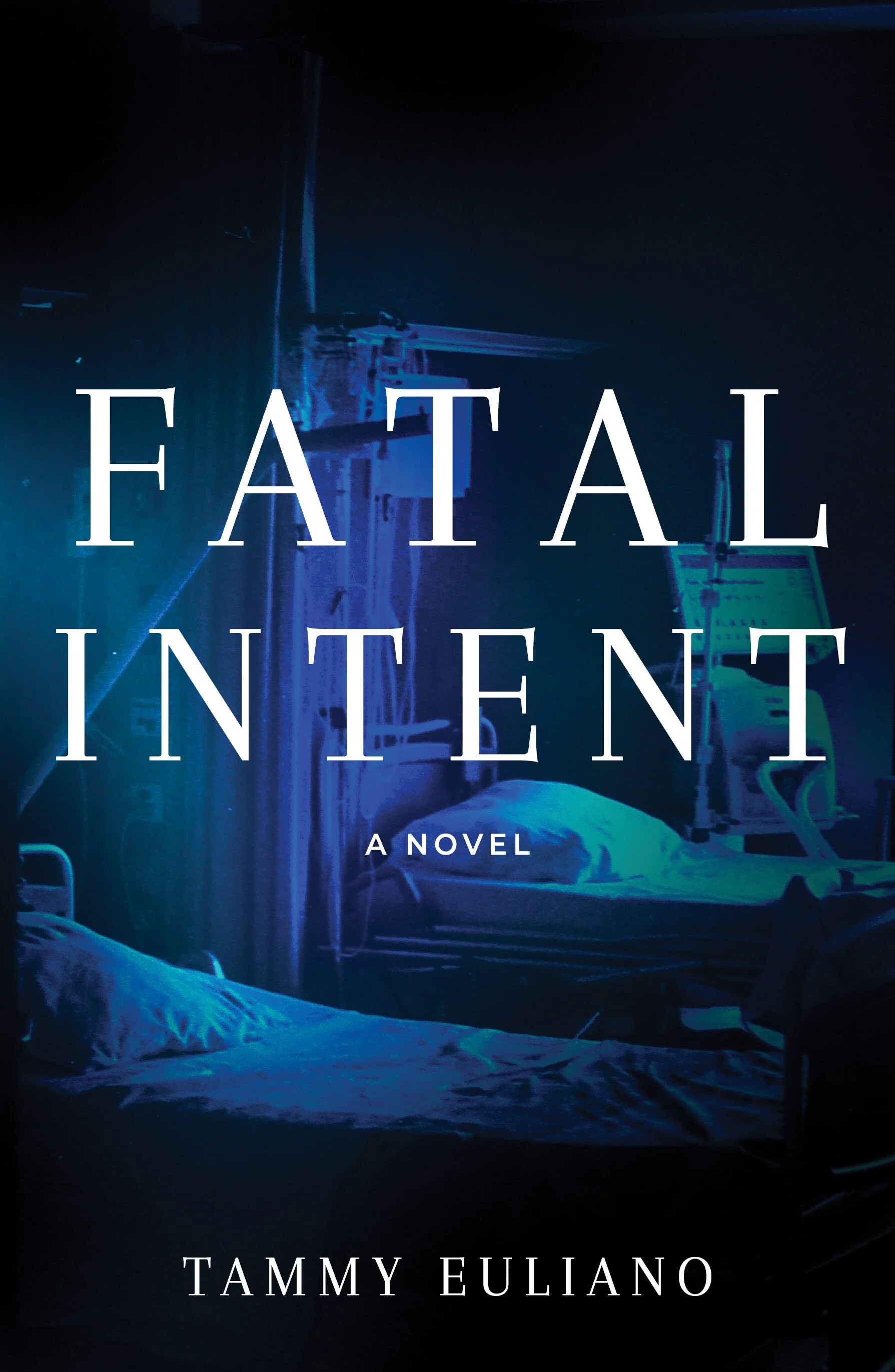
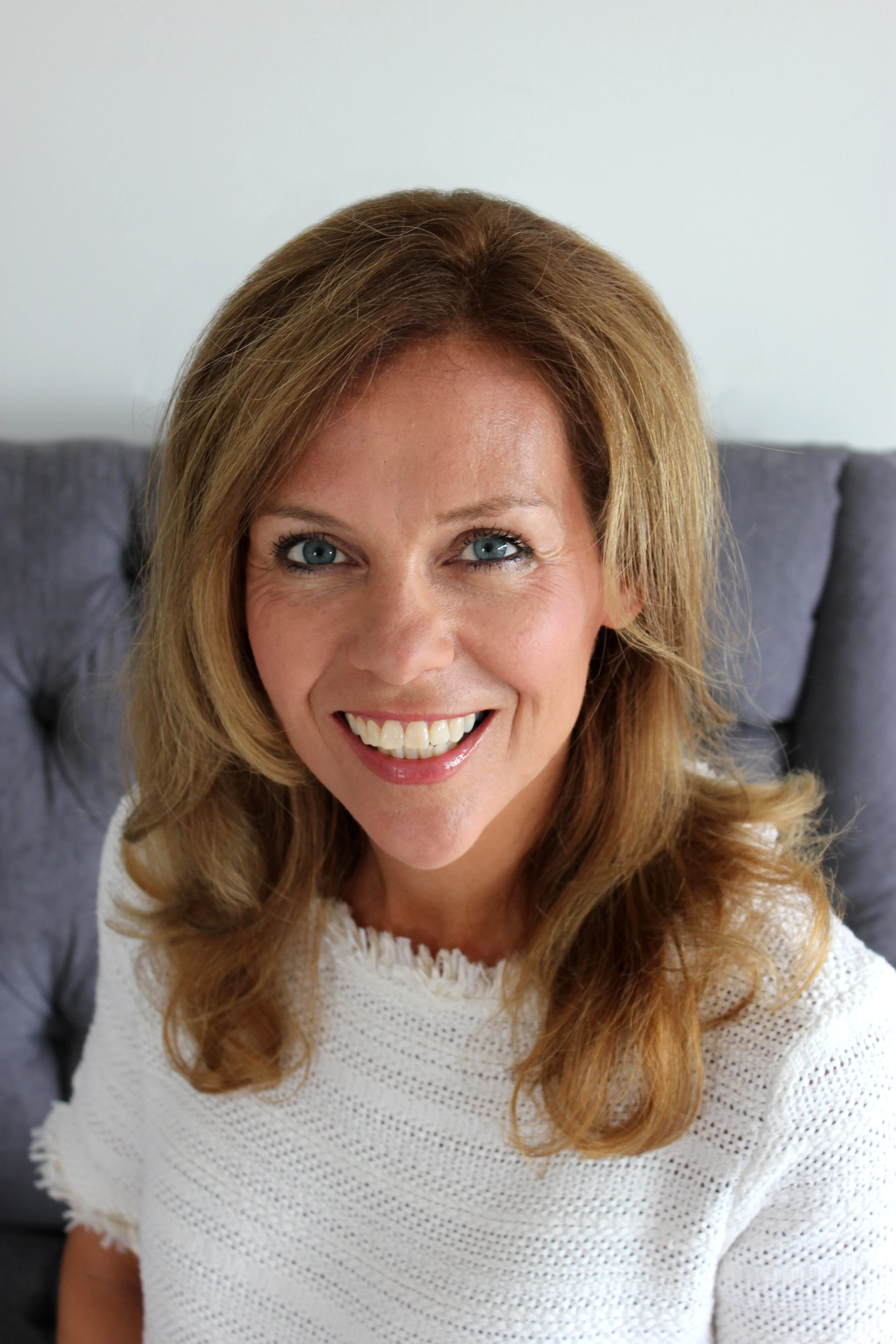
Tammy Euliano on Writing Fatal Intent

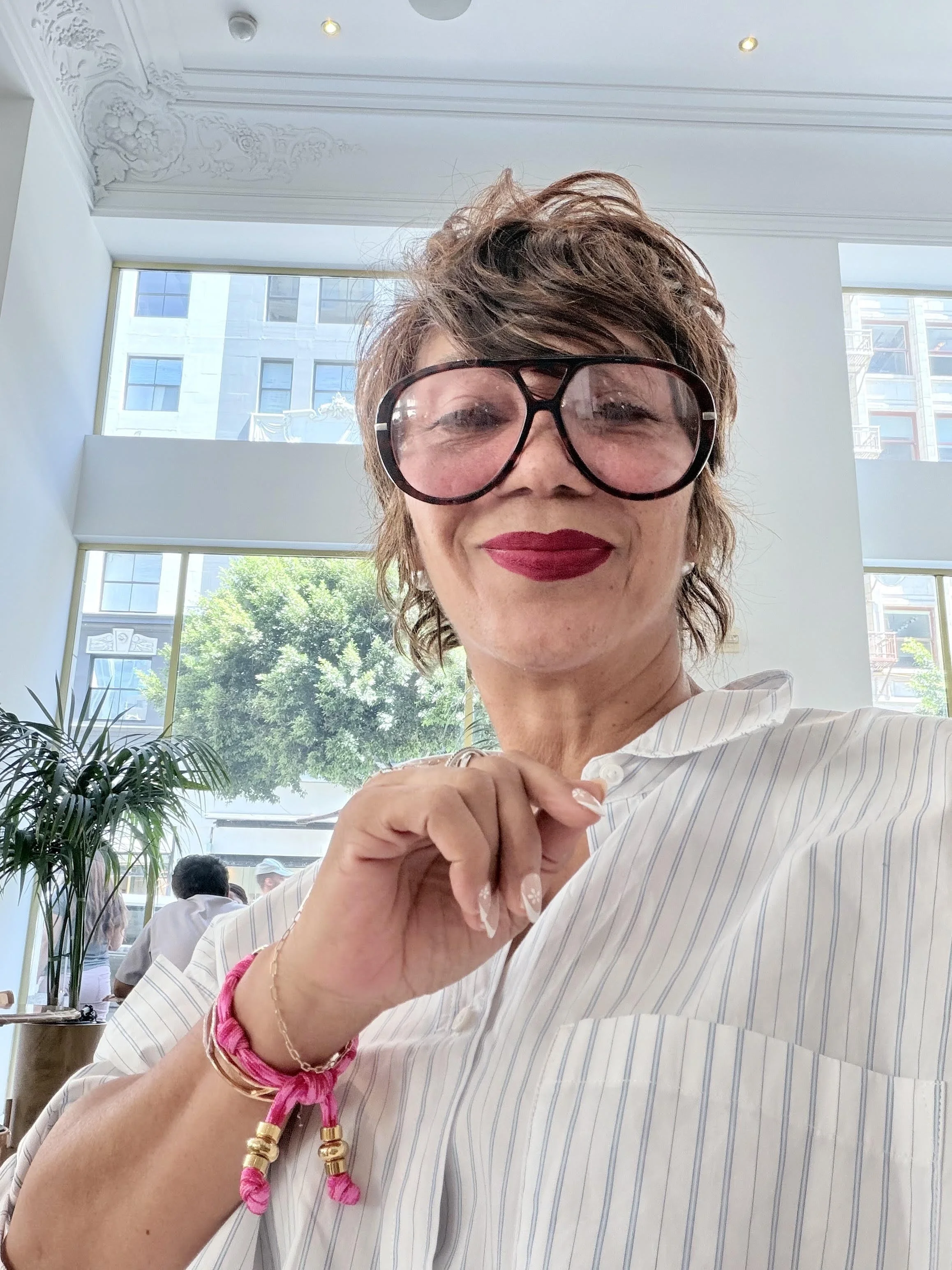
Euliano_Tammy.jpg

Embarking on the writing of a novel is a truly novel (ha!) experience. As a physician, researcher and teacher, who wrote extensively throughout my career in academic medicine, including an introductory anesthesiology textbook with my mentor, I assumed the words would flow and a book would appear. I couldn’t have been more wrong. Though a life-long reader, I soon realized I’d never analyzed the craft of the books I love, which of course is the author’s intent. Very quickly I learned terms like point-of-view and head-hopping and passive voice and wow, the world of writing is no less dense than medicine. I went to trusty Amazon to find a book to teach me to write a book, which seemed kind of meta, and discovered there were pages and pages of great-sounding titles, and whole books on setting and character and theme…oh my, what had I gotten myself into?

I started with K.M. Weiland’s “Outlining Your Novel” and learned a ton. With that guidance I came up with an outline for the book that had been in the back (and often front) of my mind for several years, a book about a mercy-killer for hire and the surrounding implications. The idea of managing the end-of-life has fascinated me since way before any kid should think about such things, with a debate in my 5th grade class about the fate of Karen Ann Quinlan, a young woman in a persistent vegetative state whose parents wanted her ventilator disconnected, while the State of New Jersey disagreed. I don’t recall what side my 10-year-old-self argued, but the question never left me. Medical technology and the ability to keep the body alive has far out-paced our ethical ability to deal with the implications.

In medical school and residency, the question resurfaced repeatedly, while watching families’ extended mourning in the ICU, and anesthetizing patients for innumerable procedures despite little to no hope of a meaningful recovery. Meanwhile, the absurd cost of medical care in the US frequently made the news, especially expenditures in the last few months of life and final hospitalization.

Buy on Amazon | Audible | Hardcover

As my career advanced and I achieved the goals I’d set for myself, it came time for reinvention, and that’s when this “encore career” became a possibility. The characters of Fatal Intent took up residency in my head, invading my sleep, and even my waking hours. It was time to give them voice. I resigned my time-consuming administrative positions, wrapped up my ongoing research projects, handed off most of my teaching responsibilities to up-and-coming faculty who needed it for their resumes, and dropped to part-time at the hospital so I could make a real investment in my writing.

And so, Dr. Kate Downey, the protagonist in my debut novel, came to life. She is quite a lot like me. Shocking for a debut author, I know. Though a few years my junior, ahem, we share careers as anesthesiologists who specialize in obstetric anesthesia and teach medical students and residents, sometimes using a simulated operating room environment. Our personalities overlap a bit, or did when I was her age, but there the similarities end. Instead of my tragedy-free life to date (knock wood), she suffered the loss of her parents and now the traumatic brain injury of her husband. Boy, are we authors cruel, or what? I have to keep reminding my husband that Kate is not me, and he is not her comatose husband, Greg. As for her dog, I’m afraid mine is just as energetic, spoiled, and completely untrained…times two.

One of Kate’s many blessings, though, is her Great Aunt Irm, who moved in after Greg’s accident. I based this character on a favorite relative of my early-career mentor. Dr. Gravenstein was a model physician and teacher whose Aunt Irm was important in his orphaned childhood in Germany during World War II. He planted the seed that set me on this encore career as an author, so I borrowed Aunt Irm as a bit-part character, except she stole the show. My readers and I have fallen in love with her -- her maternal instincts despite being childless, her loyalty and compassion, her mixed up English idioms.

Without the unwavering support of my husband and kids (and dogs), and the invaluable cheer-leading of my writing buddies, Fatal Intent would not have come to be. It would be several years and innumerable versions before Oceanview would bring it to a bookstore near you (or your computer), but I am hopeful Kate’s story will stimulate discussion about meaningful life and compassionate death. It provides no answers, nor do I have a strong opinion, only that end-of-life is a discussion we need to have, both in our homes with our loved ones, and on a national stage. 

ABOUT THE AUTHOR:

Tammy Euliano, MD, is a practicing anesthesiologist and tenured professor of anesthesiology at the University of Florida. In addition to a prolific list of academic publications, YouTube teaching videos, and numerous teaching awards, she has also written award-winning short fiction. Fatal Intent is her debut novel. Tammy lives in Gainesville, FL, with her husband. For more information, please visit https://teuliano.com and follow the author on Facebook.

Q&A with Adele Parks, Just My Luck

Adele+Parks+2016.jpg

How much research do you do before beginning to write a book? Do you go to locations, ride with police, go to see an autopsy, etc.

For me, one of the best things about being a writer is that I get to poke around in so many different worlds. I am not limited to my own career or viewpoint. I can - and do - research so many other professions, lifestyles, businesses or scenarios. Over the years, I have shadowed people who worked in the TV industry, teachers, police, florists, charity workers, bankers, photographers, prison wardens, librarians…I pride myself on being as thorough as possible in my research, especially if someone else’s profession is involved. For example, with my novels that have any crime procedure included, I interview police people, I visit their places of work and I also ask them to read over the parts of the novel that relate to their world. It’s critical to me that I not only get the facts spot on, but also nail the tone of voice and language that might be used. For Just My Luck I worked closely with some people who work at the British lottery company, I also interviewed lottery winners.

I often join forums and support groups that relate to my plotlines, it’s a great way to research. I have joined forums for people who have won the lottery, others where the objective is to support alcoholics, forums for Alzheimer’s sufferers and those who care for them, and for people with rare specific genetic diseases. I always declare that I am an author doing research, because I think it’s only fair that people know who they are sharing with. I find people who have been through these challenging life situations are often looking to tell their stories.

I always visit the locations where I set my novels and become familiar with them. I research in galleries, museums and libraries too. I’m certain I’ll never attend an autopsy though; I’m fairly squeamish!

What hobbies do you enjoy?

First and foremost, I am a reader. I always have a book with me and most of my down time you will find me with my nose buried. I am also a big fan of upscaling furniture. I enjoy mooching around junk shops, vintage fairs and eBay. I am always buying bits of old furniture, which I then, strip, paint, stain, or have re-upholstered etc. I love finding something that is past it’s best and no longer loved, then breathing new life into it. I really value having unique one-off pieces, that have a story behind them, in my home. I also enjoy walking and practicing yoga.

Do you write under one name for all books across genres or do you have other AKA's?

I write under my name all the time, no matter what genre. Looking back, I’m not sure this was my smartest marketing move. Maybe I should have written my historical novels (IF YOU GO AWAY and SPARE BRIDES) under a pseudonym as they are set during WW1 and the 1920s and quite a different feel from all my other novels which are contemporary. However, even within my contemporary novels I’ve written in different genres - from romantic comedy to dark psychological thrillers and domestic noir. If I’d had a different name for each genre that might have got confusing too! I can see an advantage of writing under a different name. It might have saved my blushes; some of my novels are quite steamy in places and when my son was younger, the school gate was sometimes a little awkward if the other mums were reading my novels!

What’s your favorite part of writing suspense?

I’m a great fan of the plot! I do pride myself on rather unexpected but utterly believable reveals and twists. The intellectual challenge of constructing plots is unquestionably my favorite part of writing. The best suspense novels continually astonish and defy the reader until the final page. How great is it when we think we’re heading in one direction, but the author spins us around and takes us somewhere else? That’s what I like to achieve, action that appeals to sharp, inquisitive minds.

I also love taking my readers on an emotional ride. It’s undoubtedly compelling for readers to track a seemingly ordinary family and then watch as something exceptional happens when they’re placed under extraordinary stress. I believe we’re all capable of horrendous actions under the right – maybe that should be wrong – circumstances. A fascination with darkness is part of being human. We all have light and dark in us but we’re not heartless, books provide a safe environment to explore these different lives without ruining our own or anyone else’s.

Do you prefer reading and/or writing suspense with elements of romance? Why or why not?

I don’t think I mind whether there is romance in a book or not, but I do need relationships of some kind. Without a doubt, the most important thing in life is my relationships with people, yes my romantic relationship – now limited as I’m married 😉 - but also my relationship with my son, my parents, sister, friends. For me, in real life, stakes are always highest when my relationships are threatened in some way, or when the people I love are in turmoil or jeopardy. I do not think I’m alone in this. Ultimately, the vast majority of us prioritize relationships over fame, money or career. I believe we are defined by who we love and who we are loved by. Therefore, in the suspense novels I write, I use relationships as a device that heightens the drama and the potential threat. Suspense novels do not have to be full of blood and dead bodies (although they can be!). I think the most successful ones are those where the reader feels a sense of familiarity and connection with the characters or environment. We believe the story really could happen, and most awfully, it could happen to us. For me, the best suspense looks at the horror that goes on in seemingly normal everyday families.

From the books you’ve written or read, who has been your favorite villain and why?

What a great question, I’ve never been asked it before. Thinking about it now though, I realize I’m not a fan of the villain. I’m always rooting for the goodie, I guess I’m secretly very square. I do like writing villains though, possibly because they get to say all the harsh one-liners that I only ever think up way after the efficacy has passed! Villains are dangerous, extreme and usually selfish or cruel. They are also quite often glamourous and charismatic, so definitely fun to write.

What was your inspiration behind the book?

A friend of mine works for the lottery company in the UK. He was telling me fun stories about what winners spend on, what their reactions were to hearing the news they’ve won, how the lottery company has a duty of care towards the winners etc. It was all fascinating. Then he just casually commented, ‘We always offer to arrange security for their children if the win is seriously big’. I found that so interesting. Imagine, the best moment of your life, being handed a check for millions and then suddenly realizing your family were now at risk in a way they never had been before. That was the moment I thought, I really need to write about this!

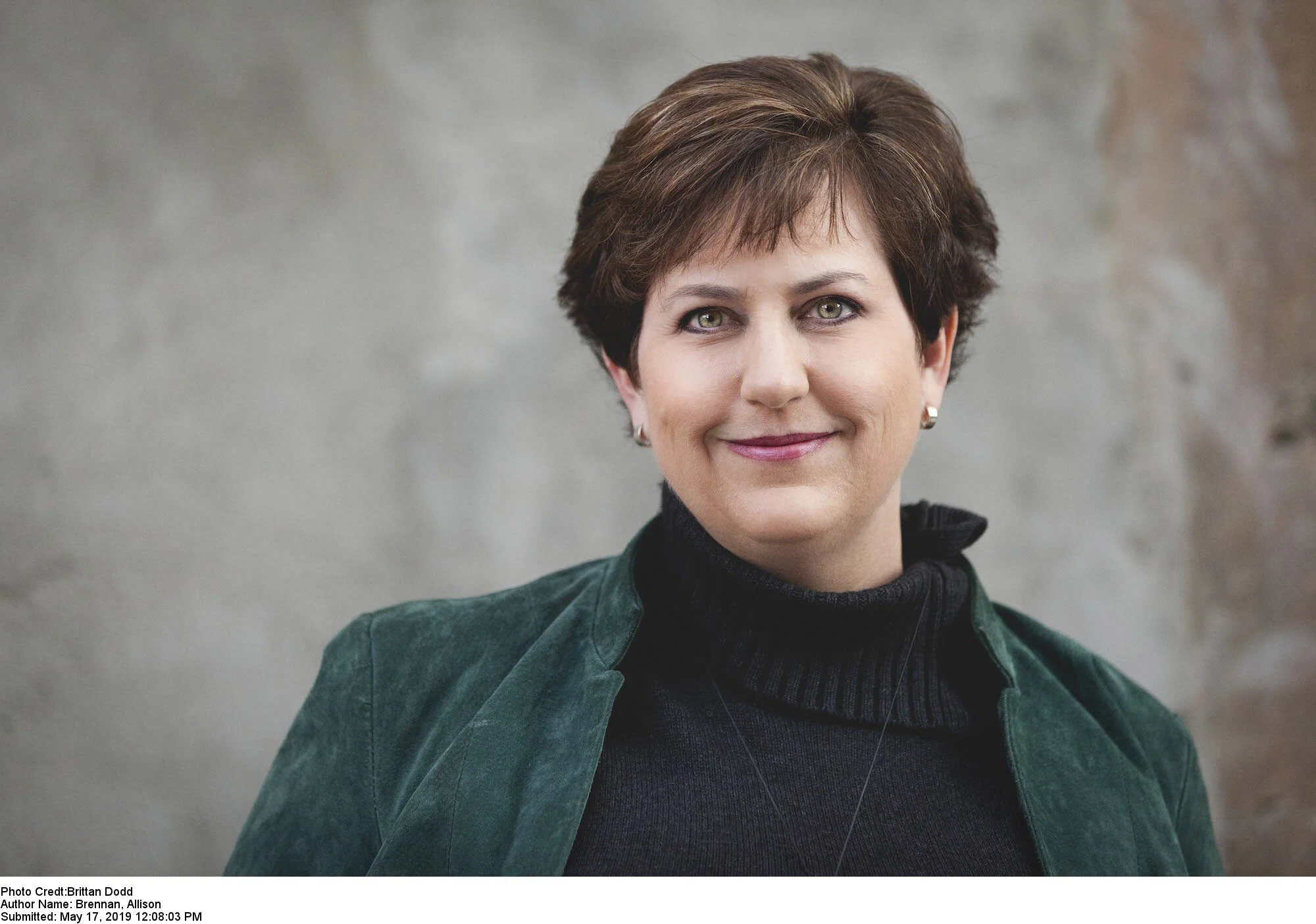
Q&A with Allison Brennan, Tell No Lies

Allison Brennan - photo credit Brittan Dodd.jpg

How much research do you do before beginning to write a book? Do you go to locations, ride with police, go to see an autopsy, etc.

Research is one of my favorite parts of writing. Because I’ve been writing for more than a decade, I’ve been doing research for just as long. I’ve been to most locations I’ve written about, though sometimes long ago (and I rely on Google Earth, books, and friends to keep me up to date about changes.) I’ve gone on ride-alongs with law enforcement, I’ve been to the morgue twice and observed not only an autopsy, but have talked to technicians and toured the crypt.

I also went through the FBI Citizens Academy in 2008, when I was in the middle of writing my 8th book. After that, I had multiple agents to call upon for help with details; I toured Quantico twice, the national FBI Headquarters, interviewed both senior and brand new agents about their different experiences in the academy and on the job, and participated in numerous SWAT training drills as a “role player.” What does that mean? I’ve played the part of the bad guy, a hostage, and a victim based on the scenario they were training for. I’ve observed dozens of different scenarios as they drill them, including high-risk traffic stops. I once observed a live ammunition drill from the catwalk, which was both scary and exhilarating. 

I recognize that I can’t put everything I learn into my books, and that because I write fiction sometimes reality is too slow and I need to speed things up (trust me, you don’t want to watch my characters doing paperwork!) But I try to write my books to be as realistic as possible.

What’s your favorite part of writing suspense?

Everything! I love suspense. I read it as a child (Trixie Belden, Nancy Drew, Agatha Christie, Stephen King) and I read it now. I love romantic suspense (I’m a sucker for happy endings); police procedurals; and race-against-time thrillers. When I’m writing, my absolute favorite part is when everything comes together near the end and I have that “AHA!” moment. It’s exhilarating and worth every struggle along the way. 

I’d also have to say that suspense is part of every story. If there’s no suspense, it’s a boring character study. I want to have that physical reaction in my story -- the sense of impending doom and “OMG, how are they going to get out of this?” -- and if I get it while writing, my readers will feel it when reading.

From the books you’ve written or read, who has been your favorite villain and why?

A: The Man in Black, Randall Flagg, is one of the most compelling and scary villains I’ve read, created by the master Stephen King in THE STAND (though Flagg has also shown up in other books.) Favorite? Maybe not. But definitely the villain that stuck with me for the rest of my life. In my books, I’ve created a couple of villains who I’ve actually sympathized with (while condemning their crimes) because their backstories are so tragic -- such as in TEMPTING EVIL. My favorite villain to write was Elise Hansen Hunt who popped up in several books, including the recent COLD AS ICE. She is young, reckless, violent, and I never knew what she might do. I’ve written several serial killers, who are always scary because you never quite know what’s going to happen with them. For example, in the first Quinn & Costa book, the killer was so focused and determined I worried he would outwit my good guys. 

Villains should be both believable and realistic, so sometimes the most compelling are those who you can almost sympathize with, or at least understand, even when you are horrified by their crimes.

What hobbies do you enjoy?

Reading (duh!), baseball (go Giants!), television (too many shows to list), hiking (except during the Arizona summer), shooting at the gun range (my daughter is a cop and great instructor), video games (with my boys -- at least that’s my excuse.) A little known fact about me … for years I used to make my own soap. It was fun, relaxing, and always made the house smell amazing. 

Do you write under one name for all books across genres or do you have other AKA's?

Just me! Allison Brennan is my legal name. In fact, I once told my husband if he ever left, I was keeping the name. Ha. 

Funny story -- I bought my website domain allisonbrennan.com right after I sold my first book. This was 2004. I wanted to make sure I had it when I had books to put up there. A year later I got an email from someone named Allison Brennan. She tried to buy the site but couldn’t -- she was also a writer (a journalist) and wanted to know how I picked the name and if she could buy it from me. Small world! (There’s also an Allison Brennan who is a Olympic diver, an Allison Brennan who is a gymnast, and an Allison Brennan who lived in my town -- we used the same pharmacy, the same vet, went to the same church, and both had sons named Luke. Yet we never met!)