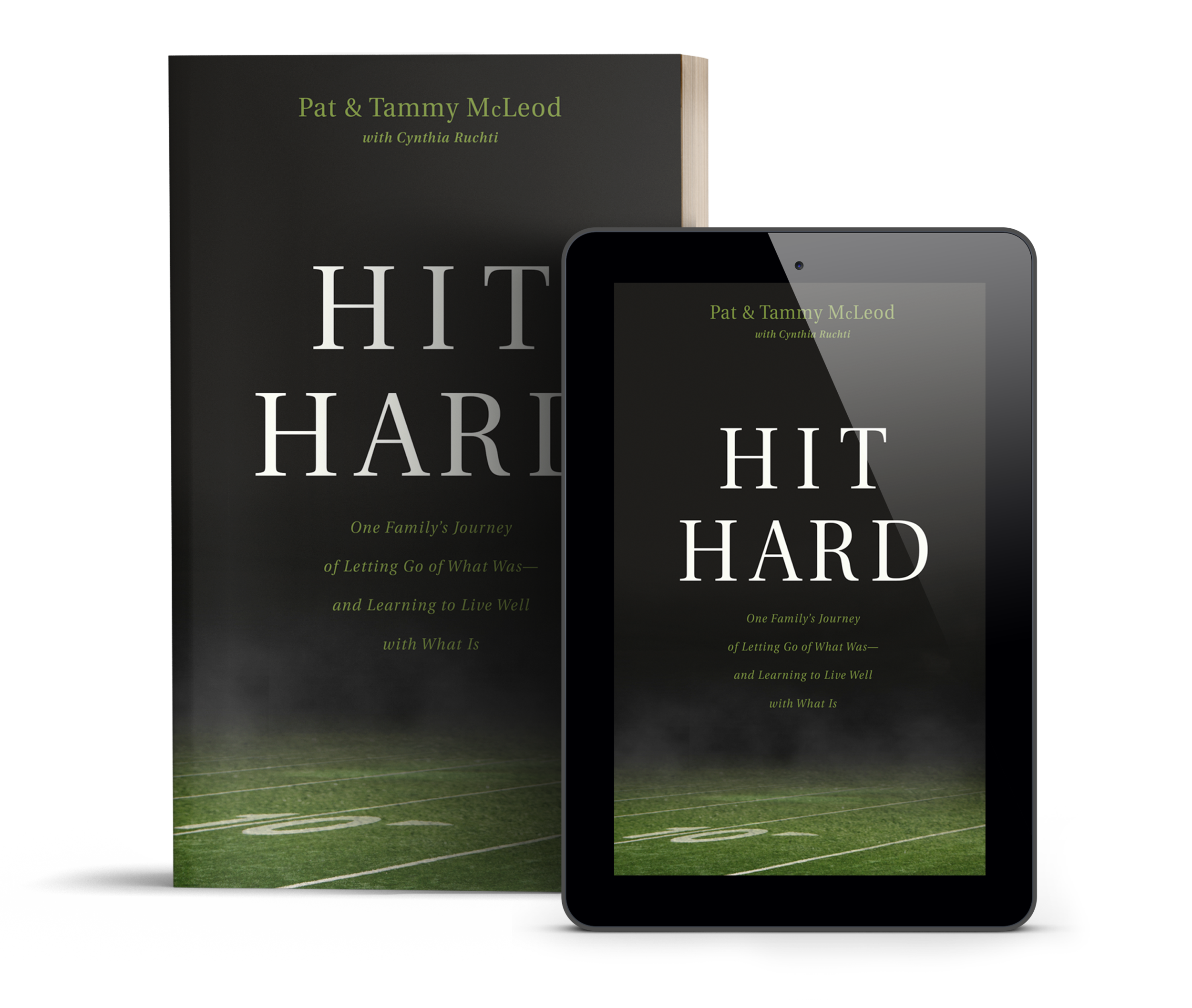
Hit Hard: One Family’s Journey of Letting Go of What Was and Learning to Live Well With What Is by Tammy McLeod

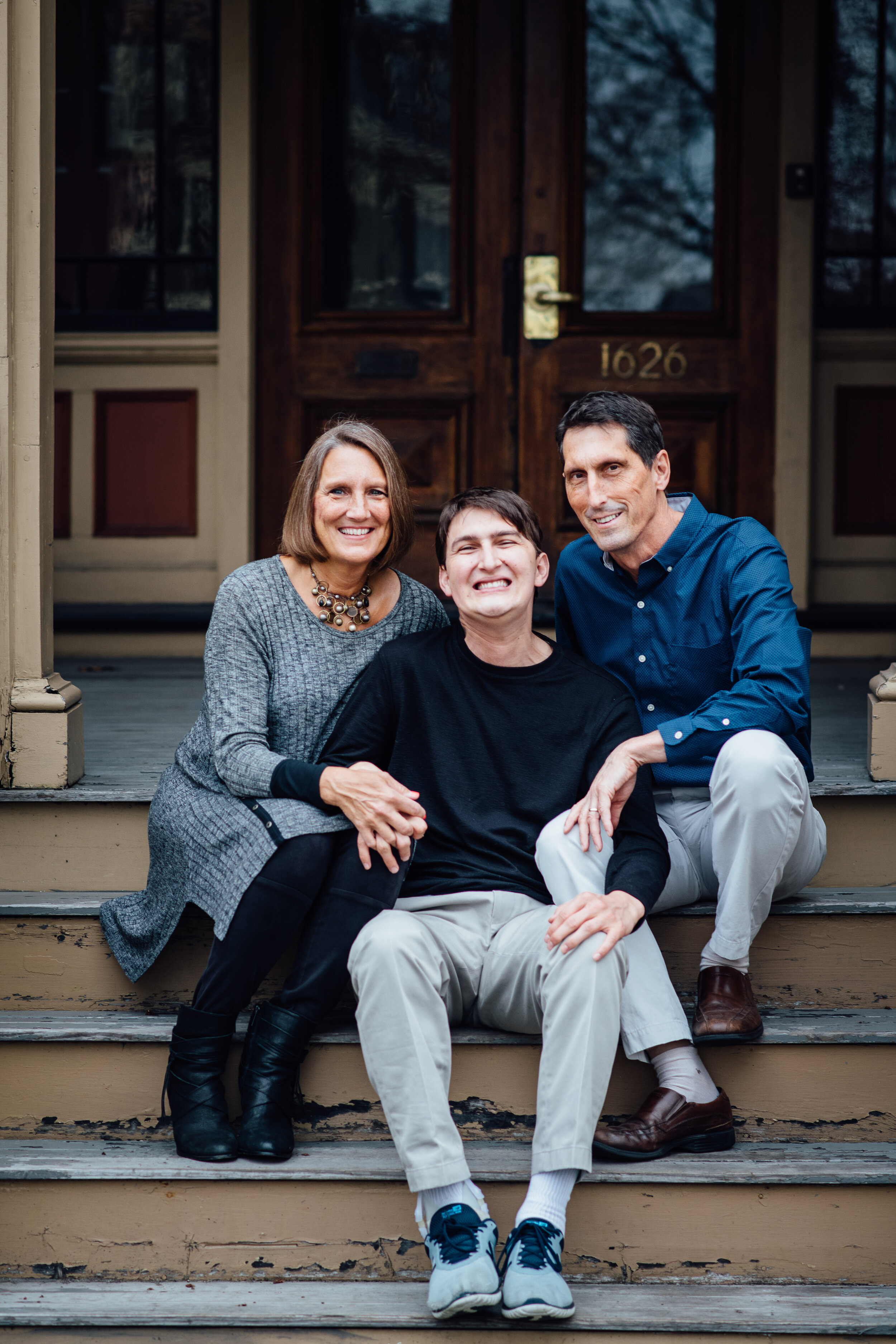
_DSC0415.jpg

I wrote Hit Hard seven years after my sixteen-year-old son suffered a traumatic brain injury playing football and became severely disabled for life. After a year of trying dozens of interventions, it was clear that Zach wasn’t going to have a full recovery. I started reading grief books, but they didn’t connect with me. My son didn’t die, but he wasn’t the same. 

Meanwhile, the different ways that my husband and children dealt with our loss torqued the relationships within our family. I asked several colleagues and friends for recommendations for books that addressed the type of loss we were experiencing. Finding none, I finally called the librarian at Zach’s rehab hospital to see if he could recommend any books or resources for people dealing with our kind of loss. 

The following day the librarian said that the name of the type of loss we were dealing with was ambiguous loss, and he sent two articles by Pauline Boss. I read them and ordered her book. When it arrived I devoured it; finally I felt understood. 

At that time I was in graduate school working on a degree in spiritual formation. I decided to write a research paper on the topic. As I processed this research with one of my professors, she told me, “There is a book here.” She planted the seed. 

I was compelled by two factors. First, I needed to figure this out for my own sanity and for the survival of our marriage and family. Second, I wanted to write the book that I wish someone could have given to me a year after Zach’s injury—a book that named the type of loss with which I was dealing, that validated my pain, and that helped me better navigate the ambiguity and stresses of this kind of loss. 

The book never would have been written without the enthusiastic support of my professor. She offered to be my supervisor for two self-directed grad school courses. The writing assignment for the first course was the book proposal and the second course the first few chapters of the book. For another class assignment, my husband and I attended a writing conference where we pitched the book. 

Interestingly, the agent who chose to represent us, the contact at the publishing house who bought the book, and the collaborative writer who got our book in its final form, all had their own personal experiences with ambiguous loss. We saw from the beginning how ubiquitous ambiguous loss is. People wanted to see the book become a reality because it addressed one of the greatest felt needs in their own lives—coping with an ambiguous loss. 
Writing the book helped me process the pain of the loss. Through many tears I wrote scene after scene. Writing not only helped me to connect more deeply with my losses, but also helped me to see the good coming out of the tragedy.

Second, writing together helped Pat and I see more clearly why we were having conflict in ambiguous loss, and that led to the resolution of some of the conflict. Consequently, writing the book helped us grow closer in our marriage.

Writing also helped me find my voice in the chaos. We both wrote from our own perspective, and readers enjoyed seeing the ways two people looked at things differently and how our marriage survived.

We also had one of our young-adult sons read the first draft of our book and suggest edits. He encouraged us to be more authentic in our writing, and working together on the book drew us closer to him also. 

When our publisher asked for a second draft with more transparency, it helped us be more honest about our emotions.

Last, writing the book helped me see that God could use the tragedy we went through to help others. Hearing people talk about how the book helped them was encouraging.

I hope:

that people feel validated in their ambiguous loss and are relieved to learn that their loss has a name.

that Hit Hard will stimulate readers to be gentle with themselves and their loved ones as they journey through the world of ambiguous loss.

that it will help repair marriages and other relationships that have been torqued by loss.

that readers are inspired by Zach’s life—one full of joy and still loving God and people though he has suffered much loss.

that readers learn to grieve their losses better.

that readers learn skills that help them become more resilient in ambiguous loss.

that readers come to know God for the first time, come back to God, or stay near God.

that readers find hope.

About the Author
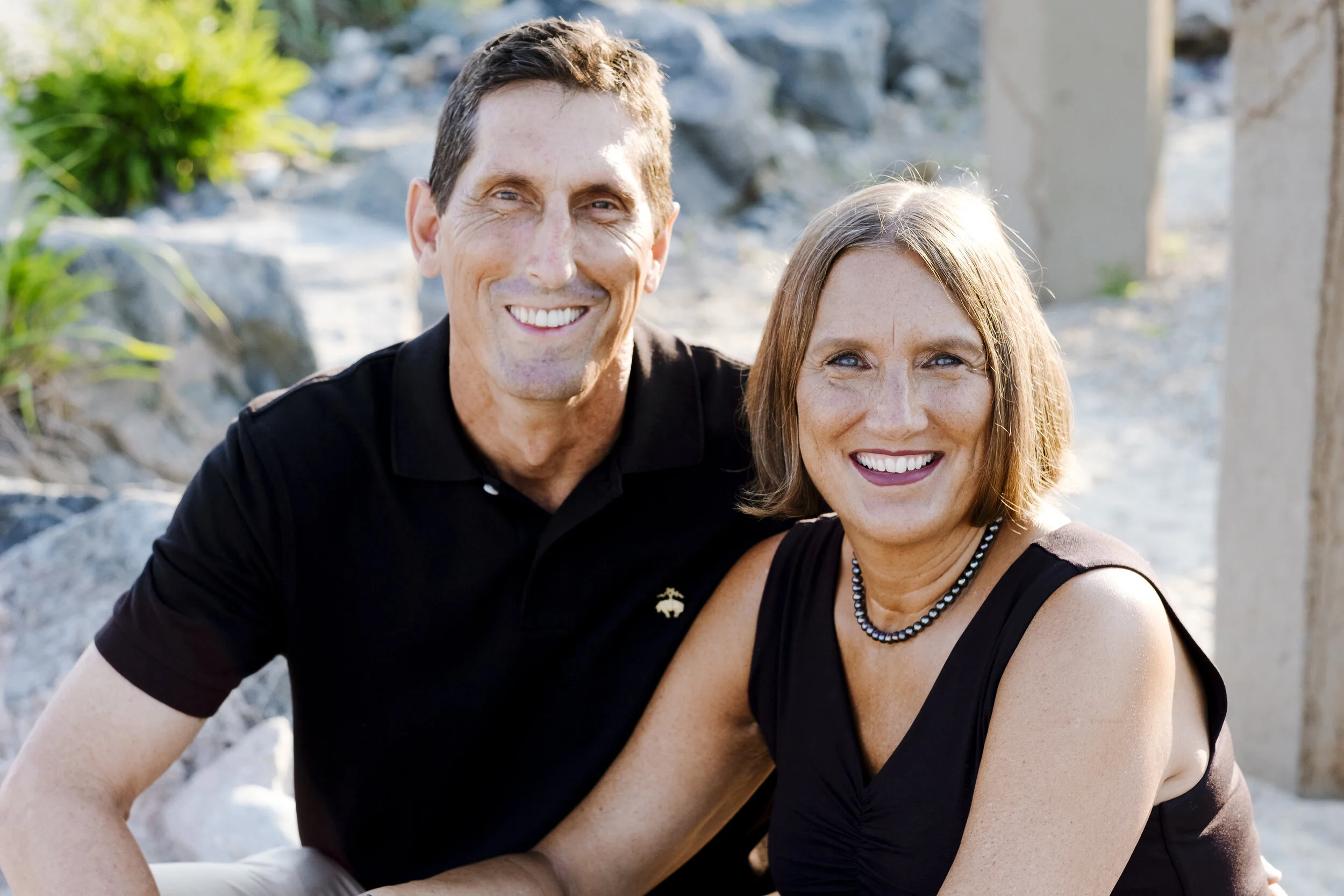
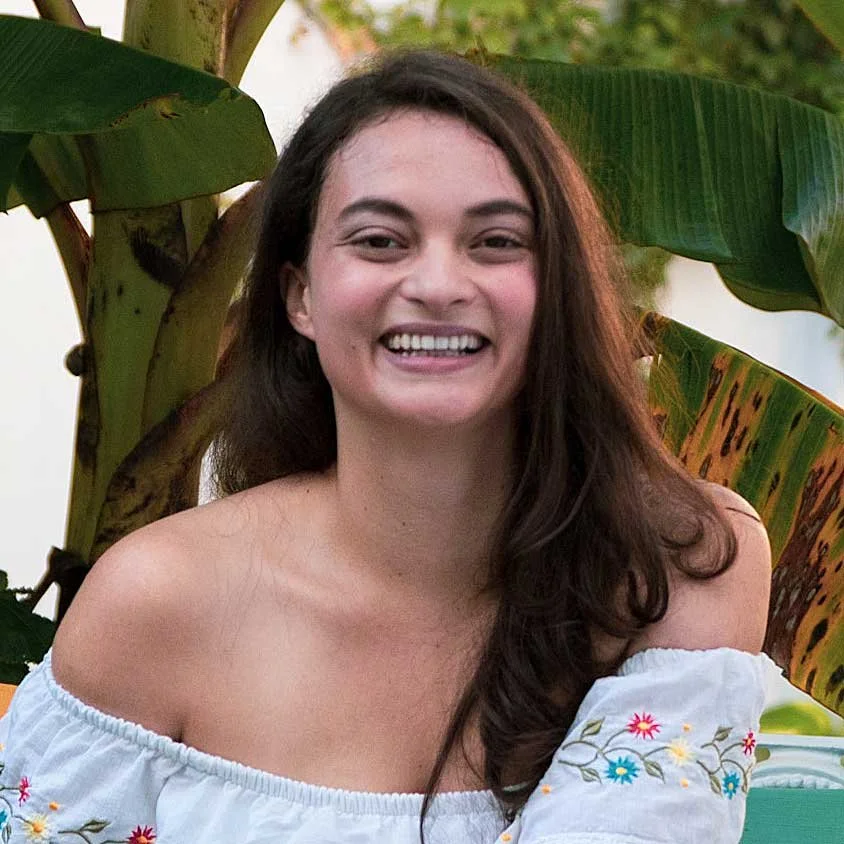
Mcleod-51.jpg

Tammy McLeod and her husband Pat McLeod coauthored the book Hit Hard: One Familys Journey of Letting Go of What Was--and Learning to Live Well with What Is in which they share their journey into the world of ambiguous loss that began after their son suffered a traumatic brain injury playing football. Pat and Tammy serve as Harvard Chaplains for Cru, an interdenominational Christian ministry. 

Tammy is also the Director of College Ministry at Park Street Church in Boston. She received her MA in Spiritual Formation from Gordon-Conwell Theological Seminary. For more information, please visit https://patandtammymcleod.com
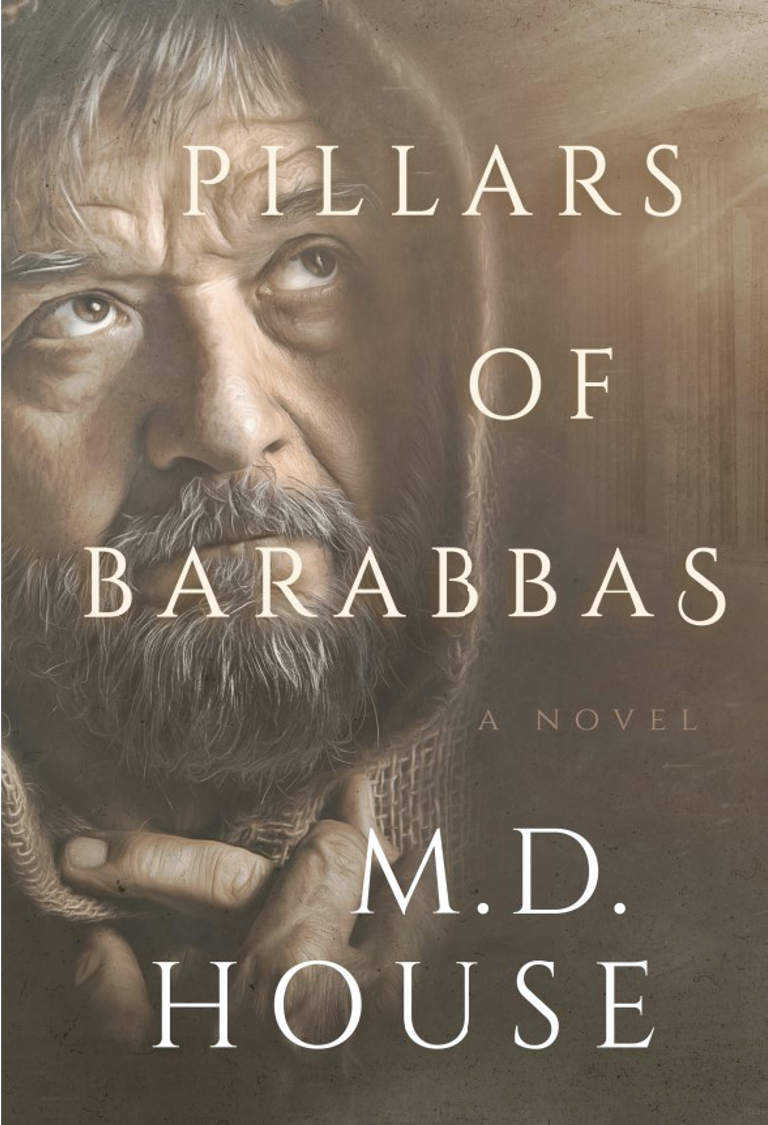
Q&A with M.D. House, Pillars of Barabbas

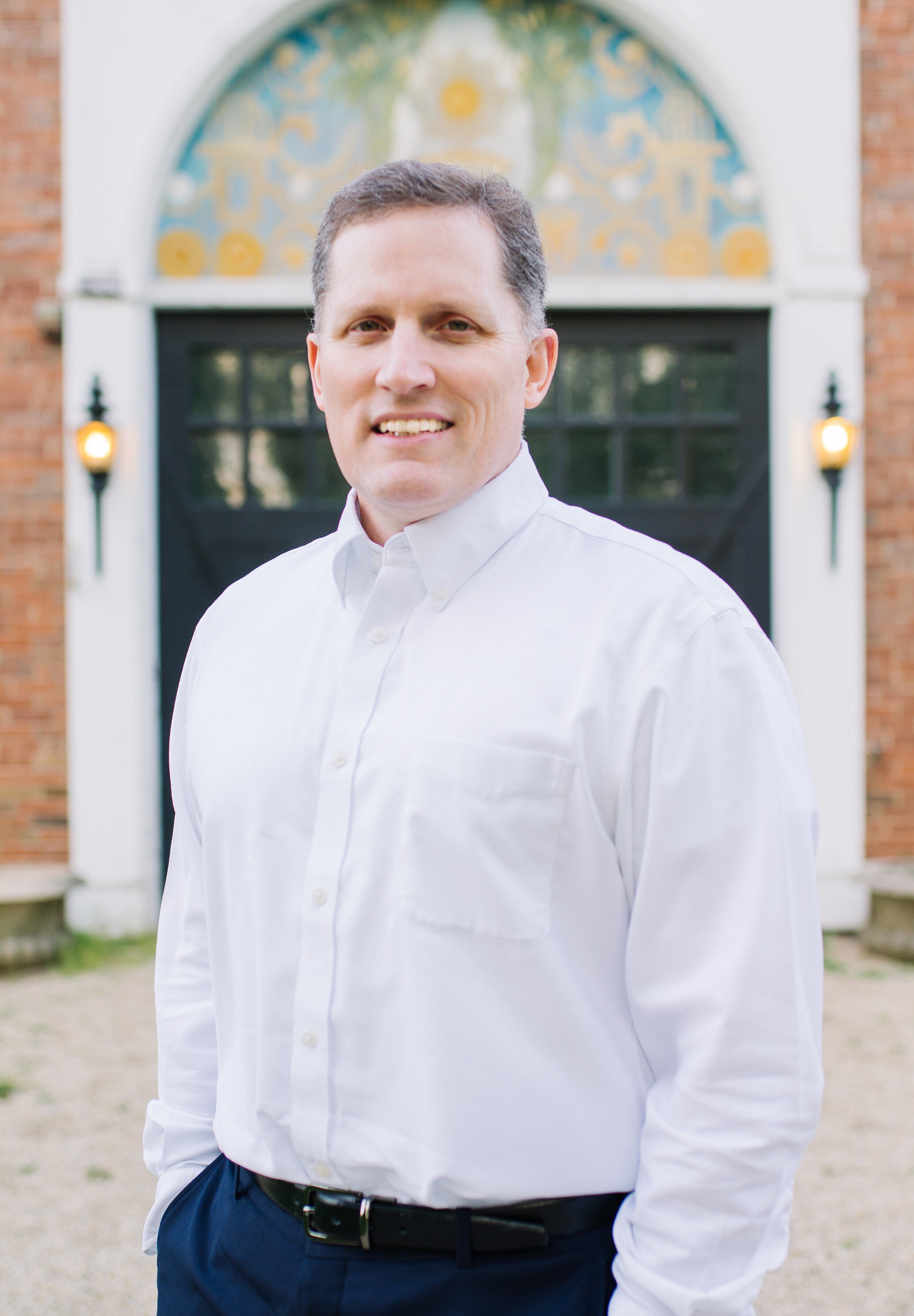
Edited_Mike_House_Portrait_2018-0003.jpg

Book 2 of the Barabbas series, Pillars of Barabbas, seeks to imagine how Barabbas, the prisoner released in exchange for Jesus, continued to progress after accepting Christ and joining himself to the body of the church. How did you come to visualize his path?

My original plans for Barabbas have evolved in surprising ways. To a large degree, I, too, have been led on a journey of discovering possibilities, seeing things I hadn’t contemplated before.

That evolution occurs as I study the history—including the New Testament of the Bible—and continually try to place myself in the full milieu of that time period, recognizing how similar those people were to us. Ideas come, and the links in the chain form. It is an incredible—and deeply fulfilling—process. The final product is astounding to me, because it’s not what I expected.

What research into the history and politics of the time did you do?

I’ve purchased a few books on ancient Rome, plus New and Old Testament commentaries, and there are many decent resources available online as well. I’ll never be accused of writing a dissertation on the history of the time period, and I realize that much of the scholarship isn’t perfectly harmonious, but it was good to study events and people from various angles, even when the accounts sometimes conflicted.

As we know, history is written by the victors. It is also often changed later by those in power who seek to cast a particular light on past events, groups of people, etc. in order to promote current political or social aims. With that in mind, I used what I consider the most reliable of the ancient sources—the New Testament—and built frameworks from there that made sense given some of the secular histories and our common human nature.

My wife and I also took a trip to Rome, and part of the reason was so that I could “feel the bones” of the Eternal City, particularly the ancient ruins. It was everything I had hoped for. When writing about Rome, I can now say that I’ve walked those streets and been able to imagine how Paul, Peter, and early church members felt as they walked the same cobbled roads, humbly carrying the greatest message the world has ever known.

Other significant Biblical figures make appearances in the novel. How did you choose them?

As in Book 1, the Apostle Paul is most prominent, but Peter and his brother Andrew also play significant roles in the story. Peter, of course, was the Lord’s chief apostle on the earth, and his leadership was instrumental in the growing strength of the new church. Barabbas interacts with Peter in both Jerusalem and Rome, while Andrew spends time in Eastern Africa with Cornelius, who reprises his role from Book 1, though he has retired from the Roman army to focus on building the kingdom of God on earth. I’ve really fallen in love with Cornelius and his family and wish I had as much courage and faith.

Mary the mother of Jesus is mentioned in Book 2, as she passes away, but her friend Joanna enters the scene, joining another strong and influential woman—Priscilla, wife of Aquila—in having a significant impact. It seemed fitting to cover Mary’s passing, which resulted in a full reunion with her son Jesus. Pondering that pulls on the heartstrings. Joanna had been a prominent supporter of Jesus during his mortal ministry, and it was likely she continued to be a bright light for the saints.

Luke is also present, both as Paul’s companion and on his own. What a faithful, loyal, and revered man Luke was! Paul treasured his companionship and advice, and he was a prolific and impactful writer. In what other ways was he a blessing during his time?

What significant non-Biblical historical figures appear in the story?

Nero plays the largest role, which makes sense given the focus on Rome. A lot has been written about Nero (full regal name—not birth name—Nero Claudius Caesar Augustus Germanicus) over the last two millennia, much of it conflicting. I’m sure that, like all of us, he was a complex individual with both good and bad traits. He was young—just sixteen—when the emperorship was thrust upon him, his mother reportedly having his adopted father, Emperor Claudius, poisoned.

What would a conversation between an apostle of Jesus Christ and the Emperor of Rome have looked like? I’m 100% convinced that at least one conversation took place. Paul was a well-known ‘prisoner’ who had appealed to the Emperor based on his status as a Roman citizen, and he spent significant time in Rome with little hindrance to his movements, building up the church and encouraging the saints. In my telling of the story, more than one conversation takes place, and those were fascinating to write.

Another historical figure I brought in was a known member of the Roman Senate from that time frame—Manius Acilius Aviola. There is no known historical record of him being a Christian, but in the story he is one, and he provides crucial support to Paul and the saints.

The primary theme from Book 1 was personal redemption. What is the primary theme of Book 2?

There are two primary themes in Book 2: Triumph through Adversity, which the burgeoning church of Christ surely experienced, and Every Soul is Precious, which lies at the heart of the Savior’s message in all ages of the world.

Buy on Amazon Kindle | Paperback

Buy on Amazon Kindle | Paperback

So, while the new church was growing in numbers and influence, while faith and attendant miracles were increasing, the purpose wasn’t to make God look good, or even powerful. The purpose was to save souls, individual souls with unlimited, eternal potential.

The primary difference between Christ and Satan is that Satan seeks to rule over us for his own glory, while Christ leads us along a path of self-mastery and knowledge that will bring us limitless, joyous glory—both personal and familial—and that is what Christ rejoices in.

Why do women play such a prominent role in church leadership as you have imagined it among the early Christian saints?

When Christ established his church, he spent at least forty days training his disciples how to administer it and help it grow. He most certainly would have made it crystal clear how valuable each and every person—male or female, regardless of perceivable physical attributes—was to the growth, function and purpose of the kingdom of God.

That seems obvious to most of us now, but most societies of the time were politically and economically dominated by males, even if those males were often influenced by mothers, wives, sisters, daughters, etc. Christ’s church was refreshingly different, with men and women both playing prominent roles in decision-making and execution. That was difficult for some people to accept, and persecutions arose from it, but God values all of his children equally, and all have valuable talents that we can only ignore at our peril.

What lessons can today’s readers take away from the lives of the early saints and the men and women who led them?

They were real people, facing real challenges with which each of us can identify. They were steeped in myriad entrenched traditions and doctrines, but their souls had come from the hallowed halls of heaven. Twinges of remembrance reverberated in their hearts when they heard the message of the gospel, when the great atoning sacrifice of the Savior was announced and explained to them.

Their spirits rejoiced, and yet the vicissitudes and temptations of mortality continued to challenge them. Satan continuously tried to beat them down and convince them it wasn’t worth getting back up and trying to be the kind of person Christ had shown them they could become. In their basic essence, our experiences are exactly the same.

Can Pillars of Barabbas help readers strengthen their faith in Jesus Christ?

I certainly hope so, yes. That was the intent. Pillars of Barabbas and I Was Called Barabbas were written with a scriptural foundation. The teachings of Christ are presented throughout, in the words and actions of the various characters, including well-known personalities like the Apostles Peter, Paul, and Andrew, the Centurion Cornelius, the ever-faithful Luke and Joanna, and the wise Aquila and Priscilla.

But beyond just reading about the teachings of Christ, we must commune with him and heed those teachings, continually. Redemption is a life-long process. It requires a tremendous amount of work and determination. It’s worth it, especially as we help each other and become unified in following our Savior. Unity in Christ is our true strength, because mortal ethnicity, skin color, economic station, etc. don’t matter a whit when it comes to accessing his promised blessings, both here and in the eternities.

What other projects are you working on?

I’ll soon start planning Book 3, the final book of the Barabbas series. One of the major events in that book will be the horrific Roman siege of Jerusalem by Titus, during and after which as much as 90% of the Jewish inhabitants were killed. Christ himself had foretold the event, but nobody had imagined something so drastically awful could happen. There’s more research to do on what happened to the Christians in Jerusalem. Many suggest they were warned to leave before the siege happened. Either way, the church was already building centers of influence elsewhere, particularly in Rome.

I’ve just started working again on the sequel to my first novel, which was soft sci-fi with a political and religious bent, titled Patriot Star. I had set that sequel aside several years ago after getting through about 60% of the first draft, but after recently re-reading it—and having received several requests—I’ve decided to pick it back up. Revealing the title would be a spoiler, so I won’t … yet.

For LDS Christians, I’m well along toward completing the first draft of a story about a man born in 70-80 BC and referred to in the Book of Mormon only as “the servant of Helaman” (which is also the working title). Political intrigues, questions of faith in Christ, and the horrible impacts of violent conflict will make this an intense ride over a short period of time (~ two years). Writing this story has been immensely enjoyable, similar to the journey Barabbas has been giving me.

It’s because I have so many projects going on now that I’ve stepped away from a lucrative business career. It’s a risk worth taking. I love telling these stories, and I firmly hope they aren’t just entertaining, but genuinely useful to people.

I’ll be sure to keep people updated on my projects through my website (www.mdhouselive.com) and my Facebook page (www.facebook.com/LiteraryThunder). I’ll do a bit of blogging here and there as well.

Q & A with Felix Holzapfel, Catch-42

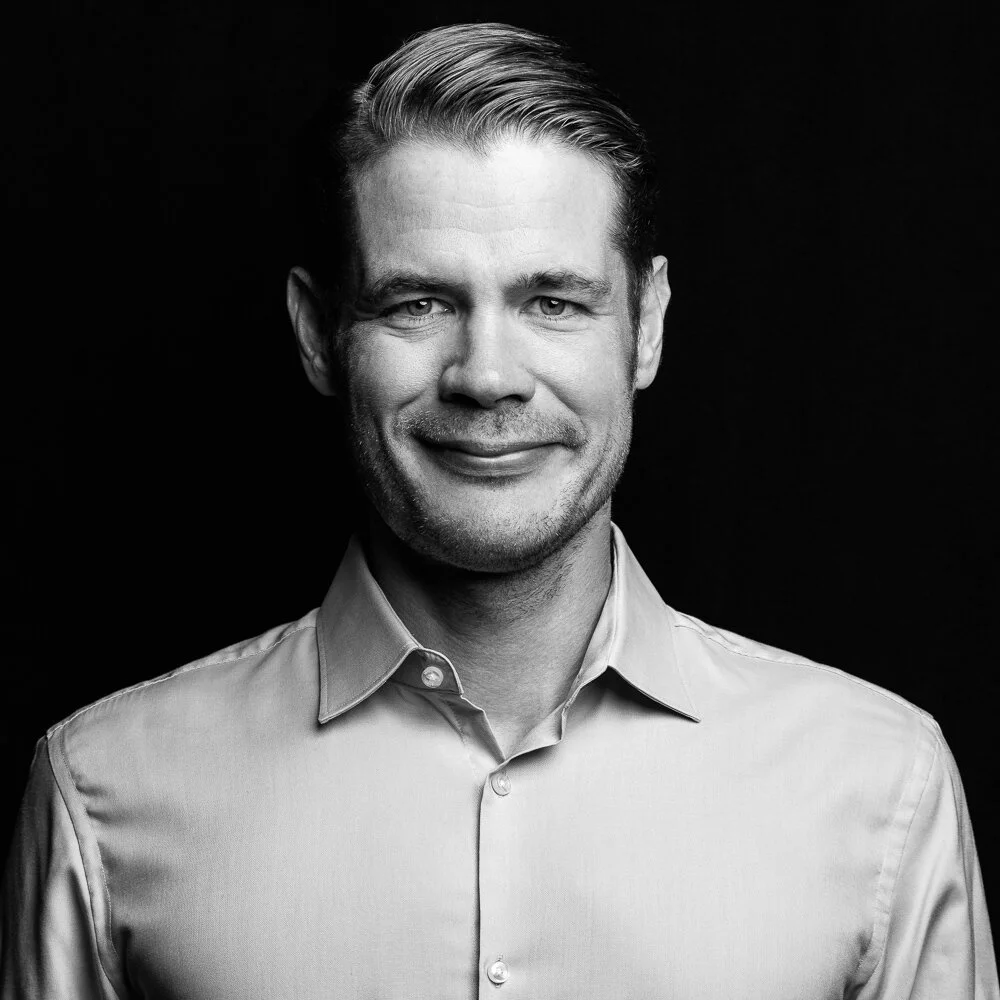
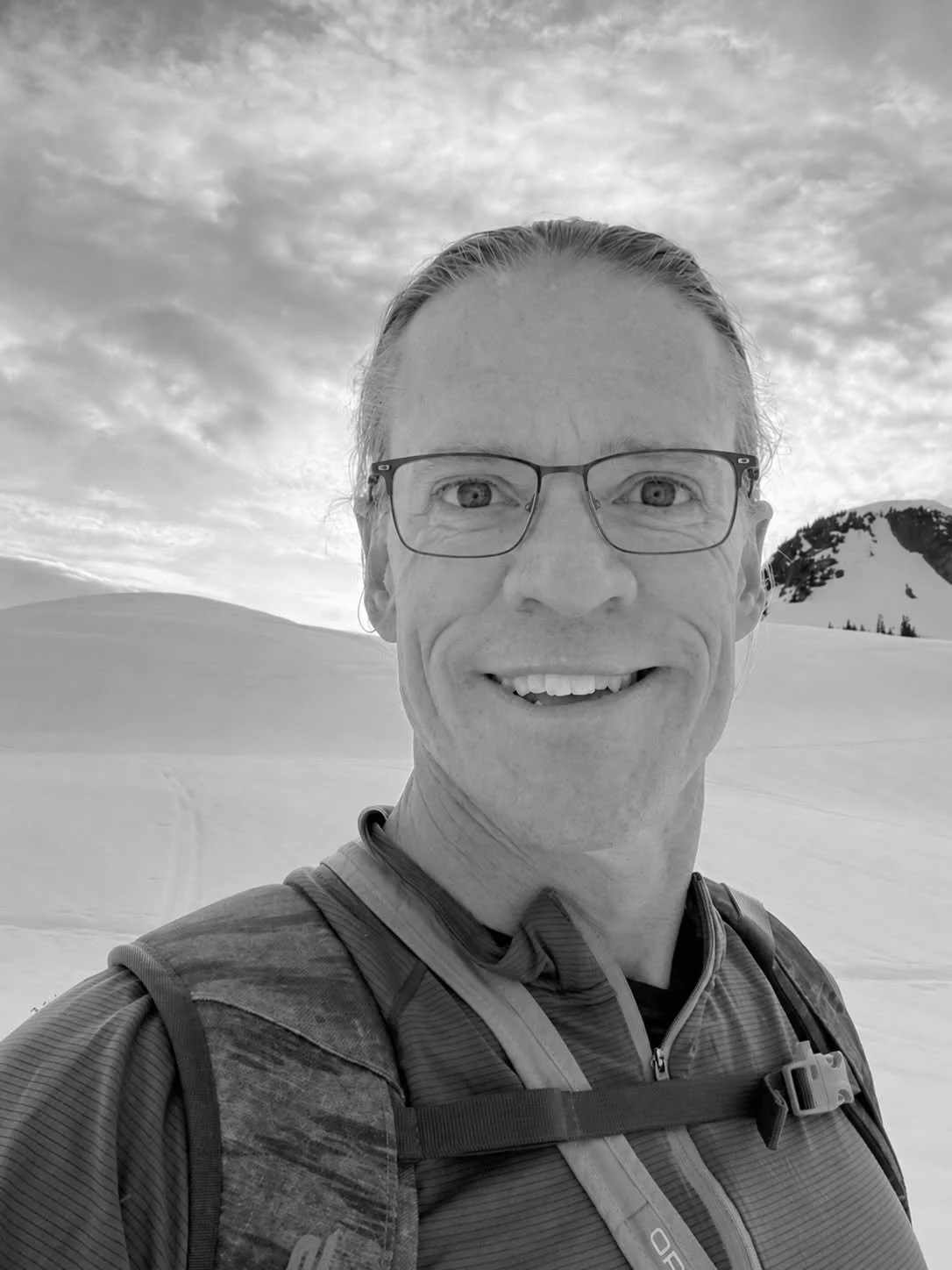
FelixWeb_Square (1).jpg

When did you first realize you wanted to be a writer? Or what first inspired you to write?

I'm the youngest of four, so I needed to talk a lot to get heard at all. I guess that's one of the reasons I’ve been a good storyteller ever since I was a little kid. When I finished first grade, my teacher commented on my report card that I fascinated my classmates with my stories. I’ve also loved reading since I was little, but I was never a good writer. One day, my friend Jana read one of my business plans and told me, "Felix, your stories and your ability to express yourself are amazing, but your writing is horrible! Have you ever thought about shortening your sentences? You know, turning one sentences into two, three, or even four or more?" This straightforward advice, which none of my teachers ever gave me, improved my writing significantly.

What do you think makes a good story?

I enjoy stories that combine an intoxicating plot with elements that teach me something or make me think. I also love stories that turn complex and demanding topics and knowledge into something I want to learn more about. And if people have something to tell, memoirs can make good stories, too.

What inspired your story?

Three main elements inspired me:

First, my having worked for two decades in the IT and digital marketing industry.

While explaining the latest trends to an elite audience, I thought that parts of IT are knowledge everyone should have—especially in our day, when technology is omnipresent and about to change some of humanity’s fundamentals.

Second, after selling our company, I took a one-year sabbatical to travel the world with my wife and our two children. I visited creative hotspots and benefitted from fascinating conversations with industry experts, entrepreneurs, and other inspiring people. Many of these inspirations found their way into the book.

Third, we returned home in February 2020, just before Covid-19 changed the world. This extraordinary stroke of fate influenced what I had been thinking about and added new ideas to my initial concept for this book.

Is there a message/theme in your novel that you want readers to grasp?

Yes! Don’t ever think you’re not capable of influencing the bigger picture. If everybody felt that way, a few would paint the bigger picture for all of us—a picture that’s not likely to match our expectations. If we each contribute our little piece, the bigger picture of our future will become more significant, more colorful, and more beautiful than we can imagine. Contributing is up to all of us.

With this book, I want to encourage as many people as possible to think—from radically new perspectives—how humanity, technology, the economy, and our society might develop in the future. Even better, I want people to think about how they would like our world to change and how each of us can become an active part in the decision-making process that has already begun.

What was your greatest challenge in writing this book?

I thought my greatest challenge would be writing the book in English instead of my first language, German, but thanks to the support of my wonderful editors Howard and Darby, language turned out to be a minor concern.

The greatest challenge was creating a complex plot with all its layers and linking different storylines and demanding topics across different worlds and times. I'm pretty good at being able to stay focused for a very long time. But writing this book brought me from time to time to my limits. Sometimes my wife or the kids would enter the room and ask me a simple question, or something would distract me for a couple of seconds, and an entire construct in my mind would collapse, forcing me to start all over again. But over time, I got better. And—I'm still married to my wife, and the kids have forgiven me for not giving them the attention they deserved while I was in the zone writing the manuscript.

If your book was turned into a movie, who would you like to play the main characters?

On the one hand, of course it would be amazing if some famous Hollywood celebrities played the main characters in my book. On the other hand, I'm a huge fan of talented underdogs. If I dream big and wild, somebody like Christopher Nolan or Quentin Tarantino would produce the movie and create a cast of actors hardly anybody knows yet. Together they would turn my book into an international blockbuster that would win several Academy Awards and make all of them rich and famous—with me remaining in the background enjoying everyone’s success.

You took a one-year sabbatical to travel the world with your wife and your two children. You say that you found a lot of inspiration during this journey that helped you hone this book's idea. Can you give us examples of what inspired you?

While we were traveling, so many things inspired me every day that it feels unfair to pick out just a view. But let me try:

In many places we visited, nature reminded us of how unimportant human beings are. We are just short-term visitors—often behaving, unfortunately, like we are the owners.

We met plenty of different people with plenty of different backgrounds at plenty of different locations. We were lucky and had many insightful conversations about such topics as the different social and cultural standards in other regions of the world; the use of technology; life in general. Many of these conversations found their way into this book.

Traveling with a four-year-old and a two-year-old slows you down perfectly and healthily—especially if you have as much travel time as we did. Instead of rushing from one destination to the next we stayed at least three days at every place we visited. The little ones are excellent in teaching that it's often not the big but the alleged small things in life that matter. While adults are excited by large highlights like the sequoia trees in the Yosemite National Park, children have much more fun throwing small leaves into a rapid at Lewis Creek.

What's the best writing advice you ever received?

I'm almost ashamed to admit it because it's so basic and the 101 of writing. But sometimes, the easiest things can be the most challenging: "Show, don’t tell."

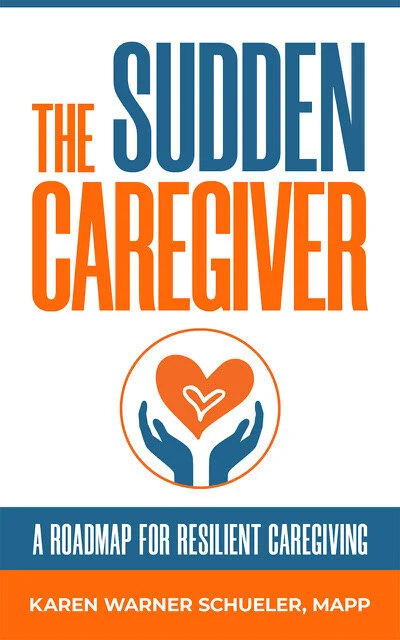
Q&A with Karen Warner Schueler, The Sudden Caregiver

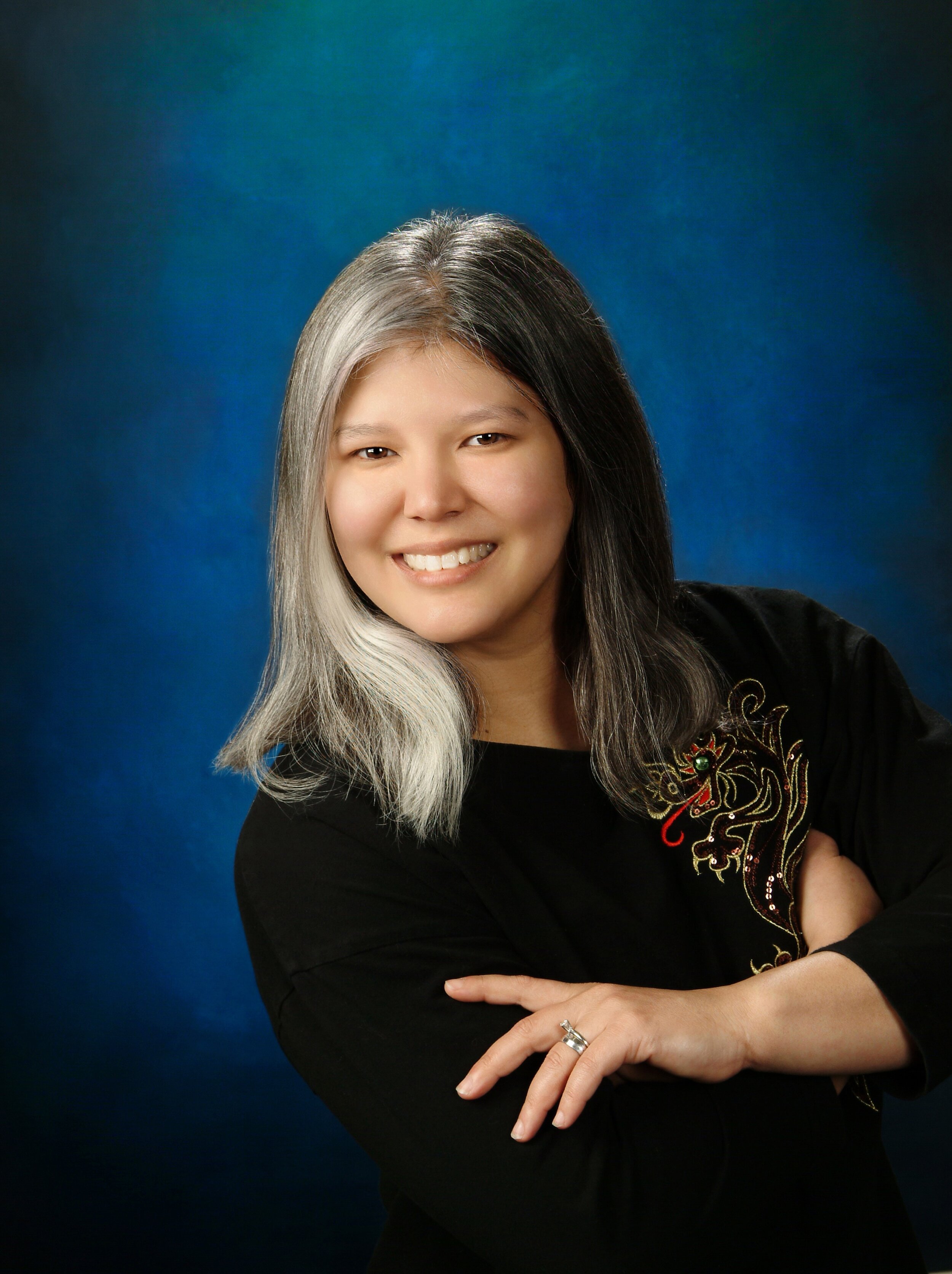
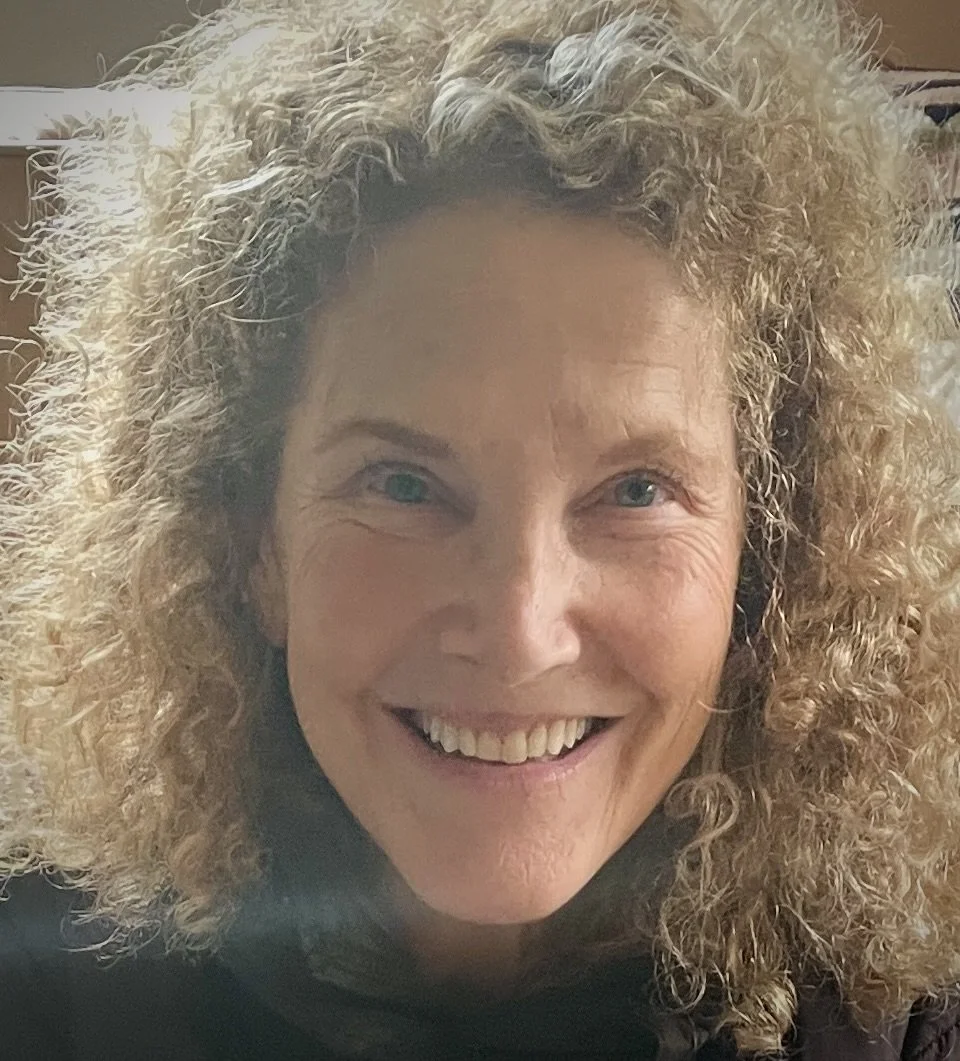
WARNER SCHUELER HEADSHOT 1 (1).jpeg

Where/When do you best like to write?

I’m an early riser. I like the morning quiet, a cup of coffee, an open laptop and a blank screen. For most of my life I wrote with pen and paper, typing up my stories later. Writing on my laptop is faster, easier, and I’ve gotten good at the brain-heart-fingertips connection. When I started writing The Sudden Caregiver, I was a new widow, raw with grief. It was spring in Beaufort, so I took Fenway, my coffee and laptop, mornings, out to my porch, where I could look up from my writing at any time and catch a dolphin breakfasting in the shallow water around my dock. When the weather is fine, that’s still my favorite place to write. When the weather isn’t fine, I write at my kitchen counter.

What do you think makes a good story?

I was educated by the Sisters of Saint Joseph, so, as a writer, the obvious answer is “man against man,” “man against nature,” and “man against himself.” Something must be overcome and the protagonist must be changed by it. I prefer Eudaimonic endings to apocalyptic ones. Eudaimonia is Aristotle’s ancient concept that, while the protagonist might not have a classically happy ending, they have evolved and grown into their best self. They are engaged in meaningful work, pursuing it with purpose. 

In my book on caregiving, for example, you know in the first sentence that my husband has left us here on earth to make our way without him. By definition, this story does not have a traditional “happy ending.” But the point of the book is what I call “The Caregiver’s Paradox,” that caregiving sucks and is a source of meaning and well-being. My book, definitely “man against nature,” takes you on a journey of resilience-building in the face of illness. It does not end with Joel being cured. That would be a happy ending, but that’s not real life. It does end with the lessons I learned. That’s a Eudaimonic ending. 

As a reader I also appreciate precise and significant emotional detail. John Updike was the master of this. He mentions his character seeing his married lover’s car in the parking lot of the grocery store – a mundane suburban detail, yet it conveys a kind of naïve happiness that has not yet confronted the reality of their situation. His work is filled with this kind of detail.

What inspired your story?

My own lived experience as a caregiver. I kept a daily journal from the time of my husband’s diagnosis well beyond the first year after his death. I was and am inspired to help other caregivers, everywhere. There are 45 million in the US alone. How can I hold a light up for them on the path that I just traveled?

How does a new story idea come to you? Is it an event that sparks the plot or a character speaking to you?

Buy on Amazon

Buy on Amazon

When I became a caregiver, I was looking for a roadmap to inform the journey ahead and couldn’t find one that would help me corral the future into something manageable. My need to write, to create, is sparked by my wish to fill a void, to help others by sharing something I’ve become sure of. 

Is there a message/theme in your book that you want readers to grasp?

That caregiving is both a source of stress and a source of well-being but you need to intentionally embrace that notion, not just hope it happens. If you do embrace it, it will happen. There’s research and evidence on that point. It’s not just luck.

What was your greatest challenge in writing this book?

In a word, grief. In order to help other caregivers benefit from my experience, I knew I would write this book even before Joel died. The week after his funeral, I joined a writing group run by one of my colleagues at Penn – now a good friend – Kathryn Britton. During the first year of widowhood, my grief and fear were so profound that they stunned me. They rolled over me in waves, like driving in and out of a thunderstorm. Pounding rain one minute, spangling sunshine the next. 

Writing this book was my form of grieving, of processing all Joel and I had been through together and accepting the fact that Joel had left me to do this part of it alone. It is incredibly painful to write about the loss of your husband and life partner, who had defined every aspect of your life. Often writing about what happened brought the pain front and center. But then I’d write through the pain and find something beautiful and necessary on the other side of it. It took me four years to write this book, partly because it was so emotionally demanding.

Who are some of your favorite authors?

Winston Churchill. Ernest Hemingway. John Steinbeck. John Updike. Anita Brookner. Elizabeth Berg. Milan Kundera. Hilary Mantel. Eric Larson. Annie Lamont. Isabel Wilkerson. I’ve read more than one book – sometimes all their books -- by each of these authors, so I suppose I like authors who create a body of work that I know I will look forward to reading.  I also read a fair amount of non-fiction that presents ideas I can leverage in my work. Martin Seligman. Adam Grant. Barbara Fredrickson. Angela Duckworth. Jonathan Haidt. 

What’s the best writing advice you have ever received?

My late husband, Joel Kurtzman, published 20 business books across his lifetime. He was a journalist and an editor. Even though this is my first book, I’ve always been writing something – short stories, how-to marketing or leadership advice. Whenever I was stuck, he’d say to me, “Just write the first sentence.” This combines two of my favorite pieces of advice for writers: Ernest Hemingway’s, “All you have to do is write one true sentence. Write the truest sentence that you know.” And Annie Lamott’s, “bird by bird,” referring to a time when her young brother was struggling with a homework project about birds. She says, “Then my father sat down beside him, put his arm around my brother’s shoulder and said, ‘Bird by bird, buddy. Just take it bird by bird.’”

What is the one book no writer should be without?

Strunk and White’s The Elements of Style. The Chicago Manual of Style is a close second.

Q&A with Julie Kagawa, The Iron Raven

Julie Kagawa_Hires2017.jpg

What was the hardest scene to write in The Iron Raven? What was the easiest?

I can't say too much without giving away spoilers, but the hardest scene in The Iron Raven was near the very end of the book when they're fighting the final Big Bad, and Puck does a completely Puck-ish thing to give them a fighting chance. It was random and irreverent and completely ridiculous, so I had to get it just right to avoid making it cheesy. The easiest scene was one where Puck and Ash were semi-seriously threatening each other, because I know those two so well and it was all rather familiar.

Did you hide any secrets in your book? (names of friends, little jokes, references to things only some people will get)?

Lol, well I'm going to reveal my absolute geekiness and say that the name of the newest character, Nyx, is actually my D&D character, a dragon-hating elven assassin. There were a few tweaks, of course, but Nyx is...well, me in a D&D campaign. :P

What do you hope people remember about The Iron Raven?

I hope The Iron Raven brings back the feel of the first Iron Fey novels, where everything was new and surreal and exciting. I hope readers will experience the same wonder and belief in magic, friendship, love and heroism that I tried to present in the first series.

Did The Iron Raven have a certain soundtrack you listened to while writing?

My music tastes are eclectic, but I do listen to a lot of Two Steps From Hell while writing, because its mostly instrumental and they have some epic soundtracks.

What is your dream cast for The Iron Raven?

I am so bad at this question I don't even think I can answer it. Apologies, but I really am terrible at remembering actors and actresses. This is a great question for fans, though. Who would your dream cast be for an Iron Fey series?

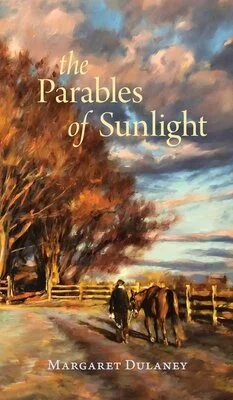
Q&A with Margaret Dulaney, Parables of Sunlight

Your book, The Parables of Sunlight, is a memoir that revolves around a farm, and an injured horse. Why did you choose to write about this?

MARGARET DULANEY: I chose this story because I wanted to explore the theme of the battle between hope and despair. The story is from a period in my middle years when my husband and I took ownership of a neglected farm in Bucks County, Pennsylvania. The central figure in the book is an abandoned and injured horse whose life hangs in the balance for many months. At the time this mirrored other battles of a similar intensity in other facets of my life, my mother for instance, who was in a battle with late stage Alzheimer’s disease. I hope the book touches on a universal theme, one to which many can relate.

Have you drawn any conclusions from your exploration of this subject?

DULANEY: I think we go wrong when we say of any situation, “This shouldn’t be happening.” It is happening, and we must find our way through. I suspect that our greatest work is in our willingness to walk alongside one another through difficult passages. The metaphor of my walking alongside my horse through months and months of rehabilitation had a formative and lasting effect on me. 

What would you say it was that you learned?

DULANEY:  I think it was a lesson in the great arts of hope and perseverance. I am in the business of hope. This is what I try and offer my listeners who visit Listen Well every month. Hope isn’t a luxury; it is a necessity. Like water, we cannot live without hope. Perseverance, however, is something that we can take up or toss away at any time. The choice is ours. The issue is, so little is accomplished without some sort of stick-to-it-ness. Most good things, most goals, most efforts to change require a measure of perseverance. Before this period in my life I didn’t see the true value of this quality, I was too willing to give up. 

But how can you tell if you are persevering in the right direction? Might you be fighting for something that is not worth your fighting for?

DULANEY: I understand this dilemma. Maybe the best way to distinguish whether a choice is right for you or not is if it brings you life. We’re given choices every day to either embrace life or turn from life. Some choices bring us more passion for our lives and others block our life force. Do not confuse this with right and wrong, yes or no. Sometimes a “no” can be life-affirming, a “yes” can be life-denying. No, I don’t want that third Scotch, yes, I do need to leave this corrosive relationship. Sometimes the choices take a good deal of study before they can be decided upon, but most of us have an intuitive understanding of what will bring us life and what will not.

You use the metaphor of a good teacher to illustrate this guidance. Why did you choose this?

DULANEY: I hoped to focus and solidify the idea of divine aid. Everyone will experience this a little differently. The ways in which others experience the divine are intriguing to me. I love people’s stories of transcendence and guidance.

Your book is filled with stories involving animals. What is your connection to animals?

DULANEY:  I have always felt that the animal kingdom has much to teach us. A flock of birds for instance, with its ability to fly in unison, as if they shared one mind, is a beautiful metaphor, never satisfactorily explained by science. If we have guidance from above, which I heartily believe we do, then an animal is a perfect tool of manipulation. My dogs have introduced me to some of my closest friends. My horse has the ability to deliver a sense of peace to me unlike any other. There is much that is mystical about our connection to the animals. 

Is there anything that you learned by your exploration of the battle between hope and despair that surprised you.

DULANEY: I suspect that most of us, if we could see our past as the heavenly beings do, would be astonished at the measure of hope we carry through life. We would be amazed at our courage, the perseverance we have shown. I know that before I wrote this book, I believed that I was far too ready to throw in the towel and give up, but looking at my history I can see the thread of hope woven through my story. I encourage everyone to try and look for this thread. It is always there.

About the Author

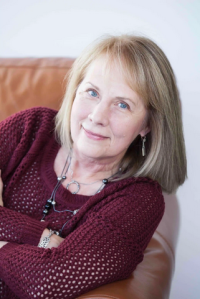
MARGARET DULANEY a playwright and essayist, and founder of the spoken word website Listenwell.org. Culled from a lifetime’s study of the ancients and mystics of all traditions, Margaret’s writings employ the ideas of Emerson, Lao Tzu, Hafiz, George MacDonald, Richard Rohr, Emanuel Swedenborg, Lorna Byrne, Marcus Aurelius, Shakespeare, Rudolph Steiner and many others.  

In 2010 Margaret founded the open faith, spoken word website ListenWell.Org. Each month Listen Well posts one ten-minute, professionally recorded essay designed to puzzle out a spiritual theme through story and metaphor. Listeners vary from practicing Buddhists to open-minded Christians, from those struggling to find a working tradition to those who are happy with their practice. Margaret records her writings at Maggie’s Farm recording studios in Bucks County, Pennsylvania. 

Learn more about Margaret Dulaney at  www.listenwell.org and connect with her on Facebook