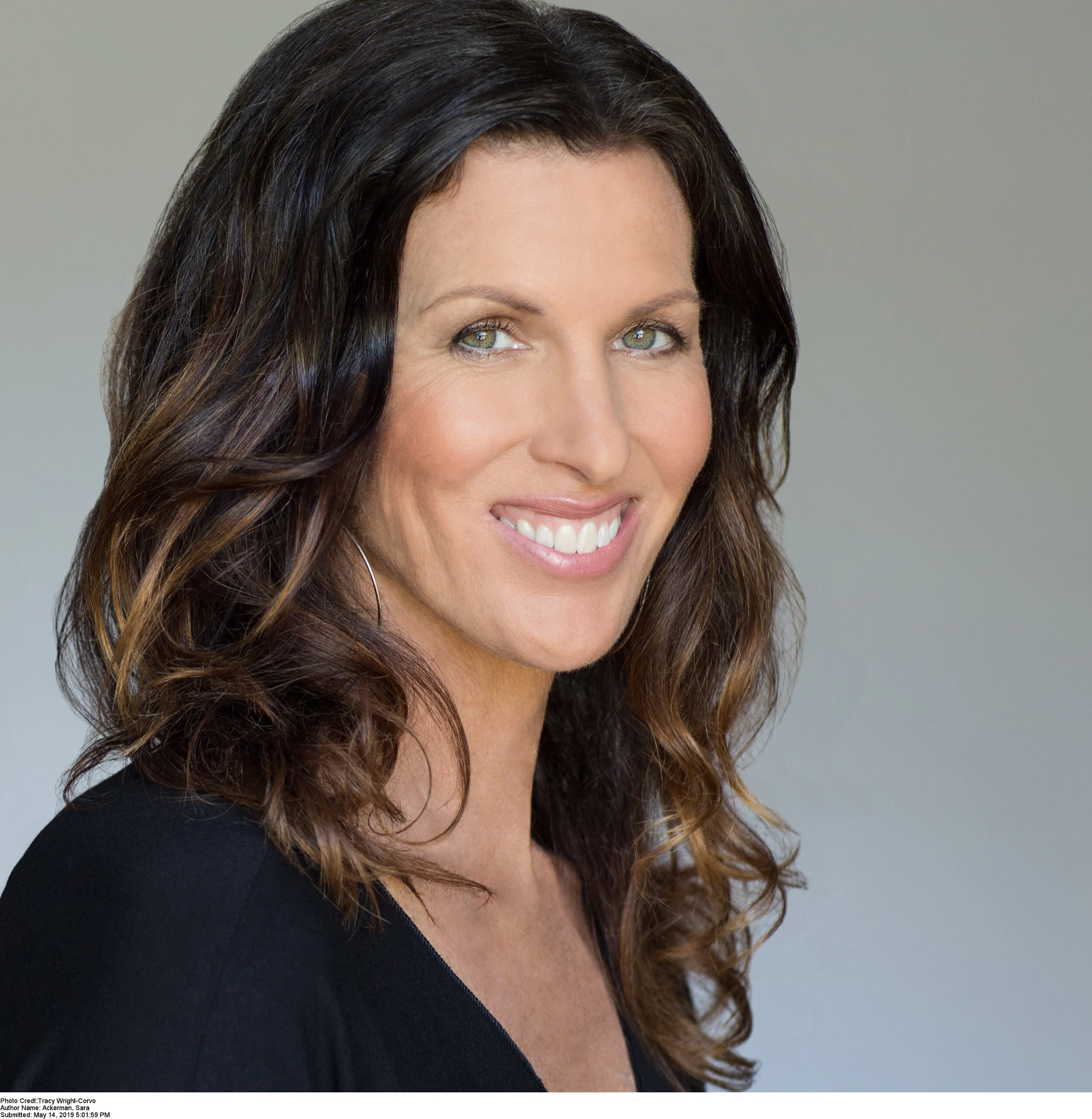
Q&A with Sara Ackerman, Radar Girls

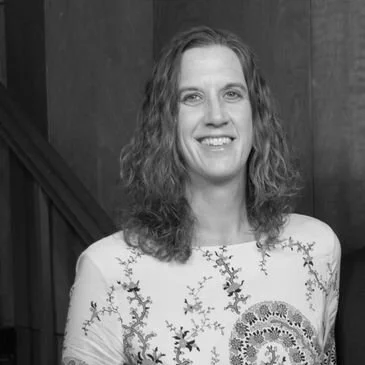
Sara Ackerman_Credit Tracy Wright-Corvo CROPPED.jpg

What do you think drives authors to continue to find stories to tell set around WWII?

Perhaps it’s because there are still so many amazing untold stories out there? There are so many individuals with unique experiences during the war, all over the world, that the books could just keep coming. Also, I know for myself, while I’m researching for a novel, I often stumble upon something that makes me sit up and think, Wow, that would make a great story! And then I file it away for future consideration. This happened while I was researching for The Lieutenant’s Nurse, my second novel, and first heard about the Women’s Air Raid Defense. It’s how Radar Girls was born!

How are you hoping readers will relate to Radar Girls?

I hope that readers will see a little bit of Daisy Wilder in themselves. I think it’s human nature to put yourself in the shoes of the characters and wonder about how you would react in a crisis. Would you rise to the occasion?

In Radar Girls, we have one woman trying to make her way in the world. Daisy is special in her own way, but no different than you or I, really. And then in one day, everything changes. Through her lens, we experience what it was like firsthand to live in wartime Hawaii, a very dark and scary time. We go along for the ride as she overcomes obstacles, deeply connects with other WARDS, falls in love, and proves herself as an important member of a critical command center Pearl Harbor. We feel her hopes, dreams and fears. As a reader, when I feel the humanity of a story, it makes me care. And when I care, I want to keep turning the pages. I hope that as readers turn the pages of Radar Girls, they will feel empowered and inspired and proud.

What’s something that you connected with personally as you researched and wrote Radar Girls?

When I was reading about the real WARDs, the thing that stood out to me the most was how these women quickly became a sisterhood. And I know that many were still close and kept in touch until their dying days. I have a band of friends who I love like sisters, so this really resonated with me. I greatly admire how the WARDs held each other up and maintained such grace under pressure, as well as a great sense of humor throughout. It was so inspiring to me, and made me want to hug all of my friends.

Following Your Dreams at 92 by Fred Olds and Margo L. Dill

Margo L. Dill.jpg
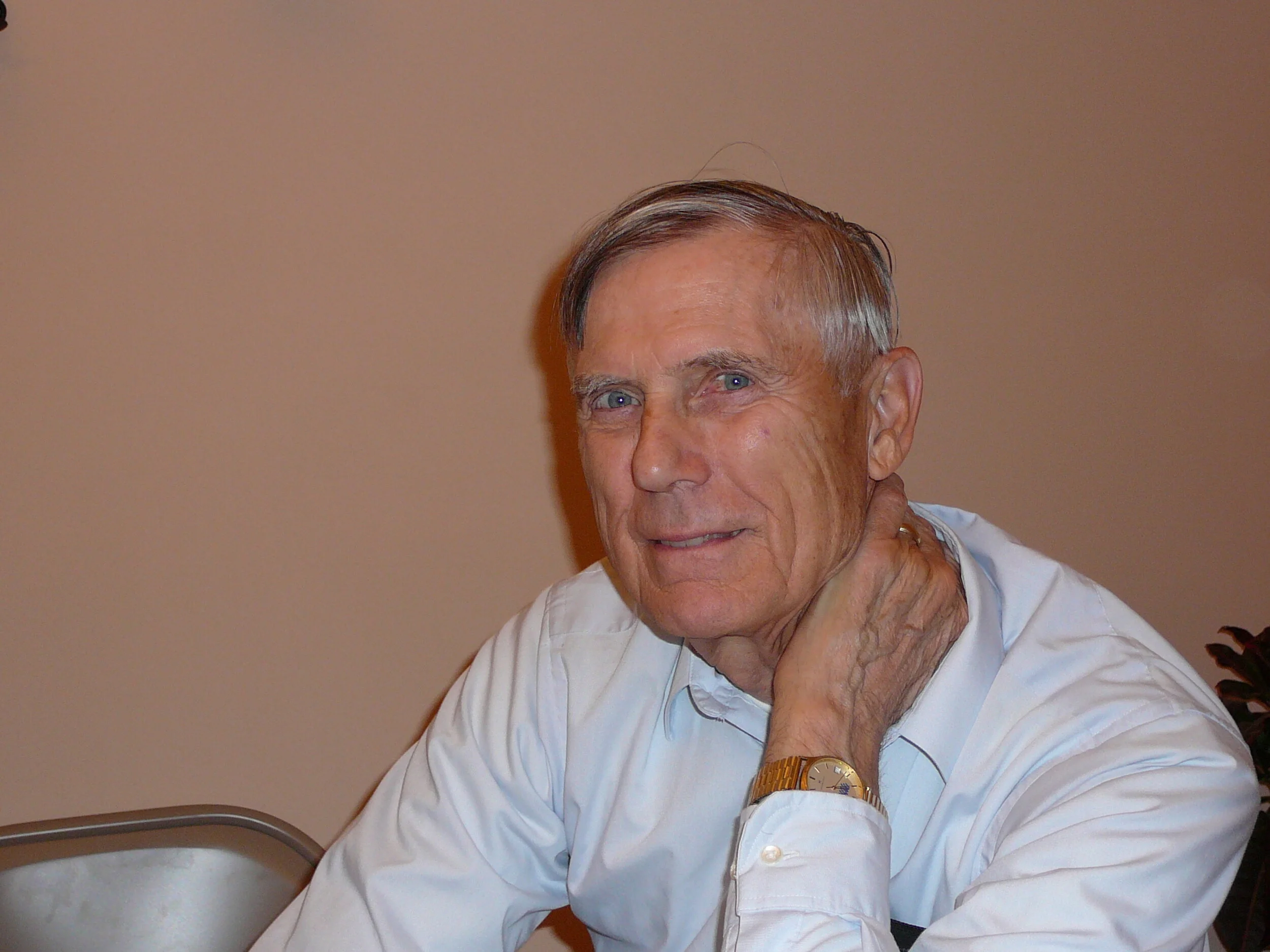
Pix_44.JPG

You are never too old to do anything. Really! Read that sentence again because it is important--if you are reading this post and you’re 25 or you’re 95 and you have a dream? You. Are. Not. Too. Old. If you want to play a musical instrument or become a travel blogger--if you want to make a TikTok video or you want to find a new job--you are not too old. 

Let me tell you about the amazing Fred Olds. He is a children’s writer and a mystery writer. He has not always been a writer--he’s retired from the Postal Service. But he has always been a storyteller, and when he retired, he decided to put those stories on the page. Then he had his first book published traditionally at the age of 91 by my publishing company, Editor-911 Books. 

Well, since he’s a writer, and since he can do anything, we will let him tell you his story. You will find it inspiring! 

FRED: Well, at 92, a lot of life’s water has flowed under my bridge; so with that in mind, a fair question might be, what to say and where to begin? And perhaps as good a place as any would be a bit of how and when many of my stories originated.

When our kids were little (they are 18 months apart) and bedtime came around, like most kids, there were the usual whining protests and “foot-dragging” excuses. Then once tucked under the covers, there was always a final plea of, “Dad, tell us a story.”

Now this old dad really hasn’t any special storytelling talents, just a treasure trove of depression era childhood experiences. Those, coupled with an active imagination and little or no conscience when it comes to the embellishment of my stories, created tales about ordinary pets--my dogs became superheroes like Lassie and Rex. To further convince you of my no-talent confession, I can honestly say that the kids were never awake to hear the story endings! 

I love examples. To me, an example (like a picture) is worth a thousand words of explanation. And the following is an example of how my favorite children’s story, “The Hobbling Hermit,” (currently a part of Read-Aloud Stories with Fred Vols. 1 and 2) originated.

One morning, while crossing the local McDonald’s parking lot for a “senior coffee,” I passed the restaurant’s dumpster and noticed a bearded, homeless man poking around in its contents. 

Now to me, writing children’s stories is all about imagination and what-ifs.

What if this homeless man was a hermit with a beard so long that he had to tuck it under his belt to keep from tripping on it? What if he eked out his living scavenging the city dump for little things he could sell, and what if he came upon a discarded purse with a sassy, little mouse napping inside and poked it? What would happen next? Now I had the beginnings of a story, and with some imagination and a bit of embellishment, I was on my way; you can see the possibilities were endless. And that’s about all there is to writing a story.

So I say to all you “wouldbe authors,” don’t put your dream off any longer, start now and “Go, write, win!”

____

As you can see, even in this blog post, Fred is humble and a true storyteller at heart. He told a story to explain how you can do anything. And you can--age, race, gender--none of it matters. What matters is believing in yourself and working hard to accomplish your goals. Like the old saying goes, “Age is just a number.”

Q&A with Diana Y. Paul, Things Unsaid

Screenshot_20210525-084109_Google.jpg

Introduce yourself.

I think I have had three of four lifetimes as an adult. First I was a Stanford professor teaching Buddhism. My second life was starting my own company in Silicon Valley to arrange partnerships between US and Japanese Korean and Chinese high-tech companies. After retirement, I truly could devote my energy and commitment to two of my passions: a) art-- creating mixed-media prints with Asian themes; and ) writing fiction with a subtle Buddhist influence. All four of those stages-- if you will-- are interrelated and intertwined. My debut novel, Things Unsaid, is a family saga. My second novel, Deeds Undone, is a mystery, and takes up where Things Unsaid left off. My third novel will be a rom-com.

Have you ever given up entirely on a story?

No. I'm a hoarder and don't like to throw things away. Everything can be useful. I will rewrite portions of a story I am not going to use and, after editing, submit as an article to a literary journal. So, short stories can be created from what I've cut out after changing the scenes or plot dramatically.

Do you write the story beginning to end, or do you skip around?

Beginning to end, no skipping around because that confuses me when I have a forward momentum I want to achieve. But every time I rewrite the end, I have to rewrite the beginning to bookend my story.

What genre do you write? Did you choose the genre, or did it choose you?

The genre chooses me since the story comes first in my head.

My first novel,Things Unsaid, is a family saga: a mixture of Catholic guilt and Buddhist karma in a tale of family obligation and duty.

My second novel--a work-in-progress tentatively titled Deeds Undone-- is a cozy mystery that continues some characters from my debut novel.

My third novel--A Perfect Match—will be a rom-com, a satire about online dating.

Who’s your favorite fictional hero or heroine?

I love Mrs. Bridge (from the book of the same name) as well as Offred (The Handmaid’s Tale) and Kya (Where the Crawdads Sing).

Have you had to do a lot of research for your books? How did you go about it?

Research has been critical for only my second novel--a mystery. I needed to know about interrogation techniques, police procedurals, and a light touch on forensic psychology. Have interviewed a former FBI agent/police officer and viewed documentaries on forensics and cold cases as well as reading books on the subject and on the internet.

How do you choose names for your characters?

The names begin as people I know or have symbolic connotations with the theme (for example, Jules Foster of Things Unsaid, who I facing caregiving issues) or actors so I can have a clear image of their physical appearance. Then I sometimes change the names. At least one character is named as a result of my first book launch and first book club reading. I sometimes have contests for reviewers and the winner's name is featured as a name of a character in my work-in-progress.

I always want to know what sparks a book? What question was haunting you that propelled you into this particular story?

Ultimately, any storyteller is going to write about what she knows in her heart. Everyone has to face their own mortality, and perhaps their parents first.

Why do you write?

I've been a storyteller ever since I was a little girl and a cartoonist in my early teens. All my friends and teachers said I should either write down the crazy stories I was telling or be an artist and visualize the strangeness.

What is your greatest writing challenge?

Not to overwrite or overthink. I believe there's a Zen rhythm to writing. I have to try to get into the head of the character at the same time I am understanding from the point of view of the reader–– I call that "double vision".

Tips for other authors?

1) Read--and read some more.

2) Write what first comes to mind, without your inner critic.

3) Learn to enjoy revising and editing, because of the surprises that lie beneath the surface.

You can check out her latest book, Things Unsaid on Amazon

About the Author

Diana Y. Paul, an award-winning novelist, was born in Akron, Ohio and  has a Ph.D. in Buddhist Studies and a B.A. in both psychology and philosophy.  Diana is a former Stanford professor in Buddhism with a focus on the role of women and intergenerational families.  

Things Unsaid is a multiple award-winning novel: USA Best Book Awards Finalist in two categories (Best New Fiction and Best Literary Fiction), Beverly Hills Book Awards Winner for Best New Adult Fiction, Readers Favorite Silver Award Winner for Best Drama, and a  Pushcart Nominee.  Her  second novel, Deeds Undone, a mystery, continues the narrative of Things UnsaidA Perfect Match will be her third.  When not writing, Diana  creates mixed media art.  Her art has been in museums and galleries in California, Hawaii, and Japan.  Visit her blog on movies and art at:  www.unhealedwound.com and her author website at: www.dianaypaul.com. Her  Amazon author page is:  amazon.com/author/dianaypaul  Or stop by on Facebook, Twitter:  @DianaPaul10 and/or  Instagram:  dianapaul10  and dianay.paulAuthor
Q&A with Krista Nerestant, The Hidden Gifts of Trauma

red.jpg

When did you first realize you wanted to be a writer? Or what first inspired you to write?

I remember trying to write my first book in 7th grade! But life got in the way, although I continued to be an avid reader into my adult life. The writing bug bit me once again when I came out of the spiritual closet in 2016. I was inspired then to share my story of resilience and overcoming multiple severe traumas with the public.

What do you think makes a good story?

When the writer invokes the narrative honoring their vision while others can also visualize and empathize with it as if they understand the story as they’ve experienced it themselves.

What inspired your story?

I was inspired by my need to practice what I preach as a facilitator at Self-ishlifestyle.com I am like a broken record in repeating the mantra of SELF-accountability, responsibility, and awareness. The need for championing trauma survivors who are living on survival mode and encouraging them to survive rather than just thrive. Indestructible: The Hidden Gifts of Trauma encourages and teaches individuals to use their personal power to live their best life in all levels--mentally, physically, emotionally, and spiritually.

What was one of the most surprising things you learned in creating your book?

It was the most therapeutic experience. I laughed, cried, angered, and certainly squirmed in re-living the past but it healed me and allowed me to gain an objective perspective to extract life healing lessons to share with the community.

What was your greatest challenge in writing this book?

Finishing it!

Who are some of your favorite authors?

Lee Child, Nora Roberts, David Baldacci, Emily Griffin, Harlan Coben

If your book was turned into a movie, who would you like to play the main characters?

My hope and wish is for Indestructible to become a film so that it may help Asian representation in the entertainment industry just like Crazy Rich Asians. Jon Jon Briones would play my father definitely. I would love Gemma Chan to play me as an adult and Lana Condor as my child self. Awkafina as Toni, and I honestly don’t know for my mother and brothers.

What’s the best writing advice you have ever received?

Your first draft is your vomit draft, so vomit away and don’t let perfectionism get in the way of finishing your first draft.

A Forgotten Dream Realized by Bella Mahaya Carter

Bella headshot high res.jpg

Author of Where Do You Hang Your Hammock?: Finding Peace of Mind While You Write, Publish, and Promote Your Book
Recently, while skimming old journals, I came upon this line I wrote in 1986: “One day I’d like to write a book about writing.” At the time, I was a graduate student and screenwriting teaching assistant at USC’s film school.

I’d completely forgotten that dream. But here I am, thirty-four years later, fulfilling it with Where Do You Hang Your Hammock? I never could have guessed the twists and turns my life would take, or that I’d become more interested in books than films, or that I’d develop a passion for spiritual psychology, personal transformation, and growth.
 
As a young adult, I (like many aspiring artist-dreamers) fantasized about fame and fortune. Although I felt abundantly creative, I had no idea what it took to make a living—or a life—from my creativity. 
 
For years my creative passions got stuck in logjams of insecure thought. I had no idea how insecure I really was. How much my desire to please others translated into small, but continuous betrayals of myself. 
 
As a young writer, I had no platform, little experience or practice, and scant skills. In other words, I had a lot to learn. Throughout my thirties I submitted poetry and prose to literary journals and received more rejections than acceptances. In my forties, I shopped a memoir, which never found a home. What made those rejections painful was my belief that they had to do with me personally. I translated it into: I have no talent and should stop writing. I’m wasting my time. This created inner turmoil because I had to write. I needed to write. It fed me. It calmed me. It helped me make sense of my life. This was the reason I never gave up. 
 
By the time I reached fifty, I knew a lot more about myself and about publishing. I quit taking rejection personally, and found rich and rewarding ways to make and share my work. I believed in it and in myself. This has been a game-changer.
 
Still, I wish I’d known much earlier than I did that I could have ignored my insecure thinking. I didn’t realize we all have insecure thoughts. It’s part of the human condition. It’s universal. I had no idea I could relegate fear to the back seat instead of letting it navigate, or worse, drive my life. Learning this has led to personal as well as creative liberation.
 
It’s not just me! I realized five decades into my journey.
 
When the world seems to be saying “no” to you and your creative expression, consider that it might mean, “No, not yet.” You may have more to do. You may need to let your idea marinate a little longer. You may need to study, practice, observe, and hone your craft. 
 
Or maybe you need to face a new direction. Try an alternative path. Change your perspective. Or, as I describe in my new book, move your hammock to a new location in order get a different view.
 
Maybe, like me, you’d enjoy becoming a scientist of your own psyche. Maybe you’d like to open your heart more. Take a deeper dive. Perhaps you need to peel back a few more layers and let yourself be vulnerable. 
 
We all benefit from accepting things as they are and going where we are led, rather than where the mind cajoles, forces, or demands. 
 
Follow your inner GPS, your heart, your hunches, and new opportunities will arise.
 
This is what I have done, without realizing or planning it. I have learned to trust my urge to create, and ended up birthing books, and also teaching and coaching, which was never part of any conscious plan, but which is, in fact, my true calling. My life’s work eventually found me, and for this I am grateful.
 
Am I rich or famous? No. But recently a student of mine referred to herself and her fellow classmates as “Bella’s ministry,” which touched my heart and made me smile, because I consider the work I do with my students to be sacred. I am rich, after all. Treasure has many forms: love, friendship, service, meaningful work, home, family, and life itself. 
 
Not all dreams come true, but many do. They might not look exactly the way you dreamed, but when you slow down and listen to the still, quiet voice within, life has a way of guiding you.
 
I’ve received wonderful feedback on my new book. I think it will help writers and anyone wanting to live a more fulfilled creative life—anyone wanting to make their own dreams come true.

About the Author
Bella Mahaya Carter is the author of Where Do You Hang Your Hammock?: Finding Peace of Mind While You Write, Publish, and Promote Your Book. She is a creative writing teacher, empowerment coach, and speaker, and author of an award-winning memoir, Raw: My Journey from Anxiety to Joy, and a collection of narrative poems, Secrets of My Sex. She has worked with hundreds of writers since 2008 and has degrees in literature, film, and spiritual psychology. Her poetry, essays, fiction, and interviews have appeared in Mind, Body, Green; The Sun; Lilith; Fearless Soul; Writer’s Bone; Women Writers, Women’s Books; Chic Vegan; Bad Yogi Magazine; Jane Friedman’s Blog; Pick the Brain; Spiritual Media blog; Literary Mama; several anthologies, and elsewhere. For more information, please visit https://www.bellamahayacarter.com

Connect:

Facebook: https://www.facebook.com/search/top?q=Bella%20Mahaya%20Carter

Instagram: https://www.instagram.com/bellamahayacarter/

Twitter: https://twitter.com/BellaMahaya

LinkedIn: https://www.linkedin.com/in/bella-mahaya-carter-18570914/

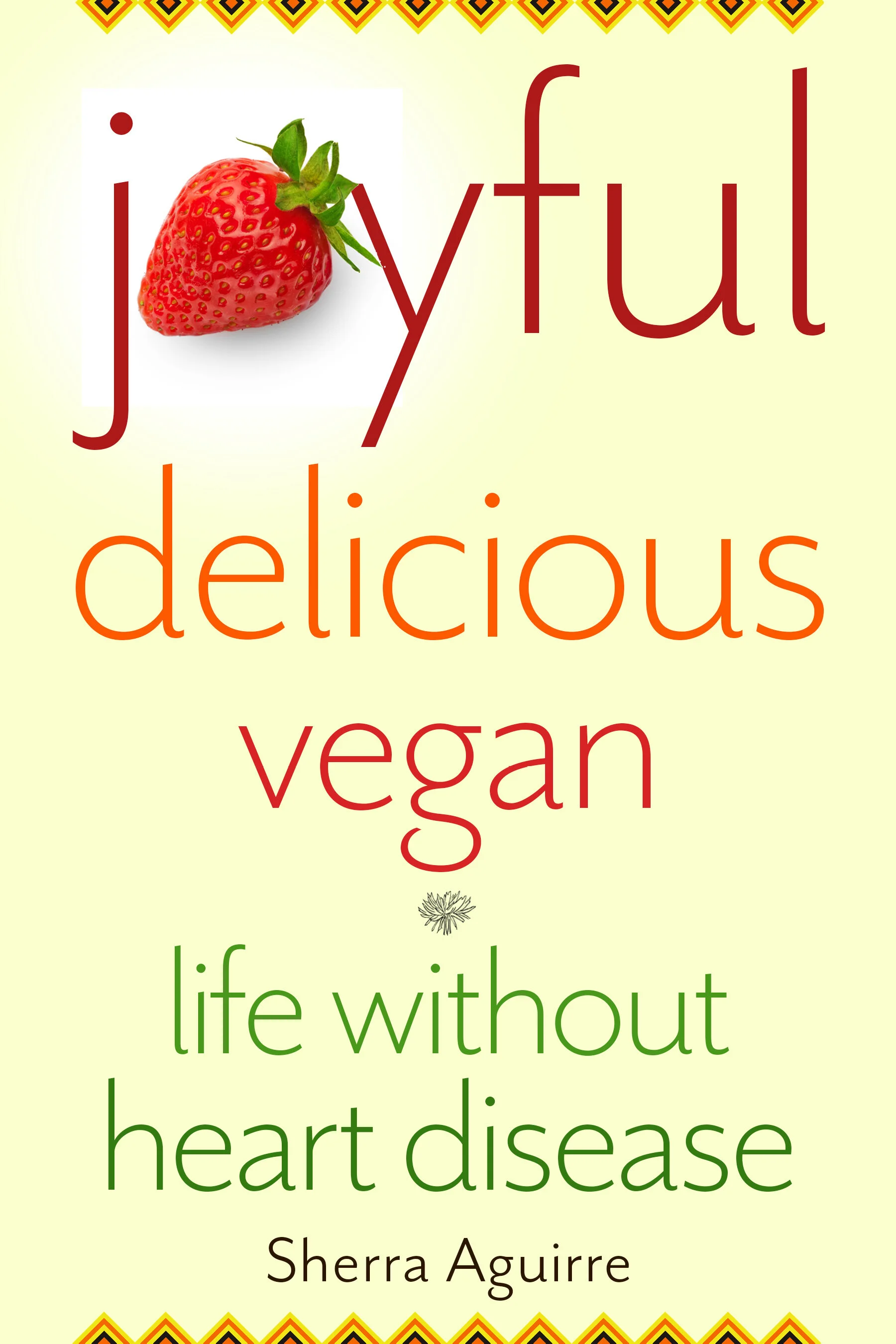
Q&A with Sherra Aguirre, Joyful, Delicious, Vegan: Life without Heart Disease

Whatever it is, the way you tell your story online can make all the difference.

Where did you grow up /live now?

I was born in Lufkin, Texas and moved with my parents to Edna, another small town in South Texas. I have lived in Houston, Texas, since moving here to attend the University of Houston in the late 1970s.

When did you first realize you wanted to be a writer? Or what first inspired you to write?

I have always enjoyed writing and consider it an art form. I love a well-crafted sentence and the nuanced communication that is possible with the written word. I also love a well told story. I never aspired to be a writer, only to use my enjoyment of writing to tell my story in a way that would empower and inspire others.

Where/When do you best like to write?

I write at home, however any quiet place works well.

When you are struggling to write/have writer’s block, what are some ways that help you find your creative muse again?

I do either one of two things. I either step back and rethink my outline, because often my structure is part of the problem. Or I take a break to do some other type of creative activity to get that energy flowing again.

What inspired your story?

The sheer gratitude for my health journey and the joy I discovered along the way were and remain my inspiration. I want to empower others to know that good health is within reach and it starts in our kitchen.

What do you like to do when you are not writing?

I like to read, cook, exercise, practice yoga and meditation. I also love sports and home improvement shows.

Who are some of your favorite authors?

As a mom my two daughters are my favorite contemporary authors! That said, I think if they weren’t my daughters, and I had read any of Attica Locke’s novels e.g. Black Water Rising or Heaven My Home, and Tembi Locke’s memoir From Scratch, I would enthusiastically say the same thing. Paulo Coelho, author of The Alchemist is another favorite. Ernest Gaines is an American novelist whose work I cherish. Two of my favorite poets are Kahlil Gibran and Rainer Maria Wilke.

What person(s) has/have helped you the most in your career?

My family members have been consistent supporters both in my business career and now my writing and health advocacy endeavors. My mom financed my start up business in 1981 with a $500 loan when I couldn’t find bank financing! A teacher, she also wrote a children’s book which inspired my daughters and myself to dare to write.

About the Author

SHERRA AGUIRRE is an articulate health enthusiast, environmentalist and food security activist. She founded and led a successful business for three decades, winning national awards for entrepreneurship, innovation, and service excellence. She sold the company in 2016 to focus on sharing her passion for healthy diet and lifestyle.

Aguirre describes herself as high energy, in better overall health, and in many ways more fit than in her thirties or forties. She has practiced meditation and yoga daily for more than twenty-five years, and for many years has researched and read extensively about diet and lifestyle as the most important factors for achieving and maintaining good health. By adopting a whole plant-based diet, she improved her overall heart health and eliminated symptoms of hypertension despite a significant family history of heart attack, stroke, and high blood pressure. She is passionate about empowering others to maintain vibrancy and good health throughout their lifetimes.

One of Aguirre’s main goals with her new book is to make the change to a healthier diet and lifestyle more accessible, particularly to African Americans and other communities who are at high risk for diabetes and heart disease.