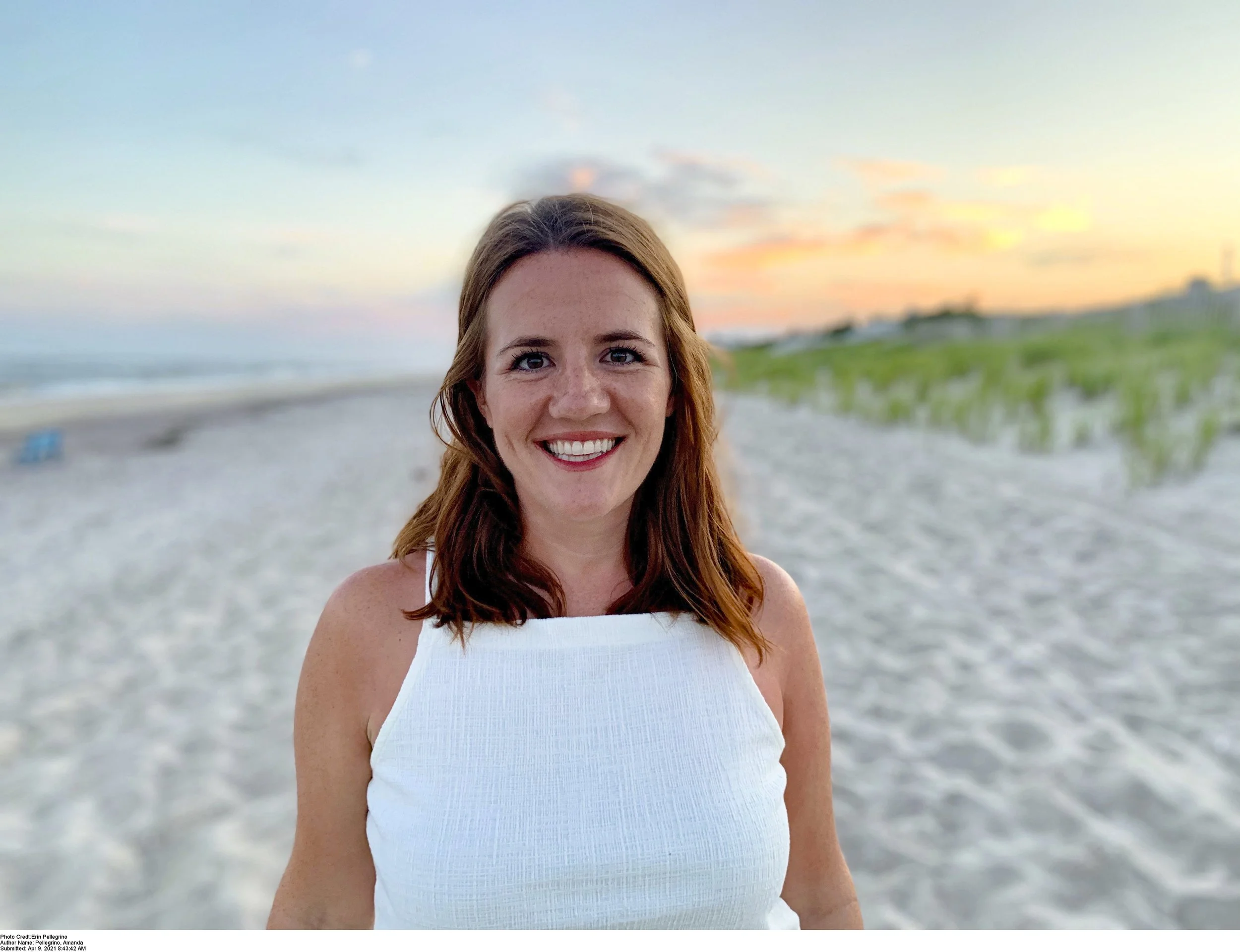
Q&A with Amanda Pellegrino, Smile and Look Pretty

What was the overall influence that led to you writing your debut novel with Smile and Look Pretty? 

Though I wrote most of Smile and Look Pretty before the #MeToo movement really took off, that absolutely became part of my inspiration. I was encouraged by these prominent women coming out against their abusers, some of whom had been infamous in the industry for their bad behavior for decades. I was compelled by the concept of a secret hiding in plain sight, something that everyone knew about but no one acknowledged. Since I was an assistant at the time, I wanted to explore what would happen if a movement like this had been started by a group of people so low on the career ladder they’re still subterranean. What would happen if people with no clout and no influence and no voice started speaking up? 

Did you use any of your own personal experience to build your characters and plot around?

I think most women have stories they would contribute to the website in Smile and Look Pretty--about working with toxic people or in toxic environments. Because these four characters work in different aspects of media and entertainment, industries where the line between personal and professional is often blurred through the creative process, where people making minimum wage are direct reports to people making millions, there’s really no story too ridiculous to be true. There are articles about assistants getting everything from a computer to a potato thrown at their heads at work. Because of that, I didn’t really need to plunge into my personal well of stories to write relatable and distinct characters.

What was the first book you ever read?

I had all the Madeleine books (by Ludwig Bemelmans) read to me when I was little, if that counts? The first book I read myself was probably something by Roald Dahl or one of the Magic Treehouse series. 

What are your top five favorite books and/or authors of all time? 

This is constantly changing so I’m not sure I can pick my favorite authors and books of all time, but I can say my favorites right now. My favorite authors right now are: Jessica Knoll, Colson Whitehead, Michelle McNamara, Andrea Bartz, and Rumaan Alam. My favorite books right now are: Luckiest Girl Alive (Jessica Knoll), Gone Girl (Gillian Flynn), On Writing (Stephen King), Such a Fun Age (Kiley Reid) and When No One Is Watching (Alyssa Cole). 

Do you have a guilty entertainment (book, film, television, music) pleasure? 

I’m devouring anything Anna Delvey right now. I had read the original Cut and Vanity Fair articles and finished My Friend Anna (Rachel DeLoache Williams) in one sitting when it first came out. I’m loving the resurgence of interest in this insane story. Generally, I try to avoid feeling guilt over things that bring me pleasure, but this one makes me feel a little guilty because I’m sure all this new attention is making Anna some money. 
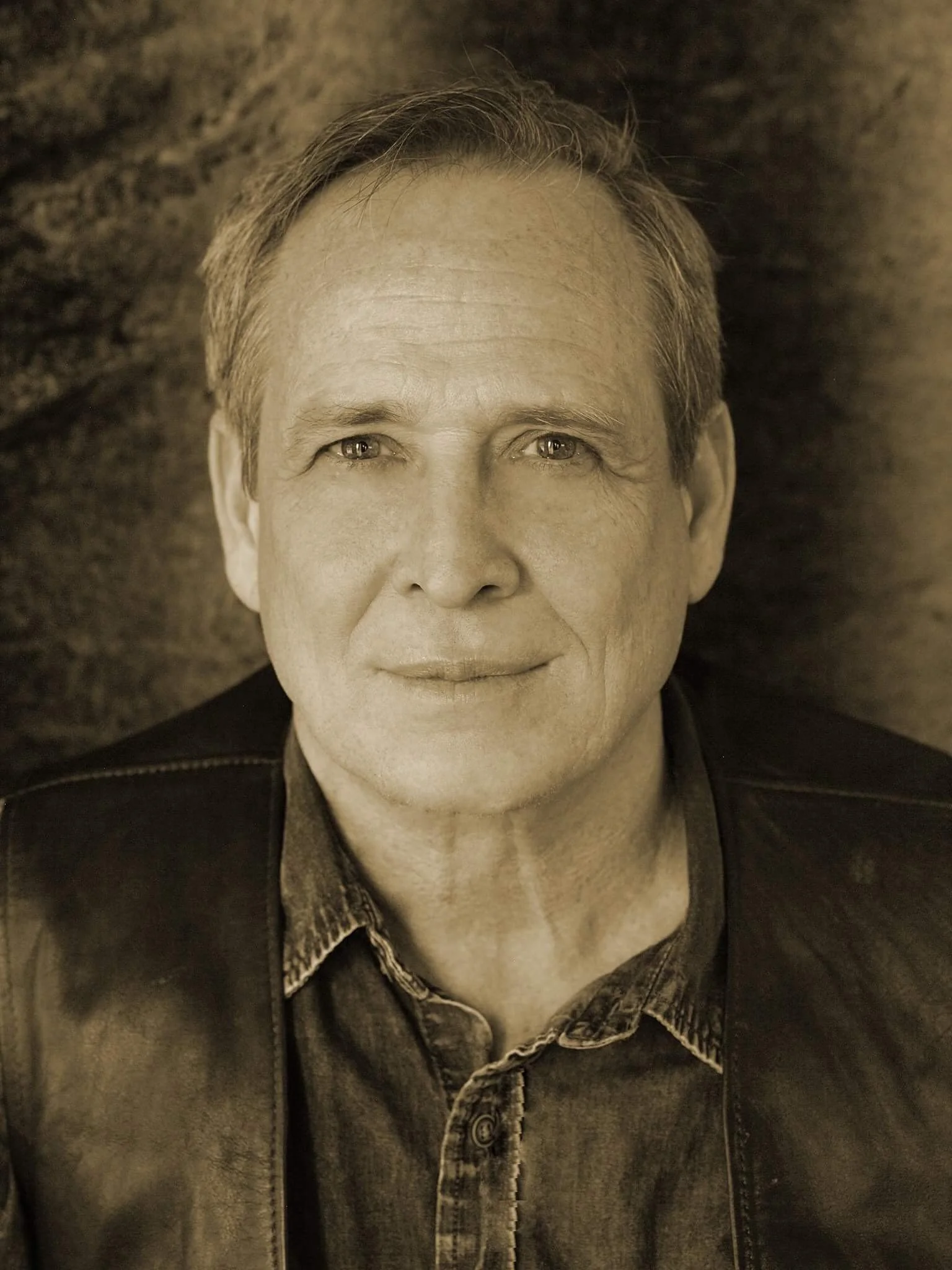
Completing the Vision: Finishing Marjorie Carter’s Red With Native Blood trilogy by Randal Nerhus

I met Marjorie Carter in a writing group in San Miguel de Allende, Mexico, in 2002. She was of Cherokee descent and was writing a Native American historical novel. Partially crippled after a stroke, she needed help maintaining her ranch. I had grown up on a farm, so I volunteered to repair her fences and buildings. I also became involved with her novel, Red With Native Blood, during that time. Marjorie had her writings on plastic floppies and multiple computers. It took us weeks to transfer everything onto her best desktop computer, and by then, we had become good friends. 

In many ways, I was a broken man when I met Marjorie. Her spiritual guidance over the next two years required me to be brutally honest with myself, and parts of our conversations would seep into Red With Native Blood in the years to come. 

In June of 2004, I had exhausted my finances and flew to the US with plans to save money and return to Marjorie within the year. Sadly, Marjorie died of pneumonia three weeks later. After some months of grieving, I learned that I had the only copy of Marjorie’s manuscript. With that, and the confluence of other events, I felt called upon to bring her novellas to publication. Though I had been exposed to parts of Marjorie’s writing in our weekly writing group, the story really came together when I read her final draft. Her writing was unique, and it took a bit of adjusting to plunge myself in Marjorie’s Native American world. However, it wasn’t long until I realized she had crafted more than a story—her writing generated vivid, lasting images in the reader’s mind. The landscapes and characters kept floating into my awareness for days after reading her manuscript. It was as if I was walking their journey with them. The story held nothing back, and it felt bigger than me. I seldom had such a reaction to a novel and knew this was the work of a master.

Doubts of completing Marjorie’s series hindered me to the point where I dared not start. How could I write about three tribal teen girls in the 1870s? Could I keep Marjorie’s voice throughout? Could I put together an ending that the story deserves? I had never heard of an unknown author completing another unknown author’s work, let alone trying to publish it. Still, Marjorie’s novellas would be lost in the sands of time if I didn’t try, and I finally concluded that I couldn’t do it alone.

After sending Marjorie’s friends the manuscript, they read it and offered suggestions. Around that time, my coworker Steven Lenker stepped up to help. Not only was he a demanding editor and grammarian, his sense of story elements and his background in anthropology and astronomy were just what the story needed. 

Consider me crazy. In the fifteen years that followed, I asked over sixty readers to critique the series. They were of all ages and walks of life. Some with degrees in English, others fellow writers, others just readers. I am very grateful to the women who heavily rewrote and enlarged the scenes of the girls’ most intimate moments.
Still, the most helpful advice came from Marjorie herself: “Writing is easy. Just go there and write what you see.” 

From the beginning, my intention was to follow Marjorie’s trajectory of the value of family, community, friendship, and tradition without glossing over the horrors of war. I hope I have fulfilled Marjorie’s wishes by completing her inspiring story of the resilience, grit, and perseverance of a young female Apache warrior.

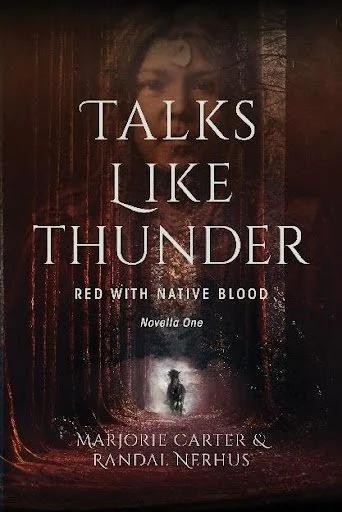
The first novella in the Red With Native Blood series, Talks Like Thunder, is available now on Kindle. The audiobook will be released on April 11, on Audible. 

In the second novella, Falling Star, Thunder meets a Cheyenne girl Falling Star and they forge a friendship in their harrowing journey to escape the white-eyes. Falling Star is set to be released on Kindle in May, and Audible in June. 

Red With Native Blood’s incredible culmination in the third and last novella of the trilogy, Singing Wind, the story of a young Lakota girl named Singing Wind who meets Thunder and Falling Star, all hoping to start a new life. Singing Wind will be released on Kindle in July and Audible in August.

I hope you will enjoy Marjorie’s novella series as much as I did. 

Randal Nerhus received a BS in Agricultural Studies from Iowa State University in 1982, and an MA in Oriental Philosophy and Religion from Banaras Hindu University, India, in 1988. Shortly after obtaining his agriculture degree, he volunteered with the Peace Corps in the Philippines. While traveling in the mountains on the island of Palawan, he visited a remote tribal village and encountered a very different way of life—one of community, contentment, happiness, and love. Fifteen years later, his interest in tribal traditions deepened while taking part in a ManKind Project initiation that used native approaches to bring men into a life of integrity. In 2002, Marjorie Carter took him under her shamanic guidance which complemented and expanded upon his early Christian foundations. From 2013 to 2016, he lived in Colombia’s Amazon jungle, learning under Cocama shaman don Rogelio Cariguasari, and relevant parts of that experience were incorporated into the novel.

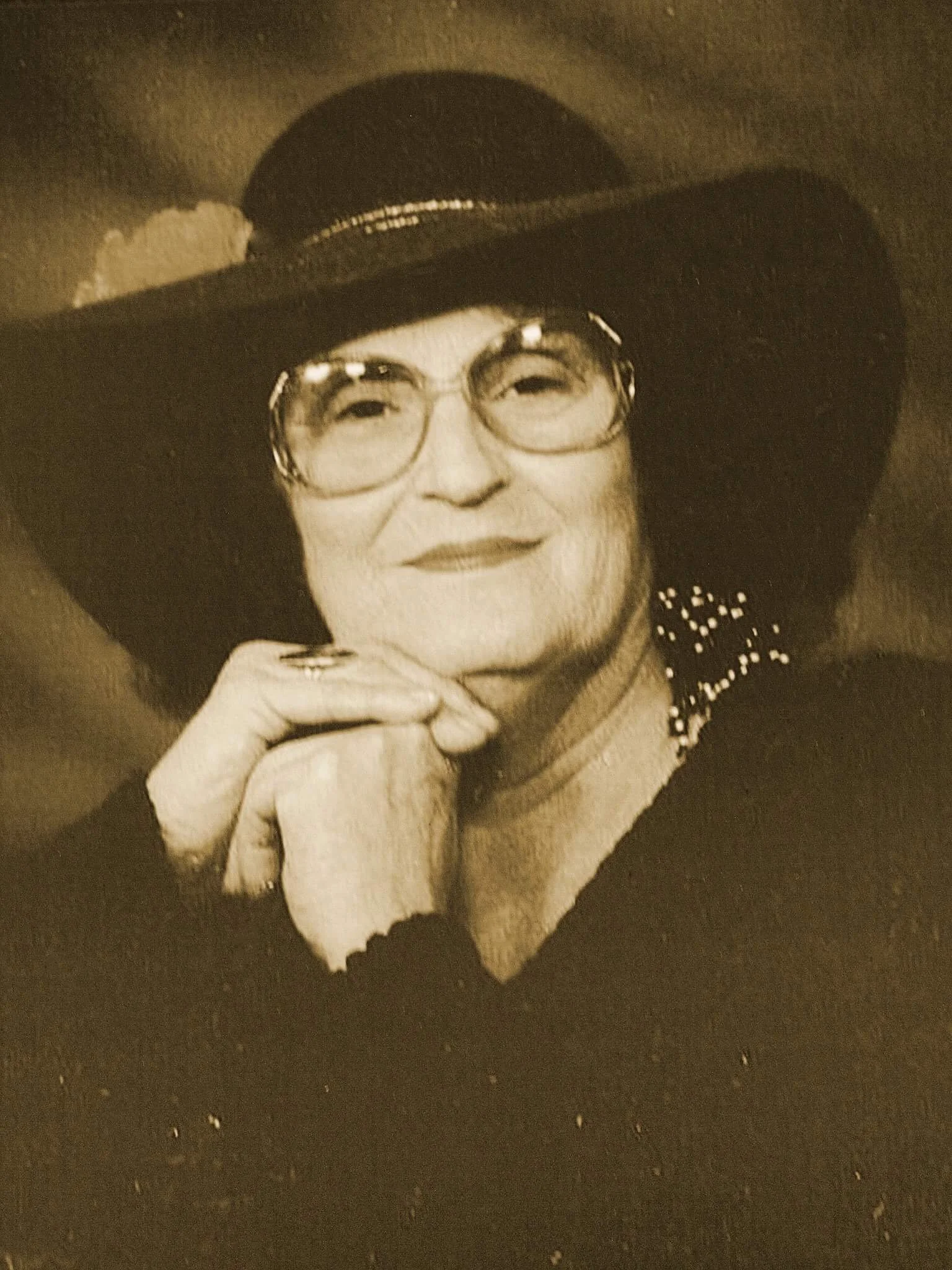
Marjorie Carter was born in Salem, Missouri, on July 17, 1937. Of Cherokee descent, she learned the traditional ways of her relatives from early childhood. During the eighth grade, she was forced to leave school to work and provide for her younger brothers. At the age of nineteen, she moved to Texas and began her careers in the restaurant and real estate businesses. During her life, she was diagnosed with seven different cancers and fought against melanoma for twenty-five years. A Native American seer and shaman, she had a passion for art, poetry, and stories. She wrote at her ranch near San Miguel de Allende, Mexico, hoping that Red With Native Blood would help reservation students embrace their heritage. Marjorie died of pneumonia on July 12, 2004.

You can find more information about the Red With Native Blood series at randalnerhus.com

Q&A with Julia London, Last Duke Standing

Tell us about your latest book. Who are the main character(s) and what can readers expect when they pick up Last Duke Standing?

Princess Justine Ivanosen is going to be queen of Wesloria sooner than she hoped—her father, the king, is dying from tuberculosis. Because he is declining, a marriage becomes very important. The Prime Minister is dead set against having a young woman ascend the throne without a man to guide her, and her mother is still smarting over Justine’s disastrous affair with a charlatan, the reveal of which has left her without great prospects at home. The Prime Minister convinces the queen that they ought to employ a matchmaker to make quick work of it. They can ship her off to England to apprentice with Queen Victoria, bring some suitors around to court her there instead of here, where all of Wesloria will be watching, and give strict instructions that she is to return with a fiance. The prime minister won't leave the selection of the lucky fellow to chance, and persuades one of his old cronies to send his handsome son to London to keep an eye on the selection process.

William Douglas, the future Duke of Hamilton, has been flitting around Europe for ages. He’s met the princess before, but she was hardly more than a snippy girl who didn't like losing parlor games. The last thing he wants to do is babysit that child. But he discovers the girl in his memory is now a very attractive grown woman. She’s still a challenge, however—she likes to be called Your Royal Highness a lot more than he likes saying it, and expressly forbids him from offering his advice. He’s one of those people—if someone says don’t do it, he’s going to do it. And he has some advice about every man that comes to meet her.

Lady Aleksander, the matchmaker, sees that these two might be perfect for each other. The only way to find out is to bring some gentlemen around that she knows will unite Justine and William. But they are too busy pretending they aren’t falling in love to even notice.

Who was your favorite character to write in THE LAST DUKE STANDING and why?

I like all the main characters. Justine and William were so meant for each other. Little sister Amelia has some growing up to do. Beckett Hawke and Donovan are back from A Royal Wedding series. But I really enjoyed creating Lady Aleksander, the matchmaker. She is the third point of view in this book, and her observations of what is happening is like the Greek chorus—she can see clearly what the leads can’t see. It liked that she’s in her forties, very much in love with her husband, and she just wants everyone to have what she has. She makes no apologies for who she is or what she does and she has the patience of Job. She also likes to eat. We have that in common.

What do you like about writing in the historical subgenre? What are the challenges?

I fell in love with historical fiction when I was a girl. Castles and princesses were a long way from a ranch in West Texas, but I loved the stories of balls and gowns and the idea of a rich gentleman. I was surrounded by farmers and ranch hands, so the idea of a pretty dress and fancy dinner had a fairy-tale appeal. I loved history in school, and I minored in British history. The fairy-tale appeal still persists—through the last election and the pandemic, it was a great relief for me to slip off to another world where people were genteel and the biggest problem they had was the strict rules of etiquette putting a damper on their moves. The challenge of writing historical romance today is to make it interesting for the new generation of readers. There is a lot more competing for their attention than there was for mine at a similar age. But a good love story is a good story, no matter the era.

Who are some authors you look to for inspiration?

One of the best romances I ever read was Here Be Dragons by Sharon Kay Penman. It is a history of Wales, and of King Llewellyn and his very young wife Joanna. The history is dark and bloody, but they truly loved each other.

I have also found a renewed admiration for Julia Quinn. I can look back at her Bridgerton series now and see how clever she was at giving us a large family with a lot of issues to enjoy for years. She must have taken excellent notes from her own books to keep up with all the twists and turns in that family.

What is your writing routine like? Do you have a specific place you write? Time of day?

My routine is to do it every day. I usually do some physical exercise in the morning, but once I’ve done that, and picked up the house, and done my Wordle, I get to work. I write every day. I have an office, but the pandemic has made me sick of it. So I move around the house now. I am done with the day’s work by the time school is out—I used to be able to keep my head in two places (the book and family) but I can’t do that anymore. I don’t know what happened to my ability to multi-task, but it has been obliterated. So I work as much as I can during school hours and then hit the wine fridge like any red-blooded working mom.

What’s next for the Royal Match series?

I am just finishing The Duke Not Taken. It’s about Princess Amelia, who is also sent to England under Lady Aleksander’s care to find a husband. Amelia really wants a husband and a family. Her problem, however, is she’s too much of a straightshooter for most people. And she’s not willing to settle. Enter the Duke of Marley, who has to be the only man in one hundred square miles who is not the least interested in a beautiful, rich, young princess. He has his reasons…

Writing Alpha Heroes by Harley Wylde

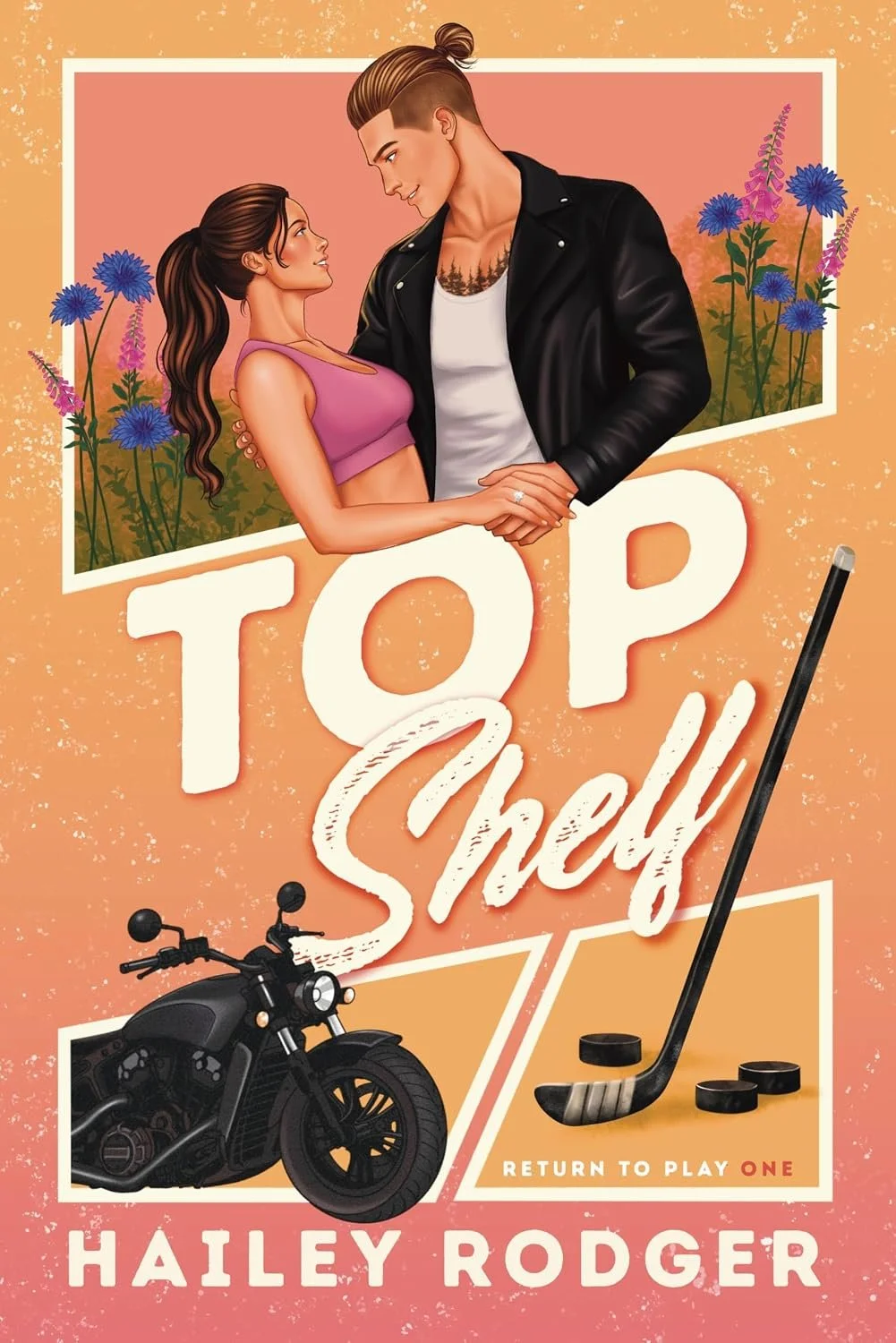
A common theme in any Harley Wylde story is an alpha hero. These men are tough, sometimes hardcore, but at the center they’re a marshmallow for the women and kids under their protection. Each hero is different in their own ways, even though most have a lot of the same qualities. I’m often asked where I find the inspiration for my characters. Easy…. Everywhere!

My husband inspires me all the time, but it’s more than just him. It’s the senior couple holding hands at the bookstore or sharing a meal at a restaurant. The young couple who can’t stop staring at each other. The guy who holds the door open for the harried mother with three kids. For every terrible quality you can find in someone, there’s good there as well.

My bikers don’t walk the straight and narrow, and some might not consider them good men. But they have their own code of honor, and they’re protective of those weaker than them. Even those with a gentler touch will still do anything to keep their woman and kids safe—including breaking the law.

About Harley Wylde

Harley Wylde is the International Bestselling Author of the Dixie Reapers MC, Reckless Kings MC, Devil’s Boneyard MC, Devil’s Fury MC, and Hades Abyss MC series.

When Harley’s writing, her motto is the hotter the better -- off the charts sex, commanding men, and the women who can’t deny them. If you want men who talk dirty, are sexy as hell, and take what they want, then you’ve come to the right place. She doesn’t shy away from the dangers and nastiness in the world, bringing those realities to the pages of her books, but always gives her characters a happily-ever-after and makes sure the bad guys get what they deserve.

The times Harley isn’t writing, she’s thinking up naughty things to do to her husband, drinking copious amounts of Starbucks, and reading. She loves to read and devours a book a day, sometimes more. She’s also fond of TV shows and movies from the 1980’s, as well as paranormal shows from the 1990’s to today, even though she’d much rather be reading or writing.

You can find out more about Harley or enter her monthly giveaway on her website. Be sure to join her newsletter while you’re there to learn more about discounts, signing events, and other goodies!

Website: https://harleywylde.com

Facebook: https://www.facebook.com/harleywylde 

Instagram: https://www.instagram.com/harleywylde 

Twitter: https://www.twitter.com/HarleyW_Writer

FREE BOOK – My Billionaire Boss: https://bit.ly/3s32uAP 

Q&A with Maisey Yates, The True Cowboy of Sunset Ridge

Please give the elevator pitch for The True Cowboy of Sunset Ridge.  

When Mallory Chance finally ditches her deadbeat boyfriend and moves to Gold Valley, Oregon to start over she's ready for adventure. So when she locks eyes with a hot cowboy across the bar in town, she decides to throw caution to the wind and do something she's never done before - have one hot night with a stranger. 

But her hot night is complicated by the fact that it turns out her anonymous hook up is Colt Daniels - related to her brother by marriage, and also, her new landlord. And when Colt ends up caring for his deceased friend's tiny baby, he needs help. But playing house with strong, handsome Colt makes Mallory long for things she thought she'd let go of. In the end will they be torn apart, or will they be able to set aside their grief and make a family?

Which came first, the characters or the plot line?

Colt and Mallory have both been in different books in the Gold Valley series, so they came first for me, and then when it was time to tell their stories, the plot came from them. That's how it usually works for me, characters come in strongly first and then I figure out how to place them. 

Why do you love Mallory and Colt and why should readers root for them?

Both Mallory and Colt have suffered a lot of loss in their lives, but they both give a lot to their families, but have a hard time accepting love for themselves. Also, there's a gratuitous scene where Mallory walks in on Colt in the bath tub, and i was really rooting for them both there. 

What was your last 5 star read?

I'm Only Wicked With You by Julie Anne Long. The hero, Hugh Cassidy is one of the best romance heroes I've ever read. He's a rogueish American and the way he plays off of the very aristocratic heroine is so perfect. It's breathtakingly romantic, and everyone should read it right now!

What is one thing about publishing you wish someone would have told you?

I'm glad that I didn't know too much about publishing when I started out! I didn't have any expectations, I was just amazed that someone thought my book was good enough for people to read. And when things get challenging in publishing - as they sometimes do - I try to go back to that simple thing. I get to write stories, and people read them. And it doesn't get more amazing than that!

Q&A with Anna E. Collins, Love at First Sight

Love at First Spite is your debut novel. Tell us about your journey to get here.

I started writing full-length fiction twelve years ago when my kids were little as an escape from the eating/sleeping/changing diapers rut. Initially, it was just a fun experiment, but my perception of my writing as merely a hobby really transformed when I got into PitchWars in 2017. It was a sort of recognition that I had something worth cultivating, and it also introduced that most crucial aspect of a writer’s life - the writing community. I learned so much from that - about the writing and editing process, about querying, about persistence, and about the importance of not going at it alone. I didn’t sign with my agent (Kimberley Cameron of Kimberley Cameron & Associates) through PitchWars though, but from a cold query about six months later. 

At that point I was writing exclusively women’s fiction. We went on sub with the book that Kimberley signed me on in 2018 and then with another one in 2019, and for a long time nothing happened. We had lots of rejections - polite and complimentary ones, yes, but still rejections. I think this is something authors don’t often talk about, but it happens to most of us. You have to develop a thick skin and always write the next thing.

So, 2020 arrived, I had two books on long-term sub, I had written yet another WF manuscript, and was considering my next project. With Covid shutting everything down with no end in sight, I needed a change, so I decided to try my hand at writing something more light-hearted. Said and done - with the cheerleading of my writing group (also closest friends) spurring me on, Love at First Spite was born. Turns out some flirty banter and revenge shenanigans were exactly what my writerly quarantine year needed!

As luck would have it, I actually ended up signing my two WF books with a smaller press at the end of 2020, and shortly after that, Graydon House acquired Love at First Spite and set a publication date that would make it my debut. And here we are!

What inspired this story?

I keep a running list of ideas for stories that I add to whenever I see or hear something that strikes me as interesting, or when I read about a topic that seems off-beat or unusual. Often, a title relating to the topic will come to me first, so I’ll jot down that and a brief line about it. In this case, I had read an article about spite houses around the world probably a year or so prior, found the lengths some people go to for revenge fascinating, and consequently made a note of it on my list. The exact words were “The Spite House - building a building to get revenge.” That was it - no genre, no characters, nothing. When I decided I wanted to write a romcom, this title stood out to me in my list as I could easily picture the pettiness required for such a build being ripe for comedic situations. It’s over-the-top right away as far as revenge goes, which seemed like a good place to start.

What research did you do for this book?

I’m neither an interior designer nor an architect like my two main characters, so I obviously had to do some research into what day-to-day life might look like in those fields. I also researched zoning laws for the city where the story takes place, fence regulations, construction terms, house building processes, common neighbor disputes (there are some pretty colorful ones on the internet), video surveillance systems, and how to tuft figures out of wool. I’m sure I’m forgetting a few things, but that’s at least a general overview of my search history during that period of writing.

What are you working on now?

Currently, I’m wrapping up a second romcom that I can’t currently talk about, while also finishing copy edits for my first women’s fiction title, These Numbered Days, which will be out some time in spring/summer 2022. And brainstorming my next project, of course. Always brainstorming!