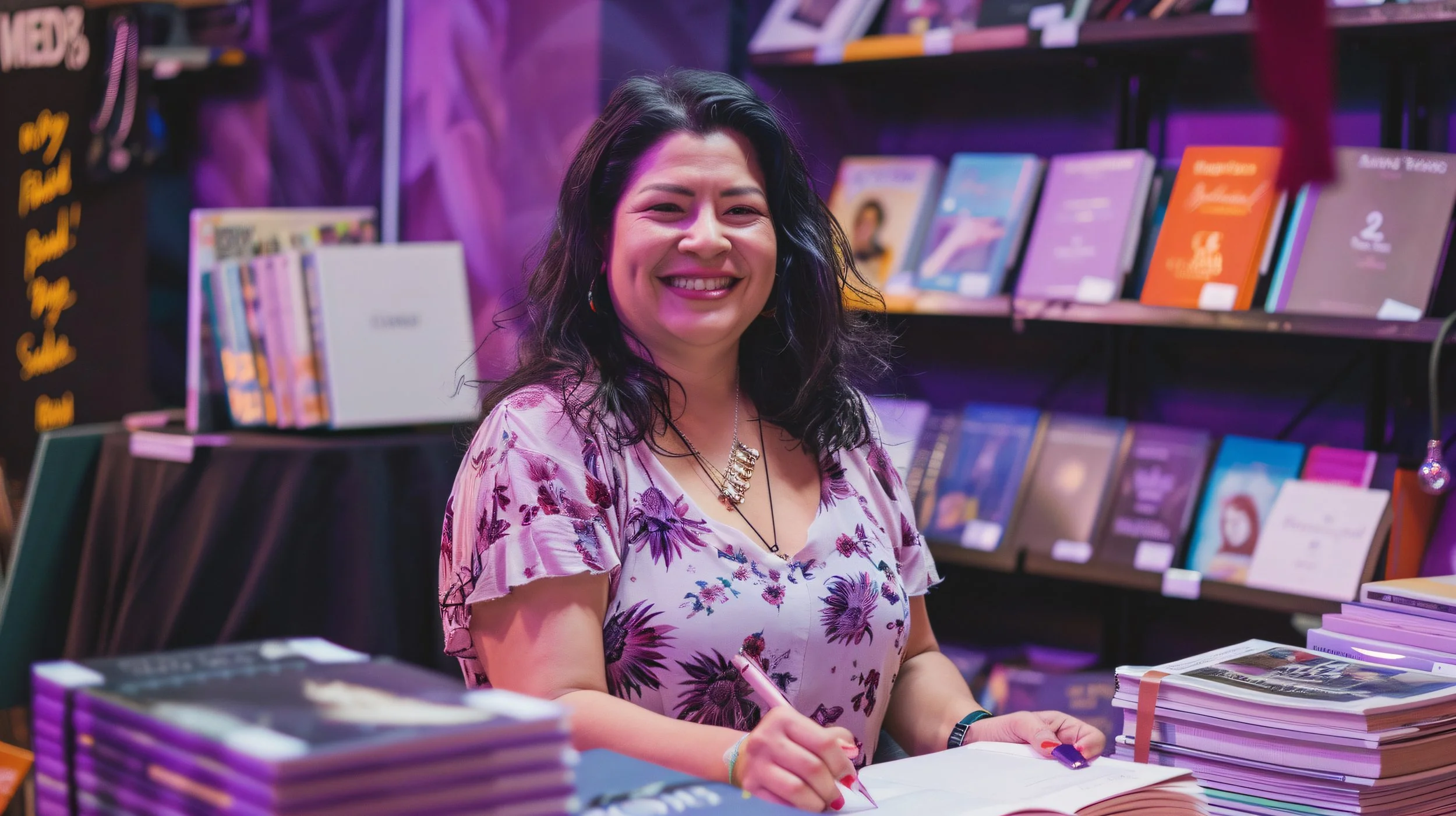
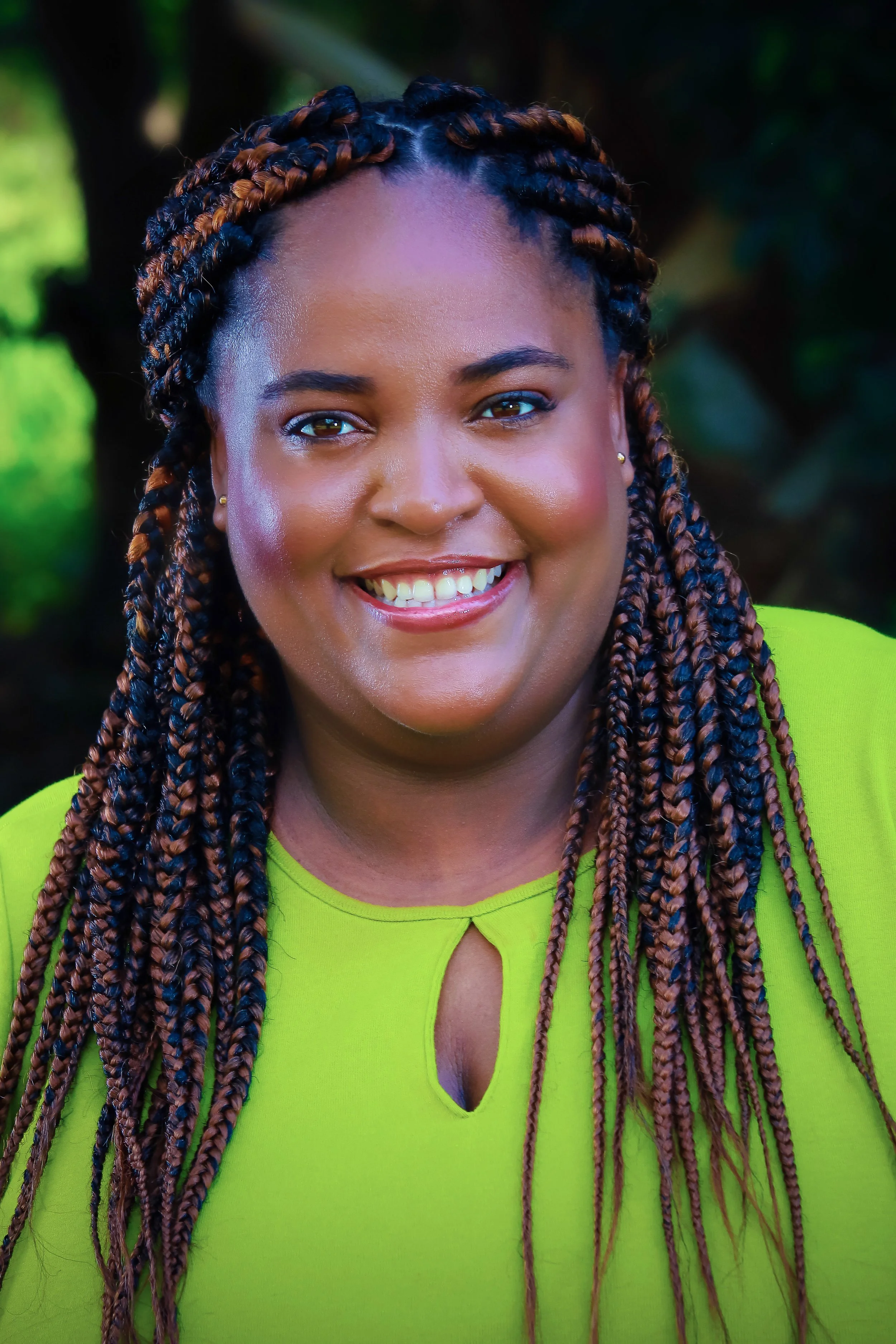
Q&A with Melissa Giberson, Late Bloomer

What was your main motivation for writing “Late Bloomer,” and what do you hope that readers will take away from reading it? 

My motivation for writing Late Bloomer was born of the many times someone told me that my story was helpful to them. Early in my journey, women who were on the other side of their own journey showed up to help me and I want to do that for others as well. Writing a book enables me to reach more people. I hope readers come away from reading my book with the knowledge that they’re not alone – whether they’re just starting their journey or on the other side and hearing a story that resonates and validates their experience. I want people to know that there is an “other” side.

Your children were a primary concern for you when you decided to come out. What was it like to come out to your kids? How has your relationship with them changed and strengthened? 

I was terrified of hurting my children, that they would hate me for changing their story. Telling them was the hardest thing I’ve ever done. It’s a challenging situation but I knew that not pursuing an authentic life would have hurt them because kids are intuitive. I had, and continue to have, wonderful adventures with my kids and because of everything we’ve been through, I work harder to make sure I always show up for them. I’m so proud of my kids and it’s my hope that I make them proud as well.

What was it like diving back into dating and dating women for the first time in your 40’s? 

I didn’t do much dating before my ex and I became a couple (we were very young), so it didn’t feel like returning to dating in my forties, it felt like engaging in something entirely foreign to me. It was awkward and I didn’t like it but I also knew that I wanted to ultimately have the experience of being in a relationship with a woman. I learned by asking questions of a friend who was in a same-sex marriage and observing couples I met in the community.

How did the stigma of being a “late bloomer” in the queer community impact you? What was the rationale for titling the book after this stigma? 

It was stunning the first time a woman said I was taboo, that women would run from me. I wasn’t prepared for the various types of discrimination that can exist within the LGBTQ community—that it was no different than any other ethnic, socioeconomic, or religious group in which members of the community may be deemed “less than” based on any number of variables. I have come to embrace being a late bloomer and want to celebrate that people come into their own aptitude, and self-awareness, at various times and in variable ways.

How did your Jewish identity impact your coming out? In what ways did that community support you? 

My earliest supporters were Jewish and there was a sense of comfort in that, a common ground as I was struggling with planning for my daughter’s bat mitzvah, a major milestone for her at the beginning of my crisis. At a time when my world was undergoing such drastic change, having this one familiar thread was helpful. I was invited to attend services and events within the Jewish community and found solace in some of the teachings found in Judaism.

About Late Bloomer
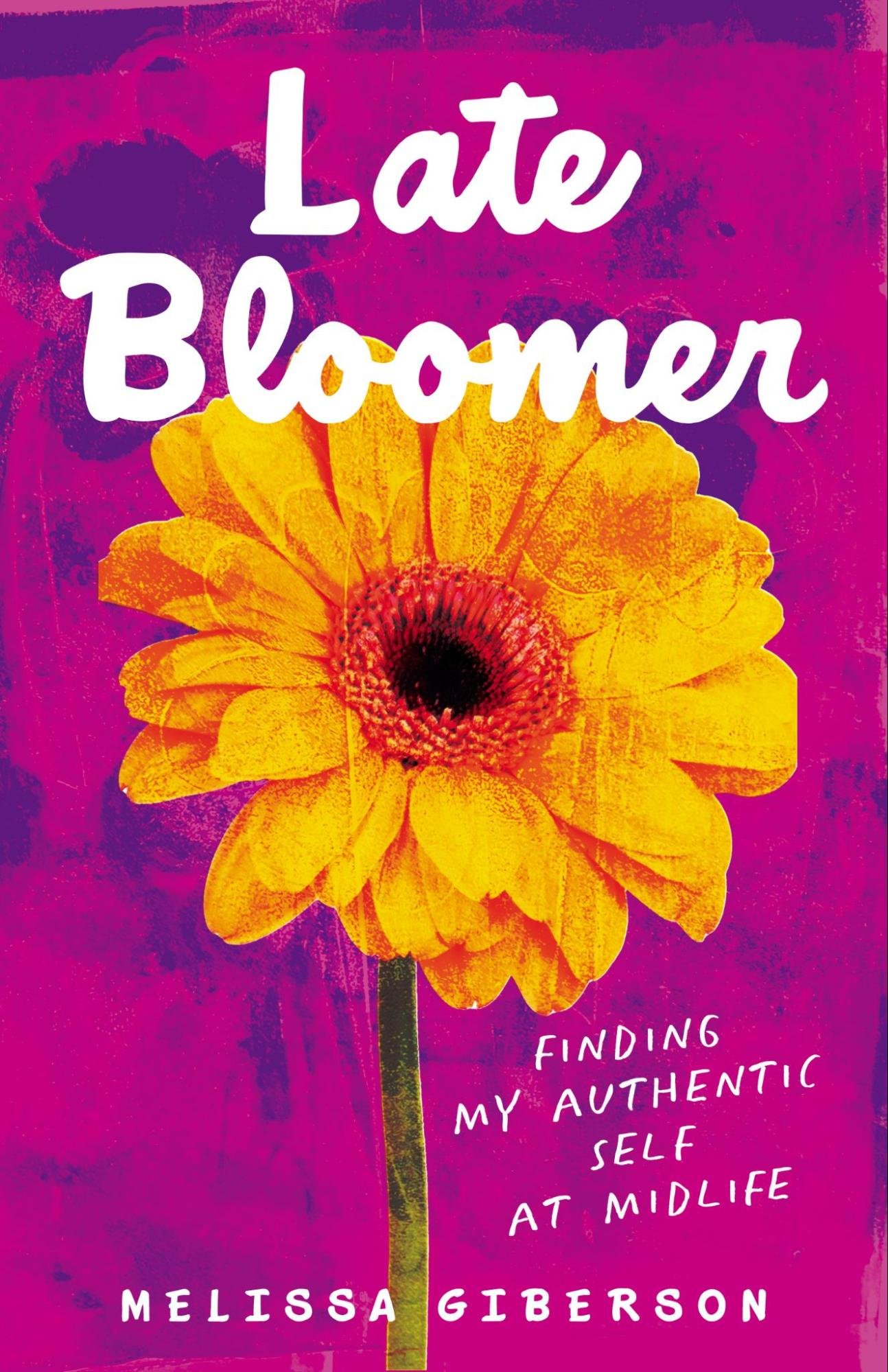
Melissa Giberson is a middle-aged suburban wife and mother of two kids, solidly planted in the life she’s always wanted. Yet she longs for something more—something she can’t quite put her finger on until, one day at the Y, she finds herself mesmerized by the sight of a naked woman and asks herself for the first time: Am I gay?

This revelation sends Melissa on a head-spinning journey of self-discovery, one that challenges everything she thinks she knows about herself, forces her to decide exactly how much she’s willing to risk for authenticity, and shakes the foundations of the family she’s fiercely determined to shield from the kinds of wounds she sustained during her own childhood. Torn between her desire to be true to herself and her desire to protect her children, she is consumed by fear and conflicting emotions—and when her husband unexpectedly serves her divorce papers, her confusion only deepens.

Adrift in uncharted waters, Melissa finds fragments of understanding and peace in unexpected places—in a conference room in Israel, a small fishing village in Cape Cod, and at a yoga retreat center—that help her deconstruct her preconceptions about faith and identity and begin to construct a new framework for her life. Over the course of her ten-year journey, she finds hope, love, and more courage than she ever knew she was capable of, and she gradually assembles the puzzle that is her—the real her.

Grab your copy on Amazon

About Melissa Giberson

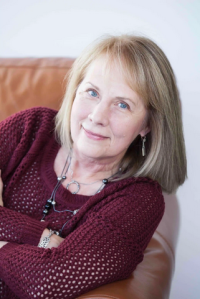
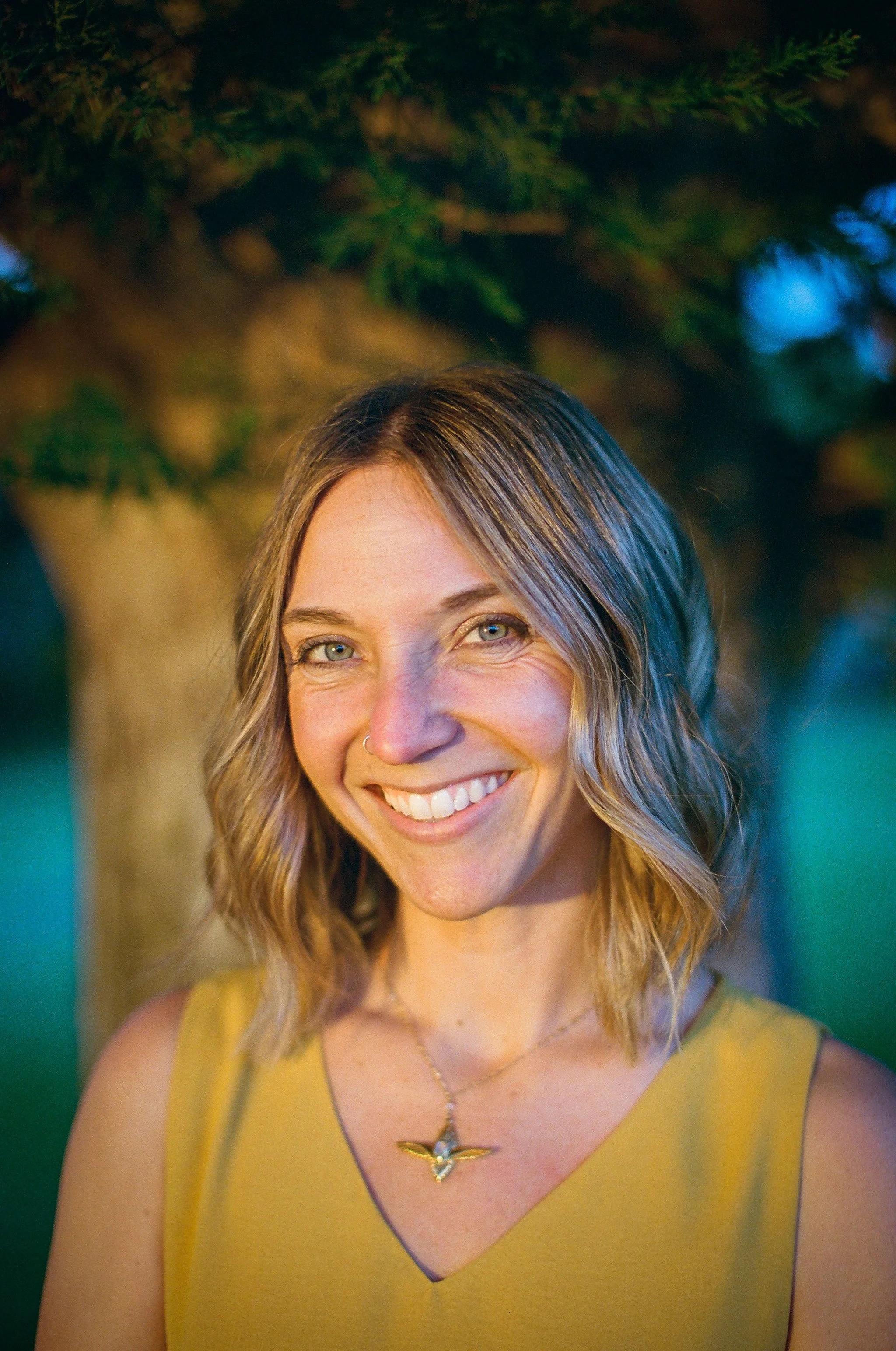
Melissa Giberson: Melissa is a native New Yorker who identifies as a late bloomer, a highly sensitive introvert, and proud mama bear to two children. An occupational therapist and writer, she has published articles in Kveller, Dorothy Parker’s Ashes, and Highly Sensitive Refuge. She received an Honorable Mention in the Memoirs/Personal Essays category of the 91st Annual Writer’s Digest Writing Competition and her essay, “Art is the Antidote,” appears in the anthology, Art in The Time of Unbearable Crisis (June, 2022). Melissa’s debut book, “Late Bloomer: Finding My Authentic Self at Midlife” (She Writes Press) comes out August, 2023. Melissa is living her authentic life with her partner and their two cats; together, they split their time between New Jersey and Provincetown, Massachusetts. Find out more at her website.

Advice for Beginning Romance Authors by E.F. Dodd

With three successful romance publications under her belt and a new cozy, holiday romance set to release in November, 2023, E.F. Dodd offers some words of advice and encouragement for any new resident of Romancelandia.

This is a bit like the blind leading the blind since I too am a beginning romance author. Yes, I’ve now got three books under my belt (or out of the printer, as it were) with another one on the way. But in all honesty, I still feel like a beginner! Maybe that’s better, though, since we’re in the same boat rowing to the same destination of Romancelandia. 

  1. READ. The first piece of advice I got that has served me well was to keep reading. Read as much as you can from as many authors as you can in all aspects of the romance genre (or at least aspects with which you’re comfortable). Reading the work of others helps you delve into what makes a romance novel work. Like avoiding clunky dialogue, what it really means to “show and not tell”, and how to make conflict believable. The authors who’ve gone before us have given us such great texts to learn from that it would be a shame not to take advantage of them!

  2. It’s called a “draft” for a reason. Of almost equal importance is to not be traumatized by having an absolute crap first draft of your book. Trust me when I say that’s the point of having a first draft. You’ve gotten the idea out there. It’s on page and no longer gnashing around in your brain like some sort of wild animal. Now that you’ve pulled it from its lair, the real work on domesticating it begins. I don’t use the word tame, because you want it to stay the same bold, beautiful idea you came up with. You just want to shape it into the story you want to tell. Smooth the rougher edges, close the gaps and hone it into a book you’re proud of. And don’t worry if what this means is that you re-write every single word of the first draft. That’s okay! I’ve done it and lived to tell the tale, lol! 

  3. Behind every great writer, there’s an amazing editor. A key part of training that unruly first draft is having a great editor. Don’t just pick the one who has a cute Instagram page, or who offers you a sweet deal. Do your research to determine who is the right person to help you raise your first draft from infant idea to fully-grown novel. Ask for references. Look at books they’ve edited. And don’t be afraid to change editors if you feel like the fit isn’t right, or if you have another book that’s going in a different direction. I had a great editor on my first book, another great editor on my next two books and yet one more editor on my latest book that will be out this fall. As I grew as a writer, my editing needs grew as well. I found that I needed different things on my last book than I did two books ago, which meant I needed a different editor. And that’s okay! It’s also perfectly fine if you find a relationship with one editor who works with you on everything. It’s all about getting that right fit and once you have it, there’s nothing like it.

The last thing I’d say is less advice and more encouragement. If you submit your book through queries to agents and go the traditional publishing route, please don’t get discouraged. Rejections, even when phrased super politely, hurt. They hurt because you know how hard you’ve worked on your book. How many weeknights you’ve stayed up late, or weekends you spent holed up with your laptop clacking away on those keys. You know how much thought you put into writing this book. How you agonized over word choice and which scenes to cut or expand. Your book means a lot to you and to have someone tell you they’re not interested in it . . . well, it sucks. I know this because I’ve experienced it. But what you must remember through all of it is that your book is something to be proud of because you took the time to write it. That alone makes it special and makes you a romance writer. That’s what’s important. You’re a member of the club now and you’re welcome here.

Like her heroines, E.F. Dodd came from a close-knit family in a small town in North Carolina. Although she dallied briefly with city life, she retreated back to the country, where she now lives with her long-time boyfriend and an English bulldog. From a young age, she enjoyed creating stories, including the time at five years old when she’d almost convinced her grandmother that she’d gone horseback riding all alone… until she added a friendly crab to the storyline. With age came wisdom and the understanding of how far to stretch a plotline. E.F. Dodd is the author of Risky Restoration (2021), Earning It (2022), A Higher Standard (2023), and Almost Perfect (2023).

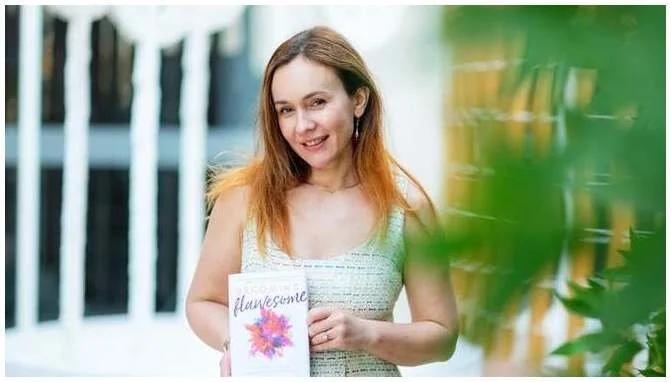
Backstory: Becoming Flawesome by Kristina Mand-Lakhiani

In our world, we often make decisions without questioning them. For example, if your parents were in business, you might assume that you will also become an entrepreneur without questioning it. Similarly, in my case, both my parents had university degrees, so it was expected that I would pursue the same path. Being in the personal growth industry for 20 years and surrounded by professional friends who have written and published books, including best-selling authors, I always took it for granted that I would write a book. It seemed like a natural part of our industry. However, being honest with myself has always been somewhat of a curse. I knew that I would only write a book when I had something meaningful to say. It took years because I focused on my work as an entrepreneur and marketer, helping other authors share their messages and teaching other people's methods. It wasn't until later that I realized I had my own perspective to share. Although much of what I share is based on the teachings of others, it's important to note that there are no entirely new ideas after thousands of years of human evolution.

At some point, I felt a strong desire to share my message with the world, and that was when I knew I was ready to write the book. As I started writing, my initial concern was finding a remarkable publisher. Given my background in the industry, I felt the need to publish with a reputable and noteworthy publisher. However, the search for a publisher became challenging, and I began questioning my approach. Having witnessed the natural process of book writing and contributing to other books, I realized that if I wanted to write a book about being true to myself, my values, and my authenticity, I had to do it on my own terms. This realization led me to choose self-publishing. I wanted the freedom to make my own decisions about the content, writing style, and structure. The initial version of the book reflected a rebellious spirit, aligned with its topic. However, when the manuscript was complete and I was ready to publish, a reputable publisher, Hay House, approached me. I saw the opportunity for my book to benefit from being published by a respected publisher, so I decided to work with them. My only condition was that I could maintain my unique and somewhat obstinate style in the book. We did collaborate on further editing with Hay House, resulting in a more conventional shape for the book. Nevertheless, at its core, this book remains an act of rebellion.

It was only then that I realized the most challenging aspect of writing a book, especially for someone like me who identifies as a writer, is the process of publishing it. Writing is a joy and a pleasure for writers. It is a form of self-expression, our craft, and our creative outlet. Therefore, the publishing phase has been the toughest part of this journey, a long and arduous process. It often feels like reaching the end of the manuscript is the finish line, but in reality, it's just the beginning. So, in answer to your question, that's the story behind this book.

Q&A with Suzanne Marriott, Watching for Dragonflies

What was your inspiration for writing “Watching for Dragonflies” and what does the title mean to you?

As I worked on my memoir, I gained a sense of purpose. I was inspired to make my story meaningful to other caregivers, encouraging them to believe in themselves, knowing that if I could do it, so could they. 

My husband had a numinous experience with dragonflies when he was able to  walk almost normally in the cool waters of the Eel River, his legs kept cold and his body temperature down. On the far bank, he stood watching dragonflies flit through the reeds, transfixed as their transparent wings reflected the sunlight, transforming them into prisms of iridescent color. These dragonflies became a powerful symbol of strength and renewal for him–a symbol of being whole. 

What was your relationship with your husband like, and how did his MS diagnosis change your relationship?

Though we were very much in love, there were times when our relationship was plagued by power struggles and reactive patterns. As we learned to work together to face the many challenges of multiple sclerosis, our love and trust in each other grew and our intimacy increased. We both grew psychologically and spiritually during those ten years when I was my husband’s caregiver.

What experiences helped you succeed in caregiving? Do you have any advice for caregivers?

I learned as I went along, doing what needed to be done and stretching my capabilities until I was doing things I never dreamed I could do, even things that an RN usually does. I found wonderful support through my MS Society Caregivers Group where we helped each other by sharing  information and experiences. Most of all, I loved my husband and I was open to learning, doing whatever needed to be done as each new challenge arose. Also, I learned from my mistakes and didn’t let them defeat me. I encourage other caregivers to find a support group, do online research, and believe in themselves and their ability to meet whatever challenges they may face. It is of utmost importance for caregivers to take care of themselves, find some free time, do restorative things like yoga or meditation, and spend some time with supportive family and friends. When things become too much, reach out to family and friends for help or, if you can, hire a part-time caregiver to help out.

What advice do you have for writers over 50?

Believe in yourself and your ability to write a compelling book and believe in the power of story. Do research to identify your audience, know what benefit your book will bring to others, and make bringing forth that benefit your primary goal. Above all, print out your drafts and read them in hard copy to catch errors, get feedback from trusted beta readers, and revise, revise, revise.

What did you learn from your experience with cancer? 

I learned the importance and value of taking care of myself and my right to live out my life for myself as well as for my husband. I sought guidance through dreams, spiritual healers, guided meditations, hypnosis, and inspirational writings. Above all else, I maintained a positive attitude, never doubting my ability to heal and to thrive. Through my experience with cancer, I grew in self-confidence and a sense of self-worth as intrinsic, not dependent on what I do for others. Through both my cancer and caregiving, I grew in assertiveness, acceptance of what I could and could not change, compassion, perseverance, and the knowledge that I could survive grief and loss.

Can you tell us a bit more about your spiritual journey? 

I gained knowledge and guidance through Jungian practices such as dream work, Shamanic drumming and Native American wisdom cards, inner dialogues with my wisdom figure, Tibetan Buddhism, and after-death communication through both dreams and synchronicities. My work with a Jungian-oriented therapist supported me throughout my journey in my spiritual and psychological growth. 

What’s next for you, writing-wise?

I hope to open a dialogue with other caregivers through my website and Facebook blog. I also look forward to writing personal essays on caregiving for print and online publications, and I will continue to look for new ways to tell my story and connect with other caregivers.

What do you hope readers will take away from your book?

If I can do it, so can you. Believe in yourself and your ability to learn from your mistakes.  Let love and compassion be your guides, both for your loved-one and for yourself.

About Suzanne Marriott

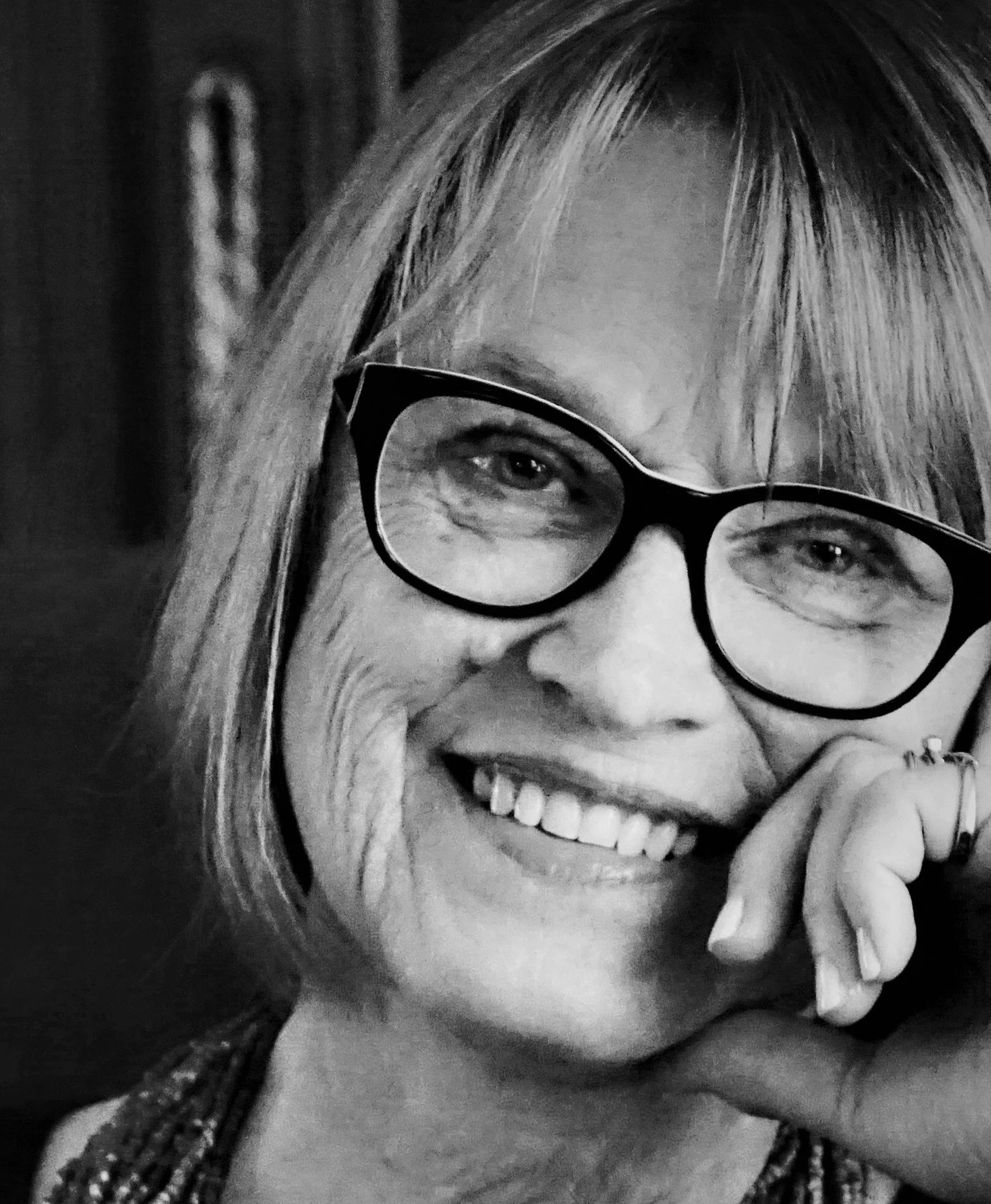
SUZANNE MARRIOTT is a memoirist and deep-travel writer who shares her transformative experiences with her readers. She was her husband’s caregiver for the ten years he suffered from multiple sclerosis, and her writings on compassionate caregiving have been published in The Union newspaper’s Healthy You magazine. Writer Advice awarded her the “Scintillating Start Prize” for the first chapter of her memoir, Watching for Dragonflies: A Caregiver’s Transformative Journey. Her personal essay, Indian Summer, won the Fall 2012 Memoir Writing Contest from Women’s Memoirs.com and was included in the eBook anthology Seasons of Our Lives: Autumn. Suzanne’s stories of deep travel have appeared in the award-winning online magazine Your Life is a Trip and in Soul of Travel Magazine

A native Californian, Suzanne has traveled up and down the coast of her state, exploring as far north as British Columbia and south into Mexico, where she fell in love with the colonial town of San Miguel de Allende and the Maya culture of the lower Yucatan Peninsula. She has been to Europe three times and hopes to continue exploring Europe’s many cultures and natural wonders. Her interests include transcendent experiences, afterlife communication, Jungian psychology, and Tibetan Buddhism.

Suzanne holds a BA in English from UC Berkeley, an MS in education from Cal State University, Hayward (now Cal State University, East Bay), and an MA in transpersonal psychology from The Institute of Transpersonal Psychology (now Sophia University). She is a member of The Institute of Noetic Sciences, Sierra Writers, and the National Association of Memoir Writers. She lives in an ecologically conscious cohousing community in the Sierra Nevada foothills. For more information on compassionate caregiving, visit Suzanne at www.suzannemarriottauthor.com

A Letter to my Ten-Years Ago Self…by Hope Gibbs

A Letter to my Ten-Years Ago Self…

Dear Hope Gibbs,

I know I’m addressing you by your maiden name. Don’t panic. You’re not in the midst of a divorce. Your marriage is strong, even with the craziness of trying to wrangle five children, but in ten years, this is the name you will be using hundreds of times a week. There’s a good reason for it, one that I’m sure will shock you, but let’s not get ahead of ourselves.

Recently, you celebrated a big milestone—turning forty. I know it sounds old right now, but this is the best decade of your life. Some big changes are coming your way, and you’re about to accomplish something you didn’t realize or even know you wanted to do.

Your thirties were a rollercoaster. You were a bundle of nervous energy. A third pregnancy, the loss of beloved family members, a painful divorce, falling in love all over again, another marriage, and becoming a stepmother to two small children. But good news, you have a full and happy nest, though the decade is a blur of soccer games, carpool runs, homework, and never-ending trips to the grocery store. Feeding a household of seven can be exhausting. But you will start changing in your forties. Don’t get me wrong, you will still do all those things, but know this. Those little birds will fly away. Sooner than you think, and your realization of that fact sets you on a path that will change your life.

Now here’s another "don’t panic" moment, around forty-five, you’re going to have a little mid-life crisis. Don’t freak out. You won’t buy an expensive car or alter your appearance, though you will be going to the salon more often because your hair color will betray you, but you’ll start to question your choices. What have I accomplished with my life other than being a wife and mother? When my children are gone, who will I be? This will be on a continuous loop in your mind, and on your worst days, you’ll start regretting your decision to leave that corporate job to raise those wonderful, infuriating children. Most people would say to ignore that inner voice, but I’m telling you to listen to it because it will propel you into something unimaginable.

After reevaluating your life, you’ll start journaling. That lasts about a week because you’ll hate it. Then, you’ll do something extraordinary—you’ll develop a character, getting to know her through your imagination. You’ll spend countless hours with her, developing her backstory, creating her world, and fleshing out her fears. You’ll laugh, cry, and grow with her, and before you know it, you’ll type the words…THE END. Hope, you write a book! I know you’ve not written anything longer than an email since college, but somehow, you turned that mini-midlife crisis into a novel that will be published by Red Adept, with the audio rights being sold to Blackstone. Oh. And they make you change your name, but that’s okay because Cummiskey is hard to spell and Gibbs was your name first.

Now in your fifties, your days are filled with writing, and it’s wonderful. You need it as much as you need tennis. Don’t worry, you still play multiple times a week even though you’ll have three knee surgeries in the next ten years. It’s okay, you have a great orthopedist. Every day you’re surrounded by a warm and welcoming community of writers and readers. You’ll also be the host of a monthly Facebook Live program for over 5,000 bibliophiles and start a podcast. I’ll explain what that is later.

The next ten years will define you. Enjoy every second of it. And remember, you’re never too old to follow your dreams.

P.S. Your two stepchildren will ask you to officially adopt them on Christmas morning in 2020. You’ll cry your eyes out.

About Hope Gibbs

Hope Gibbs grew up in rural Scottsville, Kentucky. As the daughter of an English teacher, she was raised to value the importance of good storytelling from an early age. Today, she’s an avid reader of women’s fiction. Drawn to multi-generational family sagas, relationship issues, and the complexities of being a woman, she translates those themes into her own writing.

Hope lives in Tennessee with her husband and her persnickety Shih Tzu, Harley. She is also the mother of five. In her downtime, she loves playing tennis, poring over old church cookbooks, singing karaoke, curling up on her favorite chair with a book, and playing board games.

Hope has a B.A. from Western Kentucky University and is a member of the Women's Fiction Writers Association.

Website: https://www.authorhopegibbs.com

Facebook: https://www.facebook.com/hopegibbsauthor/

Twitter: https://twitter.com/HopeGibbstuib

Instagram: https://www.instagram.com/authorhopegibbs/

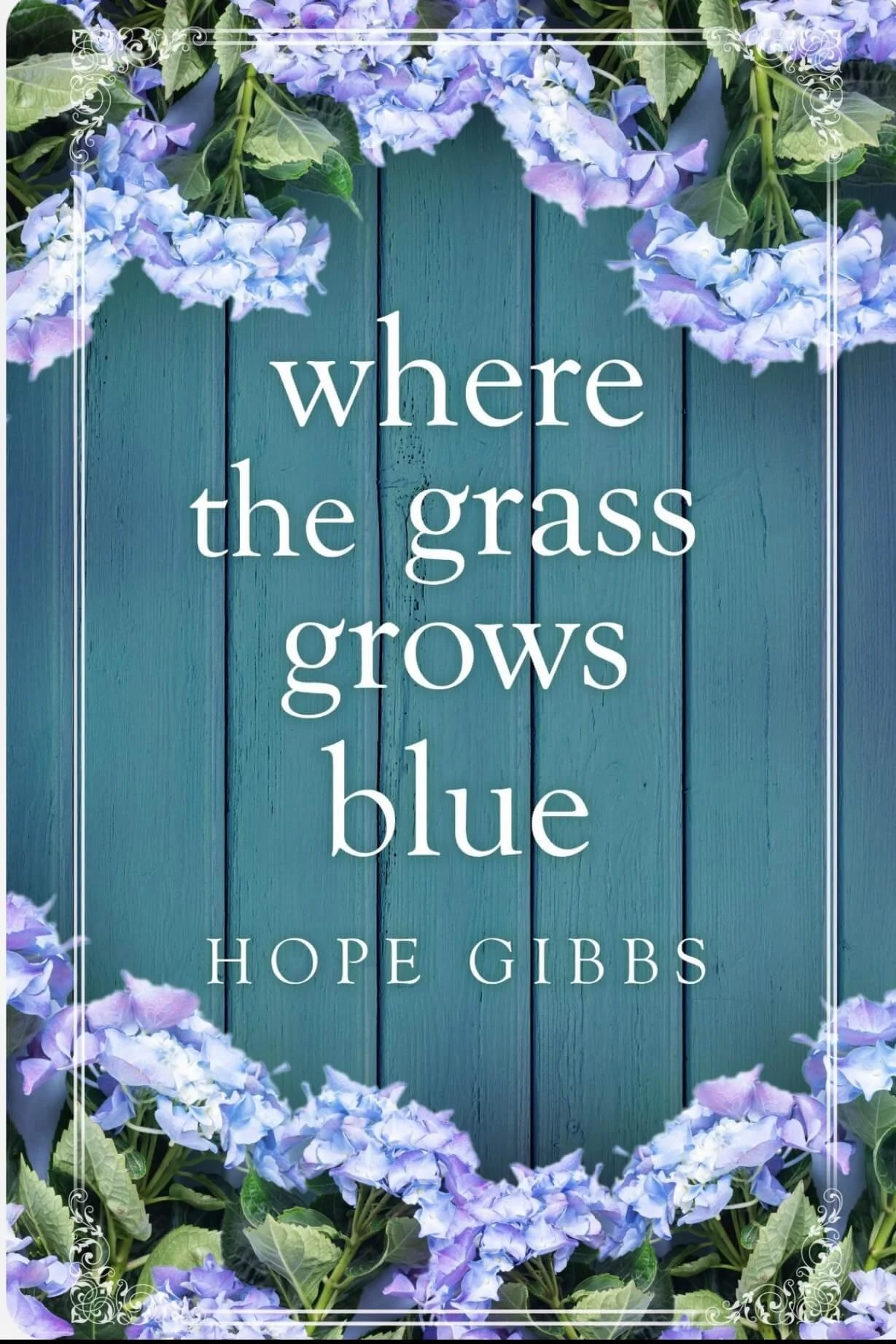
About Where The Grass Grows Blue

Penny Crenshaw’s divorce and her husband’s swift remarriage to a much younger woman have been hot topics around Atlanta’s social circles. After a year of enduring the cruel gossip, Penny leaps from the frying pan into the fire by heading back to Kentucky to settle her grandmother’s estate.

Reluctantly, Penny travels to her hometown of Camden, knowing she will be stirring up all the ghosts from her turbulent childhood. But not all her problems stem from a dysfunctional family. One of Penny’s greatest sources of pain lives just down the street: Bradley Hitchens, her childhood best friend, the keeper of her darkest secrets, and the boy who shattered her heart.

As Penny struggles with sorting through her grandmother’s house and her own memories, a colorful group of friends drifts back into her life, reminding her of the unique warmth, fellowship, and romance that only the Bluegrass state can provide. Now that fate has forced Penny back, she must either let go of the scars of her past or risk losing a second chance at love.

Buy on Amazon | Audible | Bookshop.org

Q&A with Hannah Mary McKinnon, The Revenge List

How would you describe your latest book in a few sentences?

When Frankie Morgan loses her “forgiveness list” – the names of people who have wronged her in the past, and whom she could work to forgive – she thinks nothing of it. But as the people on Frankie’s list have increasingly serious accidents, Frankie’s in trouble. She wrote her own name on the list because her past self is the one person she’ll never forgive. If she doesn’t find out who’s behind the attacks, she might be next.

What’s “the story behind the story.” Tell us about the inspiration for THE REVENGE LIST?

I can usually pinpoint exactly where the inspiration for my novels came from. Typically, it’s a news article (You Will Remember Me and Her Secret Son) or a radio segment (Sister Dear), maybe some daydreaming (The Neighbors) or a specific character (Never Coming Home). 

With The Revenge List, it was after batting various plot ideas around with my agent Carolyn, and former editor Emily that a random idea popped into my head: “What if an anger management group therapy exercise went terribly wrong?” That was it—we all needed to know what the rest of the story was. 

What did you have the most fun with, character or plot?

Both, because they’re intrinsically linked. I loved building Frankie’s history to figure out who had wronged her in the past, how it had shaped her life and was still influencing her in the present. Frankie’s a firecracker, and it was incredibly interesting to write from the perspective of a woman who struggles with anger and doesn’t always handle it in a way that’s expected.

Did any of the characters appear fully formed?  

No, they never do, but Frankie’s character came together quite quickly once I’d decided on a rough premise. I knew she’d have a certain amount of anger caused by her past, that she might be construed as an “angry woman” and I wondered what it would be like to write from that character’s perspective – without her being angry all the time, of course, because that would be exhausting. I also deliberately placed her in a male-dominated industry, which I have a lot of experience working in.

Did the story end the way you’d initially thought?

Yes, it did. I had the ending in mind when I started outlining and it barely changed. It still gives me the shivers.

Five facts readers don’t know about THE REVENGE LIST

  1. The fictional coffee shop, Jake’s Cakes, originally appears in Sister Dear. It was fun to revive it as a little easter egg for anyone who reads both books.

  2. I put Frankie in construction because it’s such a male dominated industry, but also because, I often went to construction sites when I was a kid as my dad worked as an architect. I still find them fascinating.

  3. Like Frankie, I had a job at a grocery store when I was in school but thankfully nothing bad ever happened there.

  4. I set the book in Portland, Maine because I’ve been there and loved it.

  5. I modeled reporter Danika Danforth’s personality on my good friend Hank Phillippi Ryan. One reader told me “reporters aren’t that nice” and I replied, “Hank is!”

Do you have a favorite chapter or scene?

I adored writing the scenes with Frankie and Rico because I loved the brother/sister relationship and dynamic. I don’t have a brother, but if I did, I hope it would be someone like Rico as he was such a wonderful, caring man who clearly adored his sibling but wouldn’t put up with her nonsense, either.

Do you have a favorite character?

It’s got to be Frankie. I loved writing from her perspective – I found her so interesting and complex, including the fact that, even given her history, she’s still an optimist at heart. She became a great (fictional) friend.

What do you hope readers will take away from THE REVENGE LIST?

I always say I hope to surprise readers, and that they keep thinking about the book long after they’ve finished the final page. My ultimate goal hasn’t changed: it’s to entertain, to provide people with a form of escape and to leave them satisfied thinking, “I enjoyed that. It was time well spent! What else has Hannah Mary written?”

What are you working on now?

My holiday romantic comedy, The Christmas Wager, publishes as Holly Cassidy in the fall of 2023. It’s about real-estate hot-shot Bella, who’s tasked with purchasing an old, failing Christmas store in the quaint little town of Maple Falls, which is nestled in the Colorado mountains. She thinks it’ll be easy…until she meets the owner’s stubborn but hunky grandson, electrician Jesse. Bella wants the store for next to nothing, Jesse refuses, and they end up competing in the town’s quirky annual Holiday Games. Sparks fly – as do snowballs – but will these rivals find love together? I’m excited to take you on a trip to Maple Falls this autumn!

Another thriller will release in 2024 and I’m unbelievably excited already. We don’t have a title yet but it’s about the rise and demise of an all-female pop-rock group called The Bittersweet, and the lengths some of the members go to boost their fame. After all, aren’t rock bands potentially worth more dead than alive…? I can’t wait to introduce you to my brand-new protagonist, drummer Vienna.

I’m now working on the outlines for my romantic comedy for 2024, and my thriller for 2025. I hope I don’t mix up the plots (although…!).

Do you have any advice for aspiring writers?

Read as much and often as you can and listen to audio books. I wrote an article about how the latter make you a better author here. Write, even if you think it’s rubbish, because an empty page is impossible to edit. Another tip someone once suggested was to skip ahead if I couldn’t get a grasp on a chapter or scene, that I should focus on another part of the manuscript and trust myself enough to backfill later. It was revolutionary to me, and it beats the heck out of staring at a blank page or shoving my hand in the cookie jar.

Also, I was advised to read my manuscript out loud. Every. Single. Word. Doing so helps avoid repetition, improves cadence, and zaps stilted dialogue. And, finally, share your work. It can be scary, but it’s the only way you’ll get feedback and improve your craft. Speaking of feedback: try not to take it personally. It’s unlikely lip service will get you where you want to be.