When In Vermont...by Lisa Kusel

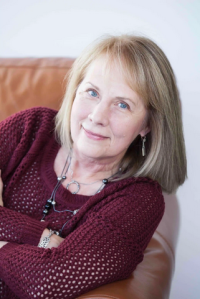
The main character of my novel The Widow on Dwyer Court is an author named Kate Burke who is most definitely not based on me. She writes erotica and I write thrillers, among many other differences. But we do have one thing in common: We both prefer to write from primary sources. Some writers revel in creating detailed fantasy worlds from their imagination. Kate and I prefer to set our stories in the real world, supporting them with extensive research.

For Kate, this means that every erotic scene in her books is based on a real tryst between her loving husband, Matt, and a stranger. Kate doesn’t enjoy sex and Matt does (a lot), so they’ve made an unconventional bargain: He can sleep with whomever he wants, as long as he doesn’t get involved and recounts every juicy detail to Kate. She then funnels his experiences onto her bestselling pages.

While Kate’s pursuit of extreme realism is admirable, I can’t claim that every spicy or murder-y scene in The Widow on Dwyer Court is based on something that actually happened. (If they were, my life would be a lot more exciting!) What I can say is that the setting of the book is 100 percent real, even though some of the names have been changed.

My fictional Dwyer Court is in a subdivision in the town of Rayburne, based on Shelburne, an affluent suburb of Burlington, Vermont, that has a picture-perfect downtown with an old-fashioned country store.

The Burlington area is famed for its crunchiness: hippies and Phish fans and Ben and Jerry’s and farmers’ markets overflowing with local veggies. But there are also plenty of sleek, suburban yuppie types like the fellow moms Kate meets at the local market (based on the real Shelburne Market). Marveling at one of them, who’s just come from a workout, Kate thinks, “Her skin glistens with sweat but her makeup remains perfect. How do I live in this world? Are these women my friends?”

Though Kate has a conventional exterior herself, she feels more comfortable with Annie Meyers, the titular widow, who has just moved to Rayburne from Colorado. With her hairy legs, herbal potions and “Glory Bowls,” Annie is a proud member of the counterculture.

Initially, Annie finds Rayburne stifling, mocking it as “Rayburbia.” On a trip to the market, she bemoans the poor selection of organics: “Every bunch of kale looks as if they’ve been chastised by an angry nun, they are so wilted.” Later in the book, however, Annie comes to see Rayburne’s virtues: “clean air,” “healthy food” and “good friends.”

In real life, friends often meet at Shelburne’s cozy Village Wine and Coffee, right across the street from the wonderful Flying Pig Bookstore. In my book, the café becomes Kevin’s Coffee.

Rayburne parents, including Kate and Annie, send their kids to camp at Stockwell Farms, where they can meet cute animals or dig in the dirt. The real Stockwell is Shelburne Farms, a former Vanderbilt estate that has become an educational nonprofit; its inn offers one of the most beautiful places in Vermont to sip a cocktail.

Sexual athlete Matt is also a regular athlete who isn’t happy unless he can get in his daily run on one of Rayburne’s many lush green trails and paths. Those trails are real … but is Matt’s urge to run always his true reason for leaving the house? You’ll need to read the book to find out.

Locals will recognize several other actual places that pepper the book. In a flashback to Kate and Matt’s college courtship, we see them on their first date at rowdy downtown sports bar Manhattan Pizza and Pub. As Kate and Annie become friends, they attend a modern dance performance at the Flynn, Burlington’s gorgeous, historic theater with an art-deco interior.

To prepare for the heady entertainment, Annie offers Kate a little herbal refreshment—now legal in the Green Mountain State. The normally strait-laced Kate gets so high that she sees the orange neon sign of Nectar’s—a time-honored live music venue—in a whole new way. Later, unimpressed with the dancers, Annie drags Kate to a dive bar, but I won’t divulge the inspiration for that here. Suffice it to say that Burlington also has its share of less fashionable watering holes.

Like me, Kate enjoys putting Vermont places in her books. She’s currently writing the latest in her Strong Lust series, which finds hunky Macon Strong working as a cheesemaker and falling for buxom intern Lizzie on Smiling Girl Farm in Holland, Vermont. The town is real (as are its roughly 600 residents). The farm is invented, but it was inspired by the myriad real Vermont farms with whimsical names: Laughing Child Farm, Fat Sheep Farm, Wing and a Prayer Farm, Kiss the Cow Farm.

Cows aren’t the only ones being kissed at Smiling Girl Farm. Through the excerpts from Kate’s novel, I got to have a little fun with Vermont’s thriving artisan cheese culture. Because small-scale dairy farming is no longer profitable, our local farmers have diversified, creating value-added products to survive. First and foremost among those is delectable cheese. 

Kate writes of Macon, “He relished his job, the sensual, almost arousing, aspects of turning cow milk into an artisan delicacy.” And that arousal doesn’t go to waste once Lizzie shows up: “From the first day she stood next to him while they pressed the curds into the molds, Macon knew he had to have her.”

I think we can all agree there’s something sensual about a nice piece of organic Vermont cheese. The Green Mountain State offers foodies plenty of raw goodies, too. With its many foraging opportunities—ramps, fiddlehead ferns, mushrooms—Vermont is practically an edible landscape in the spring and summer. Just don’t fall for the false morels, which look like the real thing and could kill you. If you want to know how those deadly shrooms enter my story, you’ll just have to read the book.

Will Kate ever outgrow her attachment to primary sources and write a spicy encounter entirely from her imagination? You’ll need to read The Widow on Dwyer Court to learn that, too. As for me, I’m just happy that I live in a beautiful setting that offers me plenty of inspiration for my stories, day in and day out.

About The Widow on Dywer Court

Perfect for fans of Kiersten Modglin’s The Arrangement, The Widow on Dwyer Court is a sexy psychological thriller that will leave you breathless.

Thirty-six-year-old stay-at-home soccer mom Kate Burke is happily married to Matt Parsons, although their marriage looks very different behind closed doors. Kate is no longer interested in having sex with her husband. So, while they still love each other madly, they make an arrangement: Matt can have one-night stands with other women on work trips, but when he returns home, he has to tell Kate about them—every juicy detail.

Because Kate has a secret life writing erotic romance novels, and Matt’s adulterous affairs are her bread and butter.

The family equilibrium is upset, however, when Annie Meyers, an eccentric young widow, moves to town with her daughter. At first Kate is smitten with this wild, witty woman, who gives her a much-needed break from the other picture-perfect suburban moms, although she’s not sure how much of her secret life she’s willing to share with her new friend. But it turns out Annie has secrets too—big ones that could destroy all their lives.

Buy on Amazon Kindle | Audible | Paperback | Bookshop.org
3 Reasons Romance Novels Are Worth Our Time by Delaney Diamond

3 Reasons Romance Novels Are Worth Our Time

I’ve been a romance author since 2010, and since that time I’ve heard some disparaging comments about the romance genre. A few of the most common ones are that the books are “trashy,” “the stories are all the same,” or  they are “predictable.” 

If you happen to subscribe to any of these negative opinions, I’m about to tell you why you’re wrong and why romance novels are worth our time. 

1. Romance novels provide an essential break from everyday life and stress

In a society that prioritizes productivity, psychologists insist that taking a break is essential to maintaining good mental health. Breaks prevent burnout, improve mental clarity and creativity, and improve our overall well-being. Since not everyone can afford to fly off to another location or book an appointment at the spa, we have to find ways to incorporate down time into our lives, and a romance novel is one way to do that. 

Through the use of well-crafted prose, authors transport readers to different settings and cultures, situations, and other time periods. They write stories with compelling plots and characters to keep readers engaged, immersing them in the book world and blocking out the stress and anxiety of the real world. 

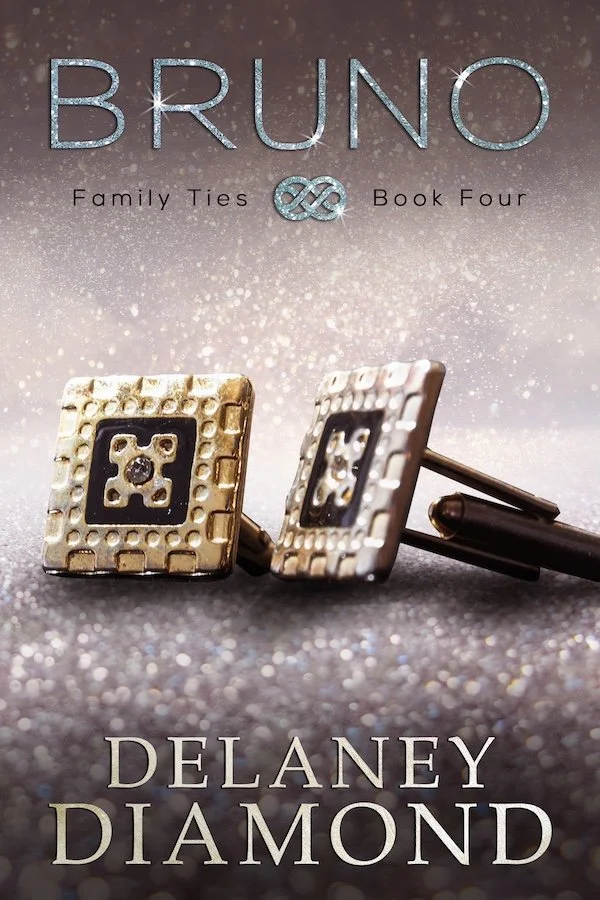
In my June 21st release, Bruno, Marissa is a professional matchmaker who is supposed to find a wife for Bruno, a billionaire chef and entrepreneur. Instead, the couple ends up falling for each other. 

A Goodreads reviewer had this to say: Hope this comes out on audio really soon. This is my new “happy book” to reread or re-listen to multiple times. 

Thinking romance novels are trashy—aka lacking in good taste or worthless—is a mistake. We all need breaks. Breaks from our jobs, the chaos of family and loved ones, and the daily grind of a fast-paced world. Reading a romance novel provides an escape or mental vacation, and frankly it should be part of self-care.

2. Romance novels offer reading variety

Anyone who says romance novels are all the same has obviously never spent time in the romance section of a bookstore or browsed the category online. There’s something for everyone.

There are a wide range of subgenres and categories. Historical romance, for example, which could include the Regency era, the Victorian era, medieval China, or Highlander novels—to name a few options. I write contemporary romance, which deals with modern relationships, but I also write romantic suspense, which combines romance and thriller or mystery aspects to keep readers on edge. There’s LGBTQ+ romance, inspirational romance, Amish romance—and the list goes on and on. 

The settings are as varied as the subgenres and categories. Small towns, big cities, fictional worlds, foreign countries, and other planets all play a role in influencing character growth, addressing social issues, and crafting the story narrative. You want it, romance has it.

Diverse characters are also rampant in romance novels. We can find books with disability representation, neurodivergent characters, same sex relationships, and characters of different races and ethnicities. 

In Bruno, Marissa is a Black heroine paired with a Hispanic hero who comes from a Black and Hispanic blended family. Here’s what Bruno says when Marissa initially interviews him about whether or not he wants children with his future wife. 

“I would want to have children within a year or two of marriage, early enough in my life to enjoy activities with them. Frankly, they’ve practically been mandated by my parents,” Bruno said.

Marissa heard dry humor in his voice and smiled. “Parents can be very demanding in that area.”

“Particularly Black and Latino parents.” 

She frowned, surprised.

“My stepmother is Black and has been asking for grandchildren for some time,” he explained. “My father is no better. I’m the second oldest in my family, therefore the pressure is intense. We’re a family of nine with seven kids.”

Her eyes widened. “That’s a large family.”

Bruno laughed. The sound took her breath away. His laugh was sexy, and that smile was dangerously seductive. Wow. 

3. Romance novels provide hope 

I’ve never heard anyone complain it’s unrealistic that mysteries get solved or that the bad guys lose in a thriller. Yet I’ve often heard how unrealistic it is that romance novels end with the couples in a committed relationship. Skeptics find the happily ever after ending to be “predictable.”

Watching characters overcome problems within the book and arrive at a happily ever after is one of my favorite things about romance novels. I want all the drama in a romance novel. In between the relationship struggles, layer in the family conflict. Give me social issues. Give me career challenges. 

A well-written story will have you experiencing all the emotions the characters do—excitement, sadness, heartbreak, and joy. 

There’s a scene in Bruno when reserved, play-by-the-rules Marissa finally lets her hair down. She’s in California with Bruno, having attended the James Beard Awards with him. At her request, Bruno lowers the top on his Ferrari.  

“Woo-hoo!” Marissa flung her hands in the air. 

Bruno looked at her. Laughter on his lips and in his eyes. She sighed happily as the sports car cruised along the roads in the light nighttime traffic and the cool breeze washed over her. The wind whipped her hair into disarray, but she didn’t care. 

She felt amazingly free and light-headed after attending two afterparties where delicious food and drinks were served. Though she should be tired, she was high—buzzing, as if she’d had plenty to drink when in fact she hadn’t had any alcohol at all. 

The majority of the excitement came from being on the arm of the man beside her. 

As with any romance, there are problems for Marissa and Bruno to overcome, but romance novels are a safe space. No matter what unique challenges the characters experience on those pages, we know in the end the relationship will work and they’ll end up together.

Conclusion

Romance novels are not trashy, all the same, or predictable. Often overlooked, they offer an escape from the stress of daily life. They offer reading variety through different subgenres, characters, settings, and storylines. Finally, they offer hope that past hurts and challenges can be overcome. 

They’re worth our time, and anyone not reading romance novels is missing out. 

About the Author

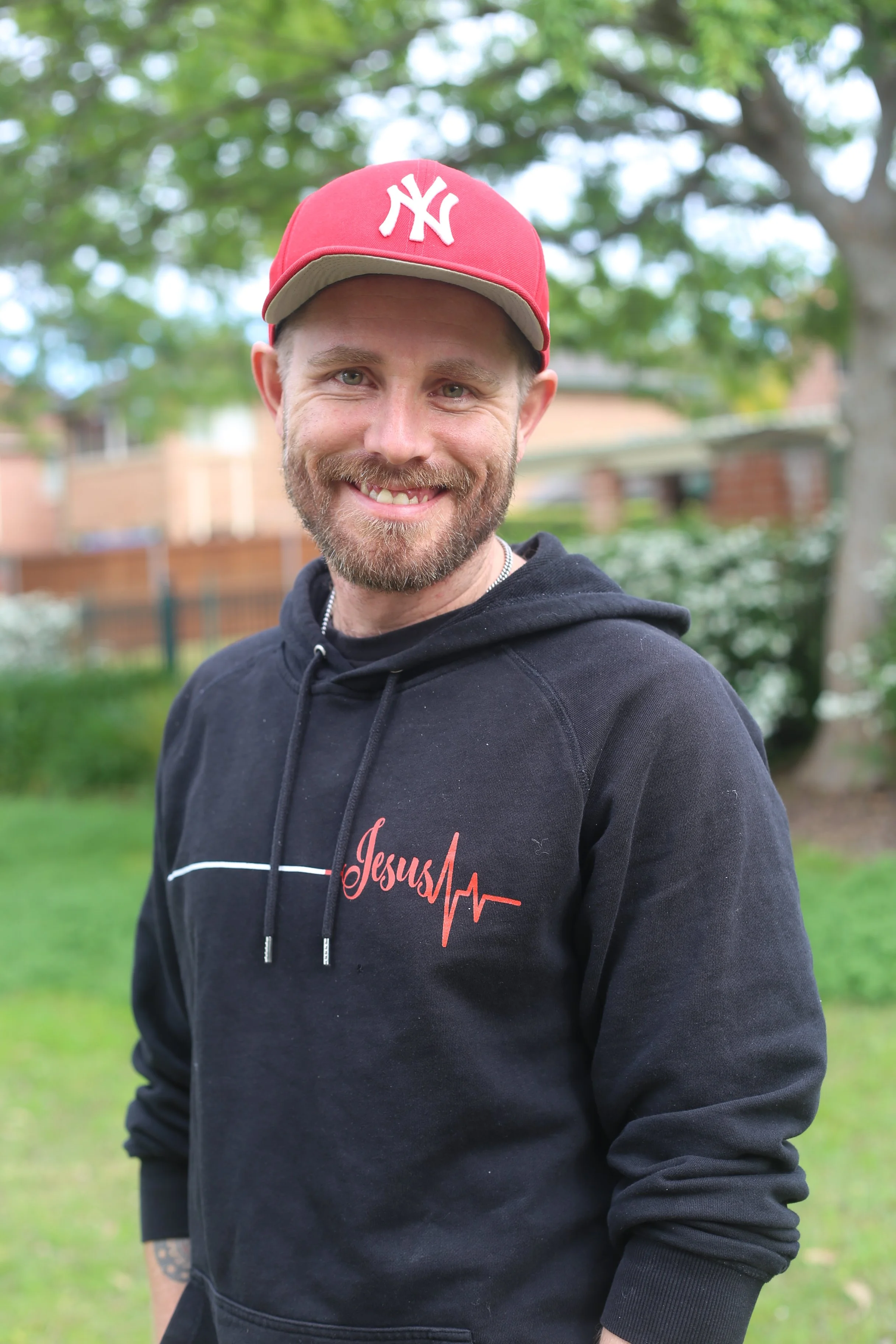
Delaney Diamond is the USA Today Bestselling Author of more than 50 contemporary romance and romantic suspense novels, and dozens of romance short stories. She reads romance novels, mysteries, thrillers, and a fair amount of nonfiction. When she’s not busy reading or writing, she’s in the kitchen trying out new recipes, dining at one of her favorite restaurants, or traveling to an interesting locale. To get sneak peeks, notices of sale prices, and find out about new releases, join her mailing list. And enjoy free stories on her website at delaneydiamond.com.

Website: delaneydiamond.com 

Newsletter: https://geni.us/DDNews 

Facebook: facebook.com/DelaneyDiamond

Instagram: @delaneydiamondbooks

Twitter: @DelaneyDiamond

About Bruno:

Sparks fly between a matchmaker and her billionaire client, blurring the lines between love and professionalism.

Entrepreneur and acclaimed chef Bruno Santana is tired of the dating scene and reluctantly hires matchmaker Marissa Liburd to help him find a wife. As he embarks on a series of dates, none of the women measure up, and he quickly realizes why. Despite Marissa’s professional demeanor, he’s increasingly attracted to her and drawn to her warmth and personality during their consultations.

Marissa, a single mom juggling the demands of her career and son, faces an unexpected challenge. She’s captivated by Bruno, who embodies everything a woman could want. He’s successful, good-looking, and very wealthy. 

Dating clients is strictly forbidden, and Marissa grapples with the intense chemistry simmering between them—aware that giving in could jeopardize everything she’s worked hard for—her reputation and her livelihood. 

Get your copy: Amazon Kindle | Paperback | Signed Paperback

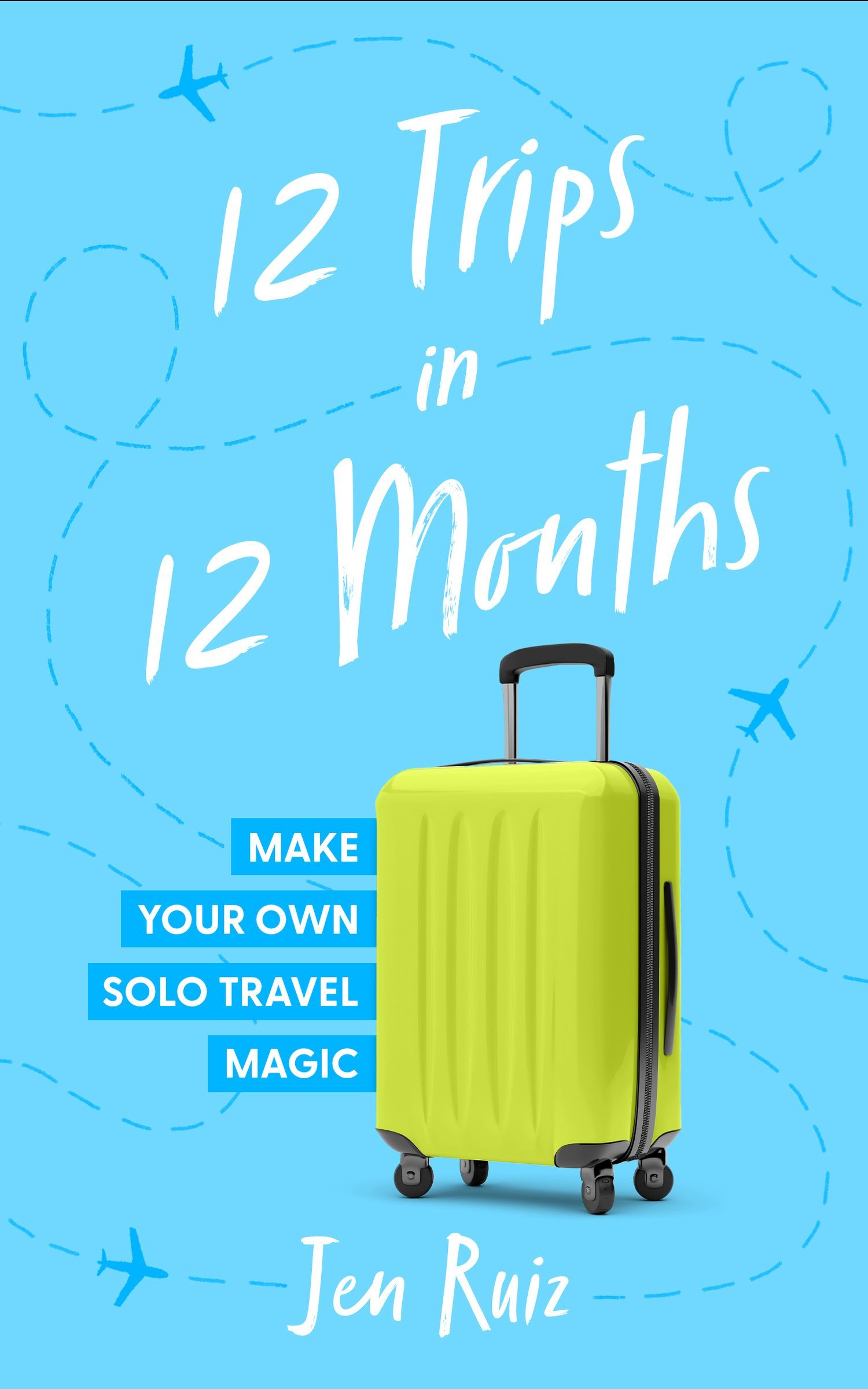
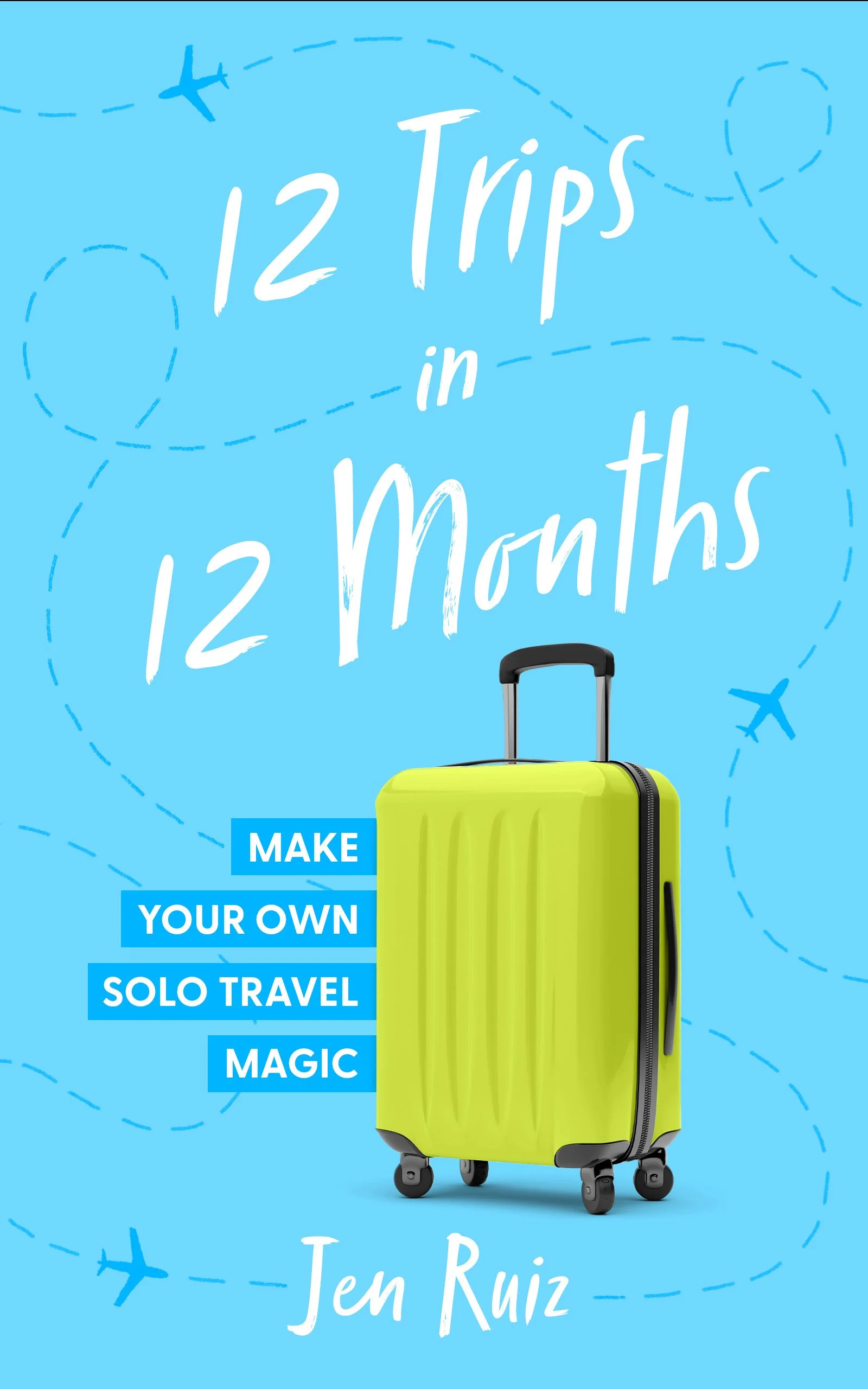
Top Five Places to Visit in the Summer by Jen Ruiz, 12 Trips in 12 Months

Summer is the most anticipated travel season of the year. With long breaks in between holidays, by the time Memorial Day weekend comes around, you’re ready for a vacation. 

In my upcoming book, 12 Trips in 12 Months, I took a travel challenge that required me to go on one trip every month. The idea was sparked as a way to distract myself from turning 30 and being single and childless by this milestone birthday. 

Over the course of the year, it transformed into an empowering journey where I learned to love my own company and feel worthy and deserving independent of a relationship. 

I ended up surpassing my goal, taking 21 trips to 41 cities across 11 countries. 

Here are some of the places I visited, with unique offerings during the summer months. 

Greek Islands 

The best time to visit the Greek Islands is in the summer. They essential shut down from November to April, and you want to see them in full swing. 

You can’t go wrong with a visit to Santorini, one of the most scenic places on earth with whitewashed cobblestone streets and blue domes. 

The most popular neighborhood to stay is Oia, where you can get a dreamy rental with an infinity pool overlooking the Caldera. 

South of France 

There’s never a bad time to visit France, but summer is when the southern region is in bloom. You’ll see endless fields of lavender and sunflowers, reminiscent of a Van Gogh painting. 

You can actually go on a Van Gogh art trail to find the real life places he painted around Arles, where he used to live. 

Take advantage of the nice weather to do outdoor water activities. You’ll find options for every skill level, ranging from rafting to paddleboarding, at the Gorde du Verdon or Lac de Sainte Croix. 

Toronto

Located in Canada, Toronto is a melting pot of cultures. With immigrants from around the world, it has a thriving international food and music scene. 

They have an annual summer festival called Caribana, a carnival like event with grand costumes. 

To get a taste of the diversity, visit Kensington Market on a food tour. You’ll taste everything from Tibetan momos to poutine to churros. 

Mexico

Did you know Mexico is one of the only places where you can swim with whale sharks in the wild? This encounter occurs off the coast of the Yucatán Peninsula, around Isla Mujeres or Isla Holbox.

The season runs from mid-May to mid-September, with peak months being July and August. You’ll need to wear reef-friendly sunscreen and touching the whale sharks is prohibited. 

Iceland 

Iceland is an adventure lover’s dream, with bucket list experiences like diving between two continental plates, hiking through an ice cave, and seeing the Northern Lights. 

In the book, I did the Golden Circle drive, seeing geysers, waterfalls, and craters along the way. 

You can also plan to go to see the midnight sun. Iceland is so far north that around the Summer Solstice in June, the sun stays up till midnight.

It’s my hope that 12 Trips 12 Months inspires you to plan your own travel challenge, and is the nudge you need to stop waiting and start living. 

Learn more about her book, 12 Trips, 12 Months

About 12 Trips in 12 Months:

Bestselling author Jen Ruiz takes readers on a trip around the globe in 12 Trips in 12 Months, defying societal expectations of what a woman is supposed to be—and empowering others to do the same.

The year before her thirtieth birthday, Jen Ruiz decided to change everything. Despite being professionally accomplished and contributing to the world as an attorney at a nonprofit, she had yet to achieve the most important goal, according to society: becoming a wife and mother. So, after more ghostings than a graveyard, tired of dating apps and sitting in a windowless office, Jen embarked on an epic challenge to send her twenties out in style.

Twelve months, twelve trips, no excuses.

She started booking flights instead of swiping right, teaching English online to cover costs. Over the course of the year, Jen descended into a volcano in Iceland, volunteered at an elephant sanctuary in Thailand, called in sick to fly in a hot air balloon, and went scuba diving at an underwater museum in Mexico.

She ended up taking twenty trips, almost double her original goal.

In a moving and inspiring story, Jen invites readers along through the year wherein she decided to stop waiting for others and start living for herself, discovered the power of solo travel magic, challenged herself physically and emotionally, made meaningful connections … and learned that she could feel fulfilled and happy on her own.

Buy on Amazon Kindle | Audible | Paperback | Bookshop.org
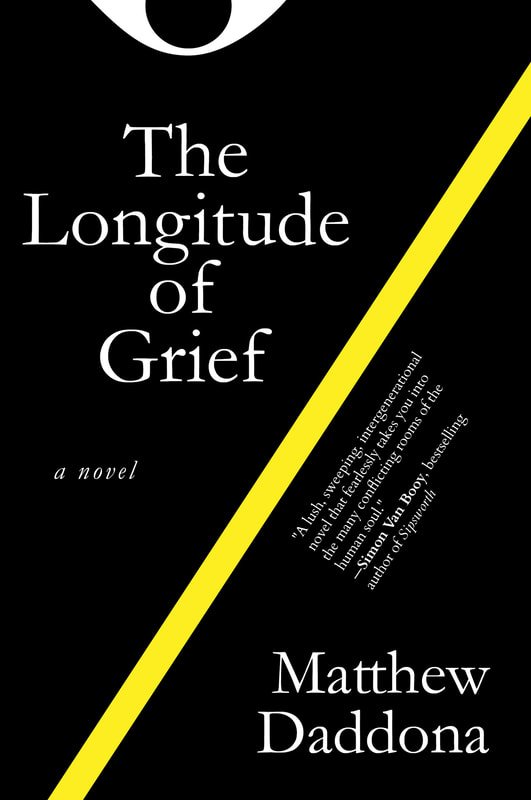
Q&A with Matthew Daddona, The Longitude of Grief

The book is written partly in third-person point of view before switching to the protagonist’s perspective a few years down the road. How do you feel using this point of view switch helped tell the story?

It serves as the emotional ballast of the story. I like to think the first two parts are purporting facts--they're framing the events of the book--but that the last part is the main character [Henry's] reckoning with said events. I'd be lying if I said I wasn't inspired by Roberto Bolaño's The Savage Detectives, which is a mystery baked into an ars poetica, flush with a deranged buddy-buddy story. It's a love story, for all intents and purposes. The Longitude of Grief is an anti-love story. Henry is never in love because he cannot understand the substructures that support healthy love and relationships. They've all been taken from him in the first two parts of the story. The final part is his attempt to understand why and, hopefully, wrestle them back.

You also have a unique perspective and storytelling relationship as a former acquisitions editor for major publishing houses, an acclaimed poet and now debut novelist. How did this varied publishing background influence your own voice as a writer?

It didn't haha. This is the most honest answer I can give. I spent years editing nonfiction (and I currently ghostwrite nonfiction), but I keep nonfiction and fiction writing pretty separate. They're not oppositional--they're just like different sports. At least for me. It's the only way I've been able to write fiction because the second I start thinking about the marketability of a piece of fiction, I'm doomed. What even is marketability? It sounds like a marketing term marketers have made up.

Kirkus calls The Longitude of Grief a “philosophical, intentionally digressive exploration of masculinity, toxic and otherwise.” Can you touch on your inspiration for this book and what you hope readers ultimately take away from the reading experience?

I was enthralled with Steinbeck's East of Eden from the moment I read it, and I think it's the most perfect story of family tragedy and saga ever written. I'm not suggesting I was trying to do what Steinbeck did in his magnum opus; I'm simply saying that Steinbeck provided the template for me to say to myself, "Family is messy. It's disturbing. It's melancholic, and it's also beautiful and rich and ever-endowing." I also namecheck a few big inspirations in the acknowledgments. Shostakovich, Godard. I like artists who are unconventional and non-linear. Nothing in life is linear. I hope that readers see that the holes in the novel, insofar as they are not distracting, are there on purpose.

You’re already working on your next release which is a departure from TLOG - can you give us a sneak peek?

It's the most "Hollywood" thing I've ever written. It's about a national contest sponsored by rich gurus and partly by the American public. A reality TV show is involved. There's a journalist. It's got tropes from hardboiled noir, even though it takes place in contemporary society. It's written in multiple voices, but it's really just one voice: that of the half-disinterested and half-addicted TV viewer. It's all of us.

You can grab a copy of his book, The Longitude of Grief on Amazon Kindle | Paperback | Bookshop.org

About the Author

Matthew Daddona is the author of the poetry collection of House of Sound, which Publishers Weekly called “ruminative...a glimpse into a mind on the search for answers.” A multi-hyphenate writer, his work has appeared in dozens of publications, including The New York TimesNewsdayElectric Literature, Whalebone, Tin House, and McSweeney's Internet Tendency. He lives on the North Fork of Long Island, where, in addition to writing, he shucks oysters, installs irrigation systems, and volunteers as a firefighter. The Longitude of Grief is his first novel.

Connect:

His book on the publisher's website: https://wanderingaenguspress.com/the-longitude-of-grief.html

His website: https://www.matthewdaddona.com/

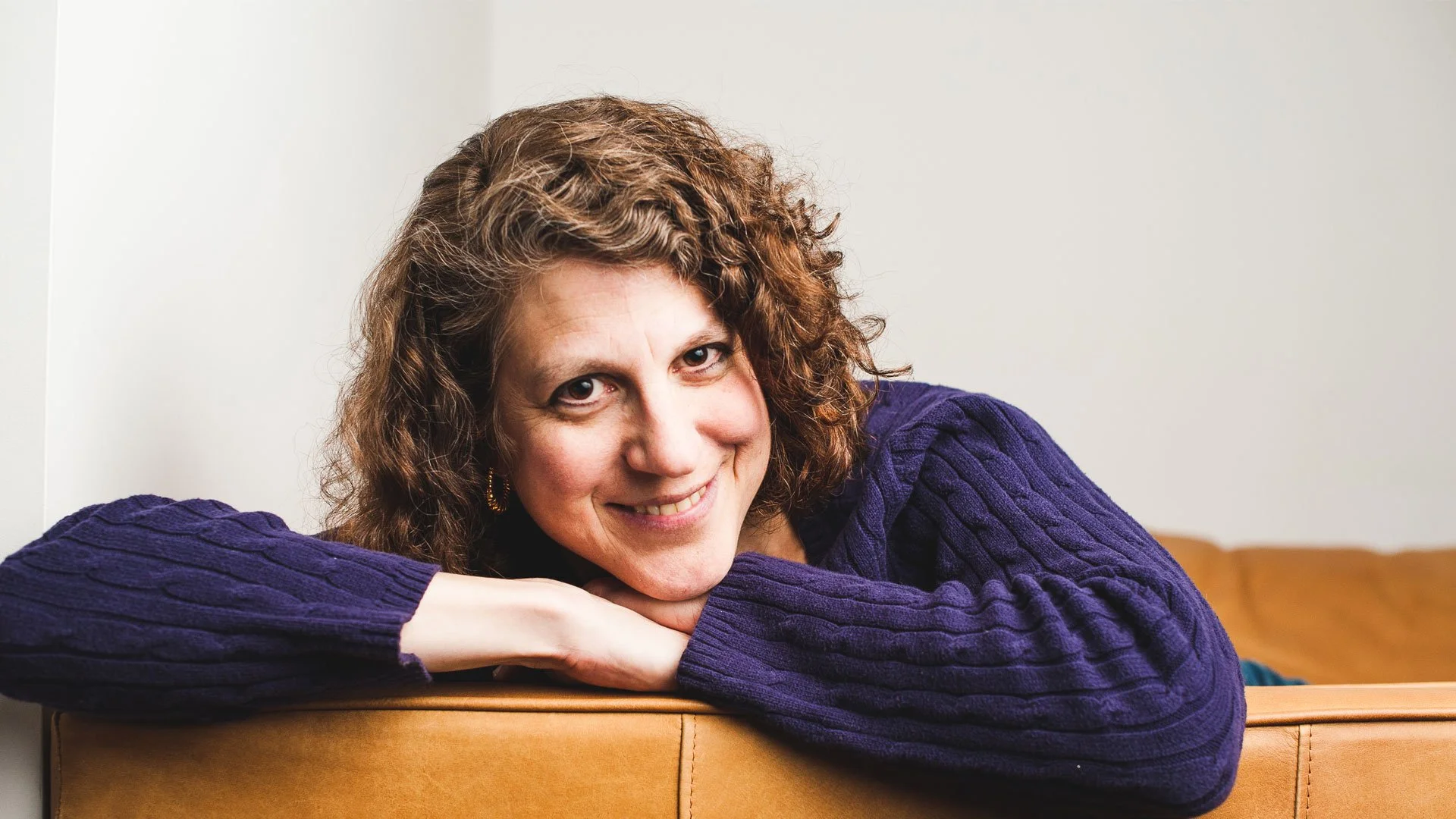
Q&A with Jen Ruiz, 12 Trips in 12 Months

Twelve months, twelve trips, no excuses. What was the moment that gave you the courage to just do it?

I really had a sense that, this is it. This is my last chance to be young and carefree. This is the last chance to make memories where I can look back when I’m older and talk about all the crazy things I did in my 20’s. The minute I crossed the threshold into 29 it was a ticking clock much stronger than any biological clock because there was no way to extend this one – my 20’s were ending. Quickly. Imminently. It was now or never. 

Not only do you have such a great sense of humor in the book, but you made it fun to tag along with you, sharing your destinations. Some of your trips have been on my list of travel goals for a long time. Can you share with me your top three favorite places that you traveled to and why?

I appreciate the kind words! The top 3 places that year were the South of France, Cambodia, and Florence. It’s hard to narrow down favorites but you can’t go wrong with any of these.

I loved frolicking in lavender fields while singing Beauty and the Beast songs in the South of France. It was like a real-life fairy tale.

In Cambodia, having a private guide escort me around Angkor Wat felt like a VIP experience and I learned a lot, not to mention getting a blessing from a Buddhist monk. 

The legendary pieces of art in Florence made it a trip to remember! My inner nerd loves being able to say I’ve seen the Statue of David IRL. 

For those out there who dream about traveling the world, but are afraid to just do it—or don’t feel like they can afford the expenses—do you have any tips or advice to make it a reachable goal?

Yes! First, sign up for my free webinar on 12tripsin12months.com to get all my best tips on doing your own travel challenge. Next, try some cheap flight hacks! Often the flight is the most prohibitive expense – there is budget food and lodging almost everywhere. 

My 3 guaranteed ways to find cheap flights are: 

1) Flight alert programs like Going and Thrifty Traveler

2) Budget airlines like PLAY air and Frenchbe

3) Points and miles through travel credit cards.

Another important tip to remember is that you don’t have to pay everything all at once. With the popularity of websites like Google Flights, Kayak, Booking, Expedia, and the like, you can easily plan your own trip. Spread out the expenses so it doesn’t all hit you at once. I call this my DIY travel layaway plan. You can book the flight this month, hotel next month, activities the month after that, etc. 

This book is more than just a book about a woman taking 12 trips in 12 months It’s about a woman that many can relate to that will vicariously through your journey. You may not have found the man of your dreams, but you found something more important. Tell me how it feels to find true love within yourself, with new Jen? What advice would you give old Jen?

It’s an ongoing journey and I can say that I’m so grateful for every risk I’ve taken because it’s helped me build confidence in myself. Whenever I doubt myself, feel like I’m not moving fast enough, or suffer from those general nagging feelings of not-good-enough-ness (which I don’t think ever leave us), I combat it with all the proof I have to the contrary. 

I look back at how many countries I’ve visited. I think about how I took a chance leaving behind law and have actually made a living as an entrepreneur. I think about the places I’ve moved to, the times I’ve put myself out there, the people whose lives I’ve impacted. Then I think, would I bet on myself? Absolutely. 

That’s where true self love comes from, in keeping promises to yourself. 

Your book was inspiring and empowering, and I feel so many women will relate and connect with your experience, especially with encountering Mr. Wrongs. What advice would have for women that are feeling challenged by society’s expectations and are looking to be more fulfilled and find happiness? 

There’s nothing wrong with wanting to have it all and feeling frustration if the pieces haven’t fallen into place yet. The most important lesson I’ve learned is that you must enjoy the journey. You cannot reserve happiness for the moment in time where you have it all. 

Think about that for a second. 

Are you telling me the only time in your life when you’re allowed to be happy is when you’ve met all the checklist requirements? When you’re sitting in your white picket fence house with your perfect husband, 2 kids, golden doodle, size 4 body, and no wrinkles? 

First, what if that never happens? Second, how sustainable is that? Third, wouldn’t you want the messy parts? 

Life is full of joy to be had at every single stage. It’s meant to be enjoyed. I think we forget this. We think life is meant to be won or meant to show others up. It’s really all about you and how you can get the most joy out of life. Absolutely everything comes back to that. 

You get a good job, so you can afford experiences that bring you joy. You find a partner, because sharing your life with someone who loves you brings you joy. You travel because going to new places and seeing sites you’ve only seen in pictures brings you joy. Chase that feeling, not society’s mold for “winning.”  

You were bold, brave, and followed your heart. Would you have done anything along the way differently?

With hindsight being 20/20, I wish I’d taken more videos and taken better care of transferring and backing up content from my trips between phone upgrades. 

I also wonder how things might have been different if I’d gone to Morocco instead of Argentina, for several reasons that I’m sure readers will know! 

Ultimately, however, I hesitate to say I’d change anything because even the missteps led me to where I am, and I’m certain I’m on the right path, doing exactly the right thing at exactly the right time. 

I can’t wait to see what’s to come with your future adventures and where life takes you. Where can readers find you?

Thank you so much! You can find me across social media at @jenonajetplane and on my website, jenonajetplane.com

And as a bonus, if you’re interested in flight alert programs where you get notified of flight deals to your inbox, I have a freebie with a list of 16+ flight alert programs here.

About 12 Trips in 12 Months:

Bestselling author Jen Ruiz takes readers on a trip around the globe in 12 Trips in 12 Months, defying societal expectations of what a woman is supposed to be—and empowering others to do the same.

The year before her thirtieth birthday, Jen Ruiz decided to change everything. Despite being professionally accomplished and contributing to the world as an attorney at a nonprofit, she had yet to achieve the most important goal, according to society: becoming a wife and mother. So, after more ghostings than a graveyard, tired of dating apps and sitting in a windowless office, Jen embarked on an epic challenge to send her twenties out in style.

Twelve months, twelve trips, no excuses.

She started booking flights instead of swiping right, teaching English online to cover costs. Over the course of the year, Jen descended into a volcano in Iceland, volunteered at an elephant sanctuary in Thailand, called in sick to fly in a hot air balloon, and went scuba diving at an underwater museum in Mexico.

She ended up taking twenty trips, almost double her original goal.

In a moving and inspiring story, Jen invites readers along through the year wherein she decided to stop waiting for others and start living for herself, discovered the power of solo travel magic, challenged herself physically and emotionally, made meaningful connections … and learned that she could feel fulfilled and happy on her own.

Buy on Amazon Kindle | Audible | Paperback | Bookshop.org

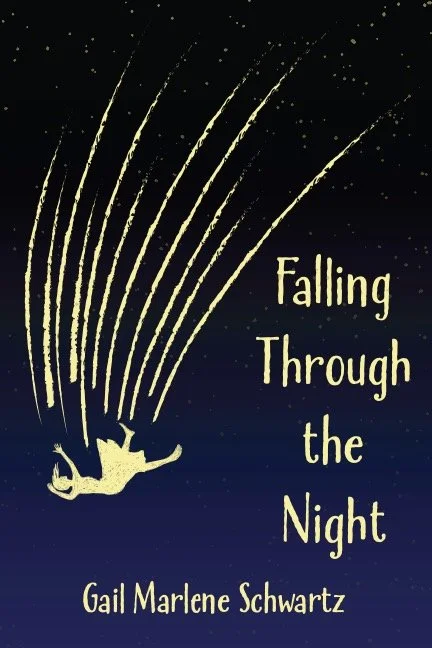
Q&A with Gail Marlene Schwartz, Falling Through the Night

You’ve previously mentioned that this book is semi-autobiographical. What parts of your experiences have you woven into your main character, Audrey? Where do you and Audrey differ?

Like Audrey, I’m an anxiety sufferer; I also fell in love with a woman from Montreal and immigrated. I had a twin pregnancy and one twin had Down Syndrome, and he went home with an adoptive family. But unlike me, Audrey is adopted with a terrific relationship with her mom, and she grew up with a psychiatric disability and identity. She’s an introvert and a visual artist, and had a lot more support in her childhood than I did.

This book heavily discusses mental health, specifically anxiety. What do you see as the most important thing in understanding anxiety?

My anxiety connects me with unmet needs; it’s a signal to stop and tune in and attend to myself. Only when I stopped seeing it as a disease and something to be gotten rid of did I actually begin to work with it and to heal. I also believe that cultural, political, social, environmental, and economic alienation can play a huge role in anxiety. I don’t see it as a personal problem, even if it’s an intensely personal experience.

Why is the chosen family such an important theme in this novel, specifically from a queer lens?

Family is the oldest and strongest mainstream social structure that we have in the U.S., and when we aren’t partnered or close to our families of origin, life can be very lonely. Chosen family was my salvation. Not only did I find people who loved me for myself, but those same people helped teach me new and healthier ways of being in relationship. Chosen family is how and why I grew up. Most straight people I know don’t consider crafting social alternatives when partnership or biological family fails; it’s a beautiful phenomenon LGBTQ people have to share.

Why did you choose to write a novel discussing more difficult topics such as mental health, addiction, and suicide?

My artistic practice is about going into the deepest truths of human experience, especially the difficult ones that are hard to talk about. I’m interested in how artists can shift calcified and outdated ways of understanding social problems through storytelling. These are also my experiences, and it’s a joy to create something out of struggle because it helps me feel like the hardship had meaning; what I lived serves my readers and their journeys.

What do you hope readers will take away from your work?

I want readers to know that even “successful” people who publish books can be a mess. I want them to walk away with hope that these struggles don’t have to mean failure, that hard stuff can be woven into the meaning and work of their lives. I want readers to laugh at the funny parts and feel uplifted. I want the book to be a mirror for their courage and the courage of those close to them. If my work is a tiny part of changing the conversation about mental health, I will die a happy woman.

To get a copy of her book, Falling Through the Night, you can go to Amazon or Bookshop.org.

Meet the Author

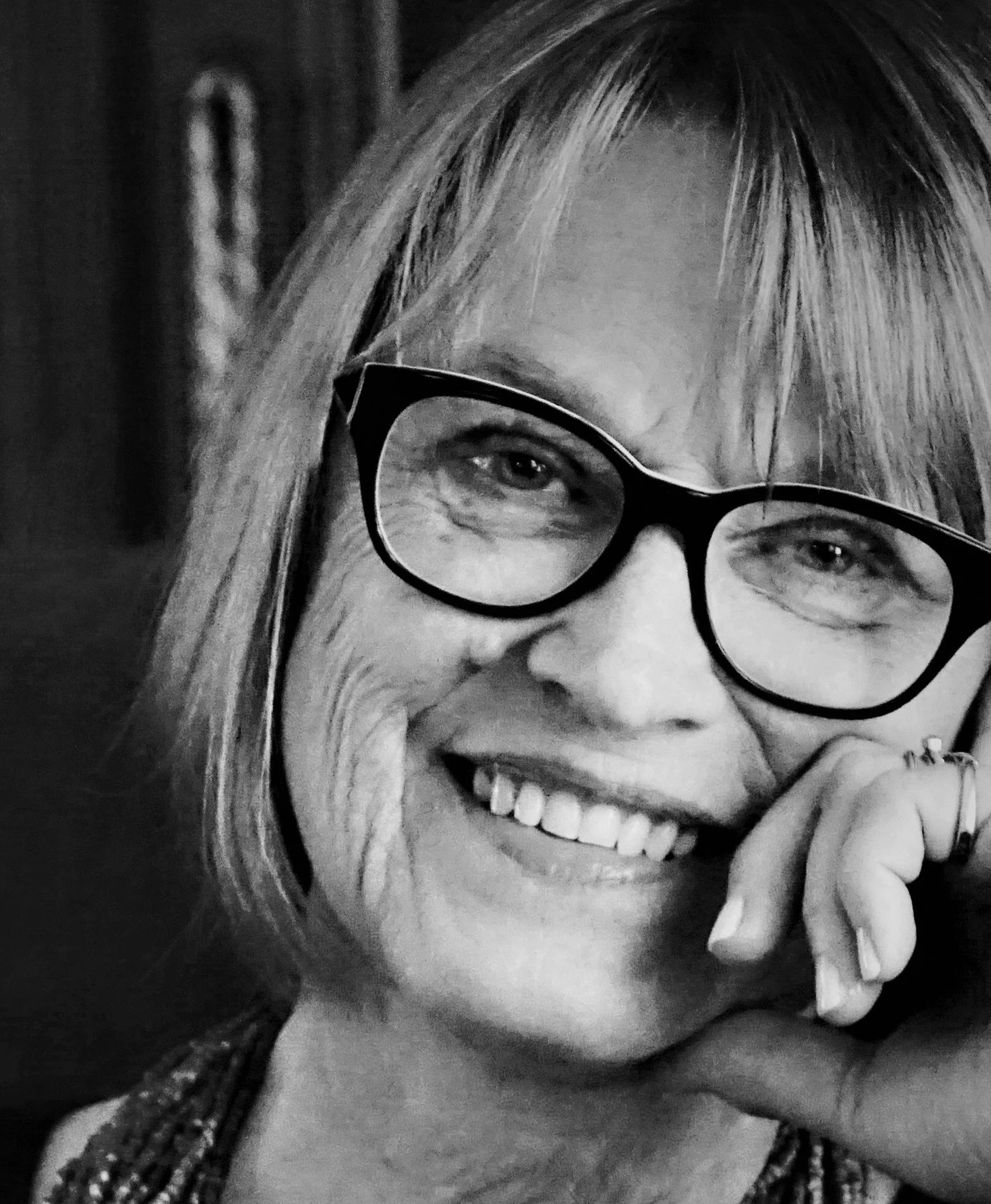
Gail Marlene Schwartz is a dual citizen, a relationship artist, and an above-average pianist. She is co-author of the books My Sister’s Girlfriend and The Loudest Bark (Rebel Mountain Press) and co-editor of the forthcoming essay collection, Boyhood Reimagined: Stories of Queer Moms Raising Sons (Motina Books). She is a founding editor of Hotch Potch Literature and Art, a collaborative online magazine, and also a freelance editor, writing coach, and writing instructor at the Community College of Vermont. Gail lives in Montpelier, Vermont with her partner, Erin; she spends every other weekend in Montreal with her best friend, Lucie, and their teenage son, Alexi. You can read more about her at gailmarleneschwartz.com.

Follow Gail Marlene Schwartz on social media:

Twitter: @GSchwartzauthor | Instagram: @gailmarleneschwartzauthor