Spotlight: The Dead Come to Stay by Brandy Schillace
/
An amateur autistic sleuth. A wry English detective. A murder case that thrusts them both into the wealthy world of the rare artifacts trade...
Jo Jones can't seem to catch a break. Trading in city life for the cozy, peaceful hills of North Yorkshire to take over her family estate should have been a chance for a "fresh start.” Instead, she's been driven further into the past than she thought possible -- and not just her own. The estate property is littered with traces of ancestors that Jo never knew existed, including the mysterious woman in a half-destroyed painting – and hints about Jo's late uncle, who may hold the key to her cryptic family history. Then there’s the gossipy town politics Jo must constantly navigate as a neurodivergent transplanted American… And of course, the whole murder business.
When prickly town detective James MacAdams discovers a body in the moors with coincidental ties to Jo Jones, they're forced to team up on the case. The clues will lead them into the wealthiest locales of Yorkshire, from sparkling glass hotels to luxury property sites to elite country clubs. But below the glittering surfaces, Jo and MacAdams discover darker schemes brewing. Local teens, many of them international refugees, are disappearing left and right, and each case is somehow linked to a shady architectural firm -- which also happened to employ the dead man from the moor-side ditch.
What begins as bizarre murder case quickly plunges them both into the black market world of rare artifacts and antique trading... and a murderer who will do anything to cover it up.
Excerpt
The man on the doorstep of Jo’s cottage dripped rainwater; it trickled from wet-plastered hair to overcoat gun flap and onto the overnight bag clutched under one arm. Jo had remembered to say hello, but that didn’t stop him staring at her, all wide-eyed and open-mouthed. He reminded her of a disheveled pigeon after colliding with a windowpane.
“Mr. Ronan Foley?” Jo asked, stepping back to give him entry room.
“I—Yes.” He shuffled onto the flagstone cottage entry. “I—I thought keys would be in a lockbox?”
“Um?” Jo had practiced every opening line, but not this one. She blinked twice. “I have the keys for you. It’s for an attic en suite . . . in my . . . house.”
“You live here?” The way he looked around himself wasn’t entirely complimentary; Jo chose the high road.
“Don’t worry! You’ll have total privacy,” she insisted. That was the point of going through all that trouble of installing a full bath on the second level (including hoisting a freestanding tub through the attic casements, quite a feat when you’re five foot four and one hundred fifteen pounds soaking wet).
“Of course, of course,” muttered Mr. Foley. “You . . . meet all your guests in person?”
Jo decided not to tell him he was her first guest. Or that she’d locked her knees to keep from bouncing up and down with nervous energy. She also fought to urge to ask if he was Irish. In- stead, she dangled the keys.
“The door at the top of the stairs locks with the minikey,” she said. “The brass ones are for the front door and dead bolt.”
“Thank you, Ms…?”
“Jones. Jo Jones.” She smiled, probably a little too much. He had a broad face and smile lines, but he wasn’t smiling now. “Al- ways ask if you can get them something,” Tula had said when she informed her about her decision to rent the cottage. “It’s welcoming.” Wise words from the Red Lion innkeeper and the one person Jo considered a truly close friend. She might have suggested what to offer.
“I could get you . . . something? I can cook. Well. I can warm things up. Actually, I can drive into town and get food. Or maybe you’re thirsty?”
“Tea,” the man said, and of course he would say tea. They were in Yorkshire.
“Yes! Yes, that I can do. And cookies. You don’t call them cookies—but little shortbreads with the jam in the middle?”
Maybe it was the fact that Jo had forgotten to call them tea biscuits, or maybe it had to do with the fact she wasn’t taking breaths between sentences, but the startled pigeon suddenly began to laugh. It worked a change in him, shaking all the stiffness out.
“Tea biscuits. You’re American—you are, aren’t you?” “Erm” was the best she could do, but now, now he smiled.
“Delighted,” he said, shaking her hand. “May I?” He pointed up the stairwell, but Jo looked at his wet mackintosh. Obviously, he needed to clean up. And she should, as they say, put the kettle on instead of jawing at him like an idiot. He hadn’t actually waited for an answer, though, just gave the keys a jingle and disappeared up the stairs.
This wasn’t how she’d pictured her first experience as a host— and she’d run every possible scenario right down to the mise-en-scène. She’d try again when he came downstairs. Better make it a big plate of biscuits.
* * *
Jo hadn’t wanted to rent out her little cottage, but the attic was empty, and her bank account soon would be as well if she didn’t find some work. A year ago when she’d first moved to England, Jo had envisioned herself freelance editing, but that still hadn’t taken off yet. Plus, she had been spending all of her time in the Abington Archive searching for any scant information about her ancestors with the long-suffering elder museum curator, Roberta Wilkinson. Needless to say, it wasn’t exactly a moneymaking endeavor. It was obsession.
But she couldn’t help it: Jo had moved to the Ardemore property last year in a surprise inheritance following the death of her mother, who conveniently never mentioned that her will would leave Jo with a giant crumbling manor home (unlivable), the small cottage attached (slightly more livable) or the gardens upon which they were built, which turned out to be quite famous. The cottage made for a simple, straightforward home that suited Jo nicely, but she’d learned in a hurry that the manor across the hill housed only secrets.
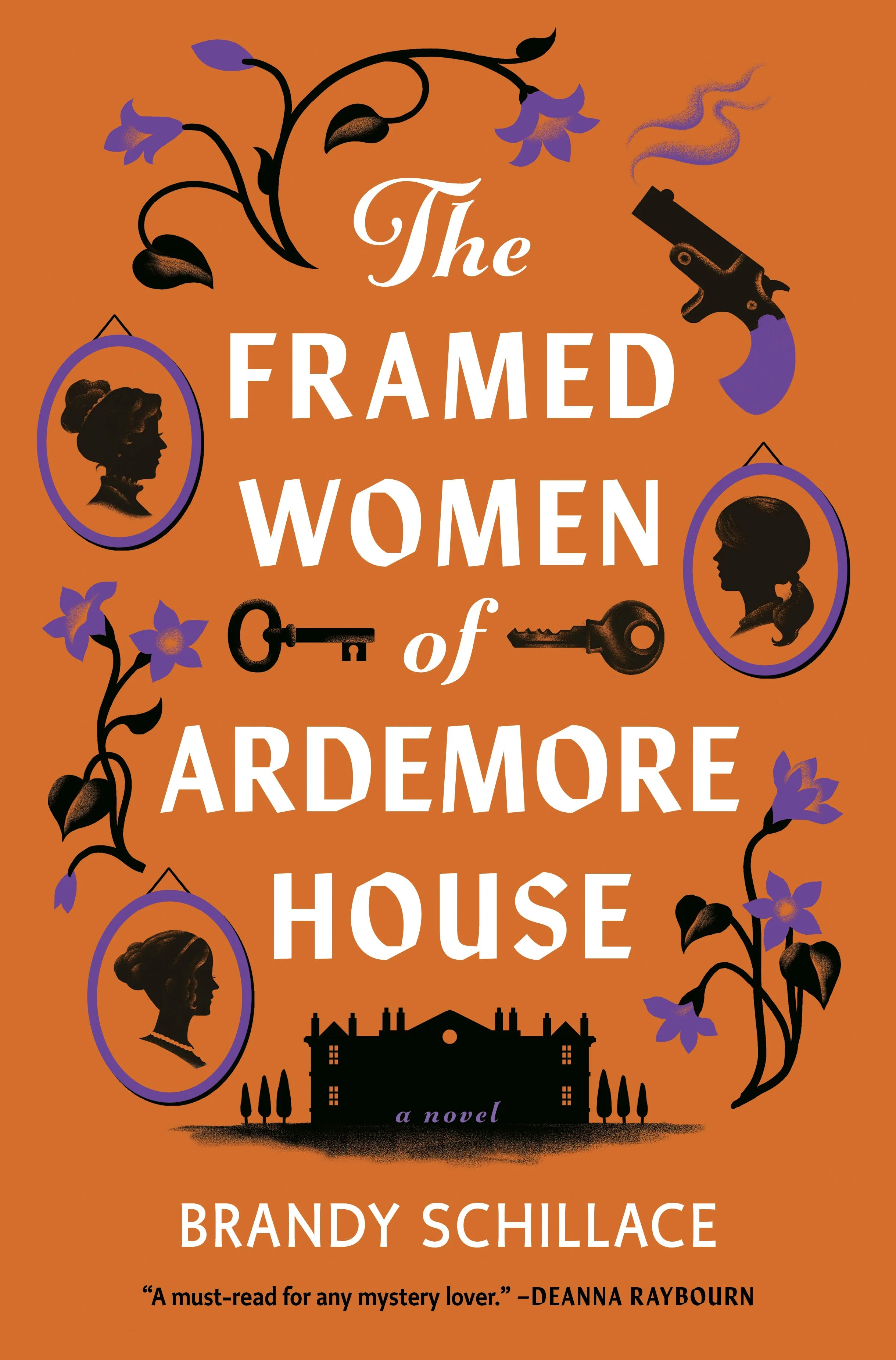
The mysteries of her ancestors William and Gwen, for ex- ample, who had lived in the estate house a century prior. They were lord and lady so to speak; their portraits had hung regally in the estate house as a constant reminder of their strange marriage and even stranger living arrangement with Gwen’s sister, Evelyn. Some handwritten letters revealed that Evelyn and William were having an affair. How much sister Gwen knew about it all was unclear.
Jo had been the one to bring all this to light last year when she discovered, buried beneath the crumbling estate, the remains of Evelyn herself—and the telltale signs of pregnancy etched in her bones. Curiously, no remains of a child were found with her, only a hope chest filled with baby clothes buried in the garden and the letters between her and William.
The questions surrounding the strange love triangle at Ardemore estate a century ago and what exactly happened to Evelyn’s child haunted Jo, but the constant dead ends threatened to drive her mad. Even Roberta, who worked in a museum after all, was ready to let it go.
“Face facts,” said the crusty old woman; the Ardemores had always been a “bad lot” who didn’t care about community, and Evelyn and her baby “obviously” died in childbirth. Time to focus on the better part of the Ardmore property: Jekyll Gardens, about to open to the public in an event that would be historic for the town of Abington.
The kettle whistled and Jo jumped; she usually tried to stop it before the unholy screech. She poured hot water in the pot and steeped; if her sojourn in the north of England had taught anything, it was to never leave the tea bag in.
Her guest was awkward. But so was she. This could work.
She reached into the cupboard for the package of Jammie Dodgers. Jo bought them because, as a New Yorker, “Dodgers” would always mean Brooklyn, even though they had been in LA since 1957. Of course, there was the Artful Dodger, too, from Charles Dickens’s Oliver Twist. A silly name for cookies, maybe, but the mix of American baseball and Victorian pickpocket ap- pealed to her sense of incongruity.
She emptied the whole box onto the tea tray, and by the time she reached the living room, the man was standing in front of her. Clean and tidy and now in proper lighting, he offered her the chance for a better look.
Face: full, square at the jaw. Hair: dark and wet, combed back behind the ears. Mud-flecked black trousers had been changed to another pair, also black. Rather baggy. The blue button-down shirt was damp at the collar.
“How long were you standing in the rain?” Jo asked. “You were very wet.”
“Sorry? “Oh. Yes. It’s—I didn’t have an umbrella.” He touched the curl at his temple with a wandering fingertip.
Had she been rude? She held out the plate of biscuits to offer him one. He gave her the smile again. Salesman smile, she thought, but his eyes settled on the Dodgers with evident plea- sure.
“You’re out of the way, living up here.”
“Sort of. We’re close to the trails, though, and you can’t get any nearer the Jekyll Gardens.” Jo flapped a hand toward the window. “You’ll practically be on the doorstep for tomorrow’s opening ceremony.”
That had been the entire point of finishing preparations for renting the cottage by May: the Jekyll Gardens Opening Celebration. Jo may have lost her ancestral home to a fire, but finding out that it was built on a garden designed by the renowned Gertrude Jekyll Well, it was one for the books. The falling-down house at the edge of town had suddenly become a site of national historical significance. The whole National Trust seemed to have checked into the Red Lion inn.
“You’re lucky,” Jo added, hugging her knees in the rocking chair. “I barely got the weblink up before you booked in— otherwise there’d be stiff competition for a room, I’d bet.”
He hadn’t answered either comment, or her attempt at a joke, just chewed a sticky biscuit and drank tea. Jo felt a prickle run down her spine; was she not supposed to make chitchat? Wasn’t that part of hosting duties? He’d looked at the clock twice, but after swallowing, he refocused on her.
“I’m afraid I didn’t know about it. Just traveling through on business.”
“Oh! But you’re here at just the right time! The National Trust is opening the garden tomorrow — it’s where the manor house used to be. Big party!”
“Sorry, a manor? I didn’t see anything nearby . . .”
Jo jumped up and joined him by the window, pointing to the dark distance. “Well, you can’t really see it from here. But just beyond the trees is Ardemore House. What was once Ardemore House, at least.”
“So, it’s a ruin?” her guest asked, and gulped his tea.
“Well, it is now. It was deserted for almost a century. The property was supposed to be in the care of my uncle Aiden in the nineties, but he never really tended to it. Didn’t even live here, in fact.”
Jo looked up to see her guest gaping at her and stopped short. “So you are a newcomer to Yorkshire, then?” he asked. Jo al- most laughed. He wasn’t exactly hanging on every word, was he? “A yearling, I guess,” she admitted. “I came here to start over after my divorce and the death of my mom last year. I didn’t realize inheriting the estate would be so . . . complicated.”
She felt herself at risk of rambling again, so she pulled out her phone and flipped to her photo library. “Here’s the Ardemore House before. Here it is after the fire last year, still smoking. I was inside it when it burned down.”
“You—What?”
Jo’s finger kept swiping through the pictures. “That’s the gar- den workmen over summer, and here is the original Gertrude Jekyll plan, and this—” Jo stopped at last on the National Trust page “—this is the announcement of its opening tomorrow! I’m sort of, em—part of the—committee.”
Mr. Ronan Foley looked down dutifully at a bright summer green event ad: open time at 10:00 a.m., official ceremony at noon, under pavilion, rain or shine. He didn’t say anything. Again. And Jo felt her heart hammering. Uncertain about chit- chat, she’d instead launched into full-blown special interest lecture. Nice, Jo.
Or was it her reference to the fire? She’d got used to everyone knowing about all of that; it had caused quite a commotion in Abington. There’d even been interviews for the paper.
“Very interesting.” His eyes roved about the room in a full circuit. Then he smiled, genuinely and wide. A surprised smile. “Well, it would be my pleasure to come.”
Crap, Jo thought. She’d got a hapless rain-soaked business- man who booked the cottage only because he couldn’t get into a hotel.
And now she’d accidentally invited him to the gardens.
“You know, you really don’t have to—” she began.
“No, I do. It’s a wonderful idea. So many locals will be there, new people to meet. You can expect me ” His eyes strayed to the enormous painting over the fireplace even as he spoke. “My goodness. Beautiful painting.”
Evelyn’s portrait. It would be hard to miss. The near-life-size painting took up most of the chimney. The gilt frame glinted, offering the perfect contrast to the moody scene within: a woman with strange, distant eyes, a face simultaneously demure and retiring, fierce and resistant. She sat against a back- drop of flowers—yet the sky was a haze of storm.
“Yes. Evelyn Davies,” Jo said. “An ancestor.”
Do not recite your family history. Do not mention that she was buried under the house.
From THE DEAD COME TO STAY by BRANDY SCHILLACE. Copyright 2025 by BRANDY SCHILLACE. Published by Hanover, an imprint of HTP Books/HarperCollins.
Buy on Amazon | Bookshop.org
About the Author
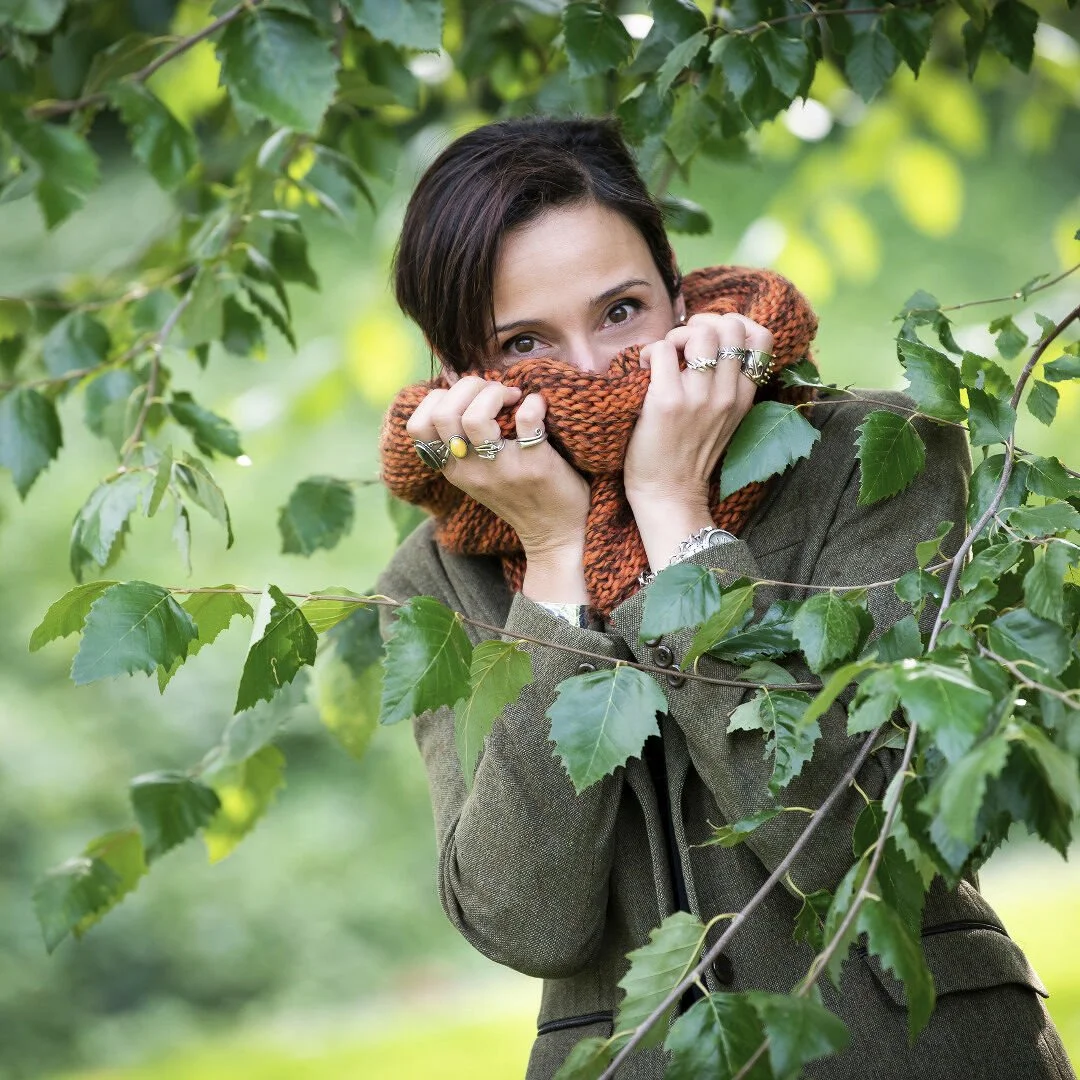
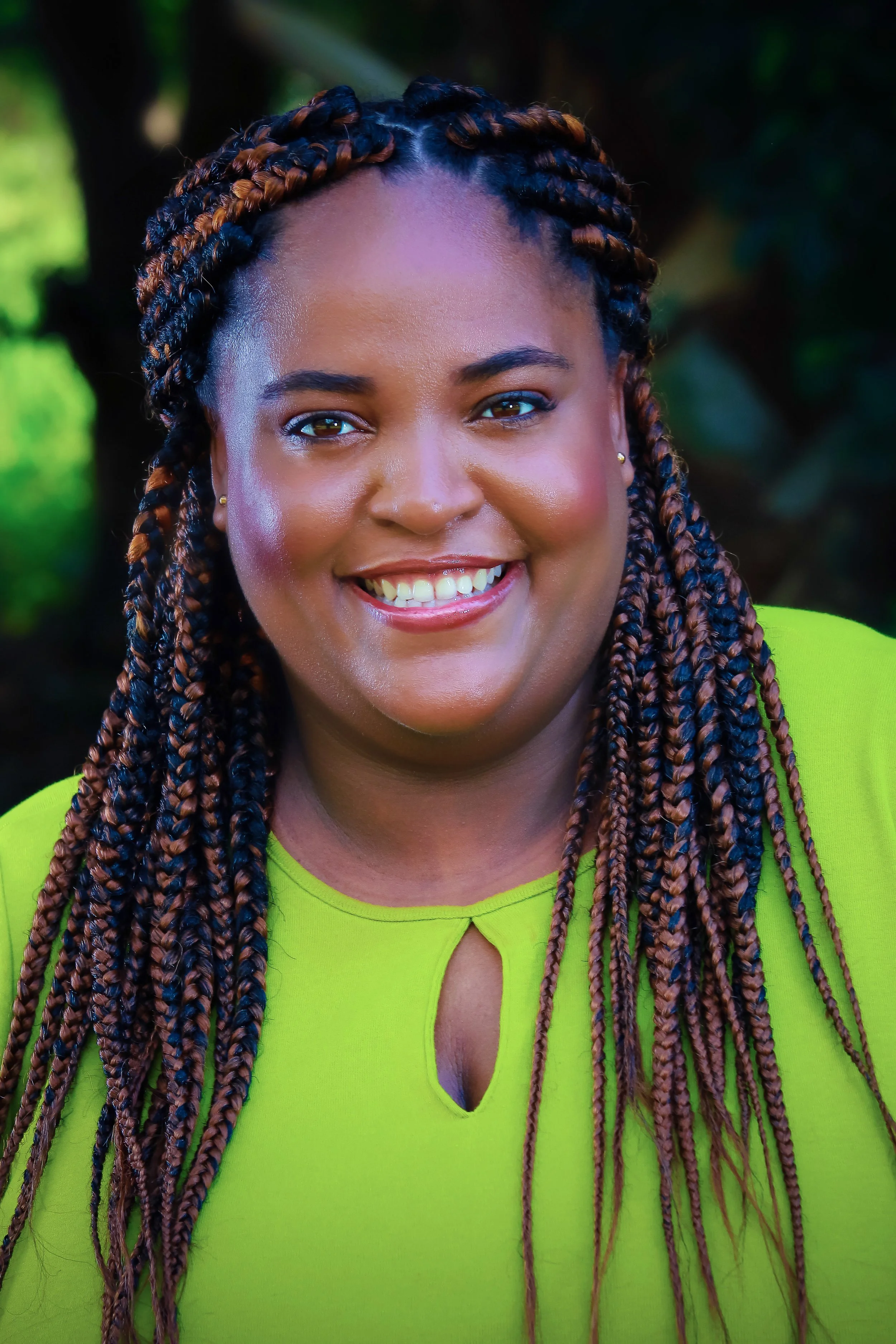
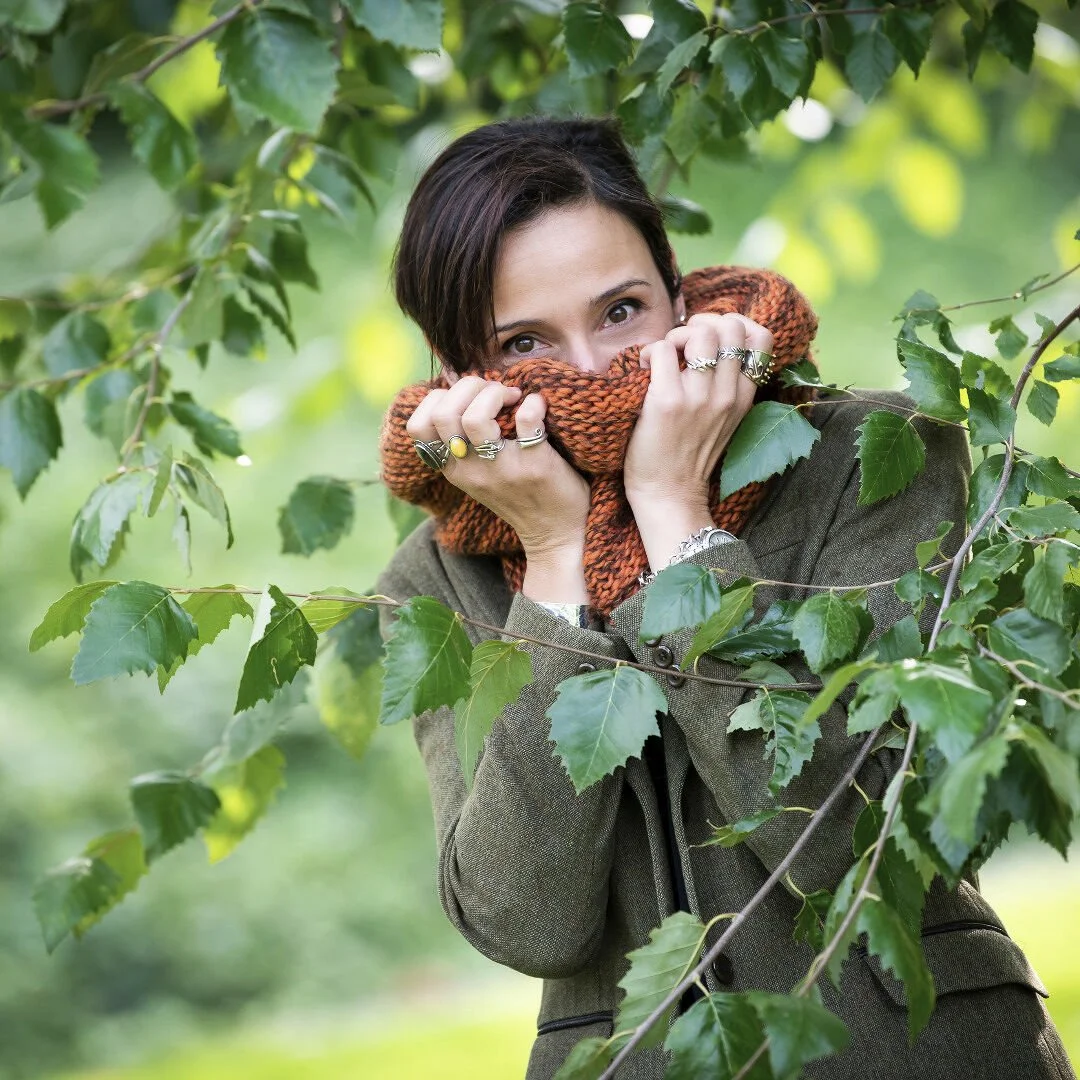
BRANDY SCHILLACE is the author of several works of nonfiction, including Mr. Humble and Dr. Butcher. She is the creator of Peculiar Book Club, a twice-monthly live-streamed YouTube show. A former professor of English and gothic literature, she writes about gender politics and history, medical mystery, and neurodiversity for outlets such as Scientific American, Wired, CrimeReads, and Medium. She is also autistic, though has not (to her knowledge) been a suspect in a murder investigation.
Author Website: https://brandyschillace.com/
BlueSky: https://bsky.app/profile/bschillace.brandyschillace.com