I Spent Decades Teaching People to Mentor. Then I Became a Grandmother by Melissa Richardson
/
I spent decades teaching people to mentor. Then I became a grandmother.
Three years ago, I stepped away from the mentoring company I had co-founded and sold. It marked the end of a career that had shaped much of my adult life, and I found the transition more uncomfortable than I'd expected. Who was I, if I was no longer a CEO and business owner? And what was I going to do with the years ahead?
With time on my hands, I read widely and listened to podcasts. The more I learned about the state of the world, the more uneasy I became. Climate change, artificial intelligence, growing social division and rapid technological disruption were changing the world in ways that were difficult to predict.
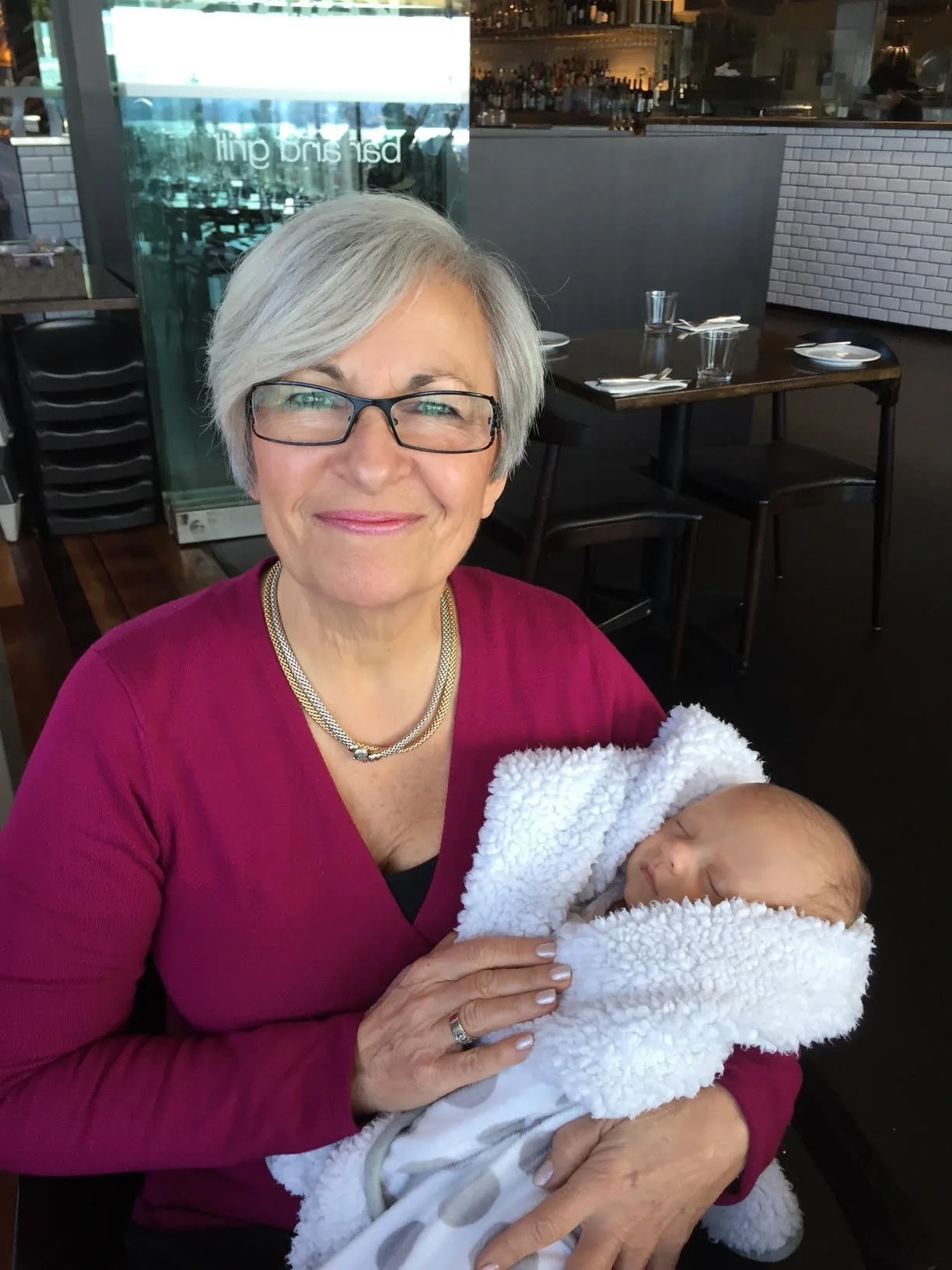
I had five grandsons, and three questions began to nag at me.
What kind of world will today's young people inherit? Will they be OK? And how can I help?
The first question led me to explore the forces shaping our future. The second sent me down a research rabbit hole into developmental psychology and what children need to flourish in an uncertain world.
The third question brought me back to something I already knew a great deal about: mentoring.
What if grandparents brought a mentoring approach to grandparenting?
I'd spent decades helping people learn how to mentor others. It occurred to me that grandparents are particularly well placed to bring a mentoring approach to their relationships with grandchildren.
Unless we're raising our grandchildren ourselves, we're one step removed from the daily responsibilities and pressures of parenting. We have a lifetime of experience, family stories, rituals and perspectives to share. We can offer another trusted relationship in which children feel heard, valued and encouraged.
Good mentoring isn't about dispensing advice, lecturing children or trying to turn them into miniature versions of ourselves. It's about walking alongside them, listening with genuine curiosity, sharing experiences, asking thoughtful questions and helping them develop their own judgement.
Sometimes that means resisting the temptation to solve a problem for a grandchild and instead asking, "What do you think you could try?" Sometimes it's sharing a family story that helps them understand where they come from. Often it's simply giving them our undivided attention.
None of this requires grandparents to take over from parents. Quite the opposite. A mentoring approach can help us support the work parents are doing while contributing something distinctive of our own.
I could see how mentoring might enrich grandparenting. But I wanted to give grandparents more than a set of mentoring skills. I wanted to help them understand what they could be nurturing in their grandchildren to prepare them for an uncertain future.
That sent me searching for a framework.
Why children need roots and wings
As I explored research into child development, I began organising what I was learning around an old metaphor: children need both roots and wings.
Roots give children a secure foundation. They include emotional security, a strong sense of identity, family and cultural connections, values and a relationship with the natural world. Roots help children know who they are, where they belong and what matters to them.
Wings enable children to venture out into the world. They include curiosity, creativity, confidence, independence, resilience, adaptability and a sense of purpose. Wings help children explore possibilities, cope with setbacks and make their own way.
The two are interconnected. Children need the security of strong roots to feel confident enough to spread their wings. And they need wings to grow beyond the familiar, discover who they might become and find their place in the world.
The Roots & Wings Framework became the scaffolding I was looking for. It gave grandparents a way to think about what they could help their grandchildren develop, while mentoring offered an approach to how they might do it.
And the beauty of this combination is that it doesn't require formal mentoring sessions or elaborate activities. Ordinary time together offers countless opportunities to nurture roots and wings, whether we're cooking, walking, playing, talking or simply listening.
From an idea to a book
I began surveying and interviewing grandparents, exploring their hopes, concerns and experiences. I drew on research into child development, ageing, elderhood and intergenerational relationships, alongside my professional experience in mentoring.
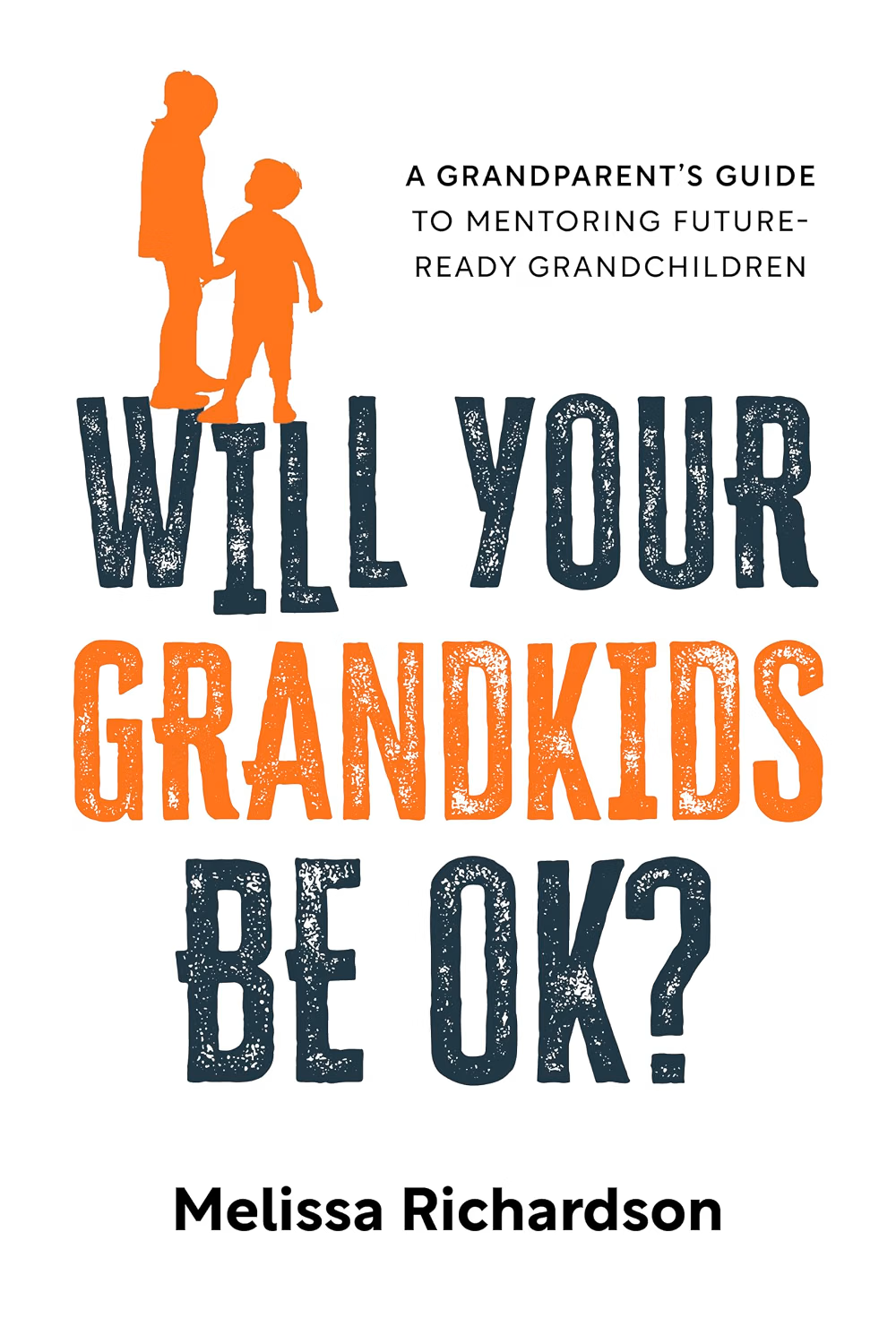
The result was Will Your Grandkids Be OK? A Grandparent's Guide to Mentoring Future-Ready Grandchildren.
I wanted to write a book that would help grandparents understand what children need, but also show them how to contribute in practical, everyday ways. It includes mentoring techniques, questions and ideas for grandchildren of different ages, including those we may only see occasionally or from a distance.
Writing it has changed how I approach my own grandchildren. I'm more conscious of opportunities to encourage their curiosity, build their confidence, share stories and help them think for themselves. I haven't stopped being a grandmother who enjoys having fun with them. I've simply become more intentional about what I bring to our relationship.
I hope the book helps other grandparents discover that they have more to offer than they might realise. We don't need to be perfect mentors or have all the answers. Nor do we need to spend every waking hour with our grandchildren. What matters is how we show up in the time we have together.
We can't steady the world for our grandchildren. But we can help steady them.
About Melissa Richardson
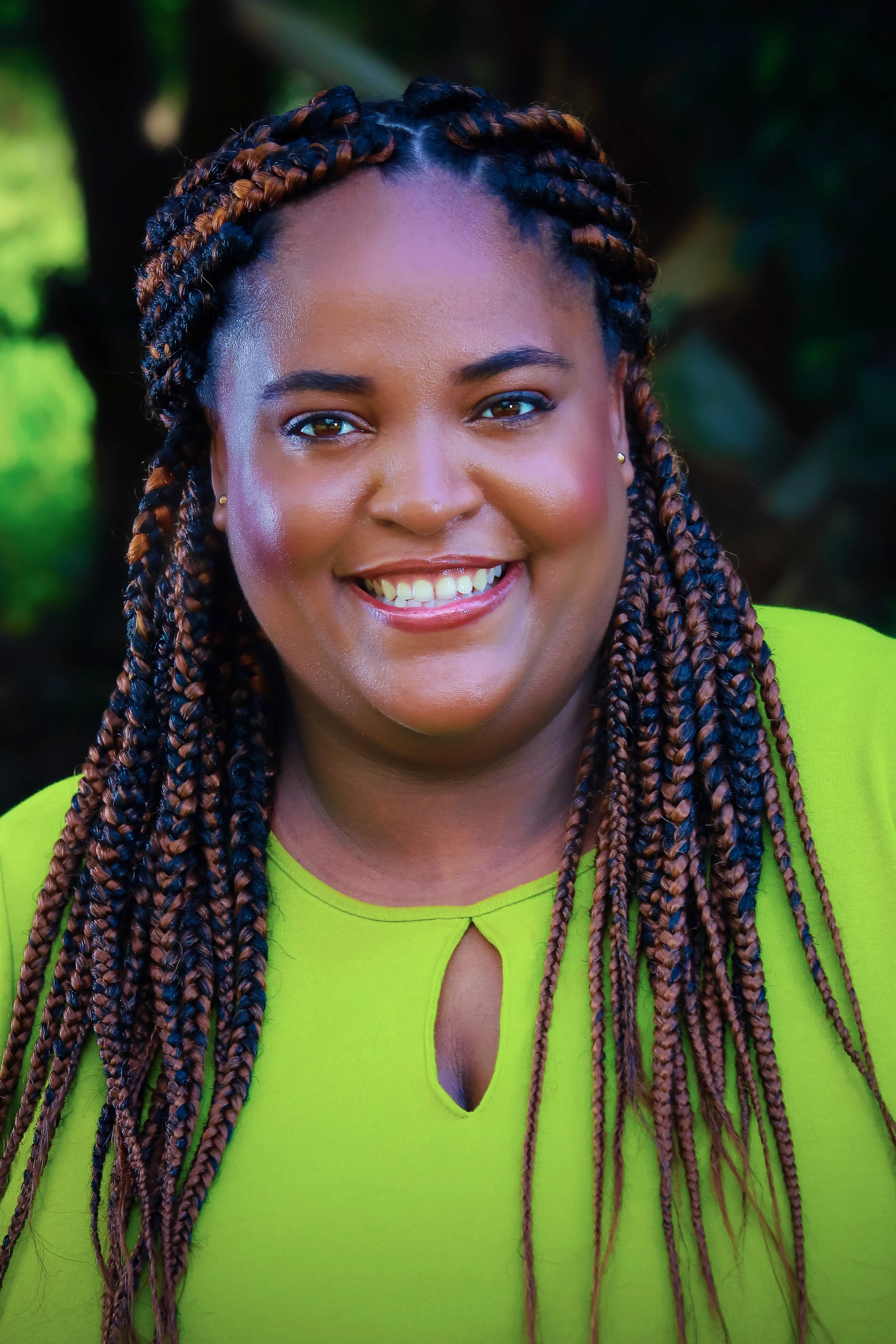
With post-graduate qualifications in psychology, coaching, counselling, and coaching supervision, Melissa Richardson has spent nearly three decades studying and teaching mentors how they can help adults grow, adapt, and thrive.
As co-founder of one the world’s leading mentoring businesses, Melissa designed and supported mentoring programs across large private, public and not-for-profit organisations.
Now retired and a grandparent, she has turned her attention to the role grandparents and other experienced adults can play in helping younger generations flourish in an increasingly complex world.
Her book, Will Your Grandkids Be OK? A Grandparent’s Guide to Mentoring Future-Ready Grandchildren, is available at Amazon and Bookshop.org