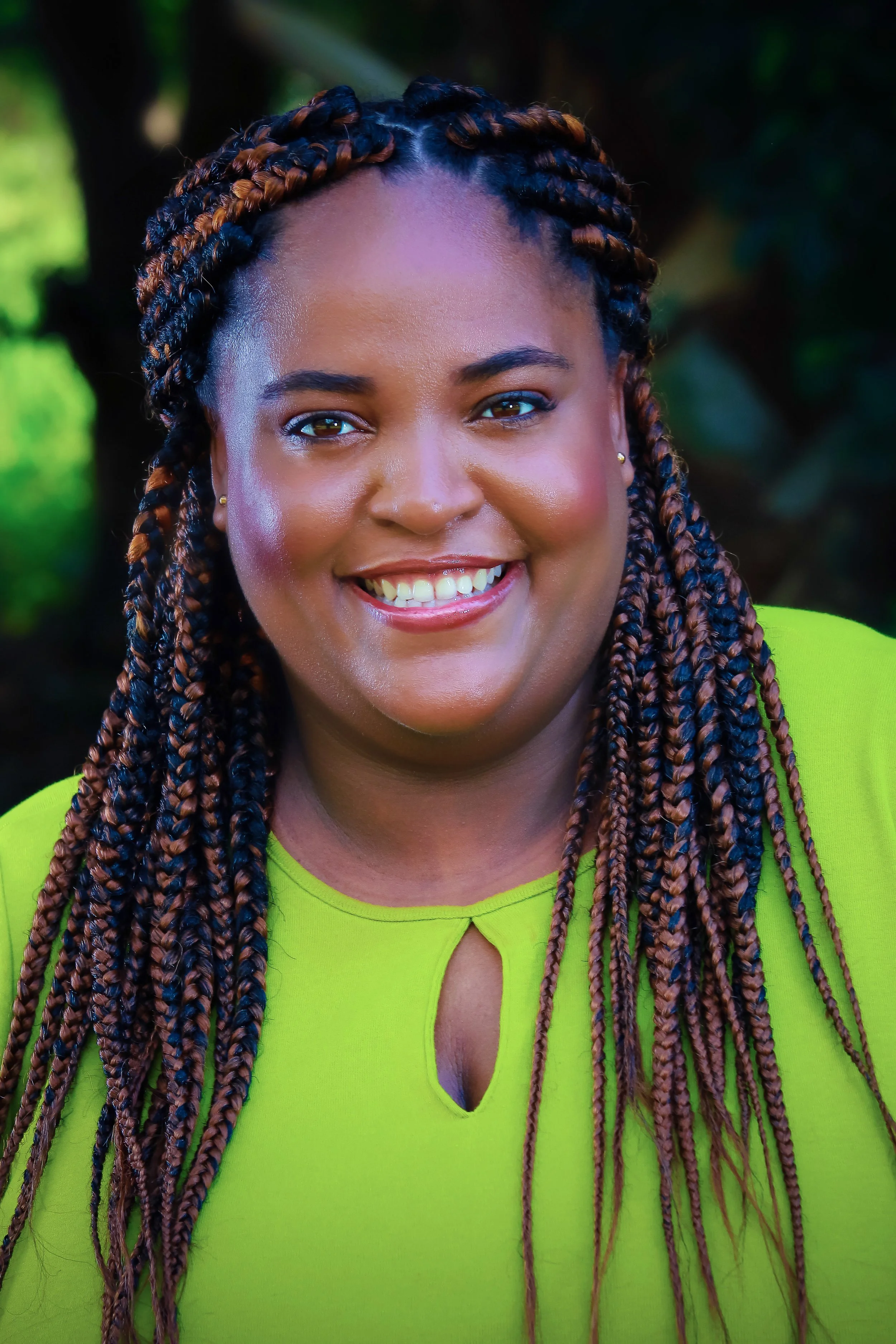
The Love Story Was Me by Regina Louise
/
Whenever someone asks me what my book is about, I have to resist giving them the clean answer.
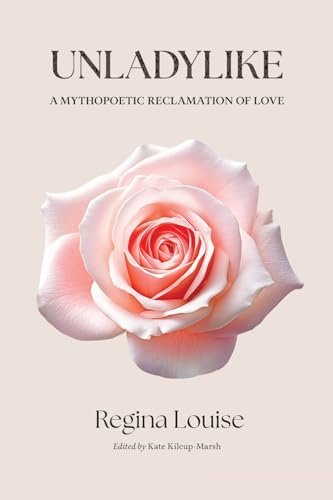
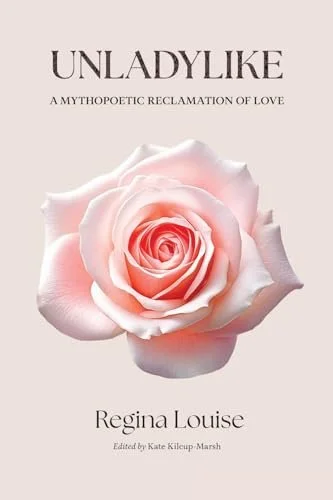
I could say Unladylike: A Mythopoetic Reclamation of Love is a collection of poetry and prose about love, abandonment, motherhood, foster care, desire, heartbreak, race, womanhood, and reclamation.
All of that would be true.
And none of it would answer the question.
Because this book is about me.
More precisely, it is about the long journey of becoming someone I could remain with.
I have spent much of my life writing about what happens when a child does not have the ordinary coordinates that tell her who she is. I grew up in foster care, moving through more than 30 placements, learning very early that home could disappear, people could disappear, and love was something you could be given and then have taken away.
Children make meaning from those experiences.
I certainly did.
And then we grow up.
Except the meanings sometimes grow up with us.
We carry them into friendships and marriages, into sex and ambition, into motherhood, into our work, into the people we choose and the things we tolerate. We carry them so faithfully that eventually we stop recognizing them as stories.
They simply become who we believe ourselves to be.
Unladylike is my interruption of that.
The book moves through the places where I went looking for love and the places where I confused something else for it.
Sometimes I found tenderness.
Sometimes I found longing.
Sometimes abandonment dressed up as possibility.
Sometimes I found myself standing outside the locked door of someone else’s emotional life, believing that if I loved hard enough, waited long enough, understood enough, forgave enough, or made myself desirable enough, eventually somebody would let me in.
That is a brutal thing to recognize.
It is also freedom.
Because eventually I had to ask a different question: “What if the love story I had been waiting for was not about somebody finally choosing me?”
What if it was about me becoming unwilling to abandon myself?
That is the journey of this book.
The poems became places where I could tell the truth without requiring the truth to be tidy. Poetry allowed me to say what ordinary language sometimes could not. A nervous system could speak. A wedding magazine could carry the weight of a little girl’s impossible dream. Teeth could become jewelry. Hope could become a rope.
The literal experience could become symbol.
And through symbol, I could find meaning.
That is why I call the book mythopoetic.
I am not trying to turn my life into mythology because my suffering was grander than anyone else’s. I am almost doing the opposite.
I am asking: “What happens when we stop treating our experiences only as evidence of what was done to us and begin asking what those experiences have come to represent inside us?”
What did I make love mean?
What did I make abandonment mean?
What did I make being motherless mean?
What did I make being chosen mean?
And, perhaps most importantly: do I still consent to those meanings?
That last question matters to me.
Because reclamation is not pretending the past was different.
My childhood happened.
The people who hurt me, hurt me.
The people I loved were who they were.
I was who I was.
Reclamation does not require me to rewrite any of that. It allows me to decide what I will carry forward.
I think that is why this book may belong to people whose lives look nothing like mine.
You do not have to have been a foster child to know abandonment. You do not have to have been motherless to know what it feels like to hunger for something you cannot name. You do not have to have survived my particular relationships to know the exhausting work of trying to turn crumbs into communion. And you certainly do not have to be a poet to understand the desire to come home to yourself.
I used to believe home was something another person could give me.
Maybe that is the deepest story beneath this book.
I spent years searching for the person, relationship, family, or love that would finally make leaving impossible.
Instead, I became that place.
So, when someone asks me what Unladylike is about, perhaps the simplest answer is this: It is the record of a woman discovering that she can lose the relationship without losing herself.
It is about what remains when she does.
And what remains is me.
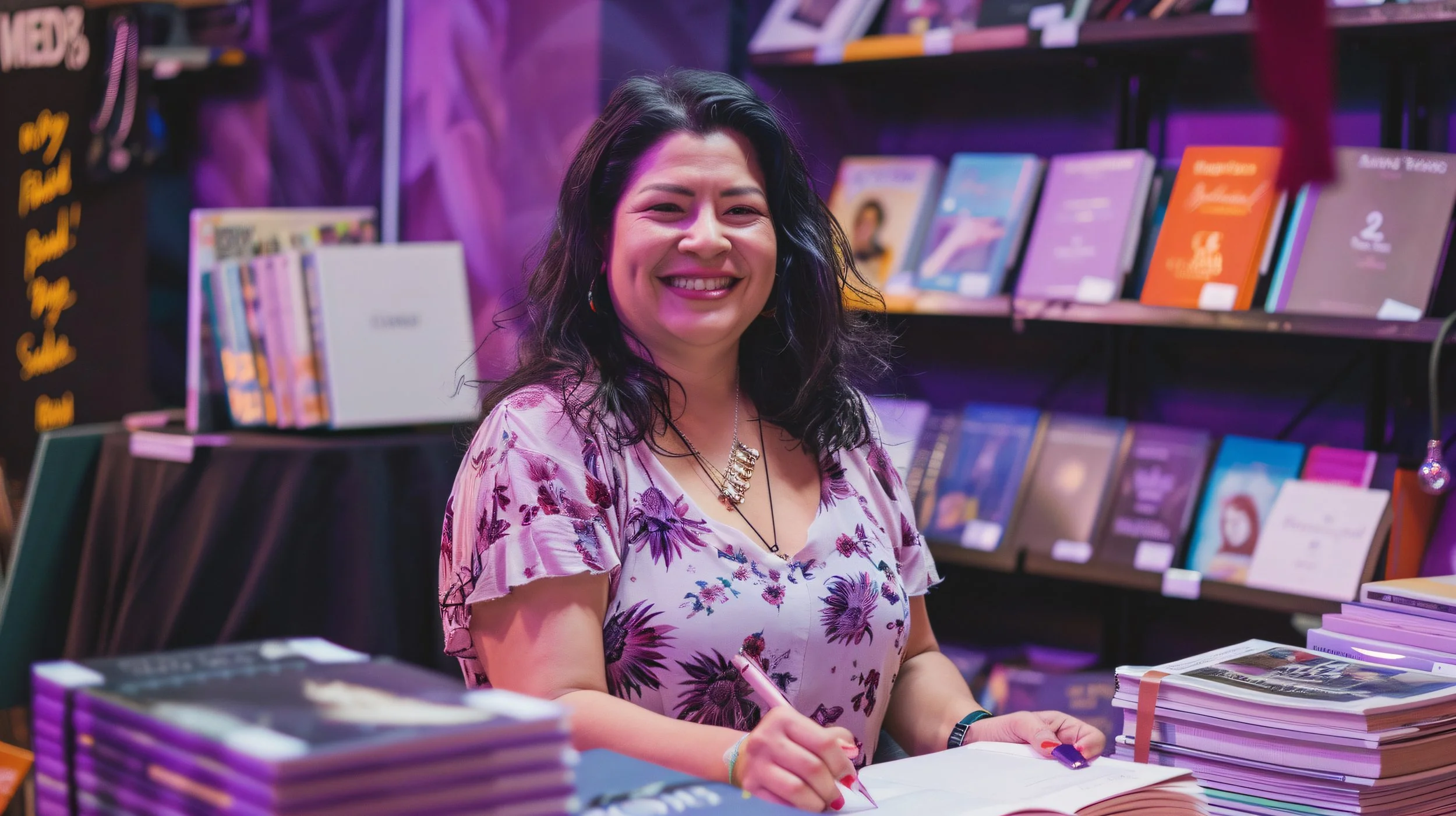
Her book, Unladylike: A Mythopoetic Reclamation of Love is available on Amazon and Bookshop.org.