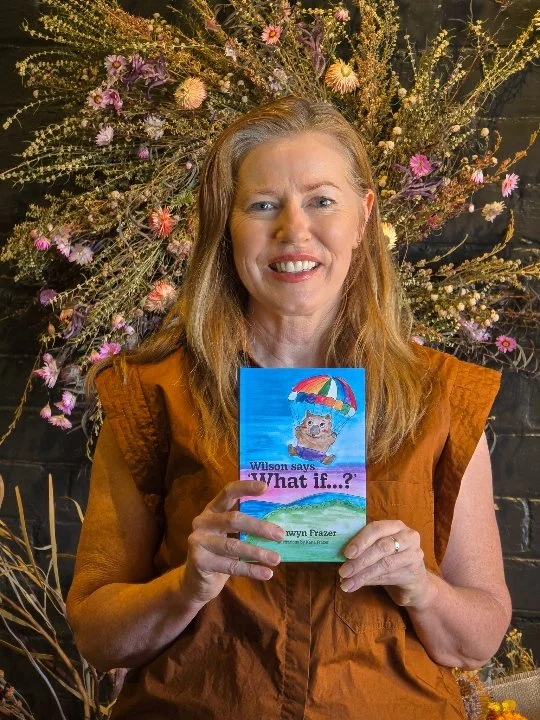
What If…A Wise Wombat From Australia Could Help Our Kids by Bronwyn Frazer

What if…a wise wombat from Australia could help our kids? 

Or 

What if…a wise wombat could help our kids be kinder and braver? 

After writing an adult book called What if…? How to reframe challenges into growth opportunities, I received feedback from readers that they ‘wish they knew this stuff’ when they were little. 

Around this time the publisher shared that her two children aged four and six at the time, were having problems with worries. They were saying ‘What if…?’ at the start of sentences to express their fears. So whilst working with me to publish What if..? she tested the concept on her kids. 

Let’s use our ‘What ifs? to create ‘good things’. The children quickly grasped this idea and started to use their imagination and words to focus on what they wanted, instead of what they didn’t want. 

So even though I had never wanted to write for kids, I recognised the need. 

I decided to write a book for kids aged eight to 10 years, because this is a very tricky age group. At that age you’re not quite little, but not quite big. You have all these conflicting thoughts, emotions and fears that you don’t recognise, let alone express. 

My concept was to create a wellbeing book to help build kind, brave and resilient kids.

But as the little kids in my family live a few hours away from me, I needed to tap into little me. 

So, I went back in time. I thought about who I was, at that age.

This triggered memories of growing up in a crazy, busy household with two working parents, a family business, and six siblings. 

Our parents instilled their values in us. I was brought up to be considerate and kind, to listen to the ideas and opinions of others (even if I didn’t agree), and to share. 

Most of all, I was taught how to be resilient – to pick myself up (figuratively or literally) after falling over. Because there wasn’t always going to be someone around to help me. 

Don’t get me wrong - our family wasn’t perfect. We all had our challenges. But we were taught to express them and ask for help when we got stuck. 

I also remembered that as a 10-year-old, I had experienced bullying at school. 

At the time, I didn’t know how to express my hurt and my feelings – because I didn’t have anything to compare the experience to. One day I ran away from school. I thought about self-harm. Thankfully my dad found me, gave me a big hug, and took me home. We talked. 

The next day, I needed to go back to school. I needed to face my bullies. None of this experience was easy. But under the careful watch of my parents and with time, I found ways to help myself. I found ways to rebuild my sense of self. 

This experience was to be a major lesson in how not to treat others.

What if…we could help children embrace challenges and change…instead of being afraid? 

What if…we could reassure them.. that they’ll get through tough moments…if they talk with people they trust and if they ask for help…when they feel stuck? 

What if…we could help them …believe in themselves? So that no matter what other people think and say, they retain a positive sense of self.  

What if…we could help them understand that kindness is a superpower? A strength, instead of a weakness. 

What if…we could help them use their words and imagination to create their future? To create what they want versus what they don’t want.  

Writing for a younger audience is very tricky. Kids are naïve and innocent, and they absorb ideas like a sponge. So, I knew I needed to be extra careful with my words and the illustrations, to remove potential triggers. 

The intention was to help, not harm. 

Going through my adult What if…? book, I selected what I felt were the most important ideas for an eight to 10-year-old. Then I wrote the ideas into seven short chapters reframing a ‘What if..?’ into opportunities for self-growth. 

Having worked as a communications professional for decades, including in advertising, I knew that it’s easy to disengage a person with visuals. So, to help kids connect with the ideas in the book, I chose an orphan wombat who I’d met years earlier whilst working as a publicist at an Australian wildlife park. His name was Wilson. 

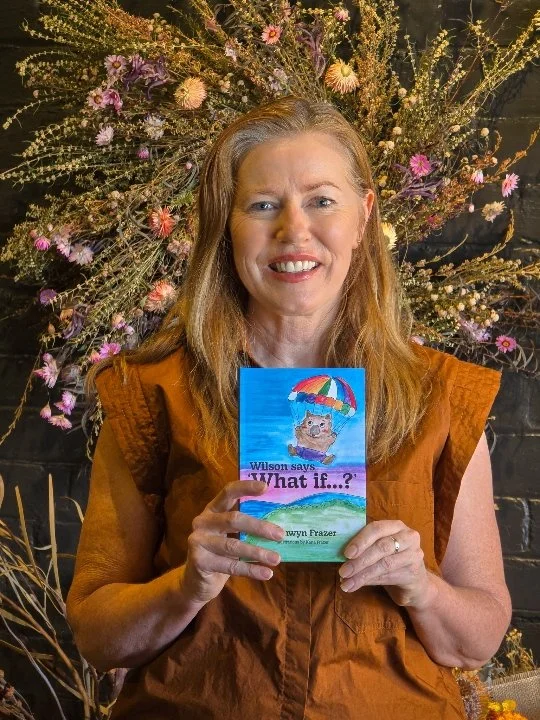
Wilson says ‘What if…?’ is designed to help kids identify their thoughts and feelings and to express themselves. With interactive prompts, it’s also a tool to encourage intergenerational conversations. 

A wombat is a unique, nocturnal animal native to Australia. They are marsupials – just like kangaroos and koalas, the young are born in the mother’s pouch. By day, wombats live underground in long tunnels called ‘burrows’. To people who have never seen one – I often describe wombats as a cross between a baby bear and a corgi dog. Some species of wombats are endangered and/or at risk of losing their habitat. To encourage people to help, there are 10 simple wildlife tips at the back of the book.

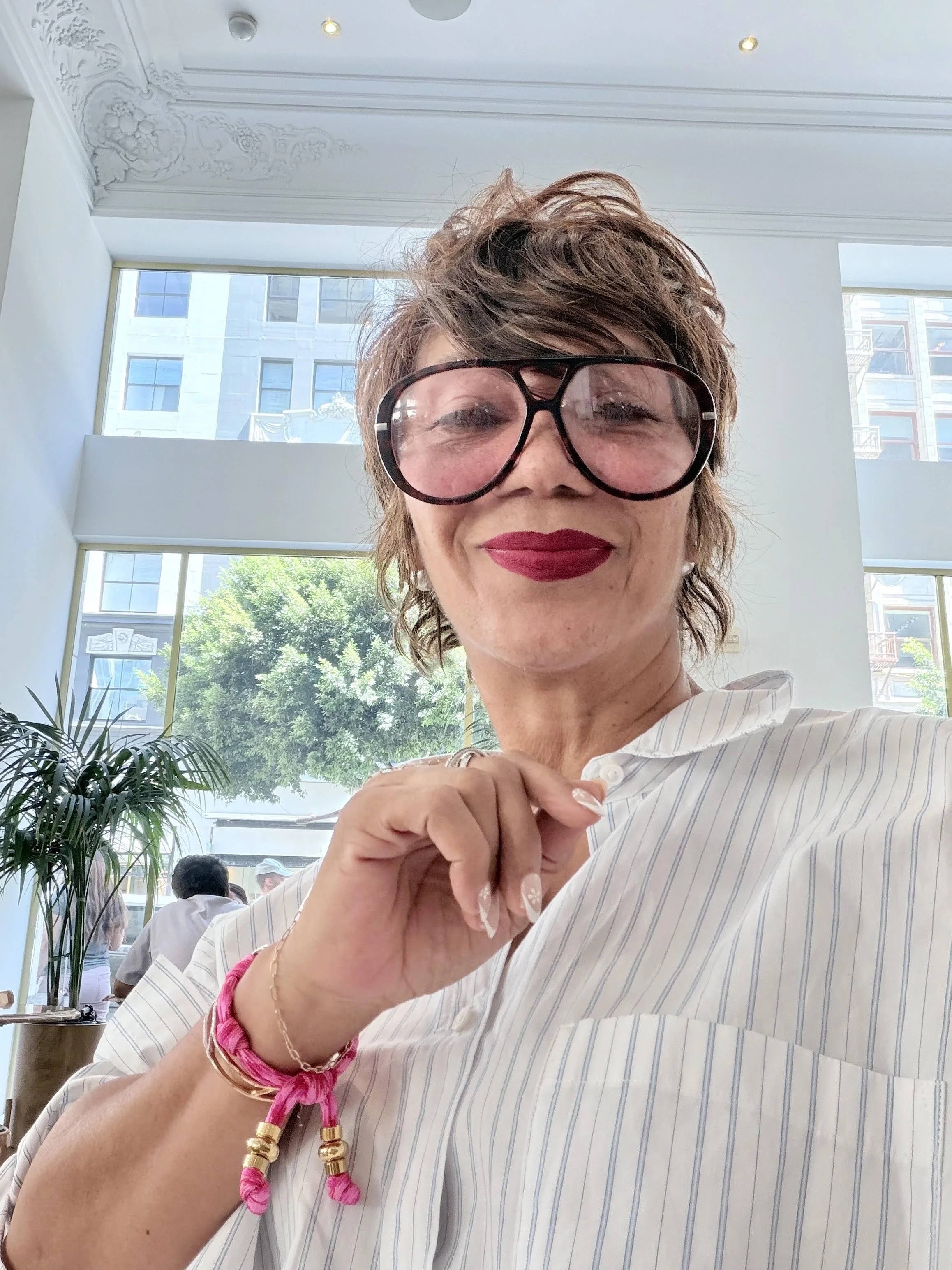
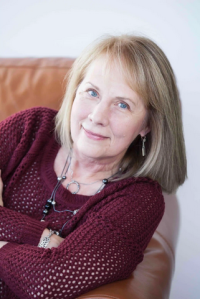
Bronwyn Frazer is a health writer, communications professional and clinical nutritionist. She lives in the Blue Mountains, approximately 90 minutes west of Sydney in Australia. With a Bachelor degree in Communications and a Bachelor of Health Science in Dietetic and Nutritional Medicine, she has studied both psychology and counselling. She loves eating healthy plant based food and enjoys a sleep in. Secretly, she believes she may in fact be a wombat in disguise. Her book Wilson says…What If? is out now. You can also get a copy on Amazon or Bookshop.org.
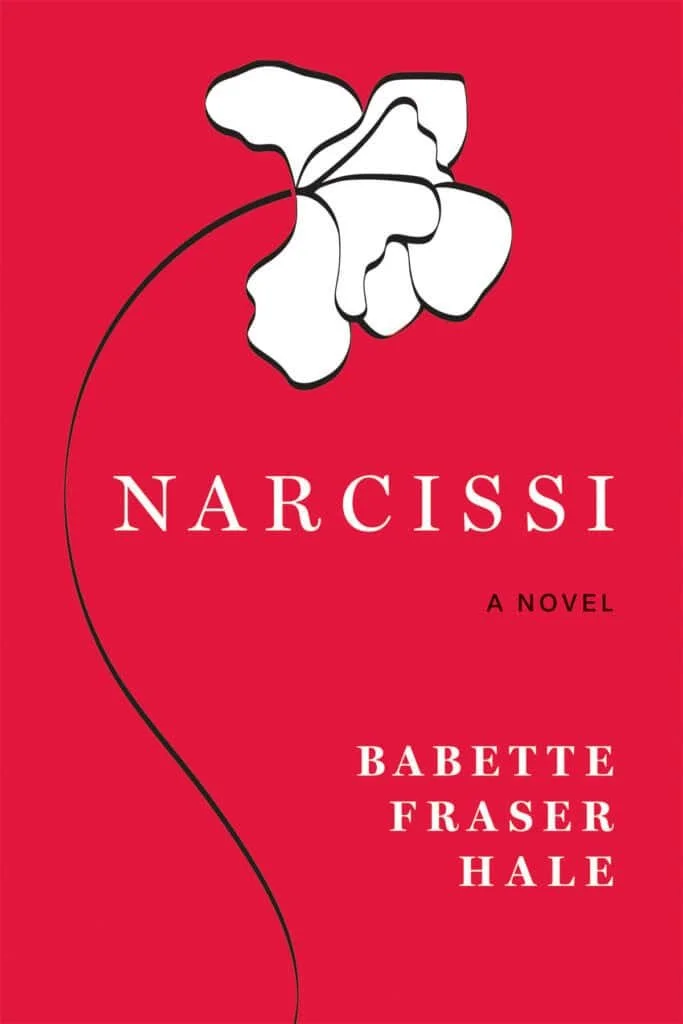
Why Narcissi is a novel-in-stories by Babette Fraser Hale

In Narcissi, ten quite different Texas women fall for a traveling novelist who intends no harm. 

Is that what the novel is about? Not really, but kind of.

In some ways putting the “aboutness” of your novel into one or two coherent sentences can be more difficult for a fiction writer than actually writing the chapters. Or, in the case of Narcissi, writing the stories that comprise the narrative.

I chose the structure of a novel-in-stories because I wanted to balance the kind of narrative often told by male writers—a wounded man seeking comfort in temporary liaisons with the stories of the women who choose to participate. I wanted to probe more deeply into all of the characters as individuals, hoping to understand more about how we confuse sex and love at midlife those twenty-odd years of seminal change, physical and mental change, changes in couplehood, parenthood, work life.

Each character comes to me as a distinct being but I know almost nothing about them at first. That takes time. Sometimes I see the person in a specific place, as I did with Elsa rummaging in a ditch. Sometimes just a sentence about them will arrive in my head.

The character grows from there, interacting with her or his environment and other characters.

I began with the image of Cole. I could see him, a tall, graceful redhead with a weathered face and smiling blue eyes. He was getting nowhere with his second novel, so he began writing a “slow travel” column for a Texas magazine. He would turn his novelist’s capacity for close, detailed observation into monthly reports, and along the way he would meet women. His second marriage had collapsed and he was struggling with a self-destructive loneliness. 

Each woman, also lonely, was at a turning point in her life, often unsure of herself in the ways that midlife seems to stoke, and Cole saw it. Understood it. Really looked at her and listened to what she had to say.

It could have been exploitative, but was it?

This question interested me and I saw that I could show the characters and the situations more completely if I treated them in stories. Stories that link, characters that show up at different times in their lives, all connected through the overarching trajectory of Cole’s evolution.

There’s such freedom in approaching a narrative in this fashion. Backstory can be treated in the way memory treats actual events. In sharply rendered flashes. You enter in the middle of a situation, often, and the story builds around you.

It’s a congenial format for readers today, I believe, because it accumulates a novel’s satisfying meal, rich in theme and content, from tasty, digestible mouthfuls.

Readers expect certain characteristics from a novel, however. For that reason, Cole’s evolution proceeds chronologically. 

So what is Narcissi about? 

It’s about our efforts to fit ourselves into the changing circumstances we encounter in the middle of our lives, as we search for meaning, perspective and happiness, or at least peace.

Do we find any of these? All of them, if we’re lucky?

In our lives as readers, we will have individual answers to those questions. That’s true of the women in Narcissi, too. As time moves through them, or in them, each woman makes the compromises necessary to survive.

###

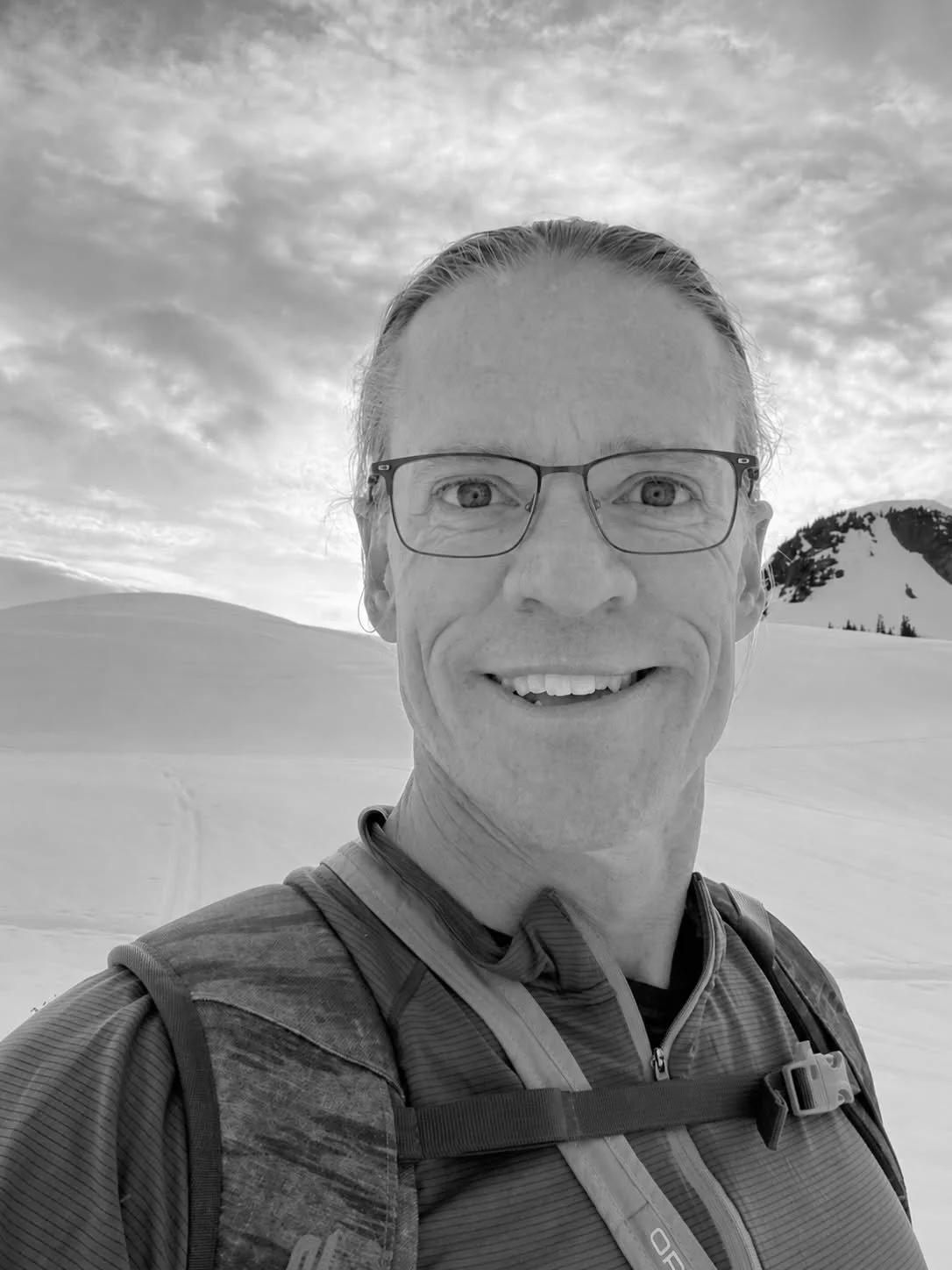
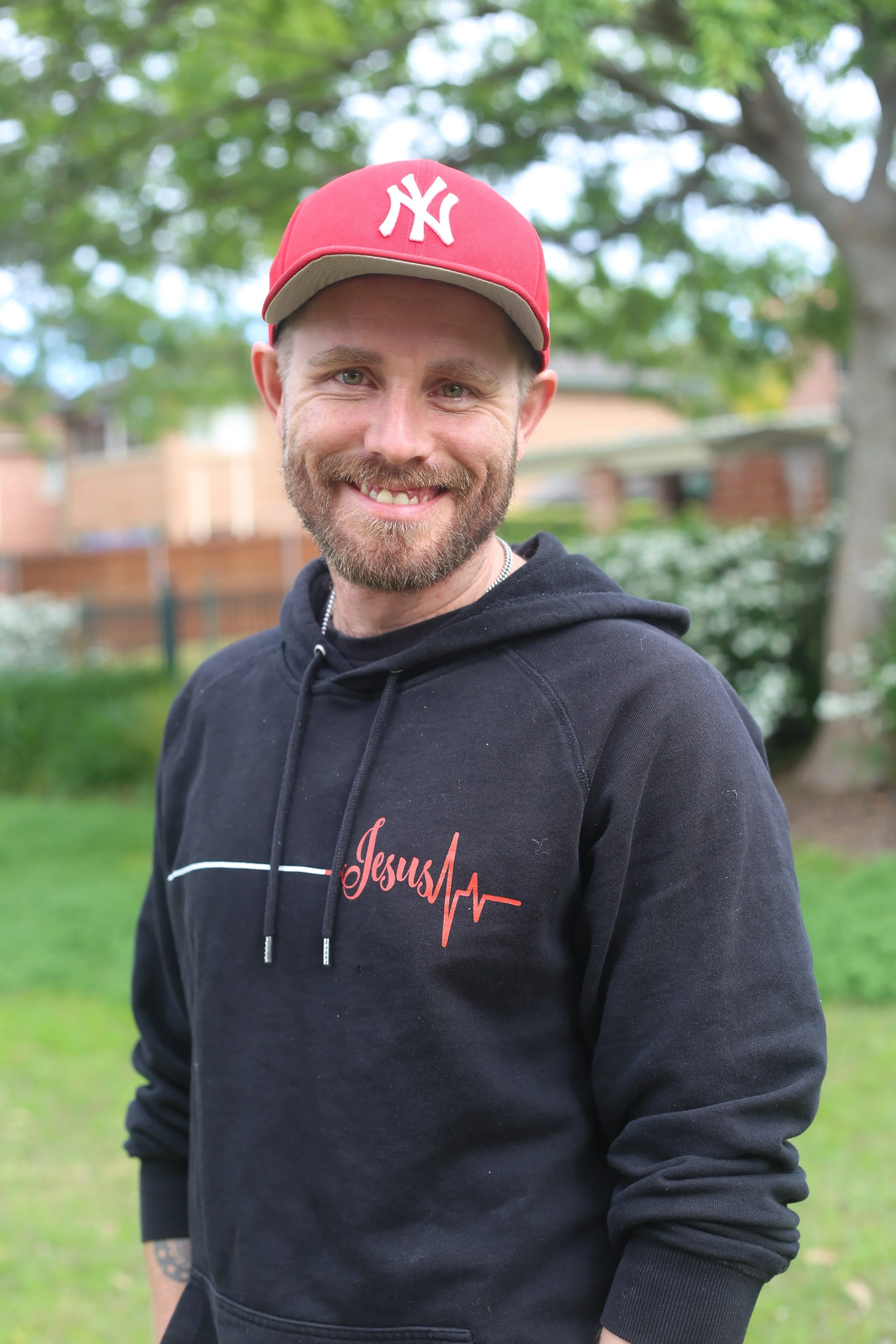
Babette Fraser Hale is the author of Narcissi, This Familiar Heart, and A Wall of Bright Dead Feathers, winner of the debut fiction award from the Texas Institute of Letters. Her stories have won the Meyerson Award from Southwest Review and been included among the “Other Distinguished Stories” of the year in Best American Short Stories, 2015. In addition to writing fiction, she has been a magazine feature writer, columnist, contributing editor, book editor and publisher. She lives in Texas. In 2025 she was elected to membership in the Texas Institute of Letters. Learn more about her work at https://www.winedalebooks.com/babette-fraser-hale.

Her novel, Narcissi is available on Amazon and Bookshop.org.
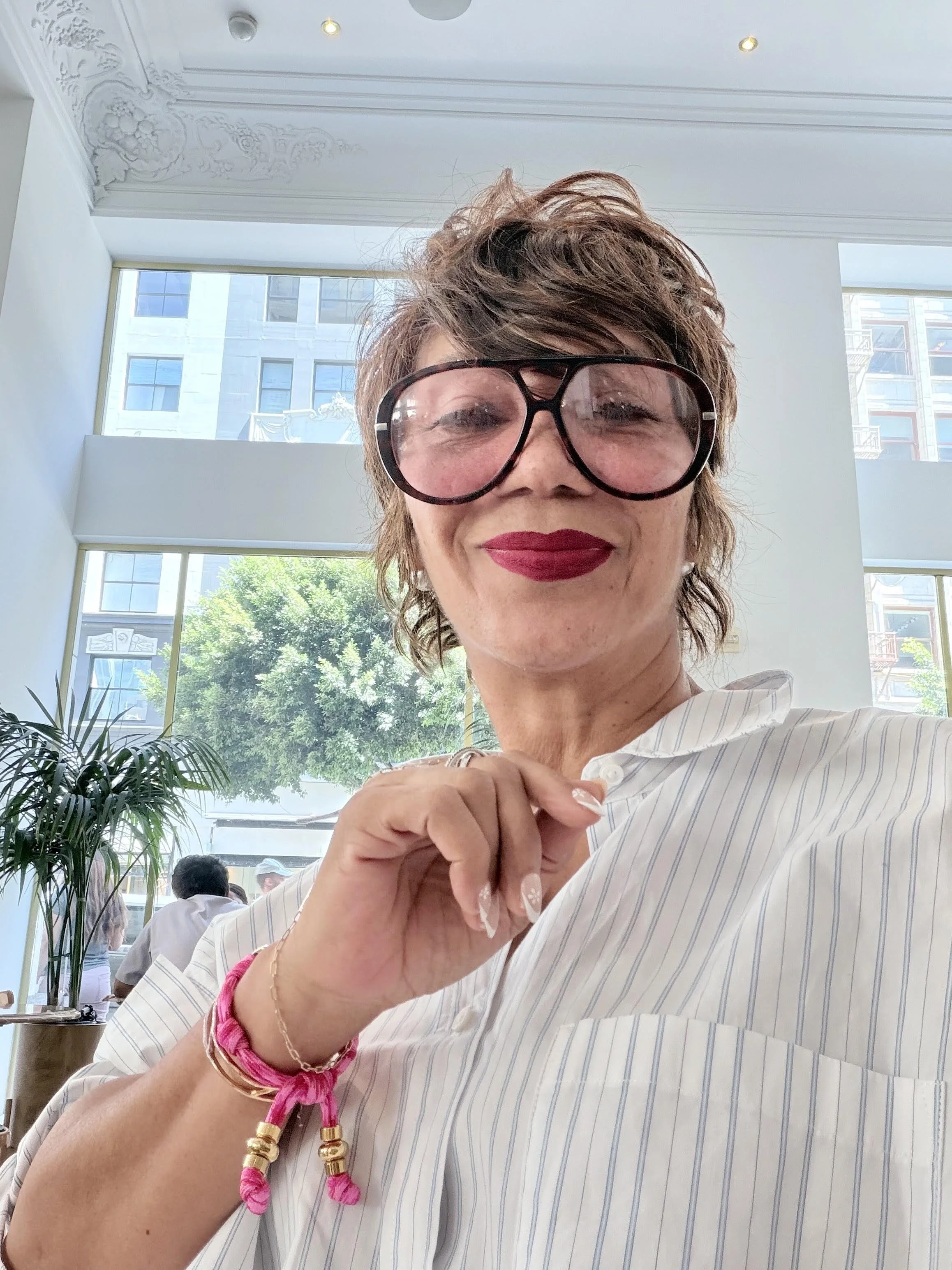
The Love Story Was Me by Regina Louise

Whenever someone asks me what my book is about, I have to resist giving them the clean answer.

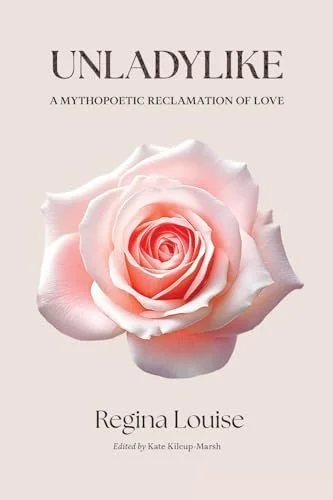
I could say Unladylike: A Mythopoetic Reclamation of Love is a collection of poetry and prose about love, abandonment, motherhood, foster care, desire, heartbreak, race, womanhood, and reclamation.

All of that would be true.

And none of it would answer the question.

Because this book is about me.

More precisely, it is about the long journey of becoming someone I could remain with.

I have spent much of my life writing about what happens when a child does not have the ordinary coordinates that tell her who she is. I grew up in foster care, moving through more than 30 placements, learning very early that home could disappear, people could disappear, and love was something you could be given and then have taken away.

Children make meaning from those experiences.

I certainly did.

And then we grow up.

Except the meanings sometimes grow up with us.

We carry them into friendships and marriages, into sex and ambition, into motherhood, into our work, into the people we choose and the things we tolerate. We carry them so faithfully that eventually we stop recognizing them as stories.

They simply become who we believe ourselves to be.

Unladylike is my interruption of that.

The book moves through the places where I went looking for love and the places where I confused something else for it.

Sometimes I found tenderness.

Sometimes I found longing.
Sometimes abandonment dressed up as possibility.
Sometimes I found myself standing outside the locked door of someone else’s emotional life, believing that if I loved hard enough, waited long enough, understood enough, forgave enough, or made myself desirable enough, eventually somebody would let me in.

That is a brutal thing to recognize.

It is also freedom.

Because eventually I had to ask a different question: “What if the love story I had been waiting for was not about somebody finally choosing me?”

What if it was about me becoming unwilling to abandon myself?

That is the journey of this book.

The poems became places where I could tell the truth without requiring the truth to be tidy. Poetry allowed me to say what ordinary language sometimes could not. A nervous system could speak. A wedding magazine could carry the weight of a little girl’s impossible dream. Teeth could become jewelry. Hope could become a rope.

The literal experience could become symbol.

And through symbol, I could find meaning.

That is why I call the book mythopoetic.

I am not trying to turn my life into mythology because my suffering was grander than anyone else’s. I am almost doing the opposite.

I am asking: “What happens when we stop treating our experiences only as evidence of what was done to us and begin asking what those experiences have come to represent inside us?”

  • What did I make love mean?

  • What did I make abandonment mean?

  • What did I make being motherless mean?

  • What did I make being chosen mean?

  • And, perhaps most importantly: do I still consent to those meanings?

That last question matters to me.

Because reclamation is not pretending the past was different.

My childhood happened.

The people who hurt me, hurt me.

The people I loved were who they were.

I was who I was.

Reclamation does not require me to rewrite any of that. It allows me to decide what I will carry forward.

I think that is why this book may belong to people whose lives look nothing like mine.

You do not have to have been a foster child to know abandonment. You do not have to have been motherless to know what it feels like to hunger for something you cannot name. You do not have to have survived my particular relationships to know the exhausting work of trying to turn crumbs into communion. And you certainly do not have to be a poet to understand the desire to come home to yourself.

I used to believe home was something another person could give me.

Maybe that is the deepest story beneath this book.

I spent years searching for the person, relationship, family, or love that would finally make leaving impossible.

Instead, I became that place.

So, when someone asks me what Unladylike is about, perhaps the simplest answer is this: It is the record of a woman discovering that she can lose the relationship without losing herself.

It is about what remains when she does.

And what remains is me.

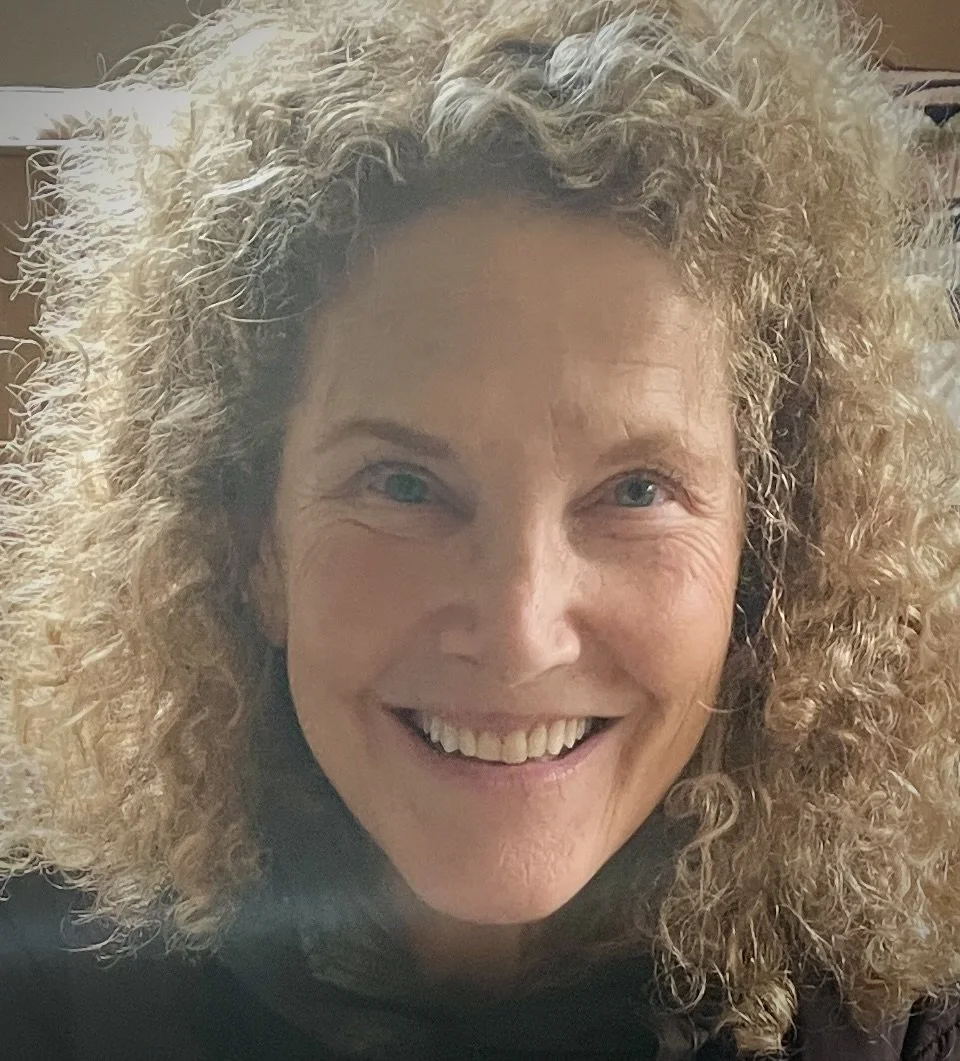
Her book, Unladylike: A Mythopoetic Reclamation of Love is available on Amazon and Bookshop.org.