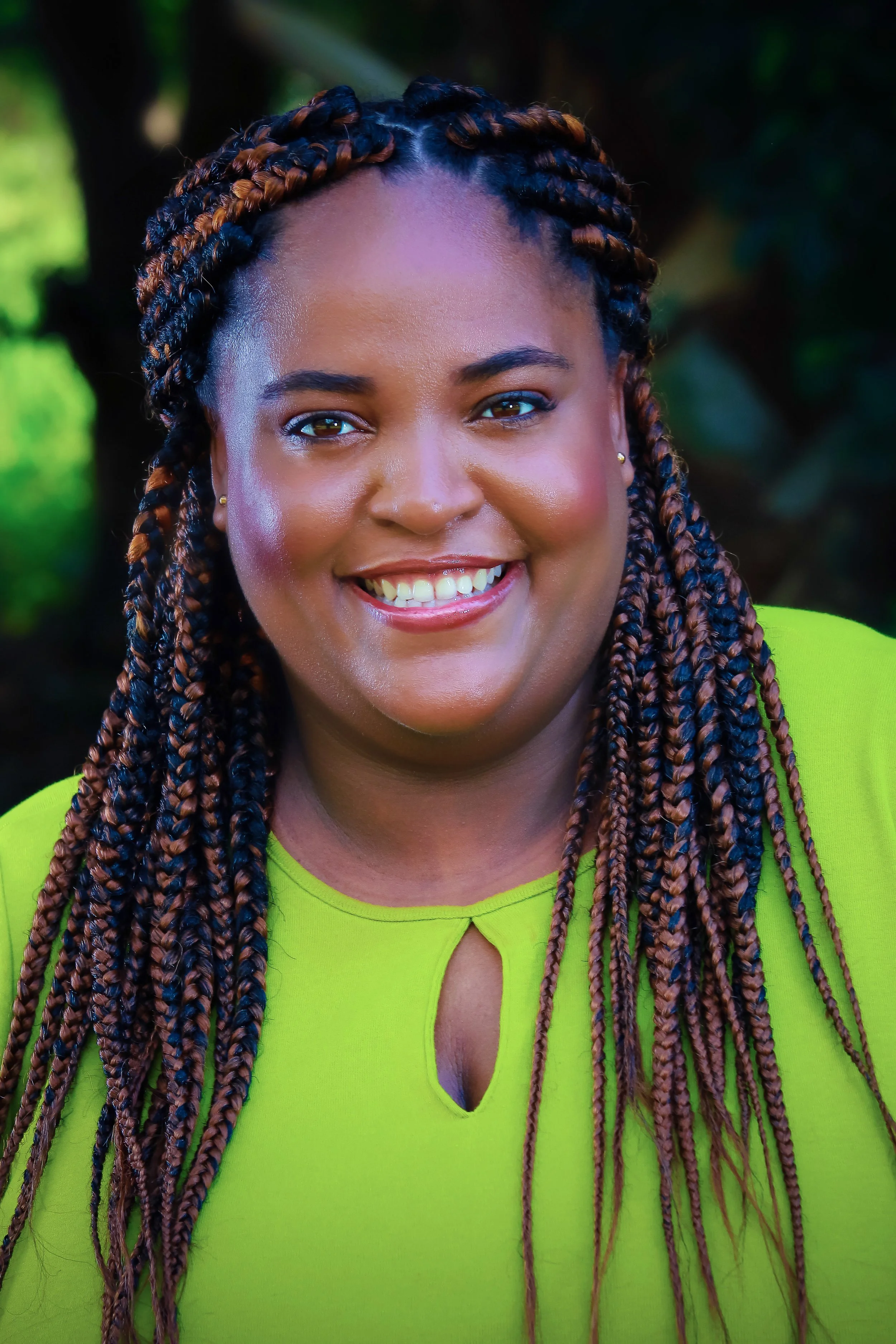
How-to Tips for Aspiring Writers: Elle James

Write! So many people dream of writing a book. So few actually put that dream into action.

Here are the typical excuses: 

“I don’t have time to write.” – If you want something badly enough, you MAKE time to do it. If writing a book is a real goal in your life, you will make the time to write. I’ve known mothers of small children, who also worked full time jobs, find time to write before the kids woke or after they went to bed. They wrote during their lunch hour or on break. Some dictated into their phones on their commute to and front work. If you want something badly enough, you will make the time. 

Learn! 
When I started writing in the year 2000, I had the benefit of joining a great organization Romance Writers of America. I met people with a lot more experience in this industry than I had and went to workshops at the national conference. Through my affiliation with this group, I joined critique groups and learned how to edit my work and how to take constructive criticism of my writing and hone my craft. I read books, did online workshops and learned as much as I could about every aspect of the industry. I’m still learning. The Publishing industry is constantly changing.

Be fearless! Some people get bogged down in grammar and industry “rules”, like proper sentence structure, genres that are or aren’t selling, and trying to make their work perfect every step of the way. This can be crippling and make you stall out on your story. Give yourself permission to write garbage. My mantra? “You can’t revise a blank page. You CAN revise crap.” Write the story. Then revise the crap out of it!

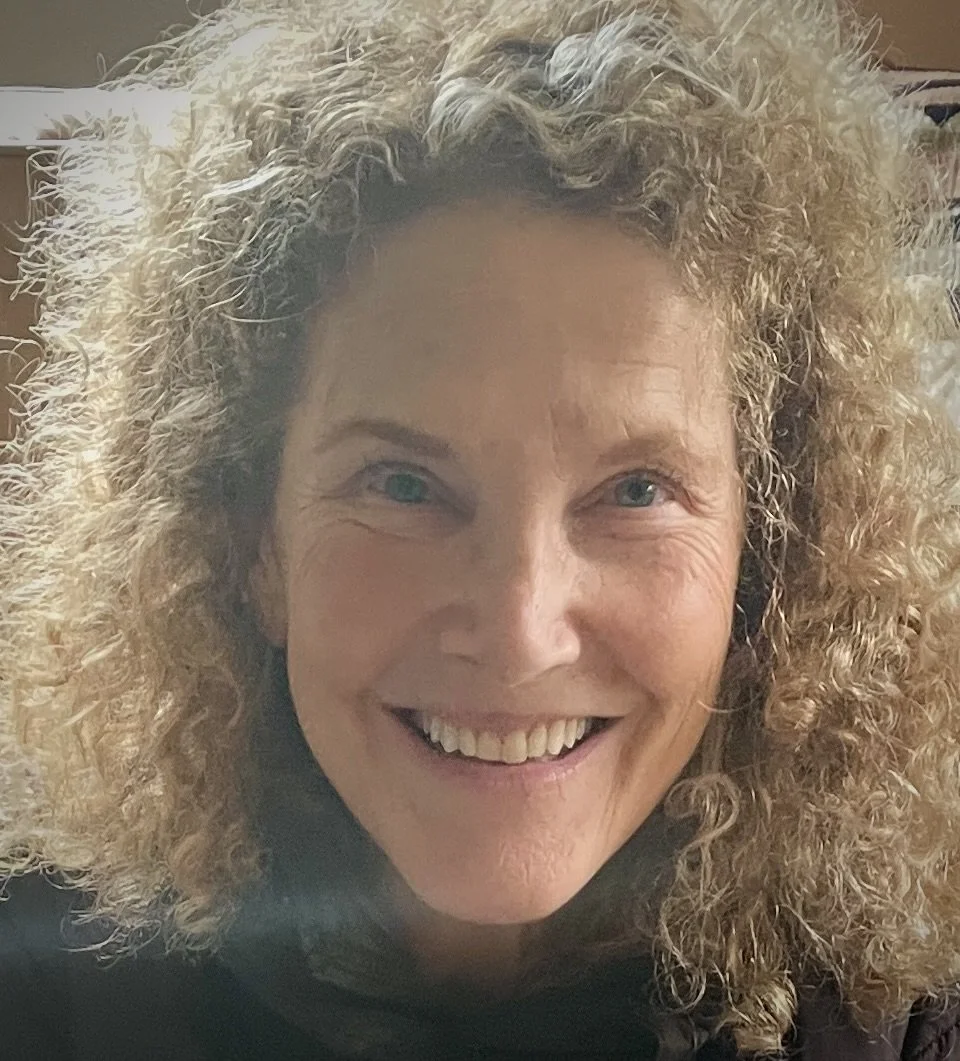
New York Times and USA Today Bestselling Author ELLE JAMES also writing as MYLA JACKSON is an award-winning author of stories including cowboys, intrigues and paranormal adventures that keep her readers on the edges of their seats. With over eighty stories in a variety of sub-genres and lengths she has published with Harlequin, Samhain, Ellora’s Cave, Kensington and Avon. When she's not at her computer, she's traveling, snow-skiing, boating, or riding her ATV, dreaming up new stories.

Elle's Links: Website | Blog | Facebook | Twitter | GoodReads | Newsletter | Amazon Author Page

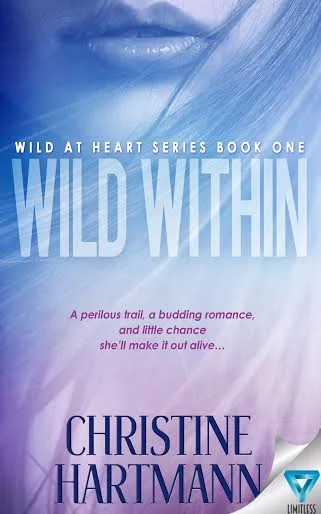
Christine Hartmann on The Inspiration Behind Wild Within

The idea for Wild Within came because I took an exercise class with a gregarious instructor and a nervous ex-wife. The background is a little complicated. The instructor knew I’d written a memoir, knew a woman in class who had a fiction-writing son and ex-husband, and this all led to my attending a father-son book reading at a local bookstore. Which I did mostly to support the ex-wife. 

But during the question and answer, the son emphasized that fiction writers need to find experts to inform them about their chosen subjects. You need, for example, to find a professional football player to give you the inside scoop if you want one of your characters to play pro football. I left the bookstore inspired to try my hand at writing fiction. “But that business about finding an expert to match my interests…who has the time?” I thought. So I decided to flip his advice on its ear. Instead of finding an expert to match my interests, I would match my interests to the expertise of the most easily available person.

My husband, Ron Strickland, is a nationally-known long distance hiker, one of only two living founders of a national scenic trail. He has hiked numerous long trails, including the Pacific Crest Trail. I arrived home that evening and, ta da, I had my expert. Now all I needed was a premise, plot, and some characters. 

I wanted to write a romance with suspense, so I quizzed Ron about isolated sections of trails. We settled on a particular section of the Pacific Crest Trail in California. I wanted a female main character, so I asked him about women he met on the trail and the reasons they gave for hiking alone. This led to the premise: “What happens when a woman hiking alone in memory of her brother meets a killer on a section of trail where there’s only one direction for both of them to go?” The characters and plot gradually took shape in my mind and on paper. Lone Star, the romantic lead, was one of the first I developed. 

Looking back, the best piece of advice Ron gave me was to write a very detailed outline. But I still had a problem keeping track of where all the characters were along the trail at various time points. I eventually drew a map of the major peaks and populated it with stick figures. I moved them back and forth so I could keep straight who was ahead of whom. 

I can count on two hands the number of times I’ve been on a long-distance trail. But spending months with my head buried in Pacific Crest Trail guides and grilling Ron on the details of hiking in the desert and the mountains, in snow and in rain made a part of me want to get out there and hike. Now if I could just get his bear story out of my head.

About the Author

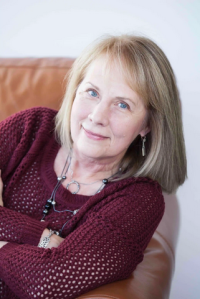
Christine Hartmann grew up in Ohio and Delaware and loves traveling to exotic, romantic settings. After a college semester in Kathmandu, her first three “real” jobs were all in northern Japan, where she lived for almost 10 years. She currently splits her career between her daytime occupation (improving the quality of veterans’ nursing home care) and her nights/weekend avocation (writing both fiction and non-fiction books). Her husband Ron Strickland is a well-known long-distance hiker and trail guide writer and the founder of the 1,200-mile Pacific Northwest National Scenic Trail. Christine loves reading, pilates, bicycling, and snorkeling, and health foods that taste like they’re bad for you. You will often find her at a keyboard, a German shepherd at her side, and Ron whispering sweet edits over her shoulder.

Connect with Christine at: Website | Facebook | Twitter | Goodreads


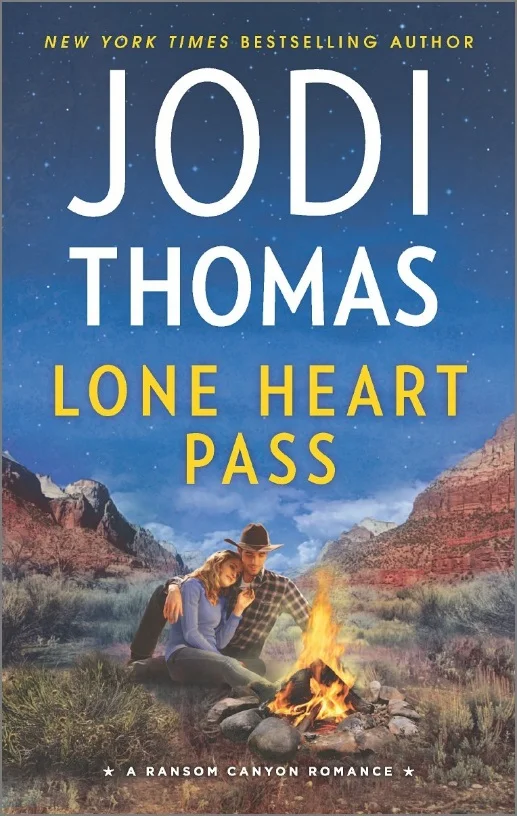
Q&A Jodi Thomas, Lone Heart Pass

What barbecue meal would you pair with Lone Heart Pass?  

Ribs, of course, with potato salad made with mustard, and cowboy beans warmed with chili and peppers. 

If you didn’t write romance series, what type of genre would you enjoy writing next?  

I think it would be fun to write children’s books.  I have a great time telling  my grandchildren stories.  One they love is Pete the Pirate.  I made him up.  He was hit in the head once and talks backwards.  They always giggle and guess what he’s trying to say.

Which book cover out of the Ransom Canyon series would you say is your favorite?  

When I first saw the first book RANSOM CANYON I loved it more than I’ve ever love a cover and then the next one, RUSTLER’S MOON came, then LONE HEART PASS.  Every time I think it’s better.  But, if I had to pick a favorite, it would be the next one SUNRISE CROSSING.  

What are three things from your bucket list you still would like to cross off?  

Last month I took a boat through the Everglades in Florida and saw the lights come on at dust at the Eifel Tower, so my list was shortened in March.  I’d like to go to Israel.  I’d love to see the Northern Lights.  And, I’d love to see one of my books become a movie.

Out of all your books, which one would you love to see become a book to movie adaptation?  

I think LONE HEART PASS would make a great movie.  It’s got a handsome hero, a crazy heroine, and a great love story.

For someone who has never been to Texas, what are some of the must-sees of the lone star state?  

We’ve got everything in Texas, it’s just a few hundred miles apart.  My favorites are:
Big Ben National Park in the south,
the San Antonio Riverwalk when it lights up at Christmas,
the Hill Country down by Fredericksburg where bluebonnets take your breath away this time of year.
Palo Duro Canyon in the winter when snow dusts the red rocks across the formations called the Spanish Skirts

Do you travel for ideas when writing a book?

If so, where do you tend to go?  I see stories everywhere I go.  Most of all, they come to me when I ‘walk the land’.  Sometimes ideas come to me when I hear a phrase or listen to a song or see how people interact.  Last month I went out on a ranch that helps horses and ‘walked with the herd’.  There was a peace to it that I hadn’t expected.

What is the most important thing that people don’t know about your writing that they need to know?  

They may not know that my characters come alive to me.  By the time I’m five chapters into a book I stop calling them characters and call them people or by name.  Sometimes it like I’m walking beside them through the plot.

I always laugh and say my sons are worried that I might just forget and accidentally name one in the will.

How do you feel about eBooks vs. print books?  

I read them both.  I love the feel of a book in my hands but I love packing a dozen eBooks in my suitcase when I leave on a trip.  Both have their place and I find myself reading more books than ever.

What are you working on next?  

I’m just starting what will be book five of RANSOM CANYON.  It starts out making me smile because I’ve grown to love the little town of Crossroads and the people

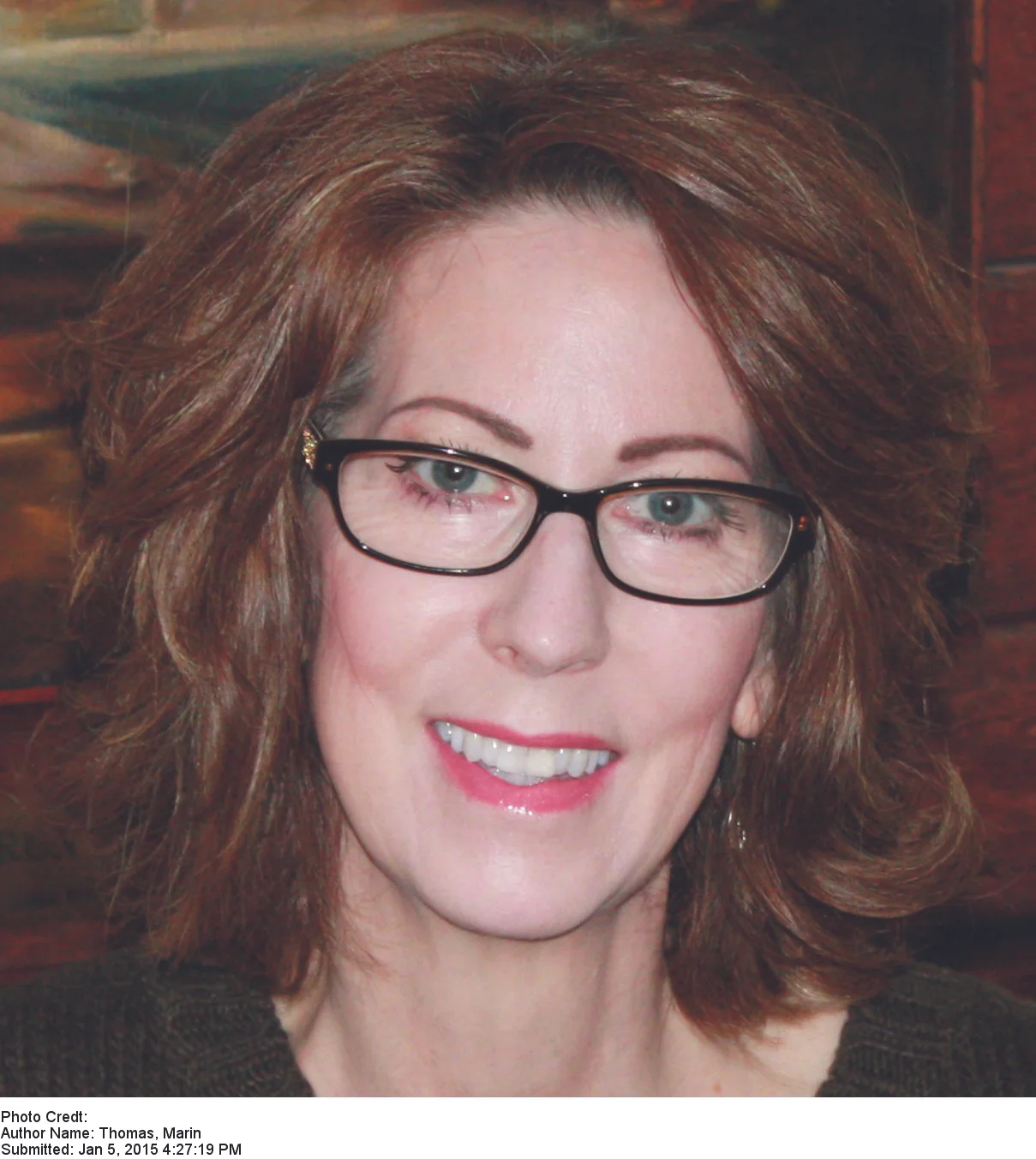
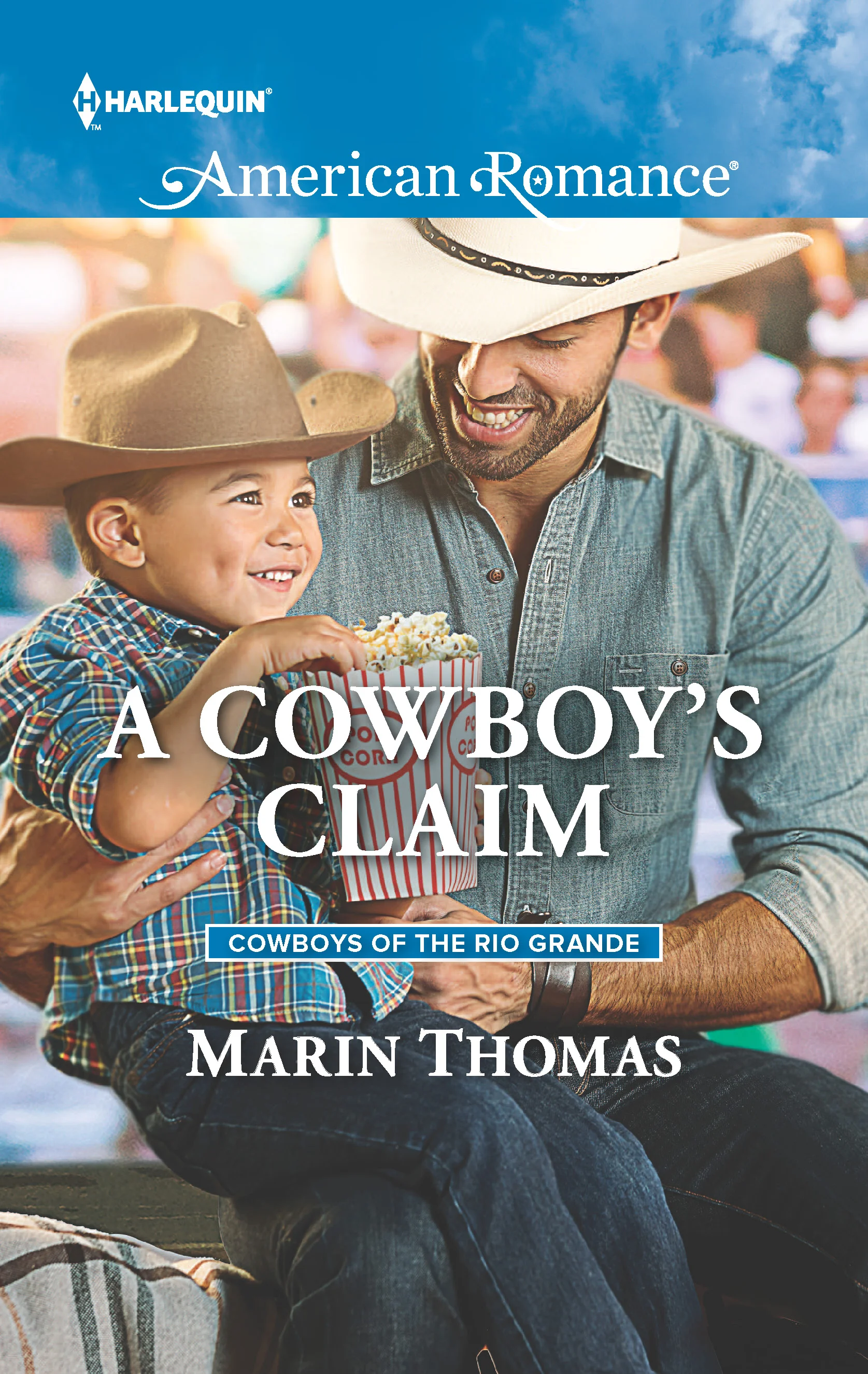
Q&A with Marin Thomas, A Cowboy’s Claim

How did you first get started writing romance?

I’ve always enjoyed writing. In high school I was co-sports editor of the student newspaper and in college I majored in broadcast journalism. It wasn’t until I took a creative writing class at the University of Arizona that I discovered how much I enjoyed fiction writing. After graduating college I married, had kids and became a stay-at-home mom who read romances to escape the stress of raising two toddlers. When my youngest began all-day kindergarten, I cleaned out the basement and discovered the short stories I’d written in college, which reminded me how much I enjoyed writing and I decided to try my hand at writing a romance story. My first manuscript was a cliché pirate plot that landed in the recycle bin. I switched to contemporary stories because historicals required too many trips to the library to do research. (Yes, I’m old enough to have written a book without the help of Google) It wasn’t until I joined Romance Writers of America in Denver, Colorado, that I became serious about pursuing publication. Eight years later I sold my first book, The Cowboy and the Bride, to Harlequin American Romance and since then I’ve contracted over thirty-five stories for the line.

If you could be any heroine from your favorite novel, who would you choose and why?

Ellen Tanner from Nelson in Command (July 2013). I grew up in a small town and remember taking Sunday drives with my grandfather through the back roads of Wisconsin. I’d stare at the passing dairy barns and imagine what it would be like to grow up on a farm and take care of cows. Then we’d stop at a tavern and “Gramps” would buy me a Shirley Temple and a bag of cheese popcorn and he’d drink a draft beer before we headed home. 

Purchase on Amazon and Barnes and Noble

Purchase on Amazon and Barnes and Noble

Out of all the books you’ve read, which one would you turn into a book to film adaptation, (if it has not been done before)? 

Any Curtiss Ann Matlock romance would make a great movie!

List five adjectives to describe yourself.

Dry sense of humor
Homebody
Blue-collar heart
Determined
Directionally Challenged 

What’s your favorite place for inspiration?

The passenger seat of a car staring out the window at the passing scenery. I also love junk hunting in salvage shops and dumpy places like the Texas Junk Company in Houston. What can I say—junk speaks to me. There’s a story behind every castoff and trinket no one wants anymore.

Do you have one thing that can completely distract you while writing?

Social Media 

What is your favorite quote by a writer who inspires you?

“You Must Do The Things You Think You Cannot Do” ~ Eleanor Roosevelt

When it comes to book covers, what attracts you to buy a book? 

Color scheme and how the overall scene speaks to me emotionally. 

While you were writing, did you ever feel as if you were one of the characters?

No, but many times I was relieved I wasn’t one of them.

If you could ask any character in A Cowboy’s Claim a question, what would it be?

I’d ask Tanya McGee what took her so long to make her move on Victor Vicario.

What are you working on next?

A new cowboy series involving three brothers caught in the middle of a feud between their grandfather, mayor Emmett Hardell and the matriarch of Stampede, Texas, Amelia Rinehart. Despite Emmett’s objections Amelia is determined to give the dusty west Texas town a makeover and enlists the help of her female relatives. It isn’t long before the women realize the biggest obstacle in their path is a Hardell cowboy.

Q&A with Maisey Yates, Take Me, Cowboy

How did you first get started writing romance?

I had always fiddled around with writing, but didn't know what I wanted to write until I picked up my first Harlequin Presents. That was when it clicked for me. So really, I started writing romance almost as soon as I started reading it. I fell in love, and that was it.

If you could be any villain from your favorite novel, who would you choose and why?

I think I would have to be Narcissa Malfoy, from Harry Potter. Just because she has awesome hair and I have a thing for Lucius. (Well, as played by Jason Isaacs)

Out of all the books you’ve read, which one would you turn into a book to film adaptation, (if it has not been done before)?

That's a hard one. I'm going to have to go with Megan Crane's Edge of Obsession. I love the world that she's created in that series, and I would really enjoy a chance to see these dystopian Vikings on screen.

List five adjectives to describe yourself.

Caffeinated. Busy. Creative. Hungry (typically). Bad dancer.  

What’s your favorite place for inspiration?

I get inspiration from everywhere. Music, the view, good weather, bad weather. That's the great thing about writing. If you really look around, and listen, inspiration is everywhere.

Do you have one thing that can completely distract you while writing?

Purchase on Amazon and Barnes and Noble

Purchase on Amazon and Barnes and Noble

My virtual social life. I have a few friends that I text way too often. And I can get involved in a conversation and forget that I'm supposed to be on task.

What is your trick to getting over “Writers Block”?

Writing through it. That's the only way I know to solve a problem with the book. If I leave it for too long, it becomes easier to stay away from it. I have to face it head on, or avoidance can become an issue.

When it comes to book covers, what inspires you?

Pinterest. I put together a board of visual inspiration when I plot my books, and then I usually send that board to the publisher.

While you were writing, did you ever feel as if you were one of the characters?

None of my characters are ever me exactly. But, I definitely borrow from real-life experiences and feelings. Particularly various issues and insecurities, though, I usually apply them to situations I've never been in, just to keep it removed.

If you could ask any character in Take Me, Cowboy a question, what would it be?

I would ask Anna where she got her great collection of old musicals on Blu-ray.

What are you working on next?

Right now I'm working on finishing up edits for Tough Luck Hero, and upcoming book in my Copper Ridge series.

14 Fictional Libraries to Check Out by Ashley Hay

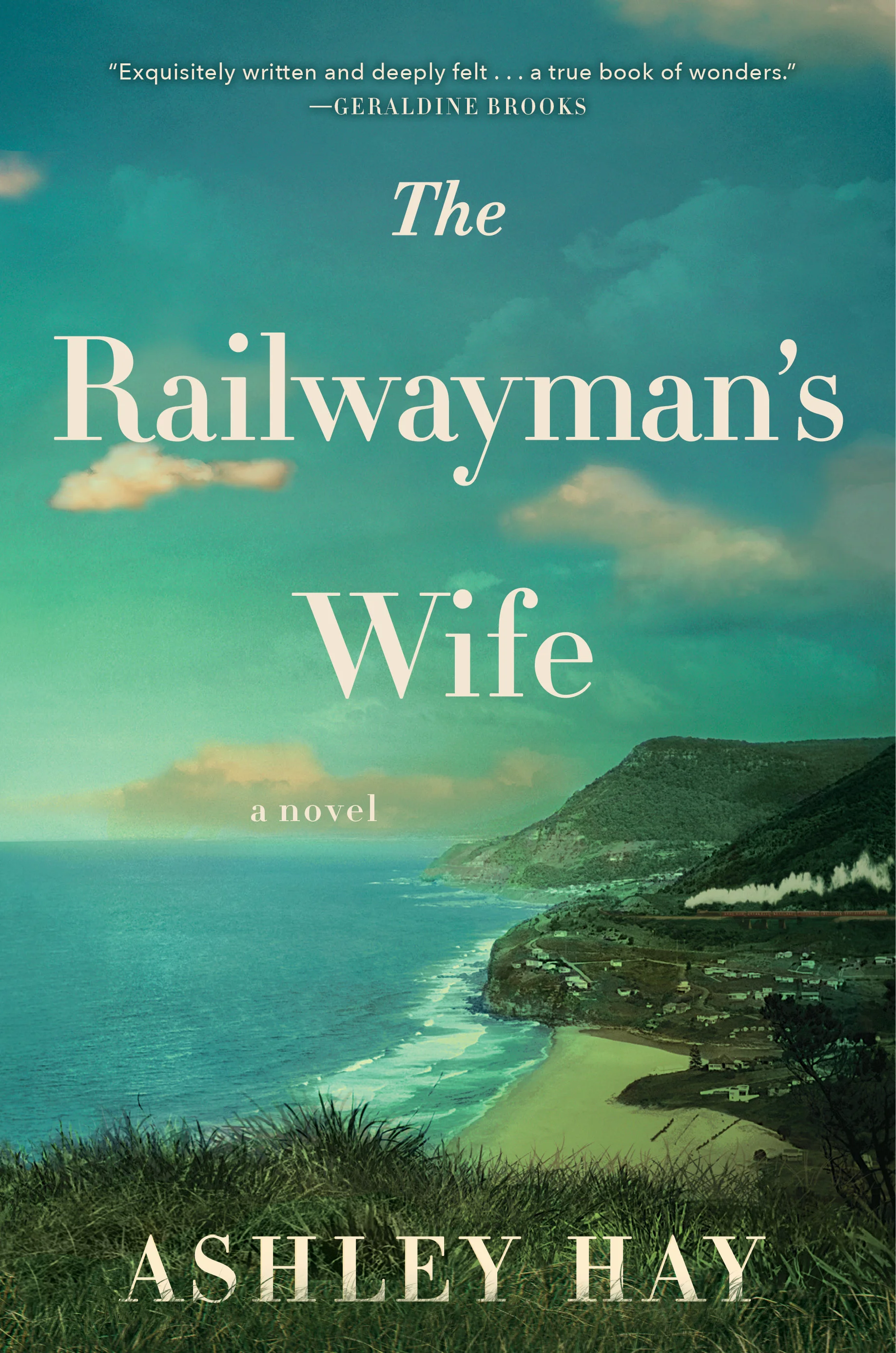
One of the questions I’ve been asked most regularly about The Railwayman’s Wife is why its main character, Ani, goes to work in a library. In truth, this is because the real story that inspired the novel dispatched its widow to such a job—but the poetry of incorporating that fact into the imaginings of the novel, of placing books and reading and the magical space that libraries offer up at the center of the narrative, was irresistible.

Libraries have always seemed to me to be places of infinite promise, infinite respite (or escape), infinite inspiration and infinite potential. They shimmer with the excitement of the things you don’t know are housed along their shelves as much as the excitement of the things you go searching for in the first place.

The following books, which all feature different kinds of libraries and book collections, speak to the things we celebrate in reading and researching—or just the job of being near books—as much as to all that has been feared or suspected of text-based activities. In many ways, it’s a list of books about reading for readers, those dedicated people who are always adding to the bulk of their own libraries, real and/or imaginary, through the different stories they encounter and make part of their lives.

“The Library of Babel” by Jorge Luis Borges (1944) (published in Collected Fictions, 1998)
One of the two epigraphs I gave to The Railwayman’s Wife is from Jorge Luis Borges: “I have always imagined that paradise will be a kind of library.” It’s an echo of the first line from Borges’ “The Library of Babel”, in many ways the definitive metaphor for library literature. “The universe (which others call the library),” he begins, “is composed of an indefinite, perhaps infinite, number of hexagonal galleries.” His narrator travels on through the history and justification of this library, which has always seemed to me to perfectly describe the infinite variety of stories – each book, in a way, a new universe in and of itself.

FARENHEIT 451 by Ray Bradbury (1953)
Ray Bradbury’s futuristic novel is named after the temperature at which paper was thought to ignite. Its main character, Guy Montag, is a fireman – one who burns down houses that contain books. But as Montag watches one woman choose to stay – and burn – in her house, with her library, he begins to think more on these volumes he’s instructed to destroy. More than sixty years on, it’s a stunning and powerful thing: a kind of hymn to books and to the magic in “what books say, how they stitched the patches of the Universe together into one garment for us”.

THE PEOPLE OF THE BOOK by Geraldine Brooks (2008)
Geraldine Brooks’ third novel imagines the extraordinary and repeated rescue of one very particular Jewish text – the Sarajevo Haggadah; doubly rare for including illustration – in Venice in the 15th century; and twice, then, in 20th century’s wars. It follows the story of Hanna, an Australian conservator assigned to work on its preservation in Sarajevo, and spins its tale through the delicate detritus associated with the manuscript: a hair, a missing clasp, the preserved remains of a butterfly. In this article for the New Yorker, Brooks wrote the extraordinary real-world story of the text and its preservation from the Nazis by the chief librarian of the Sarajevo National Museum – and then, fifty years later, during the Siege of Sarajevo.

POSSESSION by A. S. Byatt (1990)
S. Byatt’s magnificent and much-lauded Possession, her fifth novel, opens with a scruffy sort of scholar, Roland Michell, holed up in the famous London Library, his ”favourite place … shabby but civilized, alive with history but inhabited also by living poets and thinkers who could be found squatting on the slotted metal floors of the stacks, or arguing pleasantly at the turning of the stair”. There to research the small, footnote-ish life-pieces of a famous Victorian poet, Randolph Henry Ash, Michell discovers two letters between Ash and an unknown correspondent and a mystery unfolds. The story – warm, fast, and utterly engaging – chases both the 20th century story and its 19th century precedent, highlighting again and again the extraordinary conversations possible between writers and their readers, across a day, a week, a century.

A HERO’S GUIDE TO DEADLY DRAGONS by Cressida Cowell (2007)
My seven-year-old son and I are reading through Cressida Cowell’s fantastically fabulous Dragon series moment, and recently reached this sixth book of her stories about a small Viking anti-hero, Hiccup Horrendous Haddock the Third. One birthday, Hiccup finds himself on a nightmare quest to steal a book from the utterly off-limits Meathead Public Library. This library – a labyrinth of Borgesian dimensions – is guarded by everything and -one from the Hairy Scary Librarian to nests of driller dragons and the tiny, nippy awfulness of piffleworms. I do get emotional about libraries, I confess, but when we reached the book’s ending – victory, of course, and the restitution of the library to its true public status –Cowell’s story made me weep in the best sort of way. I love these books.

MATILDA by Roald Dahl (1988)
I grew up with Roald Dahl’s Charlie and the Chocolate Factory and James and the Giant Peach, but I must have considered myself too grown-up (at 17 …) to read Matilda when it was released. I discovered it earlier this year – the story of one delightfully clever little girl (precocious, perhaps, more in the biological sense than in the snipey way we usually use that word) and her quest to read and to learn. Before her salvation by – and of – Miss Honey, the loveliest teacher, Matilda keeps herself going with daily trips to the village library, reading a miscellany including Dickens, Jane Eyre, The Grapes of Wrath and Animal Farm before she’s five. I was never that advanced, but Matilda made me remember the unmitigated wonder of being taken to the Thirroul Public Library as a child and realizing that I could borrow, and then read, anything I found there on its shelves.

THE NAME OF THE ROSE by Umberto Eco (1980)
By the time he died, earlier this year, Umberto Eco’s first novel – a detective story set in a monastery in 1327, with a library at its heart in every sense – had sold more than fifty million copies in dozens of languages. Medieval gumshoe, William of Baskerville, and his attendant, Adso of Melk, are originally dispatched to a Benedictine monastery in northern Italy to investigate charges of heresy when a series of seven deaths unfolds before them instead. At the book’s heart sits a blind librarian – Jorge; a tribute to Borges, and William’s nemesis, who oversees both this labyrinthine place and its story. The bibliophilic means of death at play in at least one instance will take your breath away.

“Book Burial” by Rodney Hall (in Silence, 2011)
In the pages of Rodney Hall’s Silence – an exquisite collection of short stories and other fictional meditations – lies this arrestingly delicate story of the interring of millions of books after the fall of the Berlin Wall in a series of vast holes “around appointed garbage dumps, around abandoned gullies and hand bomb craters left over from that old war so disastrously lost”. It’s a huge operation, “carting the books off to a truck in the street. With them goes the breathable air. Leaving only dust.” The book’s closing Notes nod to Wolfgang Borchert’s 1946 play The Man Outside; the moment when the East German parliament accepted that it could no longer afford to patrol the Berlin wall; and “the attempted burial of communist ideology [that] followed”. In many ways, Hall’s story is a perfect next-century companion for Bradbury’s 1950s novel.

THE INCREDIBLE BOOK-EATING BOY by Oliver Jeffers (2006)
Oliver Jeffers’ charming picture book is about a boy called Henry who one day – and quite innocently – takes a nibble from a page. Astonishingly, he absorbs what’s written there by a kind of osmosis, and his appetite is well and truly whet. Henry munches on through “story books, dictionaries, atlases, joke books … even maths books”. And one of my favourite illustrations shows a stern librarian brandishing a nasty list of overdue items: “you owe a total of … ”. In the end, too much knowledge merely muddles itself (“two plus six equals elephant,” is the best poor Henry can manage), and he switches to nibbling broccoli instead – and realizing you can actually learn what’s in books by reading them, rather than consuming them any other way. (Although our hardback does have a quite suspicious bitemark on its cover … )

ON READING by André Kertész (2008)
A friend told me about this beautiful collection of images by Hungarian photographer André Kertész when I was imagining The Railwayman’s Wife, and the perfect stillness of the readers in its images – particularly of one poised on a ladder at the Académie Française, already lost to the book he’s just pulled from the shelf – gave me the idea for my book’s opening scene. What each image captures so perfectly is the way readers disappear entirely from the real world in which they sit – oblivious to their own space; their own setting – and into the world of the pages they hold. Olden-day sailors heading to uncharted oceans said they were sailing out of the world, and these readers are on the same sort of trip.

THE LIBRARY AT NIGHT by Alberto Manguel (2006)
I’m writing this in the dead of night in a room with a lining of books. There’s something snug and comforting about the 4am dimness, the quietness of the world, the myriad shelved stories I might pick up and jump into … if I still can’t get to sleep in half an hour. The Library at Night, one of several volumes by Argentine-Canadian writer and anthologist Alberto Manguel that celebrates the best of bibliophilia, is nearby, and I skim through it to remember the various answers it gives as to why we assemble libraries at all: libraries as myth, as chance, as oblivion, as island, as identity, as home, are among some of the options Manguel explores. “The truth is,” he confesses, “I can’t remember a time when I did not live surrounded by my library. By the age of seven or eight, I had assemble din my room a minuscule Alexandria …”

THE ENGLISH PATIENT by Michael Ondaatje (1992)
I would read Michael Ondaatje at all times; I would find a way of bringing him to any sort of list. But a list of books with libraries delivers me straight back to this beautiful moment: in the pretty hills of Tuscany, a war is trying to end. A burned man is trying to die. And his nurse, Hana, stands in the library of their evacuated villa, playing a tune on its piano: when I take my sugar to tea. Enter Kip, a sapper, alert to the idea of bombs hidden in clocks, in apple trees, in library books, in piano’s metronomes. He returns later to the library to scale its walls to the ceiling as he works to cut the fine fuze he’s traced up to its hiding place up high behind the valance. Ondaatje’s novels always shimmer with the perfection of a whole that exceeds their exquisite parts, and his lines are light with poetry.

BOOK LUST by Nancy Pearl (2003)
When I was growing up, I wanted to be a librarian. I stuck tiny date-due cards in all my books, and I stamped them in and out for all my toys. I dreamed of being a helping librarian, not a shushing one (although the shushing had a bit of authoritarian appeal) and of wearing a lot of cardigans. By the time the Nancy Pearl phenomenon arrived – NP being the Director of the Washington Center for the Book – my textual life had taken me off to the writing side of the fence (cardigans still de rigueur). Nancy Pearl embodied much that is fabulous about librarianship, and her two Book Lust volumes are like precursors of today’s bibliotherapy craze – the first one encompassing every reading experience from “… My Name is Alice” (suggestions by writers including Alice Adams, Alice Munro, Alice Sebold and Alice Walker) to “books that are simply about nothing. At All. Zero. Zip” (including Charles Seife’s Zero and John D. Barrow’s The Book of Nothing.) Even better was the Nancy Pearl Action Figure, complete with raised and shushing finger. I still have mine; it makes my aspirant librarian’s heart soar.

THE DISCWORLD BOOKS (1983-2015) by Terry Pratchett
I’m yet to leap into Terry Pratchett’s mighty forty-plus Discworld series – perhaps it’s where my son and I will head when we’ve come to the end of our travels with Cressida Cowell’s Hiccup. But one of the reasons I can’t wait to be there is the library, the fabulous library, one of the most magical features of its Unseen University. The library is tended by The Librarian (only one wizard knows his real name, and he’s promised never to reveal it) who, some time ago, was transformed into an Orangutan and has undertaken his job in that guise ever since. The library has endless shelving (some of which are Mobius shelves); a dome which is always overhead, no matter where you are; and the magical element “L-space”, that apparently connects the space-time of all libraries. Frankly, I can’t wait...

About the Author

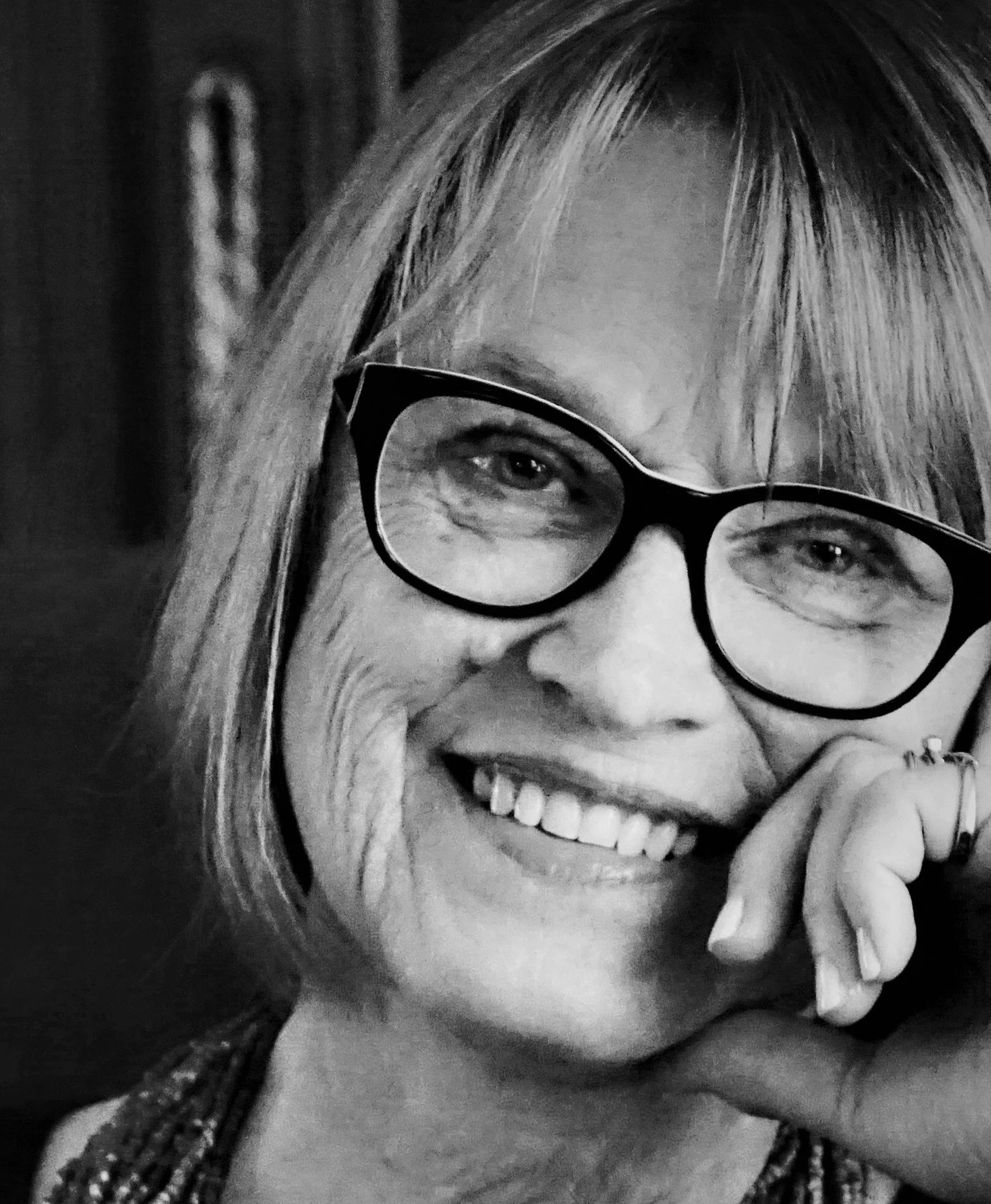
Ashley Hay is the internationally acclaimed author of four nonfiction books, including The Secret: The Strange Marriage of Annabella Milbanke and Lord Byron, and the novels The Body in the Clouds and The Railwayman’s Wife, which was honored with the Colin Roderick Award by the Foundation for Australian Literary Studies and longlisted for the Miles Franklin Literary Award, the most prestigious literary prize in Australia, among numerous other accolades. She lives in Brisbane, Australia.

About The Railwayman's Wife
In 1948, in the strange, silent aftermath of war, in a town overlooking the vast, blue ocean, Anikka Lachlan has all she ever wanted—until a random act transforms her into another postwar widow, destined to raise her daughter on her own. Awash in grief, she looks for answers in the pages of her favorite books and tries to learn the most difficult lesson of all: how to go on living.

A local poet, Roy McKinnon, experiences a different type of loss. How could his most powerful work come out of the brutal chaos of war, and why is he now struggling to regain his words and his purpose in peacetime? His childhood friend Dr. Frank Draper also seeks to reclaim his pre-war life but is haunted by his failure to help those who needed him most—the survivors of the Nazi concentration camps.

Then one day, on the mantle of her sitting room, Ani finds a poem. She knows neither where it came from, nor who its author is. But she has her suspicions. An unexpected and poignant love triangle emerges, between Ani, the poem, and the poet—whoever he may be.

Written in clear, shining prose, The Railwayman’s Wife explores the power of beginnings and endings—and how difficult it can be to tell them apart.