Q&A with Melanie Dickerson, The Orphan's Wish

71pR6EFJ7UL._US230_.jpg

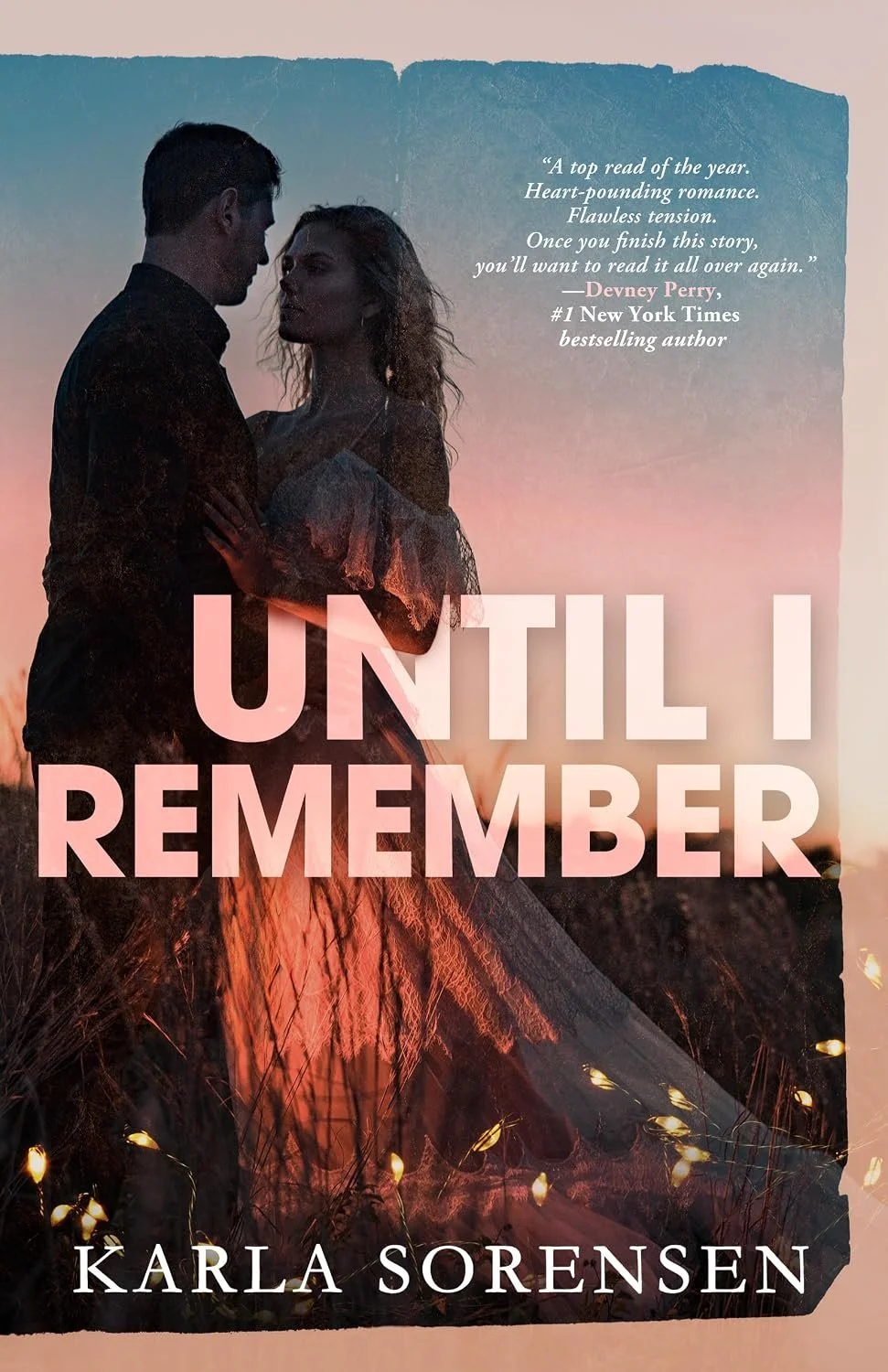
What is your process of choosing and then determining the best way to rebuild a fairy tale each time?

Melanie: It’s a little different with each story. If it’s the first book in a series, I start out with the fairy tale, then build a story around it using the elements I like most about the fairy tale. Otherwise, I start out with a main character who was a minor character in a previous story. Then I pick out a fairy tale that seems to work with that character’s situation and personality. It’s fun to take elements from the familiar story and twist them, or bend them to fit my own setting. I try to use as many familiar aspects of the fairy tale as I can.

What inspired the story in The Orphan's Wish?

Melanie: I was inspired by the Aladdin fairy tale as well as by my character, Kirstyn, who was one of the Gerstenberg children. She had been very quiet and unassuming in the other stories, so I had to think about why she was quiet and how her childhood had shaped her personality. I was also inspired by the character of Aladdin in the Disney movie as well as the traditional story, because he was so determined to win Jasmine’s heart. What would motivate my Aladdin to be so determined? What would that look like if there was no magic lamp.

If you would like to read and extended excerpt from the book, visit here.

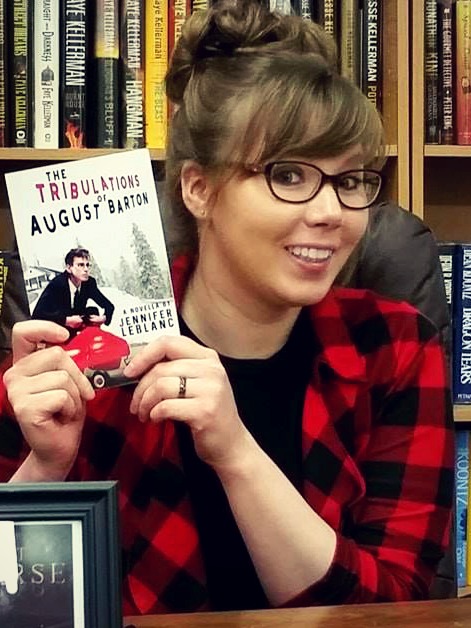
Q&A with Jennifer LeBlanc, The Tribulations of August Barton

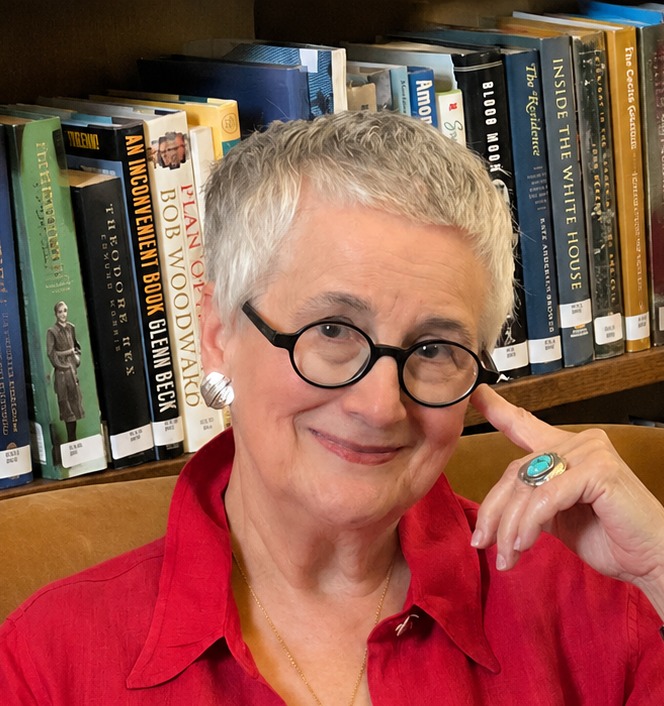
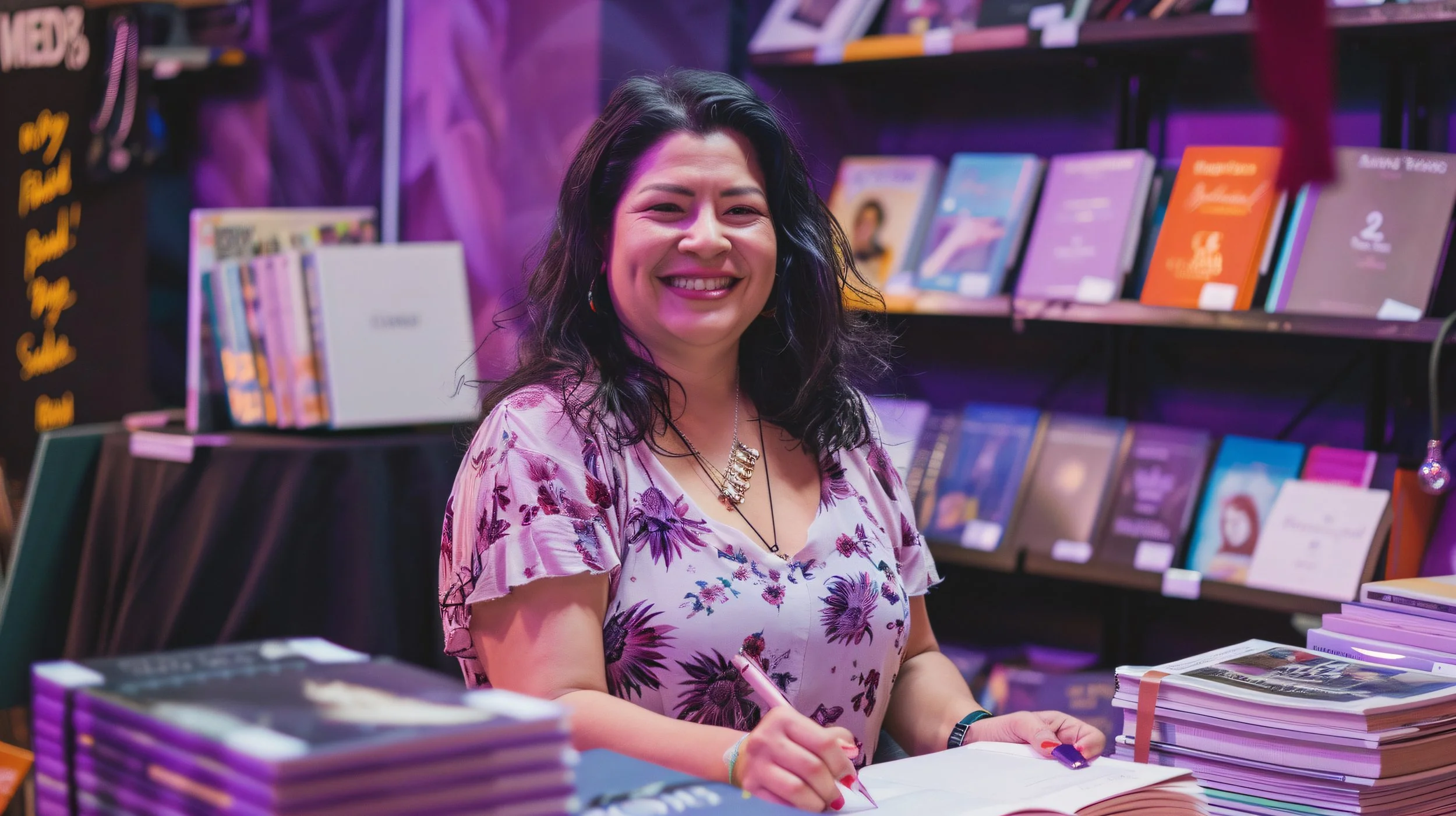
cropped.jpg

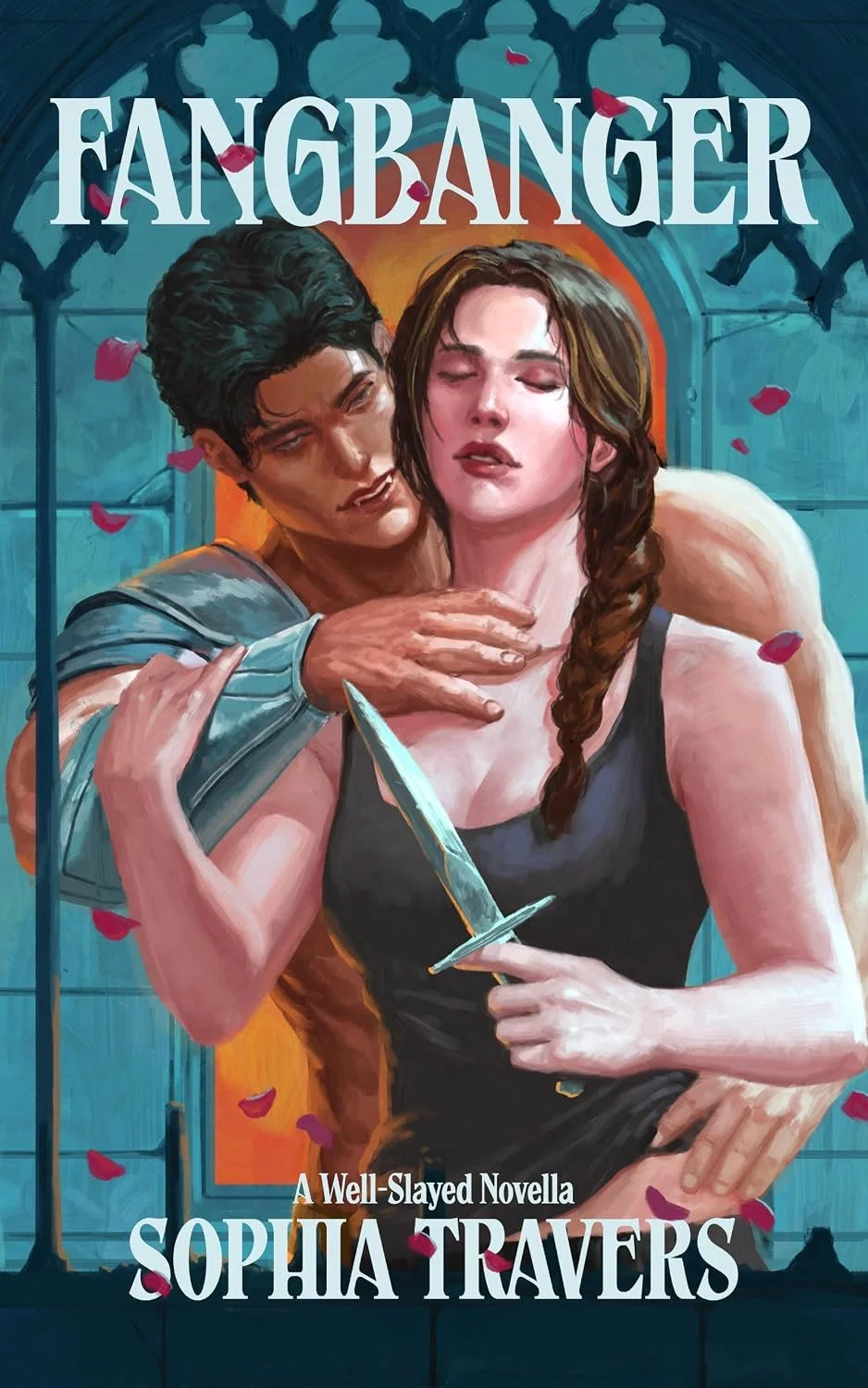
Do you believe certain types of writing translate better into audiobook format?

It really depends on the writing style. Having it read out loud and brought to life is an amazing thing. Your characters become more real and the reader gets to become more immersed in your story. With that said, if the writing isn’t something that sounds good when read aloud it might not translate as well into audiobook format. This is why choosing the right narrator is so important because translating what's in your mind and your story the way you see it in your head is difficult. Details and certain things like character quirks and the tone need to match what you are trying to convey to the reader in your story. If the writing is flat and has no life or is too bland, it will be bland and flat when read aloud. I have listened to several audiobooks with the same old monotone narrators that try to make the story interesting, but don’t, because the writing isn’t interesting or the story isn’t written in an interesting way. On the flip side of that though I have also heard ones where the narrator works wonders for even the most boring and flat writing so it goes both ways.  

Was a possible audiobook recording something you were conscious of while writing?

Yes, I definitely anticipated getting my book made into an audiobook early on in the process. Because of this, I wrote the story the way I would want to hear it. It was like I was watching a movie in my head and when writing, I wrote how I would want the movie to play out. I thought about what reactions people would have if a character said or did something more interesting. This helped give my characters more individuality and spunk. They weren’t just people put together as a means to an end in the book. They became so much more and it’s definitely something you can hear in the audiobook.

How did you select your narrator?

This part was scary because I knew what I wanted for the characters and how I wanted them to sound, but to find someone who could do them, and the story justice seemed really daunting. I did a search on the audiobook production platform and came across James Oliva’s profile. He conveniently had samples of his previous work available to listen to. I listened to each one several times and I just couldn’t believe the range he had as a voice actor. I was hooked and just knew he was the one. From there I sent an offer and he gladly accepted. I feel like it was just meant to be because I found who I believed was the perfect narrator on the first try. That never seems to happen and I feel so blessed to have worked with and to continue working with him.

How closely did you work with your narrator before and during the recording process? Did you give them any pronunciation tips or special insight into the characters?

For some of the lines yes, but for Augie he just had it. He sounded young and skittish and weird and that’s exactly what I wanted. It was the same with Gertie and for the most part all the others aside from a few things here and there that were easy to fix.

Were there any real life inspirations behind your writing?

Yes, I have always been socially awkward and at times never really felt like I was confident or even comfortable in my own skin. This is a characteristic that I gave to my main character Augie because it stems from me and how I was at that age. I have also always had a special relationship with my grandmother and she’s been one of the most influential people in my life. I wanted to write a story that portrayed that relationship even though my grandmother is the complete opposite of Augie’s in many ways.

What about the audiobook format appeals to you?

I really loved audio books as a kid because they essentially taught to me how to read better and how to pronounce words that I didn’t know how to. They helped me understand the tone and get into the story better. I would always get the cassette tapes from the library and then follow along with the physical book. I still listen to them here and there on occasion without the physical books. Some of them are great and others don’t grab my attention as well. It really depends on the narrator. I don’t listen to audiobooks very much anymore, but I do like them.

Is there a particular part of this story that you feel is more resonating in the audiobook performance than in the book format?

All of it, in my opinion the whole experience of listening to it brought so much more emotion out and so much more appeal for the characters. They become more real and relatable and I can’t thank James enough for the work he put into making my audiobook so great.

What bits of advice would you give to aspiring authors?

Talk to other authors if you can and connect with the writing community, whether it be local or reaching out online. Having the support of other people in the same boat helped me immensely through this process. The knowledge and advice of other readers, writers, and authors is invaluable whether it’s good or bad. Everything helps. Learn as much as you can. Do research on self-publishing and traditional publishing and most importantly READ! To become a good writer, you must first become a good reader.

Do you have any tips for authors going through the process of turning their books into audiobooks?

Be diligent in selecting your narrator and make sure they will be a good fit for your book. Also be patient with your narrator, once you have chosen one, because they have a lot more work they have to do behind the scenes than we see or know about. There’s a lot that goes into recording and editing the content in your book. It’s a process and it takes time. It’s not an easy feat by any means and is more than worth it in the end.

What’s next for you?

Publishing book two in the August Barton Novella Series titled, The Revelations of August Barton. Once the paperback and ebook are out, James has graciously accepted the task of narrating the audiobook for this one as well. I can’t wait to dig in and get it out there for all the readers and listeners. Once Revelations is released, I plan on doing more author events around where I live and doing some more marketing.
Q&A with Stephen Paul Sayers, author of A Taker of Morrows

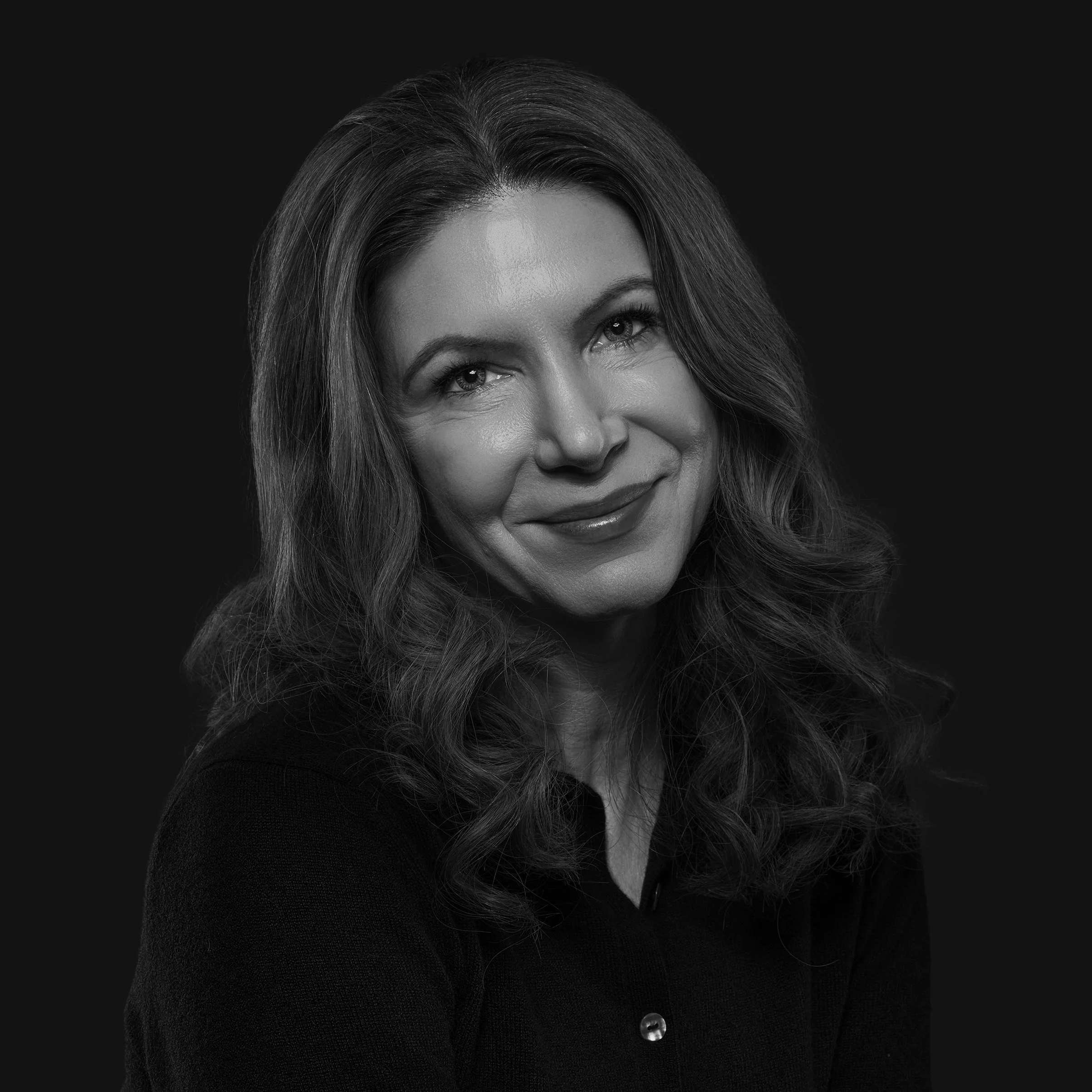
Stephen Paul Sayers (web).jpg

What’s your new novel, A Taker of Morrows, about?

It’s about a man who’s visited by a stranger, who tells him he’s got twenty-four hours to live. You see, deaths are scheduled and schedules must be kept. In his desperate attempt to stay alive, he discovers the world isn’t what he thought it was, that it’s actually a battleground between the forces of good and evil from the afterlife, a place where ‘caretakers’ protect earthly souls and ‘jumpers’ prey on them…and now he’s become the prey. And if he’s to keep himself and his family alive, he must straddle the boundary between worlds and face the secrets of his past.
 
In a broader sense, it’s really a story about the nature of life and death, and the eternal price paid for what we carry in our souls.

What inspired you to be a writer?

I never set out to be a writer, but after a challenge from my daughter, Kaylee, I decided to write her a novel. I figured I’d write something for her, give it to her some holiday or birthday, and it would collect dust on her bookshelf. But when I started writing, a switch turned on inside me, something I’d never felt before, igniting a passion I didn’t know I had. It helped me finally figure out what I wanted to be when I grow up.
But more importantly, it has solidified a real bond between my daughter and me. She’s an amazing writer who has a full length novel under her belt at age seventeen. We now have this shared thing we do together. We talk about story ideas, read each other’s work. She gave me this great idea in A Taker of Morrows that became a key to the series in my opinion. So, she’s my inspiration.

Why do you write in the genre that you do?

My brother and I watched horror movies all the time when we were kids. I think the 70s and 80s were a golden age of horror movies – and we got really into it. That’s also when I discovered Stephen King, and I read just about everything he wrote. That was my base, and no matter what different literary roads I may travel, I always veer back into the genre. Even the horror books I read today transport me back to childhood and reignite those feelings again.

What do you enjoy reading and who are your favorite authors?

I have so many authors I love reading in so many genres. I grew up on a steady diet of Stephen King and Peter Straub, so I got a good horror base. I’m also a big fan of a new generation of horror writers, Joe Hill, Paul Cornell, J. Lincoln Fenn, and Paul Tremblay, so I definitely get my fill. I also love writers of suspense and thrillers, especially Jo Nesbo, Dennis LeHane and Randy Wayne White. I’ve recently discovered Melissa Lenhardt’s “Jack McBride” mystery series, which sort of borders on chick lit, and yet I really like it. So, bottom line, I read just about anything.

What do you hope your readers will take away from your work?

Horror and thriller fiction should be entertaining, number one. I want readers of my work to feel as if the time spent between the pages was a good investment. If they can escape from their world for a few hours, connect to my characters, and feel like they’ve made some friends they’re going to miss when they turn the final page, then I’ve done my job. 

On a lighter note, what are the top five things on your bucket list?

Hopefully, I’m not in ‘bucket list’ territory yet, but here goes:
        1. Cage dive with the Cape Cod great white sharks
        2. Stroll across the Abbey Road crosswalk
        3. Drive to Graceland in an RV
        4. Own a 1967 Mercury Cougar XR7 convertible
        5. Gain the advantage over my Gibson SG


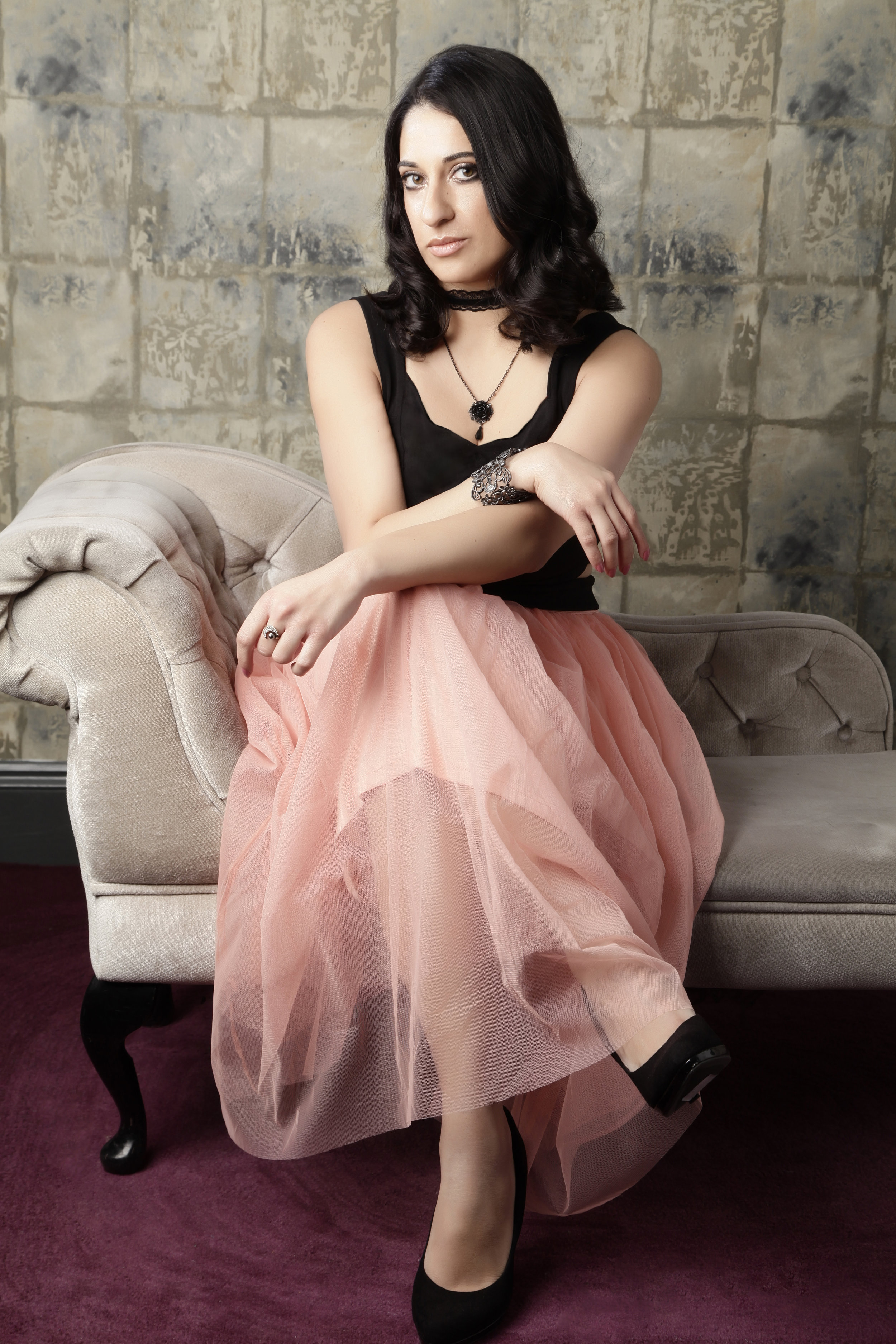
Interview with Skye Warren, Survival of the Richest

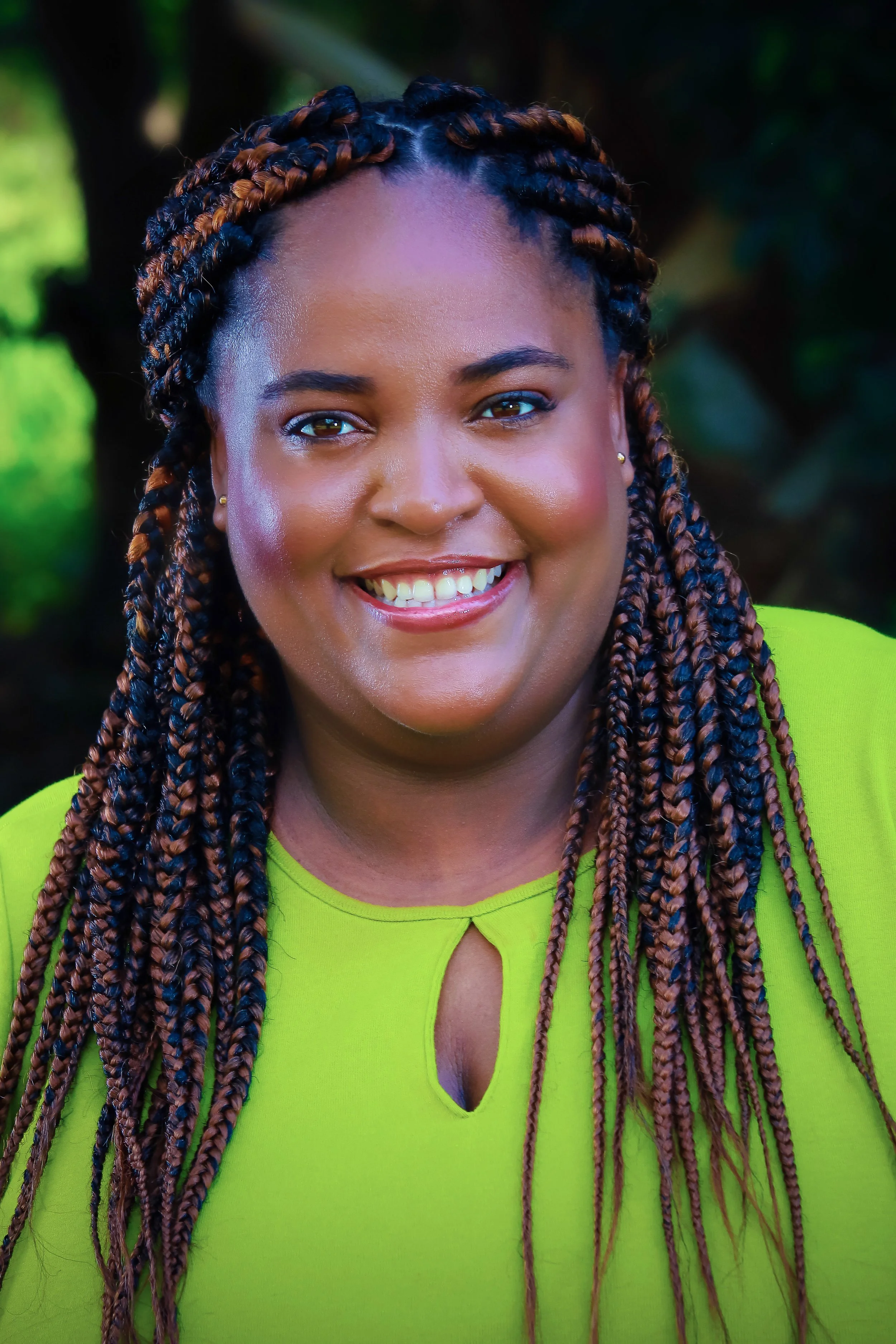
Skye.jpg

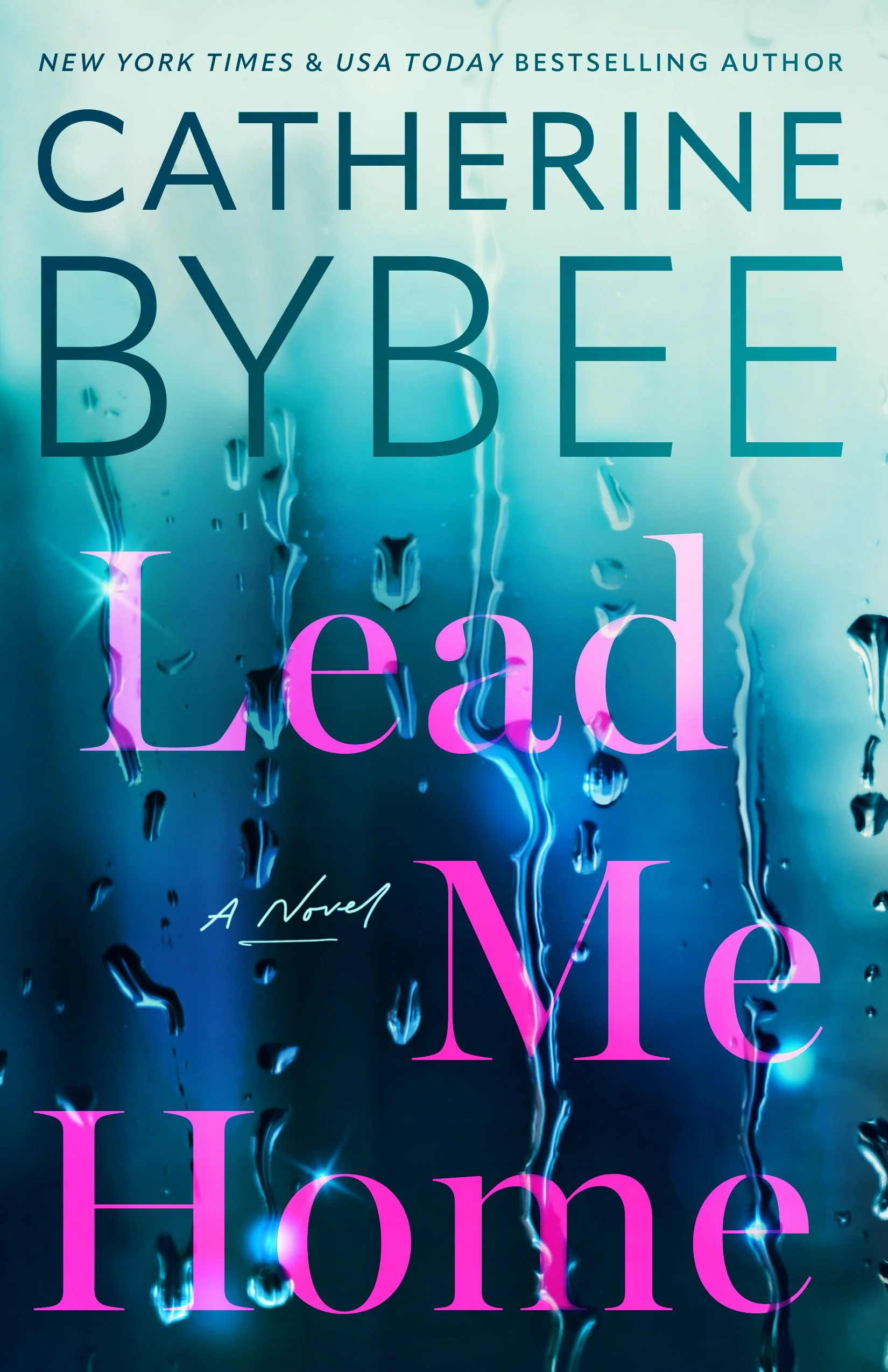
I’m Skye Warren, New York Times bestselling author of dangerous romance. And I’m excited to be here today chatting about my brand new release SURVIVAL OF THE RICHEST!

Can you tell us what Survival of the Richest is about?

It’s a sexy love triangle about an heiress and the two billionaires who want her! We meet Harper St. Claire when she’s still a teenager and has a love-hate relationship with her stepbrother. Only when she’s a grown up does she fully come to terms with her desire for him… but that’s when she meets another man who’s determined to claim her himself. SURVIVAL OF THE RICHEST is about the love and money and finding what you want while risking everything you have.

What made you decide to write a love triangle?

I love a challenge, and a true love triangle in which both men are viable options is something I’ve never written before. It made perfect sense for Harper St. Clare, an heiress with complex feelings toward men in general—that she would seek a man who isn’t emotionally available for her and be lured by a man who is forthright in a way she’s never met before. Only once she’s let herself surrender to love itself will she overcome her past, which is why she needs a love triangle story.

What was the hardest part about writing Harper’s story?

The essence of writing a love triangle is that half of the readers will end up disappointed, if they want the man who isn’t chosen! However it’s also part of the allure of the book… unlike a book where the ending is determined, both the journey and the final destination are unknown. It’s not for readers who are faint of heart! Or authors who like to please their readers, which I usually do!

I hope you love reading SURVIVAL OF THE RICHEST!

An heiress without a cause.
Two billionaires determined to claim her.
And a war fought on the most dangerous battlefield--the heart.

"What an incredible book! Survival of the Richest has everything -- Skye Warren's beautiful writing, a sexy, compelling story; intricate characters, and a provocative love triangle that will captivate you until the very end." ~ New York Times bestselling author Nina Lane

My story starts with a plunge into the cold water of Manhattan's harbor.

A strong hand hauls me back onto the deck of the luxury yacht. Christopher was supposed to be my enemy. Instead he protects me with fierce determination.

That should have been my happily ever after, but then Sutton appeared--ruthless and seductive. He doesn't care that my heart belongs to someone else, because he's determined to win. No matter the cost.

It's an impossible choice, but I can't have them both.
 

Q&A with Shalini Dua, The Secret Lives of Royals

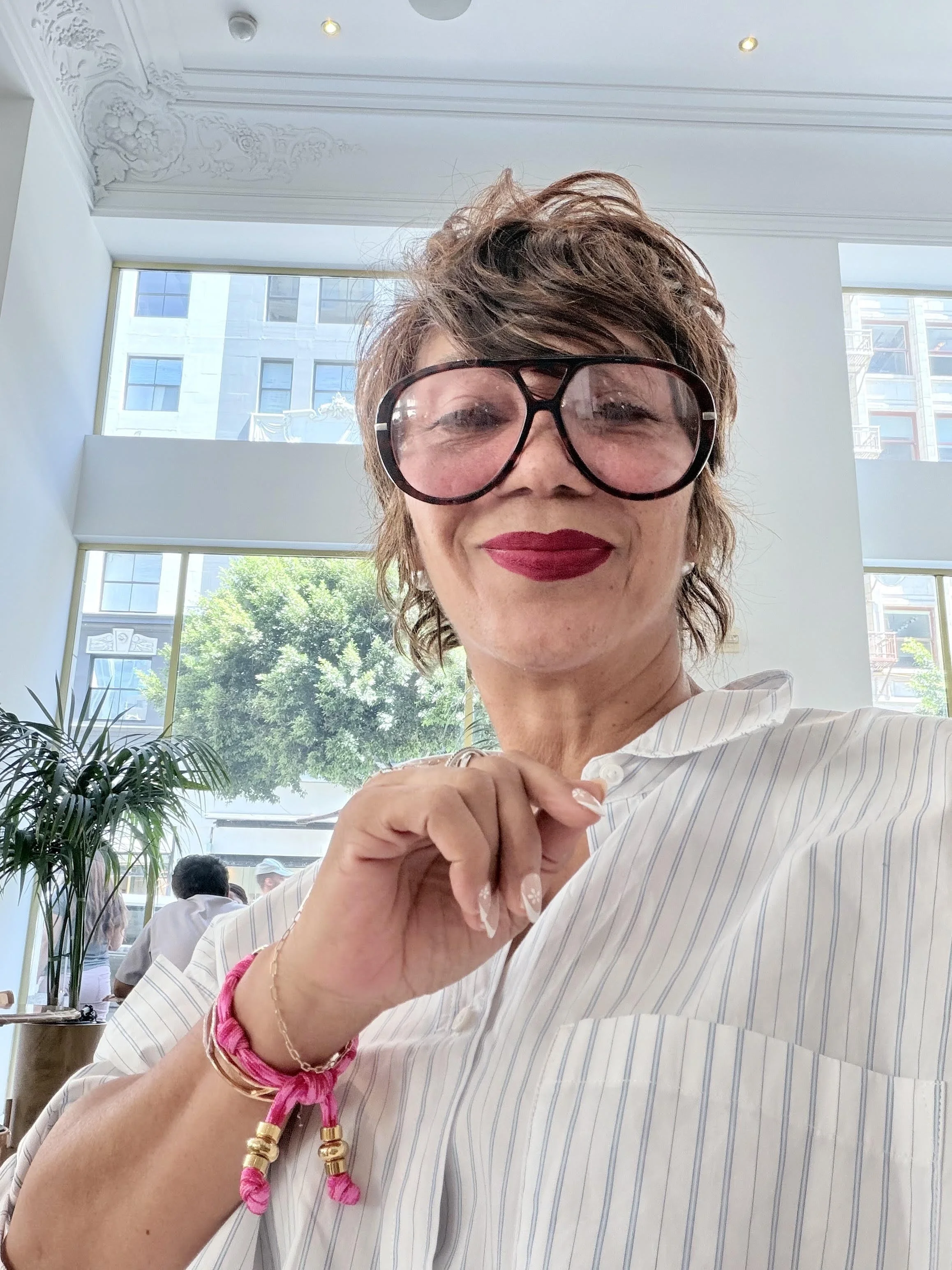
SD_author.jpg

What was your biggest inspiration while writing your book?

All of my travels, early history lessons from schooling in London and pop culture.

Which character in your book was most challenging to write about?

Alex and Connor. I was as torn between them as Olivia is.

Which authors have most influenced your writing?

Sophie Kinsella, Lewis Carrol, Emily Brontë, R. M. Drake, F. Scott Fitzgerald, Dorothy Parker, Sylvia Plath

What is your favorite scene in your book?

When Alex and Olivia discover the castle together. I love that they recapture the love they had when they were younger and pick up where they left off.

What did you want to be when you grew up?

Always a writer. And someone who got to travel for work.

What is your favorite book of all time?

It’s a toss up between Alice in Wonderland and Wuthering Heights

Describe your writing style in three words.

Haphazard, coffee-fueled, madness

Any recent works that you admire?

Anything by R.M. Drake, Nikita Gill and Atticus
The Rules of Magic by Alice Hoffman

What is your writing process? 

I drink lots of coffee. Assemble my snacks. Make a playlist. Surf the internet. Wander around the house. Plan a vacation. Think of several errands that just can’t wait. Eventually sit down to write just as I’m supposed to be going to bed. 

Guest Post by Maddie Dawson, Matchmaking for Beginners

Maddie-Dawson_72dpi-211x300 (1).jpg

I come from a family of outrageous storytellers. If everything I was told as a child was true, it’s a wonder that there isn’t an entire wing of a penitentiary somewhere dedicated to just my family members. We’d have had to hold our family reunions there.

Some examples: My newly married grandmother shot her young husband with a pistol when he scared her by coming home unexpectedly from a business trip in the middle of the night, and—BAM! Missed him by this much. He lived, but they got a divorce anyway, and two marriages later, she ended up with a man who had stolen somebody else’s identity and lived his life impersonating a wealthy businessman while he bilked thousands of people out of their life savings. Nice.

That’s just for starters. There’s also the story of Aunt Murtis who put a pillow over her husband’s face when he was dying of something or other. My aunt who, as a toddler, squatted down in the street as a big Mack truck came barreling toward her—but, haha, she was fine. She just squatted down and the truck tires missed her. And then there was the Air Force pilot who fell in love with my mother while she was married to my father, if you please, and stole a jet to fly over our house at a very low altitude. And, blah blah blah, the great-great grandfather who was said to have owned Cape Canaveral, but lost it in gambling debts.

True? One never knows, not with my family. I don’t think they even know.

It’s perhaps no wonder I grew up to be a fiction writer, aka someone who tells lies for a living. I was the quiet one, you see, listening and watching, taking it all in. It wasn’t until I grew up and moved away that characters started showing up in my head that were like the people I’d grown up listening to: people who were maybe a little bit crazy, a little bit brave, and who inhabited a world they were the champions of. They have much more daring than I have, these characters (and my relatives)—and yet at their center, as they are breaking hearts or having their own hearts broken, they are like me, yearning to make a connection, to be heard and loved for who they are, and to pass along their passion for life.

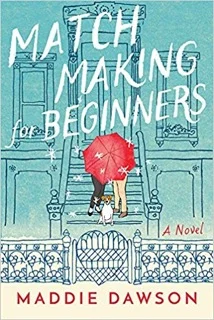
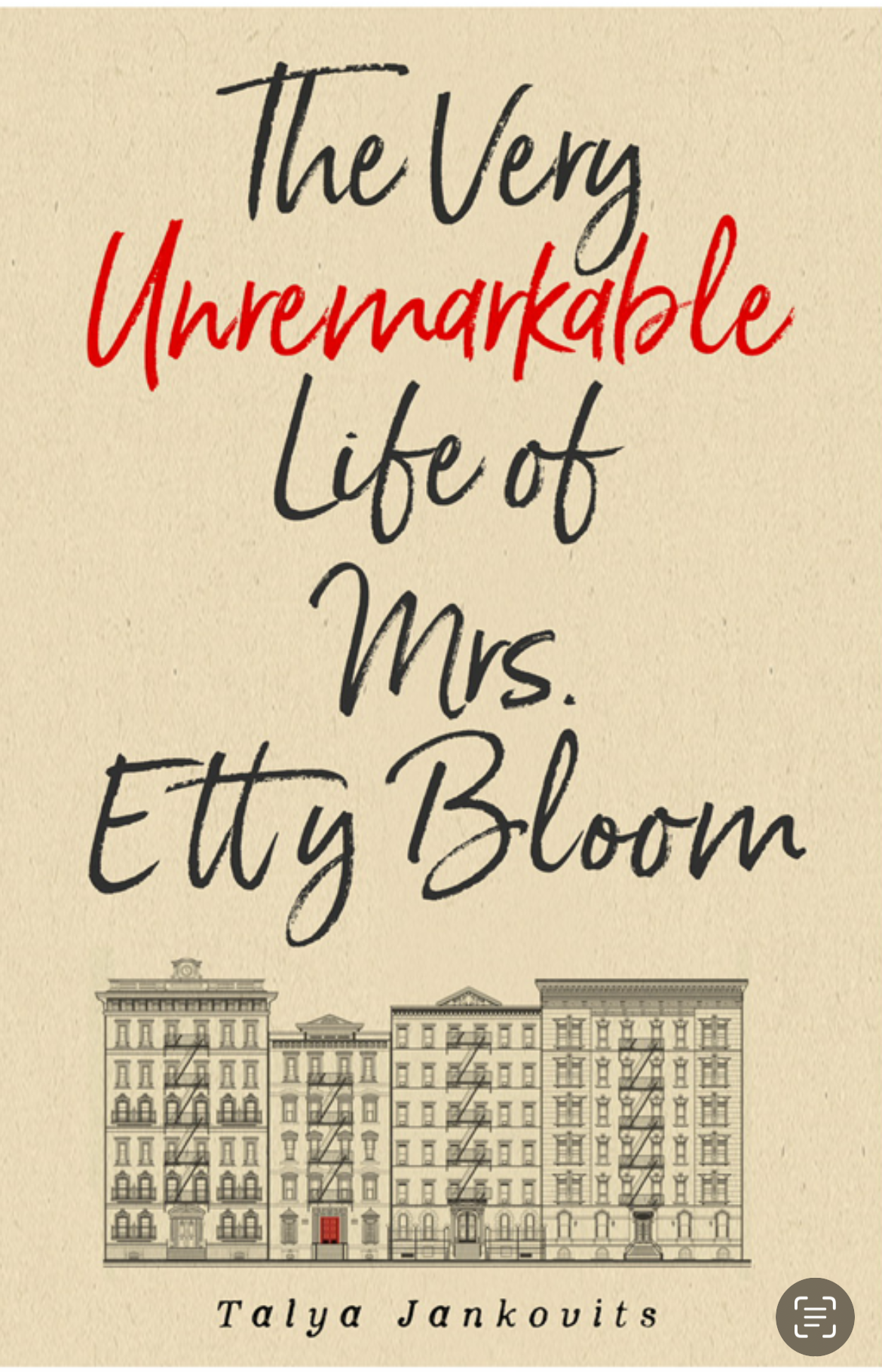
I run into traces of them whenever I write. A whiff of my grandmother (the one with the shotgun) showed up for my newest novel, Matchmaking for Beginners, becoming 85-year old Blix: a hellraiser who discovered her own, unrewarded talent for matchmaking and magic, and who wasn’t a bit scared of dying or worried about stirring up some love and trouble wherever she went.


“Hi, Grandmom,” I said. And she said, “Please. You know I hate that name. Call me G.G. for Glamorous Grandmother.”