Q&A with Mackenzie Flohr, The Rite of Wands

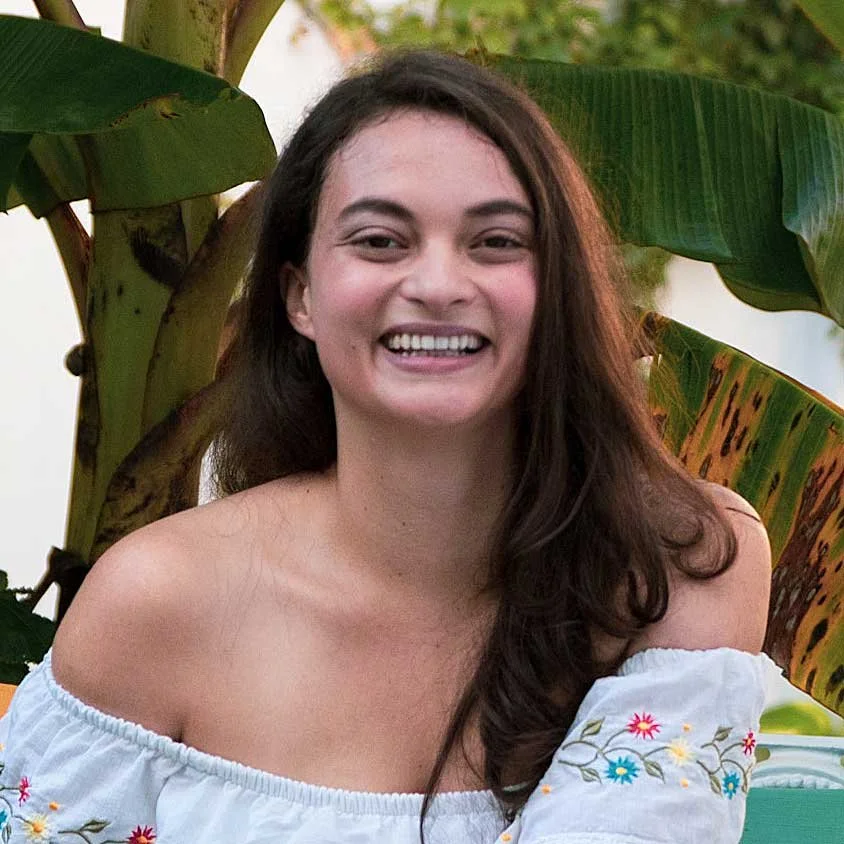
MackenzieFlohr.jpg

Tell us about the process of turning your book into an audiobook.

It wasn’t easy, believe me! In fact, if anybody would have told me I would go through 3 narrators before finally getting the whole thing recorded, I would have probably thought “yeah, right”. Normally making audiobooks isn’t difficult at all, but my project, you could say was...unique. However, it has opened up some wonderful opportunities to appear at Comic Con and various writing conferences to teach others about the process of making an audiobook and especially, what not to do (because I probably did them all!)

Was a possible audiobook recording something you were conscious of while writing?

Oh, absolutely! My ultimate goal is to have The Rite of Wands series become either a movie trilogy or a television show (preferably done by HBO or the BBC), so I definitely had the idea of an audiobook in the back of my mind when I was writing the first book.

How did you select your narrator?

When I was auditioning various actors, I wanted someone who could do an impression of Matt Smith (11th Doctor/Doctor Who, Prince Philip/The Crown) since my MC was written for him, as well as someone who could read/perform Scottish dialect. I was fortunate to come across two actors, who are the best Matt Smith impressionists on the planet, and one of them was available and approached ME after hearing about my project through Doctor Who Online.

How closely did you work with your narrator before and during the recording process? Did you give them any pronunciation tips or special insight into the characters?

I was very fortunate to be able to work as close as I was with Chris, considering he lives in England and I’m in America. I do have a day job where I work as a manager at a call center, but I also wanted to be available for him as much as I could. Not only so I could answer any questions he may have, but also because I honestly wanted the opportunity to get to know him a bit on a personal level, so I could get an idea of how it was best to get the project completed as smoothly as possible. (I can be overwhelming sometimes because I am so direct). I did provide him a character sheet with descriptions of the characters as well as a language guide. But as some of my spells don’t necessarily follow the mother language they came from, I had to occasionally provide some extra pronunciation help.

Were there any real life inspirations behind your writing?

Yes. As I mentioned above, I wrote the main character (Mierta McKinnon) for Matt Smith. There are personality characteristics of the character, which are similar to him, as well as some inside jokes, too. Other than that, there are some key elements Matt has stated he’d like to play in a character, and I’ll admit I did give Mierta some of those, with more to come!

Are you an audiobook listener? What about the audiobook format appeals to you?

Audio dramas. When I have listened to audiobooks in the past, the narrator has been so monotone, I’ve honestly fallen asleep. But then I got introduced to Big Finish Productions, and my love for audiobooks regenerated.

Is there a particular part of this story that you feel is more resonating in the audiobook performance than in the book format?

Yes, there’s a particular scene between two characters where one of the characters is near death, and the reaction of the second character just comes through as heartbreaking. I actually started crying the first time I heard it performed, which is strange for me because I’ve never cried at my own words before!

If this title were being made into a TV series or movie, who would you cast to play the  primary roles?

Mierta McKinnon

Jacob Dudman/Matt Smith

Orlynd O’Brien

David Tennant

Lochlann McKinnon

Tom Hiddleston

Queen Anya

Lily James

King Deor

Tom Felton or Toby Regbo


Do you have any tips for authors going through the process of turning their books into audiobooks?

Know what your budget is, determine where you want your audiobook distributed to, and, if you decide to do the 50% royalty share option with ACX, make sure that narrator actually honors the terms of the contract.

What’s next for you?

I’m currently finishing up my first draft of The Rite of Abnegation, which is the second book in The Rite of Wands series. Then, I’ll be working on a standalone novel called The Burning Man, which will be perfect for YA ghost hunting readers.

Q & A with Tabitha Rhys, Love, Music, Madness

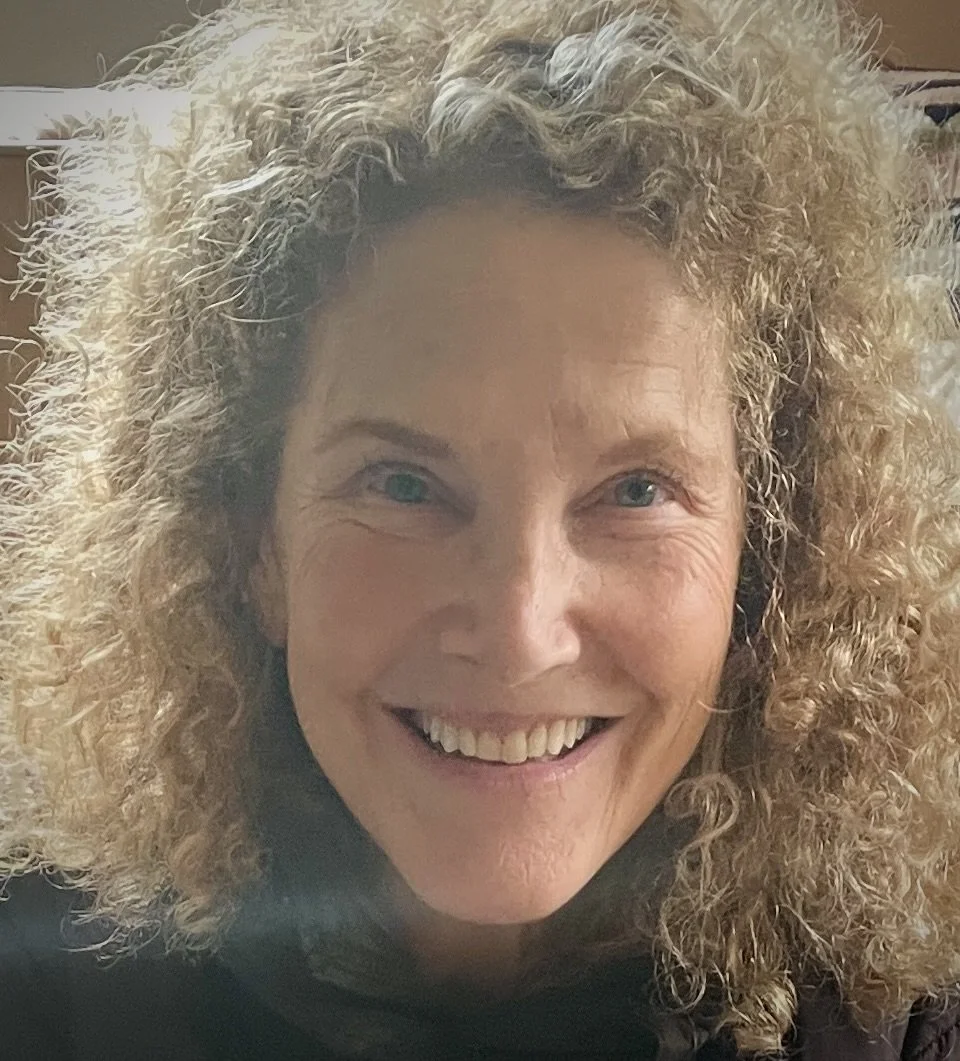
Tabitha.jpg

You used to tour as an indie musician. How much of the book is based on your experiences?

Although I have plenty of tour stories that I’ll tell someday, none of the situations in Love, Music, Madness actually happened. In fact, I started writing stories about early versions of the main characters before I ever wrote a song or performed onstage. The characters have been with me so long that they feel like friends, especially the protagonist Lawson and his fellow songwriter Jessa. While I was on the road, I’d imagine their adventures while I was trying to get to sleep after a show in a strange place. In a way, their world was an escape. At the same time, I drew from my experiences making music throughout Love, Music, Madness. That’s how I was able to describe what it feels like to build a song from the ground up, get in sync with another musician, and, yes, feel inspired by somebody who might just be bad for you.

What was it like playing music on the road?

It was amazing! I poured out my heart at every show and got rid of some personal demons. Music for me at that time was cathartic, even healing. I also saw a lot of the United States and met fascinating people. I’ve heard it said that going on tour as an indie musician means looking at the inside of a bar or club every night and not much more. That wasn’t the case for me. I used couchsurfing.com to find hosts and stayed with generous, hospitable locals who gave me a proper introduction to the cities and towns I stayed in. I ate barbeque in Memphis, hiked along the crater lakes in Oregon, tasted wine at a festival in Sonoma County, and so much more.

You acted in your book trailer. How did you decide to take on the role of the main character’s sometimes-love interest, Jessa Warlow?

I’m not an actor and Jessa is very different from me. And yet, I felt like I could play her simply because I “know” her so well. Believe it or not, I invented her in middle school. She was the main character of many of my stories back then, mostly because I liked that she was bold and unshakeable while I was timid and sensitive. Wardrobe helped with playing her too. To get Jessa’s look, I just skipped over my usual jeans and dug out the dresses in the back of my closet.

What is the song we hear in the background of your book trailer?

It’s called “California.” I wrote and recorded it especially for the trailer with my husband’s band, Stereium. We tried to make it sound like the songs I describe in the book. That, in itself, was an adventure.

Q&A with Cas Peace, The Kings Envoy Audio Book

AuthorPhoto2016.jpg

What inspired your book?

King’s Envoy, my first novel and the start of the entire triple-trilogy Artesans of Albia series, was inspired by a 1970s children’s TV show called “Tarot, Ace of Wands.” Tarot was a magician who used his special talents to solve crime, and this got me wondering what it would be like to be born with a special talent or power, especially if there was no one to teach you how to use it. This thought triggered a little scene in my head, which became the scene where my main male character, Taran, meets Major Sullyan for the first time.

How do you spend your free time?

I have two rescue Lurcher dogs, Milly and Milo, so I love going for country walks. I also love gardening and have a large collection of unusual cacti. Singing is another love of mine and I have written and recorded some folk-style songs that appear in my books. They can be found on my website, www.caspeace.com

What is the thing you struggle with the most while writing? And how do you defeat it?

Confidence that my writing is any good. I always write for myself, so having the confidence to show it to other people is a struggle. I’m always surprised when complete strangers like or identify with my writing, and that gives me a huge boost. All the lovely reviews I’ve received for my Artesans series, plus emails from fans, helped me overcome that initial lack of confidence. Now I just write what I want and don’t worry so much about whether it’s “good” right from the start. I know I can always edit and improve.

When did you first realize you were an author?

I never intended to become an author, I was only writing as a hobby, so I guess it was when I decided I had to take the plunge and show my first “real” piece of writing to my husband. He read it and really loved it, despite not being a fan of fantasy novels, and that gave me the confidence to send it out to agents and publishers. Although I received many rejections before finding my first publisher, I also received much encouragement and many personally-written comments. That’s when I realized these writing professionals were treating me as a serious author.

What kind of music do you listen to while you write?

I enjoy a wide variety of musical genres, and I love to choose music that suits what I’m writing. My Artesans series is set in a medieval-style world, so I listened to lots of medieval-style chants and plainsong while writing it.

What is your favorite part of writing?

I don’t ever plot my novels, so I love to just sit down (with a pen, I can’t type fast enough!) and simply write what’s in my mind, letting the ideas flow as they will. Then I really enjoy the editing process; going back over what I’ve written and polishing it.

What is the most important thing in your life and why?

My family. I very recently lost my father at the age of 92 and was so grateful to have a close-knit family that helped each other through the difficult times. My parents have been extremely supportive of me throughout my life, and they and my husband were encouraging throughout my writing journey. I love them all dearly.

The Return of Pat Gallegher by Richard Helms

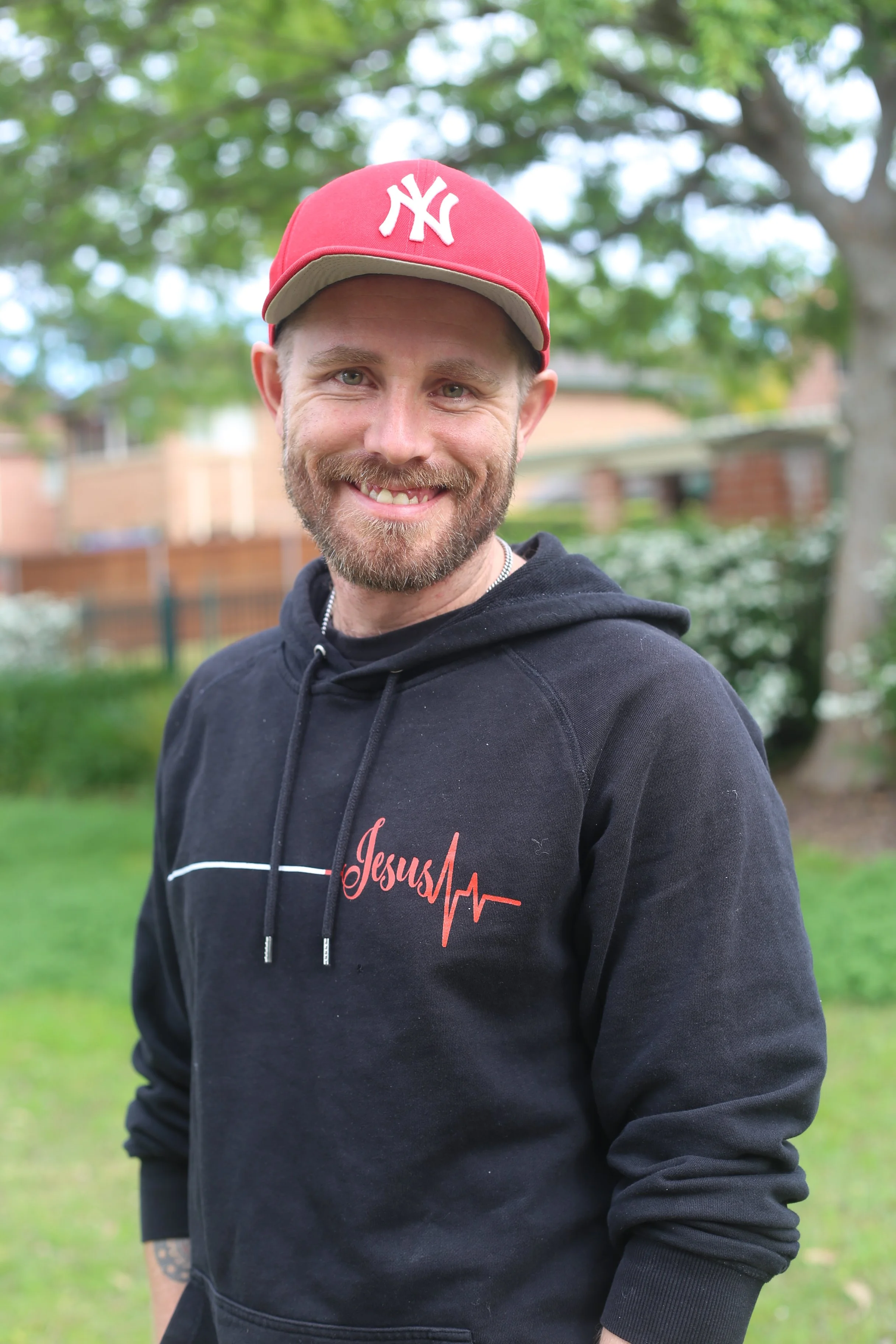
Rick.jpg

My primary series protagonist Pat Gallegher and I have been buddies for almost thirty-five years. I wrote my first Gallegher short story in 1985, and quickly followed it with five more, before I felt I knew enough about my protagonist to try a novel. Only two of those first six short stories have found their way into print. You should thank me for that. Really. Most of them were completely awful.

In 2008, when my wife and I considered downsizing from the house we had lived in for almost fifteen years, I ran across a box filled with old legal pad manuscripts of stories. I didn’t write with a computer until the 1990s, so I knew this was some of the truly bad old stuff.
I read some of the stories and was amazed to discover that several of them—far and away the minority—had remarkably good bones. Lousy writing, but good bones. I took one of the last of the 1980s Gallegher tales entitled “Change Of Venue”, and I rewrote it top to bottom, using skills I’d developed over twenty-five years and four previous Pat Gallegher novels. I rewrote it several times. Okay, several dozen times. As I said, the bones were good, but everything draped on them was cringe-worthy. Somewhere along the line, the story acquired a new title—“The Gods For Vengeance Cry”—and in 2009 I genuflected a couple of times, sacrificed a goat, muttered a few good luck incantations, and send it in to Ellery Queen Mystery Magazine.

It was nominated for the Derringer, Macavity, and Thriller Awards, and in July 2011 it won the ITW Thriller Award for Best Short Story. The other nominees that year included Michael Connelly, Max Allan Collins, and Mickey Spillane. And my little quarter-century-old story beat them. As I made my way to the stage, I distinctly recall saying out loud, “Oh, fudge!”

Except, like Jean Shepherd’s Ralphie, I didn’t say “fudge.”

So, as you can imagine, I’m sort of attached to Pat Gallegher. Like baseball for Chico Escuela, Pat Gallegher has been very, very good to me.

But, who is Gallegher, anyhow? He’s evolved over the years. In the original short stories, he was a former seminarian who abandoned the priesthood due to a crisis of faith, and who had wandered the country before landing in New Orleans, where he fed himself by playing a jazz trumpet in a dive bar off Toulouse Street, and by gambling. Eventually, the cards turned against him, and he found himself deep in debt to a Cajun loan shark named Leduc. Leduc exploited Gallegher’s hulking six-and-a-half-foot size and allowed Gallegher to work off the debt—in microscopic portions—by shaking down other gambling addicts for their debts. After joining AA, at the urging of a former mob wheelman named Cabby Jacks, Gallegher was compelled to balance the rickety scales of his brittle karma by helping people who had nowhere else to turn. Some of the favors he performed for these people involved murder.

Somehow, by the fifth short story, sometime around 1988, Gallegher acquired a Ph.D in philosophy. The explanation was that he hadn’t found the enlightenment he desired in the seminary, so he hoped he’d find it in a university classroom. The trumpet morphed into a cornet, for no discernible reason I can recall. As Richard Brautigan wrote, it just happened, like lint.

By 1995, when I got around to writing the first Pat Gallegher novel (Joker Poker), it suited my purposes to change his doctorate to psychology, and to give him an enhanced backstory. By 1995, I was a forensic psychologist, so I decided that Gallegher should be a former forensic psychologist. Write what you know, right? It was an easy change, since none of the original 1980s short stories had made it into print.

The plot from one of the short stories suggested that Gallegher had been a college professor at some point, and had been forced to resign after being falsely accused of sexual harassment—leading to his downward spiral and eventual hard splashdown in the Big Easy. I added that to the formula, and Gallegher as he now exists was born. Strangely, ten years after I endowed Gallegher with a former career as a college professor, I retired from active practice and became a college psychology professor myself. First, art imitated life. Then, life imitated art. Fortunately, unlike hapless Pat Gallegher, I was able to continue working as a professor until I retired in 2016. And I can’t play a note on a cornet, so there’s where the similarity between me and my creation ends.

Gallegher’s ethos is simple. Like Travis McGee, he is a knight errant, serving no master but placing himself at the disposal of anyone in desperate need. Like Mike Hammer or Spenser, he relentlessly protects his clients. Like Chandler’s prototypic private eye, he confidently walks the mean streets of New Orleans, though he is not himself mean. Incorruptible, fearless, thoughtful, introspective, and imposing, Gallegher is the French Quarter’s go-to guy when your entire life falls to pieces. If Jack Reacher put down roots, he would be Pat Gallegher.

Joker Poker came out in 2000. Two of the subsequent three titles (Juicy Watusi, and Wet Debt) were nominated for Shamus Awards. As I said, Pat Gallegher has been very, very good to me. However, there were other series (Eamon Gold, Judd Wheeler, etc) and standalone novels I wanted to write, so the Gallegher series ended in 2003, with Wet Debt. The fifth novel, Paid In Spades, comes out from Clay Stafford Books in March. That’s fifteen years between book-length Gallegher releases.

Yet, in Gallegher’s world, it’s still 2003, only two weeks after the bloody gunfight with the Anolli gang that ended Wet Debt. He uses a flip phone, because smartphones are still years in the future. Hurricane Katrina hasn’t yet ravaged the ancient streets of New Orleans. Social media is largely nonexistent—no MySpace or Facebook or Twitter. The bad guys from the previous novels—the gangsters and robber barons and schemers and ne’er-do-wells—are all still around. Gallegher still knocks heads with NOPD detective Farley Nuckolls and federal agent Chester Boulware, just as he did in the first four novels. Merlie Comineau, the auburn-haired, violet-eyed social worker who has been at Gallegher’s side since the second novel (Voodoo That You Do) is still there. Scat Boudreaux, the Cannibal Commando (my addition to the Hawk/Joe Pike/Bubba Rogowski/Win Lockwood Psychotic Sidekick rage of the ‘80s and ‘90s) is still watching Gallegher’s six.

Something is different, though. It may still be 2003 in Gallegher’s story, but we’ve lived fifteen years into his future. We know what he faces. We know the Big Sleazy Gallegher commands is headed for tragic times. Hurricane Katrina awaits. The entire culture of New Orleans and the French Quarter is cataclysm-bound, and Gallegher hasn’t a clue what’s coming. We know, though, and because we know, we also know the world Gallegher has occupied for almost a decade by the time Paid In Spades begins is coming to a close. Like watching a story set in Pompeii in 78 AD, there is a sense of melancholic apprehension. Terrible times are coming. Nobody knows whether Gallegher and Merlie and Scat and Farley will survive the monster storm only a year or so in their future. Really. I invented every one of them, and I don’t have a clue.

Maybe I’ll figure it out before I write Pat Gallegher Novel #6.

About the Author

Retired forensic psychologist and college professor Richard Helms is the author of eighteen published novels and multiple short stories. He has been nominated six times for the SMFS Derringer Award, five times for the PWA Shamus Award, twice for the ITW Thriller Award, and once for the MRI Macavity Award. He is one of only two authors ever to win the Derringer Award in two different categories in the same year--2008, for "The Gospel According to Gordon Black" (Thrilling Detective Website) and "Paper Walls/Glass Houses" (Back Alley Webzine). He also won the 2011 ITW Thriller Award for Best Short Story, for "The Gods for Vengeance Cry", a Pat Gallegher story that appeared in Ellery Queen Mystery Magazine in 2010. He is a past president of the Southeastern Chapter of Mystery Writers of America, and served on the MWA National Board of Directors from 2011 to 2013. He was presented with SEMWA's Magnolia Award for service to the chapter in 2017. Besides writing, Helms enjoys woodworking, traveling, reading, gourmet cooking, and rooting for his beloved Carolina Tar Heels and Carolina Panthers. A lifelong North Carolinian, Richard Helms and his wife Elaine live in Charlotte, NC."

The Challenges of Genre Bending, Straddling and Hopping by A.B. Michaels

03_A.B. Michaels.jpg

Three times a week I take a class at our local gym (which I think of as “dance” instead of the dreaded “e” word just to get me out of bed to do it) and yes, I count the jumping around as part of my daily steps. But it occurred to me that I’ve been doing something similar in my writing, which, even though it doesn’t count as steps (darn it), is still quite a workout. Here’s what I mean:

When I published my first book four years ago, I had a vision: I would write about generations of characters associated with a fictional place on the Northern California coast called “Sinner’s Grove.” The contemporary series was straightforward. I have two books in that series and am working on a third; they all fall squarely within the genre of “romantic suspense.” Easy peasy.

The historical line, however, posed a challenge: I thought I was writing historical romance, but it turns out, I wasn’t. It was more like “romantic historical fiction.” Those of you who read both historical fiction and historical romance know there’s a noticeable difference between the two types of fiction. In historical romance, the relationship is paramount; the story centers around the (usually) male and female lead characters and whether or not they’re going to solve their problems and get together. There must be a “Happily ever after” or at least a “Happily for now” ending. The background for their struggles is some kind of historical period, such as Regency, 18th century Scotland, the Wild West, etc. but the period serves primarily as a framework through which the relationship is explored.

Historical fiction is different in that a romantic relationship isn’t required, and the ending doesn’t necessarily have to be happy. Even if there is a relationship (as all my books contain), that relationship isn’t always front and center.

Take my latest book, The Price of Compassion. The story of Dr. Tom Justice (who was introduced briefly to readers in books two and three of “The Golden City” series) is primarily about the choices he makes throughout his life that lead to his arrest for murder. It’s a novel about taking responsibility for the not-so-great decisions we make, of course, but also for the difficult choices, even if they’re the right ones, that we often have to live with.

Is there a love story? Yep. (Honestly, I don’t think I’d enjoy writing a story that didn’t contain some kind of romantic element, and I definitely prefer reading stories that contain a bit of romance, even if it’s subtle.) But the relationship between Tom and Katherine takes place over several years and is not the primary focus of the story.

The Price of Compassion is set in the Gilded Age, which is the latter part of the nineteenth century and the beginning of the twentieth. That makes it historical. Is it romantic? I certainly think so. But is it a romance? No, not in the strict sense of that genre. In my mind it straddles the two genres, or perhaps bends one into the other. And sometimes it hops back and forth between the two.

All of which makes for difficult marketing, let me tell you! Some historical romance readers love the structure of that genre and may be disappointed in the flow of my stories. One reviewer, for example, said of my first novel that I “took too long” to get the hero and heroine together. Another reviewer said she loved the fact that I took the time to tell each character’s story before getting them together! The truth is, some historical fiction readers will find my work too romantic, and some historical romance readers will find that it’s not romantic enough. I just have to live with the fact that my writing is “betwixt and between.”

The good news is, there are plenty of readers who don’t worry as much as I do about the structure of a given genre. They just love a page-turning tale about interesting characters living through a fascinating period of history. If romance is part of that story, so much the better. Those are my peeps and that’s what I aim to deliver with every novel I write. As the famed movie director Vincent Minelli once said, “It’s the story that counts.”

Ugh, now back to getting more steps…

Q&A with J.L Peterson, The MacBrides

JLP Headshot 9.8.17.jpg

What is the most important thing in your life and why?

The obvious and most truthful answer is my family. And that is goes for most everyone. So, I take it to the next level. As we get older we find ourselves really trying to discover who we are as individuals. Most of us move with relative ease from the different roles we experiment with as we grow through our childhood to young adults. Then we roll into our work persona’s, spouse, mother, etc. I truly think until we are done with child rearing we haven’t enough information about our true selves and I find that with myself and friends this is the time we come to truly understand who we just spent most of our lifetime evolving to. So this self awareness has become the second most important thing in my life.

Which of your personality traits did you write into you characters? (Deliberately or accidentally)

If I’m doing it accidently, I am also doing it unknowingly. I have added some of my traits into selected characters but I’ve also done the same with some of my friends’. Hehehe

My traits that I put in are those of responsibility and planning. Boring, but what can I say, that’s who I am. But I do try to add my quirky sense of humor also.

Is there a message in your novel that you want readers to grasp?

The overall all messages are that love is wonderful and fun, but it’s not without work. Other than that I just want them to have a few hours of escape into a feel good story.

Do you recall how your interest in writing originated?

Yes. My father was military and we moved a lot. I escaped early into books as a way to entertain myself until I was able to create new friendships. With that came my creating of my own stories in my own head. Hey, what else can you do when driving across country and not liking to read in a car with two brothers bugging you all the time. Fear of not being good though, kept me from really committing to write my stories down. However, based on the response I gave you in your first question, I relinquished the fear and am just having a good time telling my stories now.

Give us an insight into how your writing day/time is structured?

I am, unfortunately, not a structured writer. I can go for days working on other things until the bug motivates me again. Then I like to commit 3-4 hours a day to whatever story I’m working on.

Did you learn anything from writing your book and what was it?

I am enjoying creating my little sub plot with Bea, the mother, and how she is discovering a new side to life outside of her kids. Life isn’t over, until it’s over. There is always new discoveries if we are just open to them.

Do you have any advice for other writers?

Do what you love. Not everyone will like your stories and not all will be your best. But keep on. If you’re happy then you’ll have spent your time wisely.