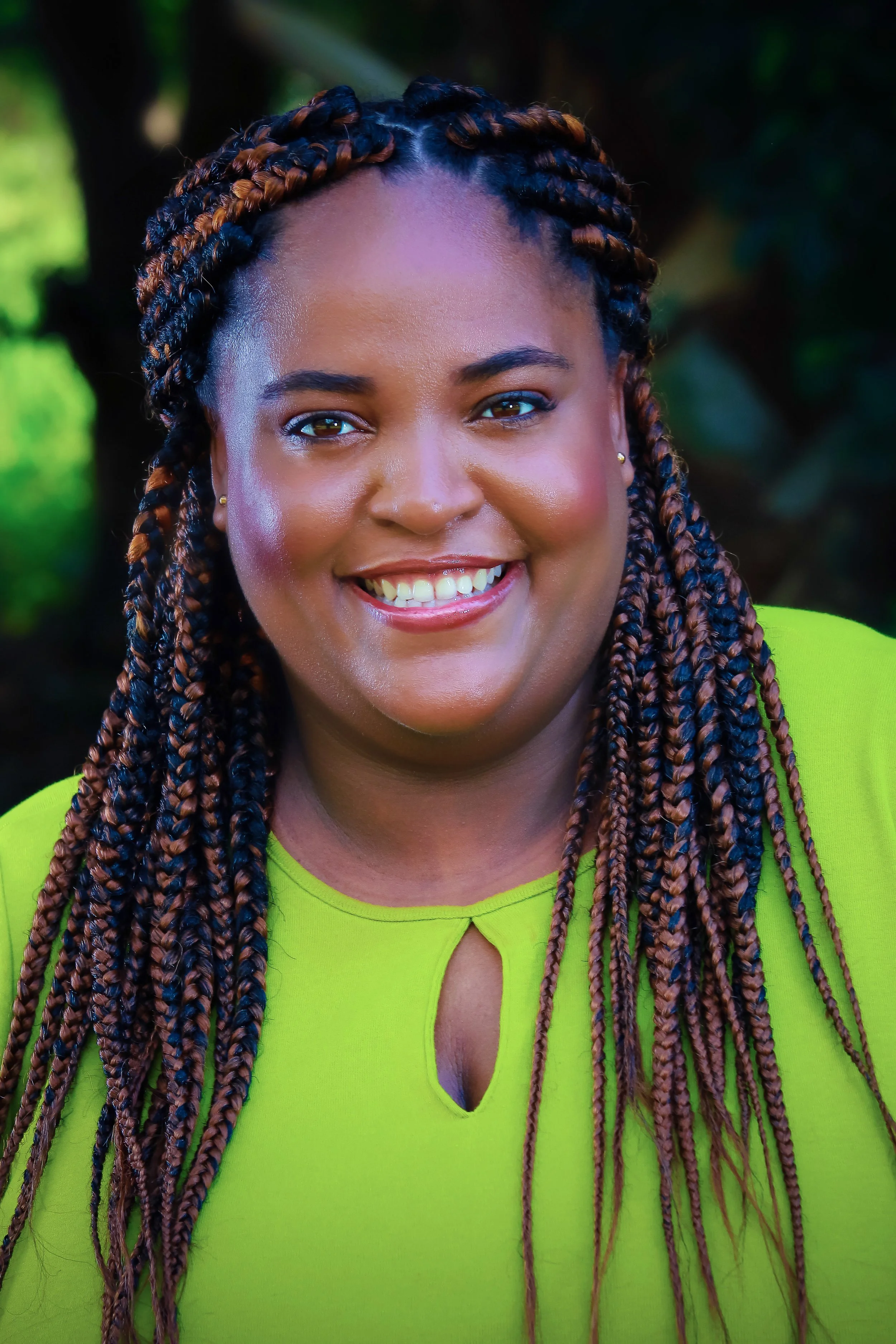
Moving Beyond Trauma by Ilene Smith

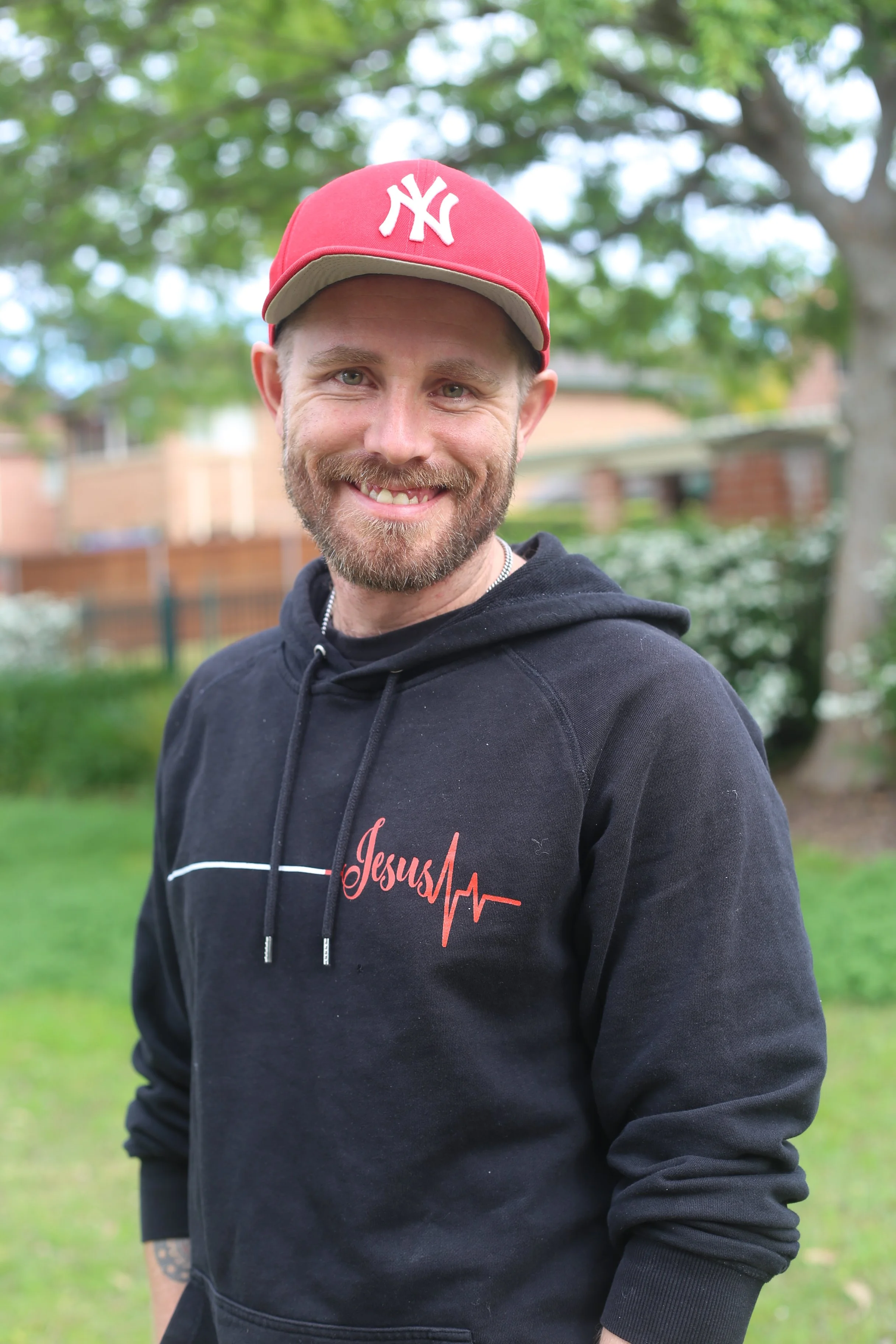
Ilene Smith .jpg

In my early forties, after a career in banking and real estate financing, I returned to school for a master’s degree in mental health counseling. I truly had no idea that this path would lead me to my greatest passion in life thus far. 

During my internship to complete my degree, I was introduced to Somatic Experiencing for trauma healing, a modality developed by Peter Levine, PhD. What distinguishes Dr. Levine’s work from other trauma-informed therapies is the importance of bringing the body into the therapeutic process. I had spent years in talk therapy, which was effective in bringing awareness to my issues and their origins, but I still felt an underlying dysregulation in my nervous system. I was anxious and continued to battle my eating disorder demons. 

When I incorporated SE techniques into my own life and my clients’ therapeutic processes, I saw our nervous systems move towards more balanced states in only a few sessions. Marriages improved and depressions lifted. As a result of less stress and anxiety in my body, my eating disorder behaviors began to quiet. 

SE uses a “clinical map” to access the physiological states of survival known as fight, flight, and freeze and helps release the self-protective and defensive responses we hold in our body. It includes talking, but the talking is used to track body sensation and meaning attached to experiences, rather than bring the individual back into the event of the trauma. 

I wanted to bring the possibilities of Somatic Experiencing to a larger audience; I wanted more people to understand that while our perception of trauma and healing is often associated with cognition, in order to heal on a cellular level, we need to invite the body into the process. And so, the task of creating Moving Beyond Trauma: The Roadmap to Healing from Your Past and Living with Ease and Vitality began. 

I knew that if I was going to impact the audience, I needed to empower people to take charge of their own healing. As my ideas took shape, I realized it wasn’t enough to explain the benefits of SE. Readers needed a way to customize the information to meet their unique needs, and so the book evolved into a roadmap for healing the nervous system and creating a personalized healing lifestyle. 

Almost a year-and-a-half after I began work on the book, I answered my doorbell to find the box of 50 author copies of Moving Beyond Trauma on my doorstep. As I opened it, adrenaline rushed through my body. I was overcome with excitement, but also fear. I believe the book carries an important message about trauma and healing, and I also know that any time we stick our necks out for our beliefs, criticism often follows. 

However, my desire to carry the message of this work outweighs my fear. I believe the general public doesn’t have enough information about the mind-body connection in the healing process and many aren’t aware of how small changes can bring the nervous system back into balance. 

The book includes six assessments to help the reader better understand how trauma impacts their nervous system and day-to-day functioning. Many psychologists focus on “fixing” patients’ problematic or maladaptive behaviors. Researcher Sarah Melancon, PhD, and I set out to develop tools that assess the current functioning of a patient’s nervous system so that they can create their own intentional plan to increase its health and functioning, which will “fix” the problem behaviors organically. 

Dr. Melancon and I spent months developing these assessments, along with detailed instructions on how to use the information. After finishing the book, we took our work one step further and went on to complete a study on SE and eating disorders, which we hope to see published later this year. 

For those struggling with mental health issues, I hope that Moving Beyond Trauma motivates them to take charge of their healing. After they complete the book, I anticipate that they will begin to feel differently and more grounded in their physical experience, or “embodied.” When we feel the physicalness of our bodies we can be more present. Presence allows us to be more curious about ourselves and the world around us. It gives us a richer experience of life and a deeper sense of safety, both of which are key for creating a sustainable healing lifestyle. 

The process of birthing a book is like no other, and it has certainly been one of my greatest challenges thus far. It asked me to uplevel my self-care. I had to slow my nervous system down even further. I minimized my travel schedule, recommitted to my yoga practice, and made sure I sought support from trusted friends. Routine, discipline, and connection with friends and family were key in helping me stay in my creative flow. 

Creating Moving Beyond Trauma required me to use all the tools I write about! I am pleased to report they worked as well as I imagined they would. I hope that you’ll invite me into your own healing journey and pick up a copy of Moving Beyond Trauma should you feel so called. 

About the Author

Ilene Smith is the author of Moving Beyond Trauma: The Roadmap to Healing from Your Past and Living with Ease and Vitality. She is a certified professional coach and Somatic Experiencing practitioner who is passionate about helping others explore life with curiosity and exuberance. Her research into Somatic Experiencing and eating disorders has contributed to the importance of Somatic Experiencing and body-based therapies in recovery. Ilene has also worked extensively with patients suffering from addiction. With master’s degrees in exercise physiology and mental health counseling, Ilene blends talking, touch work, and movement to create synergy between a client’s body and mind. In addition to her private practice, Ilene has developed a series of trauma healing workshops and lectures, which she hosts worldwide. She lives in Arizona. For more information, please visit http://ilenesmith.com/ and follow Ilene on Facebook and Instagram 

Q&A with Lillian Brummet

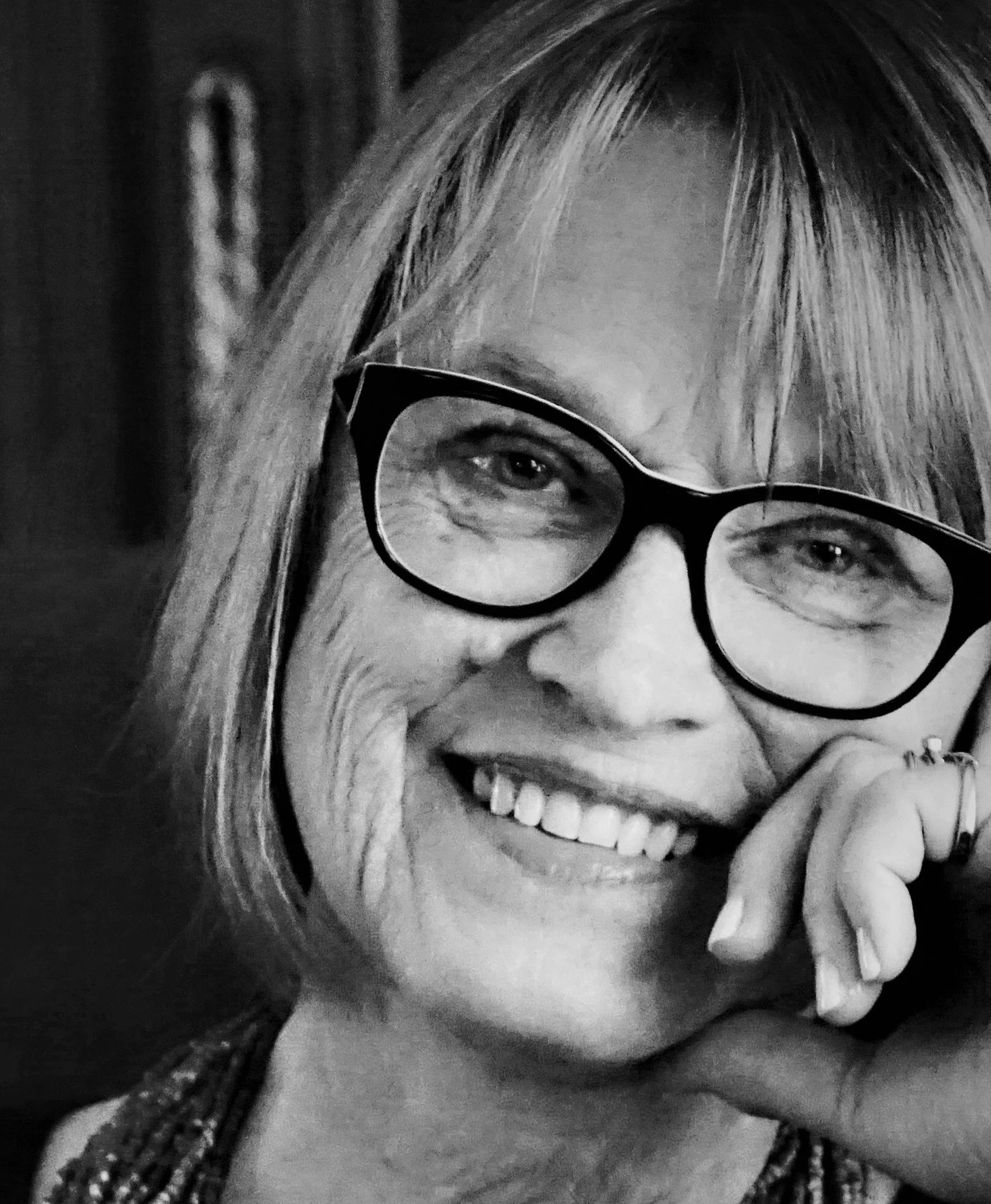
Closeup.jpg

What inspired you to become a writer?

People often ask me that and over the years of thinking about this very thing, I realized that I have always been drawn to the written word. I have this connection to it that is hard to explain, perhaps it has something to do with my analytical and introspective nature. I struggled in my younger years with switching numbers and words and letters… and thinking so fast that my words can’t catch up. Writing has helped me slow down, relax, explain then review what I’ve written. Oh I’ll rush out the idea, pounding out the basic thoughts before I forget them; that does happen, but the act of methodically writing, double checking, rewriting and editing - all those aspects of the career have helped me personally. When I was young I wrote powerful stories with emotionally charged scenarios, and in my youth I poured out pain and angst through poetry. After being involved in a pretty bad car accident in ’98, I was jolted into knowing the fragility and uncertainty of life. As time went on I became chronically depressed from the pain and loss of a business I had run successfully for 6 years. I needed, really needed, to feel like my life had purpose. Writing has given me that. It also opened new doors to me – such as hosting the 2 online radio shows several years ago and doing live interviews, things I would have never considered doing before.

What type of books do you write?

As writers, we specialize in non-fiction: 2 books of poetry, 2 books on ways to reduce waste, extend the budget and make a difference for the planet. We also have a book offering writer’s advice which is very popular with PR agents and educators because it walks authors through the process of promoting their writing business, running it efficiently, and standing out in a crowd like a purple snowflake in a snowstorm… thus the title: Purple Snowflake Marketing. Our most recent endeavour is a cookbook celebrating garden harvests that offers interesting trivia and teaches eco-friendly and waste-reduction habits. This manuscript is currently in Dave’s capable hands.

For readers to get to know you better, what kind of author would you describe yourself as? 

I would call myself: passionate, motivated, tenacious, organized, concerned and proactive. Writing, for me, is a way to create positive change in the world. The feedback from our readers inspires me to no end! Their personal life changes help me feel like I do make a difference and these urges to do more grow inside me with each positive comment. Their stories of the volunteer work they became involved in, how dedicated they became to composting, how they have taken up gardening or composting, how their local schools are so grateful for receiving items they can reuse in the classroom - these stories have encouraged me. Readers of our poetry books tell us they have been encouraged, felt the compassion we offer and felt empowered after reading them. When I look back at the last 20 years in this world of writing I get a little positive thrill, knowing I’ve helped make a little ripple of change. What is really cool is that Dave is a full on partner in this and I think that has also strengthened our relationship. 

Buy on Amazon

Buy on Amazon

I’m glad you mentioned that, I saw that you work with your husband and I was curious about your collaboration…

We definitely work as a team. We hold many brainstorming sessions that inspire us with new ideas and the direction to take. In some of those sessions we come up with new book or article ideas, other times we are discussing current marketing activities, we might talk about office issues or duties we need to split up, and goals or dreams of the future. My talents lay in gathering the information, organizing, office work, managing the blog, arranging for beta tests, networking, marketing and promotional activities and creating the draft manuscripts. Dave manages the technology, tax prep, machines and computers. He does the final checks, edits and any rewrites, the proofs and layout, design, formatting, graphics and cover image. That is his specialty. After publication we often meet in the middle too. I’m making connections and arranging for exposure, he provides the images, ad creation and manages the website. If something has to be done in person – Dave’s the one they see. Otherwise I’m often the one dealing with media and other people in general. 

What is your favorite book and why?

How can I possibly choose?! I have so many favorites… from Tolkein’s Lord of the Rings series to Star Tide Rising (D. Brin), to The Sea of Trolls (N. Farmer), and Dan Brown’s adventure-fantasy books and of course Northlander (M. Burdan) … However if I really have to pick one favorite it would have to be it would have to be Trevanian’s book Shibumi..

What advice do you have for aspiring authors?

Be respectful and do not make anyone wait for you. Be prepared well in advance and have contingency plans. Be proactive – you have chosen this career and it needs to be treated as any other business. Take courses and study on how best to run a business, create strategic business and marketing plans and keep detailed records.

About the Author

Lillian and her husband Dave are the team behind Brummet Media Group, high-fiving cheerfully as they pass each other on the way from checking off one item or other from their long to-do list. After moving to their dream location (in the Kootenay Region of BC, Canada) 10 years ago, they have been methodically converting the abused lot over to the little park it has become – and in doing so have gained certification with bee, pollinator and wildlife organizations. Their home, too, has become eco-friendly via the many upgrades they have done. Their business includes Dave’s music studio and percussion accessory development, graphic design work, numerous award-winning non-fiction books and a popular blog. 

Connect:

BrummetMedia.ca

FaceBook 

Blog

Amazon.com Author Page

Amazon.co.uk Author Page

Twitter

LinkedIn

Q&A with Annie West, Revelations of a Secret Princess

Author photo_Annie West.jpg

Did you always want to write romance novels?

From an early age, I wanted to write, but I thought that was a daydream rather than a real career option. When, in my teens, I started reading romances, these were the ones I read and loved. Harlequin Presents has always felt like my home, so when I finally took the leap and tried writing my own stories, that’s exactly where I wanted to be published. And now I am a full-time career author – Yay!! I’m currently working on my 42nd Presents story.

Share in your own words what it means to experience That Harlequin Feeling:

No other books give me the same emotional experience as a good romance. When I’m deeply immersed in a Harlequin Presents book in particular, I actually feel the emotion, like a punch to the heart. I love opening a book and being taken on a journey to somewhere far away, where the characters seem so different to me, but experience the same strong emotions. Reading Harlequin is a feel-good experience but so much more too – cathartic, refreshing and always leaves me feeling optimistic.

Can you share a recent book you have read that you would like to recommend?

I just finished Their Royal Wedding Bargain by Michelle Conder from Harlequin Presents. It starts with a proposal for a fake relationship that becomes real. This time though, it’s the heroine who’s after a pretend-fiancé for the short term. That was a hook from the start, and then there’s the ever-increasing tension between hero and heroine, all in the hothouse world of royal expectation.

Q&A with Brenda Janowitz, The Grace Kelly Dress

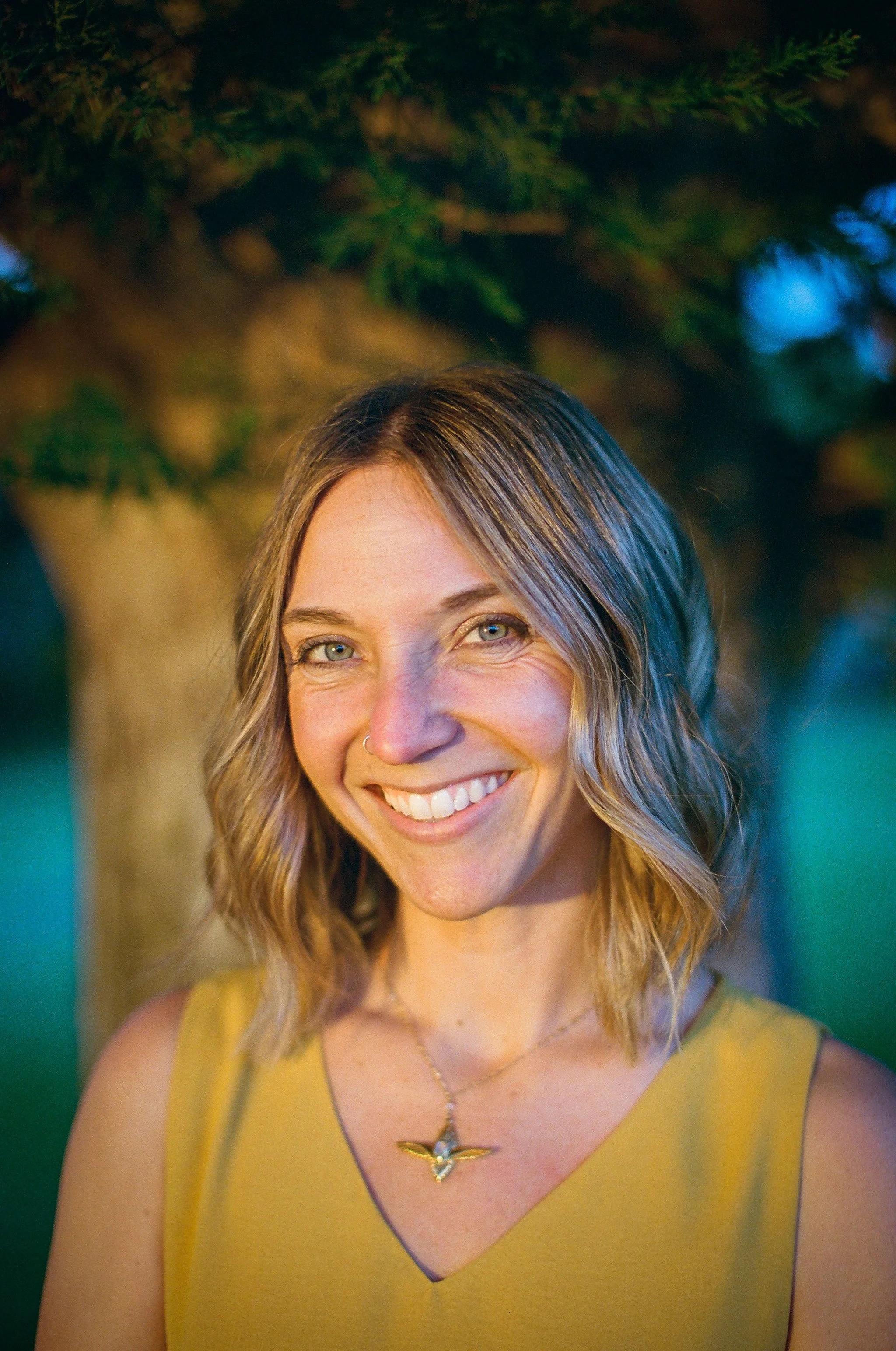
New headshot, photo credit Cristina Calvi. .jpg

You write that you've always loved wedding dresses. What fascinated you about Grace Kelly's dress in particular, and how did you come up with the idea for this novel?

Ever since I first laid eyes on this iconic garment, I’ve been in love. To me, Grace Kelly’s wedding gown is the ultimate dress. Beautiful, elegant, and refined-- what more could any bride want?

My agent sent me an article from The Today Show about a wedding dress that had been passed down through eleven generations. The moment I heard the story, I knew that I had the idea for my next novel.

Once I decided to write about a wedding gown, there was only one thing I envisioned: Grace Kelly on her wedding day. So, when it came time to describe what this heirloom dress looked like, I found myself describing Grace Kelly’s gown-- the lace sleeves, the cummerbund, the full skirt. I quickly realized that the characters in the book should be as enamored of this design as me, and The Grace Kelly Dress was born!

You alternate between three characters' stories. Did you focus more on one before turning to the others, or did you write the novel in the order in which it appears?

I like to write in a very straightforward manner, and that usually means writing each chapter in order, from beginning to end. So, I approached this book in this same way, at first. 

But then, I realized that in order to make each story have the meaningful arc I was looking for, I’d need to focus on one story at a time. So, I broke the book apart into three different documents, and worked on one timeline at a time. This enabled me to fully immerse myself in each protagonist’s life, as well as the time period I was exploring. 

Once I’d completed all three timelines, the real work began. I wove the book back together, and that was when the book took its true form, as I made sure that the different timelines all spoke to each other in a meaningful way. It certainly made the book take longer to write, but I think that by working on each timeline separately, I was able to do the individual stories justice.

Tell us a little about your story and the story world you've created.

The Grace Kelly Dress is the story of three generations of women, and the wedding dress that binds them together. It’s a story about love, friendship, and family, and it’s entirely different from anything I’ve ever written before. I hope that readers will join me on this journey, and come to love these women as I do.

Tell us a little about how this story first came to be. Did it start with an image, a voice, a concept, a dilemma or something else?

When my agent sent me a clip from The Today Show about a wedding dress that had been passed down through eleven generations of a family, I knew that I had the idea for my next book. It had everything I love to write about in one place-- multiple generations, a wedding dress, and lots of room for friction. The image of a wedding gown is one that is so incredibly powerful to me. The way one chooses to dress for her wedding day says so much about that person, and how she wants to present herself to the world.

The book is set in the New York area and in Paris. How important is setting to you in your writing?

Setting is so incredibly important! Where a character lives and how she interacts with her environment says so much about who she is. Rocky, our protagonist in 2020, lives and works in Brooklyn, and it says as much about who she is as the tattoos she proudly wears all over her body. Joanie, in 1982, lives a sheltered life on Long Island, but when she goes into New York City, she finds a world much larger than the one she was living. And Rose, in 1958, is in Paris, but as a poor orphan, lives a different type of sheltered life, working in a highly regarded atelier during the day, and doing not much else.

What kind of research did you do for this book, and did you learn anything especially surprising?

I’ve never written in a timeline other than the present, so there was a ton of research to be done! I had to research the two different time periods, 1982 and 1958. Even an innocuous detail like the brand of watch that a character is wearing can throw a reader out of the narrative if the author hasn’t gotten it just right. 

The most enjoyable research I did was about Grace Kelly herself, and, of course, her iconic gown. I read Kristina Haugland’s incredible book, Grace Kelly: Icon of Style to Royal Bride, and then had the opportunity to speak with her as well. I loved learning every detail I could about this beloved dress, but by far the most interesting thing I learned was this: Grace Kelly’s gown consisted of four separate parts, each of which needed to be put on separately. What a wonderful secret for a bride to have on her wedding day!

What are you working on now?

I’ve loved writing about an heirloom item and the family that owns it, so I’m doing it again! I’ll be focusing on another family and another heirloom that has been passed down. Heirlooms are so incredibly important to me-- I wear one of my Grandma Dorothy’s rings every day, and I love having a piece of her with me as I go through my day to day. 

How did you get the idea for this novel?

The idea came to me when my agent sent me a clip from The Today Show about a wedding dress that had been passed down through eleven generations. I couldn’t get over how incredibly special that was, and I immediately started to think about what it would mean for a family to have an item like that. How would each woman change the dress to fit her personality? How would the time she was living in have an effect on those choices? And what if one woman didn’t want the dress?

What is one of the biggest challenges you have in a story like this that spans different times in history?

One of the biggest challenges for me, was the massive amount of research. When writing in another time period, I underestimated how carefully every sentence would have to be researched. The characters needed to sound like they lived in the time period I was presenting, and every reference needed to be spot on-- from what the characters were wearing, to the types of music they listened to, to the way they styled their hair. Is it any wonder that my current work in progress will take place in the present?

What is the significance of the title: The Grace Kelly Dress?

The Grace Kelly Dress refers to the wedding dress that is handed down through three generations of women. The gown in my book was initially created in 1958, and at that time, the bride wanted the dress that everyone wanted at that time: something that looked just like what Grace Kelly wore when she married Prince Rainier in 1956.

Are any of your characters based on real people you know? 

They say that your first novel is all about you, that each and every character is you, and I think that was true of my first novel. (First two novels, perhaps!) But this is my sixth novel, so at this point, all of the characters are products of my imagination. That said, everything inspires me, so parts of real life always have their way of making their way into my work. So, I suppose a better way to answer this question would be to say: no, not on purpose.

Which character was most challenging to create? Why?

I found Joanie, in 1982, to be the most challenging to write. I first created her character while working on the 2020 timeline, at which point we only know her as Rocky’s mother. It took a lot of thought to figure out who she would be at age 20, and how she would grow into the woman we see in 2020. Additionally, since we meet her mother in the 1958 timeline, it was important that the reader see a connection there, too. 

On the first round of edits, I completely trashed the original 1982 storyline and re-wrote it from the ground up. I think that I needed the first draft to truly learn who she was, and how to create her story.

What message do you hope readers take away from your story?

The main thing is that I want readers to really enjoy the story and have a great reading experience. As for a takeaway, it’s been really moving to have readers reach out to me to discuss the role that heirloom items have had in their own life. I always tell my kids: it’s people who are important, not things. But I do believe that certain things, like these heirlooms that are passed down, have meaning. They show us where our family has been, and each one has a story connected to it. Stories are powerful, and the stories about where we come from are so incredibly meaningful.

Q&A with Debra Webb, The Darkness We Hide

DebraWebb.jpeg

How did you decide on the location for the series?

My husband, family and I lived in the Winchester area for fifteen years. We have family and friends there and adore the area! The town of Winchester is historic and has that “old west” feel and it felt perfect. Particularly since the old, old funeral home there is totally inspiring!

What is your favorite genre to read, and why?

Psychological or domestic suspense!

What do you use to inspire you when you get Writer’s Block?

A long ride in the countryside. Great music. Good movies!

Best TV or Movie adaptation of a book?

Outlander!

Do you plan your books in advance or let them develop as you write?

I plan to a degree and then let the story take me where it will.

What has been the hardest thing about your publishing journey? What has been the most fun?

The hardest thing was an injury in 2010 that left my right arm and hand basically paralyzed. Three years of physical therapy was required for regaining partial use of the arm and learning to even write my name. But I never stopped writing. Slowed down a bit, but didn’t stop! The most fun without question has been reaching a place where I could write the books of my heart rather than what had a better chance of selling to a house.

What is the significance of the title?

Very important to suspense and mystery are the things a character doesn’t know or doesn’t see coming. The secrets, the lies and even the darkness can trickle into the lives of most people. Most people have secrets, most lie occasionally—if only to protect feelings—and we all have feelings sometimes that aren’t happy or light or maybe nice. Thus the titles, The Secrets We Bury, The Lies We Tell and The Darkness We Hide!

What were the key challenges you faced when writing this book?

Making sure the body preparation and tasks of a funeral director were accurate. 

What would you tell a hopeful content creator about trying to break out in publishing?

Focus your work and never stop trying!

When Worlds Collide by A.S. Fenichel

The Earl guest post.png
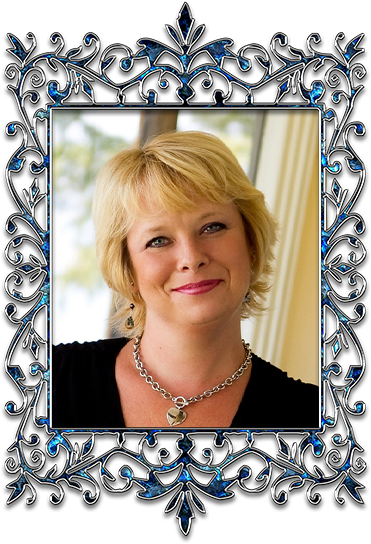
A.S. Fenichel.png

Sometimes the real world and the world we create in books collide in a magical way. It doesn’t happen that often, but The Wallflowers of West Lane series has that kind of magic. It didn’t happen by design, but there you have it. 

I set out to write a series about four friends who met as teens under difficult circumstances. Deemed incorrigible, they were each sent away to finishing school. I wanted those four women to find a special bond that would carry them through adulthood. It didn’t really occur to me that the things they would be dealing with in the early nineteenth century would hold true for women today. 

Still, that’s exactly what happened. Women are still dealing with all the same issues as my Wallflowers. The Wallflowers of West Lane lived in a time when laws did not protect them. Once married, a woman became the possession of her husband. They had only their own cleverness to guide and protect them. 

When Poppy, Mercy, Faith and Aurora return from being exiled to a boarding school in Lucerne, the first of them is married off. Aurora’s marriage is violent and teaches them all to mistrust men. When the villain is killed while cheating in a gaming hell, they are all much relieved to have that part of their lives over. These books are about four very clever and talented women who make a pact to protect each other from men who would harm them. 

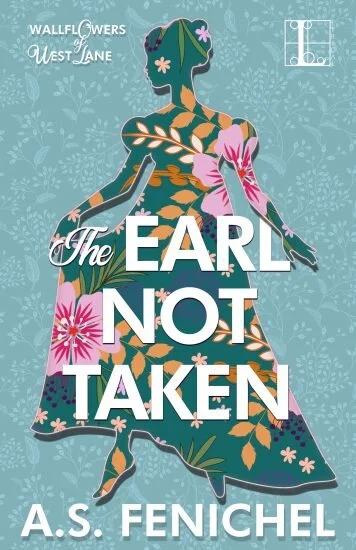
The Earl Not Taken begins after the funeral and we learn that while Aurora is now free, Faith is about to be similarly married to a man they know nothing about. Poppy takes on the task of discerning the prospective groom’s character, but she can’t do it alone. Aurora’s rakish brother, Rhys agrees to help in the investigation.  

Poppy’s dislike for Rhys goes back to the very beginning. He will have a long climb up from the gutter to prove himself to our stubborn heroin. Can two people so far apart meet in the middle?

Learn more about The Earl Not Taken:

The Earl Not Taken.jpg

Left standing on the side while their contemporaries marry into society, four young ladies forge a bond to guard each other from a similar fate . . . Finishing school failed to make a proper lady of Penelope Arrington. But as a Wallflower of West Lane, Poppy has a far more vital role—she and her three best friends have made a pact to protect each other from the clutches of dangerous, disreputable men. So when one of them is about to be married off to a duke sight unseen, Poppy makes it her mission to divine the prospective husband’s true character. If only she didn’t require the aid of London’s most unsuitable rake. Rhys Draper, Earl of Marsden, has known the headstrong Poppy since she was a young girl, naïve to the ways of men. To her eternal chagrin—and to his vague amusement—they have been at odds over the memory of their embarrassing first encounter all these years. Now, with his services in need, Rhys sees a chance to finally clear the air between them. Instead, he is surprised by the heat of their feelings. If the two do not tread carefully, they may end up in a most agreeably compromising position . . .

Excerpt

“I want you, Penelope Arrington. I’ve never desired anyone as I do you, now, in this place.” He waited for her to slap his face, but the strike never came. 

Her nose scrunched up as it did whenever she gave something a lot of thought. “Then you do not hate me.” 

Holding in a laugh that would have given away how uncomfortable he was with his behavior over the last six years, his shame swelled in his chest. “I have never hated you, Poppy. I have always thought you a beautiful, smart, incorrigible woman. I won’t deny that your antics and attitude toward me have inspired behavior I am not proud of.” 

Those sweet lips that set his blood on fire pulled down, and a crease formed between her eyes. “I have long thought you were off bedding everything in a skirt you could catch.” 

“I am not a saint. However, your assessment was a vast exaggeration.”

She stepped back like an emerald in a room filled with every other color. Poppy shined the brightest in a room filled with jewels. “Do you remember our first meeting at George’s when you escorted me home and said you hoped I would someday tell you my wants in life?”

While he wanted her back in his arms, he respected her personal space. The moment she spoke of had changed his presumptions about her. “I remember.” 

She toyed with the fringe on one of dozens of pillows tossed haphazardly on an oversized red chaise. All the furniture might fit nicely in a sheik’s harem. Sitting, she sighed. “I want to have a different kind of life.”

Following her, he sat close. “Tell me about the life you dream of.” 

“My dreams do not include a husband to boss me about and keep me at his convenience.” An angry edge laced her words. 

“Is that what all husbands do?”

Grab your copy on Amazon