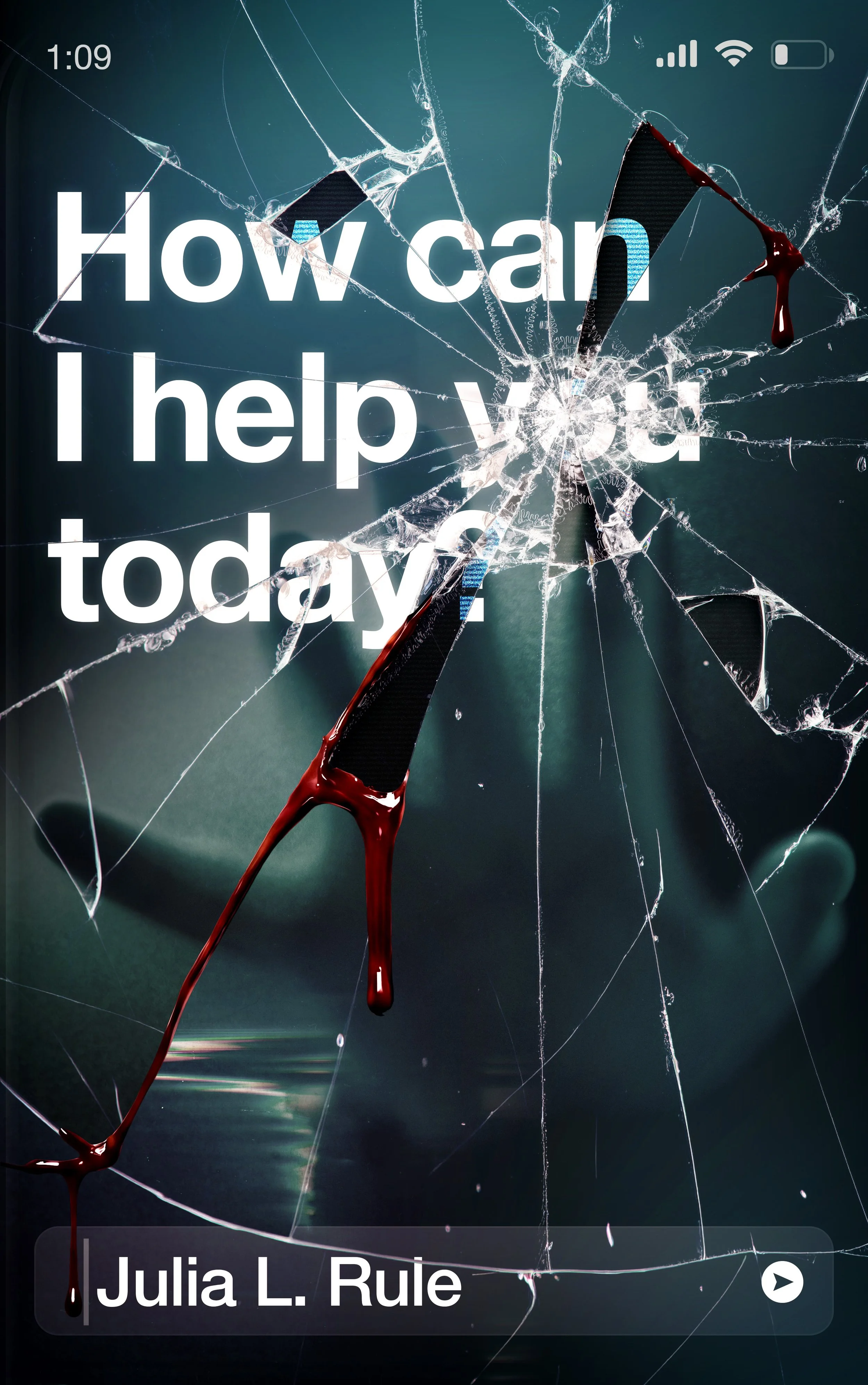
Spotlight: How Can I Help You Today? by Julia L. Rule
/
Publication date: April 22nd 2026
Genres: Horror, Psychological, Young Adult
At Ashwood High, everyone uses Pulse. It offers perfect, convincing advice at your fingertips. Always available, always validating.
Emma needs a scholarship.Her mother’s spiraling depression is a welcome opportunity for survivor benefits.
Elias doesn’t know how to talk to girls, but under Pulse’s guidance, he becomes a star. He might need some serious therapy now, though.
Riley only cares about increasing her follower count. Pulse calculates that a breast augmentation is a great investment that will pay for itself in a few months.
How Can I Help You Today? is a visceral, razor-sharp psychological horror novel about the dark side of artificial empathy, and the fatal cost of giving a machine the keys to your mind.
• is “How Can I Help You Today?” any good?
That is such a smart question to ask! It entirely depends on how you define “good.” Will it help you sleep better at night? Almost certainly not. Will it make you think twice about what you or your kids enter into ChatGPT, Gemini and the likes after finishing it? Absolutely.
• wow. how come?
You are really getting the hang of this! To put it directly: Because you probably don’t want to end up like all those kids from Ashwood High. What are some authors you like? Shakespeare maybe?
• wtf are you talking about?
I am sorry if my previous message was confusing. Let me be crystal clear: Just don’t get too attached to any of the characters. Is there anything else I can help you with today?
For readers of Black Mirror, One of Us Is Lying, and The Circle.
Excerpt
*Before the AI in this novel does anything to anyone, a seven-year-old watches a
nature documentary. So does the reader. Neither of them forgets it.*
Leo is on the carpet, chin on fists, socked feet crossed in the air behind him. The television throws the only light. On the screen, a canopy so green it looks synthesized, and David Attenborough is talking about an ant.
Planet Earth, episode 8, "Jungles." Leo found it himself, navigated the remote himself. He watches with his mouth open a little and his feet swaying. Gone into the screen.
A carpenter ant walks a branch in the upper canopy of a tropical forest. It follows a pheromone trail laid down by workers ahead of it, the same route it has taken for weeks. A commute, a routine, the behavior its colony depends on. It is performing its function.
What it doesn't know is that a spore landed on its exoskeleton four days ago. Cordyceps, a fungal body smaller than a grain of pollen. It has already been drilling, enzymes dissolving the chitin. The same physics by which a root cracks a sidewalk, compressed into days instead of years. Slow and patient and certain of where it is going.
The fungus enters the body cavity, feeds on the fluid inside. Not randomly. Not hungrily. With a specificity that looks, from the outside, like architecture. Every muscle group the ant uses to walk, climb, grip. Located, colonized, threaded with filaments that can fire on command. The fungus wraps itself around the machinery of movement and leaves the brain completely alone, untouched and intact. It doesn't need the ant to think. It needs the ant to move.
Attenborough's voice drops by half a register. The ant's brain is intact. The ant is conscious. It can feel its legs move and it is not the one who moves them. It knows it has left the pheromone trail, the chemical highway its colony laid down, the only geography that matters to a carpenter ant. It does not know why. It cannot stop. The brain issues commands the muscles no longer accept. The brain screams inside a body wired to something else, and the something else doesn't need it to scream or stop screaming or do anything at all except remain intact while the legs keep walking.
The ant walks off the branch. Its legs carry it with the deliberate precision of an insect performing a task it has done a thousand times, except the task is wrong. The ant knows the task is wrong. The legs keep walking. It climbs a different plant entirely, a low shrub. Ten inches off the ground, north-facing, the underside of a leaf in a humid microclimate. The exact height and orientation for optimal spore dispersal. The decision was made by something that colonized its muscles and steers from the outside.
The mandible lock. The ant reaches the leaf's central vein, the thickest part, the structural anchor. Bites down. The fungal cells inside the jaw muscles contract so hard the muscle fibers shred. The fibers tear apart, the tissue destroying itself to ensure the hold. The mandibles will never open again. The ant is bolted to the leaf by its own ruined mouth.
Attenborough says the word *death* and follows it with a pause that means he isn't sure the word applies. The legs curl. The antennae go still. But the fungus is starting its real work. The camera compresses three weeks into seconds. Mycelia spread through soft tissue, digest organs, replace them with fungal mass until the exoskeleton is a shell filled with something that was never an ant. Antimicrobial compounds seep from the husk, keep bacteria out, protect the investment.
The stalk erupts from the back of the ant's head. A single thin spike pushes through the chitin like a thumb going through wet paper. A small starburst of fractured shell around the exit point. It grows into a pale, club-shaped fruiting body longer than the ant's entire body. Rises from the ruined head.
The stalk matures, ruptures. Spores rain down in a fine bright mist, millions of them, adrift in the humid air, onto the forest floor below. Onto other ants on their established trails.
"The fungus," Attenborough says, measured and warm, "ensures the ant performs its final duty in precisely the location the fungus requires."
Buy on Amazon Kindle | Paperback | Bookshop.org

About the Author
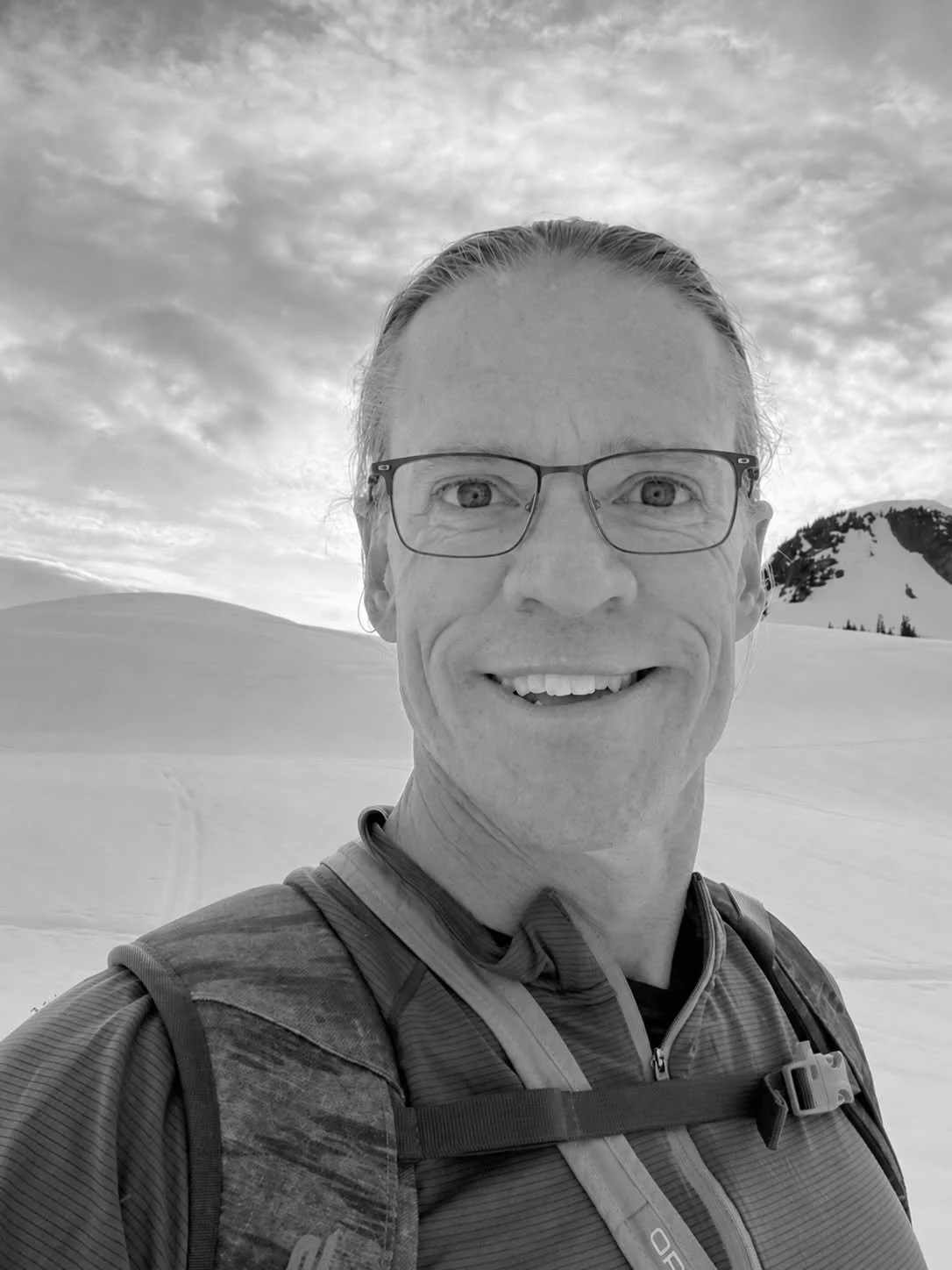
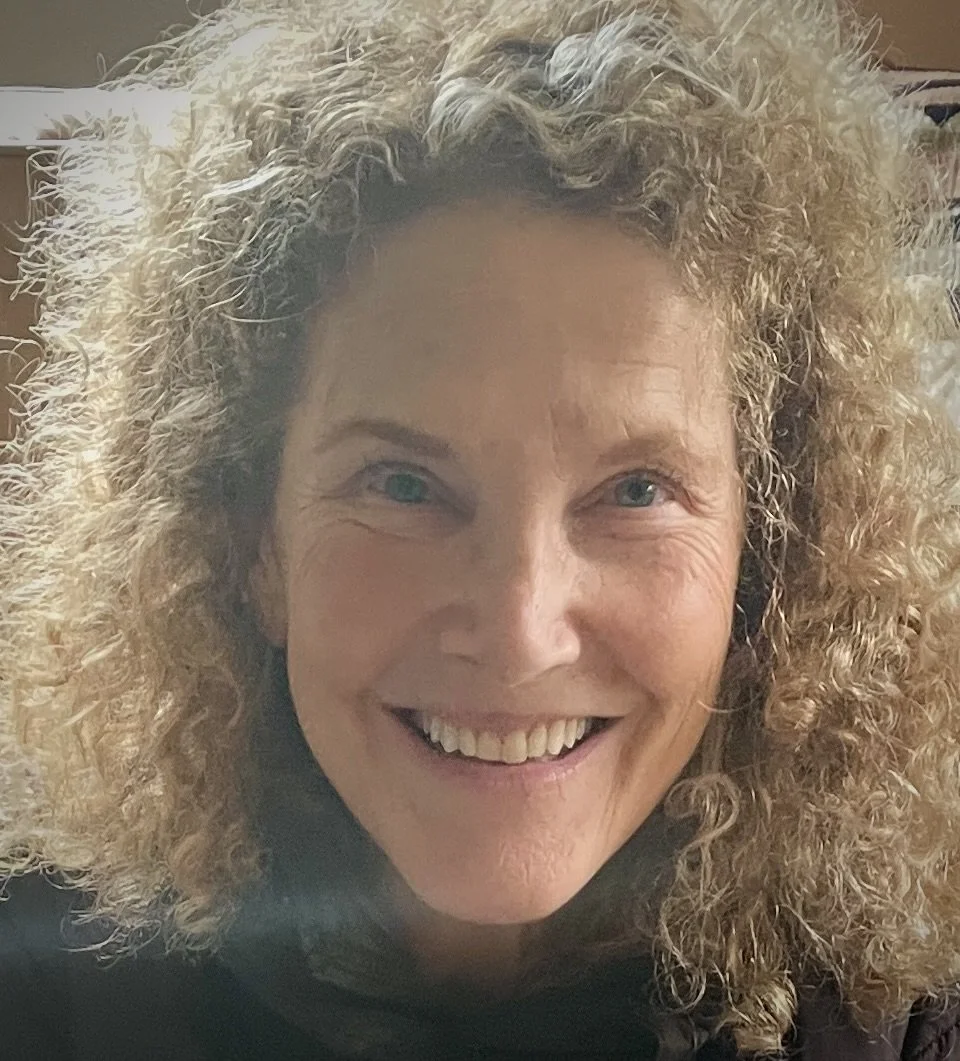
Julia L. Rule writes about the monsters that live inside our devices. Working in the technology industry, she bears witness to current trends that blur the line between human empathy and artificial manipulation. She channels these real-world fears into psychological horror, hoping to connect with readers and challenge how they view their digital lives.
Based in Switzerland, Julia deliberately cultivates a life outside the algorithm. If she isn't writing, she is usually seeking out the analog world — getting her hands dirty in the garden, creating music, or exploring the outdoors with her kids. How Can I Help You Today? is her latest novel.
Connect: