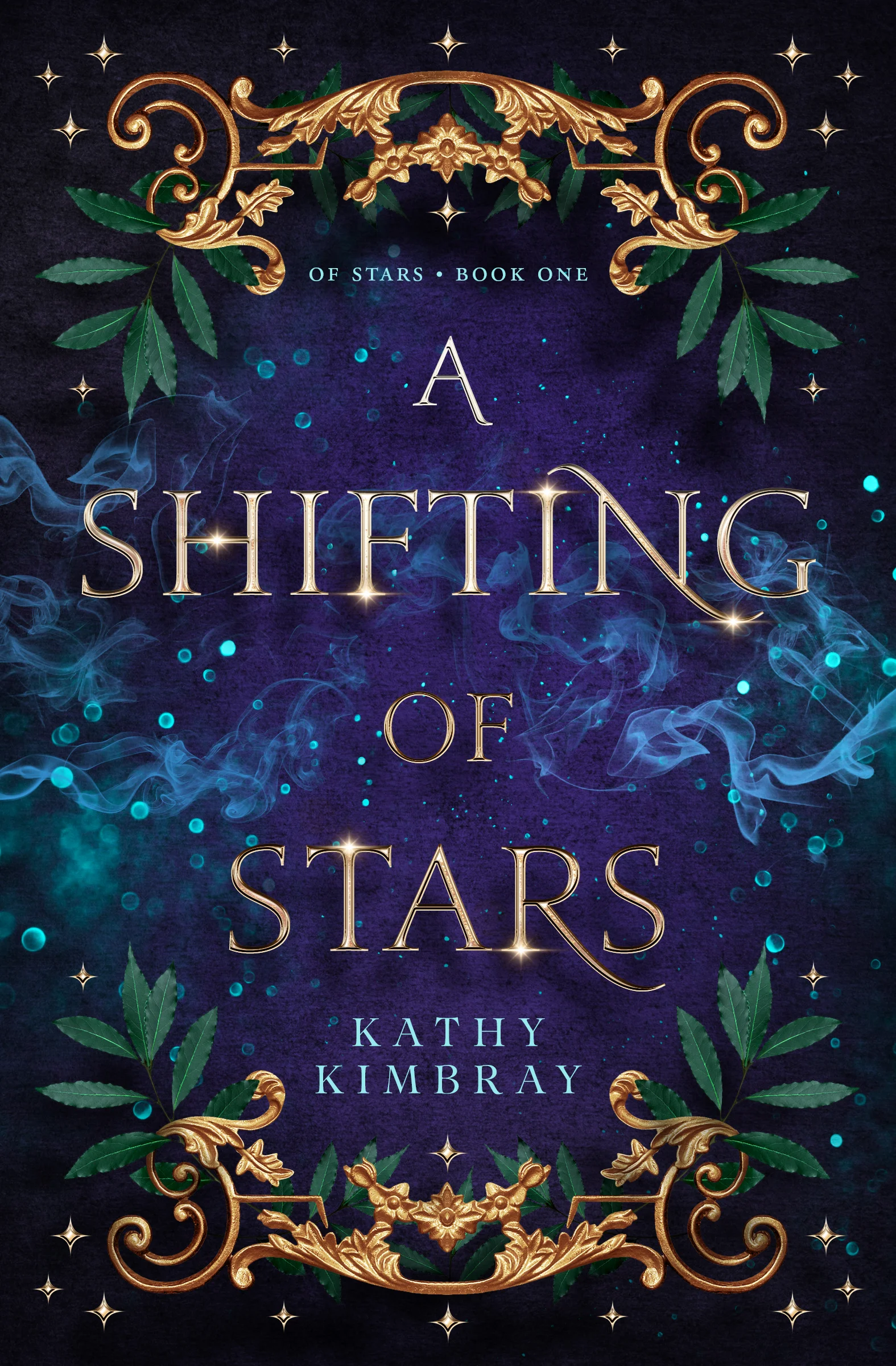
Spotlight: A Shifting of Stars by Kathy Kimbray

Genre: YA Fantasy

Release Date: May 28th 2019

Summary:

A squandering emperor. A handsome stranger. A reluctant heroine. And the ancient magic that will capsize a kingdom.

Seventeen-year-old Meadow Sircha watched her mother die from the wilting sickness. Tormented by the knowledge that the emperor failed to import the medicine that would have saved her, she speaks out at a gathering of villagers, inciting them to boycott his prized gladiator tournament.

But doing so comes at a steep cost.

Arrested as punishment for her impulsive tongue, Meadow finds herself caught up in the kind of danger she’s always tried to avoid. After a chance meeting with an enigmatic boy, she’s propelled on a perilous trek across the outer lands. But she soon unearths a staggering secret: one that will shift her world—and the kingdom—forever.

Filled with longing and heart, surprise and wonder, A SHIFTING OF STARS is the first book in Kathy Kimbray's gripping Of Stars trilogy.

Excerpt

CHAPTER ONE

I should not be here. I’m foreign to this village of broken rooftops and dull stone walls. I brush my fingers over a pillar. Its coldness burns my skin, makes me pause.

Go home.

The words sing loud like a taunt as moonlight slithers across my shoulders. The parchment digs like thorns in my palm. I imagine its shape, every fiber and ink blot.

Something moves near my feet and I jump. It’s just a rat, one of hordes from the city. They’ve grown bolder during these past few seasons, always darting out of alleys and running by arches, desperate—like us—to fill their bellies.

As it squeaks away, nails tapping in rhythm, I inspect the darkened street before me. Lamplight glows from a crooked post, but the shadows are still and the windows are empty. A leaf-strewn house looms in the distance, enticing me over the cobblestone ground. That house is the reason I’ve ventured so late into this weary part of town. Beside me, buildings cringe with moss. Walkways glisten with dirty puddles. Teetering balconies slouch from walls with garments strung between casements like cobwebs.

But that smell.

I halt to sniff the air. It wafts from the dwelling ahead of me. It winds from beneath its splintered panes—the pungent scent of broth and ale.

I wish it were stew.

Saliva brims on my tongue at the thought of meat cooked with spices and oils. The last time venison passed my lips, my mother was alive, my father smiled, and the future stretched before us, unending. Those were the days of Emperor Komran, a king who lived and bled for his people. I barely remember the white of his beard or how he limped through the fields during harvest. And it’s the same with my mother. I’m losing her, too. The curve of her cheek. The shade of her tresses. When she died, we set her afloat in the Geynes, and I sat on the bank with my toes in the water, not wanting to break that connection to her.

It’s a year tonight.

My chest starts to cave, but I fight and I fight to be still, to not cry. At least the dead are not hungry, not in turmoil. They do not see what Centriet has become.

I urge my feet toward the house. Komran would never have driven me here. When he reigned, our streets were routinely swept, and fountains dotted the well-kept pavements.

And medicine was—

A loose stone clacks. Forgetting my thoughts, I dart to an alcove. Since Komran’s son became our emperor, soldiers lurk where you’d least expect them.

In the dark, I steady my breaths, in and out. Not that I’m breaking any laws—that I know of. I listen to the night: crickets chirping, a soft breeze, and the whinny of a horse that’s so indistinct, perhaps it’s from Sledloe, the next village over.

I wait longer, just to be safe. Many of the soldiers are kind, though not all. Father says they’ve been granted more powers, but that we won’t know what it means for a while.

I hate not knowing. Just like tonight. I hate not knowing what awaits in the house. When the street remains silent, I rejoin the road, but my ankles wobble when I try to walk.

So I jog.

It soothes my jangled nerves, and I reach the house, breathless and flushed. Planks board the four square windows; rust from the nails seeps into the woodgrain. The stones are all different sizes and shapes, charred by the remnants of a long-ago fire. Ivy clings to the rutted surface, its end pieces curling like ribbon from the door.

You should leave, Meadow.

But I raise my fist. All I need to do is knock. I’ve already abandoned my stonebrick at dusk without letting Father know where I have gone. The loss of my mother hits me anew—the pain a reminder of why I have come here. That I’ve come to move on, to at last let her go. Even though I’m not sure what that means anymore.

Or if I can.

“Are you here for the Gathering?”

The question shatters the bracing air. Someone’s behind me and I spin to face him, shrouding myself with my long dark hair. But I’m wrong. There are two. One’s tall and strapping. The other is smaller in every way. As they chance another step, I notice that they’re young—about my age, seventeen.

“Why I’m here is not your concern,” I say.

“We do beg your pardon,” the smaller boy says. He has a scar on his brow like a cutlass. And another on his forearm, dark as molasses. He gestures to the vacant street behind him. “Have you ever visited Yahres before?”

“Yes,” I say, though my words are false. It’s safer to make them believe I’m a local.

“And your name?” asks the boy, but I shake my head at the same time his companion lets out a grunt.

“Don’t bother,” he snaps. “We leave tomorrow.”

The smaller boy nods, looking slightly embarrassed.

“We watched you for a bit,” he tells me.

“And what did you see?” I ask.

He smiles. One of his teeth is chipped. “We assumed you’d turn back many times.”

My pulse quickens at their presumption, especially since it’s mostly true. The slums of Yahres are outside the walls. My home lies inside in the village of Maytown. In Maytown we’re warned to always tread wisely in places like Yahres, Florian, and Sledloe. Perhaps that’s why I’d appeared so unsure. Yet neither of the pair looks remarkably dangerous.

“You proved us wrong,” the boy continues.

“No hard feelings,” I say.

He laughs. “Come inside with us.”

He holds out a hand, but I back away.

“Forgive me,” he says, withdrawing swiftly, color blotching his cheeks. “We lodge with the man who hosts these gatherings . . . and I noticed you had a parchment to read.”

“You saw?” I jolt, clutching it tightly, blood surging through my legs and arms. Since Mother’s passing, it happens quite often. My heart beats fast, and I need to run.

“You don’t have to read it,” he says.

I swallow.

“Although you can if you want to, of course. Unless you didn’t come here for the Gathering?”

“I doubt she’s here for anything else.”

It’s much too hard to read his expression, but the taller boy speaks with a dash of disdain. He sidesteps his friend with two no-nonsense strides.

“You don’t know my business,” I say.

“Oh, please.” He comes in close, reaching past me, and the scent of leather and steel is intense. It reminds me of sitting in my father’s workroom when he’s mending quivers for the elder archers. The boy raps on the door with his knuckles. Three times, then nothing. The way we’re supposed to. “Of course you’re here for the Gathering,” he says, as metal grinds and a peephole opens.

My need to bolt escalates.

“Get in. You’re the last,” says the face inside. The cumbersome timber shifts outward before us. It breaks the leaves and they flutter in spirals.

“After you,” the tall boy says.

The parchment feels like a stone in my hand. It dawns on me how stifled this is—this narrow black corridor, deep in the kingdom.

I brush the still-dangling leaves to one side. The passageway stretches a good twenty paces. I could perish in there and no one would find me.

“Are you waiting for something?”

“No,” I say.

Ignoring the boy, I stoop to enter, trying to focus my thoughts on the brickwork. The blocks have eroded from years of scuffing. They smell like lichen and tarnished copper. Light spills through the distant doorframe, and our guide clears his throat to urge us on. I double my pace, though the boys hang back. The weight of their presence behind me is strong.

Buy on Amazon | Audiobook

About the Author
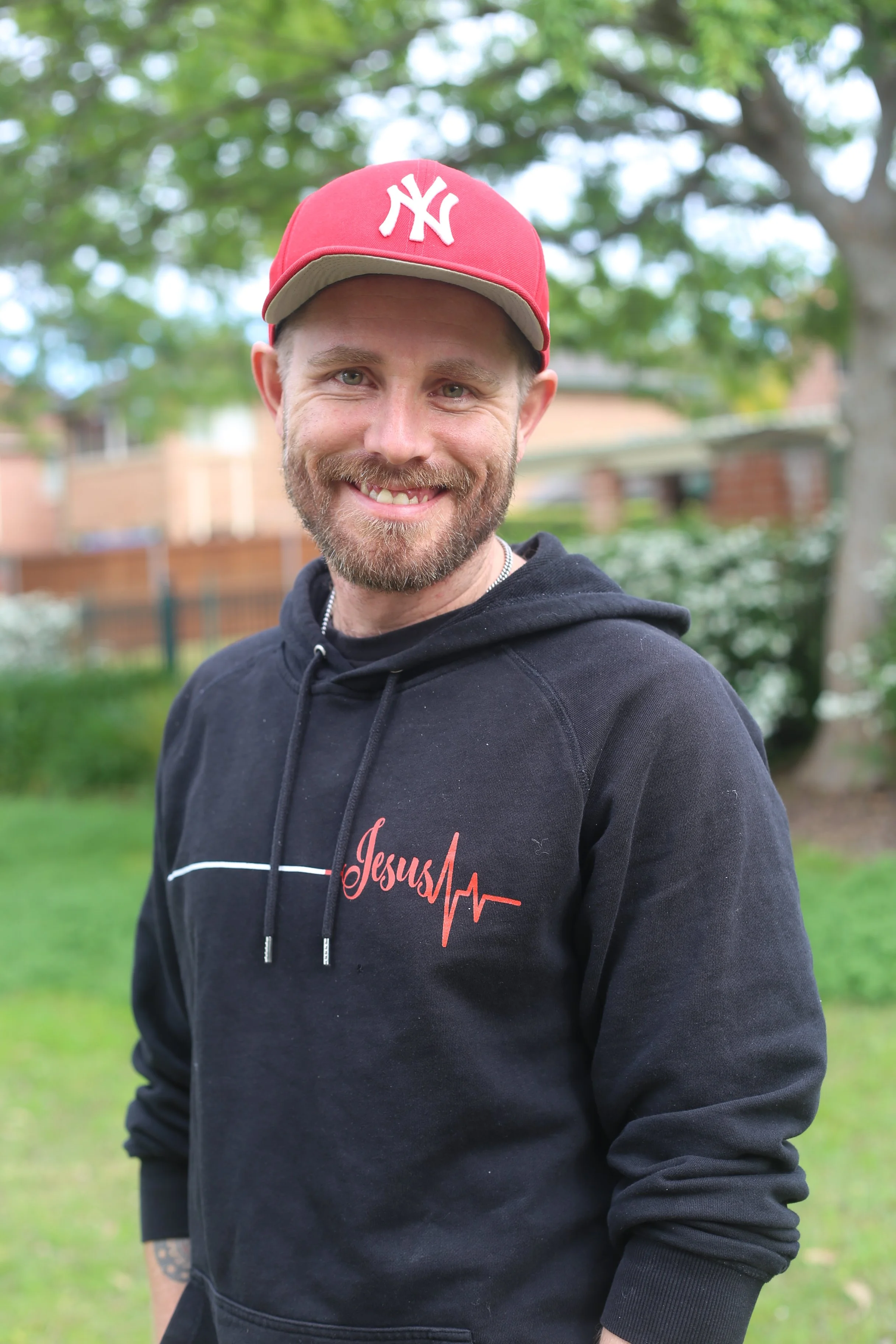
Kathy Kimbray is a YA author from Australia. She loves summer, dancing and dreaming up big ideas. A SHIFTING OF STARS is the first book in her thrilling new YA fantasy series.

Connect: Website | Goodreads | Twitter | Facebook | Instagram

Cover Reveal: Under the Skin by Zara West

Under the Skin
Zara West
(The Skin Quartet, #4)
Publication date: June 6th 2019
Genres: Adult, Romance, Thriller

A billionaire bridge builder

A gifted thief

A ruthless criminal

Can he save her before it’s too late?


Goodreads / Amazon / Barnes & Noble / iBooks


Author Bio:

Zara West loves all things adventurous and heart-stopping as long as they lead to true love. Born in Williamsburg, Brooklyn, Zara spends winters in New York where the streets hum with life, summers in the Maritimes where the sea can be cruel, and the rest of the year anywhere inspiration for tales of suspense, mystery, and romance are plentiful.

An accomplished artist by training and passion, she brings a love of art to every book she writes. When not marooned on an island or chasing after Greek shepherds, Zara tends her organic herb garden, collects hats and cats, and whips up ethnic dishes for friends and family. Learn more at http://www.zarawestsuspense.com

Website / Goodreads / Facebook / Twitter


XBTBanner1

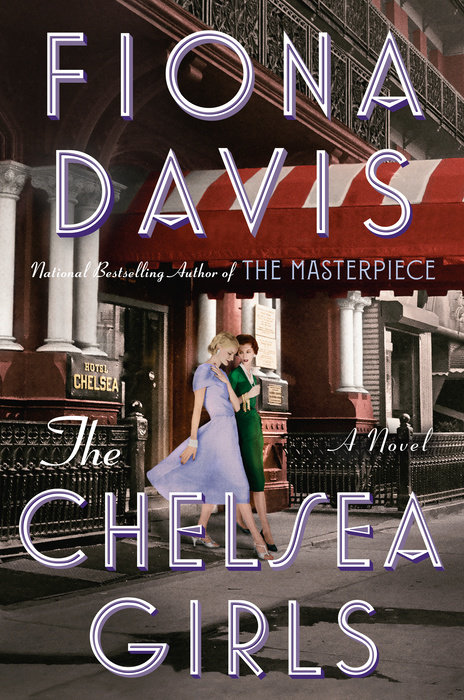
Spotlight: The Chelsea Girls by Fiona Davis

From Fiona Davis, the nationally bestselling author of The Dollhouse and The Address, the bright lights of the theater district, the glamour and danger of 1950s New York, and the wild scene at the iconic Chelsea Hotel come together in a dazzling new novel about the twenty-year friendship that will irrevocably change two women’s lives.

From the dramatic redbrick facade to the sweeping staircase dripping with art, the Chelsea Hotel has long been New York City’s creative oasis for the many artists, writers, musicians, actors, filmmakers, and poets who have called it home—a scene playwright Hazel Riley and actress Maxine Mead are determined to use to their advantage. Yet they soon discover that the greatest obstacle to putting up a show on Broadway has nothing to do with their art, and everything to do with politics. A Red scare is sweeping across America, and Senator Joseph McCarthy has started a witch hunt for Communists, with those in the entertainment industry in the crosshairs. As the pressure builds to name names, it is more than Hazel and Maxine’s Broadway dreams that may suffer as they grapple with the terrible consequences, but also their livelihood, their friendship, and even their freedom.

Spanning from the 1940s to the 1960s, The Chelsea Girls deftly pulls back the curtain on the desperate political pressures of McCarthyism, the complicated bonds of female friendship, and the siren call of the uninhibited Chelsea Hotel.

Buy on Amazon | Barnes and Noble | Audible

About the Author

Fiona Davis is the nationally bestselling author of The Masterpiece, The Address, and The Dollhouse. She began her career in New York City as an actress, working on Broadway, off-Broadway, and in regional theater. After getting a master’s degree at Columbia Journalism School, she fell in love with writing, leapfrogging from editor to freelance journalist before finally settling down as an author of historical fiction. Fiona is a graduate of the College of William & Mary and is based in New York City. For more info, visit www.fionadavis.net.

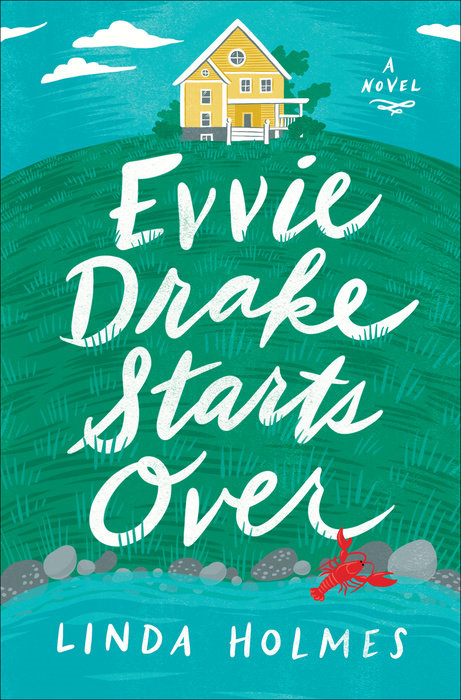
Spotlight: Evvie Drake Starts Over by Linda Holmes

From the host of NPR’s Pop Culture Happy Hour podcast comes a heartfelt debut about the unlikely relationship between a young woman who’s lost her husband and a major league pitcher who’s lost his game.

In a sleepy seaside town in Maine, recently widowed Eveleth “Evvie” Drake rarely leaves her large, painfully empty house nearly a year after her husband’s death in a car crash. Everyone in town, even her best friend, Andy, thinks grief keeps her locked inside, and Evvie doesn’t correct them.

Meanwhile, in New York City, Dean Tenney, former Major League pitcher and Andy’s childhood best friend, is wrestling with what miserable athletes living out their worst nightmares call the “yips”: he can’t throw straight anymore, and, even worse, he can’t figure out why. As the media storm heats up, an invitation from Andy to stay in Maine seems like the perfect chance to hit the reset button on Dean’s future.

When he moves into an apartment at the back of Evvie’s house, the two make a deal: Dean won’t ask about Evvie’s late husband, and Evvie won’t ask about Dean’s baseball career. Rules, though, have a funny way of being broken—and what starts as an unexpected friendship soon turns into something more. To move forward, Evvie and Dean will have to reckon with their pasts—the friendships they’ve damaged, the secrets they’ve kept—but in life, as in baseball, there’s always a chance—up until the last out.

A joyful, hilarious, and hope-filled debut, Evvie Drake Starts Over will have you cheering for the two most unlikely comebacks of the year—and will leave you wanting more from Linda Holmes.

Excerpt

One

Evvie lay awake on the floor in the dark. More specifically, on the floor of the empty little apartment that jutted awkwardly from the back of her house into the yard. She was there because, upstairs in her own bed, she’d had another dream where Tim was still alive.

Evvie’s Scandinavian grandmother had claimed that young women dream about the husbands they want, old women dream about the husbands they wanted, and only the luckiest women, for a moment in the middle, dream about the husbands they’ve got. But even accounting for the narrow ambitions this formulation allowed, Evvie’s dreams about Tim were not what her nana had in mind.

He was always angry at her for leaving. Do you see what happened? he would say, again and again. He’d felt so close this time that she’d dreamed his cinnamon-­gum breath and the little vein on his forehead, and she was afraid if she turned over and went back to sleep, he’d still be there. So she’d thrown off the blankets and made her way down to the first floor of the house that had always been too big and was much too big now. Descending the wide curved staircase still felt like transgressing, like sneaking down to the front desk of a hotel late at night to ask for extra towels. She’d stopped in the kitchen to put on a pot of water for tea, come directly into the apartment, and stretched out on her back to wait.

When they’d first bought the house—­when he’d first bought the house—­they’d planned to rent out the apartment. But they never got around to it, so Evvie had painted it her favorite shade of peacock blue and used it like a treehouse: KEEP OUT. It was still her favorite place in the house and would remain so, unless Tim’s ghost started haunting it just to say he’d noticed a few little bubbles in the paint, and it would really look better if she did it over.

Nice, she’d thought to herself when that thought first intruded. Welcome to Maine’s most ghoulish comedy club. Here is a little joke about how my husband’s ghost is kind of an asshole. And about how I am a monster.

It was a little after four in the morning. Flat on her back in her T-­shirt and boxers, she took rhythmic breaths, trying to slow the pounding in her temples and belly and wrists. The house felt empty of air and was totally silent except for the clock that had ticked out pick-­a-­pick-­a for thirty-­five years, first in her parents’ kitchen and now in hers. In the dark apartment, she felt so little of anything, except the prickle of the carpet on her skin, that it was like not being anywhere at all. It was like lying directly on top of the earth.

Evvie thought from time to time about moving in here. Someone else could have the house, that big kitchen and the bedrooms upstairs, the carved banister and the slick staircase where she’d once slipped and gotten a deep purple bruise on her hip. She could live here, stretched out on her back in the dark, thinking all her worst thoughts, eating peanut butter sandwiches and listening to the radio like the power was out forever.

The kettle whistled from the kitchen, so she stood and went to turn it off. She took down one of the two public-­radio fundraising mugs from the cabinet, leaving behind the one with the thin coat of dust on its upturned bottom. The tag on her chamomile teabag said, There is no trouble that a good cup of tea can’t solve. It sounded like what a gentleman on Downton Abbey would say right before his wife got an impacted tooth and elegantly perished in bed.

Blowing ripples in her tea, Evvie went into the living room where there was somewhere to sit and curled up on the deep-­green love seat. There was a Sports Illustrated addressed to Tim sticking out of the pile of mail on the coffee table, and she paged through it by the wedge of light from the kitchen: the winding down of baseball season, the gearing up of football season, an update on a college gymnast who was quitting to be a doctor, and a profile of a Yankees pitcher who woke up one day and couldn’t pitch anymore. That last one was under a fat all-­caps headline: “HOW TO BECOME A HEAD CASE.” “Way ahead of you,” she muttered, and stuck the magazine at the bottom of the pile.

Excerpted from Evvie Drake Starts Over by Linda Holmes. Copyright © 2019 by Linda Holmes. All rights reserved. No part of this excerpt may be reproduced or reprinted without permission in writing from the publisher.

Buy on Amazon | Barnes and Noble | Audible

About the Author

Linda Holmes is a pop culture correspondent for National Public Radio and the host of the podcast Pop Culture Happy Hour, which has also held sold-out live shows in New York, Los Angeles, Washington, and elsewhere. She appears regularly on NPR’s radio shows including Morning Edition, All Things Considered, and Weekend Edition. Before NPR, she wrote for New York magazine online and for TV Guide, as well as for the influential website Television Without Pity. In her free time, she watches far too many romantic comedies, bakes bread, watches her nephews get taller, and recently knitted her first hat.

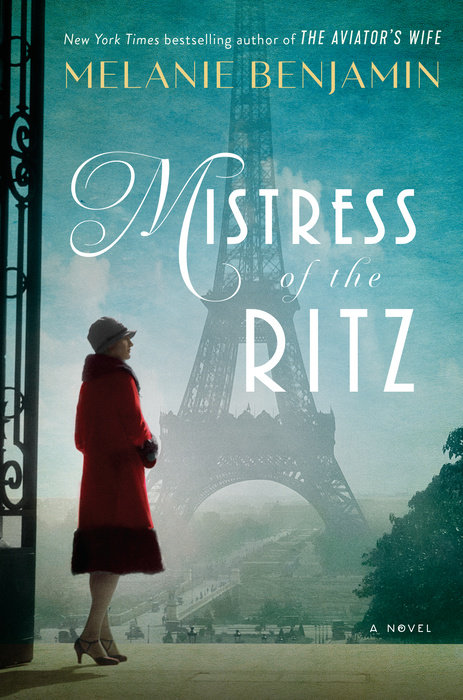
Spotlight: Mistress of the Ritz by Melanie Benjamin

Nothing bad can happen at the Ritz; inside its gilded walls every woman looks beautiful, every man appears witty. Favored guests like Ernest Hemingway, F. Scott Fitzgerald, Coco Chanel, and the Duke and Duchess of Windsor walk through its famous doors to be welcomed and pampered by Blanche Auzello and her husband, Claude, the hotel’s director. The Auzellos are the mistress and master of the Ritz, allowing the glamour and glitz to take their minds off their troubled marriage, and off the secrets that they keep from their guests—and each other.

Until June 1940, when the German army sweeps into Paris, setting up headquarters at the Ritz. Suddenly, with the likes of Hermann Goëring moving into suites once occupied by royalty, Blanche and Claude must navigate a terrifying new reality. One that entails even more secrets and lies. One that may destroy the tempestuous marriage between this beautiful, reckless American and her very proper Frenchman. For in order to survive—and strike a blow against their Nazi “guests”—Blanche and Claude must spin a web of deceit that ensnares everything and everyone they cherish.

But one secret is shared between Blanche and Claude alone—the secret that, in the end, threatens to imperil both of their lives, and to bring down the legendary Ritz itself.

Based on true events, Mistress of the Ritz is a taut tale of suspense wrapped up in a love story for the ages, the inspiring story of a woman and a man who discover the best in each other amid the turbulence of war.

Buy on Amazon | Barnes and Noble | Audible

About the Author

Melanie Benjamin is the New York Timesbestselling author of The Aviator’s Wife, The Autobiography of Mrs. Tom Thumb, and Alice I Have Been. Benjamin lives in Chicago, where she is at work on her next historical novel.

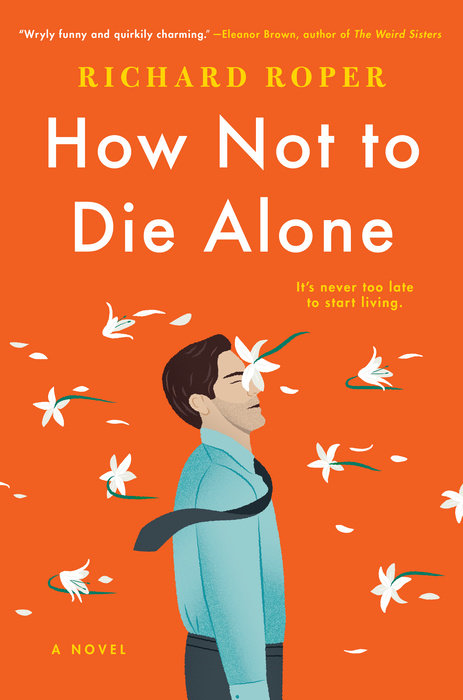
Spotlight: How Not to Die Alone by Richard Roper

Smart, darkly funny, and life-affirming, How Not to Die Alone is the bighearted debut novel we all need, for fans of Eleanor Oliphant is Completely Fine, it’s a story about love, loneliness, and the importance of taking a chance when we feel we have the most to lose.

Sometimes you need to risk everything . . . to find your something.

Andrew’s been feeling stuck.

For years he’s worked a thankless public health job, searching for the next of kin of those who die alone. Luckily, he goes home to a loving family every night. At least, that’s what his coworkers believe.

Then he meets Peggy.

A misunderstanding has left Andrew trapped in his own white lie and his lonely apartment. When new employee Peggy breezes into the office like a breath of fresh air, she makes Andrew feel truly alive for the first time in decades.

Could there be more to life than this?

But telling Peggy the truth could mean losing everything. For twenty years, Andrew has worked to keep his heart safe, forgetting one important thing: how to live. Maybe it’s time for him to start.

Excerpt

- Chapter 1 -

Andrew looked at the coffin and tried to remember who was inside it. It was a man-he was sure of that. But, horrifyingly, the name escaped him. He thought he'd narrowed it down to either John or James, but Jake had just made a late bid for consideration. It was inevitable, he supposed, that this had happened. He'd been to so many of these funerals it was bound to at some point, but that didn't stop him from feeling an angry stab of self-loathing.

If he could just remember the name before the vicar said it, that would be something. There was no order of service, but maybe he could check his work phone. Would that be cheating? Probably. Besides, it would have been a tricky enough maneuver to get away with in a church full of mourners, but it was nearly impossible when the only other person there apart from him was the vicar. Ordinarily, the funeral director would have been there as well, but he had e-mailed earlier to say he was too ill to make it.

Unnervingly, the vicar, who was only a few feet away from Andrew, had barely broken eye contact since he'd started the service. Andrew hadn't dealt with him before. He was boyish and spoke with a nervous tremor that was amplified unforgivingly by the echoey church. Andrew couldn't tell if this was down to nerves. He tried out a reassuring smile, but it didn't seem to help. Would a thumbs-up be inappropriate? He decided against it.

He looked over at the coffin again. Maybe he was a Jake, though the man had been seventy-eight when he died, and you didn't really get many septuagenarian Jakes. At least not yet. It was going to be strange in fifty years' time when all the nursing homes would be full of Jakes and Waynes, Tinkerbells and Appletisers, with faded tribal tattoos that roughly translated as "Roadworks for next fifty yards" faded on their lower backs.

Jesus, concentrate, he admonished himself. The whole point of his being there was to bear respectful witness to the poor soul departing on their final journey, to provide some company in lieu of any family or friends. Dignity-that was his watchword.

Unfortunately, dignity was something that had been in short supply for the John or James or Jake. According to the coroner's report, he had died on the toilet while reading a book about buzzards. To add insult to injury, Andrew later discovered firsthand that it wasn't even a very good book about buzzards. Admittedly he was no expert, but he wasn't sure the author-who even from the few passages Andrew had read came across as remarkably grumpy-should have dedicated a whole page to badmouthing kestrels. The deceased had folded the corner of this particular page down as a crude placeholder, so perhaps he'd been in agreement. As Andrew had peeled off his latex gloves he'd made a mental note to insult a kestrel-or indeed any member of the falcon family-the next time he saw one, as a tribute of sorts.

Other than a few more bird books, the house was devoid of anything that gave clues to the man's personality. There were no records or films to be found, nor pictures on the walls or photographs on the windowsills. The only idiosyncrasy was the bafflingly large number of Fruit 'n Fibre boxes in the kitchen cupboards. So aside from the fact that he was a keen ornithologist with a top-notch digestive system, it was impossible to guess what sort of person John or James or Jake had been.

Andrew had been as diligent as ever with the property inspection. He'd searched the house (a curious mock-Tudor bungalow that sat defiantly as an incongruous interlude on the terraced street) until he was sure he'd not missed something that suggested the man had any family he was still in touch with. He'd knocked on the neighbors' doors but they'd been either indifferent to or unaware of the man's existence, or the fact it was over.

The vicar segued unsurely into a bit of Jesus-y material, and Andrew knew from experience that the service was coming to a close. He had to remember this person's name, as a point of principle. He really tried his best, even when there was no one else there, to be a model mourner-to be as respectful as if there were hundreds of devastated family members in attendance. He'd even started removing his watch before entering the church because it felt like the deceased's final journey should be exempt from the indifference of a ticking second hand.

The vicar was definitely on the home stretch now. Andrew was just going to have to make a decision.

John, he decided. He was definitely John.

"And while we believe that John-"

Yes!

"-struggled to some extent in his final years, and sadly departed the world without family or friends by his side, we can take comfort that, with God waiting with open arms, full of love and kindness, this journey shall be the last he makes alone."

Andrew tended not to stick around after the funerals. On the few occasions he had, heÕd ended up having to make awkward conversation with funeral directors or last-minute rubberneckers. It was remarkable how many of the latter you would get, hanging around outside, farting out inane platitudes. Andrew was well practiced at slipping away so as to avoid such encounters, but today heÕd briefly been distracted by a sign on the church noticeboard advertising the troublingly jaunty ÒMidsummer Madness Fete!Ó when he felt someone tapping him on the shoulder with the insistence of an impatient woodpecker. It was the vicar. He looked even younger close up, with his baby-blue eyes and blond curtains parted neatly in the middle, as if his mum might have done it for him.

"Hey, it's Andrew, isn't it? You're from the council, right?"

"That's right," Andrew said.

"No luck finding any family then?"

Andrew shook his head.

"Shame, that. Real shame."

The vicar seemed agitated, as if he were holding on to a secret that he desperately wanted to impart.

"Can I ask you something?" he said.

"Yes," Andrew said, quickly deciding on an excuse for why he couldn't attend "Midsummer Madness!"

"How did you find that?" the vicar said.

"Do you mean . . . the funeral?" Andrew said, pulling at a bit of loose thread on his coat.

"Yeah. Well, more specifically my part in it all. Because, full disclosure, it was my first. I was quite relieved to be starting with this one, to be honest, because there wasn't anybody here so it sort of felt like a bit of a practice run. Hopefully now I'm fully prepared for when there's a proper one with a church full of friends and family, not just a guy from the council. No offense," he added, putting a hand on Andrew's arm. Andrew did his best not to recoil. He hated it when people did that. He wished he had some sort of squidlike defense that meant he could shoot ink into their eyes.

"So yeah," the vicar said. "How'd you think I did?"

What do you want me to say? Andrew thought. Well, you didn't knock the coffin over or accidentally call the deceased "Mr. Hitler," so ten out of ten I'd say.

"You did very well," he said.

"Ah, great, thanks, mate," the vicar said, looking at him with renewed intensity. "I really appreciate that."

He held out his hand. Andrew shook it and went to let go, but the vicar carried on.

"Anyway, I better be off," Andrew said.

"Yes, yes of course," said the vicar, finally letting go.

Andrew started off down the path, breathing a sigh of relief at escaping without further interrogation.

"See you soon I hope," the vicar called after him.

- Chapter 2 -

The funerals had been given various prefixes over the years-"public health," "contract," "welfare," "Section 46"-but none of the attempted rebrands would ever replace the original. When Andrew had come across the expression "pauper's funeral" he'd found it quite evocative; romantic, even, in a Dickensian sort of way. It made him think of someone a hundred and fifty years ago in a remote village-all mud and clucking chickens-succumbing to a spectacular case of syphilis, dying at the fine old age of twenty-seven and being bundled merrily into a pit to regenerate the land. In practice, what he experienced was depressingly clinical. The funerals were now a legal obligation for councils across the UK, designed for those who'd slipped through the cracks-their death perhaps only noticed because of the smell of their body decomposing, or an unpaid bill. (It had been on several occasions now where Andrew had found that the deceased had enough money in a bank account for direct debits to cover utility bills for months after their death, meaning the house was kept warm enough to speed up their body's decomposition. After the fifth harrowing instance of this, he'd considered mentioning it in the "Any other comments" section on his annual job satisfaction survey. In the end he went with asking if they could have another kettle in the shared kitchen.)

Another phrase he had become well acquainted with was "The Nine O'Clock Trot." His boss, Cameron, had explained its origin to him while violently piercing the film on a microwavable biryani. "If you die alone"-stab, stab, stab-"you're most likely buried alone too"-stab, stab, stab-"so the church can get the funeral out of the way at nine o'clock, safe in the knowledge that every train could be canceled"-stab-"every motorway gridlocked"-stab-"and it wouldn't make a difference." A final stab. "Because nobody's on their way."

In the previous year Andrew had arranged twenty-five of these funerals (his highest annual total yet). He'd attended all of them, too, though he wasn't technically required to do so. It was, he told himself, a small but meaningful gesture for someone to be there who wasn't legally obligated. But increasingly he found himself watching the simple, unvarnished coffins being lowered into the ground in a specially designated yet unmarked plot, knowing they would be uncovered three or four more times as other coffins were fitted in like a macabre game of Tetris, and think that his presence counted for nothing.

As Andrew sat on the bus to the office, he inspected his tie and shoes, both of which had seen better days. There was a persistent stain on his tie, origin unknown, that wouldnÕt budge. His shoes were well polished but starting to look worn. Too many nicks from churchyard gravel, too many times the leather had strained where heÕd curled his toes at a vicarÕs verbal stumble. He really should replace both, come payday.

Now that the funeral was over, he took a moment to mentally file away John (surname Sturrock, he discovered, having turned on his phone). As ever, he tried to resist the temptation to obsess over how John had ended up in such a desperate position. Was there really no niece or godson he was on Christmas-card terms with? Or an old school friend who called, even just on his birthday? But it was a slippery slope. He had to stay as objective as possible, for his own sake, if only to be mentally strong enough to deal with the next poor person who ended up like this. The bus stopped at a red light. By the time it went green Andrew had made himself say a final good-bye.

He arrived at the office and returned Cameron's enthusiastic wave with a more muted acknowledgment of his own. As he slumped into his well-weathered seat, which had molded itself to his form over the years, he let out a now sadly familiar grunt. He'd thought having only just turned forty-two he'd have a few more years before he began accompanying minor physical tasks by making odd noises, but it seemed to be the universe's gentle way of telling him that he was now officially heading toward middle age. He only imagined before too long he'd wake up and immediately begin his day bemoaning how easy school exams were these days and bulk-buying cream chinos.

He waited for his computer to boot up and watched out of the corner of his eye as his colleague Keith demolished a hunk of chocolate cake and methodically sucked smears of icing from his stubby little fingers.

"Good one, was it?" Keith said, not taking his eyes off his screen, which Andrew knew was most likely showing a gallery of actresses who'd had the temerity to age, or something small and furry on a skateboard.

"It was okay," Andrew said.

"Any rubberneckers?" came a voice from behind him.

Andrew flinched. He hadn't seen Meredith take her seat.

"No," he said, not bothering to turn around. "Just me and the vicar. It was his very first funeral, apparently."

"Bloody hell, what a way to pop your cherry," Meredith said.

"Better that than a room full of weepers, to be fair," Keith said, with one final suck of his little finger. "You'd be shitting piss, wouldn't you?"

The office phone rang and the three of them sat there not answering it. Andrew was about to bite but Keith's frustration got the better of him first.

"Hello, Death Administration. Yep. Sure. Yep. Right."

Andrew reached for his earphones and pulled up his Ella Fitzgerald playlist (he had only very recently discovered Spotify, much to Keith's delight, who'd spent a month afterward calling Andrew "Granddad"). He felt like starting with a classic-something reassuring. He decided on "Summertime." But he was only three bars in before he looked up to see Keith standing in front of him, belly flab poking through a gap between shirt buttons.

"Helloooo. Anybody there?"

Andrew removed his earphones.

"That was the coroner. We've got a fresh one. Well, not a fresh body obviously-they reckon he'd been dead a good few weeks. No obvious next of kin and the neighbors never spoke to him. Body's been moved so they want a property inspection a-sap."

"Right."

Keith picked at a scab on his elbow. "Tomorrow all right for you?"

Andrew checked his diary.

"I can do first thing."

"Blimey, you're keen," Keith said, waddling back to his desk. And you're a slice of ham that's been left out in the sun, Andrew thought. He went to put his earphones back in, but at that moment Cameron emerged from his office and clapped his hands together to get their attention.

"Team meeting, chaps," he announced. "And yes, yes, don't you worry-the current Mrs. Cameron has provided cake, as per. Shall we hit the break-out space?"

The three of them responded with the enthusiasm a chicken might if it were asked to wear a prosciutto bikini and run into a fox's den. The "break-out space" consisted of a knee-high table flanked by two sofas that smelled unaccountably of sulfur. Cameron had floated the idea of adding beanbags, but this had been ignored, as were his suggestions of desk-swap Tuesdays, a negativity jar ("It's a swear jar but for negativity!") and a team park run. ("I'm busy," Keith had yawned. "But I haven't told you which day it's on," Cameron said, his smile faltering like a flame in a draft.) Undeterred by their complete lack of enthusiasm, Cameron's most recent suggestion had been a suggestion box. This, too, had been ignored.

Excerpted from How Not to Die Alone by Richard Roper. Copyright © 2019 by Richard Roper. All rights reserved. No part of this excerpt may be reproduced or reprinted without permission in writing from the publisher.

Buy on Amazon | Barnes and Noble | Audible

About the Author

Richard Roper is a non-fiction editor at Headline, where he works with authors such as James Acaster, Joel Dommett, Andrew O’Neill, and Frank Turner. How Not to Die Alone is inspired by an article he read about people whose job it is to follow up after people die alone. It is his debut novel.