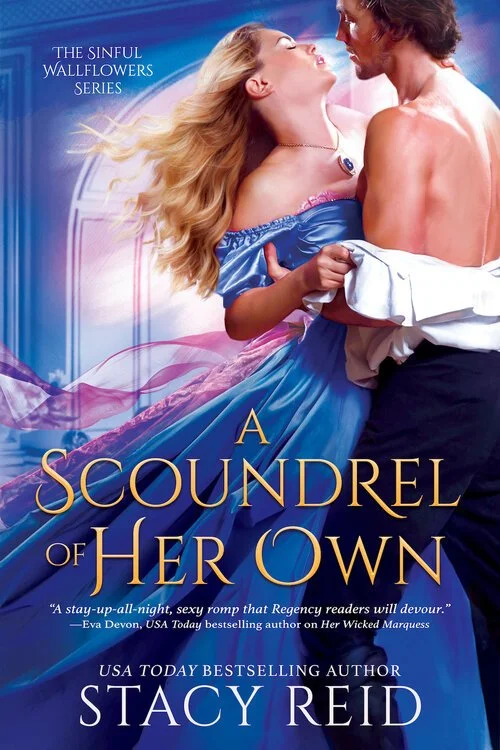
Spotlight: A Scoundrel of Her Own by Stacy Reid

Publisher: Entangled: Amara (December 28, 2021)

Mass Market Paperback: 400 pages

Lady Ophelia Darby exists in two worlds. In one, she is the impudent, willful daughter of a powerful marquess and darling of the ton. In the other, she moves through the underworld’s shadows as songstress Lady Starlight, protected only by the notoriously wealthy scoundrel Devlin Byrne. But when she stumbles upon her beloved father’s darkest secrets, the line between her two worlds quickly blurs. Now she needs the help of the one man a lady should never trust.

Devlin Byrne stands on the edge of London society, knowing he will never be accepted. No one else knows that his obscene wealth and ruthlessness aren’t without purpose. Or that his purpose has golden-brown eyes that shimmer with mischief, the palest of skin, and a lush mouth that beckons to be kissed, and deeply. But having Ophelia is only the beginning of Devlin’s plans.

It’s undeniable that Devlin Byrne is a dangerous temptation?but just as Ophelia begins to trust him, maybe even fall for him, she discovers she’s not the only one with secrets. And his would lead her down more than just the path of scandal…

Each book in the Sinful Wallflowers series is STANDALONE:

* My Darling Duke

* Her Wicked Marquess

* A Scoundrel of Her Own

Buy on Amazon Kindle | Mass Market Paperback | Bookshop.org

About the Author

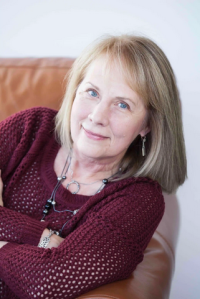
USA Today Bestselling author Stacy Reid writes sensual Historical and Paranormal Romances and is the published author of over twenty books. Her debut novella The Duke's Shotgun Wedding was a 2015 HOLT Award of Merit recipient in the Romance Novella category, and her bestselling Wedded by Scandal series is recommended as Top picks at Night Owl Reviews, Fresh Fiction Reviews, and The Romance Reviews.

Stacy lives a lot in the worlds she creates and actively speaks to her characters (aloud). She has a warrior way "Never give up on dreams!" When she's not writing, Stacy spends a copious amount of time binge-watching series like The Walking Dead, Altered Carbon, Rise of the Phoenixes, Ten Miles of Peach Blossom, and playing video games with her love. She also has a weakness for ice cream and will have it as her main course.

To be the first to hear about my new releases, get cover reveals and excerpts you won't find anywhere else, sign up for my Newsletter @ https://www.stacyreid.com/#newsletter/

Happy reading!

Connect:

https://www.stacyreid.com/

https://www.facebook.com/stacyreid

https://www.instagram.com/stacy_romanceaddict/

https://twitter.com/st_reid

https://www.goodreads.com/author/show/8076768.Stacy_Reid

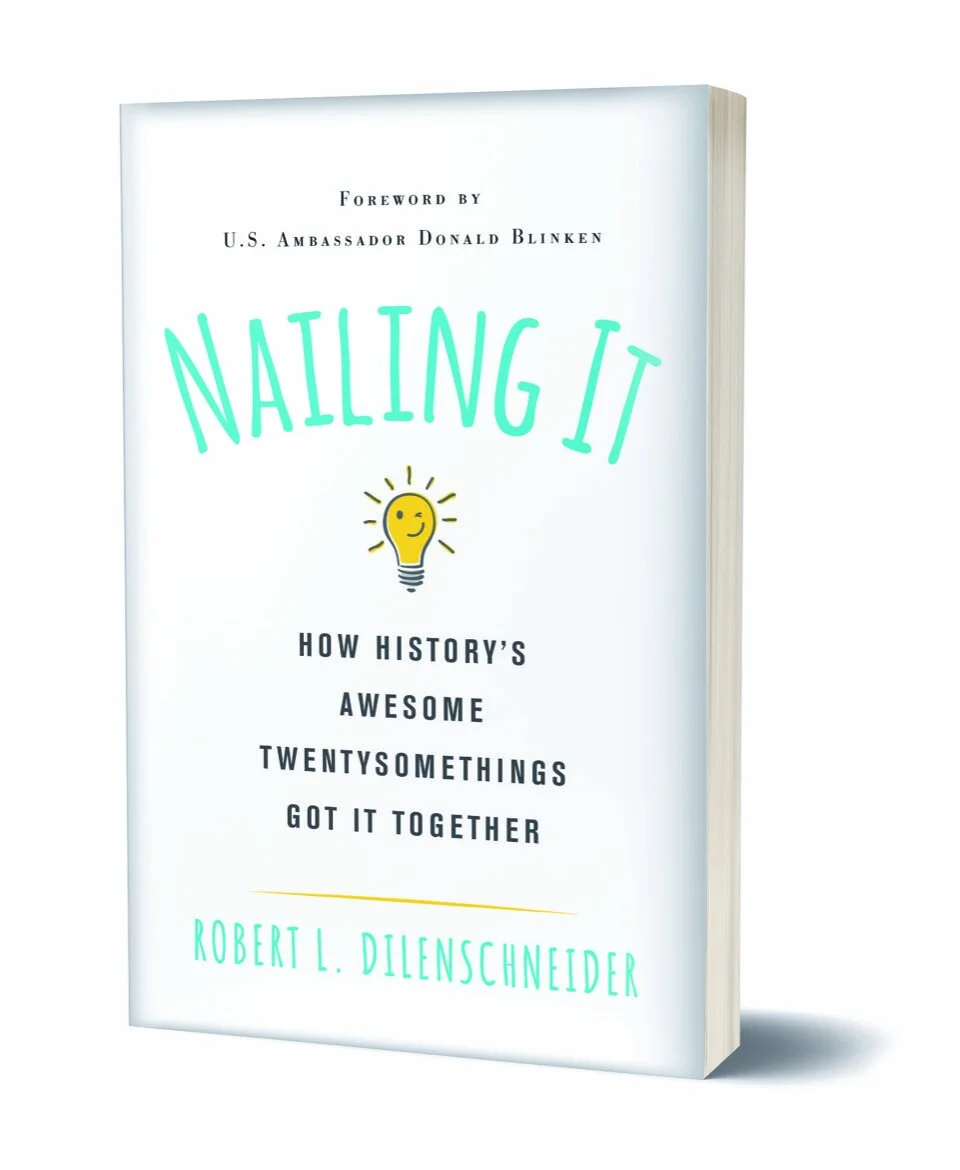
Spotlight: Nailing It: How History’s Awesome Twentysomethings Got It Together by Robert L. Dilenschneider

The pandemic has turned young adulthood upside-down. For millions of millennials, what should be a key transformation period, full of adventure, freedom, and self-exploration, has been temporarily halted. Key life events have been put on hold, delayed, or outright cancelled. Now they have even more challenges ahead of them in figuring out their life paths.

Fortunately, history shows that there are inspiring examples of successful people who experienced delayed progress in their 20s, forced to take circuitous paths to their life callings, even overcoming tragic starts.

Nailing It details the unique trajectories of luminaries, including Maya Angelou, Albert Einstein, Steve Jobs, Sally Ride, Mary Shelley and Jackie Robinson. Drawing on history, these are profiles of twenty-five men and women who used a variety of strategies to rise out of difficult personal circumstances, overcome great obstacles, defy their critics, forge entirely new paths for themselves, and attain success.
Dilenschneider notes there are many paths forward and out of an unsettled time in your life. Through these vignettes, you’ll find thoughtful inspiration – and the power to work towards success in a difficult environment, fraught with challenges, adversity, and uncertainty.

Excerpt

SALLY RIDE AND CHRISTA MCAULIFFE (United States) 

From NAILING IT by Robert L. Dilenschneider, excerpted with permission from Kensington Books. Copyright 2022.

Two young women sought to make history for the most positive of reasons. One lived doing so. One died. 

They each claimed a “first” in the annals of space travel, in the ongoing exploration of the universe beyond the limits of the earth’s atmosphere. Astronaut Sally Ride was the first American woman to fly into space. Teacher Christa McAuliffe was the first “ordinary citizen” to fly into space. 

Though their time at NASA overlapped only briefly, they are forever bound together in our imaginations, along with the space shuttle Challenger, the vessel on which they traveled, on separate missions. 

Sally Ride went into space twice during her nine-year NASA career: in 1983 (when she was 32 years old and happened to be NASA’s youngest astronaut, another first) and 1984. For each voyage, she was a crew member on the Challenger. As 1986 began, she was training for her third mission, scheduled to take place after Challenger’s then-current mission, Christa McAuliffe’s mission. One of the goals of NASA’s shuttle program was to emulate the near-continuous use of commercial aircraft, which fly, arrive, are serviced, and fly again. 

Another one of NASA’s goals was, frankly, good public relations. The agency wanted to increase excitement about, and support for, space flight and the science behind it. Opening up possibilities to a broader audience was a key strategy. That’s why Christa McAuliffe, a teacher and a civilian, was on the Challenger that day that we all remember, January 28, 1986. All seven crew aboard were killed when the shuttle launched, soared into the sky, and exploded after a seventy-three-second flight. McAuliffe was 38 years old. 

The shuttle program was immediately suspended, resuming after two years. Dr. Ride was chosen to serve on the board that investigated the Challenger disaster. (Almost twenty years later, when the shuttle Columbia disintegrated upon re-entry into earth’s atmosphere, again killing an entire crew of seven, she was part of that investigation as well.) 

Sally Ride the scientist. Christa McAuliffe the teacher. Both these two young thirty-something women had prepared themselves well for their careers—neither of which was to include traveling to what used to be called, quaintly, “outer space.” What brought them to NASA and to the “firsts” that were turning points in their lives? 

I can find no evidence that Sally and Christa ever met, even though their time at NASA overlapped. If they did not know each other, though, they must have known of each other. If they ever talked, do you think they focused on the identity of being “first,” which is often more important to onlookers than to the people involved, or to the joy they found in space exploration. Or other, more mundane topics? 

Sally Ride was 26 years old in 1977, about to receive her PhD in astrophysics from Stanford University; only her thesis remained to be written. With three other degrees from Stanford (BA in English with a concentration in Shakespeare, BS in physics, MS in physics), she clearly was oriented toward a life in academia. Soon she would be applying for teaching positions. 

One morning, drinking coffee and getting ready for the day, she read an article in the daily student newspaper with the headline “NASA to Recruit Women”—and not just women for any old NASA job, but for the first time as pilots and mission specialists—as astronauts. And it was not just women who were being newly recruited, there was a focus on minorities as well. And on scientists. The NASA era of astronauts being exclusively White-men-with-military-flying-experience was ending. 

Ride decided—almost instantaneously—to apply. As Lynn Sherr, journalist and friend, subsequently reported: “‘I just had this Wow! feeling,’ Sally later said. ‘I read through the list of requirements for mission specialist and said to myself, I could do that.’” 

Dr. Ride would be part of the new NASA era. Out of eight thousand applicants, she was one of thirty-five people to be chosen for the first new class, which included six White women, three Black men, and one Asian-American man. In early 1978, she entered NASA training as a mission specialist. (Sadly, one sister-member of her class of astronauts, Dr. Judith Resnik, was a crewmate on the Challenger with Christa McAuliffe.) 

The “space race” was one of the defining elements of the post-WWII Cold War between the United States and the Soviet Union. With the successful launch of the (unmanned) satellite Sputnik 1 in 1957, the Soviets were ahead in the race, and it was imperative that the United States not only catch up but exceed. Citizens were nervous about Soviets “flying around up there.” National security was at stake. What’s called the “Pearl Harbor effect” came urgently into play, with new funding, new agencies, new coordination among existing agencies, new R&D efforts. 

Early in 1958 the United States launched its first satellite, the Explorer, and, later in the year, the NASA organization was formalized. Its official goal was “to provide for research into the problems of flight within and outside Earth’s atmosphere, and for other purposes.” “Other purposes” indeed; defense of the country was never far from anyone’s mind. 

Within three years, the space race was neck and neck. The Soviets sent the first man into space in April 1961, the Americans in May 1961. The missions met their objectives; cosmonaut Yuri Gagarin and astronaut Alan Shepard returned safely to Earth. 

In July 1970, the space race ended when American astronaut Neil Armstrong became the first person to step onto the moon; in July 1975, joint American–Soviet/Russian space missions commenced and continue to this day. (The Cold War officially ended in 1991 when the Soviet Union was dissolved.) 

American-manned space travel was centered around the Mercury program (1961–63), Project Gemini (1965–66), and Project Apollo (1968–72), augmented by unmanned satellite exploration. Each successive program built on the previous one in all ways, but a characteristic of each spacecraft was that it was single use, burning up (with the obvious exception of the astronaut’s “pod”) in Earth’s atmosphere as it returned from space. And each astronaut—a man with military experience—reflected NASA’s role in American national security apparatus. 

The goal of diversifying the NASA astronaut cadre had been bandied about since the early 1960s, but it was impetus from President Nixon in 1972 that had formalized the effort. PostApollo, the next generation of spacecraft was emerging. The new Space Transport System—a “shuttle fleet for low Earth orbit”—would be made up of reusable vessels capable of frequent and long-lasting flights, whose crews did lots of experiments.

Buy on Amazon Kindle | Paperback | Bookshop.org

About the Author

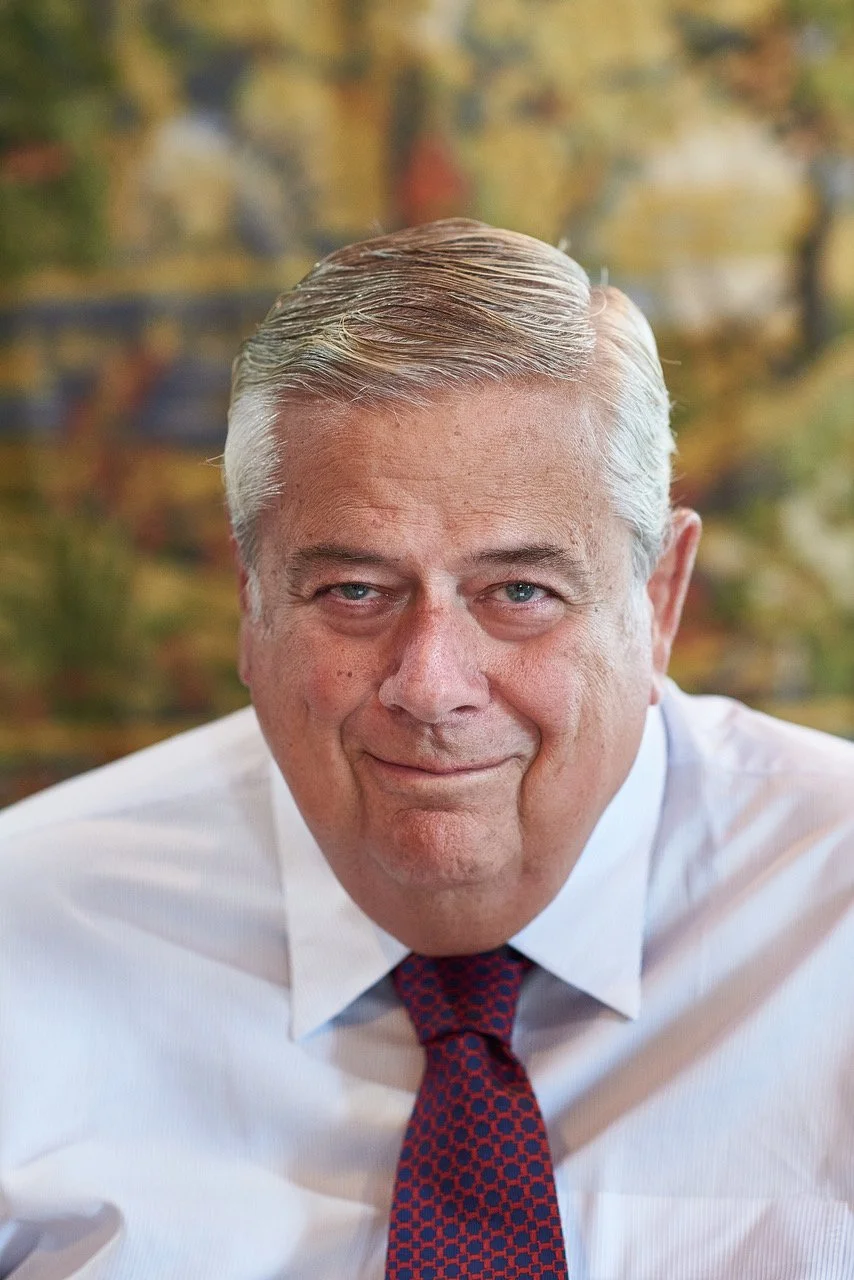
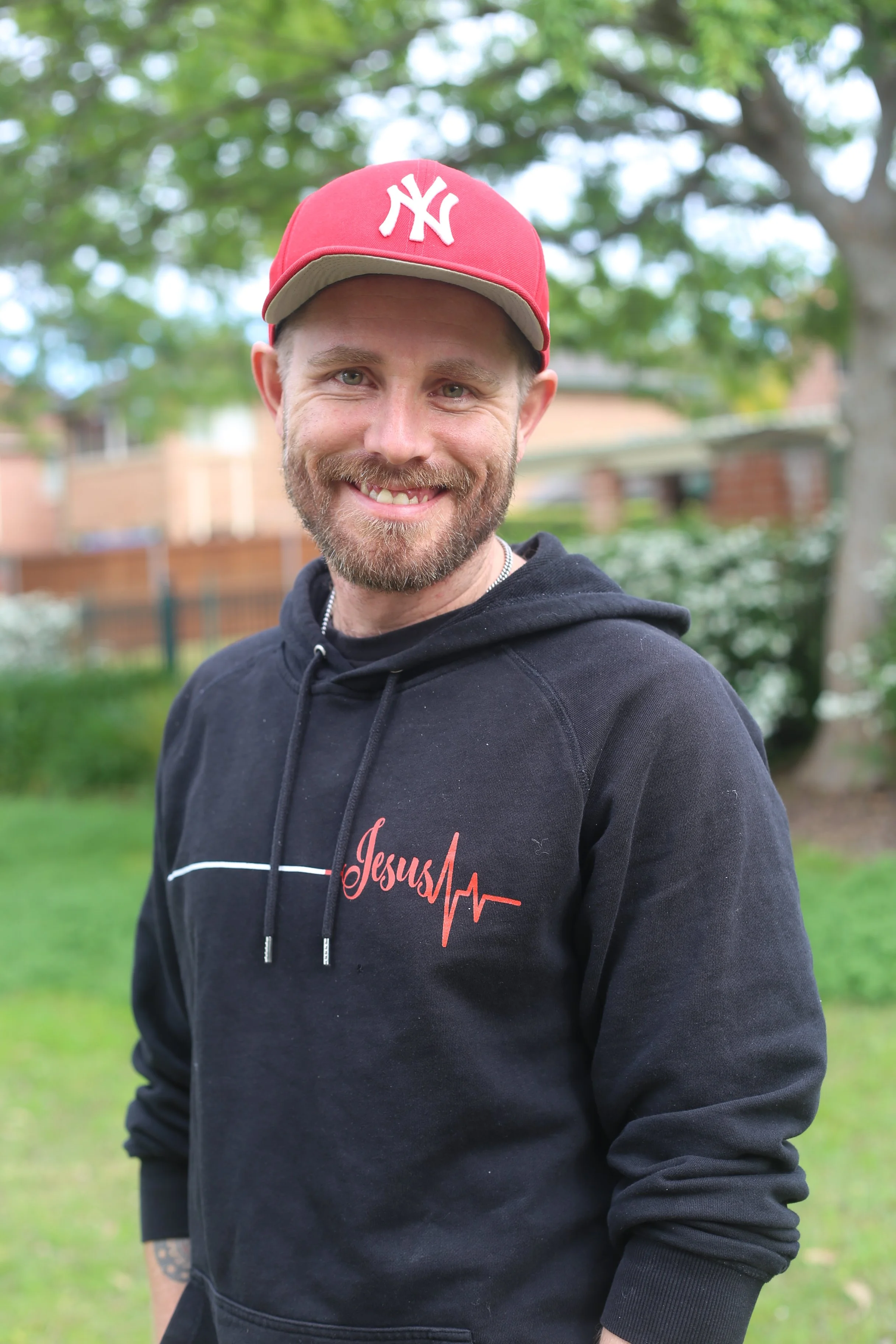
Robert L. Dilenschneider is the author of Nailing It: How History’s Awesome Twentysomethings Got It Together. 

He is founder of The Dilenschneider Group. Headquartered in New York and Chicago, the Firm provides strategic advice and counsel to Fortune 500 companies and leading families and individuals around the world, with experience in fields ranging from mergers and acquisitions and crisis communications to marketing, government affairs and international media.  

Mr. Dilenschneider has been called the “Dean of American Public Relations Executives” and is widely published, having authored 14 books, including Decisions: Practical Advice from 23 Men and Women Who Shaped the World; A Briefing for Leaders; On Power, The Critical 14 Years of Your Professional Life; 50 Plus!—Critical Career Decisions for the Rest of Your Life, and Power and Influence: The Rules Have Changed

For more information, please visit https://robertldilenschneider.com

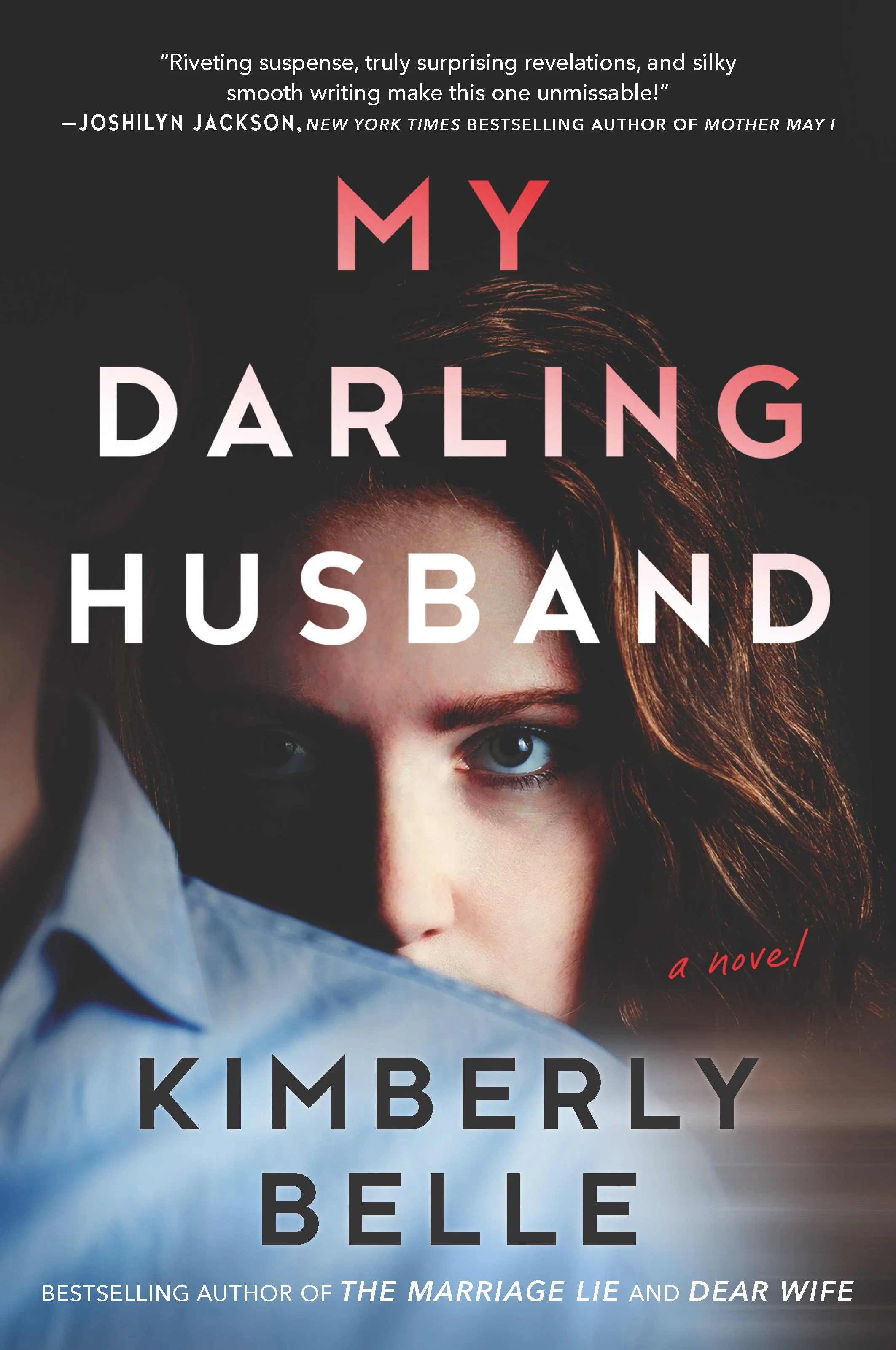
Spotlight: My Darling Husband by Kimberly Belle

Fiction / Thrillers / Psychological

352 pages

Bestselling author of DEAR WIFE and THE MARRIAGE LIE, Kimberly Belle returns with her most heart-pounding thriller to date, as a masked home invader reveals the cracks in a marriage.

Everyone is about to know what her husband isn’t telling her…

Jade and Cam Lasky are by all accounts a happily married couple with two adorable kids, a spacious home and a rapidly growing restaurant business. But their world is tipped upside down when Jade is confronted by a masked home invader. As Cam scrambles to gather the ransom money, Jade starts to wonder if they’re as financially secure as their lifestyle suggests, and what other secrets her husband is keeping from her.
Cam may be a good father, a celebrity chef and a darling husband, but there’s another side he’s kept hidden from Jade that has put their family in danger. Unbeknownst to Cam and Jade, the home invader has been watching them and is about to turn their family secrets into a public scandal.
With riveting twists and a breakneck pace, My Darling Husband is an utterly compelling thriller that once again showcases Kimberly Belle's exceptional talent for domestic suspense.

Excerpt

Jade

3:18 pm 

I see the black figure in the shadows, and my first thought is of the kids, an immediate, full-throttle alarm that comes on like a freight train. This is parenthood in a nutshell: utter terror for your children’s welfare, always. It’s something Cam and I never thought about back when we were trying to get pregnant—the overwhelming insecurity when the doctor settled our babies into our arms, the unrelenting worry whenever they’re not near. I spot movement and I reach for them at the same time—instant and instinctual. My brain identifies a person, a male-sized form that does not belong here, and I shove their little bodies behind mine. 

A man, looming in my garage. Breathing the same air. 

I don’t move. I can’t. No fight. No flight. I just stand here, transfixed, dumbstruck, stock-still. 

I think of my phone, buried under the mail and trash in my bag. I think of the panic button on the alarm pad in the house, on the other end of a breezeway and tucked safely behind a locked door. I think of my keys, next to my phone. Even if I managed to get us out of this garage, where would we go? I’d never make it inside the house, and the backyard is fenced, the gates either electronic or secured with a complicated, child-safe latch. There’s nowhere to escape.

“Don’t move. Stay quiet and I won’t hurt you.” 

The voice is so frighteningly close. Hoarse, rattling in air hot with my sticky fear, and I don’t believe a single word. Especially not when he steps closer, and I get a better look. The man is wearing a mask. He’s holding a gun, a stubby black thing in a fist. Head-to-toe black, every bit of him covered, even his hands. His fingertips. 

Run. I scream the word in my head, urging myself on. Grab the children and run. 

Now.

A chill races down my spine. The hairs soldier on my skin. 

This man is here to hurt me. To hurt us.

And still I can’t move. 

So this is it, then. This is how my body responds when faced with sudden fright, with this hot, sluggish horror—like when your fingers brush over a strange lump under your armpit and you realize your life has veered sideways. Some people run. Others scream. Me, I just stand here, paralyzed by the mounting terror. 

The kids, too. They stare at him with big, frightened eyes. A little hand grabs my pants leg.

“Please,” I somehow manage to squeak, but I can’t finish. Please don’t touch the children. Please don’t shoot us. The words are too horrifying to say out loud.

He moves closer, his gait smooth but there’s something sinister in the way he’s walking across the concrete floor. He’s like an animal on the hunt, joints loose, ready to pounce. All dangerous, coiled energy lurking just below the surface. 

“Take my car.” I hold out my bag, a stupidly expensive designer thing from a couple years ago. “The keys are in here somewhere, and so’s my wallet. I—”

“I don’t want your purse. Don’t want your car, either.” His voice is deep and scratchy, the kind that sounds filled with cigarette smoke. 

My stomach spirals, and I search his face for more, but the parts of him I can see—his lips, his eyes—are closed off. I search for something recognizable, something human I can appeal to, but there’s nothing. It’s like searching for meaning on a covered canvas. 

Still, I take in every detail I can see and commit them to memory. Just under six foot, medium build, broad shouldered. Caucasian. I know this from his eyes, olive green and flecked with amber, the pink patch of skin around his mouth. His teeth are white and straight, the kind of straight that comes from braces. 

“Do you want money? I don’t have cash, but take my card. My pin is 4-3-0-8.”

“Jade. Shh.”

My name on his tongue tightens a knot of panic in my gut, and I scurry—finally—backwards, putting some distance between me and this man, pushing the kids behind me and towards the door. 

Stay calm. 

Don’t panic.

Whatever happens, do not let the gunman in the house. That’s how people get killed. That’s how entire families end up in a pool of blood. As soon as you let the gunman into the house, you’re already dead. 

Excerpted from My Darling Husband @ 2021 by Kimberly S. Belle Books, LLC, used with permission by Park Row Books.

Buy on Amazon Kindle | Audible | Hardcover | Paperback | Bookshop.org

About the Author:

Kimberly Belle is the USA Today and internationally bestselling author of seven novels, including her latest, My Darling Husband (December 2021). Her third novel, The Marriage Lie, was a semifinalist in the 2017 Goodreads Choice Awards for Best Mystery & Thriller, and a #1 e-book bestseller in the UK and Italy. She’s sold rights to her books in a dozen languages as well as film and television options. A graduate of Agnes Scott College, Belle divides her time between Atlanta and Amsterdam.

Connect:

Author website: https://www.kimberlybellebooks.com/

Facebook: @KimberlyBelleBooks

Twitter: @KimberlySBelle

Instagram: @kimberlysbelle

Goodreads: https://www.goodreads.com/kimberlybelle 

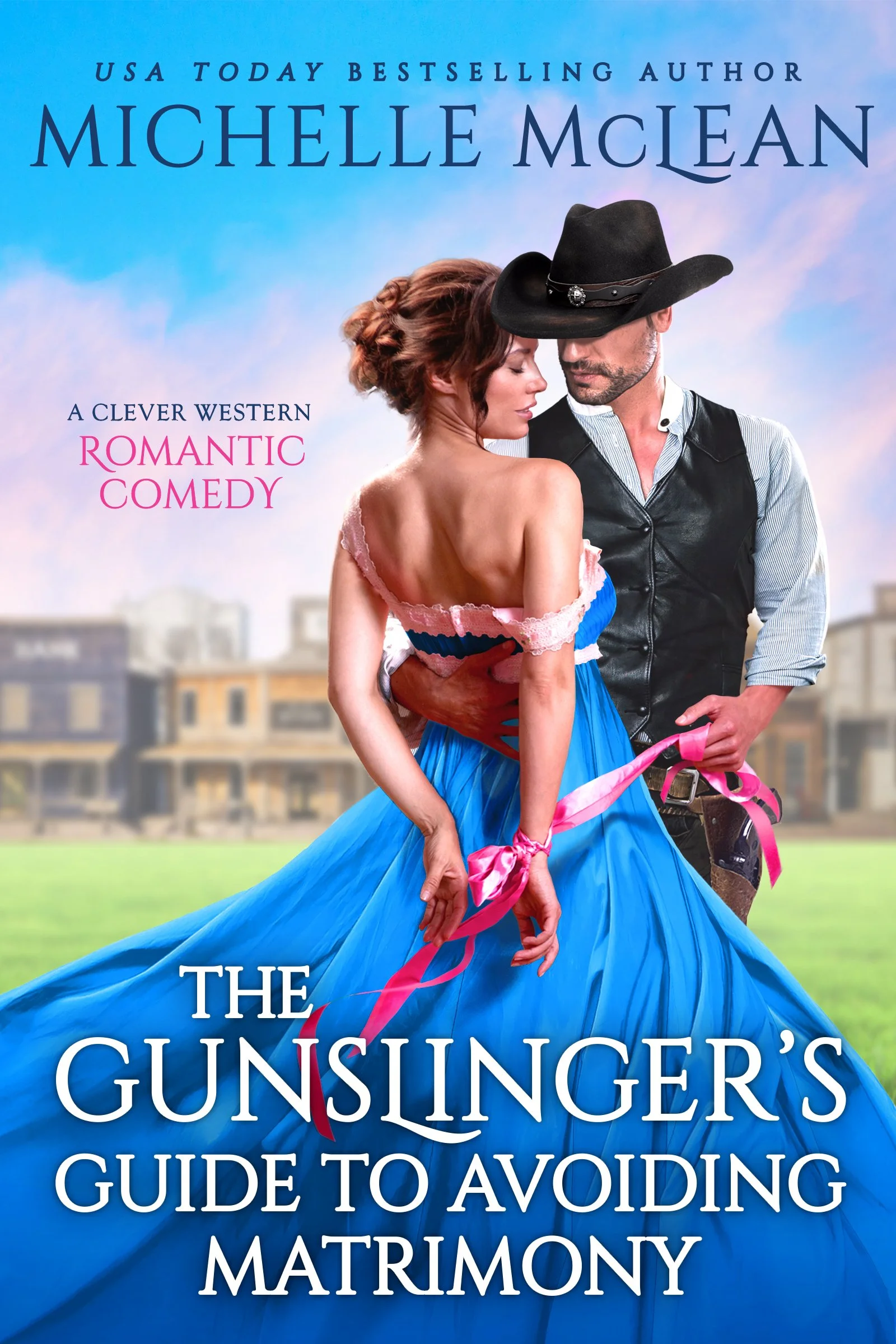
Cover Reveal: The Gunslinger's Guide to Avoiding Matrimony by Michelle McLean

(Gunslinger, #2)
Published by: Entangled: Amara
Publication date: July 26th 2022
Genres: Adult, Comedy, Romance, Western

Synopsis:

This gunslinger has two rules, and he’s about to break both of them for her in this next installment of the laugh-out-loud western romcom from Michelle McLean.

Buy on Amazon Kindle | Mass Market Paperback

About the Author

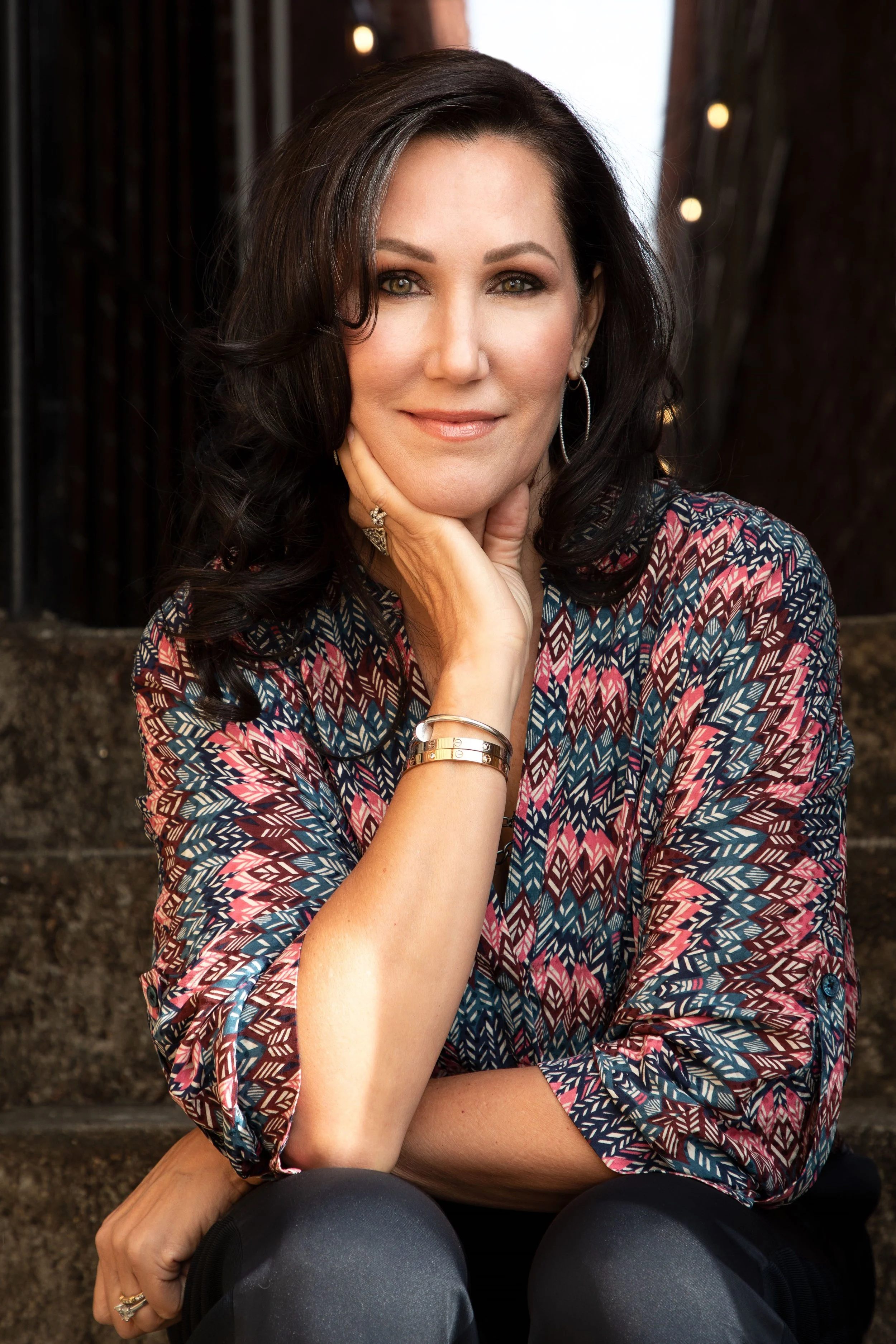
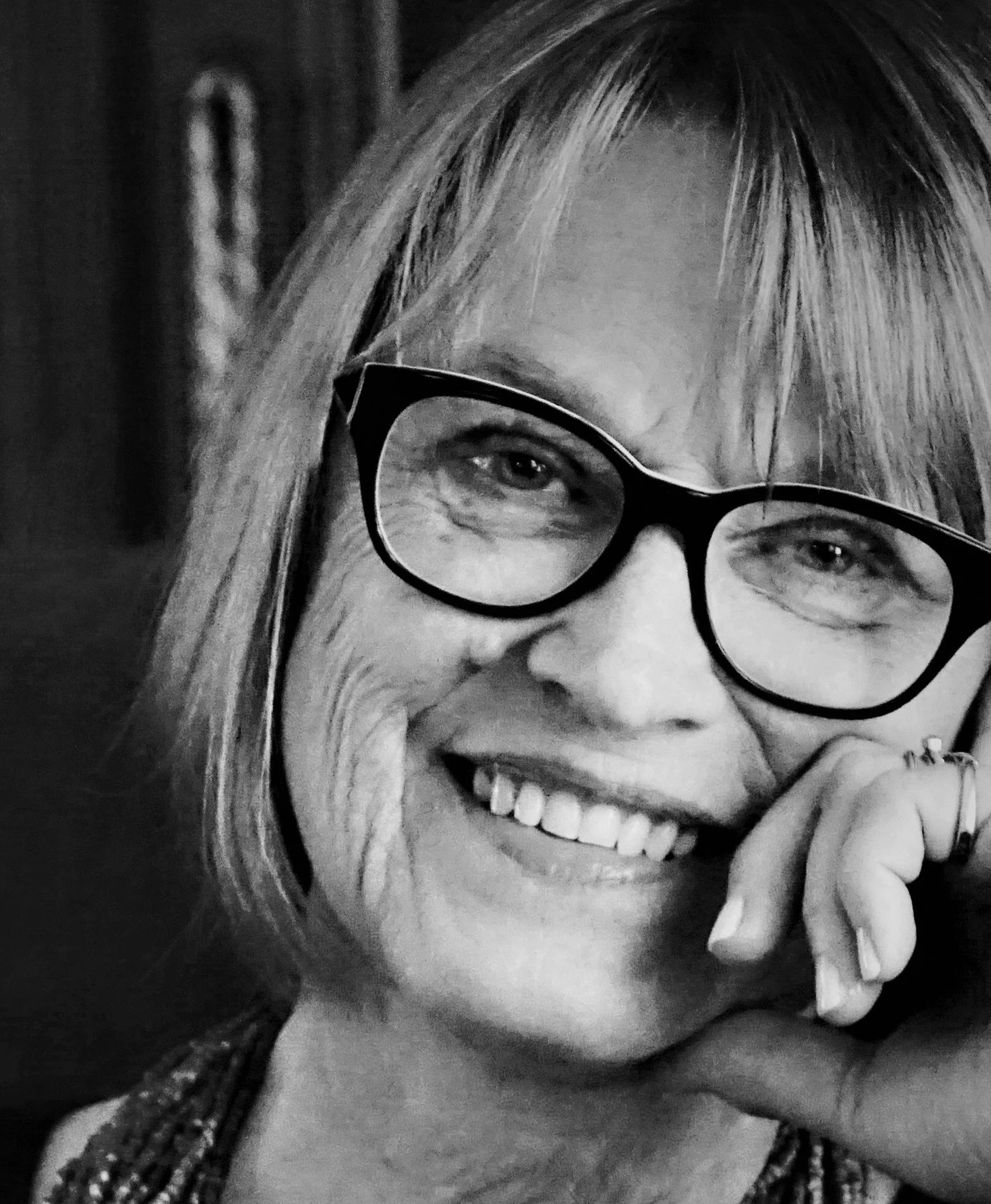
Michelle McLean is a jeans and t-shirt kind of girl who is addicted to chocolate and Goldfish crackers and spent most of her formative years with her nose in a book. She has degrees in history and English and is thrilled that she sort of gets to use them. Her novel Truly, Madly, Sweetly, written as Kira Archer, was adapted as a Hallmark Original movie in 2018.

When Michelle’s not working, reading, or chasing her kids around, she can usually be found baking, diamond painting, or trying to find free wall space upon which to hang her diamond paintings. She resides in PA with her husband and two teens, the world’s most spoiled dog, and a cat who absolutely rules the house. She also writes contemporary romance as USA Today bestselling author Kira Archer.

For more info on Michelle and her work, please visit her website at michellemcleanbooks.com.

Connect:

https://michellemcleanbooks.com/

https://www.facebook.com/authormichellemclean

https://www.instagram.com/michellemcleanbooks/

https://twitter.com/michellemclean

https://www.goodreads.com/author/show/4253087.Michelle_McLean

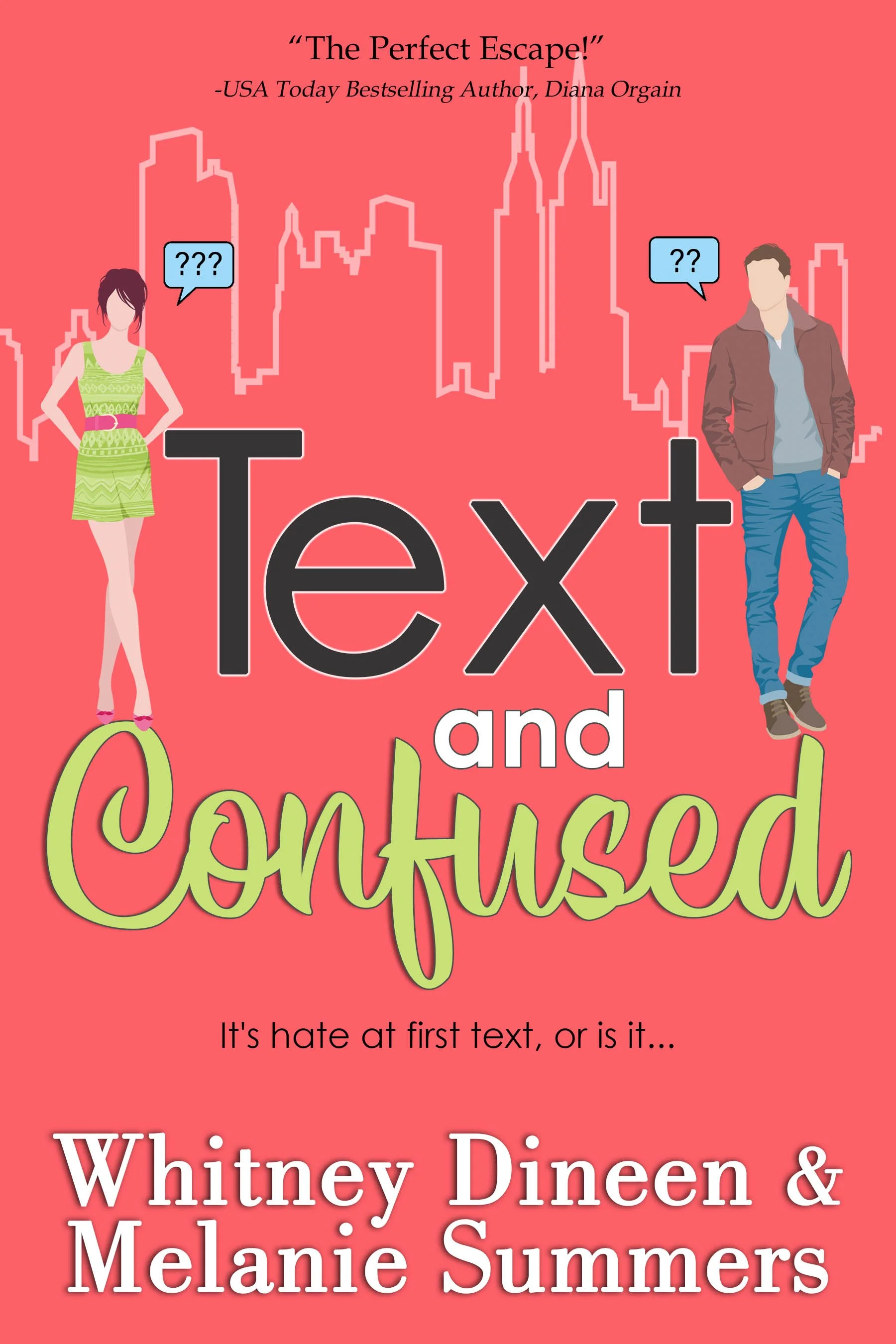
Spotlight: Text and Confused by Whitney Dineen & Melanie Summers

Release Date: December 27

It's hate at first text. Or is it...?
 
I'm Toni Capella and I'm a bad-man-o-holic. (Hi, Toni!). If a guy lives on the eastern seaboard, is covered in tattoos, muscles, and motor oil, I've probably already dated and dumped him. But it's a new year and for the first time in my twenty-nine years I'm determined to attract Mr. Right. I'm doing this by changing my type and my look.
 
So when super-hot contractor Cooper Flint walks into my office, I immediately put him on my 'no way' list. He embodies every bad boy trait there is. Besides, my eye is on another new co-worker, Somner Livingston. Handsome, well-heeled, and professional, Somner is nothing like my usual type, which I assume makes him perfect for me.
 
Determined to take things slowly for once, I insist Somner and I keep our budding relationship separate from work. I even suggest we do our initial courting via text while we get to know each other better. Things are going beautifully and just when I'm starting to think he's 'the one,' I find out there's been a horrible mix-up. My boss accidentally gave me Cooper's number, not Somner's, and I'm falling for Mr. Wrong, again.
 
Unfortunately, after I break it off with Cooper, I discover that Somner isn't the good guy he portrays himself to be. When Cooper rescues me from a compromising situation, I belatedly realize I might be been missing out on the man of my dreams.
 
Have I lost my chance at true happiness or is there someway I can convince Cooper I'm the woman he needs?

*** All books in the series read as standalones.

Buy on Amazon Kindle | Paperback

Meet Whitney Dineen:

Whitney Dineen is a rock star in her own head. While delusional about her singing abilities, there’s been a plethora of validation that she’s a fairly decent author (AMAZING!!!). After winning many writing awards and selling nearly a kabillion books (math may not be her forte, either), she’s decided to let the voices in her head say whatever they want (sorry, Mom). She also won a fourth-place ribbon in a fifth-grade swim meet in backstroke. So, there’s that.

Whitney loves to play with her kids (a.k.a. dazzle them with her amazing flossing abilities), bake stuff, eat stuff, and write books for people who “get” her. She thinks french fries are the perfect food and Mrs. Roper is her spirit animal.

Connect with Whitney Dineen:

https://whitneydineen.com/

Meet Melanie Summers:

I got SUPER lucky and my first novel, Break in Two, a steamy contemporary romance cracked the Top 10 Paid on Amazon in both the UK and Canada, and the top 50 Paid in the USA. My Full Hearts Series was then picked up by both Piatkus Entice (a division of Hachette UK) and HarperCollins Canada. 

My first three books have been translated into Czech and Slovak by EuroMedia. Since 2013, I've written and published sixteen novels and three novellas (and counting). I've sold over a quarter of a million books around the globe, and received two Bronze Medals at the Readers’ Favorite Award in the Chick Lit Category for The Royal Treatment (2018) and Whisked Away (2019), and one Silver Medal at the Readers' Favorite Awards in the Women's Fiction Category for The After Wife (2019).

Not bad for a newbie, eh?

I'm from Edmonton, Canada, where I live with my taller half, our three 'spirited' children (such a nice word to describe the chaos, no?). We also share our home with the cuddliest no-eyed dog ever, Lucy, and a furry Cuban dictator named Nelson. When I'm not writing, I love reading (obviously), snuggling up on the couch with the gang for movie night (which would not be complete without lots of popcorn and milkshakes), and long walks in the woods near my house.

I also spend a lot more time thinking about doing yoga than actually doing it, which is why any authorized photos of me are taken ‘from above’.

Oh, and I also love shutting down restaurants with my girlfriends. Well, not literally shutting them down, like calling the health inspector or something. More like just staying until they turn the lights off.

Connect with Melanie Summers:

https://www.melaniesummersbooks.com 

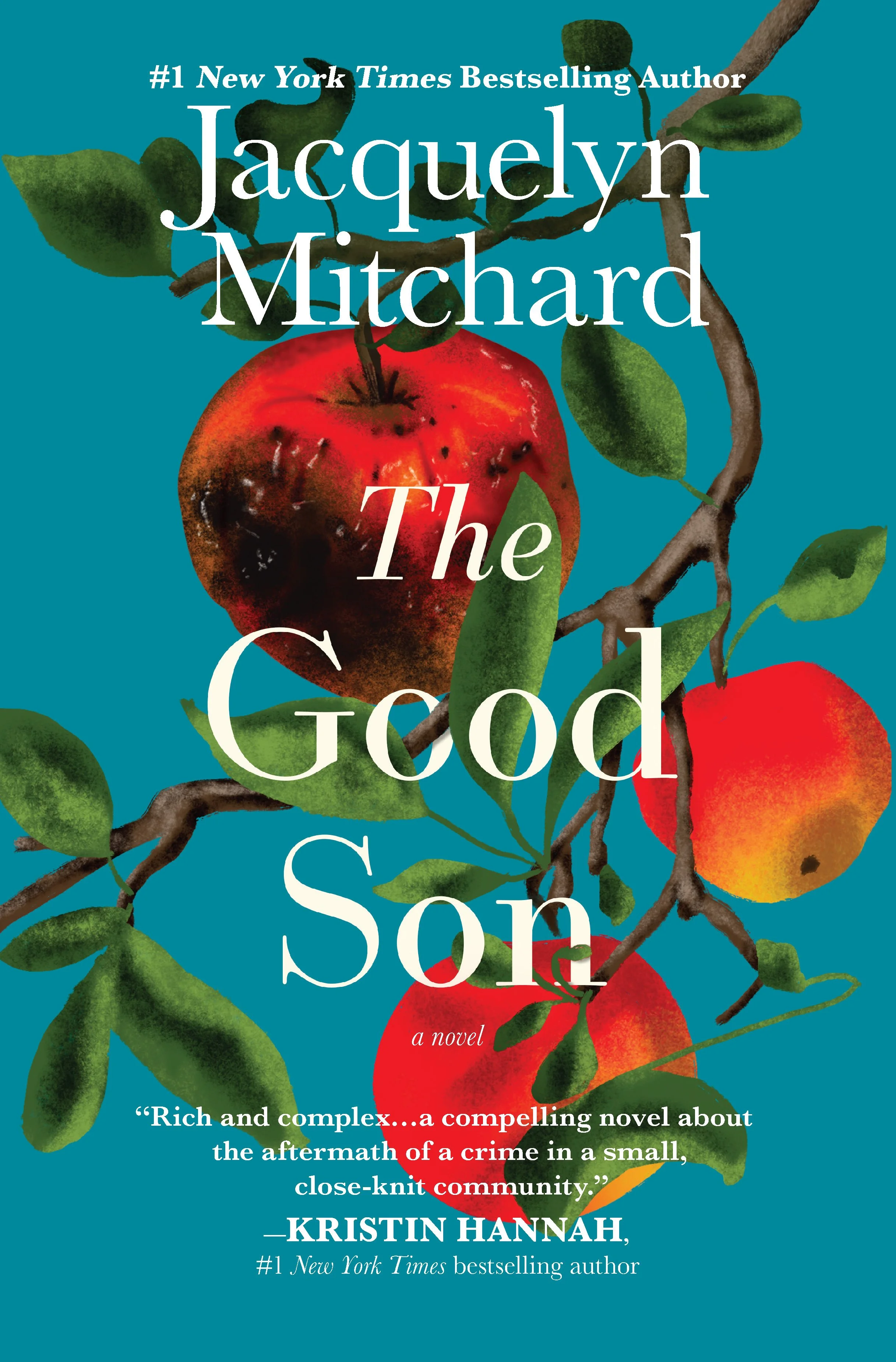
Spotlight: The Good Son by Jacquelyn Mitchard

Publication Date: January 18, 2022

Publisher: MIRA Books

From one of America’s most beloved storytellers, #1 New York Times and #1 USA Today bestselling author Jacquelyn Mitchard, comes the gripping novel of a mother who must help her son after he is convicted of a devastating crime. Perfect for book clubs and fans of Mary Beth Keane and Jodi Picoult—this novel asks the question, how well does any mother know her child?

For Thea, understanding how her sweet son Stefan could be responsible for a heinous crime is unfathomable. Stefan was only 17 when he went to prison for the negligent homicide of girlfriend, college freshman Belinda McCormack—a crime he was too strung out on drugs even to remember. Released at 21, he is seen as a symbol of white privilege and differential justice by his local community, and Belinda’s mother, Jill McCormack, who also happens to be Thea’s neighbor, organizes protests against dating violence in her daughter's memory.

Stefan is sincere in his desire to start over and make amends, and Thea is committed to helping him.  But each of their attempts seems to hit a roadblock, both emotionally and psychologically, from the ever-present pressure of local protestors, the media, and even their own family.

But when the attacks on them turn more sinister, Thea suspects that there is more to the backlash than community outrage. She will risk her life to find out what forces are at work to destroy her son and her family…and discover what those who are threatening them are trying to hide.

This is a story in which everything known to be true is turned inside out and love is the only constant that remains.

Excerpt

1

I was picking my son up at the prison gates when I spotted the mother of the girl he had murdered.

Two independent clauses, ten words each, joined by an adverb, made up entirely of words that would once have been unimaginable to think, much less say.

She pulled in—not next to me, but four spaces over—in the half circle of fifteen-minute spots directly in front of the main building. It was not where Stefan would walk out. That would be over at the gatehouse. She got out of her car, and for a moment I thought she would come toward me. I wanted to talk to her, to offer something, to reach out and hold her, for we had not even been able to attend Belinda’s funeral. But what would I say? What would she? This was an unwonted crease in an already unaccustomed day. I slid deep into my down coat, and wished I could lock the car doors, although I feared that the sound would crack the predawn darkness like a rifle shot. All that Jill McCormack did, however, was shove her hands into the pockets of her jacket and lean against the back bumper of her car. She wore the heavy maroon leather varsity jacket that her daughter Belinda, captain of the high school cheer team in senior year, had given to her, to Stefan, and to me, with our names embroidered in gold on the back, just like hers.

I hadn’t seen Jill McCormack up close for years, though she lived literally around the corner. Once, I used to stop there to sit on her porch, but now I avoided even driving past the place.

Jill seemed smaller, diminished, the tumult of ash-blond hair I remembered cropped short and seemingly mostly white, though I knew she was young when Belinda was born, and now couldn’t be much past forty. Yet, even just to stand in the watery, slow-rising light in front of a prison, she was tossed together fashionably, in gold-colored jeans and boots, with a black turtleneck, a look I would have had to plan for days. She looked right at my car, but gave no sign that she recognized it, though she’d been in it dozens of times years ago. Once she had even changed her clothes in my car. I remember how I stood outside it holding a blanket up over the windows as she peeled off a soaking-wet, floor-length, jonquil-yellow crystal-beaded evening gown that must, at that point, have weighed about thirty pounds, then slipped into a clean football warm-up kit. After she changed, we linked arms with my husband and we all went to a ball.

But I would not think of that now.

I had spent years assiduously not thinking of any of that.

A friendship, like a crime, is not one thing, or even two people. It’s two people and their shared environs and their histories, their common memories, their words, their weaknesses and fears, their virtues and vanities, and sometimes their shame.

Jill was not my closest friend. Some craven times, I blessed myself with that—at least I was spared that. There had always been Julie, since fifth grade my heart, my sharer. But Jill was my good friend. We had been soccer moms together, and walking buddies, although Jill’s swift, balanced walk was my jog. I once kept Belinda at my house while Jill went to the bedside of her beloved father who’d suffered a stroke, just as she kept Stefan at her house with Belinda when they were seven and both had chicken pox, which somehow neither I nor my husband, Jep, ever caught. And on the hot night of that fundraising ball for the zoo, so long ago, she had saved Stefan’s life.

Since Jill was a widow when we first met, recently arrived in the Midwest from her native North Carolina, I was always talking her into coming to events with Jep and me, introducing her to single guys who immediately turned out to be hopeless. That hot evening, along with the babysitter, the two kids raced toward the new pool, wildly decorated with flashing green lights, vines and temporary waterfalls for a “night jungle swim.” Suddenly, the sitter screamed. When Jill was growing up, she had been state champion in the 200-meter backstroke before her devout parents implored her to switch to the more modest sport of golf, and Belinda, at five, was already a proficient swimmer. My Stefan, on the other hand, sank to the bottom like a rock and never came up. Jill didn’t stop to ask questions. Kicking off her gold sandals, in she went, an elegant flat race dive that barely creased the surface; seconds later she hauled up a gasping Stefan. Stefan owed his life to her as surely as Belinda owed her death to Stefan.

In seconds, life reverses.

Jill and I once talked every week. It even seemed we once might have been machatunim, as they say in Yiddish, parents joined by the marriage of their son and daughter. Now, the circumstances under which we might ever exchange a single word seemed as distant as the bony hood of moon above us in the melting darkness.

What did she want here now? Would she leave once Stefan came through the gates? In fact, she left before that. She got back into her car, and, looking straight ahead, drove off.

I watched until her car was out of sight.

Just after dawn, a guard walked Stefan to the edge of the enclosure. I looked up at the razor wire. Then, opening the window slightly, I heard the guard say, “Do good, kid. I hope I never see you again.” Stefan stepped out, and then put his palm up to a sky that had just begun to spit snow. He was twenty, and he had served two years, nine months and three days of a five-year sentence, one year of which the judge had suspended, noting Stefan’s unblemished record. Still, it seemed like a week; it seemed like my entire life; it seemed like a length of time too paltry for the monstrous thing he had done. I could not help but reckon it this way: For each of the sixty or seventy years Belinda would have had left to live, Stefan spent only a week behind bars, not even a season. No matter how much he despaired, he could always see the end. Was I grateful? Was I ashamed? I was both. Yet relief rippled through me like the sweet breeze that stirs the curtains on a summer night.

I got out and walked over to my son. I reached up and put my hand on his head. I said, “My kid.”

Stefan placed his huge warm palm on the top of my head. “My mom,” he said. It was an old ritual, a thing I would not have dared to do in the prison visiting room. My eyes stung with curated tears. Then I glanced around me, furtively. Was I still permitted such tender old deeds? This new universe was not showing its hand. “I can stand here as long as I want,” he said, shivering in wonderment. Then he said, “Where’s Dad?”

“He told you about it. He had to see that kid in Louisville one more time,” I told him reluctantly. “The running back with the very protective grandmother. He couldn’t get out of it. But he cut it short and he’ll be home when we get back, if he beats the weather out of Kentucky this morning, that is.” Jep was in only his second season as football coach at the University of Wisconsin–Whitewater, a Division II team with significant chops and national esteem. We didn’t really think he would get the job, given our troubles, but the athletic director had watched Jep’s career and believed deeply in his integrity. Now he was never at rest: His postseason recruiting trips webbed the country. Yet it was also true that while Stefan’s father longed equally for his son to be free, if Jep had been able to summon the words to tell the people who mattered that he wanted to skip this trip altogether, he would have. But he couldn’t quite bring himself to say it’s a big day, our son’s getting out of prison.

Now, it seemed important to hurry Stefan to the car, to get out of there before this new universe recanted. We had a long drive back from Black Creek, where the ironically named Belle Colline Correctional Facility squatted not far from the campus of the University of Wisconsin–Black Creek. Stefan’s terrible journey had taken him from college to prison, a distance of just two miles as the crow flies. I felt like the guard: I never wanted to see the place again. I had no time to think about Jill or anything else except the weather. We’d hoped that the early-daylight release would keep protestors away from the prison gates, and that seemed to have worked: Prisoners usually didn’t walk out until just before midday. There was not a single reporter here, which surprised me as Jill was tireless in keeping her daughter Belinda’s death a national story, a symbol for young women in abusive relationships. Many of the half dozen or so stalwarts who still picketed in front of our house nearly every day were local college and high-school girls, passionate about Jill’s work. As Stefan’s release grew near, their numbers rose, even as the outdoor temperatures fell. A few news organizations put in appearances again lately as well. I knew they would be on alert today and was hoping we could beat some of the attention by getting back home early. In the meantime, a snowstorm was in the forecast: I never minded driving in snow, but the air smelled of water running over iron ore—a smell that always portended worse weather.

Excerpted from The Good Son by Jacquelyn Mitchard. Copyright © 2022 by Jacquelyn Mitchard. Published by arrangement with Harlequin Books S.A.

Buy on Amazon Kindle | Audible | Hardcover | Bookshop.org

About the Author

#1 New York Times bestselling author Jacquelyn Mitchard has written nine previous novels for adults; six young adult novels; four children’s books; a memoir, Mother Less Child; and a collection of essays, The Rest of Us: Dispatches from the Mother Ship. Her first novel, The Deep End of the Ocean, was the inaugural selection of the Oprah Winfrey Book Club, and later adapted for a feature film. Mitchard is a frequent lecturer and a professor of fiction and creative nonfiction at Vermont College of Fine Arts in Montpelier. She lives on Cape Cod with her husband and their nine children.

Connect:

Author Website
Facebook: Jacquelyn Mitchard

Twitter: @JackieMitchard

Instagram: @jacquelynmitchard

Goodreads