Q& A with author James MacManus

What drew you to writing a book about Harry Hopkins, one of America’s forgotten heroes?

It was my History tutor at St. Andrews University in Scotland who first drew my attention to Harry Hopkins. He was a cigar smoking Texan whose name I have sadly forgotten. We were studying  the FDR presidency and it became clear that in the unlikely figure of Hopkins FDR had found a trusted counselor, a confidante  and a friend who actually moved into the White House and took  up residence in Abe Lincoln’s old study on the second floor.

I say unlikely because Hopkins was a real Washington outsider, politically very much a man of the left from the mid-west, who had been appointed to spearhead some of the more radical programs of the New Deal. Republicans hated him for his political views and Democrats distrusted someone who had never been elected to office yet occupied a key role in FDR’s inner circle.

This was the man who the President decided to send to London at the height of the Blitz in Jan 1941 to find out whether Britain could survive. The American Ambassador, Jo Kennedy, had been withdrawn a few months earlier after suggesting that Britain would never win the war and should negotiate peace terms with Hitler. FDR did not trust Kennedy and sent Hopkins to find the truth.

On the face of it this was an extraordinary choice. Hopkins, as noted, was possessed of radical views and was openly hostile to the idea of the British Empire, as indeed was his boss in the White House. He had never been to London and what he knew of Winston Churchill he naturally disliked.

The relationship that developed between these two very different men fascinated me then and now – hence the book.

After Hopkins’ incredible contribution to American and British history, why do you think most people don’t even know who he is?

Historians have understandably concentrated on the two great figures that dominated the wartime transatlantic relationship, FDR and Churchill. Both men were geniuses of giant character who laid big shadows over the events of the time. Inevitably this meant that the vital work of the men and women who served them tended to be overlooked by journalists at the time and historians subsequently. 

Added to that, as I have said, Hopkins was never popular in Washington and never wrote a book or left a memoir to tell his story. Thus for a long time his role did not receive the attention it deserved.  The fact that FDR used Hopkins on two wartime missions to see Stalin in Moscow and that President Truman sent him back to Russia in 1945 has even led to suggestions that Hopkins was a Soviet agent. 

Distinguished academics have dismissed the accusation but it is an index of the ill feeling toward the man in certain political circles that such an accusation was made in the first place. As far as the UK is concerned  Hopkins is, and always has been, a little known figure whose appearance at Churchill’s side in 1941 has to some extent been eclipsed by the tumultuous events that followed and American figures such as Eisenhower who drove the war to its conclusion. Also bear in mind that FDR died before he could write his memoirs and thus never was able to pay tribute to his faithful friend and counsellor.

Where did you do your research for the book?

The source material for Churchill’s leadership of Britain in 1941-41 is voluminous in published works, in libraries and online. The best account of Hopkins’ relationship with Churchill and FDR at that time is Robert E Sherwood’s two volume history The White House Papers of Harry Hopkins to which I pay warm tribute in the acknowledgements. I worked largely at home in London with these sources.

How did you choose the title for your new book, SLEEP IN PEACE TONIGHT?

This is the first line of a little poem I wrote for the main female character, Leonora Finch. She sent it anonymously to Hopkins after he had ended his first visit to London and gone back to Washington. By then he and Leonora were lovers – in my book that is.  Leonora wanted to remind Hopkins not to  forget London, the blitz and indeed her.

While you were researching the book, did you uncover some interesting facts about the main characters – Harry Hopkins, President Roosevelt and Winston Churchill – that you opted not to include in the book?

No. I put all the anecdote and stories I found about the three main characters into the book –FDR’s passion for stamp collecting, Churchill’s wonderful knock-a-bout relationship with his valet Sawyers and Hopkins’ appalled reaction to the lack of heating in grand English country houses.

Why do you suppose President Roosevelt had such faith and trust in Hopkins?

They were politically attuned of course and Hopkins fought with success for FDR’s  the radical New Deal programs.  More importantly Hopkins filled a void in Roosevelt’s life. It is not often realized how lonely FDR was in the White House. Eleanor was his wife in name only, his children had grown up and his close political associates from the old days were gone. Hopkins was almost a surrogate son to FDR  and a  window into a world  the wheelchair bound President could not enter – the glamourous world of theatre, nightclubs and beautiful women. FDR loved talking policy with Hopkins  but equally he loved all the gossip. He wanted him around all the time which is why he invited him to live in the White House.

Some well-known figures make special appearances in your novel including CBS newsman Edward R. Murrow and Hollywood actor Jimmy Stewart. Did they have any influence on Hopkins? 

Murrow certainly did because he was a great newsman and a charming personality who made an impact on all who met him. But don’t forget this book is not history but a novel and while I have made much of the relationship between the two men in London actually they Hopkins and Murrow met more often back in Washington after Pearl Harbor. Jimmy Stewart did indeed travel to Britain to fly bombers against Germany and a remarkable wartime career ensued. I do not know if he and Hopkins actually met in  real life  but London was a small much bombed city then and I would have thought it likely.

One thing you don’t shy away from in the book is Winston Churchill’s heavy drinking. How much do you suppose the Prime Minster drank in a day and did his drinking ever interfere with running the country?

The secret to Churchill’s drinking was that he always had a glass, at least half full of whatever he was drinking at the time, close at hand. It was a great comfort to him. But he did not just drink one glass after another. He drank lightly but steadily from lunchtime to late at night but he did so in a disciplined way. That said he drank far more that we imagine possible today but he had the constitution for it. And of course he matched his appetite for alcohol with his delight in fine food. That probably helped absorb the alcohol. Don’t forget that everyone in wartime London smoked and drank to excess. It was that kind of time. No, it did not seem to affect Churchill’s wartime leadership. The hard drinking rich food loving Churchill beat the vegetarian teetotal Hitler. There must be a lesson for us all in there somewhere.

Leonora Finch. What was the importance of creating a fictional character in your novel?

The truth is that Churchill desperately wanted to know what Hopkins was telling the President about his London visit. Leonora and her romantic relationship  with Hopkins was a device to convey this to the reader and also to show a warmer more passionate side to a man under huge pressure.

Was there a real Leonora Finch in Hopkins’ life? Did he have a fling or flings in London even though he was engaged to Louise Macy?

Not that I know of but it would not surprise me if Hopkins cast rather more than an eye over the ladies in London. Eisenhower certainly did when he arrived a couple of years later. It is also true that the Blitz broke down social barriers in London and there was something of a sexual revolution in the city- and elsewhere, as the bombs fell.

What surprised you most about Harry Hopkins? And what do you think might have happened if the United States didn’t join forces with Great Britain?

I think the speed with which Hopkins grasped the dire plight of the UK when he arrived was surprising for someone who had never been to Britain and disliked what he knew of Churchill. As for the US intervention, if that had not happened we on these islands would be speaking German now. That is why we owe Hopkins so much, he was instrumental in moving the President to see the dangers Britain faced from Hitler and his Nazi regime.

How long did it take you to write SLEEP IN PEACE TONIGHT?

One year from start to finish including research.

Do you have any special rituals or habits when preparing to write?

I time myself with an hour glass and make sure I do three hours every morning. In the afternoon and evening I correct that work – using the same timer. I can only do five hours combined – after that a bottle of wine gets opened.

Of all the literary genres, you’re drawn to historic figures. What is it that you find so fascinating about these people?

Every answer to the problems we face today can be found in the successes and failures of great men and women in the past. But too often we don’t look back and learn. Too many people seem to think Henry Ford was right when he said “History is bunk.” Too few agree with William Faulkner who said in Requiem for a Nun :”The past is never dead. It’s not even past.”

What is one thing you hope readers will take away after reading your book?

We were lucky at a time when Hitler was bidding to conquer the western world that we had leaders such as Franklin Roosevelt and Winston Churchill. And both those great men were lucky to have the services of Harry Hopkins.

About the Book
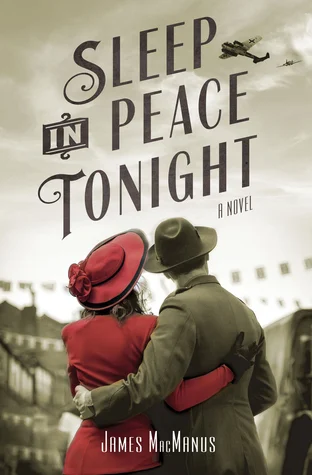
It’s January 1941, and the Blitz is devastating England. Food supplies are low, Tube stations in London have become bomb shelters, and U-boats have hampered any hope of easy victory. Though the United States maintains its isolationist position, Churchill knows that England is finished without the aid of its powerful ally.

Harry Hopkins, President Roosevelt’s most trusted adviser, is sent to London as his emissary, and there he falls under the spell of Churchill’s commanding rhetoric—-and legendary drinking habits. As he experiences life in a country under attack, Hopkins questions the United States’ silence in the war. But back home FDR is paranoid about the isolationist lobby, and even Hopkins is having trouble convincing him to support the war.

As Hopkins grapples with his mission and personal loyalties, he also revels in secret clubs with newsman Edward R. Murrow and has an affair with his younger driver. Except Hopkins doesn’t know that his driver is a British intelligence agent. She craves wartime action and will go to any lengths to prove she should be on the front line. This is London under fire, and it’s only when the night descends and the bombs fall that people’s inner darkness comes to light.

In Sleep in Peace Tonight, a tale of courage, loyalty, and love, and the sacrifices one will make in the name of each, James MacManus brings to life not only Blitz-era London and the tortuous politics of the White House but also the poignant characters and personalities that shaped the course of world history.
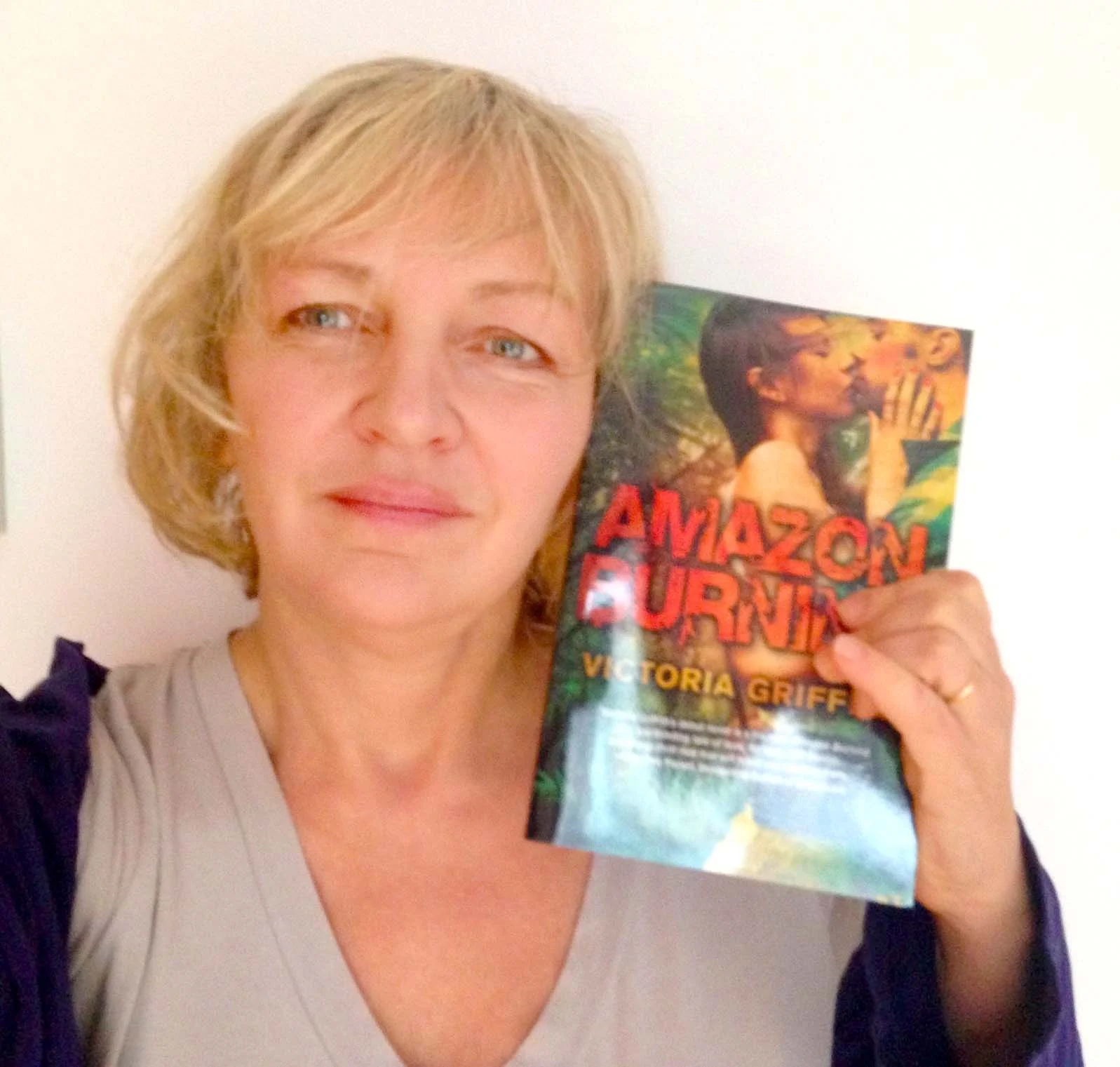
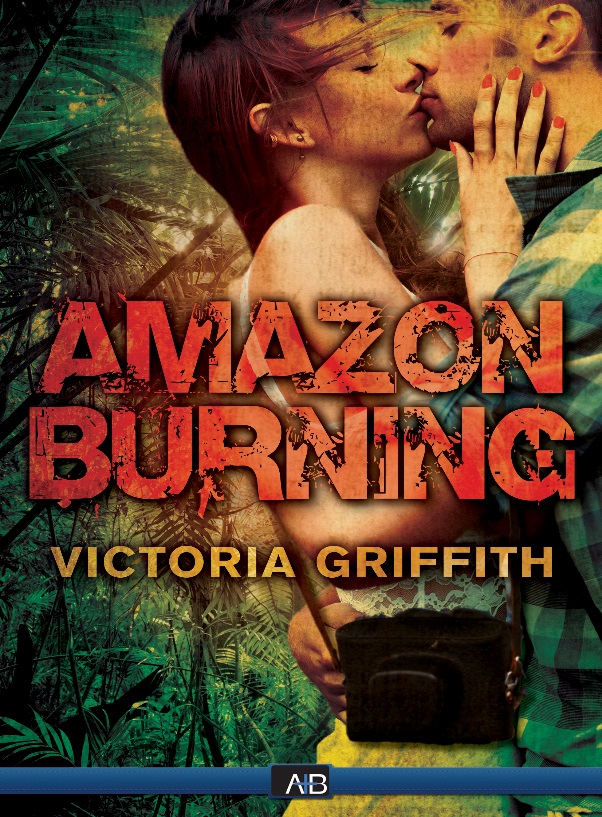
Q & A with author Victoria Griffith

Let’s start with your writing background- when did you discover that you were passionate about writing?

It’s an especially pertinent question, because AMAZON BURNING is about a young woman who dreams of becoming a writer – in her case a news reporter. Writers like to write about writers, I suppose. 

Becoming an author was a childhood dream. When I was eight, I announced that I would become an author. I submitted a couple of stories to kids’ magazines, got published, and promptly lost interest. Many years later, after some disastrous stints in professions like waitressing and banking, I decided to pick up the proverbial pen once more and went into journalism. 

I was in heaven! For many years, I wrote for major international papers like The Financial Times. While I was Brazil correspondent, I got to spend time with the Amazon Yanomami tribe, featured in AMAZON BURNING. After I moved to Boston, I interviewed amazing people like filmmaker Ken Burns (The Roosevelts)  and architect Frank Gehry. I even got to make lunch for culinary diva Julia Child, who loved my Brazilian fish stew but hated the blackberry dessert. 

After I had children myself, writing for a daily newspaper with all its tight deadlines became unfeasible. I needed flexibility, so I decided to become a full-time author, fulfilling my childhood dream.
 
Were there any authors or individuals who inspired you when you were just getting started with writing? 

While I was working for newspapers, I took heart from the path of other journalists who eventually became novelists, like Ernest Hemingway. And every aspiring novelist loves stories about famous authors who were rejected many times – like Stephen King, who pasted his many rejection letters on the walls of his office and studied the comments for ways to improve his craft.

How did you decide to write a YA genre novel after having success in other genres as well, was this something you always had in mind? 

I love telling stories – all kinds of stories. The picture book and YA/New Adult genres are not as different as they might seem. (I think AMAZON BURNING is actually more new adult than young adult.) For picture books, an author is targeting two audiences: the children, and the grown-ups who buy and read books to them. So in a way, I’ve always written for a more mature audience.

One thing all my books have in common is that they are rooted in real events. THE FABULOUS FLYING MACHINES OF ALBERTO SANTOS-DUMONT is about the man most Brazilians still regard as the inventor of the airplane. AMAZON BURNING is based on the murder of high profile environmentalist Chico Mendes. I continue to be inspired by all things Brazilian. My husband is from the megalopolis of Sao Paulo, and we speak Portuguese in our home in Boston. 

What inspired you to tell the particular story of Amazon Burning?  

For most people, concerns like global warming are real but still a little too abstract. I wanted to tell the story of a real-life environmental martyr, who gave his life to try to protect the forest he grew up in. By presenting it in the format of a dramatic thriller, I hope to provoke a visceral reaction to what’s happening in the world’s rain forests.
 
How did your own international experiences, as a correspondent in Brazil, affect the way the story is told?

The characters and events in the book are based on actual people and experiences I had while I was in the Amazon – probably to a degree that would surprise most readers. I actually flew in a cargo plane with a shifty pilot called Amoeba. I was threatened in an outdoor café by a spindly rifle-toting Brazilian cowboy. The airplanes I rode in kept breaking down. People kept trying to listen into our conversations. I witnessed the real-life suffering of the Yanomami at the hands of the goldminers.

Emma’s experience as an aspiring journalist also reflects real things that happen in the profession – the need to score the front page, to find the perfect hook for a story, and get an inside scoop.

What are your favorite books today?

For YA, I like everything from big successes like DIVERGENT and THE HUNGER GAMES to less popular but wonderful novels by writers like Zoe Marriott, who pens sophisticated fantasies. I can be quirky in my taste. A recent favorite was MAJOR PETTIGREW’S LAST STAND, by Helen Simonsen. It’s a simple romance that’s made profound by her observations on race and class in English society. 

What is your advice to young writers? Any tips you'd like to share to help young people become better writers?

Read. It’s the only thing all successful writers have in common. Unfortunately, we’ve become a nation of writers, not readers, which makes for too many under-appreciated, under-read books. 

In 2003, there were just 300,000 titles published in the US. Ten years later, there are more than a million. This would be something to celebrate, except that each year the average American reads fewer and fewer books. So this amounts to a frustrating experience for many aspiring writers. The only remedy for authors is to get pleasure out of their craft. Seek the thrill of writing the perfect sentence and creating a compelling character! And let’s celebrate books and the people who read them   

About the Author

Victoria Griffith is the author of the award winning non-fiction picture book The Fabulous Flying Machines of Alberto Santos-Dumont (Abrams, 2011), which won numerous awards, including the prestigious Parents’ Choice. The book was recently translated into Portuguese for the Brazilian market and was also released in audio book version.

Before becoming a full-time author, Victoria spent twenty years as an international journalist, fifteen of those years as foreign correspondent for the UK’s Financial Times. During that time, she had fun writing on a wide range of topics, including Brazil’s Yanomami Indians, architecture, space exploration, the human genome, and the growth of the Internet. She even managed to fit in some children’s book reviews. Her most terrifying assignment was preparing lunch for Julia Child, who praised the Brazilian fish stew but refused to touch the blackberry dessert. Victoria lives in Boston with her husband and three daughters. 
Connect with Victoria on Twitter and Goodreads.

About her Book

When 22-year-old aspiring journalist, Emma Cohen, is forced to flee the comforts of her NYU student life, she maneuvers an internship from her father at his newspaper in Rio de Janeiro. There, Emma is immediately swept into a major news story--and a life-threatening situation--when a famous jungle environmentalist, Milton Silva, is mysteriously murdered. Emma must now enter the Amazon rainforest with her father to investigate; both awed by the enormity and beauty of the Amazon, and appalled by its reckless destruction. Not only will Emma have to brave the primal world of the Amazon, she must fight to survive the kidnappers, villains, corrupt activists, and indigenous tribes that lay in wait along the ever-twisting trail of the murder case. Stretched to the brink, it’s up to Emma, her father and the dreamy news photographer, Jimmy, to unravel the mystery and live to tell the tale.

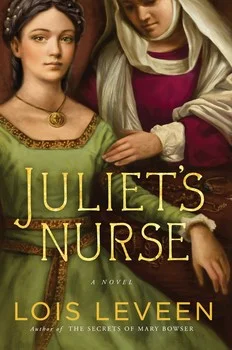
Behind the Story of Juliet’s Nurse from Lois Leveen

During the long period of writing a novel, you don’t know what compliments—or criticism—you’ll get once it’s done. And you definitely don’t know which will mean the most to you.

Now that Juliet’s Nurse is finally being read and reviewed, I’m especially struck by people who say they wish the book existed when they were in high school, struggling to slog through Romeo and Juliet.

Should I, a former university faculty member who spent over a decade earning degrees in history and literature, be offended when readers say Shakespeare just seemed too hard? Not at all!

Anyone who’s ever tried to teach Shakespeare to adolescents, as I have, knows how daunting the language and style can be for teens and twenty-somethings (and, um, maybe for their parents, too). But grappling with unfamiliar language and difficult concepts is an important part of learning. As an educator, I’m happy to have any book or tool or lesson plan I can use to make that difficult part easier. So it’s no surprise that teachers and school librarians are already ordering it, even though Juliet’s Nurse isn’t a YA novel; it’s written for adult readers.

Yes, I wrote Juliet’s Nurse for readers who, whether they loved studying Romeo and Juliet or hated it, haven’t read Shakespeare’s most famous play in years. Because it’s written from a twenty-first century sensibility, it helps readers make sense of what was happening in Romeo and Juliet, and particularly how it affects the nurse, who as a mother-figure to Juliet is hardly a minor character. The nurse has the largest number of lines after the title characters, and Juliet actually speaks more of her lines to the nurse than she does to Romeo. 

About the Author

Award-winning author Lois Leveen dwells in the spaces where literature and history meet.  Her work has appeared in numerous literary and scholarly journals, as well as The New York Times, the Los Angeles Review of Books, Chicago Tribune, Huffington Post, Bitch magazine, The Wall Street Journal, the Atlantic, and on NPR.  Lois gives talks about writing and history at universities, museums, and libraries around the country.  She lives in Portland, Oregon, with two cats, one Canadian, and 60,000 honeybees.  Visit her online at LoisLeveen.com and Facebook.com/LoisLeveen.

About the Book

An enthralling new telling of Shakespeare’s Romeo and Juliet—told from the perspective of Juliet’s nurse.

In Verona, a city ravaged by plague and political rivalries, a mother mourning the death of her day-old infant enters the household of the powerful Cappelletti family to become the wet-nurse to their newborn baby. As she serves her beloved Juliet over the next fourteen years, the nurse learns the Cappellettis’ darkest secrets. Those secrets—and the nurse’s deep personal grief—erupt across five momentous days of love and loss that destroy a daughter, and a family.

By turns sensual, tragic, and comic, Juliet’s Nurse gives voice to one of literature’s most memorable and distinctive characters, a woman who was both insider and outsider among Verona’s wealthy ruling class. Exploring the romance and intrigue of interwoven loyalties, rivalries, jealousies, and losses only hinted at in Shakespeare’s play, this is a never-before-heard tale of the deepest love in Verona—the love between a grieving woman and the precious child of her heart.

In the tradition of Sarah Dunant, Philippa Gregory, and Geraldine Brooks, Juliet’s Nurse is a rich prequel that reimagines the world’s most cherished tale of love and loss, suffering and survival.

Hardcover: 384 pages
Publisher: Atria/Emily Bestler Books (September 23, 2014)

Advice on Getting Published by Lisa Cronkhite

If you’re a writer with a full manuscript ready to be submitted somewhere, make sure you do your research first. Nowadays just about anyone can get published. And with self-publishing, it’s becoming easier and easier to do. If you have the money to invest, and have a great marketing plan, self-publishing may be the right road to take. But if you’re a writer, wanting to be published traditionally, doing your research is vital. You don’t want to give your manuscript away to just any publisher. Getting an agent is important, but it doesn’t always get you published. And honestly, if you’ve tried the agent route and still cannot connect, don’t fret. Because there are still many great publishers out there willing to take unsolicited submissions (or submissions without an agent.) 

Again, this is where research is vital. There are many wonderful resources you can use to help you along the way. Be sure to check out the Bewares and Background Checks in the AbsoluteWrite forums. You can also find out if a publisher is highly recommended, or not recommended in the Preditors and Editors website. Publisher’s Marketplace, Agentquery, Querytracker and Chuck Sambuchino’s blog, Guide to Literary Agents can also help you. Whatever you do, never pay a publisher to publish your work. The money should always flow to the writer, not away from them. When you are ready, test the waters with just a few submissions. Don’t just throw it out to everyone. You might get requests to revise and can work your way up from there. Be sure to read all the guidelines to each and every publisher first, before submitting, as they may differ. And lastly, the most important thing of all, never give up. Be patient, be steadfast, be persistent and eventually things will happen. 

About the Author

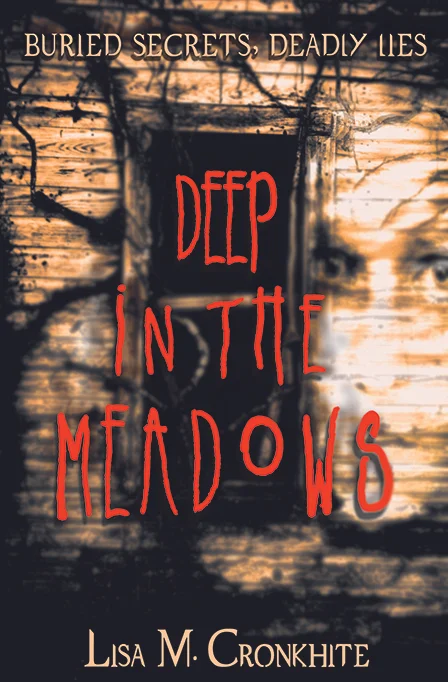
Midwest Author Lisa M. Cronkhite’s love for writing started when she was a teen, journaling of her torrid romance with her first boyfriend then and now husband of over two decades. She picked up writing again after her first bipolar episode and psychotic break when her doctor recommended it as a coping skill. Once again, with pencil in hand, Lisa dove herself into crafting poetry. Through the years, Lisa has published her poems in print and online magazines such as Poetry Repairs, Grey Sparrow Press, Sacramento Poetry Center, Poetry Salzburg Review and many more. Lisa also has short stories in magazines like Suspense Magazine and YA Fiction magazine Suddenly Lost in Words. 

Her novels include Dreaming a Reality, Demon Girl and Deep in the Meadows. Disconnected is her fourth novel. Lisa is currently working on her next novel, Purple Haze.

Social Media Links

Blog: http://www.writingsbylisamcronkhite.blogspot.com/

Facebook:   https://www.facebook.com/lisa.m.cronkhite

Twitter:   https://twitter.com/lmcronkhite

Goodreads:  https://www.goodreads.com/author/show/7341534.Lisa_M_Cronkhite 

About her book


Bianca “Bee” Thompson’s brother, Jimmy has been dead for ten months, yet she still feels his presence lingering. And one question haunts her: Was Jimmy’s death an accident?

Probing into the events on the night of Jimmy’s death, Bee hears strange voices. The voices lead her to a blood-splattered room, a terrifying threat, and a deadly trap. Is Bee on the trail of her brother’s murderer, or is she entangled in a totally different and much more diabolical plot?

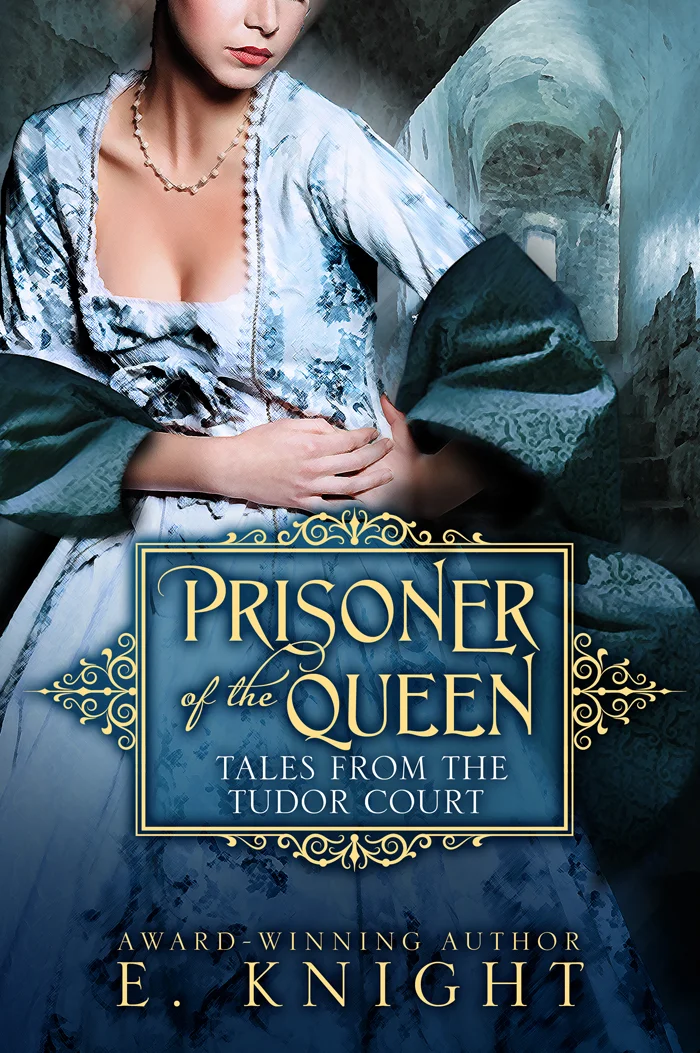
Hello, My Name is Kat by E. Knight

Dear Reader,

Many of you have heard of my sister, Jane Grey—but you probably know her best as The Nine Days Queen. For that is just as long as her reign as Queen of England lasted, before she was taken down by a Tudor (oh, but the blood of the Tudors runs thick, strong and vehemently through their blood.) 

You may not have even known that she had a sister, let alone two. Poor little Mary… Her life was filled with hardship too, but I digress, and more importantly, poor Jane. I’m not sure she truly expected to ever be queen. I didn’t expect it. She reminded me much of the queens of old. In her regal bearing, I glimpsed a touch of my great-uncle, Henry VIII. She appeared relaxed and comfortable in her new state. After all, she had been born and bred as a royal princess, and I do believe my father had had this plan in mind from the moment the midwife had slapped her newborn bottom.

Nevertheless, this story is a lot less about Jane, than it is about me. My truth. Huh. I never thought to have my story told, for certainly throughout history—if you don’t count the Elizabethan poem written about mine and Ned’s tragic tale (buried in obscurity)—I’ve been mostly ignored. Well, not anymore!

I have served three queens in my life. One was my sister, one was my savior, and one my bitterest enemy.

I’ve seen a queen fall from power in just nine days. I’ve watched a queen die of heartbreak and neglect. And I’ve threatened a queen with my very existence, for I, too, am of royal blood.

And yet, for most of my life, I’ve done the bidding of queens. I’ve nodded my head, curtsied, acquiesced, given up my hopes and dreams. Mourned the death of loved ones taken before their time. Even in the face of brutal loss, I have listened and obeyed, understanding that, in all things, the sovereign always wins.

But I tell you, the queen has not won this time. Even now, at the hour of my death, I have prevailed over her. There are those who see me as her victim, but I have triumphed where others failed. You see, my love has conquered the commands of a royal crown.

For love, I carved for myself a little peace and happiness from this life, and what love I have known makes it all worthwhile. It was mine. It is still mine, this love. Love that I would never have known if I were a queen. Love that the queen herself has never known and never will.

So I shall rejoice, knowing that I would do it all once more. Knowing that there are some things in this life that we cannot let another control. We cannot bend to another’s will at the risk of losing who we are. We must defy them. Keep sacred the matters of our hearts, our very souls. And that is why not even death will take this victory from me. My love, my private triumph, will live on even when I am gone.

For I am Lady Katherine Grey, and this is my story...

You see, this is a love story. Tragic and exhilarating. Brutal and harsh. Sad as it is full of joy. I’d do it all over again. Every time. Even knowing the outcome. Because to have loved is better than never having known love at all.

Peace and love be with you always,
Kat

About the Author

E. Knight is a member of the Historical Novel Society, Romance Writers of America and several RWA affiliate writing chapters: Hearts Through History, Celtic Hearts, Maryland Romance Writers and Washington Romance Writers. Growing up playing in castle ruins and traipsing the halls of Versailles when visiting her grandparents during the summer, instilled in a love of history and royals at an early age. Feeding her love of history, she created the popular historical blog, History Undressed (www.historyundressed.com). Under the pseudonym Eliza Knight, she is a bestselling, award-winning, multi-published author of historical and erotic romance.

For more information please visit E. Knight’s website and blog. You can also find her on Facebook, Twitter, and Goodreads.

About her book

I have served three queens in my life. One was my sister, one was my savior, and one my bitterest enemy.

Knowing she was seen as a threat to the Queen she served, Lady Katherine Grey, legitimate heir to the throne, longs only for the comfort of a loving marriage and a quiet life far from the intrigue of the Tudor court. After seeing her sister become the pawn of their parents and others seeking royal power and then lose their lives for it, she is determined to avoid the vicious struggles over power and religion that dominate Queen Elizabeth’s court. Until she finds love—then Kat is willing to risk it all, even life in prison.

Q & A with author Merryn Allingham

What inspired you to take a leap into becoming an author?

I always had an impulse to write but working full time and with a family to care for, there was very little opportunity. I contented myself with writing short stories and though I had some small success, I don’t think I was terribly good at them. The novel was the genre I enjoyed teaching the most and I knew it would be the one I’d enjoy writing. So when my workload decreased and my children left the nest, I started on the journey. 

Do you think your experience growing up inspired your literary voice?

I grew up loving books. I was an only child and my father was a soldier, so we moved from place to place and every time we moved I had to make new friends. It’s not surprising then that my constant companion was a book. As for ‘voice’, I think everyone has their own, though it’s likely to be influenced by the books you read. And since my taste in reading is very wide, mine must reveal a veritable jumble of influences. Finding your voice is probably the most important thing you can do as a writer. 

Give us insight into your book. What is it about your genre that draws you in?

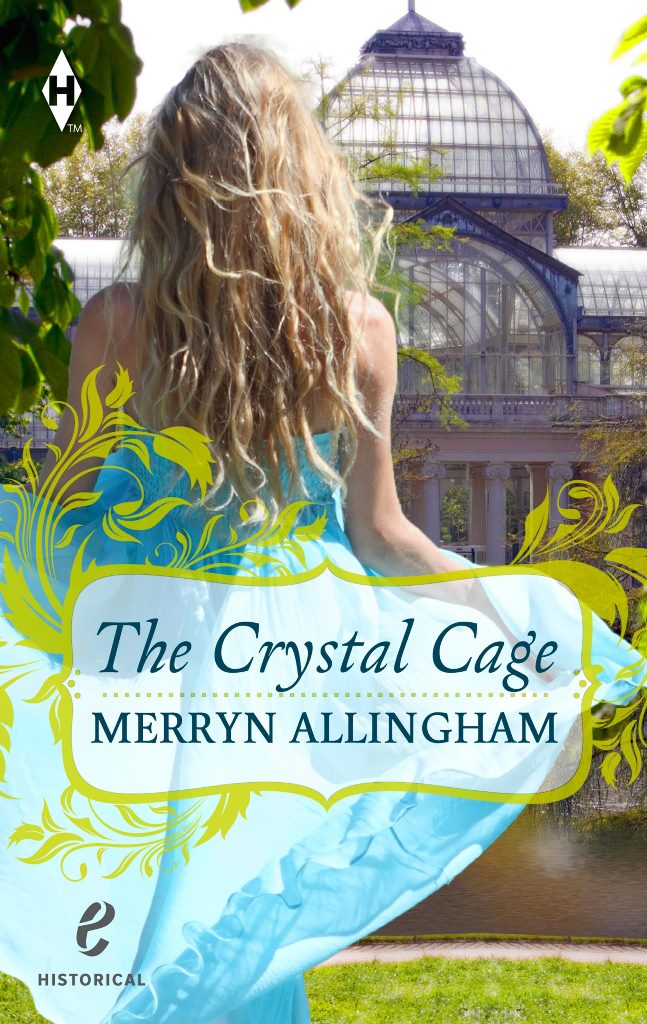
Grace, the modern day heroine of The Crystal Cage, is at a crossroads in her life. Despite a smart home, a seemingly caring partner and a job that keeps her busy, she’s dissatisfied.The house isn’t hers, she finds her work tedious and she’s beginning to feel uncomfortably controlled by her partner. When Nick Heysham catapults into her life with a request that she help him complete a contract, she is ready to listen. Nick has been commissioned to find plans drawn for the Great Exhibition by Lucas Royde, the most influential of Victorian architects. At the same time, a trifling and apparently unrelated job – the haunting of a former school room - lands in her lap. By the end of the novel, Grace has uncovered connections that have stayed hidden for a century and a half. She has discovered, too, that a past tragedy has uncomfortable echoes for her own life. 

I love the idea that the past never leaves us, that there is only a thin veil separating today from the centuries that have gone before. And I love a good mystery, particularly when it’s spiced with romance. What Grace uncovers is sad and sometimes painful, but it fills her with the determination to live a life that for all her bravery, her Victorian counterpart was denied.

How much research did you have to do?

A fair amount. The 19th century is the period I’m most at home with so in a sense I had what you might call a ‘nest’, but as soon as you start writing, you find out all the things you don’t know. I read a large number of books on The Great Exhibition and visited the Victoria and Albert Museum to discover the material they held - an absolute mountain, as it turned out – and to understand the process of researching there. But no matter how much you read, how much you dig around, there will always be things you can’t discover. For instance, I could find only one photograph of a Victorian architect’s office and I never discovered how the Great Russell Street practice would have gone about providing refreshments for its workers in 1851! When you hit this kind of blank, you simply have to go with your own hunch. Most of the research, of course, doesn’t find its way into the book. If it did, it would weigh the story down.

If you could collaborate with any author living or not, who would you choose and why?

A brilliant question and a difficult one. But if I had to choose just one author, it would be Kate Atkinson. She’s not particularly known for historical fiction, though I’m sure she could be if she chose. Her writing is so stylish and so varied - from winning the Whitbread prize for her first novel, Behind the Scenes at the Museum, to writing a gripping series of Jackson Brodie detective novels. She is a literary novelist who writes commercially, that’s the best way I can put it. And that’s what I’d love to be. She never seems content with one winning formula but continues to experiment and does so very successfully. Having said that she doesn’t write historical fiction, her latest book, Life after Life, plays with the idea of reincarnation and with the unfolding of events in the first half of the twentieth century. As I said, varied!

How do you think you have evolved creatively?

I taught English Literature for years which has proved both a blessing and a barrier. You can say clever things about language and structure in a novel but putting pen to paper for the first time is daunting, when for years you’ve taught only the very best in writing. I got over it by writing in a genre that I knew and loved – Regency romance – and was fortunate to have my first book accepted by Harlequin. I wrote five more Regencies but found myself wanting to experiment on a larger canvas and add mystery to the history and the romance. The Crystal Cage is the first book in this new genre. I’ve followed it by writing a trilogy set in the 1930s/40s and moving between India and wartime England.

What are you currently reading?

I’ve just read my way through ten of Mary Stewart’s romantic suspense novels. Since I changed direction in my writing, I thought it a good idea to re-read the doyenne of the genre and I’ve thoroughly enjoyed it. In between her novels, I tackled Crime and Punishment – yes, really! The book group I belong to is reading crime from around the world and Dostoevsky was our contribution from Russia. And I still have an inviting pile of books by my bedside – Before I Go to Sleep is at the top. 

Do you have an advice for upcoming writers?

Be disciplined and write as regularly as you can, even if it’s only for a short time. 
Be patient. It often takes a long time to get anywhere but if you persevere, you’ll make it.
And don’t let rejections destroy your ambition. Every great writer has suffered rejection but still carried on. They believed in themselves and so must you! 

About the Author

My father was a soldier and most of my childhood was spent moving from place to place, school to school, including several years living in Egypt and Germany. I loved some of the schools I attended, but hated others, so it wasn’t too surprising that I left half way through the sixth form with ‘A’ Levels unfinished.

I became a secretary, as many girls did at the time, only to realise that the role of handmaiden wasn’t for me. Escape beckoned when I landed a job with an airline. I was determined to see as much of the world as possible, and working as cabin crew I met a good many interesting people and enjoyed some great experiences – riding in the foothills of the Andes, walking by the shores of Lake Victoria, flying pilgrims from Kandahar to Mecca to mention just a few.

I still love to travel and visit new places, especially those with an interesting history, but the arrival of marriage and children meant a more settled existence on the south coast of England, where I’ve lived ever since. It also gave me the opportunity to go back to ‘school’ and eventually gain a PhD from the University of Sussex. For many years I taught university literature and loved every minute of it. What could be better than spending my life reading and talking about books? Well, perhaps writing them.

I’ve always had a desire to write but there never seemed time to do more than dabble with the occasional short story. And my day job ensured that I never lost the critical voice in my head telling me that I really shouldn’t bother. But gradually the voice started growing fainter and at the same time the idea that I might actually write a whole book began to take hold. My cats – two stunning cream and lilac shorthairs – gave their approval, since it meant my spending a good deal more time at home with them!

The 19th century is my special period of literature and I grew up reading Georgette Heyer, so when I finally found the courage to try writing for myself, the books had to be Regency romances. Over the last four years, writing as Isabelle Goddard, I’ve published six novels set in the Regency period.

Since then, I’ve moved on a few years to Victorian England, and I’ve changed genre too. The Crystal Cage is my first novel under the name of Merryn Allingham. The book is a mystery/romantic suspense and tells the story of a long-lost tragedy, and the way echoes from the past can powerfully influence the life of a modern day heroine. The next few Allingham books will see yet another move timewise. I’ve been writing a suspense trilogy set in India and wartime London during the 1930s and 1940s, and hope soon to have news of publication.

Whatever period, whatever genre, creating new worlds and sharing them with readers gives me huge pleasure and I can’t think of a better job.

Connect with Merryn Allingham on Facebook and Goodreads.

About her book

Appearances don’t always reveal the truth. Grace Latimer knows this better than most. Illusions of commitment and comfort have her trapped—until bohemian adventurer Nick Heysham charms his way into her world. Commissioned to recover a Great Exhibition architect’s missing designs, he persuades her to assist in his research. The mystery of the Crystal Palace seduces Grace, and once she discovers clues about a forbidden Victorian love affair, she’s lured into the deep secrets of the past…secrets that resemble her own.

As Grace and Nick dig into the elusive architect’s illicit, long-untold story, the ghosts of guilt and forbidden passion slip free. And history is bound to repeat itself, unless Grace finds the courage to break free and find a new definition of love…