Spotlight: Don't Stop by Bonnie Friedman
/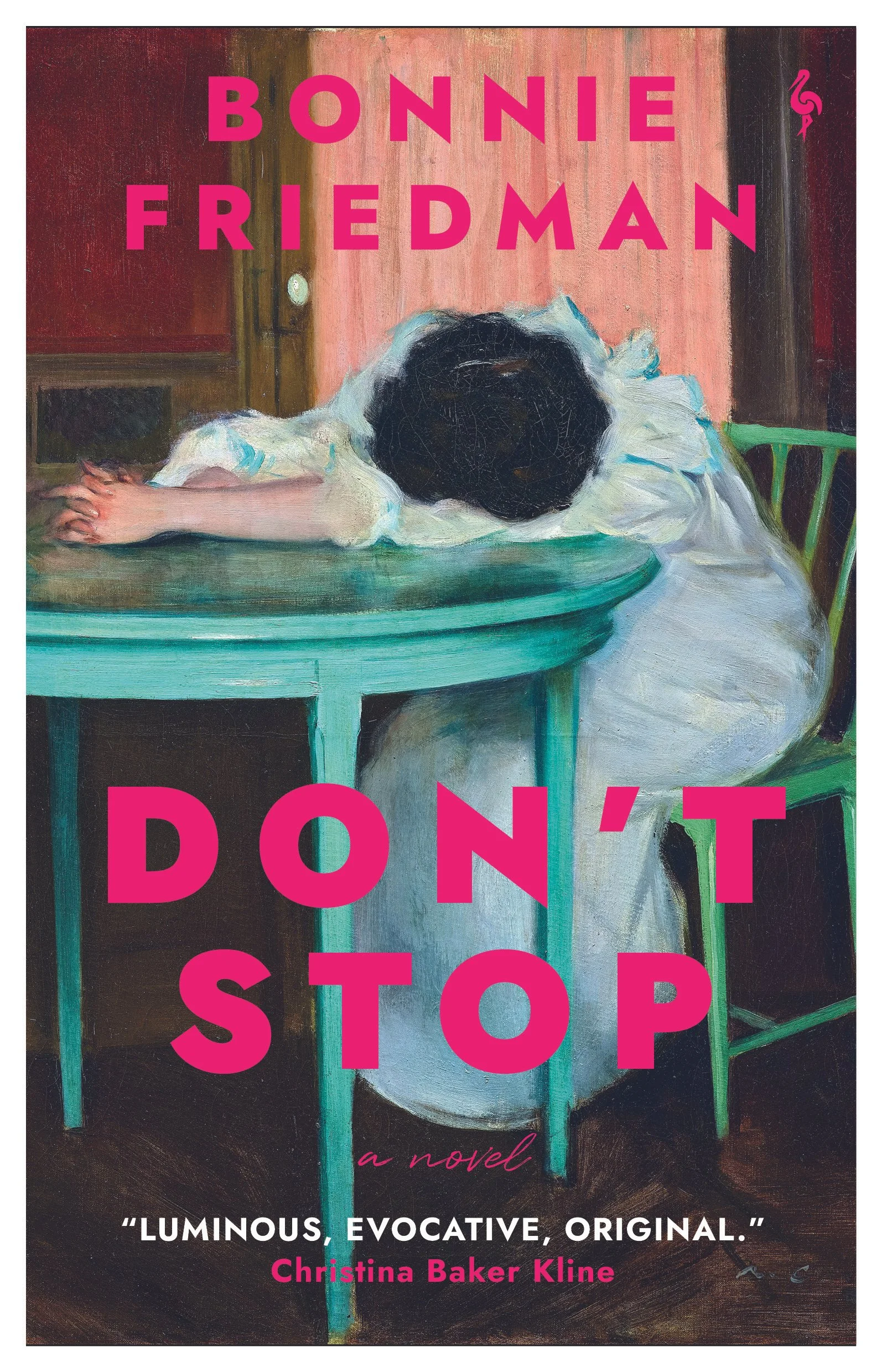
A daring, erotically charged novel about ambition, desire, and the dangerous pursuit of self-knowledge.
Ina is a 41-year-old literary scholar on the cusp of professional success. With a coveted university job, a kind husband, and a book on Eugene O’Neill due in months, her life appears enviably stable. But when an impulsive kiss with a stranger shatters her self-control, Ina finds herself plunged into an erotic and emotional freefall.
She tells herself it’s research—a brief detour before returning to real life. But what begins as a flirtation becomes a reckoning with everything Ina thought she wanted: marriage, intellect, control. As she navigates the ecstatic confusion of newfound desire, she risks upending her work, her relationship, and her understanding of who she is.
Set in Brooklyn and Manhattan at the turn of the millennium, Don’t Stop is a bold, immersive debut that explores what happens when a woman dares to want more—of the world, of her body, of herself. Bonnie Friedman delivers a novel of transgression, transformation, and unapologetic longing.
Excerpt
When Ina discovered sex at the age of forty-one, her whole life turned upside down. She found that she liked things that she didn’t know she could like. Or, to be more precise, she found that she craved to do certain things, and to have certain things done to her, that before this time she would have regarded with mirth and incredulity.
Her entire personality had apparently come spring-loaded with a secret compartment in which all sorts of desires lay hidden. Most people didn’t know their whole character, she now believed. She certainly hadn’t, and she was highly educated and with a wide circle of friends, married at the age of twenty-eight and with a normal dating life before that. Now events that had once struck her as cartoonish or pathetic—a politician caught with a prostitute sucking on his toe, women who wanted to be handcuffed naked to their boyfriend’s bed—didn’t seem so strange. Now she withheld judgment. And it worried Ina to think that she could quite easily have lived her entire life without discovering this hot, disorienting aspect of herself, as if she’d occupied a dim apartment without ever realizing there was a light switch.
It all began late one October afternoon when her friend Janie invited her to a networking event for writers, an open-invitation party for literary types. “You’re home too much. You’re missing all the fun,” said Janie, gesturing toward the city which, from where the two friends sat on the Brooklyn Promenade, resembled a jagged steel honeycomb, the cells of which were brimming with a clear sweetness. The brake lights on the FDR were just starting to show raspberry in the gathering dusk.
Ina smiled. Naturally she didn’t think going to a networking meeting sounded fun. “If only I didn’t have a deadline.”
“Life too has a deadline.”
Ina laughed. “You sound so macabre!”
Janie merely raised her eyebrows in response. “I think working too much has narrowed your vision,” she said, speaking far more slowly than she used to. “I think that’s part of your problem.” Janie was just back from three months in Nepal. Subtle things about her had changed. The spring before she left she’d dashed about—playing bass guitar, an instrument she was still mastering, with new friends in a weekly gig off Avenue C; dancing many nights in a row at clubs that closed just as the cobblestones of Gansevoort Street caught the first light. It was as if she’d hoped to exhaust the city before her pilgrimage. Ina was relieved that now, back home, Janie hadn’t surrendered her old joys, although she sensed that they meant something different. Janie had an ascetic, otherworldly appearance—whether from hours in meditation halls or her prolonged bout of malaria, it was hard to say. She had also acquired a new way of listening; she seemed to be hearing echoes inside echoes. It was disorienting.
“I don’t have a problem,” replied Ina, touched however that her friend wanted to diagnose her.
“You seem a bit dogged. A bit too sequestered.”
“It’s called focus.” Ina winked affectionately at her old friend, wondering if Janie would change back soon.
“Sweetie, you are starting to say odd things.”
“I’ve always said odd things.” Nevertheless, Ina tapped the Post-it pad in her pocket for reassurance. If she didn’t have good judgment, her project would come out wrong. The instincts she relied on would mislead her. She had to be able to identify the shifting emotional valences of the Eugene O’Neill plays she was studying—and to do that she must progress into the indeterminate, the not-yet-named, without losing her grounding, the common sense that every literary critic needs. She lowered her gaze. Through the bottom of the cast-iron grillwork before them, someone had woven the grimy felt stalk of a yellow cloth tulip. The scent of a cigar reached her, expansive and deliciously acrid, as if offering the whole elliptical promise of the metropolis. She was conscious, too, of an almost audible giddiness emanating from across the river, from Wall Street, whose shadowy length she could practically see, and from which came incessant reports these days about Masters of the Universe and new IPOs whose values leapfrogged by fifty percent week after week, inducing crazed states of greed and joy, as if the very rules of reality had been suspended, as some people believed they had. Some very credible economists were saying that not every market that goes up must come down. She and Simon had just moved back to New York last year. “Okay, tell me,” she said with a sigh. “What have I said that’s odd?”
“If you don’t talk to your sister before eight in the morning you get tense.”
“I can’t have Violet calling later. I’ve got to be able to immerse.”
“Yet a small interruption—”
“Not odd,” she affirmed with relief. Her friend hadn’t discerned a secret something that was amiss, if indeed anything was.
Buy on Amazon Kindle | Paperback | Bookshop.org
About the Author
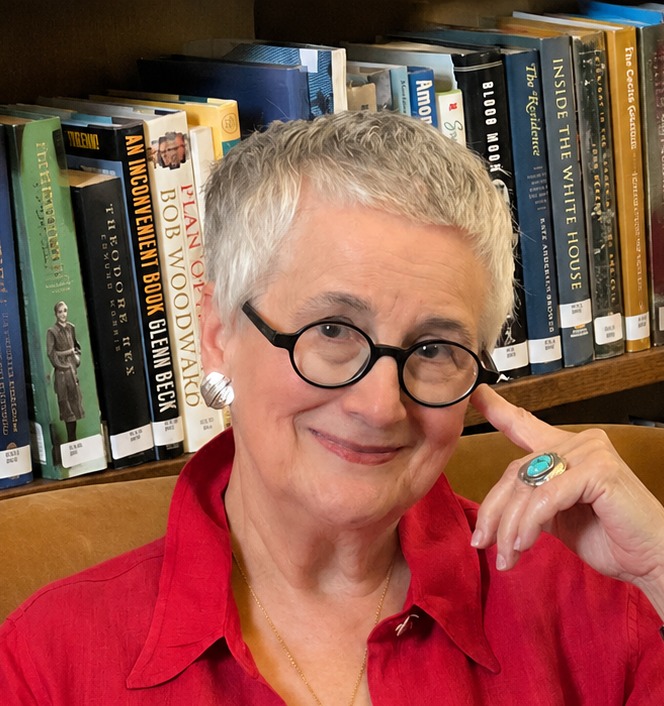
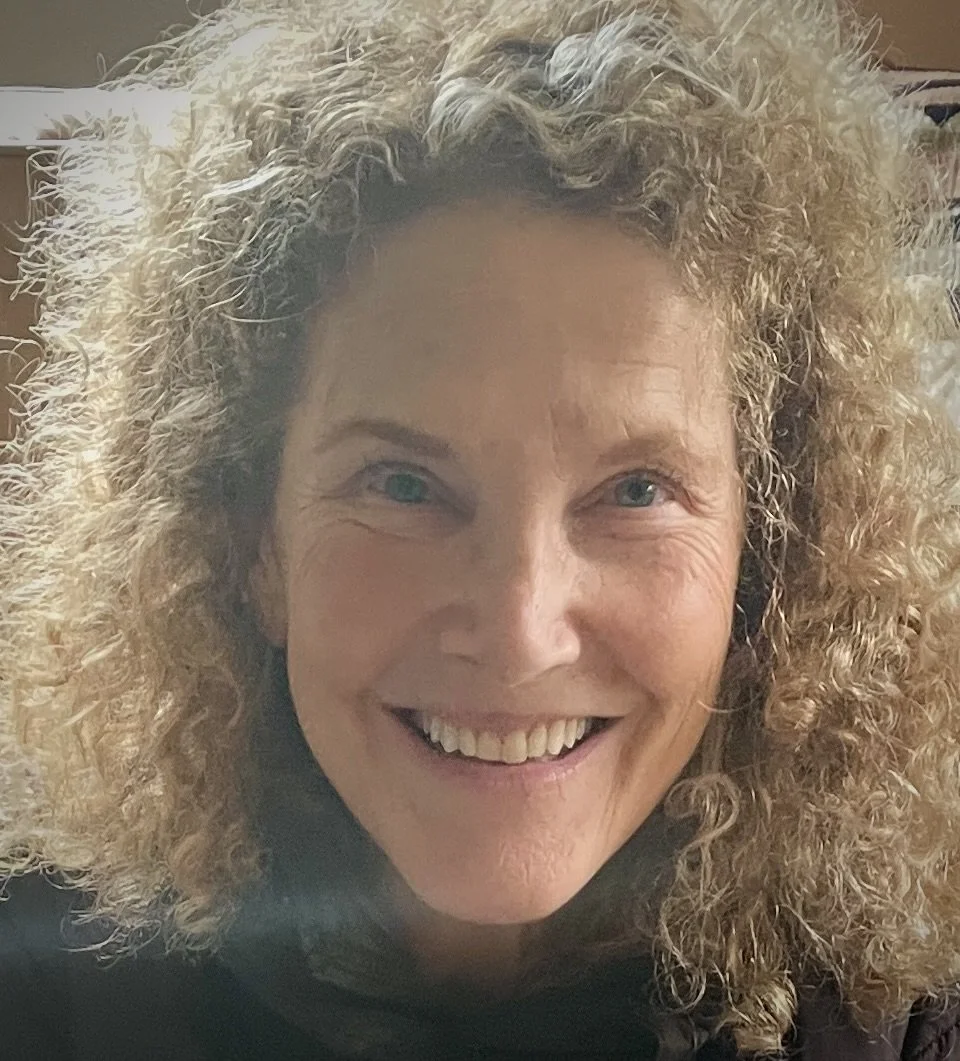
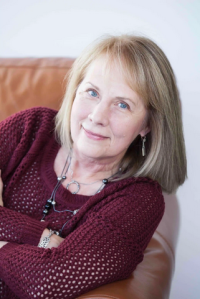
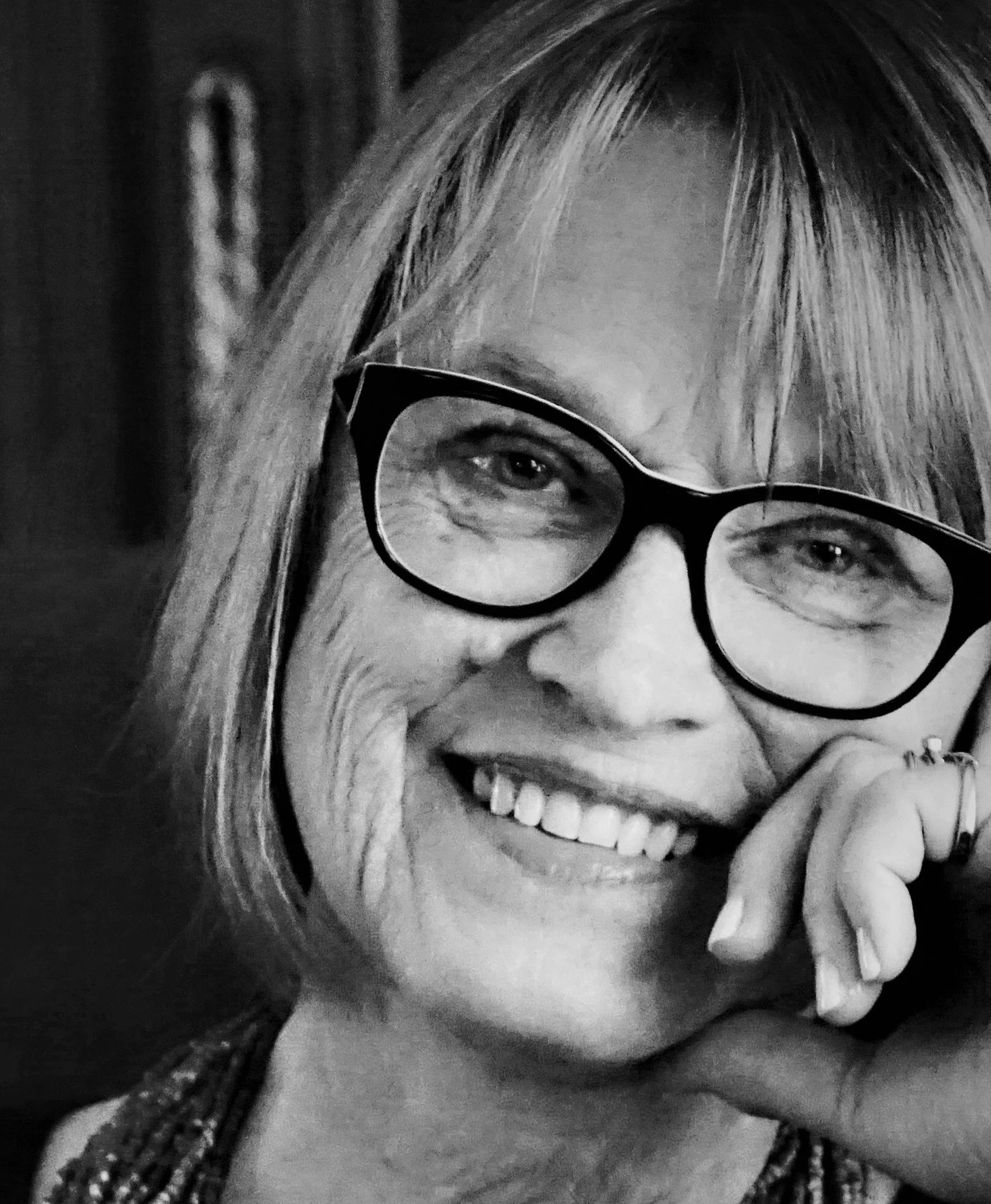
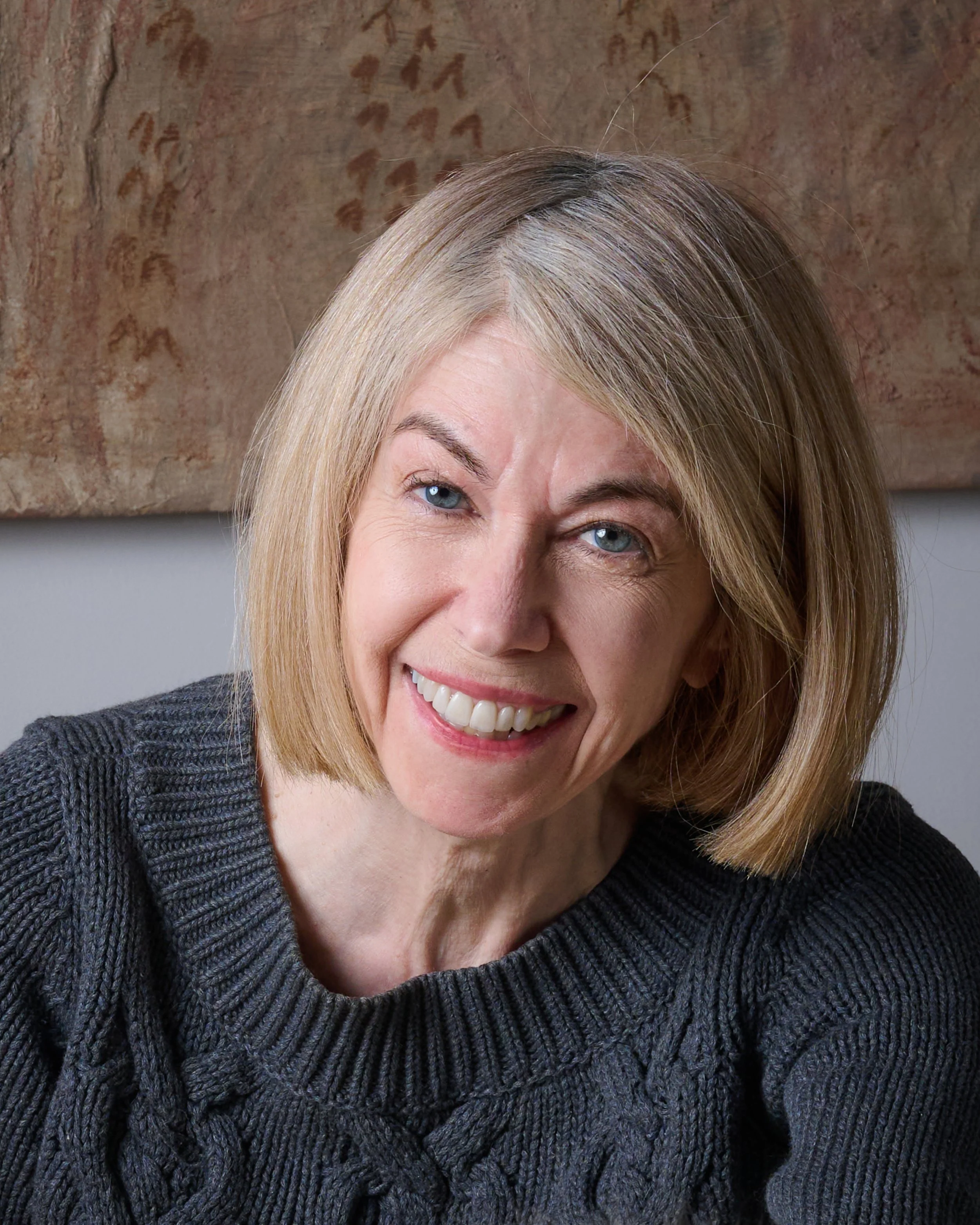
Bonnie Friedman is the author of the bestselling Writing Past Dark, named one of the Essential Books for Writers by the Center for Fiction and Poets & Writers. She is also the author of The Thief of Happiness and Surrendering Oz, a finalist for the PEN Award in the Art of the Essay. Her work has appeared in The New York Times, Ploughshares and numerous other literary journals, and she has been named a notable essayist four times in The Best American Essays. She has taught writing at the University of Iowa, Dartmouth, NYU, and the University of North Texas. Don’t Stop is her first novel.