Spotlight: A Series of Opinionated Animals by Michelle Lerner
/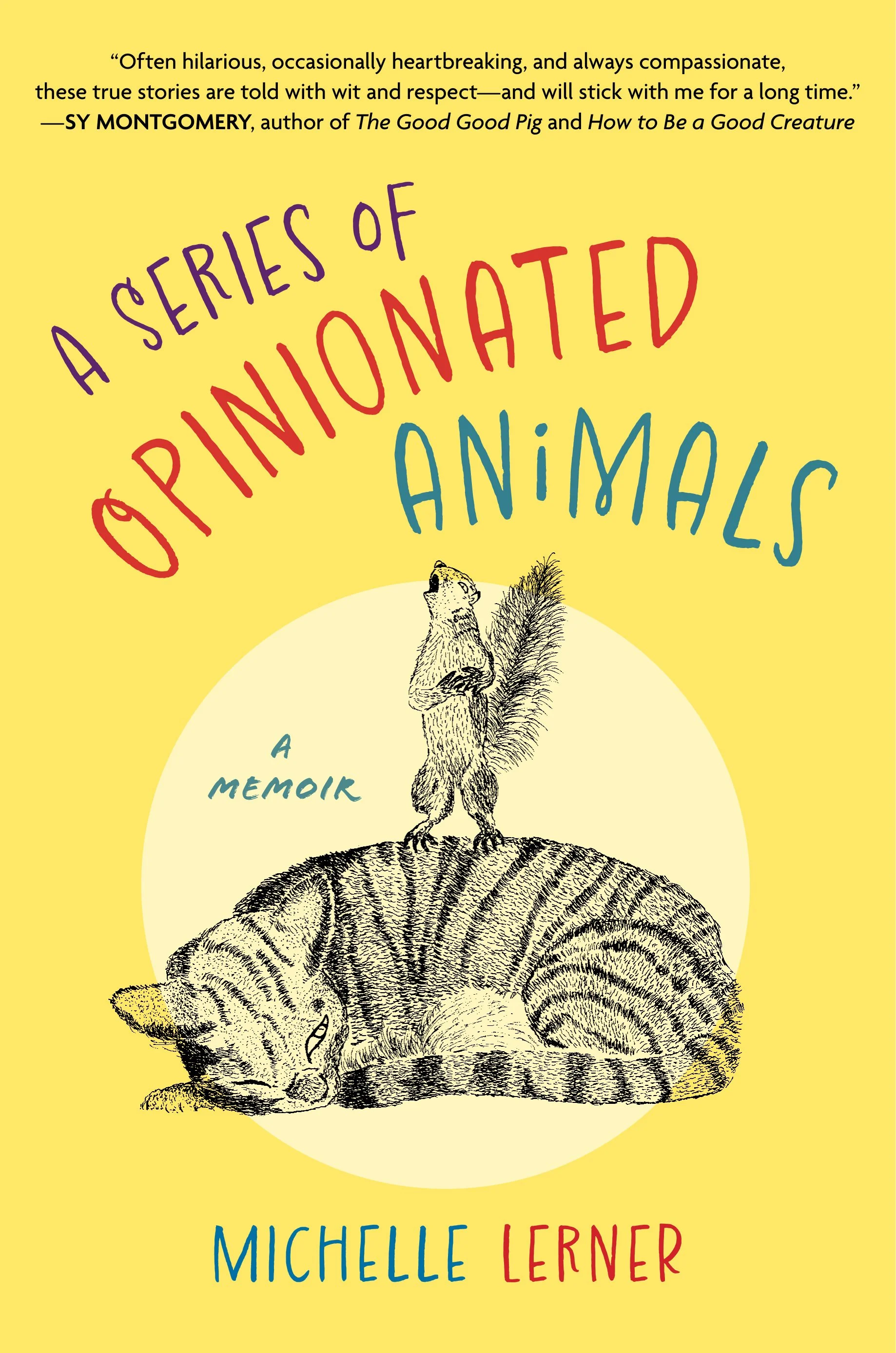
For Michelle Lerner, a Harvard-educated lawyer, the call wasn't just unusual—it was a summons. On the line was a panicked volunteer from a chaotic cat shelter she'd left behind years ago. The problem? A neurologically-impaired squirrel who insisted on being sat on by his rabbit roommate was about to fall into the hands of the state, and Michelle was his only hope. It's a question most people never face, but for Michelle, it was just the beginning of a life lived in loving, chaotic service to the most opinionated animals imaginable.
In A Series of Opinionated Animals, Lerner invites readers into her astonishing world, where the line between rescue and civil disobedience is often blurred. This is a world where a disabled sheep named Lamby—the "Woolly Bully"—wears children's skateboarding elbow pads, develops a taste for blue corn chips, and learns to herd cats, all while demanding her meals by ramming her head against the kitchen door. It's a world where Monster, the squirrel, recovers from his mysterious past by throwing tantrums, serenading the neighborhood with squirrel opera, and forming an inseparable bond with a patient rabbit named Finn. Lerner's story is populated by a cast of unforgettable characters, including a trio of rescue dogs—Nubi, the resident genius; Fern, the speckled pig-like dog who embarks on her own "Outward Bound" journey; and Chip, the lovable fool who joyfully dances on thin ice.
From a ferocious chicken who hazes new farmhands to a veritable herd of cats with feline leukemia who teach lessons in love and loss, Lerner shows us that every animal has a story and a distinct, often hilarious, point of view. With the sharp wit of a seasoned lawyer and the deep empathy of a lifelong animal advocate, Lerner seamlessly weaves her personal experiences into a broader narrative about justice for those who cannot speak for themselves. She recounts how her profound bond with Shire, a disabled ex-police horse, propelled her into the field of animal law, where she would go on to help establish one of the nation's first student animal law programs, at Harvard no less.
A Series of Opinionated Animals is a moving and uproarious memoir about the radical, world-changing act of recognizing the personhood in every creature. It is a story of unconventional family, profound grief, and the kind of love that transcends species—a love that is messy, demanding, and ultimately transformative.
Excerpt
Monster in the House
In early 2008, while living in New Jersey, I received an odd and disturbing phone call from the eclectic cat shelter in Massachusetts where I had volunteered three years earlier. Apparently, the owner of the shelter had passed away and the state was coming to take over operations. There was a neurologically impaired squirrel who had lived there in a cage with a rabbit, and the volunteers were afraid the state would kill him. Could I come get him?
Why, you might ask, did they call me in New Jersey to take the squirrel? Because, I guess, they couldn’t think of anyone else who’d be willing and able to figure out what to do with a neurologically impaired squirrel. I had, after all, adopted a disabled lamb and six Feline Leukemia positive cats from the shelter. Who better to call about a disabled squirrel?
Terry, the woman who had run the shelter, had both a soft spot for animals and a boundless sense of her own abilities. Though she was not trained as a wildlife rehabilitator, she took it upon herself to try to rehabilitate any injured wild animal she found. I had watched her raise a raccoon in the feral cat yard, who became way too accustomed to human contact. Attempts to release her into the wild failed repeatedly as the neighbors kept calling to say she was terrorizing their chickens. The raccoon was eventually released on the more remote property of a shelter volunteer (ahem).
When I started volunteering at the shelter in 2002, “Mr. Squirrel” lived in a cage with a rabbit. He ran in tight circles over and over as if chasing his tail, and then would poke and prod the rabbit until the rabbit stood up and let Mr. Squirrel crawl underneath him. Mr. Squirrel, once comfortably ensconced under the rabbit’s belly, liked the rabbit to lie back down, on top of him. And that’s where he would rest, underneath the rabbit, until it was time to run in circles again.
To me, he looked miserable. In nice weather, he’d be moved out to a hutch on the front lawn where, absent a squishy furry rabbit to climb under, he’d just keep running in circles.
Terry told me she’d found him gravely injured on a road after he had been hit by a car. In the same situation, I would have taken him to a wildlife rehabilitator or vet office. But Terry did whatever she knew how to do on her own, and the squirrel seemed to recover. Delighted, she released him in the front yard of the shelter, where he proceeded to climb halfway up a tree and then fall out of it. He had, it seemed, some residual neurological effects from his injury and could not survive on his own.
So, Terry put him in the cage of a rabbit who was also, for some unknown reason, at the cat shelter. The two hit it off famously, and they lived together until the rabbit died. Mr. Squirrel was then put in a cage with another rabbit acquired specifically to keep him company, but this rabbit somehow did not take to being locked in a cage all day with a squirrel who wanted to be sat on. He just wasn’t into that kind of thing.
This had been the state of affairs when I left Massachusetts. So, when I got the distressed phone call three years later, my spouse, Gray, and I prepared to go get Mr. Squirrel. Not to keep him in our house, of course, because who would keep a neurologically impaired squirrel in their house? That would be, um, crazy.
No, I was sure I’d find a wildlife rehabilitator with an exhibitor’s permit to take him and let him live out his life as an educational squirrel. You see, in most states, it’s illegal to keep a wild animal unless one is a rehabilitator with a permit. Wild animals who cannot be rehabilitated to the point of surviving on their own are legally required to be killed unless a rehabilitator gets special permission from the state to keep the animals for educational purposes.
Does that mean it had been illegal for Terry to keep Mr. Squirrel at the cat shelter? Well, yes. And it also would have been illegal for me to keep him in my house. And I was a lawyer. Hence, I made some calls.
Unfortunately, wildlife rehabilitators in New Jersey are licensed by the Division of Fish and Wildlife, a notoriously anti-animal agency with staff salaries funded by hunting and trapping license fees. They have little to no interest in helping injured wildlife and make it almost impossible for wildlife rehabilitators to function in the state. As a result, there aren’t many wildlife rehabilitators left.
Unsurprisingly, the few remaining didn’t seem to want a neuro logically impaired squirrel. But one did say ok, so we planned to go get the squirrel, put him in our house very temporarily, and then work out a transfer.
In the meantime, I did some research. How long can squirrels live? Mr. Squirrel was, after all, at least ten years old. What I found online was that wild squirrels live, on average, one year—because so many die as infants and adolescents. If you’ve ever driven in the countryside during adolescent squirrel or chipmunk season (what Gray and I refer to as “stupid season”), you will notice that they treat roads like a video game and run out as close to an oncoming car as possible in their at tempts to get across. Which, often, does not work out well. Hence the low average age of death.
But, the internet told me, a well-cared-for squirrel in captivity can live to twenty. And, if the outside limit of a squirrel’s life is twenty, then that’s how long I expect said squirrel to live. So, though I did not know Mr. Squirrel’s actual age, it seemed to me that he likely had a lot of time ahead of him.
Buy on Amazon | Bookshop.org

About the Author
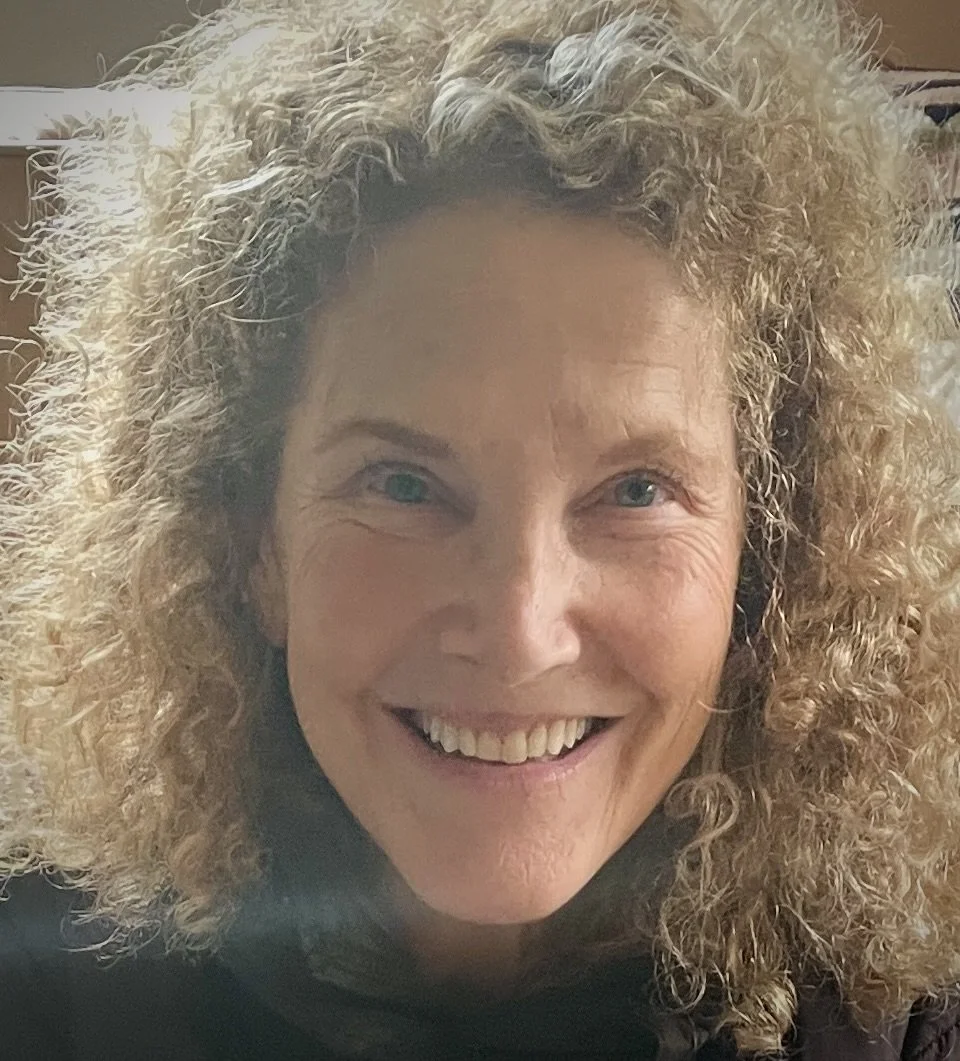
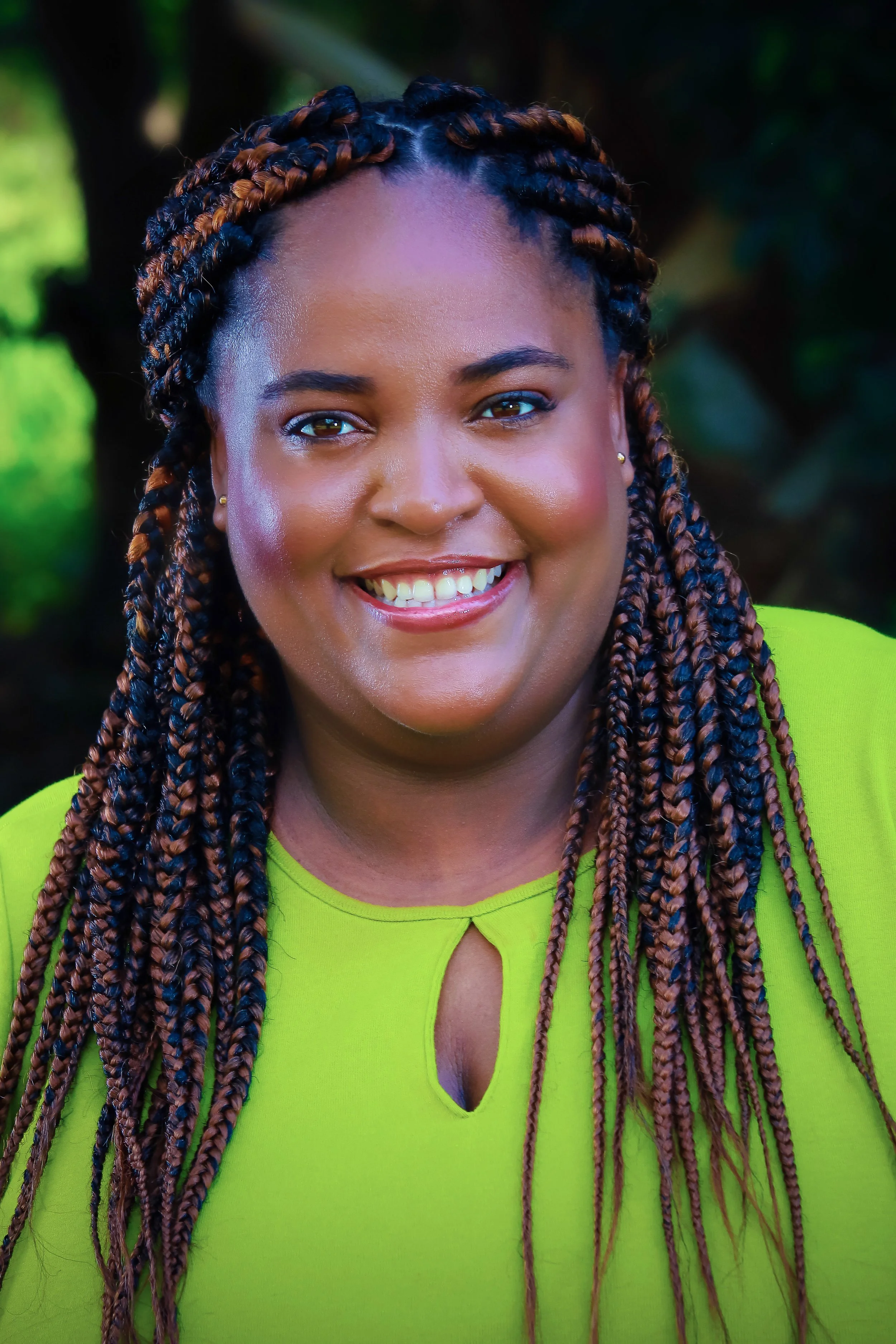
Michelle Lerner is a former public interest attorney, animal law pioneer, and author. A magna cum laude graduate of Harvard Law School, she co-founded the Student Animal Legal Defense Fund, successfully lobbying for Harvard’s first animal law class. She later drafted municipal and state legislation, co-chaired the New Jersey State Bar Association’s Animal Law Committee, and founded a local rescue that achieved no-kill status. After a disabling illness, she turned to writing stories. Her critically acclaimed debut novel, Ring, was published in 2025.