Spotlight: She Forgot She Was Free by Giselle Mascarenhas
/
Genre: Self Help
Sub-genre: Inner Child Self Help/Transformational Self Help/Motivational Self Help
Publisher: Mija Media House
Publication Date: June 23, 2026
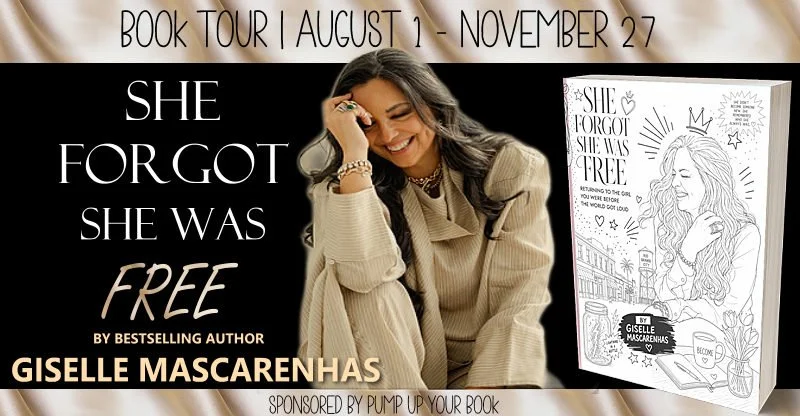
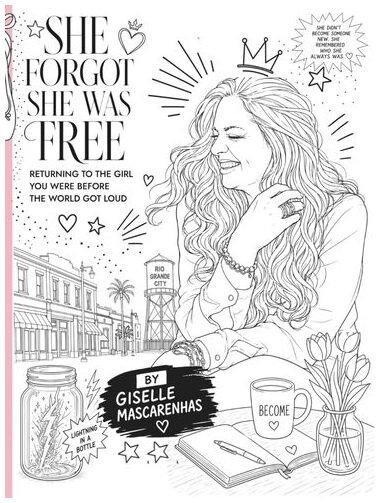
She Forgot She Was Free is an invitation to remember the woman you were before fear, expectations, achievement, disappointment, and survival convinced you to forget.
In this deeply personal and transformational book, two-time best-selling author and founder of The BECOME Method™, Giselle Mascarenhas, shares the lessons, questions, and revelations that led her back to her truest self. Rather than offering quick fixes or another self-help checklist, she invites readers into a journey of honest reflection, identity, healing, and intentional growth. Through compelling stories and practical insights, readers are challenged to release limiting beliefs, reconnect with their authentic voice, and rediscover the freedom that has been within them all along.
Rooted in the principles of The BECOME Method™, She Forgot She Was Free equips readers with a powerful way to move beyond simply surviving and begin living with clarity, courage, and purpose. Whether you’re navigating a season of transition, rebuilding after loss, or simply sensing there is more waiting for you, this book will remind you that the life you long for doesn’t begin by becoming someone new, it begins by remembering who you have always been.
Because the person you are searching for has never been lost.
She has simply been waiting for you to remember her.
Excerpt
“Beat It”
If you grew up in the 80s, you understand what Michael Jackson meant.
Not as a celebrity. Not as a pop star. As a feeling.
My bedroom walls were covered in him. Floor to ceiling. Every page I could tear from every magazine that had his face on it, I put it up. I would climb on my dresser drawers and stand on chairs just to reach higher, just to fit one more. My brother John knew this. And because brothers are built to find the exact thing that will undo you, ripping one of those pictures was his most effective weapon. That was the deal, unspoken but understood, touch my Michael Jackson pictures and I stop raiding your Little Debbies and cereal. We had a whole economy built around it.
But Michael Jackson wasn’t just decoration on my walls.
He was proof that you could be fully, completely, unapologetically yourself, and the whole world would not just accept it, they would lose their minds over it.
Third grade. The school talent show.
I signed up to dance to Beat It. I borrowed a dress. Black tights that were slightly too small. I was not nervous. Not even a little. I was a great dancer and I loved Michael Jackson and the combination of those two facts felt like more than enough reason to get on a stage in front of the entire school.
When the music started, I stopped thinking.
I just danced.
I hit every move. I got lost in it, the way you only get lost in something when you are doing exactly what you were made to do. No performance. No awareness of being watched. Just a little girl and the music and the complete and total freedom of a body that knew what it was doing.
When it was over, the cafeteria stood up.
The whole cafeteria.
Elementary kids on their feet, cheering, for me, for little Gi who had just danced her whole heart out in slightly-too-small tights without a single moment of self-consciousness.
I remember that feeling. I want you to feel it with me for just a second before I tell you what happened next.
That feeling, of being fully yourself, fully alive, and being met with that kind of love, that is vitality. That is exactly what this book is about. Not the applause. The aliveness that came before it.
I signed up again the following year.
I was going to dance again. At this point I was certain, certain, that I was either going to be a ballroom dancer or a Dallas Cowboys Cheerleader. It was not even a question in my mind. It was just a matter of which one.
Then I got called to the principal’s office.
Mrs. Champion sat across from me and told me that before I could perform in the talent show, I would need to audition privately for her. Because last year, she said, and I still remember her tone more clearly than her words, my dance moves had been vulgar. And I would not be allowed to perform if I did anything like that again.
I was in third grade.
I did not fully understand the word she used. But I understood her face. I understood the disgust in it. The way she looked at me like my aliveness, my joy, my freedom, the very thing that had made every child in that cafeteria rise to their feet, was something to be ashamed of. Something that needed to be contained. Auditioned. Approved before it was allowed to exist.
I went back to my homeroom teacher and told her I had decided not to perform.
She asked why.
“I just don’t want to anymore,” I said.
And I sat down.
I did not have the language for what had just happened to me. I did not know that a grown woman had just looked at a little girl on fire and made her feel like her flame was a problem. I did not know that the thing I did most naturally, the thing that made people come alive, had just been handed back to me with a note that said too much.
What I knew was the feeling in my body.
The same body that had been lost in the music, free and uncalculating, was now sending a different signal.
A warning.
A familiar click.
When the light shines too bright on you, move it.
Point it somewhere else before someone decides your brightness is the problem. Before they call it vulgar. Before your heart gets shattered by someone else’s discomfort with your aliveness.
I had already learned the light switch.
Mrs. Champion just gave me the first real reason to use it.
– Excerpted from She Forgot She Was Free by Giselle Mascarenhas, Mija Media House, 2026. Reprinted with permission.
Buy on Amazon | Bookshop.org
About the Author
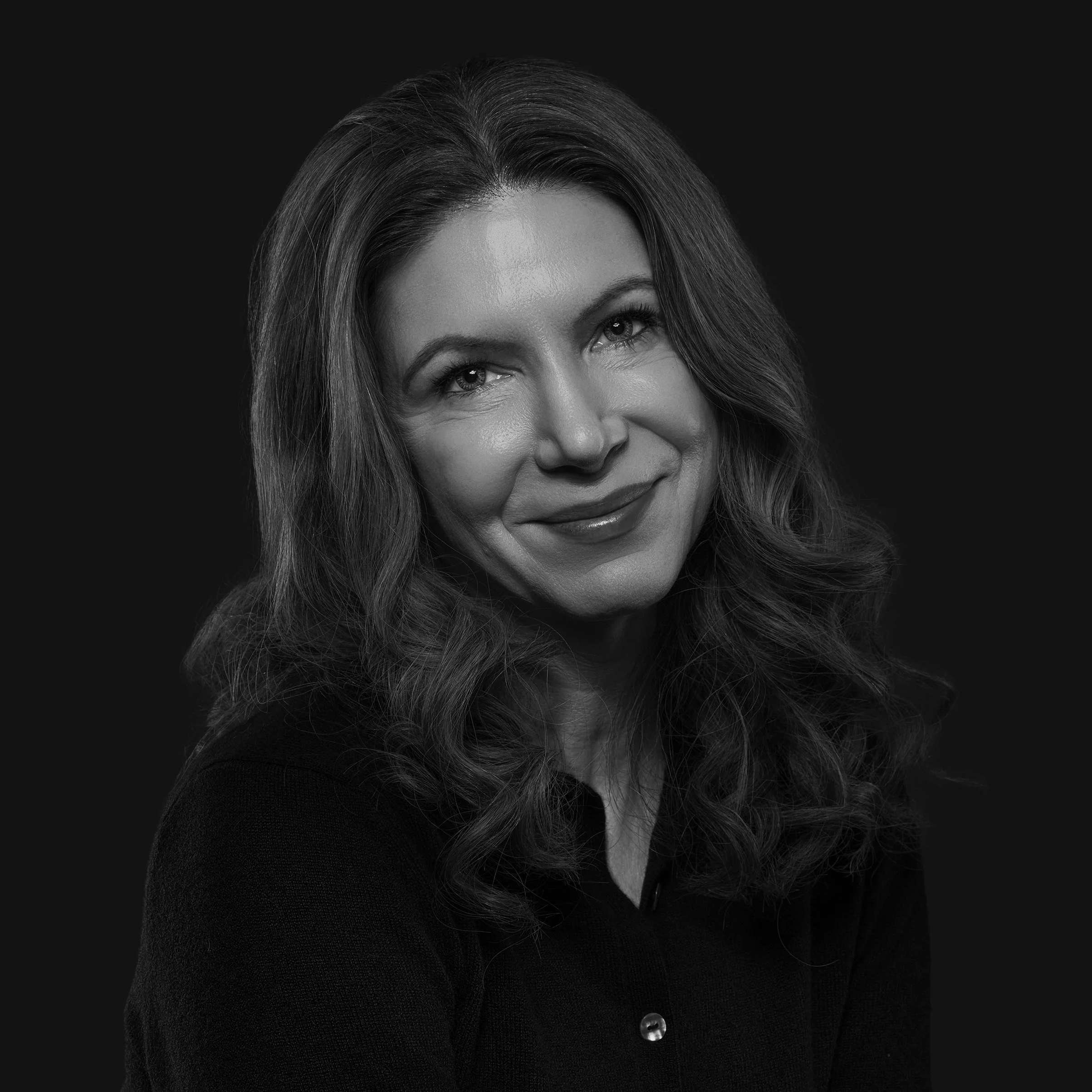
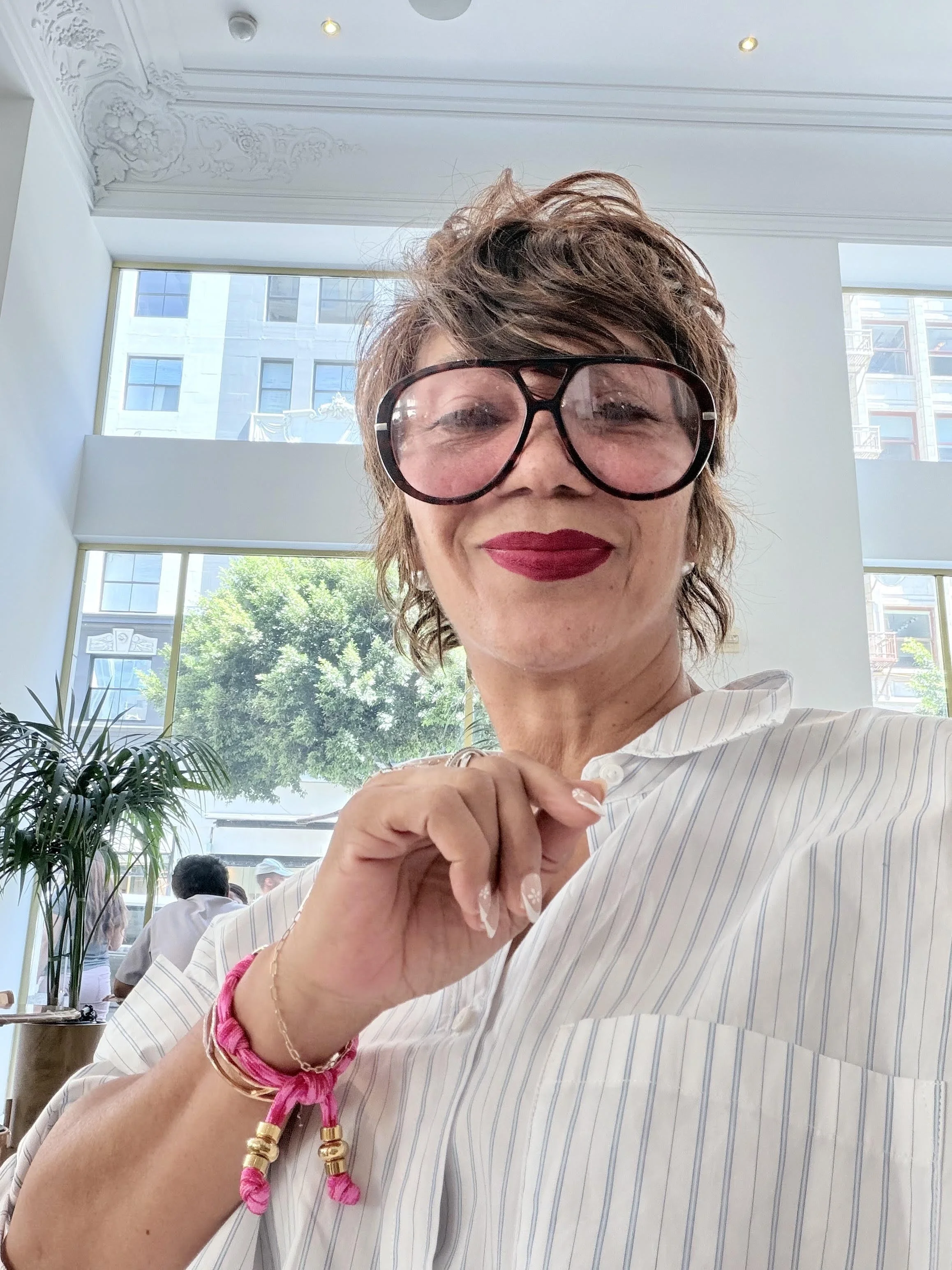
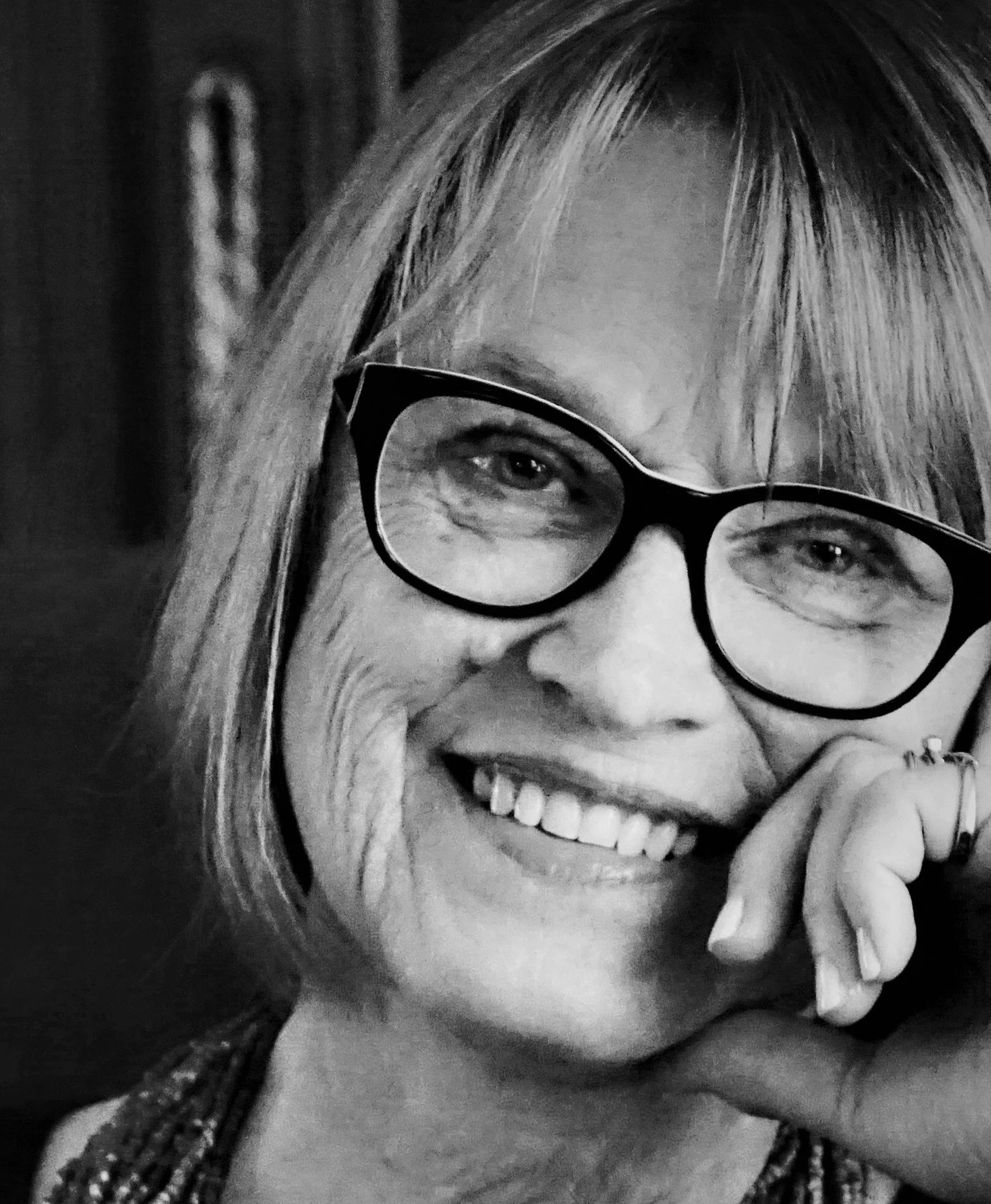
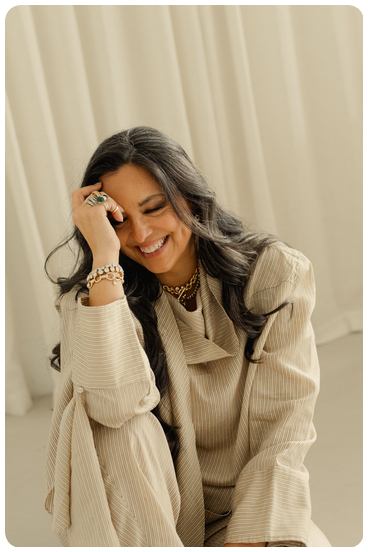
Giselle Mascarenhas is the founder of BECOME™, creator of the BECOME Methodology™, and author of She Forgot She Was Free. An entrepreneur, speaker, and transformational guide, she has dedicated her life's work to helping people reconnect with who they were created to be so they can live with greater purpose, freedom, and intentionality.
After years of building businesses, leading organizations, and walking through seasons of personal growth, Giselle recognized that lasting transformation does not begin with external success, it begins with remembering one's authentic identity. That realization became the foundation of the BECOME Method™, a proprietary methodology designed to guide individuals through a transformational process of self-awareness, healing, alignment, courageous action, and embodied growth. Unlike a framework that offers guidelines for achieving a specific outcome, The BECOME Method™ is a comprehensive method of personal advancement that can be applied across every area of life, leadership, and purpose.
Her debut book, She Forgot She Was Free, is both a deeply personal memoir and an invitation for readers to embark on their own journey of remembrance. Through honest storytelling, reflection, and faith, the book explores the universal experience of losing ourselves beneath expectations, fear, pain, and performance, and the courageous journey of rediscovering the freedom, identity, and purpose that have always existed within us. Rather than simply telling her story, Giselle invites readers to see themselves in its pages and begin writing the next chapter of their own lives.
The book became the catalyst for the broader BECOME movement, an expanding ecosystem of transformational experiences designed to help people move beyond inspiration into intentional action. Through immersive workshops, retreats, leadership development, educational programs, community experiences, publishing initiatives, and speaking engagements, Giselle equips individuals with practical tools to create meaningful and lasting transformation. Every experience is grounded in the belief that personal growth is not about becoming someone different but remembering and embodying the person God uniquely created each of us to be.
Known for her ability to blend heartfelt storytelling with practical application, Giselle creates spaces where people feel seen, challenged, and empowered to take meaningful action. Her presentations combine vulnerability, strategic thinking, and actionable guidance, allowing audiences to leave not only inspired but equipped with a clear path forward. Her work resonates with entrepreneurs, leaders, professionals, educators, faith-based communities, and individuals seeking deeper purpose and authentic fulfillment.
Beyond her work as an author and speaker, Giselle is passionate about developing leaders who create ripple effects within their families, businesses, organizations, and communities. She believes transformation is contagious, that when one person remembers who they are and chooses to live courageously, they give others permission to do the same. This philosophy continues to shape every initiative within the BECOME movement.
Through future books, collaborative publishing projects, leadership academies, retreats, and global speaking engagements, Giselle's mission is to help millions of people reconnect with their God-given identity and become the fullest expression of who they were created to be. She envisions BECOME as a worldwide movement that empowers individuals to live intentionally, lead authentically, and create lasting impact for generations to come.
Giselle lives in Texas with her family and continues to write, teach, speak, and expand the global reach of the BECOME movement. Whether on stage, in the pages of a book, or through transformational experiences, her message remains the same: the person you are searching for has never been lost, you have simply forgotten who you are. Remember. Rise. BECOME.
Visit her website at www.thebecomemethod.com.
Connect with her on social media at:
Twitter: https://x.com/giselleempowers
Facebook: https://www.facebook.com/giselleempowers
Instagram: https://instagram.com/giselleempowers
Goodreads: https://www.goodreads.com/author/show/21957760.Giselle_Mascarenhas