Spotlight: His Castilian Hawk by Anna Belfrage

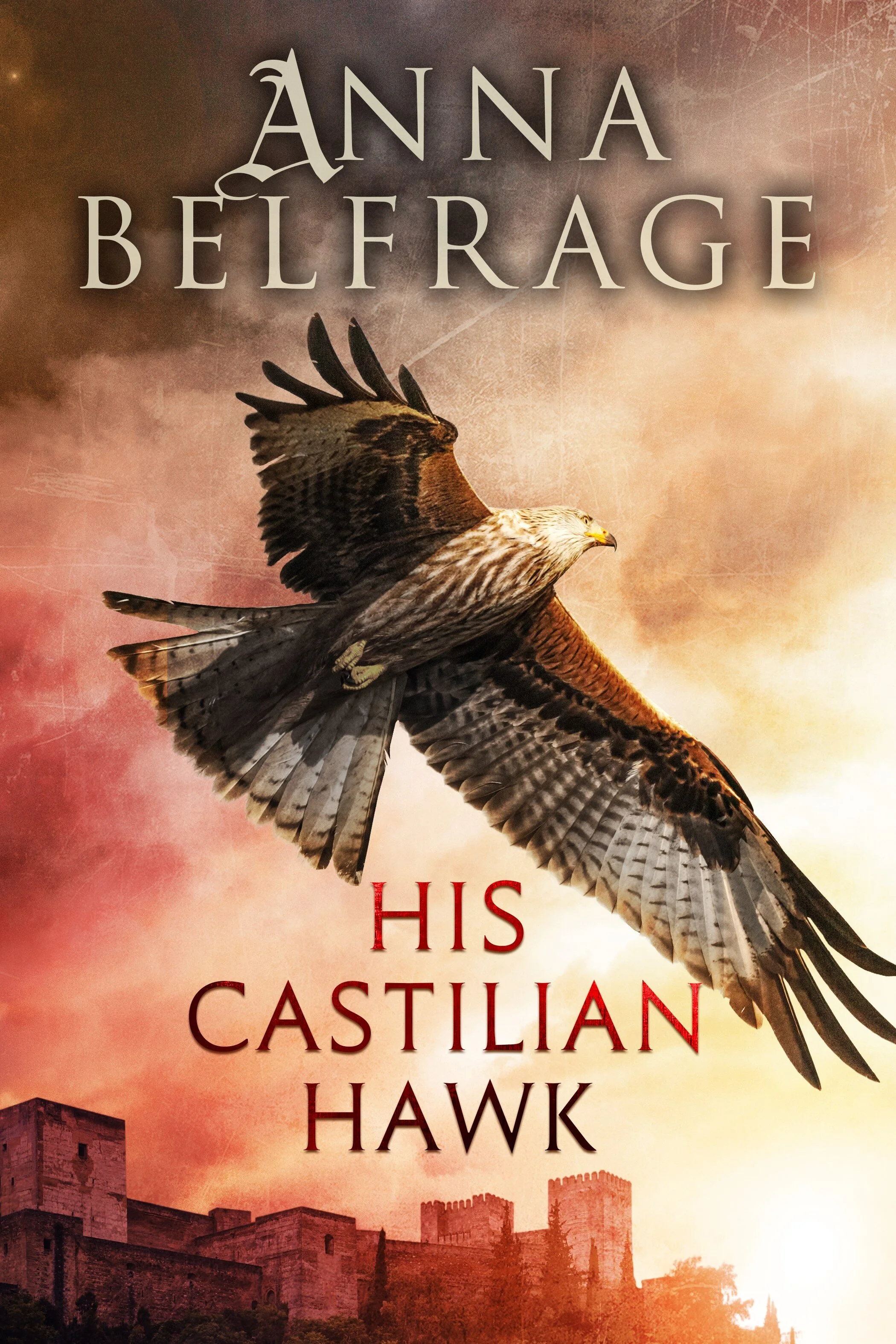
His Castilian Hawk.jpg

For bastard-born Robert FitzStephan, being given Eleanor d’Outremer in marriage is an honour. For Eleanor, this forced wedding is anything but a fairy tale.

Robert FitzStephan has served Edward Longshanks loyally since the age of twelve. Now he is riding with his king to once and for all bring Wales under English control.

Eleanor d’Outremer—Noor to family—lost her Castilian mother as a child and is left entirely alone when her father and brother are killed. When ordered to wed the unknown Robert FitzStephan, she has no choice but to comply.

Two strangers in a marriage bed is not easy. Things are further complicated by Noor’s blood-ties to the Welsh princes and by covetous Edith who has warmed Robert’s bed for years.

Robert’s new wife may be young and innocent, but he is soon to discover that not only is she spirited and proud, she is also brave. Because when Wales lies gasping and Edward I exacts terrible justice on the last prince and his children, Noor is determined to save at least one member of the House of Aberffraw from the English king.

Will years of ingrained service have Robert standing with his king or will he follow his heart and protect his wife, his beautiful and fierce Castilian hawk?

Excerpt – where Robert returns home to woo his wife

By the time he’d dismounted and ordered someone to see to the horse and his belongings, Noor was standing on the outer stairs leading to the hall, her hair covered by a veil. She led the way inside, to a table placed in front of the open hearth. After a full day in the saddle, Robert was cold and hungry, cradling the bowl of hot pottage in his hands.

“Why are you here?” Noor asked, sitting down at the other end of the table. 

“Why?” He raised his brows. “Do I need an excuse to visit my home? My wife?”

“Your wife?” Her hand shook as she poured herself some of the mulled wine. “The entire world knows you prefer fair Edith to me. So why bother with me at all?”

“I’ll visit my home and my wife whenever it pleases me,” he replied. “Besides, I am here to consummate our vows. I wouldn’t want you to send more letters to Bishop Giffard.”

She flushed. Her chin went up. “And then what? Will you continue bedding her whenever it pleases you?” 

He grimaced. “I’ll not cut her out of my life. Edith and I have known each other for more years than you’ve been on this earth.” 

“So I must just accept it?” 

He tore of a chunk of bread and chewed industriously for a while. “Aye. She’s always been there for me. When I’ve been wounded and ailing, when I’ve needed someone to hold me, she’s been there.” He shrugged. “You wouldn’t understand. You are too young to understand just how lonely life is at times.” He dipped his spoon in the pottage just as her goblet struck him full in the face. Robert cursed and leapt to his feet.

“Wife,” he growled, ducking as she sent the pitcher flying at him.

“I don’t know what it means to be lonely?” A fat tallow candle sailed past his head. “I’ve been lonely for most of my life! So what should I do when I am hurting, who should I turn to when I need someone to hold me close? While she is holding you, who is to comfort me and whisper that they care?” She had hold of an earthenware dish.

“Don’t,” he warned.

“If you intend to have her in your life, then it is only fair I have someone too. Maybe I can ask your dear friend John to share my bed while you share hers.”

John? “Don’t be ridiculous,” he snapped. “A wife who strays is nothing but a whore.” Over his dead body would he let John—or any man—come close to his wife, especially in her present agitated state, anger staining her face and neck a dusky red, dark eyes flashing as she lifted that dish she was holding. 

“And what should we call a man who prefers his whore to his wife?” she asked. “What should we call a man who strays? A misbegotten cur?” She smashed the dish on the table, sending fragments skittering over the heavy oak boards and the floor beneath. “If you can’t countenance a life without her, then go back to her. But know this: I will never let you touch me unless you swear you’ll not touch her again. Ever.” 

“What foolishness is this? A wife dictating to her husband?” A couple of swift steps and he was looming over her. “Not in my house.” 

“Husband in name only,” she reminded him, refusing to back down. “But the situation is easily amended. All we need is an annulment and you are free to return to her, and I am free to go my own way.”

“Your own way? What sort of an innocent are you? Should there be an annulment, it would be but a matter of weeks before you’re wed elsewhere.” The thought sat badly with him—and not only on account of the lands. 

“I would not mind. In difference to you, maybe a new husband would desire me and show me what you never have: affection and respect.”

That stung. “Best hope that new husband of yours doesn’t have an Edith to compare you with,” he said, regretting the words the moment they were out of his mouth. His hitherto blazing wife reeled back, eyes widening into dark pools of hurt.

“I hate you,” she told him before taking to her heels, running as if for her life from the room. 

“Damnation,” he muttered, scrubbing a hand over his face. For a man determined to woo his wife, he had failed dismally. 

Buy on Amazon

About the Author

Anna Belfrage.jpg

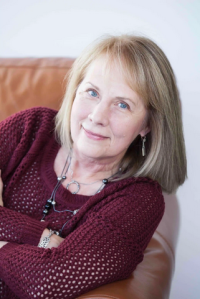
Had Anna been allowed to choose, she’d have become a time-traveller. As this was impossible, she became a financial professional with two absorbing interests: history and writing. Anna has authored the acclaimed time travelling series The Graham Saga, set in 17th century Scotland and Maryland, as well as the equally acclaimed medieval series The King’s Greatest Enemy which is set in 14th century England.

More recently, Anna has published The Wanderer, a fast-paced contemporary romantic suspense trilogy with paranormal and time-slip ingredients. While she loved stepping out of her comfort zone (and will likely do so again ) she is delighted to be back in medieval times in her September 2020 release, His Castilian Hawk. Set against the complications of Edward I’s invasion of Wales, His Castilian Hawk is a story of loyalty, integrity—and love.

Find out more about Anna on her website or on her Amazon page. You can also follow her on Facebook or Twitter.

Cover Reveal: Run to You by Jayne Townsley

RunToYouRevealBanner.png
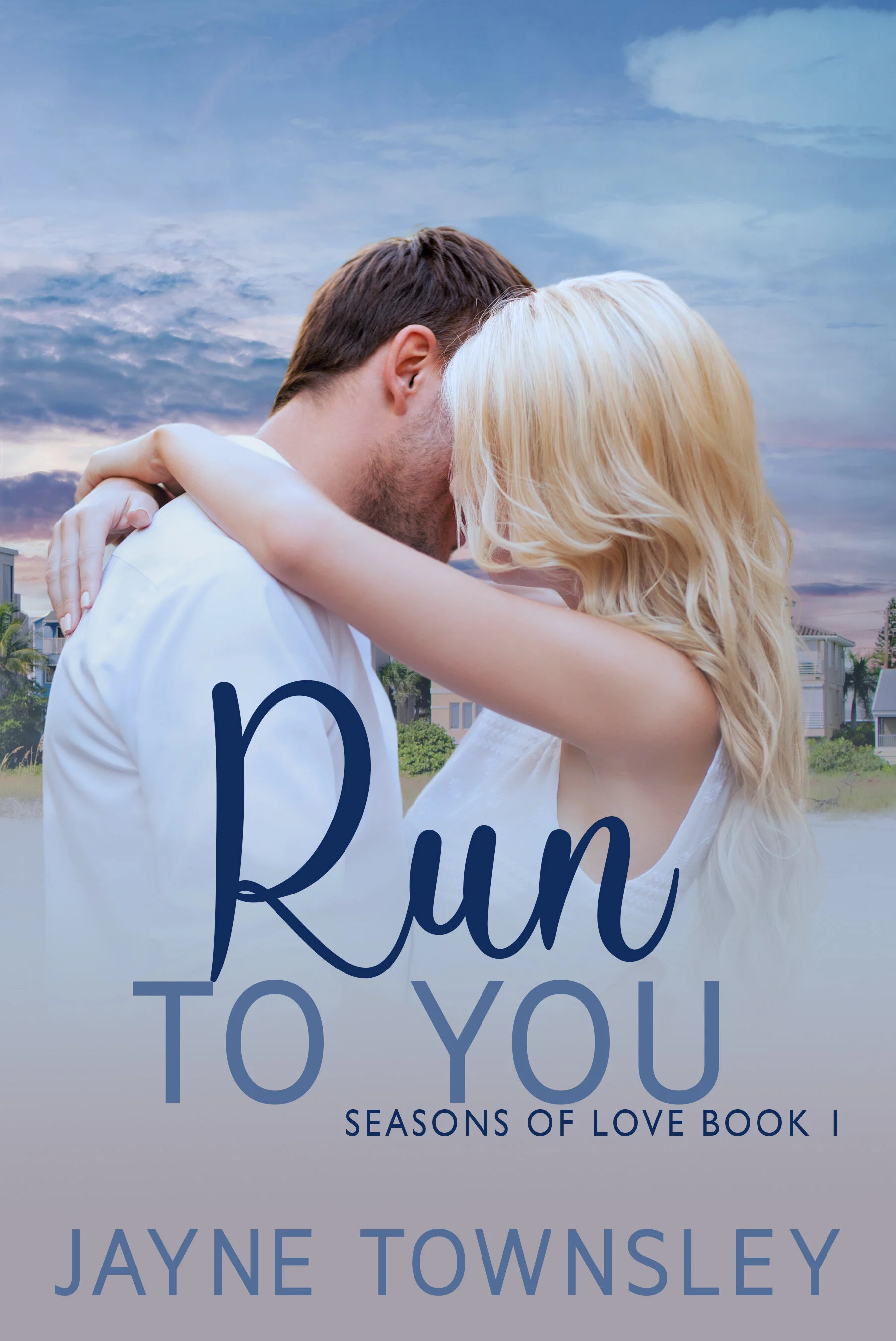
Seasons1RunToYou.jpg

(Seasons of Love, #1)
Publication date: November 24th 2020
Genres: Adult, Contemporary, Romance, Suspense

A friend of the family has done despicable things and has his eyes set on Rin and she has no idea what he has in store for her.

Rin lost her mother four years after the murder of her best friend on the night of their high school graduation. Although her mother’s death was unexpected, there is nothing suspicious about it whereas Hannah’s death is an open cold case. At least Rin thinks her mother’s death was nothing more than an untimely tragedy. Going on the long dreamed of post-college vacation that she and her friends have been planning since grade school, she hopes to leave the pain behind for a bit and relax in the Florida sunshine.

Kevin loves his life and his job as an Army Ranger. When he and his Army brothers use some well-earned time off to visit Panama City Beach, he’s not expecting to meet the woman who will change his life forever. A woman being hunted by an unknown monster intent on keeping them apart by any means necessary.

Can Kevin keep Rin from Hannah’s fate? Or is it his turn to face loss like Rin?

Pre-order: Amazon: https://amzn.to/2HWKmVM

Connect:

Jayne.jpg

Spotlight: Deal Breaker by Julie Archer

Review & Excerpt Tour Banner.png
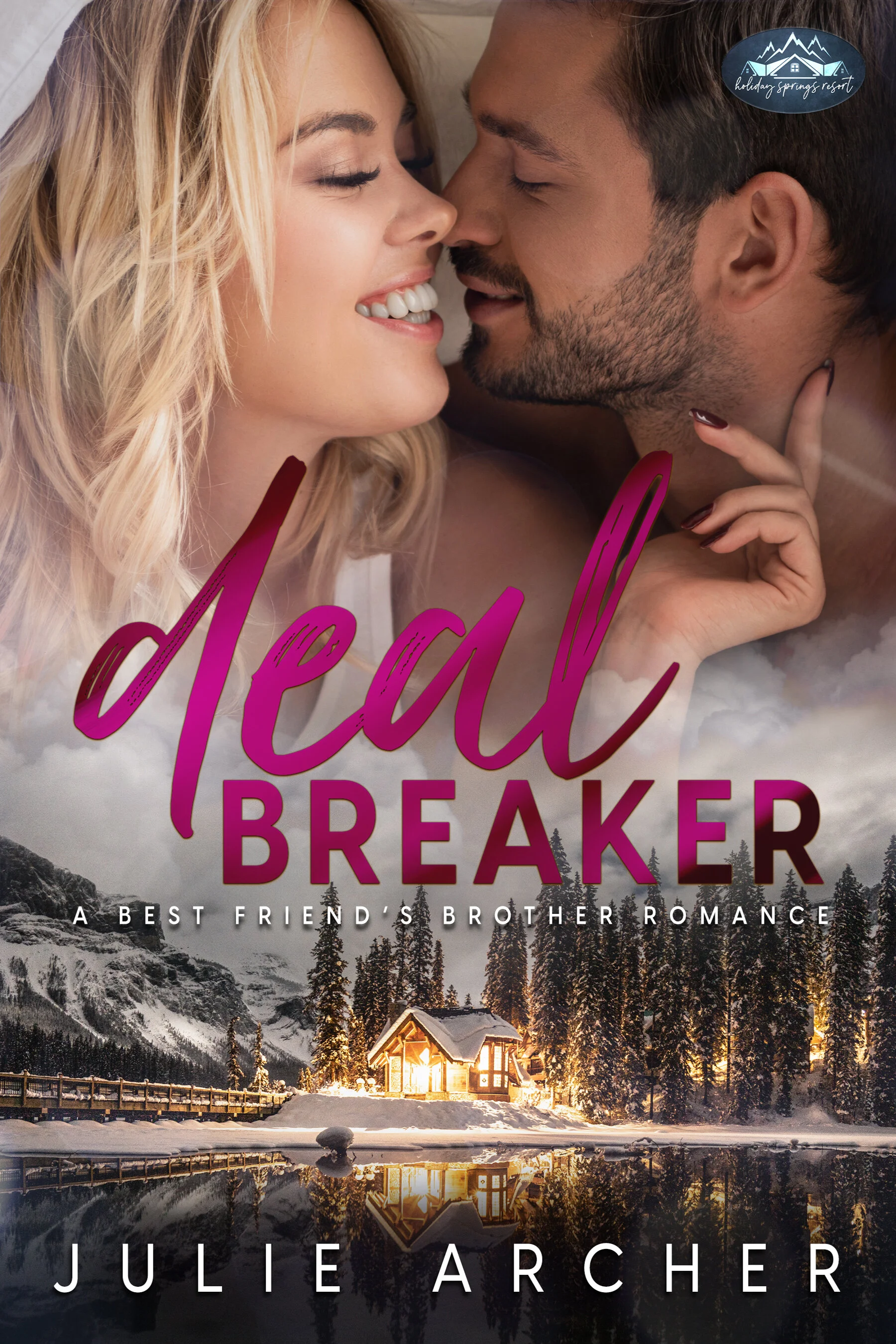
Deal Breaker E-Book Cover.jpg

For Sophie, crushing on her best friend’s brother was old news, and Max never stopped thinking about what could be even though his sister’s best friend was off-limits. When they find themselves at a destination wedding, does their first kiss end up being their last? Readers will devour this best friend's sibling romance from Julie Archer. The Holiday Springs Resort series open for the holidays and DEAL BREAKER is now live!

Only on Amazon + Read for FREE on Kindle Unlimited 

Amazon ➝ https://amzn.to/2RR4V7I

A fall destination wedding with friends to break up the monotony of adulting? Yes, please!

It all sounded like fairy-tale bliss until Sophie remembered her best friend's brother was going to be a groomsman. She'd been in love with Max since high school. Autumn had deemed Sophie’s crush on her brother as "gross" and vetoed any further talk about it - ever. Would it be wrong for a girl to hope for a little fun with the hottest guy in the bridal party?

When a little too much booze and a game of truth or dare the night before the big wedding has Sophie planting a giant kiss on Max’s lips - and him running as fast as he could to barf after – she’s certain the two of them don't stand a chance.

Sophie was off-limits for Max but that didn't stop him from fantasizing about her. While his word was normally his vow, his attraction wouldn’t be denied.

For years, Max had dreamt of how their first kiss might be. Although he had imagined it countless ways, never did he picture it being alcohol-fuelled. His stomach lurched and he rushed to the bathroom to puke his guts out. What should’ve been an incredible greeting became yet another embarrassing experience.

Now not only did Max have a massive hangover to deal with, he had to figure out a way to undo the mess he’d made with the one girl he ever really wanted.

Was their first kiss their last or can Max convince Sophie it shouldn't be a deal-breaker?

Escape to the romantic paradise of Holiday Springs and warm up with your next happily ever after.

Excerpt 

Copyright @Julie Archer 2020 

Autumn’s voice chimed from the depths of my bag. “Soph? Sophie? Are you still there?”

I scrabbled to retrieve the phone. “Yes, sorry. Did you hear that? It’s totally unheard of for him to offer me an early finish.”

She laughed. “You should have taken it. We could have had coffee, and you could give me tips for my date.”

I echoed her laughter. I was the last person she should be taking dating advice from. “Now, where were we?”

“Travel plans for the wedding. You, me, Jodie.”

And Max, I added silently. Ugh. Why was I thinking about him now?

“Max has to be there early, for the rehearsal dinner or something, otherwise he’d drive us.”

I drifted off into a fantasy of spending several hours in a confined space with Max Coady, watching him drive, the muscles in his forearms working as he took control of the wheel, breathing in his aftershave…reluctantly I shook myself back to the present. Seriously, I had to get this crush under control. Maybe I’d meet someone at the wedding who would sweep me off my feet. I sighed.

Who was I kidding?

Unrequited love was a bitch.

Of course, I couldn’t tell Autumn this. Not since she’d decided at the age of fourteen that I couldn’t ever—EVER—date her brother. I’d had to keep my fantasies under control since then. Maybe that was one of the reasons I hadn’t managed to find a serious boyfriend. Because no one ever compared to Max.

“Soph? Where are you?” Autumn’s voice broke into my reverie. “I asked what time you want to meet on Friday. It’s going to take us around an hour and a half to get there.”

“Ha, longer if Jodie’s in charge of directions.” I half giggled, half grimaced. I’d been on enough road trips with Jodie to know we needed to add at least another half an hour onto our trip time. She had an uncanny knack of getting close to a place, but not actually to it. There had been plenty of times we’d driven past where we were meant to be simply because she couldn’t work out how to get us there. “Do we have a map?”

“Didn’t you get the ton of information Brianna sent with the invite? I reckon there’s a map in there with directions from every state in the US!” Autumn laughed.

I thought back to the day the invitation pack had plopped onto my doormat. Thicker than a college acceptance pack, it contained every single piece of information about the day. Not to mention a few pictures of throwbacks to the proposal, engagement party, and bachelor and bachelorette parties. Apart from finding out the date, I’d shoved the rest of it in a drawer in my kitchenette. I was still finding glittery horseshoes in my apartment weeks after the damn invite had been delivered.

“Well, good. Because with Jodie driving, we’ll probably need them!”

About Julie

Julie Archer is the author of contemporary romance featuring rock stars, small towns, a healthy dose of angst, some steamy times, and always a happy ever after!

When not writing, she can usually be found binge-watching teen drama series on Netflix, or supporting Spurs (the English Premier League football team, not the American basketball team!) from my armchair, and running around after her two feline children, Corey and Elsa.

Real angst. Real romance.

Website | Facebook | Goodreads | Amazon | BookBub | Instagram 

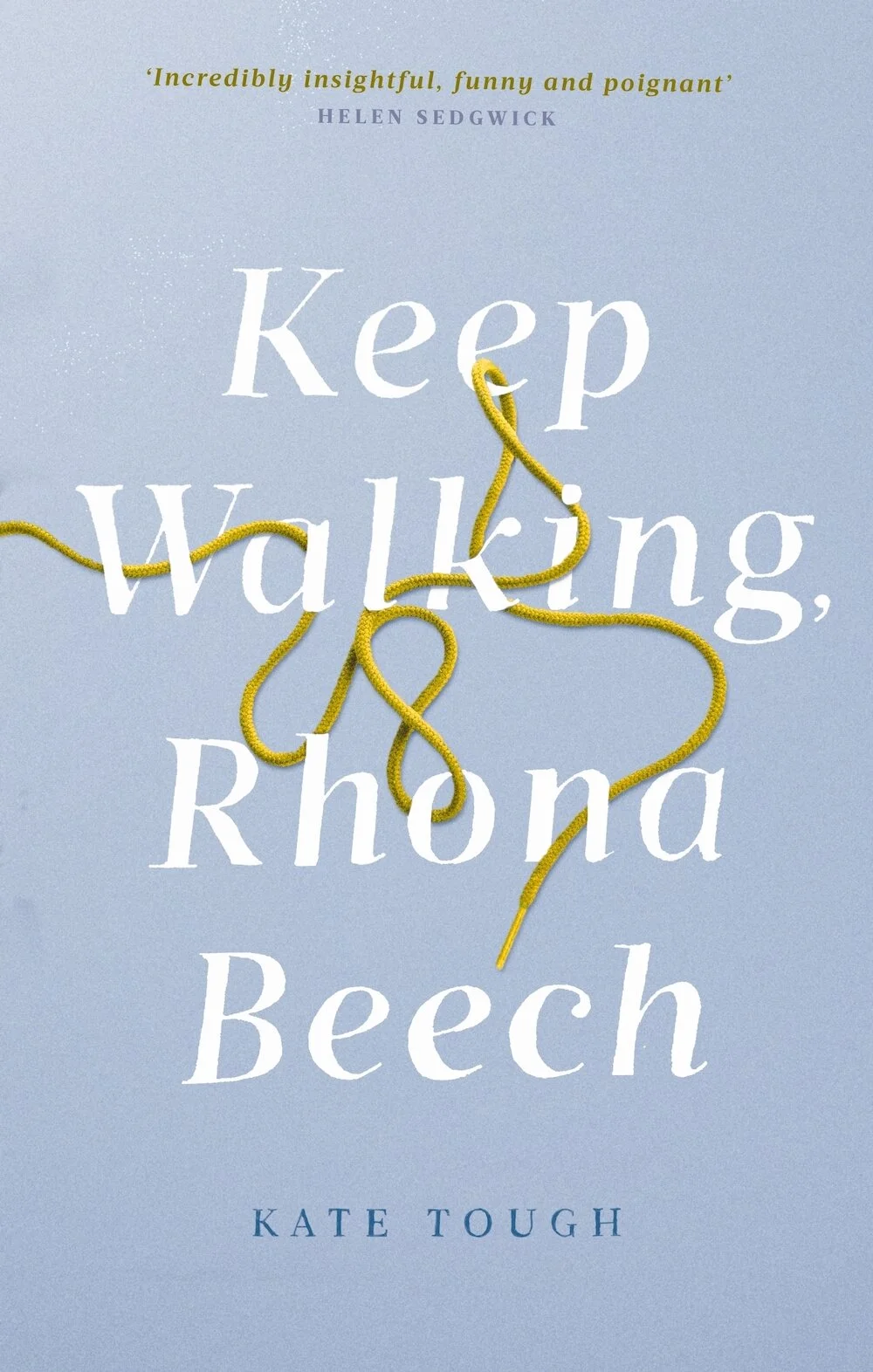
Spotlight: Keep Walking, Rhona Beech by Kate Tough

KeepWalkingRhonaBeechBlitzBanner.png
Keep Walking Rhona Beech, front cover jpeg.jpg

Publication date: April 4th 2019
Genres: Women’s Fiction

Incredibly insightful, funny and poignant’ Helen Sedgwick
‘A warm and ferociously witty story. Truth rings from every page of this assured, engrossing debut’ Zoe Strachan

When Rhona’s story comes to an end you will miss her. Her candid, raw, messy journey will make you laugh, cry and remember. Not a typical break-up book, it’s much more profound. Nothing has turned out quite how Rhona imagined: she’s been casually swapping one job for another while getting comfy in a long relationship which ends abruptly, and her efforts to adjust to that change are thrown by some unwelcome news…

Flawed, relatable Rhona Beech narrates this beautifully written, pacey satire about female friendship, heartbreak, career change, conceiving and illness, which will appeal to fans of Fleabag. Join her on a laugh (and cry) out loud search for meaning amongst the bars, offices and clinics of Glasgow.

Will her friendships survive the changes and challenges? Will SHE survive? At once funny and tender, Keep Walking, Rhona Beech is a clear-sighted look at a generation of women that was told they could have it all.

Excerpt

I am a patient. My job is to lie in this bed. I do my job well. Who I would be at home is less clear. And nobody would be there, beside themselves with relief that I am back.

I’d have to do things, necessary things – plus other things I would have to do just to be seen to be doing something.

Doing things makes me tired.

Doing things leads to other things, and things have a habit of changing when you’d got used to them being a certain way.

My heart broke. My body broke.

The bailiffs came for a cone-shaped piece. What exactly do you people want from me?

*

I didn’t have obsessive compulsive disorder when I came in but might well have it by the time I leave (an okay trade?). There is precious little to do but notice things and how often they occur.

Times per hour I assess how my wound site is feeling: about seven.

Times per day I remember to visualize a healthy wound site: maybe one.

Number of days with a Tupperware lid of cloud cover outside: six.

(The sheets, the walls, the sky – all the color of bone.

Am I that color too? I have no mirror to tell otherwise.

Maybe everyone who goes under anesthetic wakes up in this world of bone, while their previous lives continue somewhere else.) 

Minutes per day the nurses listen to a facile breakfast DJ: 120.

Minutes per day I am now able to breathe behind the radio and tune it out: 40.

Times per day I imagine being outdoors for hours on end: one, but it lasts awhile.

Times per day I notice that my left foot sits higher under the sheet than my right: about a dozen.

Times per day I speak: zero.

Times per day I make eye contact with the parent who has come to visit: on arrival only. (I will not cry in a room with a half glass wall, with a person who has to leave afterwards.)

Times per hour I remember what other people have to cope with in life: one, if I make myself.

Times per day I imagine a year from now, when things could be very different: zero, initially, now up to two or three. 

Times per hour the perma-grin nurse sings out to the woman opposite, ‘Feeling okay, Nancy?’: too many. (I am waiting for Nancy to be discharged or die.)

Buy on Amazon | Audible

About the Author

Kate.jpg

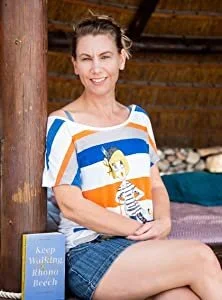
Kate Tough worked for the Scottish Parliament for six years before returning to her home city, gaining a Masters in Creative Writing from the University of Glasgow. She writes poetry and fiction rooted in realism, humor and sometimes difficult truths.

She creates astute observational detail in fiction, and explores painful moments, that readers could recognize as themselves or their friends.

Her novel, Keep Walking, Rhona Beech, is the revised 2nd edition of Head for the Edge, Keep Walking. Her short fiction and poetry appear in journals such as, The Brooklyn Review, The Texas Review and The Found Poetry Review. Kate’s poetry pamphlet, tilt-shift, was Runner Up in the Callum Macdonald Memorial Award, 2017.

Kate's been a literacy volunteer and creative writing tutor in many community settings.

Connect:

http://www.katetough.com/

https://www.goodreads.com/author/show/3342474.Kate_Tough

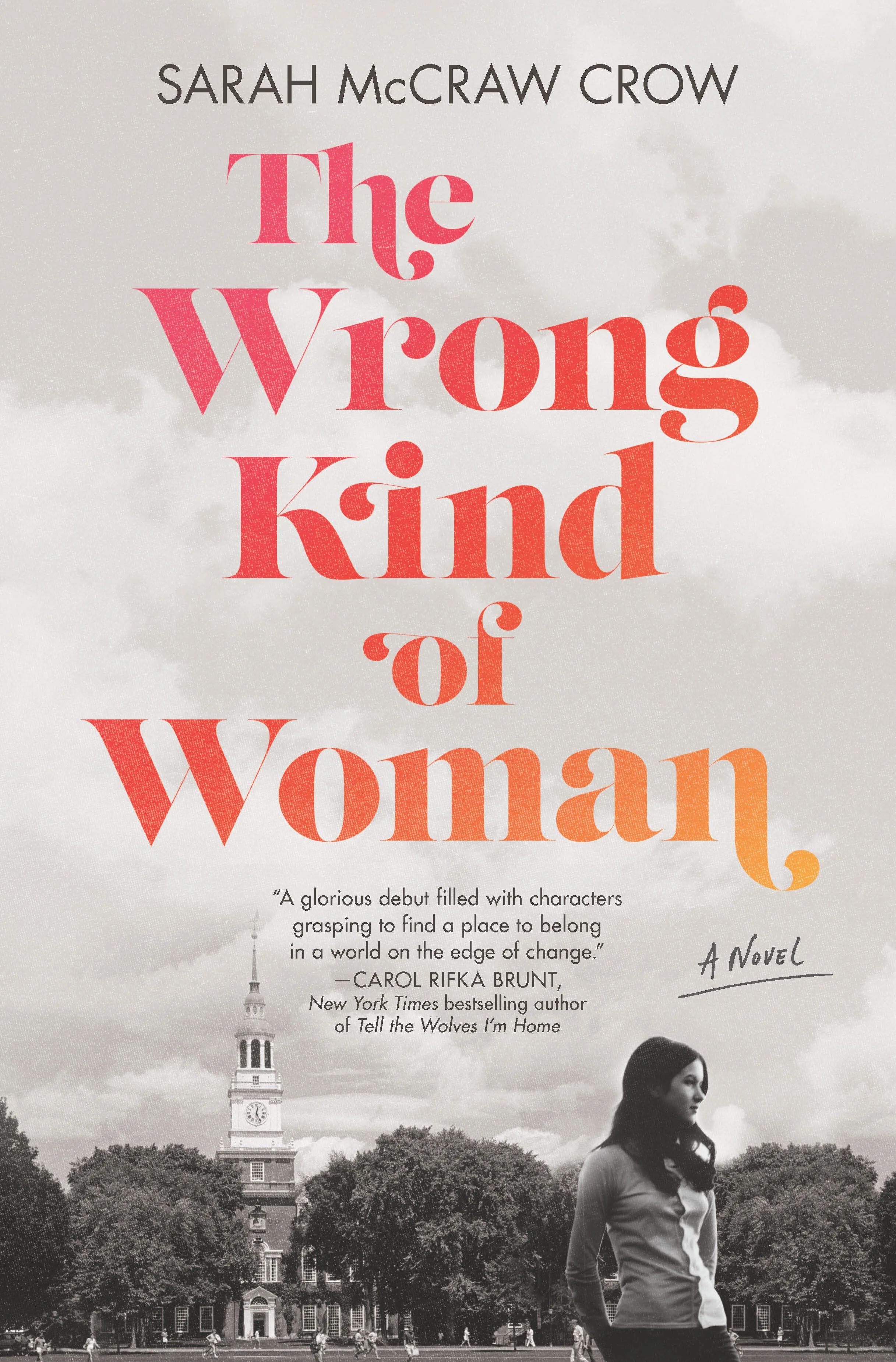
Spotlight: The Wrong Kind of Woman: A Novel by Sarah McCraw Crow

Final Cover_WRONG KIND OF WOMAN.jpg

A powerful exploration of what a woman can be when what she should be is no longer an option

In late 1970, Oliver Desmarais drops dead in his front yard while hanging Christmas lights. In the year that follows, his widow, Virginia, struggles to find her place on the campus of the elite New Hampshire men’s college where Oliver was a professor. While Virginia had always shared her husband’s prejudices against the four outspoken, never-married women on the faculty—dubbed the Gang of Four by their male counterparts—she now finds herself depending on them, even joining their work to bring the women’s movement to Clarendon College.

Soon, though, reports of violent protests across the country reach this sleepy New England town, stirring tensions between the fraternal establishment of Clarendon and those calling for change. As authorities attempt to tamp down “radical elements,” Virginia must decide whether she’s willing to put herself and her family at risk for a cause that had never felt like her own.

Told through alternating perspectives, The Wrong Kind of Woman is an engrossing story about finding the strength to forge new paths, beautifully woven against the rapid changes of the early ‘70s.

Excerpt

Chapter One

November 1970 Westfield, New Hampshire

OLIVER DIED THE SUNDAY after Thanksgiving, the air heavy with snow that hadn’t fallen yet. His last words to Virginia were “Tacks, Ginny? Do we have any tacks?”

That morning at breakfast, their daughter, Rebecca, had complained about her eggs—runny and gross, she said. Also, the whole neighborhood already had their Christmas lights up, and why didn’t they ever have outside lights? Virginia tuned her out; at thirteen, Rebecca had reached the age of comparison, noticing where her classmates’ families went on vacation, what kinds of cars they drove. But Oliver agreed about the lights, and after eating his own breakfast and Rebecca’s rejected eggs, he drove off to the hardware store to buy heavy-duty Christmas lights.

Back at home, Oliver called Virginia out onto the front porch, where he and Rebecca had looped strings of colored lights around the handrails on either side of the steps. Virginia waved at their neighbor Gerda across the street— on her own front porch, Gerda knelt next to a pile of balsam branches, arranging them into two planters—as Rebecca and Oliver described their lighting scheme. Rebecca’s cheeks had gone ruddy in the New Hampshire cold, as Oliver’s had; Rebecca had his red-gold hair too.

“Up one side and down the other,” Rebecca said. “Like they do at Molly’s house—”

“Tacks, Ginny? Do we have any tacks?” Oliver interrupted. In no time, he’d lost patience with this project, judging by the familiar set of his jaw, the frown lines corrugating his forehead.

A few minutes later, box of nails and hammer in hand, Virginia saw Oliver’s booted feet splayed out on the walk, those old work boots he’d bought on their honeymoon in Germany a lifetime ago. “Do you have to lie down like that to—” she began, while Rebecca squeezed out from between the porch and the overgrown rhododendron.

“Dad?” Rebecca’s voice pitched upward. “Daddy!”

Virginia slowly took in that Oliver was lying half on the lawn, half on the brick walk, one hand clutching the end of a light string. Had he fallen? It made no sense, him just lying there on the ground like that, and she hurtled down the porch steps. Oliver’s eyes had rolled back so only the whites showed. But he’d just asked for tacks, and she hadn’t had time to ask if nails would work instead. She crouched, put her mouth to his and tried to breathe for him. Something was happening, yes, maybe now he would turn out to be just resting, and in a minute he’d sit up and laugh with disbelief.

Next to her, Rebecca shook Oliver’s shoulder, pounded on it. “Dad! You fainted! Wake up—”

“Go call the operator,” Virginia said. “Tell them we need an ambulance, tell them it’s an emergency, a heart attack, Becca! Run!” Rebecca ran.

Virginia put her ear to Oliver’s chest, listening. A flurry of movement: Gerda was suddenly at her side, kneeling, and Eileen from next door, then Rebecca, gasping or maybe sobbing. Virginia felt herself being pulled out of the way as the ambulance backed into the driveway and the two para- medics bent close. They too breathed for Oliver, pressed on his chest while counting, then lifted him gently onto the backboard and up into the ambulance.

She didn’t notice that she was holding Rebecca’s hand on her one side and Eileen’s hand on the other, and that Gerda had slung a protective arm around Rebecca. She barely noticed when Eileen bundled her and Rebecca into the car without a coat or purse. She didn’t notice the snow that had started to fall, first snow of the season. Later, that absence of snow came back to her, when the image of Oliver lying on the bare ground, uncushioned even by snow, wouldn’t leave her.

Aneurysm. A ruptured aneurysm, a balloon that had burst, sending a wave of blood into Oliver’s brain. A subarachnoid hemorrhage. She said all those new words about a thousand times, along with more familiar words: bleed and blood and brain. Rips and tears. One in a million. Sitting at the kitchen table, Rebecca next to her and the coiled phone cord stretched taut around both of them, Virginia called one disbelieving person after another, repeated all those words to her mother, her sister Marnie, Oliver’s brother, Oliver’s department chair, the people in her address book, the people in his.

At President Weissman’s house five days later, Virginia kept hold of Rebecca. Rebecca had stayed close, sleeping in the middle of Virginia and Oliver’s bed as if she were little and sleepwalking again, her shruggy new adolescent self forgotten. They’d turned into a sudden team of two, each one circling, like moons, around the other.

Oliver’s department chair had talked Virginia into a reception at President Weissman’s house, a campus funeral. In the house’s central hall, Virginia’s mother clutched at her arm, murmuring about the lovely Christmas decorations, those balsam garlands and that enormous twinkling tree, and how they never got the fragrant balsam trees in Norfolk, did they, only the Fraser firs—

“Let’s go look at the Christmas tree, Grandmomma.” Rebecca took her grandmother’s hand as they moved away. What a grown-up thing to do, Virginia thought, glad for the release from Momma and her chatter.

“Wine?” Virginia’s sister Marnie said, folding her hand around a glass. Virginia nodded and took a sip. Marnie stayed next to her as one person and another came close to say something complimentary about Oliver, what a wonderful teacher he’d been and a great young historian, an influential member of the Clarendon community. And his clarinet, what would they do without Oliver’s tremendous clarinet playing? The church service had been lovely, hadn’t it? He sure would have loved that jazz trio.

She heard herself answering normally, as if this one small thing had gone wrong, except now she found herself in a tunnel, everyone else echoing and far away. Out of a clutch of Clarendon boys, identical in their khakis and blue blazers, their too-long hair curling behind their ears, one stepped forward. Sam, a student in her tiny fall seminar, the Italian Baroque.

“I—I just wanted to say…” Sam faltered. “But he was a great teacher, and even more in the band—” The student- faculty jazz band, he meant.

“Thank you, Sam,” she said. “I appreciate that.” She watched him retreat to his group. Someone had arranged for Sam and a couple of other Clarendon boys to play during the reception, and she hadn’t noticed until now.

“How ’bout we sit, hon.” Marnie steered her to a couch. “I’m going to check on Becca and Momma and June—” the oldest of Virginia’s two sisters “—and then I’ll be right back.”

“Right.” Virginia half listened to the conversation around her, people in little clumps with their sherries and whiskeys. Mainframe, new era, she heard. Then well, but Nixon, and a few problems with the vets on campus. She picked up President Weissman’s voice, reminiscing about the vets on campus after the war thirty years ago. “Changed the place for the better, I think,” President Weissman said. “A seriousness of purpose.” And she could hear Louise Walsh arguing with someone about the teach-in that should have happened last spring.

Maybe Oliver would appreciate being treated like a dignitary. Maybe he’d be pleased at the turnout, all the faculty and students who’d shown up at the Congregational Church at lunchtime on a Friday. Probably he wished he could put Louise in her place about the teach-in. Virginia needed to find Rebecca, and she needed to make sure Momma hadn’t collapsed out of holiday party–funeral confusion. But now Louise Walsh loomed over her in a shape- less black suit, and she stood up again to shake Louise’s hand. “I just want to say how sorry I am,” Louise said. “I truly admired his teaching and—everything else. We’re all going to miss him.”

“Thank you, Louise.” Virginia considered returning the compliment, to say that Oliver had admired Louise too. Louise had tenure, the only woman in the history department, the only woman at Clarendon, to be tenured. Lou- ise had been a thorn in Oliver’s side, the person Oliver had complained about the most. Louise was one of the four women on faculty at Clarendon; the Gang of Four, Oliver and the others had called them.

Outside the long windows, a handful of college boys tossed a football on a fraternity lawn across the street, one skidding in the snow as he caught the ball. Someone had spray-painted wobbly blue peace signs on the frat’s white clapboard wall, probably after Kent State. But the Clarendon boys were rarely political; they were athletic: in their baggy wool trousers, they ran, skied, hiked, went gliding off the college’s ski jump, human rockets on long skis. They built a tremendous bonfire on the Clarendon green in the fall, enormous snow sculptures in the winter. They stumbled home drunk, singing. Their limbs seemed loosely attached to their bodies. Oliver had once been one of those boys.

“Come on, pay attention,” Marnie said, and she propelled Virginia toward President Weissman, who took Virginia’s hands.

“I cannot begin to express all my sympathy and sad- ness.” President Weissman’s eyes were magnified behind his glasses. “Our firmament has lost a star.” He kissed her on the cheek, pulling a handkerchief from his jacket pocket, so she could wipe her eyes and nose again.

At the reception, Aunt June kept asking Rebecca if she was doing okay, and did she need anything, and Aunt Marnie kept telling Aunt June to quit bothering Rebecca. Mom looked nothing like her sisters: Aunt Marnie was bulky with short pale hair, Aunt June was petite, her hair almost black, and Mom was in between. Rebecca used to love her aunts’ Tidewater accents, and the way Mom’s old accent would return around her sisters, her vowels stretching out and her voice going up and down the way Aunt June’s and Aunt Marnie’s voices did. Rebecca and Dad liked to tease Mom about her accent, and Mom would say I don’t know what you’re talking about, I don’t sound anything like June. Or Marnie. But especially not June.

Nothing Rebecca thought made any sense. She couldn’t think about something that she and Dad liked, or didn’t like, or laughed about, because there was no more Dad. Aunt Marnie had helped her finish the Christmas lights, sort of, not the design she and Dad had shared, but just wrapped around the porch bannisters. It looked a little crazy, actually. Mom hadn’t noticed.

“Here’s some cider, honey,” Aunt June said. “How about some cheese and crackers? You need to eat.”

“I’m okay,” Rebecca said. “Thanks,” she remembered to add.

“Have you ever tried surfing?” Aunt June asked. “The boys—” Rebecca’s cousins “—love to surf. They’ll teach you.” “Okay.” Rebecca wanted to say that it was December and there was snow on the ground, so there was no rea- son to talk about surfing. Instead she said that she’d bodysurfed with her cousins at Virginia Beach plenty of times, but she’d never gotten on a surfboard. As far as she could tell, only boys ever went surfing, and the waves at Virginia Beach were never like the waves on Hawaii Five-0. Mostly the boys just sat on their surfboards gazing out at the hazy- white horizon, and at the coal ships and aircraft carriers chugging toward Norfolk.

“You’ll get your chance this summer—I’ll bet you’ll be a natural,” Aunt June said.

Things would keep happening. Winter would happen. There would be more snow, and skiing at the Ski Bowl. The town pond would open for skating and hockey. The snow would melt and it would be spring and summer again. They’d go to Norfolk for a couple of weeks after school let out and Mom would complain about everything down there, and get into a fight with Aunt June, and they’d all go to the beach, and Dad would get the most sunburned, his ears and the tops of his feet burned pink and peely…

“Let’s just step outside into the fresh air for a minute, sweetheart,” Aunt June said, and Rebecca stood up and followed her aunt to the room with all the coats, one hand over her mouth to hold in the latest sob, even after she and Mom had agreed they were all cried out and others would be crying today, but the two of them were all done with crying. She knew that the fresh air wouldn’t help anything.

Excerpted from The Wrong Kind of Woman by Sarah McCraw Crow © 2020 by Sarah McCraw Crow, used with permission by MIRA Books/HarperCollins.

Buy on Amazon | Audible

About the Author

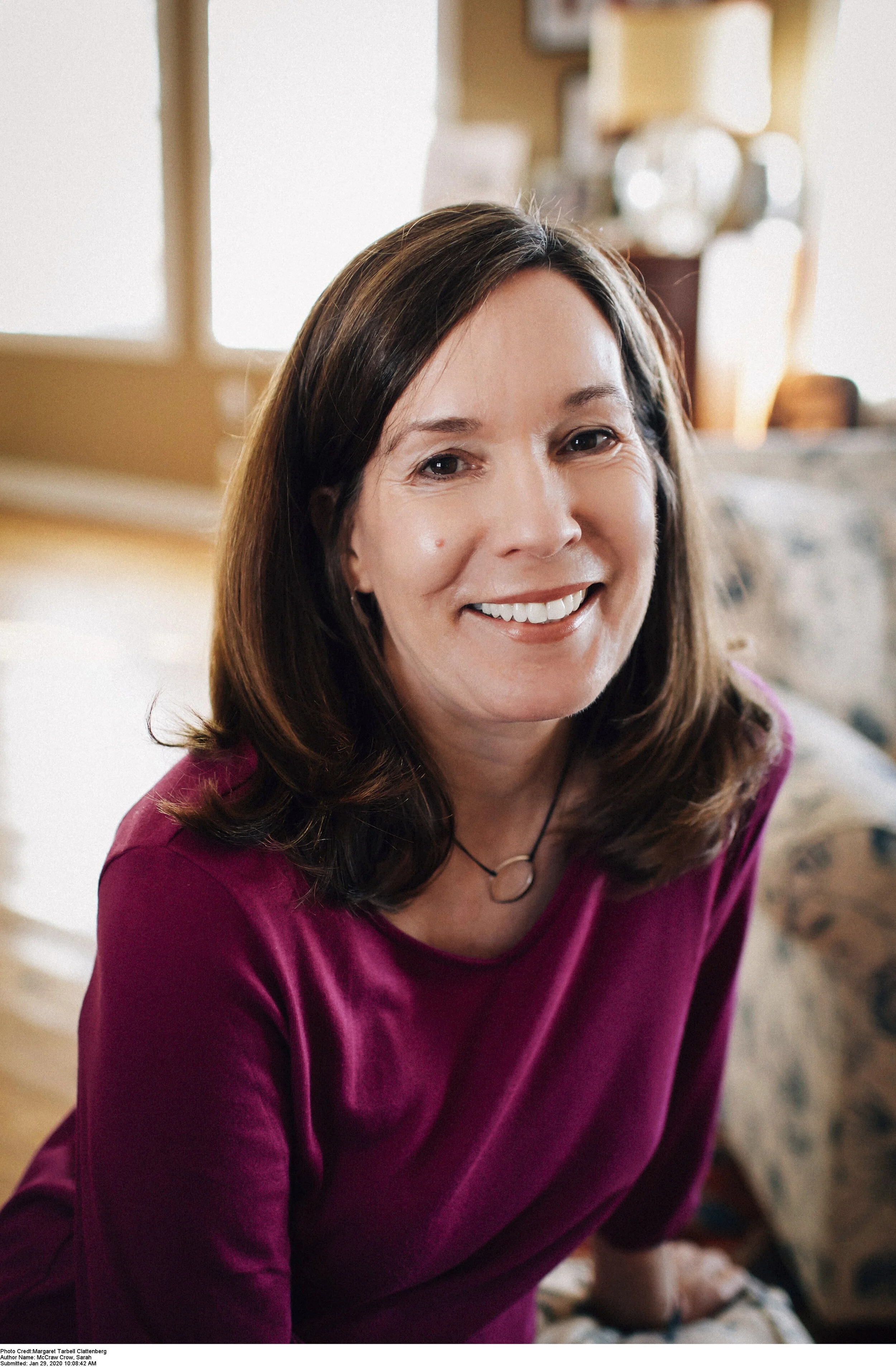
Sarah McCraw Crow Photo.jpg

Sarah McCraw Crow grew up in Virginia but has lived most of her adult life in New Hampshire. Her short fiction has run in Calyx, Crab Orchard Review, Good Housekeeping, So to Speak, Waccamaw, and Stanford Alumni Magazine. She is a graduate of Dartmouth College and Stanford University, and is finishing an MFA degree at Vermont College of Fine Arts. When she's not reading or writing, she's probably gardening or snowshoeing (depending on the weather).

Connect:

Author website: https://sarahmccrawcrow.com/ 

Twitter: https://twitter.com/sarahmcrow?lang=en 

Instagram: https://www.instagram.com/sarahmccrawcrow/ 

Goodreads: https://www.goodreads.com/author/show/15502401.Sarah_McCraw_Crow


Spotlight: Day of the Horn by Chris J Edwards

DayOftheHornBlitzBanner.png
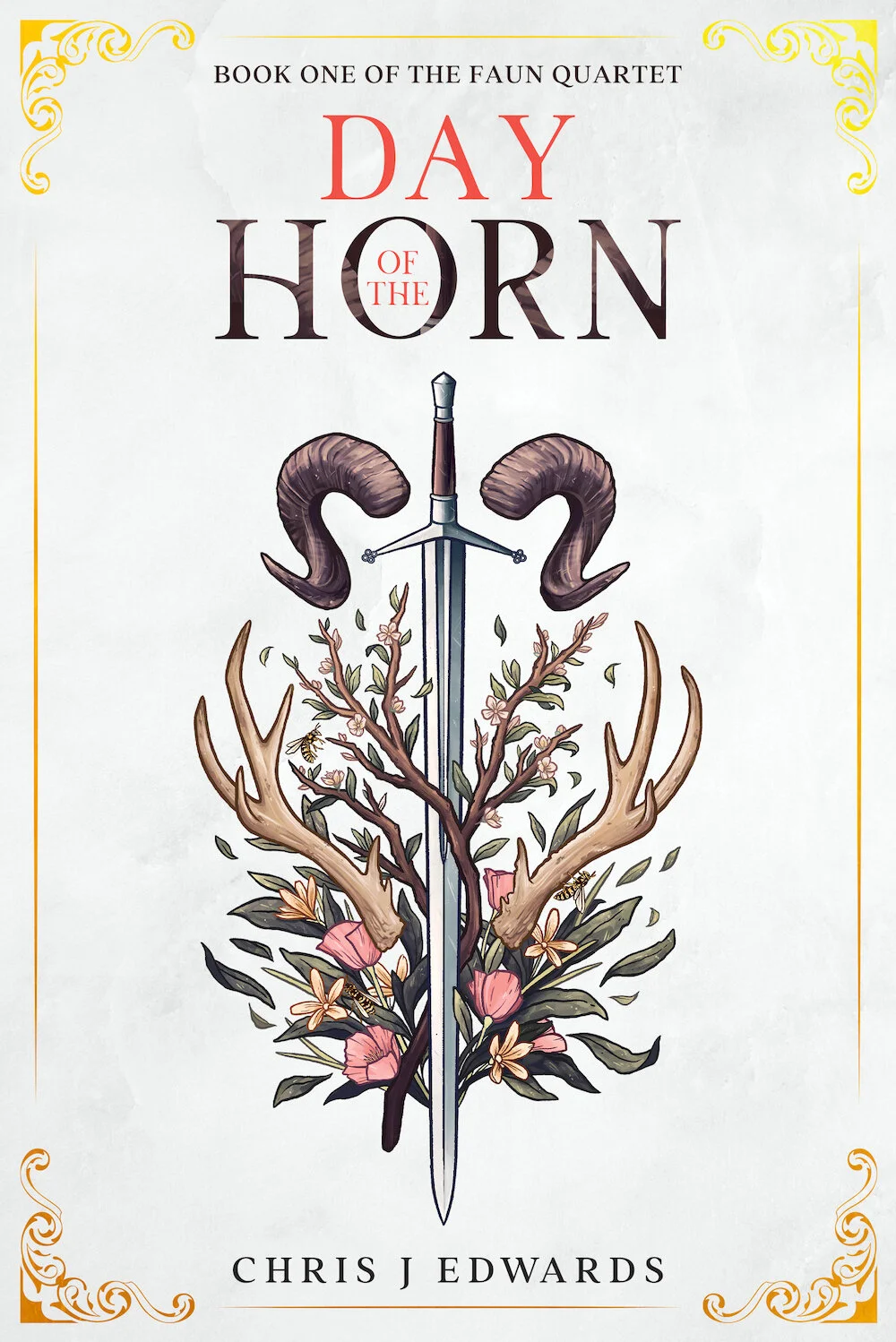
cedwardsauthor_ebook.jpg

Publication date: October 15th 2020
Genres: Fantasy

A kidnapped princess.

A reluctant mercenary.

A shamed prince.

Far in the west, isolated from the weary world beyond, lies the sylfolk kingdom of Céin Urthia – a woodland realm of ancient forests and sunlit meadows. But this kingdom cannot remain secluded forever; for Princess Dawn, heiress to the throne, has been mysteriously abducted. Not even her kidnapper, a mercenary battle-mage, knows who ordered it – or why. A fevered pursuit begins as the High King commands every servant of the crown to rescue her, even the disgraced and imprisoned Herace the Shamed. But even as he and his companions follow in wild pursuit, Princess Dawn herself must decide – does she even want to be saved?

Meanwhile, powers beyond the sight of the court plot under cover of darkness – for not all wish to see the princess safely home…

As civil war darkens the horizon, will Princess Dawn save her beloved home, or will unseen enemies win the day?

Excerpt

Gentle sunlight glowed upon the faun’s face. Willow branches cast their slender shadows onto the grassy banks of the spring, shading us from the gilded morning light.

She looked peaceful there as I knelt over her; she was asleep, head nestled in the dewy grass. I had heard so much about this Princess Dawn – and now I was finally seeing her. 

I had heard she lived in a secluded kingdom, somewhere bright and beautiful. A realm of vibrant flowers and alluring aromas, quiet green places latticed by cool, meandering streams. A perfect place, as perfect in its natural beauty as it was in its isolation. 

And I heard that, on a perfectly calm morning in this perfectly nestled kingdom, the child that would be called Dawn was born in the idyllic splendor of the realm’s very heart. That she was raised in seclusion, away from the evil and want and sadness of the world beyond that verdant countryside. 

I heard that her parents, the rightful king and queen, ensured she live a honeyed life. That Dawn would never have to experience the meanness, the savagery, the brutality of the world beyond. That hers was a youth of sweet smells and pleasant breezes and laughter under the greenest bowers of the kingdom of Céin Urthia.

One could certainly envy Dawn, her happy youth, her blessed inheritance, the Sacred ground of which she was one day to be sovereign. 

I, however, did not envy her. 

I did not envy Princess Dawn. Not as I knelt over her, not as she lay enchanted beside her private spring, beneath the sightless gaze of the royal keep. 

I looked up to the surrounding garden and waved my riders over; as silent as prowling cats the uyrguks slunk out from the brush. I gestured to the sleeping princess. Wordlessly they bound her, picked her up. 

I cast a gaze up to the keep. No curtains in the windows stirred; no guards looked down from the battlements. There was nothing to fear; Naraya was safe. Naraya was the capital. And the princess could look after herself.

I smiled. My, had they been wrong. 

The uyrguks carried the princess through the garden and slung her over the back of my horse. Then, after a moment lingering in the garden as all was still and the sun was rising, I followed after them. 

Steam plumed from the horses’ nostrils in the cool spring air. I was cold too; my clothes were damp from the morning dew. It had been a long, long night of lying in wait. 

I mounted up and my riders did the same. I surveyed the garden, the private spring, the imposing shoulders of the royal keep. Still no one stirred; clearly my careful preparation was paying off. No guards, no handmaidens, no attendants… the perfect kidnapping. 

I looked back at Princess Dawn, slung like a slain deer behind me, antlers and all. The perfect kidnapping.

I smiled to myself, relieved that my task was coming to fruition, my debts that much closer to absolution. 

Then I looked up to the sun crawling steadily over the teeth of faraway mountains. 

The princess was mine. It was almost all over. The cool sense of relief that washed through me matched the crisp spring breeze. 

I spurred my horse and rode away.

Buy on Amazon

About the Author
Chris.jpg

Chris J Edwards is a Canadian author of fantasy novels. Formally educated in history, informally educated in poetry, Chris now spends time writing fiction.

Connect:

https://chrisjedwards.ca/

https://twitter.com/ChrisEd54051855

https://www.instagram.com/chrisjedwardsauthor/

https://www.goodreads.com/author/show/20750619.Chris_J_Edwards