Spotlight: Bees in June by Elizabeth Bass Parman
/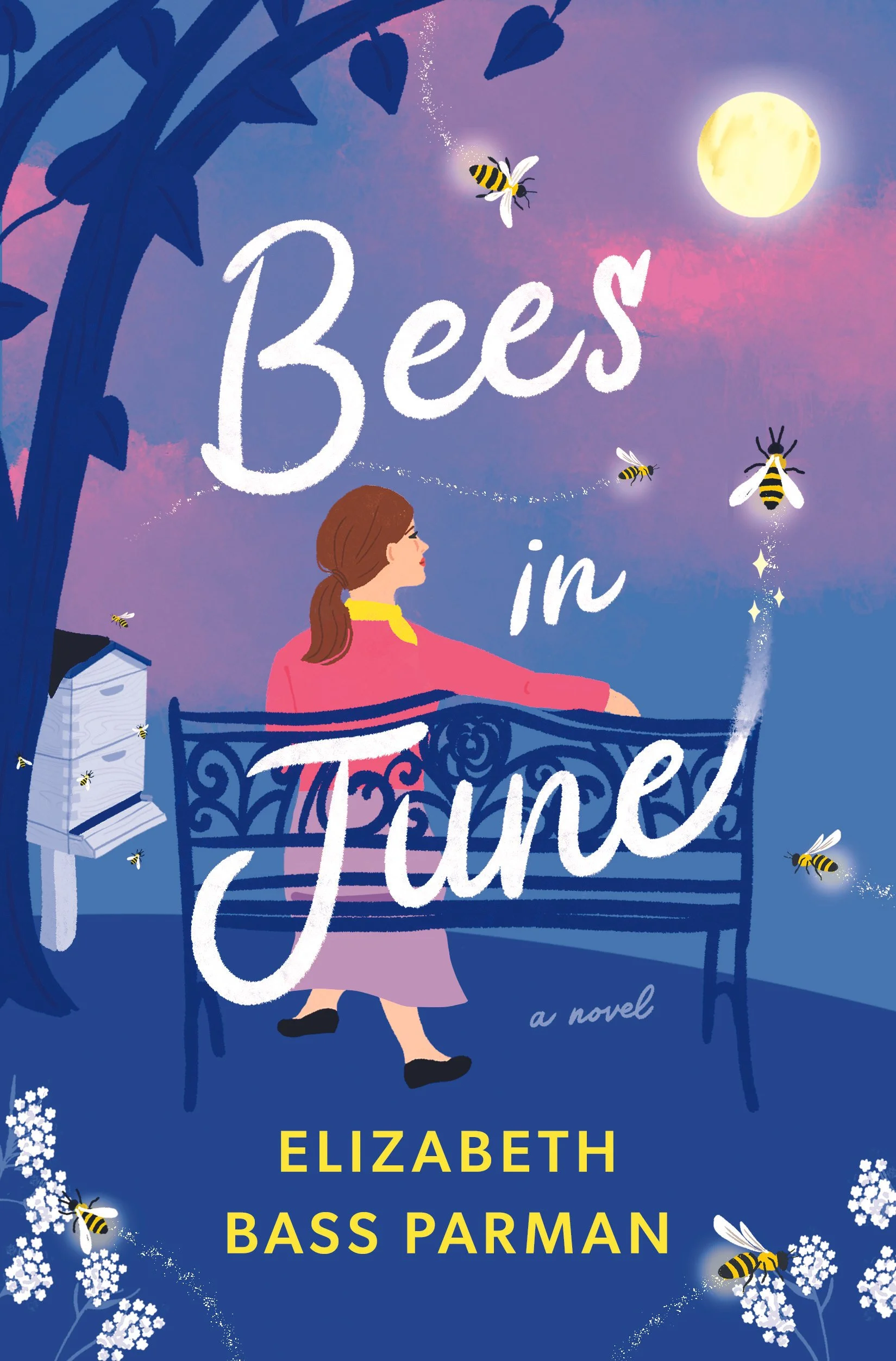
Uncle Dixon always told Rennie to tell the bees everything, but somewhere along the way, Rennie forgot. Now, with her life at its lowest, she begins to see the bees in a new light. Will she believe again in the magic of the hives, and will she listen as the bees try to guide her home?
It's 1969, and the town of Spark Tennessee, is just as excited about the moon landing as the rest of the country. Rennie Hendricks is grieving and trying to heal from the unimaginable loss of her infant son. She had hoped a child would repair the cracks in her marriage to her husband, Tiny, but the tragedy has only served to illuminate his abusive character. Trying to relieve some of the financial stress that inflames Tiny's anger, Rennie accepts a position cooking at the local diner. Hidden away in a kitchen making delicious food, she rediscovers the joy she finds in cooking for others, and as she spends more time with her new boss, she realizes there are more options for women than she thought possible.
One of the benefits of her new job is that she can bring meals to her beloved Uncle Dixon, the man who practically raised her along with her late Aunt Eugenia, a woman unkindly labeled as a witch by most of the town. What those people didn't understand is that Eugenia was a healer and connected to power they couldn't grasp.
Rennie thinks her elderly uncle is confused when he talks about communicating with his bees, but then she starts to see them glow, leading her toward safety time and time again. Could it be that these bees, discovered long ago by her Aunt Eugenia, are magical and trying to tell her something? And what about the new neighbor, Ambrose Beckett, who seems to understand the bees too. Is he being truthful about why he has moved to Spark, or is there more to him than meets the eye?
Hope-filled and infused with magical realism, Bees in June captures Rennie's journey back to her true self, creating a rewarding life that the bees showed her was possible if she only believed in herself and the magic that surrounds her.
Excerpt
Spark, Tennessee
June 1, 1969
SUNLIGHT FLASHED AGAINST A BIT OF SILVER CLASPED in the enormous crow’s beak. The bird, black as a moonless night, soared in a lazy semicircle over the newly sprouted tobacco. A soft breeze stirred the oak leaves and ruffled the white blossoms on the climbing roses that had grown against the small farmhouse for the last fifty years. The bird landed on the porch with his offering of a can’s pull tab encircling his chipped beak like a ring. As he dropped the metal onto the enamelware plate, he cocked his head to eye Rennie Hendricks. She reached over her sleeping dog, picked up the ring, and deposited the scrap of metal into a mug filled with paper clips, bent nails, and foil gum wrappers.
“Thank you, Poe.” She set aside the worn copy of Jane Eyre she was reading and pointed to the enamel plate. “Some pumpkin and sunflower seeds and near the last of the peanuts today. I should have had all three planted at least a month ago. The sunflowers and pumpkins will catch up, but peanuts need time. Maybe—”
Shrieking in protest, the crow flew off in a rush of wings and feathers as Rennie’s husband, Luther, stepped onto the back porch. “Takin’ this to the barn,” he said.
Rennie’s eyes fell to the wooden cradle in his hands. “I’m not ready yet, Tiny. Please put it back in the nursery.”
“We don’t have a nursery, same as we don’t have a baby.”
He set the cradle on the worn, wooden boards of the porch.
“It’s been almost three weeks. Time to get back to life.”
Rennie’s voice trembled. “Tiny, please. Try to be understanding.”
“Staring at an empty cradle all day isn’t gonna bring him back. Our son is gone—dead and buried. I’ve tried to be understanding, like when I drove you out to the cemetery yesterday. I thought you’d cry a little and say one of your prayers, but what do you do instead? Pull out a blanket and tuck it into the dirt around his grave. He’s not cold, the same way he doesn’t need this.” Tiny grabbed the cradle. “What if someone saw you singing that crazy lullaby about the moon and stroking the blanket you put over a mound of dirt? They’d be callin’ Doc Grisham and tellin’ him you’ve gone loony.”
Rennie’s voice shook. “Please put it back.” Losing Gabriel had devastated her, but after the funeral, Tiny had returned to his routine like nothing had happened, while she lingered in a gray pit that made even the smallest of tasks daunting. “I need more time.”
His jaw tightened, and without a word, he went back inside with the cradle. When he returned, he said, “It’s tough on both of us, but moping on the back porch all day isn’t doing any good.” Running his enormous hands through his sandy hair, he added, “How about cooking us a nice supper or mending that shirt I tore on the fence last month?” He stepped off the porch but turned around to add, “Maybe think about focusing on me for a change now that you’re not gonna be a mama.”
She swallowed her protest. She was a mother, and always would be, even if her child was already in heaven, and he was wrong to say otherwise.
Tiny glared. “You hardly even look my way these days, but if you did, you’d see I’m struggling too, losing my son and trying to farm this godforsaken land. Almost everyone we graduated with makes their living off tobacco, but I swear I don’t know how any farmer survives. Beb White says it takes a thirteen-month year to turn a profit in tobacco, and he’s right.” He looked at his wife. “I could use some encouragement and maybe a little appreciation while I’m out here working like a dog, trying to keep us fed and coming up with the damn rent my own parents are chargin’ us.
Rennie had been expecting the topic of money to come up. It worked its way into every one of their numerous fights, and with what had happened a few days ago, the topic was overdue.
Tiny’s father had crossed the field that connected the two houses earlier in the week, letting himself into the kitchen without so much as a knock, demanding to see Tiny. “Where is the bastard?” Wayne Hendricks had snarled. “He owes me a hunnert dollars rent. Said he’d bring it by this morning, but of course he didn’t.”
“He’s in Nashville getting supplies for the farm.”
“Is that what he calls his liquor store runs? Tell him to pay up or you and him both will be out on your sorry asses.” On his way out, he added, “How does it feel to be married to a loser?”
When Tiny had returned, she dreaded delivering the message, knowing it would result in a fight that would end with Tiny driving to Putney to drink away whatever was left of the day or night at the Moonshine Lounge in nearby Caldwell County. She was right, even with leaving out the part about being married to a loser, and Tiny didn’t return until almost noon the next day. He was feeling the pressure, and so was Rennie. The farm wasn’t much, but it was the only home she had. She surveyed the small house she had lived in for the last four years, with its faded white paint and shingles curled enough from decades of sun and rain to flap like bird wings whenever the wind blew.
Buy on Amazon | Bookshop.org

About the Author
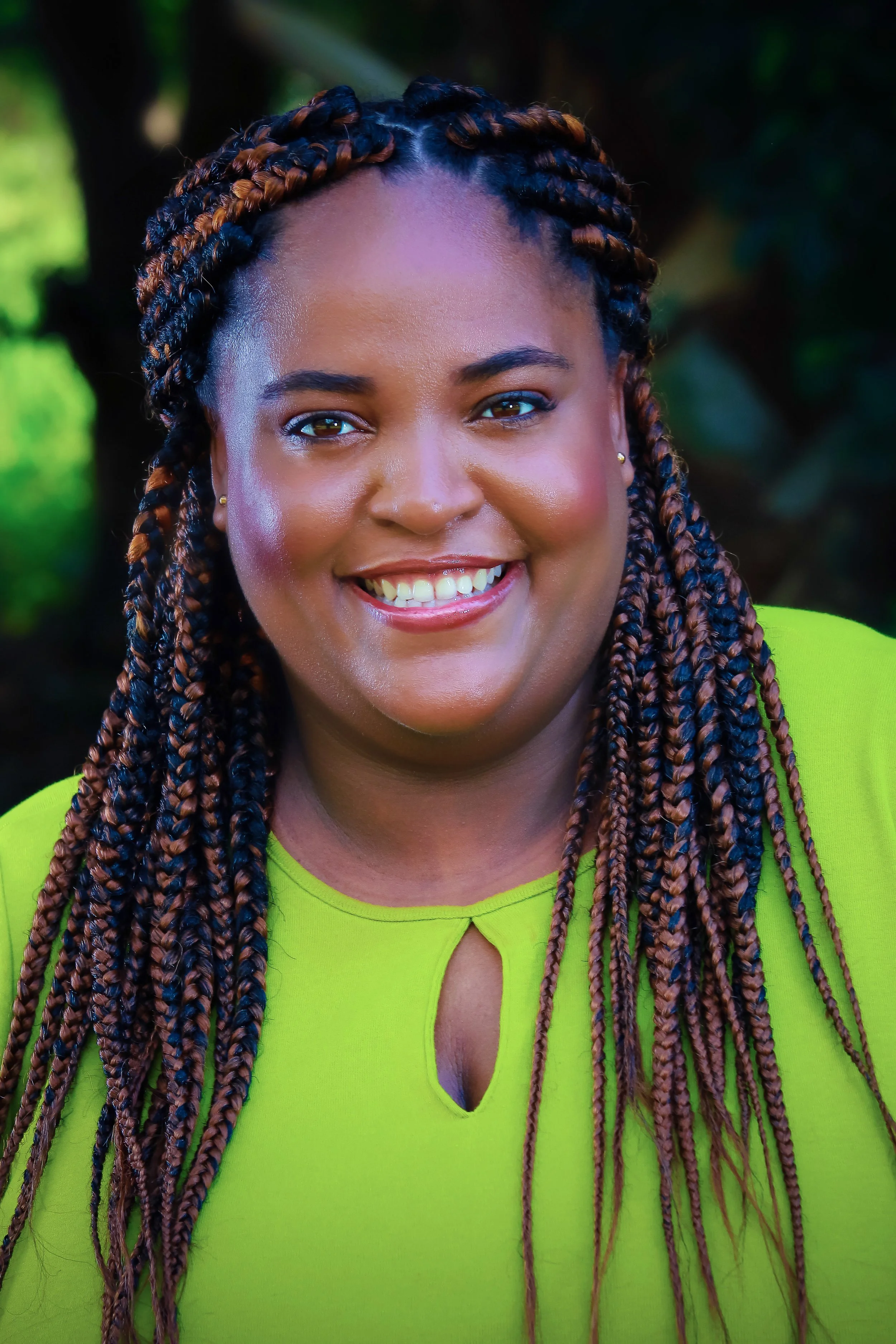
Elizabeth Bass Parman grew up entranced by family stories, such as the time her grandmother woke to find Eleanor Roosevelt making breakfast in her kitchen. She worked for many years as a reading specialist for a non-profit and spends her summers in a cottage by a Canadian lake. She has two grown daughters and lives outside her native Nashville with her husband.