Spotlight: Maria La Divina by Jerome Charyn
/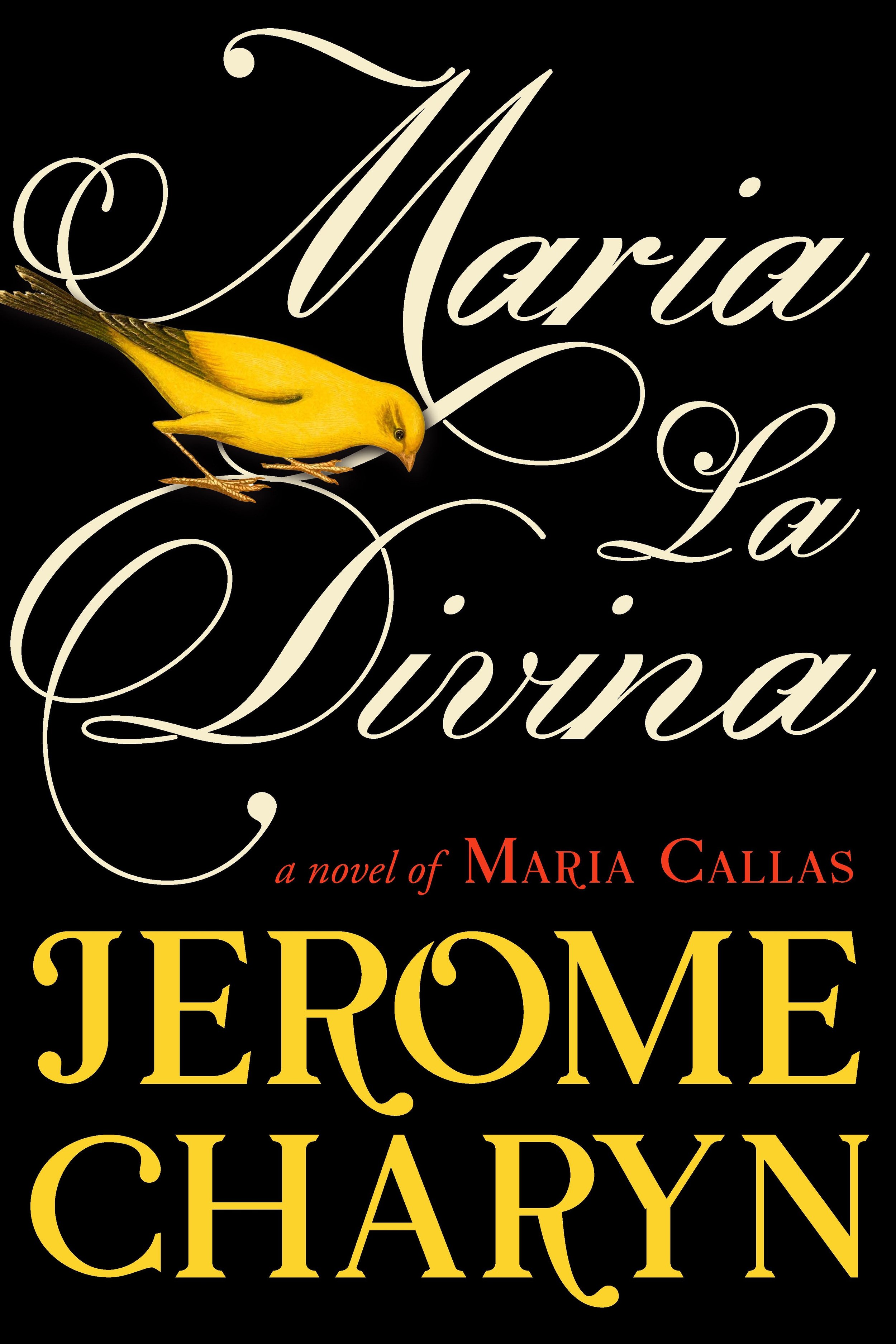
Maria Callas, called La Divina, is widely recognized as the greatest diva who ever lived. Jerome Charyn’s Callas springs to life as the headstrong, mercurial, and charismatic artist who captivated generations of fans, thrilling audiences with her brilliant performances and defiant personality.
Callas was one of the first divas to come from an impoverished background. As an outsider, she was shunned by the Italian opera houses, but through sheer force of will and the power and range of her voice, she broke through the invisible wall to sing at La Scala and headline at the Metropolitan Opera, forging an unforgettable career. Adored and reviled by celebrities and statesmen, the notable and notorious alike, her every movement was shadowed by both music critics and gossip columnists—until, having lost her voice, she died alone in an opulent, mausoleum-like Paris apartment.
In Charyn’s inimitable style, Maria La Divina humanizes the celebrated diva, revealing the mythical artist as a woman who survived hunger, war, and loneliness to reach the heights of acclaim.
Excerpt
Excerpt from Maria La Divina. Copyright © 2025 by Jerome Charyn. Published by Bellevue Literary Press: www.blpress.org. Reprinted by permission of the publisher. All rights reserved.
Maria returned to the Met after an exile of seven years. It was Tosca again. She didn’t have Franco Zeffirelli or any of his sets. But she did have Tito Gobbi. And Tito was enough. The Met was moving to Lincoln Center. And Maria would be the last diva in the old palace on Thirty-ninth Street. All her performances had been sold out. Bing pretended to be ecstatic. But his mind had already moved uptown.
Maria cursed herself for allowing Sandor Gorlinsky to lure her back to Manhattan, the land of her lost childhood. Litsa had pushed her into contests before she was nine, the radio prodigy who won a Bulova watch.
The dressing room at the old Met was as shoddy as ever. The sets were shoddy. And she was frightened of the audience. Bruna had to grip both her hands as they marched to the wings—it was like a death march. But when she appeared onstage, the audience clapped and shouted, “Callas, Callas,” for five minutes, as the orchestra grew silent. Her arrival had halted the movement of the opera. And for a very long moment there was no Tosca, no dust of a dying opera house, no mice gnawing at the scenery, no lover in a church, no police chief, only Maria Callas. . . .
Her voice had wobbled more than once. It was Tito Gobbi who saved her, and their miraculous “duel” in Baron Scarpia’s office. Each of their movements was nuanced, like a ritualized dance. Tosca needed to save her lover, Cavaradossi, and Scarpia wouldn’t release him unless Tosca gave herself to him. The audience could sense his carnality, his evil, his lust. As police chief, he was the lord and master of Rome. Tosca and the baron bit at one another with a ferocious eloquence, a violent pas de deux.
Maria didn’t realize that the Widow had been in the audience until she appeared with Bing at a small reception for benefactors and members of the cast. The Widow was wearing a white satin Dior gown that clung to her sleek figure. She had brown eyes as big as Maria’s.
It was Bing who brought her over, that slick, maneuvering snake. “Jackie, didn’t I tell you that no one can sing Tosca like Maria Callas? She haunts the role, makes it impossible for anyone to follow her.”
“Rudy, quiet,” the Widow said. “You have a habit of killing people with your compliments.” She shooed him away and shook Maria’s hand. “Madame Callas, thank you. It was the only Tosca of yours I’ve ever seen. And I won’t embarrass you, but it was the most thrilling time I’ve ever had at the opera.”
Then she turned to Tito Gobbi, who stood alone in the corner, unrecognized.
“Signor Gobbi,” she said, “I’ve never been so frightened by Scarpia as I was tonight. You made that monster into a bloodcurdling poet.”
That cruise on board the Christina was nothing, a bagatelle. Now Maria knew she really had a rival.
Buy on Amazon | Bookshop.org
About the Author
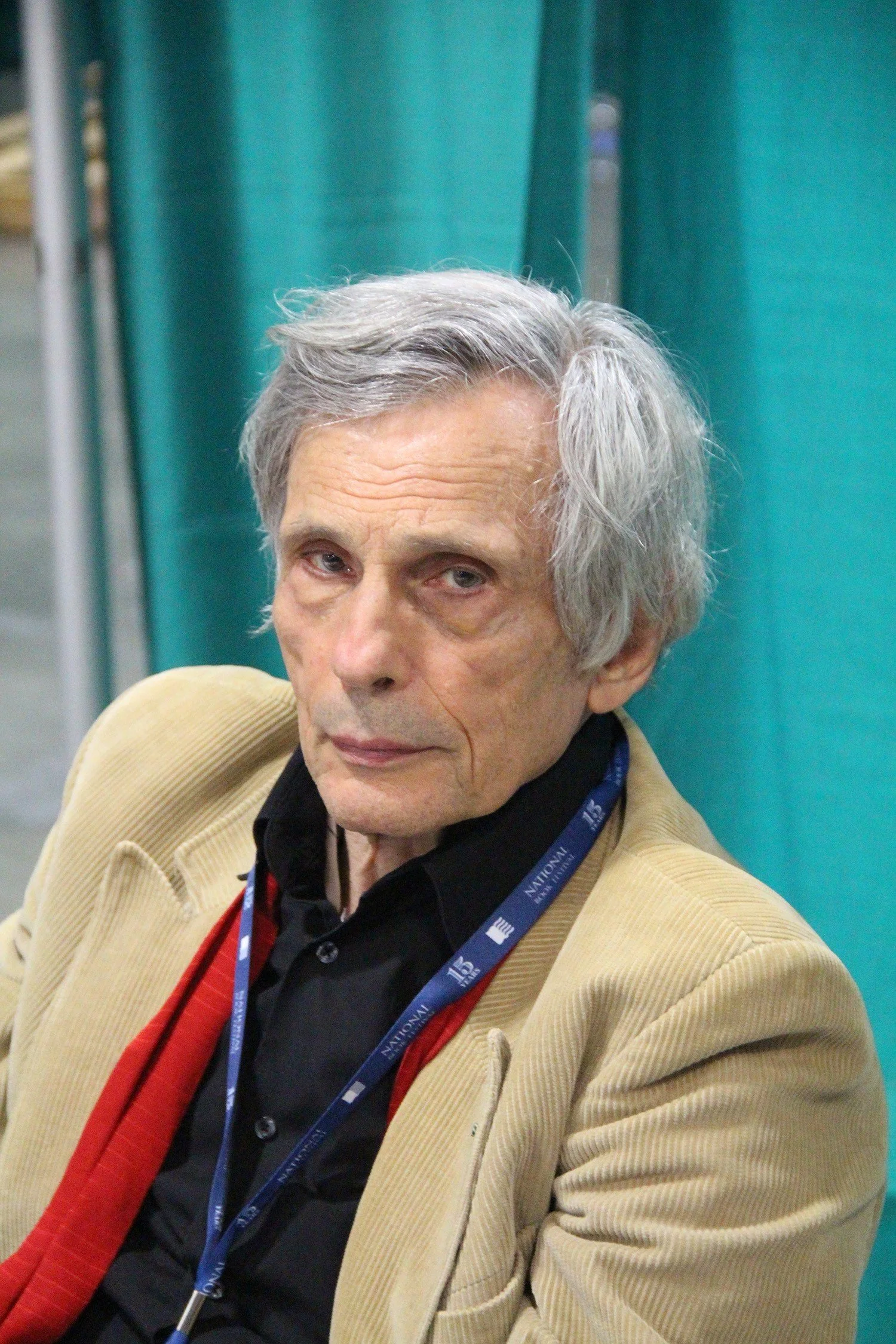
Jerome Charyn is the author of more than fifty works of fiction and nonfiction, including Maria La Divina; Ravage & Son; Sergeant Salinger; Cesare: A Novel of War-Torn Berlin; In the Shadow of King Saul: Essays on Silence and Song; Jerzy: A Novel; and A Loaded Gun: Emily Dickinson for the 21st Century. Among other honors, his work has been longlisted for the Mark Twain American Voice in Literature Award and PEN Award for Biography, shortlisted for the Phi Beta Kappa Christian Gauss Award, and selected as a finalist for the Firecracker Award and PEN/Faulkner Award for Fiction. Distinguished Professor Emeritus of Film Culture at the American University of Paris, Charyn has also been named a Commander of Arts and Letters by the French Minister of Culture and received a Guggenheim Fellowship and the Rosenthal Family Foundation Award for Fiction from the American Academy of Arts and Letters. He lives in Manhattan.